Are you ready to stand out in your next interview? Understanding and preparing for Ability to Identify and Resolve Materials-Related Issues interview questions is a game-changer. In this blog, we’ve compiled key questions and expert advice to help you showcase your skills with confidence and precision. Let’s get started on your journey to acing the interview.
Questions Asked in Ability to Identify and Resolve Materials-Related Issues Interview
Q 1. Describe your experience identifying the root cause of a material failure.
Identifying the root cause of material failure is a systematic process that requires a blend of analytical skills, practical experience, and a deep understanding of material science. It’s like being a detective, piecing together clues to solve a mystery. My approach typically involves these steps:
- Visual Inspection: Begin with a thorough visual examination of the failed component. Look for cracks, fractures, corrosion, deformation, or any other visible anomalies. For example, I once investigated a fractured pump shaft. The initial visual inspection revealed a fatigue crack originating from a keyway.
- Data Gathering: Collect all relevant data, including operational history, environmental conditions, loading parameters, and material specifications. In the pump shaft case, this included operational logs showing high-cycle fatigue loading.
- Microscopic Analysis: Employ microscopic techniques like optical microscopy or scanning electron microscopy (SEM) to examine the microstructure of the material. This helps identify defects like inclusions, voids, or grain boundary issues that could have contributed to the failure. The SEM analysis of the pump shaft revealed microscopic cracks propagating from the keyway, confirming fatigue failure.
- Mechanical Testing: Conduct appropriate mechanical tests, such as tensile testing or hardness testing, on the failed material and on a sample of the original, undamaged material. This helps quantify the material properties and compare them to determine if any deviation exists. We compared the tensile strength of the fractured shaft to a new shaft, which confirmed a degradation in strength.
- Chemical Analysis: Use techniques like X-ray diffraction (XRD) or energy-dispersive X-ray spectroscopy (EDS) to analyze the chemical composition of the material and identify any unexpected elements or impurities that could have compromised its integrity. This step might reveal corrosion or unexpected changes in the material’s composition.
- Failure Analysis Report: Consolidate the findings into a comprehensive report that clearly outlines the root cause of the failure, including supporting evidence and recommendations for preventing future occurrences. The pump shaft report concluded that improper keyway design and high-cycle fatigue loading were the primary factors.
Q 2. Explain your process for selecting the appropriate material for a specific application.
Selecting the right material for a specific application is crucial for ensuring product performance, reliability, and safety. It’s like choosing the right tool for a job – a hammer isn’t ideal for screwing in a screw. My process involves:
- Understanding the Application Requirements: Begin by thoroughly understanding the intended application, including the operational conditions, required performance characteristics (strength, durability, corrosion resistance, etc.), and any regulatory constraints.
- Material Selection Databases & Software: Consult material property databases (like MatWeb) or specialized material selection software to identify potential candidate materials that meet the specified requirements. This helps narrow down the options and filter out unsuitable materials.
- Material Property Comparison: Compare the properties of the shortlisted materials, considering factors like cost, availability, manufacturability, and environmental impact. This often involves creating a weighted decision matrix that prioritizes critical properties.
- Prototyping and Testing: Create prototypes using the selected material(s) and conduct appropriate testing to validate its performance in the target application. This could involve anything from simple functional tests to rigorous endurance testing, depending on the application’s criticality.
- Feedback and Iteration: Analyze the test results and iterate on the material selection if necessary. This might involve modifying the design, selecting a different material, or optimizing the processing parameters.
For instance, while selecting material for a high-temperature application, I would carefully consider materials with high melting points and oxidation resistance, potentially opting for alloys like Inconel or stainless steels instead of aluminum or mild steel.
Q 3. How do you assess the quality of incoming materials?
Assessing the quality of incoming materials is critical for ensuring that the final product meets its specifications and performs as expected. This involves a multi-pronged approach:
- Verification of Documentation: Begin by verifying that all accompanying documentation, such as certificates of analysis (COA), material safety data sheets (MSDS), and quality control reports, are accurate and complete. This confirms the materials meet specified standards and comply with regulations.
- Visual Inspection: Conduct a visual inspection of the incoming materials to check for any obvious defects, such as surface imperfections, discoloration, or damage. For example, a visually obvious scratch on the surface of an otherwise high-precision part might be cause for rejection.
- Sampling and Testing: Select representative samples from each batch of incoming material and subject them to appropriate testing based on material specifications. This may involve mechanical testing (like tensile or hardness testing), chemical analysis, or dimensional inspection.
- Statistical Process Control (SPC): Implement SPC techniques to track the quality of incoming materials over time. This helps identify trends and potential issues early on, preventing widespread problems.
- Supplier Audits: Regularly conduct audits of material suppliers to ensure that they maintain consistent quality control practices and adhere to established standards. This is critical for long-term reliability of the supply chain.
Q 4. What techniques do you use to analyze material properties?
Analyzing material properties requires a diverse set of techniques, depending on the material type and the specific properties of interest. Some common methods include:
- Mechanical Testing: Tensile testing (to determine strength and ductility), hardness testing (to assess resistance to indentation), impact testing (to measure toughness), fatigue testing (to evaluate resistance to cyclic loading), and creep testing (to determine behavior under sustained stress at elevated temperatures).
- Thermal Analysis: Differential scanning calorimetry (DSC) and thermogravimetric analysis (TGA) are used to study changes in material properties as a function of temperature, such as glass transition temperature or thermal decomposition.
- Microscopic Techniques: Optical microscopy, SEM, and transmission electron microscopy (TEM) provide detailed information about the microstructure of the material, revealing features like grain size, defects, and phases.
- Spectroscopic Techniques: X-ray diffraction (XRD) identifies the crystalline phases present in a material, while EDS provides information on its elemental composition.
- Non-Destructive Testing (NDT): Techniques like ultrasonic testing, radiography, and magnetic particle inspection are used to detect internal flaws without damaging the material.
The choice of technique depends on the specific property being investigated and the material itself. For example, if I need to determine the tensile strength of a steel component, I’d use tensile testing, but to analyze the microstructure of a polymer, I might employ SEM.
Q 5. Describe your experience with various material testing methods (e.g., tensile testing, hardness testing).
I have extensive experience with various material testing methods, including:
- Tensile Testing: I’ve used tensile testing machines to determine the ultimate tensile strength, yield strength, elongation, and modulus of elasticity of numerous materials, ranging from metals and polymers to composites. This is crucial for understanding the material’s strength and ductility.
- Hardness Testing: I’m proficient in various hardness testing methods, including Rockwell, Brinell, and Vickers, using them to assess a material’s resistance to indentation. This provides insights into its strength and wear resistance.
- Impact Testing: I’ve used Charpy and Izod impact testing to evaluate the toughness and fracture behavior of materials, especially relevant for applications where impact loading is expected.
- Fatigue Testing: I’ve conducted fatigue testing to determine a material’s resistance to repeated cyclic loading, which is vital for applications where components experience repeated stress cycles, like in rotating machinery.
During a recent project involving the selection of a material for a high-stress component, I performed comprehensive tensile and fatigue testing on several candidate materials to ensure they met the required durability and safety standards. The data clearly highlighted the superiority of one material over the others, leading to a well-informed selection decision.
Q 6. How do you handle discrepancies between material specifications and actual properties?
Discrepancies between material specifications and actual properties are a serious concern that requires immediate attention. My approach involves:
- Investigation and Verification: First, I thoroughly investigate the discrepancy to ensure the results are accurate and reliable. This includes verifying the testing methods, equipment calibration, and sample preparation. It’s critical to rule out any errors in the testing process.
- Root Cause Analysis: Once the discrepancy is confirmed, I conduct a root cause analysis to determine the source of the problem. This might involve reviewing the manufacturing process, analyzing the material’s supply chain, or examining the storage and handling procedures.
- Corrective Actions: Depending on the root cause, I implement appropriate corrective actions. This might involve adjusting manufacturing processes, selecting a different supplier, modifying the design to accommodate the actual material properties, or rejecting the non-compliant materials.
- Documentation and Reporting: All findings, actions taken, and their effectiveness are meticulously documented and reported. This ensures transparency and prevents future occurrences. This detailed documentation is also important for traceability and compliance.
For example, if a batch of steel exhibits lower tensile strength than specified, I would investigate the steelmaking process, check for impurities, and potentially even trace back the supply chain to determine whether the raw materials were substandard. This may require collaboration with the supplier.
Q 7. How do you ensure compliance with relevant material standards and regulations?
Ensuring compliance with relevant material standards and regulations is paramount for product safety, reliability, and legal adherence. My approach involves:
- Identification of Applicable Standards: I begin by identifying all applicable material standards and regulations relevant to the project, considering factors like material type, intended application, and geographical location. This may include industry standards, governmental regulations, and internal company specifications.
- Material Selection Based on Standards: During material selection, I prioritize materials that meet or exceed the requirements of these standards. This ensures the selected materials are suitable for the intended purpose and comply with legal requirements.
- Material Testing and Certification: I ensure that all necessary material testing is conducted to verify compliance with relevant standards. This often includes obtaining certifications from accredited testing laboratories. This provides verifiable evidence of compliance.
- Documentation and Traceability: I maintain detailed documentation throughout the entire process, providing traceability for all materials used. This is crucial for audits and ensures the ability to track materials and processes in case of any issues.
- Regular Audits and Updates: I stay abreast of any changes or updates to relevant standards and regulations. This ensures that all procedures and practices remain compliant and reflect the latest best practices.
Q 8. Describe a time you had to troubleshoot a materials-related issue in a production environment.
During a large-scale production run of a new medical device, we experienced unexpected failures in the polymer housing. Initially, the failures were sporadic, but they increased in frequency, threatening production deadlines and potentially impacting product safety. My troubleshooting process began with a thorough examination of the failed units. I systematically inspected the cracks and fractures, noting their location, size, and orientation. I then gathered data on environmental conditions during manufacturing and storage, looking for potential external factors. This included temperature fluctuations, humidity levels, and exposure to any chemicals. We also collected samples of the polymer batch used in the failed units for further analysis.
Parallel to the visual inspection, we conducted material testing using techniques such as tensile testing, impact testing, and scanning electron microscopy (SEM) to analyze the polymer’s mechanical properties and microstructure. The SEM analysis revealed microscopic voids within the polymer, suggesting issues with the curing process during manufacturing. Further investigation confirmed inconsistencies in the curing temperature profile during a particular production shift. We worked with the manufacturing team to adjust the curing process parameters, addressing the temperature inconsistencies. Retesting of the corrected polymer batches confirmed the resolution of the issue, preventing further failures. The root cause was pinpointed to a malfunctioning heating element in the curing oven. This problem demonstrates the importance of meticulous inspection, rigorous testing, and collaborative troubleshooting in resolving materials issues in a production setting.
Q 9. What is your experience with different types of material degradation (e.g., corrosion, fatigue)?
My experience encompasses various types of material degradation. Corrosion, for example, involves the deterioration of a material due to chemical reactions with its environment. I’ve dealt with both uniform corrosion (even degradation across a surface) and localized corrosion such as pitting (localized holes) and crevice corrosion (corrosion within confined spaces), often found in stainless steel components in harsh chemical environments. Identifying the type of corrosion is critical in selecting appropriate corrosion inhibitors or protective coatings.
Fatigue failure occurs when a material experiences repeated stress cycles, eventually leading to crack initiation and propagation, even at stresses below the material’s yield strength. I’ve investigated fatigue failures in components subject to vibration, such as turbine blades or bridge components. Understanding the fatigue behavior of a material requires analyzing the stress-strain curves under cyclical loading. Techniques like finite element analysis (FEA) can help predict fatigue life under various loading conditions. Finally, I’ve encountered environmental degradation where materials are affected by environmental factors such as UV radiation, moisture, and temperature cycling, leading to changes in mechanical properties and appearance. This is very common in outdoor applications, and material selection requires careful consideration of these factors.
Q 10. How do you prioritize competing demands when dealing with multiple materials-related issues?
Prioritizing competing materials-related issues requires a systematic approach. I typically employ a risk-based prioritization matrix, considering factors such as the severity of the potential failure, its likelihood, and the impact on production or operations. For instance, a minor cosmetic defect might have a low priority compared to a critical failure that poses a safety hazard.
I use a framework that includes:
- Severity: How severe is the impact if the issue isn’t addressed (catastrophic failure, minor defect)?
- Urgency: How quickly does the issue need to be addressed (immediate shutdown required, can wait until next maintenance cycle)?
- Impact: What is the overall business impact (production downtime, financial losses, reputational damage)?
By assigning numerical values or ratings to these factors, I can objectively compare different issues and prioritize them accordingly. This matrix also helps in resource allocation and communication with stakeholders, allowing for a transparent and efficient resolution of multiple issues.
Q 11. What software or tools do you use for materials selection and analysis?
My experience includes using various software and tools for materials selection and analysis. CES EduPack is a valuable resource for exploring material properties and comparing various materials based on specific criteria, such as strength, weight, cost, and environmental impact. For finite element analysis (FEA), I’m proficient in using ANSYS and Abaqus to model material behavior under various loading conditions and predict potential failure modes. I also utilize MatLab for data analysis and visualization of experimental results from material testing. In addition, I’m familiar with several material databases such as Granta MI, which are helpful for accessing comprehensive material properties data.
Q 12. Explain your understanding of material compatibility and interaction.
Material compatibility and interaction refer to how different materials behave when in contact with each other. Understanding this is crucial to prevent unwanted reactions or degradation. For example, certain metals can undergo galvanic corrosion when in contact with dissimilar metals in the presence of an electrolyte. The more electrochemically active metal will corrode preferentially. Another crucial aspect is chemical compatibility. Some polymers can be degraded or swollen by solvents or chemicals. This is important in selecting materials for chemical storage or handling applications. Thorough testing and analysis are often necessary to ensure compatibility, such as electrochemical tests, immersion tests in relevant media, and careful analysis of the interface between the materials after exposure.
Imagine designing a fuel tank. The tank material must be compatible with the fuel it will hold; otherwise, the tank could degrade, potentially leading to leaks or explosions. This is where understanding material compatibility becomes critical to safety and reliability.
Q 13. How do you manage risk associated with material selection and performance?
Managing risk associated with material selection and performance involves a multi-stage approach, starting with a thorough risk assessment. This assessment should identify potential failure modes, estimate their likelihood and severity, and determine the potential consequences of failure. We use Failure Mode and Effects Analysis (FMEA) to systematically identify and analyze potential failure modes related to material selection and performance. This involves identifying potential failure modes, assessing their severity, likelihood of occurrence, and potential consequences.
Mitigation strategies are then implemented to reduce the likelihood or severity of these failures. These can include selecting more robust materials, designing for redundancy, implementing rigorous quality control procedures, and incorporating safety factors in the design. Regular monitoring and testing of components in service are crucial for early detection of any degradation. Documentation of all aspects of material selection, testing, and performance is also important for traceability and for future improvement.
Q 14. Describe your experience with material traceability and documentation.
Material traceability and documentation are essential for quality control, product liability, and regulatory compliance. I have extensive experience in implementing and managing systems for tracking materials from their source through the manufacturing process and into the final product. This includes maintaining detailed records of material certifications (composition, mechanical properties, testing results), batch numbers, supplier information, and processing parameters. This information is often stored in a database or ERP system, allowing for easy retrieval and analysis. Proper documentation is also crucial for ensuring compliance with industry standards and regulatory requirements. For instance, in aerospace or medical device manufacturing, traceability is paramount for ensuring product safety and reliability.
In a situation involving a product recall, for example, complete traceability of materials becomes indispensable. It allows efficient identification and removal of potentially defective products, minimizing risks and maintaining customer confidence.
Q 15. How would you address a situation where a critical material is unavailable?
Addressing material unavailability requires a multi-pronged approach focusing on immediate mitigation and long-term prevention. The first step is damage control – identifying the impact of the shortage on the project timeline and budget. This involves assessing the criticality of the missing material and exploring potential substitutes.
For example, if a specialized steel alloy is unavailable, we might explore readily available alternatives with similar properties, potentially involving minor design adjustments. This necessitates a thorough understanding of material properties and their implications on the final product’s performance. If a direct substitute isn’t feasible, we’d explore expediting the order from another supplier, potentially negotiating favorable terms or exploring alternative manufacturing processes to work around the limitation. Long-term, we’d analyze the supply chain, diversify our sourcing, and potentially explore stockpiling critical materials to prevent future disruptions.
- Immediate Actions: Identify substitutes, expedite orders, negotiate with suppliers.
- Long-Term Strategies: Diversify sourcing, implement robust inventory management, explore alternative materials.
Career Expert Tips:
- Ace those interviews! Prepare effectively by reviewing the Top 50 Most Common Interview Questions on ResumeGemini.
- Navigate your job search with confidence! Explore a wide range of Career Tips on ResumeGemini. Learn about common challenges and recommendations to overcome them.
- Craft the perfect resume! Master the Art of Resume Writing with ResumeGemini’s guide. Showcase your unique qualifications and achievements effectively.
- Don’t miss out on holiday savings! Build your dream resume with ResumeGemini’s ATS optimized templates.
Q 16. What is your experience with material cost optimization strategies?
Material cost optimization is a crucial aspect of my expertise. I’ve successfully implemented strategies that combine proactive sourcing, efficient inventory management, and process improvements. For instance, in a previous project involving a complex composite material, I identified a less expensive, yet equally effective, alternative through thorough market research. This involved detailed analysis of material specifications, supplier capabilities, and price negotiations. Furthermore, I’ve implemented lean manufacturing principles to minimize waste and optimize material usage, leading to significant cost savings. This includes techniques like just-in-time inventory management to avoid excess stock and prevent obsolescence.
Another effective strategy involves exploring alternative manufacturing processes that utilize less expensive materials or reduce material consumption. For example, instead of using a solid metal component, we might investigate using a hollow part or a composite structure, reducing overall material costs without sacrificing performance.
Q 17. How familiar are you with different material joining techniques?
My familiarity with material joining techniques is extensive, ranging from traditional methods to advanced bonding processes. I’m proficient in welding (MIG, TIG, spot welding), brazing, soldering, adhesive bonding, and mechanical fastening techniques like riveting and bolting. The choice of technique heavily depends on the materials involved, the required strength, and the aesthetic requirements.
For example, when joining dissimilar metals, I would carefully consider the compatibility of the materials and choose a technique that avoids galvanic corrosion. In high-strength applications, techniques like friction stir welding or diffusion bonding may be preferred. When aesthetics are important, adhesive bonding or specialized welding techniques might be utilized to minimize visible seams.
- Welding: MIG, TIG, spot welding, laser welding
- Joining: Brazing, soldering, adhesive bonding, mechanical fastening
- Advanced Techniques: Friction stir welding, diffusion bonding
Q 18. Explain your experience with preventative maintenance related to materials.
Preventative maintenance related to materials focuses on minimizing degradation and maximizing their lifespan. This involves regular inspections to detect early signs of wear, corrosion, or damage. In a previous role, we implemented a system of regular inspections of critical components in a manufacturing process. This included visual inspections, non-destructive testing (NDT) techniques like ultrasonic testing and radiography, and regular monitoring of environmental factors like temperature and humidity that could affect material properties.
Furthermore, proper storage and handling procedures are critical. This includes maintaining appropriate environmental conditions to prevent corrosion or degradation, using protective coatings or packaging where necessary, and implementing first-in, first-out (FIFO) inventory management to prevent material obsolescence. By proactively addressing potential issues, we significantly reduced material failures and extended the lifespan of equipment and components.
Q 19. Describe a time you had to explain a complex materials issue to a non-technical audience.
I once had to explain a complex issue related to material fatigue in a pressure vessel to a non-technical board of directors. Instead of using technical jargon, I used an analogy to illustrate the concept. I explained that just like repeatedly bending a paper clip eventually causes it to break, repeated stress cycles on the pressure vessel could lead to material failure, even if the stress levels were below the material’s ultimate tensile strength.
I supplemented this explanation with visual aids, such as diagrams showing stress concentration points and the propagation of cracks. I focused on the potential consequences of failure (e.g., production downtime, safety hazards) to emphasize the importance of addressing the issue. This approach enabled the board to understand the problem clearly and make informed decisions.
Q 20. How do you stay up-to-date with advancements in materials science and engineering?
Staying current in the rapidly evolving field of materials science and engineering requires a multifaceted approach. I regularly read industry publications like Materials Today and Advanced Materials, attend conferences and workshops, and actively participate in online communities and forums dedicated to materials science. I also follow leading researchers and institutions in the field to stay informed about breakthrough discoveries and emerging technologies.
Moreover, I leverage online resources like databases of scientific publications (e.g., Web of Science, Scopus) to access research papers and reports related to specific materials or applications. Continuously learning and adapting is crucial to maintain my expertise and provide the best solutions to complex material-related challenges.
Q 21. What is your approach to continuous improvement in materials management?
My approach to continuous improvement in materials management is data-driven and iterative. It begins with identifying areas for optimization using key performance indicators (KPIs) such as material costs, lead times, waste generation, and defect rates. I use data analysis tools to pinpoint trends, identify bottlenecks, and measure the effectiveness of implemented changes.
For instance, I might analyze inventory data to identify slow-moving items and suggest strategies for reducing stock levels or exploring alternative sourcing. I would also incorporate feedback from different teams – production, quality control, and procurement – to gain a holistic understanding of challenges and opportunities for improvement. This continuous feedback loop allows for iterative refinements and ensures that implemented solutions are effective and sustainable.
Q 22. Describe a situation where you had to make a quick decision about material quality.
During a critical phase of a medical device project, we received a shipment of titanium alloy components. Initial visual inspection revealed subtle discoloration on some parts. This raised immediate concerns about the material’s structural integrity and potential impact on patient safety. A quick decision was crucial. Instead of delaying the entire project for extensive testing, I implemented a multi-pronged approach. First, I sampled the affected components and conducted a preliminary hardness test on-site using a portable hardness tester. This gave us a rapid assessment of whether the discoloration indicated a significant change in material properties. Simultaneously, I contacted the supplier to initiate a thorough investigation on their end. The hardness test showed negligible variation from specifications, suggesting the discoloration was likely a superficial cosmetic issue, not a structural defect. Based on that preliminary result, we proceeded with the assembly using only components that passed the on-site hardness test and closely monitored the subsequent testing phase. A more rigorous analysis was later performed by our quality control team, confirming our initial assessment. This proactive, risk-mitigating approach ensured minimal project delay while maintaining high quality and patient safety standards.
Q 23. How would you assess the potential environmental impact of a chosen material?
Assessing the environmental impact of a material involves a comprehensive Life Cycle Assessment (LCA). This evaluates the environmental burdens associated with a material throughout its entire lifecycle, from raw material extraction and processing, to manufacturing, use, and disposal or recycling. Key factors include:
- Resource depletion: The amount of energy and raw materials required for extraction and processing.
- Greenhouse gas emissions: Carbon footprint across all lifecycle stages.
- Water consumption: Amount of water used in various stages.
- Toxicity: Potential for release of harmful substances into air, water, or soil during manufacturing, use, or disposal.
- Waste generation: The amount and type of waste generated.
- Recyclability: Ease and efficiency of recycling or reuse at the end of the material’s life.
For instance, when comparing steel and aluminum, an LCA would consider the energy-intensive process of steel production versus the high energy required for aluminum smelting. It would also consider recyclability rates and the potential for each material to contaminate recycling streams.
Q 24. What is your experience with different types of material characterization techniques?
My experience encompasses a wide range of material characterization techniques, both destructive and non-destructive. I’m proficient in:
- Mechanical Testing: Tensile testing, compression testing, hardness testing (Brinell, Rockwell, Vickers), impact testing, fatigue testing, and creep testing. These methods help determine a material’s strength, stiffness, ductility, toughness, and fatigue life.
- Thermal Analysis: Differential Scanning Calorimetry (DSC) and Thermogravimetric Analysis (TGA) to study phase transitions, melting points, thermal stability, and decomposition behavior.
- Microscopy: Optical microscopy, Scanning Electron Microscopy (SEM), and Transmission Electron Microscopy (TEM) for microstructural analysis, revealing grain size, defects, and phase distribution.
- Spectroscopy: X-ray diffraction (XRD) for crystal structure analysis, and Energy Dispersive X-ray Spectroscopy (EDS) for elemental composition analysis.
- Non-destructive testing (NDT): Ultrasonic testing, radiographic testing, and eddy current testing to evaluate material properties and detect defects without damaging the sample.
For example, during the investigation of a failed component, we used SEM to analyze the fracture surface, revealing microscopic cracks that were the root cause of the failure. This information was critical in redesigning the component for improved durability.
Q 25. Explain your understanding of statistical process control (SPC) in relation to materials.
Statistical Process Control (SPC) is a powerful tool for monitoring and improving the consistency and quality of materials throughout the manufacturing process. It involves using statistical methods to track key material properties over time, identifying variations, and taking corrective actions before defects become widespread. Control charts, such as X-bar and R charts, are commonly used to plot these properties and establish control limits. Any data point falling outside these limits signals a potential process issue requiring investigation. For instance, monitoring the tensile strength of a metal alloy using an X-bar and R chart allows us to detect trends, shifts in the mean, or increased variability. Early identification of such variations prevents production of non-conforming material, reducing waste and improving product quality. SPC also allows for proactive adjustments to the manufacturing process to bring it back within the desired control limits, improving overall efficiency and reliability.
Q 26. How do you evaluate the economic implications of selecting different materials?
Evaluating the economic implications of material selection involves a thorough cost-benefit analysis, comparing the initial material cost with the long-term costs and benefits. Factors to consider include:
- Initial material cost: The direct cost of purchasing the material.
- Processing costs: Costs associated with shaping, forming, and finishing the material.
- Manufacturing costs: Labor costs, energy consumption, and tooling costs related to the material.
- Maintenance and repair costs: Costs associated with maintaining and repairing products made from the material.
- Lifecycle costs: Considering the entire lifetime cost of the material and the product.
- Performance and durability: How the material’s performance impacts operational costs and product lifespan.
- Potential for recyclability or reuse: Impacting end-of-life costs.
For example, using a more expensive high-strength steel might result in lower overall costs if it leads to lighter weight components (reducing fuel costs in vehicles), longer product lifespan (reducing replacement costs), and improved performance (reducing downtime).
Q 27. Describe a time you had to collaborate with other departments to resolve a materials-related issue.
We faced a significant challenge with a new polymer formulation exhibiting unexpectedly high shrinkage during the molding process. This resulted in unacceptable dimensional deviations in the final product. Solving this issue required collaboration between our materials engineering team, the manufacturing department, and the product design team. We started by pooling our expertise in a series of cross-departmental meetings. The manufacturing team provided data on the molding process parameters, while the design team assessed the impact of dimensional inaccuracies on product functionality. Our materials team conducted thorough analysis of the polymer, including rheological testing and chemical analysis. The combined data pointed to issues in the polymer’s curing process, requiring modifications to the manufacturing parameters and the material formulation itself. After several iterations, we arrived at a revised process and modified the polymer’s composition, successfully reducing shrinkage to acceptable levels. This collaborative approach ensured a rapid resolution to the problem, avoiding significant production delays and minimizing financial impact. The success stemmed from clear communication, shared responsibility, and a commitment to finding a solution that met the needs of all stakeholders.
Key Topics to Learn for Ability to Identify and Resolve Materials-Related Issues Interview
- Material Properties and Specifications: Understanding material characteristics (strength, durability, etc.) and how they relate to application requirements. This includes familiarity with relevant industry standards and specifications.
- Quality Control and Inspection Methods: Proficiency in various inspection techniques (visual, dimensional, destructive/non-destructive testing) to identify defects and inconsistencies in materials.
- Root Cause Analysis: Applying problem-solving methodologies (e.g., 5 Whys, fishbone diagrams) to determine the underlying causes of material-related issues, not just the symptoms.
- Materials Selection and Sourcing: Knowledge of different material types and their suitability for various applications. Understanding the process of sourcing materials from reliable suppliers.
- Problem Solving and Corrective Actions: Developing and implementing effective solutions to address material defects or failures, including preventative measures to avoid recurrence.
- Documentation and Reporting: Accurately documenting findings, corrective actions, and preventative measures. Clear and concise communication of technical information to stakeholders.
- Relevant Industry Standards and Regulations: Familiarity with safety regulations and industry best practices related to material handling, storage, and usage.
- Cost Optimization Strategies: Identifying opportunities to reduce material costs while maintaining quality and performance.
Next Steps
Mastering the ability to identify and resolve materials-related issues is crucial for career advancement in many technical fields. It demonstrates problem-solving skills, technical expertise, and a commitment to quality. To significantly boost your job prospects, creating an ATS-friendly resume is essential. ResumeGemini can help you build a powerful, professional resume that highlights your skills and experience effectively. Examples of resumes tailored to showcasing your expertise in identifying and resolving materials-related issues are available through ResumeGemini, allowing you to craft a compelling application that stands out.

Quality Assurance Manager Resume Sample

Production Supervisor Resume Sample
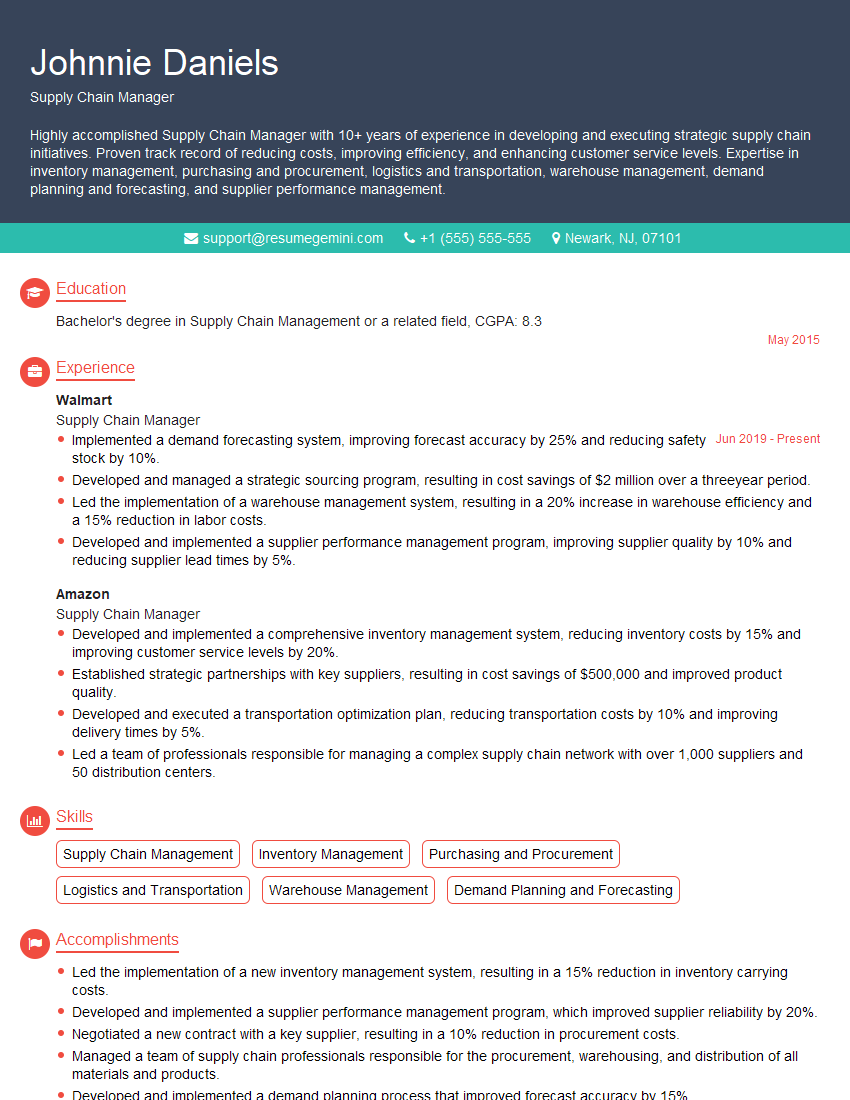
Supply Chain Manager Resume Sample

Logistics Manager Resume Sample
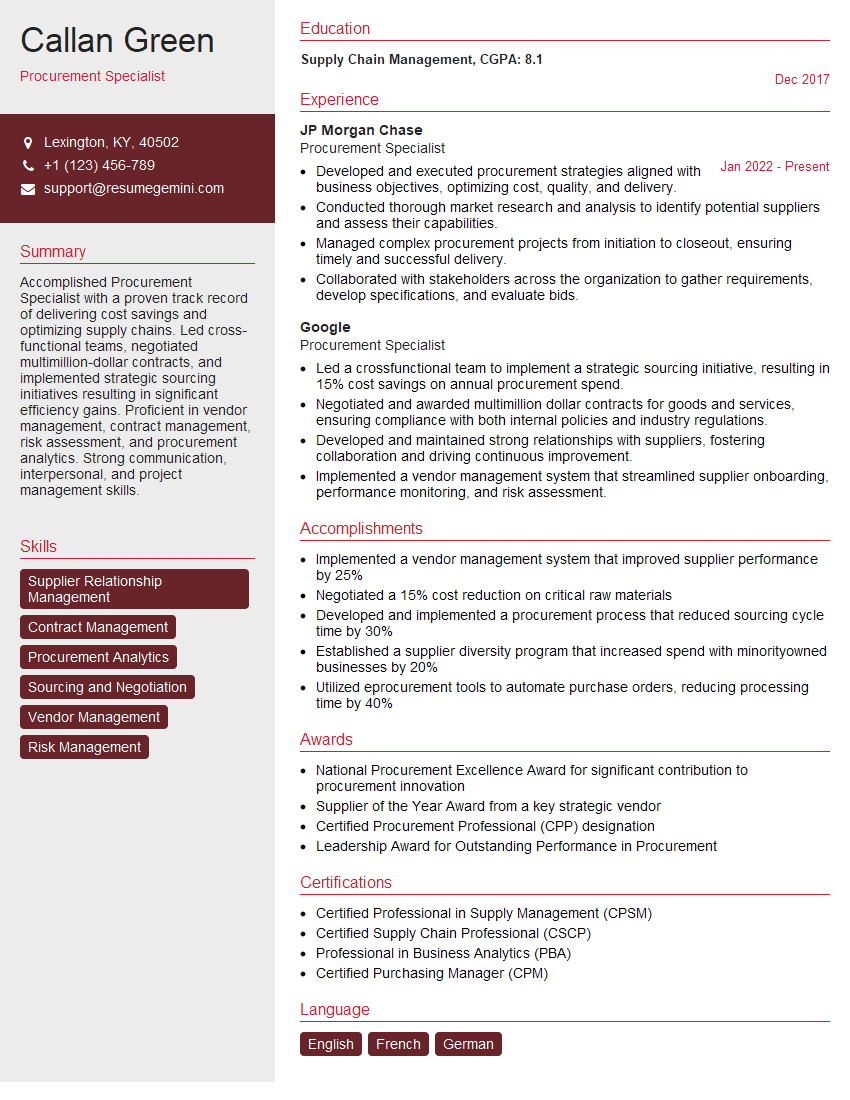
Procurement Specialist Resume Sample
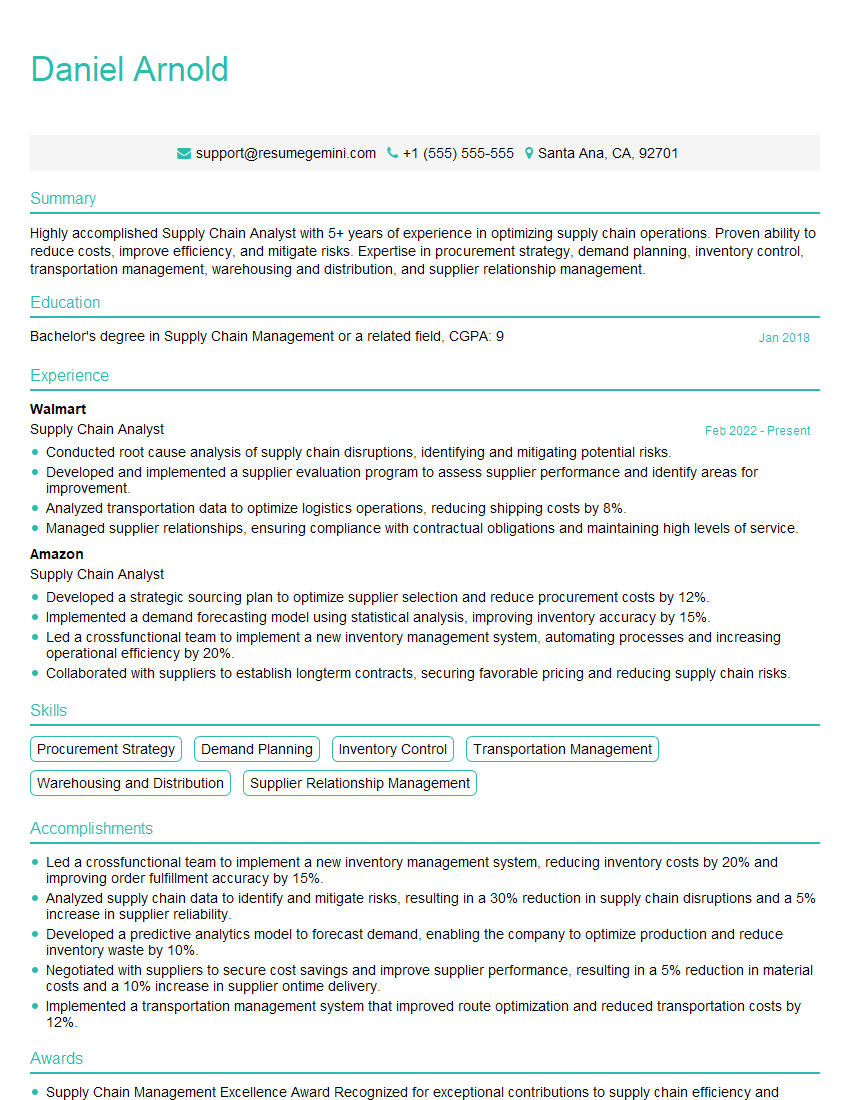
Supply Chain Analyst Resume Sample
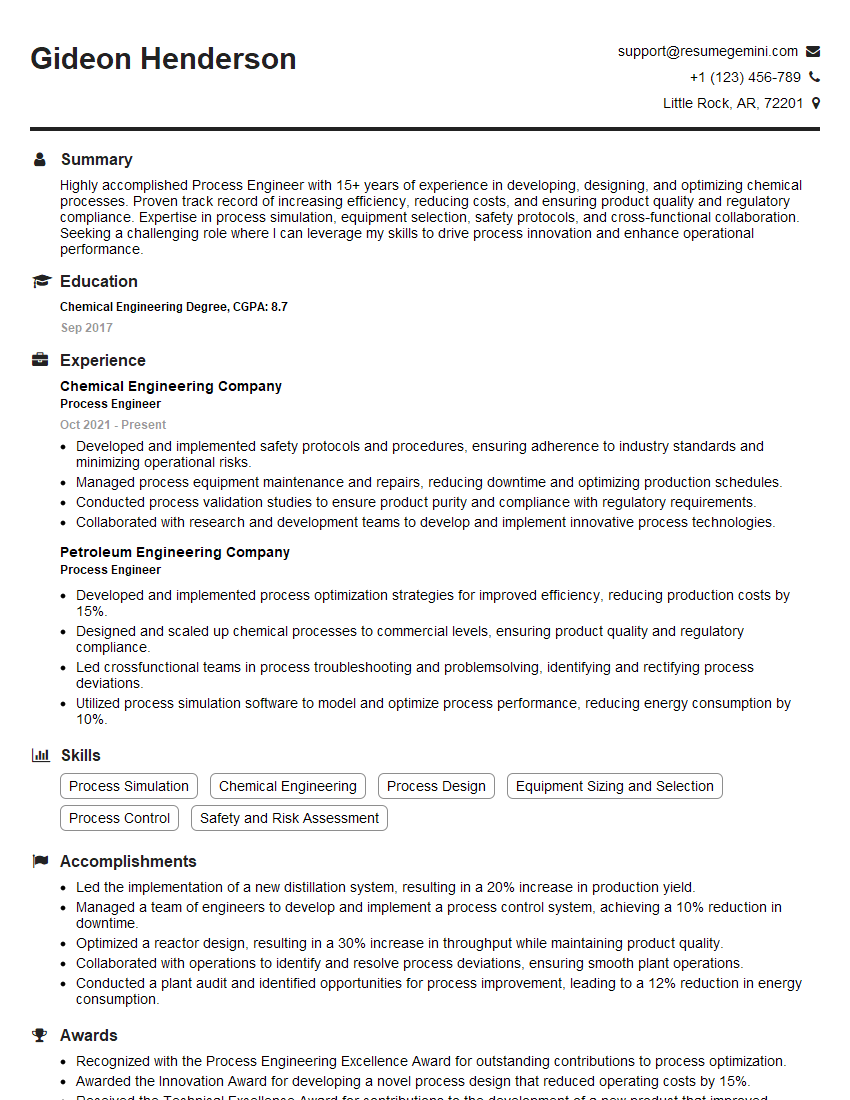
Process Engineer Resume Sample
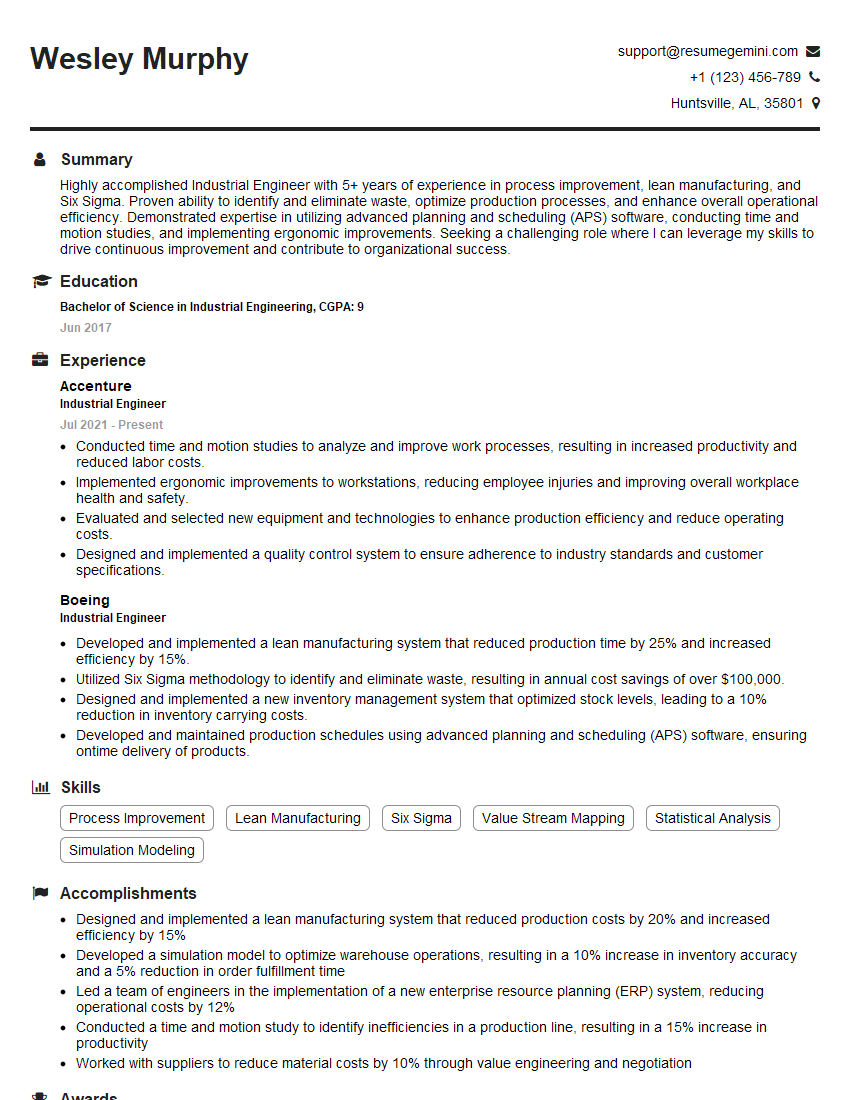
Industrial Engineer Resume Sample
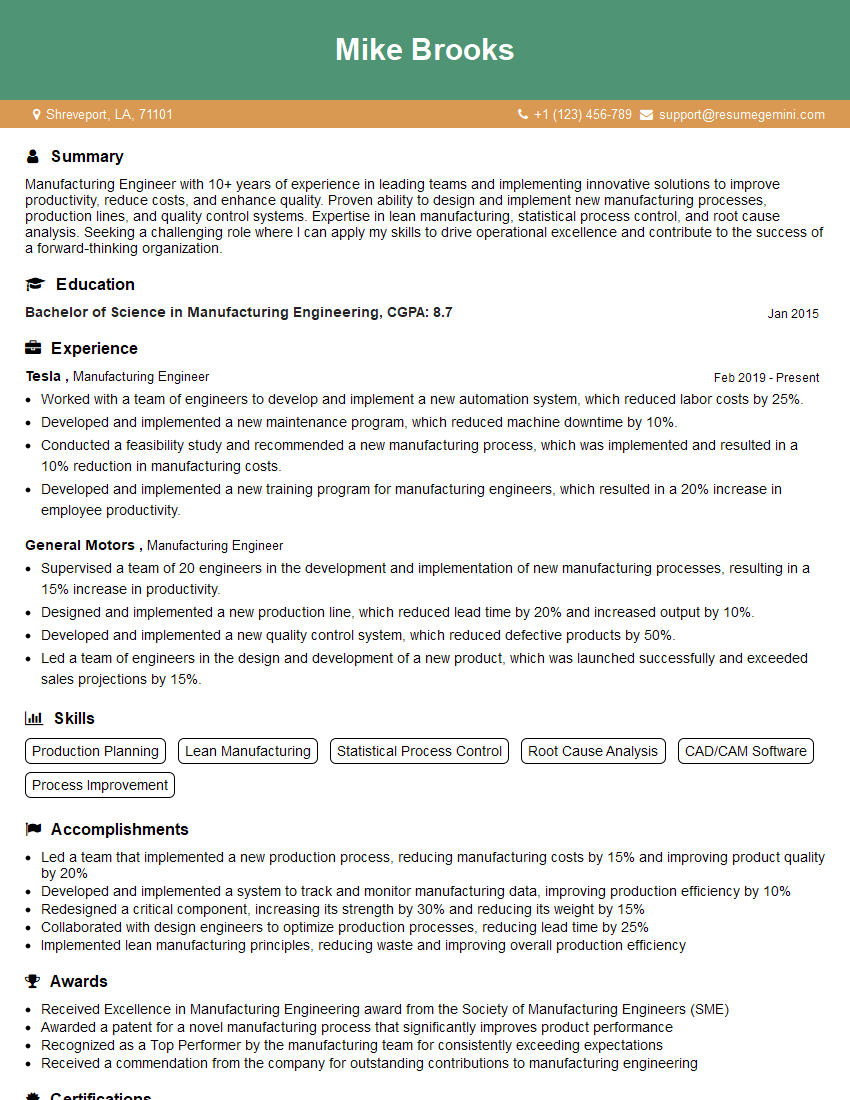
Manufacturing Engineer Resume Sample

Quality Control Specialist Resume Sample
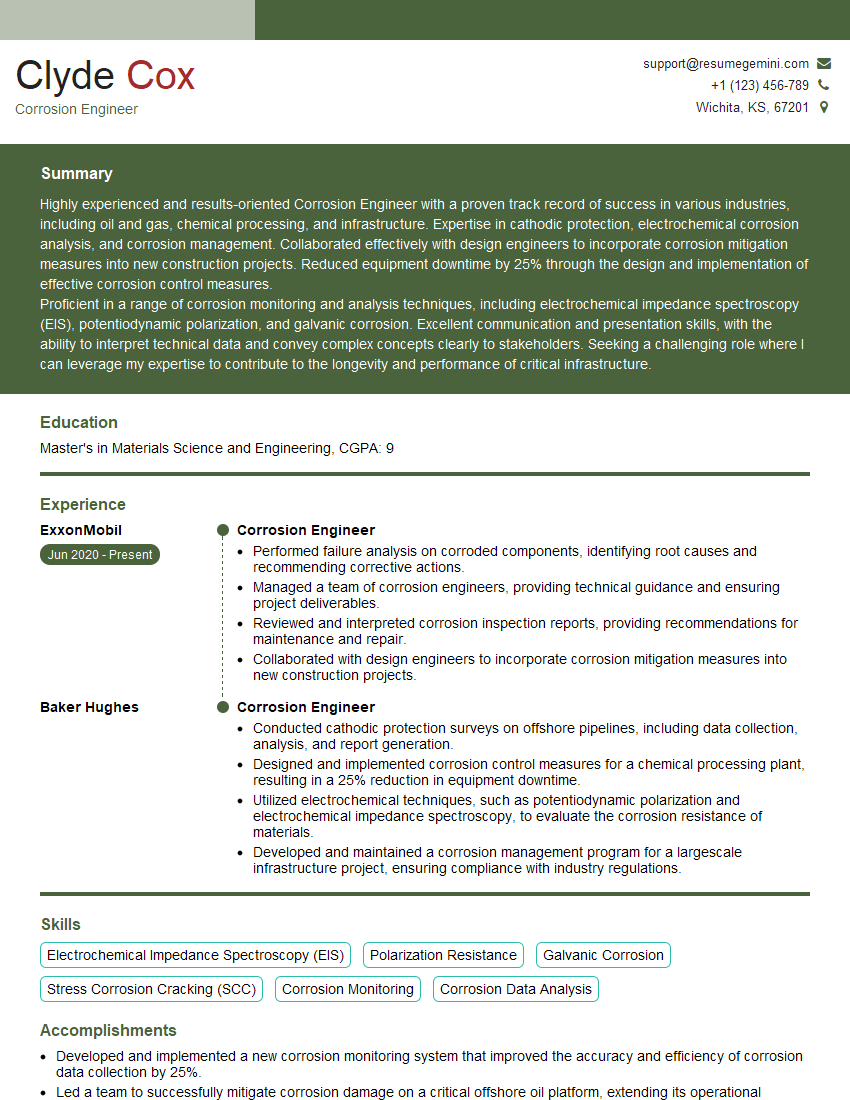
Corrosion Engineer Resume Sample

Materials Engineer Resume Sample

Metallurgist Resume Sample

Welding Engineer Resume Sample

Laboratory Technician Resume Sample
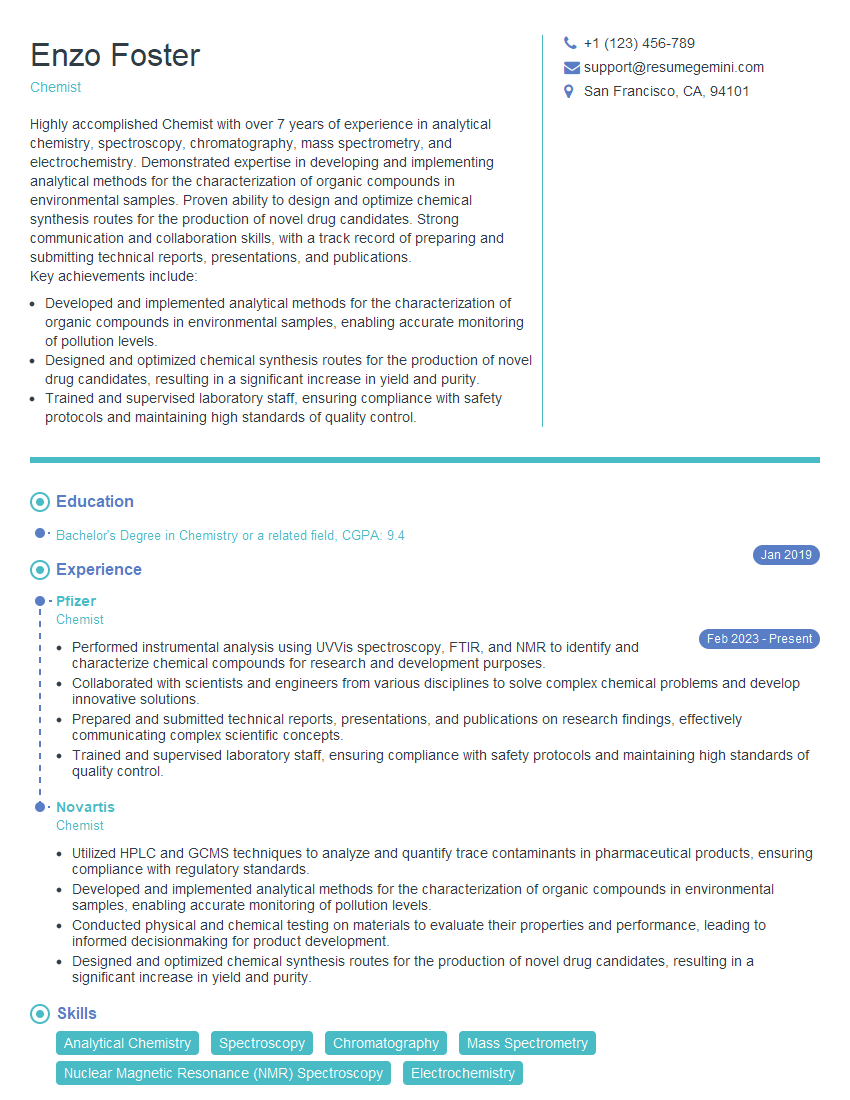
Chemist Resume Sample
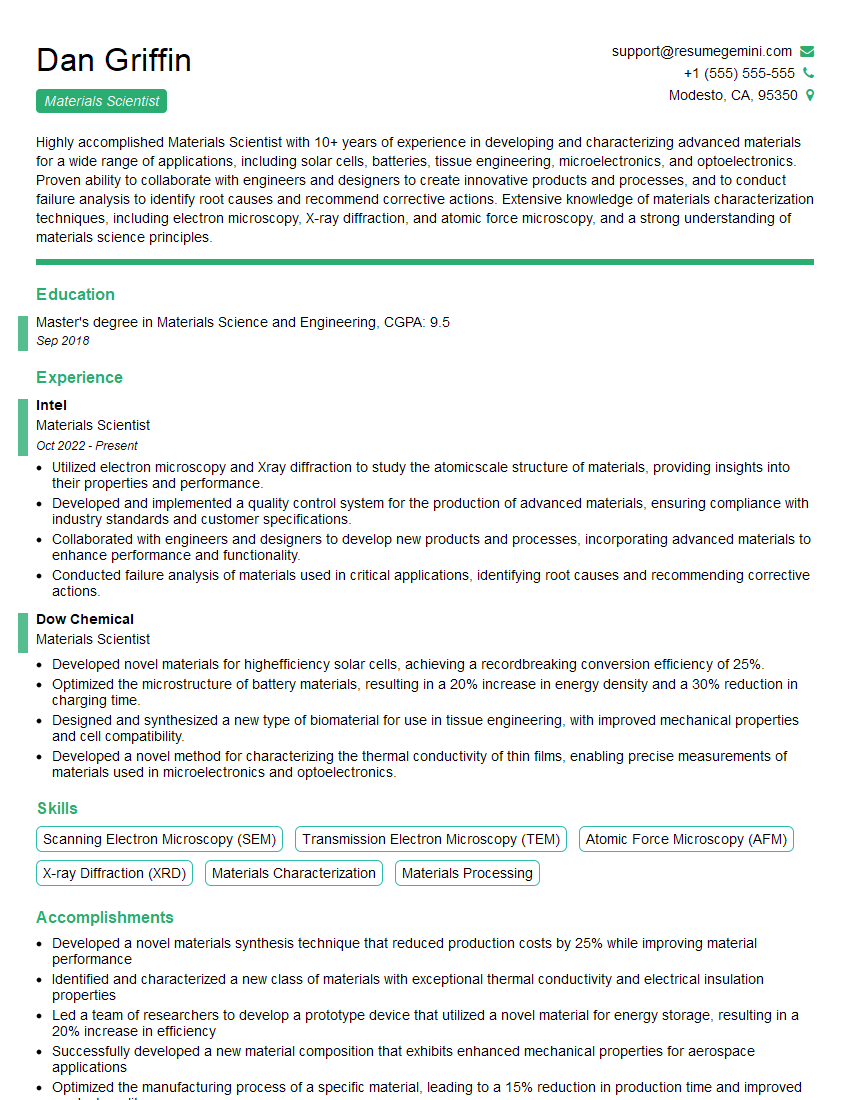
Materials Scientist Resume Sample

Materials Technician Resume Sample
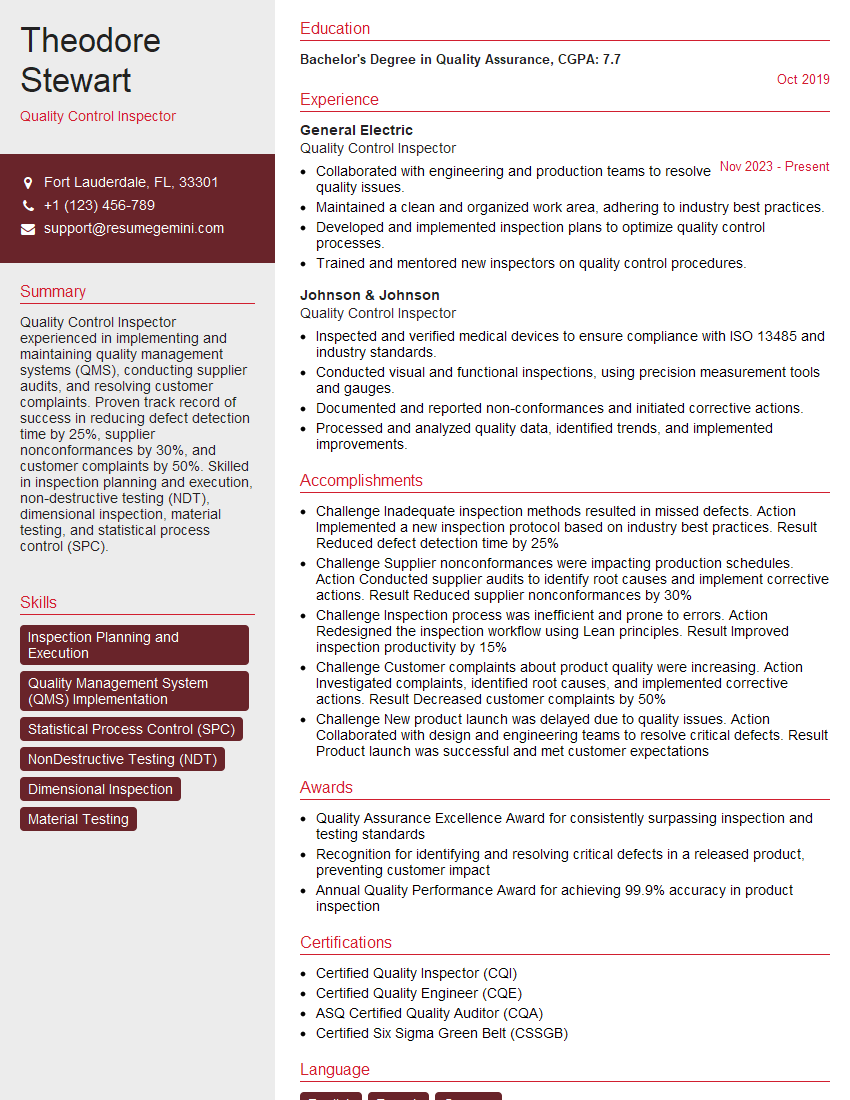
Quality Control Inspector Resume Sample
- Quality Assurance Manager
- Production Supervisor
- Supply Chain Manager
- Logistics Manager
- Procurement Specialist
- Supply Chain Analyst
- Process Engineer
- Industrial Engineer
- Manufacturing Engineer
- Quality Control Specialist
- Corrosion Engineer
- Materials Engineer
- Metallurgist
- Welding Engineer
- Laboratory Technician
- Chemist
- Materials Scientist
- Materials Technician
- Quality Control Inspector
Explore more articles
Users Rating of Our Blogs
Share Your Experience
We value your feedback! Please rate our content and share your thoughts (optional).
What Readers Say About Our Blog
Very informative content, great job.
good