Unlock your full potential by mastering the most common Ability to inspect and document construction work interview questions. This blog offers a deep dive into the critical topics, ensuring you’re not only prepared to answer but to excel. With these insights, you’ll approach your interview with clarity and confidence.
Questions Asked in Ability to inspect and document construction work Interview
Q 1. Describe your experience with various inspection methods (visual, testing, etc.).
My inspection methodology is multifaceted, combining visual inspection with various testing methods. Visual inspection forms the cornerstone, allowing me to identify readily apparent defects like cracks, misalignment, or incomplete work. This involves a systematic approach, checking against blueprints and specifications. For instance, I might visually inspect a concrete pour for proper consolidation and surface finish, looking for honeycombing or segregation.
Beyond visual checks, I employ several testing methods. For instance, I’m proficient in using moisture meters to verify the dryness of substrates before applying finishes, ensuring adherence to building codes and preventing issues like mold growth. Similarly, I use density tests on concrete to confirm it meets specified strength requirements. I also conduct dimensional checks using laser measuring tools for precise measurements verifying compliance with drawings. I have experience with destructive testing as well, such as core sampling concrete for compressive strength testing where deemed necessary.
Finally, I leverage non-destructive testing methods like ultrasonic testing on welds, ensuring structural integrity. The choice of method depends heavily on the material, component, and specific requirements of the project.
Q 2. How do you identify and document non-compliant work?
Identifying non-compliant work begins with meticulous comparison of the as-built condition against the approved plans and specifications. Any discrepancy is flagged as a potential non-compliance. I document these findings precisely and systematically using detailed descriptions, photographs, and measurements.
For example, if a wall is constructed outside the specified alignment, I’d document the deviation using both a written description (e.g., ‘Wall section A is 15mm out of alignment to the west’) and photographic evidence showing the misalignment and referencing the exact location on the blueprint. A measurement showing the actual position versus the designed position would also be recorded. This information is then compiled into a detailed report, clearly indicating the nature, location, and severity of the non-compliant work.
My documentation prioritizes clarity and objectivity. The reports clearly state the non-compliance, cite relevant sections of the drawings and specifications, and suggest corrective actions. It’s essential to maintain a professional and neutral tone, focusing on factual observations rather than assigning blame.
Q 3. Explain your proficiency with construction drawings and specifications.
Proficiency in reading and interpreting construction drawings and specifications is essential for effective inspection. My experience encompasses a wide range of drawings, including architectural, structural, MEP (Mechanical, Electrical, and Plumbing), and civil engineering drawings. I understand various drawing types such as plans, sections, elevations, and details. I am familiar with architectural symbols and conventions, including dimensioning, notations, and material specifications.
For specifications, I can interpret detailed requirements for materials, workmanship, and testing. I understand the significance of tolerances and how these affect the acceptability of work. For example, I understand the implications of a specified tolerance of +/- 2mm on the dimensions of a concrete slab or a +/- 5 degree tolerance on the slope of a drainage channel. I use this knowledge to ensure the work matches the detailed requirements. This includes understanding various material standards and codes, ensuring that materials used conform to building regulations.
Q 4. What software do you use for documenting inspections?
My experience spans a range of software for documenting inspections. I’m proficient in using Microsoft Office Suite (Word, Excel, PowerPoint) for generating comprehensive reports, creating tables to summarize findings, and using images effectively. I utilize AutoCAD to annotate drawings directly, marking non-compliant work. Additionally, I am familiar with project management software like Bluebeam Revu for PDF annotation and collaboration on drawings.
The choice of software often depends on the project requirements and client preferences. However, my preference leans towards software that allows for seamless integration of text, images, and drawings for clear and concise reporting.
Q 5. How do you manage and track inspection reports?
Managing and tracking inspection reports necessitates a structured system. I generally use a combination of digital and physical methods. Digitally, I store reports in a centralized, cloud-based system, ensuring easy access and version control. This system often uses a folder structure categorizing inspections by project, date, and inspection type.
A well-defined naming convention for reports (e.g., Project Name_Date_Inspection Type) helps in quick retrieval. I also use spreadsheets to track the status of reports, highlighting completed, pending, and reviewed reports. Physical copies are often stored on-site in a secure location for easy access during construction, especially in areas with limited internet access. Regular backups of digital data guarantee data security. A detailed logbook maintains a record of all inspection activities and related documentation.
Q 6. Describe your experience using a digital inspection app or software.
I have extensive experience using several digital inspection apps. These apps usually have features such as real-time data entry, photo and video capture with GPS tagging, and automated report generation. This streamlined my workflow and greatly improved efficiency in several projects. The use of digital checklists ensured that nothing is missed during an inspection and reduces human error.
For example, I’ve used apps that allow me to directly mark up drawings on a tablet, creating inspection reports with integrated images and location data in real-time. The GPS functionality is particularly helpful for tracking inspections across a large site. This immediate access to information is invaluable, especially during meetings with contractors. The ability to easily share reports with stakeholders is another major advantage.
Q 7. How do you prioritize inspection tasks on a large project?
Prioritizing inspection tasks on large projects requires a strategic approach. I typically start by reviewing the project schedule and identifying critical path activities. Inspections related to these activities take precedence to prevent potential delays. Next, I categorize inspections by risk level. High-risk activities, such as structural steel erection or complex MEP installations, receive priority inspection compared to less critical tasks.
I also consider the stage of construction. Foundation inspections, for instance, are crucial before proceeding to the next stage. I leverage checklists tailored to each phase of construction and integrate these checklists with my digital inspection tools. Regular communication with the project team helps in identifying potential issues and adjusting inspection priorities as needed. Regular project meetings help identify potentially problematic tasks that need extra oversight. Flexibility is key to adapting to unexpected events and potential delays, to ensure the appropriate inspections are conducted at the right time.
Q 8. Explain your understanding of building codes and regulations.
Building codes and regulations are the legal minimum standards for construction, ensuring safety, health, and welfare. They cover everything from structural integrity and fire safety to accessibility and energy efficiency. My understanding encompasses a broad range of codes, including the International Building Code (IBC), local amendments, and specialized codes for specific building types like residential, commercial, or industrial structures. I’m proficient in interpreting code requirements, identifying discrepancies between design plans and actual construction, and ensuring compliance throughout the project lifecycle. For example, understanding the IBC’s requirements for egress routes – ensuring sufficient width, signage, and accessibility for occupants in case of emergency – is crucial for a safe building. I also understand how different jurisdictions might have their own unique amendments or interpretations of these codes, making familiarity with the local context essential.
Q 9. How familiar are you with different types of construction materials and their testing methods?
I have extensive experience with various construction materials, including concrete, steel, wood, masonry, and various insulating and finishing materials. My knowledge extends to their properties, strengths, weaknesses, appropriate applications, and common testing methods. For instance, I am well-versed in concrete testing – slump tests to determine workability, compressive strength tests to assess durability, and chloride ion penetration tests to check resistance to corrosion. Similarly, I understand the testing methods for steel, including tensile strength tests and chemical composition analysis. I’m familiar with non-destructive testing methods, like ultrasonic testing for detecting internal flaws in concrete or steel, and understand how these tests inform my assessment of material quality and compliance with project specifications.
Q 10. Describe a time you had to deal with a conflict concerning inspection findings.
During a recent high-rise construction project, a conflict arose regarding the installation of fire-rated drywall. The contractor claimed their installation method met code requirements, but my inspection revealed several instances of improper taping and joint treatment, compromising the fire rating. Initially, the contractor was resistant to accepting the findings. My approach involved documenting my findings with detailed photographs and measurements, referencing specific code sections, and calmly explaining the safety implications of non-compliance. I presented the evidence in a clear and factual manner, facilitating a collaborative discussion and ultimately leading to the contractor rectifying the issues. This experience highlighted the importance of clear communication, robust documentation, and a collaborative approach in resolving conflicts during inspection.
Q 11. How do you ensure accurate and consistent documentation throughout the inspection process?
Accurate and consistent documentation is paramount. My process involves using a combination of methods. I begin with a detailed pre-inspection checklist to guide my observations and ensure consistency. During the inspection, I meticulously document findings using digital photography, video recordings, and detailed written reports. My reports include precise locations of deficiencies, descriptions of the issues, and references to relevant code sections. I use standardized templates and reporting software to ensure uniformity and avoid ambiguity. Each report includes date, time, project details, and the names of involved parties. I maintain a comprehensive digital archive of all inspection documentation, ensuring easy access and traceability. This thorough approach safeguards against discrepancies and facilitates clear communication with all stakeholders.
Q 12. How do you communicate inspection findings to contractors and project managers?
I communicate inspection findings through a combination of formal written reports and direct communication. Written reports are concise, objective, and clearly outline all observed deficiencies, including severity levels and recommended corrective actions. I use clear and plain language, avoiding technical jargon whenever possible. I also schedule regular meetings with contractors and project managers to discuss findings directly. These meetings provide an opportunity for clarification, addressing concerns, and fostering a collaborative approach towards resolution. This combined approach ensures that information is both documented formally and discussed openly to ensure clear understanding.
Q 13. Describe your experience with safety regulations on construction sites.
Safety is a top priority. My experience encompasses a comprehensive understanding of OSHA regulations and other relevant safety standards applicable to construction sites. I regularly assess site conditions for hazards, ensuring compliance with safety protocols, such as proper use of personal protective equipment (PPE), safe storage of materials, and the implementation of fall protection systems. I’m trained to identify potential hazards and report violations immediately to the relevant parties. My experience includes working on sites with various levels of risk, requiring adaptability and a proactive approach to safety. I also review safety plans and ensure they are properly implemented and updated to reflect any changes on the project.
Q 14. How do you handle disagreements regarding inspection results?
Disagreements regarding inspection results are handled professionally and objectively. I always start by reviewing my findings, ensuring accurate data and proper code interpretation. Then, I initiate a dialogue with the contractor or project manager to discuss their concerns. If the disagreement persists, I provide additional evidence supporting my findings, such as detailed photographs or references to specific code sections. In some cases, independent third-party testing or consultation with code experts might be required to reach a resolution. My goal is always to achieve a fair and objective resolution that ensures compliance with building codes and maintains safety standards. Maintaining a professional and respectful demeanor throughout the process is crucial in resolving these disputes effectively.
Q 15. What are your strategies for preventing errors during the construction process?
Preventing errors in construction starts with a proactive, multi-layered approach. It’s not just about catching mistakes; it’s about stopping them from happening in the first place.
Thorough Planning and Design Review: Before a single shovel hits the ground, meticulous review of blueprints, specifications, and material selections is crucial. We catch potential clashes and ambiguities early, preventing costly rework later. Think of it like a pilot conducting a pre-flight check – essential for a safe and successful journey.
Pre-Construction Meetings: Detailed meetings with the entire project team – architects, engineers, contractors, and subcontractors – clarify roles, responsibilities, and expectations. Open communication prevents misunderstandings that lead to errors. Imagine it as a team briefing before a crucial sports game.
Regular Inspections and Quality Control: Consistent inspections throughout the construction process are vital. This isn’t just a final check; it’s an ongoing monitoring process, catching small issues before they escalate. A daily walk-through is far more effective than a major rectification at the end.
Proper Training and Skill Assessment: Ensuring that every worker is properly trained and understands safety protocols and construction methods is non-negotiable. A skilled workforce is less prone to errors and accidents.
Use of Checklists and Standardized Procedures: Implementing detailed checklists for each stage of construction helps maintain consistency and minimizes omissions. Standardized procedures ensure uniformity, reducing variability and mistakes.
Career Expert Tips:
- Ace those interviews! Prepare effectively by reviewing the Top 50 Most Common Interview Questions on ResumeGemini.
- Navigate your job search with confidence! Explore a wide range of Career Tips on ResumeGemini. Learn about common challenges and recommendations to overcome them.
- Craft the perfect resume! Master the Art of Resume Writing with ResumeGemini’s guide. Showcase your unique qualifications and achievements effectively.
- Don’t miss out on holiday savings! Build your dream resume with ResumeGemini’s ATS optimized templates.
Q 16. How do you maintain records and ensure their long-term accessibility?
Maintaining accessible and long-term records is paramount for transparency, accountability, and future reference. My strategy combines digital and physical methods for redundancy and easy retrieval.
Digital Documentation: I utilize cloud-based platforms like Dropbox or specialized construction management software to store all documents – plans, specifications, inspections reports, photos, and videos – securely and accessibly. This ensures version control and easy sharing with relevant stakeholders.
Organized Physical Archives: Hard copies of crucial documents are maintained in a secure, climate-controlled environment, acting as a backup for the digital data. A well-organized filing system ensures quick retrieval.
Metadata Tagging: Each digital file is meticulously tagged with relevant metadata, including project name, date, location, and description, making retrieval efficient. Imagine this as indexing a vast library for quick access to any book.
Regular Backups: Regular backups of digital data are performed both locally and offsite to protect against data loss due to equipment failure or unforeseen circumstances.
Version Control: Employing version control software ensures that all changes are tracked and previous versions can be easily accessed if needed.
Q 17. Explain your understanding of different inspection stages (pre-construction, during construction, final).
Inspection stages are critical for ensuring quality throughout the construction lifecycle. Each stage has unique focuses.
Pre-Construction Inspection: This focuses on verifying the site conditions, confirming the accuracy of the as-built drawings against the proposed design, and identifying potential issues before construction commences. This includes checking site access, utility locations, and soil conditions. Think of it as preparing the battlefield before a war begins.
During Construction Inspection: Regular inspections during construction are crucial. They verify that work is being performed according to plans and specifications, materials meet quality standards, and safety protocols are being followed. This is a constant monitoring process, like a coach observing the team during a game.
Final Inspection: This is the concluding stage, checking the entire project for completion, compliance with regulations, and overall quality. It’s a thorough review, similar to a final exam, determining if the project passes or needs corrections.
Q 18. How do you utilize technology to improve the inspection process?
Technology significantly enhances the inspection process. I leverage various tools to improve efficiency and accuracy.
3D Laser Scanning: Creates highly accurate 3D models of the construction site, allowing for precise measurements and detection of discrepancies between the as-built and designed model. This is significantly faster and more accurate than traditional methods.
Drone Technology: Drones with high-resolution cameras provide aerial views, making it easy to inspect large areas, identify defects, and document progress. This reduces the time and risk associated with manual inspections in hard-to-reach areas.
Building Information Modeling (BIM): BIM software allows for comparison of the as-built model against the design model, enabling early detection of discrepancies and errors. It’s like having a virtual construction site where changes and errors are instantly visible.
Mobile Inspection Apps: These apps streamline the reporting process, allowing inspectors to capture photos, videos, and notes directly on their mobile devices. The data is immediately stored, minimizing potential loss and enhancing sharing. This digitizes the traditional paper-based system, adding speed and organization.
Q 19. Describe your experience with preparing inspection reports and presenting them to clients.
Preparing and presenting inspection reports is a critical part of my role. I strive for clarity, conciseness, and visual appeal.
Clear and Concise Reporting: Reports are structured logically, using clear and concise language, avoiding technical jargon where possible. The information is presented objectively and without bias.
Visual Aids: High-quality photos, videos, and diagrams are incorporated to illustrate findings effectively. A picture is worth a thousand words, and this is especially true for construction inspections. Visual data makes issues instantly understandable.
Client Communication: Reports are presented clearly, both in written and verbal format, ensuring the client fully understands the findings and recommendations. I am open to questions and concerns, ensuring transparency.
Actionable Recommendations: Reports conclude with specific, actionable recommendations for addressing identified issues, prioritizing critical findings.
Follow-up: I follow up with clients to confirm that the recommendations are implemented and to address any questions.
Q 20. How do you balance the need for thorough inspections with project timelines?
Balancing thorough inspections with project timelines requires efficient planning and prioritization.
Prioritization: Focusing on critical areas and high-risk elements first allows for efficient allocation of time and resources. Imagine a firefighter responding to an emergency – the most critical areas are addressed first.
Targeted Inspections: Instead of exhaustive checks, targeted inspections based on identified risks or critical stages help maintain efficiency.
Inspection Planning: A detailed inspection plan, outlining the scope, frequency, and duration of inspections, is crucial for effective time management. It’s like having a detailed roadmap before beginning a long journey.
Use of Technology: Leveraging technology like drones and 3D scanning helps expedite inspections significantly.
Collaboration: Close collaboration with the construction team fosters proactive issue identification and resolution, minimizing the need for extensive rework later.
Q 21. What are your strategies for working effectively with diverse construction crews?
Working effectively with diverse construction crews requires cultural sensitivity, clear communication, and a collaborative approach.
Respect and Understanding: Understanding different cultural backgrounds and communication styles is paramount for building trust and rapport.
Clear and Concise Communication: Using clear, simple language and avoiding jargon ensures that instructions are understood by all team members. Visual aids can also significantly aid communication across language barriers.
Multilingual Support: Where necessary, multilingual support can facilitate communication and ensure everyone is informed.
Fair and Inclusive Practices: Implementing fair and inclusive work practices, including equitable treatment and recognition of individual contributions, fosters a positive work environment. A respectful and cooperative environment promotes quality work.
Conflict Resolution: Addressing conflicts promptly and fairly ensures a harmonious work environment, preventing disruptions to the project timeline.
Q 22. How do you ensure confidentiality when dealing with inspection information?
Confidentiality is paramount in construction inspection. I treat all inspection information as strictly private and adhere to all relevant data protection regulations. This includes avoiding casual conversations about project details in public spaces, securely storing all inspection reports and digital data (using password-protected files and encrypted drives), and limiting access to sensitive information to only authorized personnel. For example, I would never discuss specific design flaws or safety concerns with anyone not directly involved in the project’s remediation or completion. I always obtain written consent before sharing any inspection data externally, and ensure that any shared documents contain only the necessary information, removing any potentially compromising details. This approach builds trust with clients and ensures the integrity of the inspection process.
Q 23. Explain your experience with different types of construction projects (residential, commercial, industrial).
My experience spans diverse construction sectors. In residential projects, I’ve inspected everything from single-family homes to large-scale apartment complexes, focusing on code compliance, material quality, and workmanship in areas like framing, roofing, and finishes. Commercial projects have involved larger-scale inspections of office buildings, retail spaces, and hotels, requiring a deeper understanding of complex building systems, fire protection, and accessibility standards. Finally, my work in industrial settings has included inspections of manufacturing plants, warehouses, and power facilities, where safety and structural integrity are paramount and require an understanding of specialized equipment and regulations.
For instance, in a recent residential project, I identified a critical flaw in the foundation waterproofing, which could have led to significant structural damage and mold growth. In a commercial project, I ensured that fire suppression systems were adequately installed and maintained, preventing a potential catastrophe. And in an industrial project, I spotted a compromised structural support beam before it could cause a significant accident.
Q 24. How do you adapt your inspection methods to different project scales and complexities?
Adaptability is key. My inspection methods are tailored to the specific project. For smaller residential projects, a more hands-on, detailed approach is often sufficient. I can thoroughly inspect every aspect of the construction. Larger, complex projects, such as a high-rise building or a large-scale industrial plant, require a more strategic approach. This often involves using checklists, scheduling inspections at key stages of construction, and potentially employing advanced technologies like drones for aerial inspections or laser scanning for precise measurements. I may also involve specialized inspectors for particular systems like electrical or plumbing. For example, for a smaller project, I might use a simple moisture meter to check for water damage; for a larger project, I would employ more sophisticated techniques like thermal imaging to detect hidden moisture problems. In all cases, thorough documentation is paramount.
Q 25. Describe your proficiency in using relevant inspection tools and equipment.
My tool proficiency is extensive and spans various technologies. I am adept at using standard measuring tools (tape measures, levels, plumb bobs), material testing equipment (moisture meters, concrete testers), and specialized tools for specific inspections (e.g., borescopes for pipe inspections, ultrasonic flaw detectors). I’m also proficient in using digital inspection software for creating detailed reports, incorporating photos and videos, and generating quantifiable data. For example, I’ve used drones equipped with high-resolution cameras to inspect the integrity of roofs on large-scale industrial buildings, providing a comprehensive visual record of potential issues inaccessible by traditional methods. I’m equally comfortable using traditional methods for smaller-scale projects, ensuring the chosen tools match the project’s scope and complexity.
Q 26. Explain your understanding of risk assessment in relation to construction inspections.
Risk assessment is an integral part of my inspection process. Before starting an inspection, I identify potential hazards and assess their likelihood and severity. This involves reviewing the project plans, understanding the construction methods, and identifying any potential risks based on my experience. Common risks include falls from heights, electrocution, collapsing structures, and exposure to hazardous materials. I then develop a risk mitigation plan, which might include using appropriate personal protective equipment (PPE), implementing safety protocols, and recommending corrective actions to the contractor. For example, if I identify inadequate scaffolding, I immediately flag it as a high-risk item, recommending its immediate repair or replacement to prevent potential falls. A documented risk assessment, including mitigations, is always included in my inspection reports.
Q 27. How do you stay current with new technologies and best practices in construction inspection?
I stay current through continuous professional development. This includes attending industry conferences, workshops, and online courses focusing on new technologies and best practices. I regularly review updated building codes and standards to ensure my inspections are compliant with the latest regulations. I also actively participate in professional organizations and subscribe to industry publications. Moreover, I actively seek out opportunities to work on projects involving innovative technologies, such as Building Information Modeling (BIM) integration with inspection software. This ensures that my skills remain sharp and that I’m at the forefront of the industry’s evolution.
Q 28. Describe a time you identified a critical defect that prevented a major safety hazard.
During an inspection of a large warehouse, I noticed a significant deflection in a key support beam. Initially, it seemed like a minor imperfection. However, a closer examination, utilizing a laser distance meter, revealed a concerning level of sagging. Further investigation using ultrasonic testing confirmed the presence of internal cracks within the beam. I immediately reported this as a critical defect, emphasizing the risk of potential structural collapse. The contractor agreed that this posed a significant safety hazard and immediately initiated remedial action, replacing the compromised beam. This prevented what could have been a catastrophic incident causing injury or even fatality. This incident further reinforced the importance of meticulous inspections and the application of advanced diagnostic tools.
Key Topics to Learn for Ability to Inspect and Document Construction Work Interview
- Building Codes and Regulations: Understanding local, state, and national building codes and how they impact inspection procedures. Practical application: Identifying code violations during an inspection.
- Inspection Methods and Techniques: Mastering various inspection methods, including visual inspection, non-destructive testing, and the use of specialized equipment. Practical application: Describing your approach to inspecting different aspects of a construction project (e.g., foundation, framing, electrical).
- Documentation Procedures: Proficiency in creating detailed and accurate inspection reports, including photographs, sketches, and written observations. Practical application: Structuring a report to clearly communicate findings and recommendations to stakeholders.
- Quality Control and Assurance: Understanding quality control processes and how inspections contribute to ensuring project quality and safety. Practical application: Explaining how you would identify and address quality issues discovered during an inspection.
- Safety Regulations and Procedures: Knowledge of OSHA regulations and safety protocols relevant to construction site inspections. Practical application: Describing safety measures you would take during an inspection.
- Problem-Solving and Critical Thinking: Ability to analyze inspection findings, identify potential problems, and propose solutions. Practical application: Describing a situation where you identified a critical issue and the steps you took to resolve it.
- Communication and Reporting: Effective communication skills to clearly and concisely convey inspection findings to clients, contractors, and other stakeholders. Practical application: Explaining how you would communicate complex technical information to a non-technical audience.
- Software and Technology: Familiarity with relevant software and technology used in construction documentation and reporting (e.g., project management software, digital measurement tools). Practical application: Describing your experience with relevant software and how it improves efficiency.
Next Steps
Mastering the ability to inspect and document construction work is crucial for career advancement in the construction industry. A strong understanding of these topics will significantly improve your job prospects and open doors to more challenging and rewarding roles. To maximize your chances of landing your dream job, focus on creating an ATS-friendly resume that highlights your skills and experience effectively. ResumeGemini is a trusted resource that can help you build a professional and impactful resume. Examples of resumes tailored to showcase expertise in inspecting and documenting construction work are available through ResumeGemini, allowing you to craft a compelling application that stands out.
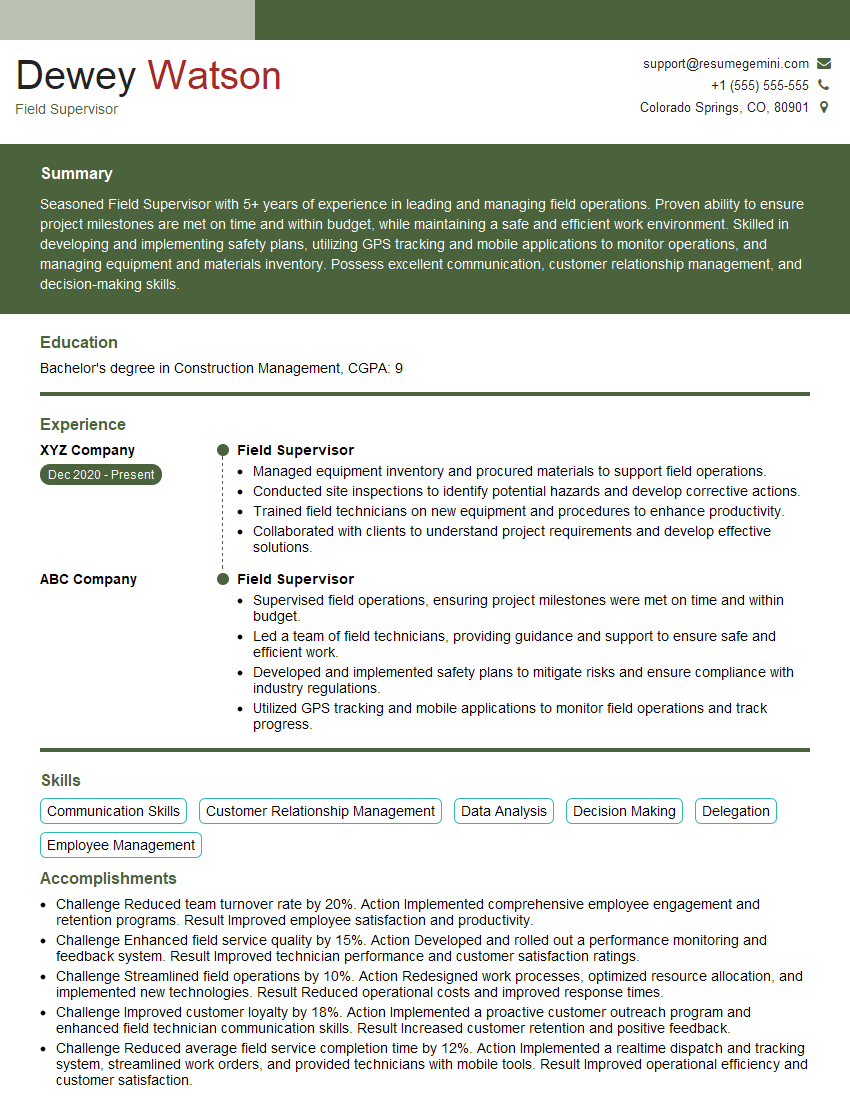
Field Supervisor Resume Sample

Construction Superintendent Resume Sample
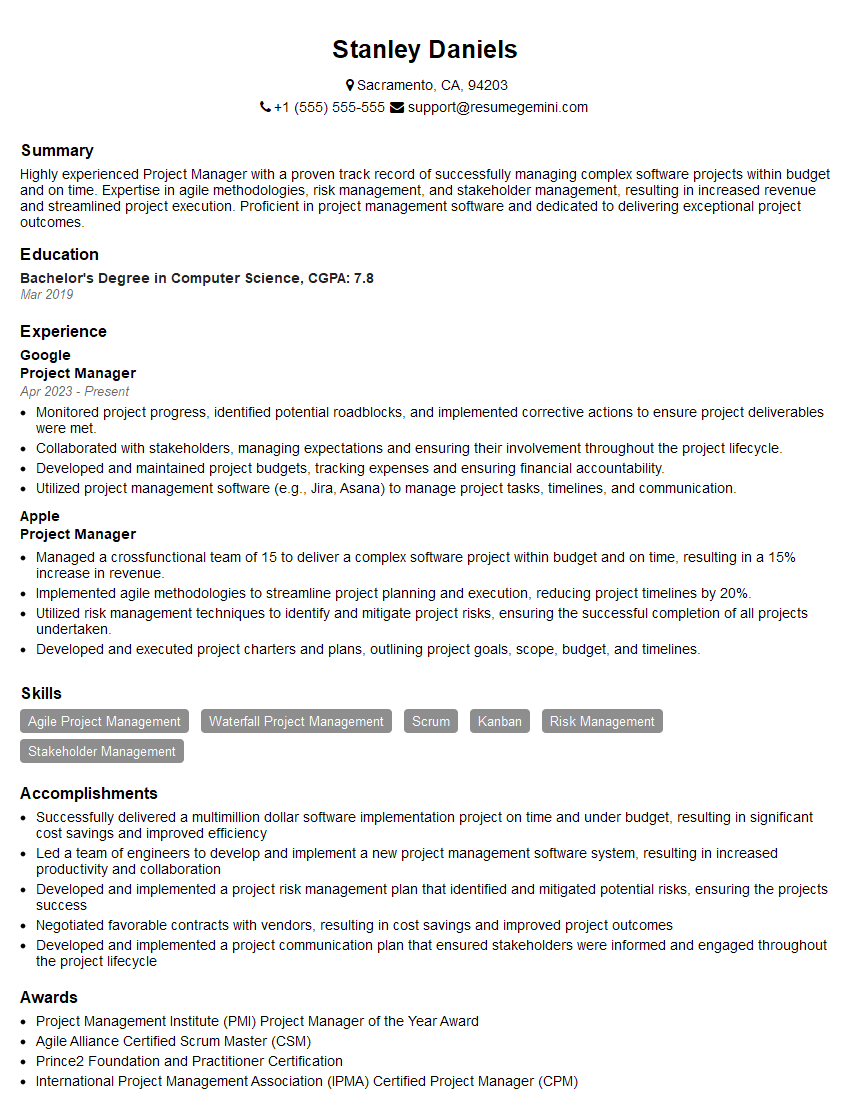
Project Manager Resume Sample

Compliance Officer Resume Sample
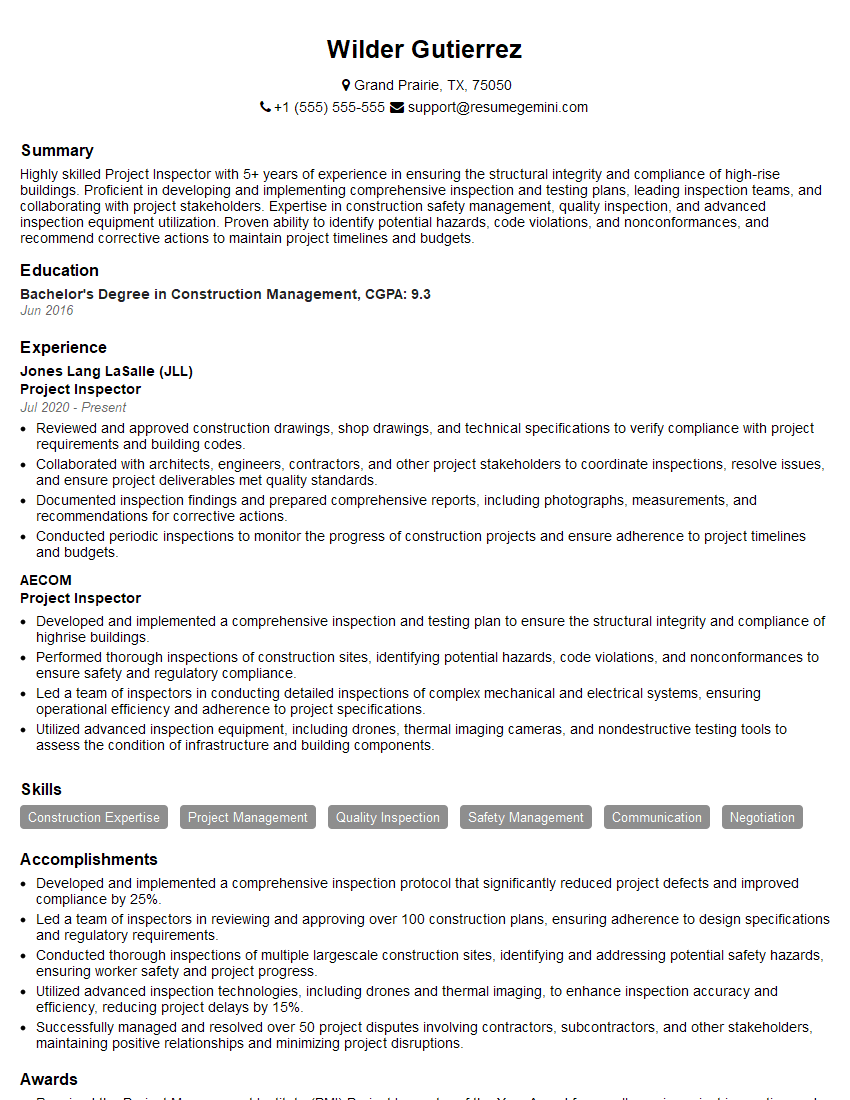
Project Inspector Resume Sample
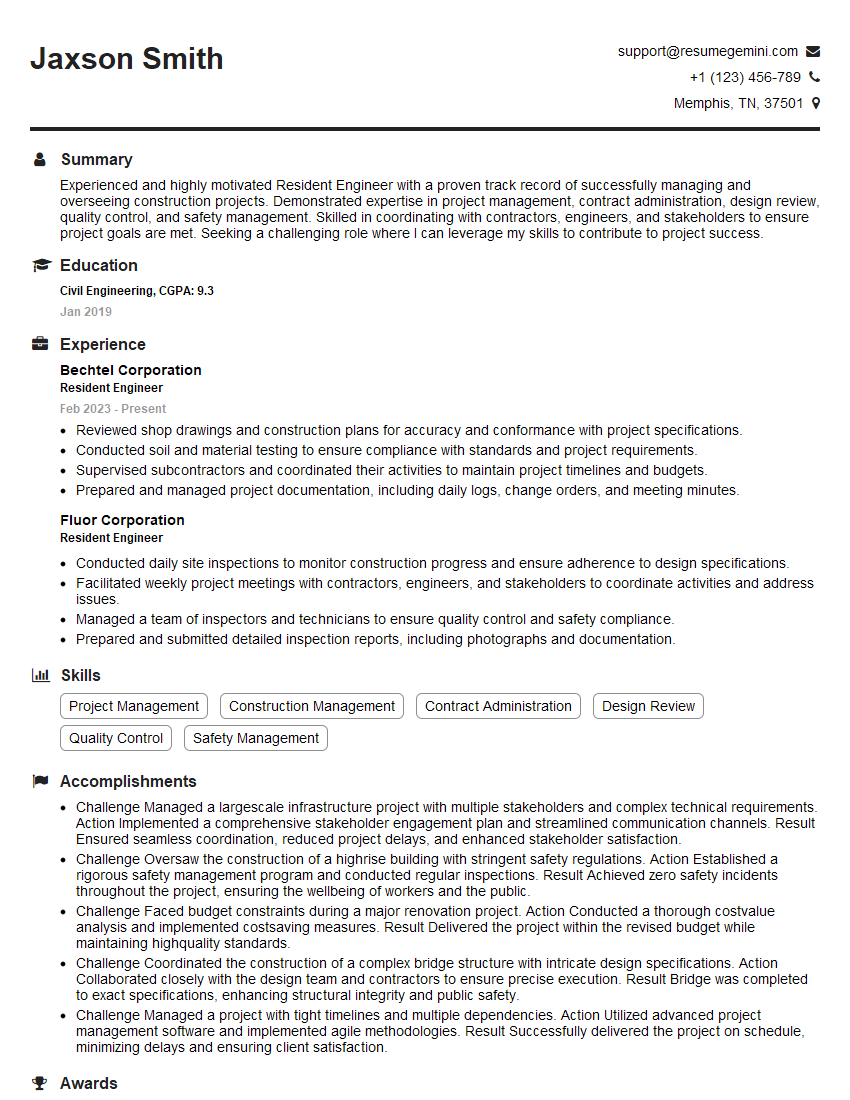
Resident Engineer Resume Sample
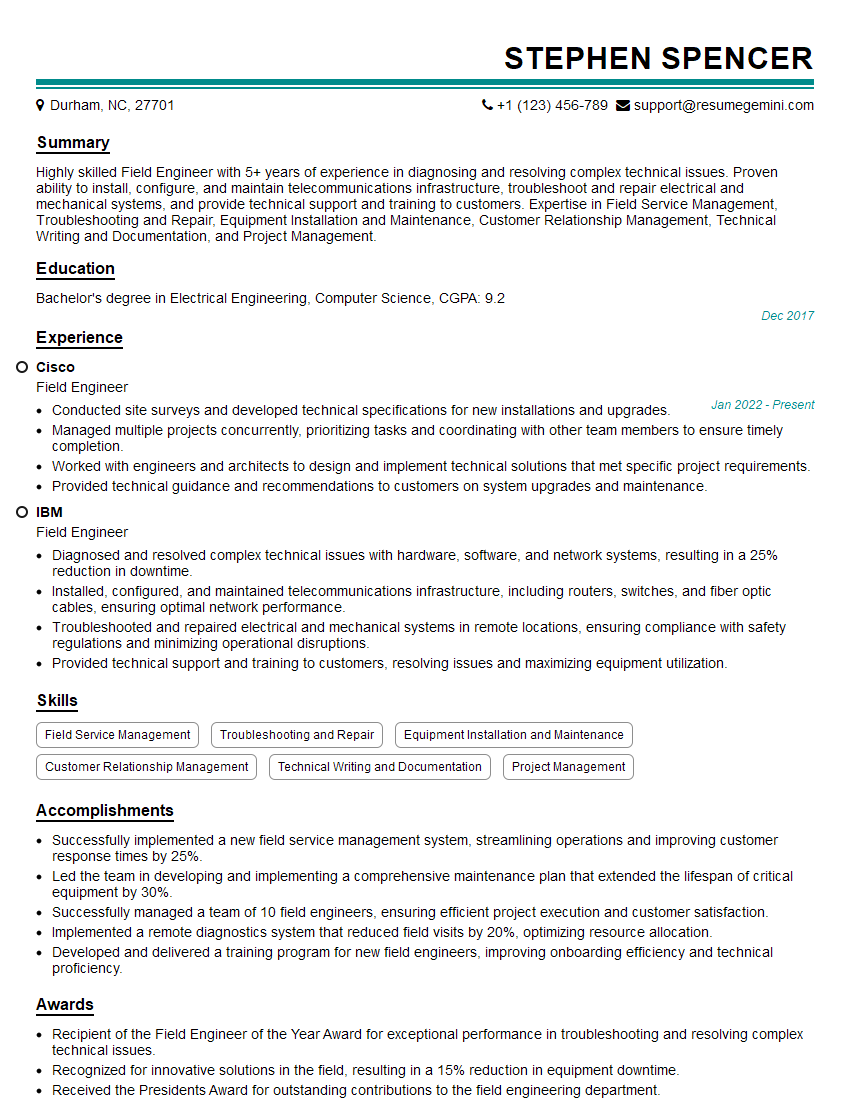
Field Engineer Resume Sample
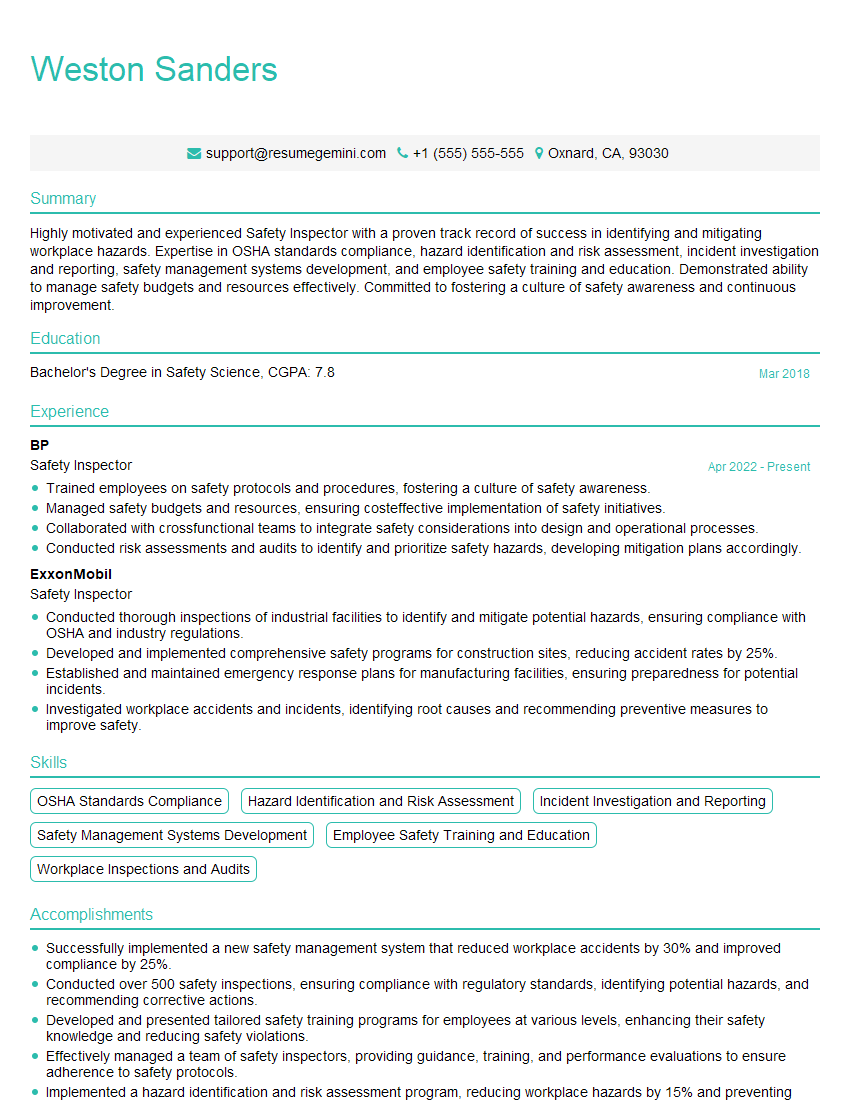
Safety Inspector Resume Sample
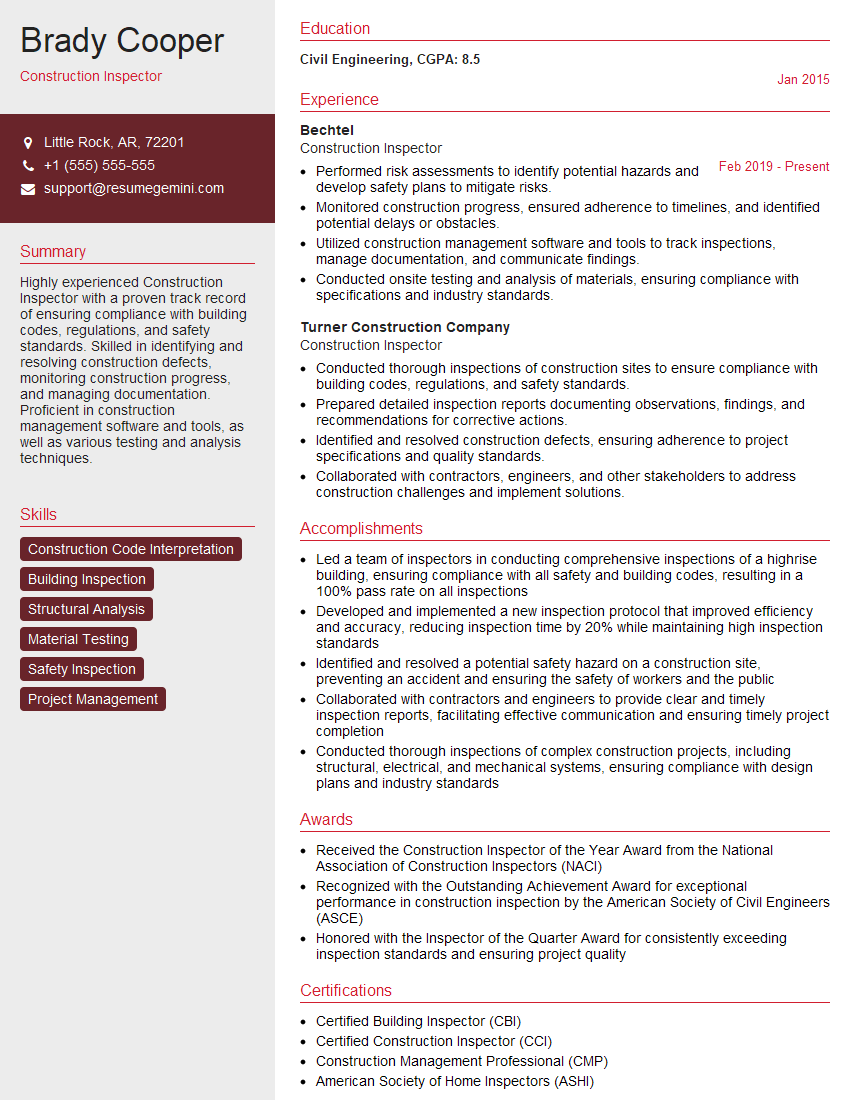
Construction Inspector Resume Sample
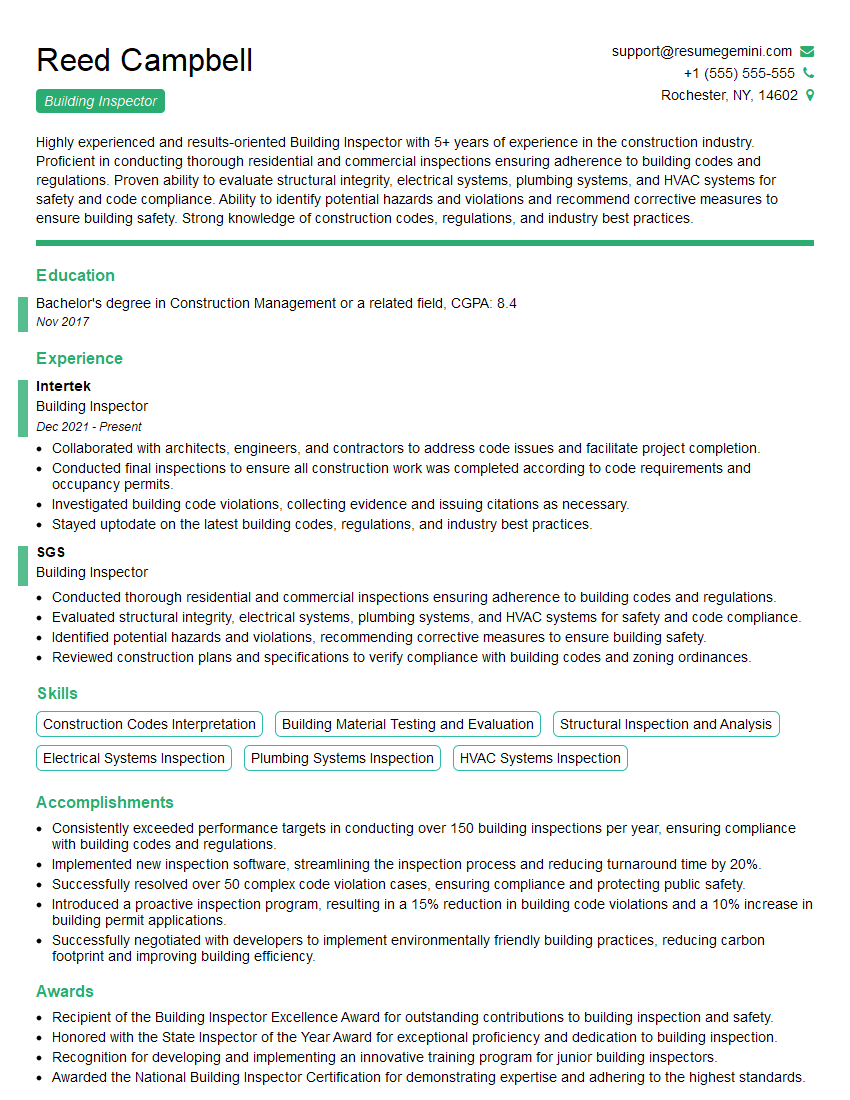
Building Inspector Resume Sample
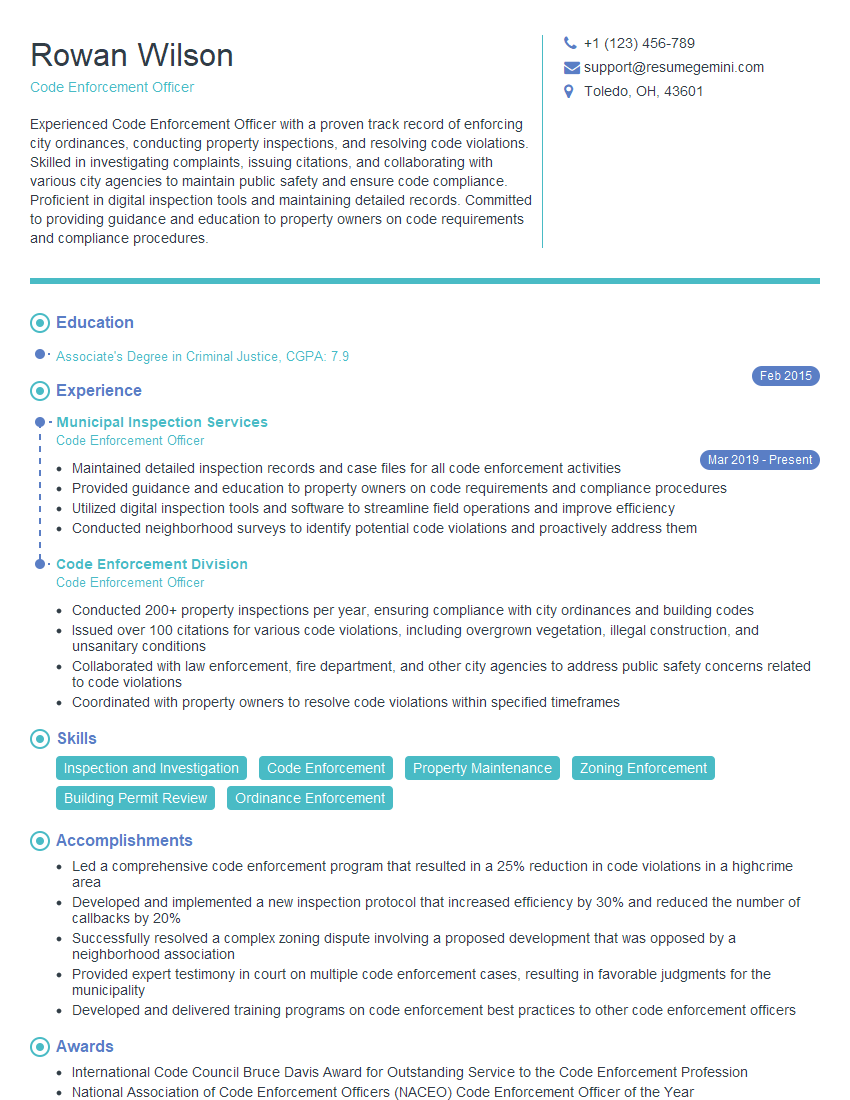
Code Enforcement Officer Resume Sample
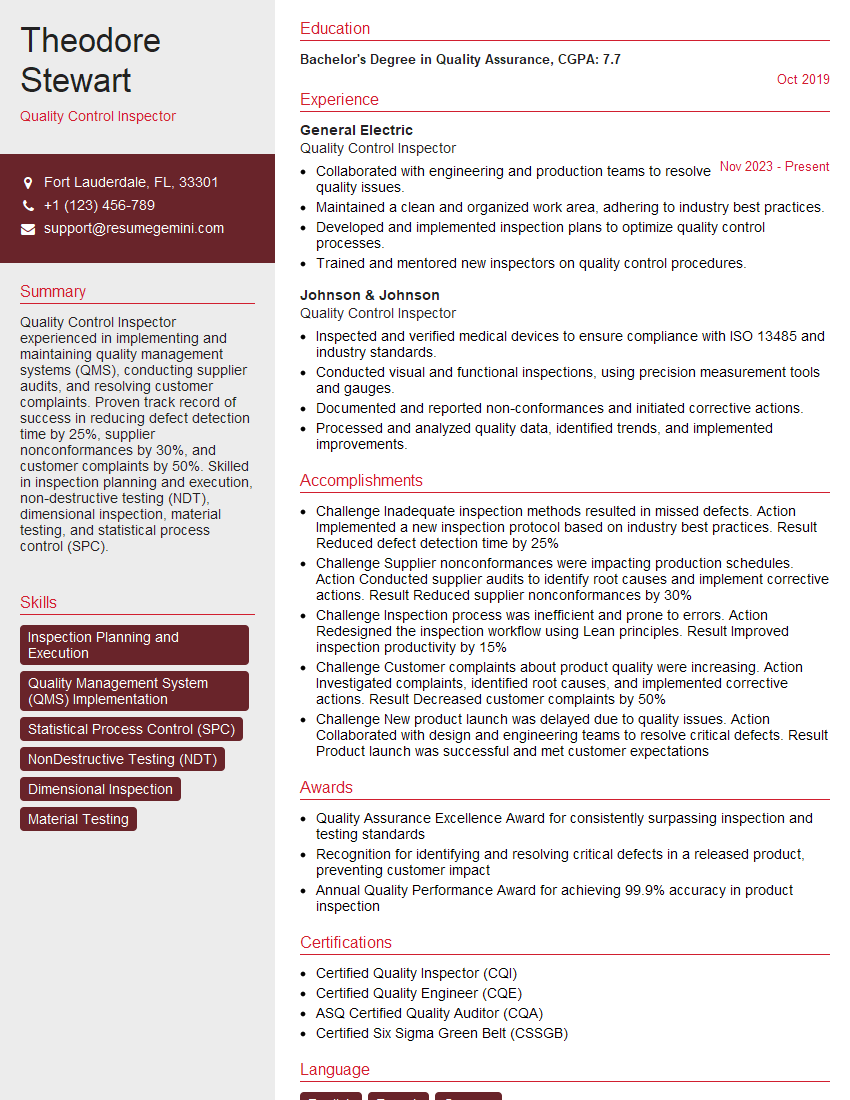
Quality Control Inspector Resume Sample
Explore more articles
Users Rating of Our Blogs
Share Your Experience
We value your feedback! Please rate our content and share your thoughts (optional).
What Readers Say About Our Blog
Very informative content, great job.
good