Feeling uncertain about what to expect in your upcoming interview? We’ve got you covered! This blog highlights the most important LEED (Leadership in Energy and Environmental Design) Certification interview questions and provides actionable advice to help you stand out as the ideal candidate. Let’s pave the way for your success.
Questions Asked in LEED (Leadership in Energy and Environmental Design) Certification Interview
Q 1. Explain the difference between LEED v4 and LEED 2009.
LEED v4 and LEED 2009 are both green building rating systems, but v4 represents a significant evolution. LEED 2009 was a more prescriptive system, outlining specific requirements for points. LEED v4, however, is more performance-based, focusing on measurable outcomes rather than just checking boxes. This shift emphasizes whole-building performance and encourages innovative solutions. For instance, where LEED 2009 might specify a certain type of lighting, LEED v4 might focus on achieving a particular level of energy efficiency, allowing flexibility in achieving the goal. The updated system also incorporates more robust life-cycle assessments, a greater emphasis on indoor environmental quality, and a more streamlined rating system. Imagine it like this: LEED 2009 is like following a detailed recipe, while LEED v4 is like aiming for a specific culinary outcome, allowing for creative adjustments in the process.
Q 2. Describe the process of obtaining LEED certification for a project.
The LEED certification process involves several key steps. First, you register your project with the Green Building Certification Institute (GBCI). Next, you engage in pre-design and design phases, integrating sustainable strategies from the outset. During construction, meticulous documentation of all sustainability measures is crucial. Once construction is complete, you’ll submit a comprehensive application package detailing the project’s achievements against LEED requirements. GBCI reviews this package and may require additional clarifications. Finally, upon successful review, you receive your LEED certification level (Certified, Silver, Gold, or Platinum), reflecting the project’s overall sustainability performance. Think of it as a rigorous academic process, with the application as your final thesis, needing to clearly demonstrate your mastery of sustainable building practices.
Q 3. What are the main categories of LEED points and how are they weighted?
LEED points are categorized into several credit categories, each focusing on a specific aspect of sustainability. These typically include:
- Sustainable Sites: Addresses site selection, development, and impacts (e.g., reducing impervious surfaces, protecting biodiversity).
- Water Efficiency: Focuses on reducing water consumption within the building (e.g., low-flow fixtures, water harvesting).
- Energy and Atmosphere: Aims for energy-efficient design and operation (e.g., high-performance building envelope, renewable energy). This is typically the most heavily weighted category.
- Materials and Resources: Emphasizes sustainable material sourcing and waste reduction (e.g., using recycled content, reducing construction waste).
- Indoor Environmental Quality: Focuses on creating a healthy and comfortable indoor environment (e.g., improved air quality, daylighting).
- Innovation: Rewards innovative strategies beyond standard LEED requirements.
- Regional Priority Credits: Allow for tailoring to local environmental concerns.
The weighting of categories varies slightly depending on the LEED rating system (e.g., LEED v4.1, LEED v4 BD+C). However, ‘Energy and Atmosphere’ generally carries the most significant weight, reflecting the critical role of energy efficiency in reducing environmental impact.
Q 4. Explain the importance of Life Cycle Assessment (LCA) in LEED projects.
Life Cycle Assessment (LCA) is crucial in LEED projects because it examines the environmental impacts of a building throughout its entire life, from material extraction and manufacturing to construction, operation, and ultimately, demolition and disposal. By considering the ‘cradle-to-grave’ environmental impacts, LCA helps identify potential hotspots and enables informed decision-making to minimize overall environmental footprint. For example, an LCA might reveal that while a material has low embodied carbon, its transportation has a significant impact, prompting a reconsideration of sourcing strategies. In essence, LCA provides a holistic view, ensuring sustainable practices aren’t just about the construction phase but the entire lifespan.
Q 5. How does embodied carbon impact LEED certification?
Embodied carbon refers to the greenhouse gas emissions associated with the manufacturing, transportation, and installation of building materials. LEED certification increasingly emphasizes reducing embodied carbon, as it accounts for a significant portion of a building’s overall carbon footprint. Strategies for reducing embodied carbon include selecting materials with low embodied carbon content (e.g., recycled materials, locally sourced materials), optimizing material quantities to minimize waste, and exploring innovative construction techniques. LEED points are awarded for demonstrating strategies to minimize embodied carbon, emphasizing the importance of responsible material choices in achieving a truly sustainable building.
Q 6. What strategies can be used to optimize energy performance in a building?
Optimizing energy performance involves a multifaceted approach. Key strategies include:
- High-Performance Building Envelope: This involves using highly insulating materials in walls, roofs, and windows to minimize heat transfer. Imagine a thermos flask keeping your drink hot or cold – this is the principle here.
- Efficient HVAC Systems: Implementing systems with high-efficiency equipment, zoning capabilities, and demand-controlled ventilation to precisely meet the building’s heating and cooling needs.
- Renewable Energy Sources: Integrating solar panels, wind turbines, or geothermal energy to generate on-site renewable energy.
- Lighting Optimization: Utilizing energy-efficient lighting technologies such as LEDs and implementing daylight harvesting strategies to reduce reliance on artificial lighting.
- Building Automation Systems (BAS): Implementing sophisticated control systems to optimize energy use based on occupancy, weather, and other factors.
These strategies work synergistically to minimize energy consumption and operational costs, leading to both economic and environmental benefits.
Q 7. Describe different approaches to water conservation in building design.
Water conservation strategies in building design cover various aspects:
- Low-Flow Fixtures: Installing water-efficient toilets, faucets, and showerheads that significantly reduce water consumption without compromising functionality.
- Water Harvesting and Reuse: Collecting rainwater or greywater (from showers and sinks) for irrigation or non-potable uses, reducing reliance on municipal water supplies.
- Landscape Design: Selecting drought-tolerant landscaping and employing efficient irrigation techniques like drip irrigation to minimize water waste in outdoor spaces.
- Water Metering and Monitoring: Implementing systems to track and monitor water consumption, allowing for identification of leaks and inefficiencies.
- Process Water Efficiency: Optimizing water usage in processes like cooling towers, laundry equipment, or industrial processes, reducing overall water consumption.
These approaches, when implemented holistically, drastically reduce water consumption and minimize environmental impact. The overall goal is to minimize the building’s water footprint while ensuring occupant comfort and functionality.
Q 8. Explain the significance of sustainable site development in LEED.
Sustainable site development in LEED is crucial because it minimizes the environmental impact of a building project from the outset. It focuses on reducing the building’s footprint on the land and its surrounding ecosystem. This involves careful consideration of factors like site selection, minimizing land disturbance, protecting existing natural features, and implementing strategies to manage stormwater runoff.
For example, choosing a site near existing infrastructure reduces the need for new roads and utilities, thereby minimizing land consumption and associated environmental impacts. Strategies like preserving existing trees and incorporating green infrastructure, such as bioswales and rain gardens, help manage stormwater runoff and reduce the impact on local waterways. LEED incentivizes these practices through points awarded for various sustainable site development strategies.
- Reducing Impervious Surfaces: Using permeable paving materials minimizes runoff and allows rainwater to infiltrate the ground, replenishing groundwater supplies.
- Protecting Habitats: Avoiding sensitive ecological areas during site selection and minimizing habitat disruption during construction is paramount.
- Prioritizing Public Transportation: Locating the building near public transportation options encourages its use, reducing the carbon footprint associated with commuting.
Q 9. How can you improve indoor environmental quality using LEED principles?
Improving indoor environmental quality (IEQ) is a core element of LEED, aiming to create a healthier and more productive environment for occupants. This involves addressing factors such as air quality, thermal comfort, daylighting, and acoustics. LEED points are awarded for strategies that enhance these aspects.
For instance, implementing high-performance ventilation systems ensures adequate fresh air supply, minimizing indoor pollutants. The use of low-emitting materials, like paints and adhesives with low volatile organic compound (VOC) content, reduces the concentration of harmful substances in the air. Strategically placed windows and skylights maximize natural daylight, reducing reliance on electric lighting and improving occupant well-being. Finally, consideration of noise levels through proper acoustic design ensures a quieter and more productive workspace.
- Enhanced Ventilation: Utilizing systems with higher air changes per hour (ACH) to improve air quality.
- Low-VOC Materials: Specifying materials with certified low VOC emissions.
- Daylighting Strategies: Maximizing natural light penetration to reduce reliance on artificial lighting.
- Acoustic Design: Implementing sound-absorbing materials and designs to reduce noise pollution.
Q 10. Discuss the role of materials and resources in achieving LEED certification.
The selection and management of materials and resources are critical in achieving LEED certification. LEED emphasizes the use of sustainable and recycled materials, reducing construction waste, and promoting resource efficiency. Points are given for using recycled content, locally sourced materials, sustainably harvested wood, and materials with low embodied carbon.
Imagine a scenario where a project prioritizes using reclaimed wood for interior finishes. This not only reduces the demand for newly harvested wood but also contributes to a unique aesthetic. Similarly, using locally sourced materials reduces transportation emissions associated with material delivery. LEED encourages building owners to carefully assess the life-cycle impacts of materials, favoring those with reduced environmental burdens.
- Recycled Content: Utilizing materials with a high percentage of recycled content to conserve resources.
- Regional Materials: Sourcing materials from within a specified radius to reduce transportation impacts.
- Sustainable Wood: Using wood certified by the Forest Stewardship Council (FSC) to ensure responsible forestry practices.
- Construction Waste Management: Implementing strategies to divert construction debris from landfills.
Q 11. What are some common challenges faced during LEED certification?
Achieving LEED certification often presents numerous challenges. One common difficulty is balancing the cost of sustainable materials and construction methods with the overall budget. Sustainable options can sometimes be more expensive upfront. Another challenge involves navigating the complex LEED rating system and documentation requirements. It requires meticulous record-keeping and careful attention to detail throughout the entire process.
Another significant hurdle is integrating sustainable design strategies into existing building systems or retrofit projects. Adapting existing structures to meet LEED requirements can be more complicated than designing a new building from scratch. Finally, obtaining and verifying the necessary certifications and documentation for materials can be time-consuming and require coordination across multiple parties.
- Budget Constraints: Balancing the costs of sustainable solutions with project budget limitations.
- Complex Documentation: The extensive documentation and reporting requirements of the LEED system.
- Integration Challenges: Adapting LEED requirements to existing buildings and systems.
- Material Certification: Obtaining necessary certifications and verifications for sustainable materials.
Q 12. How do you manage and resolve conflicts between design goals and LEED requirements?
Conflicts between design goals and LEED requirements are common. A crucial step is early collaboration between the design team, the owner, and the LEED consultant. Open communication helps identify potential conflicts early in the process, allowing for proactive solutions. The team needs to carefully weigh the pros and cons of different design options, assessing their impact on both the design vision and LEED points.
For example, if a particular design element conflicts with LEED’s energy efficiency requirements, the team might explore alternative designs that achieve similar aesthetic results while meeting LEED standards. Sometimes, compromises are necessary, where a slightly less ambitious design choice is made to ensure compliance while still maintaining the overall design quality. Prioritizing sustainability early in the design process minimizes the likelihood of major conflicts later on.
A structured approach involves:
- Identifying Conflicts: Regularly reviewing design documents against LEED requirements.
- Evaluating Trade-offs: Weighing the impact of design choices on both aesthetics and LEED compliance.
- Exploring Alternatives: Identifying alternative design solutions that address both needs.
- Documenting Decisions: Clearly recording decisions made and justifications for compromises.
Q 13. Describe your experience using LEED rating systems (e.g., BD+C, ID+C).
I have extensive experience utilizing both LEED BD+C (Building Design and Construction) and LEED ID+C (Interior Design and Construction) rating systems. I’ve been involved in projects ranging from new high-rise office buildings to renovations of existing commercial spaces. My experience includes leading LEED charrettes, developing sustainable design strategies, managing LEED documentation, and coordinating with the LEED certification body throughout the submission process.
In a recent BD+C project, we achieved LEED Platinum certification by incorporating passive design strategies, utilizing high-performance building materials, and implementing a comprehensive waste management plan. In another ID+C project, we focused on improving indoor air quality by specifying low-VOC materials, installing advanced ventilation systems, and incorporating biophilic design elements. My expertise also extends to utilizing LEED v4 and the latest version, LEED v4.1, adapting strategies to specific project requirements and maximizing point achievement.
Q 14. How familiar are you with LEED Online and the submission process?
I am very familiar with LEED Online, the USGBC’s web-based platform for managing the LEED certification process. I am proficient in navigating the platform, inputting project data, uploading documentation, and tracking the progress of the certification process. I have experience submitting various project documentation, including energy models, construction waste management plans, and material declarations.
My understanding extends to managing various LEED Online user roles, from project administrators to designated LEED professionals. I have a proven track record of successful project submission and certification, including efficiently addressing any queries or clarifications raised by the GBCI (Green Building Certification Institute) reviewers. I understand the importance of accuracy and completeness in all submitted documentation to ensure a smooth and timely certification process.
Q 15. What are some innovative green building technologies or practices you are familiar with?
Innovative green building technologies are constantly evolving, pushing the boundaries of sustainable design. I’m familiar with several, including:
- Cross-Laminated Timber (CLT): CLT is a mass timber product offering excellent structural performance with a significantly reduced carbon footprint compared to traditional concrete or steel. It’s a beautiful, sustainable material that can create stunning architectural features while contributing to LEED points in materials and resources.
- Building Integrated Photovoltaics (BIPV): BIPV seamlessly integrates solar panels into building materials like roofing tiles or facade cladding. This improves aesthetics while generating renewable energy, earning points for energy and renewable energy credits.
- Greywater Recycling Systems: These systems reuse non-potable water from showers, sinks, and laundry for irrigation or toilet flushing. This significantly reduces potable water consumption, impacting the Water Efficiency category in LEED.
- Smart Building Technologies: This involves deploying intelligent systems for energy management, lighting control, and HVAC optimization. By leveraging data analytics, these systems allow for real-time adjustments, minimizing energy waste and contributing to the Energy and Atmosphere category.
- Passive House Design Principles: This approach prioritizes airtight construction, high-performance insulation, and efficient windows to minimize energy needs. It reduces reliance on mechanical systems, leading to substantial savings and high LEED scores in energy performance.
In a recent project, we successfully implemented CLT for the primary structure, resulting in a 30% reduction in embodied carbon compared to the baseline design. This significantly boosted our LEED points and demonstrated a strong commitment to sustainability.
Career Expert Tips:
- Ace those interviews! Prepare effectively by reviewing the Top 50 Most Common Interview Questions on ResumeGemini.
- Navigate your job search with confidence! Explore a wide range of Career Tips on ResumeGemini. Learn about common challenges and recommendations to overcome them.
- Craft the perfect resume! Master the Art of Resume Writing with ResumeGemini’s guide. Showcase your unique qualifications and achievements effectively.
- Don’t miss out on holiday savings! Build your dream resume with ResumeGemini’s ATS optimized templates.
Q 16. How would you address a design issue that compromises LEED points?
Addressing a design issue that compromises LEED points requires a systematic approach. The first step is to thoroughly understand the conflict: Which LEED credit(s) are affected, and how? Is it a minor issue that can be easily rectified, or does it require major design changes?
My approach involves:
- Analyze the Problem: Identify the specific credit(s) affected and the extent of the non-compliance. Review the LEED rating system documentation to understand the requirements and available alternatives.
- Explore Solutions: Brainstorm potential solutions. This might involve minor design adjustments, material substitutions, or process changes. Consider the impact on cost, schedule, and aesthetics.
- Evaluate Trade-offs: Assess the pros and cons of each potential solution. Some might lead to regaining the lost points, while others may result in gaining points elsewhere or offer alternative pathways to environmental benefits. Often there’s a cost-benefit tradeoff to assess.
- Document Decisions: Thoroughly document the design change process, outlining the problem, proposed solutions, the selected solution, and the rationale behind the choice. This documentation will be crucial for LEED certification.
- Communication: Keep the entire design and construction team informed of the issue and the agreed-upon solution. Open communication avoids misunderstandings and ensures everyone works towards compliance.
For example, if a design change threatens to compromise the ‘Location and Transportation’ credits, we might explore alternative transportation solutions, such as incentivizing biking or public transport use, adding electric vehicle charging stations or improving pedestrian access. Careful documentation will be vital in justifying these alternatives for LEED reviewers.
Q 17. Explain the concept of building commissioning and its role in LEED projects.
Building commissioning is a quality assurance process for verifying that building systems are designed, installed, tested, and operated to meet the owner’s project requirements. Think of it as a comprehensive systems check-up that ensures everything works as intended—and efficiently.
In LEED projects, commissioning is crucial. It contributes significantly to the Energy and Atmosphere, and sometimes Indoor Environmental Quality, categories. A well-commissioned building operates optimally, reducing energy consumption, improving indoor air quality, and ensuring occupant comfort. This translates directly into LEED points.
The process typically involves several key phases:
- Pre-design Commissioning: Early engagement with the design team to define performance requirements and select efficient equipment.
- Design Commissioning: Review of design documents to ensure alignment with project requirements and best practices.
- Construction Commissioning: On-site observation during construction to verify proper installation and testing of systems.
- Post-Construction Commissioning: Comprehensive testing and performance verification once the building is complete, demonstrating that systems meet the design specifications.
A recent project involved rigorous commissioning, which unveiled a faulty damper in the HVAC system. Fixing this small detail resulted in a 15% improvement in energy efficiency, exceeding our LEED target for energy performance and demonstrating the value of a proactive commissioning approach.
Q 18. What are some key strategies for reducing waste generation during construction?
Reducing waste generation during construction is paramount for achieving high LEED scores, particularly in the ‘Waste Management’ credit. It also improves efficiency and reduces costs.
Key strategies include:
- Construction Waste Management Plan: Develop a detailed plan outlining strategies for waste reduction, reuse, and recycling. This plan should be shared with the entire construction team.
- Material Selection: Prioritize using materials with high recycled content and those that are easily recyclable or reusable at the end of the building’s life. Choosing locally sourced materials minimizes transportation emissions and can earn LEED points.
- Just-in-Time Delivery: Schedule material deliveries to arrive only as needed, minimizing storage space and the risk of waste accumulation.
- Waste Sorting and Recycling: Implement a system for sorting different types of waste (wood, metal, concrete, etc.) and ensure their proper recycling or disposal.
- Reuse and Repurposing: Explore opportunities to reuse or repurpose existing materials on site whenever feasible.
- Tracking and Reporting: Accurately track the quantity and type of waste generated, and report on the project’s waste diversion rate. This data is crucial for documenting LEED compliance.
In one project, we achieved a 90% waste diversion rate by meticulously implementing this plan, successfully earning the maximum LEED points for waste management and setting a benchmark for sustainable construction practices within our organization.
Q 19. Describe your approach to verifying LEED credit compliance.
Verifying LEED credit compliance requires a meticulous and systematic approach, combining detailed documentation with rigorous on-site verification. My approach involves:
- Review of Documentation: A thorough review of all relevant documentation including design drawings, specifications, material selection data, and construction records. This ensures that the project meets the requirements of the selected LEED credits.
- On-Site Verification: Visiting the project site to verify that the design and construction meet the documented specifications. This involves visual inspection, testing, and measurement of relevant parameters, and gathering photographic evidence.
- Data Collection and Analysis: Collecting and analyzing data to support the claim of compliance. This may include energy modeling results, water usage data, and waste diversion calculations.
- Third-Party Verification (if needed): Engaging a third-party LEED Accredited Professional to review documentation and conduct an independent verification of compliance to enhance credibility and reduce risks during the certification process.
- Preparation of LEED Documentation: Compiling all the necessary documentation to support the LEED application. This includes providing clear and concise answers to the questions in the LEED online submission system.
For example, to verify compliance with the ‘Energy and Atmosphere’ credits, we’d gather data on energy consumption from the building management system, perform a detailed analysis of energy modeling results, and verify the proper functioning of the HVAC system through on-site testing. Accurate and comprehensive documentation of this process is paramount.
Q 20. How would you educate a team on LEED principles and best practices?
Educating a team on LEED principles and best practices involves a multi-faceted approach that combines theoretical knowledge with practical application. My approach is to:
- Interactive Workshops: Organize interactive workshops using a blend of presentations, group discussions, and hands-on exercises to reinforce understanding. These workshops will cover LEED rating systems, credit requirements, and best practices.
- Case Studies: Present successful case studies of LEED-certified projects, highlighting innovative solutions and demonstrating the practical applications of LEED principles.
- Site Visits: Arrange site visits to LEED-certified buildings. Direct observation allows team members to see firsthand the implementation of sustainable strategies.
- Online Resources and Training: Provide access to online resources, including the USGBC website and other relevant training materials. This allows for self-paced learning and ongoing professional development.
- Mentorship and Coaching: Pair experienced LEED professionals with team members to provide personalized guidance and support during project implementation. This enables experiential learning and hands-on guidance.
- Gamification and Incentives: Incorporate interactive elements like quizzes or competitions to make learning more engaging and to motivate the team.
For instance, during a recent project, we used a combination of workshops and on-site training to educate the construction crew about proper waste sorting and recycling procedures, leading to improved waste diversion rates and a stronger team understanding of the LEED goals.
Q 21. What are the advantages and disadvantages of different renewable energy systems?
Several renewable energy systems are available, each with its advantages and disadvantages. The best choice depends on factors like site conditions, climate, budget, and energy needs.
- Photovoltaic (PV) Solar Systems:
- Advantages: Abundant sunlight in many regions, declining costs, relatively easy installation, minimal maintenance.
- Disadvantages: Intermittency (sunlight availability varies), land use requirements (for large-scale systems), initial high investment cost.
- Wind Turbines:
- Advantages: High energy output in windy locations, minimal land use compared to solar farms.
- Disadvantages: High initial cost, noise pollution, potential visual impact, requires consistent, high wind speeds for optimal efficiency.
- Geothermal Systems:
- Advantages: Reliable energy source, consistent temperature throughout the year, relatively low maintenance.
- Disadvantages: High upfront installation costs, site-specific suitability (requires geothermal heat pumps). Not always economically viable depending on geography.
- Solar Thermal Systems:
- Advantages: Cost-effective heating solutions, good for hot water heating and space heating.
- Disadvantages: Requires significant roof space, efficiency affected by weather, not effective for electricity generation.
For instance, in a project with abundant sunshine, we opted for a PV system, integrating BIPV panels into the building’s facade. However, in a project with high wind speeds, we favored wind turbines, strategically placed to minimize visual impact. The decision always depends on a thorough evaluation of the available options and a comprehensive feasibility study.
Q 22. Explain the concept of integrated design and its importance in LEED projects.
Integrated design in LEED projects means considering all aspects of a building’s design and construction from the very beginning, rather than in isolated silos. Think of it as a symphony orchestra, where each instrument (structural, mechanical, electrical, plumbing, etc.) plays its part harmoniously to create a beautiful whole. Instead of designing the structure first, then the mechanical systems, then the landscaping, integrated design brings all these disciplines together from the initial concept phase.
Its importance is paramount because it leads to significant improvements in efficiency, cost savings, and environmental performance. For example, integrating passive solar design (using the sun’s energy for heating and lighting) from the start allows architects to optimize building orientation and window placement, reducing reliance on mechanical HVAC systems and lowering energy consumption. Similarly, early collaboration with landscaping professionals can identify opportunities to manage stormwater runoff effectively through green infrastructure, decreasing the need for expensive drainage systems.
A real-world example would be a project where the building’s orientation is determined not just based on aesthetics but also on maximizing daylight penetration, thus reducing the need for artificial lighting and improving occupant comfort. This simple decision, made collaboratively during the initial design phase, directly impacts energy performance and operating costs, demonstrating the power of integrated design.
Q 23. How do you measure the success of a green building project after certification?
Measuring the success of a green building project post-certification involves going beyond simply achieving LEED points. It’s about monitoring the building’s actual performance against its projected goals. This requires a holistic approach, encompassing both environmental and economic metrics.
- Energy and Water Consumption: Track actual energy and water usage to compare against the baseline and modeled projections during the LEED certification process. Are energy bills lower than expected? Are water-saving features functioning effectively?
- Indoor Environmental Quality: Monitor occupant satisfaction through surveys regarding indoor air quality, thermal comfort, and daylighting. How satisfied are the occupants with their workspace?
- Waste Management: Assess the effectiveness of waste diversion strategies implemented during construction and ongoing operation. What percentage of waste is being recycled or composted?
- Operational Costs: Analyze operational costs, including energy, water, waste disposal, and maintenance, to evaluate cost savings compared to a conventional building.
- Occupant Health and Productivity: While harder to quantify directly, track sick days and employee surveys to observe any correlations with the improved indoor environment. Are employee productivity and satisfaction levels higher?
By consistently monitoring these key performance indicators (KPIs) and comparing them to pre-certification projections, we can assess the project’s long-term sustainability and success, identifying areas for improvement and showcasing the true value of the green building strategies implemented.
Q 24. Discuss the economic benefits of pursuing LEED certification.
LEED certification offers significant economic benefits throughout a building’s lifecycle. It’s an investment that pays off in multiple ways.
- Increased Property Value: LEED-certified buildings generally command higher rental rates and sale prices due to their enhanced desirability and reduced operating costs.
- Reduced Operating Costs: Improved energy efficiency, water conservation, and waste reduction contribute to lower utility bills and maintenance expenses, leading to long-term savings.
- Increased Occupancy Rates: Tenants are increasingly seeking sustainable spaces, and LEED certification can improve a building’s ability to attract and retain high-quality tenants.
- Attracting Investors: Investors often prefer LEED-certified buildings due to their lower risk profile and potential for higher returns.
- Government Incentives: Many governments offer tax breaks, rebates, and expedited permitting processes for LEED projects, providing financial incentives for pursuing certification.
- Enhanced Brand Reputation: LEED certification enhances a building owner’s or developer’s reputation for environmental stewardship, attracting environmentally conscious customers and partners.
For instance, a study might show that a LEED Platinum building reduced energy costs by 40% compared to a similar non-certified building, resulting in significant long-term savings for the building owner. This kind of quantifiable data makes a strong case for the financial benefits of LEED certification.
Q 25. What are the different LEED certification levels and their requirements?
LEED offers four certification levels: Certified, Silver, Gold, and Platinum. Each level represents increasing levels of performance in sustainability and requires a progressively higher number of points.
- Certified: This is the entry-level certification, indicating that the project meets the fundamental requirements for sustainability.
- Silver: Achieving Silver demonstrates a greater commitment to sustainability than Certified, involving more stringent requirements across various categories.
- Gold: A Gold certification signifies an exceptional level of performance in sustainable design and construction practices.
- Platinum: This is the highest level of LEED certification, reserved for projects that achieve the most ambitious sustainability goals and demonstrate leadership in the field.
The specific requirements for each level are outlined in the LEED rating system, which varies slightly depending on the building type (e.g., New Construction, Existing Buildings: Operations & Maintenance, Interior Design). Generally, the higher the level, the more points are needed across categories like energy efficiency, water conservation, materials selection, indoor environmental quality, and sustainable sites. For example, a Platinum certification might demand significant reductions in water use, the use of recycled materials, and a high level of renewable energy integration.
Q 26. How do you stay updated on the latest changes and developments in LEED?
Staying updated on LEED changes is crucial for maintaining expertise. I utilize several strategies:
- USGBC Website: Regularly checking the U.S. Green Building Council (USGBC) website for news, updates, and announcements regarding the LEED rating systems.
- LEED Online: Actively using the LEED Online platform for project registration and accessing the latest versions of the rating systems and documentation.
- Professional Development Courses: Attending workshops, webinars, and conferences offered by the USGBC and other credible organizations to learn about new developments and best practices.
- Industry Publications: Following industry publications and journals that specialize in green building and sustainable design.
- Networking: Engaging with other LEED professionals through networking events, online forums, and professional organizations to exchange knowledge and insights.
By combining these methods, I ensure my understanding of the LEED system remains current and allows me to apply the latest best practices to my projects.
Q 27. Describe your experience working with LEED consultants or reviewers.
I’ve had extensive experience collaborating with both LEED consultants and reviewers. I’ve worked alongside consultants to develop and implement sustainable design strategies for various projects, utilizing their expertise in areas like energy modeling, water conservation, and material selection. This collaborative approach ensures that the project is optimized for LEED points while also meeting the client’s functional requirements.
My experience with LEED reviewers has been equally valuable. I’ve learned to anticipate potential challenges during the review process by understanding their perspective and thoroughly documenting our design decisions and their rationale. This proactive approach has significantly improved the efficiency of the certification process, minimizing delays and revisions. For example, on one project, a close collaboration with the LEED consultant helped us identify an opportunity to improve our energy modeling results early in the design stage, avoiding costly revisions later in the process.
This collaborative experience has reinforced the importance of clear communication, detailed documentation, and a proactive approach to achieving LEED certification.
Q 28. What are your strengths and weaknesses related to LEED certification?
My strengths lie in my deep understanding of the LEED rating systems, my experience managing complex projects, and my ability to effectively communicate technical information to diverse audiences (clients, designers, contractors). I’m also skilled in identifying and implementing innovative sustainable design solutions, leveraging my knowledge to optimize project performance and reduce environmental impact.
However, like any expert, I recognize areas for continuous improvement. One area I’m focusing on is expanding my knowledge of emerging technologies in the green building field, such as advanced building automation systems and innovative construction materials. This continuous learning is essential to stay at the forefront of sustainable design practices and to provide the most effective LEED consulting services.
Key Topics to Learn for LEED (Leadership in Energy and Environmental Design) Certification Interview
- LEED Rating Systems: Understand the different rating systems (BD+C, ID+C, O+M, etc.) and their specific requirements. Be prepared to discuss the differences and applications of each.
- Sustainable Sites: Discuss strategies for minimizing the environmental impact of a building’s location and site development. This includes topics like heat island effect mitigation, light pollution reduction, and water management.
- Water Efficiency: Know the various methods for reducing water consumption in buildings, such as low-flow fixtures, rainwater harvesting, and greywater recycling. Be prepared to discuss practical applications and cost-benefit analyses.
- Energy and Atmosphere: Understand building energy modeling, renewable energy sources, and energy-efficient design strategies. Be ready to discuss embodied carbon and operational carbon implications.
- Materials and Resources: Discuss sustainable material selection, including recycled content, regionally sourced materials, and the importance of life-cycle assessments. Be familiar with strategies for minimizing construction waste.
- Indoor Environmental Quality: Understand the importance of providing healthy indoor environments, including aspects like thermal comfort, daylighting, indoor air quality, and acoustic performance. Be prepared to discuss strategies for achieving these goals.
- Innovation: Familiarize yourself with innovative strategies and technologies that contribute to sustainable design and construction. Be ready to discuss examples and their potential impact.
- LEED Process & Documentation: Understand the entire LEED certification process, including documentation requirements, submittal procedures, and the role of a LEED Accredited Professional.
- Problem-solving and Case Studies: Prepare to discuss how you’ve approached challenges related to sustainable design and construction in the past. Use specific examples to showcase your problem-solving skills.
Next Steps
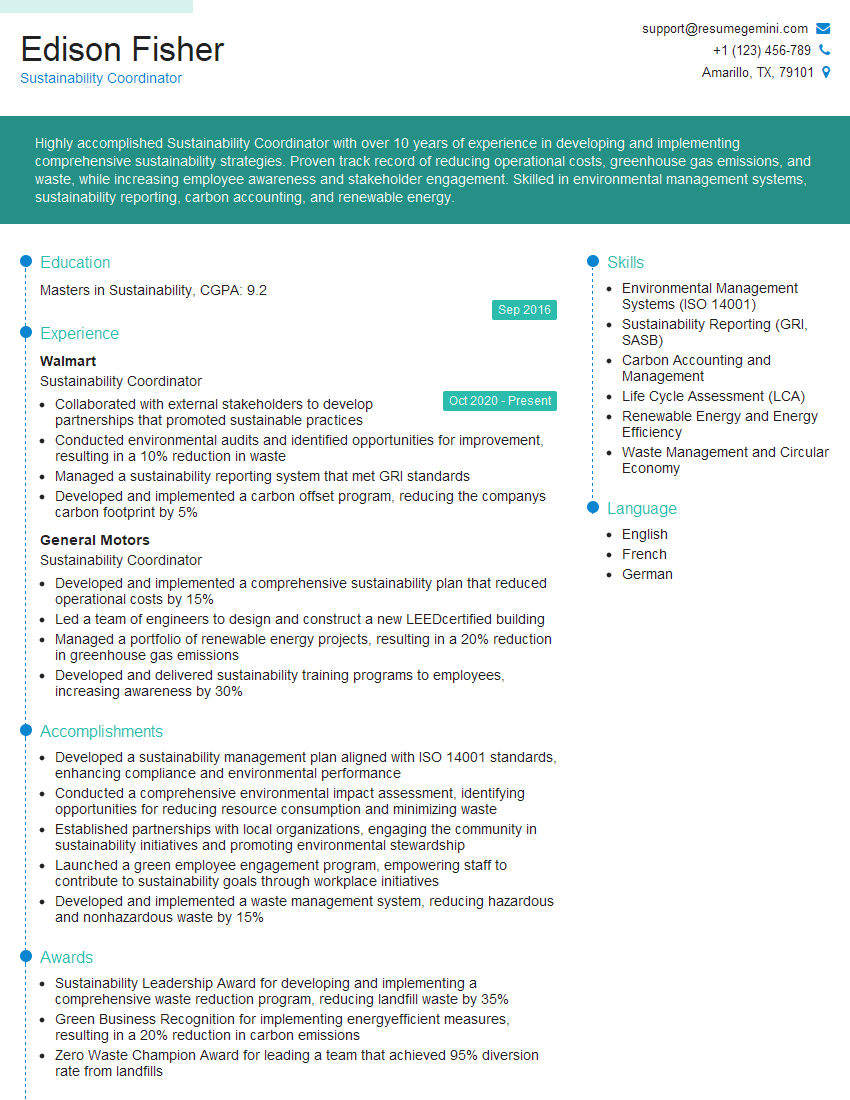
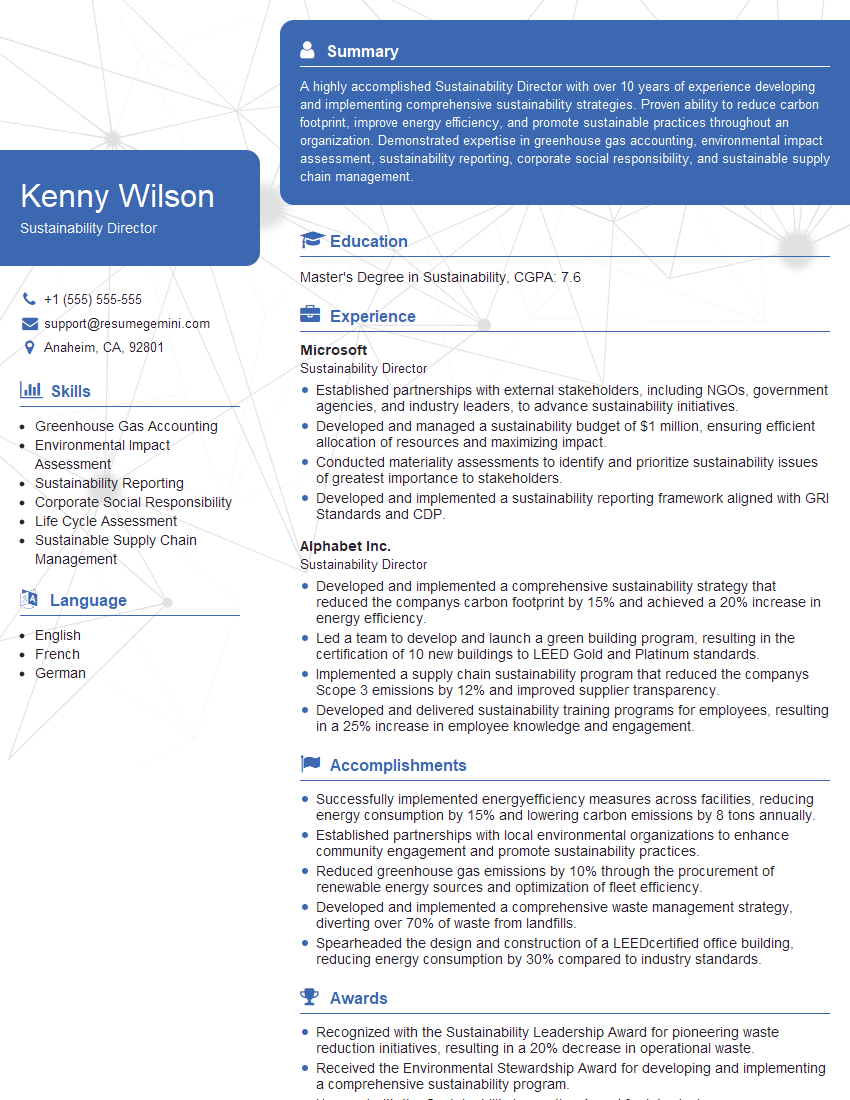
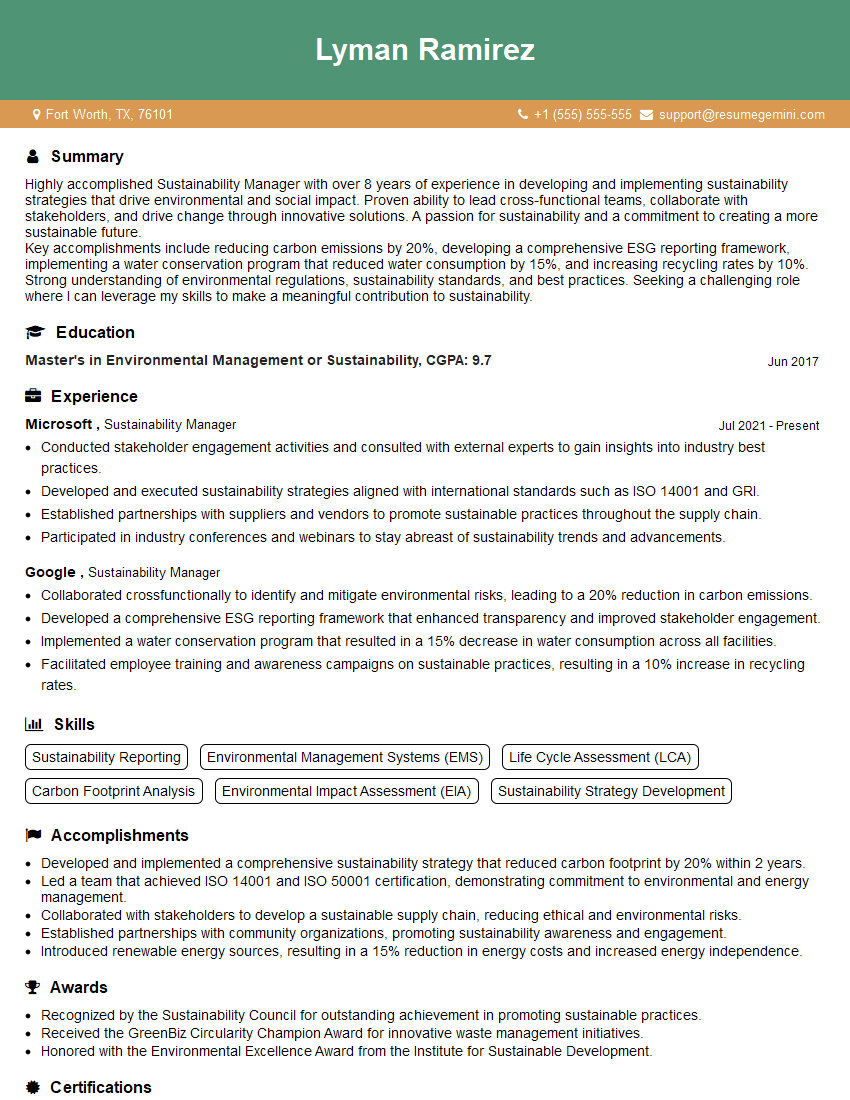
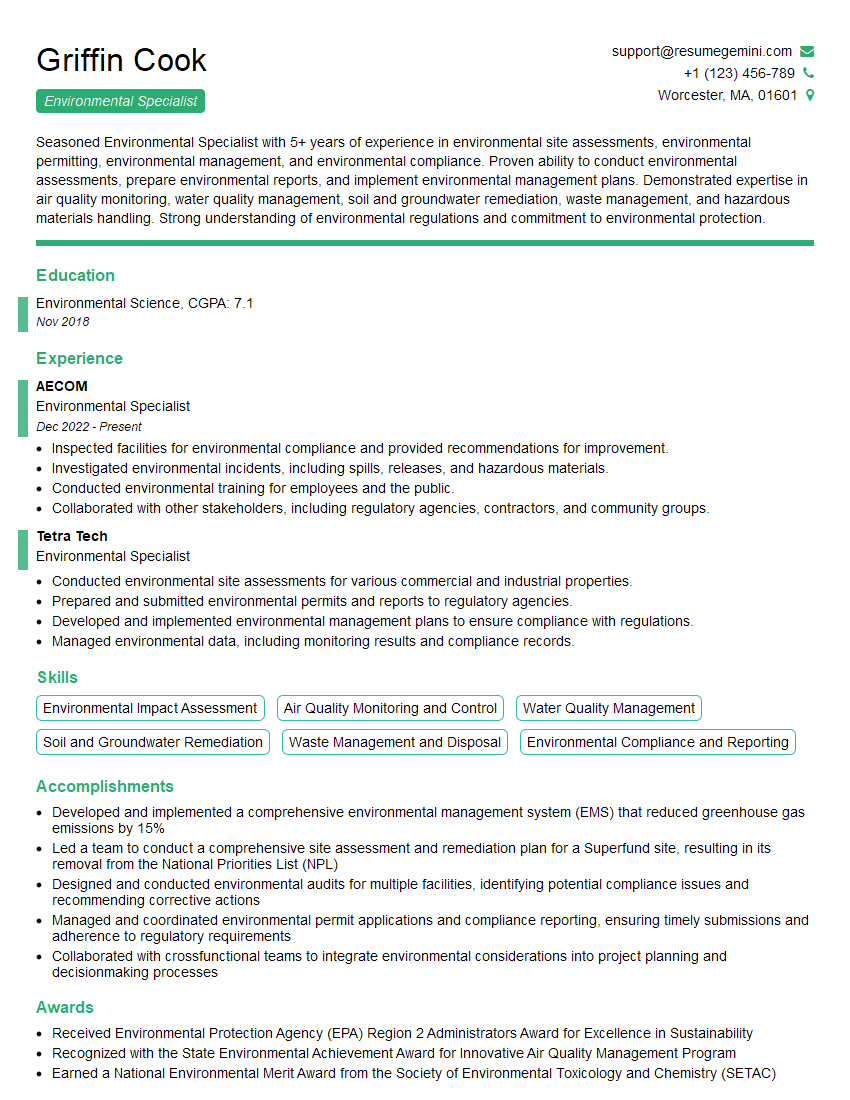
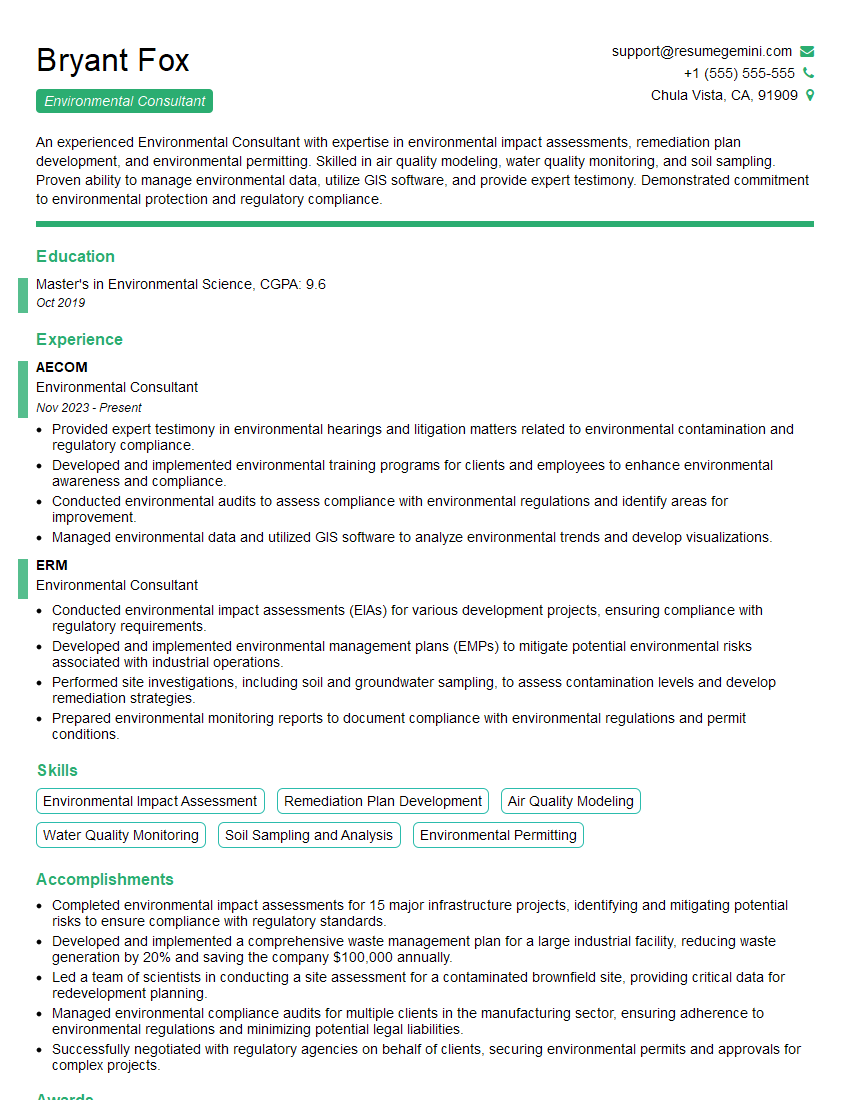
Mastering LEED certification significantly enhances your career prospects in the green building industry, opening doors to higher-paying positions and more fulfilling work. To maximize your job search success, it’s crucial to create a resume that stands out to Applicant Tracking Systems (ATS). An ATS-friendly resume ensures your qualifications are accurately captured and presented to potential employers. ResumeGemini is a trusted resource that can help you build a professional, impactful resume tailored to the specific requirements of LEED-related roles. Examples of resumes optimized for LEED certification are available to guide you.

Explore more articles
Users Rating of Our Blogs
Share Your Experience
We value your feedback! Please rate our content and share your thoughts (optional).
What Readers Say About Our Blog
Very informative content, great job.
good