Interviews are opportunities to demonstrate your expertise, and this guide is here to help you shine. Explore the essential Ability to Learn and Interpret Rule Changes and Updates interview questions that employers frequently ask, paired with strategies for crafting responses that set you apart from the competition.
Questions Asked in Ability to Learn and Interpret Rule Changes and Updates Interview
Q 1. Describe your process for understanding complex regulations.
Understanding complex regulations requires a systematic approach. I begin by breaking down the document into manageable sections. This often involves creating an outline or mind map to visualize the structure and relationships between different clauses and subsections. Then, I carefully read each section, highlighting key terms, definitions, and exceptions. I pay close attention to the scope and applicability of the regulation, identifying any specific industries, entities, or activities it covers. I utilize tools like annotation software to add notes and comments directly onto the document for future reference. Finally, I create a summary in my own words, ensuring I understand the core principles and implications of the regulation. Think of it like assembling a complex jigsaw puzzle – you start by sorting the pieces (sections), identifying key features (definitions), and then piecing it all together to form a complete picture (understanding).
For example, when dealing with environmental regulations, I might first focus on defining terms like ‘pollutant,’ ‘discharge limit,’ and ‘environmental impact assessment’ before moving to the specific requirements for permits and reporting.
Q 2. How do you identify key changes in updated rules or guidelines?
Identifying key changes in updated rules requires careful comparison between the old and new versions. I typically use a ‘track changes’ feature in word processing software to highlight additions, deletions, and modifications. I focus on amendments that affect the scope, deadlines, penalties, or definitions of key terms. Changes to enforcement mechanisms or reporting requirements are also critical. Beyond simply highlighting changes, I analyze the *impact* of those changes. Does a seemingly minor wording adjustment significantly alter the interpretation or application of the rule? This requires careful consideration of the context and implications. I often create a summary table detailing the changes, their location in the document, and their potential impact. This allows me to quickly grasp the essence of the updates without re-reading the entire document.
Q 3. Explain a time you had to quickly learn and apply a new rule or regulation.
During a recent project involving data privacy regulations, a significant amendment was introduced just days before our compliance deadline. The amendment significantly altered the definition of ‘sensitive personal data,’ impacting the types of data requiring enhanced protection. To quickly adapt, I first reviewed the amendment’s official text and supporting documentation. Then, I immediately contacted colleagues in our legal department for clarification on ambiguous points. I created a flowchart outlining the steps required to update our data handling procedures in accordance with the new definition. Finally, I communicated the changes to the relevant teams, providing training and support as needed. This situation highlighted the importance of quick learning, clear communication, and proactive collaboration when facing sudden regulatory changes.
Q 4. How do you prioritize learning multiple rule updates simultaneously?
Prioritizing multiple rule updates simultaneously requires a strategic approach. I use a matrix system to evaluate each update’s urgency and impact. This involves assigning a priority score based on factors like the deadline for compliance, the potential penalties for non-compliance, and the scope of impact on our operations. Updates with the highest urgency and impact get immediate attention. I use project management tools to schedule dedicated time slots for studying and implementing each update. This helps avoid feeling overwhelmed and ensures thorough understanding of each regulation. Visualizing the priorities through a Kanban board or similar method helps maintain focus and track progress efficiently. The goal is to avoid a ‘fire-fighting’ mentality; instead, systematic prioritization ensures that the most critical updates receive the attention they deserve.
Q 5. What strategies do you use to ensure you remain up-to-date on relevant regulations?
Staying up-to-date requires a multi-pronged strategy. First, I subscribe to relevant newsletters, journals, and online resources dedicated to regulatory updates in my field. I actively participate in professional organizations and attend webinars or conferences to learn from experts and network with peers. I also set up alerts for changes to specific regulations through official government websites or dedicated regulatory databases. Finally, I maintain a regular review schedule, revisiting key regulations periodically to ensure I haven’t missed any important updates. This approach combines passive information gathering (subscriptions) with active engagement (conferences and networking) to ensure continuous knowledge update.
Q 6. How do you interpret ambiguous or unclear aspects of a rule or regulation?
When encountering ambiguous aspects, I employ several strategies. First, I thoroughly review the entire document to ensure I haven’t missed any clarifying information elsewhere. I then look for official interpretations or guidance issued by the regulatory body. I might also consult legal counsel or subject matter experts for clarification. In some cases, seeking clarification directly from the regulatory authority through formal channels is necessary. I document all my efforts to interpret the ambiguous sections, including the sources I consulted and the reasoning behind my conclusions. This detailed record is essential for compliance and audit purposes. Remember, it’s better to seek clarification proactively than to assume meaning and risk non-compliance.
Q 7. How do you verify the accuracy of information related to rule changes?
Verifying accuracy involves consulting multiple authoritative sources. I always refer back to the official publication of the rule or regulation by the issuing body, avoiding secondary sources unless they are explicitly cited as official interpretations. I compare information from different reliable sources to ensure consistency. I cross-reference definitions and interpretations with other relevant regulations or legal precedents. For significant changes, I would actively seek confirmation from regulatory experts or legal professionals. Essentially, using multiple, trusted, and independent sources to corroborate the information is vital for confident verification.
Q 8. Describe your experience with different methods of regulatory information dissemination.
My experience encompasses a wide range of regulatory information dissemination methods. I’ve worked with everything from traditional methods like printed newsletters and regulatory updates delivered via email, to more modern approaches such as online portals with automated alerts, RSS feeds, and dedicated regulatory compliance software. Each method has its strengths and weaknesses. For instance, printed materials can be beneficial for ensuring everyone has access, even with limited technology. However, they are slower and less efficient for rapid updates. Online portals, while offering immediate access and alerts, require reliable internet connectivity and may necessitate training for users unfamiliar with the system. I’ve found that a multi-pronged approach, using a combination of methods tailored to the audience and the urgency of the change, proves most effective.
- Email Alerts: Ideal for immediate notification of critical changes.
- Dedicated Portals: Provide a central repository for comprehensive rule information and historical records.
- Training Sessions: Particularly beneficial for complex rule changes requiring in-depth explanation and interactive clarification.
- Internal Communication Platforms: Allow for immediate and ongoing discussion and Q&A related to regulatory updates.
Q 9. How do you communicate rule changes effectively to others?
Communicating rule changes effectively hinges on clarity, accessibility, and proactive engagement. I utilize a layered approach to ensure the message reaches everyone and is understood. This begins with a clear and concise summary of the changes, using plain language free of jargon. For more complex changes, I supplement this with visual aids like flowcharts or infographics to simplify understanding. I also prioritize providing real-world examples illustrating the practical implications of the new rules. This often involves organizing training sessions or creating frequently asked questions (FAQ) documents to address potential concerns. Furthermore, I establish clear channels for feedback to ensure that everyone’s questions are answered promptly and thoroughly. Open communication is key to ensuring compliance and minimizing confusion.
Q 10. How do you handle conflicting interpretations of a rule or regulation?
Conflicting interpretations are inevitable when dealing with regulations. My approach to resolving these involves a methodical process. First, I carefully review the relevant sections of the rule or regulation in question, paying close attention to the precise wording and any definitions provided. If ambiguity remains, I consult with other experts, including legal counsel or colleagues with relevant specialized knowledge. We will discuss the various interpretations, cite relevant examples, and refer to any official guidance materials that may clarify the issue. If necessary, we would submit an official inquiry to the regulatory body for clarification. The goal is to reach a consensus based on a solid understanding of the regulation, supported by evidence and expert opinion. Documenting this process and the final agreed interpretation is crucial for future reference.
Q 11. What resources do you typically utilize to stay current on changes?
Staying current on regulatory changes requires a multi-faceted strategy. I regularly monitor official government websites and regulatory agencies’ publications. I also subscribe to relevant industry newsletters and journals, attend industry conferences and webinars, and actively participate in professional associations. Furthermore, I leverage specialized compliance databases and software that provide alerts on regulatory updates relevant to my field. Maintaining a network of colleagues and contacts within the regulatory landscape is invaluable for sharing insights and addressing ambiguities. This combination allows me to capture a comprehensive picture of changes and react proactively.
Q 12. Explain a time you had to adapt your work due to an unexpected regulatory change.
In my previous role, we were in the midst of a large-scale project when a significant unexpected change was announced to data privacy regulations. This required us to immediately review all data handling processes and update our system to meet the new requirements. The initial reaction was concern about the project timeline, but we quickly transitioned into a problem-solving mode. We prioritized the key changes, delegated tasks to relevant team members, and established a clear timeline for implementation. This involved intensive work, including modifying our software, updating documentation, and providing training to staff. While it was challenging, the collaborative effort ensured the project remained on track and we achieved full compliance within the required timeframe. This experience reinforced the importance of agility and collaboration in responding to unexpected regulatory changes.
Q 13. How do you assess the impact of a rule change on existing processes?
Assessing the impact of a rule change on existing processes is a crucial step in ensuring smooth adaptation. I utilize a structured approach that involves: 1) Identifying affected processes: A thorough review of existing workflows is essential to pinpoint areas impacted by the new rules. 2) Analyzing the nature of the changes: Determining the extent of modification needed, ranging from minor adjustments to complete process overhauls. 3) Estimating the impact: This encompasses assessing resource needs (time, personnel, budget), potential workflow disruptions, and potential risks to compliance. 4) Developing a mitigation plan: A comprehensive plan outlines necessary actions, including process updates, staff training, and resource allocation. This approach ensures that the impact is thoroughly understood and manageable.
Q 14. How do you identify potential risks associated with rule changes?
Identifying potential risks associated with rule changes requires a proactive and systematic approach. I use a risk assessment framework that considers factors such as: 1) Compliance risks: This involves identifying areas where non-compliance could lead to penalties or legal action. 2) Operational risks: Assessing potential disruptions to workflows, increased costs, or decreased efficiency. 3) Reputational risks: Evaluating the potential damage to the organization’s reputation from non-compliance. 4) Financial risks: Estimating the financial impact of non-compliance, including fines, legal fees, and lost revenue. By systematically analyzing these areas, I can identify potential vulnerabilities and implement strategies to mitigate these risks. This might involve enhanced training, revised processes, improved documentation, or investment in new technologies.
Q 15. Describe your experience working with cross-functional teams to implement rule changes.
Implementing rule changes effectively requires seamless collaboration. In my experience, I’ve consistently worked with cross-functional teams, leveraging each member’s expertise to ensure a smooth transition. This involves clearly defining roles and responsibilities from the outset. For example, in a recent project involving updated data privacy regulations, I worked with legal, engineering, and marketing teams. Legal provided the precise interpretation of the new rules, engineering adapted our systems for compliance, and marketing crafted communications for our clients. We held regular meetings using project management tools to track progress, address roadblocks, and maintain open communication. This collaborative approach minimizes misunderstandings and ensures a unified, efficient implementation.
Another key aspect is fostering a culture of shared ownership. Everyone understands the importance of the changes and their role in achieving compliance. Open dialogue and active listening are crucial in resolving conflicts and ensuring everyone feels heard and valued.
Career Expert Tips:
- Ace those interviews! Prepare effectively by reviewing the Top 50 Most Common Interview Questions on ResumeGemini.
- Navigate your job search with confidence! Explore a wide range of Career Tips on ResumeGemini. Learn about common challenges and recommendations to overcome them.
- Craft the perfect resume! Master the Art of Resume Writing with ResumeGemini’s guide. Showcase your unique qualifications and achievements effectively.
- Don’t miss out on holiday savings! Build your dream resume with ResumeGemini’s ATS optimized templates.
Q 16. How do you track the implementation and effectiveness of new rules?
Tracking implementation and effectiveness involves a multi-pronged approach. Firstly, we establish key performance indicators (KPIs) aligned with the goals of the new rules. These KPIs are carefully selected to accurately reflect the intended impact of the changes. For instance, if the new rule aims to reduce errors, we might track the error rate before and after implementation. Secondly, we use a combination of methods for data collection, such as automated system logs, user feedback surveys, and regular audits. This provides a comprehensive view of the rule’s impact. We analyze this data regularly, using data visualization tools to identify trends and patterns. This allows for timely adjustments if the rules aren’t achieving their intended effect.
Finally, regular reporting to stakeholders is vital. These reports provide transparency and allow for early identification of potential issues. This proactive approach avoids significant problems down the line.
Q 17. What are some common pitfalls to avoid when interpreting rule changes?
Interpreting rule changes involves potential pitfalls that can lead to non-compliance. One common mistake is focusing solely on the literal wording without considering the context and intent. Rules are often complex and require a thorough understanding of the underlying principles. Another pitfall is failing to account for interactions between different rules. A change in one area might inadvertently conflict with another existing rule. Additionally, assuming that everyone understands the changes equally is risky. Clear communication and training are essential. Lastly, overlooking the practical implications and failing to plan for the implementation process can lead to significant challenges.
For example, imagine a change in tax regulations. Simply memorizing the new rates is insufficient. One must understand the implications for different tax brackets and scenarios to correctly apply the new rules. Furthermore, failing to train staff on the new procedures could result in errors and non-compliance.
Q 18. How do you ensure compliance with new rules and regulations?
Ensuring compliance requires a proactive, multi-layered approach. Firstly, a comprehensive understanding of the rules is paramount. This involves careful review of the official documentation, seeking clarification when needed, and attending relevant training sessions. Secondly, we develop clear internal procedures and guidelines based on the new rules. These guidelines should be easily accessible and understandable for all relevant personnel. Regular audits and reviews are crucial to identify any deviations from the established procedures. These reviews can include internal audits, external audits (if required), and spot checks. Finally, providing ongoing training and support for employees is essential to maintain compliance over time. This includes refresher courses, updated documentation, and readily available resources for questions.
Q 19. How do you document your understanding of rule changes?
Documenting my understanding of rule changes is crucial for maintaining compliance and facilitating knowledge transfer. I use a structured approach combining different methods. I create detailed summaries outlining the key changes, the rationale behind them, and their implications for our organization. These summaries are written in plain language, avoiding technical jargon where possible. I also utilize flowcharts and diagrams to visualize complex processes affected by the changes. This visual representation enhances understanding and clarifies any ambiguities. Crucially, I maintain a version-controlled repository for all documentation, ensuring that everyone works from the most up-to-date information. This allows easy traceability and enables us to review the evolution of our understanding of the regulations over time.
Q 20. Explain your approach to learning complex technical regulations.
Learning complex technical regulations requires a systematic approach. I begin by identifying the key components and breaking down the regulations into manageable chunks. I then prioritize learning the core concepts first, building a strong foundational understanding before delving into the finer details. I leverage various resources, including official documentation, reputable industry publications, and online courses. I actively seek clarification when encountering ambiguities, reaching out to subject matter experts or regulatory bodies when necessary. Creating summaries, flashcards, and practice exercises enhances knowledge retention and ensures understanding. Regular self-testing helps identify knowledge gaps and reinforces learning. This multi-faceted approach ensures a thorough grasp of the regulations.
Q 21. How do you prioritize learning new rules when faced with competing deadlines?
Prioritizing new rules amidst competing deadlines requires careful planning and strategic allocation of time. I use a prioritization matrix, considering the urgency and importance of each task. Rules with immediate deadlines and significant consequences for non-compliance take precedence. I break down complex regulations into smaller, manageable tasks, scheduling time for focused learning sessions. I also leverage time management techniques like the Pomodoro technique to maintain concentration and avoid burnout. Delegating tasks where feasible allows me to focus on the most crucial aspects of rule comprehension and implementation. Regularly reviewing progress and adjusting the schedule as needed ensures that learning and compliance are maintained effectively.
Q 22. Describe a situation where you needed to quickly grasp and apply unfamiliar terminology related to regulations.
I once had to quickly learn the intricacies of ‘Know Your Customer’ (KYC) regulations and the specific terminology associated with them, such as ‘Politically Exposed Person’ (PEP) and ‘Beneficial Ownership,’ when our financial institution implemented a new anti-money laundering (AML) compliance system. The sheer volume of new terms and their specific legal definitions was initially daunting.
My approach involved a combination of strategies: I began by creating a glossary of terms, defining each one clearly in my own words. Then, I actively engaged with the training materials provided, focusing on understanding the ‘why’ behind each regulation—understanding the underlying risks these terms address helps retention. Finally, I practiced applying my knowledge through realistic scenarios provided in the training, which significantly helped solidify my grasp of the new terminology in a practical context. This allowed me to successfully navigate the complex regulatory requirements within a short timeframe.
Q 23. How do you reconcile differing interpretations of a regulation across different sources?
Reconciling differing interpretations of regulations requires a systematic approach. I start by identifying the precise points of divergence between the sources. Then, I examine the authority and reliability of each source – for instance, a primary legal document carries more weight than a blog post. I also look for supporting evidence or case law that clarifies the ambiguous points.
If the discrepancies remain after this, I consult with subject matter experts, legal counsel, or regulatory bodies for clarification. The goal isn’t to simply choose one interpretation over another but to understand the underlying rationale behind each and reach a well-supported conclusion. Documenting the reconciliation process, including the sources consulted and rationale, is crucial for transparency and accountability.
Q 24. How do you stay abreast of updates within a rapidly evolving regulatory landscape?
Staying current in a rapidly changing regulatory environment necessitates a proactive and multi-faceted approach. This includes subscribing to relevant newsletters and publications from reputable sources like regulatory agencies and industry associations. I actively participate in professional development workshops and conferences to learn from experts and network with colleagues.
Furthermore, I utilize online databases and legal research tools to regularly search for updates on specific regulations that impact my work. Following key regulatory bodies on social media and setting up alerts for relevant keywords also proves beneficial. Regularly reviewing and updating internal documentation and training materials based on the latest information is essential to maintain compliance.
Q 25. What are the key steps in your approach to successfully applying new rules to your day-to-day work?
Successfully applying new rules requires a structured approach. First, I thoroughly review the new regulations, focusing on understanding the intent and purpose behind the changes. Then, I identify any implications for my day-to-day tasks and responsibilities.
- Impact Assessment: I assess the scope and magnitude of changes needed in existing processes or procedures.
- Implementation Plan: I develop a clear plan for implementing the new rules, identifying any resource requirements, training needs, and timelines.
- Training and Communication: I ensure all relevant stakeholders are properly trained on the new rules and their implications.
- Testing and Monitoring: I test the new procedures and monitor their effectiveness, making adjustments as needed.
- Documentation: Maintaining meticulous records of the implementation process, including any challenges encountered and resolutions, is crucial.
This systematic approach ensures a smooth transition and minimized disruption to workflows.
Q 26. How do you ensure your understanding of new rules is accurate and complete?
Ensuring accurate and complete understanding necessitates a rigorous process. I verify information from multiple reliable sources, comparing and cross-referencing to identify any discrepancies. I also seek clarification from subject matter experts or regulatory bodies when needed.
I find it useful to summarize the key elements of the new rules in my own words, ensuring I can explain them clearly and concisely to others. This also helps identify areas where my understanding is lacking. Finally, I actively look for opportunities to apply the new rules in practical scenarios, using this as a test of my understanding and identifying potential gaps in my knowledge.
Q 27. Describe a situation where you identified an error or omission in a rule or regulation.
During a review of updated data privacy regulations, I noticed an inconsistency between the stated definition of ‘sensitive personal data’ and the examples provided in the accompanying guidance document. The examples included information that, based on the definition, did not qualify as ‘sensitive.’
I documented the discrepancy, including page numbers and specific text references, and brought it to the attention of my legal team. This allowed for a timely correction, preventing potential compliance issues and demonstrating proactive risk management.
Q 28. How do you measure your success in learning and applying new rules and regulations?
Measuring success in learning and applying new rules involves both qualitative and quantitative indicators.
- Qualitative: This includes successfully navigating complex scenarios requiring application of the new rules, receiving positive feedback from colleagues or supervisors on compliance, and confidently explaining the rules to others.
- Quantitative: This could involve tracking the reduction in errors related to the new regulations, improvements in efficiency of related processes, or a decrease in compliance-related incidents.
A combination of these measures provides a comprehensive assessment of my success in mastering and implementing the new rules effectively.
Key Topics to Learn for Ability to Learn and Interpret Rule Changes and Updates Interview
- Active Reading and Comprehension: Understanding complex rules and regulations quickly and efficiently. This includes identifying key terms, definitions, and exceptions.
- Information Synthesis and Analysis: Combining information from multiple sources (e.g., manuals, guidelines, updates) to form a comprehensive understanding. This involves identifying inconsistencies and potential conflicts.
- Effective Note-Taking and Summarization: Developing concise and organized notes to capture the essence of rule changes. This includes creating summaries that are easily referenced later.
- Problem-Solving and Application: Applying newly learned rules to practical scenarios and identifying potential issues or implications. This involves using critical thinking to solve problems related to rule interpretation.
- Adaptability and Flexibility: Demonstrating the ability to adjust to frequent changes and updates in rules and regulations. This includes showcasing a proactive approach to staying updated.
- Communication and Collaboration: Effectively communicating interpretations of rules and updates to colleagues and stakeholders. This involves clearly and concisely explaining complex information.
- Identifying Knowledge Gaps and Seeking Clarification: Recognizing areas where understanding is lacking and proactively seeking clarification from appropriate sources. This highlights a proactive approach to learning and minimizing errors.
Next Steps
Mastering the ability to learn and interpret rule changes and updates is crucial for career advancement in many fields. It showcases adaptability, problem-solving skills, and a commitment to continuous learning – qualities highly valued by employers. To increase your job prospects, focus on building an ATS-friendly resume that highlights these skills. ResumeGemini is a trusted resource to help you create a professional and impactful resume. We provide examples of resumes tailored to showcase your ability to learn and interpret rule changes and updates, helping you present yourself effectively to potential employers. Start building your winning resume today!

Operations Manager Resume Sample
Quality Assurance Manager Resume Sample
Contract Manager Resume Sample

Project Manager Resume Sample
Compliance Manager Resume Sample

Compliance Officer Resume Sample
Risk Manager Resume Sample
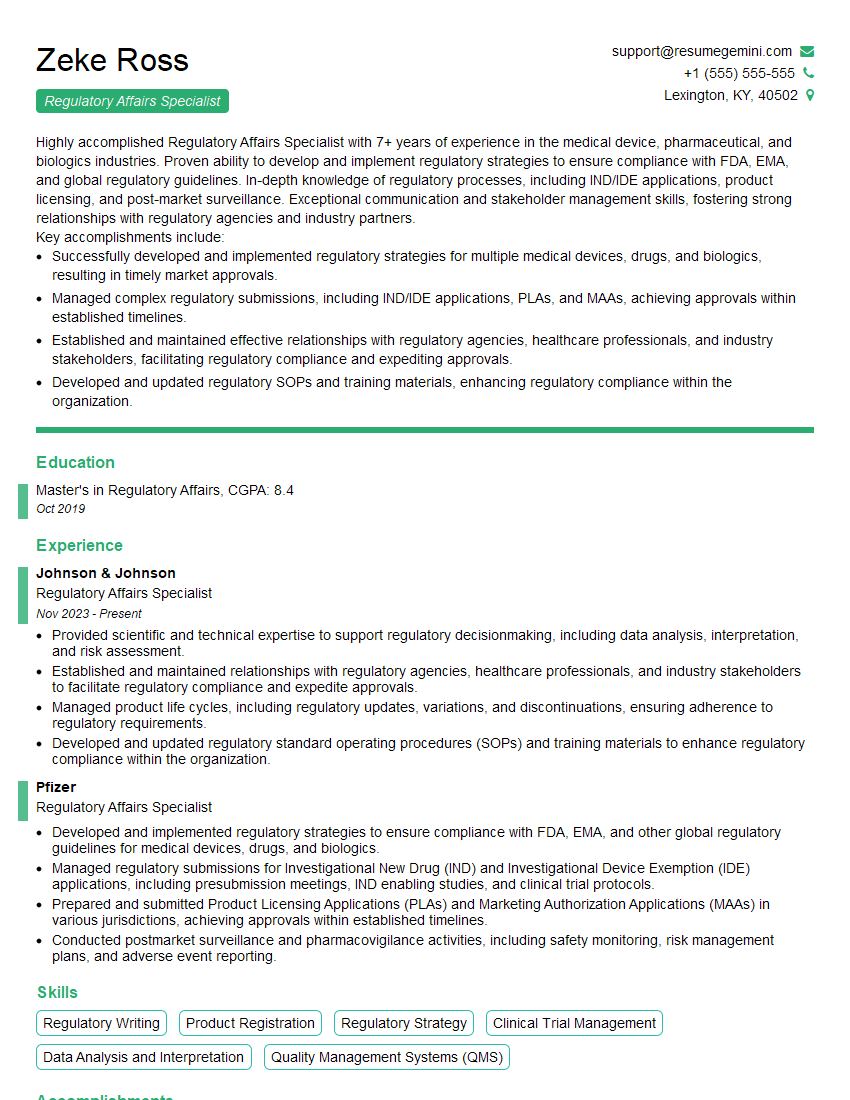
Regulatory Affairs Specialist Resume Sample
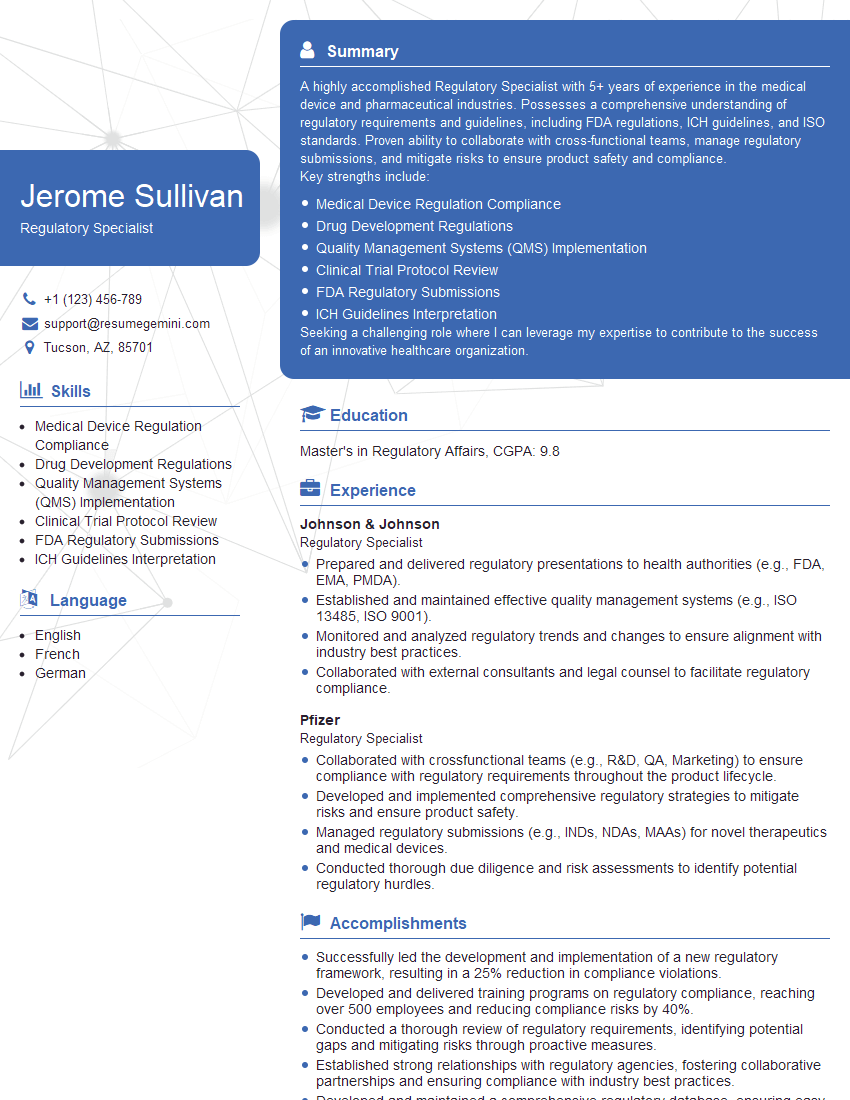
Regulatory Specialist Resume Sample
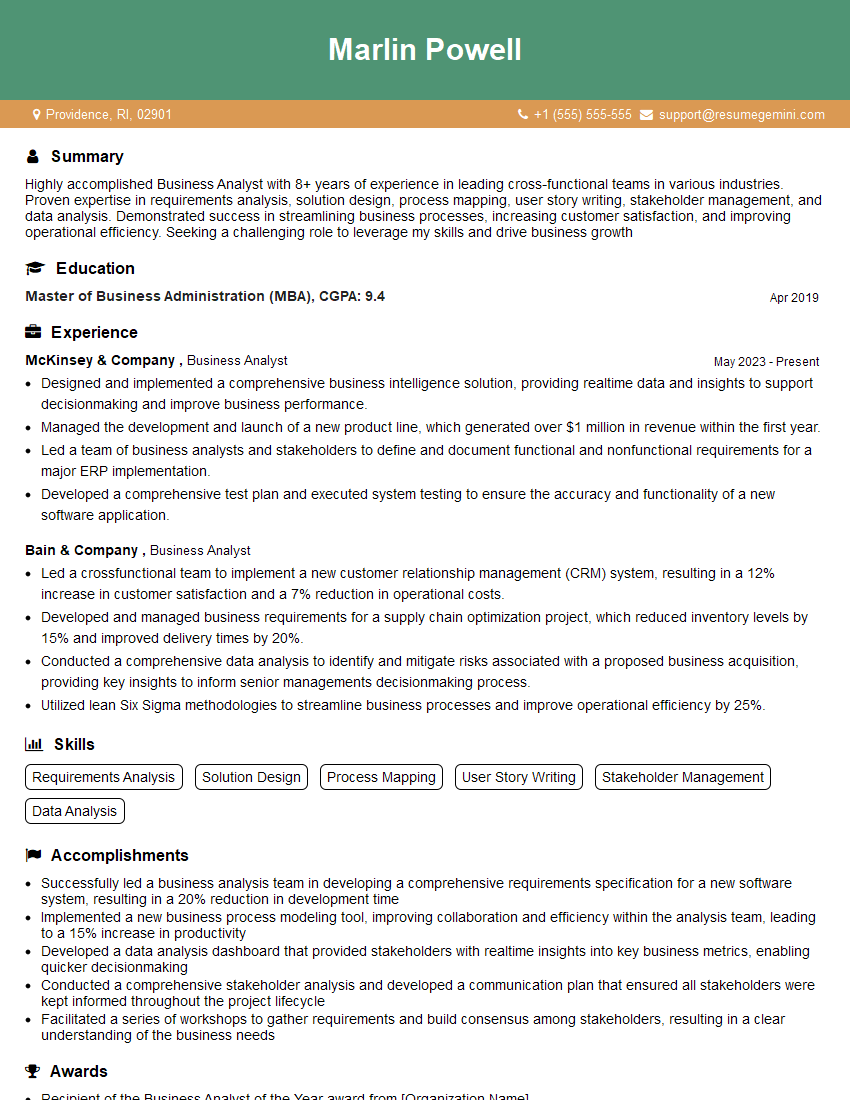
Business Analyst Resume Sample
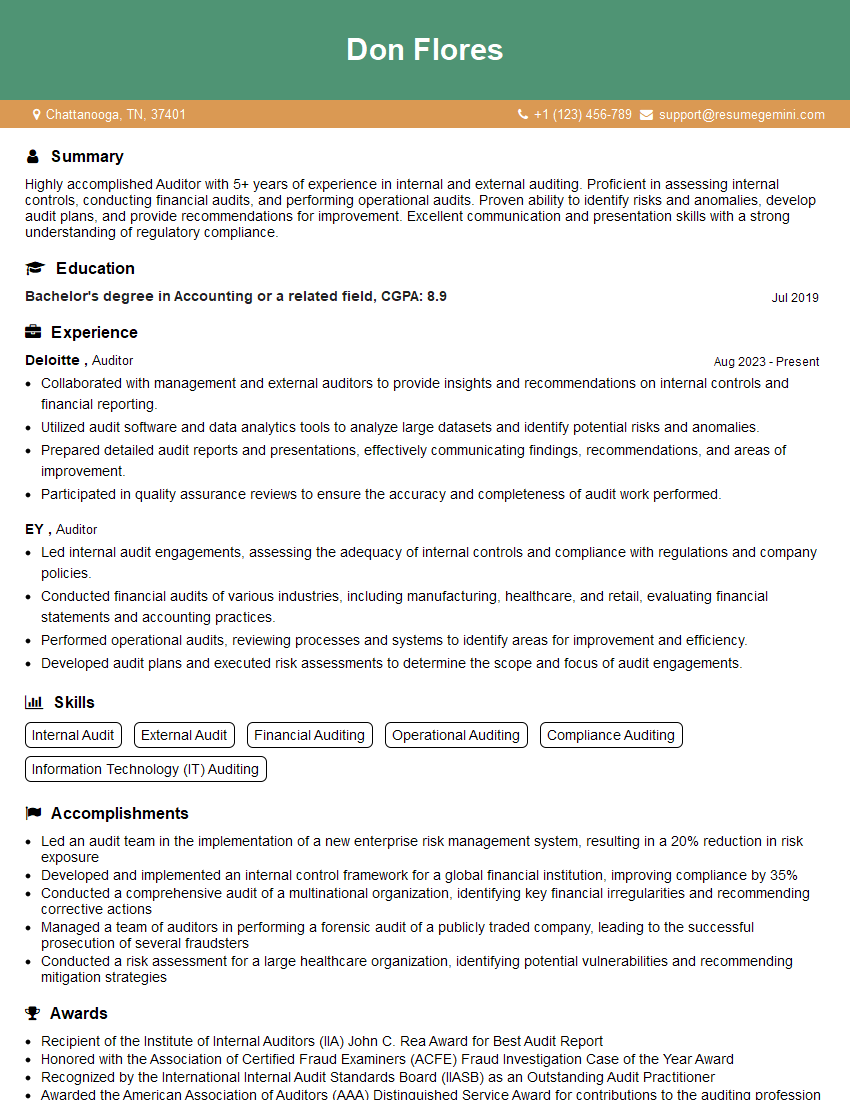
Auditor Resume Sample
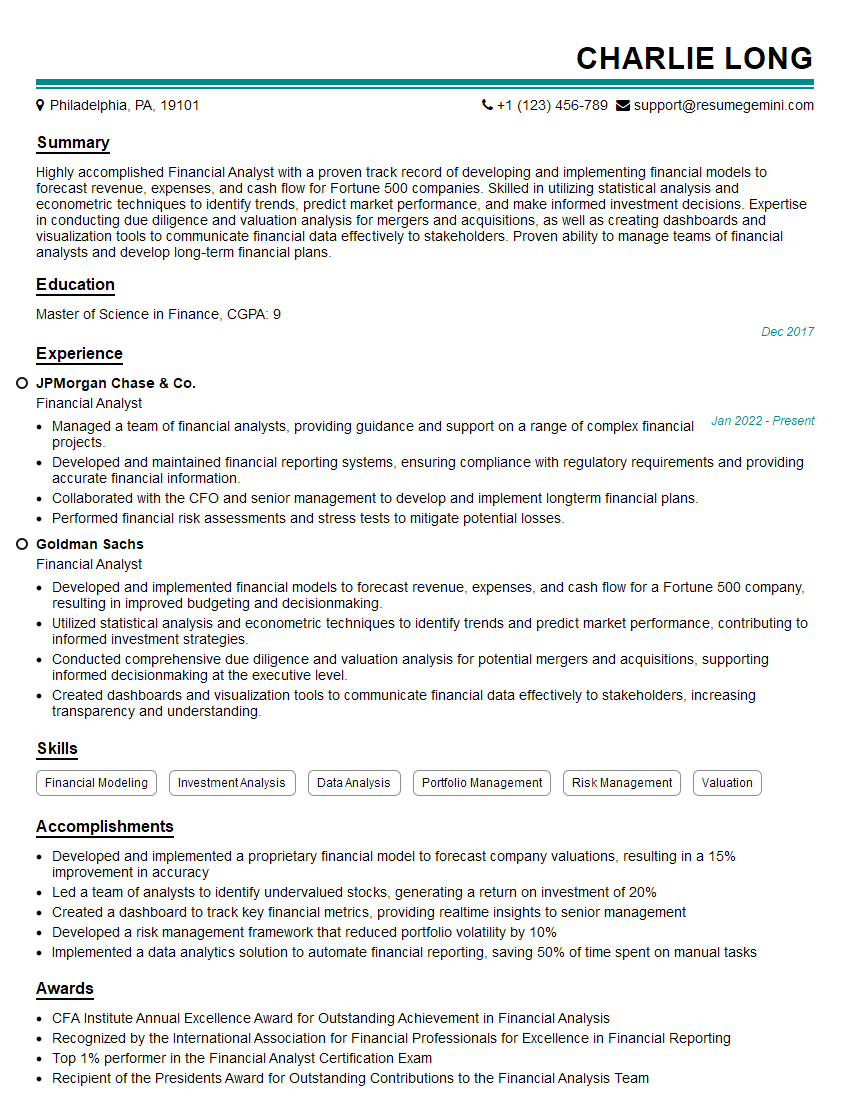
Financial Analyst Resume Sample
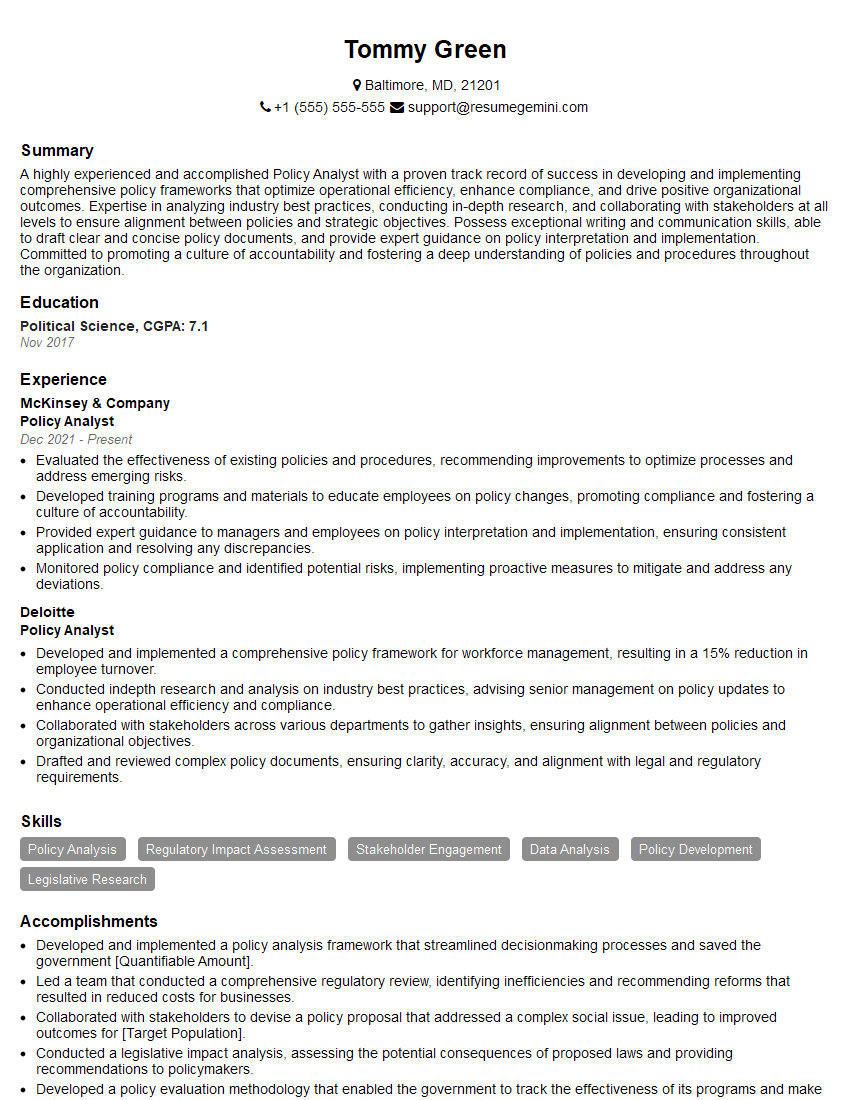
Policy Analyst Resume Sample
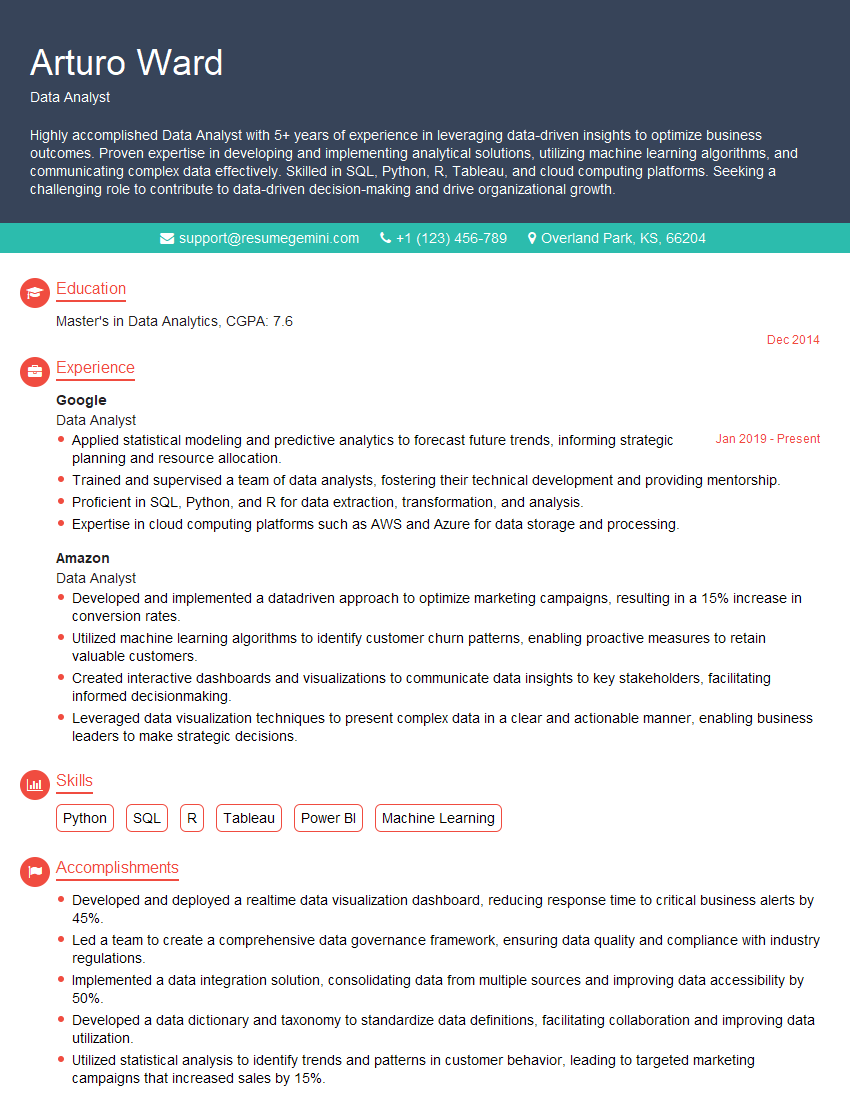
Data Analyst Resume Sample
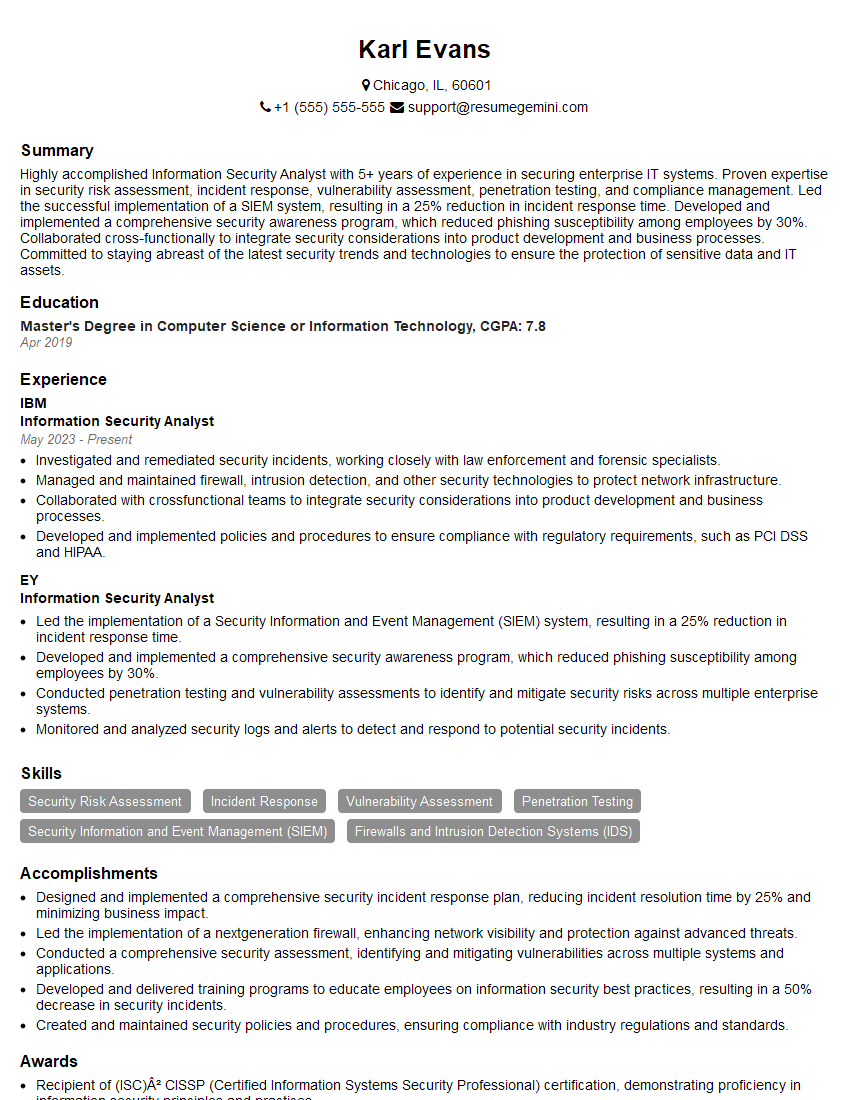
Information Security Analyst Resume Sample
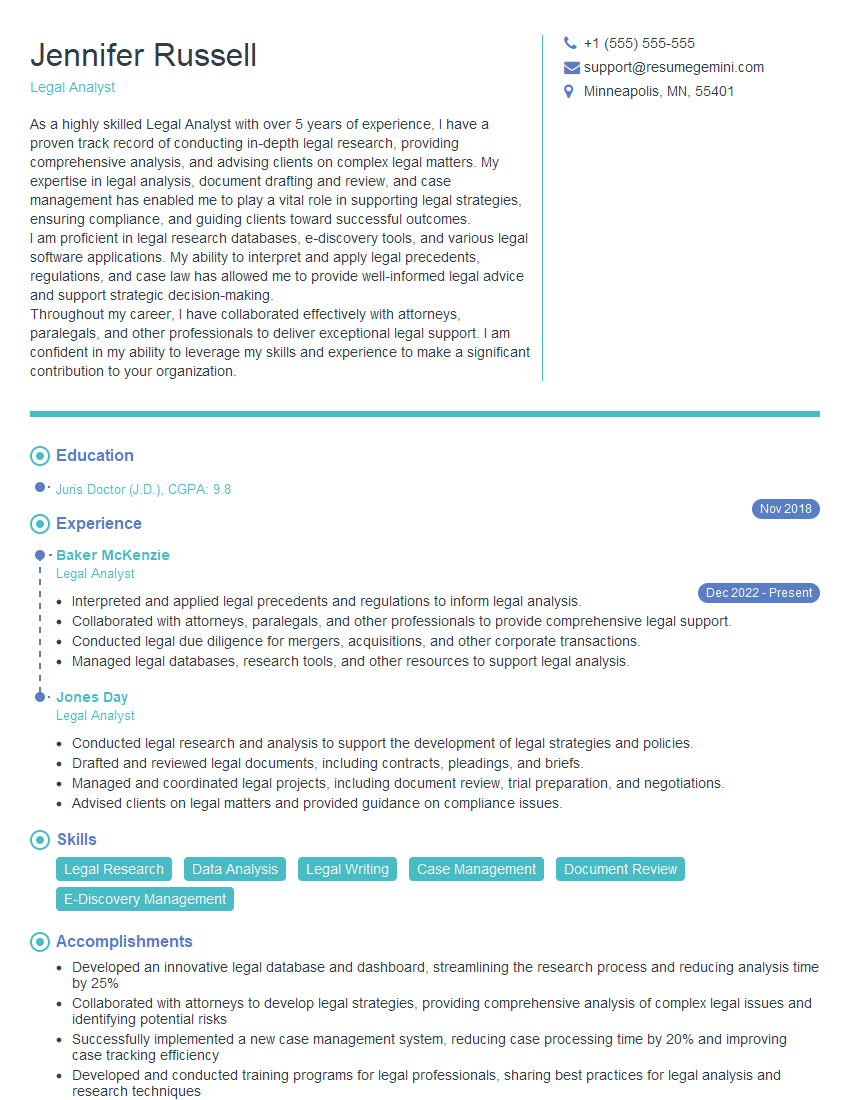
Legal Analyst Resume Sample
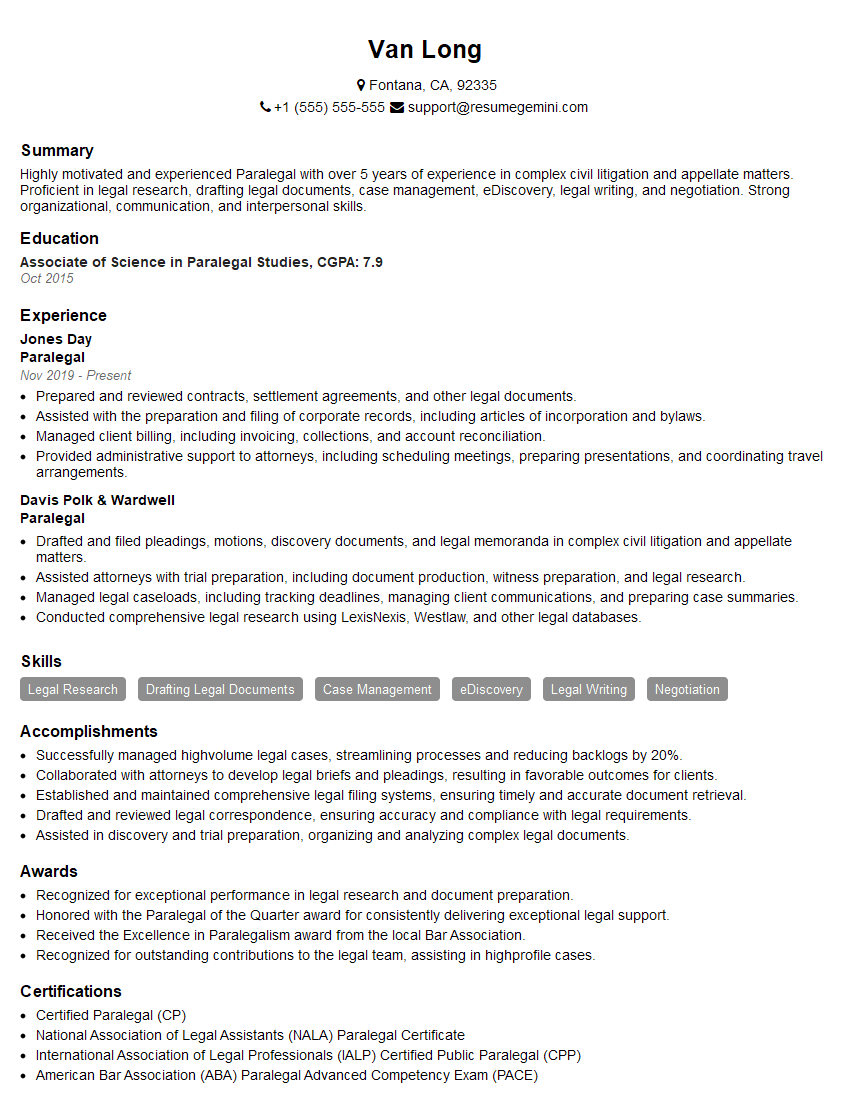
Paralegal Resume Sample
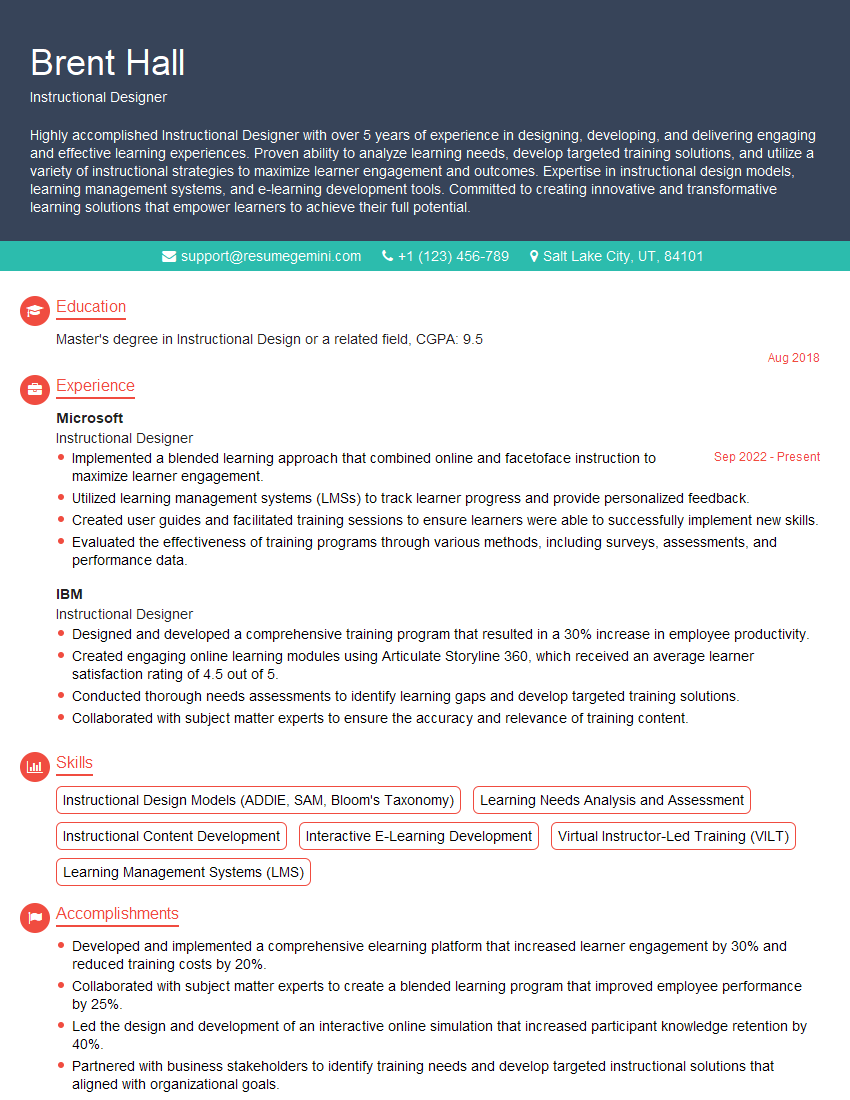
Instructional Designer Resume Sample

Quality Control Inspector Resume Sample
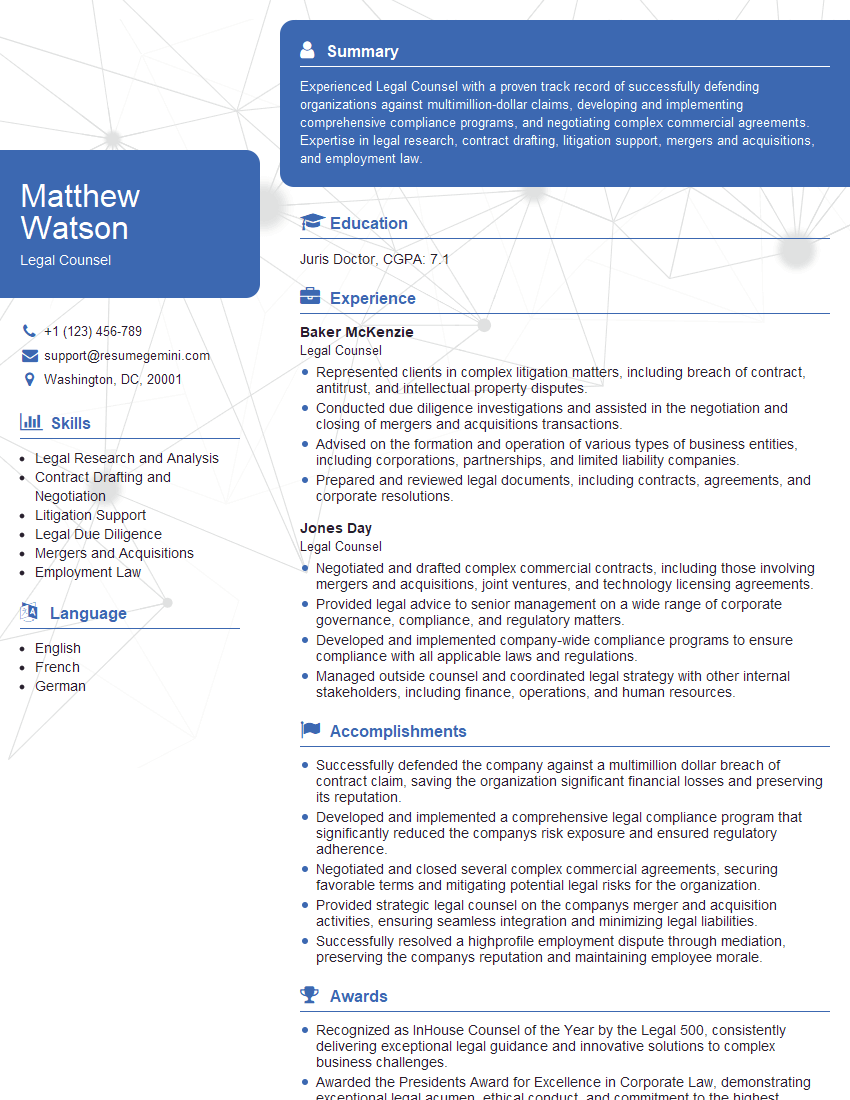
Legal Counsel Resume Sample
- Operations Manager
- Quality Assurance Manager
- Contract Manager
- Project Manager
- Compliance Manager
- Compliance Officer
- Risk Manager
- Regulatory Affairs Specialist
- Regulatory Specialist
- Business Analyst
- Auditor
- Financial Analyst
- Policy Analyst
- Data Analyst
- Information Security Analyst
- Legal Analyst
- Paralegal
- Instructional Designer
- Quality Control Inspector
- Legal Counsel
Explore more articles
Users Rating of Our Blogs
Share Your Experience
We value your feedback! Please rate our content and share your thoughts (optional).
What Readers Say About Our Blog
Hello,
we currently offer a complimentary backlink and URL indexing test for search engine optimization professionals.
You can get complimentary indexing credits to test how link discovery works in practice.
No credit card is required and there is no recurring fee.
You can find details here:
https://wikipedia-backlinks.com/indexing/
Regards
NICE RESPONSE TO Q & A
hi
The aim of this message is regarding an unclaimed deposit of a deceased nationale that bears the same name as you. You are not relate to him as there are millions of people answering the names across around the world. But i will use my position to influence the release of the deposit to you for our mutual benefit.
Respond for full details and how to claim the deposit. This is 100% risk free. Send hello to my email id: [email protected]
Luka Chachibaialuka
Hey interviewgemini.com, just wanted to follow up on my last email.
We just launched Call the Monster, an parenting app that lets you summon friendly ‘monsters’ kids actually listen to.
We’re also running a giveaway for everyone who downloads the app. Since it’s brand new, there aren’t many users yet, which means you’ve got a much better chance of winning some great prizes.
You can check it out here: https://bit.ly/callamonsterapp
Or follow us on Instagram: https://www.instagram.com/callamonsterapp
Thanks,
Ryan
CEO – Call the Monster App
Hey interviewgemini.com, I saw your website and love your approach.
I just want this to look like spam email, but want to share something important to you. We just launched Call the Monster, a parenting app that lets you summon friendly ‘monsters’ kids actually listen to.
Parents are loving it for calming chaos before bedtime. Thought you might want to try it: https://bit.ly/callamonsterapp or just follow our fun monster lore on Instagram: https://www.instagram.com/callamonsterapp
Thanks,
Ryan
CEO – Call A Monster APP
To the interviewgemini.com Owner.
Dear interviewgemini.com Webmaster!
Hi interviewgemini.com Webmaster!
Dear interviewgemini.com Webmaster!
excellent
Hello,
We found issues with your domain’s email setup that may be sending your messages to spam or blocking them completely. InboxShield Mini shows you how to fix it in minutes — no tech skills required.
Scan your domain now for details: https://inboxshield-mini.com/
— Adam @ InboxShield Mini
Reply STOP to unsubscribe
Hi, are you owner of interviewgemini.com? What if I told you I could help you find extra time in your schedule, reconnect with leads you didn’t even realize you missed, and bring in more “I want to work with you” conversations, without increasing your ad spend or hiring a full-time employee?
All with a flexible, budget-friendly service that could easily pay for itself. Sounds good?
Would it be nice to jump on a quick 10-minute call so I can show you exactly how we make this work?
Best,
Hapei
Marketing Director
Hey, I know you’re the owner of interviewgemini.com. I’ll be quick.
Fundraising for your business is tough and time-consuming. We make it easier by guaranteeing two private investor meetings each month, for six months. No demos, no pitch events – just direct introductions to active investors matched to your startup.
If youR17;re raising, this could help you build real momentum. Want me to send more info?
Hi, I represent an SEO company that specialises in getting you AI citations and higher rankings on Google. I’d like to offer you a 100% free SEO audit for your website. Would you be interested?
Hi, I represent an SEO company that specialises in getting you AI citations and higher rankings on Google. I’d like to offer you a 100% free SEO audit for your website. Would you be interested?
good