Preparation is the key to success in any interview. In this post, we’ll explore crucial Ability to Meet Deadlines and Exceed Expectations interview questions and equip you with strategies to craft impactful answers. Whether you’re a beginner or a pro, these tips will elevate your preparation.
Questions Asked in Ability to Meet Deadlines and Exceed Expectations Interview
Q 1. Describe a time you successfully met a tight deadline under pressure.
Meeting tight deadlines under pressure requires a blend of effective planning, efficient execution, and a calm demeanor. In my previous role at Acme Corp, we were tasked with launching a new product within an incredibly short timeframe – just six weeks. This involved coordinating a team of ten, managing multiple development streams, and ensuring rigorous quality control.
My approach involved breaking down the project into smaller, manageable tasks with clearly defined deliverables and timelines. We utilized Agile methodologies, holding daily stand-up meetings to track progress, identify bottlenecks, and immediately address any emerging issues. This proactive approach allowed us to stay on track despite several unexpected challenges, such as a critical software bug discovered late in the cycle. We prioritised fixing the bug, and through collaboration and extended hours in the final week, we successfully launched the product on time and within budget. The key was open communication, collaborative problem-solving, and a commitment to the shared goal.
Q 2. Explain your approach to prioritizing tasks when facing multiple deadlines.
Prioritizing tasks with multiple deadlines involves a structured approach. I typically employ a combination of techniques, starting with a clear understanding of each task’s urgency and importance. I use a matrix system, often visualized as a quadrant: Urgent & Important, Important but Not Urgent, Urgent but Not Important, and Neither Urgent Nor Important.
Tasks in the ‘Urgent & Important’ quadrant receive immediate attention. ‘Important but Not Urgent’ tasks are scheduled proactively to prevent them from becoming urgent. ‘Urgent but Not Important’ tasks are delegated if possible, or their deadlines are renegotiated. ‘Neither Urgent Nor Important’ tasks are either eliminated or deferred. Tools like project management software (e.g., Jira, Asana) are crucial for visualizing these priorities and tracking progress. The goal is to focus energy on high-impact tasks that directly contribute to the most critical deadlines.
Q 3. How do you handle unexpected setbacks that threaten to delay project completion?
Unexpected setbacks are inevitable in project management. My response involves a structured approach that prioritizes problem identification, solution exploration, and stakeholder communication. Imagine a scenario where a key supplier experienced a delay in delivering crucial components.
My first step would be to accurately assess the impact of the setback on the overall project timeline. This involves quantifying the delay and identifying any dependent tasks affected. Next, I explore potential mitigation strategies. This might involve finding an alternative supplier, redesigning a portion of the project to reduce reliance on the delayed component, or negotiating an extended deadline with stakeholders. Finally, I would transparently communicate the situation, proposed solutions, and updated timeline to all relevant stakeholders.
Q 4. Describe a situation where you exceeded expectations on a project.
Exceeding expectations involves delivering not just what is required, but also going the extra mile to add value and impress stakeholders. During a website redesign project for a client, the initial brief focused solely on aesthetic improvements and basic functionality.
However, I proactively identified opportunities to enhance user experience (UX) significantly. By implementing A/B testing, user analytics tools, and a responsive design, we not only met the aesthetic requirements but also dramatically improved the website’s conversion rate. The result was a 20% increase in sales leads within the first month of launch, exceeding the client’s expectations and securing a long-term partnership. This highlights the importance of proactive problem-solving and a focus on delivering tangible business value.
Q 5. How do you proactively identify and mitigate potential risks to meeting deadlines?
Proactive risk mitigation is key to consistently meeting deadlines. I use a risk assessment framework to systematically identify and address potential issues. This framework typically involves brainstorming potential problems, analyzing their likelihood and impact, and developing mitigation strategies.
For example, during the planning phase of a software development project, I might identify potential risks such as unexpected bugs, resource constraints, or dependency issues. I would then assign probabilities and impact scores to each risk, prioritizing those with a high likelihood and significant potential impact. Mitigation strategies might include building in extra buffer time for development, securing additional resources, or establishing clear communication channels with dependent teams. Regular risk reviews help to stay adaptable and avoid catastrophic delays.
Q 6. What tools or techniques do you use for effective time management?
Effective time management is crucial for meeting deadlines consistently. I utilize a combination of tools and techniques tailored to my work style and project needs. This includes task management software (like Trello or Todoist) for creating to-do lists, setting deadlines, and tracking progress. I also leverage time-blocking techniques, allocating specific time slots for different tasks to maintain focus and avoid multitasking.
Regular review of my schedule and prioritization of tasks is essential. The Pomodoro Technique (working in focused bursts with short breaks) helps maintain concentration and prevents burnout. Finally, I regularly evaluate my time management strategies to identify areas for improvement and adapt my approach as needed. This iterative approach allows for continuous optimization.
Q 7. How do you communicate progress and potential delays to stakeholders?
Transparent and proactive communication is vital for managing stakeholder expectations. I use multiple channels to keep stakeholders informed about project progress. Regular progress reports, both written and verbal, are essential, providing updates on key milestones, challenges, and any potential delays.
For instance, I might use email for formal progress updates, project management software for real-time task tracking and collaboration, and regular meetings for discussions and addressing concerns. If unexpected delays occur, I communicate them promptly, clearly explaining the reasons for the delay and outlining the proposed mitigation strategies. Open and honest communication builds trust and ensures stakeholders are kept informed, contributing to a smoother project experience.
Q 8. Have you ever had to make difficult choices to ensure timely project delivery? Explain.
Prioritizing tasks to meet deadlines often requires difficult choices. It’s like navigating a ship – you have limited resources (time, budget, personnel) and need to reach your destination (project completion) on time. I’ve faced situations where less critical features had to be deprioritized or even cut entirely to ensure core functionality was delivered on schedule. For example, on a recent web application project, we were facing a tight deadline. We had developed most features, but a sophisticated reporting module was still under development. After careful analysis, the project team and I concluded that delaying the entire project for this module would be detrimental. We decided to launch with a simplified reporting system, committing to a future update for the full functionality. This allowed us to meet the critical deadline while acknowledging a future improvement.
This decision required careful communication with stakeholders to manage expectations. We presented a clear rationale for this decision and emphasized the value of the on-time launch, paving the way for future improvements. Ultimately, the timely delivery boosted client confidence, and the subsequent update was well-received.
Q 9. Describe your experience using project management methodologies (e.g., Agile, Waterfall).
I have extensive experience with both Agile and Waterfall methodologies. Waterfall, with its linear, sequential approach, works well for projects with stable requirements and clear specifications. I’ve used it successfully in projects with fixed scopes, where change requests were infrequent. The clear phases (requirements, design, implementation, testing, deployment) allowed for effective progress tracking and risk mitigation.
However, Agile, with its iterative and incremental approach, is often better suited for projects with evolving requirements or a need for rapid feedback. I have successfully employed Scrum and Kanban in several projects, utilizing daily stand-ups, sprint reviews, and retrospectives to maintain momentum, adapt to changes, and deliver value incrementally. In one project, using an Agile approach allowed us to pivot swiftly when a key stakeholder requested a significant design change midway through the project. We incorporated the feedback within the next sprint, ensuring the project remained on schedule, ultimately exceeding the client’s expectations.
Q 10. How do you measure your own success in meeting deadlines and exceeding expectations?
Measuring success isn’t solely about meeting deadlines; it’s about exceeding expectations. I use a multi-faceted approach: First, I track on-time delivery using project management tools to monitor progress against milestones and deadlines. This provides objective data. Second, I assess the quality of the deliverables. Were the specifications met? Was the outcome valuable to the client or stakeholders? Third, I solicit feedback. This helps me understand the overall impact and identify areas for future improvement. For example, a project completed on time but with significant usability issues isn’t a complete success.
Ultimately, success is measured by the positive impact delivered. Did the project achieve its goals? Did it contribute to the organization’s objectives? Did it enhance client satisfaction? These are the true indicators of success. Client testimonials, positive reviews, and quantifiable results like increased sales or improved efficiency are valuable measures that go beyond simply meeting deadlines.
Q 11. How do you delegate tasks effectively to ensure timely completion?
Effective delegation is crucial for timely project completion. I follow a structured process: First, I clearly define the task, including goals, scope, and deadlines. Second, I select the right person for the task, matching skills and experience to the requirements. Third, I provide adequate resources and support, including training or access to necessary tools. Fourth, I establish clear communication channels, ensuring regular updates and feedback. Fifth, I empower the individual by granting autonomy and trust. Micromanagement hinders productivity.
For example, when delegating technical tasks, I ensure the individual understands the technical specifications, has access to the relevant documentation, and feels comfortable asking questions. This proactive approach enhances efficiency and ensures the task is completed effectively and on time.
Q 12. How do you handle conflicting priorities and competing deadlines?
Conflicting priorities are inevitable in fast-paced environments. I address them using a prioritization framework: First, I identify all competing deadlines and their relative importance. This might involve using a weighted scoring system to assess urgency and impact. Second, I communicate the situation transparently to stakeholders, discussing potential trade-offs and adjustments. Third, I proactively re-negotiate deadlines or scope where necessary, focusing on delivering the most critical elements first. Fourth, I break down large tasks into smaller, manageable chunks to improve focus and efficiency.
Think of it like a traffic controller managing intersecting roads. You need a clear plan to manage the flow of work efficiently, ensuring smooth transitions and minimizing delays.
Q 13. Describe a time you had to adapt your approach to meet a challenging deadline.
In one project, a critical supplier delay threatened to derail our entire timeline. The original plan was reliant on their timely delivery of a specific component. To mitigate the risk, I immediately implemented several strategies: First, I engaged in direct communication with the supplier, exploring all possibilities to expedite delivery. Second, I explored alternative solutions, such as sourcing the component from a different vendor. Third, I re-evaluated the project plan, identifying tasks that could be performed concurrently to minimize downtime. Fourth, I proactively informed stakeholders about the delay and the mitigation strategies employed.
While the original deadline was impacted, the swift adaptation and proactive communication ensured the overall impact was minimal. The project was delivered with only a minor delay, demonstrating adaptability and effective problem-solving under pressure.
Q 14. How do you stay organized and track your progress on multiple projects?
Staying organized and tracking progress on multiple projects requires a systematic approach. I leverage project management software (like Jira or Asana) to centralize all project information, tasks, and deadlines. These tools allow for effective task assignment, progress monitoring, and real-time updates. I use visual tools like Kanban boards to track the workflow of tasks across projects. Regular reviews of these boards keep me updated and allow for identification of any roadblocks.
Additionally, I maintain a personal calendar to schedule meetings, deadlines, and allocate time for focused work on individual projects. This structured approach, combined with regular self-assessment and reflection, ensures that my time and energy are allocated effectively across all projects. This systematic organization prevents project overlap and guarantees timely completion across the board.
Q 15. What are your strategies for managing your workload and avoiding burnout?
Managing workload and avoiding burnout requires a proactive and multi-faceted approach. It’s not just about working hard; it’s about working smart. My strategy involves a combination of time management techniques, prioritization, and self-care.
- Prioritization: I use methods like the Eisenhower Matrix (urgent/important) to identify tasks needing immediate attention versus those that can be delegated or scheduled later. This prevents feeling overwhelmed and ensures focus on high-impact activities.
- Time Blocking: I allocate specific time slots for particular tasks in my day, minimizing context switching and maximizing focus. This is particularly effective for large, complex projects.
- Task Decomposition: Breaking down large projects into smaller, manageable tasks makes the overall goal less daunting and provides a sense of accomplishment as each smaller task is completed.
- Regular Breaks and Self-Care: I schedule regular breaks throughout my day to rest and recharge. This could involve a short walk, meditation, or simply stepping away from my screen. Prioritizing sleep, healthy eating, and exercise is also crucial to prevent burnout.
- Delegation: Where appropriate, I delegate tasks to others, leveraging their skills and freeing up my time to focus on my strengths and high-priority items.
For example, during a particularly busy period on a recent project, I used the Eisenhower Matrix to prioritize tasks. This allowed me to focus on critical deliverables first and delegate less urgent tasks, preventing burnout and ensuring timely project completion.
Career Expert Tips:
- Ace those interviews! Prepare effectively by reviewing the Top 50 Most Common Interview Questions on ResumeGemini.
- Navigate your job search with confidence! Explore a wide range of Career Tips on ResumeGemini. Learn about common challenges and recommendations to overcome them.
- Craft the perfect resume! Master the Art of Resume Writing with ResumeGemini’s guide. Showcase your unique qualifications and achievements effectively.
- Don’t miss out on holiday savings! Build your dream resume with ResumeGemini’s ATS optimized templates.
Q 16. How do you utilize feedback to improve your ability to meet deadlines?
Feedback is invaluable for improving my ability to meet deadlines. I actively seek feedback at various stages of a project and use it to refine my processes and time estimations.
- Regular Check-ins: I schedule regular check-ins with my manager and team members to discuss progress, identify potential roadblocks, and solicit feedback on my approach. This proactive approach allows for early adjustments if needed.
- Constructive Criticism: I welcome constructive criticism and view it as an opportunity for learning and growth. I analyze the feedback to identify areas where I can improve my time management skills or project planning.
- Self-Reflection: After completing a project, I take time to reflect on my performance. I analyze what worked well, what could have been improved, and adjust my strategies for future projects. This includes reflecting on my time estimations and identifying areas where I was overly optimistic or pessimistic.
- Data-Driven Improvement: I track my performance over time to identify patterns and trends. For example, if I consistently underestimate the time required for a certain type of task, I adjust my estimations accordingly in future projects. This data-driven approach ensures continuous improvement.
For instance, feedback on a previous project revealed that my initial estimations were too optimistic. I now use a more rigorous process to estimate task duration, incorporating buffer time and potential delays, resulting in improved deadline adherence.
Q 17. Describe a situation where you had to work with a team to meet a tight deadline.
In a previous role, our team was tasked with launching a new product within an extremely tight deadline – just six weeks. Collaboration and effective communication were essential to our success.
- Clear Roles and Responsibilities: We clearly defined each team member’s responsibilities, avoiding duplication of effort and ensuring everyone understood their contributions to the overall goal.
- Daily Stand-up Meetings: We held short daily stand-up meetings to track progress, identify roadblocks, and coordinate efforts. This fostered transparency and facilitated quick problem-solving.
- Open Communication: We maintained open communication channels, using tools like instant messaging and project management software to share updates and address issues promptly.
- Agile Methodology: We adapted an agile approach, working in short sprints with regular reviews and adjustments based on feedback and changing priorities. This allowed us to adapt quickly to unforeseen challenges.
By working collaboratively and communicating effectively, we successfully launched the product on time, exceeding expectations in terms of quality and features. This experience highlighted the importance of teamwork and a flexible approach when facing tight deadlines.
Q 18. How do you ensure the quality of your work when facing time constraints?
Ensuring quality under time constraints requires a strategic approach that prioritizes efficiency and minimizes rework. My strategy focuses on:
- Prioritization: I focus on the critical aspects of the work that contribute most to the overall quality, ensuring that these aspects are completed to a high standard, even if other less important aspects need to be simplified or omitted.
- Planning and Process Optimization: Effective planning and process optimization before starting the work minimize wasted time and effort. Automation where possible is key.
- Quality Checks: I incorporate regular quality checks throughout the process, catching errors early and preventing them from escalating. This might involve peer reviews or using automated testing tools.
- Timeboxing: I allocate specific time slots for different stages of work, including quality checks. This helps manage time and ensure quality checks aren’t sacrificed.
- Seeking Help: I’m not afraid to ask for help when needed. If I anticipate that quality may be compromised due to time constraints, I seek support from colleagues or utilize external resources.
For instance, on a recent project with limited time, I prioritized core functionalities for testing while streamlining less critical aspects. This ensured we delivered a high-quality product within the given timeline.
Q 19. What is your preferred method for tracking and reporting progress?
My preferred method for tracking and reporting progress is a combination of project management software and regular communication.
- Project Management Software: I utilize project management software such as Asana or Jira to track tasks, deadlines, and progress visually. This provides a centralized platform for monitoring progress and identifying potential delays.
- Regular Reporting: I provide regular progress reports to stakeholders, typically weekly or bi-weekly, depending on the project’s complexity and timeline. These reports highlight key accomplishments, upcoming milestones, and any potential challenges.
- Visual Dashboards: I frequently utilize visual dashboards within the project management software to provide a clear and concise overview of the project’s status. This makes it easy for stakeholders to understand the progress and any potential issues.
- Transparent Communication: I maintain open and transparent communication with stakeholders, providing regular updates and proactively addressing any concerns.
This combined approach ensures that progress is accurately tracked, reported effectively, and potential issues are addressed promptly, contributing to successful project delivery.
Q 20. How do you handle last-minute requests or changes that impact deadlines?
Handling last-minute requests or changes requires flexibility, prioritization, and clear communication.
- Assessment and Impact Analysis: I immediately assess the impact of the request or change on the existing timeline and deliverables. This includes determining the effort required to incorporate the changes and potential knock-on effects on other tasks.
- Prioritization and Negotiation: I discuss the implications of the changes with stakeholders and collaboratively prioritize tasks, potentially adjusting the scope or deadlines to accommodate the new request. This may involve negotiating priorities or suggesting alternative solutions.
- Communication: I clearly communicate the revised timeline and any potential impact on other deliverables to all stakeholders. Transparency is crucial in managing expectations.
- Flexibility and Adaptability: I remain flexible and adaptable, adjusting my plans and prioritizing tasks to accommodate the changes while maintaining the overall quality of the work.
For example, if a crucial change request is received just before a deadline, I immediately communicate the impact to stakeholders, discuss alternative solutions, and prioritize the necessary adjustments to minimize disruption and maintain project quality. This involves open communication and collaborative decision-making.
Q 21. Describe a time you identified a potential problem before it impacted deadlines.
During a large-scale software implementation project, I noticed a potential bottleneck in the testing phase. Our initial testing plan didn’t account for the volume of data we anticipated, which could have significantly delayed the project.
I proactively identified this issue by analyzing the data volumes and comparing them to our testing capacity. I then presented my findings to the team and proposed solutions, such as implementing parallel testing and utilizing additional testing resources. This allowed us to address the potential bottleneck before it impacted the deadlines and ensured a smooth transition to the production environment. My proactive identification of the problem and suggested mitigation strategies prevented significant delays and project disruptions.
Q 22. How do you learn from past experiences of missing deadlines?
Missing a deadline is a learning opportunity, not a failure. My approach involves a structured retrospective. First, I objectively analyze what went wrong. Was it an inaccurate estimation of the task’s complexity? Did unforeseen challenges arise? Were there resource constraints? Then, I identify why those issues occurred. This often involves self-reflection, seeking feedback from colleagues, and examining project documentation. Finally, I develop actionable solutions. This might involve improving my time estimation techniques using tools like the Pomodoro Technique or refining my project planning process with more detailed task breakdowns and dependency mapping. For example, if I underestimated the time needed for coding a specific module, I would analyze what factors led to that underestimation – perhaps insufficiently detailed requirements or a lack of familiarity with the specific technology. I would then update my personal estimation guidelines and possibly incorporate more rigorous testing phases into future projects.
Q 23. How do you ensure your team members understand and meet deadlines?
Ensuring team members understand and meet deadlines requires clear communication, collaborative planning, and consistent monitoring. I start by involving the team in the initial project planning phase, ensuring everyone understands the scope, deliverables, and deadlines. We use tools like Gantt charts or Kanban boards to visualize the project timeline and individual responsibilities. Regular check-in meetings, perhaps daily stand-ups or weekly progress reviews, allow for open communication about challenges and potential roadblocks. I encourage proactive communication – if a team member anticipates a delay, we discuss solutions collaboratively. Furthermore, I emphasize the importance of accurate task estimations and the use of project management software for tracking progress. This creates a shared understanding of responsibilities and expectations, fostering a sense of collective ownership over meeting the deadlines. For example, if a team member is struggling with a specific task, I’ll offer support, perhaps pair programming or assigning a more experienced team member to assist.
Q 24. What are your strengths and weaknesses in managing time and deadlines?
My strengths in managing time and deadlines lie in my proactive planning and organizational skills. I’m adept at breaking down large tasks into smaller, manageable units and prioritizing them effectively. I also utilize various time management techniques like the Eisenhower Matrix (urgent/important) to focus on critical tasks first. However, a weakness can be my tendency to overcommit myself if I’m passionate about a project. I’m learning to better balance ambition with realistic time allocation. To mitigate this, I’m actively practicing saying ‘no’ to additional projects when my workload is already full, and I’m refining my estimation skills to build more accurate timelines.
Q 25. What are your expectations of a manager supporting you in meeting deadlines?
My expectation from a supportive manager is threefold. First, clear communication and guidance on project priorities are crucial. Understanding the overall organizational goals and how my work contributes to them helps me prioritize effectively. Second, access to necessary resources – both human and technological – is essential for timely project completion. Delays often stem from lacking the right tools or expertise, so readily available support is vital. Third, a manager who fosters a culture of open communication, where concerns can be raised without fear of reprisal, allows for proactive problem-solving and prevents minor setbacks from escalating into major delays. A supportive manager acts as a buffer, removing roadblocks and ensuring the team has the resources to succeed.
Q 26. How do you handle pressure when working on multiple projects with conflicting deadlines?
Juggling multiple projects with conflicting deadlines requires a systematic approach. I prioritize tasks based on urgency and importance, using tools like the Eisenhower Matrix. I clearly define the scope of each project and identify any dependencies between them. Then, I create a detailed schedule, allocating specific time blocks for each task and incorporating buffer time to account for unforeseen delays. I communicate proactively with stakeholders, managing their expectations and keeping them informed about my progress on each project. Open communication helps avoid misunderstandings and prevents small delays from cascading into larger problems. If deadlines still conflict, I actively seek clarification on priorities and, if necessary, negotiate adjustments to the deadlines or scope of work with stakeholders.
Q 27. How do you define ‘exceeding expectations’ in your work?
Exceeding expectations goes beyond simply meeting deadlines; it’s about delivering exceptional results that surpass the initial requirements. It means proactively identifying and addressing potential problems before they arise, consistently delivering high-quality work, and actively contributing to the overall success of the team and organization. For example, exceeding expectations might involve identifying a more efficient solution than originally planned, improving the usability of a product beyond the specifications, or mentoring junior team members to boost the team’s overall performance. It’s about exceeding the minimal viable product and striving for excellence.
Q 28. Give an example of how you’ve used data or metrics to measure project success against deadlines.
In a recent project involving developing a new customer onboarding system, we used data to track our progress against deadlines. We set key performance indicators (KPIs) like the number of features completed per week and the number of bugs resolved. We used a project management tool to track these metrics in real time, creating a visual representation of our progress. When we noticed a significant deviation from our planned trajectory, we held a team meeting to identify the root cause of the delay and implement corrective actions. By continuously monitoring these metrics, we were able to adjust our approach proactively and ultimately delivered the project on time and with a significantly lower bug rate than initially anticipated. This data-driven approach ensured transparency and accountability, fostering a collaborative environment where challenges were addressed effectively. The metrics included: Completed features per week, Number of bugs, Average bug resolution time, and User feedback score.
Key Topics to Learn for Ability to Meet Deadlines and Exceed Expectations Interview
- Time Management Strategies: Understanding and applying various time management techniques, such as prioritizing tasks, using time-blocking, and avoiding procrastination.
- Prioritization and Delegation: Knowing how to effectively prioritize tasks based on urgency and importance, and understanding when and how to delegate responsibilities.
- Proactive Problem Solving: Identifying potential roadblocks before they arise and developing contingency plans to mitigate risks and stay on schedule.
- Communication and Collaboration: Effectively communicating project updates, potential delays, and resource needs to stakeholders; collaborating effectively within a team environment.
- Setting Realistic Expectations: Accurately assessing the time and resources required for a project and communicating realistic timelines to management and clients.
- Adaptability and Flexibility: Demonstrating the ability to adjust to changing priorities and unexpected challenges while maintaining productivity and meeting deadlines.
- Performance Tracking and Analysis: Monitoring progress against deadlines, identifying areas for improvement, and implementing strategies for enhanced efficiency.
- Tools and Technologies: Familiarity with project management software and other tools that aid in planning, tracking, and reporting progress.
- Quantifiable Results: Being able to articulate specific examples where you’ve successfully met deadlines and exceeded expectations, highlighting quantifiable achievements.
Next Steps
Mastering the ability to meet deadlines and exceed expectations is crucial for career advancement. It demonstrates reliability, responsibility, and a proactive approach to work, qualities highly valued by employers. To increase your job prospects, create an ATS-friendly resume that clearly highlights these skills. ResumeGemini is a trusted resource that can help you build a professional resume showcasing your accomplishments. Examples of resumes tailored to highlight your ability to meet deadlines and exceed expectations are available, demonstrating how to effectively present your experience to potential employers.
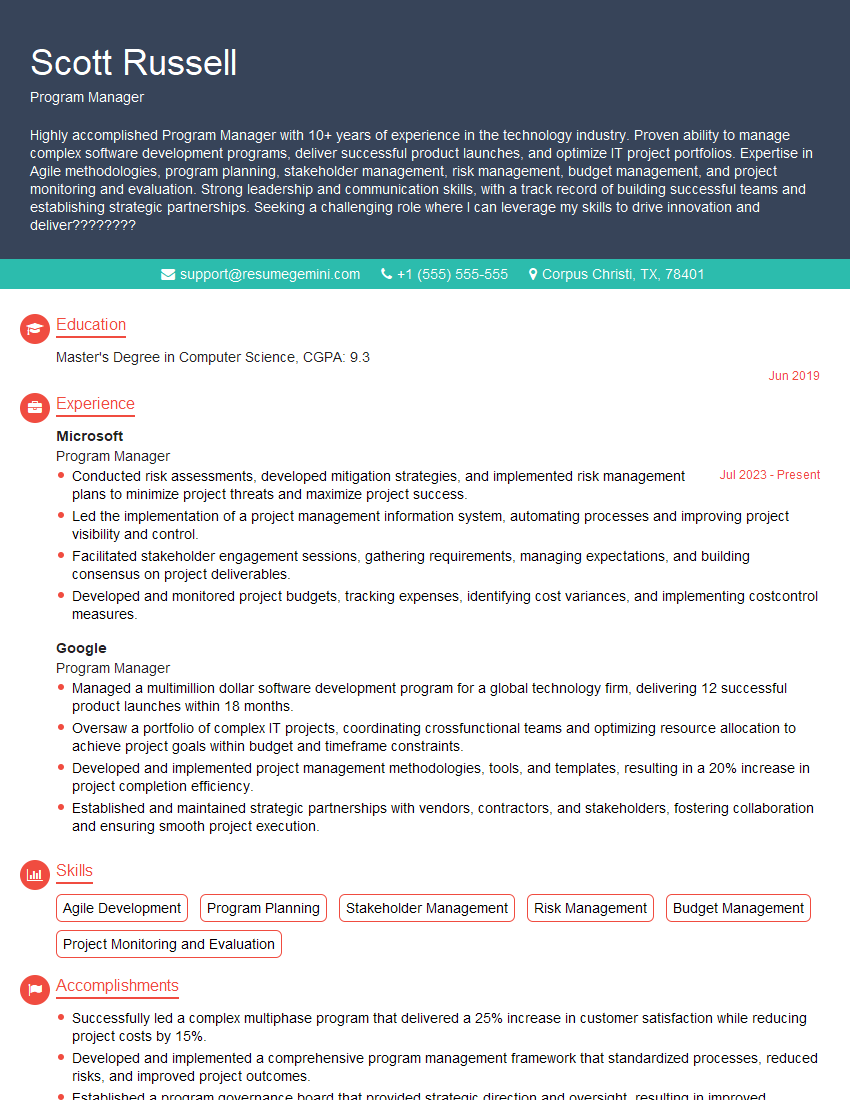
Program Manager Resume Sample

Operations Manager Resume Sample
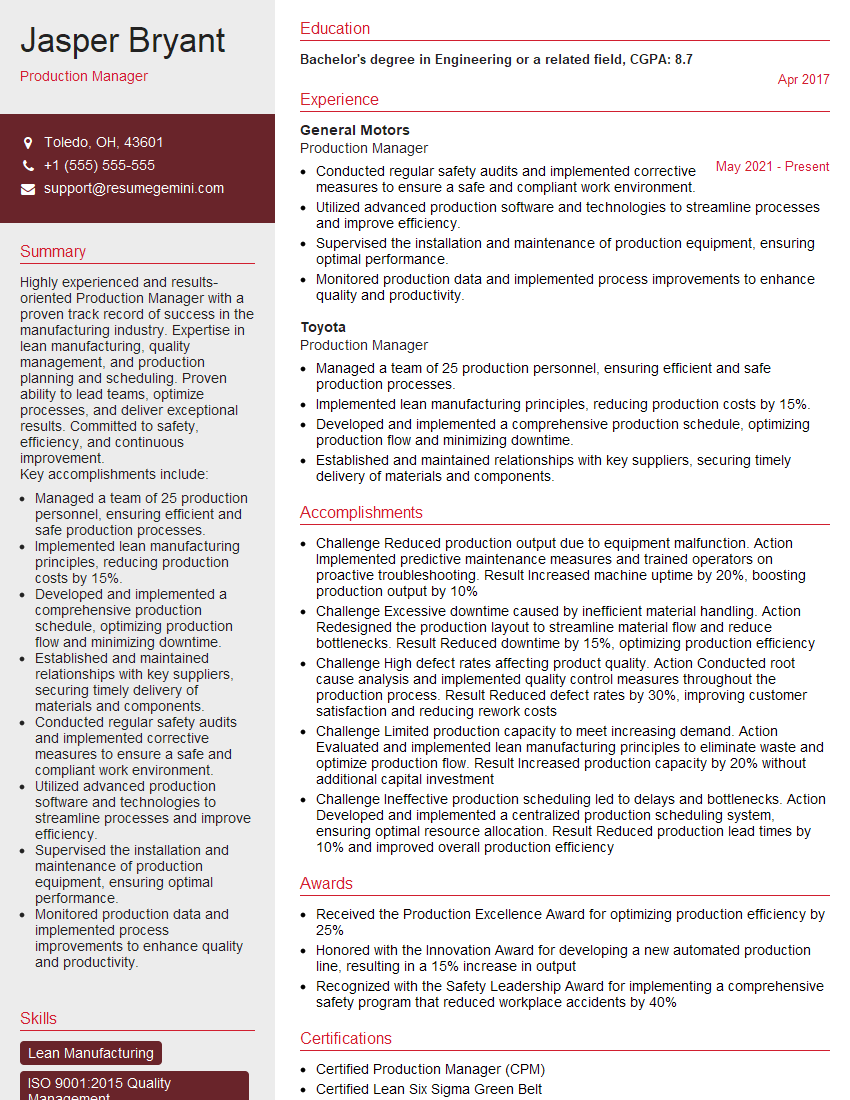
Production Manager Resume Sample
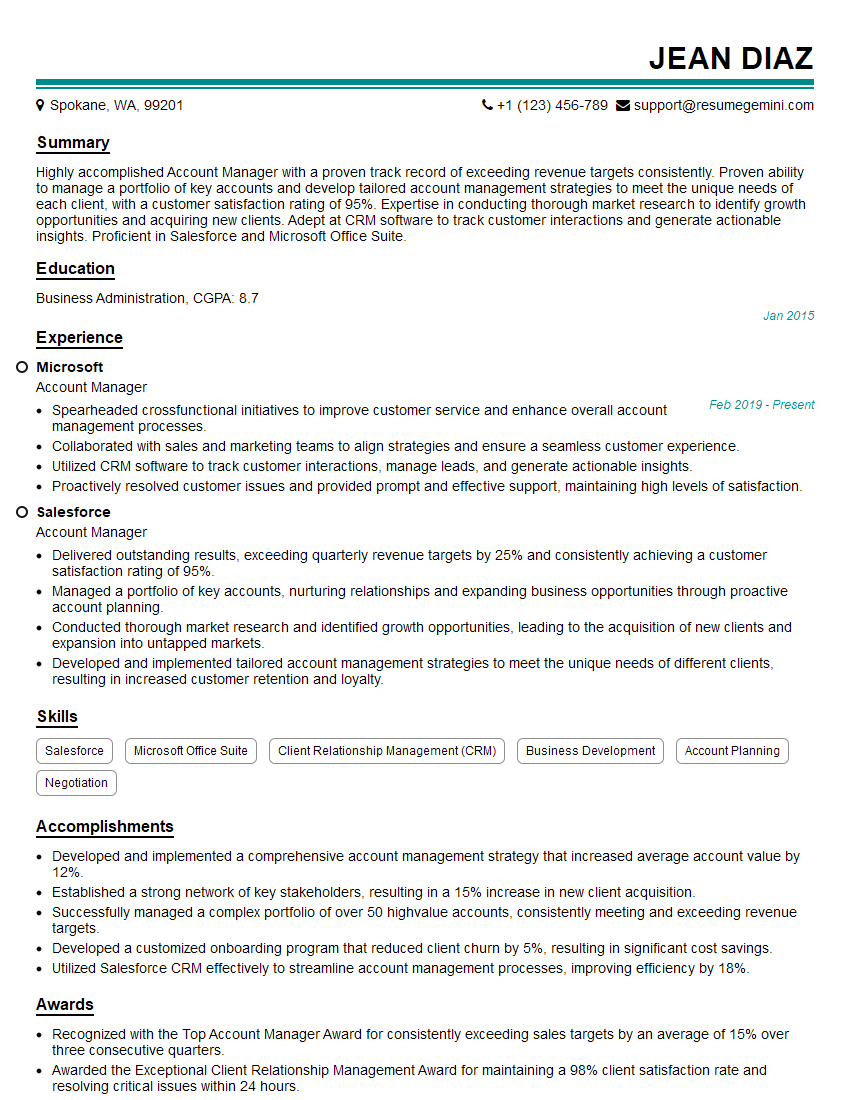
Account Manager Resume Sample
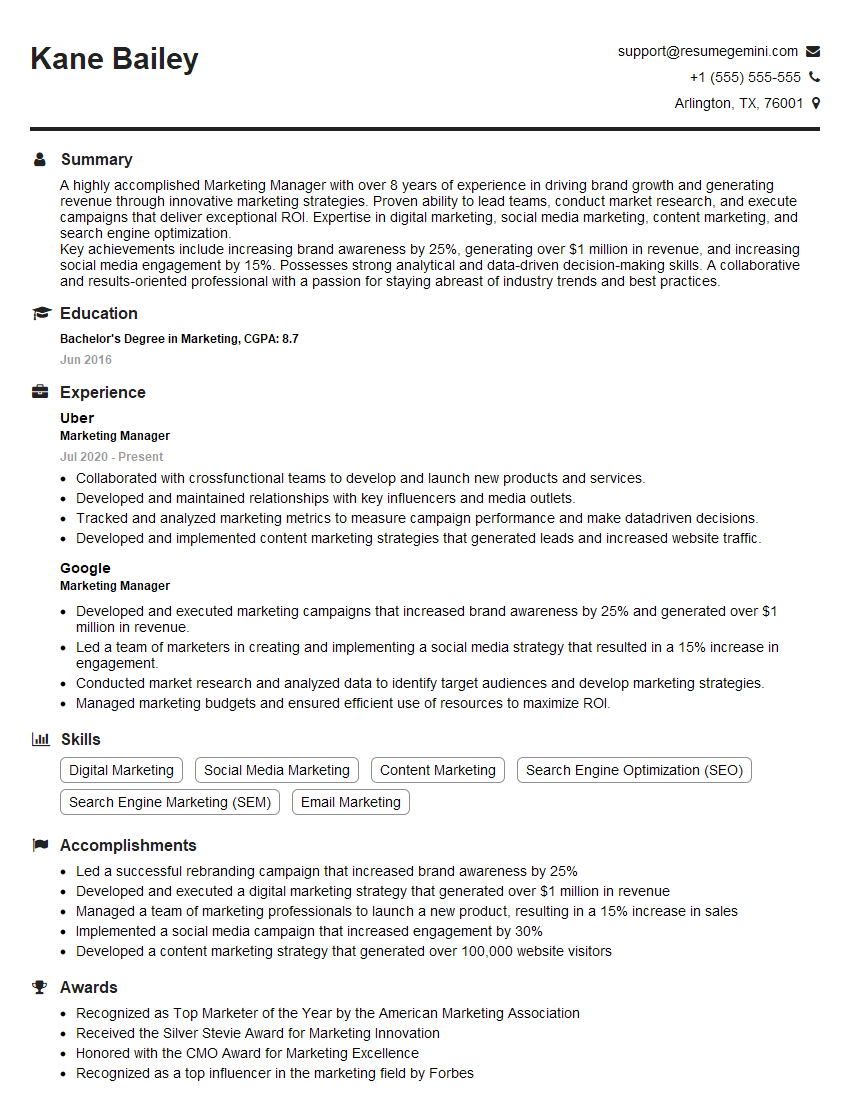
Marketing Manager Resume Sample
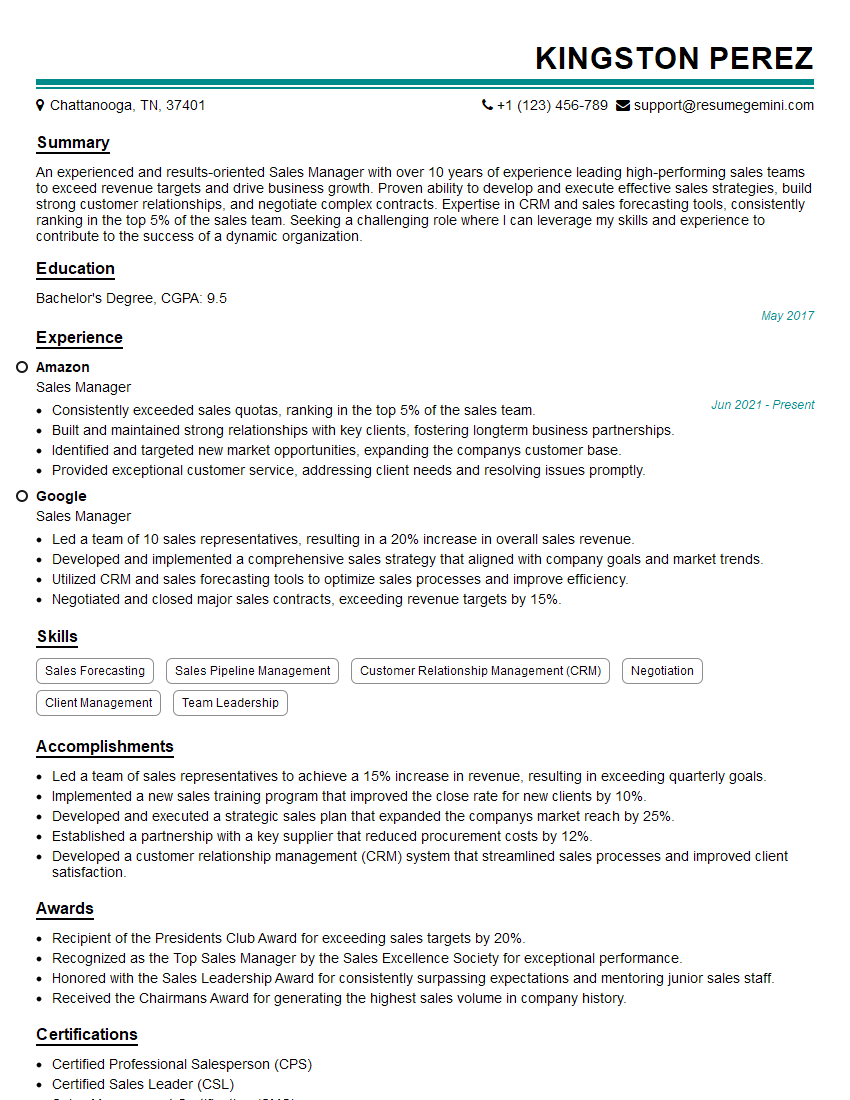
Sales Manager Resume Sample
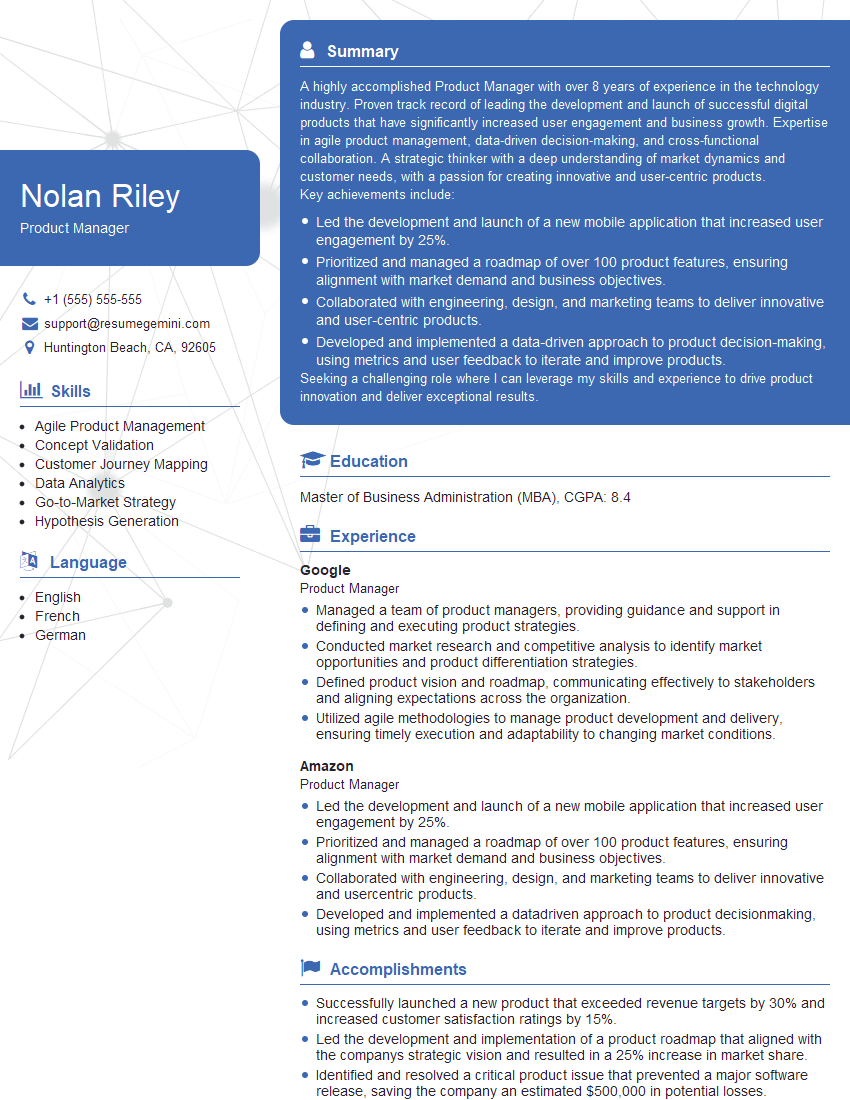
Product Manager Resume Sample
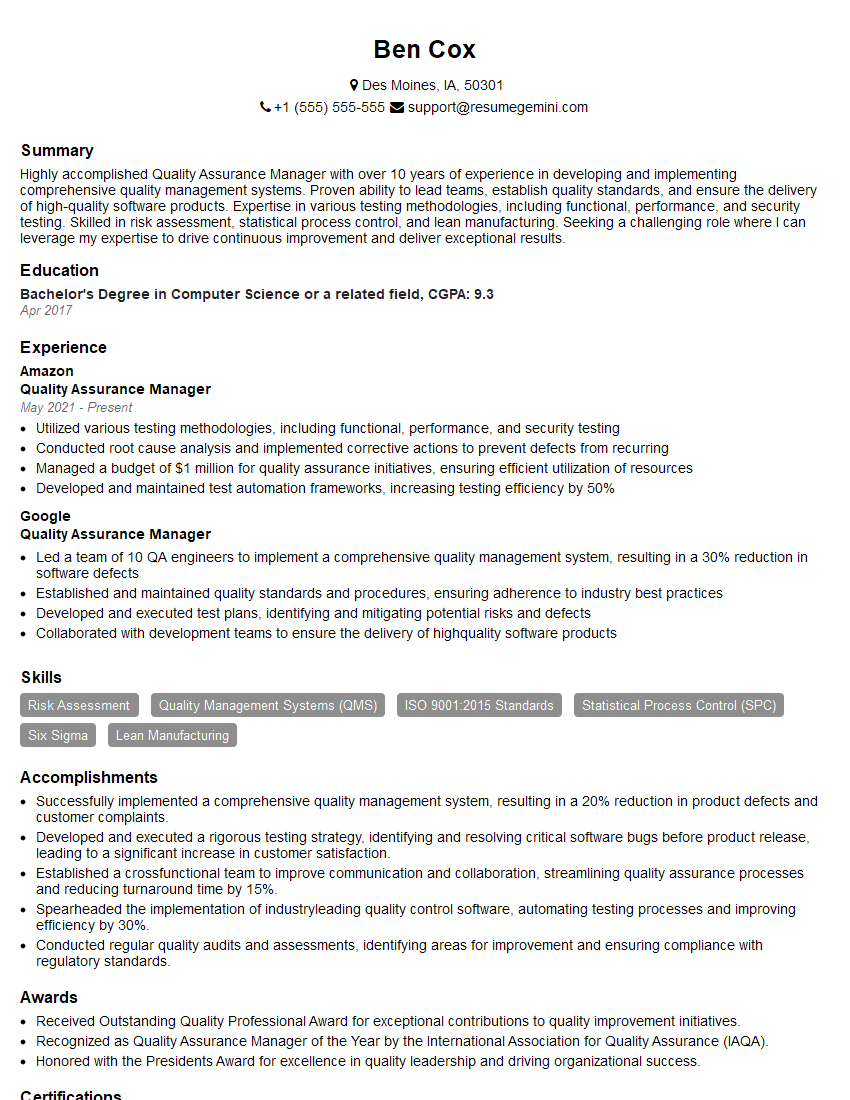
Quality Assurance Manager Resume Sample

Supply Chain Manager Resume Sample

Project Manager Resume Sample
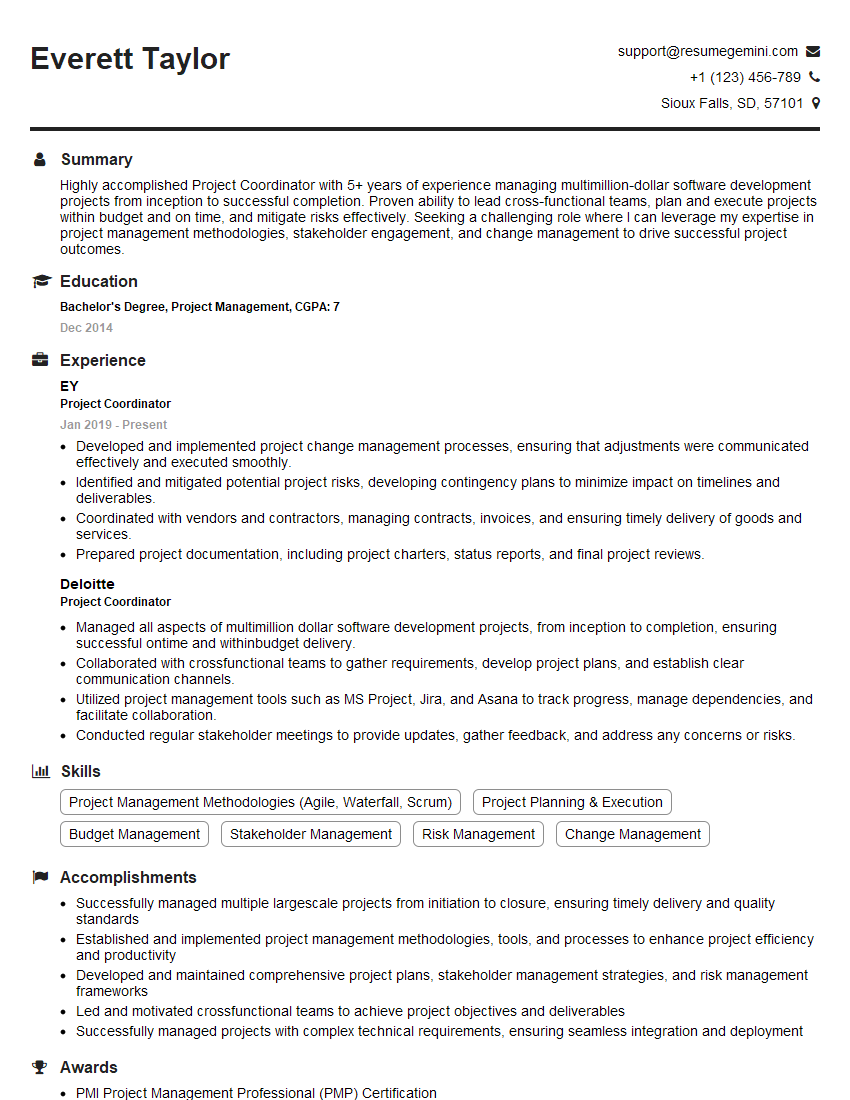
Project Coordinator Resume Sample
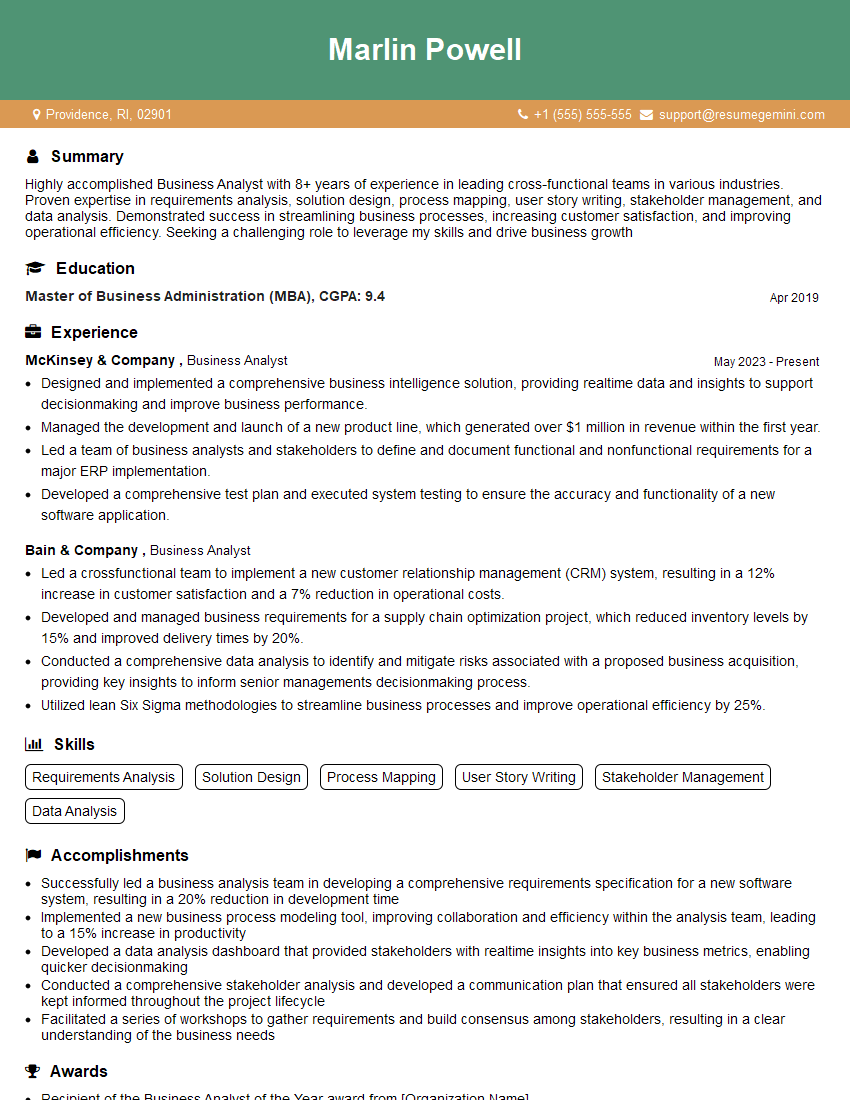
Business Analyst Resume Sample
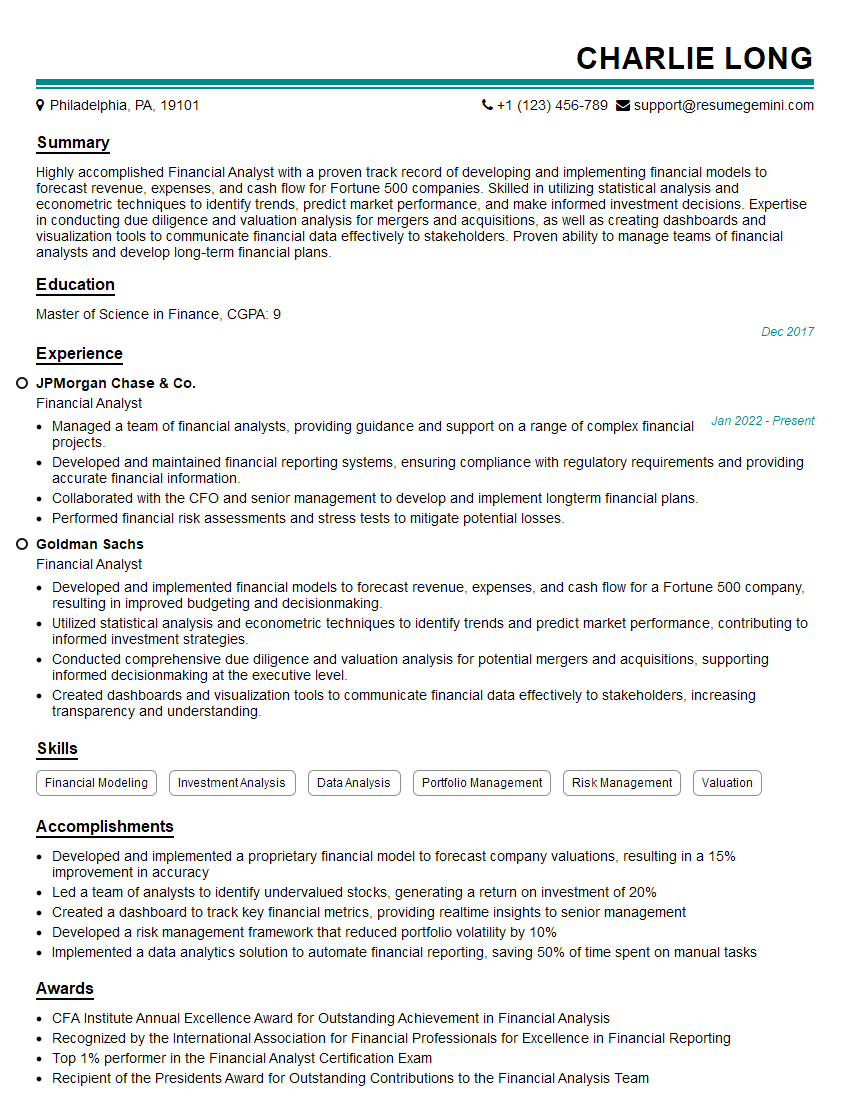
Financial Analyst Resume Sample

Data Analyst Resume Sample
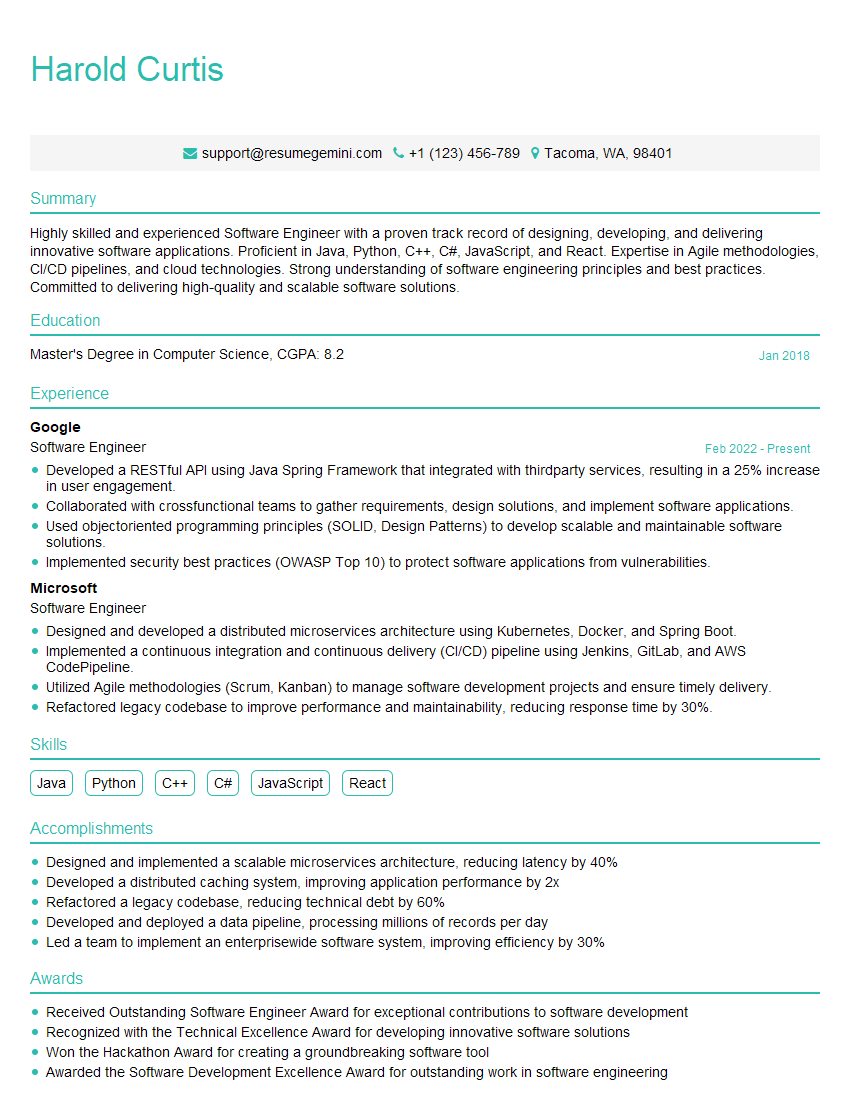
Software Engineer Resume Sample
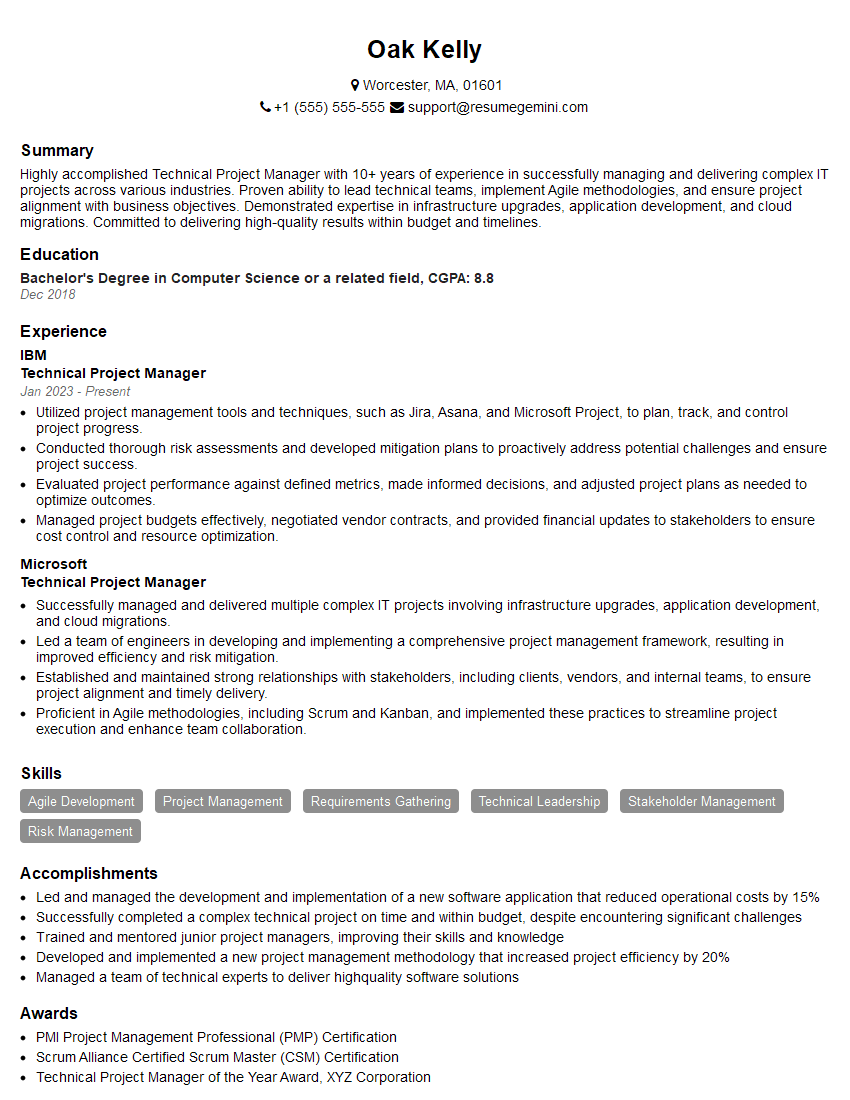
Technical Project Manager Resume Sample
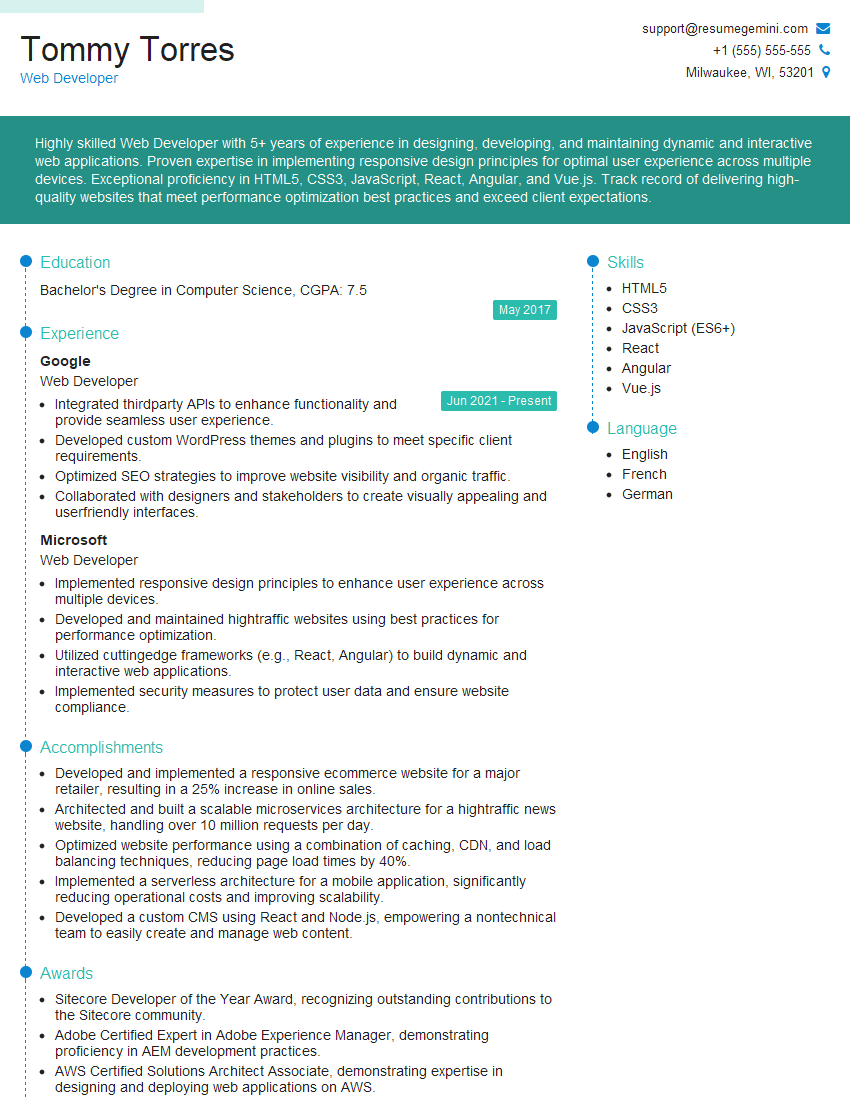
Web Developer Resume Sample
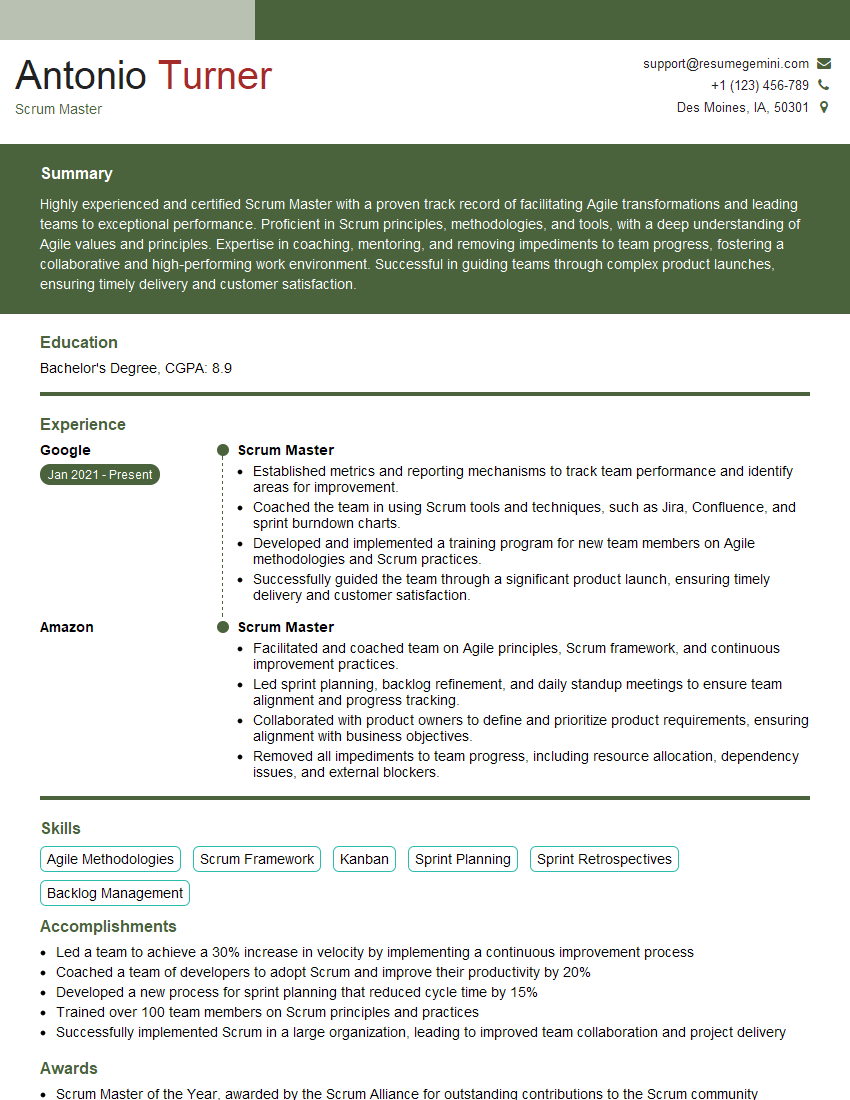
Scrum Master Resume Sample
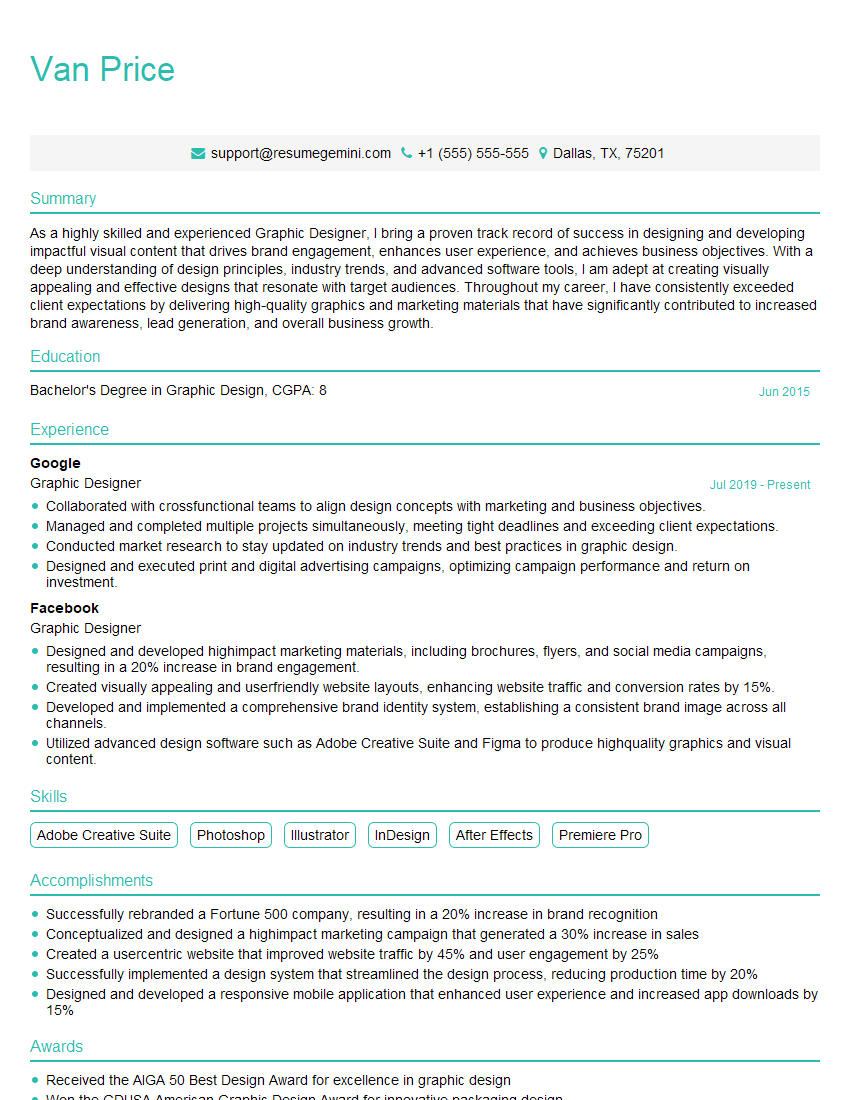
Graphic Designer Resume Sample
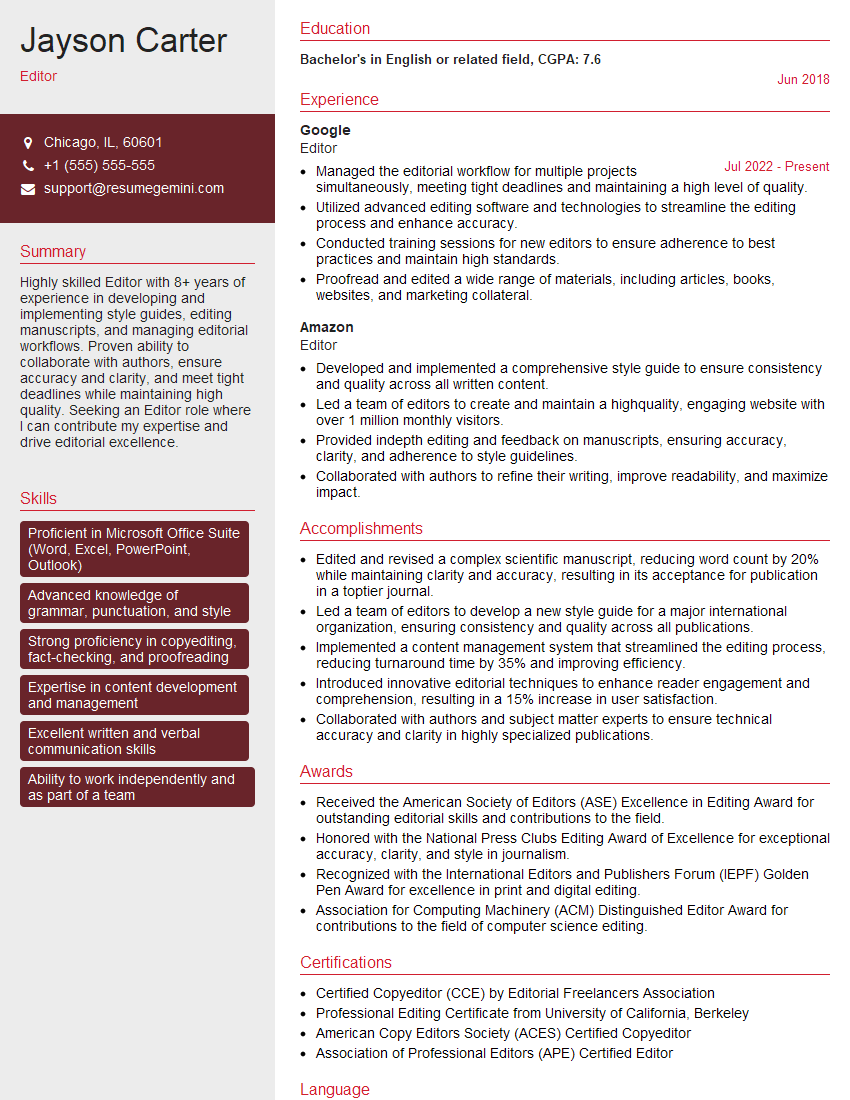
Editor Resume Sample
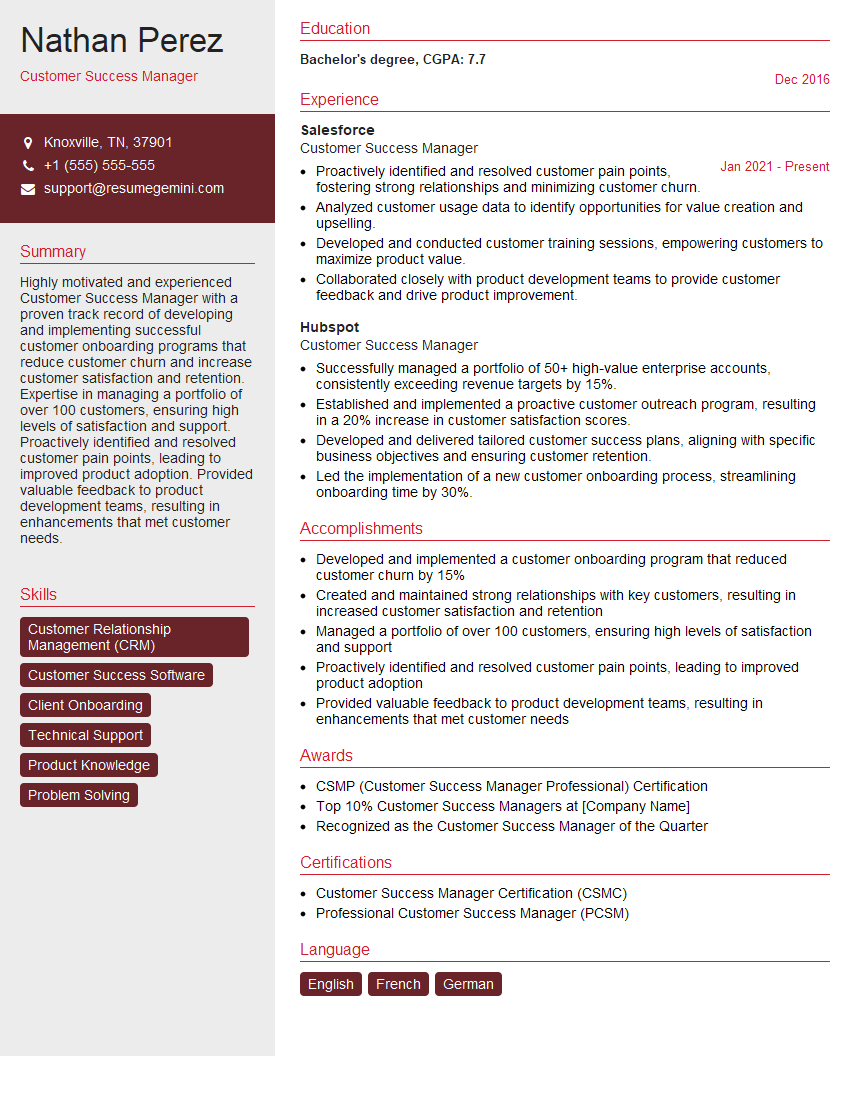
Customer Success Manager Resume Sample
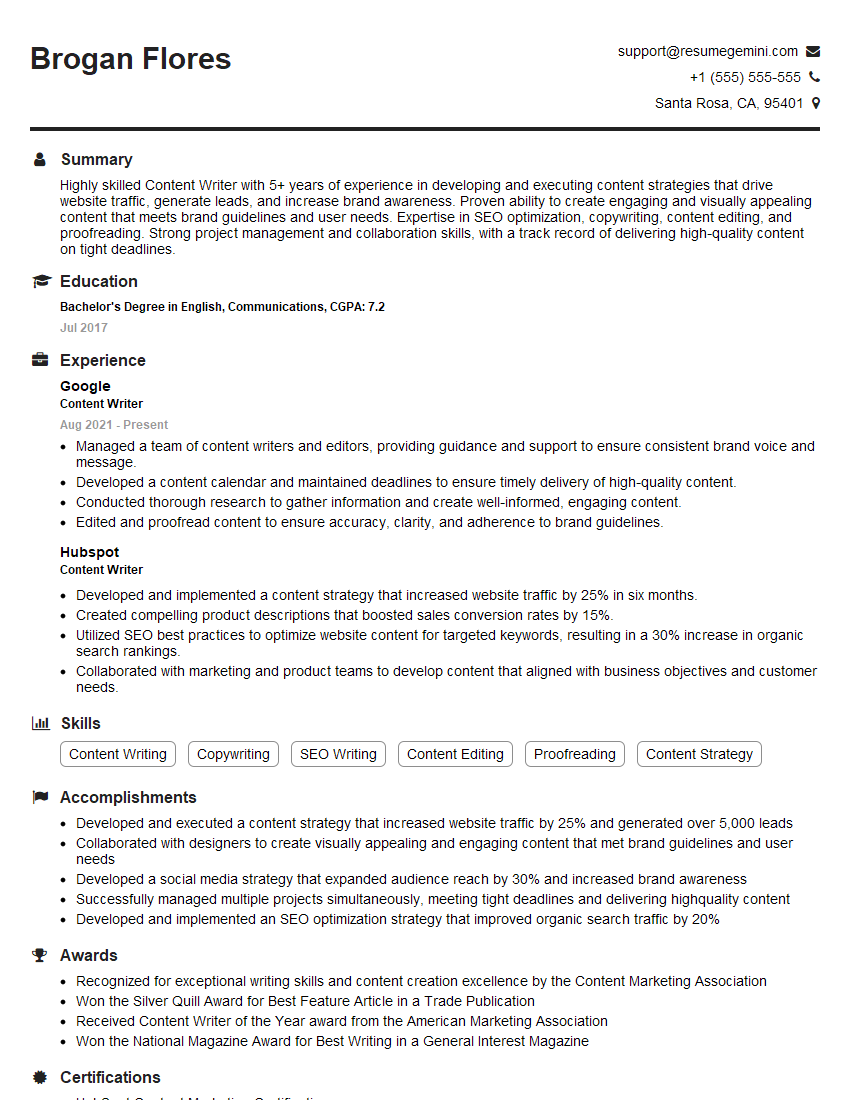
Content Writer Resume Sample
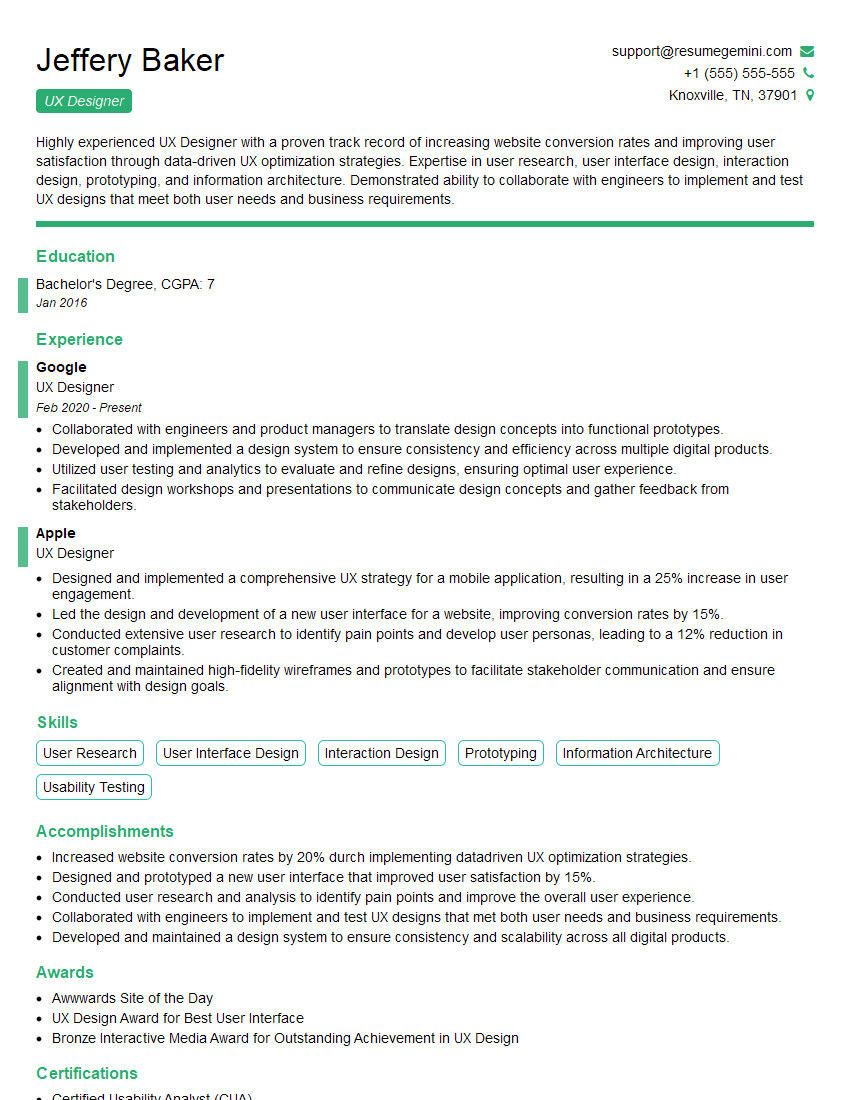
UX Designer Resume Sample
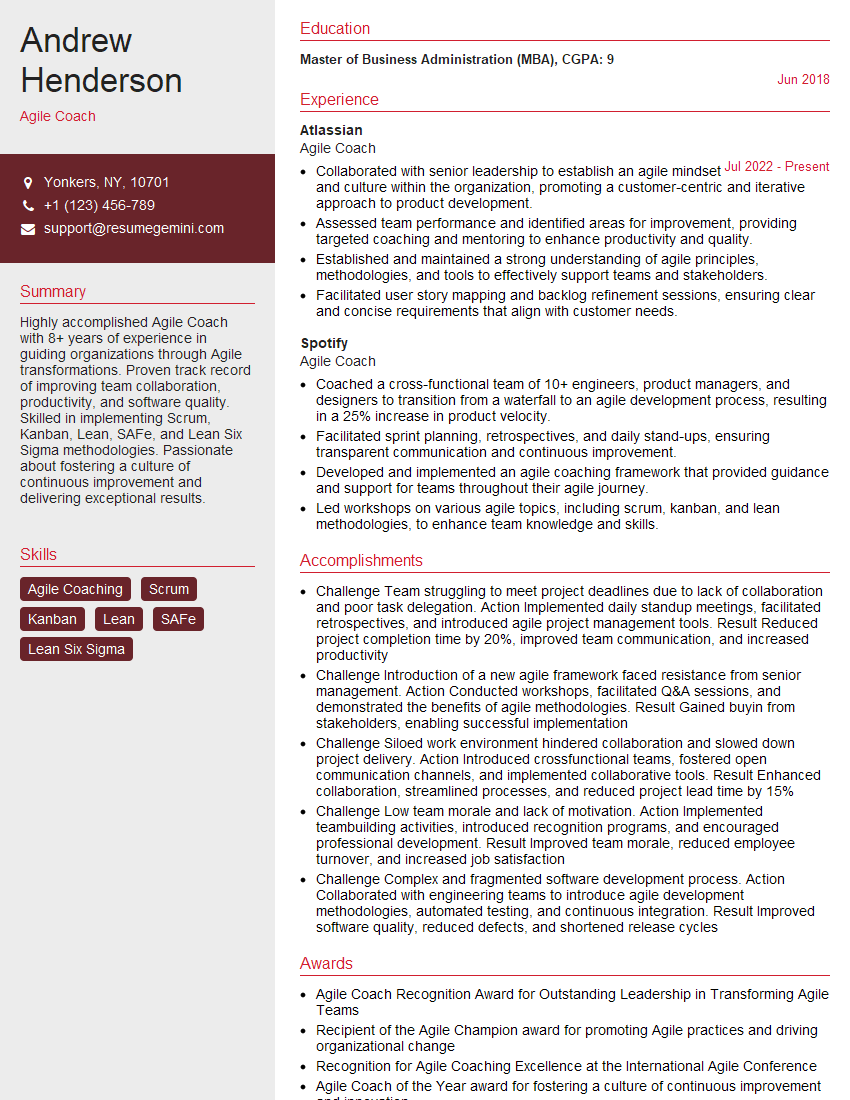
Agile Coach Resume Sample
- Program Manager
- Operations Manager
- Production Manager
- Account Manager
- Marketing Manager
- Sales Manager
- Product Manager
- Quality Assurance Manager
- Supply Chain Manager
- Project Manager
- Project Coordinator
- Business Analyst
- Financial Analyst
- Data Analyst
- Software Engineer
- Technical Project Manager
- Web Developer
- Scrum Master
- Graphic Designer
- Editor
- Customer Success Manager
- Content Writer
- UX Designer
- Agile Coach
Explore more articles
Users Rating of Our Blogs
Share Your Experience
We value your feedback! Please rate our content and share your thoughts (optional).
What Readers Say About Our Blog
Very informative content, great job.
good