Interviews are opportunities to demonstrate your expertise, and this guide is here to help you shine. Explore the essential Ability to Multitask and Handle Pressure interview questions that employers frequently ask, paired with strategies for crafting responses that set you apart from the competition.
Questions Asked in Ability to Multitask and Handle Pressure Interview
Q 1. Describe a situation where you had to manage multiple priorities simultaneously. What was your approach?
Managing multiple priorities effectively is crucial for success in any demanding role. My approach involves a structured system combining planning, prioritization, and time management. I once had to manage the simultaneous launch of three new software features, each with its own team, deadlines, and reporting requirements. My strategy was threefold:
- Detailed Planning: I created a comprehensive project timeline, breaking down each feature into smaller, manageable tasks. This involved identifying dependencies between tasks and assigning them to the appropriate team members.
- Prioritization Matrix: I used a prioritization matrix (like Eisenhower’s Urgent/Important matrix) to identify the most critical tasks for each feature. This ensured we focused on the most impactful activities first, mitigating risks and maximizing efficiency.
- Regular Communication & Monitoring: Daily stand-up meetings with each team allowed for real-time updates, issue identification, and proactive problem-solving. This constant communication ensured everyone stayed aligned and informed, preventing bottlenecks.
This structured approach allowed us to successfully launch all three features on time and within budget, demonstrating my ability to effectively manage competing priorities.
Q 2. How do you prioritize tasks when faced with competing deadlines?
Prioritizing tasks with competing deadlines requires a clear understanding of impact and urgency. I employ a multi-faceted approach:
- Impact Assessment: I evaluate each task’s potential impact on the overall goals. Tasks with higher impact, even if not immediately urgent, often take precedence.
- Urgency Analysis: I assess the urgency of each deadline, considering potential consequences of missing them. This is where a simple deadline calendar is incredibly helpful.
- Dependency Mapping: I identify tasks dependent on others and sequence them accordingly. Completing prerequisite tasks before dependent ones ensures smooth workflow.
- Timeboxing: I allocate specific time blocks to each task, ensuring I dedicate sufficient time to high-priority items.
For example, if I had a crucial presentation due tomorrow and a less critical report due next week, the presentation would obviously be prioritized. However, if a small task completed today would significantly expedite the report completion, I’d consider its strategic value in relation to the presentation.
Q 3. What strategies do you use to stay organized and manage your workload effectively?
Staying organized and managing workload effectively involves a blend of tools and techniques. I use a combination of:
- Project Management Software: Tools like Asana, Trello, or Monday.com help me track tasks, deadlines, and progress across multiple projects. This provides a centralized view of my workload and facilitates collaboration.
- Time Blocking: I schedule specific time blocks for different tasks, minimizing distractions and maximizing focus. This ensures I dedicate sufficient time to each task without feeling overwhelmed.
- To-Do Lists: Daily to-do lists help me break down larger tasks into smaller, achievable steps, providing a sense of accomplishment as I complete each item. Prioritizing them according to the methods above is key.
- Regular Review & Adjustment: I regularly review my schedule and tasks, adapting my approach as needed. This ensures I remain flexible and responsive to changing priorities.
This multi-pronged strategy helps me maintain a clear picture of my workload and proactively manage my time to avoid feeling overwhelmed.
Q 4. How do you handle unexpected interruptions or changes in your daily schedule?
Unexpected interruptions and schedule changes are inevitable. My approach to handling them involves:
- Flexibility & Adaptability: I maintain a flexible mindset, acknowledging that unexpected events will occur. I don’t rigidly adhere to schedules, allowing for adjustments as needed.
- Prioritization Re-evaluation: When an interruption occurs, I quickly assess its urgency and impact, re-prioritizing my tasks accordingly. Some interruptions require immediate attention, while others can be deferred.
- Communication & Delegation: If the interruption requires assistance from others, I communicate clearly and delegate tasks where appropriate. This ensures timely resolution without sacrificing progress on other projects.
- Time Management Strategies: Employing techniques like the Pomodoro Technique can help regain focus after interruptions, allowing me to return to my tasks efficiently.
For instance, if a critical client calls with an urgent request, I’ll address it immediately, adjusting my schedule and potentially delegating less urgent tasks to ensure timely response.
Q 5. Describe a time you felt overwhelmed. How did you manage the situation?
Feeling overwhelmed is a normal response to excessive workload or complex challenges. During a particularly demanding project with tight deadlines and escalating issues, I felt completely overwhelmed. To manage this, I:
- Identified the Root Cause: I took a step back to analyze what was causing the stress – was it unrealistic deadlines, unclear expectations, or insufficient resources?
- Sought Support: I talked to my manager and team members, explaining my situation and seeking advice and assistance. This allowed me to share the burden and gain valuable perspectives.
- Broken Down Tasks: I broke down the larger projects into smaller, more manageable tasks to make the overall workload seem less daunting. This created a sense of accomplishment with each completed step.
- Prioritized Self-Care: I ensured I got sufficient sleep, exercised regularly, and practiced mindfulness techniques to reduce stress and improve focus.
By addressing the root causes, seeking support, and implementing self-care strategies, I was able to regain control of the situation and successfully complete the project.
Q 6. What techniques do you use to reduce stress and maintain focus under pressure?
Reducing stress and maintaining focus under pressure is essential for optimal performance. My techniques include:
- Mindfulness & Meditation: Practicing mindfulness and meditation helps to calm the mind and improve focus, allowing for more effective problem-solving under stress.
- Regular Breaks: Taking regular breaks throughout the day helps prevent burnout and maintain concentration. Short walks, stretching, or simply stepping away from the screen can be very beneficial.
- Physical Exercise: Regular exercise significantly reduces stress and improves overall well-being, enhancing cognitive function and focus.
- Healthy Diet & Sleep: A healthy diet and sufficient sleep are crucial for maintaining energy levels and cognitive function. Prioritizing these supports overall well-being and resilience.
These techniques, practiced consistently, contribute to a healthier mental state, enabling me to manage pressure effectively.
Q 7. How do you delegate tasks effectively when you’re overloaded with work?
Effective delegation is crucial when overloaded. My approach focuses on:
- Task Assessment: I thoroughly evaluate each task, identifying those suitable for delegation based on skill sets and workload of team members.
- Clear Communication: I provide clear instructions, expectations, and deadlines for delegated tasks, ensuring everyone understands their responsibilities.
- Empowerment & Trust: I empower team members by providing autonomy and trust, allowing them to complete tasks independently. This fosters responsibility and initiative.
- Monitoring & Support: I monitor progress and offer support as needed, ensuring tasks are completed to the required standards. Regular check-ins prevent issues and ensure smooth collaboration.
For instance, if I’m swamped with data analysis, I’d delegate data entry or preliminary report writing to a team member with those skills, freeing up my time to focus on the more complex analysis tasks.
Q 8. How do you ensure accuracy and quality when multitasking?
Maintaining accuracy and quality while multitasking requires a structured approach. It’s not about doing everything at once, but rather efficiently switching between tasks, ensuring each receives the necessary focus. I employ several strategies. Firstly, I create detailed task lists with clear deadlines and sub-tasks, breaking down complex projects into manageable chunks. This prevents overlooking details. Secondly, I prioritize tasks based on urgency and importance (more on this later). I focus on one task at a time, giving it my full attention before moving on. Finally, I incorporate regular quality checks. This could be a quick review of completed sections, a peer review, or utilizing automated checks within my workflow. For instance, in a previous role involving data entry and report generation, I implemented a double-checking system for critical data points, significantly reducing errors. This structured approach guarantees precision, even when managing numerous concurrent activities.
Q 9. How do you assess the urgency and importance of various tasks?
Prioritization is crucial for effective multitasking. I use a combination of methods, most notably the Eisenhower Matrix (Urgent/Important). This framework categorizes tasks into four quadrants: Urgent & Important (Do First), Important but Not Urgent (Schedule), Urgent but Not Important (Delegate), and Neither Urgent nor Important (Eliminate). This helps me focus energy on high-impact activities. Beyond the matrix, I consider deadlines, dependencies (tasks reliant on others), and potential consequences of delays. For example, a critical bug fix might outrank a less urgent project deadline. Visual tools like Kanban boards can also enhance task visibility and prioritization, allowing for a dynamic adjustment of my workflow based on emerging needs. This helps me efficiently allocate my time and resources.
Q 10. What are your preferred time management techniques?
My time management relies on a blend of techniques tailored to the situation. Time blocking allocates specific time slots for particular tasks, minimizing context switching. The Pomodoro Technique (25-minute focused work followed by a short break) helps maintain concentration and prevents burnout. I also use task management software (more on this later) to schedule tasks, set reminders, and track progress visually. Regularly reviewing my schedule and adjusting it based on actual progress is key. Flexibility is crucial; sometimes, unexpected urgent tasks demand immediate attention, requiring adjustments to the original plan. This iterative approach allows me to adapt to changing priorities while still maintaining a sense of control over my time.
Q 11. How do you handle conflicting priorities from different stakeholders?
Conflicting priorities from different stakeholders are a common challenge. My approach involves clear communication and proactive conflict resolution. I begin by clearly understanding the requirements and expectations of each stakeholder. Then, I use prioritization techniques (as discussed earlier) to determine the most critical tasks based on factors like business impact, deadlines, and resource availability. I communicate my prioritization rationale transparently to each stakeholder, explaining the reasoning behind my decisions. This often involves negotiation and compromise. In cases where conflicts are unavoidable, I escalate the issue to a higher level of management for guidance and decision-making. Documentation is crucial; maintaining a clear record of all communication and decisions prevents misunderstandings and ensures everyone is on the same page.
Q 12. Describe your experience using project management tools or software.
I have extensive experience using various project management tools, including Jira, Asana, and Trello. Jira is excellent for managing complex projects with multiple sprints and tasks, its robust features allow for detailed tracking and collaboration. Asana facilitates streamlined team collaboration and task management. Trello, with its Kanban-style boards, helps visualize workflow and prioritize tasks effectively. My proficiency in these tools extends to creating customized workflows, managing sprints, assigning tasks, tracking progress, and generating reports. I leverage their features to improve team communication and enhance overall project efficiency. For example, in a past project using Jira, I customized the workflow to include automated notifications for deadlines and approvals, reducing manual effort and ensuring timely task completion.
Q 13. How do you handle criticism or feedback when under pressure?
Handling criticism under pressure requires a calm and receptive approach. I avoid becoming defensive; instead, I actively listen to the feedback, seeking to understand the perspective of the person offering the criticism. I ask clarifying questions to ensure I fully comprehend their concerns. Then, I analyze the feedback objectively. Is it constructive criticism that can help me improve? Is it subjective and perhaps biased? My response depends on the nature of the feedback. If it’s valid, I acknowledge the issue and outline steps to address it. If it’s subjective, I calmly explain my actions and reasoning. Ultimately, I view criticism as an opportunity for growth and improvement, even when delivered under stressful circumstances.
Q 14. How do you maintain a positive attitude while juggling multiple responsibilities?
Maintaining a positive attitude under pressure is vital. It starts with self-care – ensuring adequate sleep, nutrition, and breaks. I regularly incorporate short breaks throughout my day to avoid burnout. Focusing on accomplishments, no matter how small, helps boost morale. Celebrating milestones, even those seemingly insignificant, keeps me motivated. I also leverage stress-reduction techniques such as mindfulness and deep breathing exercises. Finally, fostering positive relationships with colleagues creates a supportive environment that helps navigate stressful periods. A strong support network reduces feelings of isolation and fosters a more positive outlook, even when juggling multiple responsibilities. Remembering that stress is temporary and that the pressure will eventually ease helps me maintain a positive mindset.
Q 15. Describe a time you successfully managed a high-pressure situation.
High-pressure situations are inevitable in any demanding role. Successfully navigating them requires a combination of preparation, strategic thinking, and effective execution. One instance where I excelled under pressure involved a critical project deadline looming just a week away, with a major component unexpectedly failing. Instead of panicking, I immediately assembled my team. We prioritized tasks using a Kanban board, clearly outlining dependencies and allocating resources efficiently. We broke down the problem into smaller, manageable tasks, assigning ownership and deadlines for each. We also established regular communication checkpoints (twice daily stand-ups) to track progress and address emerging roadblocks. This systematic approach allowed us not only to meet the deadline but also to exceed expectations in certain aspects of the project, exceeding client expectations.
Career Expert Tips:
- Ace those interviews! Prepare effectively by reviewing the Top 50 Most Common Interview Questions on ResumeGemini.
- Navigate your job search with confidence! Explore a wide range of Career Tips on ResumeGemini. Learn about common challenges and recommendations to overcome them.
- Craft the perfect resume! Master the Art of Resume Writing with ResumeGemini’s guide. Showcase your unique qualifications and achievements effectively.
- Don’t miss out on holiday savings! Build your dream resume with ResumeGemini’s ATS optimized templates.
Q 16. How do you proactively identify and mitigate potential risks or bottlenecks?
Proactive risk mitigation is crucial for avoiding costly delays and ensuring project success. My approach involves a three-step process: Identification, Assessment, and Mitigation. First, I brainstorm potential risks through a variety of methods – checklists, SWOT analyses, and engaging in discussions with team members. This collaborative process ensures diverse perspectives are considered. Next, I assess the likelihood and impact of each identified risk. I prioritize based on the potential severity. Finally, I develop mitigation strategies, ranging from contingency plans (e.g., having backup resources ready) to proactive measures (e.g., implementing robust testing procedures). For example, during a previous project involving a new software integration, I anticipated potential compatibility issues. I created a comprehensive testing plan and allocated extra time for debugging, effectively minimizing downtime when we discovered and resolved minor compatibility conflicts.
Q 17. How do you measure your own productivity and efficiency?
Measuring productivity isn’t just about hours worked; it’s about outcomes. I use a combination of quantitative and qualitative metrics. Quantitatively, I track key performance indicators (KPIs) relevant to my role – this could include the number of projects completed, reports generated, or customer issues resolved within a given timeframe. Qualitatively, I regularly assess the quality of my work, seeking feedback from colleagues and clients. This holistic approach helps me identify areas for improvement and celebrate achievements. For instance, I might track the number of successful client engagements along with feedback scores to understand both volume and quality of my work. This data then informs how I can better manage my time and resources moving forward.
Q 18. How do you adapt to changing priorities or unexpected events?
Adaptability is key in a dynamic environment. My approach is to stay informed, prioritize effectively, and communicate openly. I maintain a flexible schedule, acknowledging that priorities can shift. I leverage tools like project management software (such as Jira or Asana) to stay organized and updated on changing project requirements. When unexpected events arise, I assess their impact, adjust my plans accordingly, and communicate the changes transparently to stakeholders. For example, if a higher-priority task emerges, I’ll re-prioritize my to-do list, using a system such as the Eisenhower Matrix (urgent/important) to make informed decisions. Open communication is crucial to ensuring that everyone is aligned on the new direction and any potential impact on timelines.
Q 19. How do you balance your workload with your personal life?
Balancing work and personal life is a constant juggling act, but it’s crucial for well-being and long-term success. I utilize several strategies: Time Blocking: I schedule specific times for both work and personal activities in my calendar. Prioritization: I prioritize my most important tasks, both at work and home, ensuring that I’m focusing my energy where it matters most. Boundaries: I establish clear boundaries between work and personal life – this might involve turning off work notifications during personal time. Delegation: Where possible, I delegate tasks at work to free up time. Finally, I regularly review my schedule to adjust as needed. This systematic approach prevents burnout and promotes a healthy work-life balance.
Q 20. How do you ensure you are meeting all deadlines effectively?
Meeting deadlines effectively requires planning, organization, and consistent effort. I begin by breaking down large tasks into smaller, manageable steps with clear deadlines for each. I use project management tools to track progress, identify potential delays, and allocate resources appropriately. Regular monitoring and proactive communication with stakeholders are vital. If a deadline seems unattainable, I immediately communicate the challenge and propose solutions to mitigate the impact. For instance, I might request additional resources or suggest scope adjustments to ensure deliverable quality. This proactive approach allows for timely course corrections and prevents last-minute rushes.
Q 21. What are your strengths and weaknesses when it comes to multitasking?
My strength lies in my ability to switch context efficiently between different tasks. I’m adept at managing multiple projects simultaneously, and my organizational skills enable me to track progress on each. However, my weakness is the potential for decreased focus depth when multitasking excessively. To mitigate this, I employ the Pomodoro Technique (working in focused bursts with short breaks) and strategically prioritize tasks to minimize context switching. I also regularly assess my workload to avoid overcommitment and ensure a sustainable pace.
Q 22. What steps do you take to prevent errors when working under pressure?
Preventing errors under pressure hinges on proactive strategies rather than reactive firefighting. It’s about establishing a system that minimizes the likelihood of mistakes in the first place.
Prioritization and Planning: Before diving in, I meticulously prioritize tasks based on urgency and importance. This ensures I tackle the most critical aspects first, reducing the risk of overlooking crucial details under time constraints. I use tools like Eisenhower Matrix (Urgent/Important) to visualize this.
Double-Checking and Verification: I build in time for thorough review. This isn’t just a quick glance; it’s a systematic check against pre-defined criteria or checklists, especially for high-stakes tasks. For example, before sending a critical report, I review it twice, focusing on different aspects each time.
Breaks and Mindfulness: Extended periods of high pressure can lead to fatigue and errors. I incorporate short, regular breaks to clear my head and refocus. Simple mindfulness techniques like deep breathing can significantly improve concentration and reduce stress.
Automation and Templates: Where possible, I automate repetitive tasks to minimize human error. Using templates for standard documents or processes streamlines workflow and ensures consistency. For instance, I use standardized email templates for common queries to ensure accuracy and professionalism.
Q 23. How do you know when to ask for help or delegate a task?
Knowing when to ask for help or delegate is crucial for effective multitasking and preventing burnout. It’s not a sign of weakness, but a strategic move towards optimal productivity.
Task Complexity: If a task requires specialized skills or knowledge that I lack, I delegate it to someone with the expertise.
Time Constraints: When deadlines are tight and I’m already stretched thin, I assess whether delegating a task, even a relatively straightforward one, will free up my time to focus on higher-priority items. I prioritize based on my unique skills and the urgency of the situation.
Risk Assessment: If a task carries a significant risk of failure and requires a high level of attention, I might seek assistance or collaborate to reduce the risk. For example, if a critical system upgrade is required, I would collaborate with a senior colleague or engineer to ensure a smooth transition.
Impact Assessment: I consider the potential impact of a delay. If a task’s delay would significantly impact other projects or the team, I promptly seek help or delegate to prevent cascading issues.
Q 24. How do you handle competing deadlines and conflicting priorities?
Handling competing deadlines and conflicting priorities requires a structured approach. Think of it like air traffic control; each project is a plane needing a safe and efficient landing.
Prioritization Matrix: I utilize a prioritization matrix (like the Eisenhower Matrix) to visually represent the urgency and importance of each task. This allows for clear identification of what needs immediate attention and what can be rescheduled or delegated.
Time Blocking: I allocate specific time blocks for each task, ensuring that the most crucial projects receive the necessary time commitment. This creates a structured schedule and helps prevent distractions.
Communication and Negotiation: Open communication with stakeholders is essential. If deadlines are truly conflicting, I proactively discuss potential solutions, including extending deadlines, re-allocating resources, or adjusting priorities. Sometimes, compromise or renegotiating expectations is necessary.
Breaking Down Tasks: I break down large projects into smaller, more manageable tasks. This makes the overall goal less daunting and allows for better progress tracking, especially under pressure.
Q 25. Give an example of how you used technology to improve your multitasking efficiency.
Technology plays a pivotal role in enhancing my multitasking efficiency. I leverage various tools to streamline workflows and minimize context switching.
Project Management Software: Tools like Asana, Trello, or Monday.com allow me to centralize tasks, set deadlines, assign responsibilities, and track progress across multiple projects simultaneously. This provides a single source of truth, reducing the risk of missing deadlines or forgetting tasks.
Collaboration Platforms: Platforms like Slack or Microsoft Teams facilitate real-time communication and collaboration, ensuring efficient information exchange and quick resolution of roadblocks across different projects. This minimizes unnecessary emails and phone calls, saving considerable time.
Automation Tools: I use automation tools like Zapier or IFTTT to automate repetitive tasks, freeing up my time for more complex and demanding work. For example, I automate the process of sending email confirmations when tasks are completed, improving efficiency.
Q 26. How do you stay motivated and focused during periods of high stress?
Maintaining motivation and focus during high-stress periods requires a holistic approach. It’s about both mental and physical well-being.
Self-Care: Adequate sleep, regular exercise, and a healthy diet are essential for maintaining energy levels and resilience under pressure. This isn’t optional; it’s fuel for my performance.
Mindfulness and Meditation: Practicing mindfulness techniques or meditation helps to manage stress, improve focus, and increase self-awareness. Even a few minutes a day can make a significant difference.
Positive Self-Talk: Maintaining a positive internal dialogue is crucial. Instead of dwelling on failures, I focus on my strengths and accomplishments. I constantly remind myself of my capabilities and past successes.
Breaks and Recreation: Scheduled breaks are not indulgences but necessities. Stepping away from work, even for short periods, helps to refresh my mind and prevent burnout. Engaging in enjoyable activities outside of work helps me recharge and return with renewed energy and focus.
Q 27. What is your preferred method for tracking your progress on multiple projects?
My preferred method for tracking progress on multiple projects involves a combination of visual and digital tools. It’s about finding a system that best suits my personal style and the complexity of the projects.
Kanban Boards (Digital or Physical): Visual representations of workflows, like Kanban boards (either digital or physical), provide an excellent overview of progress for multiple projects. This allows me to quickly identify bottlenecks and adjust priorities as needed. I use this to track the status of each task (to-do, in progress, completed).
Project Management Software: As mentioned earlier, project management software provides detailed tracking capabilities. I utilize features like Gantt charts for visualizing project timelines and dependencies, and progress reports for monitoring individual task completion.
Regular Review and Adjustment: I regularly review my progress (daily or weekly depending on project complexity), comparing actual progress against planned timelines. This allows for timely adjustments to plans and prevents unexpected delays.
Q 28. Describe a time when you had to make a difficult decision under pressure.
During a previous role, we faced a critical system failure just days before a major product launch. The pressure was immense, as a delay would have significant financial and reputational consequences.
Assessment: I immediately assessed the situation, gathering information from the technical team about the root cause and potential solutions.
Decision-Making: After evaluating the various options (including delaying the launch), I decided to proceed with a phased launch, prioritizing core features while delaying less critical ones. This minimized the risk while still meeting the core objectives.
Communication: I immediately communicated the revised launch plan to all stakeholders, explaining the reasons for the change and managing expectations.
Execution: The team worked tirelessly, implementing the phased launch successfully. While not ideal, it averted a significant catastrophe and showcased effective decision-making under pressure.
This experience highlighted the importance of rapid assessment, decisive action, and transparent communication when faced with high-stakes decisions under pressure.
Key Topics to Learn for Ability to Multitask and Handle Pressure Interview
- Prioritization and Time Management: Understanding how to effectively prioritize tasks based on urgency and importance, and utilizing time management techniques to meet deadlines.
- Practical Application: Describe a situation where you successfully managed multiple projects or responsibilities simultaneously, highlighting your prioritization strategies and problem-solving skills.
- Stress Management Techniques: Explore different methods for managing stress and maintaining composure under pressure, such as deep breathing exercises, mindfulness, or time-blocking.
- Practical Application: Discuss a challenging situation where you remained calm and focused despite pressure, detailing the strategies you employed to overcome the obstacles.
- Delegation and Collaboration: Recognizing when to delegate tasks effectively and collaborating with colleagues to share workload and achieve common goals.
- Practical Application: Provide examples of situations where you successfully delegated tasks or collaborated with others to manage a demanding workload, emphasizing the positive outcomes.
- Communication and Organization: Maintaining clear and concise communication with colleagues and stakeholders, utilizing organizational tools and systems to manage multiple tasks efficiently.
- Practical Application: Explain how you use organizational tools or techniques to stay on top of multiple projects and keep everyone informed of progress and potential roadblocks.
- Self-Awareness and Adaptability: Recognizing your personal strengths and weaknesses in multitasking and adapting your approach based on changing circumstances and priorities.
- Practical Application: Describe a situation where you had to adapt your approach to multitasking due to unexpected changes or challenges, and the positive results achieved.
Next Steps
Mastering the ability to multitask and handle pressure is crucial for career advancement. It demonstrates essential skills highly valued by employers across various industries. To significantly improve your job prospects, focus on building an ATS-friendly resume that showcases your capabilities effectively. ResumeGemini is a trusted resource that can help you craft a professional and impactful resume. We provide examples of resumes tailored to highlight your abilities in multitasking and pressure handling, allowing you to create a document that truly reflects your strengths and experience. Take the next step towards your career success today.
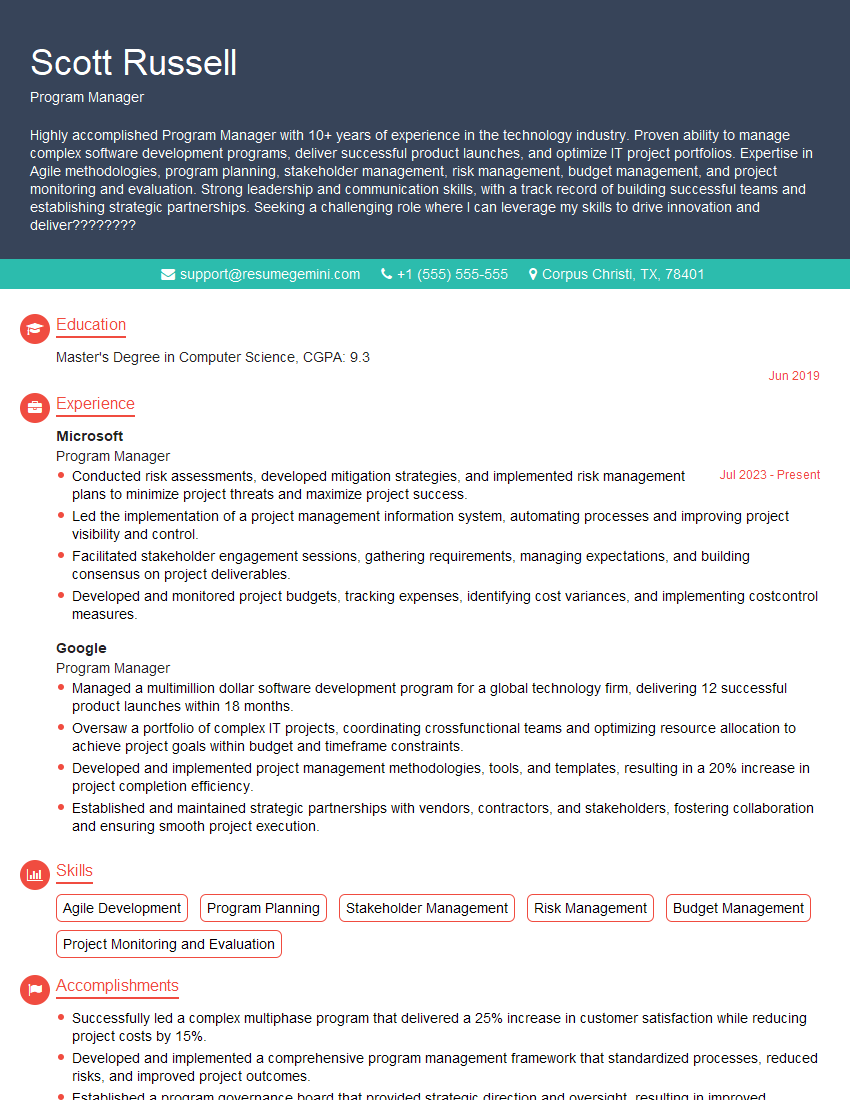
Program Manager Resume Sample

Operations Manager Resume Sample
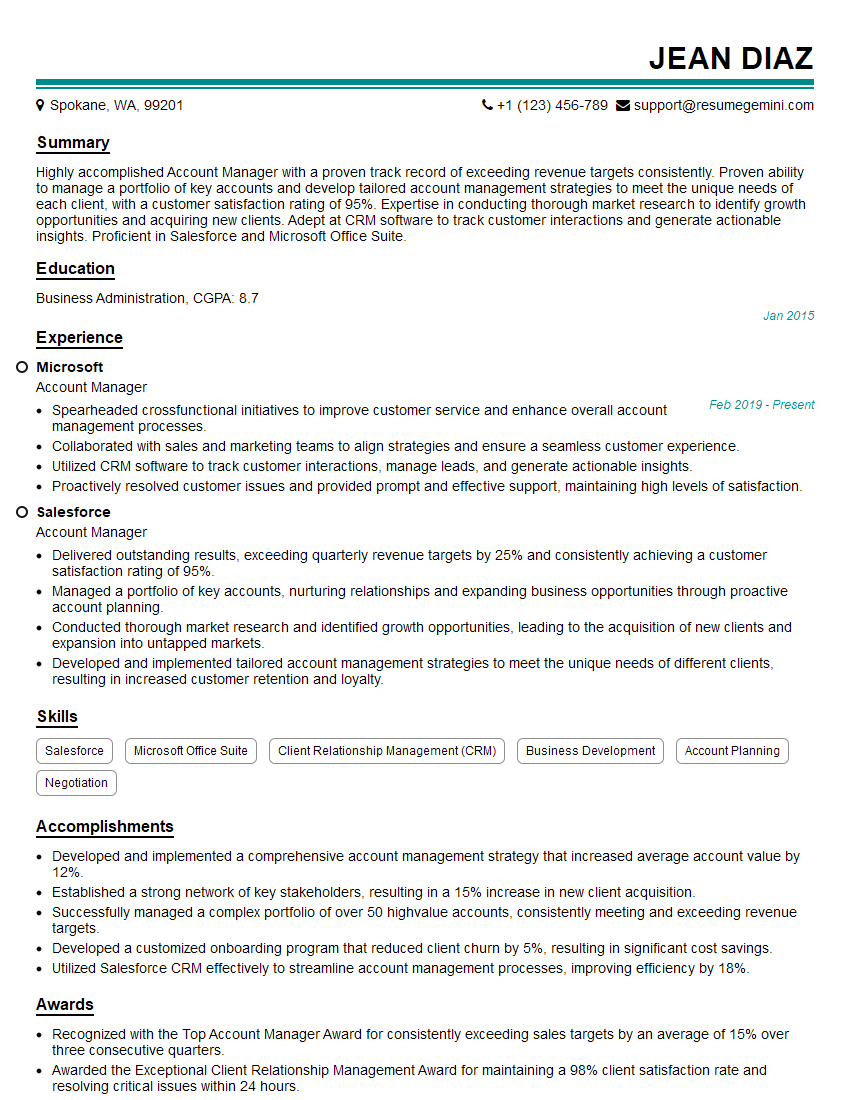
Account Manager Resume Sample
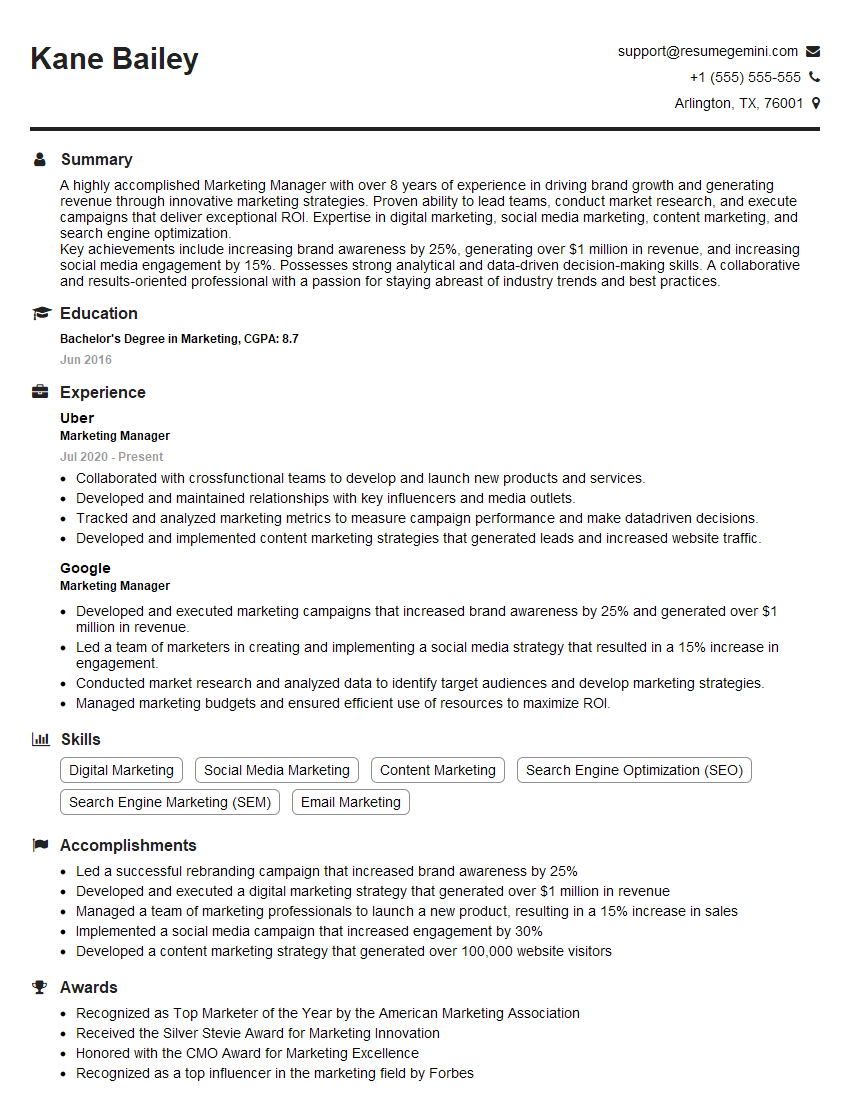
Marketing Manager Resume Sample
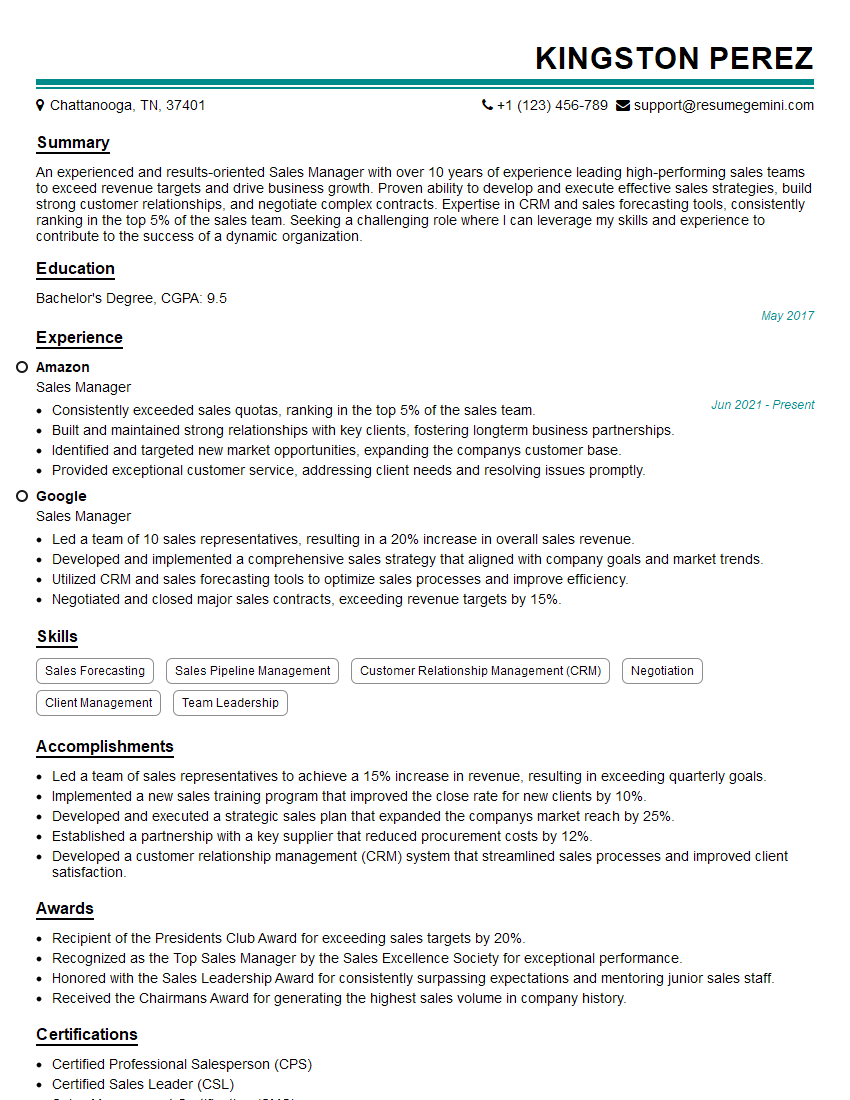
Sales Manager Resume Sample
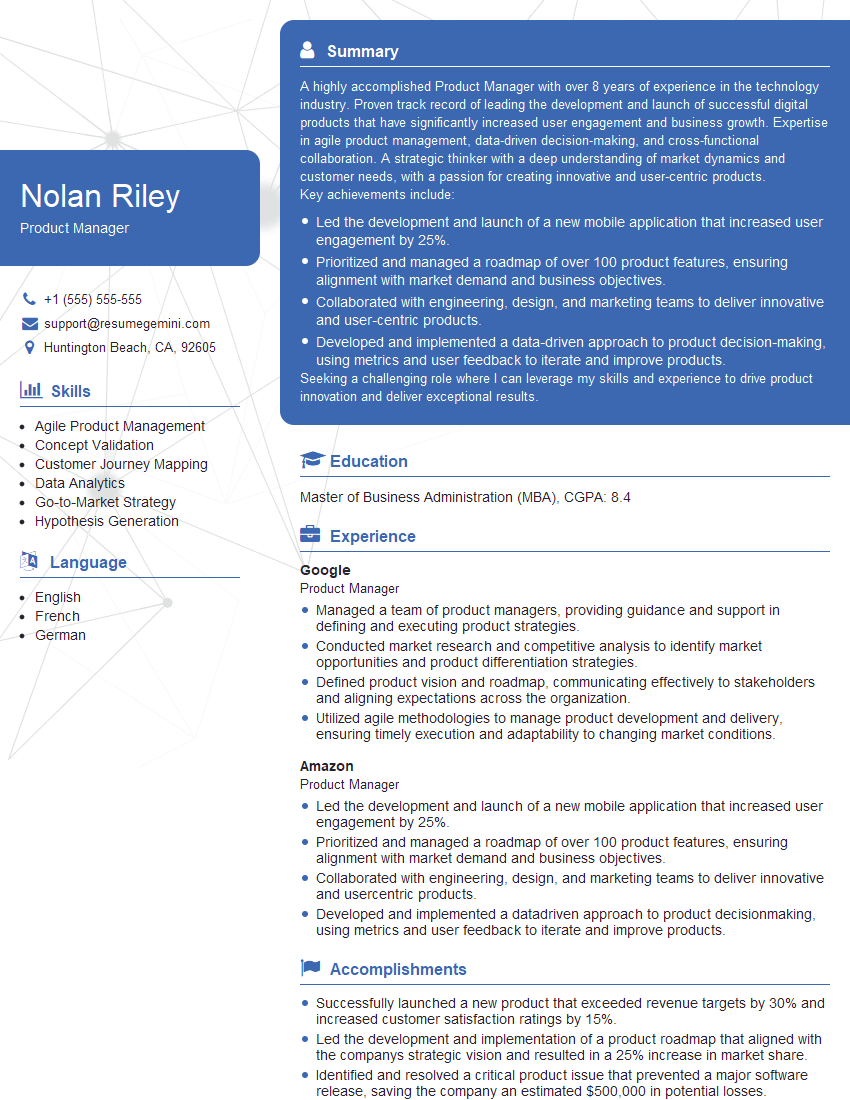
Product Manager Resume Sample
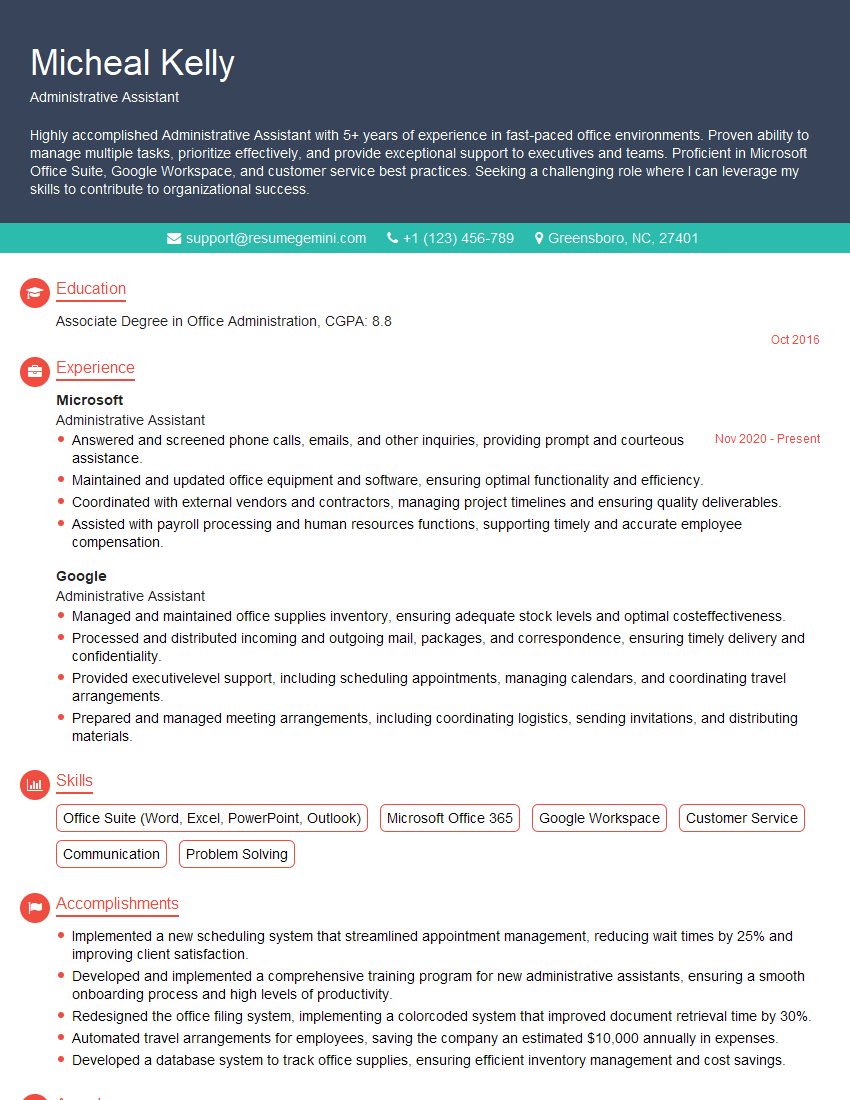
Administrative Assistant Resume Sample

Project Manager Resume Sample
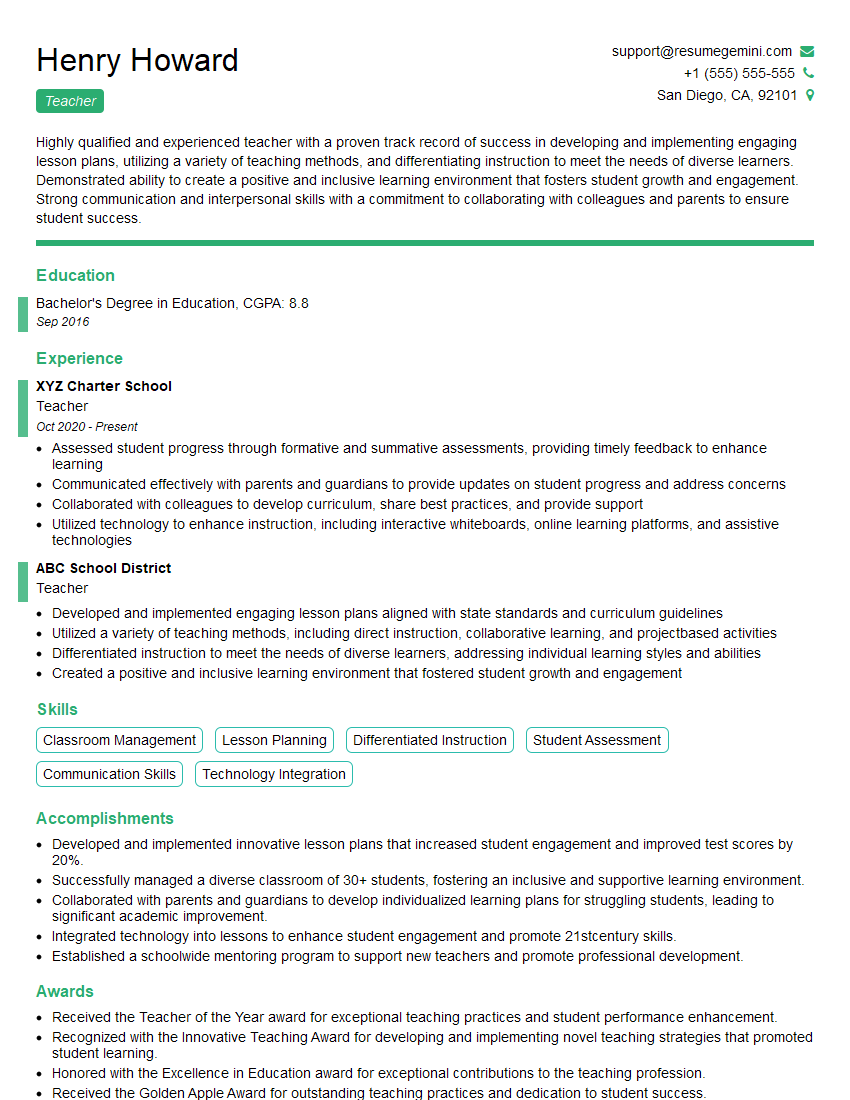
Teacher Resume Sample
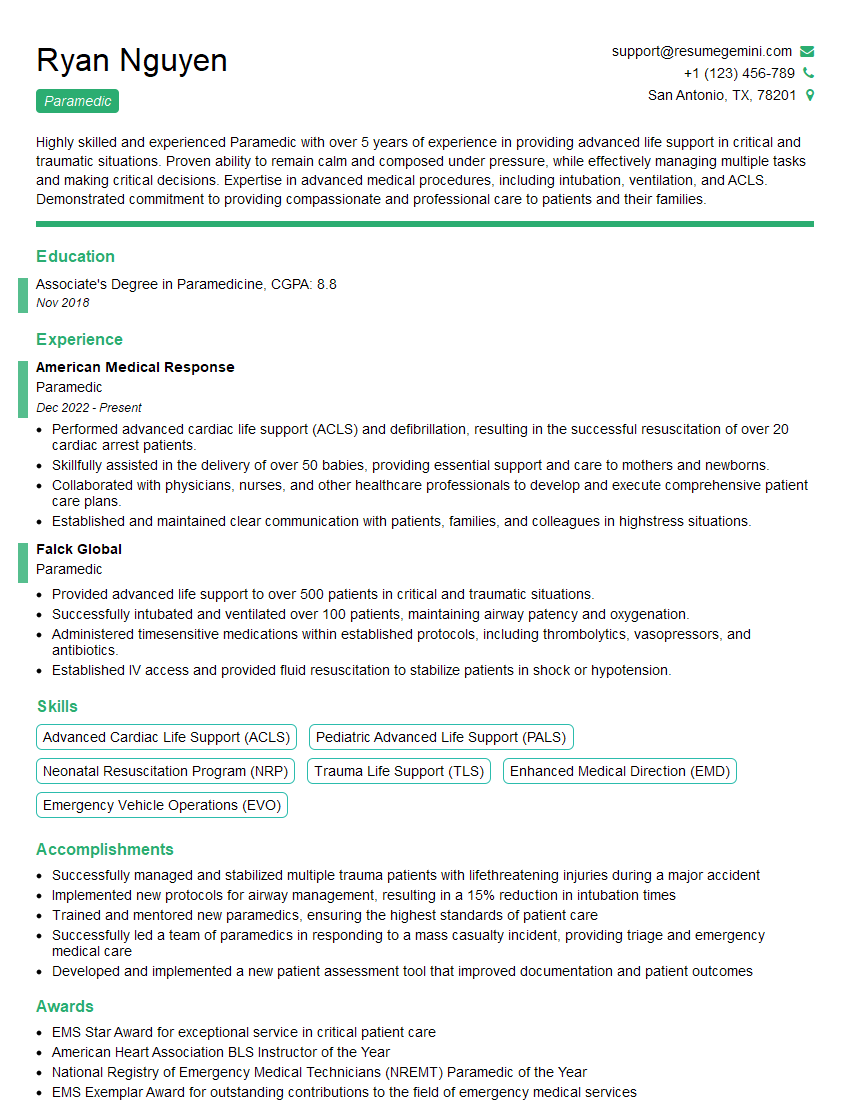
Paramedic Resume Sample
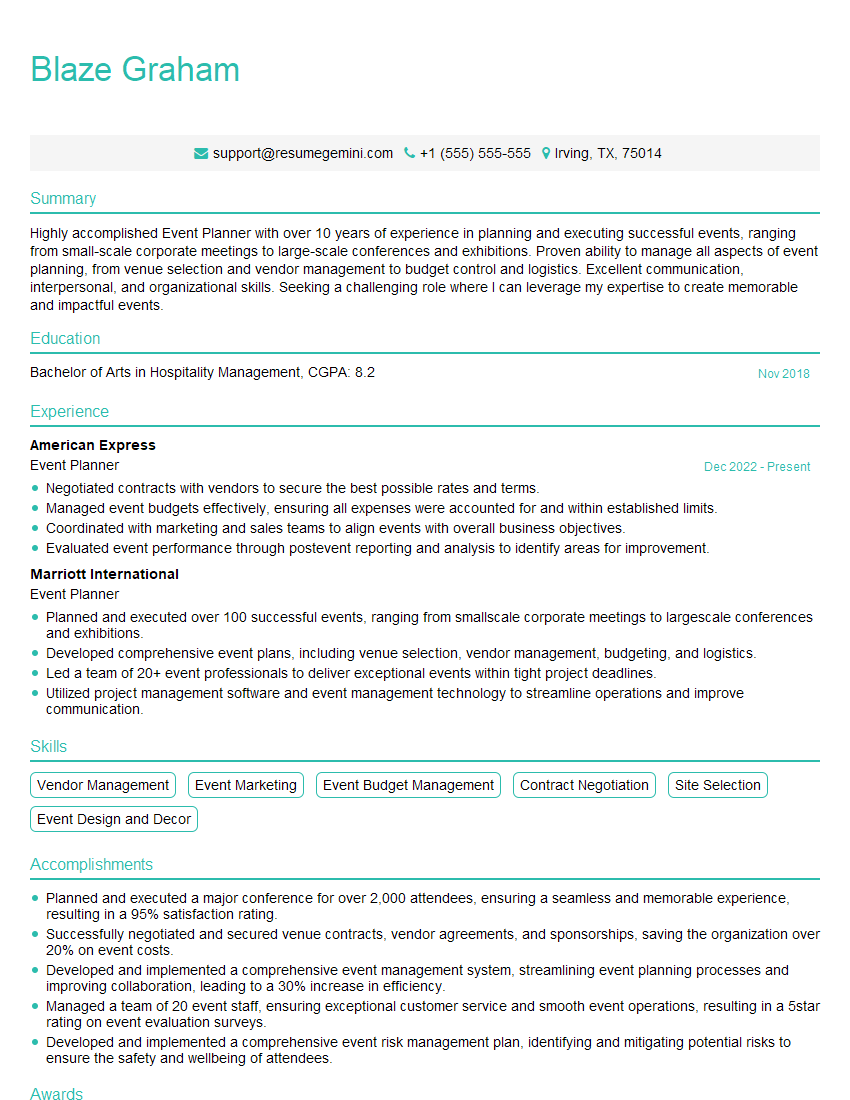
Event Planner Resume Sample
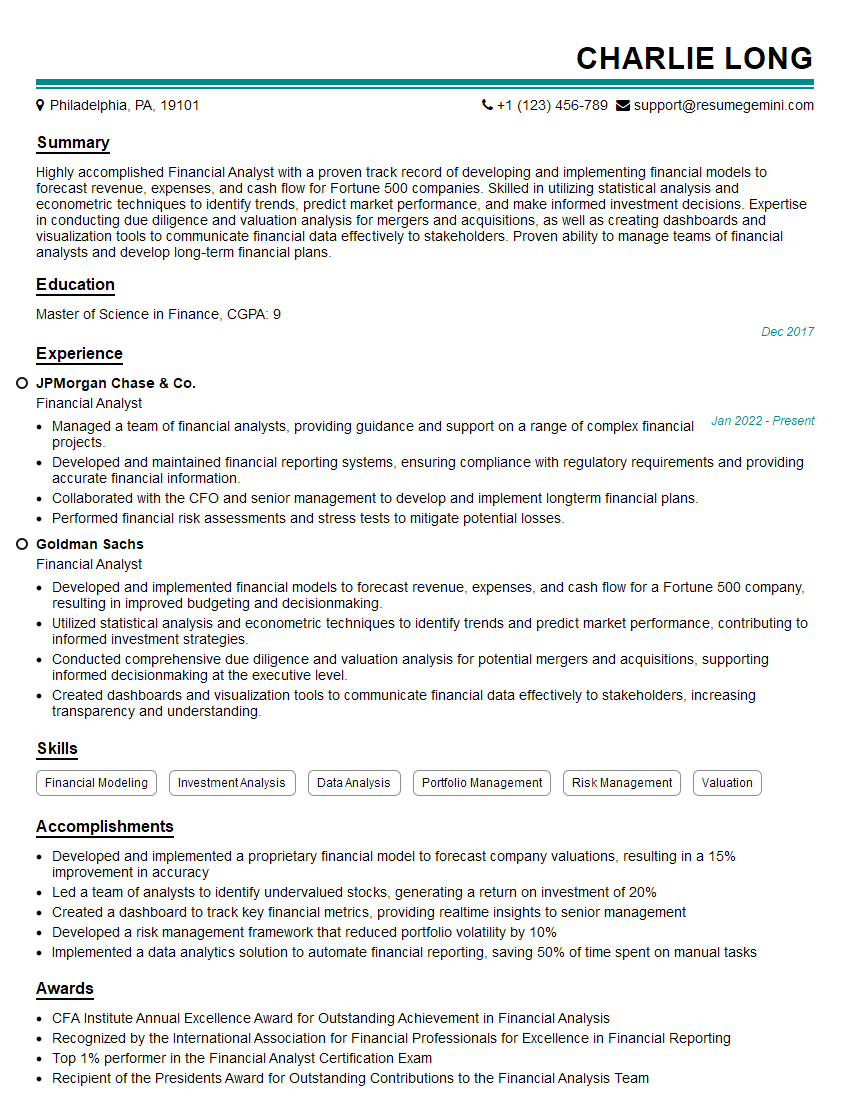
Financial Analyst Resume Sample
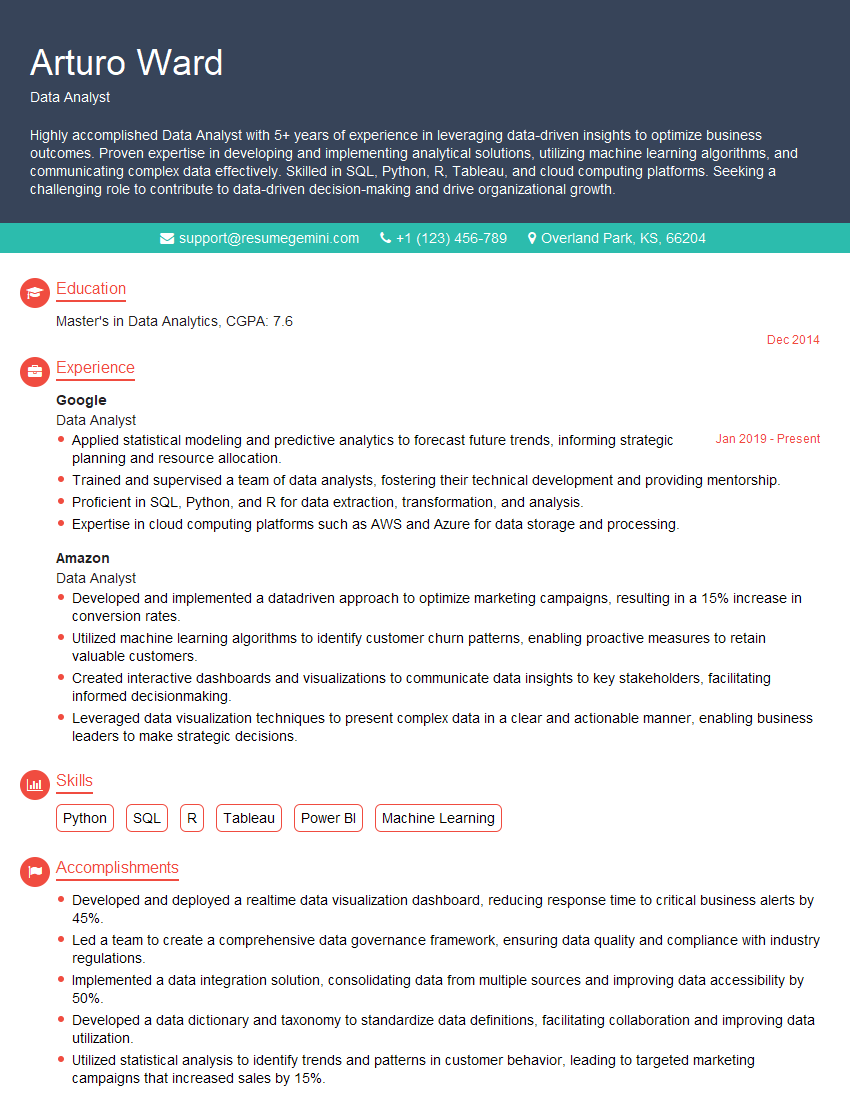
Data Analyst Resume Sample
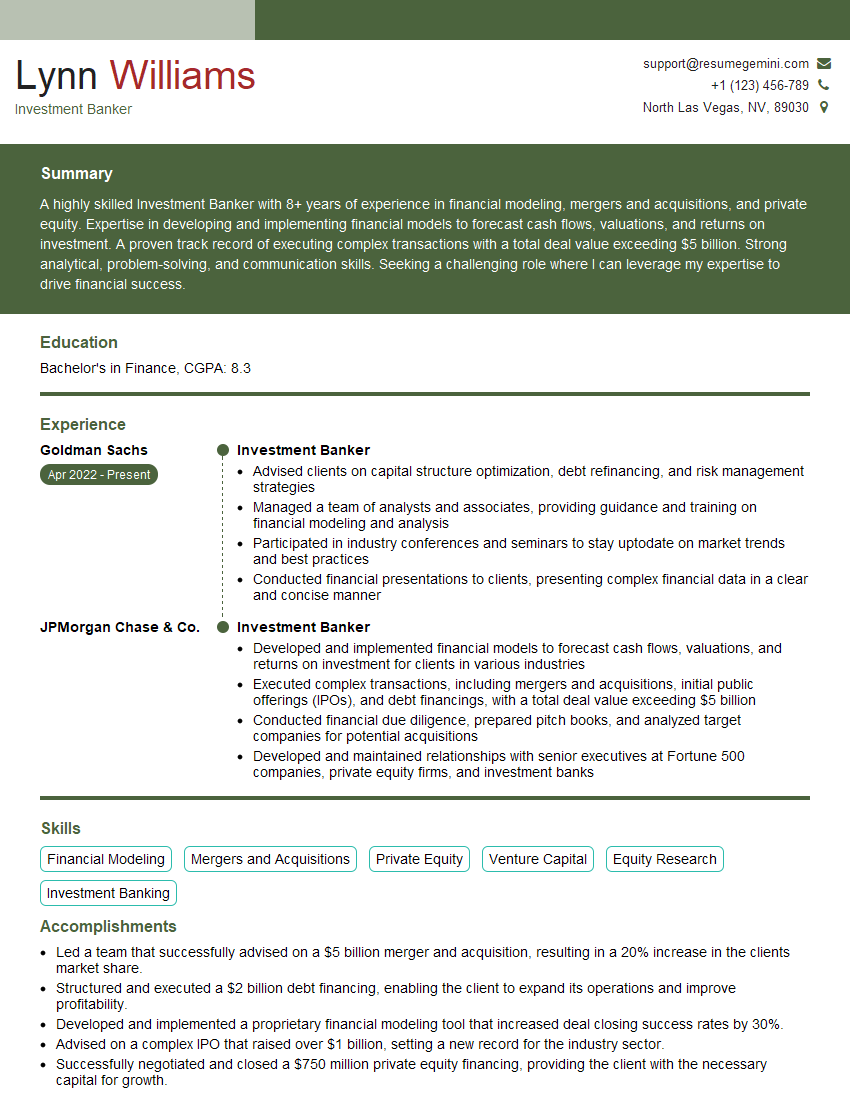
Investment Banker Resume Sample
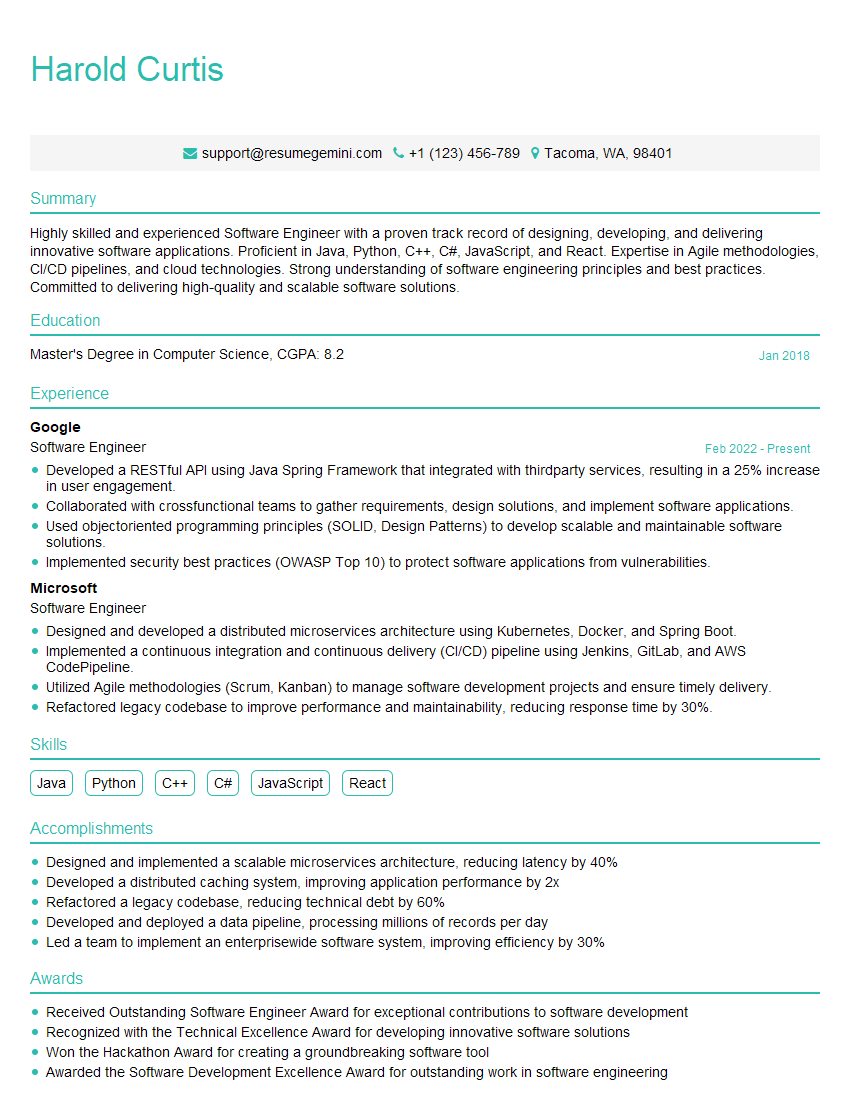
Software Engineer Resume Sample
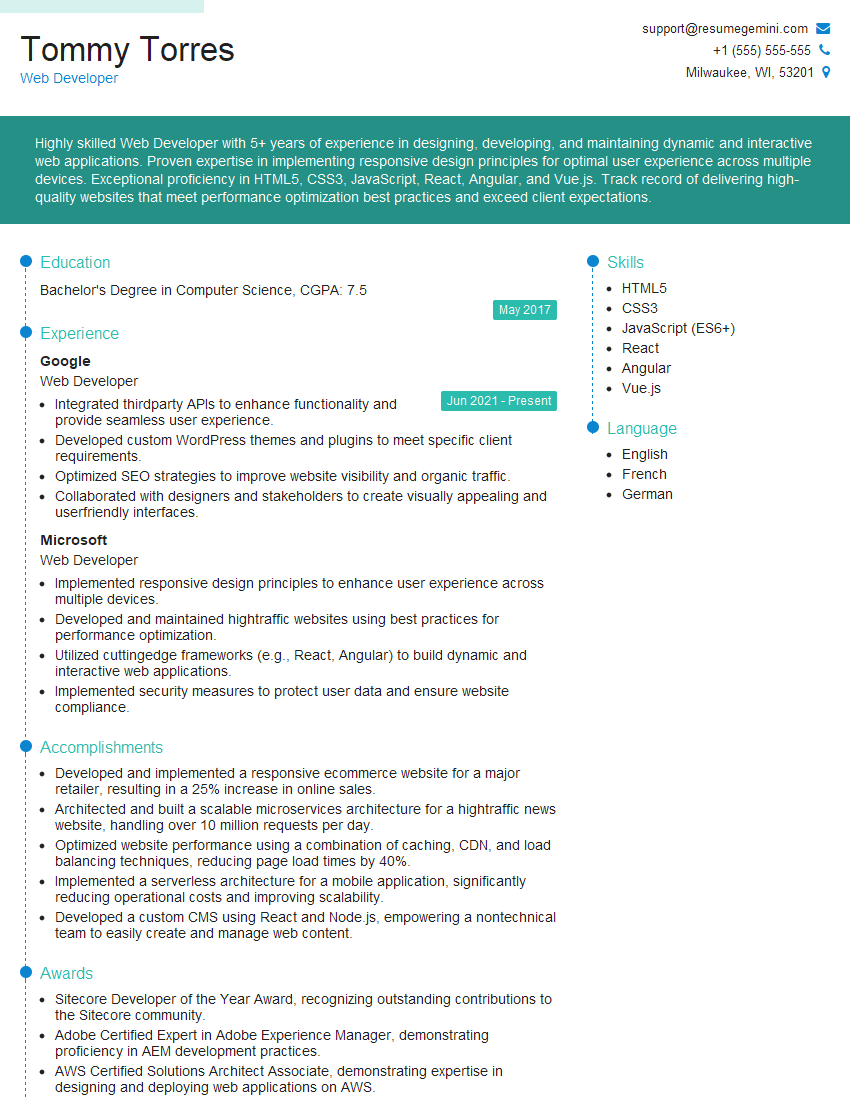
Web Developer Resume Sample
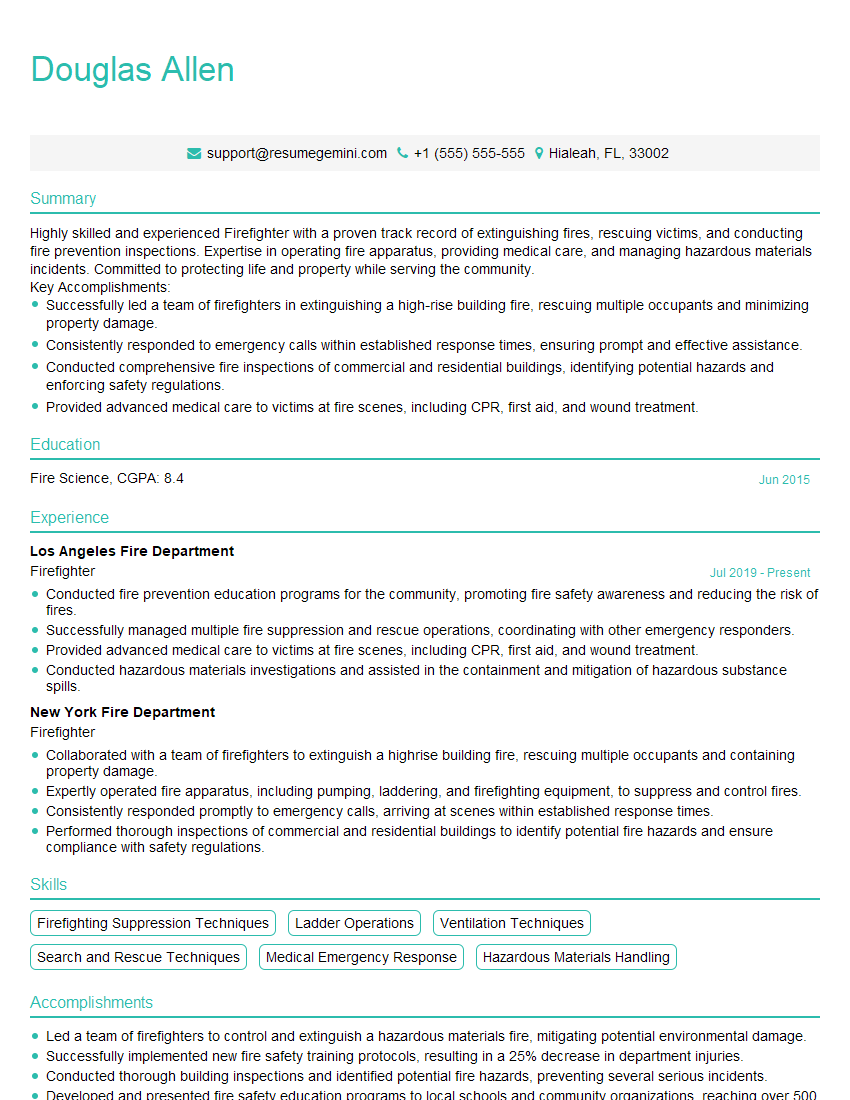
Firefighter Resume Sample
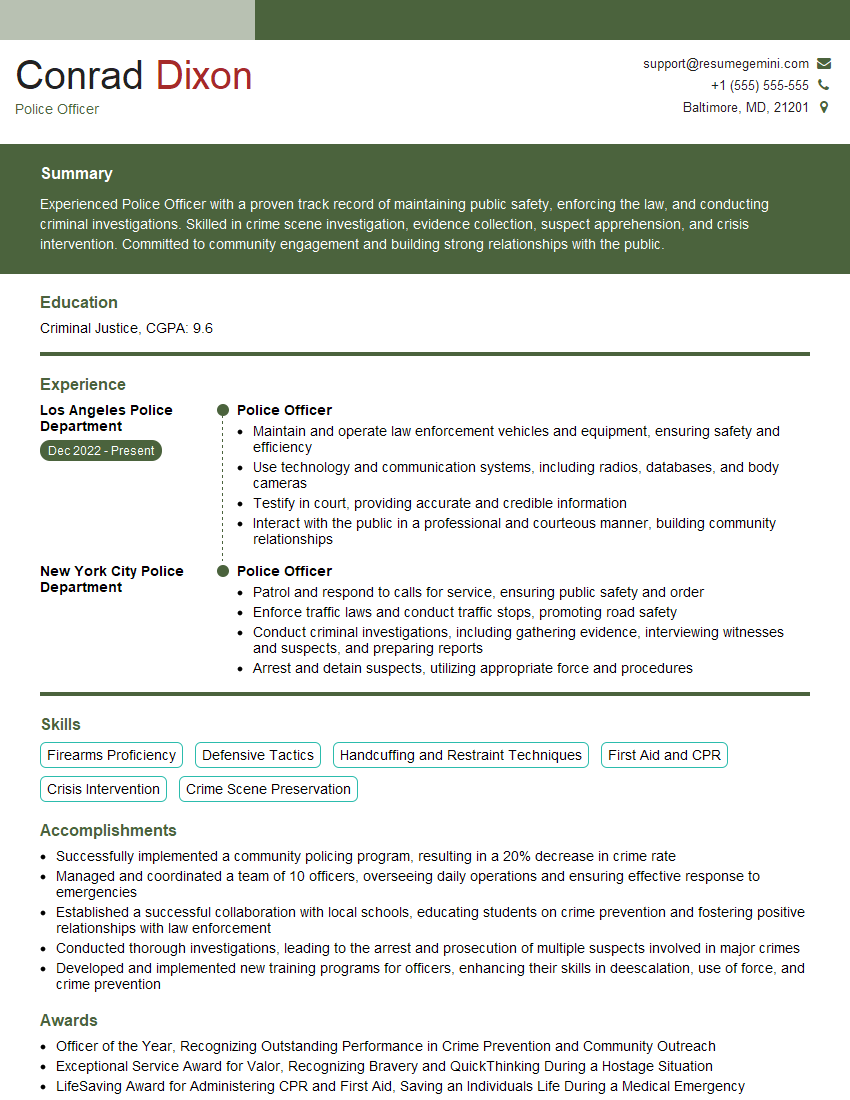
Police Officer Resume Sample
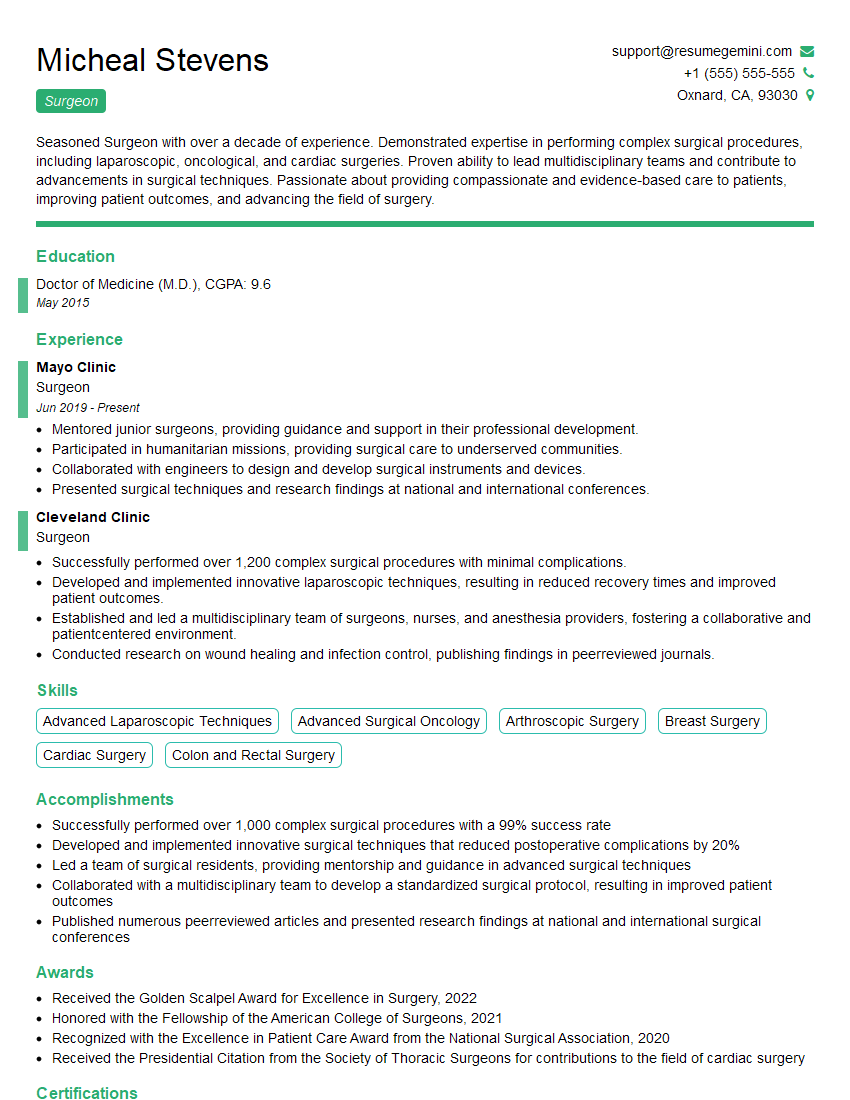
Surgeon Resume Sample
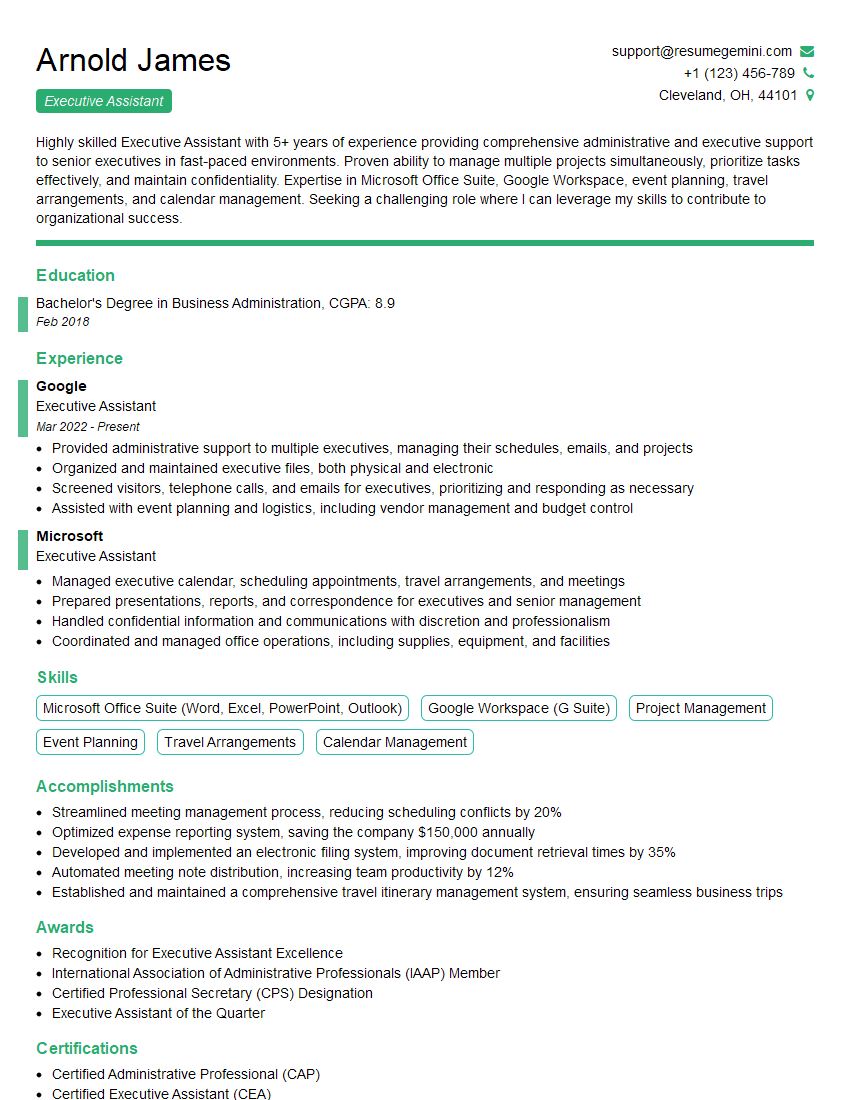
Executive Assistant Resume Sample
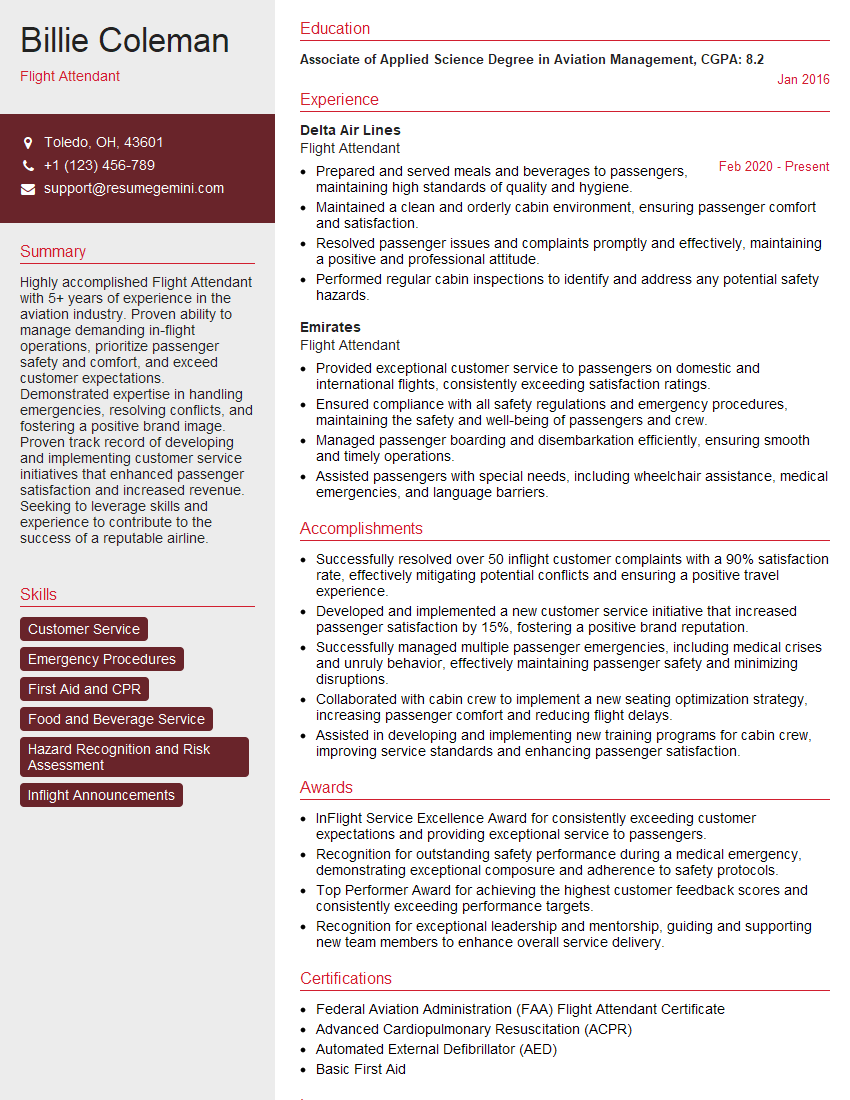
Flight Attendant Resume Sample
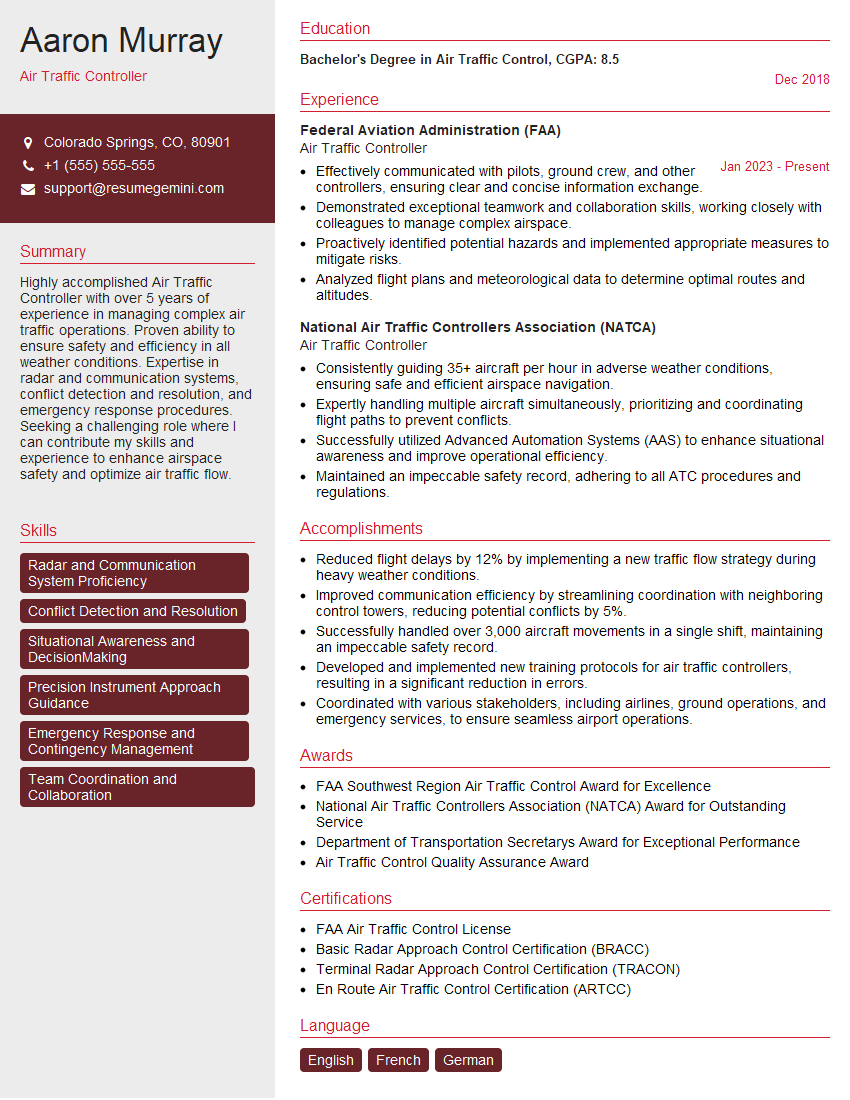
Air Traffic Controller Resume Sample
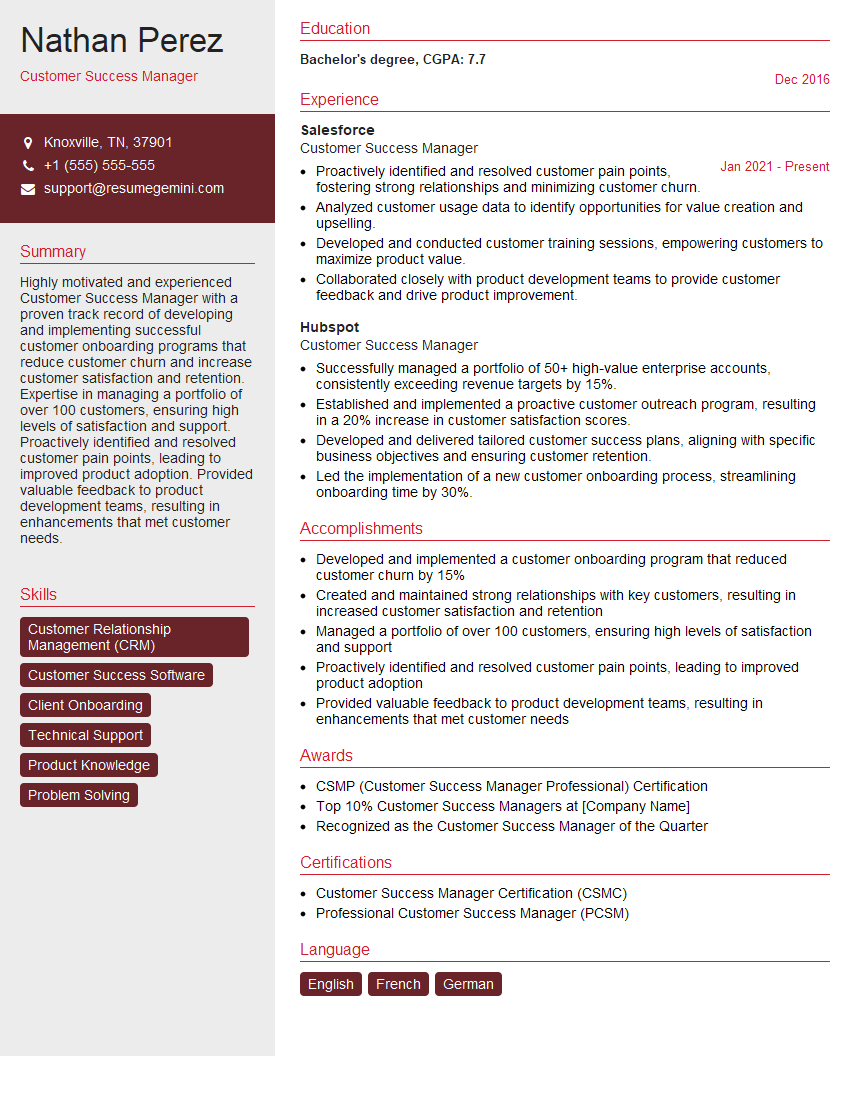
Customer Success Manager Resume Sample
- Program Manager
- Operations Manager
- Account Manager
- Marketing Manager
- Sales Manager
- Product Manager
- Administrative Assistant
- Project Manager
- Teacher
- Paramedic
- Event Planner
- Financial Analyst
- Data Analyst
- Investment Banker
- Software Engineer
- Web Developer
- Firefighter
- Police Officer
- Surgeon
- Executive Assistant
- Flight Attendant
- Air Traffic Controller
- Customer Success Manager
Explore more articles
Users Rating of Our Blogs
Share Your Experience
We value your feedback! Please rate our content and share your thoughts (optional).
What Readers Say About Our Blog
Very informative content, great job.
good