Are you ready to stand out in your next interview? Understanding and preparing for Ability to Perform Maintenance Tasks Under Pressure interview questions is a game-changer. In this blog, we’ve compiled key questions and expert advice to help you showcase your skills with confidence and precision. Let’s get started on your journey to acing the interview.
Questions Asked in Ability to Perform Maintenance Tasks Under Pressure Interview
Q 1. Describe your experience handling unexpected equipment failures during peak operational hours.
Unexpected equipment failures during peak operational hours are a significant challenge. My approach involves a combination of rapid assessment, prioritized action, and effective communication. I’ve experienced this numerous times, for instance, during a large-scale manufacturing run where a critical conveyor belt unexpectedly stopped.
My immediate response was to quickly assess the situation: was there a safety hazard? What was the extent of the downtime? Then, I systematically checked the belt for obvious issues (loose belts, debris, etc.). While a colleague alerted management and prepared backup procedures, I focused on troubleshooting the immediate problem, eventually identifying a broken drive motor.
Using established protocols, I swiftly replaced the motor (we always keep spares on hand for critical components), and the conveyor belt resumed operation within an hour, minimizing production loss. This highlights the importance of proactive risk assessment, having readily available backup systems, and efficient teamwork under pressure.
Q 2. How do you prioritize maintenance tasks when faced with multiple urgent requests?
Prioritizing maintenance tasks under pressure requires a structured approach. I utilize a system that combines urgency, criticality, and impact assessment. I use a matrix where I plot each task against urgency (immediate, high, medium, low) and criticality (impact on production, safety, regulatory compliance).
For example, a malfunctioning safety system would rank highest on both axes, taking immediate precedence over a routine lubrication task, even if the latter was scheduled. This matrix helps visually prioritize tasks, ensuring that critical issues are addressed first, while considering the overall impact on the system. I also actively communicate these priorities to the team to avoid conflicts and ensure everyone works in sync.
Q 3. Explain your process for troubleshooting complex equipment malfunctions under time constraints.
Troubleshooting complex equipment malfunctions under time pressure is a systematic process. My approach involves a logical sequence of steps: observation, hypothesis, testing, and verification. I start by thoroughly observing the malfunction, gathering all available data (error codes, sensor readings, etc.). Then, I formulate hypotheses about the potential causes, based on my experience and knowledge of the system.
For instance, if a machine is repeatedly failing, I might hypothesize problems with specific components or power supply issues. Next, I test each hypothesis through systematic checks and measurements, using diagnostic tools and established protocols. This process continues until the root cause is identified. Once the problem is solved, I always document the issue and its solution for future reference, improving our knowledge base and preventing similar issues. This methodical approach helps keep things focused even under high stress.
Q 4. Have you ever worked on a critical maintenance project with strict deadlines? Describe the challenges and your solutions.
I once worked on a critical project to upgrade our plant’s main power distribution system – a huge undertaking with tight deadlines imposed by regulatory requirements. The challenges were numerous: coordinating multiple teams, managing a complex supply chain, and working within a live operational environment.
Our solutions included meticulous planning – creating a detailed schedule with contingency plans, establishing clear communication channels to ensure updates reached all stakeholders immediately, and using project management software to track progress. Another major challenge was managing risks during the transition: we developed phased implementation strategies to minimize disruption and used simulations to test procedures. We succeeded by meeting the deadline, resulting in a significant upgrade to our system’s reliability and efficiency.
Q 5. How do you manage stress and maintain focus during high-pressure maintenance situations?
Managing stress during high-pressure maintenance situations requires a multi-pronged approach. First, proper planning and preparation significantly reduce stress. Knowing the equipment inside and out, having the right tools, and understanding the potential problems beforehand helps in confident action. Second, practicing effective time management, prioritizing tasks correctly, and working methodically prevents feeling overwhelmed.
Finally, maintaining good communication with the team builds support and reduces individual pressure. Furthermore, taking short breaks to gather myself, practicing mindfulness or deep breaths as needed allows me to regain focus. This combination of proactive strategies and stress management techniques ensures I can work efficiently and accurately even under intense pressure.
Q 6. Describe a time you had to make a quick decision during a maintenance emergency. What was the outcome?
During a major power outage, I had to quickly decide whether to proceed with an immediate temporary fix or wait for specialized personnel. After quickly assessing the situation—the outage affected a critical production line, and a prolonged shutdown would be significantly costly—I decided to implement a temporary solution using existing equipment. This involved rerouting power through a backup generator, a procedure I was well-versed in.
The outcome was successful. The temporary fix restored partial operation, minimizing downtime and production losses. While the specialized team arrived later and implemented a more permanent solution, my quick decision avoided a much more catastrophic situation. This highlights the importance of having contingency plans and the confidence to act decisively when facing high-stakes situations.
Q 7. How do you ensure the safety of yourself and others while performing maintenance under pressure?
Ensuring safety under pressure is paramount. This starts with rigorously following all safety protocols, which includes lockout/tagout procedures to prevent accidental energization of equipment during maintenance, using appropriate personal protective equipment (PPE), and performing regular risk assessments of the work environment.
Beyond the individual level, promoting teamwork and open communication is vital. Clear instructions and open dialogue about potential risks ensure everyone knows their role and hazards. I always emphasize safety to my colleagues, making it an integral part of everything we do, even when under pressure. This approach isn’t just about following procedures; it’s about instilling a safety-first culture.
Q 8. What methods do you use to effectively communicate with your team during urgent maintenance activities?
Effective communication during urgent maintenance is paramount. My approach relies on a multi-faceted strategy combining clear, concise verbal updates with readily accessible digital tools. Imagine a wildfire – you need everyone to understand their role immediately. I initiate communication with a brief, high-level summary of the situation, focusing on the critical problem and immediate priorities. This avoids information overload. Then, I utilize a combination of methods:
Two-way radios: For quick, real-time updates and immediate responses, particularly in noisy environments.
Project management software (e.g., Asana, Trello): To provide a central hub for task assignments, progress tracking, and document sharing, ensuring transparency for the entire team. This allows everyone to see what others are doing and where bottlenecks may occur.
Short, frequent meetings: We use these to coordinate efforts, address emerging challenges, and ensure everyone is aligned. These meetings are highly focused and outcome-oriented, avoiding unnecessary discussions.
After the immediate crisis has passed, a thorough debriefing ensures that lessons learned are documented and incorporated into future procedures. In a recent incident involving a critical server failure, the combination of concise radio updates, task assignment on Trello, and short, coordinated meetings enabled our team to restore service within an hour, significantly minimizing downtime.
Q 9. How do you document maintenance procedures and findings accurately and efficiently under pressure?
Accurate and efficient documentation under pressure is critical for accountability, future troubleshooting, and continuous improvement. My approach focuses on a streamlined system that prioritizes clarity and speed without sacrificing detail. Think of it as building a detailed map during a rapid response mission – you need a clear picture to navigate effectively. I utilize a combination of approaches:
Pre-formatted templates: Standardized forms for recording key data such as timestamps, actions taken, equipment involved, and observations. This ensures consistency and reduces the time spent formatting during a stressful situation.
Voice-to-text software: To quickly record initial observations and steps taken in real time, freeing up hands for other tasks. This is particularly useful for complex issues where detailed notes are necessary.
Digital checklists: Ensuring all necessary steps are performed in the correct order. This mitigates the risk of human error under duress.
Photography and videography: For visual documentation of the problem, the repair process, and the resulting state of the equipment. A picture can be worth a thousand words, especially when recalling details later.
After the maintenance is complete, I always review and refine the documentation to ensure accuracy and completeness. This ensures that our knowledge base is constantly updated and improving.
Q 10. How do you adapt your maintenance strategies to changing priorities and unexpected events?
Adaptability is key when dealing with shifting priorities and unexpected events during maintenance. It’s like navigating a complex maze – you need to be able to adjust your path based on new information. I utilize a system of prioritized tasks and flexible scheduling to accommodate these changes. This includes:
Regular prioritization meetings: These allow us to re-evaluate tasks based on urgency and impact, ensuring that the most critical issues are addressed first. We use a scoring system to weigh urgency and business impact to make objective decisions.
Agile methodologies: Employing iterative approaches that allow us to break down complex tasks into smaller, more manageable chunks. This makes it easier to adapt to changing needs and allows us to respond quickly to unforeseen circumstances.
Open communication: Keeping all stakeholders informed about changes in plans and priorities. This promotes understanding and buy-in, even when difficult decisions need to be made.
For instance, if a critical component fails unexpectedly and disrupts production, the team and I will immediately re-prioritize tasks to address the failure, even if it means postponing less critical maintenance.
Q 11. Describe your experience using diagnostic tools and equipment under pressure.
Proficiency with diagnostic tools is essential. My experience encompasses a wide range of equipment, from simple multimeters to sophisticated network analyzers. Under pressure, familiarity and practice are paramount. It’s like being a surgeon – precise, calm execution is necessary. I approach this by:
Regular calibration and maintenance: Ensuring that all tools are functioning correctly to avoid inaccurate readings and wasted time. A malfunctioning tool under pressure can be disastrous.
Systematic troubleshooting: Utilizing a methodical approach to isolate the problem, starting with the most likely causes and progressing to more complex investigations. This prevents aimless testing and saves valuable time.
Understanding limitations: Recognizing the capabilities and limitations of each tool and selecting the most appropriate one for the task at hand. Using the wrong tool can lead to inaccurate diagnoses or even damage to the equipment.
In one instance, a seemingly simple network outage turned out to be a failing fiber optic cable. Using a combination of an optical time-domain reflectometer (OTDR) and a network analyzer, I was able to quickly pinpoint the location of the break and facilitate a swift repair.
Q 12. How do you handle conflicting priorities during maintenance operations?
Conflicting priorities are inevitable. I handle these by employing a structured approach that balances urgency and impact. It’s like air traffic control – managing multiple demands simultaneously requires careful planning and execution. My process involves:
Prioritization matrix: Using a framework that weighs urgency and impact to rank tasks. This ensures that the most critical issues are addressed first.
Escalation procedure: Having a clear process for escalating issues that cannot be resolved at the team level. This ensures that the right people are involved to make informed decisions.
Transparent communication: Keeping all stakeholders informed about the prioritization decisions and their rationale. This builds trust and understanding, even when some tasks are delayed.
In a past project, we faced conflicting priorities – addressing a security vulnerability versus completing a scheduled software update. Using a prioritization matrix that weighted the potential impact of a security breach far higher than the minor disruption caused by delaying the update, we focused on securing the system first. This approach prevented potentially far greater consequences.
Q 13. What is your approach to minimizing downtime during emergency maintenance repairs?
Minimizing downtime during emergency repairs requires a combination of proactive planning, efficient execution, and a focus on rapid problem resolution. It’s like a race against time – every second counts. My strategy centers on:
Redundancy and failover systems: Implementing backup systems to ensure continued operation in case of equipment failure. This minimizes the impact of failures and buys valuable time for repairs.
Pre-emptive maintenance: Conducting regular inspections and preventative maintenance to identify and address potential problems before they cause major disruptions. This is like regular car maintenance – preventing small problems from turning into major breakdowns.
Rapid response team: Having a dedicated team ready to respond to emergencies with specialized skills and readily available tools and parts. This reduces response time and speeds up repair efforts.
Root cause analysis: Performing a thorough investigation after each incident to identify the underlying cause and implement corrective actions to prevent similar incidents from occurring in the future. This is critical for long-term reliability and preventing recurrence.
In a recent power outage, our redundant power system seamlessly transitioned to backup power, minimizing downtime. The quick response of our team and pre-planned procedures allowed us to restore full power within minutes.
Q 14. How do you identify potential maintenance problems before they lead to critical failures?
Identifying potential problems before they become critical failures requires a proactive and preventative approach. It’s like regular health checkups – early detection is key. My methods include:
Predictive maintenance: Using data analytics and sensor technology to predict potential failures before they occur. This involves monitoring key performance indicators (KPIs) to detect anomalies or trends that may indicate impending issues.
Regular inspections: Performing routine visual inspections of equipment to identify wear and tear or other potential problems. This includes checking for loose connections, corrosion, and other signs of degradation.
Trend analysis: Tracking equipment performance over time to identify patterns or trends that may indicate developing problems. For example, a gradual decline in performance could be a warning sign of impending failure.
Failure mode and effects analysis (FMEA): A systematic method for identifying potential failure modes and their effects on the system. This allows for proactive mitigation strategies to be put in place.
By employing these methods, we were able to predict a failing hard drive in a critical server well in advance of its complete failure, allowing for a planned replacement without any disruption of service.
Q 15. Explain your experience with predictive maintenance techniques.
Predictive maintenance uses data analysis to anticipate equipment failures before they occur, minimizing downtime and costs. Instead of reactive maintenance (fixing things after they break) or preventative maintenance (scheduled maintenance at fixed intervals), it’s proactive. This involves collecting data from various sources – sensor readings (vibration, temperature, pressure), historical maintenance records, and operational data.
My experience includes implementing vibration analysis on critical pumps in a manufacturing plant. By analyzing the vibration signatures, we identified subtle changes indicating bearing wear well before a catastrophic failure. This allowed for a scheduled repair during a low-production period, avoiding a costly emergency shutdown. We also used software to analyze operational data like run-time and energy consumption, identifying anomalies that predicted potential issues with motor efficiency, prompting preemptive maintenance.
- Techniques Used: Vibration analysis, oil analysis, thermal imaging, data analytics software.
- Results: Reduced downtime by 30%, decreased repair costs by 20%.
Career Expert Tips:
- Ace those interviews! Prepare effectively by reviewing the Top 50 Most Common Interview Questions on ResumeGemini.
- Navigate your job search with confidence! Explore a wide range of Career Tips on ResumeGemini. Learn about common challenges and recommendations to overcome them.
- Craft the perfect resume! Master the Art of Resume Writing with ResumeGemini’s guide. Showcase your unique qualifications and achievements effectively.
- Don’t miss out on holiday savings! Build your dream resume with ResumeGemini’s ATS optimized templates.
Q 16. How do you ensure the quality of your work while maintaining speed and efficiency?
Balancing speed and quality requires a systematic approach. It’s not about rushing; it’s about working *smart*. This involves careful planning, prioritization, and effective execution. I use checklists to ensure all steps are followed consistently, and I employ lean principles to streamline workflows, eliminating unnecessary steps. Regular quality checks during the process, not just at the end, are crucial. This allows for early detection and correction of errors, preventing rework and delays.
For example, during a complex valve replacement, I wouldn’t just start dismantling. I’d first check the schematics, gather the correct tools and replacement parts, and prepare a detailed work plan. Then, I would meticulously document each step, ensuring proper torque specifications are met. Regular visual inspections and functional tests throughout the process guarantee a quality output without sacrificing time.
Q 17. Describe a time you had to work overtime to complete a crucial maintenance task. What were the factors?
During a major power outage at a data center, I had to work through the night to restore critical systems. The factors contributing to the overtime were the severity of the outage (potential significant data loss and financial impact), the complexity of the problem (multiple system failures), and the tight deadline imposed by business continuity requirements. The pressure was immense, as every minute counted.
We worked in teams, delegating tasks based on individual expertise, prioritizing the most critical systems first. Effective communication and clear roles were vital in maintaining focus and preventing errors under pressure. While exhausting, the successful restoration of service within the timeframe, preventing substantial financial loss, was incredibly rewarding and highlighted the importance of teamwork and dedication in crisis situations.
Q 18. How do you maintain a positive attitude while working under stressful conditions?
Maintaining a positive attitude under stress is crucial for effective problem-solving. I employ several strategies: Firstly, I focus on the task at hand, breaking it down into manageable steps. This helps to avoid feeling overwhelmed. Secondly, I utilize positive self-talk, reminding myself of past successes and my ability to handle challenging situations. Thirdly, maintaining open communication with my team helps foster collaboration and reduces feelings of isolation.
Think of it like running a marathon – you wouldn’t focus on the entire distance at once; you’d focus on each mile. Similarly, focusing on completing each step of a maintenance task, celebrating small wins along the way, helps to build momentum and maintain morale.
Q 19. What is your experience with root cause analysis in maintenance situations?
Root cause analysis (RCA) is fundamental to preventing recurrence of maintenance issues. I use various techniques, including the ‘5 Whys’ method, fault tree analysis, and fishbone diagrams. The goal isn’t just to fix the immediate problem but to identify the underlying cause that led to the failure.
For instance, if a pump failed due to bearing wear, the ‘5 Whys’ might lead to this path: 1. Why did the pump fail? (Bearing wear) 2. Why was the bearing worn? (Lack of lubrication) 3. Why was there insufficient lubrication? (Faulty lubrication system) 4. Why was the lubrication system faulty? (Lack of preventative maintenance) 5. Why was there a lack of preventative maintenance? (Inadequate scheduling). This identifies the root cause as poor maintenance scheduling, which is a systemic issue, not just a single pump problem.
Q 20. How do you effectively delegate tasks during a high-pressure maintenance scenario?
Effective delegation under pressure requires clear communication, trust, and defined roles. I assess team members’ skills and experience, assigning tasks based on their strengths. I provide clear instructions, expected outcomes, and deadlines. Regular communication updates are crucial, ensuring everyone stays informed and any issues are addressed promptly.
During a critical turbine repair, I delegated specific tasks – one team member handled the disassembly, another the inspection, and another the reassembly. By clarifying each individual’s role and expectations, I ensured efficient work and a timely repair, avoiding confusion and bottlenecks under pressure.
Q 21. What safety protocols do you always follow during maintenance tasks, even under pressure?
Safety is paramount, even under pressure. I religiously follow established safety protocols, including lockout/tagout procedures (ensuring equipment is de-energized before maintenance), proper use of personal protective equipment (PPE), and adherence to risk assessments. I always conduct thorough pre-job briefings with my team, reviewing potential hazards and safety measures. I never compromise safety for speed.
For example, even if under a tight deadline, I would never bypass a lockout/tagout procedure on a high-voltage electrical panel. The potential consequences of an electrical shock far outweigh the time saved by neglecting safety protocols. Safety is non-negotiable.
Q 22. How familiar are you with different types of maintenance strategies (preventive, predictive, corrective)?
Maintenance strategies are crucial for optimizing equipment lifespan and minimizing downtime. They fall broadly into three categories: preventive, predictive, and corrective.
- Preventive Maintenance: This involves scheduled maintenance tasks performed at regular intervals to prevent equipment failure. Think of it like regular car servicing – oil changes, tire rotations – to avoid major breakdowns. Examples include lubricating machinery, replacing filters, and conducting inspections. It’s proactive and cost-effective in the long run.
- Predictive Maintenance: This utilizes data and technology to predict when equipment is likely to fail. Sensors monitor vibration, temperature, and other parameters to identify potential problems *before* they occur. This is like having a car’s onboard diagnostic system constantly monitoring its health and warning you about potential issues. It allows for targeted interventions, maximizing efficiency and minimizing waste.
- Corrective Maintenance: This is reactive maintenance performed only after equipment has failed. This is the most costly and disruptive approach – akin to waiting for your car to break down completely before fixing it. While necessary for unexpected failures, a heavy reliance on corrective maintenance indicates a lack of proactive planning.
A balanced approach incorporating all three strategies is ideal, prioritizing preventive and predictive maintenance to minimize the need for costly corrective measures.
Q 23. How do you use your knowledge of equipment schematics and manuals to solve problems quickly?
Equipment schematics and manuals are my bible. They’re essential for quick problem-solving. I start by carefully reviewing the schematics to understand the system’s architecture and component interactions. This helps me pinpoint the likely source of the problem. Then, I consult the manual for troubleshooting guides, diagnostic codes, and part specifications. For example, if a pump fails, I’ll use the schematic to trace its electrical and fluid pathways, looking for blockages, leaks, or power supply issues. The manual provides details on how to test the pump’s motor, check for pressure, and identify the correct replacement part. I find using both in conjunction—the schematic for visualization and the manual for detailed specifications—incredibly effective in rapid diagnosis and repair.
Q 24. Describe your experience with different maintenance management software or systems.
I have extensive experience with various Computerized Maintenance Management Systems (CMMS), including IBM Maximo, SAP PM, and UpKeep. These systems are invaluable for managing work orders, tracking inventory, scheduling maintenance tasks, and generating reports. For example, in a previous role, we utilized Maximo to manage all aspects of maintenance for a large manufacturing facility. We used it to schedule preventive maintenance, track the performance of various equipment, and optimize resource allocation. My proficiency with CMMS software allows me to streamline processes, improve communication, and ensure efficient resource management.
Q 25. How do you manage your workload effectively to avoid feeling overwhelmed during busy periods?
Managing workload effectively under pressure requires a structured approach. I utilize several strategies, including prioritization using methods like the Eisenhower Matrix (urgent/important), breaking down large tasks into smaller, manageable steps, and timeboxing specific activities. Effective communication with my team is key; I ensure everyone understands priorities and responsibilities to avoid bottlenecks. I also proactively delegate tasks where appropriate and don’t hesitate to ask for help when needed. Finally, I consistently review my progress and adjust my plan as needed, embracing flexibility in high-pressure situations. It’s like conducting an orchestra; each player has their part, and the conductor ensures everything runs smoothly.
Q 26. Describe a time you successfully resolved a complex maintenance issue under immense pressure. Detail your process.
During a critical production shutdown, a major piece of processing equipment failed unexpectedly. The pressure was immense; production was halted, and significant financial losses loomed. I immediately activated our emergency response plan. First, I performed a quick visual inspection, identifying a potential problem with the main control unit. Using the schematics and manuals, I diagnosed a faulty relay. However, the exact relay model was obsolete, and no replacement was readily available in our inventory. Under pressure, I contacted our supplier, secured an expedited shipment, and simultaneously arranged for a temporary workaround using a similar relay from another, less critical system. We managed to get the equipment back online within 6 hours, minimizing production downtime, demonstrating my ability to remain calm, think strategically, and find creative solutions in high-pressure environments.
Q 27. What strategies do you employ to prevent burnout when dealing with consistent high-pressure maintenance situations?
Preventing burnout under consistent high pressure requires a conscious effort. I prioritize self-care by ensuring adequate rest and incorporating regular exercise and healthy eating into my routine. I also actively seek support from my colleagues and supervisors, creating a strong team environment where open communication is encouraged. I set clear boundaries between work and personal life and utilize mindfulness techniques to reduce stress. Regularly taking short breaks throughout the day helps to improve focus and prevent mental fatigue. It’s vital to acknowledge that consistent high-pressure situations are unsustainable without deliberate self-care strategies.
Q 28. How do you ensure compliance with safety regulations and company procedures during urgent maintenance?
Safety is paramount. During urgent maintenance, compliance with all safety regulations and company procedures is non-negotiable. Before starting any work, I conduct thorough risk assessments, ensuring all necessary safety precautions are in place. This includes lockout/tagout procedures for electrical equipment, appropriate personal protective equipment (PPE), and adherence to all relevant safety guidelines. I also ensure all team members are aware of and follow these procedures. Thorough documentation of all actions taken, including any deviations from standard procedures, is essential for accountability and continuous improvement. A safety-first mentality is not just a policy but an ingrained aspect of my approach to maintenance, even during high-pressure situations.
Key Topics to Learn for Ability to Perform Maintenance Tasks Under Pressure Interview
- Prioritization and Time Management: Understanding how to assess task urgency and allocate time effectively under pressure. This includes recognizing which tasks require immediate attention and which can be delegated or postponed.
- Troubleshooting and Problem-Solving: Demonstrating a systematic approach to identifying and resolving maintenance issues, even when facing time constraints and unexpected complications. This involves practical application of diagnostic skills and efficient use of resources.
- Adaptability and Flexibility: Highlighting your ability to adjust to changing priorities, unexpected problems, and evolving work conditions. This includes showcasing instances where you successfully navigated unforeseen challenges.
- Communication and Teamwork: Explaining how you effectively communicate progress, challenges, and solutions to supervisors and colleagues, especially during critical maintenance situations. This involves clear and concise reporting, active listening, and collaboration.
- Stress Management Techniques: Describing your strategies for managing stress and maintaining composure under pressure. This could include techniques like deep breathing, prioritizing tasks, and seeking support when needed.
- Safety Procedures and Compliance: Emphasizing your commitment to following safety protocols and regulatory requirements during maintenance, even when working under tight deadlines. This includes demonstrating knowledge of relevant safety regulations and best practices.
- Resourcefulness and Initiative: Showcasing your ability to find creative solutions to problems with limited resources, proactively identifying potential issues, and taking ownership of your responsibilities.
Next Steps
Mastering the ability to perform maintenance tasks under pressure is crucial for career advancement in any technical field. It demonstrates key skills employers highly value – resilience, problem-solving, and efficiency. To significantly boost your job prospects, crafting a compelling and ATS-friendly resume is essential. ResumeGemini is a trusted resource that can help you build a professional resume that showcases your skills effectively. We provide examples of resumes tailored to highlight your ability to perform maintenance tasks under pressure, helping you present your qualifications in the best possible light.
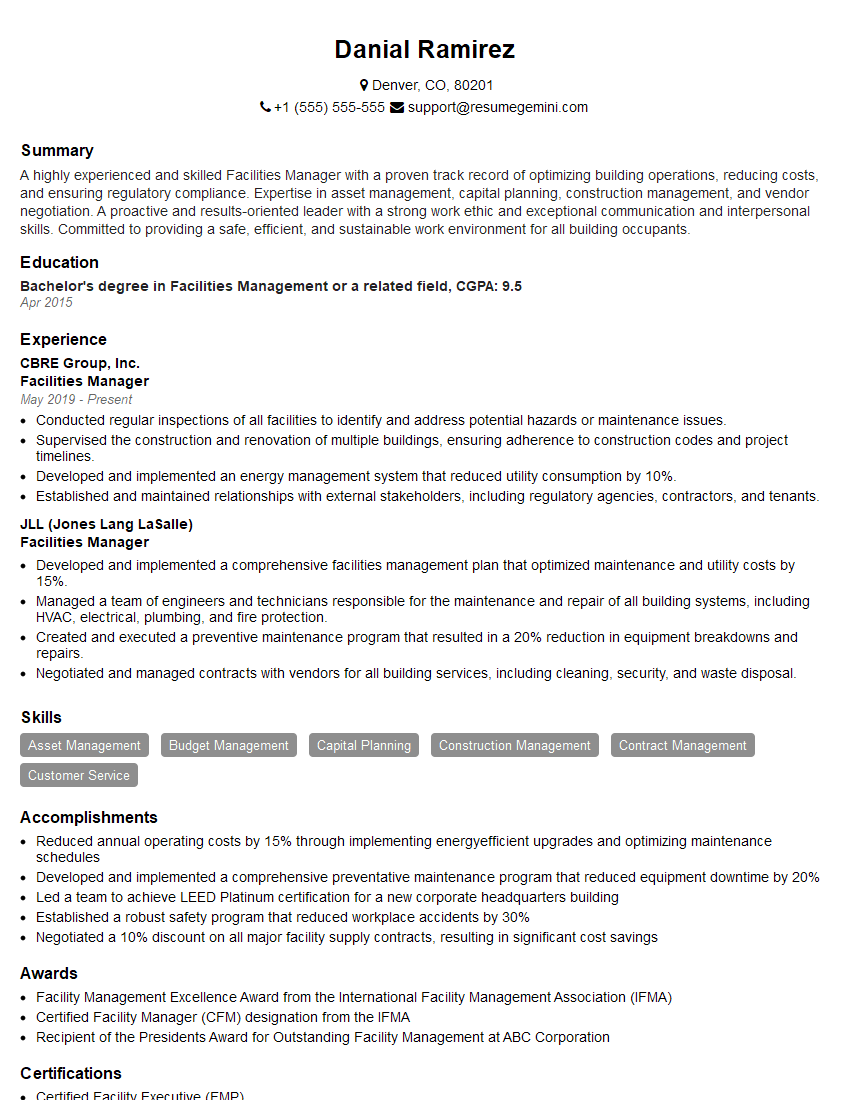
Facilities Manager Resume Sample

Operations Manager Resume Sample
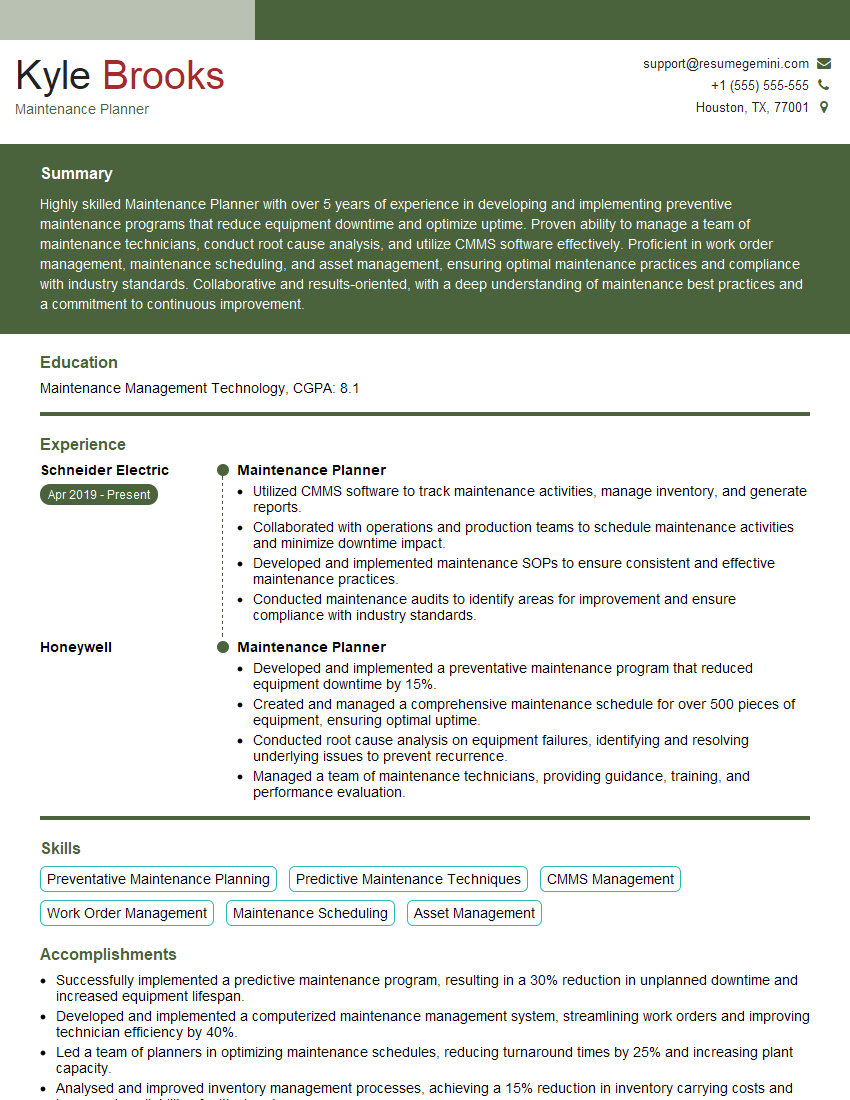
Maintenance Planner Resume Sample
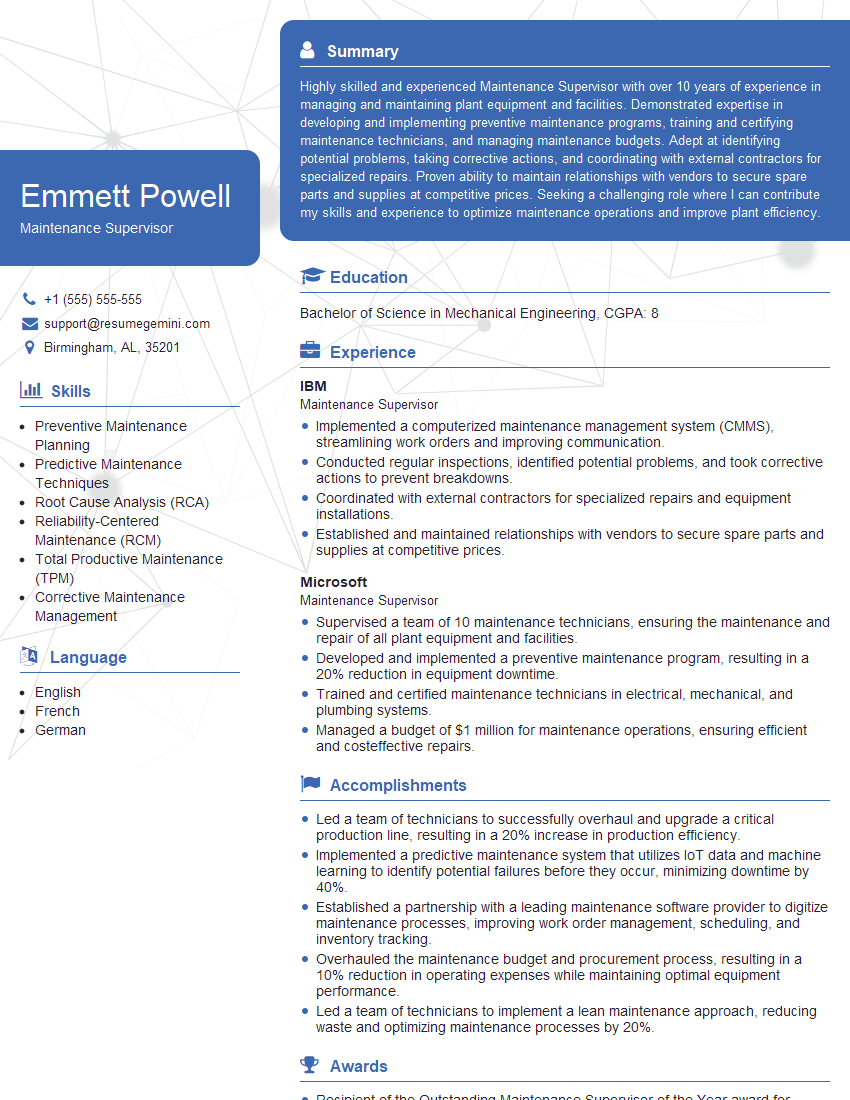
Maintenance Supervisor Resume Sample
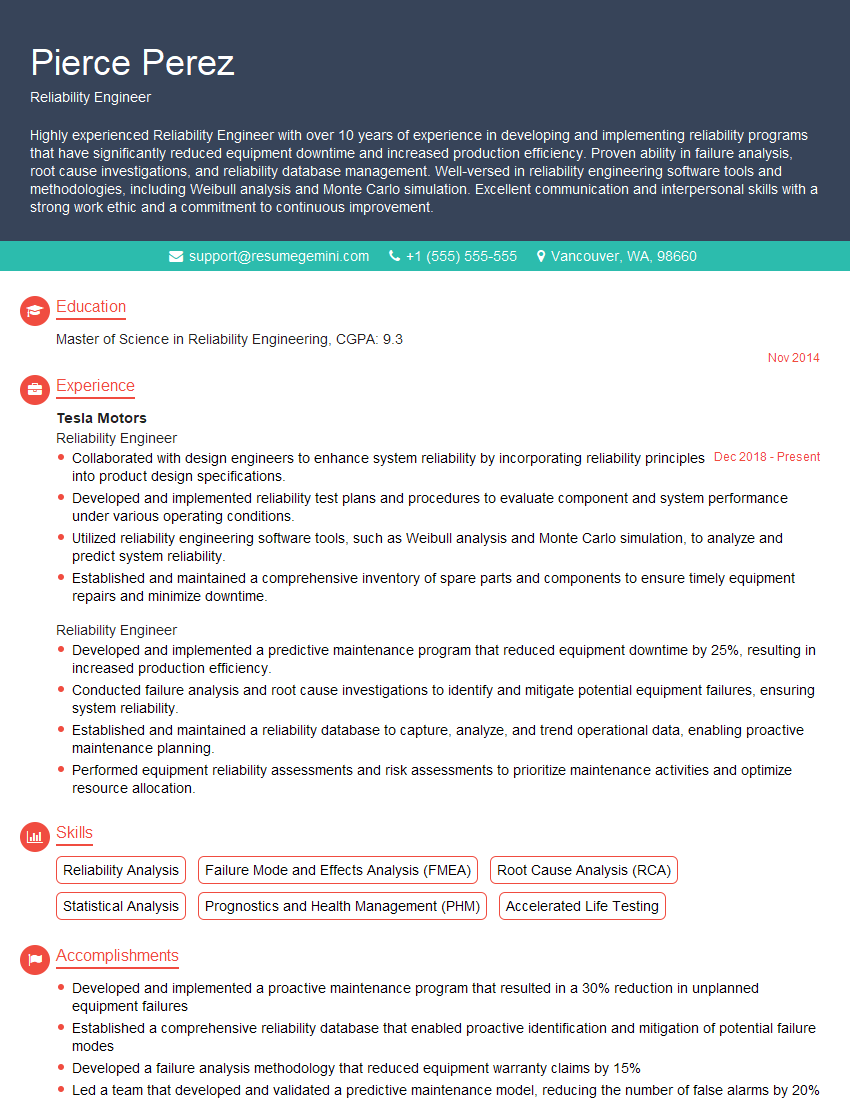
Reliability Engineer Resume Sample
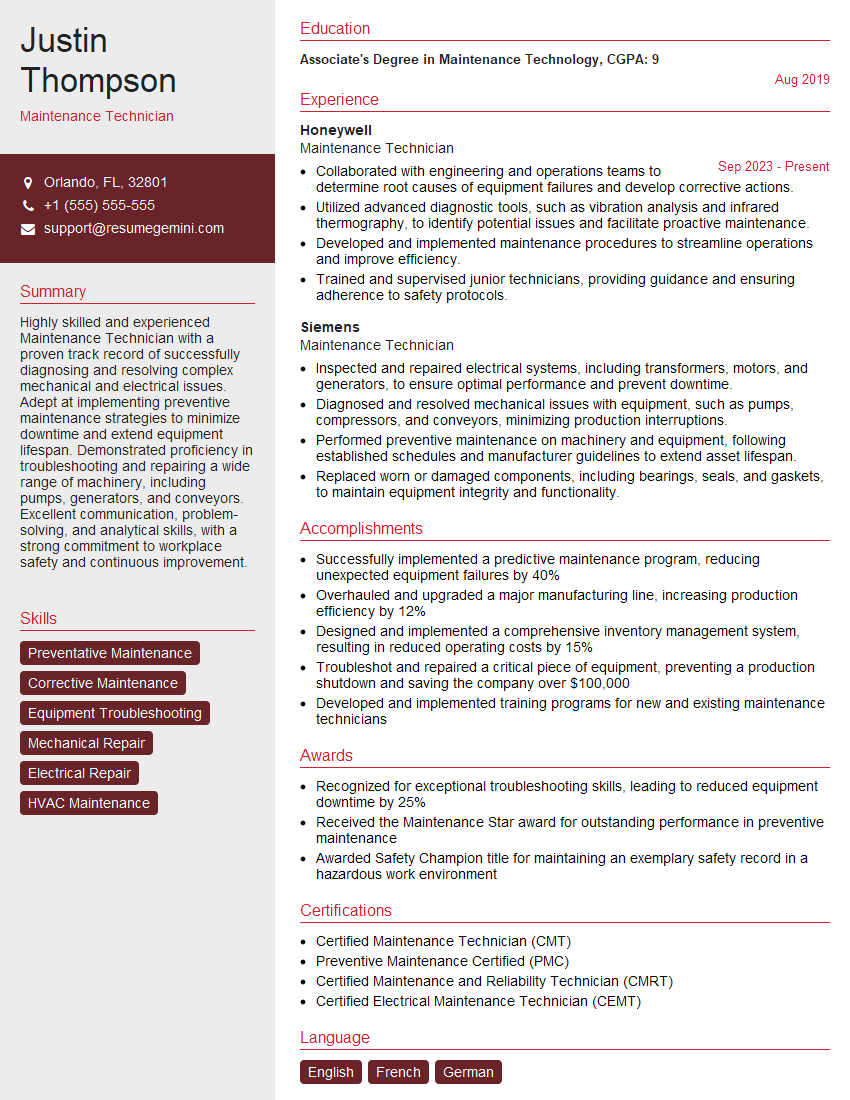
Maintenance Technician Resume Sample
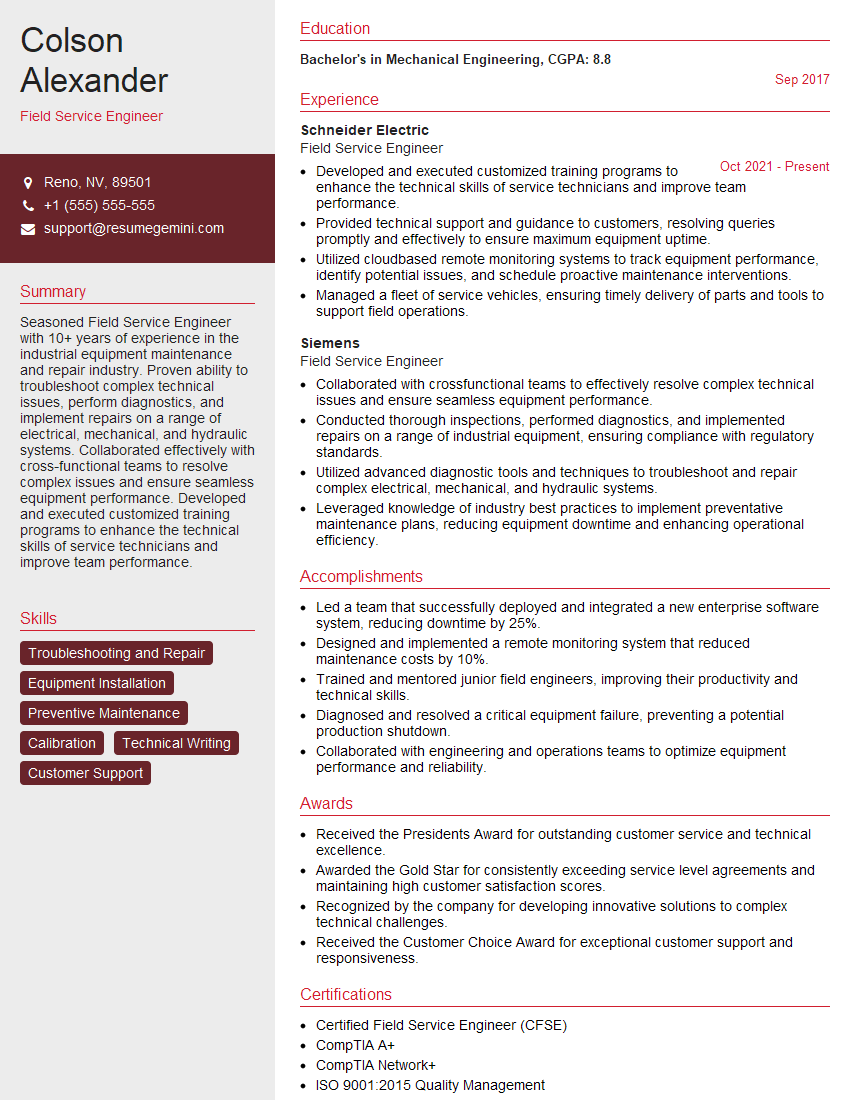
Field Service Engineer Resume Sample
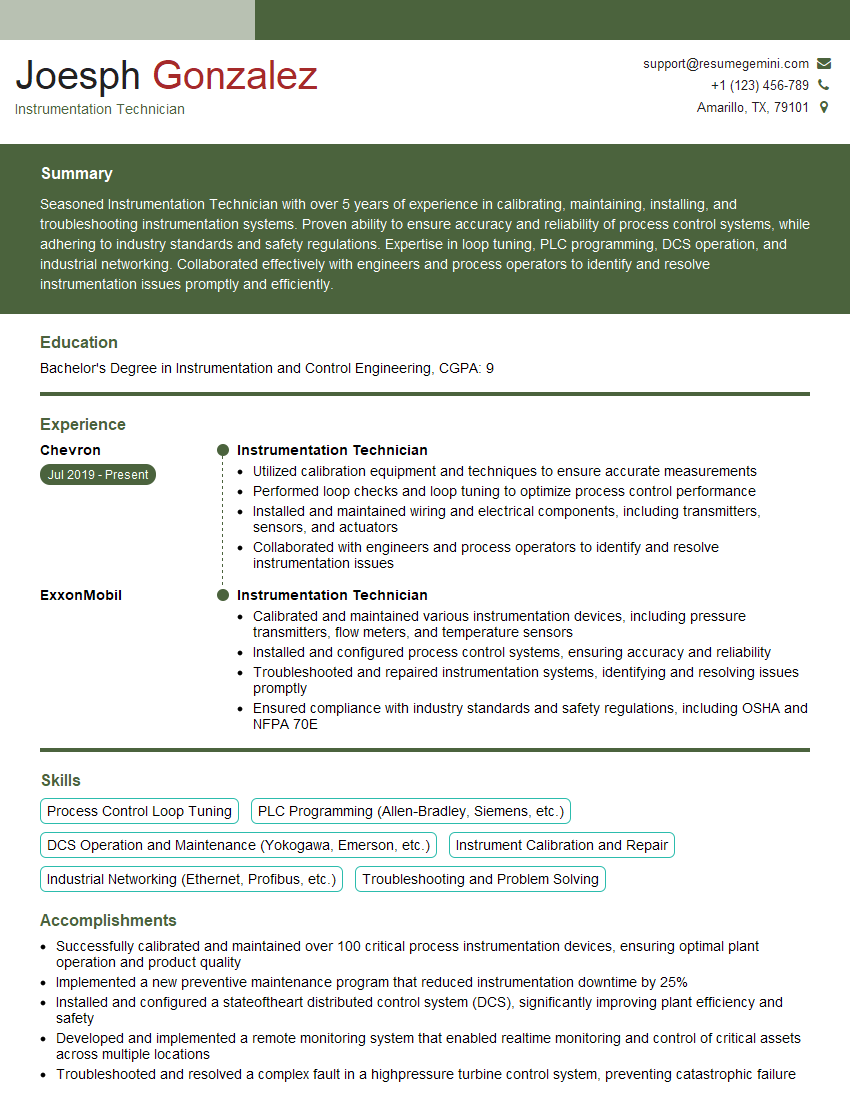
Instrumentation Technician Resume Sample
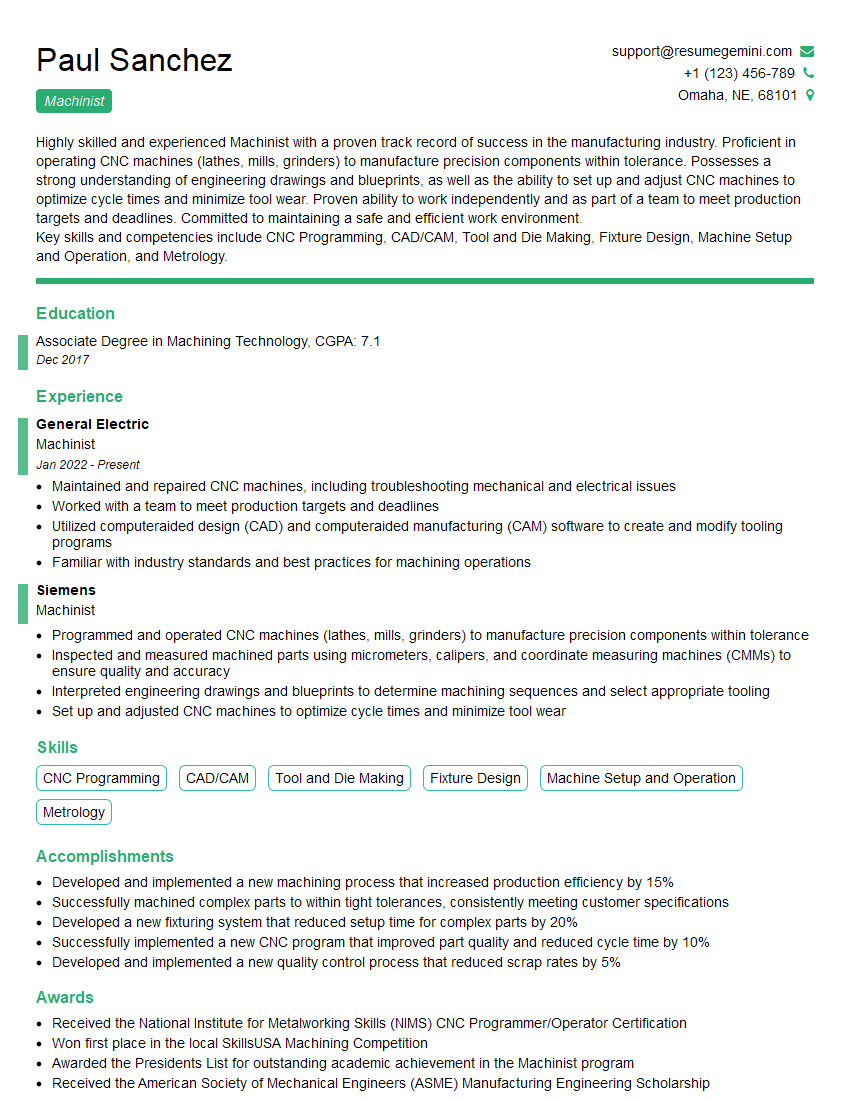
Machinist Resume Sample
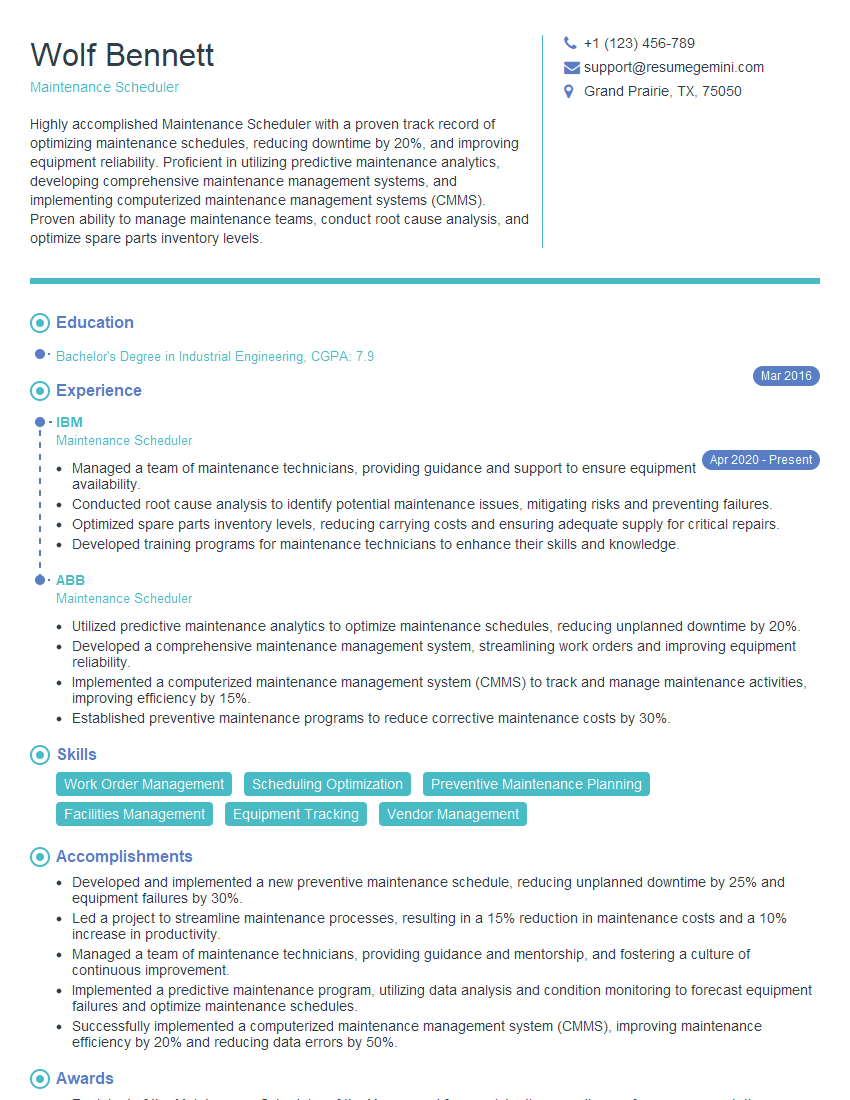
Maintenance Scheduler Resume Sample
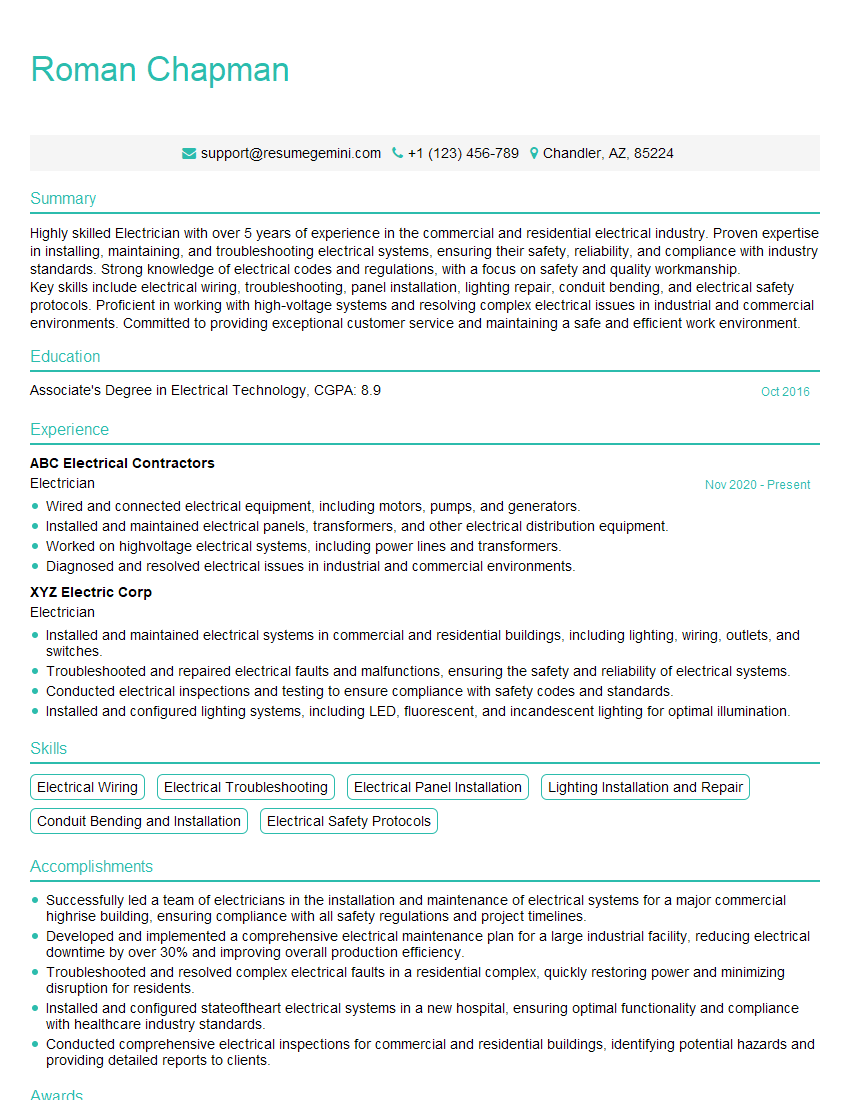
Electrician Resume Sample
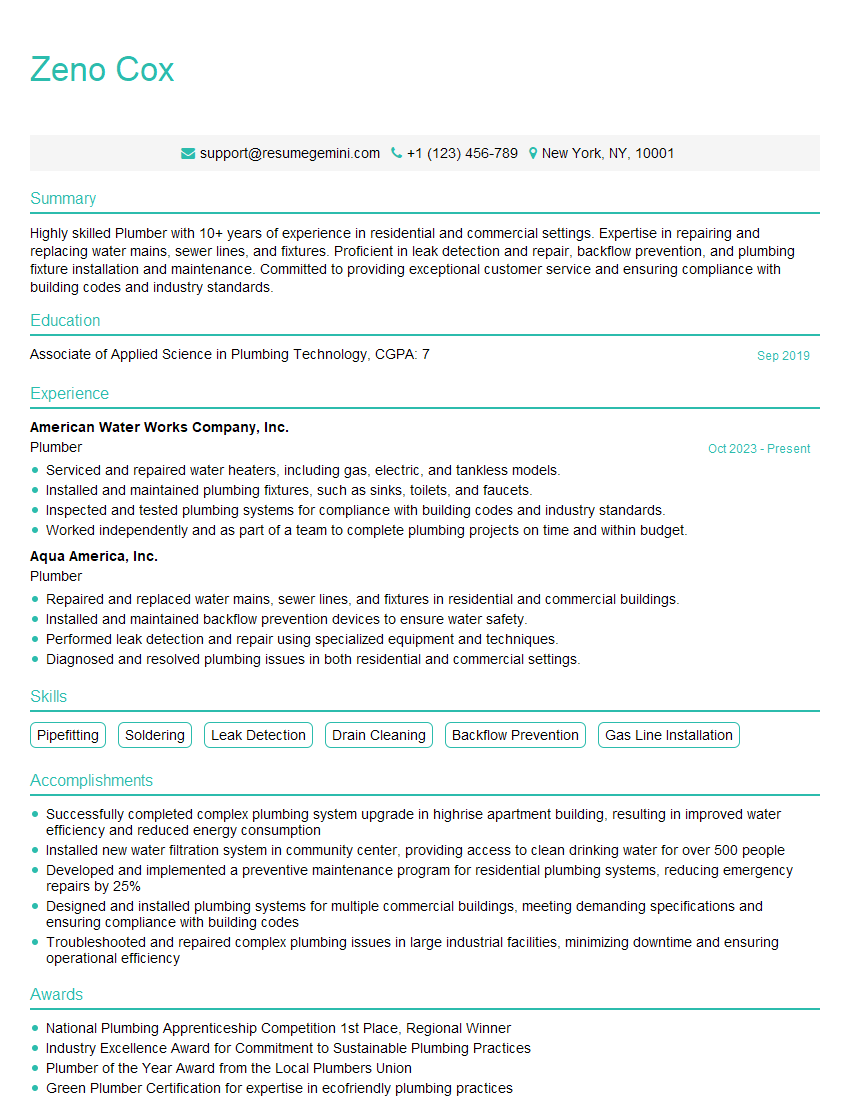
Plumber Resume Sample
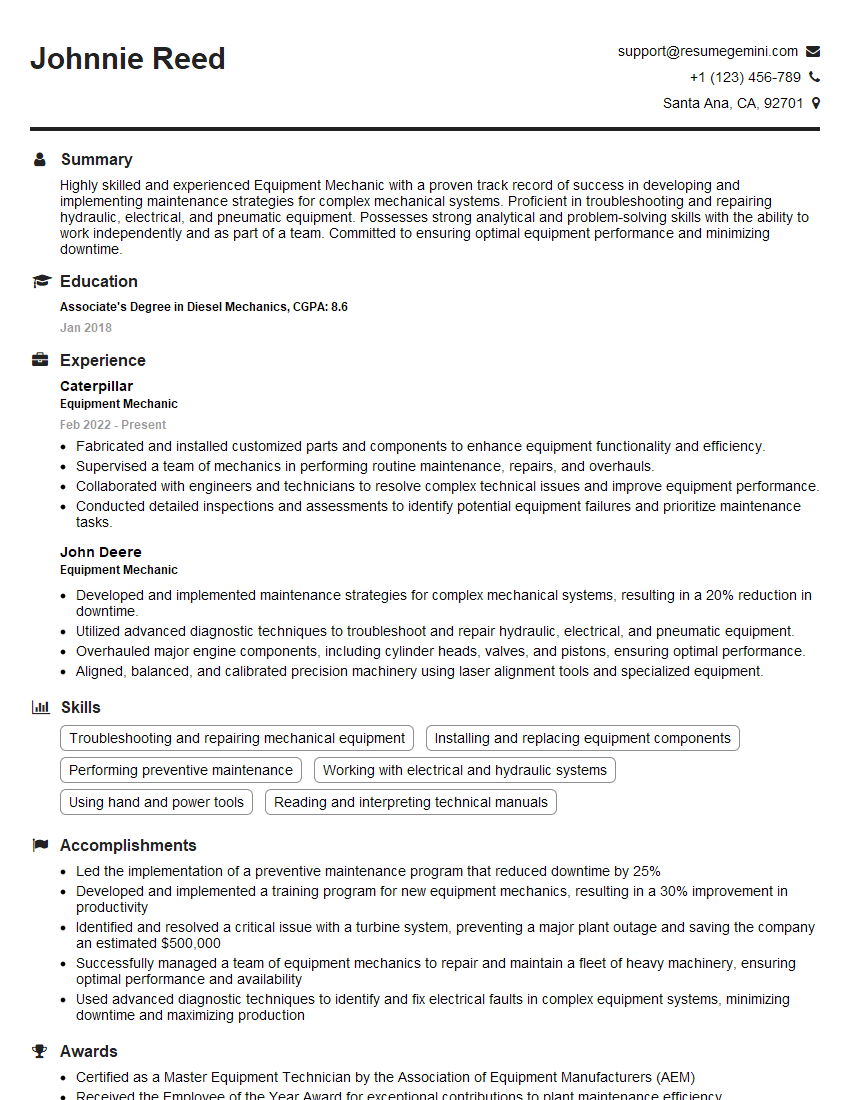
Equipment Mechanic Resume Sample
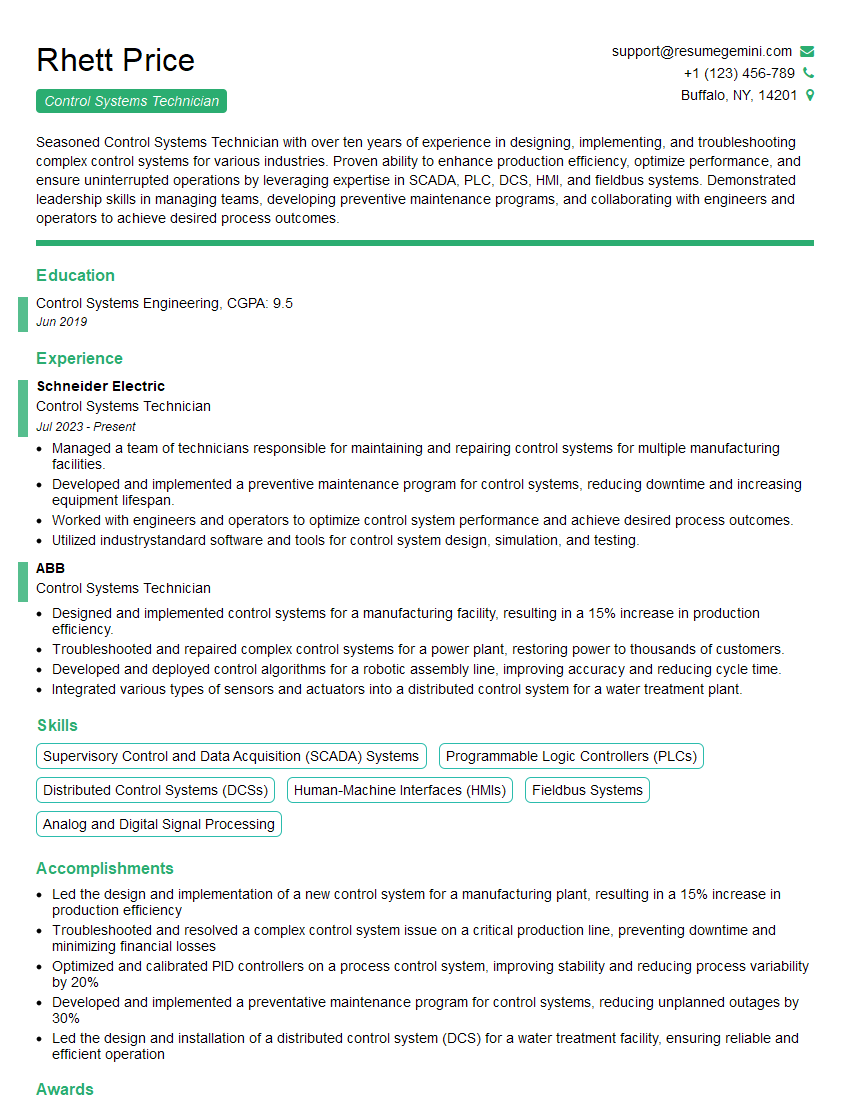
Control Systems Technician Resume Sample
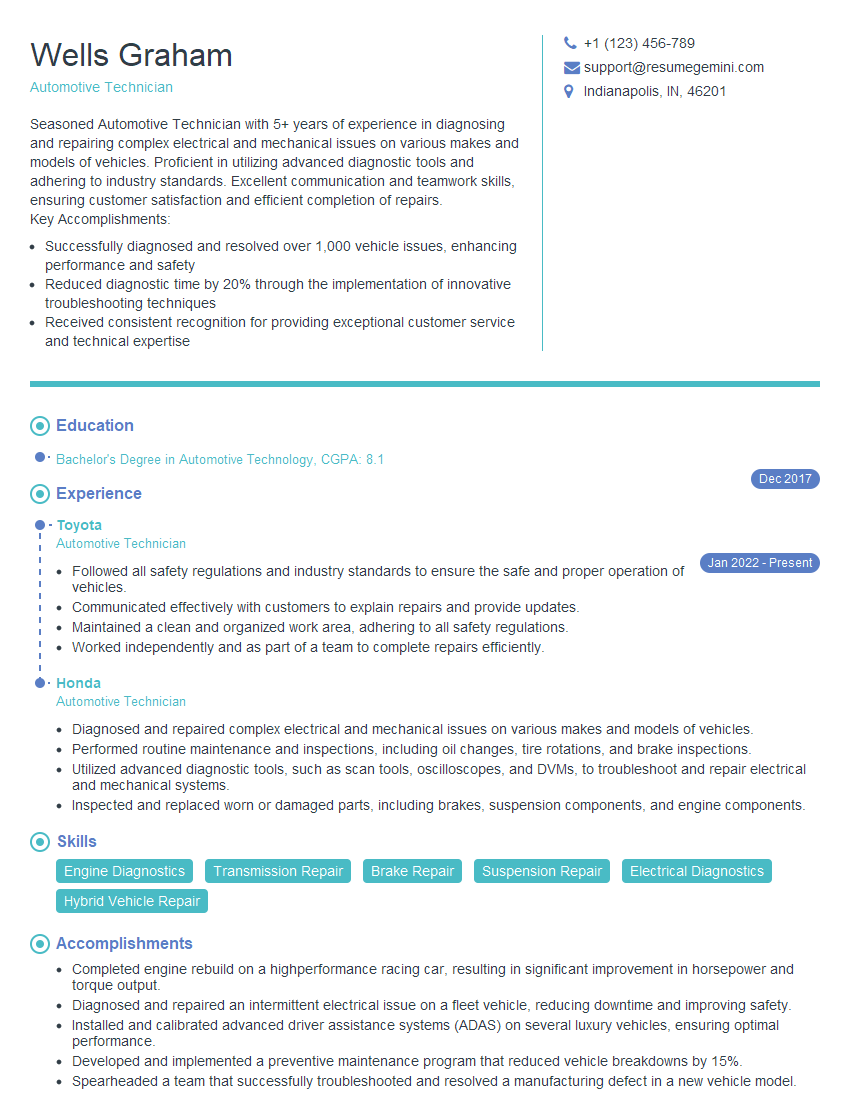
Automotive Technician Resume Sample
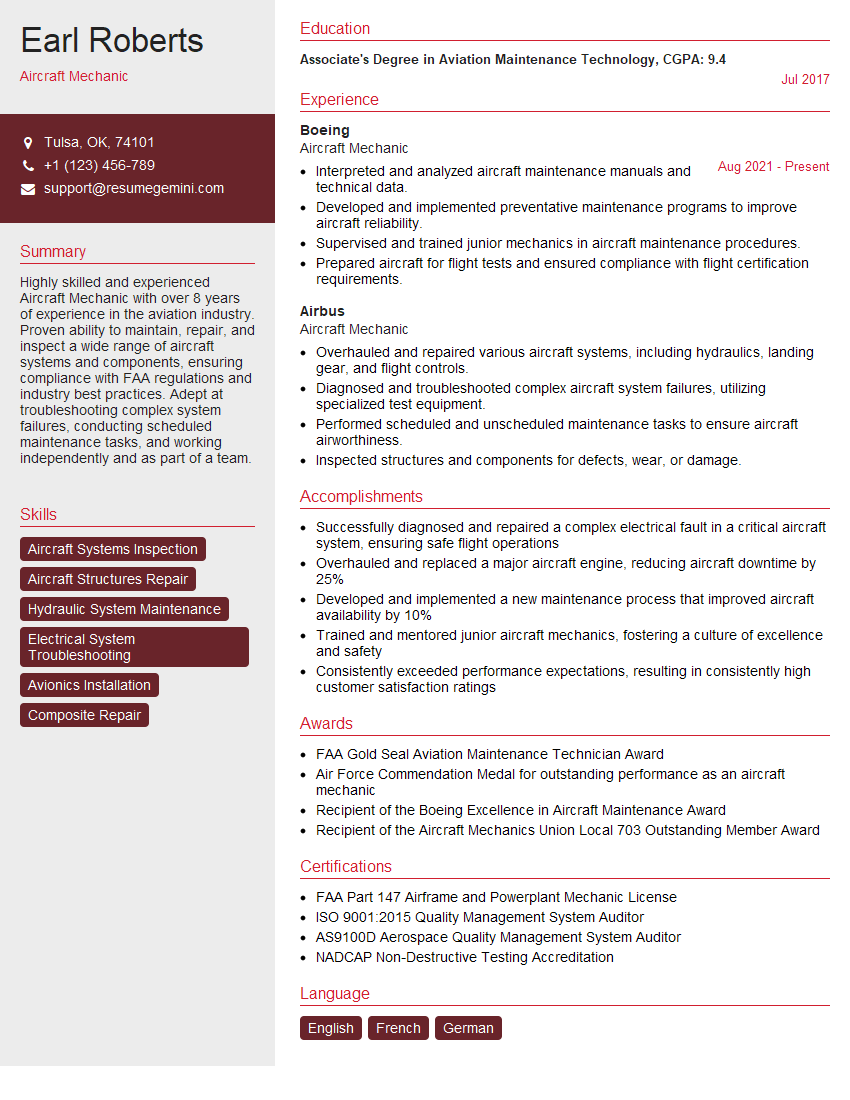
Aircraft Mechanic Resume Sample
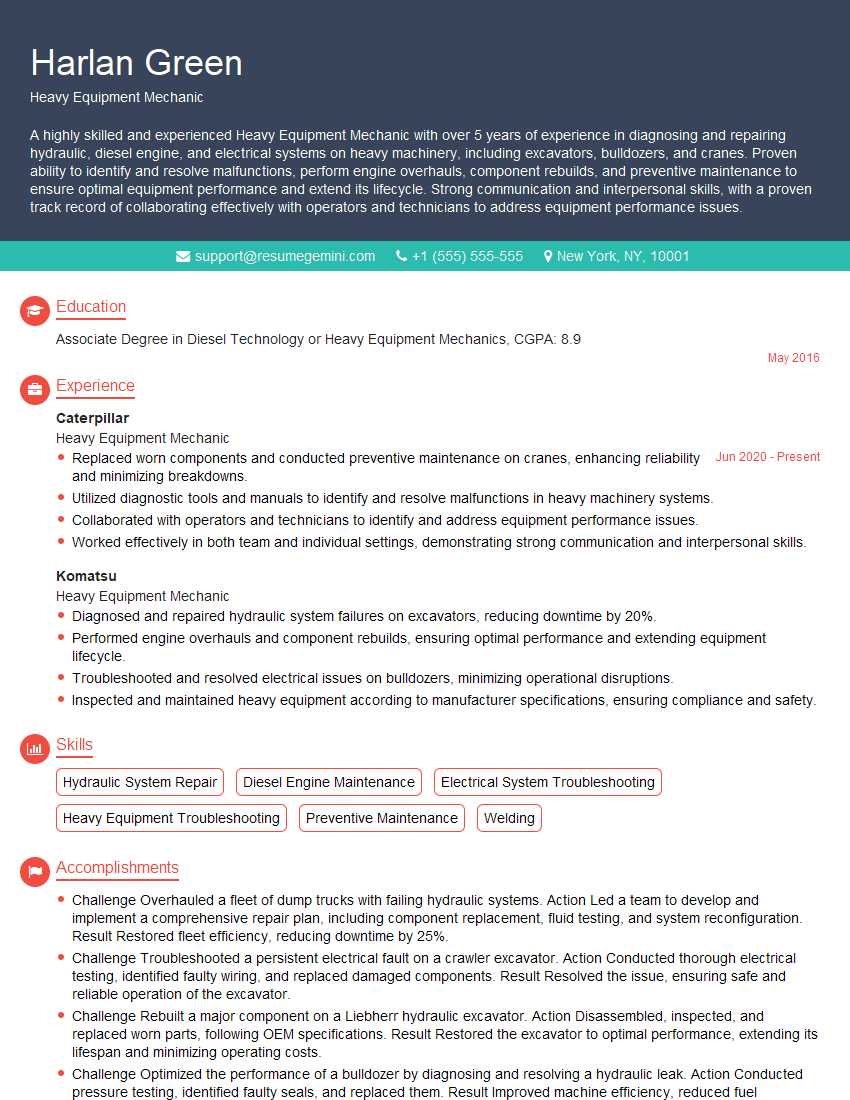
Heavy Equipment Mechanic Resume Sample
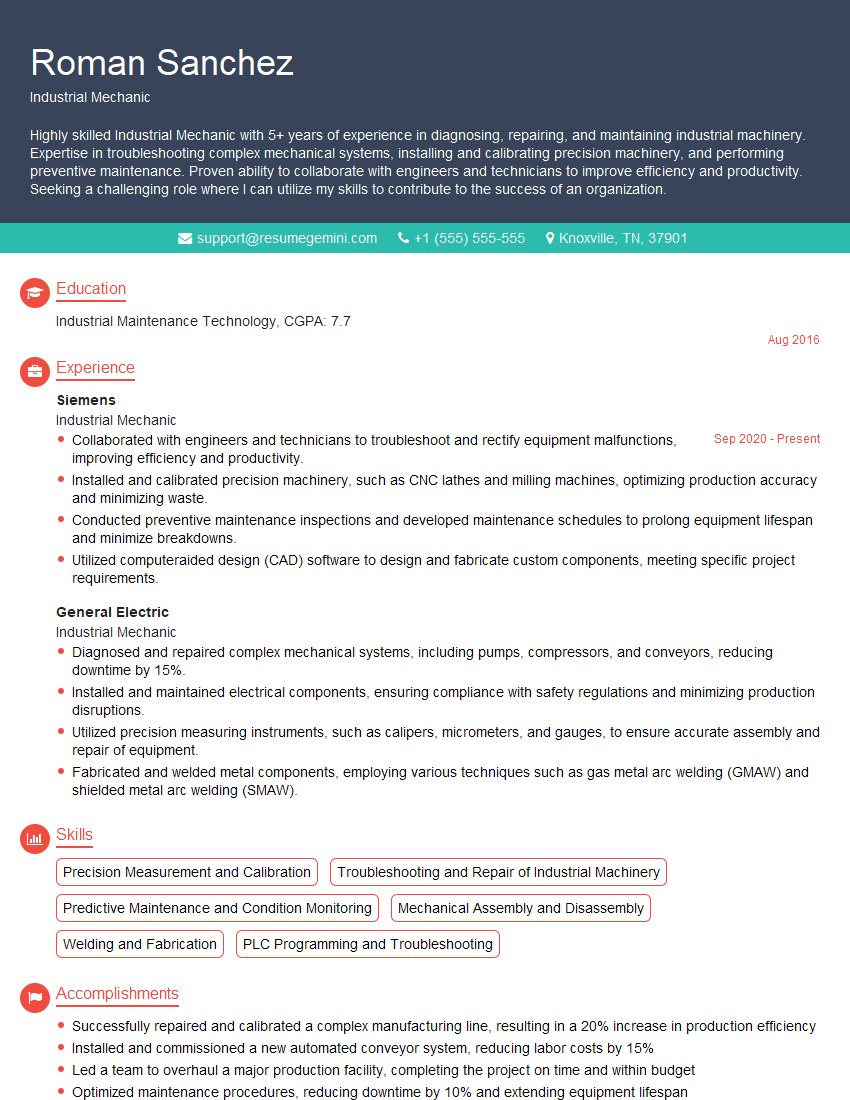
Industrial Mechanic Resume Sample
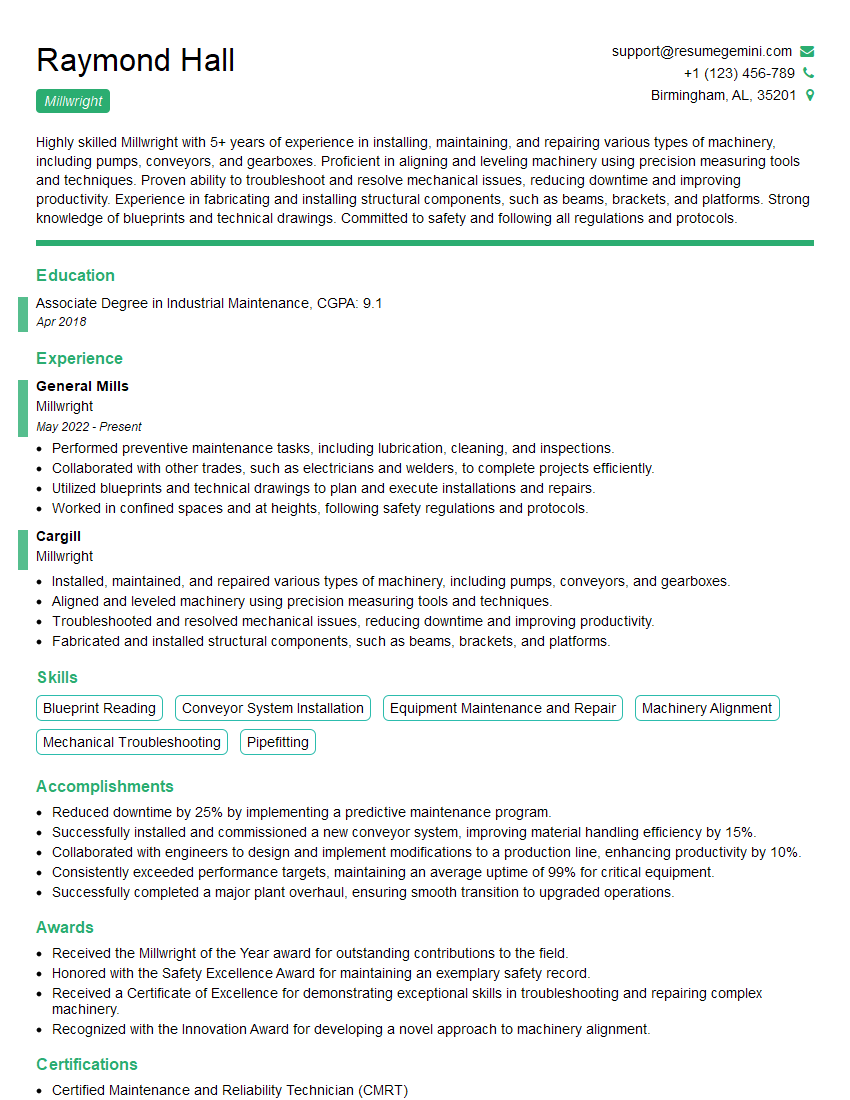
Millwright Resume Sample
- Facilities Manager
- Operations Manager
- Maintenance Planner
- Maintenance Supervisor
- Reliability Engineer
- Maintenance Technician
- Field Service Engineer
- Instrumentation Technician
- Machinist
- Maintenance Scheduler
- Electrician
- Plumber
- Equipment Mechanic
- Control Systems Technician
- Automotive Technician
- Aircraft Mechanic
- Heavy Equipment Mechanic
- Industrial Mechanic
- Millwright
Explore more articles
Users Rating of Our Blogs
Share Your Experience
We value your feedback! Please rate our content and share your thoughts (optional).
What Readers Say About Our Blog
Very informative content, great job.
good