Interviews are opportunities to demonstrate your expertise, and this guide is here to help you shine. Explore the essential Ability to provide constructive feedback to players and coaches interview questions that employers frequently ask, paired with strategies for crafting responses that set you apart from the competition.
Questions Asked in Ability to provide constructive feedback to players and coaches Interview
Q 1. Describe your process for delivering constructive criticism to a struggling athlete.
My process for delivering constructive criticism to a struggling athlete centers around building a strong rapport and focusing on solutions, not blame. I begin by creating a safe and comfortable environment where the athlete feels heard and respected. This often involves a one-on-one meeting in a private setting.
- Active Listening: I start by listening attentively to the athlete’s perspective on their struggles, acknowledging their feelings and validating their efforts.
- Specific Observations: I then offer specific, observable behaviors that need improvement, avoiding vague generalizations. For example, instead of saying ‘You need to improve your technique,’ I might say, ‘I noticed your follow-through on your serve is slightly off, causing a loss of power and accuracy.’
- Positive Framing: I always preface my feedback with positive reinforcement, highlighting their strengths and areas where they’re already excelling. This sets a positive tone and prevents the athlete from feeling overwhelmed or discouraged.
- Actionable Steps: I then offer concrete and actionable steps for improvement. These suggestions should be realistic, attainable, and tailored to the athlete’s current skill level. I often involve them in the process of identifying these steps, making them feel ownership over their improvement.
- Follow-up and Support: I schedule a follow-up meeting to assess their progress and offer further support. The key here is to create a continuous feedback loop to track improvement and adapt my approach as needed.
This structured approach ensures the feedback is received positively and utilized effectively for growth.
Q 2. How do you tailor your feedback to different personality types?
Tailoring feedback to different personality types is crucial for its effectiveness. What motivates one athlete might demotivate another. I adapt my communication style based on individual preferences and learning styles. For example:
- Analytical Athletes: These athletes benefit from detailed explanations, data-driven analysis, and clear, concise instructions. I might show them video footage of their performance, highlighting specific areas for improvement with statistical data to support my points.
- Visual Athletes: I often use diagrams, charts, or video analysis to demonstrate specific techniques or strategies. Visual aids make the feedback easier to understand and remember.
- Kinesthetic Athletes: These athletes learn best through hands-on experience. I would involve them in physical demonstrations and drills, offering immediate feedback and adjustments during practice.
- Emotional Athletes: With these athletes, I focus on building rapport and creating a supportive environment. I emphasize their strengths and progress, offering encouragement and empathy while addressing performance issues. Positive reinforcement is especially important here.
Understanding these different learning styles and adapting my approach accordingly significantly impacts the athlete’s reception and application of the feedback.
Q 3. How do you handle a situation where an athlete is resistant to feedback?
Resistance to feedback is a common challenge. My approach is to understand the root cause of the resistance. Is it defensiveness, fear of failure, or simply a misunderstanding? I handle this by:
- Empathy and Understanding: I begin by acknowledging the athlete’s feelings and validating their concerns. Creating a safe space for open dialogue is essential.
- Reframing the Feedback: I might rephrase my feedback, focusing on the positive impact of improvement rather than dwelling on shortcomings. Instead of criticizing a mistake, I might highlight how correcting it will lead to better results.
- Collaboration: I involve the athlete in the problem-solving process, encouraging them to identify solutions and strategies for improvement. This fosters ownership and commitment.
- Patience and Persistence: Change takes time, and I understand that not all athletes will embrace feedback immediately. Patience and consistent, positive encouragement are essential. I might modify my approach, adjusting the frequency or intensity of feedback based on the athlete’s response.
- Seeking External Support: If the resistance persists, I might seek help from a sports psychologist or other team members to offer additional perspectives and support.
The goal is to create a collaborative relationship built on mutual respect and trust, where the athlete understands that feedback is a tool for growth and not a personal attack.
Q 4. What are the key elements of effective feedback, in your opinion?
Effective feedback, in my opinion, hinges on four key elements:
- Specificity: Feedback should be detailed and precise, focusing on specific behaviors or actions rather than vague generalizations. Using concrete examples makes it much easier for the athlete to understand and address the issue.
- Timeliness: Feedback should be provided promptly after the performance or event, while the experience is still fresh in the athlete’s mind. This ensures the feedback is relevant and actionable.
- Balance: Effective feedback balances positive reinforcement with constructive criticism. Highlighting strengths alongside areas for improvement helps maintain motivation and prevent discouragement.
- Actionable Steps: The feedback should include concrete, achievable steps for improvement. These steps should be realistic and tailored to the athlete’s capabilities and learning style.
These elements ensure that the feedback is not only well-received but also effectively utilized to promote athlete growth and development.
Q 5. Give an example of a time you successfully used feedback to improve an athlete’s performance.
I once worked with a young swimmer who struggled with her starts. She consistently lagged behind at the beginning of races, significantly impacting her overall time. I noticed that her body positioning was slightly off, and her initial push-off lacked power.
Instead of simply criticizing her starts, I began by praising her strong finishes and overall technique during the swimming portion of the race. Then, using video analysis, I showed her precisely how her body position affected her launch. We worked on drills focusing on proper body positioning, using resistance bands to enhance her leg drive. I provided immediate, specific feedback during these drills, gradually correcting her technique.
Over the next few weeks, through consistent practice and feedback, she significantly improved her start times. The improvement wasn’t just in speed but also in her confidence. She started believing in her ability to improve, leading to a much more positive and successful training experience.
Q 6. How do you balance positive reinforcement with constructive criticism?
Balancing positive reinforcement with constructive criticism is essential for maintaining motivation and encouraging growth. The ratio isn’t fixed; it depends on the athlete’s performance and emotional state. However, a general guideline is to start and end with positive reinforcement.
For example, before addressing any areas needing improvement, I start by highlighting a recent success, a specific skill they have mastered, or their effort and commitment to training. After offering specific, actionable feedback, I conclude by reiterating their strengths and reminding them of their progress. This ‘sandwich’ approach—positive-constructive-positive—helps create a more receptive environment and avoids making the athlete feel solely focused on their weaknesses.
Q 7. How do you address performance issues with a high-performing athlete?
Addressing performance issues with a high-performing athlete requires a nuanced approach. These athletes often have high expectations for themselves, and their pride might make them resistant to feedback. My approach here emphasizes collaboration and maintaining their self-esteem.
I focus on identifying marginal gains—small improvements that can significantly impact overall performance. Rather than dwelling on major flaws, I look for areas where even a slight improvement can make a big difference. I might use advanced metrics or data analysis to pinpoint these areas. Open dialogue is key—I discuss the potential improvements with the athlete, making them an active participant in the solution-finding process. This collaborative approach builds buy-in and reduces defensiveness.
Q 8. How do you ensure your feedback is specific and actionable?
Specific and actionable feedback is the cornerstone of effective coaching. It moves beyond vague praise or criticism and focuses on observable behaviors and measurable outcomes. To achieve this, I utilize the STAR method: Situation, Task, Action, Result. For example, instead of saying “You need to improve your passing,” I’d say, “During the second quarter (Situation), when we were trying to break their zone defense (Task), your passes were often behind your teammates (Action), resulting in turnovers (Result). To improve, focus on leading your passes with your eyes and slightly over-throwing to compensate for the opponent’s pressure.”
I also use the Behavior, Impact, Suggestion (BIS) method. This approach describes the specific behavior, its effect, and a concrete suggestion for improvement. For instance, “Your late arrival to practice (Behavior) resulted in the team missing crucial warm-up drills and lowered the intensity of practice (Impact). To avoid this in the future, please ensure you’re on time (Suggestion).” This structured approach guarantees feedback is precise, understandable, and offers clear steps towards improvement.
Q 9. How do you measure the effectiveness of your feedback?
Measuring feedback effectiveness isn’t a simple ‘yes’ or ‘no’. It’s an ongoing process involving observation, data analysis, and player input. I track improvements through several metrics:
- Performance Data: I analyze game statistics (e.g., points scored, rebounds, assists), practice drills performance, and any other quantifiable data related to the athlete’s area of focus.
- Qualitative Observation: I directly observe athletes in practice and games, noting changes in technique, decision-making, and overall performance. I also solicit regular feedback from assistant coaches and video analysts.
- Athlete Self-Assessment: Regular check-ins with athletes allows them to reflect on their own progress and identify areas needing further work. This is crucial as it fosters ownership.
- Post-Feedback Discussions: Following feedback sessions, I follow up to see how the player is implementing the suggestions and address any challenges they face. This ongoing dialogue is vital for understanding the impact and making adjustments as needed.
By combining these methods, I build a holistic picture of feedback effectiveness and make adjustments in my approach if necessary. For example, if a player is struggling to implement my suggestions, I’ll revisit the feedback, clarify the points, or adjust the approach to better suit their learning style.
Q 10. Describe a time when your feedback led to a significant improvement in team performance.
During a crucial playoff game, our team was struggling with their free-throw percentage. We were down by 2 points with 10 seconds left. The team’s mental state was affected by several missed free throws earlier in the game. I analyzed the video footage and identified a common flaw in their shooting form – their eyes were dropping before releasing the ball.
Instead of a general critique, I individually addressed each player, demonstrating the issue using slow-motion video and providing tailored adjustments. We practiced maintaining focus on the basket throughout the entire shooting motion. In the next crucial moments, the players successfully made all 4 free throws to win the game! This situation highlighted how specific and targeted feedback, coupled with individual attention, could directly impact the result and reinforce confidence.
Q 11. How do you identify the root cause of an athlete’s performance issues before providing feedback?
Identifying the root cause requires a multi-faceted approach. It’s rarely a single factor but rather an interplay of various elements.
- Data Analysis: Examining performance data helps pinpoint specific areas of weakness. Are they missing shots? Making errors in decision-making? Are they struggling physically? This provides objective evidence.
- Observation: Observing the athlete’s technique, body language, and communication during training and games offers insights into their approach and potential challenges.
- Conversation: Open and honest dialogue with the athlete is crucial. Understanding their mental state, physical condition, and any external factors influencing their performance is vital. Are they stressed? Dealing with personal issues? Are there any equipment problems?
- Consulting Others: Seeking feedback from other coaches, trainers, or even teammates can provide a broader perspective. Often, a fresh set of eyes can identify patterns missed during solo observation.
By systematically investigating these avenues, I create a comprehensive understanding of the athlete’s performance issues before delivering feedback tailored to address the root cause, not just the symptoms.
Q 12. How do you create a safe and open environment for athletes to receive feedback?
Creating a safe environment for feedback involves fostering a culture of trust, respect, and open communication. Here’s how I approach it:
- Establish Trust: Build strong relationships with athletes by showing genuine interest in their well-being and goals. Consistent positive reinforcement, even in the face of setbacks, builds confidence and fosters open communication.
- Promote a Growth Mindset: Frame feedback as an opportunity for learning and growth, not as a judgment of their character. This shifts the focus from criticism to improvement.
- Confidentiality: Ensure that all feedback stays within the team or between coach and athlete, depending on the situation.
- Two-Way Communication: Encourage athletes to actively participate by asking questions, sharing their thoughts, and challenging the feedback (constructively, of course). This ensures that my suggestions are understood and accepted.
- Positive Language: Always focus on constructive criticism, using ‘I’ statements and focusing on behaviors rather than personality traits. For example, instead of saying “You’re lazy,” I might say, “I’ve noticed you haven’t been fully participating in drills lately.”
By following these principles, I aim to make feedback a collaborative process, not a one-sided reprimand.
Q 13. How do you handle giving feedback to an athlete who is emotionally upset?
When an athlete is emotionally upset, delivering feedback requires sensitivity and empathy. The immediate priority is to acknowledge their feelings and create a safe space for them to express themselves.
I start by listening actively, validating their emotions without judgment. Phrases like, “I understand you’re frustrated,” or “That must have been disappointing,” can be very helpful. Once they’ve calmed down, I’d re-assess the situation and the best time to discuss the performance-related feedback. It might be the next day, or after a practice break to allow time for their emotions to settle. If they remain highly upset, I would postpone the feedback until a more appropriate time, but schedule it as soon as feasible.
When I do deliver the feedback, I do it privately, focusing on specific actions rather than general criticisms. I’ll emphasize the positives and highlight their strengths before addressing areas for improvement. I also check in regularly to see how they’re processing the feedback and offer continued support.
Q 14. What are some common mistakes coaches make when providing feedback?
Coaches often fall into these traps when giving feedback:
- Vague or General Feedback: Instead of specific examples, they offer generic statements like “try harder” or “improve your game.”
- Focusing on Personality Traits: Criticizing character instead of behavior – e.g., saying an athlete is “lazy” instead of addressing their lack of effort in practice.
- Sandwiching Criticism: While sometimes seemingly helpful, the “positive-negative-positive” method can dilute the impact of constructive criticism.
- Too Much Feedback at Once: Overwhelming athletes with numerous points simultaneously can hinder their ability to process and implement changes.
- Ignoring Context: Not considering the athlete’s physical and emotional state when delivering feedback.
- Lack of Follow-Up: Failing to check in after the feedback to see if it was helpful or whether any adjustments need to be made.
Avoiding these pitfalls and adopting a structured, empathetic, and data-driven approach leads to significantly improved outcomes. It’s crucial for coaches to continuously refine their feedback methods to maximize athlete development and team success.
Q 15. How do you provide feedback in a timely manner?
Timely feedback is crucial for effective learning and improvement. Delaying feedback diminishes its impact; the athlete may forget the context or the moment’s emotional impact. My approach prioritizes immediate, or near-immediate, feedback whenever possible. For instance, during a practice drill, I’ll offer immediate corrections or observations. After a game, I aim to provide feedback within 24 hours, while the performance is still fresh in everyone’s minds. This might involve a brief one-on-one session or a group debrief, depending on the situation and the athletes’ preferences. For larger tournaments or longer training camps, I schedule regular feedback sessions, often incorporating a combination of immediate observations and more formal reviews after specific events or practice blocks.
I use a system of color-coded sticky notes during games or practices to jot down quick observations. These notes then form the basis of my more comprehensive post-practice or post-game feedback sessions. This strategy ensures that even in fast-paced environments, key moments are captured and reviewed effectively. For example, a red note might indicate a significant mistake, while a green note signals a successful strategy.
Career Expert Tips:
- Ace those interviews! Prepare effectively by reviewing the Top 50 Most Common Interview Questions on ResumeGemini.
- Navigate your job search with confidence! Explore a wide range of Career Tips on ResumeGemini. Learn about common challenges and recommendations to overcome them.
- Craft the perfect resume! Master the Art of Resume Writing with ResumeGemini’s guide. Showcase your unique qualifications and achievements effectively.
- Don’t miss out on holiday savings! Build your dream resume with ResumeGemini’s ATS optimized templates.
Q 16. How do you use data and analytics to inform your feedback to athletes?
Data and analytics are invaluable tools for enhancing feedback. I utilize performance tracking software, video analysis, and statistical data to support my observations and provide athletes with objective metrics. For example, in basketball, I might use tracking software to show a player their shooting percentages from different zones on the court. This data helps illustrate areas of strength and weakness that might not be immediately apparent through observation alone. For a baseball pitcher, video analysis can highlight subtle flaws in their mechanics that affect velocity or control. I then combine this objective data with qualitative observations of their performance. This data-driven approach allows me to provide tailored feedback that is specific, measurable, achievable, relevant, and time-bound (SMART).
Instead of simply saying “You need to improve your shooting,” I might say, “Your data shows you’re shooting 30% from beyond the arc, but 50% within 15 feet. Let’s work on refining your shot technique from long range while maintaining your efficiency inside. Let’s review the video to pinpoint areas for improvement.”
Q 17. How do you adapt your feedback approach for different sports and skill levels?
Adapting my feedback approach is paramount. The needs of a seasoned professional differ significantly from those of a young, developing athlete. My strategy focuses on understanding the athlete’s existing skill level, their learning style, and the specific demands of their sport. For example, with a junior athlete, I emphasize encouragement and positive reinforcement, focusing on effort and progress rather than solely on results. My feedback is simpler, more direct, and avoids overly technical jargon. With a seasoned pro, I can be more nuanced, discussing tactical adjustments and strategic insights based on a more sophisticated understanding of the sport.
In different sports, the feedback also changes. In a sport like gymnastics, where precision is key, feedback needs to be incredibly detailed and technical, focusing on body positioning and the subtleties of movements. In a team sport like soccer, communication and coordination are paramount, so feedback might focus on team dynamics and individual roles within the strategy. Adaptability and versatility are my strengths – I tailor my method to suit the unique needs of each individual and sport.
Q 18. How do you involve the athlete in the feedback process?
I strongly believe that the athlete needs to be an active participant in the feedback process. This is not a one-way street. I initiate the conversation by asking the athlete for their self-assessment of their performance. This allows them to reflect on their own game, identify areas they feel need improvement, and makes them invested in the process. I then share my observations, data, and insights, explaining my reasoning clearly. Throughout the process, I encourage two-way communication. I ask questions like, “How did you feel about that play? What could you have done differently?” This collaborative approach fosters ownership and buy-in, making them more receptive to constructive criticism.
For example, if a player misses a crucial shot, I would ask them how they felt about their positioning, their shooting form, and their mental state before the attempt. Their answers would inform my subsequent feedback, which would be aimed at addressing their specific areas of concern.
Q 19. How do you document and track the feedback you provide to athletes?
Thorough documentation is essential. I use a combination of digital and physical tools. I maintain detailed records of each feedback session, including the date, the athlete’s name, the topic of discussion, key observations, the agreed-upon action plans, and a schedule for follow-up. I utilize software such as spreadsheets or dedicated athlete management platforms to track this data. Furthermore, I maintain physical copies of game notes, video analysis reports, and other relevant documents. The athlete also receives a copy of the summary of each feedback session. This ensures transparency and helps the athlete track their progress.
This record-keeping is crucial for several reasons: it provides a historical record of progress, facilitates consistency in feedback across sessions, and ensures that feedback stays aligned with long-term developmental goals. I can then use this data to create personalized development plans that address specific challenges and celebrate successes.
Q 20. How do you ensure your feedback is consistent with team goals and values?
Alignment with team goals and values is paramount. Before providing feedback, I ensure I have a clear understanding of the overall team objectives and the team’s core values. My feedback then reflects these overarching goals. For instance, if the team values teamwork and collaboration, I might emphasize the importance of communication and support among team members during feedback sessions. If a key goal is to improve scoring efficiency, my feedback might focus on specific aspects of the players’ shooting techniques or decision-making.
For example, if the team’s value is ‘positive attitude’, my feedback, even when addressing mistakes, would emphasize maintaining a growth mindset and learning from every experience. This holistic approach ensures that individual improvement contributes to the overall success and well-being of the team.
Q 21. How do you follow up after providing feedback to an athlete?
Following up on feedback is just as critical as the initial feedback itself. I schedule regular check-ins to assess the athlete’s progress. These follow-ups can be formal sessions or informal conversations, depending on the situation and the athlete’s preferences. During these follow-ups, we discuss the action plan, identify any obstacles they’ve encountered, and make necessary adjustments. I may ask them to demonstrate the techniques we discussed or review video footage to assess their progress. The key is to create a continuous feedback loop.
This might involve revisiting video analysis, reviewing practice drills, or implementing new training strategies. The follow-up is not simply about checking if they’ve completed tasks but about fostering continuous growth and improvement. This ongoing support is critical to ensure that the initial feedback leads to tangible results.
Q 22. How do you work with other coaches or support staff to provide holistic feedback?
Providing holistic feedback requires a collaborative approach. I believe in open communication and shared understanding amongst all coaching staff and support personnel. This starts with regular meetings where we discuss individual player progress, identify areas of strength and weakness, and collectively determine the most effective strategies for improvement. We use a shared digital platform to track player data, notes from training sessions, and feedback from various sources (e.g., physical therapists, nutritionists). This ensures everyone is on the same page and avoids conflicting messages to the athletes. For example, if a strength coach notices a player’s imbalance, they’ll communicate that to me, and I’ll adjust training to address it and reinforce the corrective exercises. This integrated approach ensures a well-rounded and consistent development plan for each player.
- Regular Team Meetings: Weekly meetings to discuss player progress and coordinate training strategies.
- Shared Digital Platform: A centralized system for sharing player data, observations, and feedback.
- Collaborative Goal Setting: Working together to set realistic and measurable performance goals for each athlete.
Q 23. How do you handle situations where you need to provide difficult feedback?
Delivering difficult feedback requires sensitivity and a focus on constructive criticism. I always prioritize a private setting and begin by acknowledging the athlete’s effort and positive attributes. Then, I clearly articulate the specific area needing improvement, using concrete examples and avoiding generalizations. I frame the feedback as an opportunity for growth, emphasizing the player’s potential and ability to overcome the challenge. Active listening and allowing the athlete to share their perspective is crucial. Finally, I collaborate with the player to create a plan for improvement, setting clear, achievable goals, and identifying steps to take. For example, if a player is struggling with their shot accuracy, I wouldn’t just say ‘you need to improve your shot.’ Instead, I might say, ‘I’ve noticed your follow-through is inconsistent, leading to some inaccuracy. Let’s work on some drills to improve your form, and we’ll track your progress over the next two weeks.’
Q 24. How do you address concerns from parents or guardians regarding feedback given to their child?
Addressing parental concerns regarding feedback is vital for maintaining trust and open communication. I schedule a separate meeting with the parents to discuss their concerns in a calm and respectful manner. I explain the rationale behind the feedback, reiterating the focus on improvement and providing concrete examples. I listen actively to their perspective, validate their feelings, and ensure they understand my goal is to help their child grow and succeed. If necessary, I involve other relevant support staff to provide a multi-faceted view. It’s important to emphasize that feedback is not personal criticism but a tool for development, and I welcome their input and collaboration in supporting their child’s progress. Transparency and open dialogue are essential for building strong relationships with parents.
Q 25. What resources or tools do you use to support your feedback strategies?
Several resources and tools enhance my feedback strategies. I regularly use video analysis software to demonstrate specific technical flaws and highlight areas for improvement. Performance tracking software helps monitor progress objectively, providing tangible evidence for feedback conversations. I also utilize questionnaires and self-assessments to gain athlete perspectives and identify areas they feel need attention. Finally, I leverage professional development courses and workshops to stay updated on the latest feedback methodologies and best practices. Combining these technological and professional tools enables a comprehensive and data-driven approach to feedback delivery.
Q 26. Describe your process for setting performance goals and using them to guide feedback.
Setting performance goals is a collaborative process that involves the athlete, coaches, and sometimes parents. We use the SMART framework (Specific, Measurable, Achievable, Relevant, Time-bound) to define objectives, ensuring clarity and focus. For instance, instead of a vague goal like ‘improve free throws,’ a SMART goal would be ‘increase free throw percentage from 60% to 75% by the end of the season, through focused practice on form and mental preparation.’ These goals are regularly reviewed and adjusted, and feedback sessions track progress toward these goals. This allows me to tailor my feedback to the specific goal, providing relevant suggestions for improvement based on the athlete’s current performance relative to the set target. Regular check-ins keep the athlete engaged and motivated.
Q 27. How do you recognize and celebrate athletes’ successes while still providing constructive criticism?
Celebrating successes is integral to building confidence and motivation. I actively acknowledge and praise accomplishments, both big and small. This creates a positive training environment where athletes feel valued and encouraged. However, celebrations are never used to avoid necessary constructive criticism. I often integrate praise within my feedback sessions, using positive reinforcement to highlight strengths before addressing areas for improvement. For example, I might say, ‘Your footwork on that last play was excellent, really strong and decisive. However, let’s work on getting your shot off more quickly during that move to take advantage of the opportunity.’ This approach balances positive reinforcement with constructive criticism for a more effective and motivating experience.
Q 28. How do you adapt your feedback style depending on the situation (e.g., individual vs. group feedback)?
My feedback approach adapts based on the context. Individual feedback sessions allow for personalized attention and deeper discussions. I use this time to delve into specific technical aspects, psychological factors, or personal challenges. Group feedback prioritizes a more general approach, often focusing on collective strengths and weaknesses. I might use video analysis to showcase common mistakes or demonstrate ideal techniques, promoting peer learning and collaborative improvement. In both individual and group settings, I use active listening and adjust my communication style to match each athlete’s personality and learning style. Sometimes a direct, factual approach works, while others benefit from a more supportive and encouraging tone. Flexibility and adaptability are key to ensuring effective communication and progress for all athletes.
Key Topics to Learn for Ability to provide constructive feedback to players and coaches Interview
- Understanding Different Learning Styles: Learn how to tailor your feedback to individual players and coaches, considering their personality and preferred communication methods. This includes recognizing visual, auditory, and kinesthetic learners.
- The SBI Model (Situation-Behavior-Impact): Master this framework for delivering effective feedback. Practice structuring your comments to clearly describe the situation, the observed behavior, and its impact.
- Active Listening and Empathy: Develop strong active listening skills to fully understand the player’s or coach’s perspective before offering feedback. Demonstrate empathy and build rapport to foster trust.
- Focusing on Behavior, Not Personality: Learn to provide feedback that addresses specific actions and behaviors rather than making personal judgments or criticisms. Frame your feedback constructively to focus on improvement.
- Giving and Receiving Feedback: Recognize that feedback is a two-way street. Understand how to both deliver and receive feedback effectively, showing openness to suggestions and self-reflection.
- Setting Clear Goals and Expectations: Discuss how to align feedback with established goals and performance expectations. This ensures your comments are relevant and purposeful.
- Handling Difficult Conversations: Prepare strategies for addressing sensitive topics or delivering challenging feedback with tact and professionalism. Practice maintaining a calm and respectful demeanor.
- Using Positive Reinforcement: Emphasize the importance of recognizing and rewarding positive behaviors and achievements alongside areas for improvement. This creates a more balanced and encouraging approach.
- Following Up and Monitoring Progress: Learn how to effectively follow up on delivered feedback to gauge its impact and provide further support where needed.
Next Steps
Mastering the ability to provide constructive feedback is crucial for career advancement in coaching and leadership roles. It demonstrates strong communication, interpersonal, and leadership skills highly valued by employers. To maximize your job prospects, create an ATS-friendly resume that highlights your expertise in this area. ResumeGemini is a trusted resource to help you build a professional and impactful resume that showcases your skills effectively. Examples of resumes tailored to highlight your ability to provide constructive feedback to players and coaches are available to guide you.
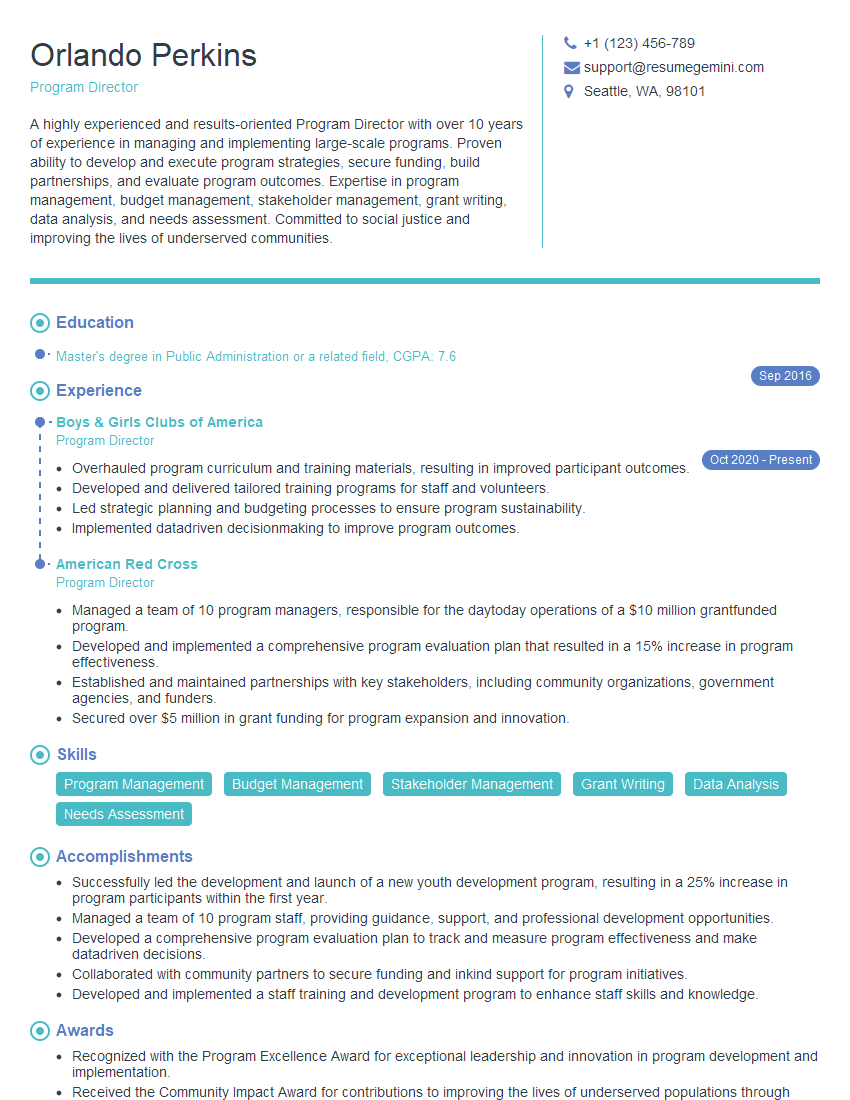
Program Director Resume Sample
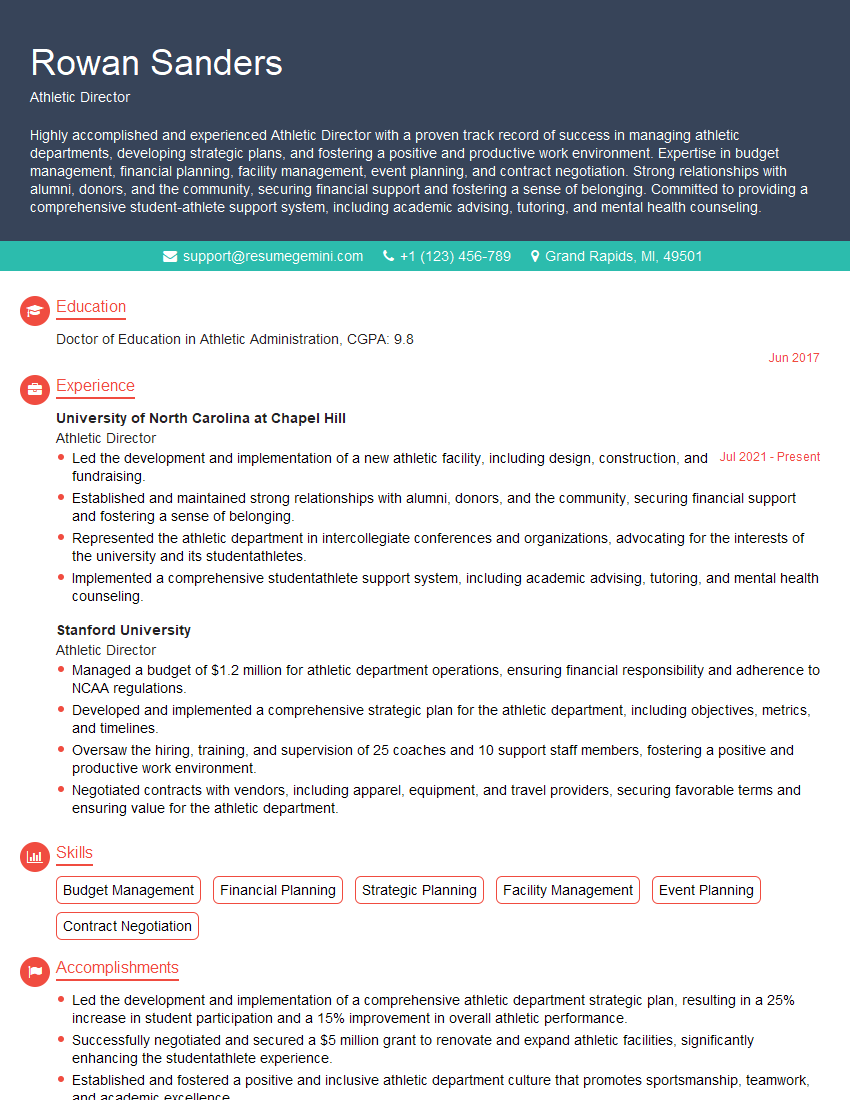
Athletic Director Resume Sample
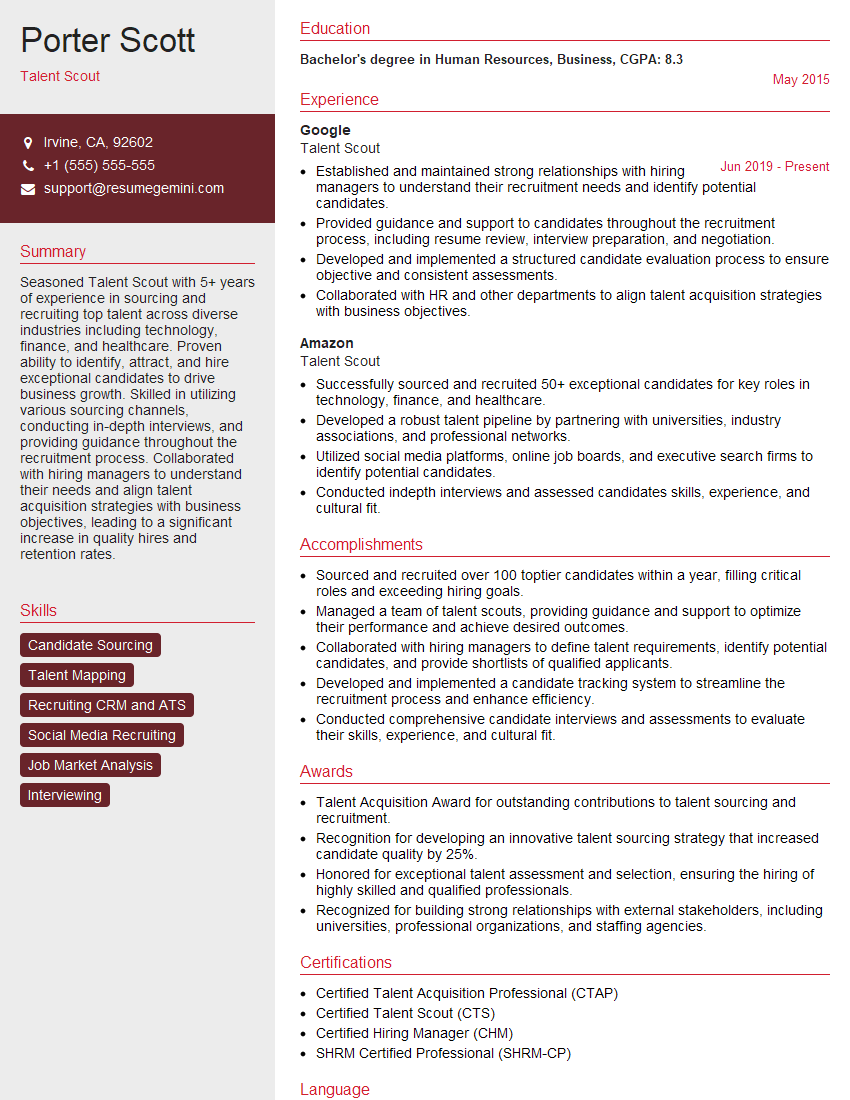
Talent Scout Resume Sample
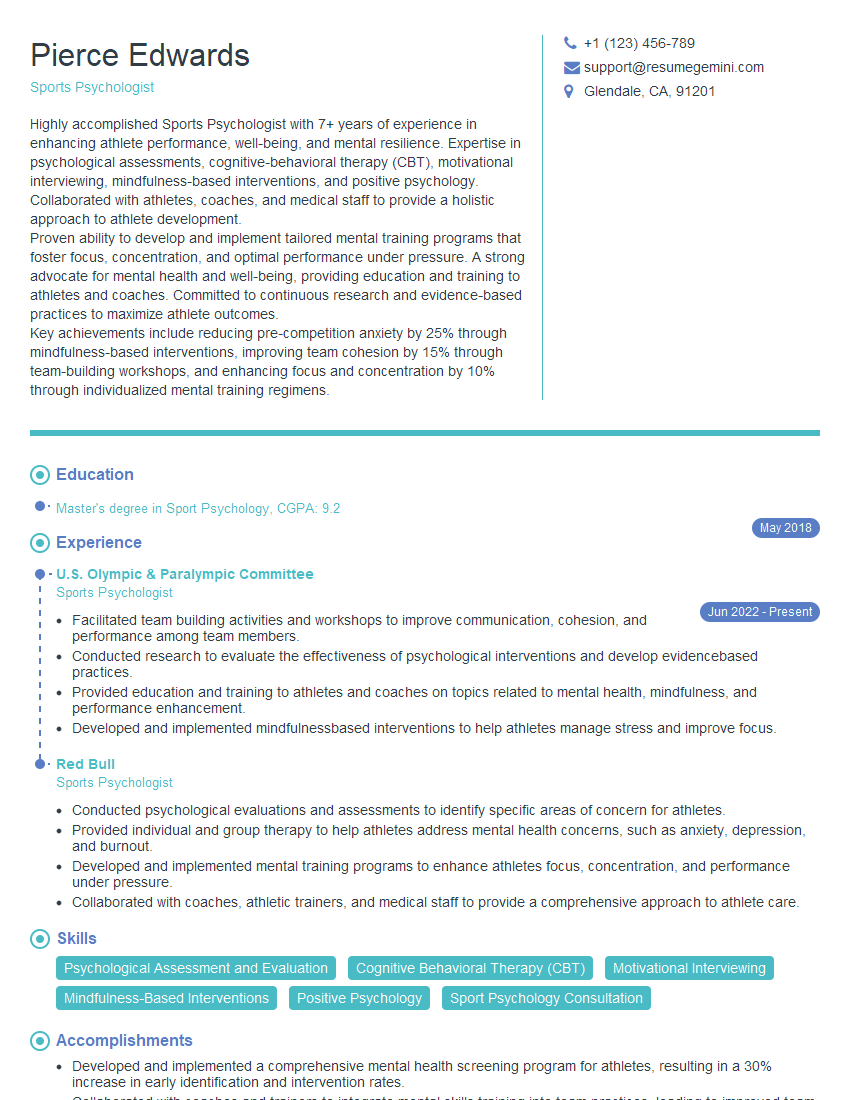
Sports Psychologist Resume Sample
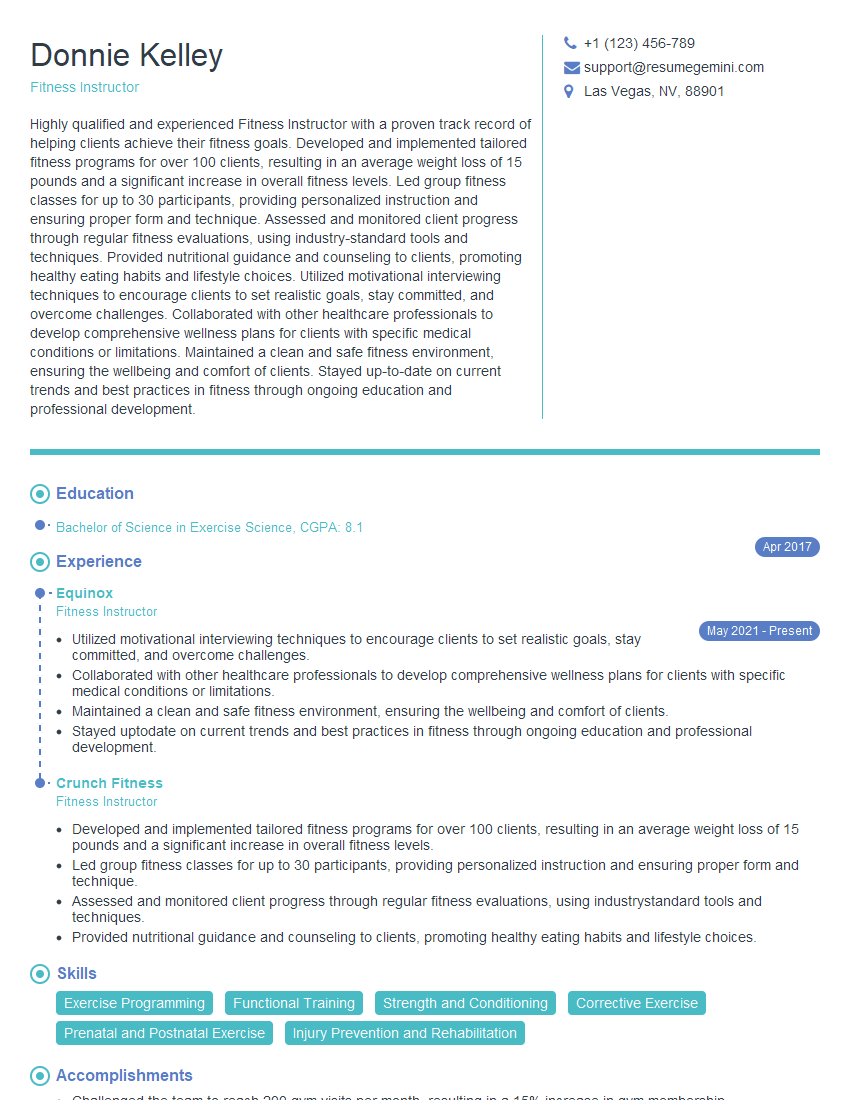
Fitness Instructor Resume Sample
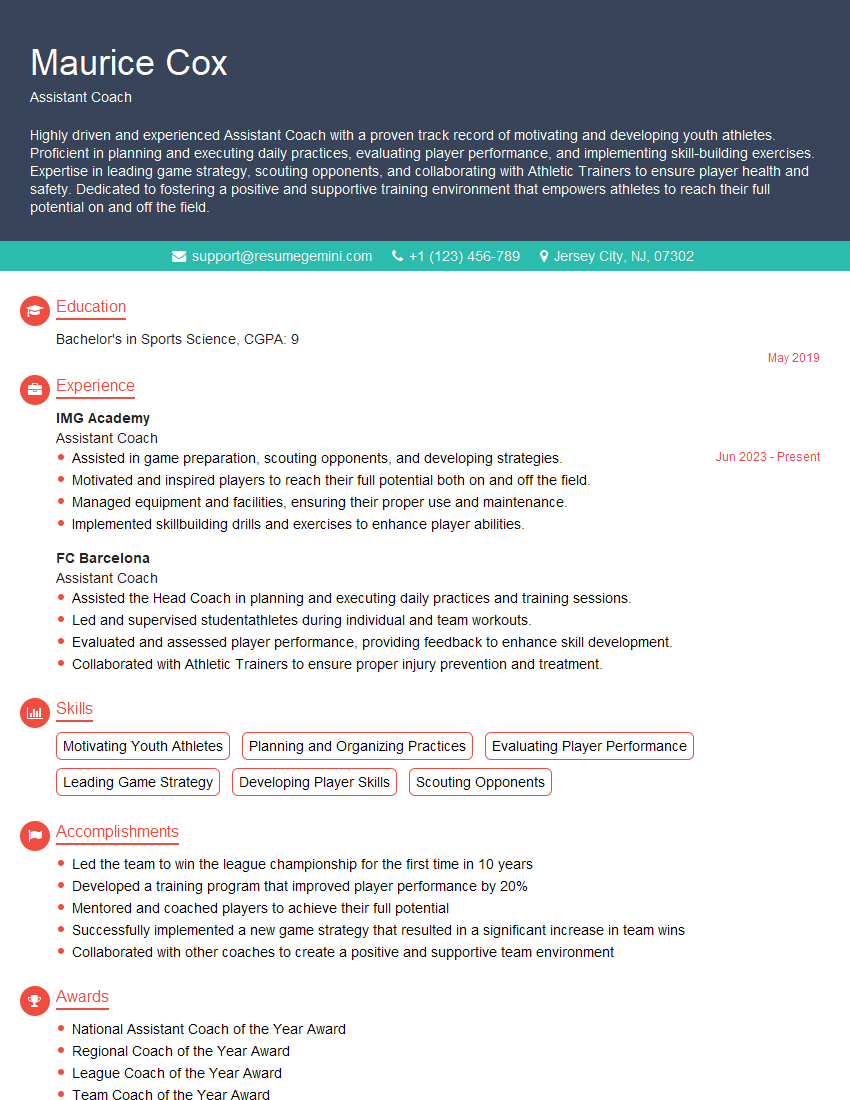
Assistant Coach Resume Sample
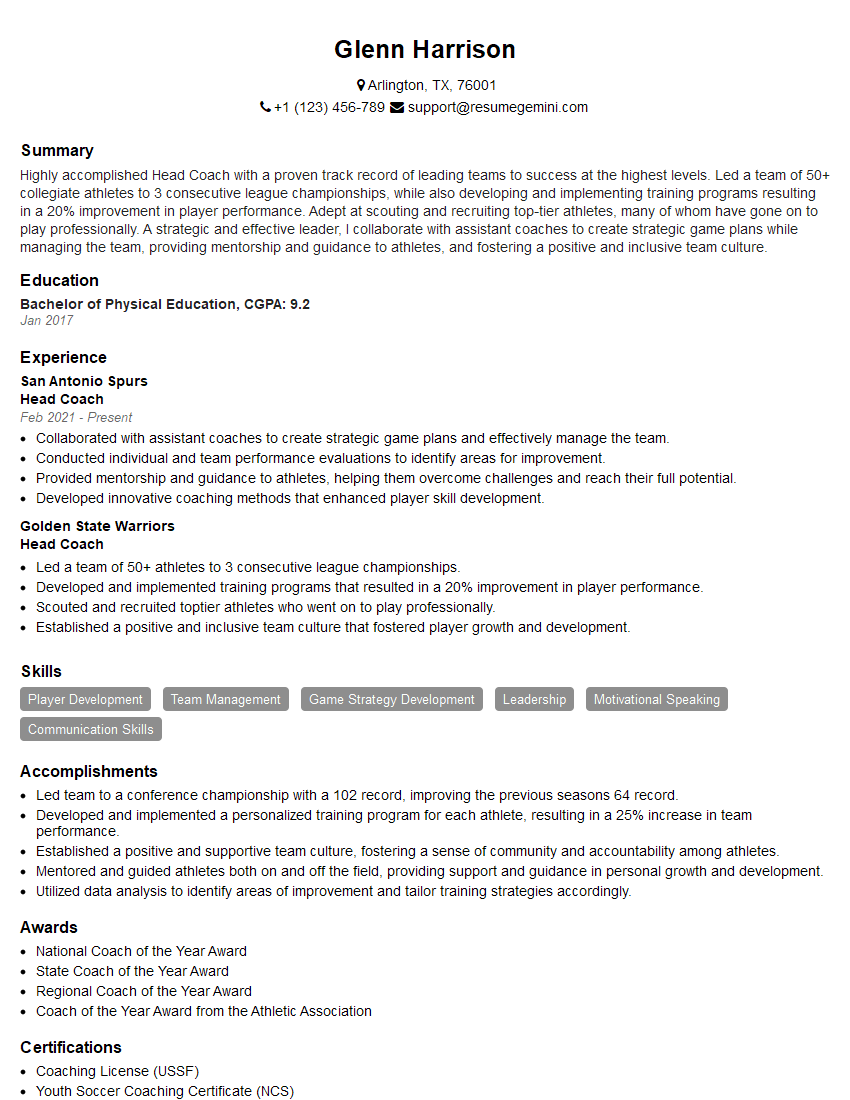
Head Coach Resume Sample
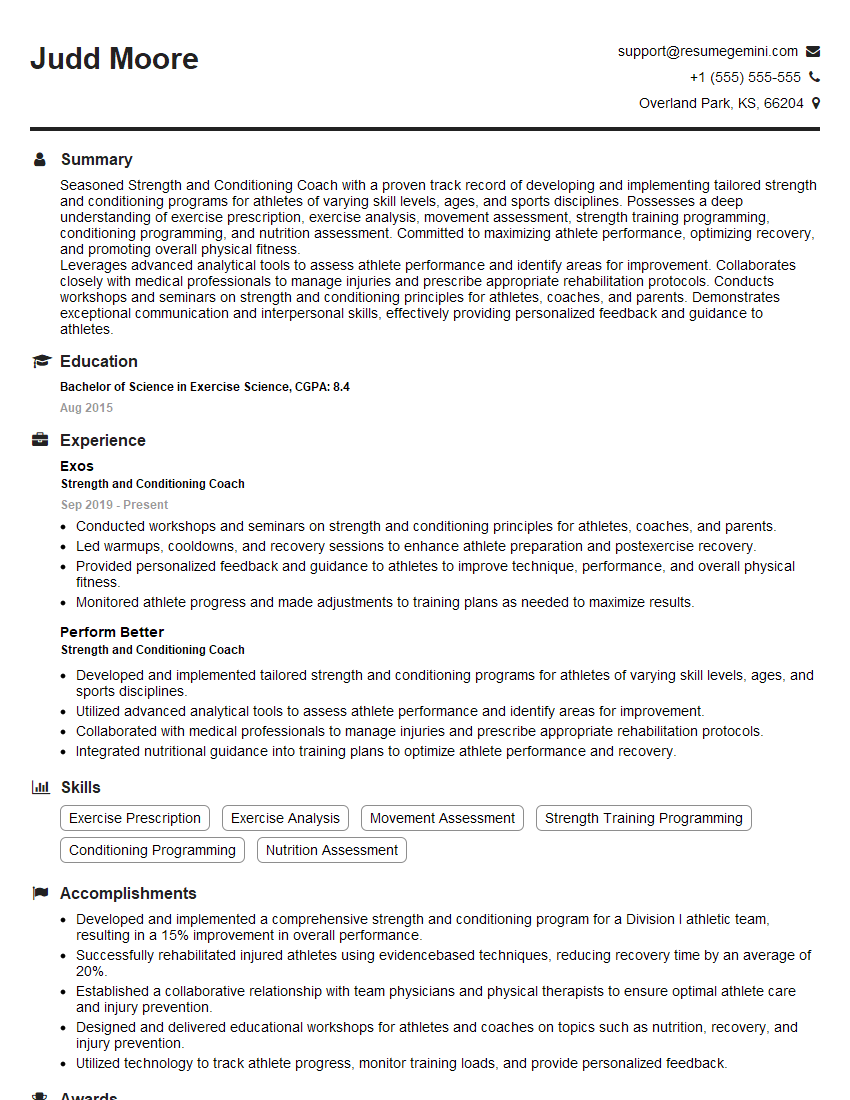
Strength and Conditioning Coach Resume Sample
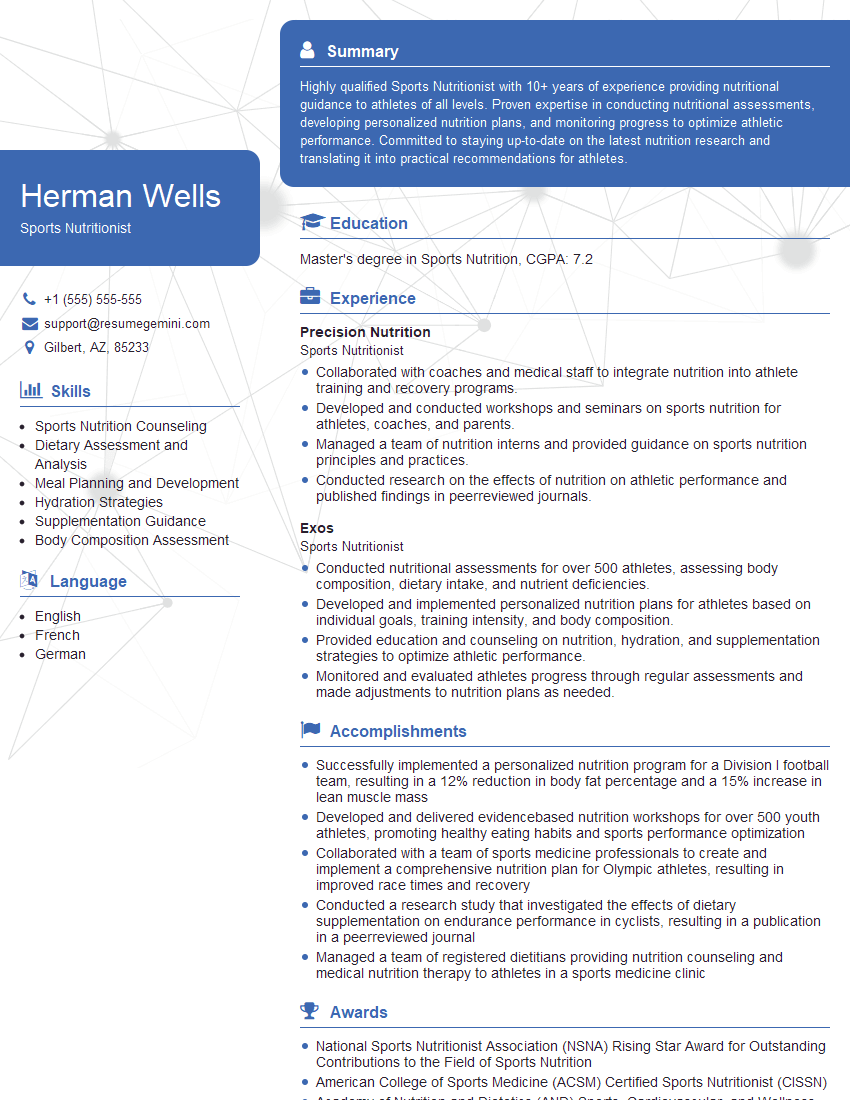
Sports Nutritionist Resume Sample
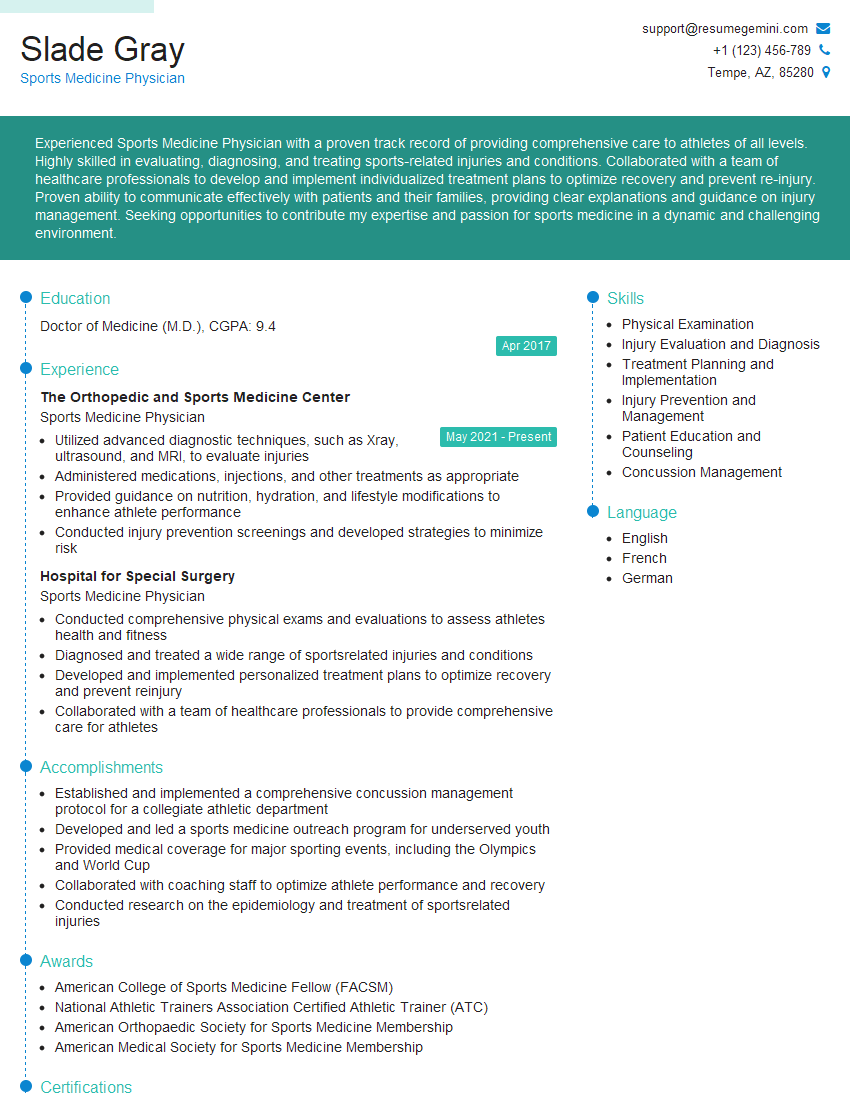
Sports Medicine Physician Resume Sample
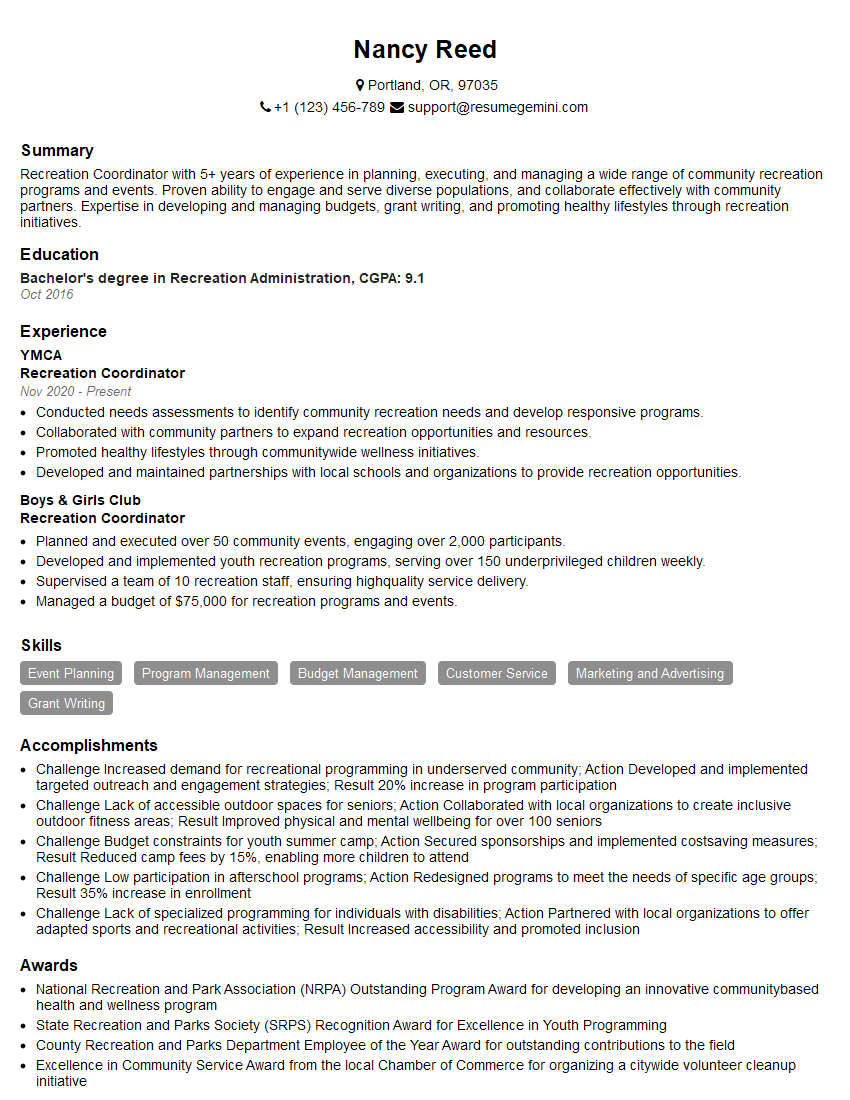
Recreation Coordinator Resume Sample
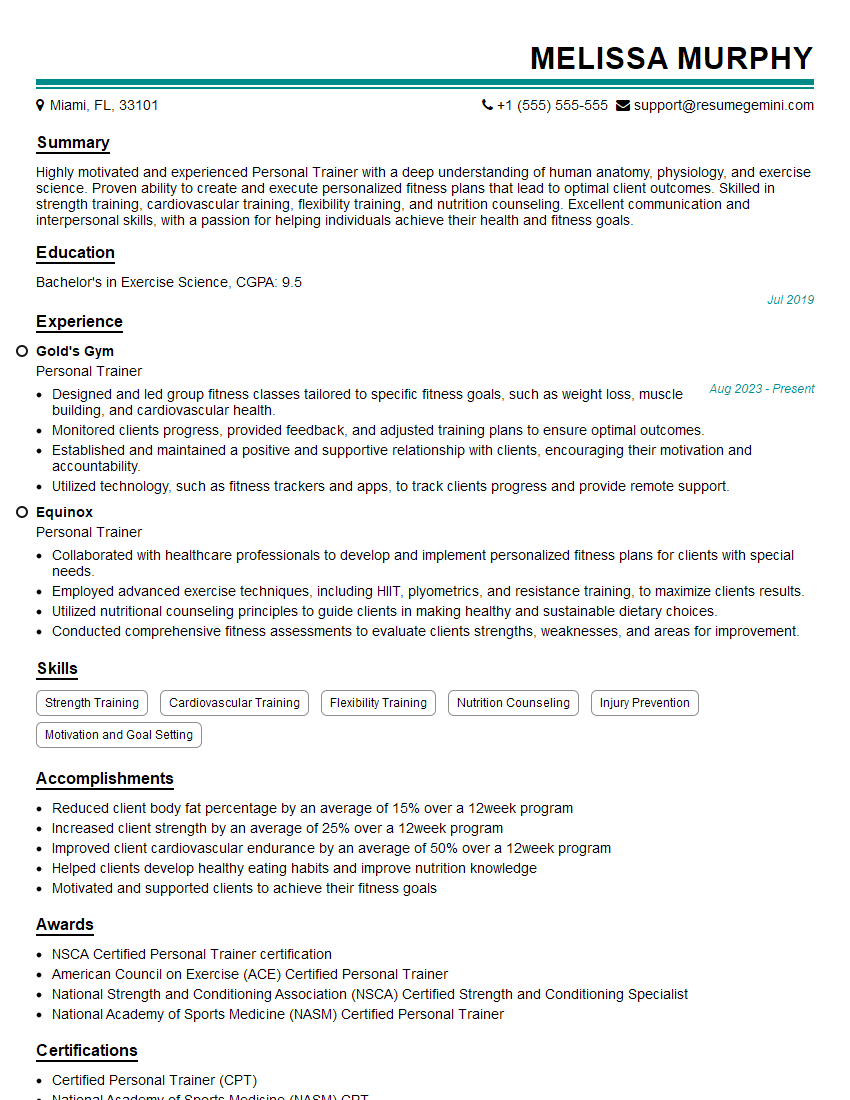
Personal Trainer Resume Sample
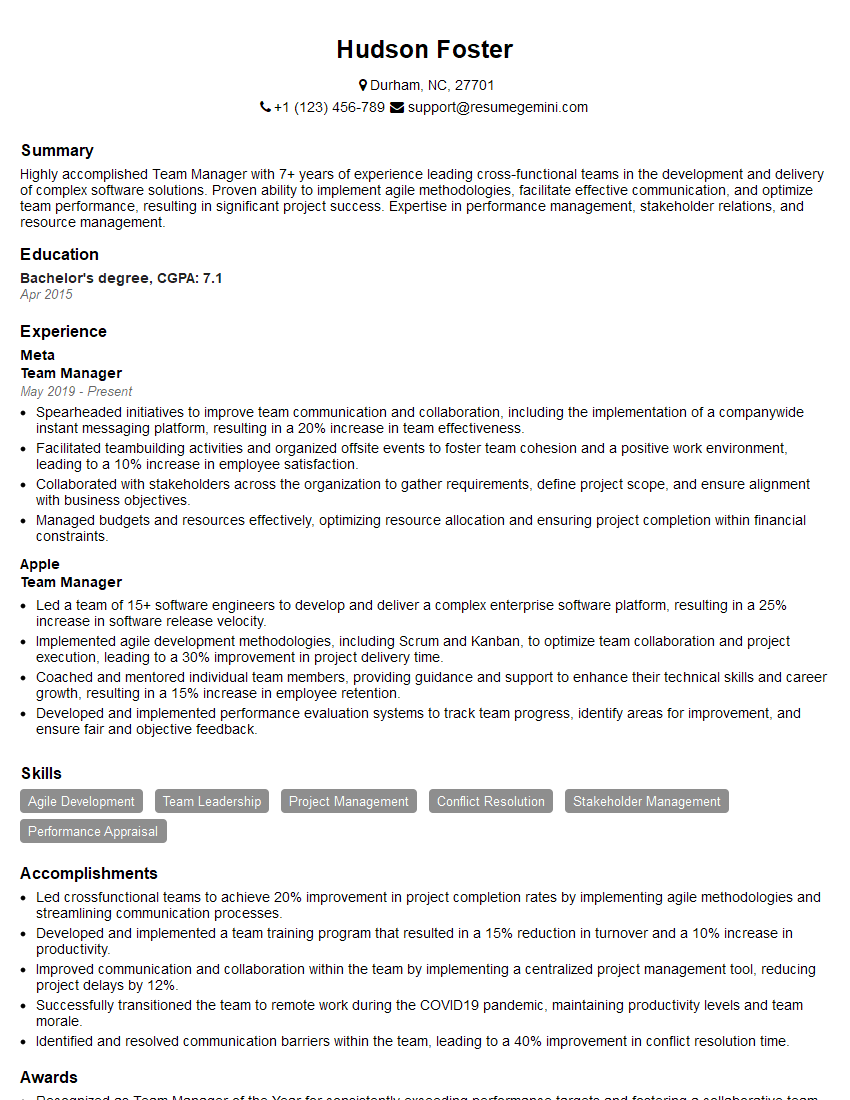
Team Manager Resume Sample
Explore more articles
Users Rating of Our Blogs
Share Your Experience
We value your feedback! Please rate our content and share your thoughts (optional).
What Readers Say About Our Blog
Very informative content, great job.
good