Every successful interview starts with knowing what to expect. In this blog, we’ll take you through the top Ability to Provide Constructive Feedback to Players and Teams interview questions, breaking them down with expert tips to help you deliver impactful answers. Step into your next interview fully prepared and ready to succeed.
Questions Asked in Ability to Provide Constructive Feedback to Players and Teams Interview
Q 1. Describe your process for delivering constructive criticism to a team member who consistently misses deadlines.
My process for addressing consistent missed deadlines begins with a private, one-on-one conversation. I avoid accusatory language, focusing instead on the impact of the missed deadlines on the team and project. I start by acknowledging any potential contributing factors, showing empathy and understanding before delving into solutions.
First, I gather information. I ask open-ended questions like, “Can you tell me more about what led to the missed deadline?” or “What challenges did you encounter?” This helps me understand the root cause, which might be workload, unclear expectations, skill gaps, or personal issues.
Next, I collaboratively brainstorm solutions. Together, we identify potential strategies – such as breaking down tasks, prioritizing effectively, seeking assistance, or adjusting deadlines. We might explore time management techniques, like the Pomodoro Technique, or project management tools. Finally, we create a concrete action plan with specific, measurable, achievable, relevant, and time-bound (SMART) goals. We schedule a follow-up meeting to review progress and adjust the plan as needed. Documentation is key – noting the agreed-upon actions and timeline. Consistent follow-up ensures accountability and provides ongoing support.
Q 2. How do you tailor your feedback approach based on an individual’s personality and communication style?
Tailoring my feedback approach is crucial for its effectiveness. I adapt my communication style based on each individual’s personality and preferred methods of receiving information. For example, some team members thrive on direct, concise feedback, while others prefer a more nuanced and supportive approach. I observe their communication style – are they introverted or extroverted? Do they prefer written or verbal communication? Do they respond better to data-driven insights or more qualitative assessments?
With direct communicators, I can be more explicit and action-oriented in my feedback. For those who prefer a gentler approach, I might start by highlighting their strengths and then subtly address areas for improvement, focusing on positive framing and encouragement. Visual learners might benefit from charts or graphs illustrating performance, while those who are auditory learners might respond best to a verbal conversation.
For instance, a detail-oriented, analytical team member might appreciate a written summary of areas for improvement with specific examples and data to support the feedback. In contrast, a more creative, intuitive team member might respond better to a face-to-face conversation where I can discuss the feedback with a focus on the bigger picture and creative solutions. Active listening and careful observation are critical to understanding their individual preferences and adapting accordingly.
Q 3. How do you handle situations where a team member becomes defensive when receiving feedback?
Defensive reactions to feedback are common. My approach involves acknowledging their feelings and creating a safe space for open dialogue. I start by validating their perspective, saying something like, “I understand your frustration,” or “I can see why you might feel that way.” This helps de-escalate the situation and fosters trust.
I then reframe the feedback, focusing on the behavior rather than the person. Instead of saying “You’re disorganized,” I might say, “I’ve noticed that the project deliverables have been inconsistent in terms of formatting and submission deadlines.” This approach reduces the likelihood of the team member feeling personally attacked.
I encourage active listening and invite them to share their perspective. A collaborative conversation allows me to address their concerns and create a solution together. If the defensiveness persists, I might suggest postponing the conversation to allow them to process the feedback. Ultimately, the goal is to turn the feedback into a learning opportunity.
Q 4. What specific techniques do you use to ensure your feedback is actionable and not just criticism?
To ensure my feedback is actionable, I use several techniques. First, I focus on specific behaviors and measurable outcomes. Instead of general comments, I provide concrete examples: “In the last report, the data section lacked clear visualizations, making it difficult to understand the key findings.”
Second, I offer suggestions for improvement. This moves beyond simply pointing out mistakes to providing constructive solutions. For example, “Consider using bar charts instead of tables to better present this data, and consider using a color scheme that is easier on the eyes.”
Third, I frame the feedback positively, focusing on growth and development. I emphasize the potential for improvement and celebrate past successes. “Your writing style has vastly improved, however, using more concise language would help keep your audience focused.” This approach encourages a growth mindset and prevents the feedback from feeling purely critical.
Finally, I encourage self-reflection and goal setting. I ask the individual to identify their own areas for development and create a plan for improvement. This fosters ownership and increases the likelihood of the feedback translating into tangible changes.
Q 5. Provide an example of a time you gave feedback that resulted in significant improvement in performance.
One time, a team member, let’s call him Mark, consistently missed deadlines on his coding tasks. Initially, my feedback focused on the missed deadlines themselves. However, this wasn’t effective. We had a follow-up discussion, where we discussed his workload and found he was overwhelmed by several projects simultaneously. We then implemented a Kanban board to visualize his work and prioritize tasks. We also rearranged his workflow by reassigning some of his less critical tasks and offering more support on larger projects.
Further, we agreed on smaller, more frequent check-in points to provide support and assess his progress, and address any arising issues. This improved his ability to stay focused. As a result, Mark began meeting deadlines consistently. His code quality also improved, because he was less stressed and had more time to focus on producing high-quality work. His project timeline was significantly shortened, and Mark felt empowered by his improved efficiency and increased autonomy.
Q 6. How do you balance positive reinforcement with constructive criticism?
Balancing positive reinforcement with constructive criticism is crucial for creating a supportive and productive environment. The ratio is not fixed; it depends on the individual and the situation. However, I always aim to start with positive reinforcement, highlighting strengths and accomplishments before addressing areas needing improvement.
For example, I might say, “Your presentation was excellent. Your use of visuals and clear explanation of complex data was truly impressive. However, we can improve the introduction by making it more engaging and highlighting the key takeaways early on.” This sandwich approach (positive-constructive-positive) makes the criticism more palatable and focuses on the overall positive performance.
Regular positive reinforcement – acknowledging good work, celebrating successes, and expressing appreciation for effort – builds trust and creates a culture of encouragement. This makes team members more receptive to constructive criticism, knowing it’s given within a context of support and recognition.
Q 7. How do you ensure your feedback is perceived as helpful and not judgmental?
To ensure my feedback is perceived as helpful and not judgmental, I use “I” statements and focus on observable behaviors rather than making personal judgments. Instead of saying, “You’re always late,” I’d say, “I’ve noticed you’ve been late to the last three team meetings. This impacts our meeting productivity.”
I also use active listening and show genuine empathy. I avoid interrupting, actively listen to their responses, and try to understand their perspective. This shows that I value their input and am not simply lecturing them. I use open-ended questions to encourage further discussion and ensure they feel heard.
Finally, I make it clear that my intention is to help them improve. I express my belief in their abilities and highlight their potential for growth. This approach builds trust, making them more open to receiving the feedback and applying it effectively.
Q 8. How do you document feedback given to team members?
Documenting feedback is crucial for accountability and tracking progress. I utilize a multi-pronged approach. Firstly, I always conduct feedback sessions in person whenever possible, allowing for immediate clarification and a more engaging interaction. Immediately following the session, I create a concise summary of the key points discussed, including specific examples of both strengths and areas for improvement. This summary, which I share with the team member, serves as a record of our conversation. Secondly, I maintain a separate, more detailed record in a shared project management tool or performance management system (depending on company policy), which might include specific goals, deadlines for improvement, and resources provided. This ensures that feedback is consistently documented and accessible for performance reviews and future reference.
For example, if a team member struggles with project time management, my summary might note specific projects where delays occurred, discuss the strategies we agreed upon to improve this, and set concrete, measurable goals (e.g., complete X% of tasks on time within the next month).
Q 9. How do you measure the effectiveness of your feedback?
Measuring feedback effectiveness is an iterative process. I don’t rely on a single metric but use a combination of approaches. Immediately after the feedback session, I check for immediate understanding and agreement on the next steps. This ensures the feedback was received and understood clearly. Then, I monitor the team member’s performance over time. Are the identified areas of improvement showing progress? Are they applying the suggested strategies? I observe their work, review project outcomes, and actively seek their self-assessment during follow-up conversations. Quantitative metrics, like project completion rates or error reduction, can offer additional insights. Finally, I incorporate 360-degree feedback where appropriate – gathering perspectives from colleagues and clients – to gain a broader perspective on the impact of the given feedback.
For instance, if I provided feedback on improving coding efficiency, I would track the number of bugs reported after the feedback, the time taken to complete coding tasks, and also informally check with other developers who collaborate with the individual.
Q 10. How would you address a situation where a team member is resistant to feedback?
Resistance to feedback is common, often stemming from defensiveness, fear of judgment, or feeling overwhelmed. My approach is empathetic and patient. I start by actively listening to their concerns and acknowledging their perspective. I might ask open-ended questions like, “What are your thoughts on this feedback?” or “What challenges are you facing in implementing these suggestions?” This helps me understand the root cause of their resistance.
Then, I reframed the feedback, focusing on the impact of their actions rather than on personal attributes. Instead of saying “You’re not meeting deadlines,” I might say “The missed deadlines on Project X impacted the overall project timeline and created additional pressure for the team.” Finally, I collaborate with them to create a plan for improvement, setting realistic goals and providing the necessary support and resources. Persistence and consistent follow-up are essential.
Q 11. Describe a time you had to deliver difficult feedback to a high-performing individual.
I once had to deliver difficult feedback to a high-performing senior engineer who, despite his technical excellence, exhibited a tendency to disregard team input and decision-making processes. His contributions were invaluable, but his approach negatively impacted team morale and collaboration.
I prepared meticulously, outlining specific instances where his actions deviated from team norms and the resulting impact. The conversation began with acknowledging his significant contributions and emphasizing my respect for his skills. I then presented the feedback clearly, using concrete examples and focusing on behavioral adjustments rather than questioning his abilities. I framed it as an opportunity for growth and improvement, emphasizing that his enhanced collaboration skills would further elevate his impact. We collaboratively devised a plan that included regular check-ins and opportunities to work on team-building exercises. It required patience and ongoing communication, but we successfully addressed the issue, ultimately strengthening both his performance and the team dynamic.
Q 12. How do you incorporate feedback from others when evaluating a team member’s performance?
Incorporating feedback from others is vital for a holistic evaluation. I gather this information through various channels – 360-degree feedback surveys, informal conversations with colleagues and clients, observations from other team leads, and performance reviews. I weigh this feedback considering the source’s perspective and relationship to the team member, understanding that biases might exist. I don’t simply average the feedback but analyze patterns and themes.
For example, if multiple colleagues mention a consistent lack of communication, I would consider this more heavily than a single isolated comment. I synthesize the different perspectives to create a comprehensive understanding of the team member’s strengths, weaknesses, and areas for improvement. This comprehensive view ensures fairness and accuracy in performance evaluation.
Q 13. What are some common pitfalls to avoid when giving constructive feedback?
Several pitfalls can hinder the effectiveness of constructive feedback. One common mistake is focusing on personality rather than behavior. Instead of criticizing someone’s personality (e.g., “You’re lazy”), address their behavior (e.g., “The late submission of the report impacted the project timeline.”). Another is delivering feedback in a public forum – it can be humiliating and undermine trust. Always deliver feedback privately and respectfully. Overloading someone with too much feedback at once can also be overwhelming; prioritize and focus on 1-3 key areas. Finally, avoiding clear, specific examples weakens the feedback’s impact. Always illustrate your points with concrete examples.
Q 14. How do you prioritize areas for improvement when giving feedback to a team?
Prioritizing areas for improvement requires a strategic approach. I typically use a combination of methods. First, I consider the impact of each area on overall team performance and project goals. Areas significantly impacting project success get higher priority. Secondly, I assess the team’s capacity for change and improvement. Choosing areas where improvement is relatively achievable is key. Finally, I align improvement areas with individual team members’ development goals and aspirations. This process ensures that the feedback is relevant, achievable, and motivating. I would document this prioritization clearly, ensuring the team members understand the rationale and have clarity on which areas to focus on.
For example, If a team is struggling with a project due to poor communication and inefficient workflow, I might prioritize addressing communication first as it directly impacts workflow efficiency. We might start with simple communication training or the implementation of a shared project management system. Once improved, we can then tackle the workflow efficiency with more targeted training or process adjustments.
Q 15. How do you use feedback to foster a culture of continuous improvement?
Fostering a culture of continuous improvement hinges on making feedback a regular, integrated part of the team’s workflow, not a dreaded event. It’s about creating a safe space where individuals and the team as a whole can openly discuss successes, challenges, and areas for growth.
- Regular Check-ins: I implement regular one-on-one meetings and team retrospectives to solicit feedback. This proactive approach ensures that issues are addressed early, before they escalate.
- Feedback as a Gift: I frame feedback as a valuable gift, an opportunity for growth and development. I emphasize that it’s not about blame, but about shared learning and improvement.
- Actionable Feedback: I ensure all feedback is actionable. This means it’s specific, constructive, and includes suggestions for improvement. Vague feedback is unhelpful. For example, instead of saying “You need to improve,” I’d say, “In the last presentation, the data visualization could be clearer. Consider using bar charts instead of line graphs for this specific data set.”
- Celebrating Successes: Recognizing and celebrating accomplishments, big and small, is crucial. This positive reinforcement motivates the team and encourages continued improvement. For example, publicly acknowledging a team member’s successful problem-solving in a meeting can motivate others.
Career Expert Tips:
- Ace those interviews! Prepare effectively by reviewing the Top 50 Most Common Interview Questions on ResumeGemini.
- Navigate your job search with confidence! Explore a wide range of Career Tips on ResumeGemini. Learn about common challenges and recommendations to overcome them.
- Craft the perfect resume! Master the Art of Resume Writing with ResumeGemini’s guide. Showcase your unique qualifications and achievements effectively.
- Don’t miss out on holiday savings! Build your dream resume with ResumeGemini’s ATS optimized templates.
Q 16. How do you ensure your feedback aligns with company values and objectives?
Aligning feedback with company values and objectives is paramount. Feedback should reinforce desired behaviors and contribute to the overall strategic goals. It shouldn’t be contradictory or create confusion.
- Understanding Company Values: I begin by thoroughly understanding the company’s mission, vision, and core values. This forms the bedrock of my feedback approach.
- Connecting Feedback to Objectives: I explicitly connect the feedback I give to the company’s strategic objectives. For instance, if a company values innovation, I would commend employees who demonstrate creative problem-solving skills. If efficiency is key, feedback will highlight opportunities for process improvement.
- Consistency: I ensure my feedback consistently reflects the company’s values and objectives. Inconsistency undermines credibility and can confuse team members.
- Example: If a company prioritizes customer satisfaction, feedback concerning a player’s interaction with a client will directly relate to how well the interaction aligned with delivering excellent customer service.
Q 17. How do you encourage open communication and feedback within your team?
Encouraging open communication requires creating a psychologically safe environment where people feel comfortable sharing their thoughts and opinions without fear of retribution. This is built on trust and mutual respect.
- Open-Door Policy: I maintain an open-door policy, encouraging team members to approach me with concerns or feedback at any time.
- Anonymous Feedback Mechanisms: I implement anonymous feedback mechanisms, such as suggestion boxes or online surveys, to allow for candid feedback from those who may be hesitant to speak directly.
- Active Listening: I actively listen to team members’ feedback, showing genuine interest and validating their perspectives.
- Regular Team Meetings: Dedicated time for open discussion in team meetings is vital. Establishing clear ground rules for respectful communication is also important.
- Lead by Example: I openly share my own challenges and seek feedback from my team. This demonstrates vulnerability and encourages reciprocity.
Q 18. What frameworks or models do you use for providing feedback (e.g., SBI, Situation-Behavior-Impact)?
I often utilize the Situation-Behavior-Impact (SBI) model for delivering feedback. It’s a structured approach that helps ensure clarity and minimizes defensiveness. Other models like the STAR method (Situation, Task, Action, Result) are also valuable.
SBI Model:
- Situation: Describe the specific situation where the behavior occurred. Example: “During the last project meeting…”
- Behavior: Describe the specific behavior you observed. Example: “…you interrupted several team members during their presentations.”
- Impact: Describe the impact of the behavior on you, the team, or the project. Example: “…this disrupted the flow of the meeting and prevented others from fully sharing their ideas.”
By using a structured approach, the feedback becomes clear, focused, and action-oriented.
Q 19. How do you follow up after delivering feedback to ensure its implementation?
Following up is crucial to ensure the feedback is understood and implemented. It’s not enough to simply deliver feedback; you must actively support its implementation.
- Schedule a Follow-up Meeting: I schedule a follow-up meeting to discuss progress and offer further support.
- Check-in Regularly: I check in regularly to monitor progress and address any challenges that may arise.
- Provide Resources: I offer resources and training to help the individual or team implement the suggested improvements.
- Adjust Approach if Necessary: If progress is not being made, I’m willing to adjust my approach to ensure the feedback is understood and actionable.
- Positive Reinforcement: When improvements are observed, I acknowledge and praise the effort, reinforcing positive behaviors.
Q 20. How do you handle receiving feedback yourself and use it for professional growth?
Receiving feedback is a vital part of professional growth. I view it as an opportunity to learn and improve. I embrace both positive and constructive criticism.
- Active Listening: I actively listen to the feedback without interrupting or becoming defensive.
- Ask Clarifying Questions: If something is unclear, I ask clarifying questions to ensure I fully understand the feedback.
- Reflect on Feedback: I take time to reflect on the feedback, considering its validity and relevance to my performance.
- Identify Areas for Improvement: I identify specific areas where I can improve based on the feedback received.
- Create an Action Plan: I create a concrete action plan to address the areas identified for improvement.
- Seek Mentorship: If the feedback highlights significant areas for growth, I seek guidance from a mentor or supervisor to create a tailored development plan.
Q 21. How do you balance the need for specific feedback with the need to maintain morale?
Balancing specific feedback with maintaining morale requires sensitivity and tact. It’s about being direct but also empathetic and supportive.
- Positive to Constructive Ratio: I aim for a positive-to-constructive feedback ratio of at least 3:1. This means for every piece of constructive criticism, I offer three pieces of positive feedback or encouragement.
- Focus on Behaviors, Not Personalities: I always focus on observable behaviors rather than making personal attacks. The goal is to improve performance, not to damage self-esteem.
- Frame Constructive Criticism Positively: I frame constructive criticism as an opportunity for growth and development. I emphasize that everyone makes mistakes and learning from them is essential.
- Private vs. Public Feedback: I deliver constructive criticism privately, to avoid embarrassing or demoralizing the individual. Public recognition of achievements is generally preferred.
- Empathy and Understanding: I demonstrate empathy and understanding, acknowledging the challenges involved in improving performance.
Q 22. Describe a situation where you had to give difficult feedback to a colleague.
Delivering difficult feedback requires a delicate balance of empathy and directness. I once had to address a colleague’s consistent missed deadlines on a crucial project. Instead of directly criticizing, I started by acknowledging their contributions and then focused on the impact of the missed deadlines on the team. I framed it as a collaborative problem, asking, “I’ve noticed a pattern of missed deadlines recently. Can we discuss what might be causing this and explore solutions together?” This approach opened a dialogue, allowing us to identify the root cause – an overloaded workload – and implement solutions like task delegation and improved time management techniques. The key was focusing on the problem, not the person, and framing the conversation as a partnership aimed at improvement.
Q 23. How do you address differing opinions on team performance during feedback sessions?
Differing opinions on team performance are inevitable. To address these constructively, I facilitate a discussion focused on data and observations. I encourage everyone to present their perspectives, supported by specific examples. For instance, if some members believe a team member underperformed while others disagree, I’ll ask: “Can we pinpoint specific instances where this performance was lacking or exceeded expectations? What metrics are we using to evaluate performance?” This structured approach ensures that the feedback remains objective and data-driven, minimizing subjective biases. We then collaboratively identify areas of strength and weakness, creating a shared understanding that guides future performance improvements.
Q 24. How do you build trust with team members to facilitate open feedback exchange?
Building trust for open feedback hinges on consistency and vulnerability. I consistently demonstrate active listening, showing genuine interest in others’ perspectives. I also model vulnerability by sharing my own mistakes and lessons learned. This creates a safe space where team members feel comfortable sharing both positive and negative feedback without fear of retribution. Regular one-on-one meetings specifically dedicated to feedback provide an ongoing channel for this. Furthermore, I consistently acknowledge and appreciate feedback, showing everyone their input matters. Think of it like building a strong foundation of mutual respect – the more solid the foundation, the more open the communication becomes.
Q 25. Explain how you provide constructive feedback in a virtual team setting.
Providing constructive feedback in a virtual setting demands extra awareness and clarity. I rely heavily on asynchronous communication tools like email or project management software for delivering documented feedback. This provides a record of the feedback given and allows the recipient time to process it. I use video conferencing for live feedback sessions, making sure to utilize features like screen sharing to visually support my points. I’m also meticulous in my language, being extra mindful to avoid misinterpretations that can easily happen in a virtual environment. Using clear, concise language and providing specific examples are crucial. Finally, I always schedule follow-up calls to discuss any questions or concerns.
Q 26. How do you adapt your feedback style to different levels of seniority within a team?
Adapting feedback style to seniority levels requires sensitivity. With junior team members, I emphasize encouragement and detailed guidance, focusing on skill development and future improvement. I use a more coaching-oriented approach, offering practical suggestions and resources. With senior team members, the feedback is more strategic, focusing on high-level contributions and impact. The communication style remains respectful but direct, emphasizing collaboration and shared responsibility. For example, I’d give a junior developer more detailed code review feedback, while with a senior developer, I’d discuss the overall design and architecture of a project.
Q 27. How do you maintain objectivity when providing feedback, especially with individuals you are close to?
Maintaining objectivity when providing feedback to close colleagues requires self-awareness and discipline. I proactively identify my biases and potential blind spots. I use data and objective metrics to support my feedback, focusing on observable behaviors and outcomes rather than subjective interpretations. If I’m struggling with objectivity, I seek input from a neutral third party to gain an external perspective. Remember, the goal is to help the individual improve, not to satisfy personal feelings. So, I separate my personal relationship from my professional role when giving feedback, ensuring the focus is on professional growth.
Q 28. How do you address feedback from multiple sources on a single team member?
Addressing feedback from multiple sources on a single team member requires careful synthesis. I consolidate the feedback, identifying common themes and recurring concerns. If the feedback is contradictory, I work to understand the different perspectives and the context in which they arose. I then schedule a meeting with the team member to discuss the feedback constructively, presenting it in a summarized and organized manner, focusing on recurring issues and opportunities for improvement. This ensures the feedback is presented in a fair and unbiased way, while providing the team member with a clear understanding of the areas needing attention.
Key Topics to Learn for Ability to Provide Constructive Feedback to Players and Teams Interview
- Understanding Your Audience: Tailoring feedback to individual player personalities and team dynamics. This includes recognizing different learning styles and communication preferences.
- The “Feedback Sandwich”: Mastering the art of delivering constructive criticism by framing negative feedback between positive points. Learn how to highlight strengths before addressing weaknesses, and end on a positive and encouraging note.
- Active Listening & Observation: Developing keen observation skills to identify areas for improvement and using active listening techniques to fully understand the player’s perspective before offering feedback.
- Focusing on Behavior, Not Personality: Learning to provide feedback that focuses on specific actions and their impact, rather than making personal judgments or generalizations.
- Specific and Actionable Feedback: Providing clear, concise, and specific feedback that offers concrete steps for improvement. Avoid vague or generalized comments.
- Creating a Safe Space for Feedback: Establishing a culture of trust and open communication where players feel comfortable receiving and acting on feedback without feeling judged or threatened.
- Handling Difficult Conversations: Developing strategies for addressing challenging situations and delivering difficult feedback with diplomacy and tact. Learn how to manage emotional responses effectively.
- Measuring the Impact of Feedback: Tracking and evaluating the effectiveness of your feedback strategies to continuously improve your approach and ensure players are making progress.
- Team Dynamics and Group Feedback: Understanding how to provide constructive feedback in a team setting, considering group dynamics and ensuring all team members feel heard and valued.
Next Steps
Mastering the ability to provide constructive feedback is crucial for career advancement in any leadership role. It demonstrates your coaching skills, your ability to build strong relationships, and your commitment to team success. To significantly enhance your job prospects, create an ATS-friendly resume that showcases your skills in this area. ResumeGemini is a trusted resource that can help you build a professional resume that stands out. Examples of resumes tailored to highlight expertise in providing constructive feedback to players and teams are available to help you get started.
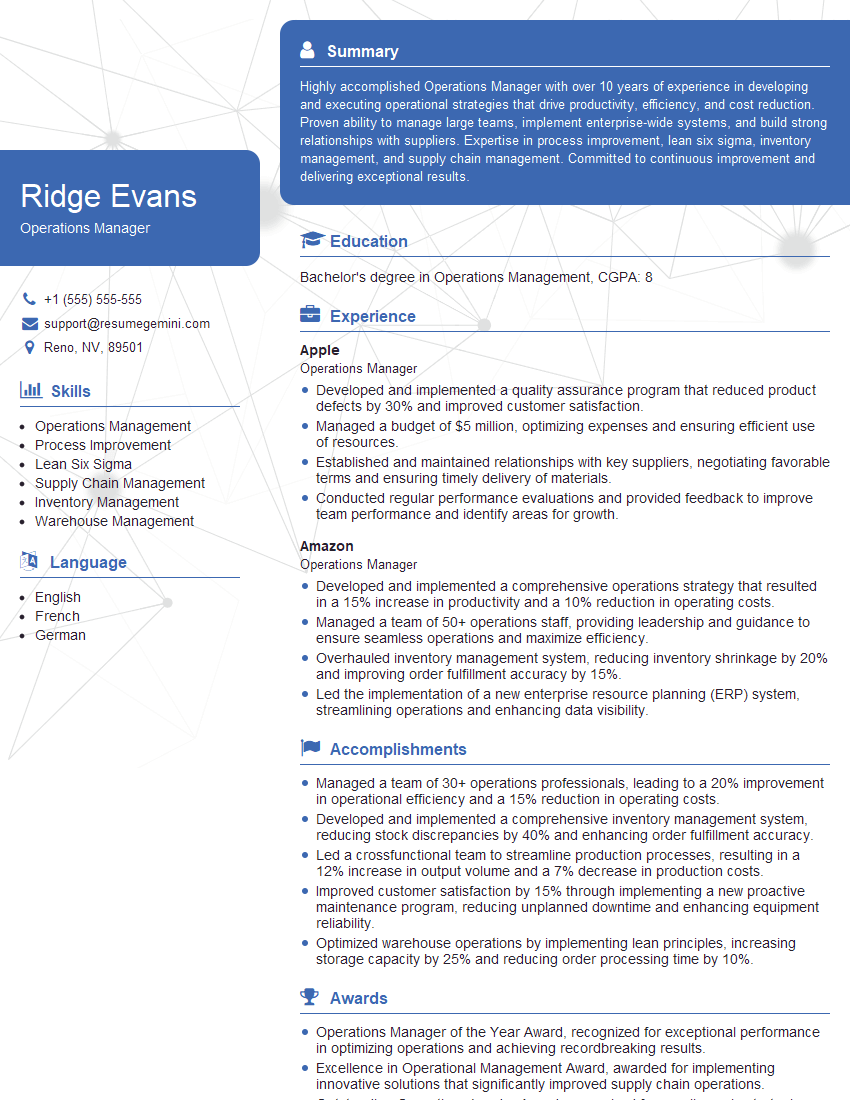
Operations Manager Resume Sample
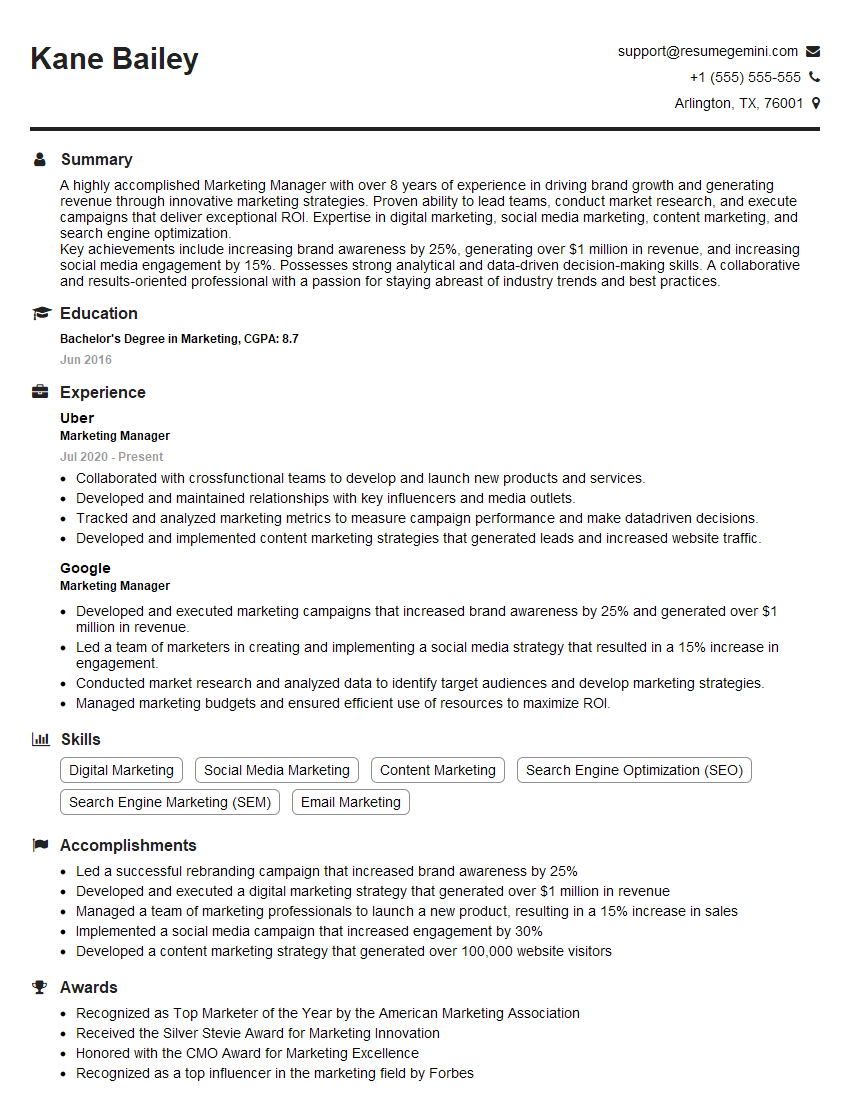
Marketing Manager Resume Sample
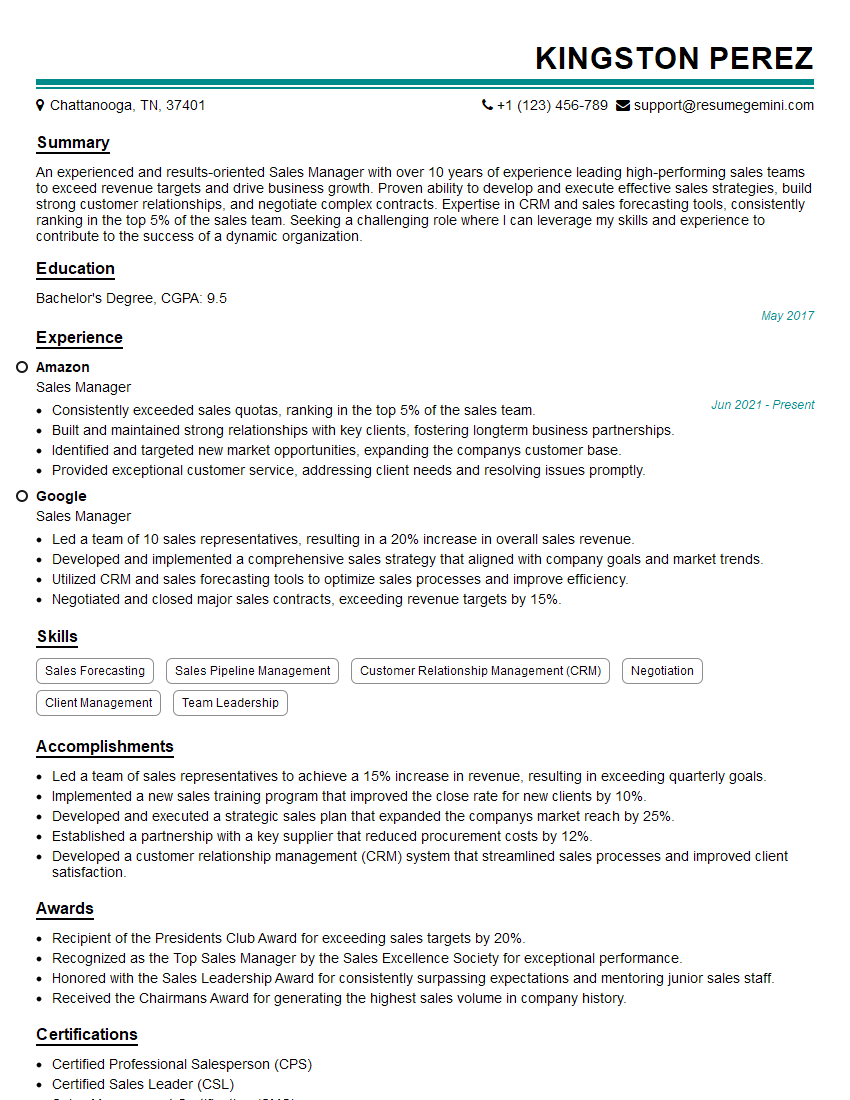
Sales Manager Resume Sample
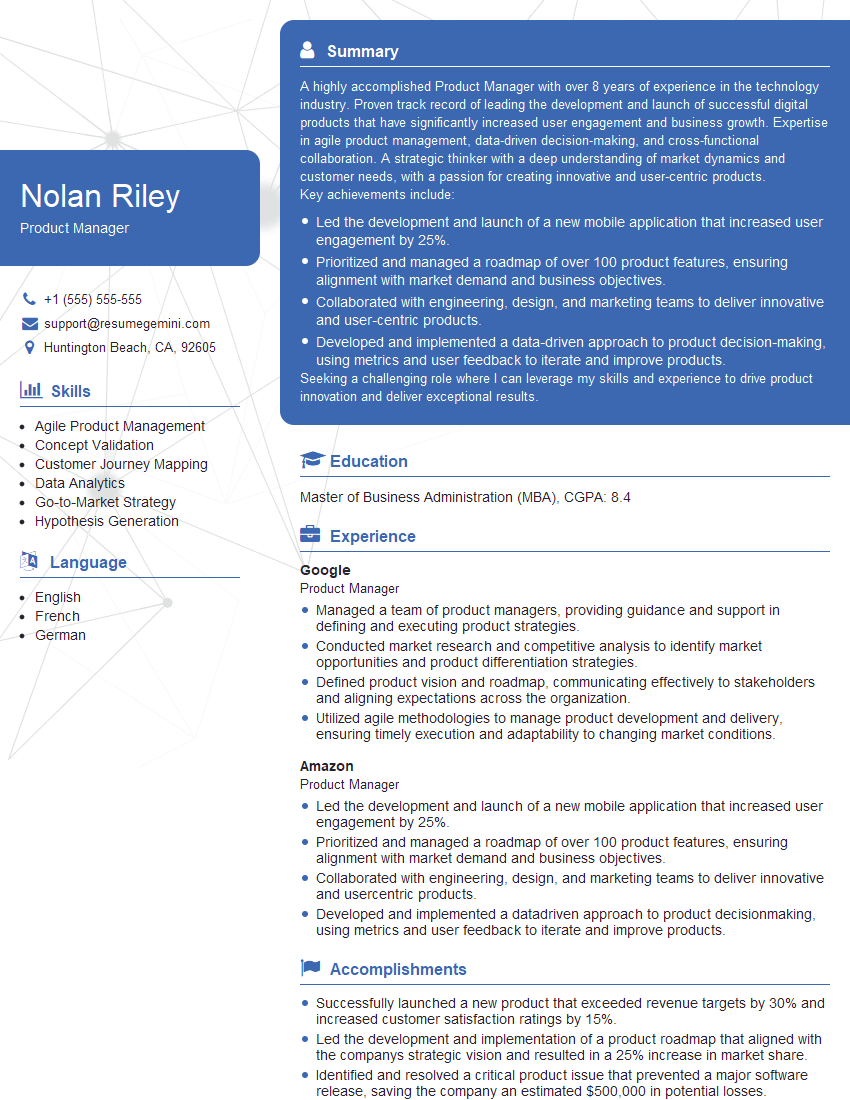
Product Manager Resume Sample
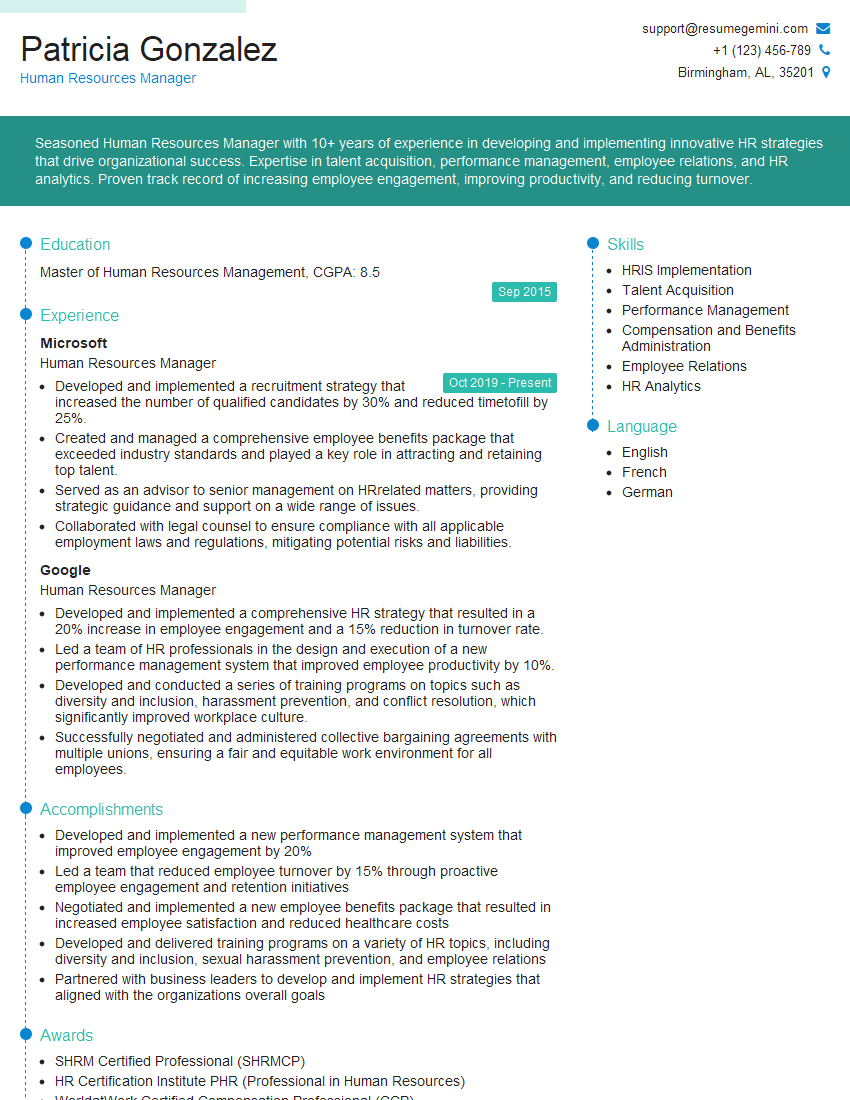
Human Resources Manager Resume Sample
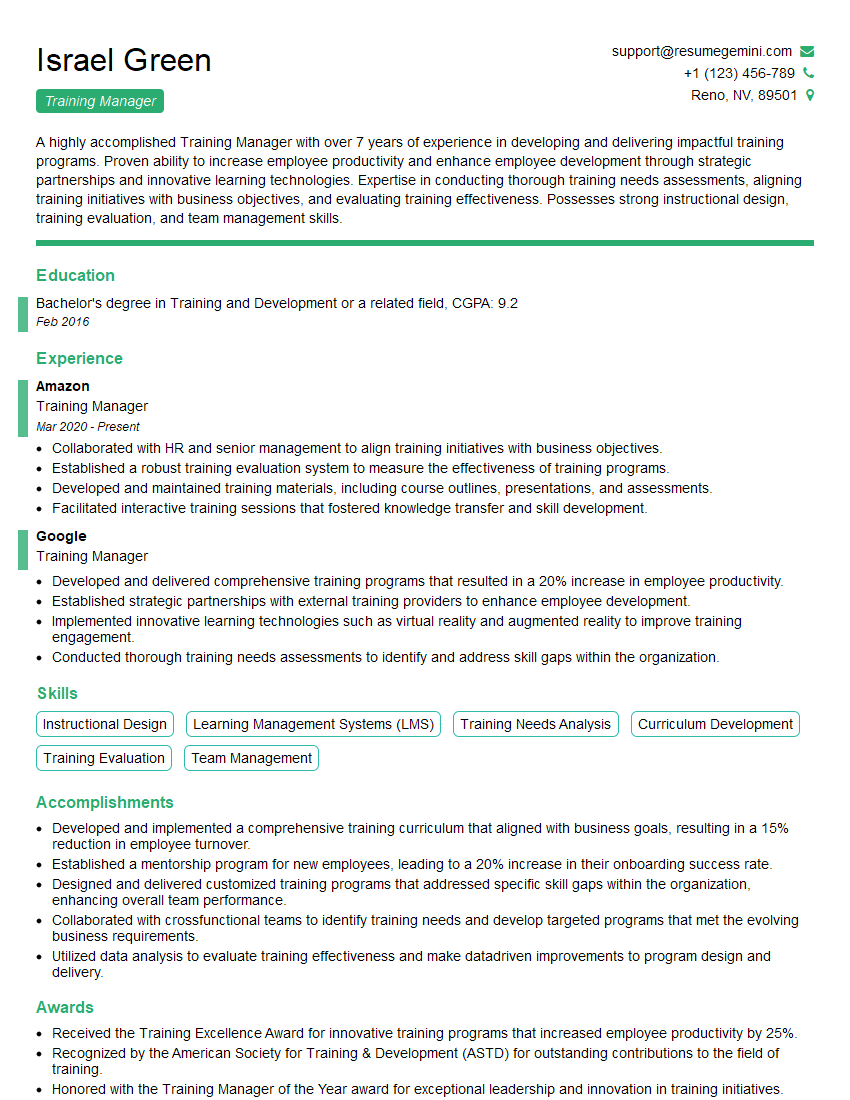
Training Manager Resume Sample
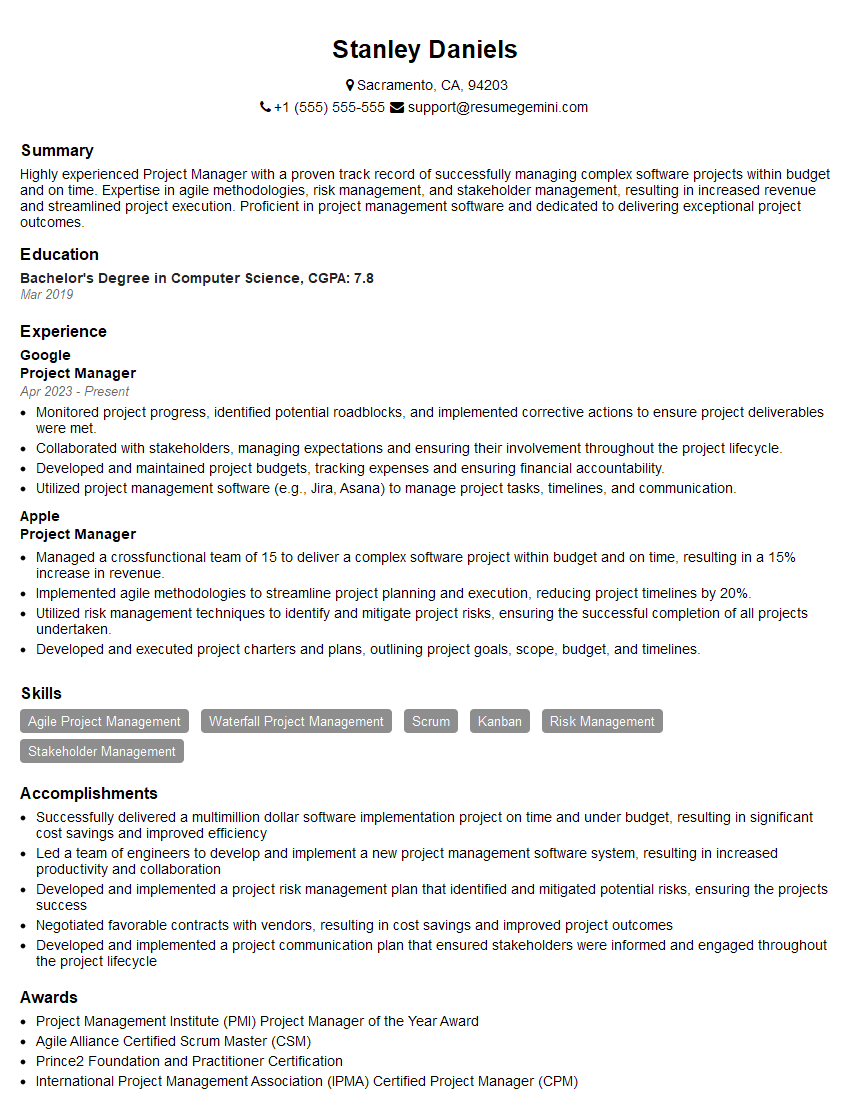
Project Manager Resume Sample
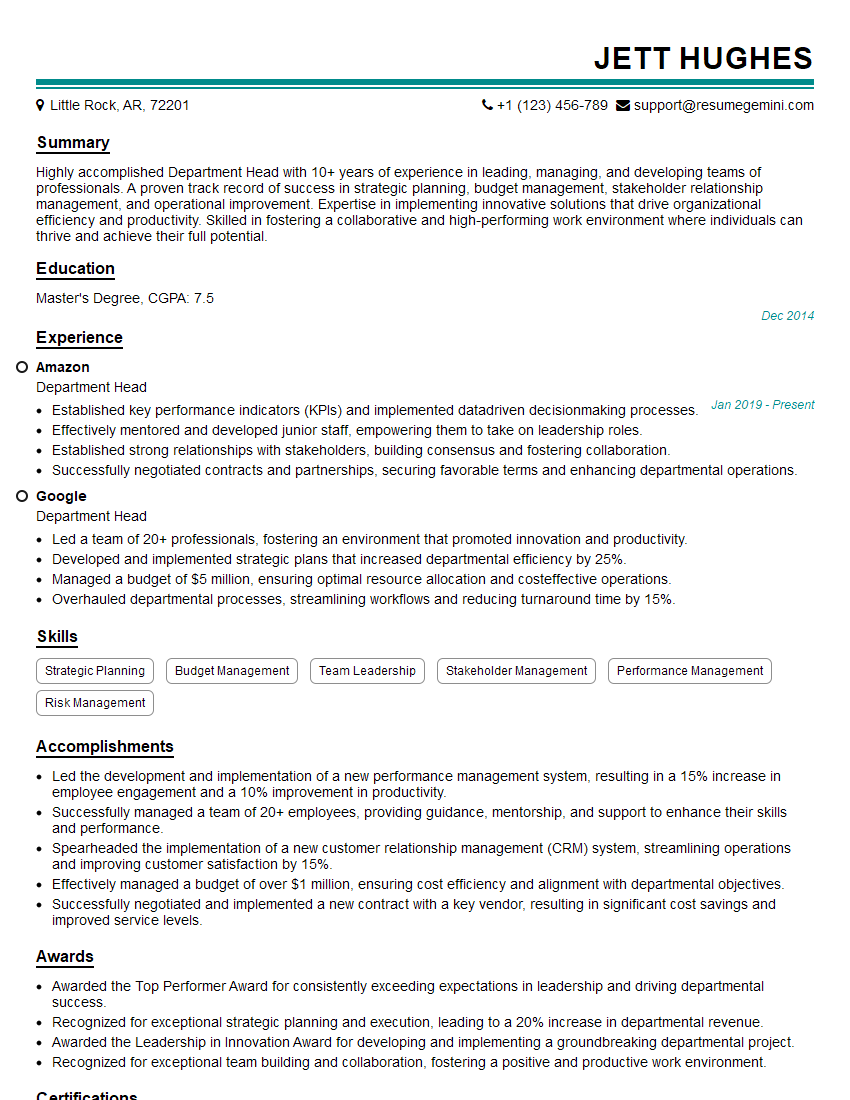
Department Head Resume Sample

Instructor Resume Sample

Professor Resume Sample
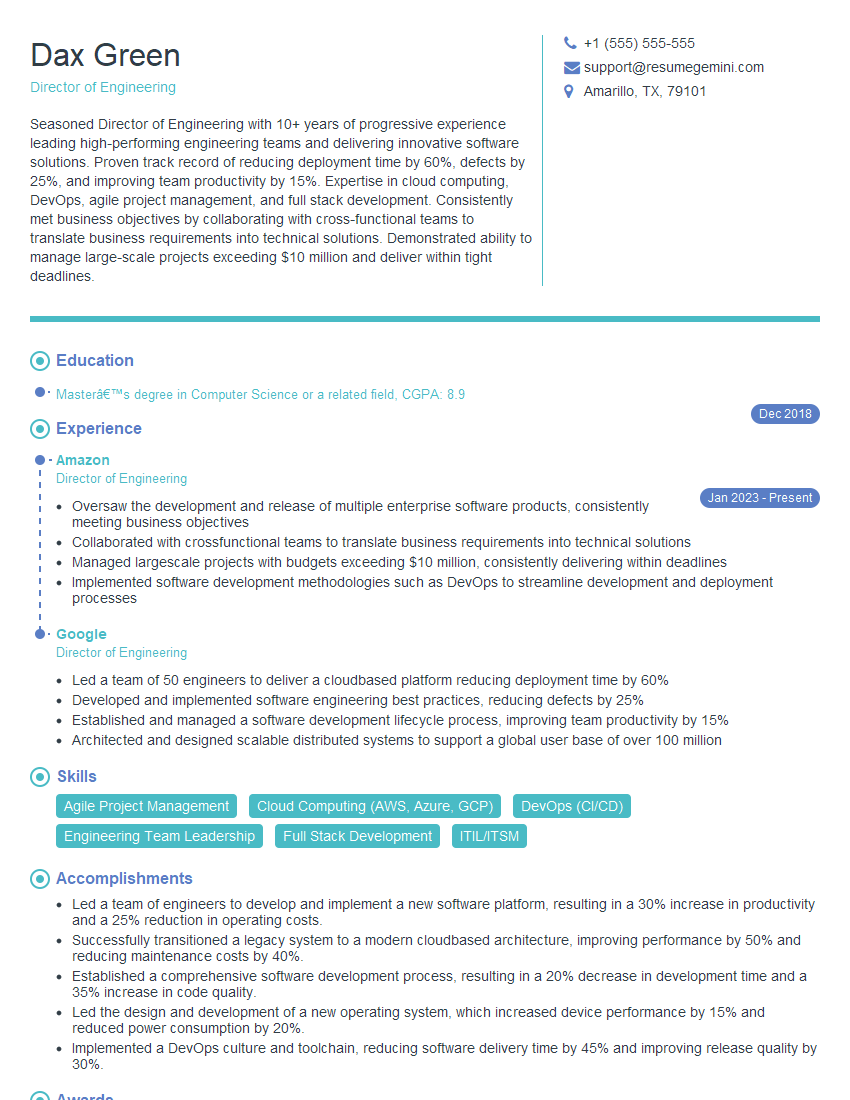
Director of Engineering Resume Sample
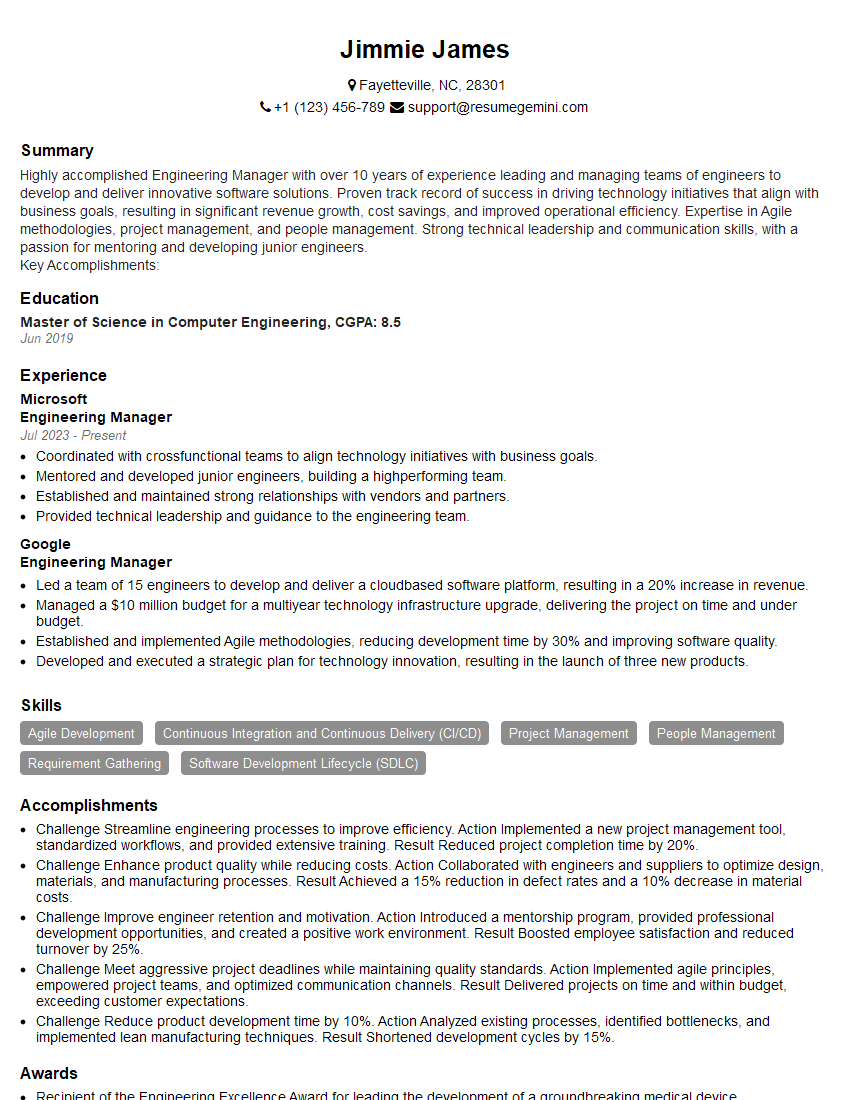
Engineering Manager Resume Sample

Senior Software Engineer Resume Sample
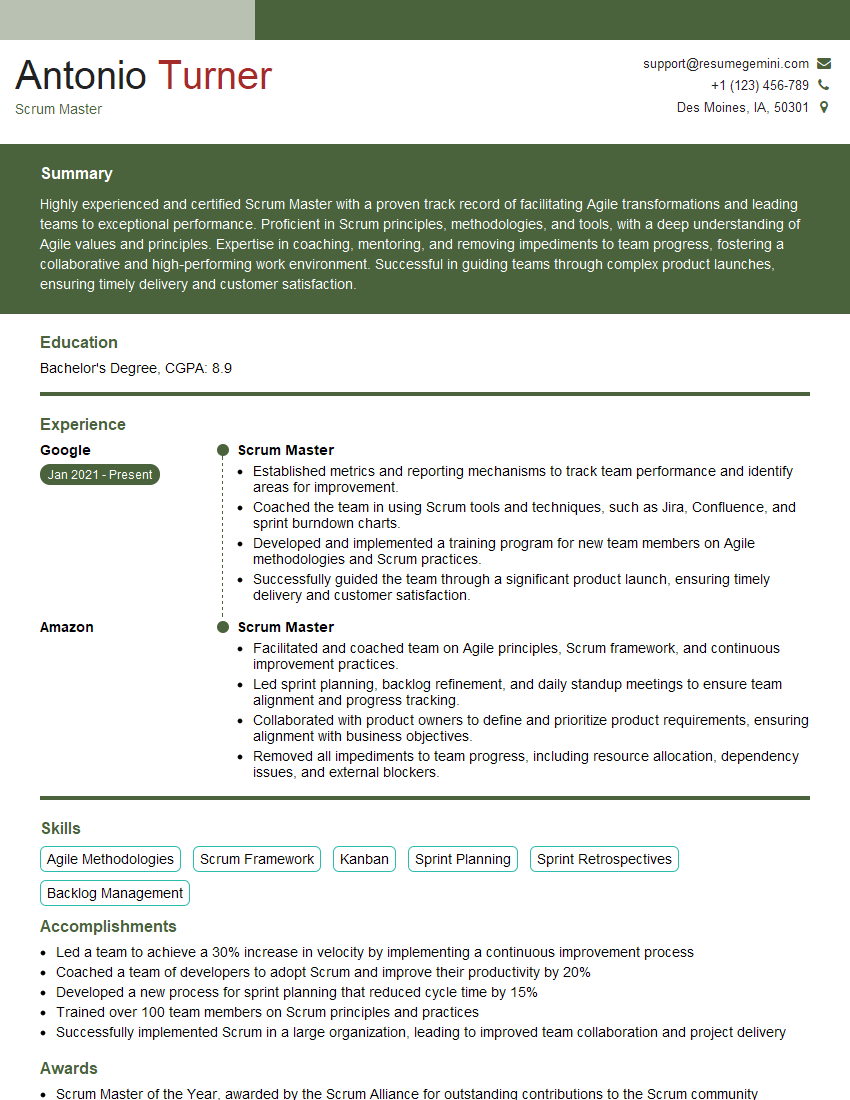
Scrum Master Resume Sample
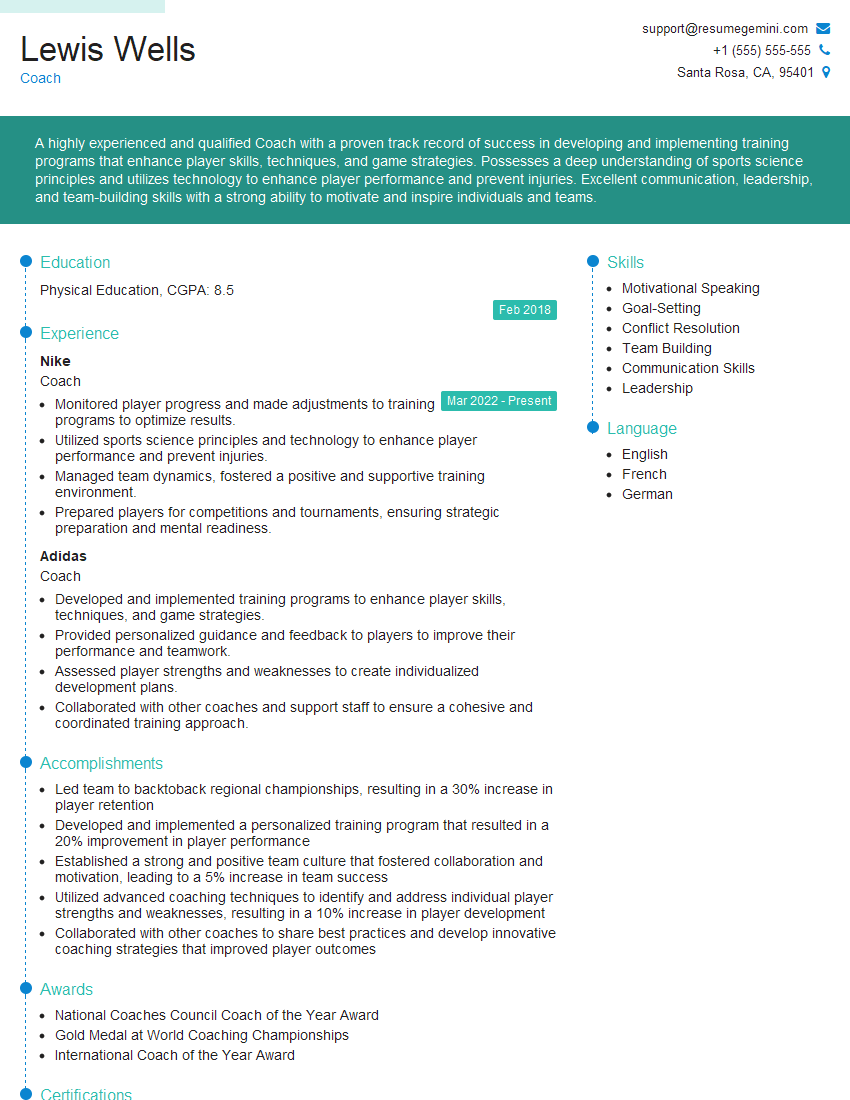
Coach Resume Sample
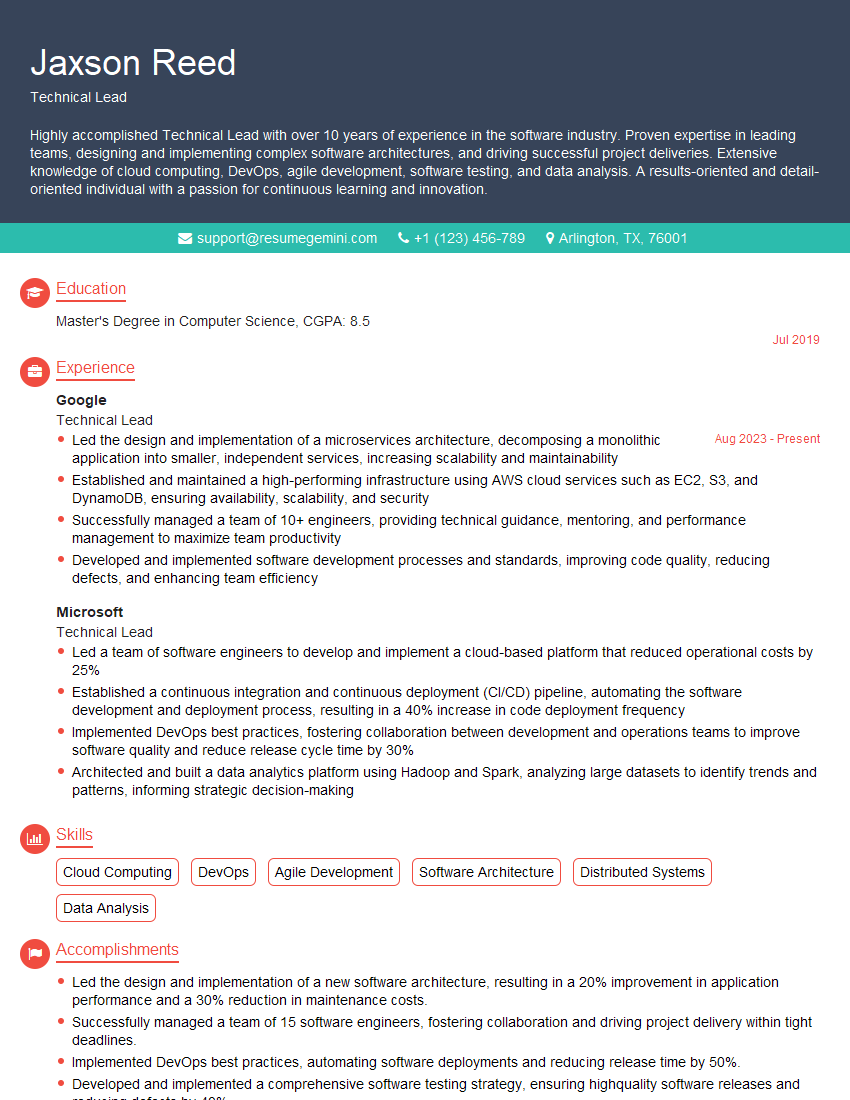
Technical Lead Resume Sample
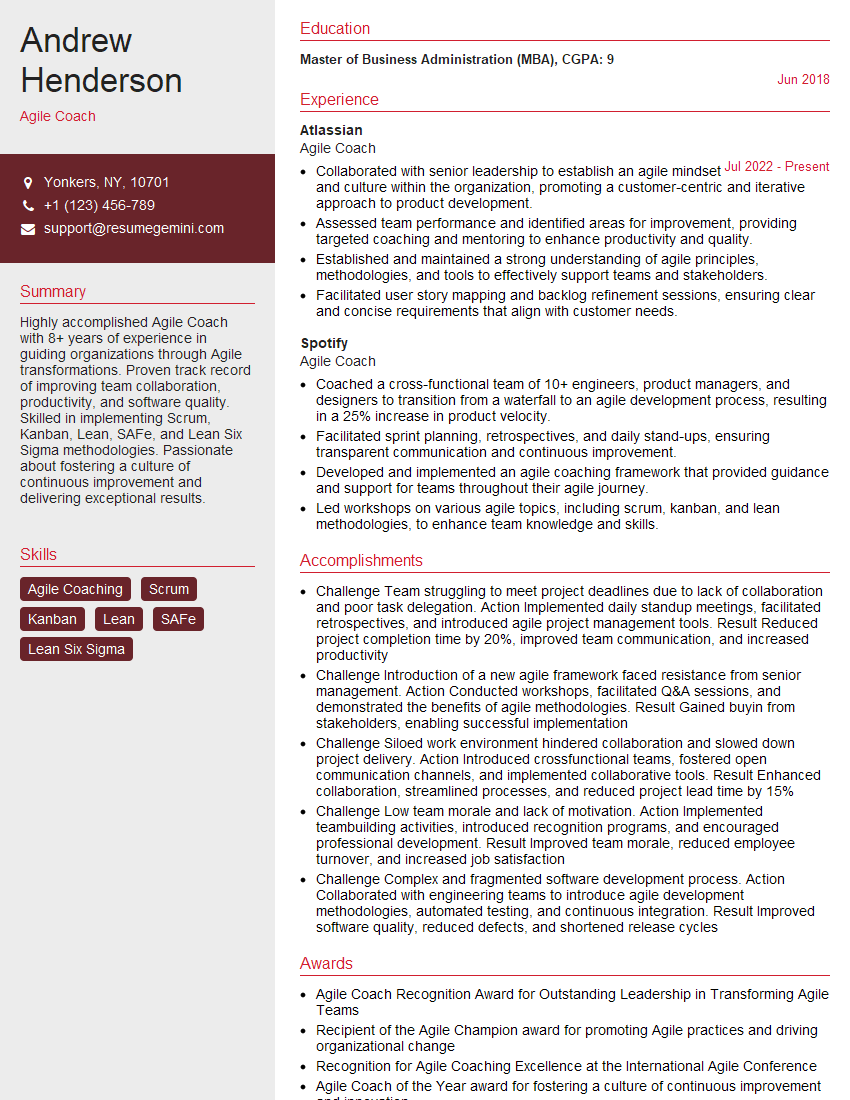
Agile Coach Resume Sample
Explore more articles
Users Rating of Our Blogs
Share Your Experience
We value your feedback! Please rate our content and share your thoughts (optional).
What Readers Say About Our Blog
Very informative content, great job.
good