Every successful interview starts with knowing what to expect. In this blog, we’ll take you through the top Palm Nursery Management interview questions, breaking them down with expert tips to help you deliver impactful answers. Step into your next interview fully prepared and ready to succeed.
Questions Asked in Palm Nursery Management Interview
Q 1. Describe your experience in palm propagation techniques.
Palm propagation is the art and science of creating new palm trees from existing ones. My experience encompasses several techniques, each with its own advantages and disadvantages. Seed propagation, the most basic method, involves collecting mature seeds, treating them (often with scarification or stratification to break dormancy), and sowing them in a suitable seedbed. This is a cost-effective method but it can be slow and less predictable than other techniques, with varying germination rates depending on the species and seed quality.
Vegetative propagation, on the other hand, offers faster results and greater control. This involves techniques like offshoot separation, where young palm suckers growing at the base of the mother plant are carefully removed and planted individually. This mirrors the natural process of a palm tree creating clones of itself. Another common vegetative technique is tissue culture, a more advanced approach involving growing palm plantlets from small tissue samples in a sterile laboratory environment. This method allows for mass production of genetically identical plants, free from diseases, and is particularly useful for rare or endangered species. Finally, I’m also experienced in air layering, where a section of a stem is induced to root while still attached to the parent plant, before being severed and planted separately. This is effective for certain species but requires more skill and patience.
In my experience, choosing the right propagation method depends heavily on the species, the available resources, and the desired scale of production. For instance, I prefer offshoot separation for easily multiplying commonly used landscape palms like Adonidia, but might utilize tissue culture for rarer and more valuable varieties or when producing plants for large-scale projects.
Q 2. What are the common pests and diseases affecting palm trees, and how do you manage them?
Palm trees, while generally hardy, are susceptible to a variety of pests and diseases. Some of the most common pests include scale insects, mealybugs, spider mites, and palm weevils. Scale insects and mealybugs suck sap from the plant, weakening it and causing discoloration. Spider mites cause similar damage and webbing on foliage. Palm weevils are particularly destructive, boring into the trunk and causing serious damage that can eventually kill the palm. Diseases vary widely but common fungal issues include Ganoderma butt rot (causing basal trunk rot) and various leaf spots. Lethal Yellowing, a phytoplasma disease, is a particularly devastating disease affecting many palm species.
Integrated Pest Management (IPM) is crucial for effective control. This involves a combination of strategies rather than relying solely on chemical pesticides. Monitoring for early signs of infestation or disease is paramount. Cultural practices play a vital role; ensuring proper drainage, good air circulation and avoiding overwatering reduce the risk of fungal diseases and pest buildup. Biological controls can be effective, utilizing beneficial insects like ladybugs to control scale insects. Chemical treatments should only be used as a last resort and are often targeted, choosing the appropriate insecticide or fungicide based on the identified pest or pathogen. For example, systemic insecticides might be employed for palm weevils, while fungicides with protective or curative action are used against leaf spot diseases. Proper sanitation—removing and disposing of infected plant material—is crucial in limiting the spread of diseases.
Q 3. Explain your knowledge of different palm species and their specific cultivation requirements.
My knowledge of palm species is extensive, covering a wide range of varieties suited to various climates and landscape applications. I understand that each species possesses unique cultivation requirements. For instance, Phoenix canariensis (Canary Island Date Palm) thrives in full sun and tolerates drought well, making it suitable for warmer, drier climates. Conversely, Chamaedorea elegans (Parlor Palm) prefers shade and consistently moist conditions, ideal for indoor settings or shaded garden spots. Washingtonia robusta (Mexican Fan Palm) is known for its rapid growth and tolerance of various soil types but requires ample space due to its size.
Beyond sun and water requirements, other factors like soil pH, soil drainage, and wind tolerance are crucial. Some palms are sensitive to frost, necessitating winter protection in colder regions. Cocos nucifera (Coconut Palm) requires a tropical or subtropical climate with high humidity and sandy, well-drained soil. Understanding these specific needs allows me to provide the best care possible, ensuring optimal growth and health. My knowledge base includes not only the common landscaping palms but also more specialized varieties suitable for specific needs, such as those tolerant of saline conditions near coastlines or those with ornamental value.
Q 4. How do you ensure optimal irrigation and fertilization for palm trees?
Optimal irrigation and fertilization are cornerstone practices in palm nursery management. Overwatering can lead to root rot and fungal diseases, while underwatering stresses the plant, making it vulnerable to pests. The best approach is to water deeply but infrequently, allowing the soil to dry out somewhat between waterings. The frequency depends on factors such as climate, soil type, and palm species; a well-draining sandy soil will require more frequent watering than heavy clay soil. Drip irrigation or soaker hoses are ideal for delivering water directly to the root zone, minimizing water loss through evaporation.
Fertilization is equally important. Palms generally require a balanced fertilizer, typically a formulation with a ratio like 8-2-12 or similar. The specific needs vary by species and growth stage. Young palms require more frequent fertilization than mature ones. Slow-release fertilizers are advantageous as they provide nutrients steadily over time, reducing the risk of nutrient burn. Soil testing helps determine nutrient deficiencies, enabling targeted fertilization. Foliar feeding—applying nutrients directly to leaves—can be used as a supplemental measure, especially for micronutrient deficiencies. Always follow product instructions carefully, ensuring that the fertilizer is applied correctly to avoid harming the plants. I often employ a combination of soil and foliar feeding methods to achieve optimal plant nutrition.
Q 5. What are your strategies for maintaining palm tree health and preventing disease?
Maintaining palm tree health and preventing disease requires a proactive approach that combines good cultural practices, careful monitoring, and prompt action. Regular inspection is key; I routinely check palms for signs of pests, diseases, or nutrient deficiencies. This includes visually inspecting the leaves, trunk, and root zone. Early detection allows for timely intervention, preventing minor problems from escalating into significant issues. Proper sanitation plays a vital role; promptly removing and disposing of infected plant material prevents disease spread. Maintaining good air circulation around the palms helps to reduce humidity levels, discouraging fungal growth. A healthy root system is essential. Proper watering and mulching help maintain soil moisture and temperature, promoting vigorous root growth.
Preventing disease also involves proactive measures like selecting disease-resistant varieties when possible and implementing IPM strategies discussed earlier. It’s crucial to avoid wounding palms unnecessarily during pruning or other maintenance tasks. Clean, sharp tools are imperative to prevent the introduction of pathogens. Regular pruning removes dead or damaged fronds, improving the plant’s overall health and reducing the risk of pest infestations. Ultimately, a holistic approach that combines cultural practices, disease management strategies, and continuous monitoring is the most effective way to maintain the health and vigor of palm trees and prevent costly losses.
Q 6. Describe your experience with palm transplanting and the best practices involved.
Palm transplanting, whether from a nursery to a landscape setting or from one area within the nursery to another, requires careful planning and execution to minimize stress on the plants. The success of transplantation hinges heavily on timing and technique. The ideal time is usually during the dormant season or early spring, avoiding periods of extreme heat or cold. Before transplanting, it’s crucial to thoroughly assess the root system. Proper root ball size is critical, ensuring sufficient root mass for successful establishment. Too small a root ball will lead to transplant shock, while too large a root ball may be impractical to handle and transplant.
During the transplant process, minimizing root disturbance is essential. Carefully dig around the palm, preserving as much of the root ball as possible. I often use a root ball burlapping technique to keep the root ball intact during transportation and planting. After transplanting, proper watering is vital, keeping the soil consistently moist but not waterlogged. Supporting the transplanted palm with stakes may be necessary, particularly for larger specimens, to prevent wind damage. Shading the plant during the initial period after transplanting can also help reduce stress and promote quicker establishment. Post-transplant care involves regular monitoring for signs of stress or disease, and addressing any issues promptly. I have found that providing a slow-release fertilizer following transplant helps reduce stress and ensures healthy re-establishment.
Q 7. How do you manage inventory in a palm nursery setting?
Inventory management in a palm nursery is critical for efficient operations and profitability. I use a combination of methods to track inventory accurately. A detailed database is essential, recording key information such as species, size, age, quantity, location, and any special notes about individual plants’ health or requirements. This database allows for easy tracking of plant movement, sales, and inventory levels. Regular physical inventory checks are conducted, verifying the database accuracy and identifying any discrepancies. Barcoding or RFID tagging can further enhance inventory tracking, allowing for efficient identification and tracking during various stages of plant production and sale.
Effective inventory management also involves forecasting demand. I analyze sales data to predict future demand for different palm species and sizes, aiding in production planning and resource allocation. This involves considering seasonal variations and market trends. Proper labeling and organization within the nursery are also important to easily locate and access plants during sales or inventory checks. A well-organized layout improves operational efficiency and reduces errors in tracking. Finally, regular updates and maintenance of the database are crucial to ensure the accuracy and reliability of the inventory system, ensuring smooth operations and avoiding costly mistakes.
Q 8. How do you handle pest and disease outbreaks in a large-scale palm nursery?
Pest and disease management in a large-scale palm nursery is crucial for maintaining the health and value of the stock. My approach is multifaceted and emphasizes prevention over cure. It begins with rigorous quarantine procedures for all incoming plants, meticulously inspecting them for any signs of infestation or disease.
Secondly, I employ integrated pest management (IPM), a strategy that combines various methods to minimize pesticide use while maximizing effectiveness. This includes:
- Regular monitoring: A routine inspection schedule allows for early detection of problems.
- Biological control: Introducing beneficial insects or nematodes that prey on common palm pests like scale insects or mealybugs.
- Cultural control: Optimizing growing conditions – proper spacing, irrigation, and fertilization – to reduce susceptibility to pests and diseases.
- Chemical control (as a last resort): Using pesticides only when necessary and always choosing the least toxic option, adhering strictly to label instructions and safety regulations. We rotate pesticides to prevent the development of resistance.
Finally, sanitation is key. This involves promptly removing diseased or infested plants and disposing of them properly to prevent the spread of pathogens. Regular cleaning of tools and equipment is also essential. For example, during a recent outbreak of Ganoderma root rot, we implemented a strict sanitation protocol alongside a targeted fungicide application, successfully containing the issue and minimizing losses.
Q 9. Explain your understanding of different soil types and their suitability for palm cultivation.
Understanding soil types is fundamental to successful palm cultivation. Palms have varying needs depending on the species, but generally prefer well-drained, slightly acidic to neutral soils (pH 6.0-7.5). Poor drainage is a common problem, leading to root rot.
Different soil types affect palms in various ways:
- Sandy soils: These drain quickly, requiring more frequent watering but offer good aeration. They may require amendments like organic matter (compost) to improve water retention and nutrient availability.
- Clay soils: These retain water well but can become compacted, hindering drainage and root development. Adding organic matter and improving soil structure through aeration is crucial.
- Loamy soils: These are ideal, offering a good balance of water retention, drainage, and aeration. They usually need less amendment than sandy or clay soils.
- Peaty soils: While rich in organic matter, they can be overly acidic and may need pH adjustment.
Before planting, soil testing is essential to determine its pH, nutrient content, and drainage characteristics. Amendments are added as needed to create the optimal growing environment. For instance, we recently established a new area using a mix of sandy loam, peat moss, and perlite to create a well-draining, nutrient-rich substrate for a batch of Phoenix canariensis seedlings.
Q 10. What is your experience with using greenhouse technology for palm propagation?
Greenhouse technology is invaluable for palm propagation, offering controlled conditions for optimal germination and seedling development. We use greenhouses extensively for:
- Seed germination: Controlling temperature, humidity, and light intensity ensures high germination rates, particularly with challenging species.
- Tissue culture: This advanced technique allows for the rapid multiplication of elite palm clones, free from diseases, and ensures genetic uniformity.
- Seedling protection: The controlled environment protects young seedlings from harsh weather conditions, pests, and diseases, increasing survival rates.
- Year-round production: Greenhouses enable year-round propagation, independent of seasonal variations, allowing for a consistent supply of seedlings.
We utilize climate control systems within our greenhouses, monitoring and adjusting temperature, humidity, and ventilation based on the specific needs of the palm species being propagated. Automated watering systems ensure consistent moisture levels, while supplemental lighting can be used to enhance growth during shorter days. For example, our Cocos nucifera (coconut palm) propagation utilizes a high-humidity environment, mimicking tropical conditions.
Q 11. How do you ensure the quality and health of palm seedlings before sale?
Ensuring seedling quality and health is paramount. Our process involves several steps:
- Regular inspections: Daily checks for signs of disease, pests, or nutrient deficiencies.
- Nutrient management: Providing a balanced fertilizer regime, tailored to the specific needs of each palm species and growth stage.
- Watering management: Maintaining appropriate moisture levels, avoiding both under-watering and over-watering.
- Pest and disease control: Implementing the IPM strategies discussed earlier.
- Hardening off: Gradually acclimating seedlings to outdoor conditions before sale, reducing transplant shock.
- Grading: Sorting seedlings by size, quality, and health, ensuring customers receive plants that meet their expectations.
Before sale, we visually inspect each seedling, checking for proper root development, healthy foliage, and the absence of any signs of disease or pest damage. We also maintain detailed records of each plant’s history and cultivation practices, providing transparency and traceability to our customers.
Q 12. Describe your experience with different pruning techniques for palm trees.
Pruning palm trees requires careful consideration and varies depending on the species and the objective (e.g., aesthetic shaping, disease control, or safety). Improper pruning can severely damage or even kill a palm.
Common pruning techniques include:
- Removing dead fronds: Dead fronds should be removed cleanly at their base, avoiding damage to the living crown. This improves aesthetics and reduces the risk of pest or disease infestations.
- Selective frond removal: Removing only a limited number of lower fronds each year, maintaining a natural crown shape. Over-pruning can weaken the palm.
- Crown cleaning: Removing dead or decaying organic matter from the crown, preventing pest build-up and disease development. This is crucial for older palms.
- Flower stalk removal: In some cases, removing the flower stalks prevents seed production and redirects energy towards vegetative growth, enhancing the palm’s overall vigor.
We always use sharp, sterilized tools to minimize the risk of disease transmission. For instance, when pruning large Washingtonia filifera (California fan palm), we remove only the dead fronds, ensuring we don’t create a weakened point for pests or diseases to enter.
Q 13. What are your strategies for controlling weeds in a palm nursery?
Weed control is essential for maintaining the health and vigor of palms. Uncontrolled weeds compete for resources (water, nutrients, sunlight), reducing palm growth and increasing the risk of diseases. Our strategies are multi-pronged:
- Mulching: Applying a layer of organic mulch (e.g., wood chips, shredded bark) around the base of palms suppresses weed growth and improves soil moisture retention.
- Hand weeding: Regular hand weeding, particularly around young seedlings, is crucial for preventing weed establishment.
- Cultural control: Proper spacing between palms reduces weed competition.
- Herbicide application (selective): Using herbicides only when necessary and always choosing selective herbicides that target weeds without harming the palms. This requires careful application, following all label instructions.
We avoid using broad-spectrum herbicides whenever possible, as they can harm the beneficial microorganisms in the soil. In general, we prioritize preventative measures, like mulching and regular weeding, to minimize the need for herbicides.
Q 14. How do you manage labor and resources effectively in a palm nursery?
Effective labor and resource management is critical for profitability and sustainability in a palm nursery. We utilize several strategies:
- Proper scheduling and task assignment: Detailed work schedules allocate tasks according to personnel skills and expertise, optimizing efficiency.
- Training and development: Regular training programs ensure that our staff has the knowledge and skills to perform their duties efficiently and safely.
- Inventory management: Using a robust inventory system to track the quantity and location of all palms and supplies, minimizing waste and preventing losses.
- Irrigation scheduling: Implementing a water-efficient irrigation system that minimizes water usage and maximizes efficiency.
- Technology integration: Utilizing software for record-keeping, inventory management, and other operational aspects, automating processes to reduce labor costs and enhance accuracy.
For example, our irrigation system is automated, using weather data to adjust watering schedules based on evapotranspiration rates. This reduces water consumption while ensuring adequate moisture for the plants. Efficient resource management, combined with skilled and motivated personnel, is the foundation of our success.
Q 15. What are your strategies for marketing and selling palm trees?
Marketing and selling palm trees requires a multi-pronged approach combining traditional and digital strategies. We begin by identifying our target audience – are we focusing on landscapers, homeowners, or businesses? This dictates our marketing channels.
Website and Social Media: A visually appealing website showcasing our inventory with high-quality images and detailed descriptions is crucial. We actively engage on platforms like Instagram and Facebook, posting stunning photos of our palms in various settings, and running targeted ads to reach specific demographics.
Partnerships: We collaborate with local landscapers, architects, and garden centers, offering them wholesale prices and marketing support. This expands our reach significantly.
Local Events and Shows: Participation in home and garden shows, community events, and farmer’s markets allows direct interaction with potential customers, showcasing our palms and providing expert advice.
Print Advertising: While less common, targeted print ads in relevant local publications can still be effective, particularly for reaching older demographics.
Excellent Customer Service: Building trust and loyalty through prompt communication, helpful advice, and after-sales care is paramount. A satisfied customer is our best advertisement.
For example, we once partnered with a local resort that was undergoing a landscaping revamp. We provided them with a large quantity of mature palms at a wholesale price, leading to increased brand visibility and significant sales.
Career Expert Tips:
- Ace those interviews! Prepare effectively by reviewing the Top 50 Most Common Interview Questions on ResumeGemini.
- Navigate your job search with confidence! Explore a wide range of Career Tips on ResumeGemini. Learn about common challenges and recommendations to overcome them.
- Craft the perfect resume! Master the Art of Resume Writing with ResumeGemini’s guide. Showcase your unique qualifications and achievements effectively.
- Don’t miss out on holiday savings! Build your dream resume with ResumeGemini’s ATS optimized templates.
Q 16. How do you ensure the safety and security of your palm nursery?
Ensuring the safety and security of our palm nursery is a top priority. This involves a layered approach encompassing physical security, pest and disease control, and employee training.
Perimeter Security: We utilize fencing, security cameras, and potentially security personnel, depending on the size and location of the nursery. This deters theft and vandalism.
Pest and Disease Management: Regular inspections, preventative treatments (organic where possible), and quarantine measures are in place to protect our palms from pests and diseases. Early detection is key to minimizing losses.
Employee Training: All employees receive training on safe handling of equipment, pesticides, and potentially hazardous materials. They are also instructed on security protocols and reporting procedures.
Insurance: Comprehensive insurance coverage protects us against potential losses due to theft, damage, or liability.
For instance, we recently implemented a new pest monitoring system using pheromone traps, allowing for early detection and targeted treatment, minimizing pesticide use and protecting the environment.
Q 17. Describe your experience with using different types of fertilizers and their impact on palm growth.
Our fertilizer strategy depends on the palm species, age, and growth stage. We utilize a balanced approach combining slow-release granular fertilizers with occasional foliar applications.
Slow-Release Granular Fertilizers: These provide a consistent supply of nutrients over an extended period, reducing the risk of nutrient burn and environmental impact. We typically use formulations tailored to palm trees, ensuring optimal ratios of nitrogen, phosphorus, and potassium (NPK).
Foliar Fertilizers: These are applied directly to the foliage, providing a quick boost of essential micronutrients like iron and manganese, particularly beneficial during periods of rapid growth or stress.
Soil Testing: Regular soil testing helps us assess nutrient levels and tailor our fertilizer program accordingly. This ensures we are providing the right nutrients in the right amounts, avoiding over-fertilization and maximizing growth.
For example, we’ve found that using a slow-release fertilizer with a higher potassium content significantly improves the fruit production in our date palm varieties. Conversely, a younger, fast-growing Adonidia needs a higher nitrogen content for robust leaf development. The key is tailored application based on specific needs.
Q 18. How do you manage waste and recycling within your palm nursery operations?
Sustainable waste management is crucial for our nursery’s environmental responsibility. We employ a multi-faceted approach that minimizes waste and maximizes recycling.
Composting: Organic waste like pruned palm fronds, leaves, and other plant debris is composted on-site. This reduces landfill waste and produces nutrient-rich compost that is used to enrich the soil, reducing the need for synthetic fertilizers.
Recycling: Plastic pots, containers, and other recyclable materials are separated and sent to recycling facilities.
Waste Reduction: We minimize waste generation by using biodegradable pots and optimizing our irrigation and fertilization practices. Careful planning ensures efficient resource utilization.
Proper Disposal: Any hazardous waste, such as used pesticides, is disposed of in accordance with local regulations, ensuring environmental safety.
We even partner with local landscaping companies, providing them with our composted material for their projects, creating a closed-loop system that benefits both our nursery and the community.
Q 19. What is your experience with using technology for managing your palm nursery?
Technology plays a significant role in our palm nursery management, increasing efficiency and improving decision-making.
Irrigation Management Systems: We utilize automated irrigation systems with sensors monitoring soil moisture levels. This allows us to optimize watering schedules, conserving water and preventing overwatering.
Inventory Management Software: We use software to track inventory, sales, and customer data. This improves accuracy and streamlines operations.
Climate Monitoring: Sensors monitor temperature, humidity, and other environmental factors, enabling us to make adjustments to our cultivation practices based on real-time data.
Drone Technology: Drones equipped with high-resolution cameras provide aerial views of the nursery, allowing for efficient monitoring of plant health and identification of potential problems.
For example, our automated irrigation system has reduced our water consumption by 20%, while our inventory management software minimizes stock losses and streamlines order fulfillment.
Q 20. How do you handle customer complaints and resolve issues efficiently?
Handling customer complaints effectively is crucial for maintaining a positive reputation. We follow a structured approach to address issues efficiently and fairly.
Prompt Response: We acknowledge customer complaints promptly, assuring them that their concerns are being addressed.
Active Listening: We carefully listen to the customer’s concerns, allowing them to fully express their issues without interruption.
Problem Identification: We identify the root cause of the problem, working collaboratively with the customer to find a mutually acceptable solution.
Resolution and Follow-up: We take appropriate action to resolve the issue, be it a refund, replacement, or other form of compensation. We also follow up with the customer to ensure they are satisfied with the resolution.
For example, we recently had a customer complain about a palm tree that was damaged during delivery. We immediately replaced the damaged tree, and followed up with a personal apology, turning a negative experience into a positive one.
Q 21. What is your understanding of sustainable palm nursery practices?
Sustainable palm nursery practices are paramount for environmental responsibility and long-term viability. This includes minimizing environmental impact, conserving resources, and promoting biodiversity.
Water Conservation: Implementing efficient irrigation systems, using water-wise planting techniques, and harvesting rainwater are critical for reducing water consumption.
Integrated Pest Management (IPM): IPM prioritizes preventative measures and uses pesticides only as a last resort, minimizing pesticide use and its impact on the environment and human health.
Soil Health: Maintaining healthy soil through composting, cover cropping, and avoiding excessive tillage promotes nutrient cycling and reduces the need for synthetic fertilizers.
Biodiversity: Promoting biodiversity by incorporating native plant species and creating habitats for beneficial insects and pollinators supports a healthy ecosystem.
Renewable Energy: Using renewable energy sources like solar power to reduce reliance on fossil fuels lowers our carbon footprint.
In our nursery, we’ve adopted several sustainable practices, such as using rainwater harvesting systems, implementing IPM strategies, and using biodegradable pots. These efforts reduce our environmental impact and enhance our sustainability.
Q 22. How do you assess the health of a palm tree?
Assessing the health of a palm tree involves a holistic approach, examining various aspects to determine its overall vigor. It’s like giving a palm a thorough medical checkup!
- Visual Inspection: Look for signs of disease, such as discoloration of fronds (yellowing, browning, or spotting), presence of pests (insects, mites, or snails), or physical damage (broken fronds, wounds). For example, a sudden browning of the fronds at the tips could indicate drought stress or nutrient deficiency, while lesions on the trunk might point towards a fungal infection.
- Trunk Examination: Check the trunk for signs of decay, rot, or insect infestations. A firm, healthy trunk will feel solid, while a soft or spongy area suggests potential problems. Look for the presence of borers, indicated by holes or sawdust-like material.
- Frond Examination: Healthy fronds are typically firm, upright, and have a vibrant green color. Drooping fronds, especially the lower ones, may indicate root problems or insufficient water. Inspect for any signs of pests feeding on the fronds.
- Root System Assessment: Although this usually requires excavation (in larger plants), assessing the root system (where feasible) can reveal important details about the health of the palm. Healthy roots are white or light brown and firm. Dark, mushy roots are a major cause for concern.
- Soil Analysis: Analyzing the soil can reveal issues with nutrient deficiencies or poor drainage which impact palm health. Testing for pH, nutrient levels, and salinity can provide valuable data for corrective action.
By combining these observations, a comprehensive picture of the palm’s health emerges, allowing for timely interventions to prevent further damage.
Q 23. Describe your experience with different palm species and their growth habits.
My experience encompasses a wide variety of palm species, each with its unique growth habits. This understanding is crucial for successful nursery management.
- Phoenix canariensis (Canary Island Date Palm): A fast-growing, cold-hardy palm, ideal for landscaping. It tolerates a range of soils but prefers well-drained conditions. It’s known for its impressive size and feathered fronds.
- Washingtonia robusta (Mexican Fan Palm): Another fast-growing species, very adaptable to different conditions. It’s drought tolerant and thrives in full sun. Its distinctive fan-shaped fronds make it a popular choice.
- Sabal palmetto (Cabbage Palm): A slower-growing, native species that is highly tolerant of drought and salt spray. It’s extremely resilient and well-suited to coastal areas. Its unique appearance is distinctive in the landscape.
- Cocos nucifera (Coconut Palm): A tropical species requiring warm temperatures and high humidity. It has very specific needs in terms of soil drainage and sunlight, and its growth rate is impacted by these parameters. The coconut’s size also requires special consideration during propagation and transportation.
Understanding these species-specific requirements, including their sunlight needs, water tolerance, and preferred soil types, is critical to successful propagation and cultivation in a nursery setting. I adjust my cultivation practices, including fertilization, watering, and pest control, based on the particular species being grown.
Q 24. What safety measures do you implement when handling pesticides and other chemicals?
Safety is paramount when handling pesticides and other chemicals in a palm nursery. We adhere to strict protocols to minimize risks to our staff and the environment.
- Personal Protective Equipment (PPE): All staff handling chemicals wear appropriate PPE, including gloves, eye protection, respirators, and protective clothing. The type of PPE is chosen based on the specific chemical being used.
- Proper Storage: Pesticides and chemicals are stored in a secure, locked area, away from water sources and food, following all relevant regulations and labeling guidelines. This ensures they are not accessible to unauthorized personnel.
- Application Procedures: We strictly follow the instructions on the pesticide label for correct mixing, application rates, and safety precautions. We use calibrated equipment for precise application to reduce overuse of chemicals.
- Emergency Response Plan: We have a detailed emergency response plan in place that includes procedures for dealing with spills, accidents, and chemical exposures. This plan includes the location of eyewash stations and safety showers.
- Training and Education: All staff receive regular training on safe chemical handling practices and emergency procedures. They understand the risks associated with pesticide use and how to minimize these risks.
By prioritizing safety through thorough training and strict adherence to these protocols, we maintain a safe working environment and protect the surrounding ecosystem.
Q 25. How do you ensure the accurate and timely delivery of palm trees to customers?
Ensuring accurate and timely delivery is crucial for customer satisfaction. We use a multi-step process to guarantee palms arrive safely and as scheduled.
- Order Management: We use a robust order management system to track orders from placement to delivery. This system allows us to monitor the progress and ensures that orders are processed efficiently.
- Proper Packaging: Each palm is carefully packaged to protect it during transit. This may involve wrapping the root ball, using appropriate containers, and providing additional support to prevent damage during transportation.
- Transportation: We utilize reliable transportation services with experience handling plants. We coordinate deliveries carefully to minimize transit time and exposure to extreme weather conditions. We often use specialized vehicles equipped for plant transportation.
- Delivery Confirmation: We obtain delivery confirmation from the customer upon arrival and check for any damages caused during the transport. This documentation is crucial for addressing any issues promptly.
- Communication: We maintain clear communication with customers throughout the entire process, providing updates on order status and estimated delivery times. This proactive approach minimizes potential delays and misunderstandings.
This comprehensive approach ensures a smooth delivery process, minimizing the risk of damage and ensuring our customers receive healthy, high-quality palms as scheduled.
Q 26. What are your strategies for dealing with unexpected weather events that may affect your palm nursery?
Unexpected weather events, such as hurricanes, freezes, or excessive rainfall, pose significant threats to a palm nursery. We use a combination of preventative measures and reactive strategies to mitigate these risks.
- Weather Monitoring: We closely monitor weather forecasts and alerts to anticipate potential problems. This allows us to take preemptive actions.
- Protective Measures: For extreme weather, we take steps such as covering vulnerable plants with protective materials, securing plants to prevent wind damage, and improving drainage to prevent waterlogging.
- Irrigation Management: We adjust our irrigation schedule to account for rainfall, reducing watering during periods of heavy rain and increasing it during droughts. We also implement efficient irrigation techniques to minimize water waste.
- Pest and Disease Control: Stressful weather conditions can weaken plants, making them more susceptible to pests and diseases. We implement proactive pest and disease control measures to safeguard the palms.
- Post-Event Assessment: After a weather event, we carefully assess the damage and implement necessary repairs and remediation strategies, such as removing damaged plants or providing additional support for stressed palms.
A proactive and well-planned approach, combining preventative measures and efficient disaster recovery, helps minimize damage and ensures the long-term health of our palm collection.
Q 27. How do you stay updated on the latest research and developments in palm cultivation?
Staying current in the field of palm cultivation is essential for maintaining a successful nursery. I utilize several methods to remain informed.
- Professional Journals and Publications: I regularly read scientific journals and industry publications dedicated to horticulture and palm cultivation. These resources often contain cutting-edge research findings on pest management, disease control, and new cultivation techniques.
- Industry Conferences and Workshops: Attending conferences and workshops allows me to network with other experts, learn about new developments, and stay abreast of the latest advancements in palm cultivation practices.
- Online Resources and Databases: Various online resources, databases, and professional organizations offer valuable information, including research articles, best practices, and updates on new cultivars.
- Collaboration with Experts: I actively participate in collaborations with university researchers and other palm cultivation experts. This allows for the exchange of knowledge and ensures access to the most current research.
- Continuing Education Courses: I pursue continuing education courses and workshops to keep my knowledge and skills updated on topics such as integrated pest management, sustainable nursery practices, and new cultivation methods.
This multifaceted approach keeps my knowledge base current, enabling me to implement the most effective and sustainable practices in my nursery.
Q 28. Describe a time you had to solve a significant problem in a palm nursery setting.
One significant challenge involved a sudden outbreak of lethal bronzing disease in a large portion of our Washingtonia robusta palms. This disease, transmitted by a planthopper, causes rapid decline and death of the palm.
My initial response was to isolate the affected palms to prevent the spread of the disease. I then initiated a comprehensive plan:
- Disease Identification: Confirmed the disease through laboratory analysis and visual symptoms.
- Pest Control: Implemented an integrated pest management (IPM) program using a combination of insecticides (targeting the planthopper vector) and biological control methods (introducing natural predators).
- Sanitation Practices: Removed severely infected palms to prevent further spread and implemented strict sanitation protocols to minimize the risk of infection in healthy plants.
- Monitoring and Evaluation: Closely monitored the effectiveness of the IPM program and adjusted the strategy as needed. We regularly inspected all palms for early signs of the disease.
Through this multi-pronged approach, we successfully contained the outbreak and minimized the loss of plants. The experience highlighted the importance of early detection, integrated pest management, and rigorous sanitation procedures in preventing and controlling devastating plant diseases.
Key Topics to Learn for Palm Nursery Management Interview
- Palm Species Identification and Classification: Understanding the diverse range of palm species, their characteristics, and growth requirements is fundamental. This includes recognizing common diseases and pests specific to different palm varieties.
- Propagation Techniques: Mastering techniques like seed germination, tissue culture, and division is crucial for efficient nursery operations. Practical application involves understanding the optimal conditions for each method and troubleshooting potential issues.
- Nursery Management Practices: This encompasses site selection, soil preparation, irrigation systems, fertilization strategies, and pest & disease management. Effective problem-solving involves analyzing factors like soil drainage, nutrient deficiencies, and disease outbreaks to optimize plant health and growth.
- Cultivation and Growth Stages: A deep understanding of the various growth stages of palms and the environmental factors that influence them is essential. Practical application involves adjusting watering, fertilization, and pest control strategies according to the palm’s growth phase.
- Inventory Management and Sales: Efficient inventory tracking, order fulfillment, and customer interaction are critical aspects of a successful nursery. This includes understanding pricing strategies, market trends, and customer relationship management.
- Health and Safety Regulations: Familiarity with relevant safety protocols, handling of pesticides and fertilizers, and compliance with industry regulations is vital. This involves understanding appropriate safety measures and environmental protection practices.
- Financial Management: Understanding basic accounting principles, budgeting, and cost control is important for the long-term viability of a palm nursery. This involves analyzing financial data and making informed decisions regarding resource allocation.
Next Steps
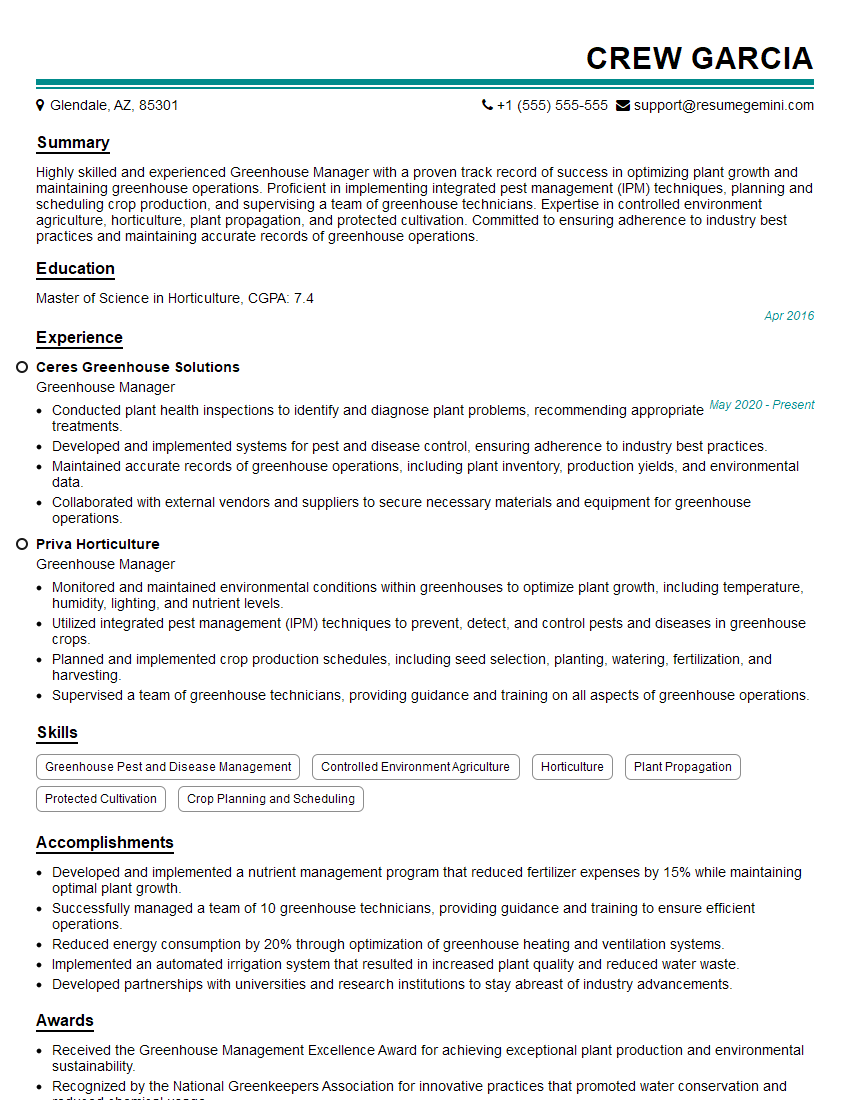
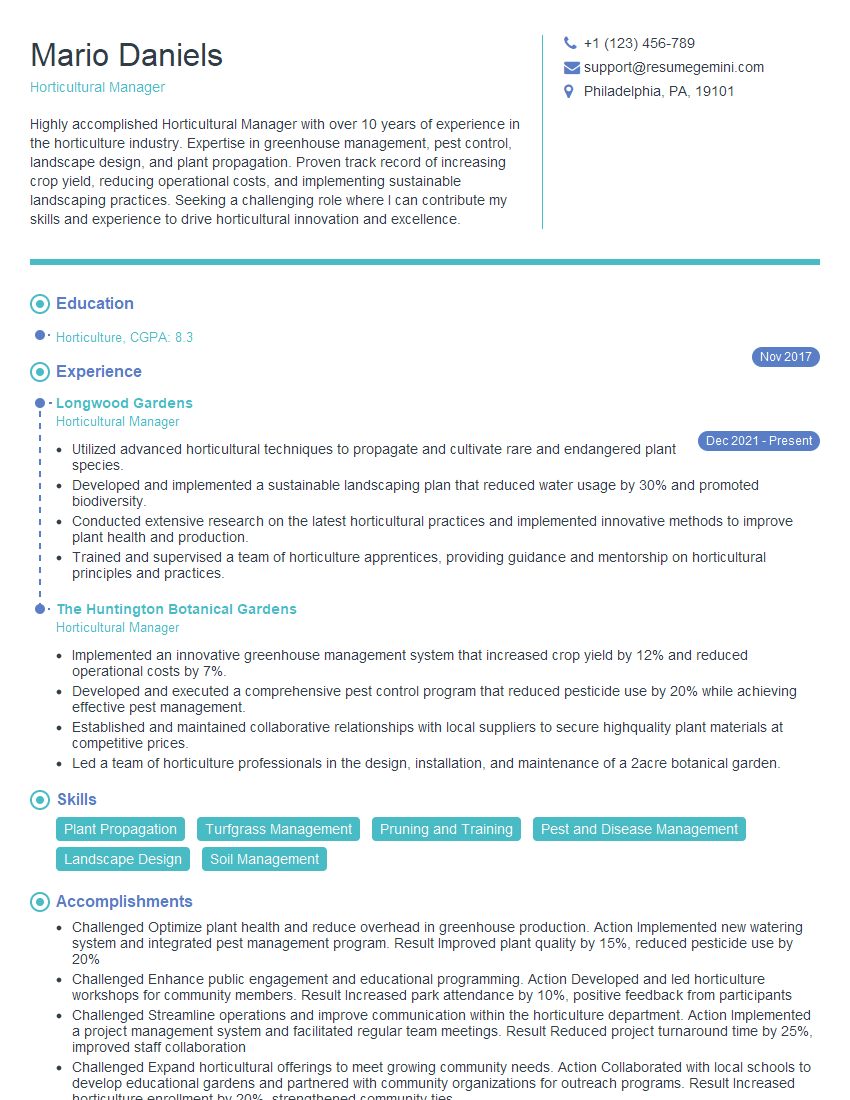
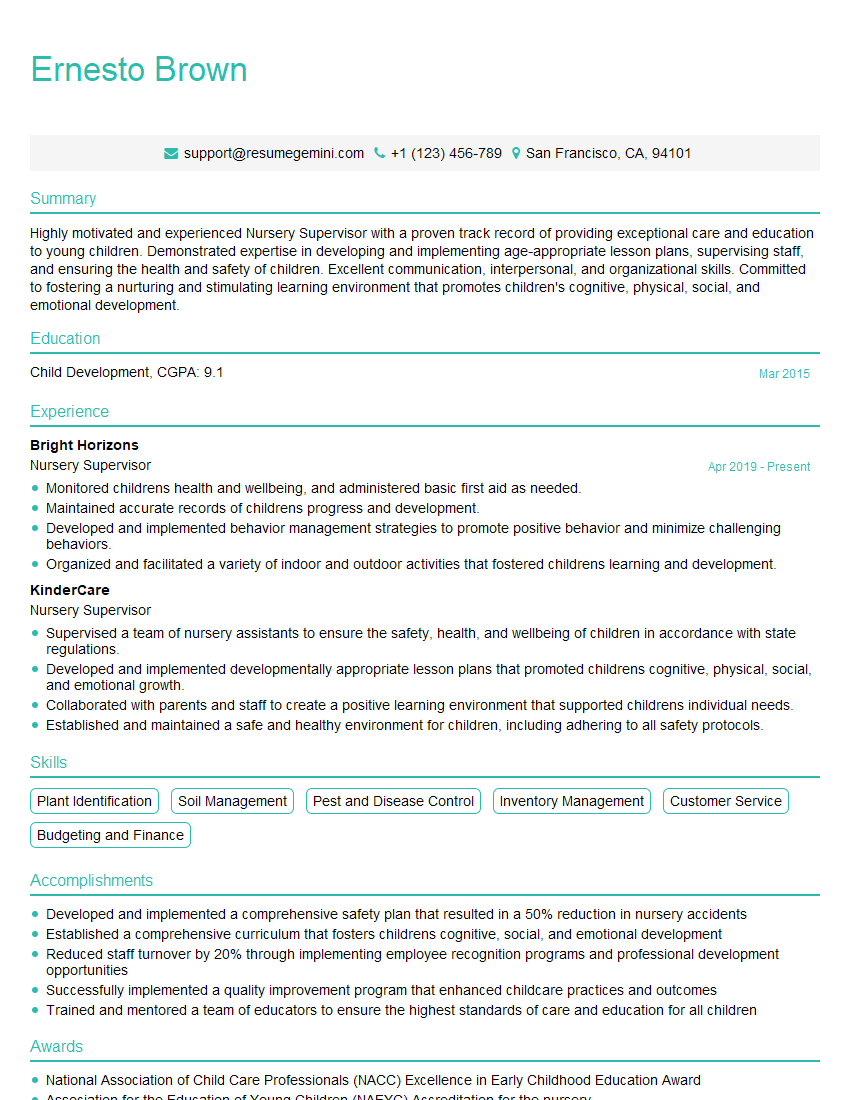
Mastering Palm Nursery Management opens doors to exciting career opportunities, offering a fulfilling path in horticulture and a chance to contribute to the beautiful landscape industry. To significantly boost your job prospects, it’s vital to create a resume that Applicant Tracking Systems (ATS) can easily read and understand. ResumeGemini is a trusted resource for building professional, ATS-friendly resumes, ensuring your qualifications are effectively showcased to potential employers. Examples of resumes tailored to Palm Nursery Management are available, helping you present your skills and experience in the best possible light.
Explore more articles
Users Rating of Our Blogs
Share Your Experience
We value your feedback! Please rate our content and share your thoughts (optional).
What Readers Say About Our Blog
Very informative content, great job.
good