Every successful interview starts with knowing what to expect. In this blog, we’ll take you through the top Ability to Read and Understand Technical Drawings interview questions, breaking them down with expert tips to help you deliver impactful answers. Step into your next interview fully prepared and ready to succeed.
Questions Asked in Ability to Read and Understand Technical Drawings Interview
Q 1. Explain the difference between orthographic and isometric projections.
Orthographic and isometric projections are two different ways of representing a 3D object in a 2D drawing. Think of it like taking photos of a building from different angles. Orthographic projection uses multiple views (typically front, top, and side) to show the object’s dimensions accurately and separately. Each view shows only two dimensions at a time. Isometric projection, on the other hand, shows all three dimensions in a single view. It’s a pictorial representation, offering a 3D perspective, though with some distortion.
Orthographic Projection: Imagine you’re drawing a cube. You’d have a top view showing the top square, a front view showing the front square, and a side view showing a side square. Each view is a 2D representation, but together they fully define the 3D shape. This is precise but can be less intuitive to visualize the overall form.
Isometric Projection: This is like taking a slightly angled photo of the cube. All three dimensions are visible, but lines are not to true scale; they are slightly shortened. It is easier to quickly grasp the overall 3D shape, but precise measurements are difficult to take directly from the image.
In short: Orthographic projections are precise and accurate for measurements, while isometric projections are more visually intuitive but less precise for measurements.
Q 2. How do you interpret dimensioning and tolerances on a technical drawing?
Dimensioning and tolerances on a technical drawing are crucial for manufacturing. Dimensions specify the exact size of features (length, width, height, diameter, etc.). Tolerances define the allowable variation from the specified dimension. Think of it like baking a cake: the recipe gives you the dimensions (amount of flour, sugar, etc.), but a slight variation in measurement is acceptable and still results in a good cake. Tolerances are the range of acceptable variation.
Dimensions are usually indicated with numerical values and leader lines pointing to the relevant features. Tolerances are often expressed using plus/minus values (e.g., 10 ± 0.1 mm) or using symbols such as unilateral tolerances (e.g., 10+0.1-0.0 mm) or bilateral tolerances (e.g., 10+0.1-0.1 mm). These show the permissible upper and lower limits of a dimension.
Incorrect interpretation of dimensions and tolerances can lead to manufacturing errors, resulting in parts that don’t fit or function correctly. A careful and thorough understanding of these elements is therefore paramount.
Q 3. What are the common types of lines used in technical drawings and their significance?
Technical drawings utilize various line types, each with a specific meaning. These lines are essential for clearly communicating the design intent. They are not merely stylistic choices; they carry critical information.
- Object Lines: Thick, solid lines defining the visible edges and outlines of the object. These are the most prominent lines in a drawing.
- Hidden Lines: Thin, dashed lines representing edges or features that are not visible in the current view. These help to fully define the 3D form.
- Center Lines: Thin, alternating long and short dashes indicating axes of symmetry, center points of circles, or cylindrical features. They are essential for showing symmetrical objects.
- Dimension Lines: Thin lines with arrowheads at each end, used to indicate the size and location of features. They usually have dimension values placed above or on the line.
- Leader Lines: Thin lines connecting a dimension, note, or symbol to a specific feature of the drawing.
- Section Lines: Thin lines used to represent a cut-through view of an object. They are often parallel and closely spaced.
- Cutting Plane Lines: Thick lines indicating the plane used to create a sectional view.
Understanding these line types is essential for correctly interpreting a technical drawing. For instance, mistaking a hidden line for an object line could lead to misinterpreting the object’s shape.
Q 4. Describe your experience using CAD software (specify software like AutoCAD, SolidWorks, Revit etc.)
I have extensive experience using AutoCAD, SolidWorks, and Revit. My proficiency spans from 2D drafting to advanced 3D modeling and detailing. In my previous role at [Previous Company Name], I utilized AutoCAD to create detailed shop drawings for [Project Type]. This involved creating accurate geometric representations, annotating drawings with dimensions and tolerances, and generating detailed schedules. In another project, I used SolidWorks to design and simulate a [Project Type]. This required me to leverage its parametric modeling capabilities and finite element analysis (FEA) features to ensure structural integrity. Finally, my work with Revit at [Another Company Name] focused on the creation of Building Information Modeling (BIM) for [Project Type]. This included the coordination of architectural, structural, and MEP elements, using the software’s collaborative tools.
I’m comfortable with all aspects of CAD software, from initial concept sketching to final production-ready drawings, including generating reports and documentation.
Q 5. How do you identify different materials indicated on a technical drawing?
Materials are typically indicated on technical drawings using a combination of methods. A dedicated materials list or legend is often included, which provides a key associating material names or numbers with specific symbols or abbreviations used in the drawing itself. Sometimes, materials are directly specified next to a particular feature.
Common methods include:
- Material Symbols: Standardized symbols representing common materials (e.g., a specific symbol might represent steel, aluminum, or plastic).
- Material Specifications: The material name or a unique identifier (e.g., ASTM A36 steel) is explicitly indicated.
- Material Number References: A reference number is used that links to a detailed material specification table elsewhere in the drawing set.
Understanding these conventions is essential to ensure that the manufactured component utilizes the correct materials. Misinterpreting the material designation can lead to functional failures or other issues.
Q 6. Explain the importance of section views and how they aid in understanding a design.
Section views are critical in technical drawings as they reveal the internal structure of an object that would otherwise be hidden in external views. Imagine wanting to understand the inner workings of a mechanical assembly; you wouldn’t be able to fully grasp the internal components from an external view alone.
Section views are created by conceptually cutting through the object along a specific plane. This plane is indicated by a cutting-plane line on the main view. The resulting view shows the internal features intersected by the cutting plane. Different types of section views exist, such as full section views (entire object cut), half section views (only half of the object is cut to show both internal and external features), and detailed section views (focuses on a specific area).
Section views greatly enhance the understanding of a design, revealing critical information regarding internal shapes, features, and material composition, ensuring the design’s accurate and effective construction and functionality.
Q 7. How do you interpret symbols and abbreviations commonly used in technical drawings?
Technical drawings use numerous symbols and abbreviations to convey information concisely. These are often industry-specific or standardized within a company. A legend or key within the drawing or documentation usually explains these.
Interpreting these symbols requires familiarity with relevant standards and conventions. For instance, a circle with a cross might indicate a hole, while a specific symbol might indicate a weld type. Abbreviations like ‘Ø’ for diameter or ‘R’ for radius are frequently encountered.
I always consult available documentation, standards, or previous projects to clarify any ambiguous symbols or abbreviations. It is crucial to ensure that all symbols and abbreviations are correctly understood; a misinterpretation might lead to significant design or manufacturing errors.
Q 8. What are your strategies for identifying potential errors or inconsistencies in a technical drawing?
Identifying errors in technical drawings requires a systematic approach. Think of it like proofreading a critical document – you need a keen eye and methodical process. My strategy involves several steps:
- Visual Inspection: I begin with a thorough visual scan, looking for inconsistencies like missing dimensions, conflicting annotations, or discrepancies between views. For example, a mismatched hole size in the top and side views is a clear error.
- Dimensional Verification: I carefully check dimensions and tolerances, ensuring they are consistent and feasible. This often involves comparing related dimensions to see if they add up correctly or if there are any geometric inconsistencies. A common error is forgetting to account for material thickness.
- Geometric Analysis: I examine the geometric relationships between elements. Are angles correct? Do curves smoothly transition? Are there any impossible intersections or overlaps? Think of it as a mental puzzle – everything must fit together logically.
- Reference Checking: I cross-reference the drawing with other related documents, such as specifications or part lists, to verify consistency and completeness. Missing information or conflicting details between drawings can often be caught this way.
- Standard Compliance: I ensure that the drawing adheres to relevant drafting standards (like ASME Y14.5 or ISO). This can reveal violations of best practices and inconsistencies that may be overlooked otherwise.
By combining these techniques, I can efficiently identify and flag potential errors, preventing costly mistakes in manufacturing or construction.
Q 9. Describe your experience working with different drawing scales.
Experience with different drawing scales is crucial. Imagine trying to build a house from blueprints that are 1:1000 instead of 1:50 – it would be nearly impossible! I’ve worked extensively with scales ranging from very large (e.g., 1:1 for detailed component drawings) to very small (e.g., 1:1000 for site plans). My approach depends on the scale:
- Large Scales (1:1 or larger): Used for detailed components, these scales allow for precise measurements and annotations. I focus on capturing minute details and ensuring all dimensions are accurately represented.
- Medium Scales (1:10 to 1:100): Common for assemblies and sub-assemblies, these allow for an overview of the design while retaining enough detail to work effectively. Accuracy is still critical here, but the focus shifts towards the relationships between components.
- Small Scales (1:1000 and smaller): Used for site plans and layouts, these scales offer a broad view. Measurements become less precise, and attention shifts towards understanding the overall arrangement and spatial relationships.
Regardless of scale, I always carefully note the scale on the drawing and use appropriate measuring tools to avoid errors. I’m comfortable using both physical and digital measuring tools to ensure precise interpretation, accounting for any scale conversion when necessary.
Q 10. How do you handle ambiguous or incomplete information on a technical drawing?
Handling ambiguous or incomplete information requires a combination of careful deduction, research, and communication. Think of it like solving a mystery – you need to gather clues and use your expertise to fill in the gaps. My approach is as follows:
- Identify the Missing Information: The first step is to clearly define what information is missing or unclear. This might involve things like missing dimensions, undefined materials, or unclear tolerances.
- Seek Clarification: If possible, I’ll contact the drawing’s originator or a relevant expert to clarify ambiguous aspects. Clear communication is crucial at this stage.
- Deductive Reasoning: Based on the available information, I use my experience and knowledge of engineering principles to make reasoned inferences. For example, I may assume standard tolerances or materials if they aren’t explicitly stated, making sure to document these assumptions.
- Cross-Referencing: I carefully review related drawings or documents to see if the missing information can be found there.
- Document Assumptions: All assumptions made during the interpretation must be clearly documented to maintain transparency and avoid future confusion. This adds a layer of accountability and helps track progress.
It’s crucial to acknowledge uncertainties when reporting findings based on incomplete data to prevent misunderstandings and ensure responsible decision-making.
Q 11. How do you use a technical drawing to create a bill of materials?
Creating a bill of materials (BOM) from a technical drawing involves systematically identifying all components and their quantities. It’s similar to creating a shopping list from a recipe; you must carefully account for each item needed. My process involves:
- Part Identification: I systematically review each part within the drawing, noting its unique identification number or description.
- Quantity Determination: I determine how many instances of each part are needed, noting any variations in the drawing.
- Material Specification: I identify the material each component is made from, as specified in the drawing or accompanying documents.
- Size and Other Attributes: I record relevant attributes, such as dimensions and tolerances, which may be critical for ordering or manufacturing purposes.
- Data Compilation: I compile all this information into a structured BOM, typically using a spreadsheet or specialized software, ensuring clarity and easy readability.
The BOM is then a vital tool for procurement and manufacturing, providing a clear and unambiguous list of everything needed for the project.
Q 12. Describe your experience interpreting assembly drawings.
Interpreting assembly drawings requires a deeper understanding of spatial relationships and the manufacturing process. Imagine building a piece of furniture from flat-pack instructions – you must visualize the final assembly from individual components. My experience includes:
- Component Identification: I start by identifying all individual components within the assembly drawing.
- Spatial Relationships: I analyze how these components fit together, paying close attention to mating surfaces, fasteners, and any specified clearances.
- Assembly Sequence: I determine a logical assembly sequence, visualizing the steps required to put the parts together and paying attention to assembly constraints.
- Exploded Views: I leverage exploded views (where components are separated to show their relationships) to understand the spatial relationships clearly.
- Sections and Detail Views: I use sections and detail views to get a better understanding of hidden features or areas of complex assembly.
With practice, visualizing the three-dimensional assembly from the two-dimensional drawings becomes easier. I ensure a thorough understanding before working on the assembly, avoiding potential errors and rework.
Q 13. How do you ensure the accuracy of your interpretations of technical drawings?
Ensuring accuracy in interpreting technical drawings is paramount. I employ several methods to maintain accuracy:
- Double-Checking Dimensions: I always double-check all dimensions, particularly critical ones, using multiple methods when possible, to reduce potential errors.
- Independent Verification: When possible, I have another person review my interpretations to catch any potential mistakes.
- Reference Checking: I always refer back to the original drawings and any associated documentation to ensure consistent interpretation and avoid errors introduced by assumption.
- Use of Appropriate Tools: I use appropriate measurement tools for the drawing scales. For large drawings I use digital measurement tools in conjunction with physical rulers, and for smaller drawings I utilize software with digital measurement tools.
- Documentation: I meticulously document all interpretations, assumptions, and calculations in a clear and organized manner. This serves as an audit trail and is extremely valuable in preventing errors.
Accuracy is not just a good practice; it’s a critical component for the safety and success of any project relying on technical drawings.
Q 14. What are some common challenges you face when reading technical drawings?
Reading technical drawings presents several common challenges:
- Poor Drawing Quality: Faint lines, smudges, or poor resolution can make it difficult to read dimensions and annotations accurately. This is particularly problematic with older drawings or those created with low-quality methods.
- Inconsistent Notation: Variations in notation and symbols across different drawings or organizations can lead to confusion and misinterpretations. Standardization practices need to be rigorously adhered to.
- Incomplete or Ambiguous Information: Missing or ambiguous details often require significant time spent inferring information, increasing the risk of error. This situation is common in legacy documents or when drawings are incomplete.
- Complex Assemblies: Interpreting complex assemblies requiring visualization skills can be time consuming and challenging to visualize properly from the 2D representation.
- Unclear Tolerances and Specifications: Ambiguity in tolerances and material specifications can significantly impact the quality of interpretation and potentially lead to errors in fabrication or assembly.
Overcoming these challenges requires a combination of experience, attention to detail, and effective communication with other engineers and designers.
Q 15. How do you communicate your understanding of a technical drawing to others?
Communicating my understanding of a technical drawing involves a multifaceted approach, ensuring clarity and accuracy for the audience. I begin by clearly identifying the drawing’s purpose and the key components it depicts. This often includes a brief overview of the overall design and its functionality. Then, I use a combination of verbal explanation, visual aids, and potentially even a simplified sketch or annotated version of the drawing to highlight critical aspects. For example, if I’m explaining a complex assembly, I might start by describing the main sub-assemblies, then break down each sub-assembly into its individual components, pointing out specific dimensions, tolerances, and materials. If the audience requires a detailed understanding, I’ll meticulously explain the engineering notations and symbols utilized. I tailor my communication style to the audience’s technical expertise; using simpler language and more visual aids for less technical audiences and engaging in more detailed discussions with fellow engineers.
Consider a scenario where I’m explaining a mechanical assembly drawing to a machinist. I wouldn’t dwell on theoretical engineering concepts, but instead, focus on the practical aspects: the machining processes required, the tolerances to be met, and the sequence of assembly. In contrast, when communicating with a design engineer, I might engage in a more detailed conversation on the design intent and potential optimization strategies.
Career Expert Tips:
- Ace those interviews! Prepare effectively by reviewing the Top 50 Most Common Interview Questions on ResumeGemini.
- Navigate your job search with confidence! Explore a wide range of Career Tips on ResumeGemini. Learn about common challenges and recommendations to overcome them.
- Craft the perfect resume! Master the Art of Resume Writing with ResumeGemini’s guide. Showcase your unique qualifications and achievements effectively.
- Don’t miss out on holiday savings! Build your dream resume with ResumeGemini’s ATS optimized templates.
Q 16. Describe your process for reviewing and verifying technical drawings.
My process for reviewing and verifying technical drawings is rigorous and methodical, aiming to identify potential errors and ensure compliance with industry standards. I begin by carefully examining the drawing’s title block for information such as revision numbers, drawing scale, and the responsible engineer. This helps me establish context. Next, I meticulously check for completeness, ensuring that all views, sections, details, and specifications are present and accurately represent the design intent. I use a checklist to ensure I cover all aspects, including dimensions, tolerances (paying close attention to GD&T symbols), material specifications, surface finishes, and any special notes or instructions. A crucial step is verifying the consistency between different views and sections of the drawing. Discrepancies may indicate errors. I also perform dimensional checks, often employing CAD software to ensure that dimensions are mathematically sound and don’t conflict. Finally, I cross-reference the drawing with other relevant documents such as design specifications, bills of materials, and related drawings to ensure everything aligns.
For instance, if I encounter a dimension that seems unusually large or small compared to other elements, I would investigate further, possibly consulting the original design specifications or the designing engineer. I always document my findings, noting any discrepancies or issues, along with my proposed resolutions or recommendations. This detailed record ensures accountability and provides valuable information for future revisions.
Q 17. What software or tools do you utilize to assist in reading and interpreting technical drawings?
My proficiency in reading and interpreting technical drawings is significantly enhanced by utilizing various software and tools. I extensively use Computer-Aided Design (CAD) software such as AutoCAD, SolidWorks, and Inventor. These tools allow me to open and manipulate drawings, perform measurements, create sections, and even generate 3D models from 2D drawings. This helps me visualize the design in three dimensions, aiding in comprehension. I also use specialized plugins and extensions, such as those for GD&T analysis, which help in verifying the tolerance specifications. Beyond CAD software, I use digital measurement tools such as calipers and micrometers, to verify physical components against the drawing. Finally, I find document management systems extremely beneficial for organizing, storing, and accessing various drawings and related documentation. These systems often include version control features, making collaboration easier and ensuring access to the most up-to-date revisions.
Q 18. How do you stay updated on the latest standards and practices related to technical drawings?
Staying updated on the latest standards and practices related to technical drawings is critical for my role. I achieve this through several methods. I actively participate in professional organizations such as ASME (American Society of Mechanical Engineers) and ISO (International Organization for Standardization), attending conferences, workshops, and webinars. These events provide valuable insights into emerging technologies and evolving standards. I also subscribe to industry publications and journals that cover topics relating to drafting and design standards. Online resources such as the websites of relevant standardization bodies provide up-to-date information on the latest revisions of standards. Furthermore, I maintain a network of colleagues and mentors in the field, enabling me to discuss best practices and exchange knowledge. By combining these methods, I ensure my knowledge remains current and aligned with industry best practices.
Q 19. Explain your understanding of Geometric Dimensioning and Tolerancing (GD&T).
Geometric Dimensioning and Tolerancing (GD&T) is a standardized system for specifying the size, form, orientation, location, and runout of features on a part. Unlike traditional dimensioning, which only specifies nominal sizes, GD&T uses symbols and tolerances to define acceptable variations from the ideal geometry. It utilizes a symbolic language that’s precise and unambiguous, making it invaluable for complex parts where tight tolerances are crucial. Understanding GD&T is crucial for ensuring parts fit together correctly and function as intended, even accounting for manufacturing variations. For example, a feature control frame might specify a positional tolerance for a hole, indicating the allowable deviation of its center from its nominal location. This eliminates ambiguities and ensures the hole will be located precisely within the acceptable range, even if the hole’s diameter varies slightly. I am proficient in interpreting various GD&T symbols and applying them during drawing reviews, ensuring the design is manufacturable and meets functional requirements.
For instance, a χ symbol indicates circularity, meaning the roundness of a feature must fall within a specified tolerance. Understanding this symbol allows me to assess if the manufacturing process is capable of producing parts meeting the required level of roundness. Similarly, a − symbol indicates a perpendicularity tolerance, meaning a feature’s orientation relative to another must fall within a specified tolerance zone.
Q 20. How do you interpret different types of surface finishes indicated on a technical drawing?
Technical drawings frequently indicate surface finishes using symbols, numbers, and sometimes text. These indications specify the roughness, waviness, and lay of a surface. Understanding these indications is crucial for manufacturing, as they directly impact the functionality and performance of a part. Common surface finish notations include those based on roughness average (Ra), which is a measure of the average deviation of the surface profile from a center line. The surface finish is often represented by a symbol, often a triangle, followed by a numerical value representing the Ra value in micrometers. Other notations might specify the lay of the surface, describing the direction of surface machining marks, or describe the type of finishing process used (e.g., grinding, polishing). Different surface finishes are appropriate for different applications. For example, a highly polished surface might be required for a bearing to minimize friction, while a rougher surface could be sufficient for a structural part where aesthetics are less important.
For instance, a notation like Ra 0.8µm indicates a relatively smooth surface, while Ra 6.3µm would indicate a significantly rougher surface. I am adept at interpreting these various surface finish indications to ensure that the manufacturing process accurately reflects the design intent and ensures functional performance.
Q 21. Describe your experience with working drawings vs. shop drawings.
Working drawings and shop drawings are both crucial parts of the engineering and construction process, but they serve different purposes. Working drawings are the primary design documents created by the architect or engineer. They provide a comprehensive depiction of the project, outlining all the project’s key aspects, including dimensions, materials, specifications, and assembly instructions. These are the blueprint from which other drawings are derived and are utilized for approvals and initial construction planning. Shop drawings, on the other hand, are created by the fabricator or contractor. They are detailed drawings that provide specific instructions for the manufacturing and assembly of individual components. They typically incorporate more details related to the actual fabrication process, such as cut lists, assembly sequences, and specific tolerances required for each component. Shop drawings are essential to verify that the fabricated components will fit within the project design, and also serve as a verification of the overall design.
For example, a working drawing might show the overall dimensions of a building, whereas a shop drawing would show detailed dimensions and specifications for the fabrication of a particular steel beam used within the structure. My experience includes reviewing both types of drawings and ensuring consistency between them. This ensures that the final product aligns with the original design intent and meets all the specified requirements.
Q 22. How would you interpret a drawing showing welding symbols?
Welding symbols are a shorthand language used on technical drawings to convey crucial information about welds. They provide a concise way to specify the type of weld, its size, location, and other essential details, eliminating the need for lengthy written descriptions. Think of them as a visual instruction manual for welders.
Interpreting them involves understanding the symbol’s components:
- Reference Line: The basic horizontal line from which other elements originate.
- Arrow Side: The side of the reference line indicating where the weld is located.
- Basic Weld Symbol: Indicates the type of weld (e.g., fillet weld, groove weld, etc.). Different shapes and notations specify these.
- Supplementary Symbols: These symbols, located above or below the reference line, indicate additional details such as weld size, length, spacing, and finishing requirements (e.g., a particular type of bevel, convexity, etc.).
- Dimensions: Numbers often accompany the symbols to give specific measurements for the weld.
Example: A symbol with a triangle pointing down on the arrow side and a number ‘6’ above the reference line would indicate a 6mm fillet weld on the arrow side of the joint.
Mastering welding symbol interpretation requires thorough familiarity with the relevant standards (like AWS D1.1) and consistent practice in reading and applying this standardized language.
Q 23. Explain your understanding of datum references in technical drawings.
Datum references are fundamental to ensuring consistent and accurate dimensions on technical drawings. They define a theoretical point, line, or plane from which all other measurements are referenced. Imagine it as the absolute starting point for all your measurements in a complex part. This eliminates ambiguity and ensures everyone involved (designers, manufacturers, inspectors) is working from the same base.
Datums are typically identified by capital letters (A, B, C, etc.) on the drawing. A datum feature symbol, often a circle with a letter inside, indicates the chosen geometric feature (surface, hole, etc.) that represents the datum.
Example: A drawing might define Datum A as a specific plane on a machined part. All other dimensions on the drawing then relate to that plane, ensuring consistent positioning of features.
Understanding datum references is critical for ensuring parts fit together correctly and for maintaining dimensional accuracy throughout the manufacturing process. This becomes especially important in large assemblies where slight variations can have cascading effects.
Q 24. How do you interpret callouts and notes on a technical drawing?
Callouts and notes are vital elements on technical drawings providing additional information beyond what can be shown graphically. Callouts, often with a leader line pointing to a specific feature, identify the feature and provide related data such as material specifications, surface finish requirements, or a reference to another drawing or specification. Notes, on the other hand, convey more general instructions or information.
Example: A callout might specify "Material: Aluminum 6061-T6" with a leader line pointing to a particular part of the component. A note might specify "All dimensions in millimeters unless otherwise stated." or "Apply protective coating after assembly."
Reading callouts and notes carefully is essential to understanding the complete design intent and requirements. Overlooking these elements can lead to misinterpretations and manufacturing errors.
Q 25. Describe your experience with reviewing and providing feedback on technical drawings.
I have extensive experience in reviewing and providing feedback on technical drawings across various projects. My approach involves a systematic check focusing on several key areas:
- Completeness and Clarity: Ensuring all necessary views, sections, and details are present and clearly communicated.
- Dimensioning and Tolerancing: Verifying that dimensions are complete, correctly placed, and tolerance values are specified appropriately.
- Material Specifications: Checking for accurate and complete material identification and properties.
- Manufacturing Feasibility: Assessing if the design is manufacturable with current technologies and processes. This may involve considering factors like material machinability, weldability, or assembly methods.
- Consistency and Standards Compliance: Ensuring the drawing adheres to relevant standards and conventions.
I provide feedback using a combination of written comments directly on the drawing (using annotation tools) and formal reports summarizing my findings and recommendations. My goal is always to improve the drawing’s clarity, accuracy, and manufacturability while improving communication and reducing the potential for errors downstream.
Q 26. How would you identify potential manufacturing issues from a technical drawing?
Identifying potential manufacturing issues from a technical drawing requires a critical eye and a thorough understanding of manufacturing processes. I look for several red flags:
- Missing or Inconsistent Dimensions/Tolerances: This can lead to parts not fitting together or exceeding acceptable variations.
- Unrealistic Tolerances: Demanding overly tight tolerances that are impossible or uneconomical to achieve during manufacturing.
- Difficult-to-Machine Features: Checking for features that are too small, thin, or complex to be produced reliably.
- Design for Manufacturability (DFM) Issues: Identifying features that can’t easily be manufactured due to limited access for tooling or processes.
- Assembly Challenges: Looking for potential problems during assembly, such as interference, lack of access, or difficulty in joining components.
By systematically reviewing these aspects, I can anticipate and prevent potential problems before they arise during the manufacturing phase, saving both time and resources.
Q 27. How familiar are you with different drawing file formats (e.g., DWG, DXF, PDF)?
I’m proficient with various drawing file formats, including DWG (AutoCAD’s native format), DXF (a widely compatible exchange format), and PDF (for distribution and archiving). My experience extends to using software capable of opening, editing, and converting between these formats. This includes utilizing software such as AutoCAD, SolidWorks, and other CAD/CAM platforms.
Understanding the strengths and limitations of each format is crucial. For instance, DWG files retain full editability and data integrity, while DXFs are often used for sharing between different CAD systems. PDFs are useful for distributing final versions for review or printing, though they lose the ability for direct editing.
Q 28. Describe your experience in using technical drawings in a practical project.
In a recent project involving the design and manufacturing of a specialized robotic arm, technical drawings were integral throughout the entire process. From initial conceptual design sketches to detailed assembly drawings, I used the drawings to:
- Communicate design intent: The drawings served as a precise communication tool between engineers, designers, and manufacturers.
- Guide the manufacturing process: Machinists and fabricators directly used the drawings to produce the arm’s components. This included specific dimensions, tolerances, surface finish specifications, and material callouts.
- Ensure quality control: During assembly and inspection, the drawings served as a reference for verifying that all components met specifications. This helped in identifying and resolving any discrepancies or issues during the process.
- Document the final product: The final assembly drawing served as the official documentation of the robotic arm’s design, ensuring that the design could be replicated or modified in the future.
This project highlighted how technical drawings are not just static documents; they are dynamic tools that facilitate communication, guide manufacturing, and ensure the quality of the final product.
Key Topics to Learn for Ability to Read and Understand Technical Drawings Interview
- Orthographic Projections: Understanding first-angle and third-angle projections, and interpreting multi-view drawings to visualize 3D objects from 2D representations. Practical application: Accurately interpreting blueprints for manufacturing or construction.
- Dimensioning and Tolerancing: Mastering the interpretation of dimensions, tolerances, and geometric dimensioning and tolerancing (GD&T) symbols. Practical application: Ensuring components meet specifications and fit together correctly.
- Scale and Ratio: Working comfortably with different scales and accurately calculating measurements from scaled drawings. Practical application: Estimating material quantities and planning project layouts.
- Section Views and Details: Understanding how section views reveal internal features and how detail drawings provide magnified views of specific components. Practical application: Troubleshooting assembly issues and understanding component interactions.
- Material Specifications: Identifying materials represented in technical drawings through symbols, notes, or material callouts. Practical application: Selecting appropriate materials for construction or manufacturing processes.
- Common Symbols and Conventions: Familiarity with industry-standard symbols, abbreviations, and conventions used in technical drawings. Practical application: Efficiently interpreting drawings across different projects and industries.
- Isometric and Perspective Drawings: Interpreting three-dimensional representations to understand spatial relationships and overall component design. Practical application: Visualizing the assembled product and identifying potential assembly challenges.
- Problem-Solving with Drawings: Developing the ability to identify inconsistencies, missing information, or potential design flaws within a drawing. Practical application: Proactively identifying potential issues before production or implementation.
Next Steps
Mastering the ability to read and understand technical drawings is crucial for career advancement in many technical fields. It demonstrates a strong foundation in spatial reasoning, attention to detail, and problem-solving skills—highly valued attributes in engineering, manufacturing, architecture, and construction. To increase your job prospects, focus on building an ATS-friendly resume that highlights these skills effectively. ResumeGemini is a trusted resource that can help you create a professional and impactful resume. We provide examples of resumes tailored to highlight expertise in reading and understanding technical drawings, enabling you to showcase your abilities effectively to potential employers.

Facilities Manager Resume Sample
Construction Manager Resume Sample

Project Engineer Resume Sample
Estimator Resume Sample
Design Engineer Resume Sample
Maintenance Technician Resume Sample
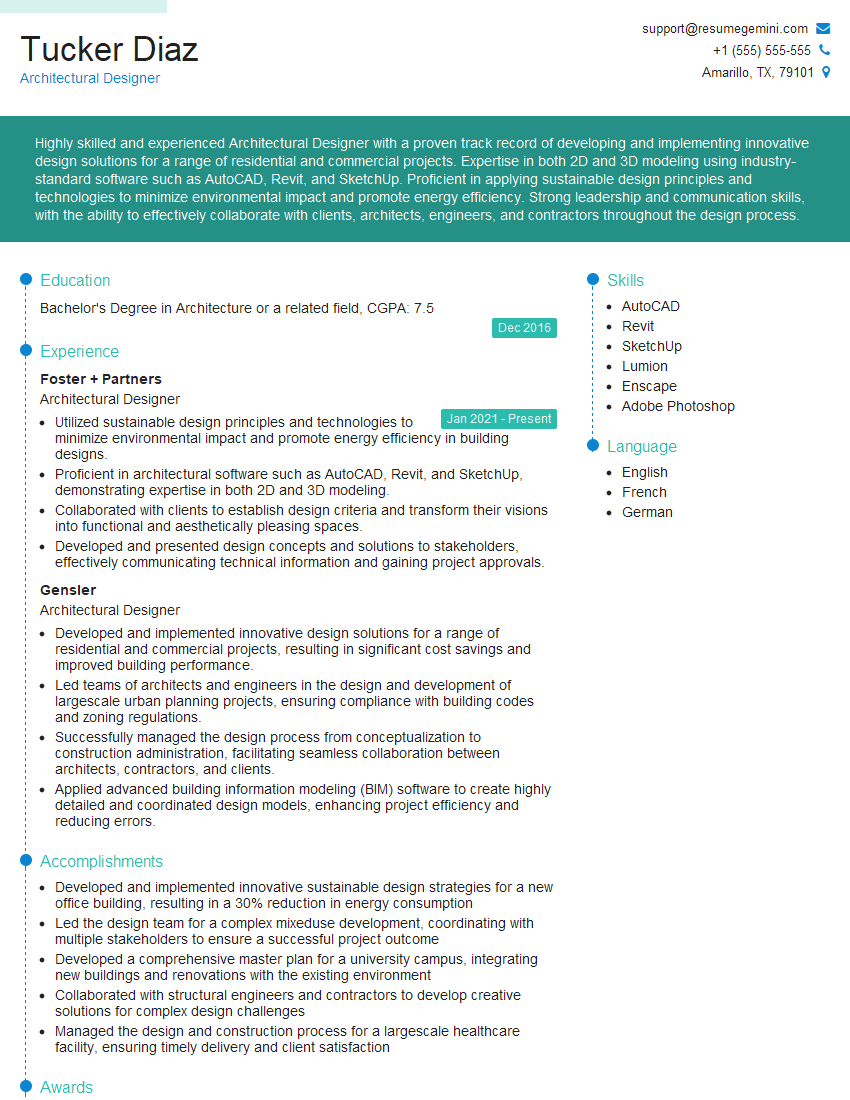
Architectural Designer Resume Sample
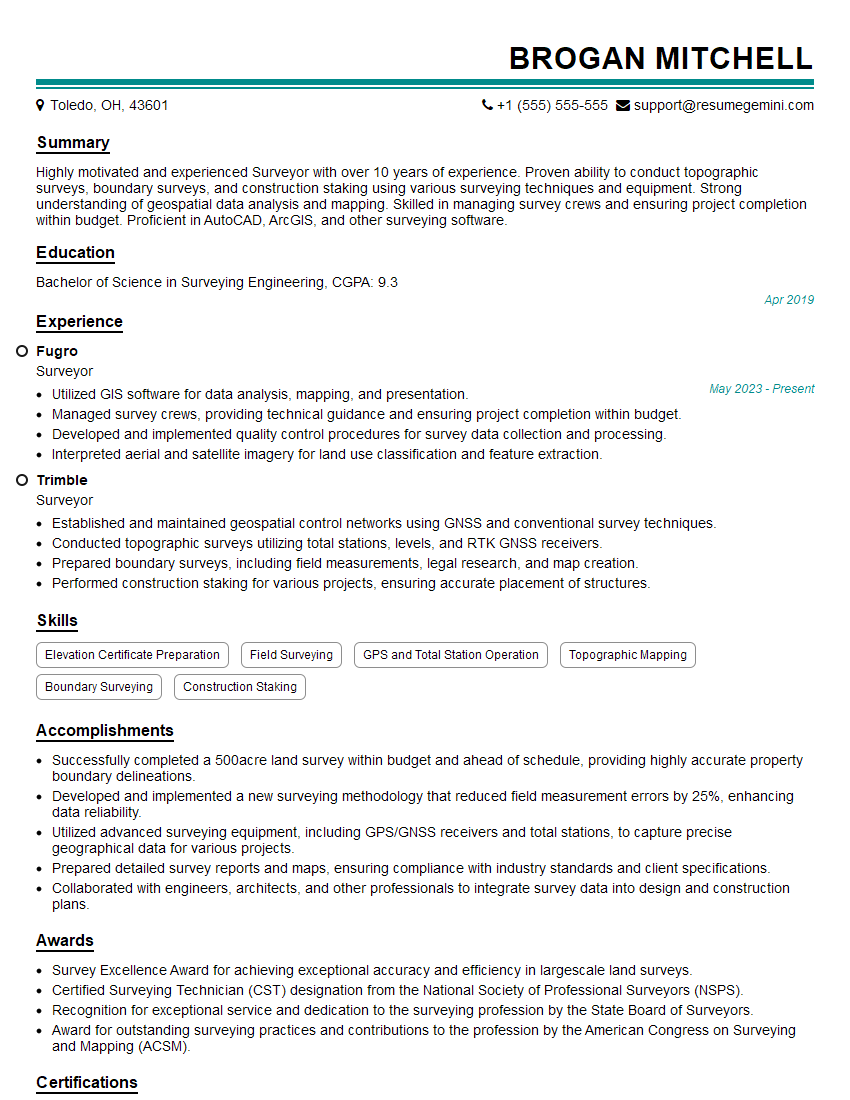
Surveyor Resume Sample

Engineering Technician Resume Sample

Civil Engineer Resume Sample

Electrical Engineer Resume Sample
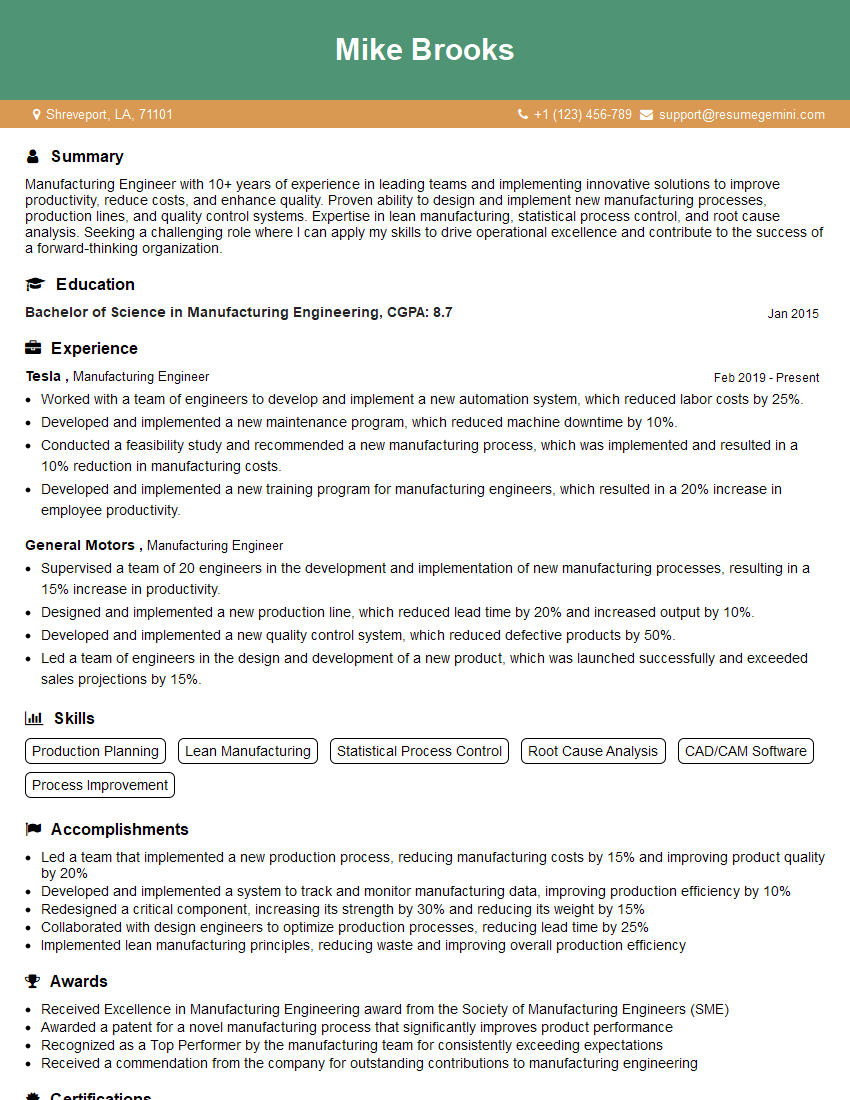
Manufacturing Engineer Resume Sample
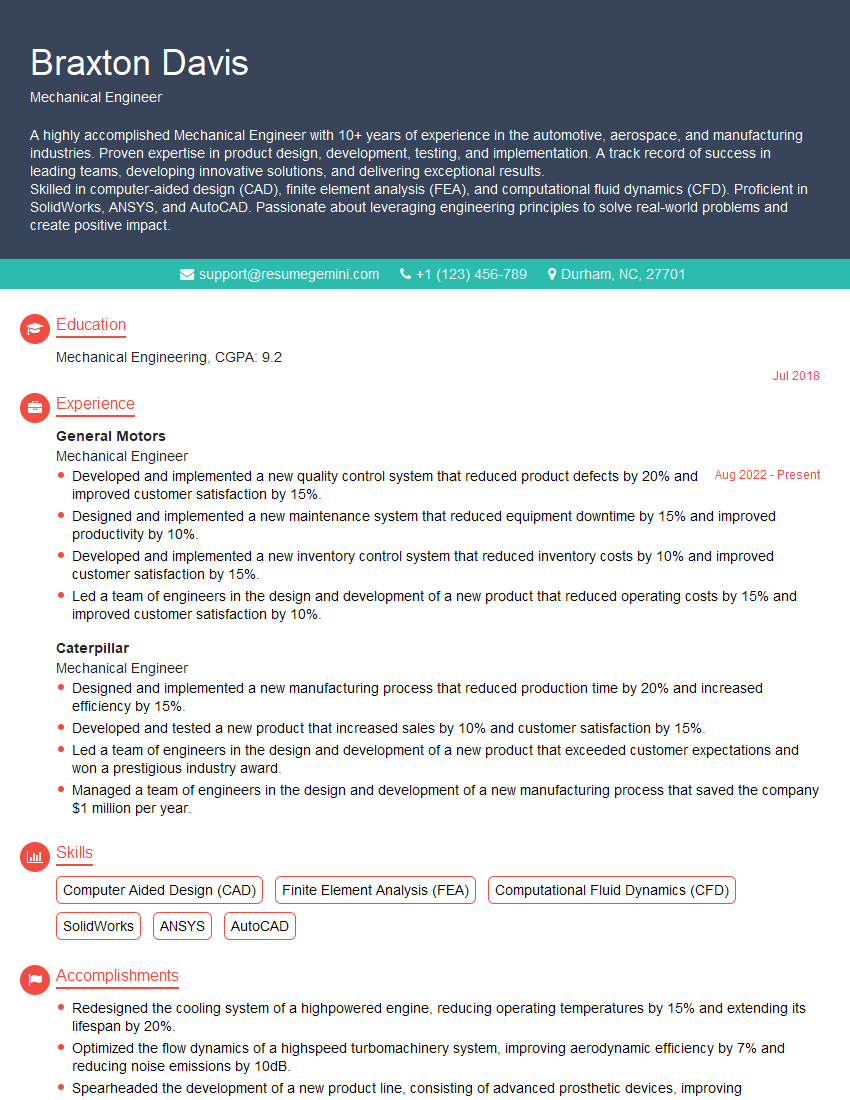
Mechanical Engineer Resume Sample
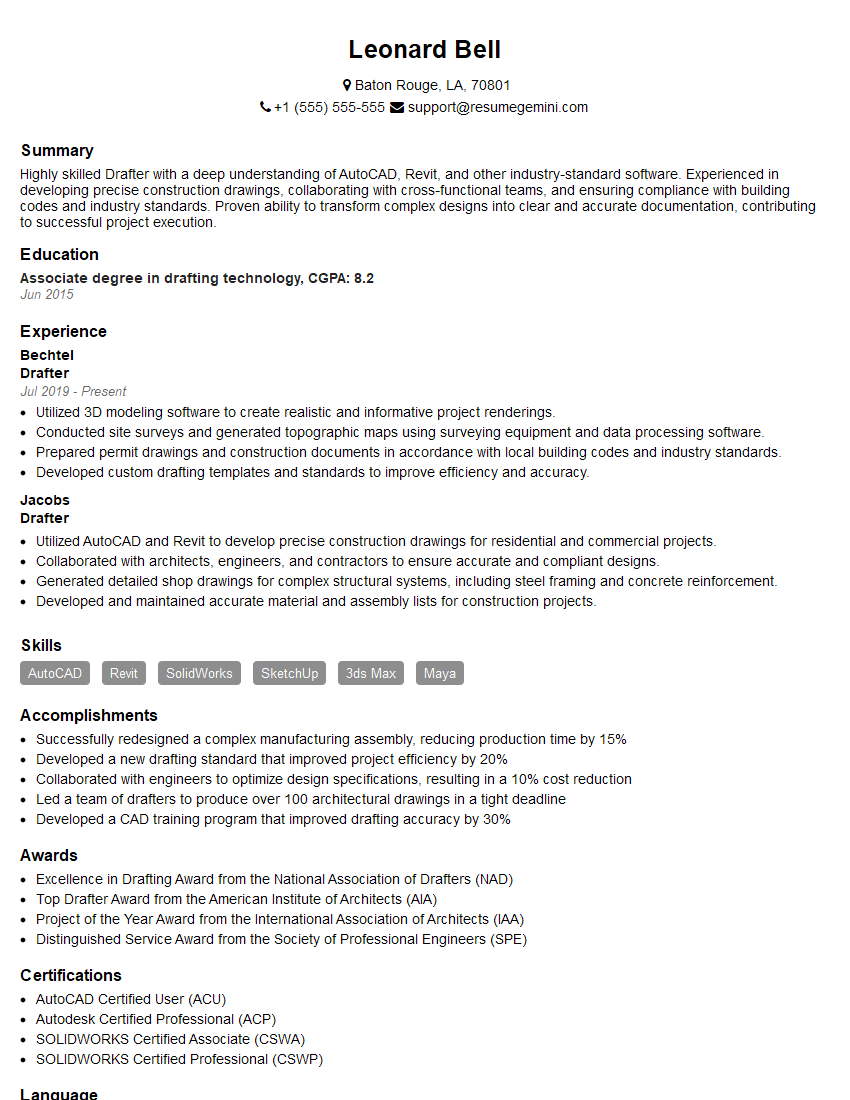
Drafter Resume Sample

Technical Illustrator Resume Sample
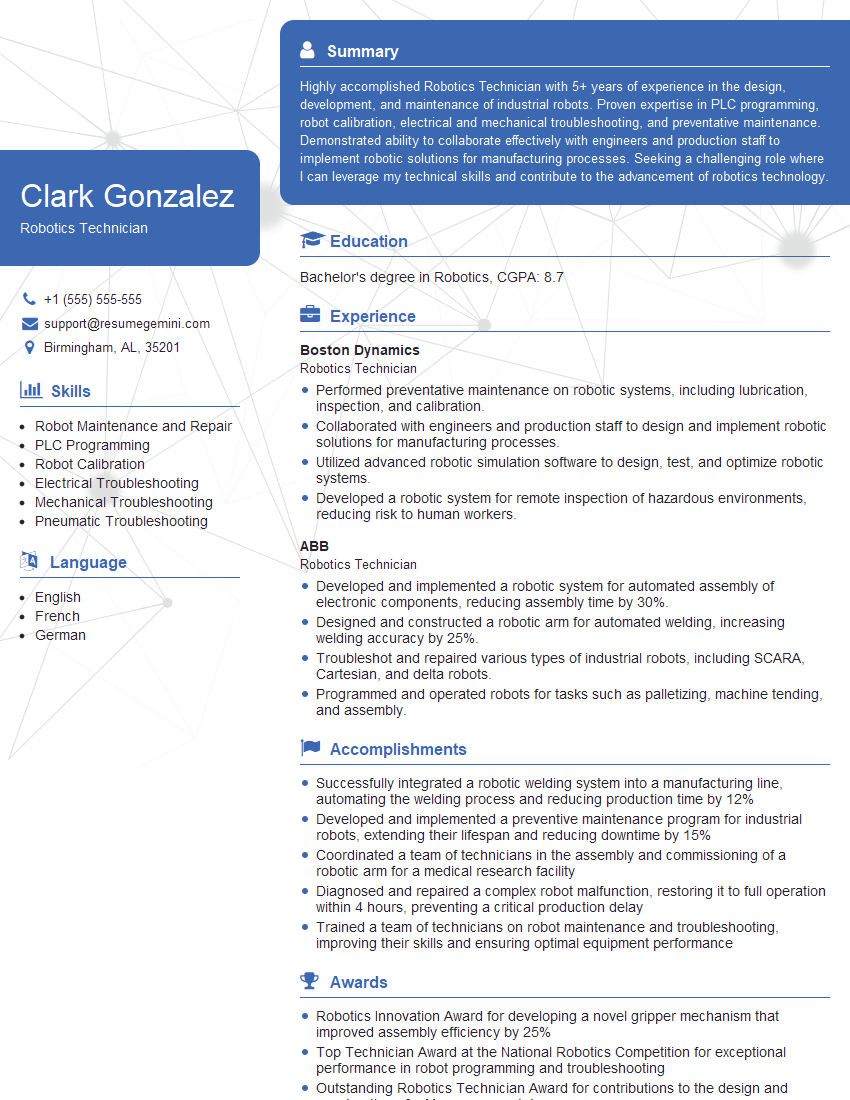
Robotics Technician Resume Sample

Quality Control Inspector Resume Sample
- Facilities Manager
- Construction Manager
- Project Engineer
- Estimator
- Design Engineer
- Maintenance Technician
- Architectural Designer
- Surveyor
- Engineering Technician
- Civil Engineer
- Electrical Engineer
- Manufacturing Engineer
- Mechanical Engineer
- Drafter
- Technical Illustrator
- Robotics Technician
- Quality Control Inspector
Explore more articles
Users Rating of Our Blogs
Share Your Experience
We value your feedback! Please rate our content and share your thoughts (optional).
What Readers Say About Our Blog
Very informative content, great job.
good