Are you ready to stand out in your next interview? Understanding and preparing for Ability to Tolerate Dust and Noise interview questions is a game-changer. In this blog, we’ve compiled key questions and expert advice to help you showcase your skills with confidence and precision. Let’s get started on your journey to acing the interview.
Questions Asked in Ability to Tolerate Dust and Noise Interview
Q 1. Describe your experience working in dusty conditions.
My experience with dusty conditions spans several years working in construction and demolition projects. I’ve worked on sites ranging from small-scale renovations involving drywall and concrete dust to large-scale projects with significant earthmoving and material handling, generating substantial particulate matter. I understand the challenges of maintaining visibility, equipment operation under these conditions, and the vital importance of respiratory protection.
For example, during a recent demolition project, I was responsible for overseeing the safe removal of asbestos-containing materials. This required meticulous planning, including the implementation of strict dust control measures and the use of specialized respirators to minimize exposure risks. The experience honed my understanding of dust mitigation techniques, and the significance of following established safety protocols.
Q 2. How have you adapted to noisy work environments in the past?
Adapting to noisy work environments requires a multi-pronged approach focusing on hearing protection, communication strategies, and mindful work practices. In past roles, I’ve worked on projects with jackhammers, heavy machinery, and power tools, all generating significant noise. I’ve consistently utilized hearing protection, including earplugs and earmuffs, selecting appropriate levels of protection based on the noise levels. Furthermore, I’ve learned to communicate effectively using hand signals or pre-arranged communication methods in loud situations.
For instance, during a highway reconstruction project, effective communication was paramount. We utilized visual cues and pre-determined signals to coordinate activities between heavy equipment operators and workers near them. This ensured safety and efficiency despite the constant roar of machinery.
Q 3. What safety measures do you take to protect yourself from dust inhalation?
Protecting myself from dust inhalation involves a layered approach. The cornerstone is always the appropriate respiratory protection. This selection depends heavily on the type and concentration of dust. For example, disposable N95 respirators are suitable for general dust, while specialized respirators with HEPA filters are necessary for fine particulate matter or hazardous substances. Beyond respirators, I employ other measures. This includes ensuring adequate ventilation at the work site, using dust suppression techniques like water sprays during demolition, and properly cleaning work areas to minimize dust accumulation.
I regularly check the condition and fit of my respirator to ensure optimal protection. Proper training in respirator use and maintenance is critical to its effectiveness. Regular maintenance of equipment, minimizing the amount of dust generated by proper work practices, and frequent cleaning and washing also contributes to a significant decrease in exposure.
Q 4. Have you ever experienced respiratory irritation from dust exposure? If so, how did you manage it?
Yes, I have experienced mild respiratory irritation from dust exposure in the past, particularly during prolonged work in environments with high concentrations of fine dust. My response involved immediately removing myself from the dusty environment, seeking fresh air, and allowing my respiratory system to recover. In more severe cases, a trip to an occupational health professional would be appropriate. I also emphasized the importance of using proper respiratory protection to minimize risks in future scenarios.
I ensure that I take regular breaks in clean environments to reduce potential long-term exposure and maintain a healthy respiratory system. This proactive approach is crucial for managing dust-related respiratory problems.
Q 5. What strategies do you use to minimize the impact of noise on your concentration?
Minimizing the impact of noise on concentration requires a combination of strategies. Firstly, using appropriate hearing protection reduces the overall noise level and allows for better concentration. Secondly, I structure my work schedule to tackle tasks requiring high concentration during quieter periods whenever possible. Thirdly, I create a personal work environment with reduced noise distractions by carefully choosing my workspace and using noise-canceling headphones or earplugs (when not requiring hearing protection against harmful noise levels).
For example, I might prioritize tasks demanding focused attention in the early morning when noise levels are typically lower on a construction site.
Q 6. How do you handle prolonged exposure to loud machinery?
Handling prolonged exposure to loud machinery is a serious matter requiring a rigorous approach to safety. First, I always wear appropriate hearing protection. Second, I take regular breaks in quieter areas to allow my ears to recover from exposure. Third, I stay hydrated throughout the day to maintain overall health and reduce fatigue that might impair concentration and awareness. Finally, I adhere strictly to all company safety protocols related to noise exposure and utilize designated quiet zones.
Regular hearing tests and discussions with safety officers are also important to monitor the impact of the noise exposure. If symptoms like tinnitus or hearing loss develop, a physician should be immediately consulted.
Q 7. What are the common health risks associated with dust and noise exposure?
The common health risks associated with dust and noise exposure are significant and well-documented. Dust exposure can lead to a range of respiratory problems, including silicosis (from silica dust), asbestosis (from asbestos fibers), and various forms of lung inflammation and cancer. It can also cause eye irritation, skin problems, and allergic reactions. Noise exposure, on the other hand, can lead to noise-induced hearing loss (NIHL), tinnitus (ringing in the ears), and even psychological stress and sleep disturbances.
The severity of these health risks depends on the intensity, duration, and type of exposure. Early detection and preventive measures are paramount in minimizing the long-term health consequences.
Q 8. Describe your experience using personal protective equipment (PPE) in dusty or noisy environments.
My experience with personal protective equipment (PPE) in dusty or noisy environments is extensive. I’ve worked in various settings, from construction sites to manufacturing plants, and consistently prioritized the correct use of PPE to mitigate health risks. This includes respirator selection and fit testing for dust protection, ensuring a proper seal to prevent inhalation of harmful particles. For noise protection, I’ve utilized hearing protection, ranging from earplugs to earmuffs, selecting the appropriate type based on the noise level and duration of exposure. Regular inspections of PPE for damage or wear are crucial, and I always replace worn-out equipment immediately. For example, during a demolition project, I meticulously ensured my respirator was properly fitted and checked for leaks before entering a highly dusty area. Similarly, when working with loud machinery, I always opted for earmuffs offering higher noise reduction ratings (NRR) for better protection.
Q 9. How do you assess the risk of dust and noise exposure in a new work environment?
Assessing dust and noise risks in a new environment requires a systematic approach. It starts with a thorough walkthrough to identify potential hazards: Is there visible dust from construction, sanding, or other processes? What types of machinery are present, and what are their noise levels? I’d then consult available safety data sheets (SDS) for materials used and equipment operated to determine specific hazards and recommended controls. Noise level measurements using a sound level meter are essential to quantify the noise exposure. Dust levels can be assessed using air sampling techniques to determine particle concentrations and types. Finally, I consider the duration and intensity of exposure for workers. A combination of these assessments helps determine the overall risk level and guide the implementation of appropriate control measures.
Q 10. What are some ways to improve workplace safety regarding dust and noise?
Improving workplace safety regarding dust and noise involves a multi-pronged approach focusing on engineering controls, administrative controls, and PPE. Engineering controls are the most effective and aim to eliminate or reduce hazards at their source. Examples include installing dust collection systems (e.g., local exhaust ventilation) to remove dust particles at the point of generation and using quieter machinery or sound-dampening enclosures. Administrative controls focus on changing work practices, such as limiting exposure time, rotating workers through noisy or dusty areas, and implementing scheduled breaks. Finally, PPE should be used as a last line of defense, supplementing other controls. Providing training on proper PPE use, fit testing for respirators, and routine maintenance and replacement of PPE is critical. Regular monitoring and review of safety practices are crucial to ensure effectiveness. For example, a poorly maintained dust collection system could exacerbate the problem rather than solve it, therefore regular maintenance is crucial.
Q 11. How do you communicate effectively in noisy environments?
Effective communication in noisy environments requires adapting to the circumstances. Simple strategies include minimizing background noise by relocating to quieter areas whenever feasible, using visual signals (hand signals or written messages), and employing communication devices such as two-way radios with amplified sound. Clear and concise verbal communication is key, speaking slowly and distinctly. Face-to-face communication should be preferred over shouted conversations, which can distort message clarity and cause vocal strain. I also advocate for the use of pre-determined hand signals and communication protocols to ensure consistent and effective understanding, which is especially crucial in emergency situations. Regular check-ins with colleagues working in high-noise environments are equally important, ensuring that any safety concerns are promptly addressed.
Q 12. Describe a time you had to work in very dusty conditions. What challenges did you face?
During a renovation project involving asbestos abatement, I encountered extremely dusty conditions. The primary challenge was maintaining respiratory protection. Even with a properly fitted respirator, it was difficult to avoid some dust inhalation. The constant need for meticulous cleaning of equipment and clothing added significantly to the workload. Eye irritation was another issue, requiring frequent eye washes. Maintaining focus and avoiding fatigue was crucial because reduced alertness could lead to increased risks and reduced effectiveness of the PPE. We mitigated this by implementing frequent breaks, thorough cleaning protocols, and providing additional training and support to the team. We also scheduled air quality testing to ensure the procedures were effective in controlling airborne dust levels.
Q 13. Describe a time you had to work in very noisy conditions. What challenges did you face?
Working near a jackhammer during a road construction project presented significant noise challenges. Even with earmuffs, the constant high-decibel noise caused ear fatigue and made verbal communication incredibly difficult. I experienced temporary hearing loss following the day’s work. The challenges extended to maintaining concentration and vigilance. Continuous noise exposure affected our ability to detect other potential hazards. To mitigate this, we used pre-established hand signals for communication, implemented frequent breaks away from the noise source, and made use of written communication for critical information exchange. Regular hearing tests post-project were undertaken to ensure there wasn’t any permanent hearing damage.
Q 14. What types of PPE are most effective against dust and noise?
The most effective PPE against dust varies based on the type and concentration of dust. For nuisance dust, disposable dust masks might suffice; however, for respirable dust containing hazardous particles, an N95 or higher-rated respirator is essential. Respirator fit testing is crucial to ensure proper seal and protection. For noise protection, earmuffs generally offer better noise reduction ratings (NRR) than earplugs, especially in extremely noisy environments. The choice between earplugs and earmuffs also depends on individual comfort and the specific noise frequencies present. Selecting PPE should always be guided by a risk assessment of the specific workplace hazards. Regular inspections and replacement of damaged or worn PPE are crucial to ensure its continued effectiveness.
Q 15. Explain the difference between noise reduction and noise cancellation.
Noise reduction and noise cancellation are often confused, but they represent distinct approaches to managing unwanted sound. Noise reduction aims to lessen the overall sound level through various methods like soundproofing materials, distance, or engineering design changes. Think of it as turning down the volume on a stereo – you still hear the music, just quieter. Noise cancellation, on the other hand, employs technology to actively counteract unwanted sounds by producing opposing sound waves. This is like using anti-noise headphones; they don’t just reduce the volume, they actively neutralize specific frequencies to create silence.
Example: Imagine a factory. Noise reduction might involve installing sound-absorbing panels on the walls to reduce the reverberation of machine noise. Noise cancellation might involve using specialized equipment that emits anti-noise waves to counteract the specific frequencies of a particularly loud machine.
Career Expert Tips:
- Ace those interviews! Prepare effectively by reviewing the Top 50 Most Common Interview Questions on ResumeGemini.
- Navigate your job search with confidence! Explore a wide range of Career Tips on ResumeGemini. Learn about common challenges and recommendations to overcome them.
- Craft the perfect resume! Master the Art of Resume Writing with ResumeGemini’s guide. Showcase your unique qualifications and achievements effectively.
- Don’t miss out on holiday savings! Build your dream resume with ResumeGemini’s ATS optimized templates.
Q 16. What are the legal limits for noise exposure in your area?
Legal limits for noise exposure vary significantly by location and are often governed by federal, state, and local ordinances. In many jurisdictions, these limits are specified in terms of decibels (dB) and the duration of exposure. For instance, OSHA (Occupational Safety and Health Administration) in the US sets permissible exposure limits (PELs) for workplace noise. These limits often decrease as the exposure time increases. Exceeding these limits can result in penalties for employers and potential health issues for employees. To find the exact legal limits for your area, you would need to consult your local environmental protection agency or occupational safety and health authority. It’s crucial to consult the relevant regulations for your specific location.
Q 17. How familiar are you with OSHA regulations concerning noise and dust?
I am very familiar with OSHA regulations concerning noise and dust, particularly the standards for hearing conservation (1910.95) and respiratory protection (1910.134). I understand the requirements for hearing protection programs, including noise monitoring, audiometric testing, and the provision of appropriate hearing protection devices. Similarly, I’m well-versed in the requirements for respiratory protection, including hazard assessments, selection of appropriate respirators, fit testing, and training. I know that OSHA regulations are designed to protect workers from the health hazards of excessive noise and dust exposure, emphasizing a proactive approach to prevention through engineering controls, administrative controls, and personal protective equipment.
Q 18. Describe your experience with hearing protection devices.
My experience with hearing protection devices (HPDs) includes extensive use of earplugs (both foam and reusable) and earmuffs in various high-noise environments. I’ve been trained on proper fitting techniques for both types of HPDs to ensure effective noise attenuation. I understand the importance of selecting HPDs appropriate for the specific noise levels and durations of exposure. I’ve also experienced the limitations of some HPDs, particularly in terms of comfort during extended use and communication challenges. This has led me to appreciate the need for regular maintenance and proper selection of HPDs to balance protection and practicality.
Example: While working on a construction site with extremely loud machinery, I found that earmuffs provided better overall protection than foam earplugs, particularly from impulse noise. However, in other situations where precise communication was crucial, I preferred custom-fit earplugs that allowed for clearer conversation.
Q 19. How frequently do you check your hearing protection equipment for damage?
I check my hearing protection equipment daily before each use. I inspect earplugs for any damage, tears, or compression, ensuring they are clean and in optimal condition. Similarly, I inspect earmuffs for cracks, broken parts, or deterioration of the cushioning. Damaged HPDs are immediately replaced to ensure continued effectiveness. This regular inspection is crucial as compromised HPDs offer significantly reduced protection, increasing the risk of hearing damage.
Q 20. What are the signs and symptoms of hearing loss?
The signs and symptoms of hearing loss can be subtle at first, often progressing gradually. Initial signs might include difficulty hearing in noisy environments, needing to increase the volume on the television or radio, or frequently asking people to repeat themselves. As hearing loss worsens, symptoms can include tinnitus (ringing in the ears), muffled speech perception, and difficulty understanding conversations, especially with multiple speakers or background noise. In severe cases, hearing loss can impact one’s ability to communicate effectively and participate fully in daily life. It’s crucial to seek professional medical evaluation if you experience any of these symptoms.
Q 21. How would you handle a situation where a coworker is not following safety protocols regarding dust or noise?
Addressing a coworker’s failure to adhere to safety protocols regarding dust or noise requires a multi-step approach. First, I would approach the coworker privately and respectfully, explaining the potential health risks associated with not following safety procedures. I’d emphasize the importance of their safety and the safety of others. If the issue persists, I would document the incident and report it to my supervisor. Depending on company policy and the severity of the infraction, disciplinary action may be warranted. A collaborative approach that prioritizes education and understanding, while ensuring compliance with safety regulations, is paramount.
Example: If a coworker was consistently failing to wear their safety glasses in a dusty environment, I would initially speak to them privately, reminding them of the risks of eye irritation and potential damage. If the behavior continued, I would document the situation and inform my supervisor, ensuring the appropriate response from management.
Q 22. What measures would you take to reduce dust generation in your work area?
Dust generation reduction hinges on a multi-pronged approach focusing on source control, containment, and cleanup. We begin by identifying the primary sources of dust within the workspace. This might involve things like uncovered materials, inadequate ventilation, or inefficient machinery. Once identified, we implement control measures.
- Source Control: This is the most effective strategy. We might use dust suppression agents (water sprays or chemical suppressants) during processes like demolition or grinding. Enclosing processes within sealed containers or using dust-collection hoods at the point of generation significantly minimizes airborne particles. Think of it like containing a spill – better to stop it at the source than clean it up later.
- Containment: If complete source control isn’t feasible, we contain the dust. This involves using barriers like plastic sheeting or temporary walls to prevent the spread of dust. Regularly cleaning and vacuuming these barriers is crucial.
- Cleanup: Regular and thorough cleaning is essential. We utilize high-efficiency particulate air (HEPA) vacuums to capture fine dust, which are far superior to standard vacuums. Wet cleaning methods are also favored for many applications, as they bind dust particles and prevent their re-suspension.
For example, in a construction site, we’d use water sprayers during demolition, install dust extraction systems on power tools, and schedule regular HEPA vacuuming of the work area. In a manufacturing plant, we might implement enclosed processing systems and regularly inspect and maintain them to prevent leaks.
Q 23. Explain the importance of regular health checkups when working in dusty and noisy environments.
Regular health checkups are paramount when working in dusty and noisy environments because prolonged exposure to these hazards can lead to serious, often irreversible, health problems. Early detection is key to mitigating long-term consequences.
- Respiratory Issues: Dust inhalation can cause silicosis, asbestosis, and other debilitating lung diseases. Regular lung function tests can identify early signs of these conditions.
- Hearing Loss: Noise-induced hearing loss (NIHL) is a significant risk. Audiometric testing during regular checkups can monitor hearing acuity and identify potential hearing damage before it becomes permanent.
- Other Health Concerns: Exposure to certain dusts can also lead to skin irritations, eye problems, and even cardiovascular issues. Regular comprehensive check-ups ensure any such health effects are detected promptly.
Imagine it like a car’s routine maintenance. Regular checkups prevent minor issues from becoming major breakdowns, and it’s the same with our health. Identifying potential problems early through regular screenings allows for intervention before significant damage occurs, improving the chances of recovery or slowing the progression of any disease.
Q 24. How would you train new employees on the safe handling of dust and noise?
Training new employees on safe dust and noise handling is crucial and should be a multi-faceted process incorporating theoretical knowledge, practical demonstrations, and ongoing reinforcement.
- Classroom Training: We begin with classroom instruction covering the health hazards of dust and noise, legal regulations regarding exposure limits, the use of personal protective equipment (PPE), and emergency procedures. We use engaging visuals and real-life case studies to emphasize the importance of safety.
- Practical Demonstrations: Hands-on training is equally vital. Employees practice using dust masks, earplugs, and other PPE under the supervision of experienced personnel. We show them how to operate machinery safely, use dust-suppression techniques, and properly clean the work area.
- On-the-Job Training and Mentoring: New employees are initially paired with experienced workers who act as mentors. This provides ongoing supervision and guidance, ensuring proper safety practices are followed consistently. Regular check-ins and feedback sessions reinforce training points.
- Regular Refresher Courses: Safety training is not a one-time event. We conduct regular refresher courses to review best practices, introduce new technologies and procedures, and address any safety concerns that have emerged.
For instance, we might show a video demonstrating the proper way to fit a respirator, followed by hands-on practice fitting and checking for leaks. The training would also cover emergency procedures, like what to do in case of a dust explosion or a sudden increase in noise levels. This combined approach ensures that employees are properly equipped to handle potential hazards.
Q 25. What is your preferred method for communicating safety concerns related to dust and noise?
Effective communication of safety concerns is paramount. My preferred method utilizes a multi-channel approach to ensure all employees are informed and their concerns are addressed promptly.
- Regular Safety Meetings: Scheduled meetings provide a platform for open discussion of safety issues, feedback on existing procedures, and the introduction of new safety measures. This creates a culture of safety where concerns can be raised without fear of reprisal.
- Incident Reporting System: A clear and easily accessible system allows employees to report any safety incidents or near misses without delay. This system should include prompt investigation, follow-up, and corrective actions.
- Direct Communication with Supervisors: Employees should feel comfortable directly communicating any safety concerns to their supervisors. This ensures immediate attention to urgent issues.
- Safety Suggestion Box: An anonymous suggestion box or online forum allows employees to communicate suggestions or concerns confidentially. This can encourage more open dialogue and feedback.
For example, if I notice a malfunctioning dust extraction system, I’d immediately report it to my supervisor and document the issue through the incident reporting system, suggesting immediate repairs and potentially temporary alternative measures. Following up on these reports is crucial to ensuring the effectiveness of the communication system.
Q 26. Describe your experience working with air filtration systems to reduce dust.
My experience with air filtration systems spans various types and applications, from simple ventilation systems to complex HEPA filtration networks. Understanding the different types and their appropriate applications is crucial for effective dust reduction.
- Simple Ventilation: Basic ventilation systems improve air circulation and help dilute dust concentrations, but they’re not effective for capturing fine dust particles. They’re suitable for low-dust environments or as a supplementary measure.
- HEPA Filtration: High-efficiency particulate air (HEPA) filters are the gold standard for capturing very fine dust particles. These are used in cleanrooms, laboratories, and other environments requiring extremely clean air. I’ve worked with systems incorporating HEPA filters within enclosed workspaces and also as part of larger HVAC systems.
- Bag Filters: These filters are commonly used in industrial settings for capturing larger dust particles. They’re less effective than HEPA filters but are more economical for handling larger volumes of coarser dust.
- Electrostatic Precipitators: These systems use an electric charge to remove dust particles from the air stream. They’re effective for a wide range of particle sizes and are often used in industrial applications where large volumes of air need to be cleaned.
For example, in a woodworking shop, we might use a combination of local exhaust ventilation at the point of dust generation (like a dust collection system on a table saw) supplemented by a larger bag filter system for overall air cleaning. In a pharmaceutical manufacturing plant, a highly specialized system incorporating multiple HEPA filter stages would be necessary to maintain extremely low particle counts.
Q 27. What are the different types of respiratory protection available and when would you use each?
Respiratory protection is crucial in dusty environments. The choice of respirator depends on the type and concentration of dust present.
- Dust Masks (N95, N99, etc.): These disposable respirators are effective against non-oil-based dusts and particles. The N95 rating indicates that the mask filters at least 95% of airborne particles. Higher ratings, like N99, offer even greater protection. These are suitable for many general dust situations.
- Half-Face Respirators: These offer greater protection than dust masks and can be used with various filters depending on the type of hazard. They provide a better seal and are more comfortable for longer periods of use.
- Full-Face Respirators: These provide the highest level of respiratory protection, covering both the nose and mouth and often including eye protection. They are used in situations with high concentrations of dust or when dealing with more hazardous substances.
- Powered Air-Purifying Respirators (PAPRs): These respirators use a battery-powered fan to draw air through a filter and supply it to the user. They offer the best protection and comfort for extended use in extremely dusty environments.
For example, a simple dust mask might suffice during light sanding, while a full-face respirator with a HEPA filter would be necessary when working with asbestos or other hazardous materials. PAPRs are often employed by workers involved in demolition or other high-dust activities where prolonged wear is required.
Key Topics to Learn for Ability to Tolerate Dust and Noise Interview
- Understanding Environmental Hazards: Explore the specific health risks associated with prolonged exposure to dust and noise, including respiratory issues, hearing loss, and other potential health concerns. Consider different types of dust and noise and their varying levels of severity.
- Safety Protocols and Regulations: Familiarize yourself with relevant safety regulations and best practices for minimizing exposure to dust and noise in various work environments. This includes understanding the use of personal protective equipment (PPE) and emergency procedures.
- Practical Application of Safety Measures: Discuss your experience (or potential experience) in implementing and adhering to safety protocols. Think about examples where you’ve prioritized safety in dusty or noisy environments. This could involve using specific equipment, implementing procedural changes, or training others.
- Problem-Solving and Risk Assessment: Demonstrate your ability to identify potential hazards related to dust and noise, assess the risks involved, and propose practical solutions to mitigate those risks. Practice explaining your thought process in such scenarios.
- Communication and Teamwork: Highlight your ability to effectively communicate safety concerns to colleagues and supervisors, and to work collaboratively to maintain a safe working environment. Emphasize your commitment to team safety.
- Technological Solutions and Mitigation Strategies: Discuss your understanding of technologies and strategies used to control dust and noise levels, such as ventilation systems, noise-canceling equipment, and dust suppression techniques.
Next Steps
Mastering the ability to tolerate dust and noise, and demonstrating a strong commitment to safety, is crucial for career advancement in many industries. It showcases your responsibility, professionalism, and ability to contribute to a safe and productive work environment. To maximize your job prospects, focus on building an ATS-friendly resume that clearly highlights your relevant skills and experience. ResumeGemini is a trusted resource to help you craft a compelling and effective resume. We provide examples of resumes tailored to highlight experience in managing exposure to dust and noise, helping you showcase your qualifications in the best possible light.
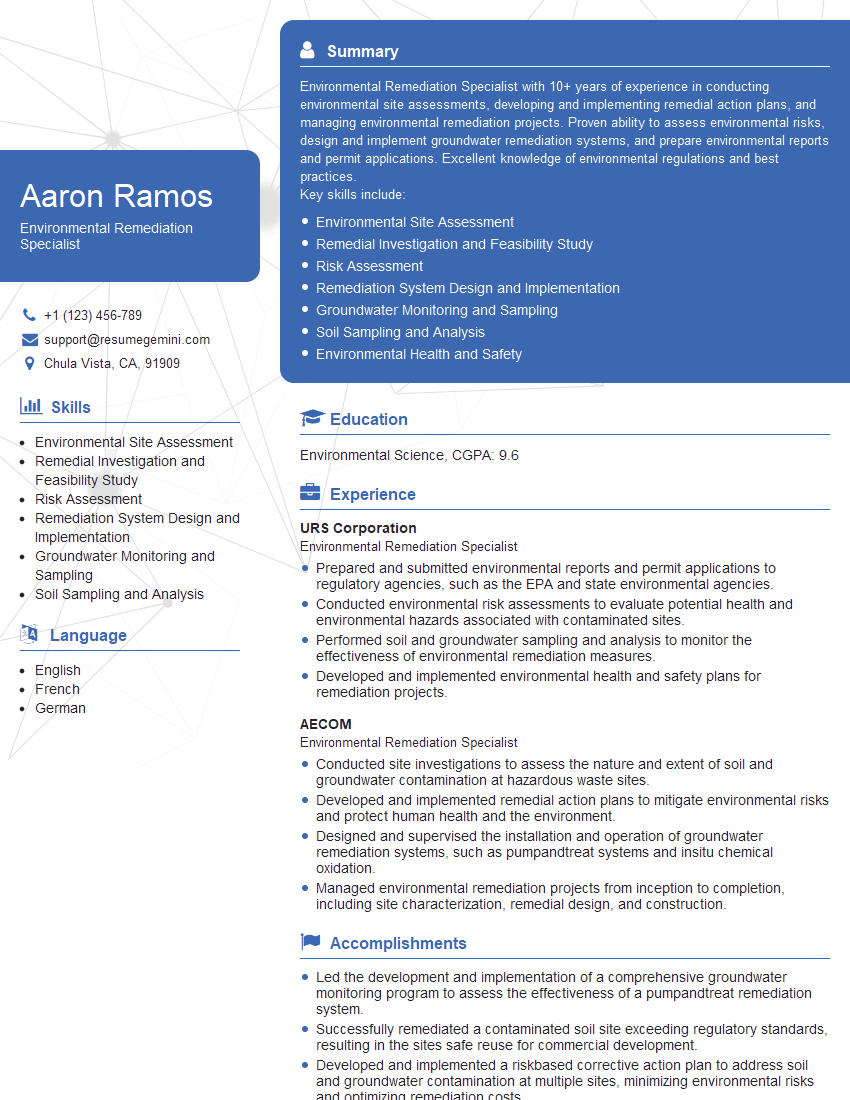
Environmental Remediation Specialist Resume Sample
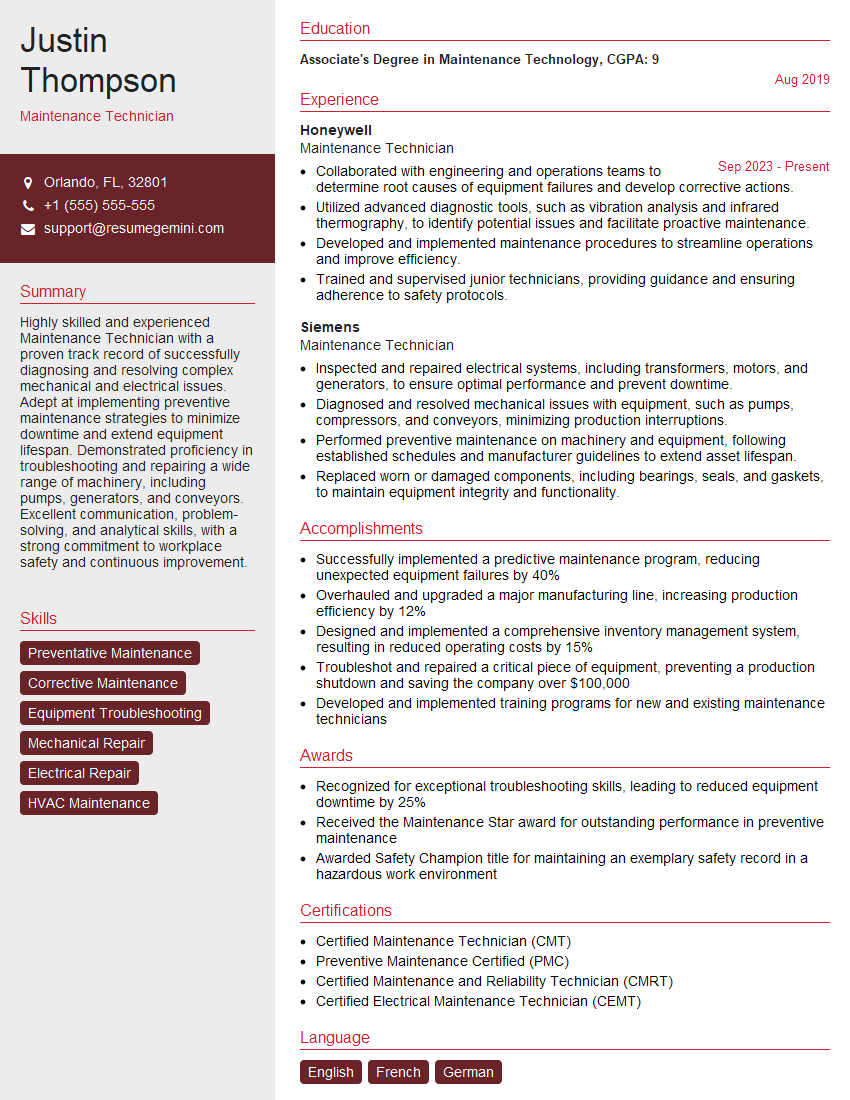
Maintenance Technician Resume Sample
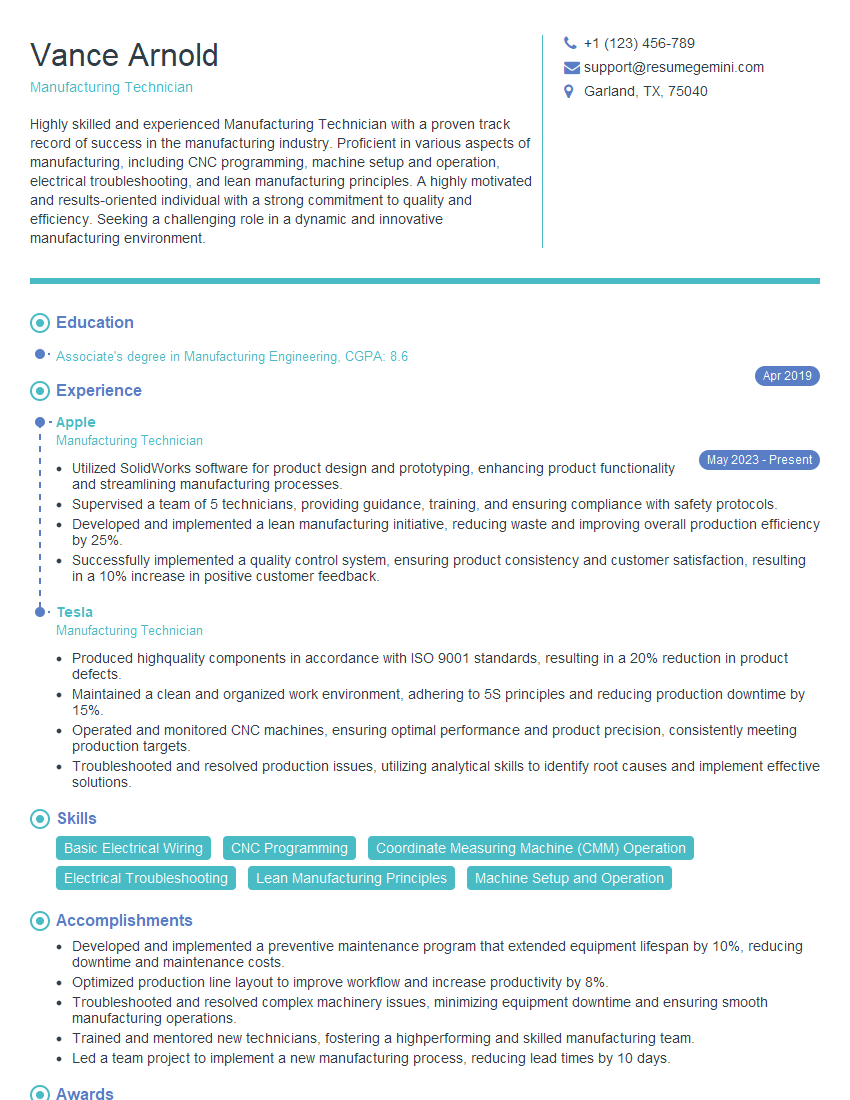
Manufacturing Technician Resume Sample
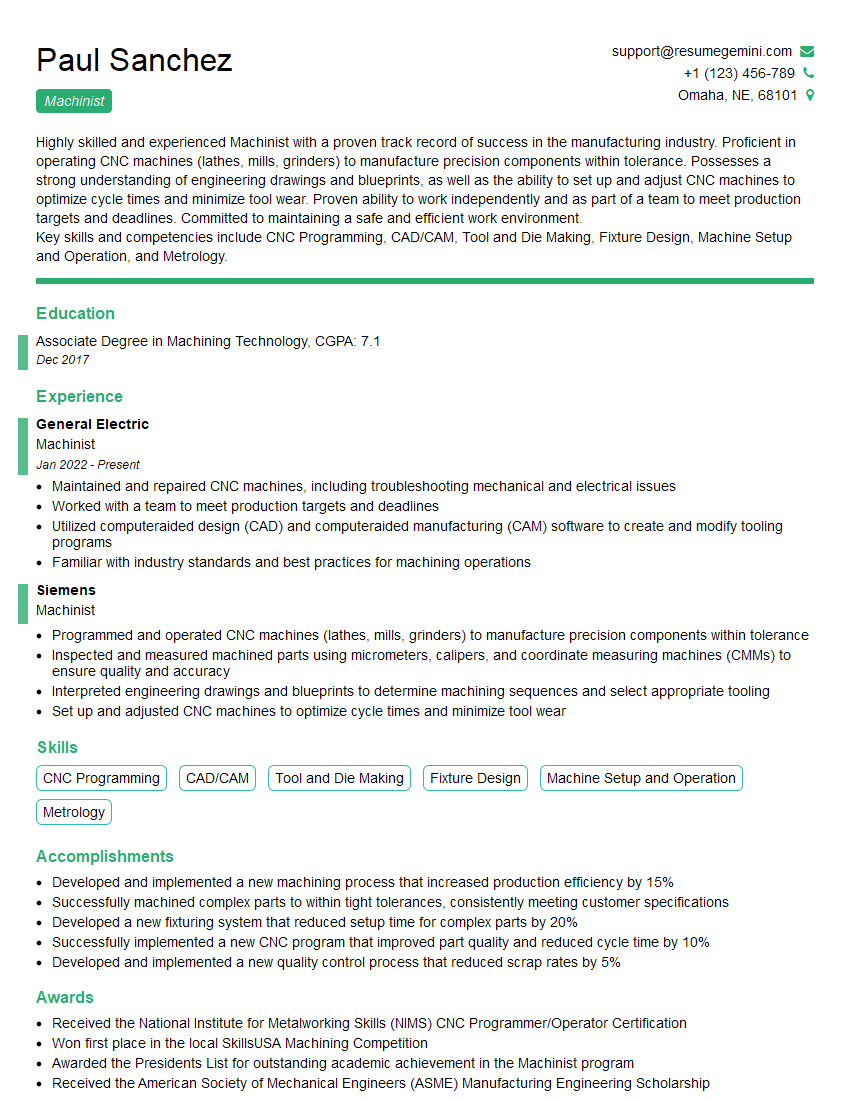
Machinist Resume Sample
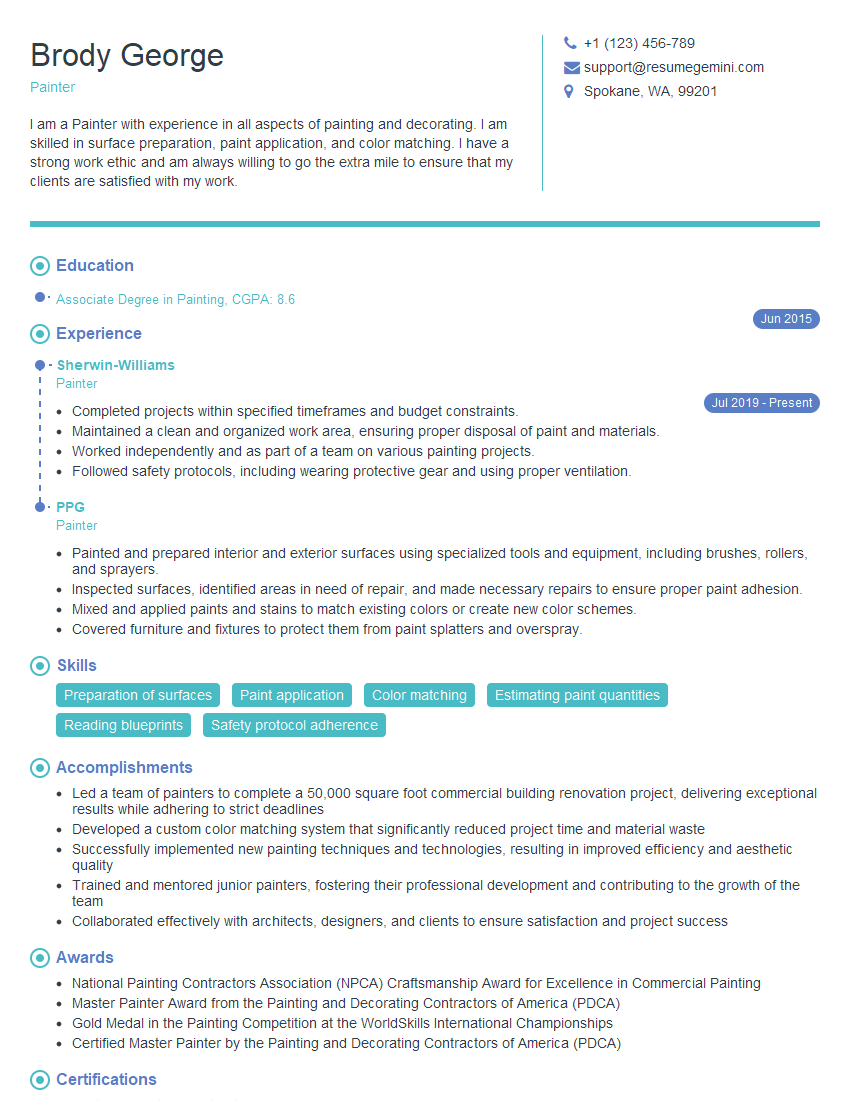
Painter Resume Sample
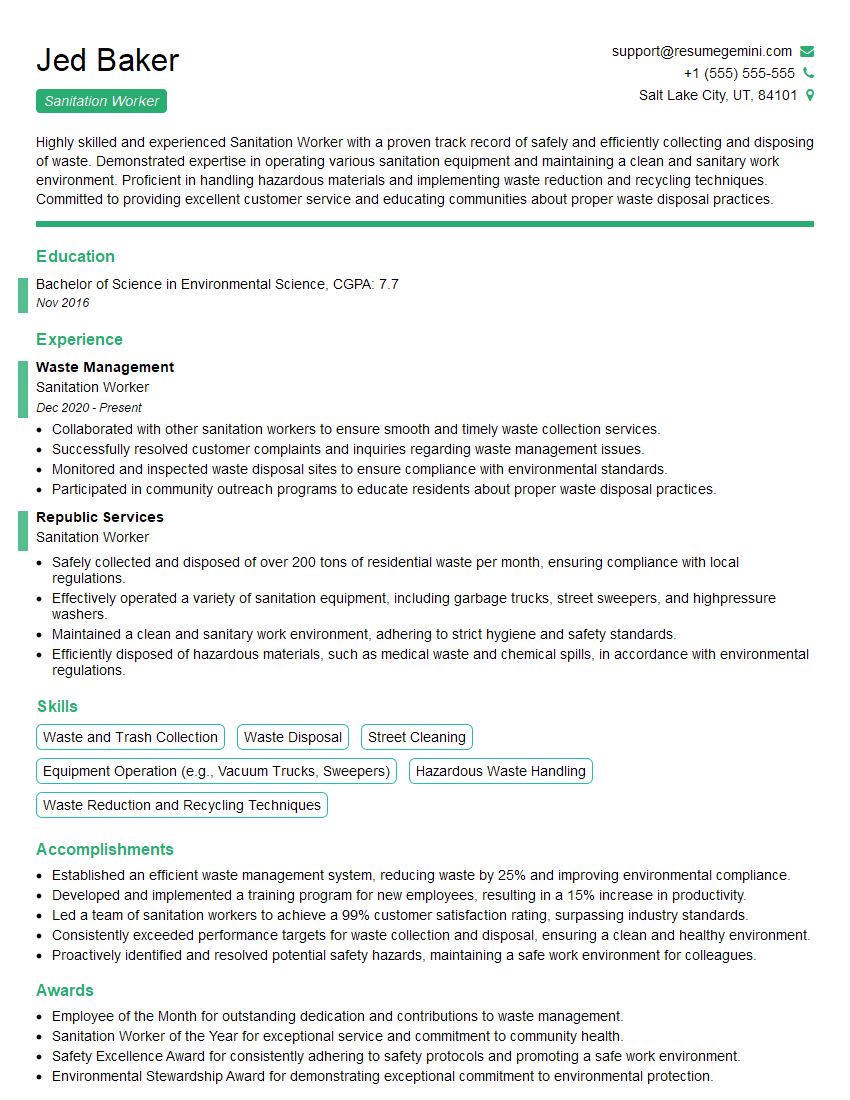
Sanitation Worker Resume Sample
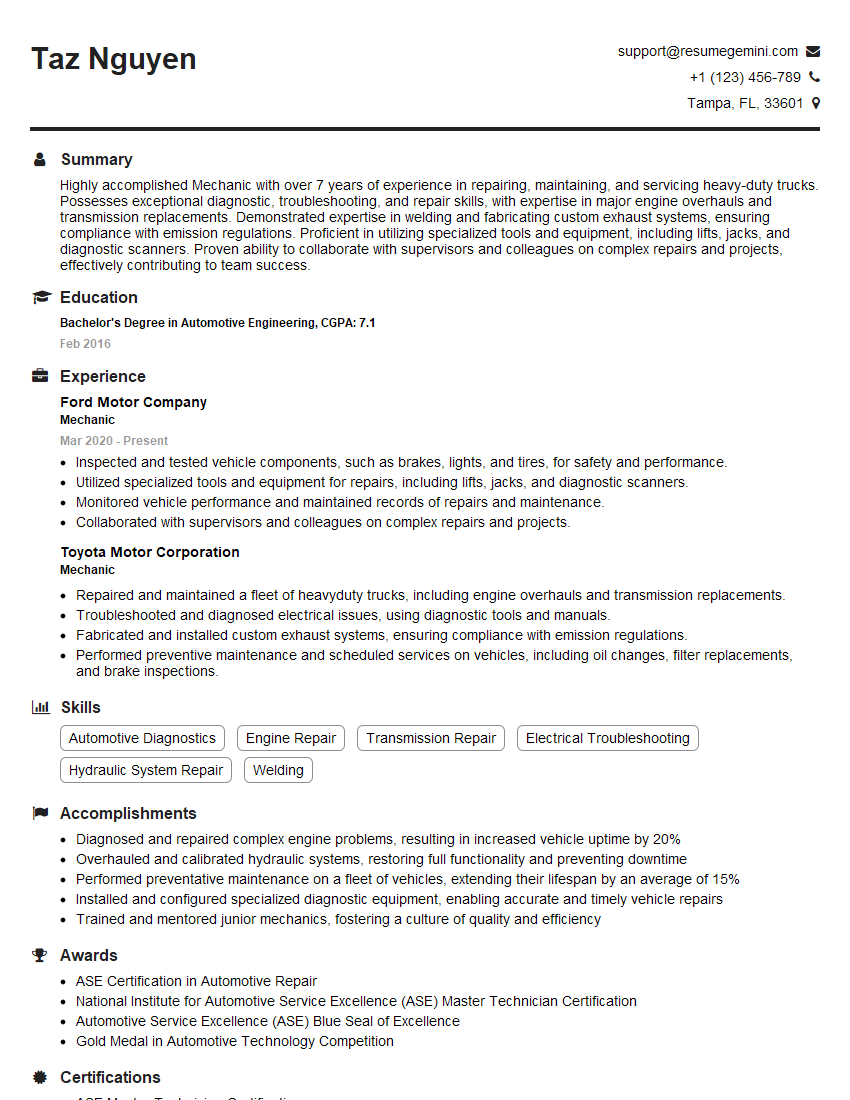
Mechanic Resume Sample
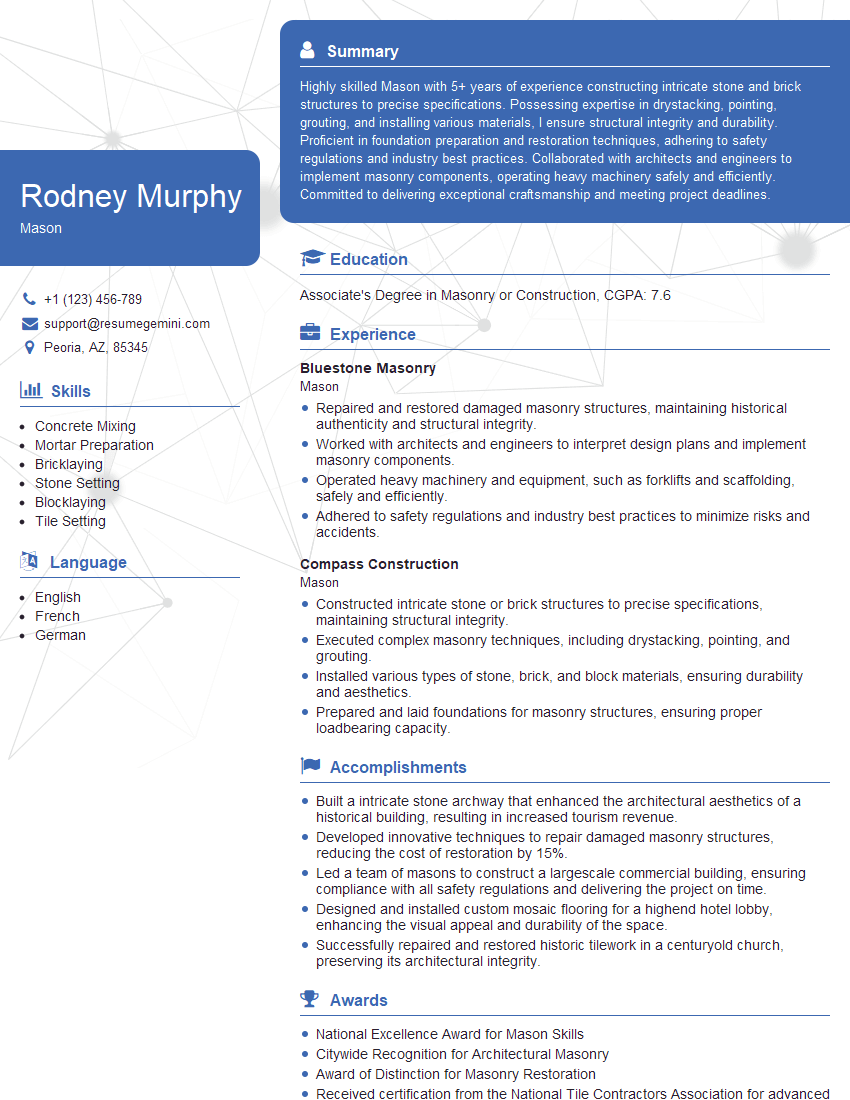
Mason Resume Sample
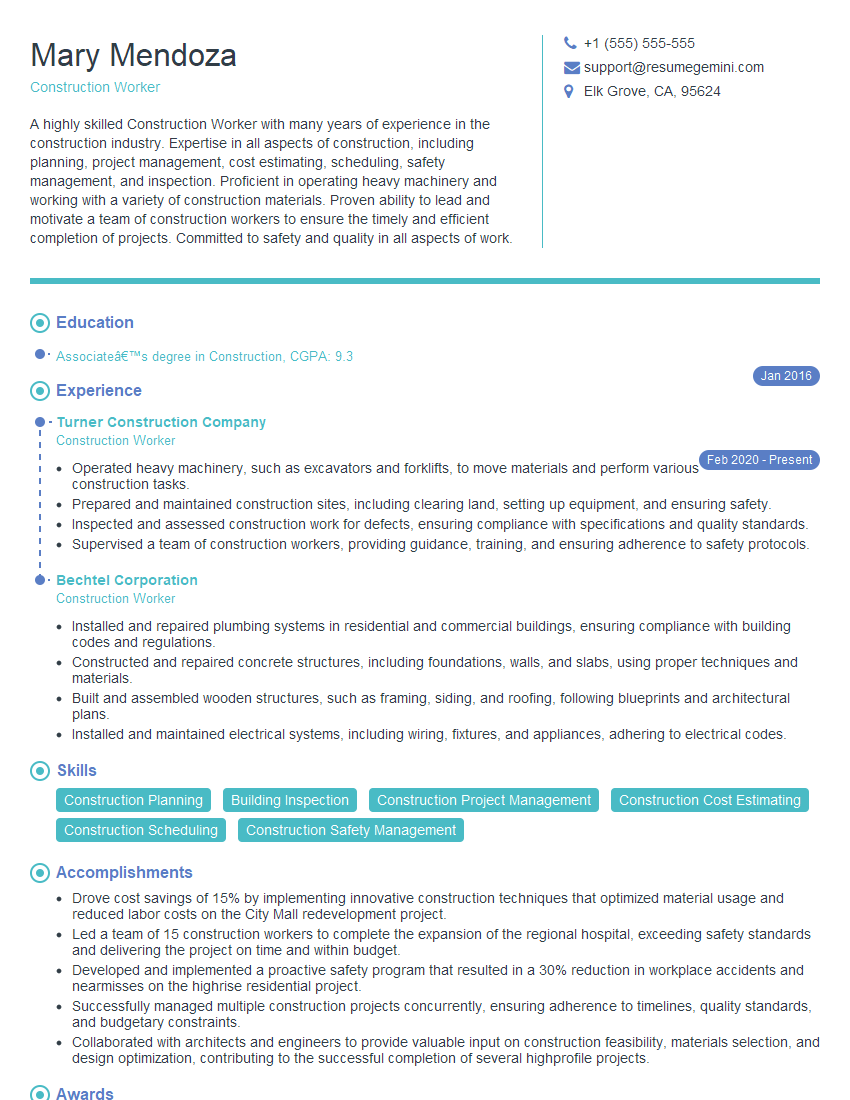
Construction Worker Resume Sample
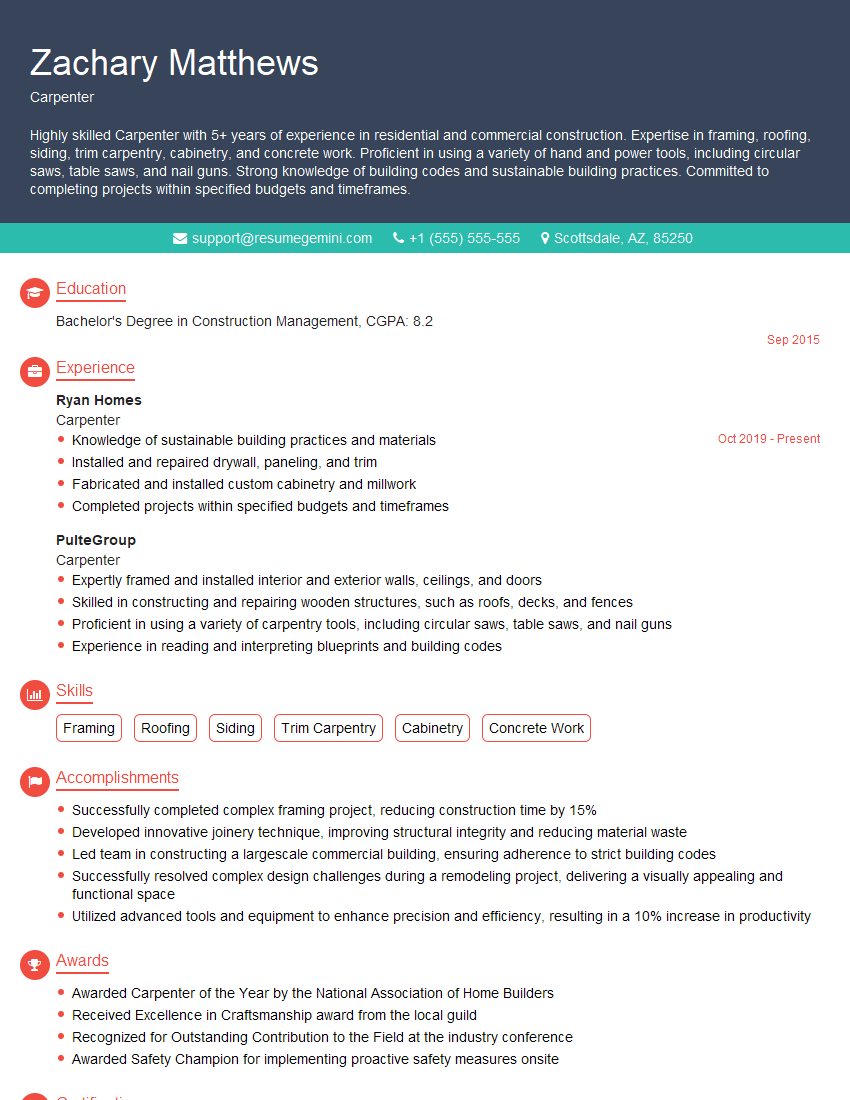
Carpenter Resume Sample
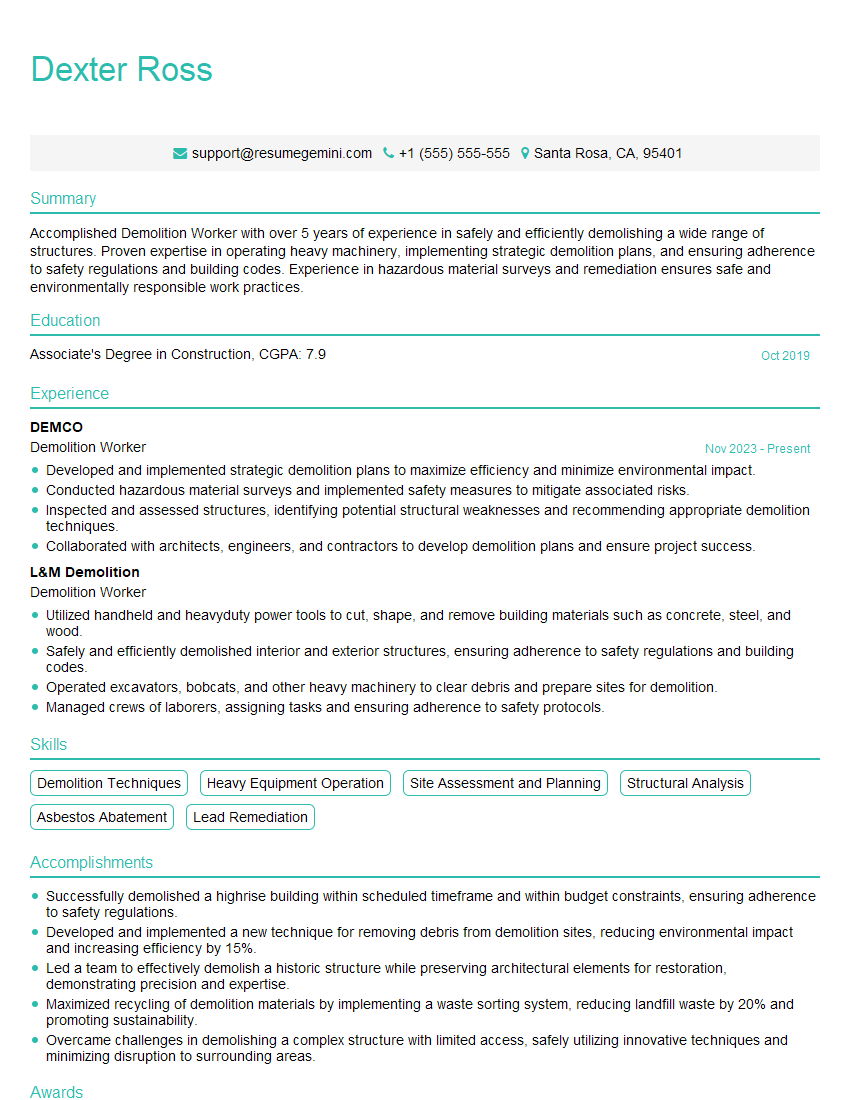
Demolition Worker Resume Sample
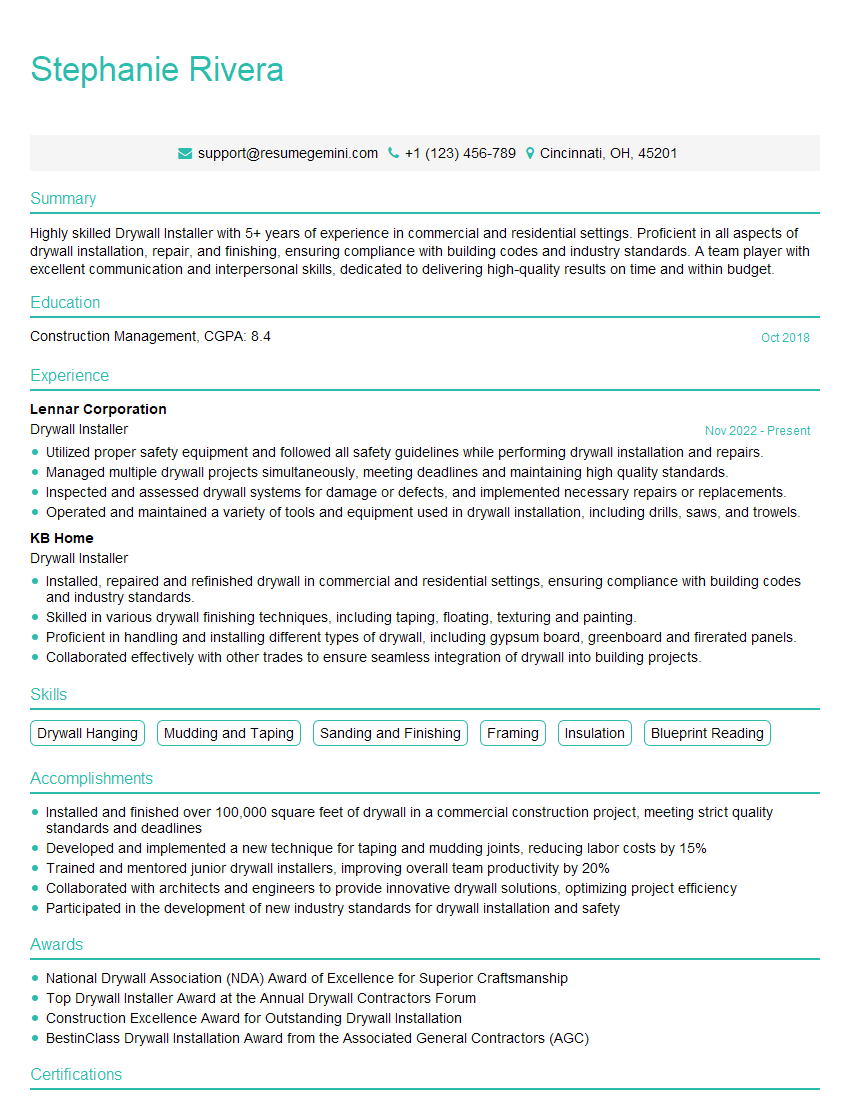
Drywall Installer Resume Sample
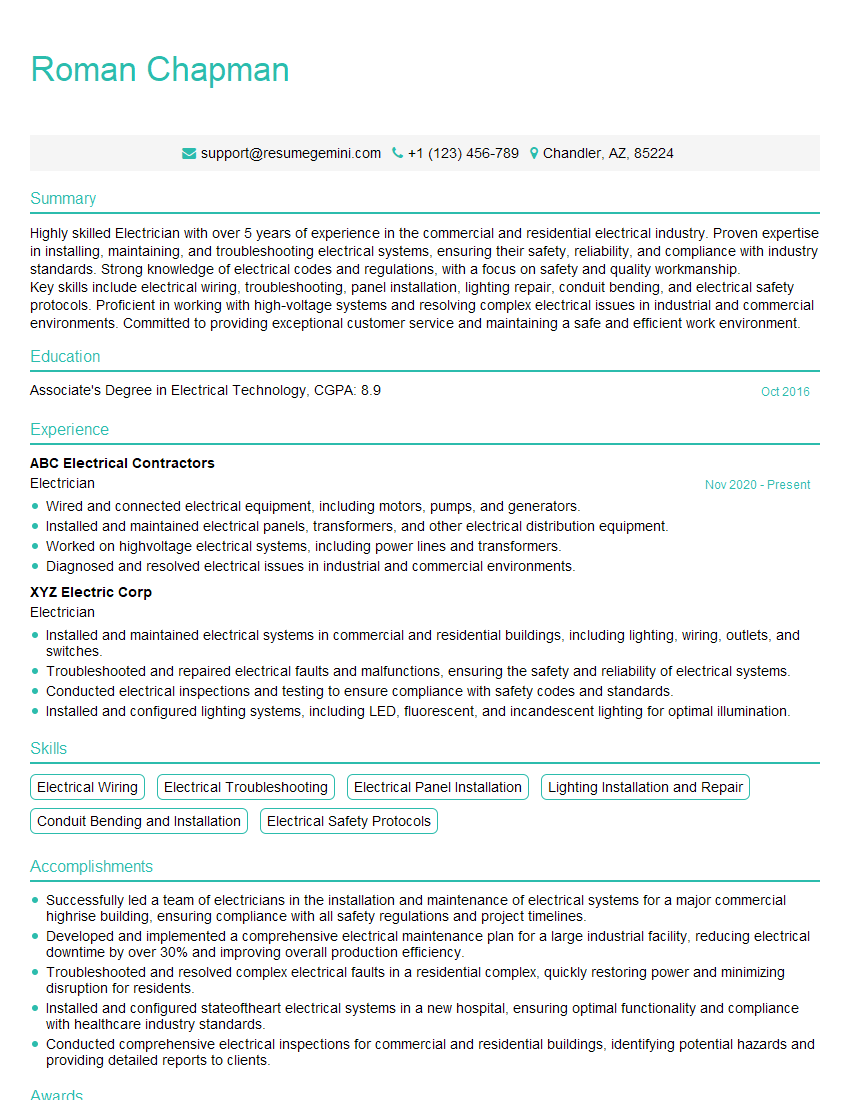
Electrician Resume Sample
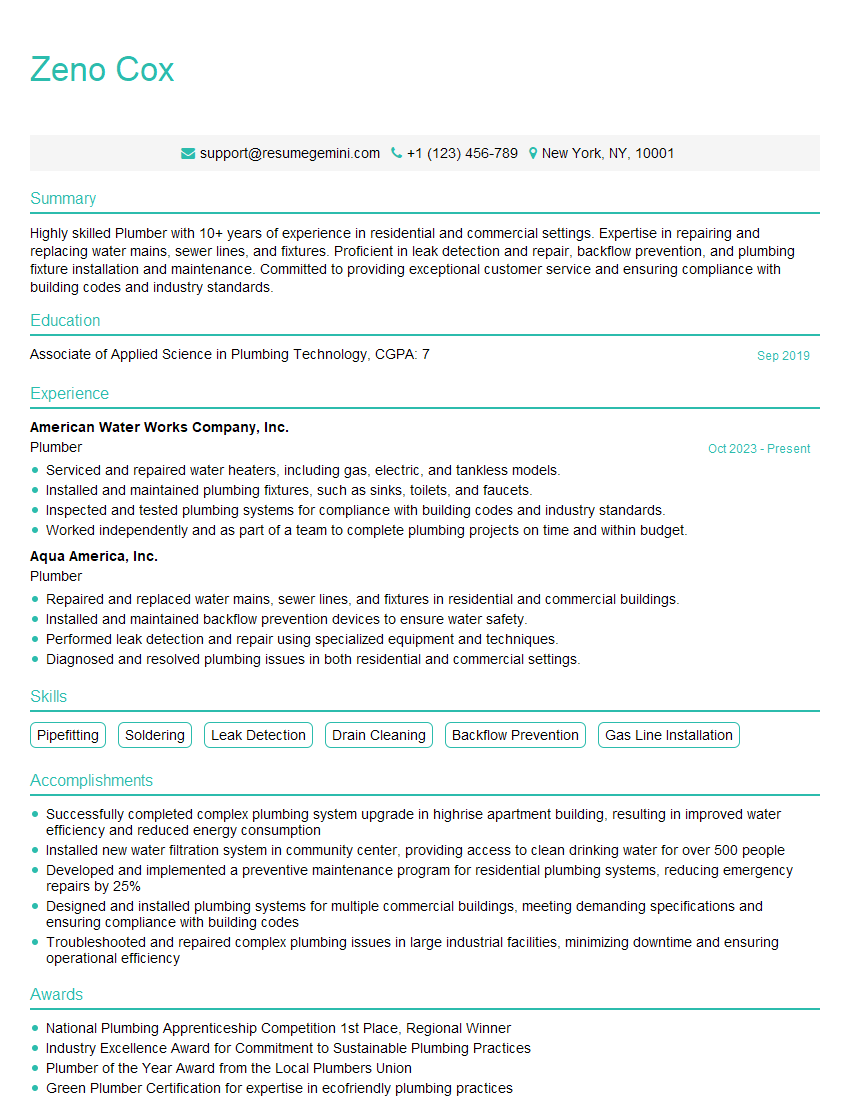
Plumber Resume Sample
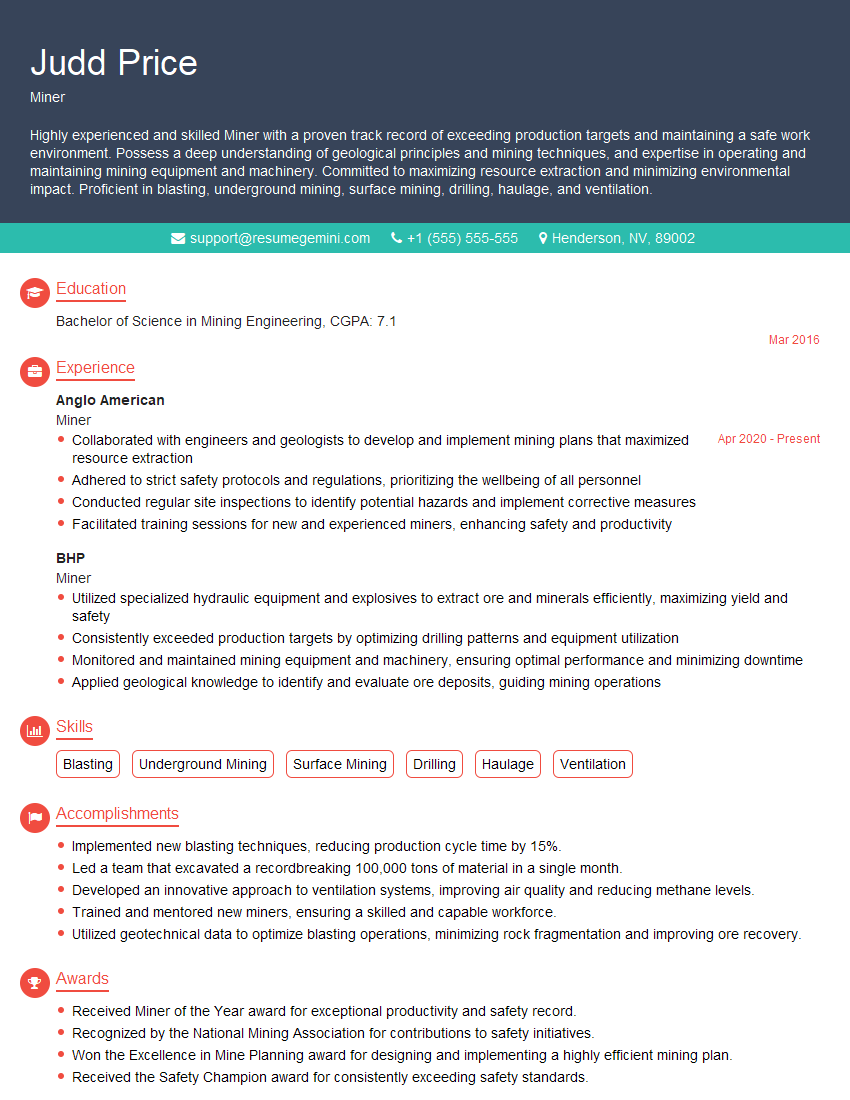
Miner Resume Sample
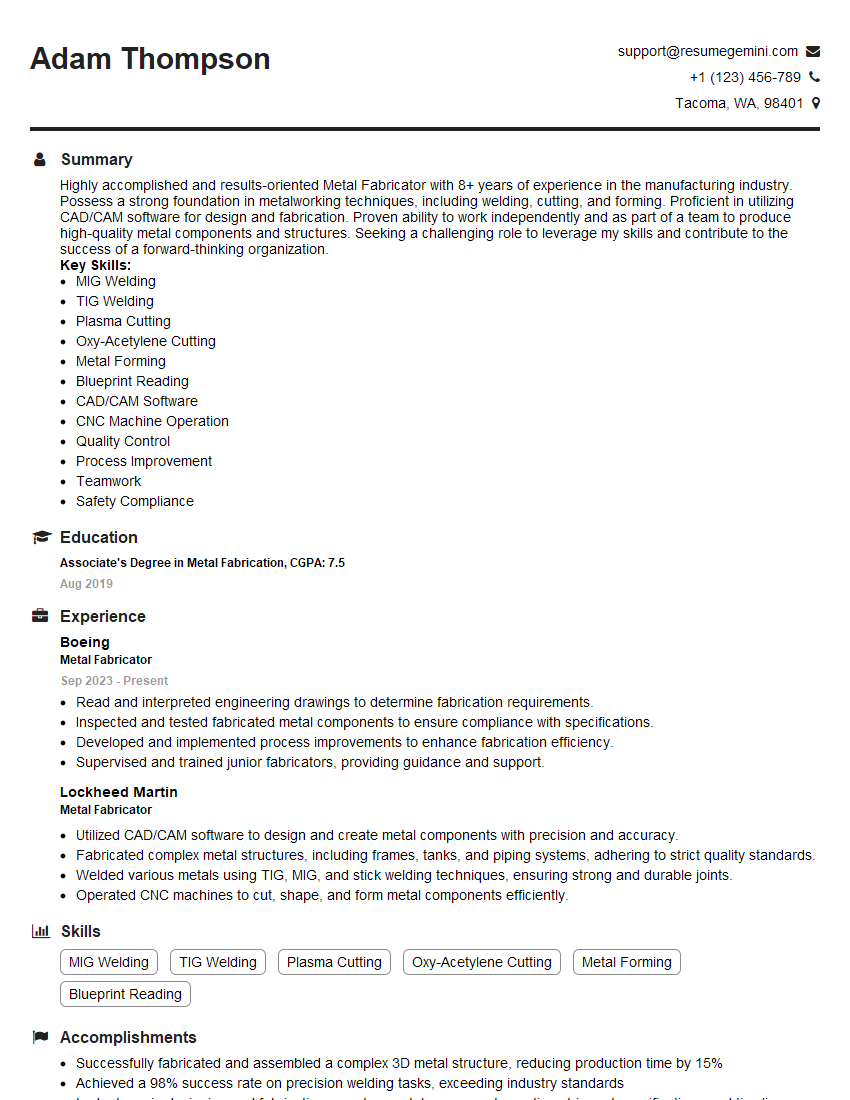
Metal Fabricator Resume Sample
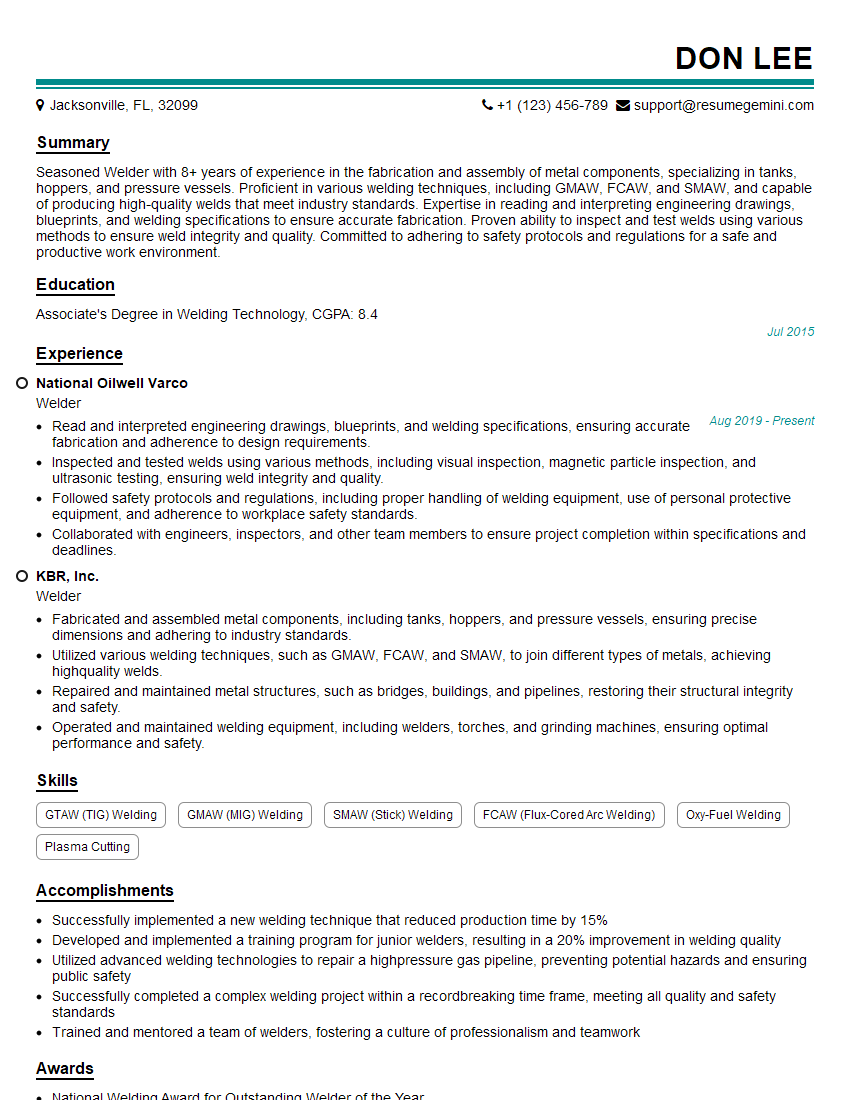
Welder Resume Sample
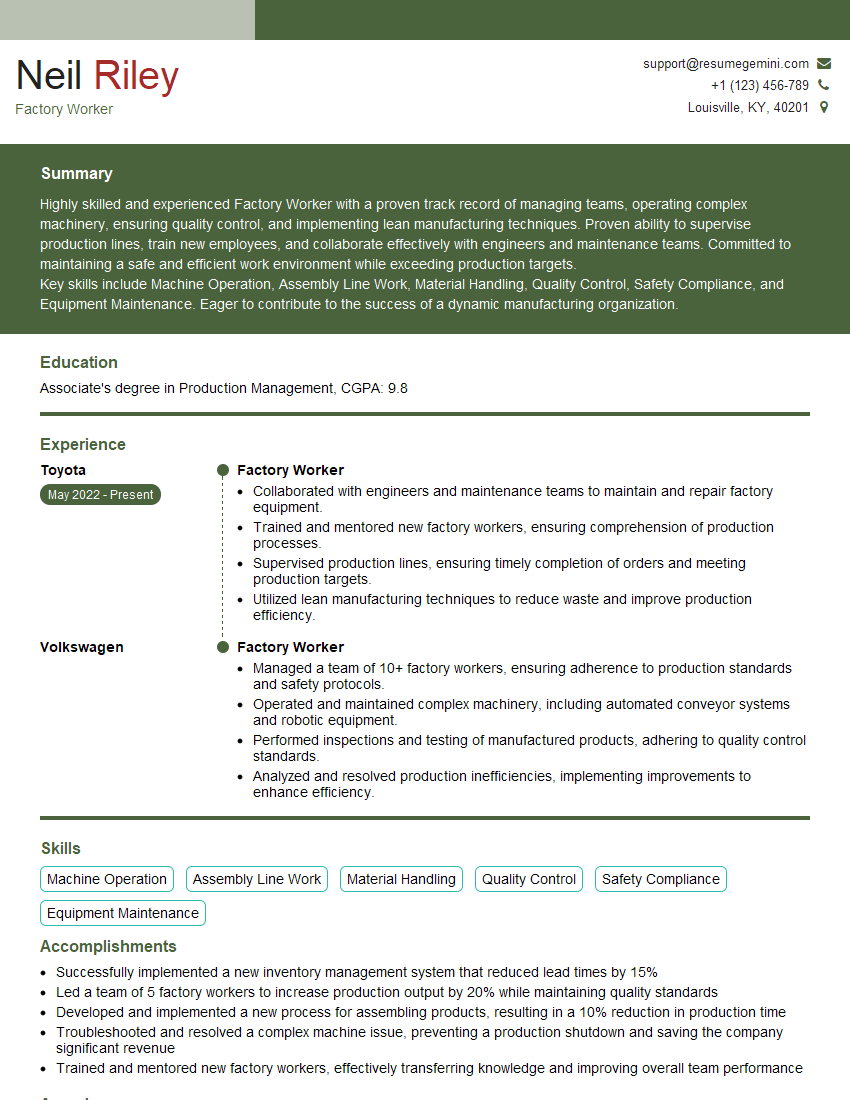
Factory Worker Resume Sample
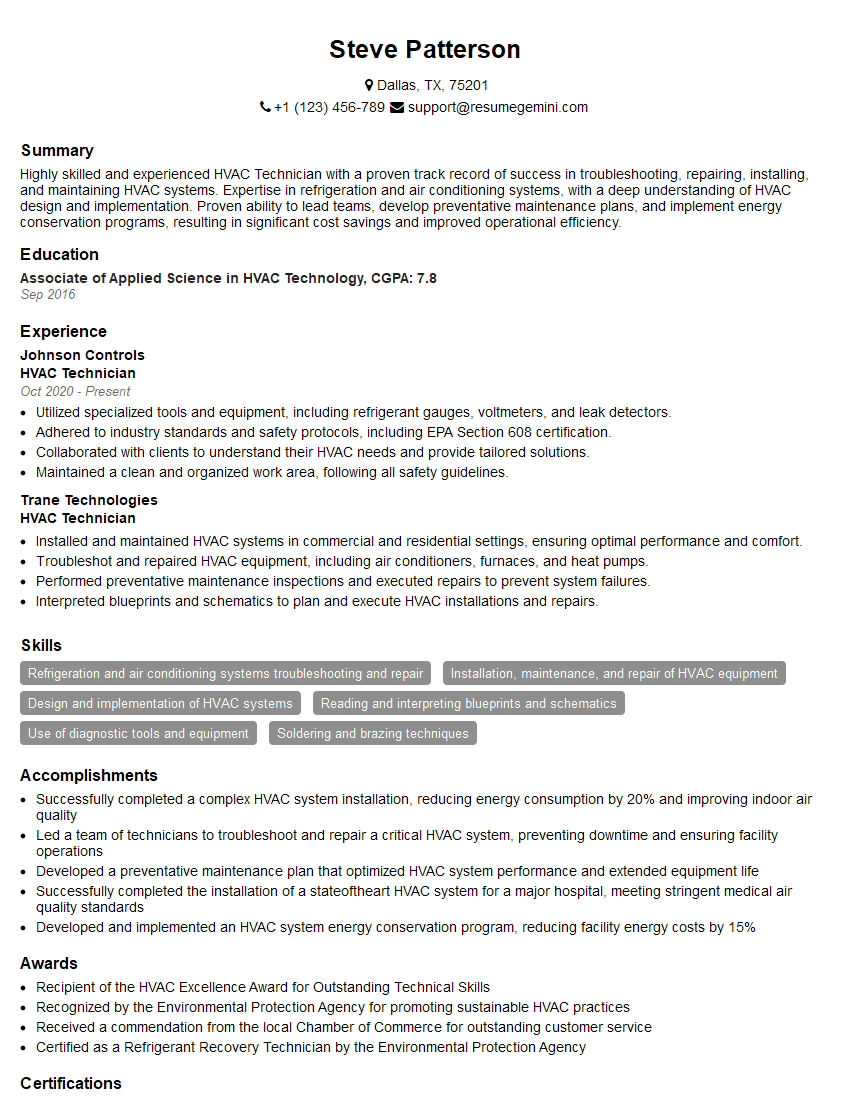
HVAC Technician Resume Sample
Explore more articles
Users Rating of Our Blogs
Share Your Experience
We value your feedback! Please rate our content and share your thoughts (optional).
What Readers Say About Our Blog
Very informative content, great job.
good