Every successful interview starts with knowing what to expect. In this blog, we’ll take you through the top Bending and Shearing interview questions, breaking them down with expert tips to help you deliver impactful answers. Step into your next interview fully prepared and ready to succeed.
Questions Asked in Bending and Shearing Interview
Q 1. Explain the difference between bending and shearing.
Bending and shearing are two fundamental processes in metal forming, both involving the application of force to deform a material, but they differ significantly in the type of deformation they produce. Bending involves the deformation of a material around a curved axis, resulting in a change in shape without significant changes in the material’s cross-sectional area. Think of bending a paperclip – its shape changes, but its thickness remains relatively constant. Shearing, on the other hand, involves the deformation of a material by applying forces parallel to its surface, resulting in a cutting or tearing action. Imagine cutting paper with scissors – the material is separated along a plane.
In essence, bending is a gradual curvature, while shearing is a sudden separation or slippage.
Q 2. Describe various bending methods (e.g., air bending, bottom bending).
Several bending methods exist, each suited to different materials and desired results. Air bending uses a punch and die to bend the material, with a clamp holding the material in place. The punch pushes the material into the die, creating the bend. It’s a common method due to its versatility and relatively low tooling cost. Bottom bending uses a punch and die, but the material is bent against the bottom of the die, using the bottom as the bending radius. This method is usually chosen for heavier gauge materials where greater force is needed.
- Press Brake Bending: A widely used method employing a press brake machine with a punch and die to create precise bends.
- Roll Bending: Uses rotating rollers to bend large sheets of metal into cylindrical shapes, often used for making pipes or tanks.
- Wiper Bending: A specialized method that bends the material by the action of a curved wiper, often used for high-precision bending.
The choice of method depends on factors like material thickness, desired bend radius, and production volume.
Q 3. What factors influence the bend radius?
The bend radius, the radius of the curve formed during bending, is influenced by several crucial factors:
- Material Properties: The material’s yield strength, tensile strength, and ductility significantly impact the achievable bend radius. Harder materials require more force and result in tighter bend radii.
- Die Design: The geometry of the bending die directly influences the bend radius. A die with a sharper radius will produce a tighter bend than one with a larger radius.
- Bending Force: A higher bending force can produce a tighter bend radius, but excessive force can lead to cracking or other material defects.
- Material Thickness: Thicker materials usually require a larger bend radius to avoid cracking.
- Bending Method: Different bending methods will result in different bend radii.
For example, a thicker steel sheet will have a larger bend radius compared to a thin aluminum sheet under the same bending conditions.
Q 4. How do you calculate the bend allowance?
Bend allowance is the amount of extra material needed to compensate for the stretching that occurs during the bending process. It’s crucial for accurate part dimensions. The bend allowance calculation involves several factors, and there isn’t one universal formula. Many use an approximation formula.
A commonly used approximation is:
Bend Allowance ≈ (π/2) * (Bend Radius) * (Bend Angle in radians)Where:
- π is approximately 3.14159
- Bend Radius is the radius of the bend (inside the bend)
- Bend Angle is the angle of the bend in radians (degrees * π/180)
It’s important to note that this is an approximation, and the actual bend allowance may vary depending on material properties and bending process. Experienced engineers often rely on material data sheets and experimental data to fine-tune the bend allowance for optimal accuracy.
Q 5. Explain the concept of springback in bending.
Springback is the elastic recovery of a material after it has been bent. Once the bending force is removed, the material tends to partially return to its original shape. Think of bending a thin metal strip; after you release the force, it slightly straightens out. This springback effect is due to the elastic deformation of the material, a temporary change that doesn’t cause permanent damage.
The amount of springback depends on factors like material properties (elastic modulus, yield strength), bend angle, and bend radius. Higher elastic modulus materials will have a greater springback.
Q 6. How do you compensate for springback?
Compensating for springback is essential for producing parts with precise dimensions. Several techniques are employed:
- Overbending: The part is intentionally bent beyond the desired final angle to account for springback. This requires careful calculation and experimentation to determine the appropriate overbend angle.
- Springback Compensation Software/Models: Sophisticated software packages simulate the springback effect and calculate the necessary overbend angle to achieve the target dimensions.
- Material Data and Empirical Data: Using known relationships between material properties, bend geometry, and springback from previous bending experience can allow for a good estimate.
- Experimental Trials: Testing different overbend angles with actual materials helps determine the correct overbend for consistent results.
The choice of method depends on the precision required, the available tools, and the complexity of the bending process. Often, a combination of methods is utilized for the most accurate results.
Q 7. Describe different types of shearing machines.
Shearing machines are designed to cut materials along a straight line by applying shearing forces. Different types exist, each tailored for specific applications:
- Guillotine Shears: These are powerful machines that use a sharp blade to cut through thick sheets of metal. They are widely used in metal fabrication.
- Power Shears: These machines use mechanical or hydraulic power to perform the shearing operation, offering more precise control and higher cutting capacity than manual shears.
- Rotary Shears: These shears employ a rotating disc with a cutting edge to shear materials. They are particularly suited for cutting curves and intricate shapes.
- Nibblers: These machines use a reciprocating punch and die to punch out small pieces of material, creating a step-by-step shearing effect. Often used for cutting intricate shapes or thinner materials.
- Laser Shears: These utilize a laser beam to cut materials precisely, offering excellent edge quality. They are more expensive, however, and may be less suited to thicker, less reflective materials.
The selection of a shearing machine depends on material type, thickness, desired cut quality, and production volume.
Q 8. What are the safety precautions for operating shearing machines?
Operating shearing machines requires strict adherence to safety protocols to prevent accidents. Think of it like operating any powerful machinery – a moment’s lapse in attention can have serious consequences.
- Personal Protective Equipment (PPE): Always wear safety glasses, hearing protection, and cut-resistant gloves. These are non-negotiable. Imagine a stray piece of metal flying towards your eye – safety glasses are your first line of defense.
- Machine Guarding: Ensure all machine guards are in place and functioning correctly. These guards are designed to prevent accidental contact with moving parts. Think of them as a physical barrier between you and potential harm.
- Proper Training: Only operate the machine after receiving thorough training. Knowing how the machine works and its limitations is crucial for safe operation. This is like learning to drive a car – you wouldn’t attempt it without proper instruction.
- Clear Work Area: Keep the area around the machine clear of obstructions. A cluttered workspace increases the risk of accidents. A tidy workspace is a safe workspace.
- Lockout/Tagout Procedures: Before performing any maintenance or repairs, always follow lockout/tagout procedures to prevent accidental starting. This prevents unexpected machine movement while you’re working on it. It’s crucial for preventing injuries.
- Emergency Stops: Know the location and operation of emergency stop buttons and be ready to use them if necessary. This is your immediate response mechanism in case of any unexpected events.
Q 9. How do you determine the appropriate shear blade for a given material?
Selecting the right shear blade depends entirely on the material’s properties, such as thickness, hardness, and ductility. It’s like choosing the right tool for the right job – you wouldn’t use a screwdriver to hammer a nail.
Factors to consider:
- Material Thickness: Thicker materials require blades with a greater cutting capacity. Think of it like trying to cut a thick piece of wood with a small knife versus a larger saw.
- Material Hardness: Harder materials, like hardened steel, need blades made from a tougher material, such as high-speed steel. Imagine cutting through a rock – you’d need a much stronger tool.
- Material Ductility: Ductile materials deform easily, requiring blades with a sharper cutting edge to prevent tearing. Think of the difference between cutting butter versus cutting cheese – the butter requires less force.
- Blade Material: Different blade materials (e.g., high-speed steel, carbide) offer varying hardness and wear resistance. The right material ensures longevity and a clean cut.
- Blade Geometry: The blade’s rake angle, shear angle, and clearance angle affect cutting efficiency and surface finish. These angles are critical for a precise and clean cut.
Consult the manufacturer’s recommendations or a material properties chart to ensure you are using the correct blade for your application.
Q 10. Explain the concept of shear angle and its significance.
The shear angle is the angle between the direction of the shearing force and the surface of the cut material. It’s crucial for understanding how shearing forces deform the material before it fractures.
Significance:
- Shear Strain: The shear angle directly impacts the shear strain experienced by the material during the shearing process. A larger shear angle leads to greater shear strain.
- Cutting Force: The optimal shear angle minimizes the cutting force required, improving efficiency and reducing wear on the blade. Think of it like finding the most efficient angle to cut a piece of paper with scissors.
- Burr Formation: The shear angle influences burr formation (the raised edge left after shearing). A well-chosen shear angle minimizes burr formation, resulting in a cleaner cut.
- Material Properties: The ideal shear angle varies depending on the material’s properties (ductility, hardness, etc.). It’s not a one-size-fits-all solution.
Determining the ideal shear angle often involves experimentation and simulation to optimize the shearing process for a particular material and machine configuration.
Q 11. What are common shearing defects and their causes?
Common shearing defects significantly impact the quality of the final product. These defects arise from several causes, often related to improper machine setup, blade condition, or material properties.
- Burrs: Raised edges on the sheared surface, caused by improper shear angle, dull blades, or too much cutting force. Imagine the rough edges left when you tear a piece of paper.
- Tears: Cracks or splits in the sheared material, often resulting from brittle materials, excessive cutting force, or dull blades. These are similar to cracks you might see when you bend a brittle material.
- Roll Over: The material bending over instead of cleanly shearing, typically due to excessive material thickness or insufficient shear force. This is like trying to cut something too thick with weak scissors.
- Buckling: The material wrinkling or buckling during shearing, often occurring with thin materials or improper support. Think about the way a thin piece of metal bends if you press on it in the middle.
- Inconsistent Cut: Uneven or jagged sheared edges, indicative of dull blades, improper blade alignment, or inconsistent machine pressure. Imagine uneven cuts when using dull scissors.
Preventing these defects requires careful attention to machine setup, blade maintenance, material selection, and operating parameters.
Q 12. How do you troubleshoot a problem with a press brake?
Troubleshooting a press brake involves a systematic approach, starting with the most obvious issues and moving to more complex problems. It’s like diagnosing a car problem – you start with the simple checks before delving into more complex mechanics.
Troubleshooting Steps:
- Check for Obstructions: Ensure there are no obstructions in the press brake’s ram or die area. A simple foreign object can cause significant problems.
- Inspect Hydraulic System (if applicable): Check oil levels, look for leaks, and listen for unusual noises. Hydraulic systems are the ‘engine’ of many press brakes.
- Verify Electrical Connections: Ensure all electrical connections are secure and functioning correctly. Loose connections can interrupt the machine’s operation.
- Examine the Dies: Check for damage, wear, or misalignment of dies. Worn dies reduce the quality of the bend.
- Test the Controls: Verify that the control system is responding correctly to inputs. Malfunctioning controls can make the machine erratic.
- Check for Bent Components: Look for signs of bending or damage in the ram, platen, or other structural components. Structural damage can compromise the machine’s safety and performance.
- Consult the Manual: If the problem persists, consult the manufacturer’s manual for specific troubleshooting guidance. The manual has answers to many common problems.
Remember, safety should always be the top priority. If you are unsure about any aspect of troubleshooting, contact a qualified technician.
Q 13. How do you maintain and clean a press brake or shearing machine?
Regular maintenance and cleaning are crucial for extending the lifespan and ensuring the safe operation of a press brake or shearing machine. Think of it like regular car maintenance – preventative measures save you from larger problems later.
Maintenance and Cleaning:
- Regular Cleaning: Remove chips, debris, and oil spills from the machine after each use. This prevents buildup that could interfere with the machine’s operation.
- Blade Maintenance: Regularly inspect and sharpen shearing blades. Sharp blades ensure clean cuts and prevent damage to the material.
- Lubrication: Apply lubrication to moving parts as recommended by the manufacturer. Proper lubrication ensures smooth operation and reduces wear.
- Hydraulic System Maintenance (if applicable): Regularly check and maintain the hydraulic system according to manufacturer recommendations. This includes checking fluid levels, filters, and for leaks.
- Electrical System Inspection: Periodically inspect the electrical system for any loose connections or damage. This ensures electrical safety and prevents downtime.
- Structural Inspection: Regularly inspect the machine’s structural components for damage or wear. This is crucial for machine safety and long-term durability.
Following a regular maintenance schedule outlined in the manufacturer’s manual is critical to ensure the machine operates optimally and safely.
Q 14. What are the different types of sheet metal materials and their properties?
Sheet metal materials exhibit a wide range of properties affecting their suitability for different applications. Choosing the right material is crucial for the success of your project. It’s like choosing the right fabric for sewing a garment – you would use different materials for a winter coat and a summer dress.
- Mild Steel: Common, relatively inexpensive, good formability, moderate strength. Used widely in various applications.
- Stainless Steel: Corrosion-resistant, higher strength than mild steel, but more expensive and can be more challenging to form. Widely used in food processing and chemical industries.
- Aluminum: Lightweight, excellent corrosion resistance, good formability. Frequently used in aerospace and automotive industries.
- Brass: Attractive appearance, good machinability, corrosion-resistant. Used in decorative and plumbing applications.
- Copper: Excellent electrical and thermal conductivity. Used widely in electrical wiring and heat exchangers.
- Zinc: Corrosion-resistant, used for galvanizing steel to protect it from rust. Think of the coating on many metal parts.
Material selection depends on factors like strength, corrosion resistance, formability, cost, and the specific requirements of the final product. Material datasheets provide detailed information on individual properties.
Q 15. Describe your experience with different types of tooling for bending and shearing.
My experience encompasses a wide range of tooling for bending and shearing, from simple hand tools to sophisticated CNC machines. For bending, I’ve worked extensively with press brakes, utilizing various tooling such as V-dies, Gooseneck dies, and air bending dies. The choice of die depends heavily on the material, desired bend radius, and production volume. For example, V-dies are cost-effective for simple bends in sheet metal, while Gooseneck dies offer tighter radius bends and better control for more complex geometries. Air bending, using precision tooling and back gauges, allows for highly repeatable and accurate bends, crucial for high-volume production. In shearing, I’m proficient with various types of shears, including guillotine shears, punch presses, and laser cutters. Guillotine shears are excellent for straight cuts on sheet metal, while punch presses are versatile for creating complex shapes and holes. Laser cutting provides exceptional accuracy and intricate cutting capabilities, especially useful for parts requiring precise detail. I’m also familiar with specialized tooling such as bending fixtures and shear tooling for specific material types or bend configurations. My experience in selecting and using the appropriate tooling ensures efficient and high-quality results, minimizing waste and maximizing productivity.
Career Expert Tips:
- Ace those interviews! Prepare effectively by reviewing the Top 50 Most Common Interview Questions on ResumeGemini.
- Navigate your job search with confidence! Explore a wide range of Career Tips on ResumeGemini. Learn about common challenges and recommendations to overcome them.
- Craft the perfect resume! Master the Art of Resume Writing with ResumeGemini’s guide. Showcase your unique qualifications and achievements effectively.
- Don’t miss out on holiday savings! Build your dream resume with ResumeGemini’s ATS optimized templates.
Q 16. How do you interpret engineering drawings related to bending and shearing?
Interpreting engineering drawings for bending and shearing requires careful attention to detail and a thorough understanding of geometric dimensioning and tolerancing (GD&T). I start by identifying the material specifications (type, thickness, and temper), the desired dimensions of the finished part, and the bend angles or shear lines. Critical dimensions, tolerances, and surface finish requirements are meticulously noted. Bend allowances, which compensate for the stretching of the material during bending, are calculated based on the material properties and bend radius. For shearing operations, I look closely at the required cut lengths, angles, and tolerances to ensure the final product meets the specified dimensions. Any specific requirements, like deburring or edge finishing, are also carefully considered. If there are ambiguities or missing information on the drawing, I engage in proactive communication with the engineering team to clarify requirements before commencing the operation, preventing costly errors down the line.
Q 17. How do you ensure the accuracy and precision of bends and sheared parts?
Ensuring accuracy and precision in bending and shearing is paramount. For bending, this involves utilizing accurate measuring instruments (like digital calipers and protractors) and precisely setting the press brake’s backgauge and die-height settings. Regular calibration of the equipment and verification of the die sets are crucial. Furthermore, I carefully monitor the material’s condition to ensure consistent thickness and lack of defects which could influence bend accuracy. In shearing operations, I ensure that the machine’s blade is sharp and aligned correctly. Consistent material feeding is critical for achieving straight, clean cuts. Regular blade sharpening and maintenance, along with the proper use of backstops and clamping mechanisms, are crucial for obtaining accurate cuts within tolerances. Statistical Process Control (SPC) techniques are often employed to monitor the process and identify any deviations from the required specifications. Continuous monitoring and adjustments are made as needed to maintain precision and consistency.
Q 18. Explain your experience with different bending and shearing software/systems.
I have extensive experience with various bending and shearing software and systems. This includes CAD/CAM software such as SolidWorks and AutoCAD, used to design parts and generate toolpaths for CNC bending and shearing machines. I’m familiar with programming CNC press brakes and shears, entering the required parameters for bend angles, depths, speeds, and other critical variables. I’ve also worked with nesting software, optimizing material usage by efficiently arranging parts on sheets to minimize waste. Furthermore, I’m experienced with machine monitoring systems that track production parameters in real-time, enabling proactive adjustments and the identification of potential issues, maintaining consistency and maximizing uptime. My ability to proficiently use these different software systems has allowed me to streamline workflows, optimize processes, and achieve consistently high-quality output.
Q 19. Describe your experience with quality control procedures in bending and shearing.
My approach to quality control in bending and shearing is multifaceted. It begins with a thorough inspection of raw materials to ensure they meet the specified requirements. During the production process, I regularly monitor the bending and shearing operations, checking the accuracy of bends and cuts against the engineering drawings. I use precision measuring tools and regularly inspect components to maintain the required tolerances. A first-off inspection is always performed, with further spot-checks throughout production to ensure ongoing quality. Statistical Process Control (SPC) charts are used to track key process variables and identify trends. At the end of the production process, a final inspection is conducted, involving 100% inspection for critical components and random sampling for larger batches. Any non-conforming parts are documented and analyzed to identify root causes. The data collected helps in continuously improving our processes and reducing defects.
Q 20. How do you handle material defects during bending or shearing?
Handling material defects during bending or shearing requires careful assessment and a proactive approach. Upon discovering a defect, I immediately stop the process to prevent further damage or the production of faulty parts. The nature of the defect is documented, and a decision is made based on the severity and the feasibility of repair. Minor surface scratches might be acceptable depending on the application, while more significant defects like cracks or inconsistencies in material thickness would require the material to be rejected. The cause of the defect is investigated to prevent recurrence. This could involve reviewing the material supplier’s quality certifications or adjusting the machine settings. In cases where repair is possible, appropriate methods, such as spot welding, are used, always ensuring the repair does not compromise the structural integrity or functionality of the finished product. Documentation and communication about the defect and its handling are essential, maintaining a transparent and traceable record of the issue.
Q 21. What is your experience with preventative maintenance on bending and shearing equipment?
Preventative maintenance is crucial for ensuring the longevity and efficient operation of bending and shearing equipment. My experience includes implementing and following a structured preventative maintenance schedule, including regular lubrication of moving parts, inspection of hydraulic systems, and checking for wear and tear on blades and dies. I am familiar with performing minor repairs and adjustments, such as blade sharpening or die alignment. I’m also involved in the regular inspection of safety features, like light curtains and emergency stops, to ensure the machines are safe to operate. Detailed records are maintained, documenting all maintenance activities and any issues identified. This information is used to identify trends and predict potential equipment failures, ensuring that repairs are carried out before they lead to costly downtime or compromise production quality. Regular operator training on safe operation and maintenance practices is also a vital part of my preventative maintenance strategy.
Q 22. Describe a time you had to troubleshoot a complex bending or shearing issue.
One particularly challenging case involved a progressive die shearing operation producing automotive parts. We were experiencing inconsistent shearing quality – some parts exhibited burrs and cracks, while others were cleanly sheared. My initial troubleshooting involved systematically eliminating variables. I first checked the die’s sharpness and alignment, finding minor misalignment. After correcting this, the problem persisted. Next, I investigated the material properties – the steel sheets’ hardness and thickness were slightly outside the specified tolerances. This subtle variance, combined with the initial die misalignment, had created the shearing inconsistencies. The solution involved adjusting the shearing pressure based on the material’s actual properties and implementing stricter quality control checks for incoming materials. Through careful data analysis and collaborative work with the materials team, we improved the quality, reducing scrap and improving output considerably.
Q 23. How do you ensure safety while operating heavy machinery?
Safety is paramount when working with heavy machinery like bending presses and shears. My approach involves a multi-layered strategy. Firstly, I rigorously adhere to all safety protocols provided by the manufacturer and company guidelines, including regular machine inspections and ensuring proper guarding is in place. Before every operation, I conduct a thorough machine check, confirming the safety interlocks are functional. Secondly, I always utilize the correct Personal Protective Equipment (PPE), including safety glasses, hearing protection, steel-toe boots, and sometimes even specialized gloves, depending on the task. Thirdly, I never rush the process. Taking my time and ensuring a secure setup prevents accidents. Finally, I’m a strong advocate for training. Regular training keeps everyone updated on best practices and hazard awareness. A safe work environment depends on both individual responsibility and a commitment from everyone on the team.
Q 24. Explain your experience with different types of lubricants and their applications.
My experience encompasses a range of lubricants, each suited to specific applications. For example, in high-temperature bending processes, I often use high-temperature grease to reduce friction and prevent seizing. These greases typically have additives for extreme pressure (EP) conditions, vital to prevent metal-to-metal contact and wear. In shearing operations, where cleanliness is crucial, I may opt for a synthetic oil with excellent anti-wear and oxidation resistance. These oils help reduce the formation of burrs and maintain the die’s sharpness. For hydraulic systems operating the bending and shearing presses, I utilize hydraulic fluids with specified viscosity grades based on the system’s design and operating temperatures. The selection always considers factors such as the operating conditions (temperature, pressure, load), the type of metal being processed, and the desired lubrication properties like corrosion resistance and wear protection.
Q 25. What are the different types of dies used in bending and shearing?
The selection of dies in bending and shearing depends greatly on the material’s properties, the desired shape, and the production volume. In bending, common die types include V-dies (for simple bends), air-bending dies (for more complex bends with reduced deformation), and wiping dies (for creating sharp, precise bends). The choice hinges on achieving the desired bend angle and radius without causing damage to the workpiece. In shearing, common die types include blanking dies (to cut out shapes), punching dies (to create holes), and perforating dies (to create patterns of holes). Die materials themselves are usually high-strength tool steels, chosen for their durability and resistance to wear. Factors like die clearance (the gap between the upper and lower die) play a critical role in shearing quality, significantly affecting burr formation and edge finish.
Q 26. Describe your experience with automated bending and shearing systems.
I have extensive experience with CNC (Computer Numerical Control) bending and shearing systems. These automated systems offer significant advantages in terms of precision, repeatability, and efficiency. I’m proficient in programming these machines using CAM (Computer-Aided Manufacturing) software to create efficient bending and shearing sequences. My experience includes working with systems that utilize various feedback mechanisms, such as closed-loop control systems to monitor and adjust the bending and shearing forces in real-time. This ensures consistent product quality and minimizes the risk of errors. Troubleshooting automated systems requires a different skillset – familiarity with the machine’s diagnostics, error codes, and sensor readings is critical for efficient problem resolution. The ability to interpret these data points efficiently is essential to minimize downtime and maintain productivity.
Q 27. How do you ensure consistent quality across multiple bending or shearing operations?
Maintaining consistent quality across multiple bending and shearing operations requires a structured approach. Firstly, rigorous quality control at every stage is essential – from incoming material inspection to the final product. We regularly check material properties, die condition, and machine settings. Secondly, employing statistical process control (SPC) helps identify and address potential issues early on. This involves regularly monitoring key process variables and using control charts to detect deviations from the target values. Regular calibration of the machines and dies is also vital. Any wear or damage to the dies can significantly affect the product quality, leading to inconsistencies. Lastly, standardized operating procedures (SOPs) ensure that all operators follow the same steps and parameters, reducing the chance of human error. This combination of careful monitoring, data-driven adjustments, and adherence to best practices is crucial for achieving consistent quality across large-scale production runs.
Key Topics to Learn for Bending and Shearing Interview
- Stress and Strain in Bending: Understand the relationship between applied load, bending moment, and resulting stress and strain in beams. Explore different bending stress formulas and their applicability to various beam geometries.
- Shear Stress and Shear Strain: Grasp the concept of shear stress distribution in beams and shafts. Learn to calculate shear stress using appropriate formulas and understand the significance of shear center.
- Bending of Beams: Master the analysis of beams under various loading conditions (simply supported, cantilever, etc.). Be prepared to discuss different methods for determining bending moment and deflection.
- Shear in Beams: Understand how shear forces affect beam behavior. Be comfortable calculating shear forces and drawing shear force diagrams. Know how to relate shear force to shear stress.
- Material Properties and their Influence: Discuss the role of material properties (Young’s modulus, yield strength, shear modulus) in determining bending and shearing behavior. Understand the limitations of linear elastic analysis.
- Failure Theories: Familiarize yourself with different failure theories (e.g., maximum shear stress theory, maximum distortion energy theory) and their application to bending and shearing problems.
- Practical Applications: Be ready to discuss real-world applications of bending and shearing analysis in different engineering fields, such as structural engineering, mechanical engineering, and aerospace engineering. Examples could include bridge design, aircraft wing design, or machine component design.
- Problem-Solving Approaches: Practice solving bending and shearing problems using free body diagrams, equilibrium equations, and appropriate material property values. Be prepared to explain your problem-solving methodology clearly and concisely.
- Advanced Topics (Optional): Depending on the seniority of the role, you might want to explore topics like plastic bending, residual stresses, or fatigue under bending and shearing loads.
Next Steps
Mastering bending and shearing analysis is crucial for a successful career in many engineering disciplines. A strong understanding of these concepts demonstrates a solid foundation in mechanics and problem-solving skills, highly valued by employers. To enhance your job prospects, it’s vital to create a professional and ATS-friendly resume that effectively showcases your skills and experience. ResumeGemini is a trusted resource that can help you build a compelling resume tailored to the specific requirements of Bending and Shearing roles. Examples of resumes tailored to this field are available to help guide your resume creation. Take advantage of these resources to present yourself as the ideal candidate.

Plant Manager Resume Sample

Manufacturing Manager Resume Sample

Quality Control Supervisor Resume Sample

Production Supervisor Resume Sample

Process Engineer Resume Sample
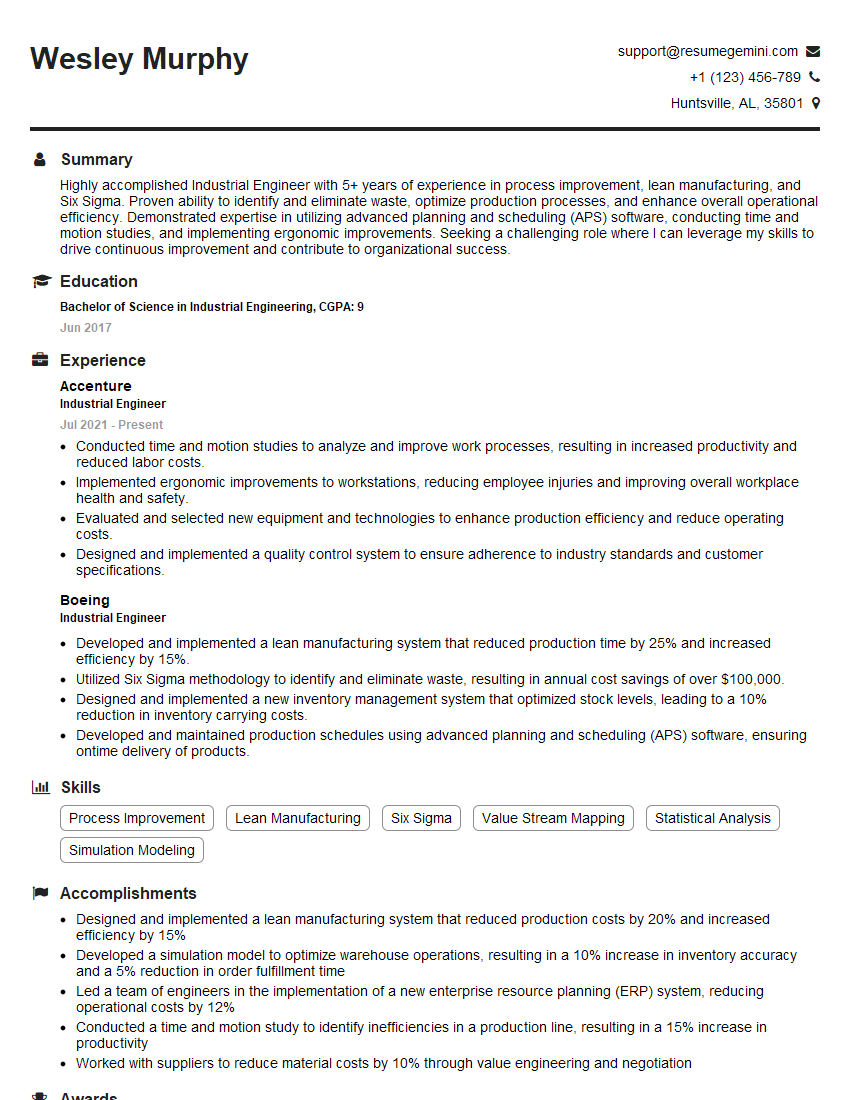
Industrial Engineer Resume Sample

Manufacturing Engineer Resume Sample

Manufacturing Technician Resume Sample

Production Technician Resume Sample

Machine Operator Resume Sample

Sheet Metal Technician Resume Sample

Sheet Metal Worker Resume Sample

Shear Operator Resume Sample

Fabricator Resume Sample

Press Brake Operator Resume Sample
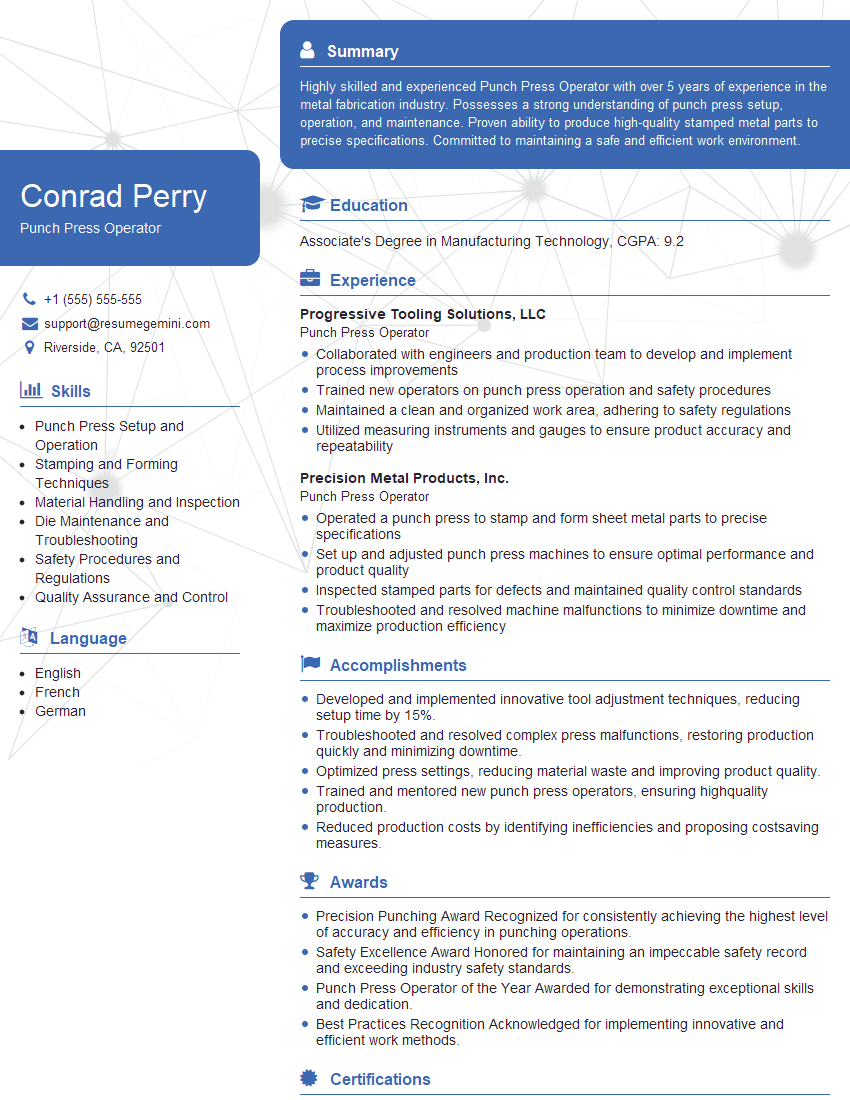
Punch Press Operator Resume Sample

Tool and Die Maker Resume Sample
- Plant Manager
- Manufacturing Manager
- Quality Control Supervisor
- Production Supervisor
- Process Engineer
- Industrial Engineer
- Manufacturing Engineer
- Manufacturing Technician
- Production Technician
- Machine Operator
- Sheet Metal Technician
- Sheet Metal Worker
- Shear Operator
- Fabricator
- Press Brake Operator
- Punch Press Operator
- Tool and Die Maker
Explore more articles
Users Rating of Our Blogs
Share Your Experience
We value your feedback! Please rate our content and share your thoughts (optional).
What Readers Say About Our Blog
Very informative content, great job.
good