Interviews are more than just a Q&A session—they’re a chance to prove your worth. This blog dives into essential Ability to Work Effectively with Athletes and Officials interview questions and expert tips to help you align your answers with what hiring managers are looking for. Start preparing to shine!
Questions Asked in Ability to Work Effectively with Athletes and Officials Interview
Q 1. Describe your experience managing athlete expectations.
Managing athlete expectations is crucial for maintaining a positive and productive sporting environment. It involves a proactive approach of clear communication, realistic goal setting, and consistent feedback. I start by understanding each athlete’s individual aspirations, strengths, and weaknesses. This includes open discussions about their goals, both short-term and long-term, ensuring they are achievable and aligned with the overall team objectives.
For example, a young, promising athlete might have unrealistic expectations of immediate success. I’d work with them to establish incremental milestones, focusing on improvement rather than solely on winning. Regular check-ins and honest feedback, both positive and constructive, are key to keeping them motivated and grounded. This process involves celebrating small victories and providing support during setbacks, ensuring they feel valued and understood.
Another important aspect is managing expectations regarding playing time or team roles. Transparency is essential. If a player is not getting as much playing time as they’d like, I ensure they understand the reasons and offer strategies for improvement, always emphasizing their value to the team even if it isn’t reflected in immediate playing time.
Q 2. How have you handled disagreements between athletes and officials?
Disagreements between athletes and officials are inevitable in sports. My approach is always to be a neutral mediator, prioritizing fairness and respect for all parties. I start by actively listening to each perspective, ensuring each person feels heard and understood before attempting to resolve the issue. I focus on the facts of the situation, avoiding emotional responses and personal opinions.
For instance, if a player disagrees with a referee’s call, I’d first listen to the player’s explanation, then consult the referee’s perspective, and finally, if needed, refer to the relevant rules and regulations. If the disagreement can’t be resolved immediately, I would offer to schedule a follow-up meeting to thoroughly discuss the matter with both parties, providing a calm and structured environment.
Maintaining a professional and calm demeanor throughout the process is essential. I emphasize the importance of sportsmanship and respect for the rules, reminding everyone that the goal is a fair and enjoyable experience for all involved.
Q 3. Explain your approach to conflict resolution in a sports setting.
My approach to conflict resolution in sports relies heavily on collaborative problem-solving. It’s not about winning or losing an argument, but about finding a solution that satisfies everyone involved as much as possible. I use a structured approach:
- Active Listening: Fully understanding each individual’s perspective before offering solutions.
- Identifying the Root Cause: Pinpointing the core issue driving the conflict, rather than just addressing surface-level symptoms.
- Brainstorming Solutions: Working collaboratively with all involved parties to generate multiple potential solutions.
- Evaluating Options: Weighing the pros and cons of each solution, considering fairness and practicality.
- Implementing and Monitoring: Agreeing on a solution and monitoring its effectiveness to ensure its success and make adjustments if necessary.
Think of it like building a bridge: each party starts on their own side of a chasm, and my role is to help them build a bridge to cross, finding common ground to connect them.
Q 4. How do you ensure clear communication with athletes and officials?
Clear communication is the cornerstone of effective teamwork. With athletes, I employ various methods, including regular team meetings, individual check-ins, and written communication (emails, training plans). With officials, maintaining open lines of communication involves regular pre-game briefings and post-game debriefings to ensure mutual understanding and address any arising issues.
For athletes, I tailor my communication style to the individual. Some athletes prefer direct and concise feedback, while others need more detailed explanations and encouragement. I strive for consistent, unambiguous messages to avoid confusion or misinterpretations. I also actively encourage athletes to communicate their concerns or feedback.
For officials, my communication is focused on mutual respect, adherence to rules, and professionalism. I regularly express appreciation for their work, ensuring a positive collaborative environment.
Q 5. How do you motivate athletes to perform their best?
Motivating athletes involves understanding their intrinsic drive and using that to fuel their performance. It’s not about pushing them harder, but about helping them tap into their full potential. I utilize several techniques:
- Positive Reinforcement: Celebrating successes, both big and small, to boost confidence and motivation.
- Goal Setting: Establishing clear, measurable, achievable, relevant, and time-bound (SMART) goals to provide direction and a sense of accomplishment.
- Building Team Cohesion: Fostering a supportive and inclusive team environment where athletes feel valued and respected.
- Providing Constructive Feedback: Offering specific and actionable feedback to help athletes improve their skills and performance.
- Focusing on Personal Growth: Emphasizing the importance of self-improvement and continuous learning.
Motivating athletes is like guiding a plant’s growth; you need to provide the right environment, nourishment (feedback and support), and sunshine (positive reinforcement) for it to flourish.
Q 6. Describe a time you had to deal with an athlete’s injury or disciplinary issue.
In my experience, managing athlete injuries and disciplinary issues requires a sensitive and structured approach. For injuries, I immediately ensure the athlete receives appropriate medical attention and support, following established medical protocols. This includes liaising with medical professionals to develop a rehabilitation plan, keeping both the athlete and their family updated on their progress.
For disciplinary issues, I would follow a fair and consistent process. This begins by gathering all facts and allowing the athlete to explain their perspective. I would then apply the relevant rules and regulations, ensuring the consequences are appropriate to the offense, focusing on education and rehabilitation rather than solely punishment. The goal is to help the athlete understand the impact of their actions and learn from their mistakes.
For example, I once had a player who suffered a serious knee injury. We ensured immediate medical attention and worked closely with the team physician to develop a comprehensive rehabilitation plan. Throughout the recovery process, we provided regular updates to the athlete and their family and ensured ongoing emotional support.
Q 7. How do you maintain positive relationships with officials?
Maintaining positive relationships with officials is paramount for a smooth-running sporting environment. This involves demonstrating consistent respect, professionalism, and appreciation for their role. I engage in regular communication, ensuring clear understanding of expectations and rules, both before and after events. I approach interactions with officials with a collaborative mindset, seeking their input and actively seeking their perspectives.
I ensure that any communication, whether in person or written, is always respectful and professional, even when disagreeing. It’s important to acknowledge their expertise and appreciate the challenges they face in officiating competitions. Recognizing their contributions builds mutual respect and fosters a positive working relationship. A simple “thank you for your service” after an event goes a long way in fostering this positive relationship.
Q 8. How do you address performance issues with athletes?
Addressing performance issues with athletes requires a sensitive and structured approach. It’s crucial to understand the root cause before implementing any solutions. I begin by having a private, open conversation with the athlete, focusing on active listening and creating a safe space for honest feedback. We collaboratively identify the performance gap – is it technical skill, mental fortitude, physical conditioning, or something else?
For example, if an athlete is struggling with shooting accuracy in basketball, we’d analyze their technique, practice routines, and mental approach under pressure. This might involve reviewing game footage, conducting drills to pinpoint weaknesses, and incorporating mental training techniques like visualization or mindfulness. The process is iterative; we track progress, adjust strategies, and celebrate small wins to maintain motivation and build confidence. If the issue persists despite our collaborative efforts, I’d involve relevant support staff, such as sports psychologists or physiotherapists, to provide additional expertise and guidance.
Q 9. Describe your experience using technology to communicate with athletes and officials.
Technology plays a vital role in my communication with athletes and officials. I utilize various platforms to ensure efficient and effective information dissemination. For example, I use team management software to share training schedules, game strategies, and performance data with athletes. This software often includes features for direct messaging, making it convenient for quick questions or updates.
With officials, I’ve found email to be reliable for pre-game communication, such as confirming assignments, rules clarifications, or addressing any logistical aspects. During events, I use dedicated communication channels – walkie-talkies or a designated event management system – for real-time updates, especially during emergency situations. This ensures clear and prompt communication, leading to smoother operations. We sometimes use video conferencing for meetings or strategy sessions, particularly useful when working across different locations. The key is selecting the right tool for the right purpose, balancing convenience with professionalism.
Q 10. How do you balance the needs of individual athletes with team goals?
Balancing individual athlete needs with team goals requires careful consideration and effective communication. My approach centers around establishing a clear understanding of both the individual’s aspirations and the team’s objectives. I encourage open dialogue, enabling athletes to share their concerns and perspectives, while simultaneously emphasizing the importance of collective success.
For instance, if a star player is experiencing burnout, I’ll work with them to create a personalized training plan that addresses their physical and mental needs without compromising their contribution to the team. This might involve adjusting their training volume, incorporating rest days, or seeking support from a sports psychologist. It’s about finding creative solutions that meet individual needs while supporting the team’s overall success. Ultimately, a cohesive and supportive team environment fosters individual growth and collective achievement.
Q 11. How do you ensure fair play and compliance with regulations?
Ensuring fair play and regulatory compliance is paramount. My approach involves proactive education and consistent monitoring. Before each event, I ensure all athletes and officials are familiar with the relevant rules and regulations through workshops, presentations, and readily accessible documentation.
I also establish clear reporting mechanisms for any suspected violations. This encourages athletes and officials to report incidents without fear of reprisal. If a violation occurs, a fair and impartial investigation follows, adhering to the established disciplinary procedures. Transparency and consistency in applying the rules are crucial in maintaining integrity and trust within the sporting community. For example, clear guidelines on acceptable equipment, doping protocols, and conduct expectations are disseminated well in advance.
Q 12. How do you handle pressure situations during games or events?
Handling pressure situations requires a calm and decisive approach. My experience has taught me that maintaining composure is key. During tense moments, I rely on clear communication, delegation of tasks, and a focus on problem-solving. I ensure that my team (athletes and support staff) is prepared for different scenarios.
For example, during a crucial game with time running out, I’d focus on delivering clear instructions, providing encouragement, and ensuring everyone remains focused on the task at hand. After the event, we conduct debriefings to analyze performance, identify areas for improvement, and reinforce positive behaviors. This allows us to learn from both successes and setbacks and improve our ability to handle high-pressure situations in the future.
Q 13. How would you address a situation where an official made a controversial call?
Addressing a controversial official’s call requires diplomacy and a commitment to fairness. I would first allow time for emotions to subside after the call. Then, I’d approach the official privately to discuss the situation, focusing on facts and avoiding accusatory language. I’d listen to their perspective, clarify any misunderstandings, and ensure they understand the concerns raised.
If the call was indeed erroneous, I’d explain why, reinforcing the importance of consistent and fair officiating. However, if the call was within the official’s discretion, even if unpopular, I’d reinforce that the integrity of the game relies on respect for their decisions. It’s crucial to maintain professionalism and avoid escalating the situation unnecessarily. Sometimes, a post-game review with the official, where gameplay is reviewed, can help prevent similar issues in the future.
Q 14. Describe your experience in creating and maintaining a positive team atmosphere.
Creating and maintaining a positive team atmosphere is fundamental to success. My approach is multifaceted and relies on fostering mutual respect, trust, and open communication. I prioritize team building activities, both on and off the field, to strengthen relationships and create a sense of camaraderie. I encourage athletes to support and celebrate each other’s accomplishments, recognizing individual contributions to the team’s overall success.
Regular team meetings, which encourage constructive feedback and open dialogue, contribute to this environment. I make a conscious effort to address any conflicts promptly and fairly. The creation of a culture of respect and empathy is vital. I lead by example, demonstrating professionalism, integrity, and a commitment to supporting each athlete’s growth and well-being. It’s not just about winning games; it’s about building strong relationships and fostering a positive environment where everyone feels valued.
Q 15. How do you adapt your communication style to different athletes and officials?
Adapting my communication style is crucial for effective collaboration with athletes and officials. It’s about understanding individual personalities and communication preferences. I use a flexible approach, adjusting my tone, language, and delivery method to suit each person.
- With athletes: I often use positive reinforcement and motivational language, focusing on their strengths and areas for improvement. Younger athletes may need simpler, more direct instructions, while experienced athletes might appreciate a more collaborative and strategic conversation.
- With officials: My communication is more formal and precise, emphasizing clarity and adherence to rules. I prioritize respectful dialogue and collaborative problem-solving, understanding their authority and the importance of fair play.
For example, I might use enthusiastic encouragement with a young, nervous athlete before a crucial race, while discussing complex rule interpretations calmly and objectively with a referee.
Career Expert Tips:
- Ace those interviews! Prepare effectively by reviewing the Top 50 Most Common Interview Questions on ResumeGemini.
- Navigate your job search with confidence! Explore a wide range of Career Tips on ResumeGemini. Learn about common challenges and recommendations to overcome them.
- Craft the perfect resume! Master the Art of Resume Writing with ResumeGemini’s guide. Showcase your unique qualifications and achievements effectively.
- Don’t miss out on holiday savings! Build your dream resume with ResumeGemini’s ATS optimized templates.
Q 16. Describe a time you had to negotiate a compromise between conflicting interests.
During a regional swimming championship, two teams had conflicting schedules for using the pool for practice. One team felt their training time was being unfairly shortened, while the other team insisted on their established practice time. I facilitated a negotiation by first actively listening to both team coaches, understanding their perspectives and concerns.
Then, I proposed several compromise options: adjusting the practice schedule slightly, allocating additional practice time on another day, or dividing the existing practice time into shorter sessions. I presented the options objectively, highlighting the advantages and disadvantages of each. After careful consideration, both teams agreed to a modified schedule that allowed for equal practice time, albeit with some minor adjustments. This successful negotiation showcased my ability to find mutually acceptable solutions through open communication and impartial facilitation.
Q 17. How do you ensure athletes understand rules and regulations?
Ensuring athletes understand rules and regulations is paramount for fair play and safety. My strategy is multifaceted:
- Clear and Concise Explanations: I use simple language, avoiding jargon, and offer visual aids like diagrams or videos whenever possible.
- Interactive Sessions: I conduct interactive sessions, encouraging questions and clarifying any doubts. Role-playing scenarios can help athletes understand practical applications of the rules.
- Written Materials: I provide written materials – rulebooks, summaries, or frequently asked questions – for easy reference. These might include examples of correct and incorrect conduct.
- Regular Reminders and Updates: I regularly remind athletes of key rules and provide updates on any changes or clarifications.
For example, before a football game, I’ll go through key rules about tackling, fair play, and penalties with the players, using visual aids and a Q&A session to ensure they understand.
Q 18. How do you provide feedback to athletes and officials constructively?
Constructive feedback is crucial for improvement. My approach involves focusing on specific behaviors, providing both positive reinforcement and areas for growth, and framing feedback in a supportive and encouraging manner.
- Start with the Positive: I always begin by acknowledging strengths and successes before addressing areas for improvement.
- Be Specific: Vague feedback is unhelpful. I provide concrete examples of behavior and its impact.
- Focus on Behavior, Not Personality: I avoid personal attacks and focus on the athlete’s or official’s actions. For example, instead of saying ‘You’re lazy,’ I’d say, ‘Your training attendance has been inconsistent recently. Let’s discuss how we can improve this.’
- Collaborative Approach: I encourage two-way communication and create a safe space for dialogue.
For instance, I might tell a basketball player: ‘Your rebounding has been fantastic this season; however, your free throw percentage could improve. Let’s work on your technique together.’
Q 19. How do you identify and address potential conflicts before they escalate?
Proactive conflict resolution involves identifying and addressing potential issues before they escalate. I utilize several strategies:
- Open Communication Channels: Creating a culture of open communication where individuals feel comfortable raising concerns.
- Regular Check-ins: Conducting regular check-ins with athletes and officials to identify emerging problems or potential tensions.
- Team Meetings: Holding team meetings to discuss expectations, rules, and potential conflicts before they arise.
- Mediation: If a conflict does arise, I act as a neutral mediator, facilitating a productive discussion between involved parties.
For example, before a tournament, I’d hold a meeting with all coaches and referees to discuss potential issues, like disputes over calls or player behavior, and establish clear procedures for handling them.
Q 20. What strategies do you use to build trust with athletes and officials?
Building trust is essential for effective collaboration. My strategy involves demonstrating:
- Fairness and Impartiality: I treat everyone equitably and make decisions based on objective criteria.
- Respect and Empathy: I show genuine respect for athletes and officials, acknowledging their experiences and perspectives.
- Consistency and Reliability: I consistently follow through on commitments and provide clear and timely communication.
- Confidentiality: I maintain confidentiality regarding sensitive information shared with me.
Building trust takes time. It’s about consistently demonstrating integrity and reliability in all interactions. For example, if I promise an athlete extra training support, I ensure I follow through, solidifying their trust in my commitment.
Q 21. How do you promote professionalism and respect among athletes and officials?
Promoting professionalism and respect involves setting clear expectations and consistently reinforcing them. My approach includes:
- Setting Clear Expectations: Establishing clear guidelines for conduct, emphasizing professionalism, respect for others (athletes, officials, and spectators), and adherence to rules.
- Role Modeling: I model appropriate behavior in all interactions. My actions demonstrate the standards I expect from others.
- Positive Reinforcement: I consistently praise and reward professional and respectful behavior.
- Consequences for Inappropriate Behavior: I consistently and fairly address inappropriate behavior, applying appropriate consequences.
For example, I’d emphasize the importance of sportsmanship both on and off the field, highlighting examples of positive behavior and outlining the consequences of violations like unsportsmanlike conduct or verbal abuse.
Q 22. Describe your experience with mentoring athletes or officials.
My experience mentoring athletes and officials spans over 15 years, encompassing various sports and competitive levels. I’ve worked with everyone from young, aspiring athletes to seasoned professionals and experienced officials. My approach is holistic, focusing not only on skill development but also on mental resilience, leadership, and ethical conduct. For example, I mentored a young swimmer struggling with self-doubt. Through personalized training plans and regular check-ins, emphasizing her strengths, we saw a significant improvement in her performance and confidence. With officials, mentoring often involves workshops on rule interpretation, conflict resolution, and effective communication with athletes and coaches.
- Individualized Plans: Tailoring mentorship to specific needs and goals.
- Skill Development: Providing technical instruction and feedback.
- Mental Fortitude: Helping athletes develop coping mechanisms for pressure and setbacks.
- Professional Development: Guiding officials in enhancing their officiating skills and decision-making processes.
Q 23. How do you ensure athletes feel supported and valued?
Creating a supportive and valued environment for athletes is paramount. This starts by fostering open communication, actively listening to their concerns, and acknowledging their individual strengths and struggles. I prioritize creating a safe space where athletes feel comfortable expressing themselves without fear of judgment. Regular feedback, both positive and constructive, is essential. I believe in celebrating successes, big and small, and offering guidance during challenging moments. I often use a strengths-based approach, focusing on what an athlete excels at, and then help them leverage those strengths to overcome their weaknesses. For example, during a particularly stressful competition season, I organized team-building activities to strengthen the athletes’ bond and mutual support.
Q 24. How do you handle complaints from athletes or officials?
Handling complaints requires a calm and impartial approach. My first step is always to actively listen to the complaint, ensuring the athlete or official feels heard and understood. I gather all relevant information from all involved parties, maintaining objectivity. Then, I use a structured process: I clarify the issue, explore possible solutions collaboratively, and document the entire process. Depending on the severity of the complaint, I might involve higher authorities or mediation services. Fairness and transparency are crucial to ensure a just resolution. In one instance, a disagreement arose between a coach and an athlete about training intensity. Through facilitated dialogue, we arrived at a compromise that satisfied both parties, respecting their needs and maintaining their working relationship.
Q 25. Describe a situation where you had to manage a difficult personality.
I once worked with a highly talented but extremely demanding athlete. Their perfectionism bordered on self-sabotage, leading to conflict with teammates and coaches. My strategy involved a combination of empathy, setting clear boundaries, and redirecting their energy. I acknowledged their talent and high standards, but stressed the importance of teamwork and sportsmanship. I helped them channel their perfectionism into constructive self-improvement, focusing on progress rather than solely on results. By showing genuine understanding and establishing mutual respect, we transformed the situation, resulting in improved team dynamics and ultimately, enhanced performance.
Q 26. How do you use data and analytics to improve athlete performance?
Data and analytics play a vital role in optimizing athlete performance. We utilize wearable technology, video analysis, and performance tracking software to collect comprehensive data on various aspects, such as speed, power, technique, and recovery. This data provides objective insights into strengths and weaknesses, allowing for personalized training adjustments. For example, analyzing video footage of a basketball player’s free throws helped us identify a minor flaw in their shooting technique that significantly improved their accuracy after correction. We then use statistical modeling to predict future performance and identify potential risk factors, allowing us to make proactive adjustments to training regimes and injury prevention strategies.
Q 27. How do you ensure the safety and well-being of athletes?
Ensuring the safety and well-being of athletes is non-negotiable. This involves implementing robust safety protocols, conducting regular medical checks, providing proper equipment, and ensuring a safe training and competition environment. We emphasize injury prevention through proper warm-up routines, training periodization, and injury management protocols. Educating athletes and coaches on safety procedures, including recognizing and responding to potential health risks, is also critical. In addition, promoting a positive and supportive team culture that minimizes stress and burnout is essential for overall well-being.
Q 28. How do you maintain confidentiality in your interactions with athletes and officials?
Maintaining confidentiality is crucial in building trust with athletes and officials. I adhere to strict ethical guidelines and only share information on a need-to-know basis, with the explicit consent of the individual involved. Information shared during mentoring sessions or consultations remains confidential unless legally required to be disclosed. We have policies in place to protect sensitive information, and all staff members are trained on these confidentiality protocols. Open communication and transparency regarding data usage and privacy rights are essential in fostering a trusting environment.
Key Topics to Learn for Ability to Work Effectively with Athletes and Officials Interview
- Understanding Diverse Personalities: Learn to recognize and adapt your communication style to the unique needs and personalities of athletes and officials, considering factors like age, experience, and cultural background.
- Effective Communication Strategies: Practice clear, concise, and respectful communication techniques, including active listening, providing constructive feedback, and handling conflict resolution.
- Building Rapport and Trust: Develop strategies for establishing positive relationships based on mutual respect and understanding. This includes demonstrating empathy and building trust through consistent actions.
- Managing Conflict and Difficult Situations: Explore techniques for de-escalating tense situations, mediating disagreements, and resolving conflicts fairly and professionally, focusing on maintaining a positive working environment.
- Teamwork and Collaboration: Understand the dynamics of teamwork within a sporting environment, emphasizing collaboration with coaches, support staff, and other officials to achieve common goals.
- Ethical Considerations and Professionalism: Discuss the importance of maintaining ethical standards, adhering to rules and regulations, and demonstrating professionalism in all interactions.
- Adaptability and Flexibility: Highlight your ability to adapt to unexpected challenges, changing circumstances, and the fast-paced nature of sporting events.
- Stress Management and Resilience: Demonstrate an understanding of the pressures involved in working with high-performing athletes and officials, and explain how you manage stress and maintain resilience in demanding situations.
Next Steps
Mastering the ability to work effectively with athletes and officials is crucial for career advancement in sports management and related fields. It demonstrates essential interpersonal skills and emotional intelligence highly valued by employers. To significantly improve your job prospects, create an ATS-friendly resume that highlights these skills. ResumeGemini is a trusted resource to help you build a professional and impactful resume that showcases your capabilities. Examples of resumes tailored to highlight “Ability to Work Effectively with Athletes and Officials” are available to help you get started.
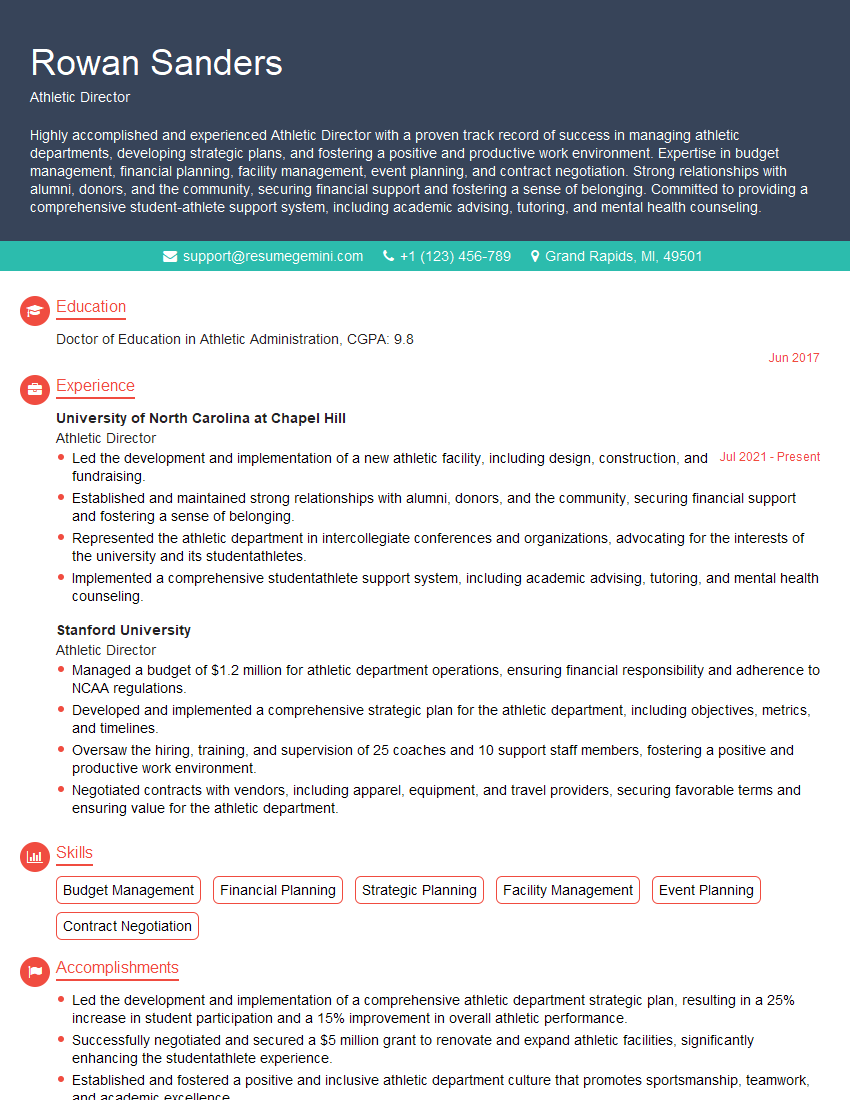
Athletic Director Resume Sample
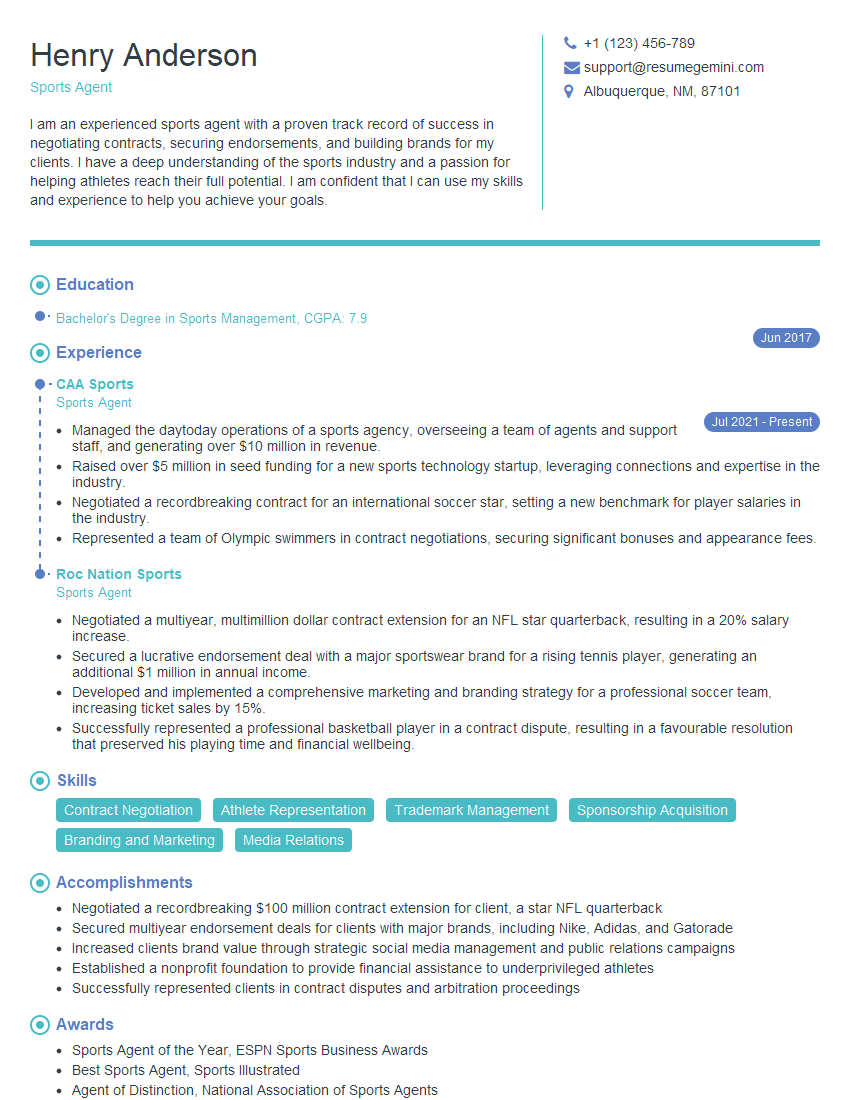
Sports Agent Resume Sample
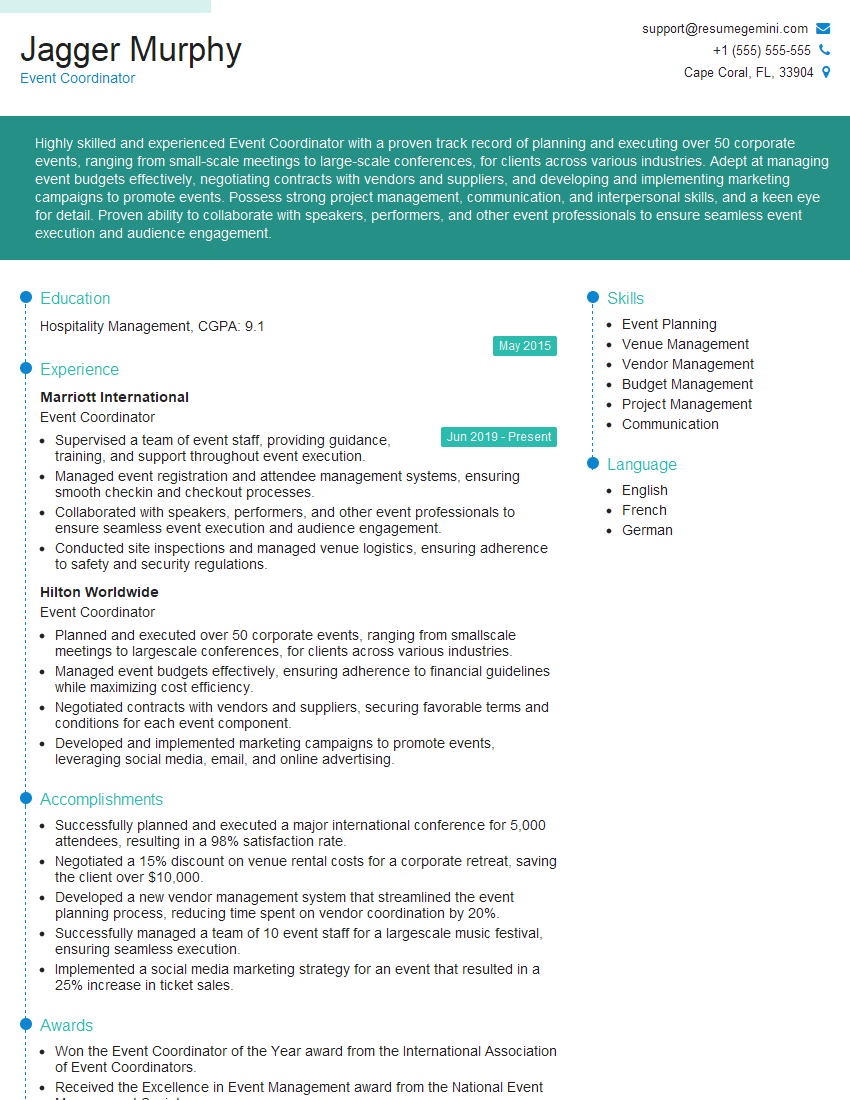
Event Coordinator Resume Sample
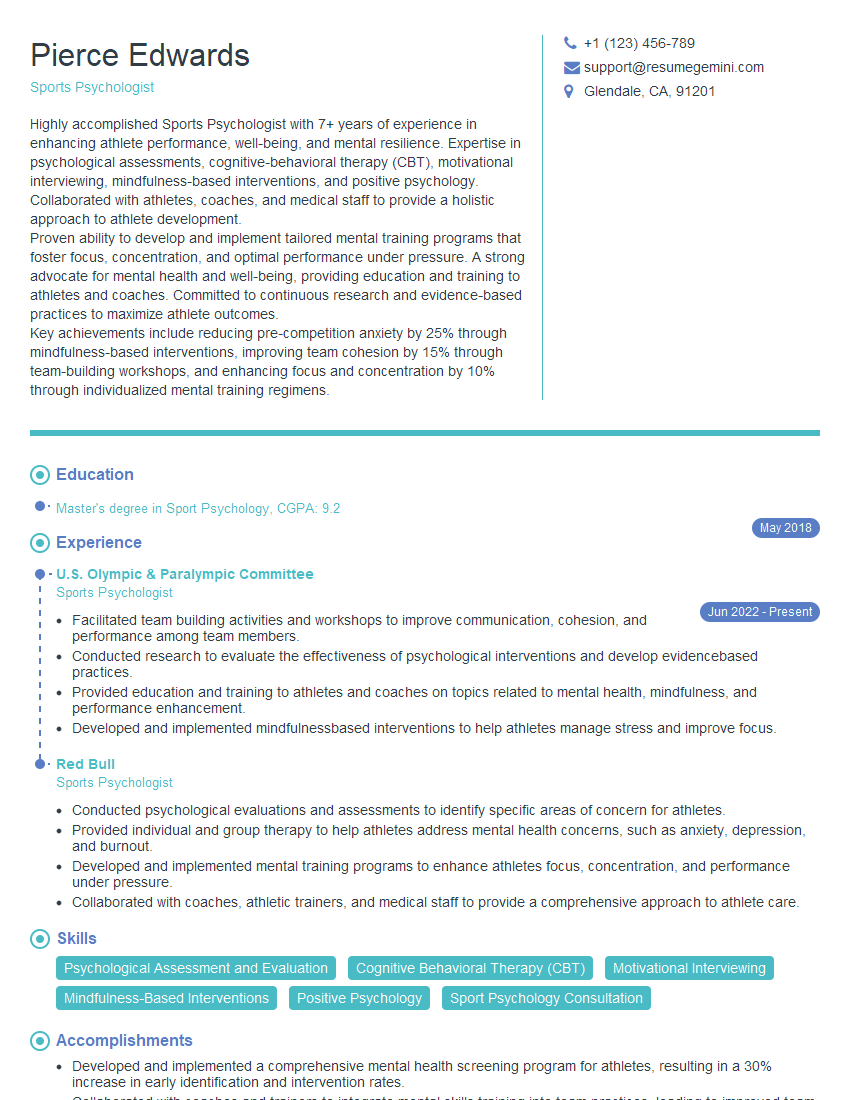
Sports Psychologist Resume Sample
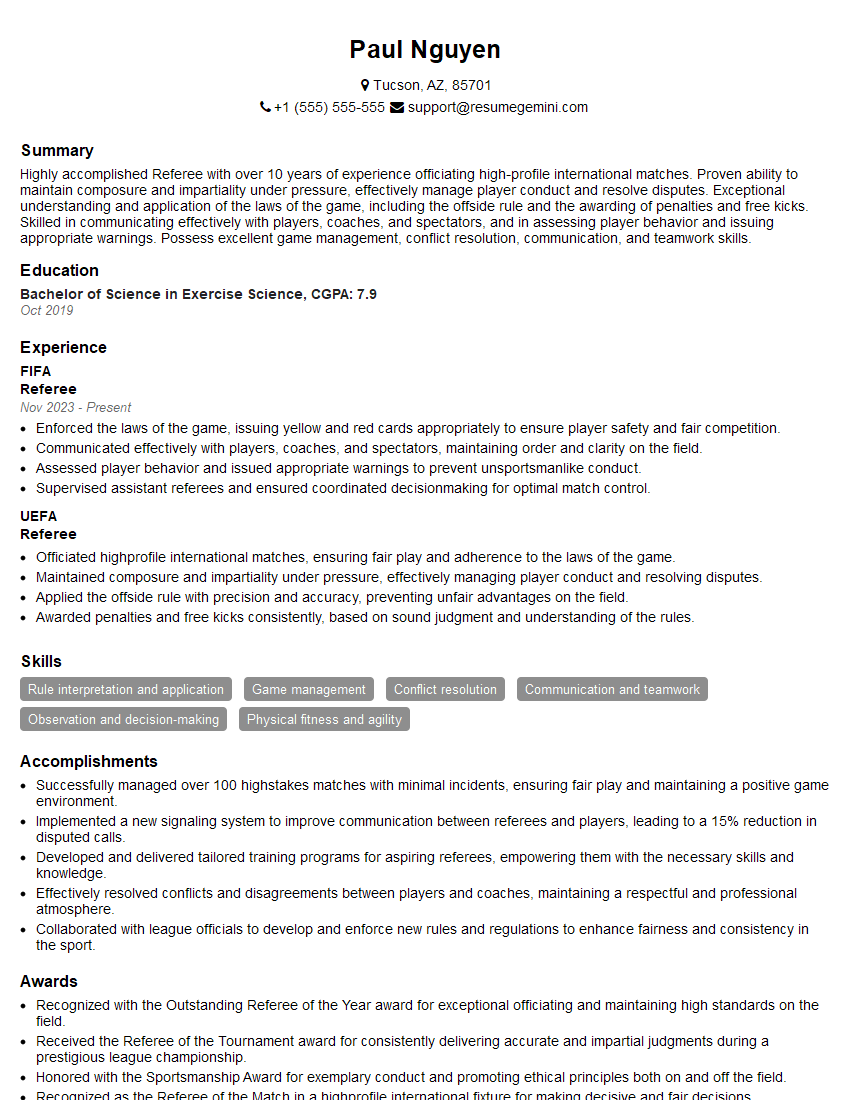
Referee Resume Sample
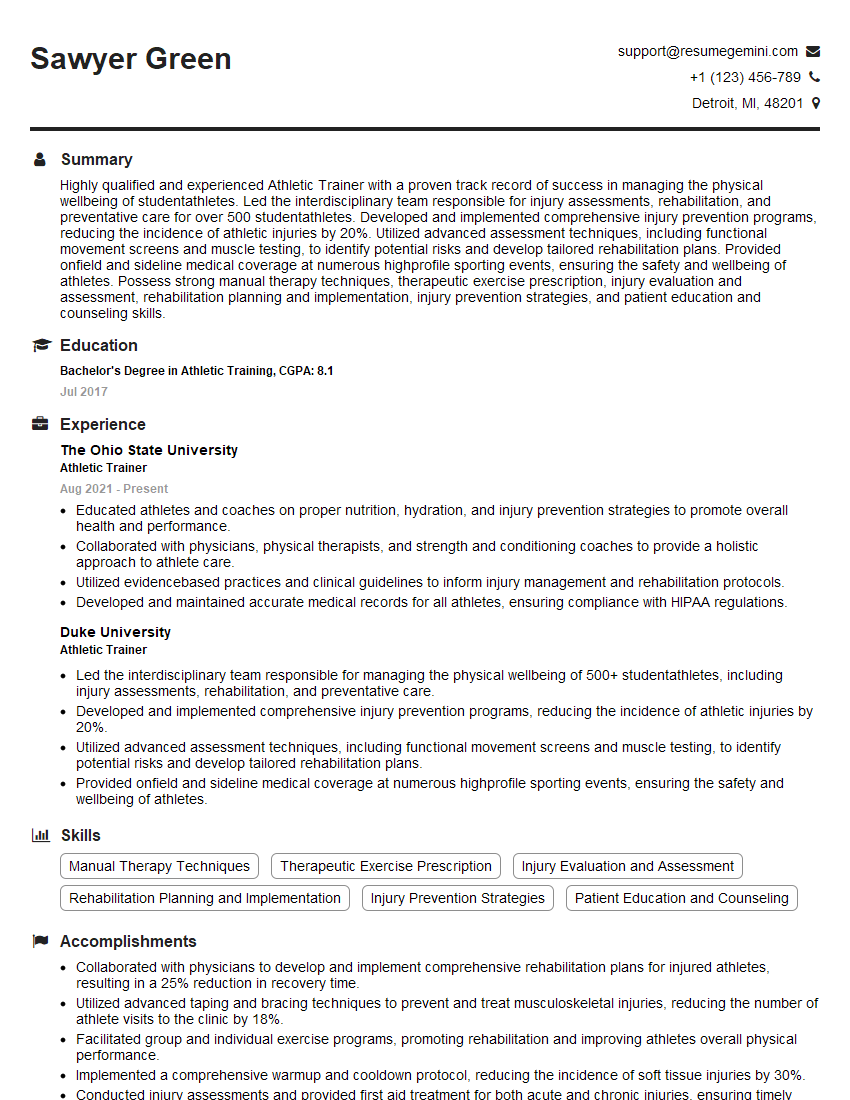
Athletic Trainer Resume Sample
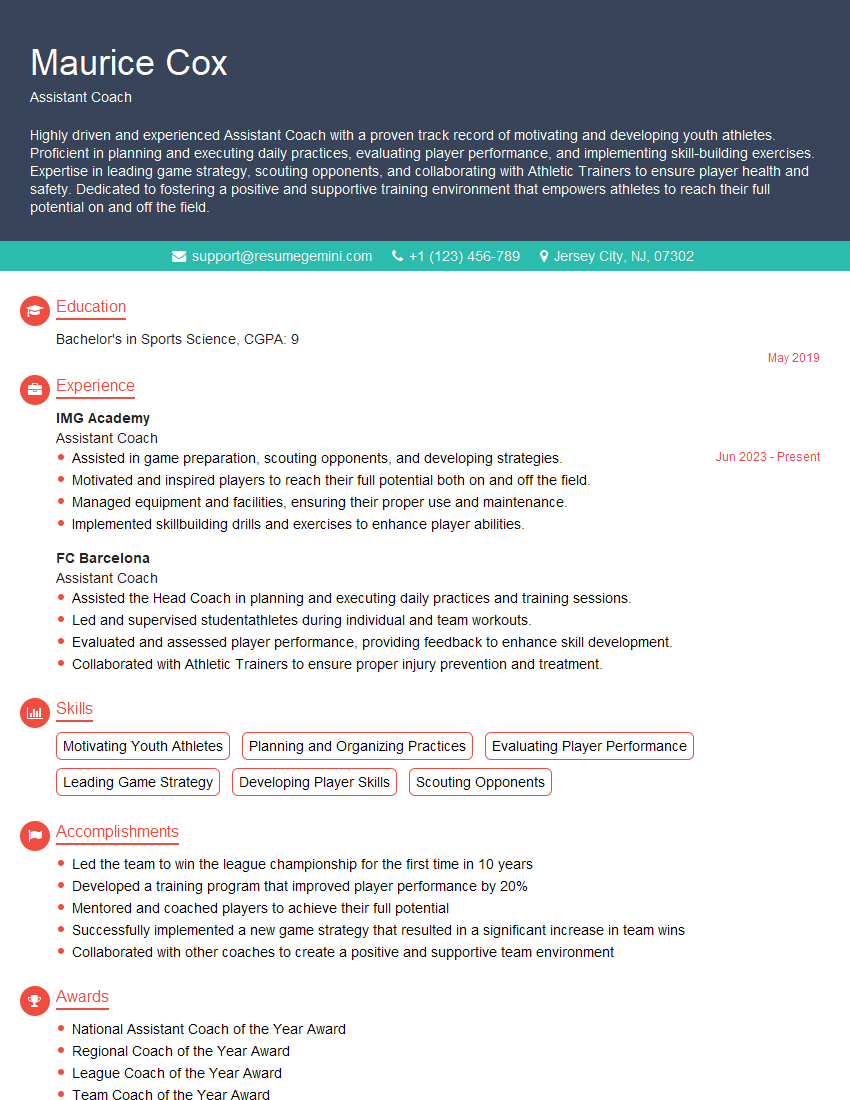
Assistant Coach Resume Sample
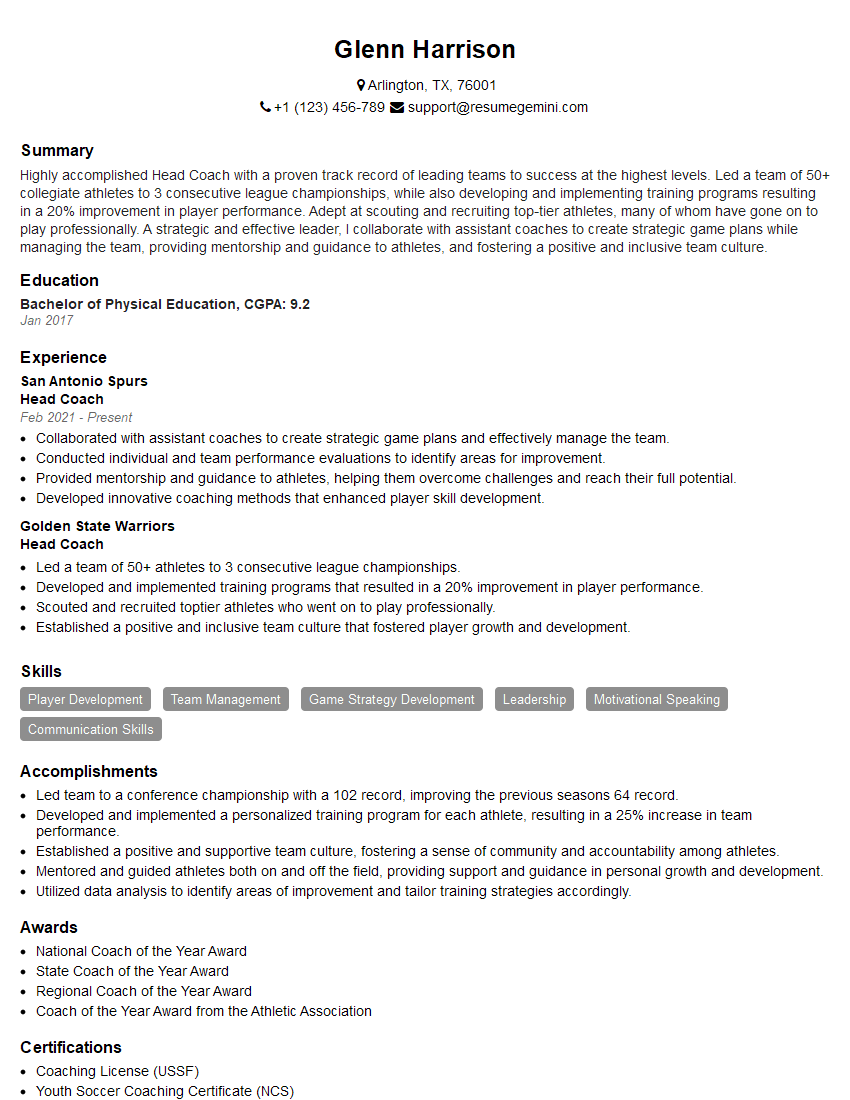
Head Coach Resume Sample
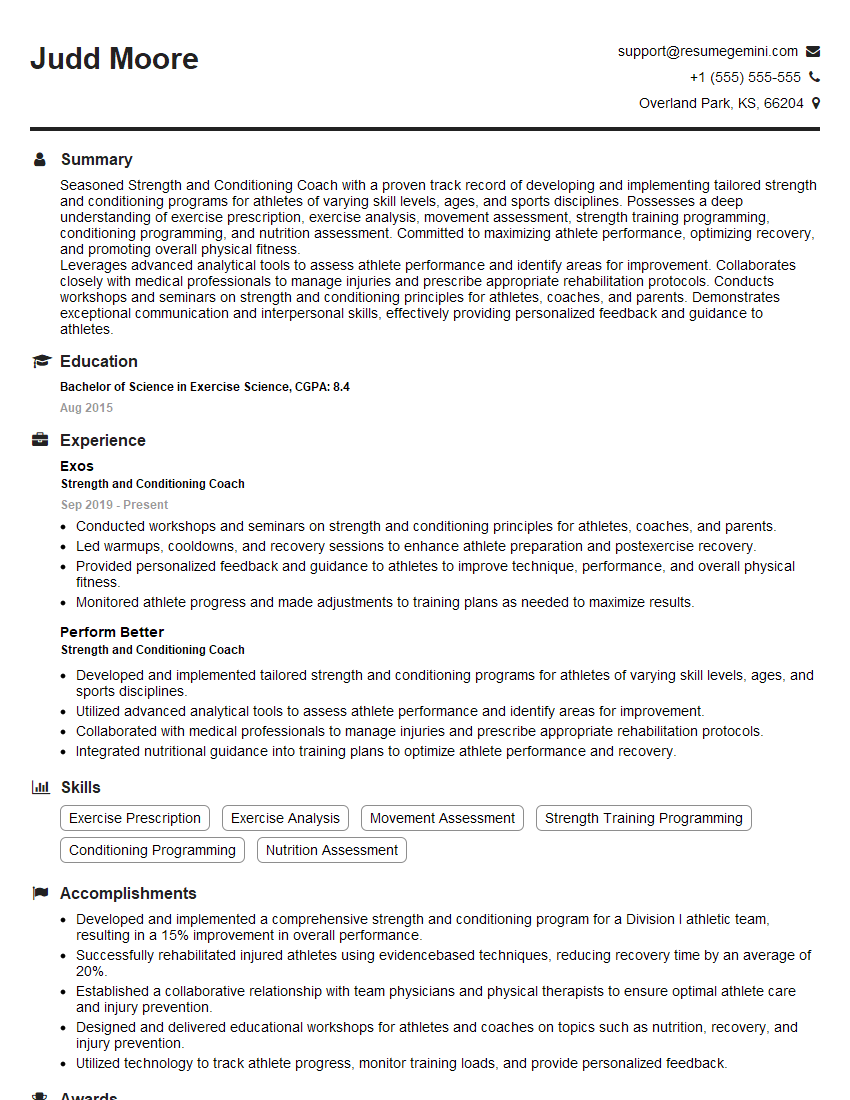
Strength and Conditioning Coach Resume Sample
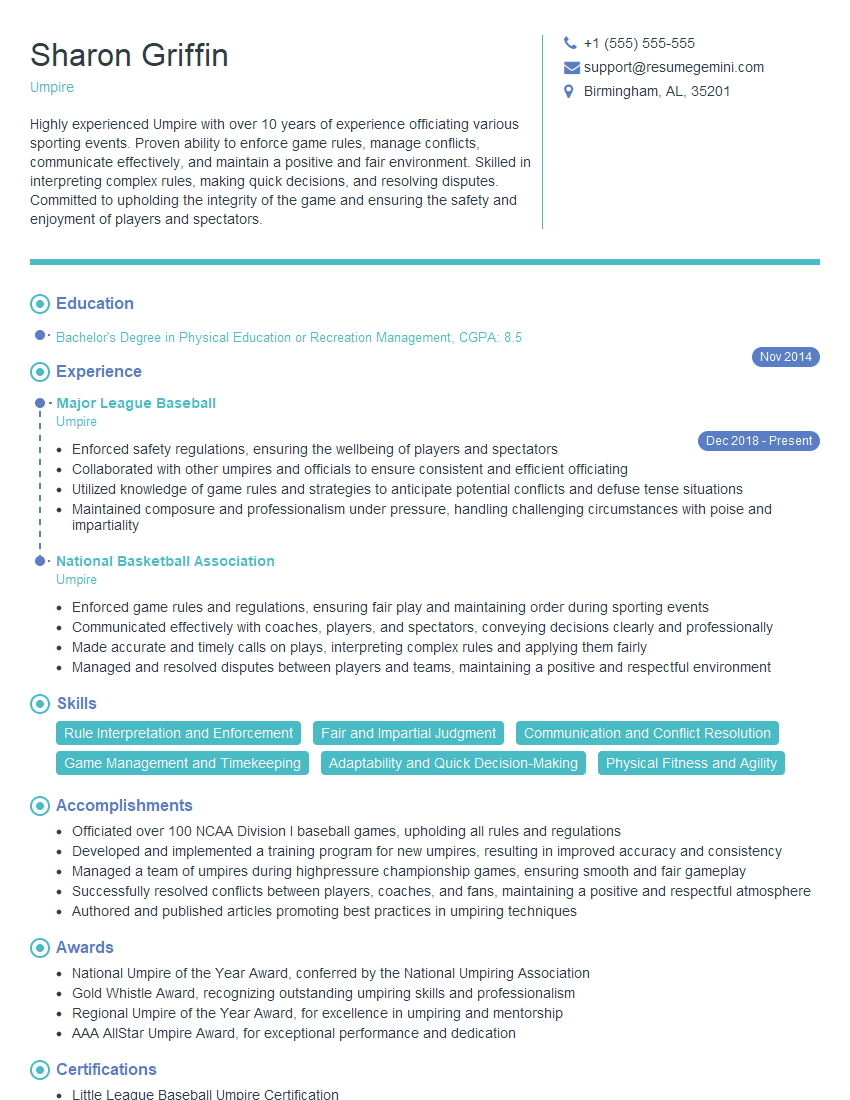
Umpire Resume Sample
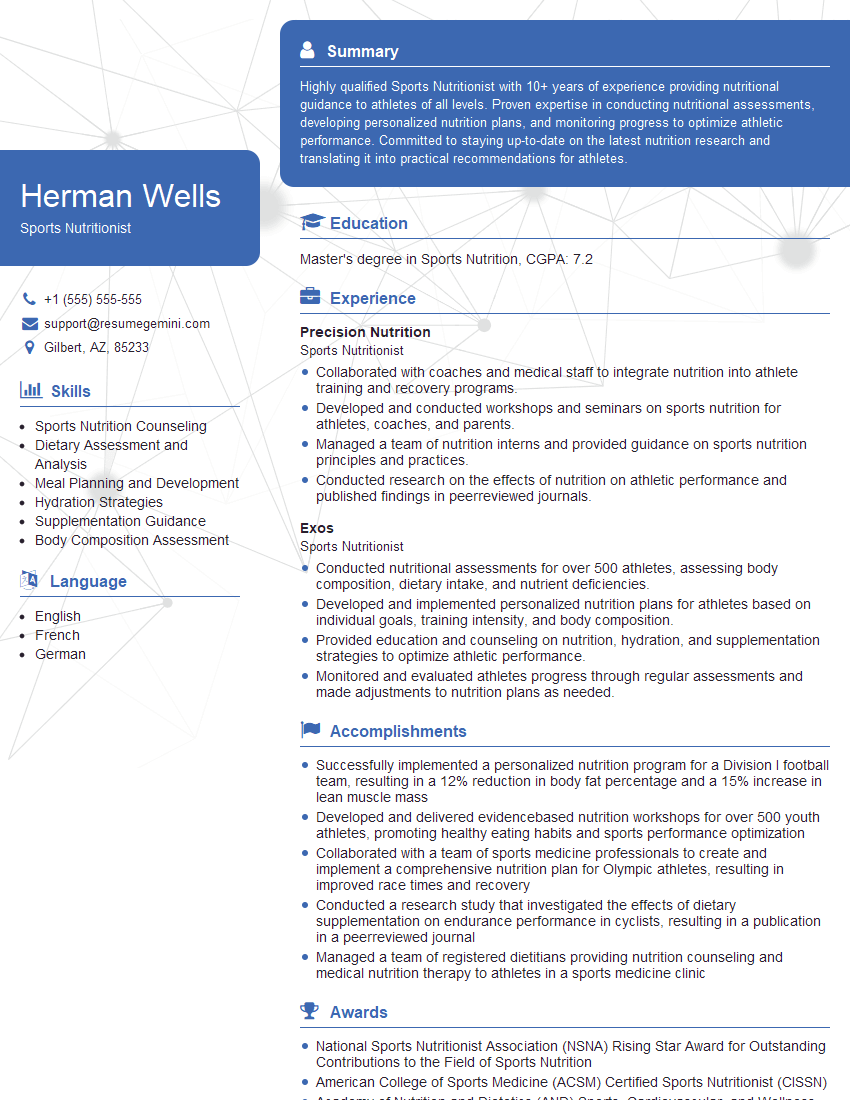
Sports Nutritionist Resume Sample
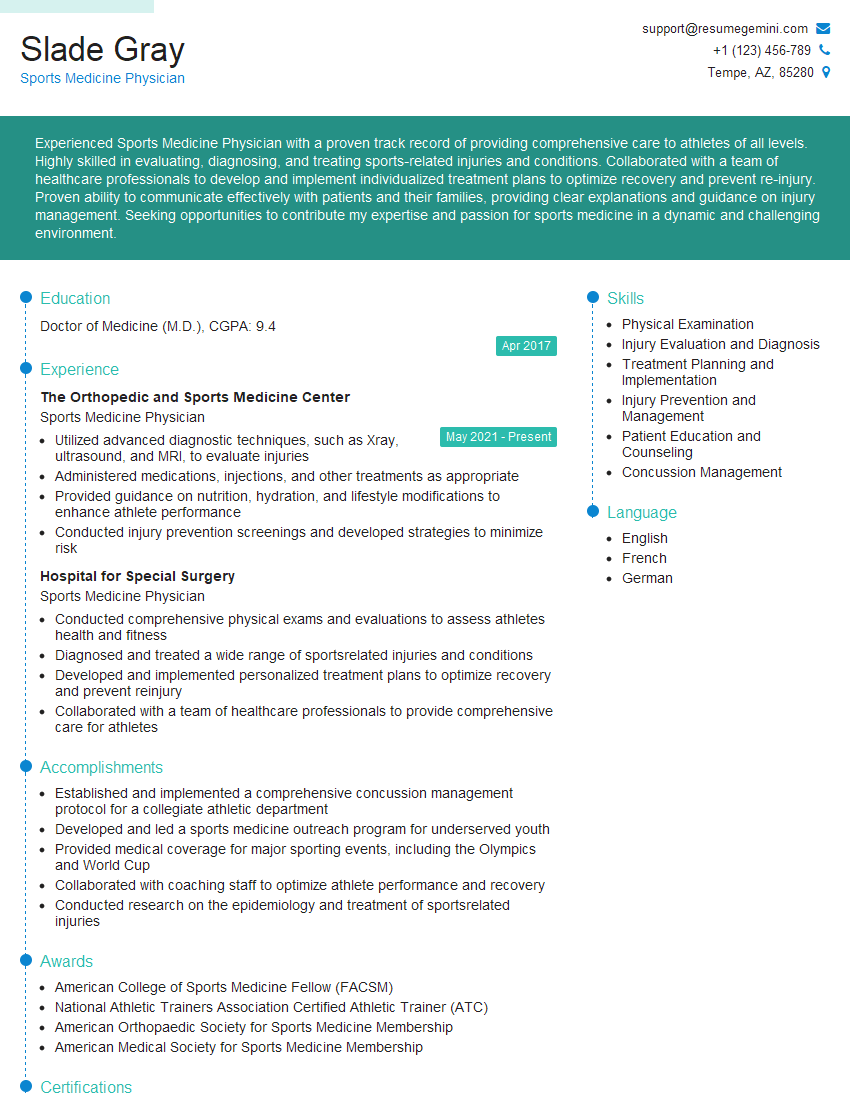
Sports Medicine Physician Resume Sample
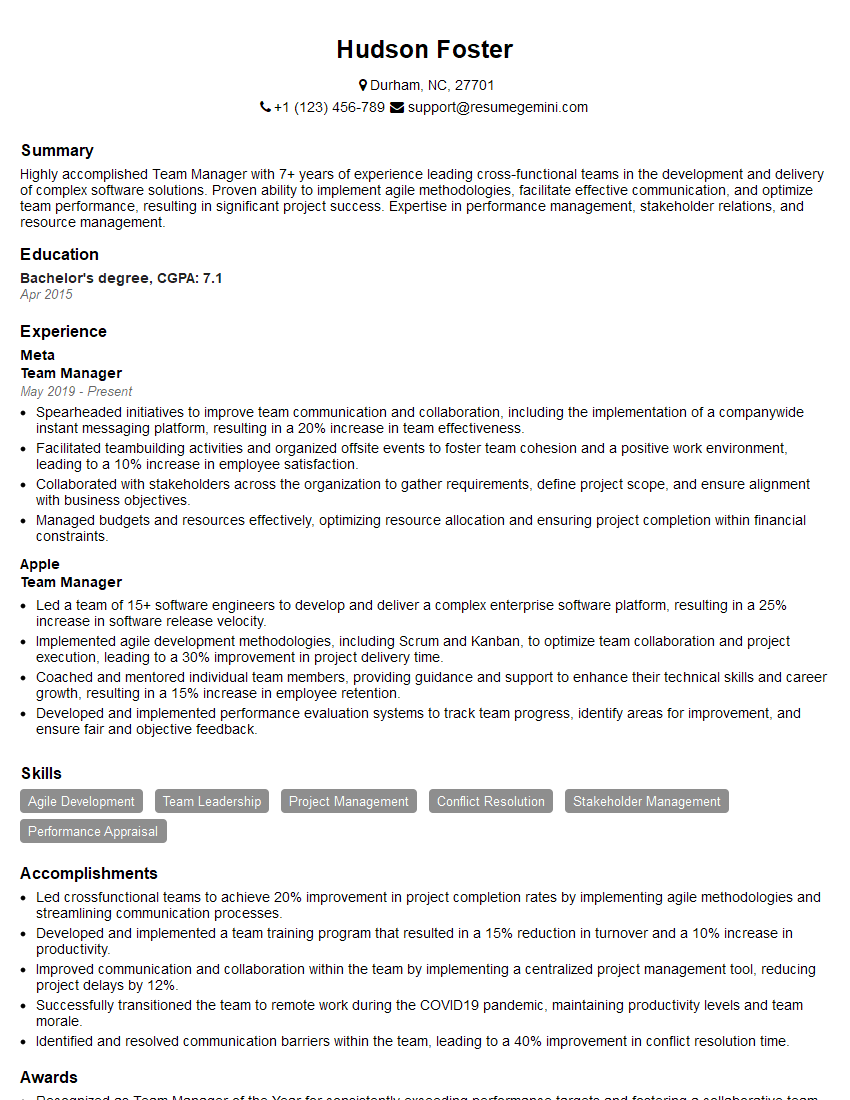
Team Manager Resume Sample
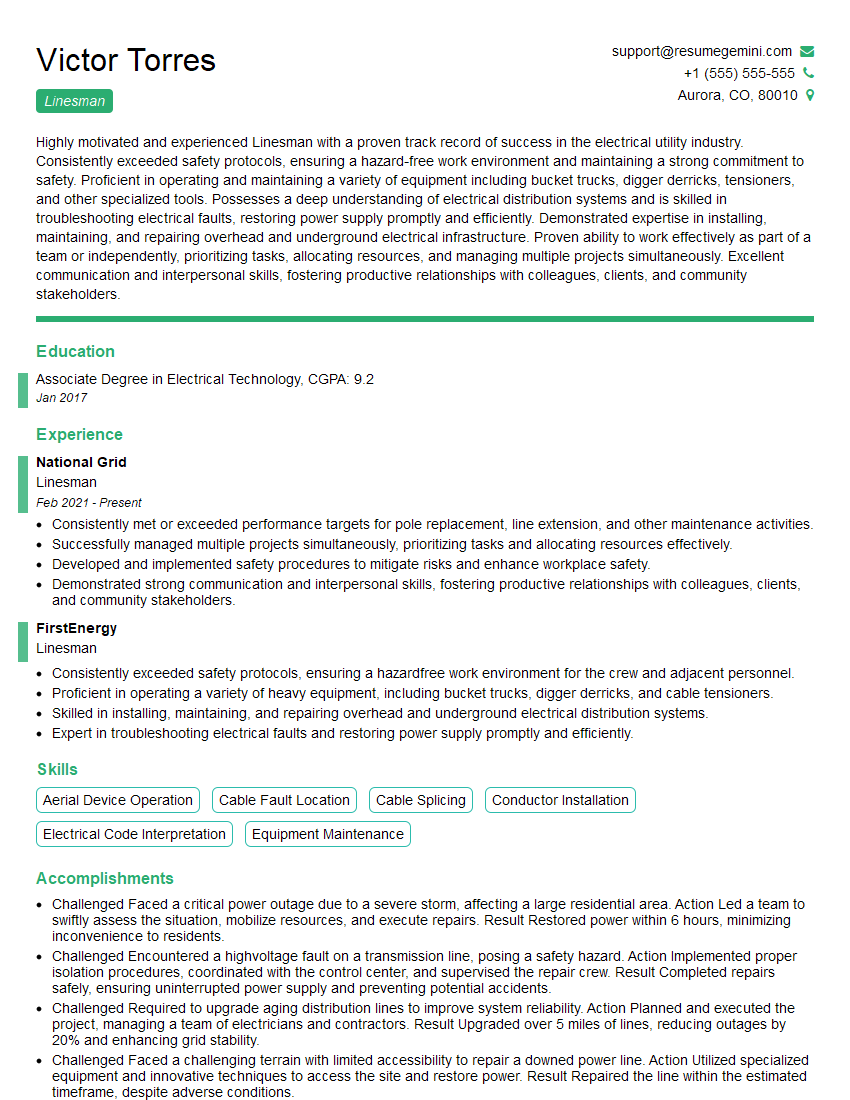
Linesman Resume Sample
Explore more articles
Users Rating of Our Blogs
Share Your Experience
We value your feedback! Please rate our content and share your thoughts (optional).
What Readers Say About Our Blog
Very informative content, great job.
good