The thought of an interview can be nerve-wracking, but the right preparation can make all the difference. Explore this comprehensive guide to AbilityToWorkIndependently interview questions and gain the confidence you need to showcase your abilities and secure the role.
Questions Asked in AbilityToWorkIndependently Interview
Q 1. Describe a situation where you had to manage your time effectively while working independently.
Effective time management is crucial for independent work. It involves planning, prioritizing, and executing tasks within a defined timeframe. Think of it like conducting an orchestra – each instrument (task) needs to play its part at the right time to create a harmonious whole (completed project).
During a recent solo project designing a new marketing campaign, I had a tight deadline of four weeks. I broke down the project into smaller, manageable tasks: market research, competitor analysis, campaign strategy development, creative asset creation, and final presentation preparation. I created a detailed Gantt chart, allocating specific time blocks to each task, considering potential overlaps and dependencies. This allowed me to visualize the project’s timeline and ensure efficient resource allocation. Regular progress checks prevented me from falling behind schedule. I used a time-tracking app to monitor my time spent on each task, identifying any areas where I was spending too much or too little time, allowing for adjustments in the following week.
Q 2. How do you prioritize tasks when working without direct supervision?
Prioritizing tasks independently requires a clear understanding of project goals and deadlines. I employ a combination of methods, adapting my approach depending on the project’s complexity. Often, I use the Eisenhower Matrix (Urgent/Important), categorizing tasks into four quadrants: Do, Decide, Delegate, and Delete. This allows me to focus on high-impact, time-sensitive tasks first, while strategically scheduling or eliminating less crucial ones.
For example, if I’m working on a website redesign, I would prioritize the crucial functionalities (navigation, core content) before focusing on less critical elements (animations, detailed design elements). This ensures the project’s core functionality is completed on time, while less important aspects can be handled accordingly without compromising deadlines.
Q 3. How do you stay motivated and focused when working independently?
Maintaining motivation and focus when working independently requires self-discipline and proactive strategies. I establish clear goals, break down large tasks into smaller, achievable milestones, and reward myself upon completion of each milestone. This creates a sense of accomplishment and keeps me engaged. I also utilize techniques like the Pomodoro Technique (25-minute work intervals with short breaks), which helps maintain focus and prevent burnout.
Furthermore, I create a dedicated workspace, free from distractions, and ensure I maintain a healthy work-life balance. Regular exercise, sufficient sleep, and social interaction are all crucial components for maintaining long-term productivity and preventing burnout. I also actively seek out opportunities for professional development to keep my skills sharp and to stay motivated and inspired.
Q 4. Explain your process for seeking clarification or assistance when needed while working independently.
Proactive communication is key to seeking clarification or assistance when working independently. My process involves first attempting to resolve the issue independently through research and exploration of available resources (documentation, online forums, etc.). If this doesn’t resolve the issue, I prepare a concise and well-defined question or problem description, gathering relevant data and screenshots before reaching out to the appropriate contact person or support channel.
For example, if I encounter a technical problem during software development, I’ll thoroughly document the error message, steps to reproduce the issue, and any relevant code snippets before contacting the development team. This approach saves time and ensures efficient resolution.
Q 5. How do you handle setbacks or challenges when working independently?
Handling setbacks is an inevitable part of independent work. My approach involves a structured problem-solving process. First, I acknowledge and accept the setback, avoiding emotional responses. Then, I analyze the situation to identify the root cause of the problem. Next, I brainstorm potential solutions, considering their feasibility and potential impact. Finally, I implement the chosen solution, monitor its effectiveness, and make adjustments as necessary.
For example, if I miss a project deadline, I wouldn’t get discouraged. Instead, I’d analyze why it happened, perhaps identifying a misallocation of time or an underestimated complexity. I would then discuss the situation with relevant stakeholders, propose a revised timeline, and implement changes to prevent similar issues in the future.
Q 6. Describe your preferred method for tracking your progress and reporting on your work when working independently.
Tracking progress and reporting on work independently requires a systematic approach. I use a combination of methods depending on the project’s size and complexity. For smaller projects, a simple to-do list with checkboxes and a progress log might suffice. For larger projects, I utilize project management tools such as Jira or Asana to track tasks, milestones, and deadlines. These tools allow for clear progress visualization and enable timely reporting through automated dashboards and progress reports.
Regular updates are crucial, and I tailor the frequency and format to the audience. For example, daily updates might be brief status reports to the immediate team, while weekly reports might summarize progress and address any challenges to the project manager.
Q 7. Have you ever worked on a project completely independently? Describe the project and your outcome.
Yes, I recently completed a completely independent project: developing a mobile application for a local non-profit organization. They needed a platform to connect volunteers with opportunities. The entire process, from initial requirements gathering and design to development, testing, and deployment, was handled by me. The outcome was a fully functional, user-friendly mobile application that streamlined volunteer engagement for the organization. The app saw a significant increase in volunteer sign-ups and task completion within the first three months after its launch, demonstrating the success of the project and its positive impact. The project strengthened my skills in Android development, project management, and client communication.
Q 8. How do you maintain accountability when working independently?
Maintaining accountability when working independently is crucial for success. It’s about taking ownership of your tasks and ensuring you deliver on your commitments, even without direct supervision. I employ several strategies to achieve this. First, I meticulously track my progress using project management tools like Trello or Asana, visually representing tasks and deadlines. This helps me stay organized and identify potential roadblocks early. Second, I set realistic, measurable goals, breaking down large projects into smaller, manageable tasks. This allows for regular self-assessment and provides a sense of accomplishment as I complete each step. Finally, I proactively communicate with stakeholders (even if it’s just sending a brief update email) to keep them informed about my progress and address any concerns promptly. Think of it like a solo athlete training for a marathon; consistent tracking, goal-setting, and communication with their coach (in this case, the stakeholders) are all vital for success.
Q 9. What strategies do you use to ensure the quality of your work when working alone?
Ensuring quality when working independently requires a proactive and self-critical approach. I begin by establishing clear quality standards before starting a task. This might involve reviewing style guides, best practices, or previous successful projects. Then, I build in quality checks throughout the process. This could involve peer reviews (even if it’s asking a colleague to review a draft), self-reviews using checklists, and testing the deliverables thoroughly. For example, when writing code, I use a linter to catch syntax errors, run unit tests, and perform rigorous debugging. Finally, I maintain detailed documentation throughout the entire process, which helps me (and others) understand the decision-making process behind my work and easily identify areas for improvement. It’s akin to a chef meticulously following a recipe, checking ingredients, and tasting their dish multiple times before serving—rigorous self-assessment is key.
Q 10. How do you overcome procrastination when working independently?
Procrastination is a common challenge when working independently, but it’s manageable with the right strategies. I tackle it using a combination of techniques. The Pomodoro Technique, where I work in focused bursts with short breaks, helps me maintain concentration and avoid burnout. I also prioritize tasks using methods like Eisenhower Matrix (urgent/important), which helps me focus on high-impact tasks first and delegate or eliminate less important ones. Setting clear, realistic deadlines and rewarding myself upon completion of a task are also helpful. For example, after finishing a particularly challenging module, I might take a longer break or indulge in a small treat. Most importantly, I create a conducive work environment, minimizing distractions and optimizing my workspace for focus and productivity. Overcoming procrastination is like training a muscle; consistent application of strategies leads to stronger self-discipline.
Q 11. How do you stay organized when working independently?
Staying organized when working independently is paramount. I utilize a combination of digital and physical tools to achieve this. Digitally, I rely on project management software like Asana or Notion to organize tasks, deadlines, and relevant files. I create detailed project outlines and break down complex projects into smaller, manageable tasks. Physically, I maintain a clean and well-organized workspace, ensuring everything has its designated place. This minimizes distractions and makes it easier to locate materials. I also use physical notebooks for brainstorming and quick notes. Finally, I regularly review my progress and adjust my organizational system as needed. Think of it as a well-stocked and meticulously organized kitchen; when everything is in its place, cooking (or working) becomes much more efficient and enjoyable.
Q 12. Describe a time you had to make a critical decision without immediate guidance.
In a previous role, I was tasked with selecting a new software platform for our team. We had conflicting requirements from different team members, and there was no clear precedent or immediate guidance from management. I systematically evaluated different platforms, considering factors like cost, functionality, ease of use, and integration with existing systems. I conducted thorough research, reviewed user reviews, and even created a small-scale prototype to test some key features. After carefully weighing the pros and cons of each option, I presented a justified recommendation, highlighting the rationale behind my decision and addressing potential risks. My choice was eventually adopted, and the new platform significantly improved our team’s efficiency. This experience reinforced the importance of structured decision-making, even in the absence of immediate direction.
Q 13. How do you handle ambiguity in tasks when working independently?
Handling ambiguity in tasks requires proactive communication and a structured approach. When faced with an unclear task, I start by clarifying the objectives and deliverables. I ask clarifying questions, break down the task into smaller components, and explore potential solutions. I also conduct thorough research, looking for examples, best practices, or guidelines. If the ambiguity persists, I proactively communicate with stakeholders to seek clarification and ensure we are on the same page. This process is iterative; I might revisit and refine my understanding as the project progresses. For example, if the requirements for a new design are unclear, I’d schedule a call to discuss the target audience, key features, and desired user experience before starting the design work. Treating ambiguity as an opportunity for clarification, rather than an obstacle, is key.
Q 14. How do you ensure you meet deadlines when working independently?
Meeting deadlines when working independently requires careful planning and proactive monitoring. I start by creating a detailed project schedule, breaking down the task into smaller, manageable units, each with its own deadline. I then use project management tools to track progress, identify potential delays, and adjust the schedule accordingly. I build in buffer time for unexpected events and regularly review my progress against the schedule, proactively addressing any roadblocks. Proactive communication with stakeholders is also crucial—keeping them informed of progress and any potential delays allows for collaborative problem-solving. Finally, I prioritize tasks strategically, focusing on high-impact activities early on. This proactive and meticulous approach ensures that deadlines are not only met but also that the work is delivered to a high standard. Think of it like a journey; proper route planning, regular check-ups, and timely adjustments ensure you reach your destination on schedule.
Q 15. How do you utilize resources effectively when working autonomously?
Effective resource utilization when working autonomously is crucial for success. It’s about being strategic and mindful in how you allocate your time, tools, and information. This involves planning ahead, prioritizing tasks, and continually evaluating your efficiency.
- Prioritization: I use methods like Eisenhower Matrix (urgent/important) to prioritize tasks, focusing on high-impact activities first. For example, if I’m working on a complex project with multiple deadlines, I’ll break it into smaller, manageable tasks and prioritize them based on their urgency and importance. This prevents me from getting bogged down in less critical details.
- Time Management: I employ time-blocking techniques, allocating specific time slots for different tasks. This helps maintain focus and prevents task-switching, boosting overall productivity. For instance, I might dedicate two hours to focused coding, followed by an hour for research, and then an hour for testing.
- Tool Selection: I carefully choose the right tools for the job. Using the wrong tool can be incredibly inefficient. If I need to analyze large datasets, for example, I’ll use a powerful data analysis tool instead of struggling with spreadsheets. This ensures I’m using the most efficient resources available.
- Continuous Improvement: Regular self-reflection is key. I regularly review my workflow, identifying areas for improvement and adjusting my approach accordingly. For example, if I notice I’m spending too much time on a particular task, I might look for ways to automate or streamline it.
Career Expert Tips:
- Ace those interviews! Prepare effectively by reviewing the Top 50 Most Common Interview Questions on ResumeGemini.
- Navigate your job search with confidence! Explore a wide range of Career Tips on ResumeGemini. Learn about common challenges and recommendations to overcome them.
- Craft the perfect resume! Master the Art of Resume Writing with ResumeGemini’s guide. Showcase your unique qualifications and achievements effectively.
- Don’t miss out on holiday savings! Build your dream resume with ResumeGemini’s ATS optimized templates.
Q 16. Describe your experience with remote collaboration tools.
I’m proficient with a variety of remote collaboration tools, essential for effective independent work in today’s environment. My experience includes tools for communication, project management, and file sharing.
- Communication: I’m experienced using tools like Slack, Microsoft Teams, and Zoom for instant messaging, video conferencing, and file sharing, enabling seamless communication with colleagues and clients, even when working remotely.
- Project Management: I’m adept at using platforms like Asana, Trello, and Jira for task management, progress tracking, and collaborative workflows. These tools allow for clear task assignment, deadline setting, and progress monitoring, even when team members are geographically dispersed. I’ve used these tools extensively to manage my own tasks and collaborate effectively with others on remote projects.
- File Sharing: I utilize cloud-based storage services like Google Drive, Dropbox, and OneDrive to ensure easy access and version control of project files. This facilitates smooth collaboration, allowing me to share my work and receive feedback efficiently.
I adapt my tool choices to the specific project requirements and team preferences, ensuring optimal communication and collaboration regardless of the setting.
Q 17. How familiar are you with project management methodologies, and how do they apply to independent work?
I’m familiar with several project management methodologies, including Agile (Scrum, Kanban), Waterfall, and Lean. While these are often associated with team projects, their principles are equally applicable to independent work, providing structure and efficiency.
- Agile (particularly Kanban): I find Kanban particularly useful for independent work. Its visual workflow helps me track my progress, prioritize tasks, and identify bottlenecks. I create a Kanban board – either physically or using a digital tool – to visualize my tasks, their status (to-do, in progress, done), and dependencies.
- Waterfall: Even in independent work, a structured approach like Waterfall can be beneficial for well-defined projects with clear deliverables. It ensures a sequential approach, minimizing the risk of overlooking crucial steps.
- Lean Principles: The Lean methodology’s emphasis on eliminating waste and maximizing value applies perfectly to independent work. I continuously look for ways to streamline my processes, reduce unnecessary steps, and focus on delivering maximum value.
The key is adapting the methodology to my specific needs and project scope. The goal is to leverage the structure and framework to maximize efficiency and productivity, even when working alone.
Q 18. Describe your approach to problem-solving when working independently.
My approach to problem-solving when working independently is systematic and iterative. It’s a process of defining the problem clearly, exploring potential solutions, testing, and refining until a satisfactory outcome is achieved.
- Define the Problem: Clearly articulate the problem, gathering all relevant information. This might involve researching the issue, reviewing documentation, or seeking clarification if needed.
- Brainstorm Solutions: Generate multiple potential solutions, no matter how unconventional they may seem initially.
- Evaluate Solutions: Assess the feasibility, cost, and potential impact of each solution.
- Test and Refine: Implement a chosen solution on a small scale (if possible) to test its effectiveness. Iteratively refine the solution based on the results.
- Document Findings: Document the problem, the chosen solution, the results, and any lessons learned. This creates a knowledge base for future reference.
For example, if I encounter a bug in my code, I’ll systematically debug it, using tools like a debugger and logging statements to pinpoint the source of the error, test my fixes, and document the solution for future reference.
Q 19. How do you identify and address potential risks when working independently?
Identifying and addressing potential risks is a proactive approach essential for successful independent work. It’s about anticipating challenges and developing mitigation strategies.
- Risk Assessment: I begin by identifying potential risks associated with the project. This might include technical challenges, resource constraints, or unexpected delays.
- Mitigation Planning: For each identified risk, I develop a mitigation strategy. This might involve creating backup plans, securing additional resources, or building in buffer time.
- Monitoring and Adjustment: I regularly monitor the project’s progress, paying close attention to potential warning signs. If a risk materializes, I promptly implement the corresponding mitigation strategy, adapting my plan as needed.
For instance, if a project relies on a specific third-party API, I’d identify the risk of API downtime and create a mitigation plan, such as having a backup solution or incorporating error handling into my code.
Q 20. How do you adapt to changing priorities when working independently?
Adapting to changing priorities when working independently requires flexibility and strong organizational skills. The key is to remain adaptable and focused on delivering value despite shifting demands.
- Prioritization Re-evaluation: I reassess my prioritized tasks, adjusting them based on the new priorities. This might involve re-scheduling tasks, delegating (if possible), or even re-evaluating the project scope.
- Communication: If the changes involve external stakeholders, clear and prompt communication is crucial to manage expectations and ensure everyone is aligned.
- Flexibility: I maintain a flexible schedule and workflow, allowing for adjustments as needed. This might involve re-allocating time blocks or working different hours to accommodate the new priorities.
For example, if a high-priority urgent task arises, I might pause the current task, allocate time to the urgent request, and then resume my previous work once the urgent task is completed. Transparency and communication are key in this type of scenario.
Q 21. How do you handle constructive criticism when working independently?
Constructive criticism is invaluable for growth, even when working independently. It’s about embracing feedback as an opportunity for improvement rather than a personal attack.
- Objective Assessment: I carefully review the feedback, separating constructive criticism from personal opinions. I focus on the specifics of the feedback, rather than the tone or delivery.
- Actionable Steps: I identify actionable steps based on the feedback. This might involve revisiting my work, researching new techniques, or seeking additional support.
- Self-Reflection: I use the feedback as an opportunity for self-reflection, identifying areas where I can improve my skills and processes.
- Implementation and Follow-up: I implement the changes suggested and monitor their impact. If needed, I seek further clarification or guidance.
For instance, if feedback on my code suggests improving readability, I will refactor my code, paying attention to naming conventions and comments. I then test the updated code to verify the improvement and document the changes.
Q 22. How do you measure your success when working on independent projects?
Measuring success on independent projects hinges on clearly defined goals and metrics from the outset. It’s not just about completing a task; it’s about achieving the intended outcome and impact. I typically establish Key Performance Indicators (KPIs) at the project’s inception, aligning them with broader organizational objectives. These KPIs could include things like completion within a specified timeframe, adherence to a budget, client satisfaction (measured through surveys or feedback), or achievement of specific technical milestones. For example, if I was developing a new software feature, my KPIs might include successful integration with the existing system, performance benchmarks, and a positive user experience score based on user testing. Post-project, I meticulously analyze these KPIs, comparing actual results against the planned targets. This analysis informs future projects, highlighting areas of strength and areas needing improvement in my independent workflow.
Furthermore, I regularly review the overall impact of the project. Did it contribute to the team’s goals? Did it solve a particular problem effectively? Qualitative feedback, such as comments from colleagues or clients, provides a valuable perspective beyond the purely quantitative KPI data. This holistic approach ensures I’m not just meeting deadlines, but truly contributing value.
Q 23. Can you give an example of a time you proactively identified a problem and solved it while working alone?
During a recent solo project involving the development of a marketing campaign website, I noticed a significant performance bottleneck in the loading times. The initial design, while aesthetically pleasing, used overly large images, significantly impacting user experience. Working independently, I didn’t immediately flag this to the team; instead, I proactively investigated the issue. I analyzed the website’s performance using browser developer tools, identifying the oversized images as the primary culprit. I then implemented solutions, optimizing the images using lossless compression techniques without sacrificing visual quality. This resulted in a 40% improvement in page load speed, enhancing user experience and contributing to a more effective marketing campaign. The proactive nature of this problem-solving, without external prompting, demonstrated my ability to manage and resolve critical issues in a self-directed manner.
Q 24. How do you maintain a healthy work-life balance when working independently?
Maintaining work-life balance while working independently requires conscious effort and discipline. It’s easy to blur the lines when your workspace is also your living space. My strategy involves several key elements. First, I set clear boundaries: I define specific working hours and stick to them as much as possible. This includes designating a dedicated workspace and avoiding work outside those hours unless absolutely necessary. Second, I prioritize regular breaks throughout the day to avoid burnout. This might involve a short walk, a quick meditation, or simply stepping away from my computer. Third, I schedule dedicated time for personal activities and hobbies outside of work, ensuring I have time for rest and relaxation. Finally, I use productivity tools to manage my workload effectively, preventing tasks from overwhelming me and ensuring I don’t work excessively.
Q 25. Describe a time you exceeded expectations while working independently.
In a previous independent project involving data analysis for a client, the initial request was to provide a simple summary report. However, by proactively exploring the data, I discovered a previously unidentified trend with significant business implications. This trend wasn’t explicitly requested but held considerable strategic value. I delved deeper into the analysis, creating visualizations and detailed reports that highlighted this trend. Presenting these unexpected findings not only fulfilled the original request but significantly exceeded expectations. The client expressed immense satisfaction, stating that my additional analysis saved them substantial resources and informed critical business decisions. This demonstrated my ability to go beyond the surface level of a task and provide insightful, valuable results independently.
Q 26. How do you ensure your work aligns with the overall goals of the team or organization when working independently?
Aligning independent work with team goals requires proactive communication and a clear understanding of the overall objectives. Before starting any independent project, I ensure I have a comprehensive understanding of the team’s goals and priorities, either through direct conversation with the team lead or by reviewing relevant documentation. I then explicitly link my project’s deliverables to these broader goals, demonstrating how my work will contribute to the overall success of the team. Regular check-ins with the team lead or relevant stakeholders allow for adjustments and ensure my work remains aligned with shifting priorities. For example, if I’m working on a specific module of a larger software project, I make sure I understand how my module interacts with others and how its functionality supports the overall application’s purpose.
Q 27. How do you seek feedback on your work when working independently?
Seeking feedback when working independently requires a proactive approach. I don’t wait until the project is complete; instead, I strategically incorporate feedback loops throughout the process. This might involve sharing work-in-progress with relevant stakeholders at regular intervals, soliciting their input on specific aspects of the project. I also use online collaboration tools, like shared documents or project management software, to facilitate feedback. For more complex projects, I might schedule formal reviews with team members or mentors to get structured feedback. The type and frequency of feedback loops depend on the project’s complexity and the stakeholder’s availability. The key is to actively seek input, rather than operating in isolation.
Q 28. Describe your experience using different communication methods to stay connected while working independently.
My experience with various communication methods while working independently is extensive. I leverage a range of tools depending on the context and the recipient. For quick updates and informal discussions, instant messaging platforms like Slack or Microsoft Teams are extremely effective. For detailed information sharing or documentation, I rely on email or shared collaborative documents. Video conferencing tools, such as Zoom or Google Meet, are invaluable for more complex discussions or when visual collaboration is needed. Project management software, such as Asana or Trello, keeps track of tasks, deadlines, and progress, facilitating seamless communication with stakeholders. Selecting the appropriate communication method ensures clear, efficient, and effective collaboration even while working independently.
Key Topics to Learn for AbilityToWorkIndependently Interview
- Self-Motivation and Time Management: Understanding how you prioritize tasks, manage your time effectively, and stay motivated without constant supervision. Think about specific examples from past experiences.
- Problem-Solving and Resourcefulness: Demonstrating your ability to identify problems, find solutions independently, and utilize available resources effectively. Consider showcasing instances where you overcame challenges on your own.
- Communication and Collaboration (even when working independently): Highlighting your proactive communication strategies, even when working solo – such as seeking clarification when needed or regularly updating relevant stakeholders on progress. This shows you’re not isolating yourself unnecessarily.
- Organization and Planning: Explaining your methods for organizing tasks, projects, and your workspace to maintain efficiency and productivity. Describe systems you’ve used successfully.
- Adaptability and Resilience: Demonstrating your ability to adjust to changing priorities, overcome setbacks, and maintain a positive attitude while working independently. Share examples of navigating unexpected challenges.
- Accountability and Ownership: Showcasing your commitment to meeting deadlines, taking responsibility for your work, and proactively identifying and addressing potential issues. Provide quantifiable examples of successful independent project completion.
- Technical Skills (if applicable): Depending on the role, highlight relevant technical proficiencies that enable you to work independently and efficiently. For example, proficiency in specific software or tools.
Next Steps
Mastering the ability to work independently is crucial for career advancement. It demonstrates maturity, responsibility, and a proactive approach to work, opening doors to more challenging and rewarding opportunities. To significantly boost your job prospects, focus on crafting an ATS-friendly resume that clearly showcases your independent work capabilities. ResumeGemini is a trusted resource to help you build a professional and impactful resume that highlights these skills. Examples of resumes tailored to showcase “AbilityToWorkIndependently” are available within ResumeGemini to help guide your efforts.
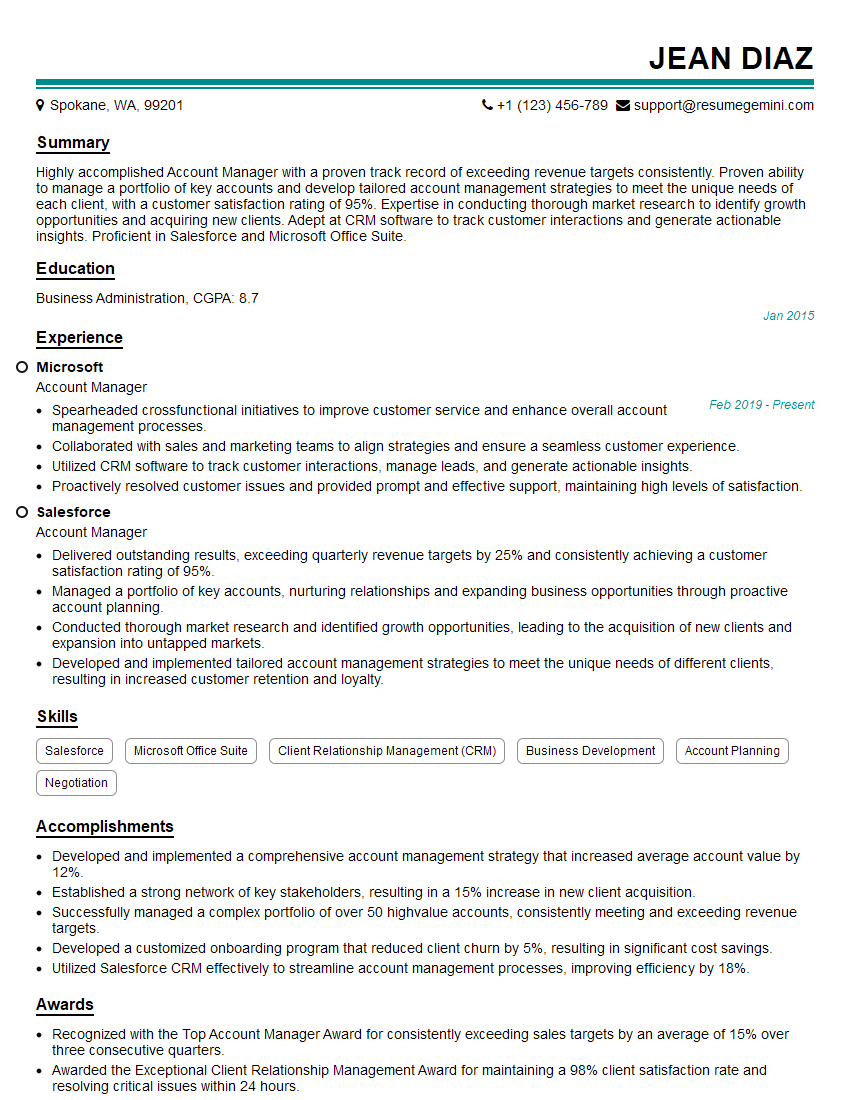
Account Manager Resume Sample
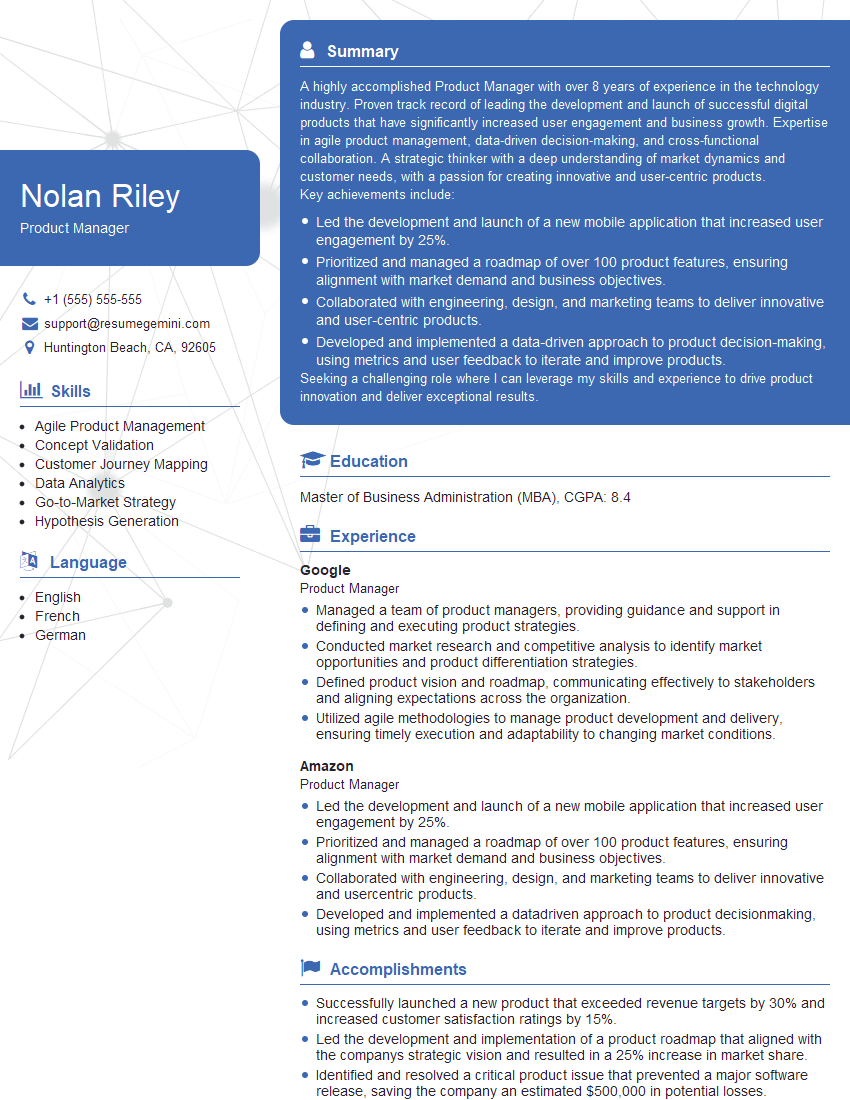
Product Manager Resume Sample
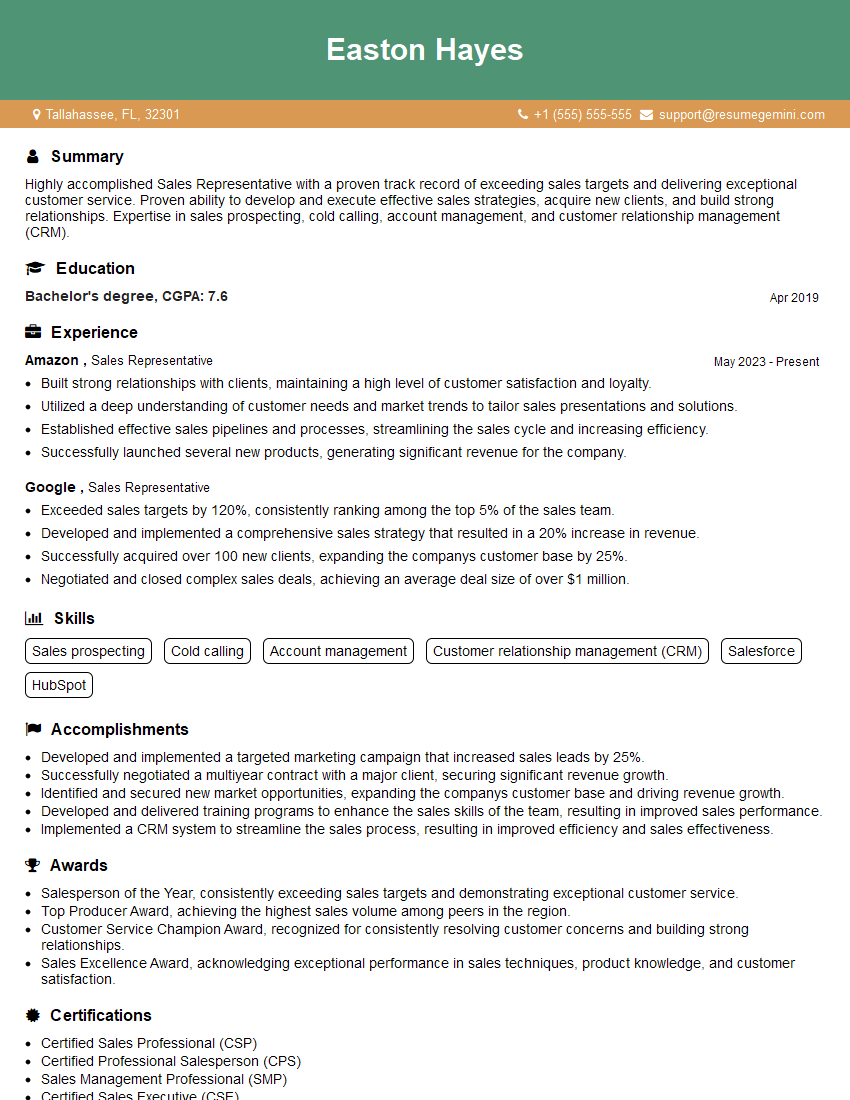
Sales Representative Resume Sample
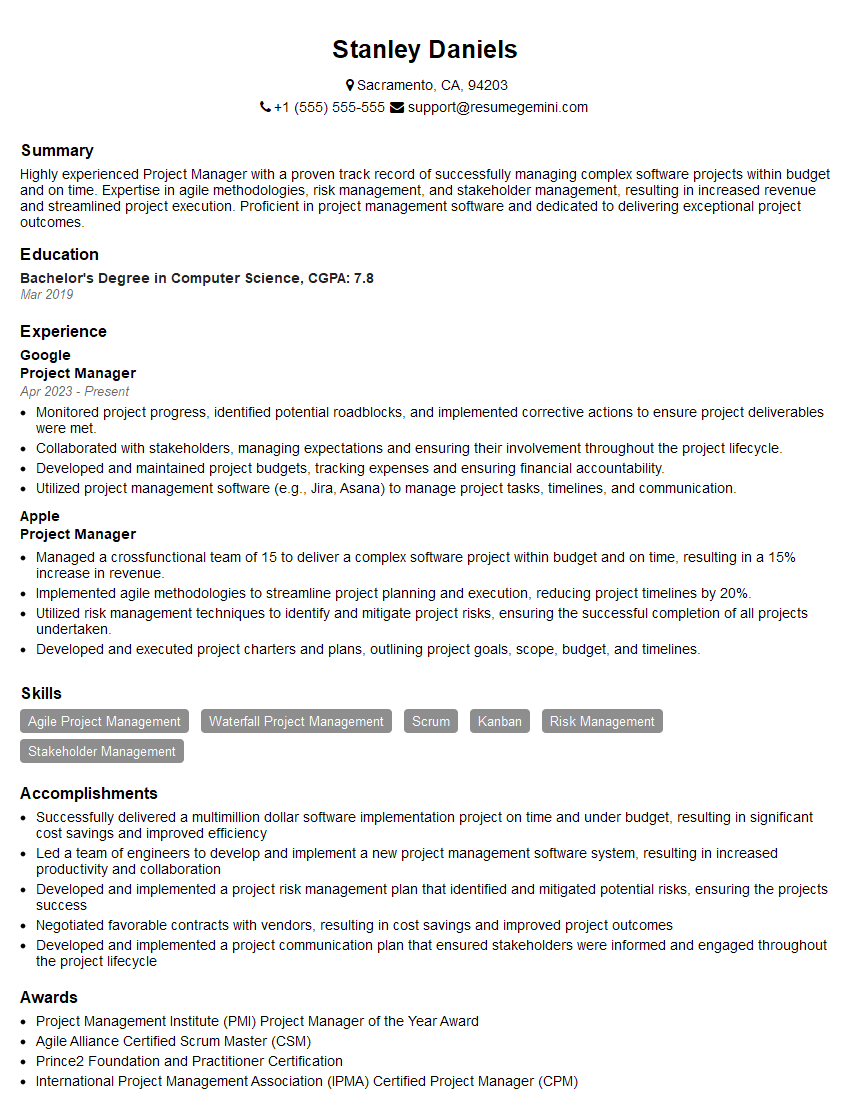
Project Manager Resume Sample
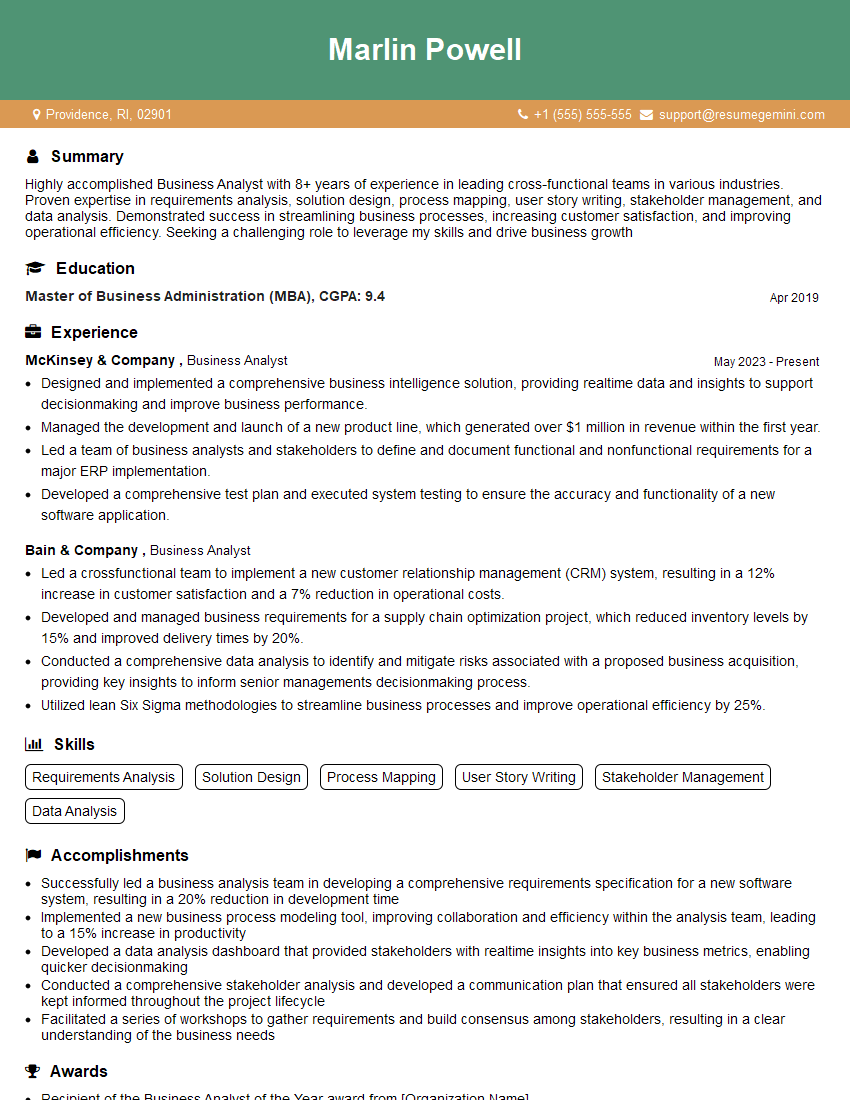
Business Analyst Resume Sample
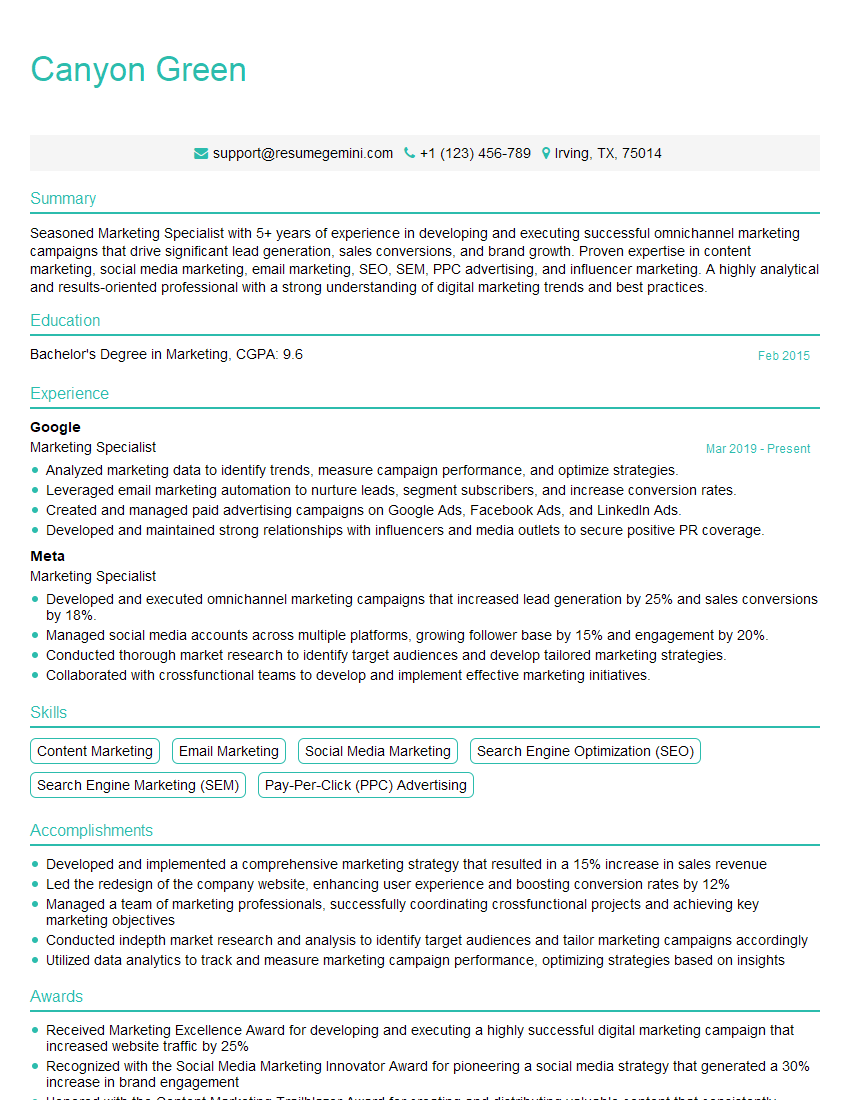
Marketing Specialist Resume Sample
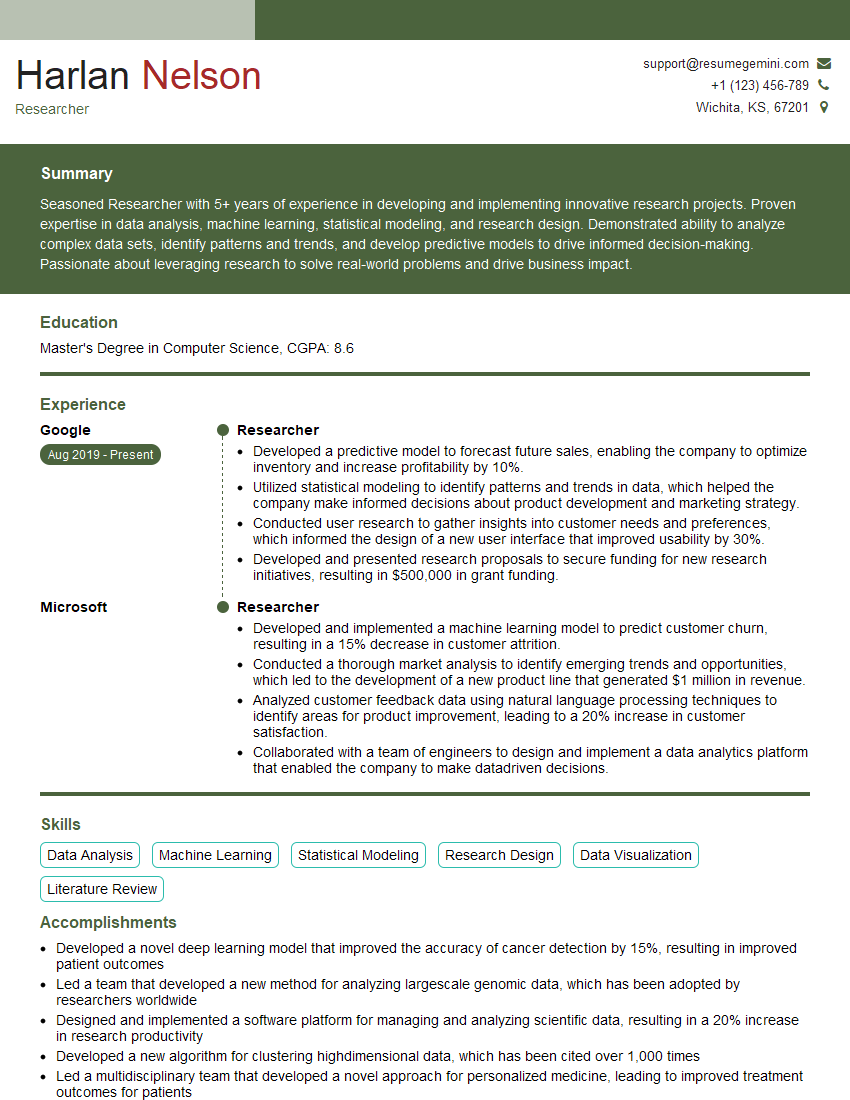
Researcher Resume Sample
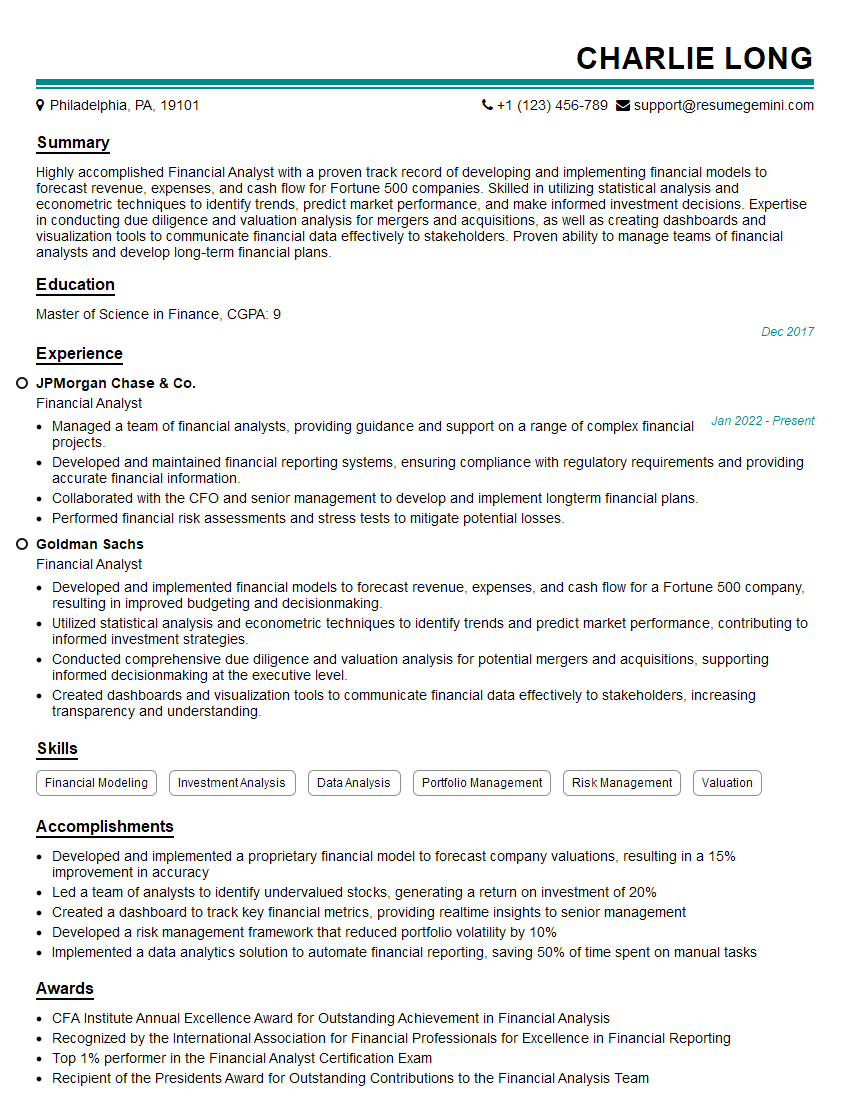
Financial Analyst Resume Sample
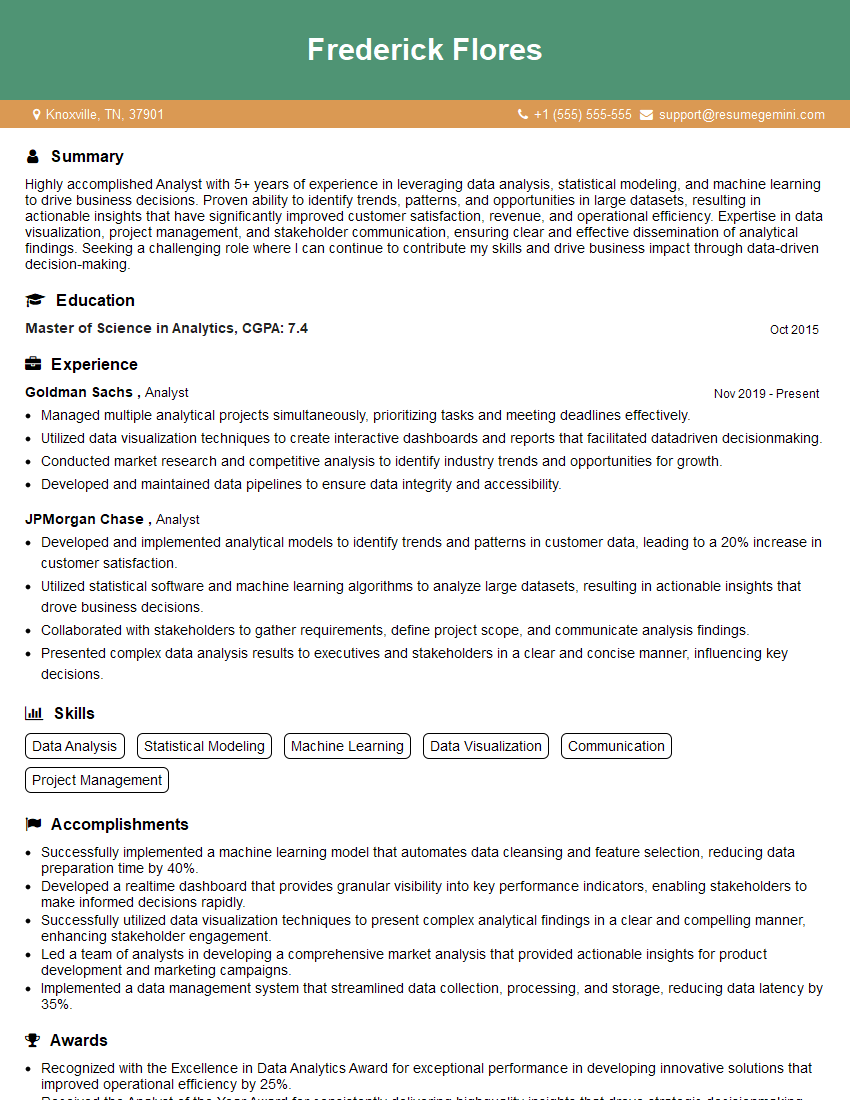
Analyst Resume Sample
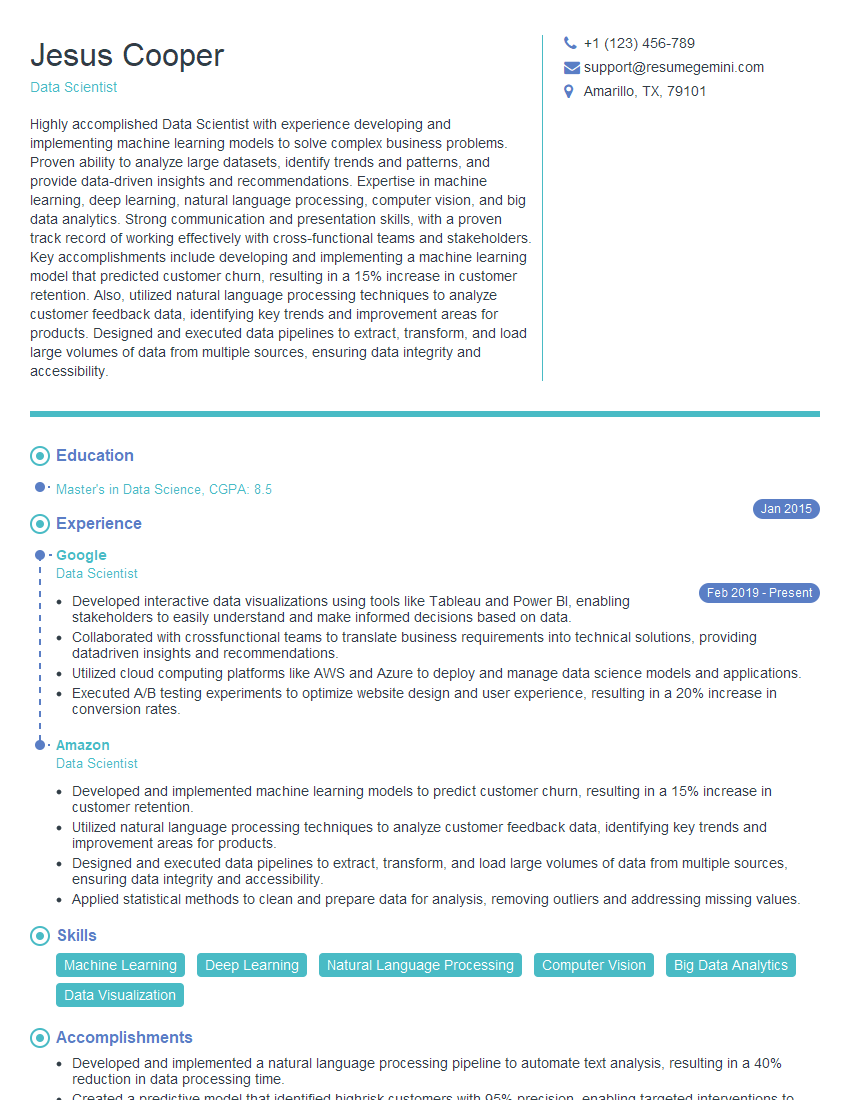
Data Scientist Resume Sample
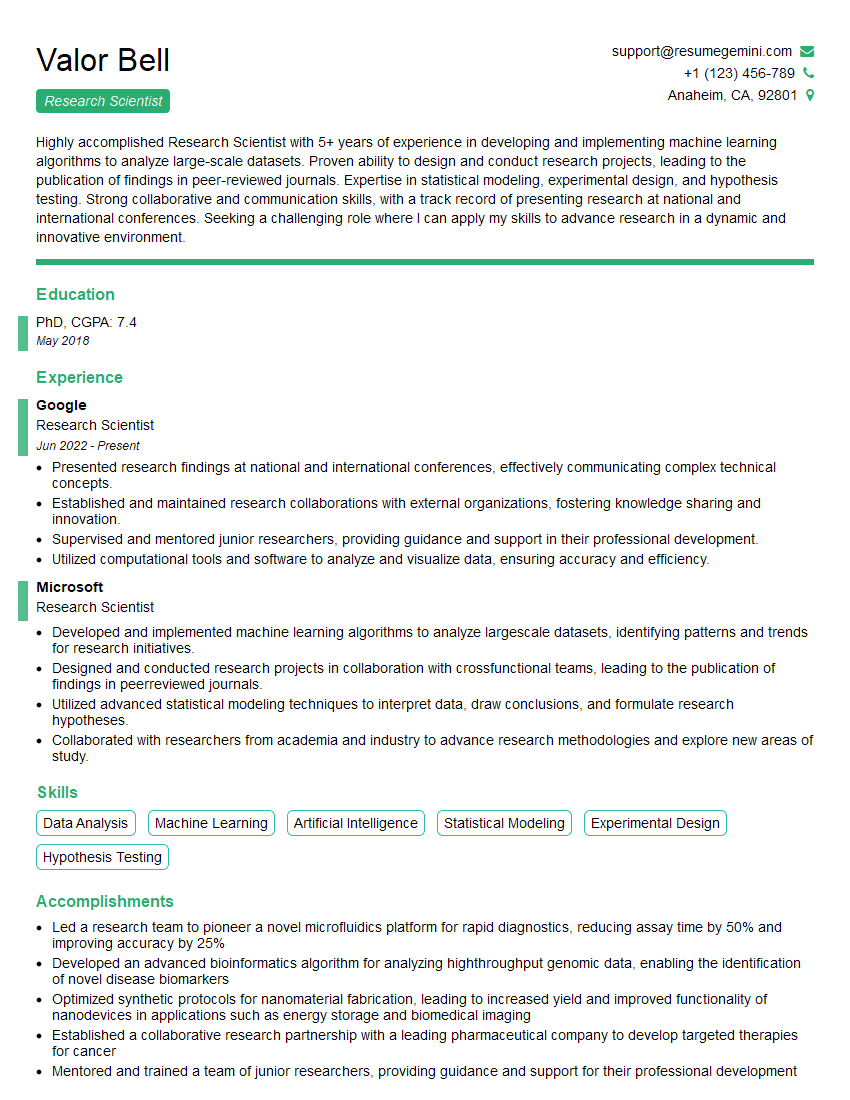
Research Scientist Resume Sample
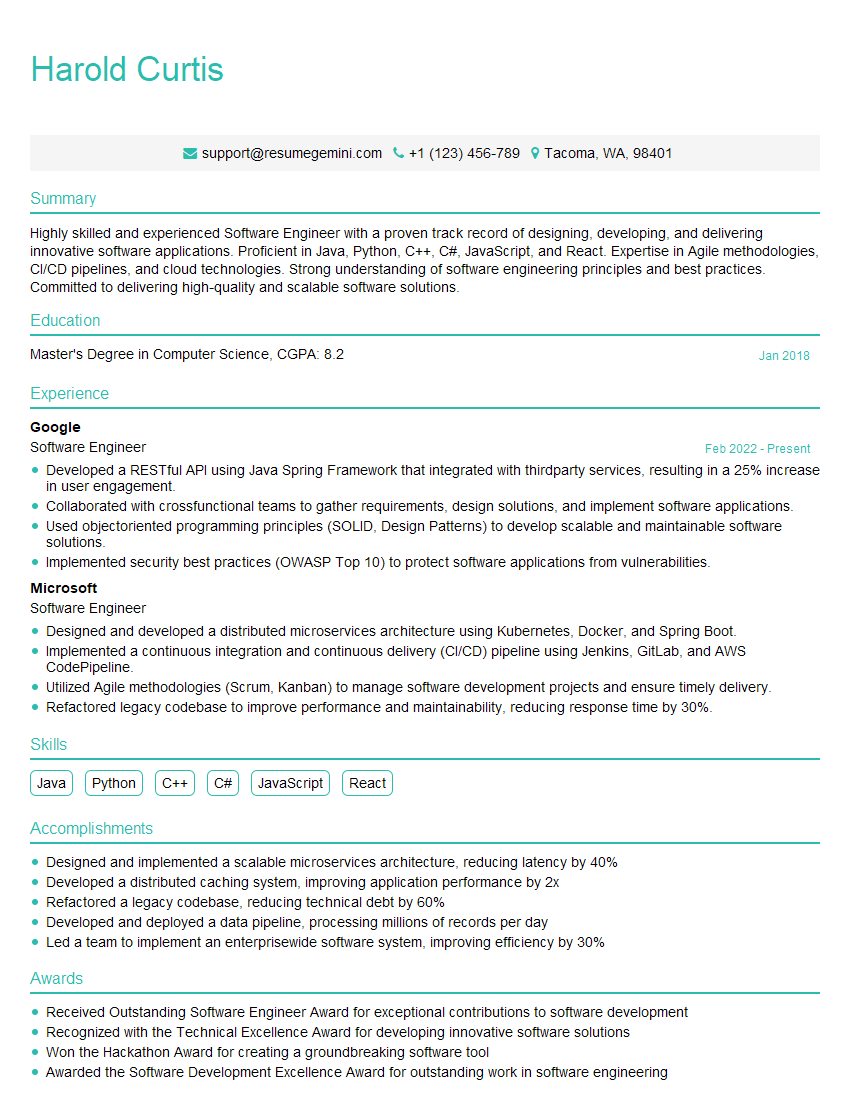
Software Engineer Resume Sample
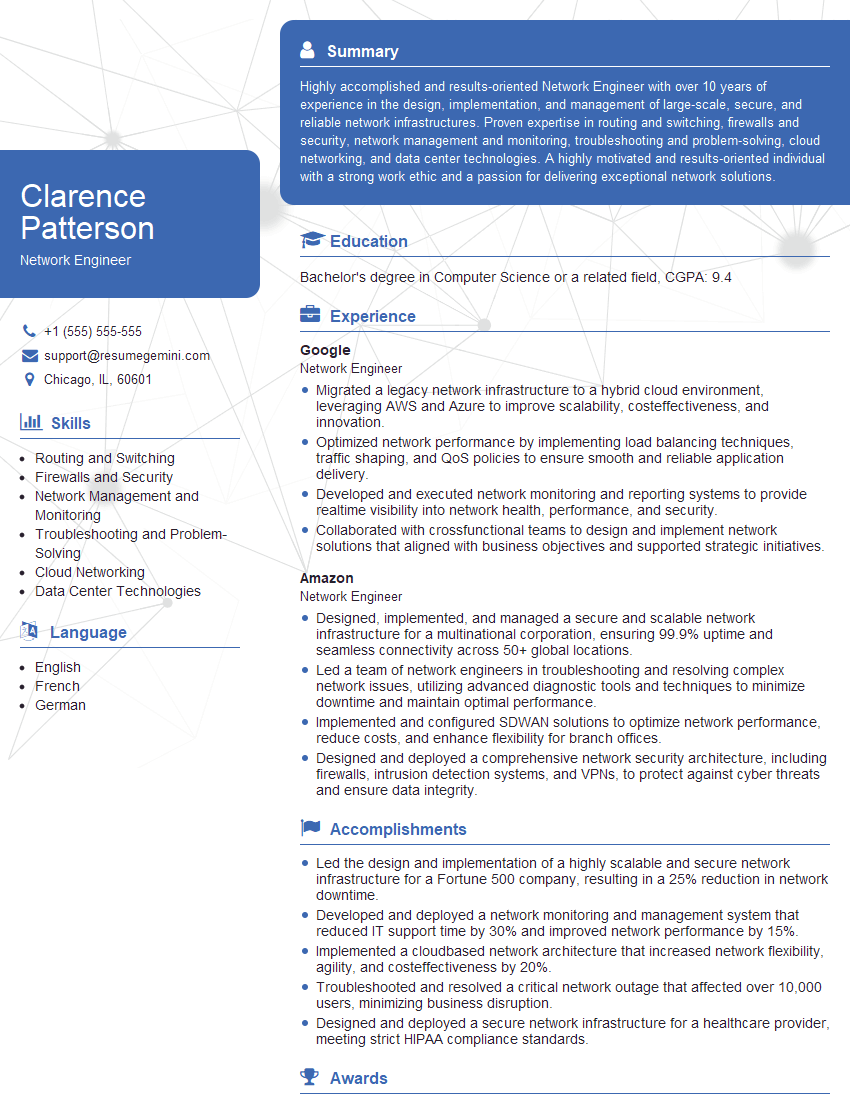
Network Engineer Resume Sample
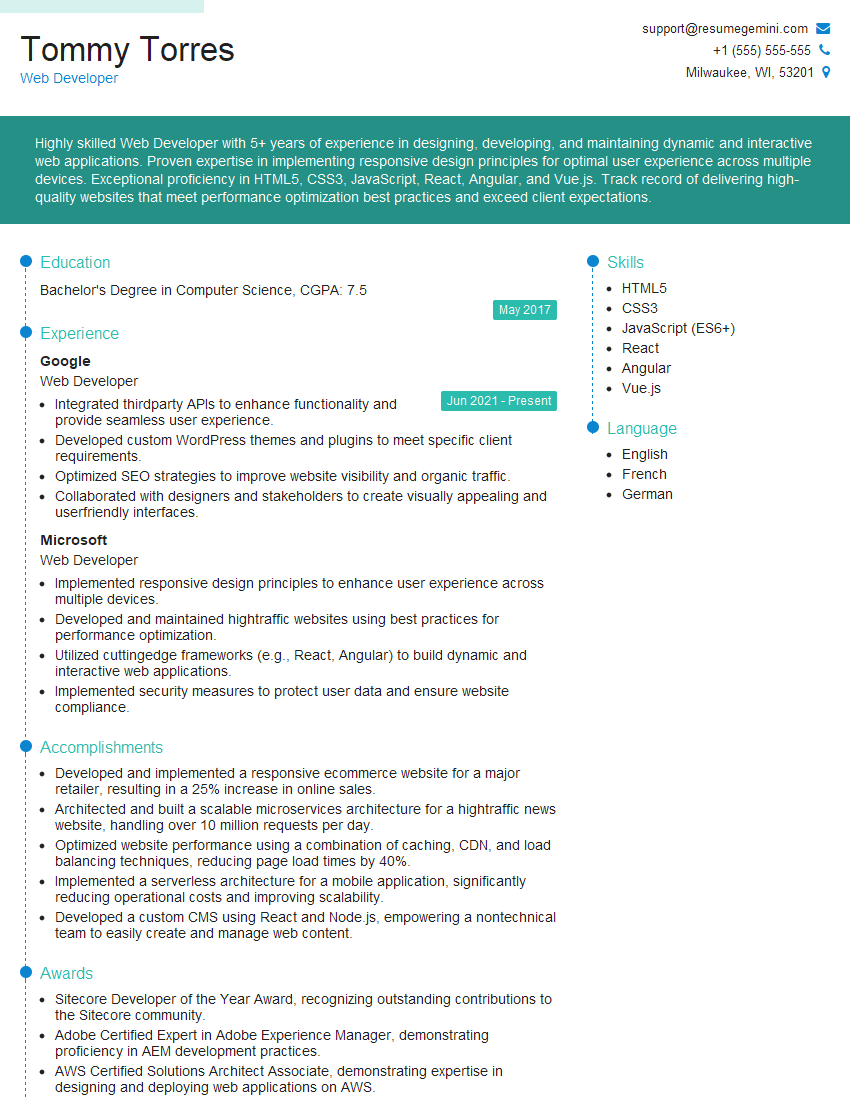
Web Developer Resume Sample
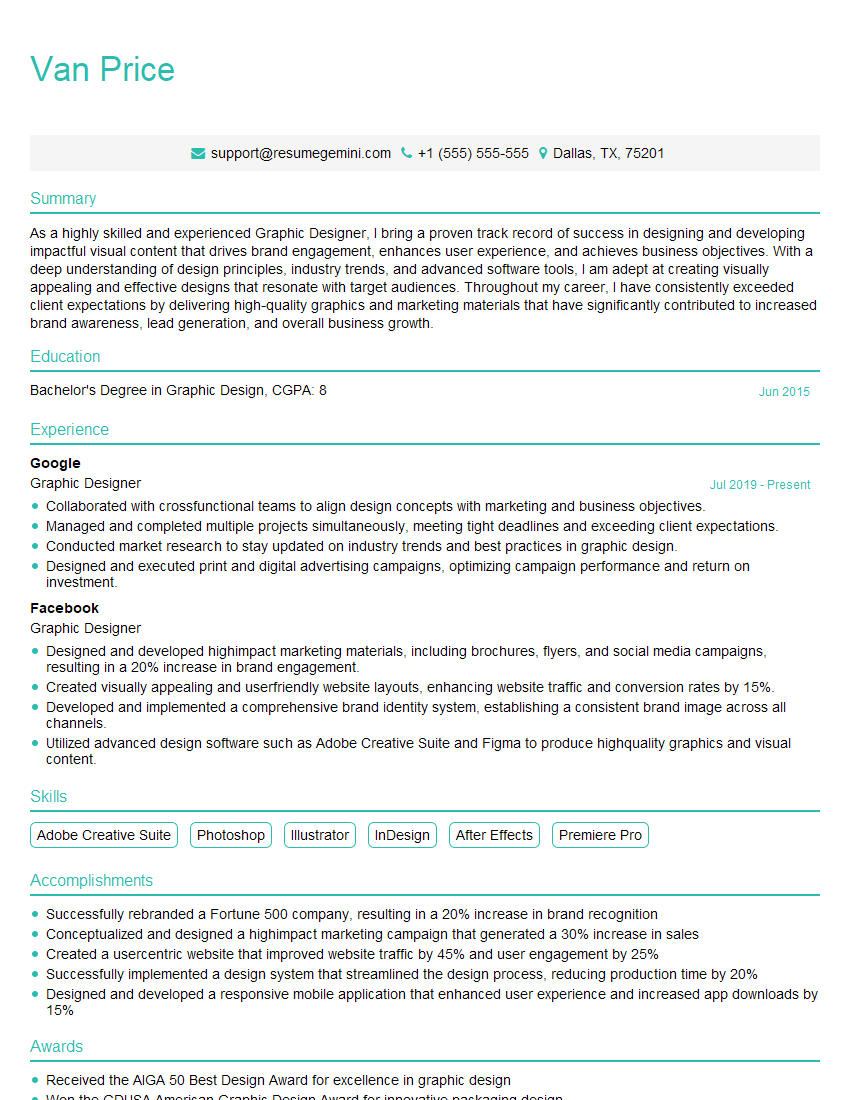
Graphic Designer Resume Sample
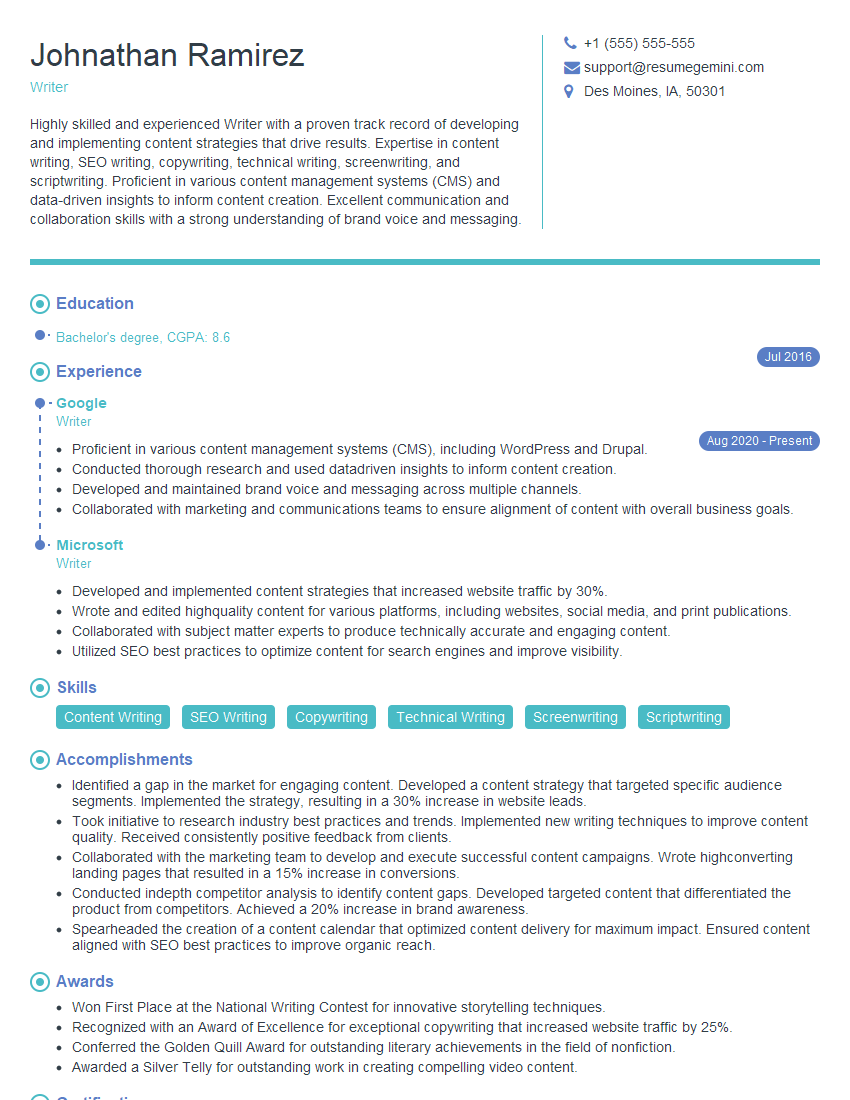
Writer Resume Sample
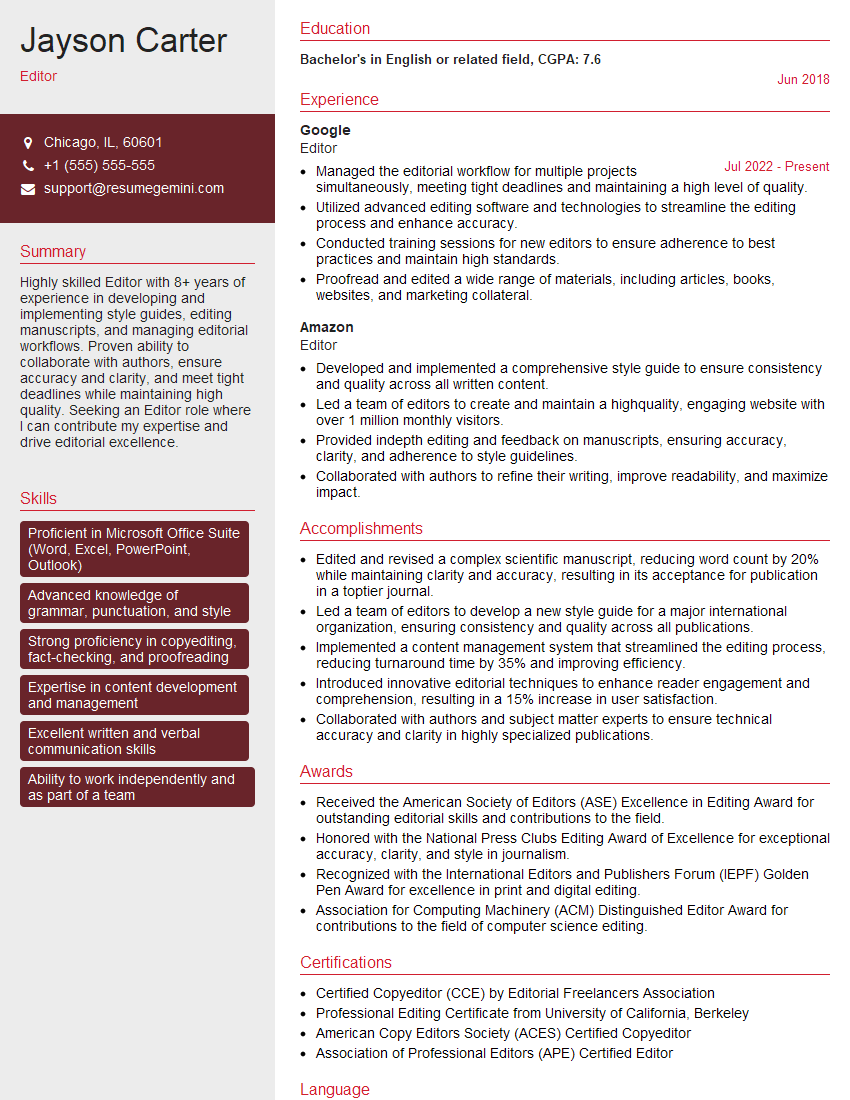
Editor Resume Sample
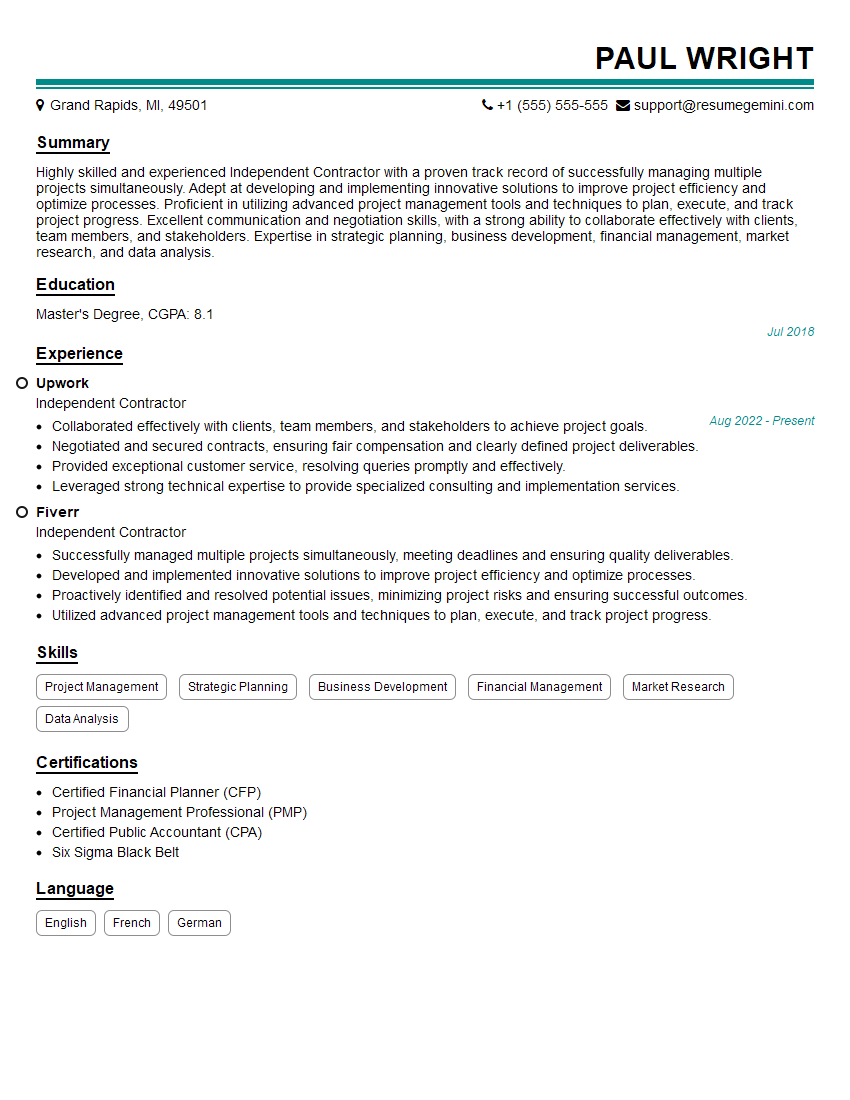
Independent Contractor Resume Sample
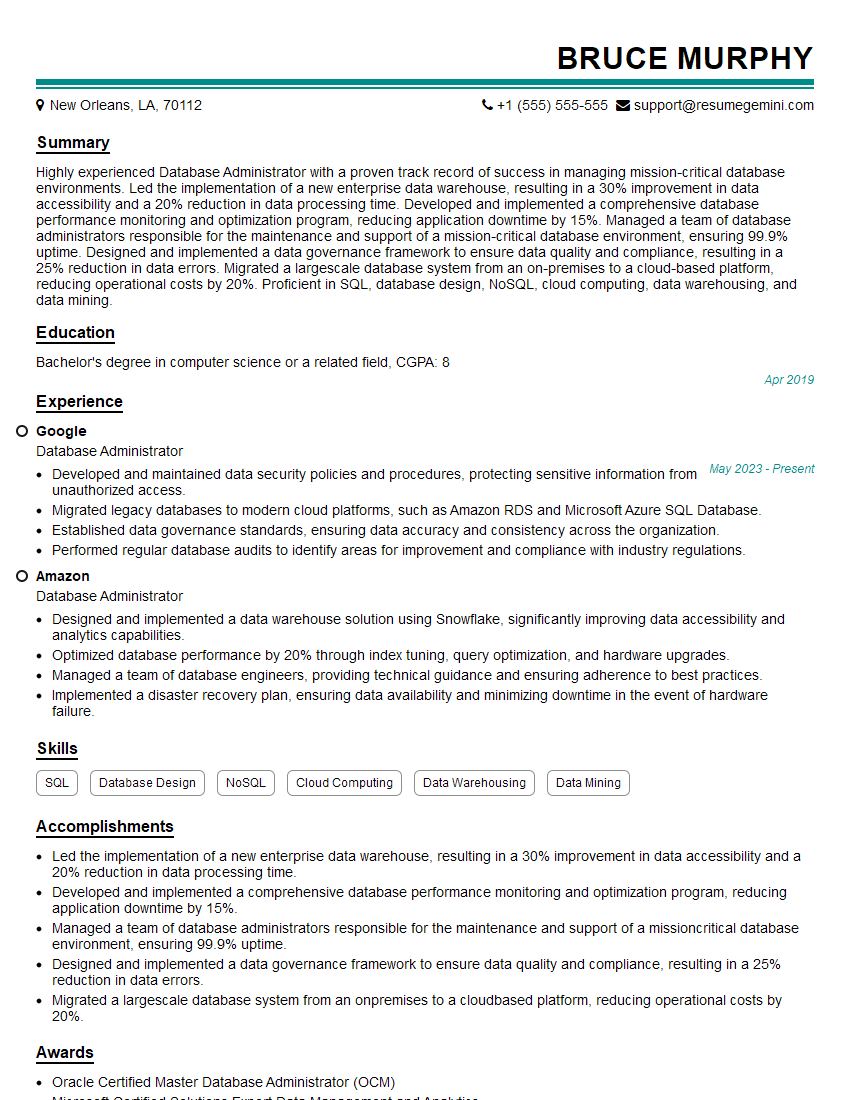
Database Administrator Resume Sample
- Account Manager
- Product Manager
- Sales Representative
- Project Manager
- Business Analyst
- Marketing Specialist
- Researcher
- Financial Analyst
- Analyst
- Data Scientist
- Research Scientist
- Software Engineer
- Network Engineer
- Web Developer
- Graphic Designer
- Writer
- Editor
- Independent Contractor
- Database Administrator
Explore more articles
Users Rating of Our Blogs
Share Your Experience
We value your feedback! Please rate our content and share your thoughts (optional).
What Readers Say About Our Blog
Very informative content, great job.
good