The thought of an interview can be nerve-wracking, but the right preparation can make all the difference. Explore this comprehensive guide to Ability to work in a high-stress environment interview questions and gain the confidence you need to showcase your abilities and secure the role.
Questions Asked in Ability to work in a high-stress environment Interview
Q 1. Describe a situation where you faced extreme time pressure. What strategies did you employ to manage the situation?
During my time leading a software development team, we faced a critical bug in our flagship product just one week before the launch deadline. This was an extremely high-pressure situation, as a delayed launch would have significant financial and reputational consequences. To manage the situation, I immediately implemented a three-pronged strategy.
- Prioritization and Delegation: We prioritized the most critical bugs based on their impact, using a MoSCoW method (Must have, Should have, Could have, Won’t have). I then delegated tasks to team members based on their individual strengths and expertise, ensuring clear responsibilities and communication channels.
- Focused Communication: I established frequent, short update meetings (15 minutes every few hours) to maintain transparency and identify roadblocks quickly. This prevented information silos and allowed for immediate problem-solving.
- Problem-Solving Efficiency: We adopted a streamlined debugging process, focusing on rapid identification and resolution of the core issues. This involved pair programming for complex bugs and utilizing our debugging tools effectively. We also took advantage of remote collaboration and code review tools to expedite the process.
Through this concerted effort, we successfully resolved the critical bugs and launched the product on schedule. The experience highlighted the importance of clear communication, effective delegation, and prioritizing core issues under immense time pressure.
Q 2. How do you prioritize tasks when multiple urgent demands arise simultaneously?
When facing multiple urgent demands, I utilize a prioritization framework that combines urgency and importance. I typically use an Eisenhower Matrix (Urgent/Important):
- Urgent and Important: These tasks require immediate attention and are typically handled first. Examples might include a critical client issue or resolving a major system failure.
- Important, but Not Urgent: These are crucial for long-term goals but don’t demand immediate action. These are scheduled into the calendar to avoid becoming urgent later. Examples: strategic planning, professional development.
- Urgent, but Not Important: These tasks are often distractions. I try to delegate these if possible or eliminate them entirely. Examples: unnecessary meetings, minor administrative tasks.
- Neither Urgent nor Important: These can be eliminated or deferred. Examples: social media browsing during work hours.
This framework allows me to focus on tasks that create the highest impact while minimizing time wasted on less critical items. It’s important to remember that prioritization is an iterative process; the matrix needs to be reviewed regularly to adapt to changing circumstances.
Q 3. What techniques do you use to manage your stress levels during high-pressure situations?
Managing stress in high-pressure situations involves a multi-faceted approach combining mindfulness, physical strategies, and time management. I utilize the following:
- Mindfulness Techniques: Practicing deep breathing exercises, meditation, or simply taking short breaks to clear my head helps to reduce anxiety and improve focus.
- Physical Well-being: Ensuring I get enough sleep, eat healthy meals, and exercise regularly helps to build resilience against stress. This is crucial for maintaining energy levels and mental clarity.
- Time Management: Effective prioritization and delegation (as mentioned earlier) reduce the feeling of being overwhelmed. Breaking down large tasks into smaller, manageable steps also makes them less daunting.
- Healthy Boundaries: I proactively establish boundaries between work and personal life to prevent burnout. This includes disconnecting from work during non-work hours and utilizing vacation time.
It’s crucial to find strategies that work best for you. Experimenting with different techniques and adapting them to individual needs is vital for long-term stress management.
Q 4. Have you ever experienced burnout? How did you recover?
Yes, I have experienced burnout in the past, during a period of prolonged overwork and intense project deadlines. The symptoms included exhaustion, irritability, and a general lack of motivation. My recovery involved a multi-pronged approach:
- Rest and Recuperation: I took a much-needed break from work, focusing on activities I enjoyed, such as spending time in nature and reconnecting with friends and family.
- Re-evaluation of Priorities: I reassessed my workload and identified areas where I could delegate tasks or set clearer boundaries.
- Professional Support: I sought guidance from a therapist, which helped me develop coping mechanisms for stress and improve my overall well-being. This provided a safe space to process the emotions and learn new strategies for stress management.
- Lifestyle Changes: I focused on improving my sleep habits, diet, and exercise routine to bolster my physical and mental health.
Burnout is a serious issue, and seeking professional help is essential for a complete recovery. Early recognition of symptoms and proactive measures can prevent it from happening again.
Q 5. Describe a time you had to make a quick, critical decision under pressure. What was the outcome?
During a system outage, I had to quickly decide whether to implement a temporary fix that carried a small risk of data corruption or to wait for a more thorough, but time-consuming solution. This decision had to be made within minutes, as the outage was affecting many users. I opted for the temporary fix, prioritizing getting the system back online quickly. The risk of data corruption was carefully evaluated and communicated transparently with the team.
Fortunately, the temporary fix worked without causing any significant data loss. While the more thorough solution was later implemented, the immediate action minimized disruption and mitigated potential reputational damage. This decision highlighted the importance of rapid assessment, risk evaluation and clear communication under pressure.
Q 6. How do you handle conflicting priorities and deadlines?
Handling conflicting priorities and deadlines requires a structured approach that blends prioritization with open communication. I address this by:
- Open Communication: I proactively communicate with stakeholders involved to clarify expectations and identify potential conflicts early on. This often involves negotiating deadlines or adjusting scopes.
- Prioritization and Negotiation: Using the Eisenhower Matrix (as described earlier) helps to prioritize conflicting tasks. Negotiation with stakeholders is crucial to find acceptable compromises when deadlines clash.
- Contingency Planning: Building flexibility into the schedule by creating buffer time allows for unexpected delays or changes in priorities. This reduces the impact of potential setbacks.
Proactive communication and realistic planning are crucial in managing conflicting priorities. It’s crucial to remember that finding compromise is often necessary to ensure everyone’s needs are met.
Q 7. How do you maintain focus and productivity during periods of intense workload?
Maintaining focus and productivity during periods of intense workload requires a combination of effective time management, self-care, and strategic techniques:
- Time Blocking: Scheduling specific time blocks for focused work on individual tasks helps minimize distractions and improve concentration.
- Pomodoro Technique: This technique involves working in focused intervals (e.g., 25 minutes) followed by short breaks. This helps to maintain concentration and prevent burnout.
- Minimize Distractions: Creating a distraction-free work environment is essential. This may involve turning off notifications, closing unnecessary tabs, or using noise-canceling headphones.
- Regular Breaks: Taking short, regular breaks throughout the day helps to prevent mental fatigue and improve overall productivity. These breaks can be used for simple stretches, meditation, or brief walks.
- Delegate tasks: Whenever possible, delegate tasks to others to free up time for high-priority items.
Combining these techniques with consistent self-care helps maintain focus and productivity even during the most demanding periods. Remember to prioritize rest to avoid burnout.
Q 8. Describe your approach to problem-solving when under significant time constraints.
My approach to problem-solving under time constraints prioritizes efficiency and strategic prioritization. I begin by quickly assessing the situation, identifying the critical elements, and defining the desired outcome. Then, I employ a triage system, focusing on the most impactful tasks first. This might involve breaking down complex problems into smaller, manageable steps, leveraging readily available resources, and, importantly, accepting that perfection might be unattainable under the circumstances. I focus on achieving a ‘good enough’ solution within the time limit, always understanding that a partially completed, yet functional, solution is often preferable to no solution at all. For instance, if facing a critical deadline for a software bug fix, I might prioritize addressing the most impactful bugs first, leaving less critical fixes for later, rather than attempting to solve everything at once and risking missing the deadline entirely.
Q 9. How do you effectively communicate with colleagues during stressful situations?
Effective communication under stress hinges on clarity, conciseness, and empathy. I ensure my messages are direct, avoiding jargon or ambiguity. I actively listen to colleagues’ concerns and perspectives, acknowledging their feelings and validating their input. I use tools like quick status meetings or project management software for updates, minimizing unnecessary lengthy conversations. Nonverbal communication is also crucial – maintaining eye contact, a calm tone, and using encouraging body language conveys confidence and reassurance. For example, during a project crisis, I wouldn’t send a lengthy email; instead, I’d schedule a brief, focused call to collaboratively identify solutions and assign tasks.
Q 10. How do you delegate tasks effectively under pressure?
Delegation under pressure requires trust, clear communication, and monitoring. I delegate based on individual team members’ strengths and expertise, ensuring the assigned tasks align with their skill sets. Clear expectations, including deadlines and desired outcomes, are communicated upfront. Regular check-ins, without micromanagement, are essential to provide support and address any challenges. It’s vital to empower team members to make decisions, fostering a sense of ownership and accountability. For instance, during a particularly busy launch period, I delegated specific responsibilities, based on individuals’ skills, with clear instructions and deadlines, then regularly checked in, providing support and guidance, without stifling their autonomy.
Q 11. How do you stay calm and composed when things don’t go as planned?
Maintaining composure under pressure involves proactive strategies and mindful practices. Deep breathing exercises, mindfulness techniques, and even short breaks to step away and regroup can help center me. I focus on what I *can* control, rather than dwelling on what I can’t. Positive self-talk and reframing challenges as opportunities for growth helps maintain a proactive mindset. Thinking of setbacks as learning experiences rather than failures helps in maintaining a constructive attitude. For example, if a crucial presentation had a technical issue, I wouldn’t panic. Instead, I’d quickly assess the problem, utilize a backup plan, and calmly address the situation.
Q 12. Describe a time you had to work with a difficult or demanding client/colleague under pressure. What was your approach?
I once worked with a demanding client who insisted on unrealistic deadlines and constant changes to project scope. My approach was to maintain professional composure, actively listen to their concerns, and collaboratively find solutions. I presented them with realistic options, explaining the trade-offs between timelines and quality. I used data and facts to counter their demands when possible, emphasizing the importance of adhering to project plans. While maintaining a respectful demeanor, I also set clear boundaries, protecting my team from burnout. This required strong communication skills and diplomacy but ultimately led to a successful project, and even improved our relationship, showcasing my ability to manage high-stakes situations effectively.
Q 13. What are your methods for managing interruptions and distractions during peak workloads?
Managing interruptions during peak workloads requires proactive strategies. I utilize tools such as ‘Do Not Disturb’ modes, scheduled blocks of focused work time, and effective communication to manage expectations. I communicate clearly when I’m unavailable for immediate responses, setting boundaries to protect my concentrated work periods. This might involve batching similar tasks together, utilizing time management techniques like the Pomodoro Technique, and clearly setting expectations with colleagues regarding response times. For instance, I might dedicate specific hours for responding to emails to avoid constant distractions from crucial tasks.
Q 14. How do you handle unexpected setbacks or obstacles when working under pressure?
Unexpected setbacks are inevitable, particularly under pressure. My approach involves a structured problem-solving process: first, I acknowledge the setback without getting emotionally overwhelmed; then, I assess the impact and identify potential solutions. I leverage my network for support and brainstorm solutions with colleagues. Finally, I adapt and adjust my plans accordingly, learning from the experience to prevent similar setbacks in the future. For example, if a key piece of equipment malfunctions, I wouldn’t panic but instead would swiftly explore backup options, communicate the delay to stakeholders, and devise a contingency plan to minimize disruption.
Q 15. What measures do you take to prevent burnout and maintain a healthy work-life balance?
Preventing burnout and maintaining a healthy work-life balance is crucial for sustained performance in high-stress environments. It’s not just about surviving; it’s about thriving. My approach is multifaceted and involves proactive strategies rather than reactive damage control.
Prioritization and Time Blocking: I utilize time-blocking techniques to allocate specific time slots for work tasks, personal activities, and relaxation. This prevents tasks from bleeding into each other and ensures dedicated time for rejuvenation.
Setting Boundaries: I actively set boundaries between work and personal life. This means turning off work notifications outside of designated work hours and prioritizing disconnecting completely at least one day a week. This helps me mentally switch off and prevents constant work-related stress.
Mindfulness and Self-Care: Incorporating mindfulness practices like meditation or deep breathing exercises into my daily routine helps manage stress levels. Regular exercise, healthy eating, and sufficient sleep are non-negotiable for me. I also make time for hobbies and activities that I enjoy, providing a much-needed mental break.
Delegation and Seeking Support: I don’t hesitate to delegate tasks when possible, empowering team members and freeing up my time for higher-priority items. When feeling overwhelmed, I proactively seek support from colleagues, mentors, or even a therapist, recognizing that asking for help is a sign of strength, not weakness.
Career Expert Tips:
- Ace those interviews! Prepare effectively by reviewing the Top 50 Most Common Interview Questions on ResumeGemini.
- Navigate your job search with confidence! Explore a wide range of Career Tips on ResumeGemini. Learn about common challenges and recommendations to overcome them.
- Craft the perfect resume! Master the Art of Resume Writing with ResumeGemini’s guide. Showcase your unique qualifications and achievements effectively.
- Don’t miss out on holiday savings! Build your dream resume with ResumeGemini’s ATS optimized templates.
Q 16. Describe your preferred method for organizing and managing multiple projects simultaneously.
Managing multiple projects simultaneously requires a structured and organized approach. My preferred method combines project management tools with a clear prioritization strategy.
Project Management Software: I rely heavily on project management tools like Asana or Trello to track tasks, deadlines, and progress across all projects. These tools provide a centralized view of my workload and allow for efficient collaboration.
Prioritization Matrix: I use a prioritization matrix (like Eisenhower Matrix) to categorize tasks based on urgency and importance. This ensures that critical tasks receive immediate attention, while less urgent tasks are scheduled appropriately.
Timeboxing and Chunking: I break down large projects into smaller, manageable chunks and allocate specific time slots for each. This prevents feeling overwhelmed and allows for focused work on individual tasks.
Regular Reviews and Adjustments: I schedule regular review meetings to assess progress, identify roadblocks, and make necessary adjustments to the project plan. This allows for proactive problem-solving and keeps projects on track.
For example, if I’m working on three projects – A, B, and C – I might dedicate Monday morning to project A, Tuesday afternoon to project B, and Wednesday to C. Then, I’d review progress and make adjustments on Thursday, before tackling urgent tasks on Friday. This keeps things manageable and ensures everything moves forward.
Q 17. How do you identify and mitigate potential risks that could arise during high-pressure situations?
Identifying and mitigating potential risks in high-pressure situations is proactive risk management. It involves a systematic approach that anticipates potential problems before they arise.
Risk Assessment: Before embarking on any high-pressure task, I conduct a thorough risk assessment. This involves identifying potential challenges, analyzing their likelihood and impact, and prioritizing them based on severity.
Contingency Planning: For each identified risk, I develop a contingency plan. This outlines alternative strategies or solutions in case the initial plan is disrupted. This reduces uncertainty and ensures I have backup options ready.
Communication and Collaboration: Open communication with stakeholders is essential. I keep them informed of potential risks and my contingency plans. Collaboration allows for a shared understanding and collective problem-solving.
Monitoring and Adjustment: During the high-pressure situation, I continuously monitor progress and make necessary adjustments based on evolving circumstances. This requires flexibility and the ability to adapt quickly.
For instance, if I’m leading a product launch, I might identify the risk of software bugs. My contingency plan would include rigorous testing, a rollback plan, and a communication strategy to address any issues with customers.
Q 18. How would you approach a project that had an aggressive deadline and limited resources?
Approaching a project with an aggressive deadline and limited resources requires strategic prioritization, efficient resource allocation, and effective teamwork.
Prioritization and Scope Management: I would immediately focus on defining the minimum viable product (MVP) – the core features essential for meeting the deadline. Non-essential features would be deferred or potentially removed entirely.
Resource Optimization: I would analyze available resources (personnel, budget, tools) and allocate them strategically to the highest-priority tasks. This might involve renegotiating certain aspects or seeking additional help if feasible.
Efficient Processes: I would streamline workflows and utilize efficient tools and techniques like agile methodologies to maximize productivity. This could involve daily stand-up meetings to maintain transparency and resolve roadblocks quickly.
Teamwork and Collaboration: Open and honest communication with the team is crucial. This ensures everyone understands the constraints and is working towards the shared goal. Clear roles and responsibilities will also avoid duplication of work and boost efficiency.
A realistic example could involve using a Kanban board to track tasks, focusing efforts on the most critical functionalities, and utilizing free or low-cost tools wherever possible to stay within budget.
Q 19. Describe a time you failed to meet a deadline under pressure. What did you learn from this experience?
In a previous project, due to unforeseen technical complexities and inaccurate initial estimations, I failed to meet a crucial deadline. The experience was undeniably stressful, but it provided valuable learning opportunities.
Root Cause Analysis: Following the missed deadline, I conducted a thorough analysis to identify the underlying causes. This involved examining the project plan, identifying areas where assumptions were incorrect, and pinpointing technical issues.
Improved Planning and Estimation: I significantly improved my project planning and estimation techniques. This involved incorporating buffer time, more realistic estimations, and more frequent progress checks.
Enhanced Communication: I realized the importance of transparent communication with stakeholders, especially regarding potential risks or delays. This involved proactive updates and clear explanations of challenges encountered.
Risk Mitigation Strategies: I improved my risk mitigation strategies. This included developing contingency plans for various potential problems, which allowed me to be more prepared for future unexpected events.
This experience reinforced the critical importance of accurate planning, realistic estimations, and transparent communication in high-pressure environments.
Q 20. How do you adapt your communication style depending on the stress level of the situation?
Adapting my communication style depending on the stress level of a situation is paramount. My approach prioritizes clarity, empathy, and effectiveness.
Low Stress: In low-stress situations, my communication style is collaborative and informal. I encourage open discussion, brainstorming, and feedback. I use a more conversational tone.
Moderate Stress: As stress levels increase, I adopt a more structured and directive communication style. I provide clear instructions, set expectations, and ensure everyone understands their roles and responsibilities. The emphasis shifts to efficiency and clear action items.
High Stress: In high-stress situations, I prioritize clear, concise, and direct communication. I focus on delivering crucial information efficiently and calmly. Empathy and active listening become vital to maintaining morale and collaboration.
For example, during a calm period I might ask for feedback using open-ended questions; however, during a crisis, I might provide clear, concise directives to quickly mitigate the immediate issue.
Q 21. What are your strategies for remaining resilient and optimistic in challenging circumstances?
Maintaining resilience and optimism under pressure requires a conscious effort and a proactive mindset.
Positive Self-Talk: I practice positive self-talk, focusing on my strengths and past successes. This helps me stay motivated and confident even during challenging times.
Focus on Solutions: Instead of dwelling on problems, I focus on identifying and implementing solutions. This shifts my perspective from negativity to proactive problem-solving.
Seek Support and Mentorship: I actively seek support from my network, including colleagues, mentors, and friends. This provides valuable perspectives, encouragement, and emotional support.
Celebrate Small Wins: I celebrate every small victory, no matter how insignificant it may seem. This reinforces a positive mindset and provides a sense of accomplishment during challenging periods.
Learn from Mistakes: I view setbacks as opportunities for growth and learning. Analyzing my mistakes allows me to improve my strategies and approach future challenges with more wisdom.
Thinking of challenges as opportunities for growth fosters a more optimistic outlook and helps in overcoming difficult circumstances more effectively.
Q 22. How do you measure your own success in a high-pressure environment?
Measuring success in high-pressure environments isn’t solely about achieving the outcome; it’s about the process and my performance under duress. I assess my success based on three key factors:
- Effective Problem Solving: Did I identify and address the core issues efficiently, adapting my approach as needed? Did I make sound, timely decisions, even with incomplete information?
- Teamwork and Collaboration: Did I effectively communicate with my team, fostering collaboration and shared responsibility? Did I leverage their strengths to overcome challenges?
- Resilience and Learning: Did I maintain composure and a positive attitude under pressure? Did I learn from both successes and setbacks, adapting my strategies for future high-pressure situations?
For example, during a product launch, we faced a critical technical glitch hours before the deadline. While the situation was incredibly stressful, I prioritized communication, delegating tasks and empowering the team to find solutions. Though the launch was delayed slightly, our collaborative effort mitigated the damage, and we learned valuable lessons about our systems’ resilience. This is a success, not despite the stress, but because of my ability to manage it effectively.
Q 23. How do you know when to ask for help or support from others during high-stress periods?
Knowing when to ask for help is crucial in high-stress environments. It’s not a sign of weakness but a demonstration of strategic thinking and smart resource management. I assess the situation based on these factors:
- Complexity of the Problem: If the problem exceeds my expertise or requires specialized skills, I seek assistance immediately.
- Time Constraints: If the time pressure is overwhelming and compromising my effectiveness, I delegate or seek support to manage the workload.
- Emotional Impact: If the stress is negatively impacting my judgment or leading to burnout, I prioritize seeking support to regain clarity and perspective.
I proactively communicate my needs, clearly outlining the problem and the support I require. This ensures I receive the right assistance efficiently and prevents further escalation of the problem. For instance, in a previous role, I noticed I was getting bogged down in data analysis while a colleague had superior skills in that area. I proactively asked for their help, saving time and ensuring higher quality deliverables.
Q 24. Can you provide an example of how you effectively used problem-solving under pressure to avoid a crisis?
During a major client presentation, our primary presentation software crashed just minutes before we were due to start. Panic started to spread, but I quickly assessed the situation.
- Immediate Action: I immediately switched to a backup presentation prepared on a different platform (PowerPoint).
- Team Communication: I calmly assured the team, delegating tasks such as quickly distributing printed handouts, while another colleague checked the internet connection.
- Contingency Planning: While the backup presentation wasn’t ideal, it contained all the key information. We adapted our strategy, prioritizing the most impactful data points.
- Client Management: I apologized for the technical issue and reassured the client we were prepared to continue.
The presentation was delivered successfully although slightly differently from our initial plan. We didn’t lose the client, and they even appreciated our quick thinking and problem-solving.
Q 25. How do you prioritize your mental and physical well-being during periods of high stress?
Prioritizing my well-being is non-negotiable in high-stress roles. It’s a proactive measure, not a reaction to burnout. I employ these strategies:
- Regular Breaks: I schedule short breaks throughout the day to step away from my work, even if it’s just for a few minutes of stretching or deep breathing exercises.
- Healthy Diet and Exercise: I focus on maintaining a balanced diet and getting regular exercise, as these significantly impact my energy levels and stress response.
- Adequate Sleep: I prioritize getting enough sleep each night to ensure my cognitive functions are optimal.
- Mindfulness Techniques: I utilize meditation or deep breathing to manage stress and improve my focus.
I view these practices as essential tools for peak performance, not as luxuries. Treating my well-being with the same care I give to my professional tasks leads to a better work-life balance and sustainable success.
Q 26. What are your strategies for managing your emotions during high-pressure situations?
Managing emotions under pressure requires self-awareness and proactive strategies. I utilize:
- Emotional Recognition: I acknowledge my emotions without judgment. Recognizing my stress response – e.g., increased heart rate, tension – allows me to address it proactively.
- Mindfulness and Breathing: Deep, controlled breathing techniques help to regulate my nervous system and reduce anxiety.
- Positive Self-Talk: I consciously replace negative thoughts with positive affirmations to maintain confidence and perspective.
- Time-Out: When overwhelmed, I take short breaks to regain composure before re-engaging with the task.
For example, during a particularly tense negotiation, I recognized my rising anxiety. I took a short break, practiced deep breathing, and reframed my internal dialogue from focusing on the potential failure to concentrating on a positive outcome. This helped me maintain my composure and negotiate successfully.
Q 27. Describe a situation where you successfully navigated a high-stakes conflict under pressure.
During a project, two team members had a major disagreement about the best approach. The conflict threatened to derail the entire project timeline. I facilitated a resolution by:
- Active Listening: I allowed each person to express their views without interruption, ensuring both felt heard and understood.
- Neutral Facilitation: I reframed the disagreement as a difference in opinion rather than a personal attack, focusing on finding common ground.
- Collaborative Problem-Solving: I encouraged brainstorming alternative solutions, emphasizing the shared goal of project success.
- Compromise and Agreement: We collaboratively created a hybrid approach incorporating elements of both their proposals. This compromise fostered a sense of ownership and buy-in from both parties.
This successfully navigated the high-stakes conflict, not only resolving the immediate issue but also improving team cohesion and communication for future challenges.
Q 28. How do you utilize technology or tools to manage your workload effectively under pressure?
Technology is an invaluable tool for managing workload under pressure. I leverage various tools and strategies:
- Project Management Software (e.g., Asana, Trello): I use these platforms for task assignment, tracking progress, and setting deadlines, providing a clear overview of workload and enabling effective delegation.
- Calendar and Scheduling Tools: I meticulously schedule my day, blocking out time for focused work, meetings, and breaks to maximize productivity.
- Collaboration Platforms (e.g., Slack, Microsoft Teams): These streamline communication, ensuring efficient information flow and reducing misunderstandings under pressure.
- Automation Tools: Where possible, I utilize automation to streamline repetitive tasks, freeing up time and mental energy for more demanding activities.
For instance, I use Asana to create detailed project plans with assigned tasks and deadlines, and Slack to maintain clear communication with my team, ensuring everyone is up-to-date on project progress and any changes, even in fast-paced environments.
Key Topics to Learn for Ability to Work in a High-Stress Environment Interview
- Stress Management Techniques: Understanding and articulating your personal strategies for managing pressure, such as prioritization, time management, and mindfulness techniques.
- Problem-Solving Under Pressure: Demonstrating your ability to remain calm and analytical during crises, outlining your approach to identifying, analyzing, and resolving complex issues efficiently.
- Resilience and Adaptability: Highlighting your capacity to bounce back from setbacks, adapt to changing priorities, and maintain a positive attitude in challenging situations. Provide examples of how you’ve demonstrated these qualities.
- Teamwork and Communication in High-Pressure Situations: Explaining how you effectively collaborate with colleagues under pressure, maintain clear communication, and contribute to a supportive team environment.
- Maintaining Professionalism Under Stress: Illustrating your ability to remain composed and professional even when facing difficult situations, deadlines, or conflict. Showcasing your emotional intelligence is key.
- Self-Awareness and Limitations: Honesty about your strengths and weaknesses related to handling stress is important. Knowing when to ask for help or delegate tasks demonstrates maturity and self-awareness.
Next Steps
Mastering your ability to thrive in high-stress environments is crucial for career advancement. It demonstrates essential skills employers highly value, leading to greater opportunities and responsibilities. To showcase this capability effectively, a well-crafted, ATS-friendly resume is essential. ResumeGemini can help you build a professional resume that highlights your strengths and experience in handling pressure. We provide examples of resumes tailored to emphasize your ability to work in high-stress environments to help you craft the perfect application. Use ResumeGemini to transform your job search and land your dream role.
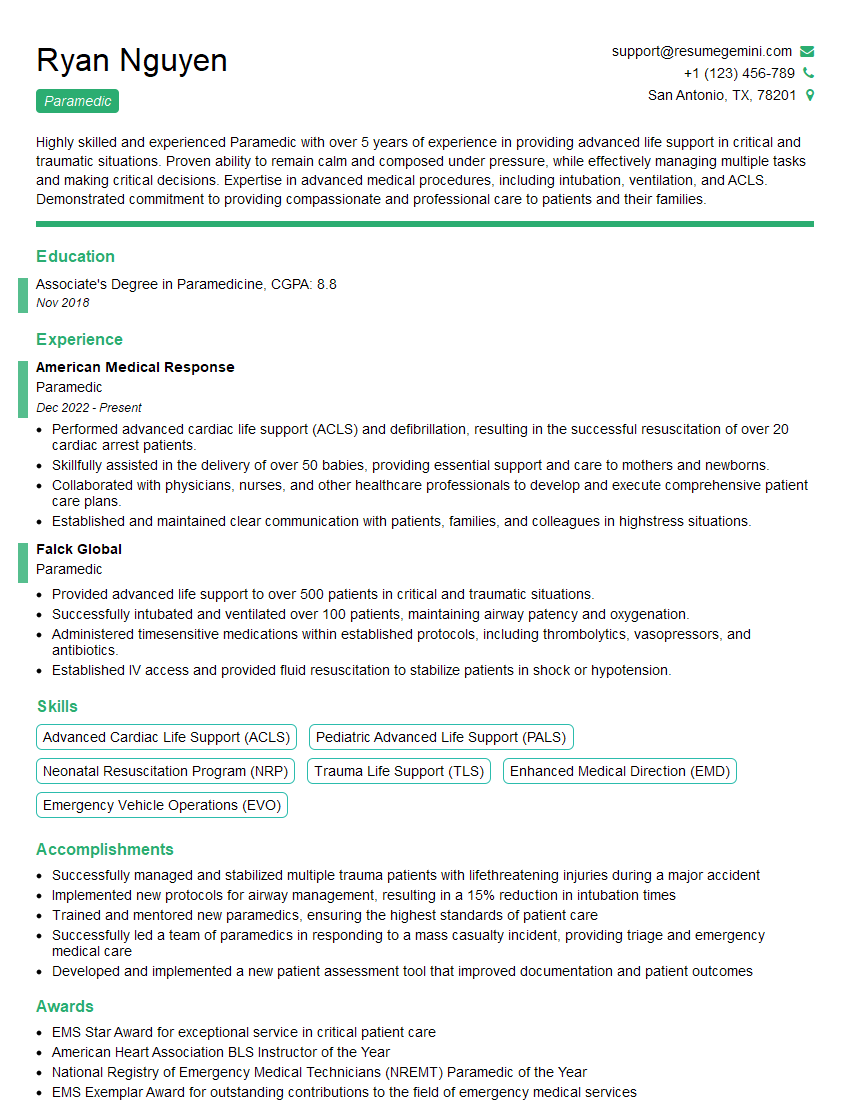
Paramedic Resume Sample
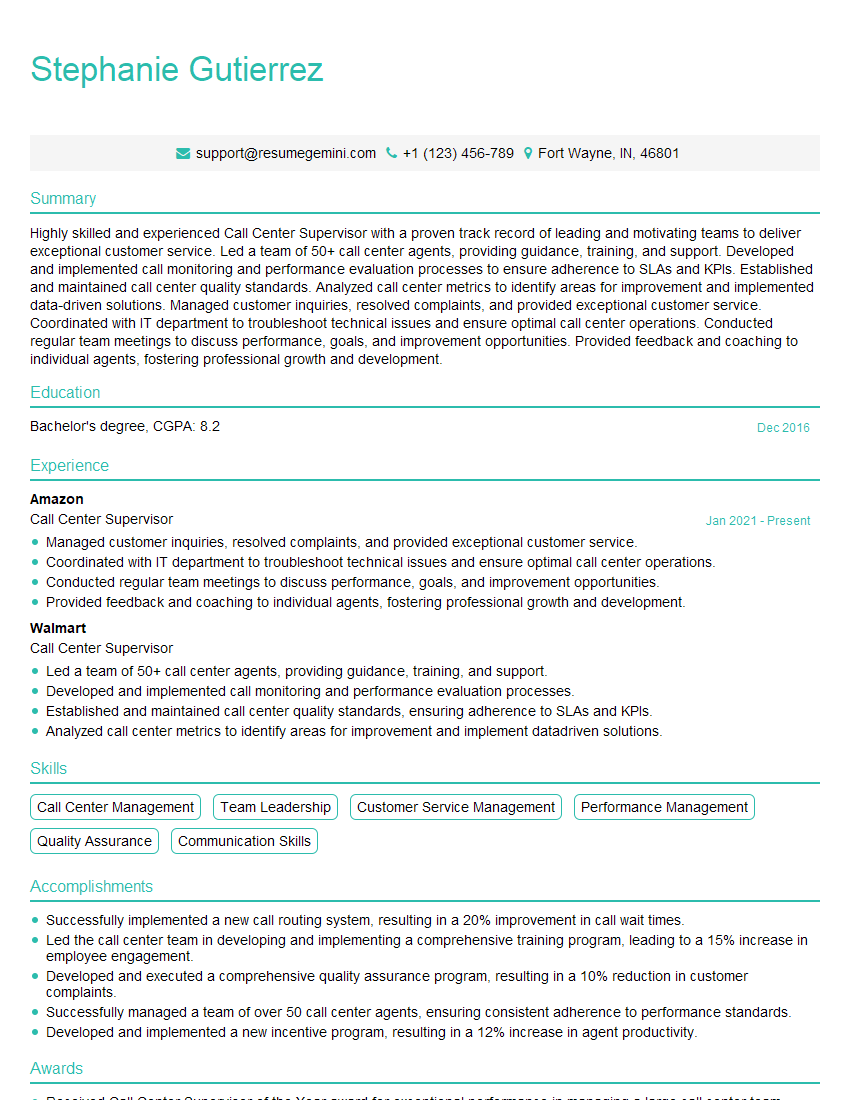
Call Center Supervisor Resume Sample
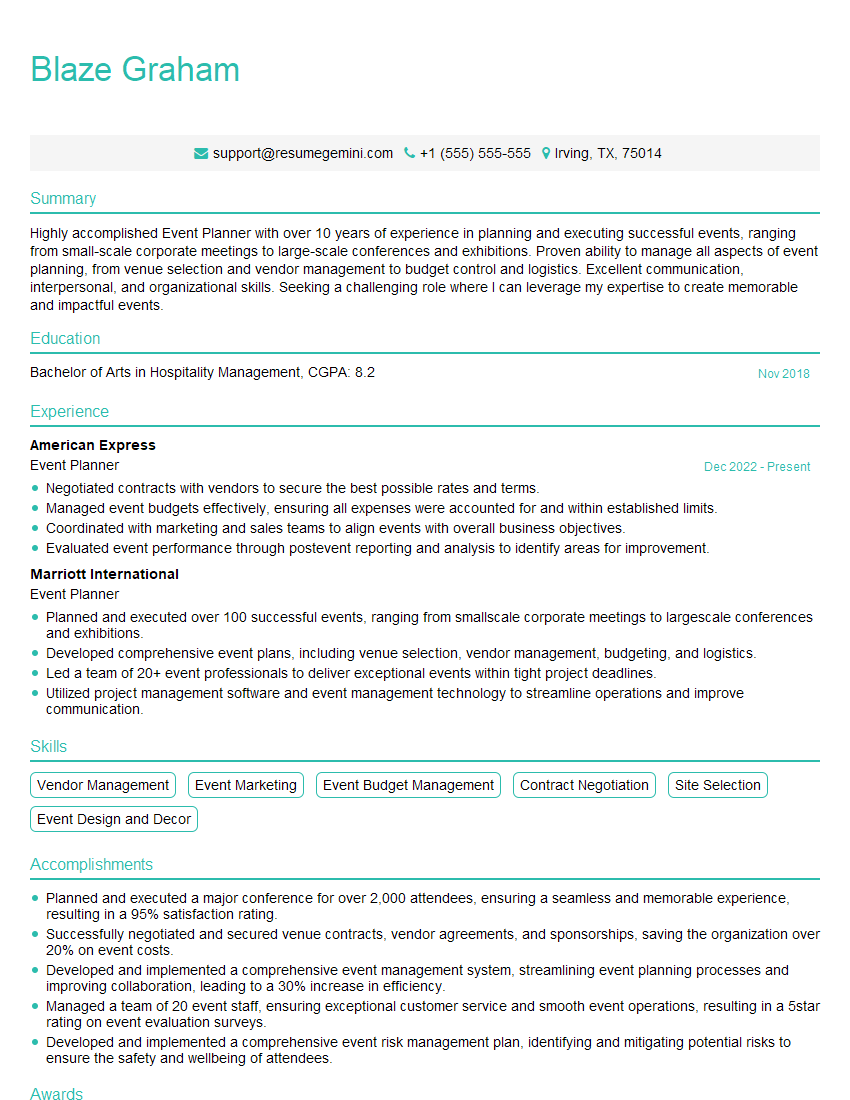
Event Planner Resume Sample
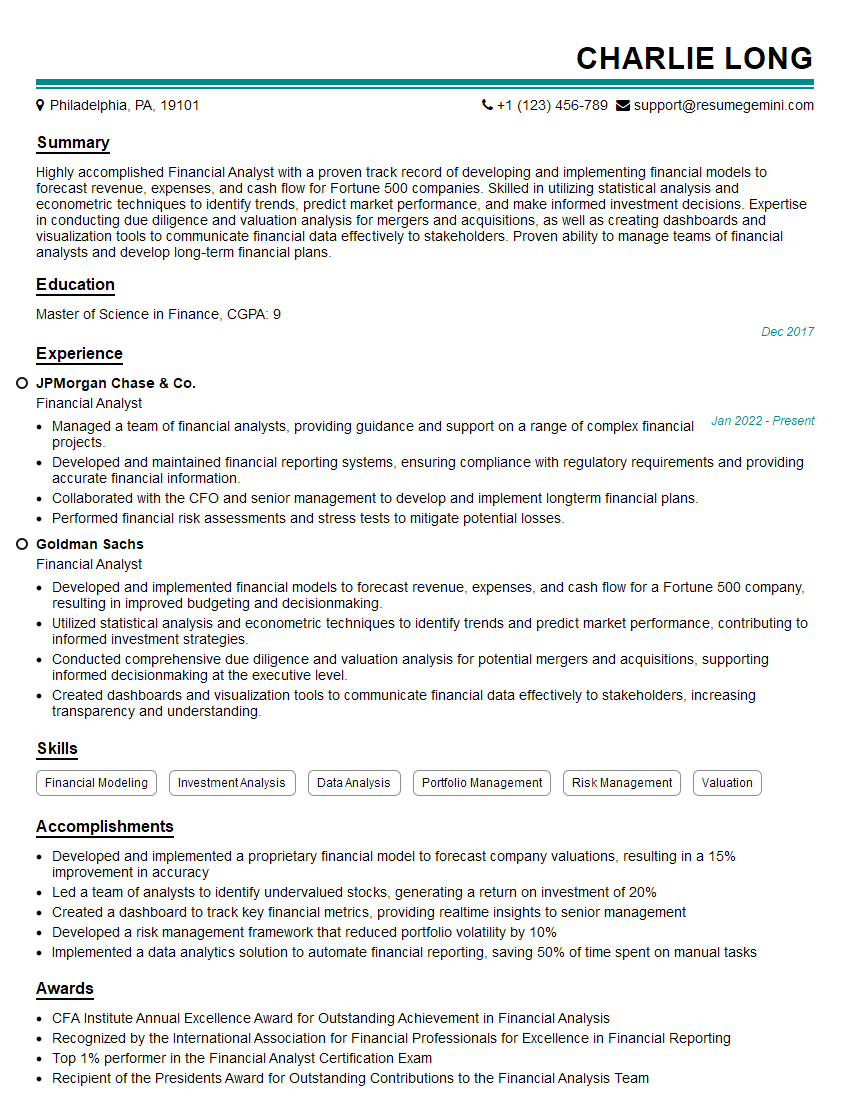
Financial Analyst Resume Sample
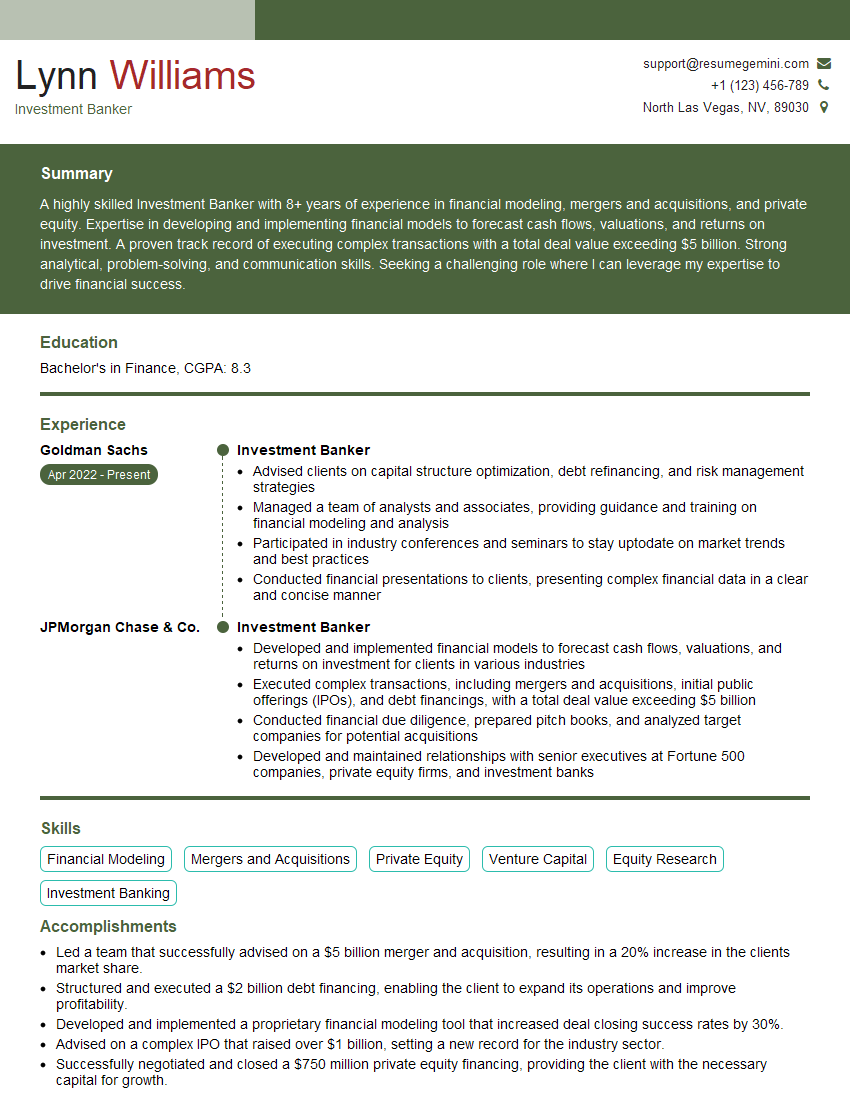
Investment Banker Resume Sample
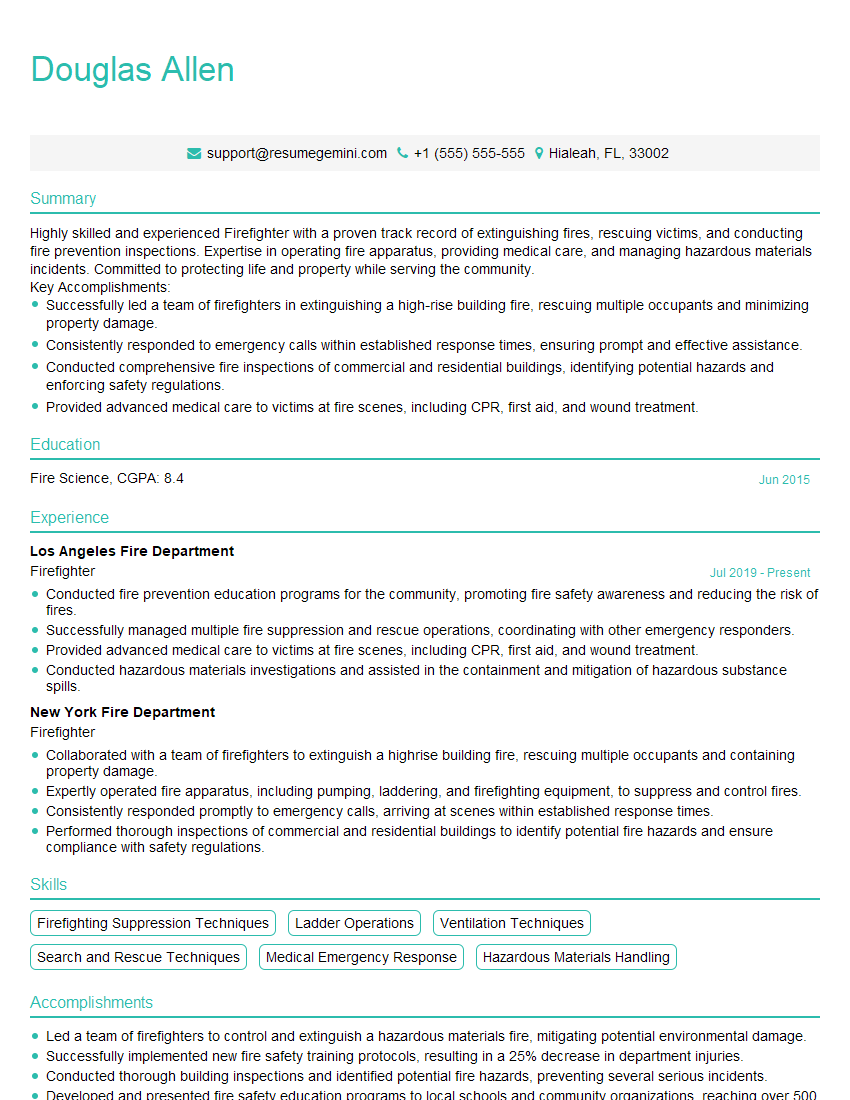
Firefighter Resume Sample
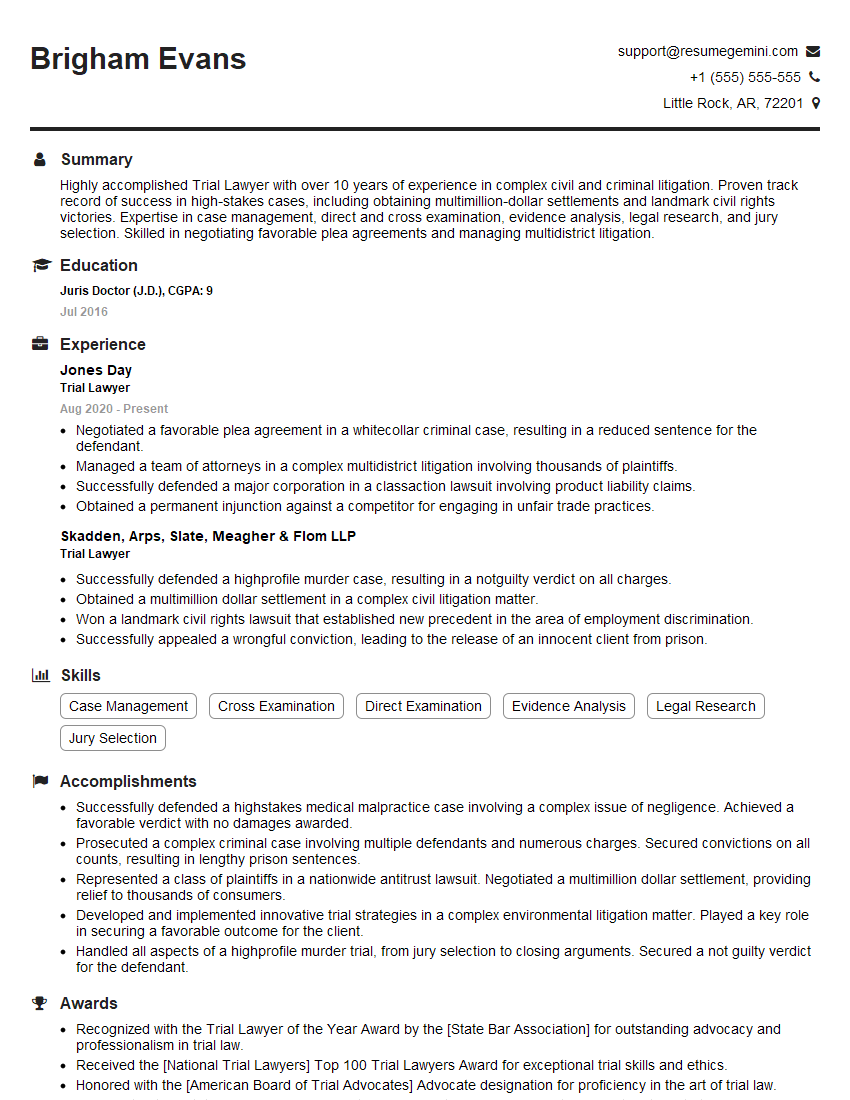
Trial Lawyer Resume Sample
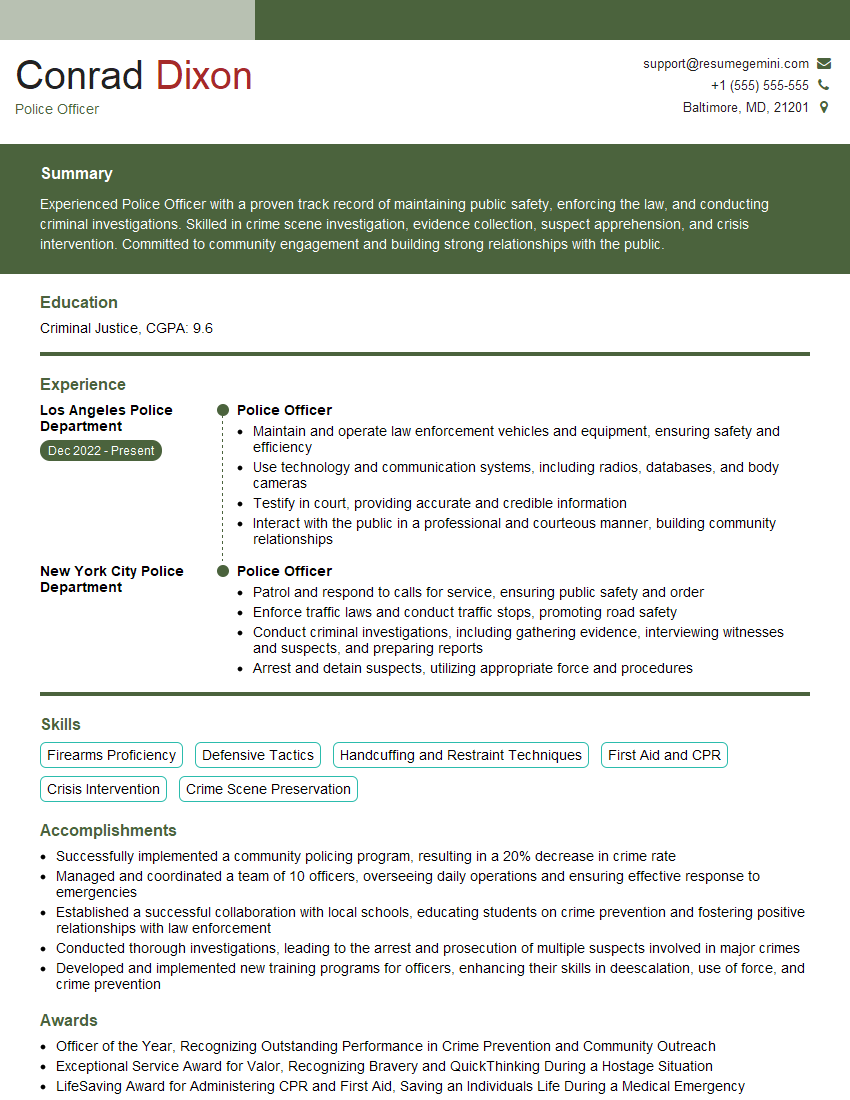
Police Officer Resume Sample
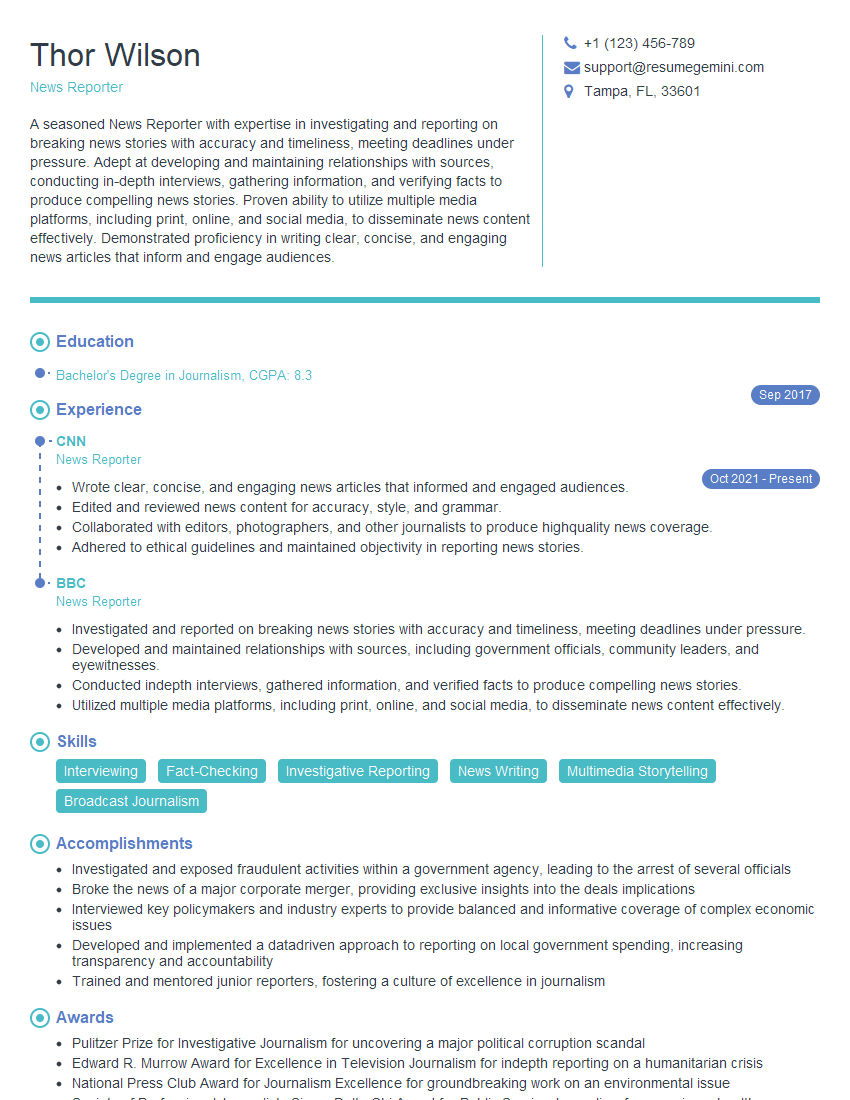
News Reporter Resume Sample
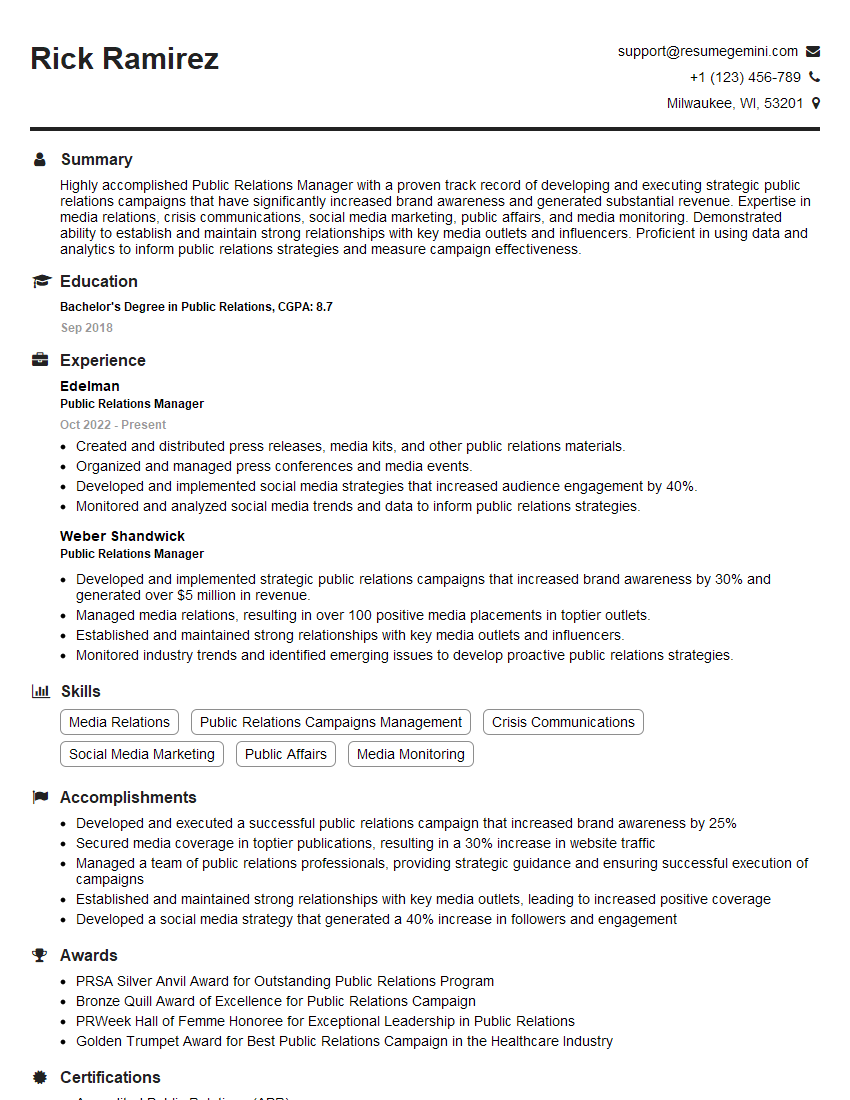
Public Relations Manager Resume Sample
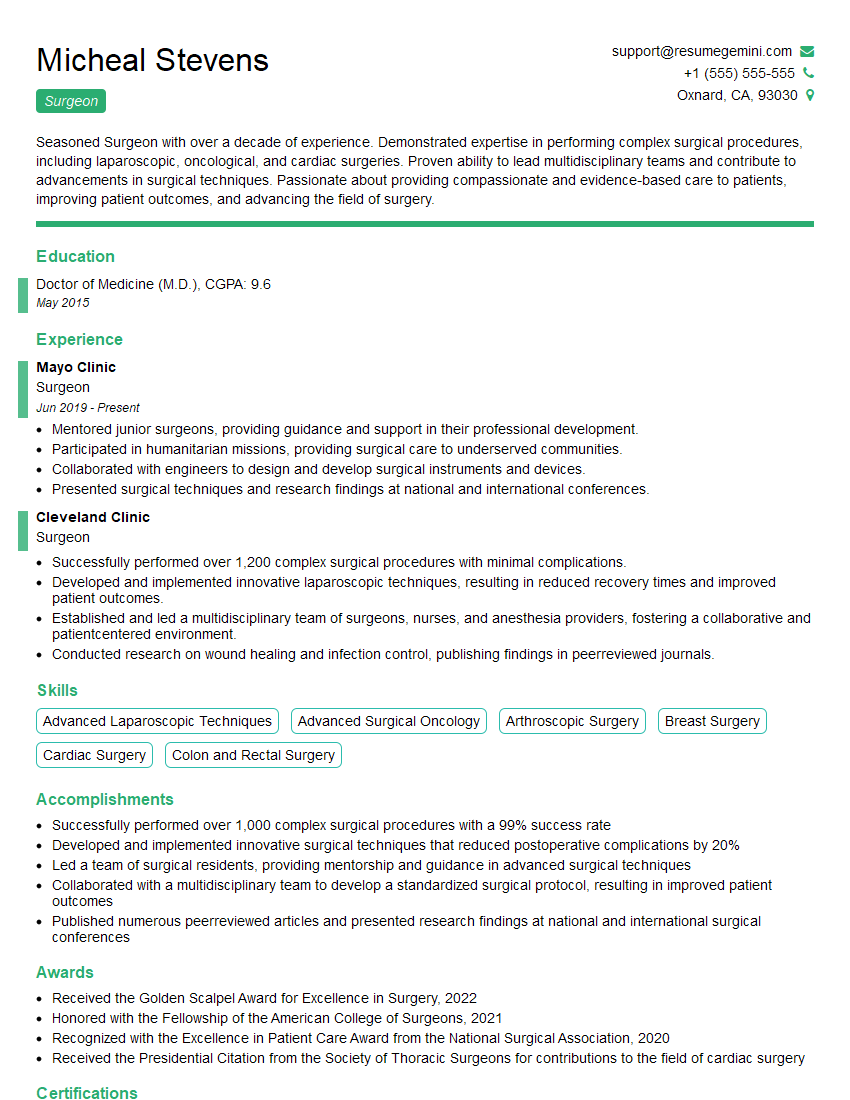
Surgeon Resume Sample
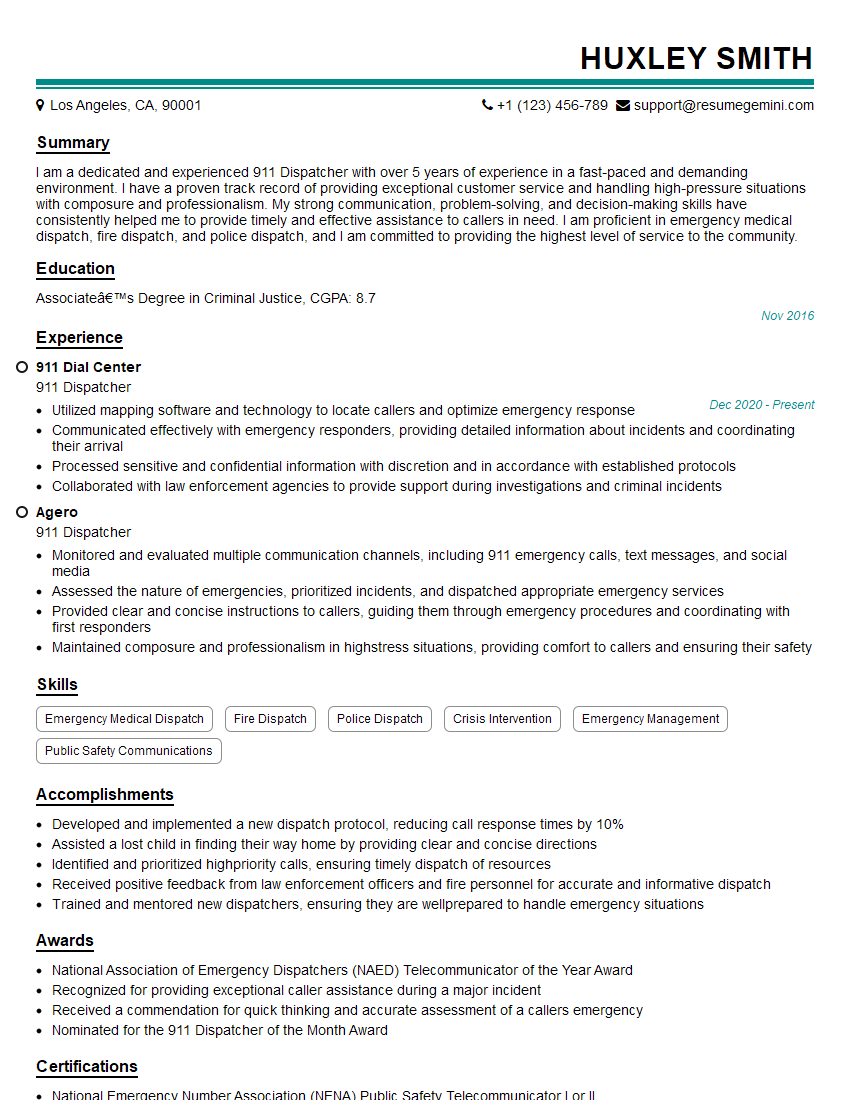
911 Dispatcher Resume Sample
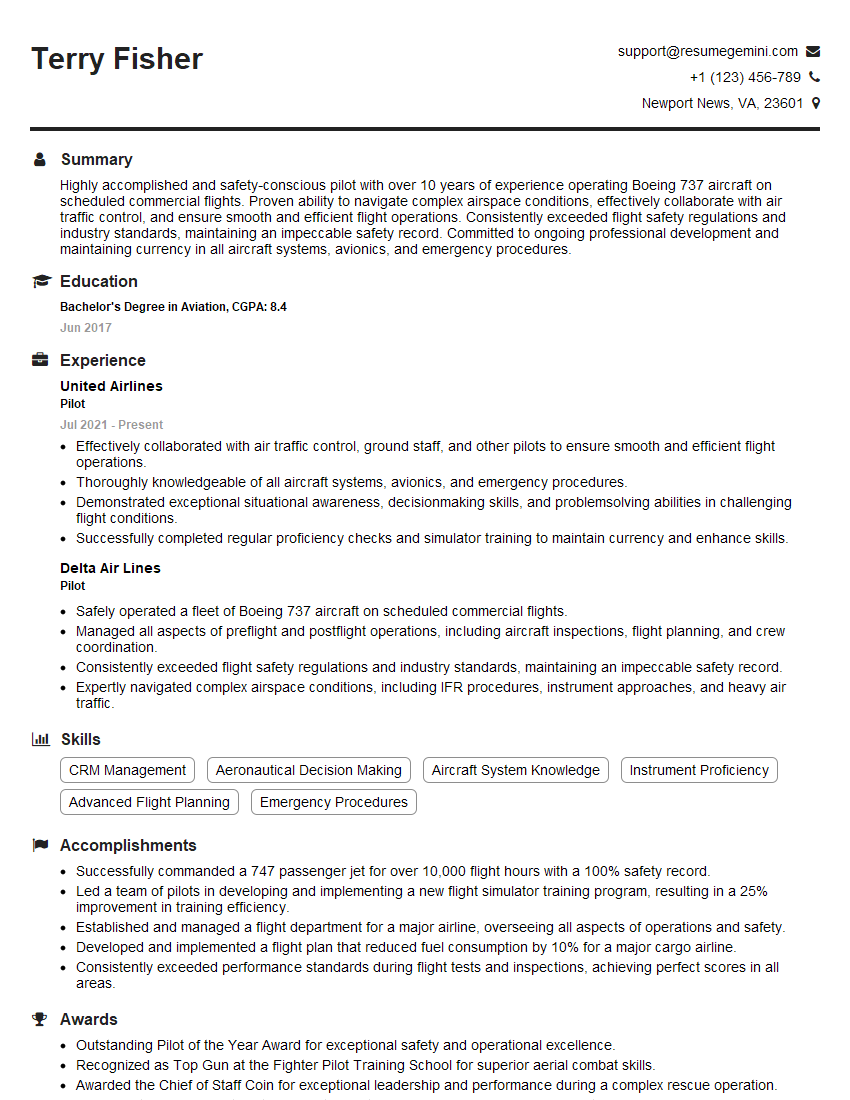
Pilot Resume Sample
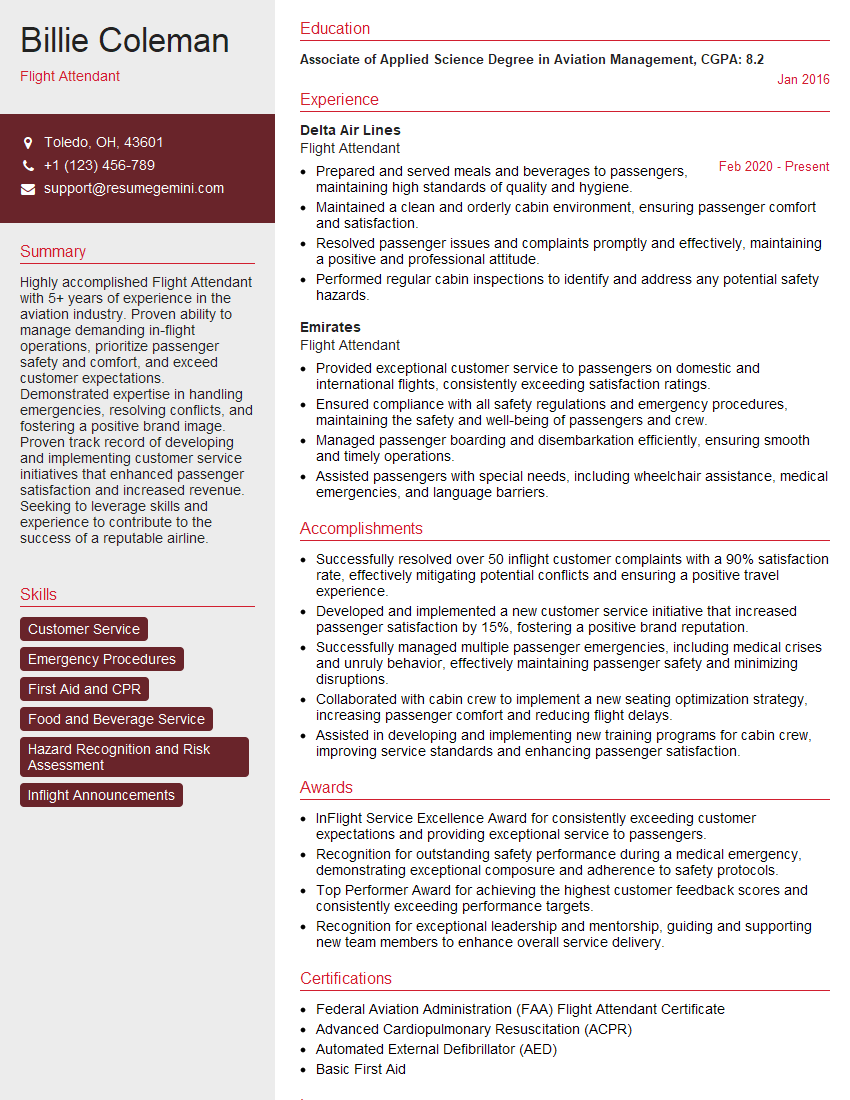
Flight Attendant Resume Sample
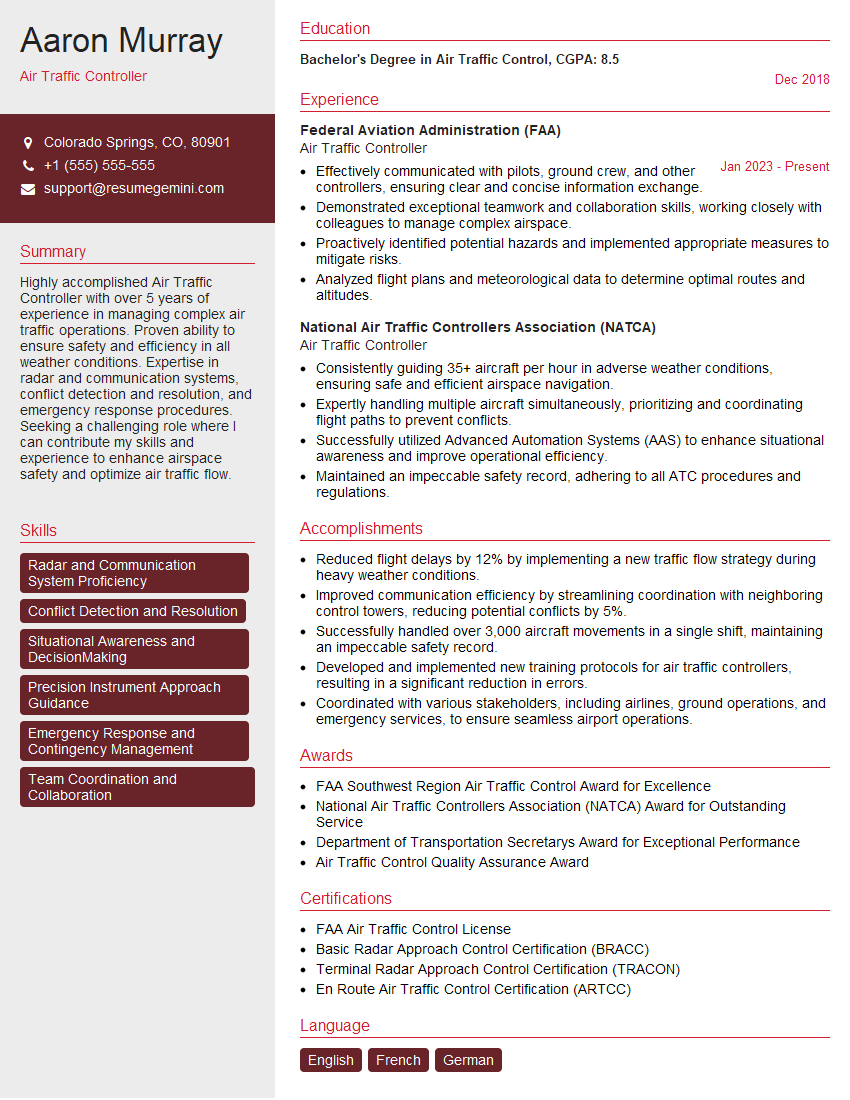
Air Traffic Controller Resume Sample
Explore more articles
Users Rating of Our Blogs
Share Your Experience
We value your feedback! Please rate our content and share your thoughts (optional).
What Readers Say About Our Blog
Very informative content, great job.
good