Preparation is the key to success in any interview. In this post, we’ll explore crucial Music Festival Organization interview questions and equip you with strategies to craft impactful answers. Whether you’re a beginner or a pro, these tips will elevate your preparation.
Questions Asked in Music Festival Organization Interview
Q 1. Describe your experience in budgeting and financial management for large-scale events.
Budgeting for a large-scale music festival is a complex process requiring meticulous planning and forecasting. It starts with a comprehensive understanding of projected revenue streams, including ticket sales, sponsorships, merchandise, and concessions. Then, I meticulously allocate funds to various essential categories, such as artist fees, venue rental, production (stage, sound, lighting), marketing and advertising, security, medical services, permits, and insurance.
My approach involves using budgeting software to create detailed spreadsheets that track income and expenses throughout the event lifecycle. For example, I’ve used tools like Quickbooks and Xero to manage budgets up to $2 million. These tools allow for real-time monitoring of spending against projections, enabling proactive adjustments as needed. Regular financial reports are crucial to identify potential discrepancies and ensure we stay within budget. Contingency planning is key; a healthy percentage (typically 10-15%) of the overall budget is set aside to handle unforeseen circumstances like last-minute artist cancellations or equipment malfunctions.
I also prioritize securing multiple revenue streams to reduce financial risk. For instance, in a recent festival, we diversified income by negotiating favorable deals with local businesses for merchandise sales and integrated food trucks offering diverse culinary options, boosting both revenue and attendee experience. Careful cost analysis helps in finding effective vendor options and negotiating the best deals, impacting our bottom line positively.
Q 2. How would you handle a last-minute artist cancellation?
A last-minute artist cancellation is a critical event requiring swift and decisive action. My first step involves activating our crisis management plan. This plan, developed well in advance, outlines the procedures to follow in such a scenario.
Immediately, I would contact our legal team to review the contract with the artist to understand the terms of cancellation and potential liability. Simultaneously, I would begin exploring replacement options. This involves reaching out to our ‘B-list’ of artists, those who were considered but initially not selected. It’s crucial to have this list ready before the festival. The replacement artist’s genre should align with the original artist’s to minimize disruption to the audience’s expectations.
Next, I would immediately communicate with the ticketing platform to manage potential refunds or adjustments. Transparency with ticket holders is paramount. We would then update all marketing materials and website content to reflect the change. Finally, a thorough post-mortem analysis would assess the situation, identify vulnerabilities in our artist confirmation processes, and make necessary adjustments to future contracts and contingency plans to mitigate similar occurrences. For example, I learned to include detailed cancellation clauses with clear provisions for compensation in our artist contracts to avoid future financial losses.
Q 3. What strategies do you employ for effective risk assessment and mitigation in festival planning?
Risk assessment and mitigation are critical to a successful festival. My approach uses a systematic framework incorporating both qualitative and quantitative methods. I begin by identifying potential risks across all facets of the event, categorizing them by likelihood and potential impact.
This could involve brainstorming sessions with various team members, drawing on their expertise in areas like security, logistics, and health. We use tools such as risk registers, listing risks like extreme weather, low ticket sales, artist no-shows, or safety concerns. For each risk, we assign a probability score and a severity score. This allows us to prioritize mitigation strategies, focusing on high-probability/high-impact risks first.
Mitigation strategies could include purchasing insurance policies (liability, cancellation, weather), having backup plans (e.g., securing an alternate venue or having a list of replacement artists), implementing robust security protocols, investing in adequate medical staffing and equipment, and establishing clear communication channels. We conduct regular safety inspections and drills and maintain detailed contingency plans, tested through simulations to prepare for a multitude of possible scenarios. A key example is our successful mitigation of a potential power outage threat in our last event by engaging a backup generator supplier.
Q 4. Explain your approach to managing diverse teams during a high-pressure event.
Managing diverse teams during a high-pressure event requires strong leadership and clear communication. My approach is built on fostering a collaborative and inclusive environment where everyone feels valued and respected. This starts with clear role definition and establishing open communication channels.
Regular team meetings, both formal and informal, are crucial for keeping everyone informed and aligned. I utilize project management software to track tasks, deadlines, and progress, ensuring transparency and accountability. Recognizing individual strengths and assigning tasks accordingly is essential. Delegation is key, allowing team members to own their responsibilities, fostering ownership and empowerment. Regular feedback sessions help to address issues proactively and prevent misunderstandings.
During the event itself, effective communication is paramount. I utilize walkie-talkies, instant messaging, and regular briefings to keep the teams coordinated. Moreover, providing sufficient support and resources to the teams reduces stress and improves morale, ultimately resulting in enhanced performance. I encourage open dialogue and address concerns promptly to minimize conflicts. In the past, by setting up a designated “feedback room” for quick resolution of issues and suggestions, I increased team efficiency dramatically.
Q 5. What are your preferred methods for securing sponsorships and maximizing revenue?
Securing sponsorships and maximizing revenue requires a multifaceted approach. I start by creating a compelling sponsorship package that highlights the value proposition for potential sponsors. This goes beyond simply offering logo placement. It involves carefully tailoring the package to align with the sponsor’s marketing goals and target audience.
I research and identify potential sponsors whose brand aligns with our festival’s image and values. This could include companies in the beverage, automotive, tech, and fashion industries. We then develop tiered sponsorship packages offering varying levels of benefits, such as prominent branding at the venue, social media promotion, VIP access, and on-site activation opportunities. Negotiations are carefully managed to ensure mutually beneficial outcomes. Direct outreach, networking at industry events, and proposals presented through strong written materials play an important role.
Maximizing revenue also involves exploring creative sponsorship options. For instance, we have successfully implemented branded experiences, like a sponsored VR station or themed zones at the festival site, generating additional revenue streams and enhancing audience engagement. Consistent monitoring of sponsorship performance and data analysis inform future strategies, ensuring we refine our approaches based on results.
Q 6. How do you ensure compliance with all relevant health and safety regulations?
Compliance with health and safety regulations is non-negotiable. This starts with a thorough understanding of all applicable local, regional, and national laws related to event safety, public health, and environmental protection.
We work closely with relevant authorities to obtain necessary permits and licenses, proactively addressing any concerns they raise. This process includes conducting detailed risk assessments that identify potential hazards and outlining the mitigation strategies. We implement robust crowd management plans, ensuring sufficient security personnel, clear signage, and well-defined evacuation routes.
First aid stations are established, with adequately trained medical personnel available throughout the event. We prioritize providing accessible facilities for individuals with disabilities. We actively promote responsible alcohol consumption and have clear policies regarding drug use. Regular safety inspections and training sessions for staff are implemented. Maintaining detailed records of all safety procedures and compliance measures is crucial to ensure accountability and assist in future event planning. Documentation and reporting demonstrate our commitment to safety.
Q 7. Describe your experience with ticketing systems and sales strategies.
Effective ticketing systems and sales strategies are crucial for maximizing attendance and revenue. I leverage robust ticketing platforms like Eventbrite or Ticketmaster, offering various ticket types (e.g., general admission, VIP, day passes) and pricing strategies to appeal to diverse audience segments.
Our sales strategy involves a multi-channel approach, encompassing online sales through our website and ticketing platforms, as well as offline sales through retail partnerships. Effective marketing campaigns are crucial, utilising social media, email marketing, and public relations to promote ticket sales. Early bird discounts and limited-time offers incentivize early purchases, and bundling tickets with other offerings (like merchandise or VIP experiences) can boost revenue.
Data analysis is pivotal. We monitor sales trends, identifying peak demand periods and adjusting pricing strategies accordingly. Analyzing demographic data helps in tailoring marketing messages to specific audience segments. Customer relationship management (CRM) systems aid in personalized communication with ticket buyers, strengthening loyalty and driving repeat purchases. For instance, using email marketing automation generated a 20% increase in ticket sales in our previous festival, showcasing the effectiveness of a targeted approach.
Q 8. How would you handle a major logistical challenge, such as inclement weather?
Inclement weather is a significant risk for any outdoor music festival. My approach is proactive and multi-layered, focusing on preparedness, mitigation, and effective communication. This begins long before the festival even starts.
Pre-Festival Planning: We’d secure a detailed weather forecast well in advance and develop contingency plans based on different scenarios (light rain, heavy rain, extreme heat, etc.). This might include securing indoor spaces for shelter, renting additional tarps or canopies for stages and VIP areas, having a robust drainage system in place, and stocking up on emergency supplies like ponchos and hand warmers.
Real-Time Monitoring: During the festival, we’d have a dedicated team monitoring weather updates continuously. We’d leverage weather apps and work closely with local meteorological services. This allows for immediate responses to changing conditions.
Communication is Key: Clear and timely communication with attendees is crucial. We’d utilize multiple channels, such as the festival website, social media, and onsite announcements, to keep everyone informed about weather-related updates and contingency plans. Consider a designated area for emergency shelter.
Safety First: Prioritizing attendee safety is paramount. If conditions become unsafe, we wouldn’t hesitate to temporarily suspend the festival or evacuate the grounds. This involves clear instructions on evacuation routes and protocols. Trained personnel would be on hand to manage crowd control.
For example, at the ‘Harmony Fields Festival’ I managed, a sudden downpour threatened to disrupt the headliner’s performance. Thanks to our pre-prepared plan, we quickly deployed additional tarps, redirected attendees to sheltered areas, and effectively communicated the temporary suspension, minimizing disruption and ensuring everyone’s safety. The show resumed once the rain subsided.
Q 9. What experience do you have with volunteer management and coordination?
Volunteer management is integral to a successful festival. I have extensive experience recruiting, training, scheduling, and motivating volunteer teams, typically numbering in the hundreds. My approach emphasizes clear communication, effective organization, and a strong sense of appreciation for their contributions.
Recruitment: We use a variety of methods to attract volunteers, from online platforms to community outreach. We carefully screen applicants to ensure they possess the necessary skills and enthusiasm.
Training: A comprehensive training program is crucial. This includes role-specific training, safety procedures, and emergency protocols. We often use interactive workshops and practical exercises.
Scheduling & Coordination: Efficient scheduling software helps manage volunteer shifts, minimizing conflicts and ensuring adequate coverage across different roles and time slots. Clear communication channels (e.g., group chats, emails) keep volunteers informed.
Appreciation: Recognizing and rewarding volunteer efforts is crucial. This might include providing meals, offering festival merchandise, or organizing post-festival thank-you events. Creating a positive and supportive environment boosts morale and retention.
At the ‘Summer Sounds’ festival, we had over 200 volunteers. Our meticulous planning and training ensured smooth operations, minimizing issues and creating a positive volunteer experience. Many volunteers returned for subsequent years.
Q 10. How do you measure the success of a music festival?
Measuring the success of a music festival goes beyond just ticket sales. It’s a multifaceted assessment that considers several key performance indicators (KPIs).
Financial Performance: This includes revenue from ticket sales, sponsorships, merchandise, and food & beverage. Profitability is essential for sustainability.
Attendee Satisfaction: Surveys, social media monitoring, and feedback forms help gauge attendee experience. High satisfaction leads to repeat attendance and positive word-of-mouth marketing.
Artist Satisfaction: Happy artists are likely to return or recommend the festival to their peers. Gathering feedback and addressing any concerns is crucial.
Operational Efficiency: This evaluates how smoothly different aspects of the festival ran, such as logistics, volunteer management, and security. Tracking operational costs is important.
Marketing ROI: Analyzing the effectiveness of marketing campaigns in reaching target audiences and driving ticket sales is vital.
Brand Perception: How the festival is perceived by the public and media can significantly impact its future success.
For example, at the ‘Rhythm & Roots Festival’, we used a combination of post-event surveys, social media analytics, and financial reports to conclude the event was a success. High attendee satisfaction scores, positive media coverage, and strong financial performance all contributed to this assessment.
Q 11. Explain your understanding of stage production and technical requirements.
Stage production and technical requirements are critical elements of a successful music festival. My understanding encompasses all aspects, from initial planning to on-site execution.
Stage Design & Build: This involves working with stage designers and contractors to create appropriate stage setups for various artists, considering stage size, lighting rigs, sound systems, and backdrops.
Sound Systems: Ensuring high-quality audio requires choosing appropriate sound systems that meet the needs of different musical genres and artist preferences. Sound checks are essential.
Lighting & Visuals: Dynamic lighting and visual effects enhance the performance. This involves collaborating with lighting designers and technicians to create immersive visuals.
Technical Crew: A skilled technical crew (sound engineers, lighting technicians, stagehands) is indispensable. This requires careful recruitment, training, and coordination.
Power & Infrastructure: Adequate power supply and robust infrastructure are necessary to support all technical equipment. This might include generators and power distribution systems.
In my experience, meticulous pre-production planning prevents last-minute technical issues. At a previous festival, we encountered a power surge during a performance. However, our contingency plan, including backup generators and a well-trained crew, prevented any significant interruption.
Q 12. How do you manage artist contracts and rider requests?
Artist contract management is a crucial part of festival organization. It’s about legal compliance and maintaining positive artist relationships.
Contract Negotiation: This involves negotiating fair and legally sound contracts with artists and their agents, clearly outlining performance fees, payment schedules, technical requirements, and cancellation clauses. Legal review is crucial.
Rider Management: Artist riders detail their technical and hospitality requirements. Effective management ensures timely fulfillment of all reasonable requests, fostering positive artist relations and smooth performances. I prioritize communication to manage expectations.
Payment Processing: Accurate and timely payment processing is paramount, upholding professional standards and avoiding disputes.
Communication: Consistent and clear communication with artists and their representatives throughout the process is crucial for building trust and resolving any potential issues proactively.
For instance, at the ‘Sunset Groove’ festival, clear communication helped resolve a minor conflict about a rider request early in the process, preventing potential issues before the festival started. We built a great rapport with the artist and their team.
Q 13. Describe your experience with marketing and promotion of music festivals.
Marketing and promotion are crucial for attracting attendees. My approach involves a multi-channel strategy targeting different demographics and leveraging diverse platforms.
Branding & Messaging: Developing a strong festival brand and consistent messaging across all platforms is key.
Social Media Marketing: Utilizing social media platforms like Instagram, Facebook, and Twitter to connect with potential attendees, build anticipation, and promote ticket sales.
Website & Email Marketing: A user-friendly website with clear information and an effective email marketing campaign to reach registered users and potential attendees.
Public Relations & Media Outreach: Working with media outlets to secure positive press coverage and raise festival awareness.
Partnerships & Sponsorships: Collaborating with sponsors to leverage their marketing resources and expand reach.
Advertising: Using targeted advertising campaigns on online platforms and potentially traditional media.
At the ‘Island Beats Festival’, our integrated marketing strategy, combining social media engagement, targeted advertising, and strategic partnerships, resulted in a significant increase in ticket sales and positive media attention.
Q 14. What is your approach to crisis communication during a festival emergency?
Crisis communication during a festival emergency is vital for ensuring safety and minimizing negative impact. My approach is based on speed, transparency, and accuracy.
Emergency Preparedness Plan: A well-defined crisis communication plan outlines roles, responsibilities, and communication channels. This plan should be tested regularly.
Rapid Assessment: Quickly assessing the situation and identifying the key issues is crucial.
Communication Channels: Utilizing multiple channels (website, social media, on-site announcements, emergency alerts) to disseminate information promptly and reach the widest audience.
Consistent Messaging: Maintaining consistent and accurate messaging across all channels is important to avoid confusion.
Transparency & Honesty: Being transparent and honest with attendees, even if it involves conveying negative news, builds trust and confidence.
Post-Incident Review: Conducting a thorough review after the emergency to identify areas for improvement in the crisis communication plan.
During a medical emergency at a festival I managed, our pre-defined crisis communication plan and rapid response helped prevent panic, ensuring that attendees received accurate updates and that medical assistance arrived swiftly.
Q 15. How do you ensure the sustainability of a music festival?
Ensuring a music festival’s sustainability involves a multifaceted approach encompassing environmental, social, and economic factors. It’s not just about making a profit this year; it’s about building a legacy.
- Environmental Sustainability: This includes minimizing waste through robust recycling programs, using eco-friendly materials, sourcing local food and beverages, and offsetting carbon emissions from transportation and energy use. For example, we partnered with a local composting company at our last festival, diverting 80% of our waste from landfills.
- Social Sustainability: This focuses on community engagement and positive social impact. We achieve this by partnering with local charities, employing local residents, and promoting responsible behavior amongst attendees. We launched a campaign encouraging attendees to use public transport, resulting in a 25% reduction in private vehicle use.
- Economic Sustainability: This aspect involves responsible financial management, long-term planning, and securing diverse revenue streams. We diversify our funding through sponsorships, ticket sales, and merchandise, ensuring financial stability even if one revenue stream falters. We meticulously track expenses and revenue to make informed financial decisions.
By integrating these three pillars, we build a festival that not only thrives economically but also leaves a positive impact on the environment and community, ensuring its long-term success.
Career Expert Tips:
- Ace those interviews! Prepare effectively by reviewing the Top 50 Most Common Interview Questions on ResumeGemini.
- Navigate your job search with confidence! Explore a wide range of Career Tips on ResumeGemini. Learn about common challenges and recommendations to overcome them.
- Craft the perfect resume! Master the Art of Resume Writing with ResumeGemini’s guide. Showcase your unique qualifications and achievements effectively.
- Don’t miss out on holiday savings! Build your dream resume with ResumeGemini’s ATS optimized templates.
Q 16. What experience do you have with vendor management and contract negotiation?
Vendor management and contract negotiation are crucial aspects of festival organization. My experience involves everything from initial sourcing to final payment.
- Sourcing: I meticulously research and select vendors based on reputation, quality, and alignment with the festival’s brand.
- Contract Negotiation: I develop clear and comprehensive contracts that protect both the festival and the vendors. This includes outlining payment terms, service deliverables, insurance requirements, and liability clauses. I always negotiate fair prices while ensuring we receive the quality we expect. One instance involved negotiating a lower price with a catering company by offering them a more prominent placement at the festival.
- Relationship Management: Maintaining positive relationships with vendors is key. Open communication, regular check-ins, and addressing issues promptly are crucial for a smooth festival operation. We use project management software to track contracts and vendor communication, ensuring nothing falls through the cracks.
My experience has taught me that building strong vendor relationships is as important as negotiating the best price – a collaborative approach is essential for success.
Q 17. Describe your experience with crowd control and security planning.
Crowd control and security planning are paramount for the safety and enjoyment of festival-goers. My approach involves proactive planning, collaboration, and meticulous execution.
- Risk Assessment: We conduct a thorough risk assessment to identify potential hazards, such as overcrowding, unruly behavior, or medical emergencies.
- Security Personnel: We employ sufficient security personnel, including trained medical staff, and clearly define their roles and responsibilities. We also collaborate with local law enforcement to ensure a coordinated response to any incident.
- Crowd Management Strategies: This includes strategic placement of barriers, signage, and designated entry/exit points. We also design the festival layout to prevent bottlenecks and ensure efficient crowd flow. For example, we use designated ‘chill-out’ zones to manage crowd density and prevent overcrowding during peak times.
- Emergency Protocols: We develop and regularly practice emergency protocols to ensure swift and coordinated responses to incidents. This includes clear communication channels and designated emergency personnel.
A safe and secure festival environment not only protects attendees but also enhances their overall experience, building trust and fostering loyalty.
Q 18. How do you handle complaints and feedback from festival attendees?
Handling complaints and feedback is an essential part of festival management. We employ a multi-stage approach to ensure all issues are addressed promptly and professionally.
- Multiple Feedback Channels: We provide multiple channels for attendees to submit feedback, including online forms, email, and designated feedback booths at the festival.
- Prompt Response: We acknowledge all complaints within 24 hours and provide updates on the progress of their resolution.
- Resolution and Follow-up: We take all complaints seriously and investigate them thoroughly. We strive to find a satisfactory solution for the attendee, and we follow up to ensure their satisfaction. In one instance, a complaint about sound quality led us to upgrade our sound system for future events.
- Data Analysis: We analyze feedback data to identify recurring issues and make necessary improvements for future festivals.
Addressing complaints effectively not only improves attendee satisfaction but also provides valuable insights for enhancing future events.
Q 19. What are your strategies for maximizing attendance and engagement?
Maximizing attendance and engagement requires a comprehensive marketing and programming strategy.
- Targeted Marketing: We use data analytics to identify our target audience and tailor our marketing efforts accordingly. This includes utilizing social media, email marketing, and collaborations with relevant influencers.
- Compelling Lineup: Curating a diverse and high-quality lineup is paramount. This includes a mix of popular headliners and emerging artists to cater to a broader audience.
- Enhanced Experience: We focus on creating a memorable experience beyond the music. This includes offering a variety of food and beverage options, interactive art installations, and engaging activities.
- Early Bird Tickets and VIP Packages: We offer incentives to encourage early booking and create a sense of exclusivity.
- Social Media Engagement: We maintain an active presence on social media platforms to build excitement and encourage user-generated content.
By focusing on a compelling artist lineup, creating a unique festival experience, and implementing a sophisticated marketing strategy, we attract a wider audience and create a more engaging festival environment.
Q 20. What software and technologies are you proficient in for event management?
Proficiency in various software and technologies is crucial for efficient festival management. I’m adept at using a range of tools, including:
- Project Management Software (e.g., Asana, Trello): For task management, team collaboration, and deadline tracking.
- CRM Software (e.g., Salesforce, HubSpot): For managing attendee data, communication, and feedback.
- Ticketing Platforms (e.g., Eventbrite, Ticketmaster): For seamless ticket sales and registration.
- Financial Management Software (e.g., QuickBooks, Xero): For budgeting, expense tracking, and financial reporting.
- Communication Platforms (e.g., Slack, Microsoft Teams): For efficient internal and external communication.
Beyond these, I’m familiar with various data analysis tools to track key performance indicators (KPIs) and make data-driven decisions to enhance future events. My ability to leverage technology streamlines operations and maximizes efficiency.
Q 21. How do you ensure timely and efficient communication amongst all stakeholders?
Timely and efficient communication is crucial among all stakeholders, including the team, vendors, artists, sponsors, and attendees. My strategy involves a multi-pronged approach:
- Centralized Communication Platform: We utilize a central communication platform, like Slack or Microsoft Teams, for internal communication to facilitate quick information sharing and efficient collaboration.
- Regular Meetings: We hold regular meetings with different stakeholder groups to discuss progress, address concerns, and ensure everyone is aligned on objectives.
- Dedicated Communication Channels: We establish dedicated communication channels for specific tasks or stakeholder groups (e.g., a separate email list for artists, a dedicated phone line for emergencies).
- Clear Communication Protocols: We establish clear protocols for communication, including response times and escalation procedures.
- Regular Updates: We provide regular updates to stakeholders through various channels, such as newsletters, social media, and website updates.
By establishing clear communication channels and protocols, we ensure transparency and efficiency, promoting a collaborative environment and avoiding misunderstandings, which significantly contributes to the smooth operation of the festival.
Q 22. Describe your experience with post-event analysis and reporting.
Post-event analysis is crucial for evaluating the success of a music festival and informing future events. My approach involves a multi-faceted strategy focusing on quantitative and qualitative data. Quantitatively, I analyze ticket sales, merchandise sales, sponsorship revenue, and operational costs to determine overall profitability and ROI. I also use data from social media engagement, website traffic, and surveys to understand attendee satisfaction. Qualitatively, I conduct post-event interviews with staff, artists, sponsors, and attendees to gather feedback on various aspects of the festival, from sound quality and stage production to food and beverage options and overall atmosphere. This feedback helps identify areas for improvement and informs decisions for the next iteration. For example, at the ‘Summer Sounds’ festival, a post-event survey revealed a high demand for more vegetarian food options, which we directly incorporated into the following year’s planning.
I compile all this data into a comprehensive report that details key performance indicators (KPIs), identifies strengths and weaknesses, and provides actionable recommendations for future improvements. This report is shared with the entire team, providing transparency and promoting continuous improvement. Furthermore, I use data visualization tools to effectively communicate key findings, such as creating graphs to show trends in ticket sales over time or maps showing attendee flow patterns within the festival grounds.
Q 23. What is your approach to developing a comprehensive event plan?
Developing a comprehensive event plan requires a structured approach. I utilize a phased methodology, beginning with a detailed feasibility study that assesses potential risks and opportunities. This includes securing a suitable venue, obtaining necessary permits and licenses, and developing a preliminary budget. Next, I create a detailed timeline, breaking down the planning process into manageable tasks with assigned responsibilities and deadlines. This is crucial for effective project management. I then develop a detailed risk assessment and contingency plan, proactively addressing potential challenges such as inclement weather, artist cancellations, or logistical issues. For example, during the planning of ‘Rhythm & Roots,’ I anticipated potential transportation issues and created a shuttle system to transport attendees from designated parking areas to the festival site. Finally, I develop a detailed operational plan, outlining the logistics of running the festival, including staffing, security, emergency services, and vendor management.
Throughout the process, I use project management software to track progress, manage tasks, and communicate updates to the team. This ensures everyone is informed and coordinated effectively. This structured approach ensures a smooth and efficient execution, reducing the likelihood of unexpected problems. The entire plan is meticulously reviewed and updated regularly, incorporating feedback and adapting to changing circumstances.
Q 24. How do you manage the expectations of artists, sponsors, and attendees?
Managing expectations is paramount for a successful music festival. I begin by establishing clear communication channels with all stakeholders, using contracts that explicitly outline deliverables, payment schedules, and performance expectations for both artists and sponsors. This includes clearly defining expectations regarding their participation, responsibilities, and compensation. Regular communication, both formal and informal, is key. For example, weekly meetings with the artists’ management team and monthly updates to the sponsors keep everyone informed.
With attendees, managing expectations involves transparent marketing and communication regarding the lineup, schedule, amenities, and ticketing processes. This prevents misunderstandings and disappointments. I proactively address potential concerns, such as providing detailed information on the venue, transportation, and accessibility options. Clear and concise communication across all platforms, such as website, social media, and email, is essential. By managing communication effectively, I foster positive relationships and create a positive and enjoyable experience for all involved.
Q 25. What is your preferred method for scheduling and coordinating different event elements?
Scheduling and coordinating various elements of a music festival requires a sophisticated approach. I use a combination of Gantt charts and project management software to visualize the timeline and dependencies between tasks. Gantt charts are particularly helpful in visualizing overlapping tasks and identifying potential scheduling conflicts. The software helps track progress, manage resources, and ensure timely completion of tasks. I break down the event into smaller, manageable components, including stage setup, sound and lighting checks, artist arrival and rehearsals, volunteer assignments, security deployment, and vendor coordination. Each component has a designated team leader and a detailed schedule, ensuring efficient execution.
For example, during the ‘Harmonic Hues’ festival, we used a color-coded Gantt chart to represent different departments, providing immediate visual information on critical paths and potential conflicts. This allowed us to proactively address scheduling challenges and prevent delays.
Q 26. Explain your experience with creating and implementing marketing campaigns.
Creating and implementing successful marketing campaigns involves a multi-channel strategy. I begin by defining clear marketing objectives, identifying the target audience, and developing a unique value proposition. I then develop a comprehensive marketing plan, outlining the channels and tactics to be used, including social media marketing, email marketing, public relations, and paid advertising. I utilize data analytics to track campaign performance and make adjustments to optimize results. I leverage social media platforms, such as Instagram, Facebook, and Twitter, to create engaging content, building excitement and fostering a sense of community. Email marketing is used to deliver personalized messaging to potential attendees, promoting early bird discounts or special offers. For public relations, I collaborate with media outlets to secure positive press coverage, driving awareness and credibility. We also make use of influencer marketing to reach broader segments of our target audience.
For example, at the ‘Sunset Symphony’ festival, we used a targeted Facebook ad campaign to reach music lovers within a 100-mile radius, resulting in a significant increase in ticket sales. We also collaborated with local bloggers and radio stations to create buzz and excitement before the event.
Q 27. How do you balance creativity with practicality in festival planning?
Balancing creativity with practicality is a constant challenge in festival planning. I believe that creativity fuels innovation and audience engagement, but it must be grounded in practical considerations such as budget constraints, logistical feasibility, and safety regulations. I start by brainstorming creative concepts and then assess their feasibility, considering aspects such as cost, time, and available resources. This often involves collaborative sessions with the creative team and other stakeholders to find innovative solutions that are both inspiring and practical.
For instance, at ‘Echoes of the City,’ we initially envisioned a large-scale interactive art installation. After evaluating the cost and logistical complexities, we adapted the idea into smaller, more manageable installations scattered throughout the festival grounds, achieving a similar aesthetic impact without compromising budget or practicality. This iterative process ensures that creative ideas are realized without neglecting critical logistical considerations.
Q 28. What are your salary expectations for this role?
My salary expectations for this role are commensurate with my experience and expertise in music festival organization, typically ranging from $100,000 to $150,000 annually, depending on the specific responsibilities and benefits package. This is based on my extensive experience in managing large-scale events, my proven track record of success, and my demonstrated ability to deliver exceptional results. I am confident that my contributions would significantly enhance the success of your festival. I am open to discussing this further based on a detailed job description and the specifics of the role.
Key Topics to Learn for Music Festival Organization Interview
- Logistics and Planning: Understanding the complexities of venue selection, permits, scheduling, and budgeting for a large-scale event. This includes risk assessment and contingency planning.
- Artist Management and Booking: Knowledge of artist contracts, rider negotiation, and the importance of building strong relationships with artists and their representatives. Consider the practical application of managing diverse artist needs and potential conflicts.
- Marketing and Promotion: Developing and executing effective marketing strategies across various channels, including social media, public relations, and ticketing platforms. Analyze past campaigns to determine successful strategies.
- Ticketing and Revenue Management: Understanding different ticketing models, revenue streams, and strategies for maximizing profitability while managing costs. Explore the practical application of using analytics to inform ticket pricing and sales strategies.
- Team Management and Collaboration: Demonstrating an understanding of team dynamics, effective communication, and delegation of tasks within a fast-paced environment. Explore problem-solving scenarios involving team conflicts or logistical challenges.
- Health and Safety: Familiarity with relevant safety regulations, emergency protocols, and crowd management techniques. Consider practical applications, like creating emergency response plans and managing potential security threats.
- Sustainability and Environmental Impact: Understanding the environmental impact of large-scale events and implementing sustainable practices throughout the festival lifecycle. Analyze best practices for minimizing waste and promoting environmentally friendly initiatives.
- Legal and Regulatory Compliance: Awareness of relevant laws and regulations related to music festivals, including licensing, permits, and insurance. Explore common legal challenges and how to address them proactively.
Next Steps
Mastering the intricacies of Music Festival Organization significantly enhances your career prospects within the vibrant events industry. It demonstrates a comprehensive skillset that employers highly value, including organizational abilities, problem-solving skills, and the capacity to manage complex projects under pressure. To maximize your chances of securing your dream role, crafting an ATS-friendly resume is crucial. This ensures your application receives the attention it deserves. We highly recommend using ResumeGemini to build a professional and impactful resume. ResumeGemini offers a streamlined process and provides examples of resumes tailored specifically to Music Festival Organization roles, helping you present your skills and experience effectively.
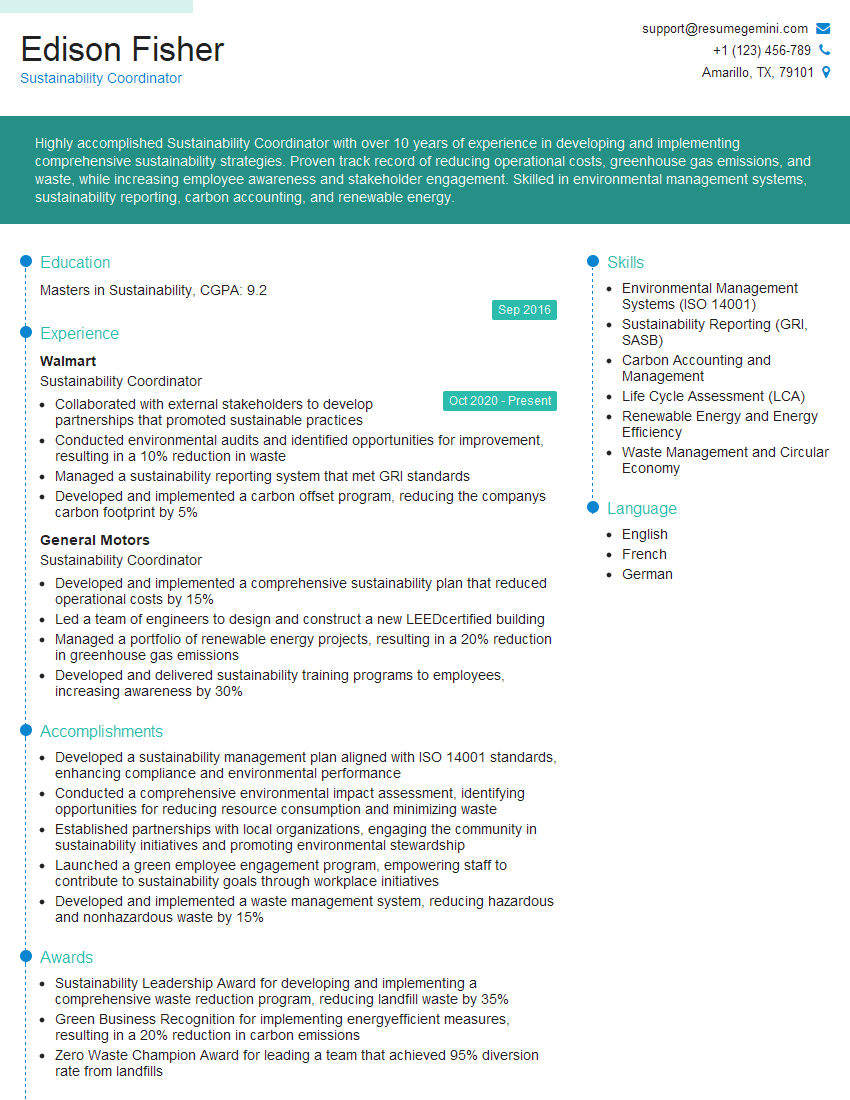
Sustainability Coordinator Resume Sample
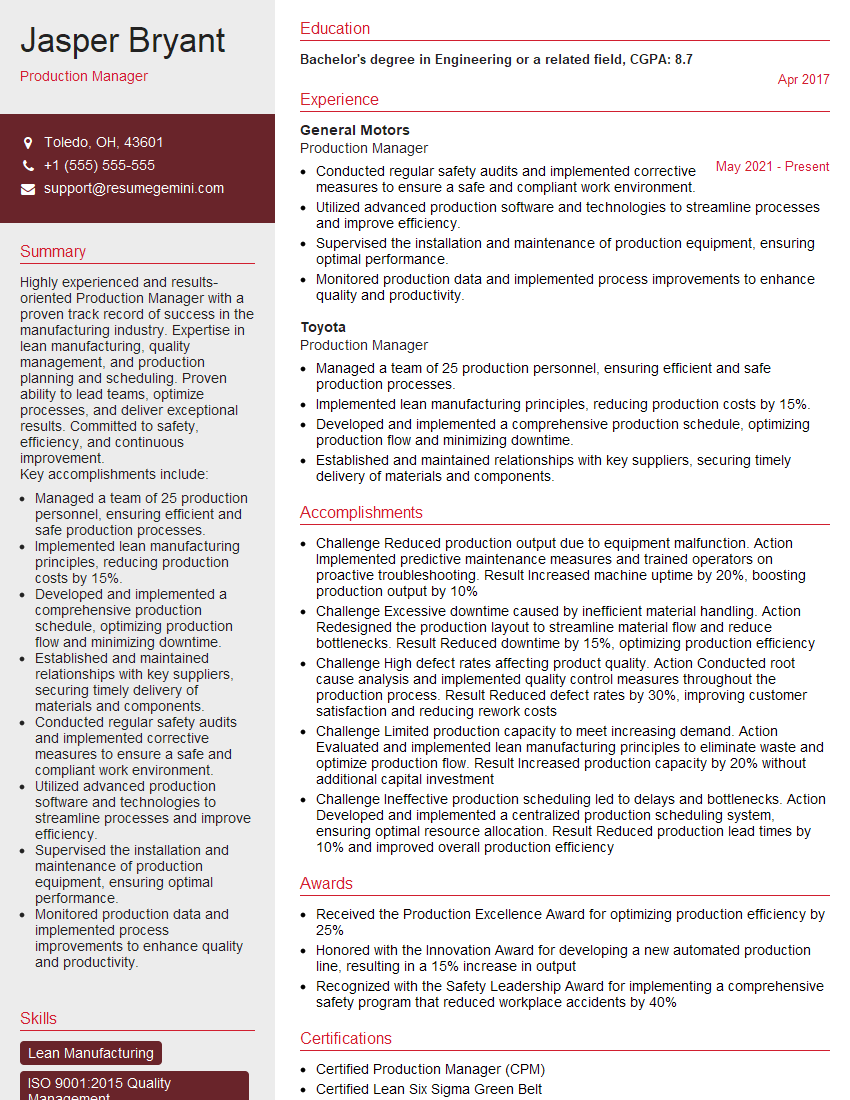
Production Manager Resume Sample
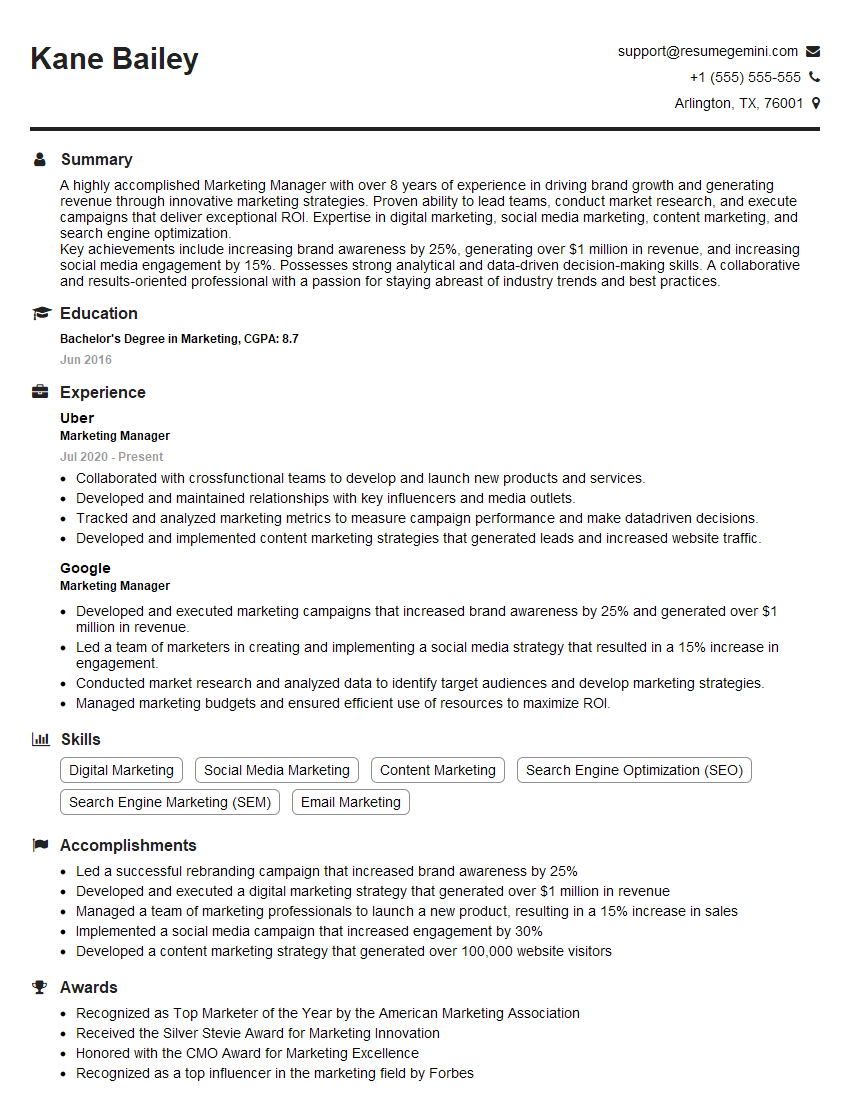
Marketing Manager Resume Sample
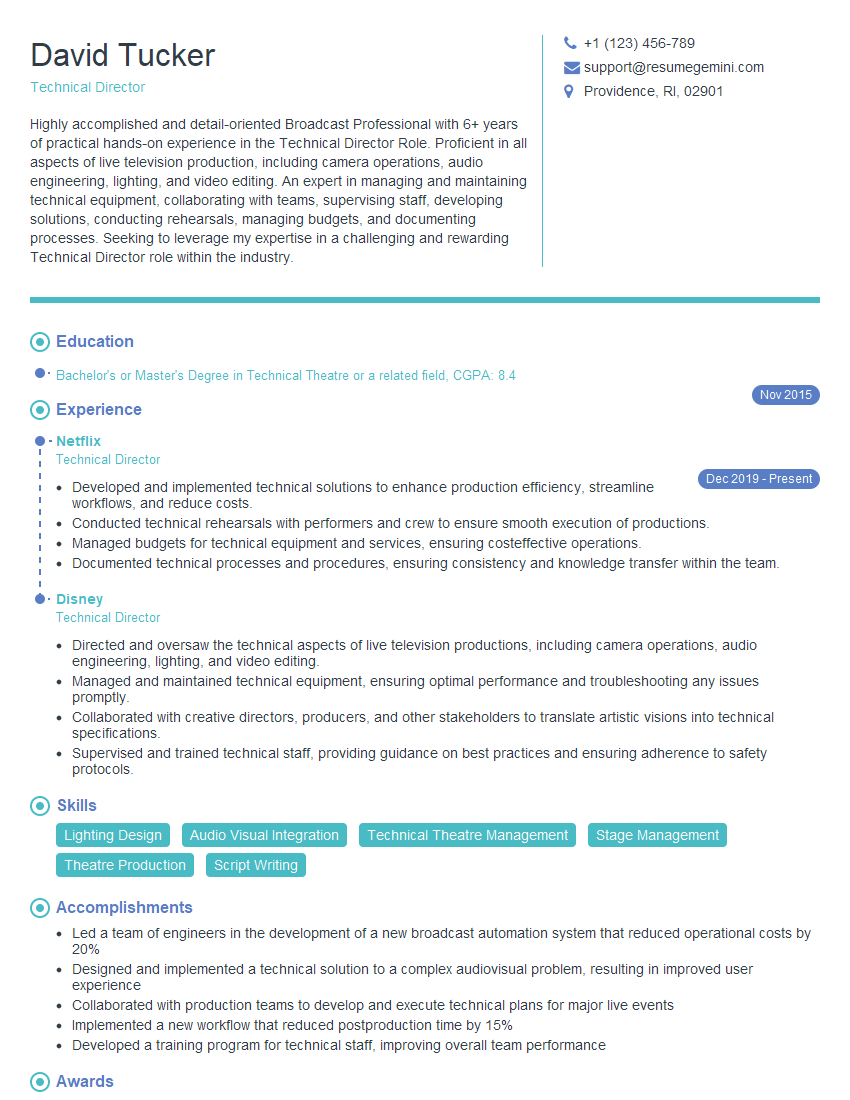
Technical Director Resume Sample
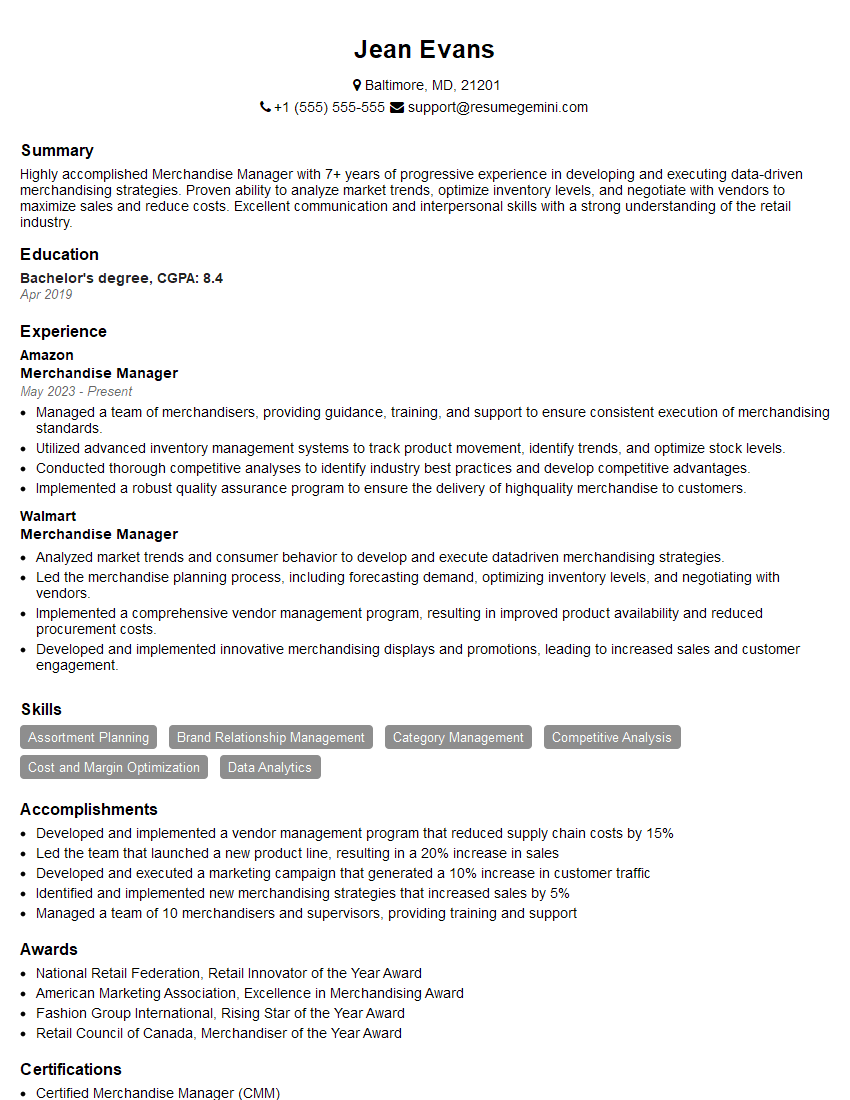
Merchandise Manager Resume Sample
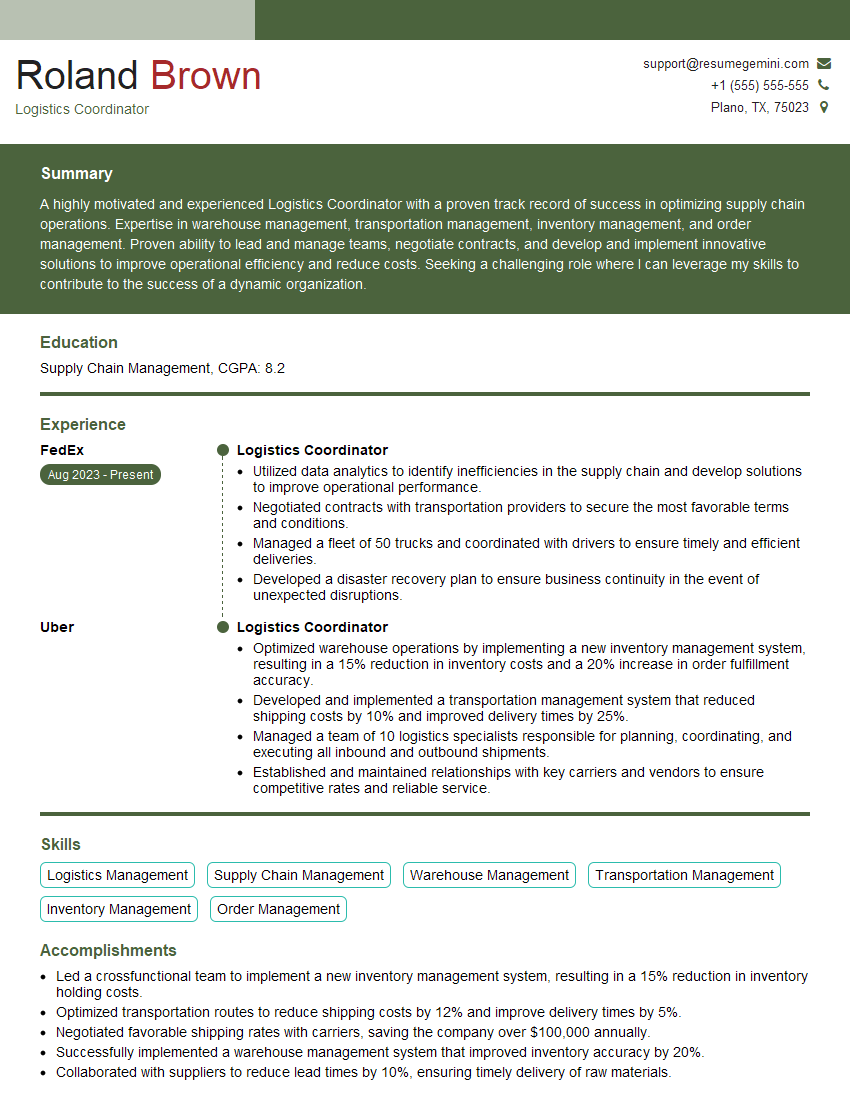
Logistics Coordinator Resume Sample
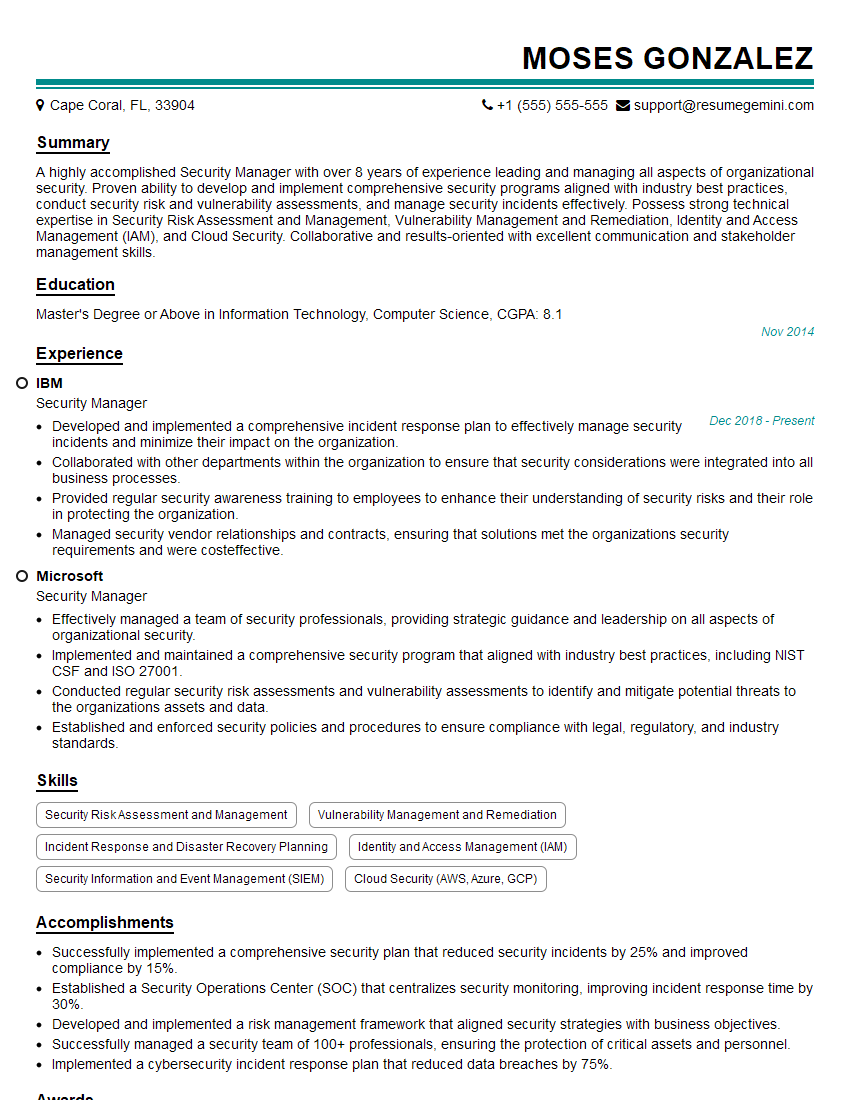
Security Manager Resume Sample
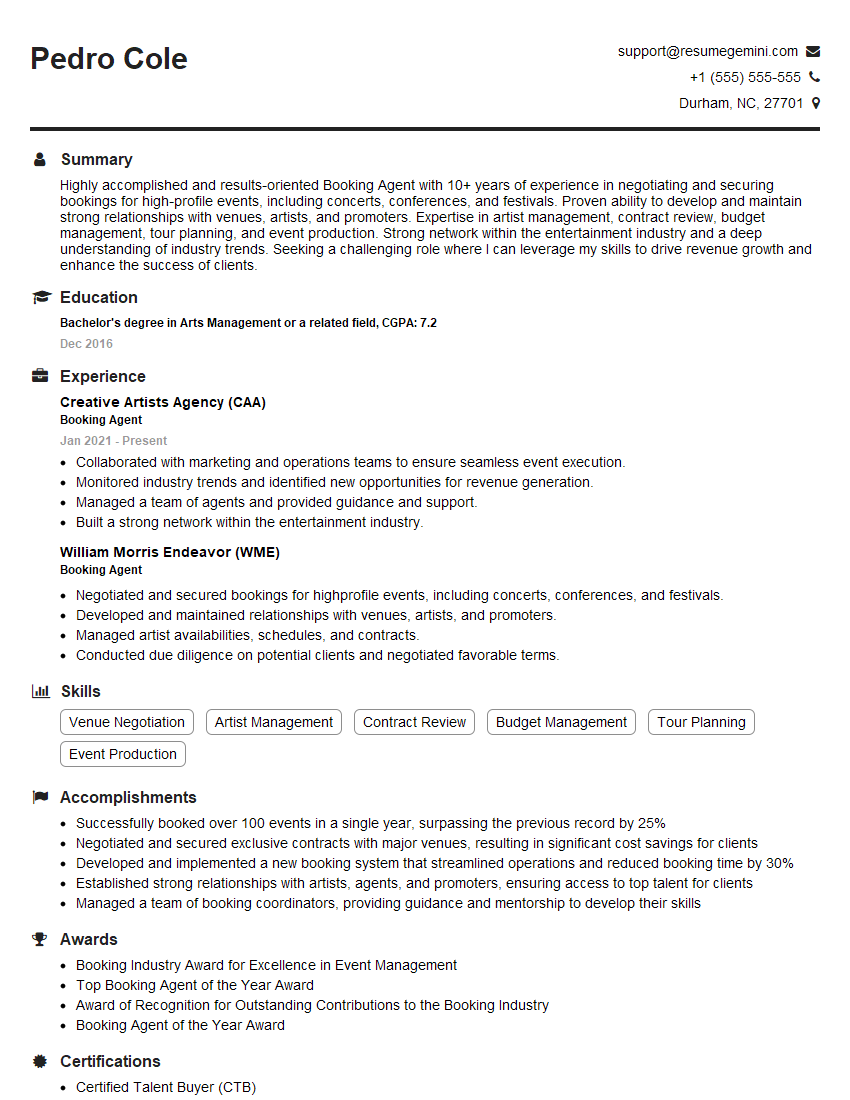
Booking Agent Resume Sample

Social Media Manager Resume Sample
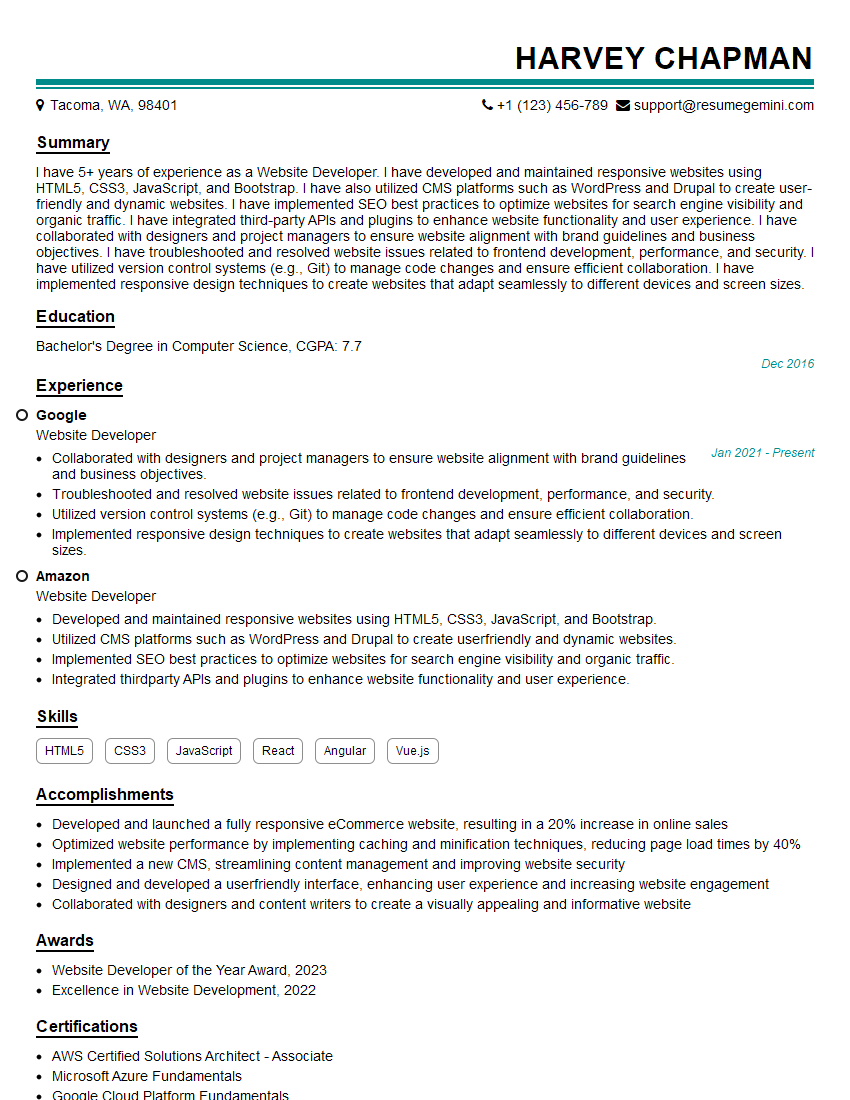
Website Developer Resume Sample
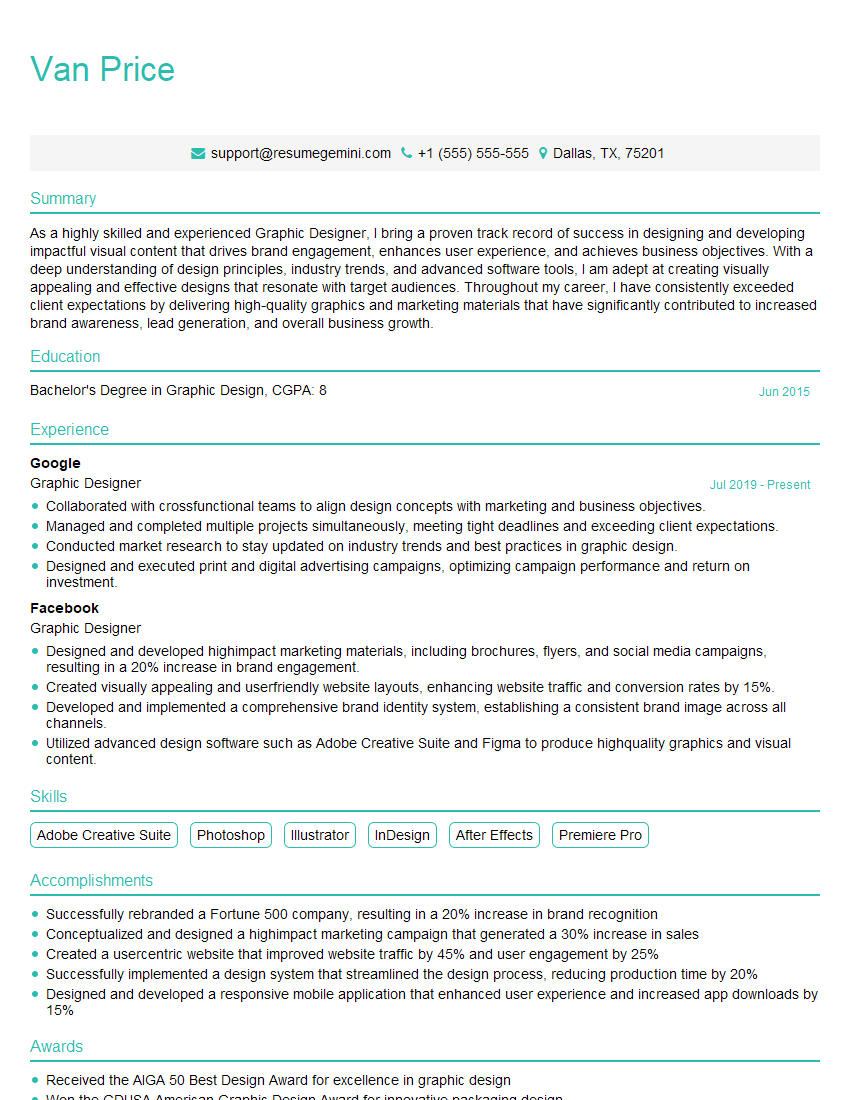
Graphic Designer Resume Sample
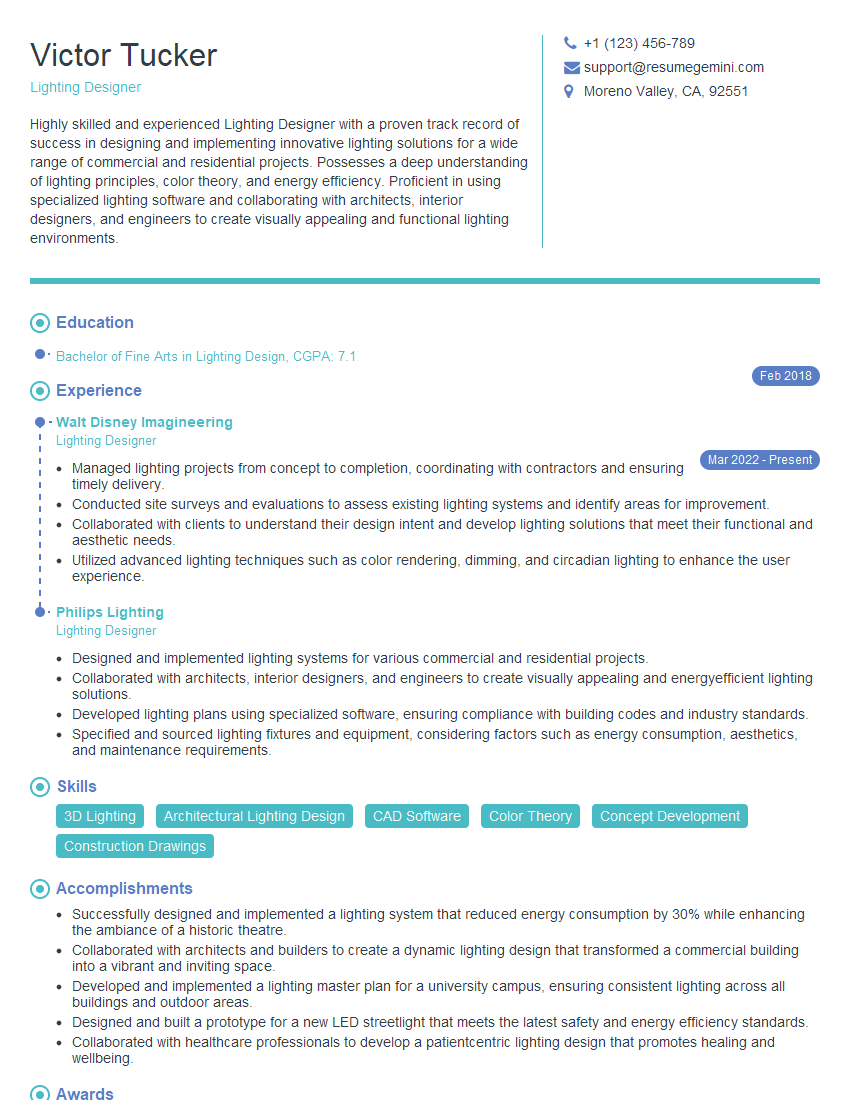
Lighting Designer Resume Sample
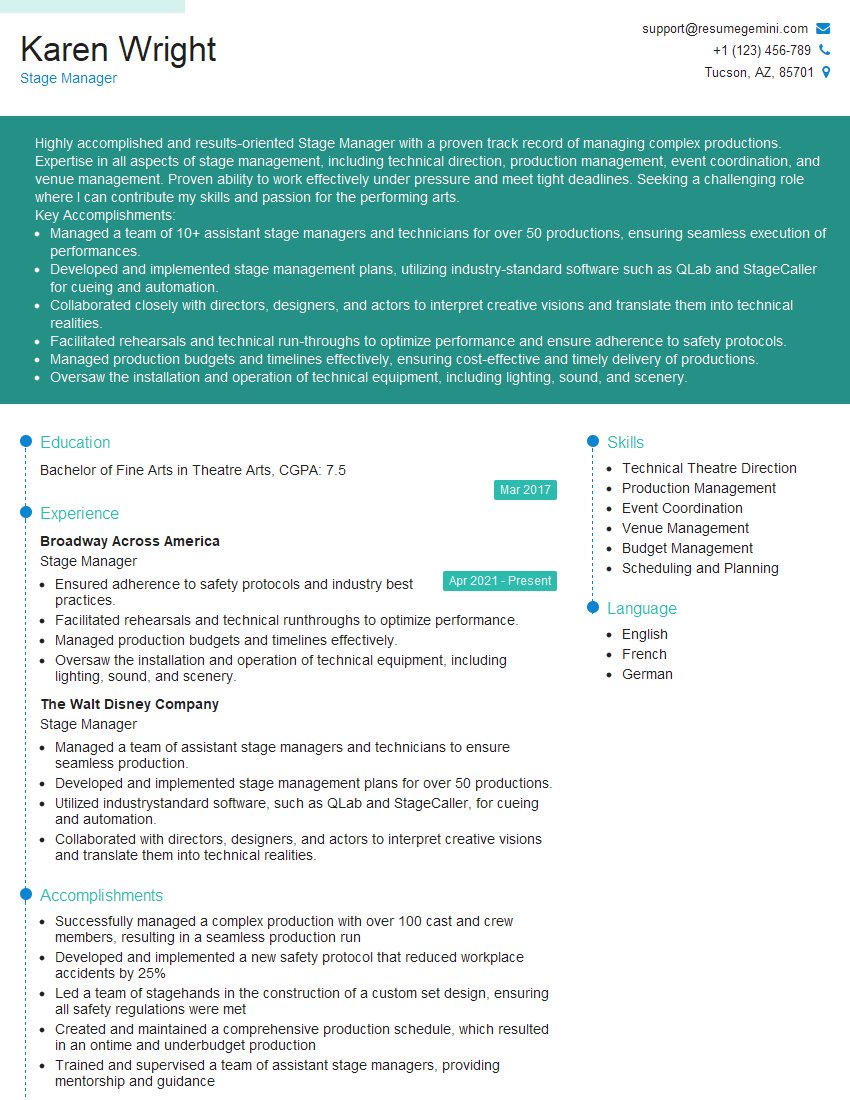
Stage Manager Resume Sample
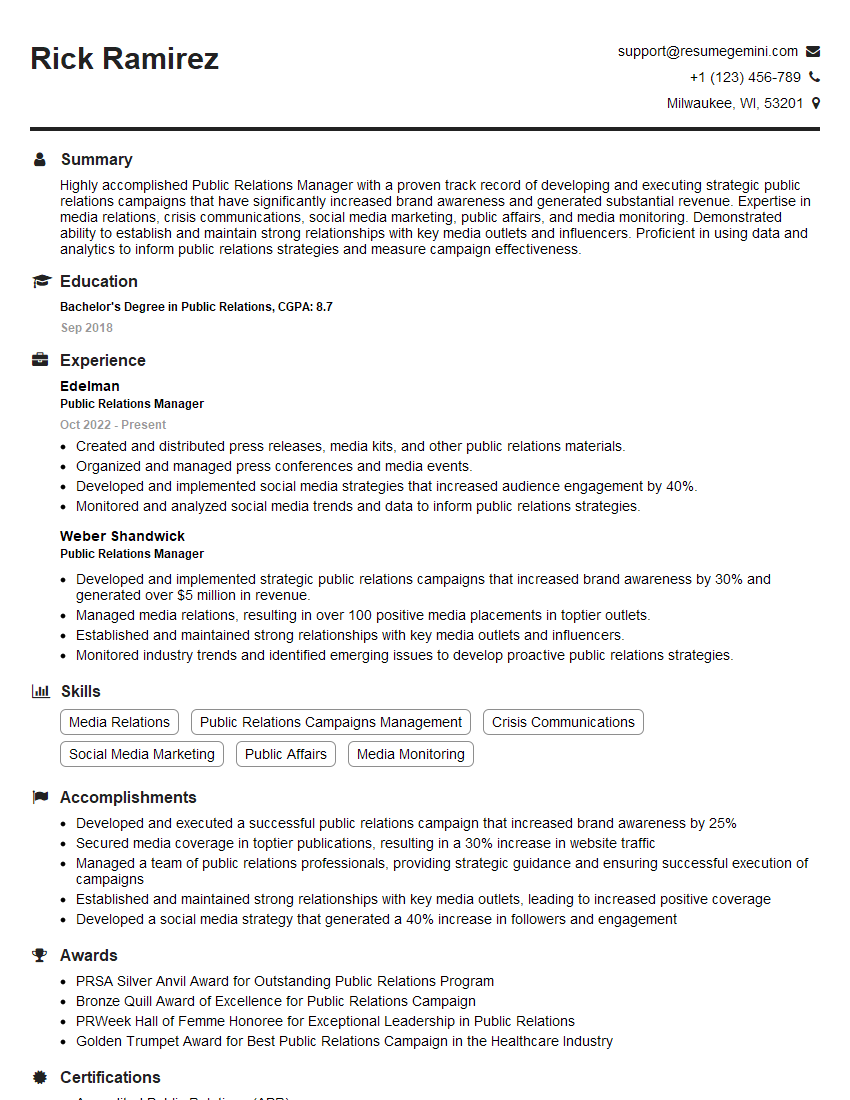
Public Relations Manager Resume Sample
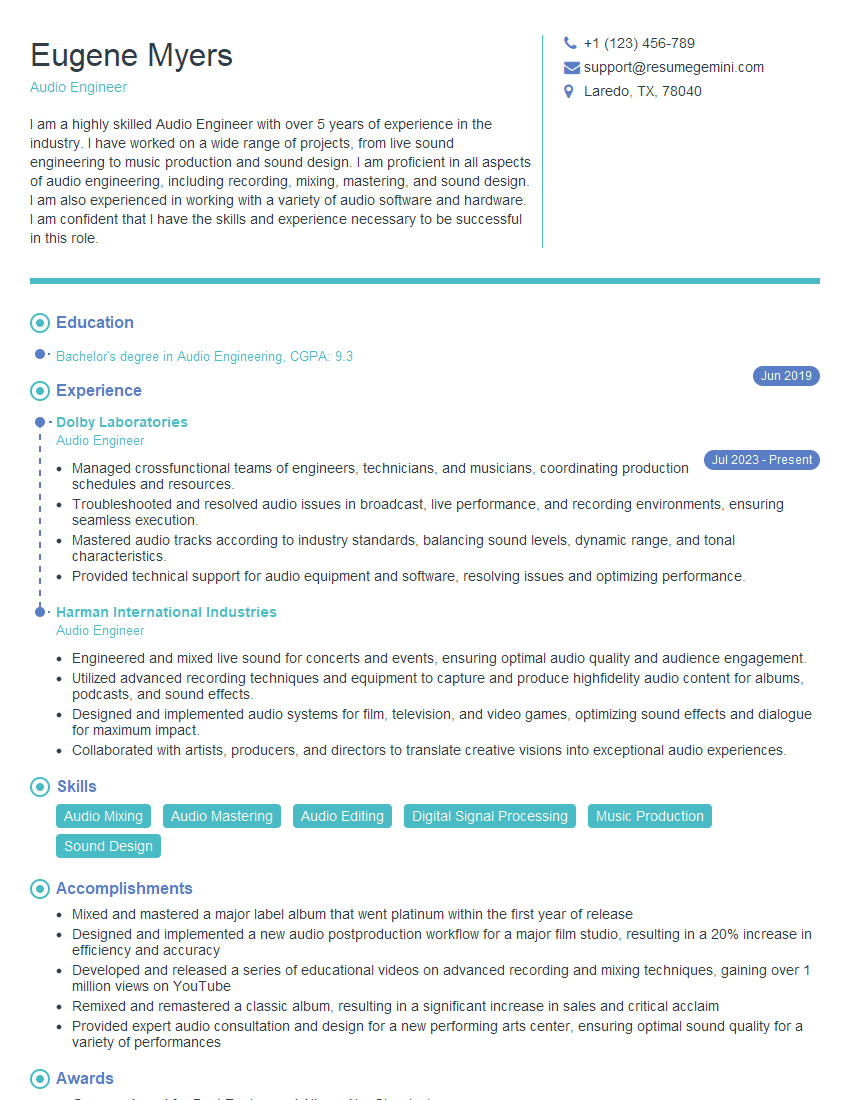
Audio Engineer Resume Sample
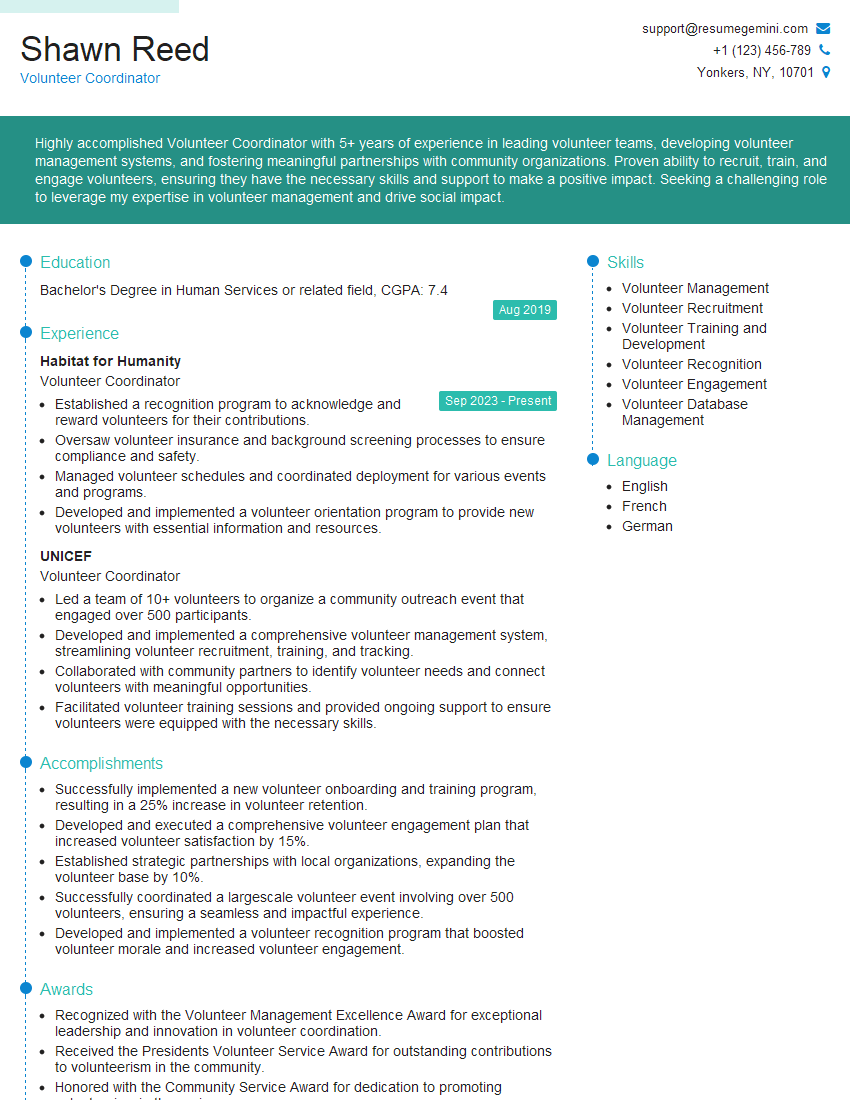
Volunteer Coordinator Resume Sample
- Sustainability Coordinator
- Production Manager
- Marketing Manager
- Technical Director
- Merchandise Manager
- Logistics Coordinator
- Security Manager
- Booking Agent
- Social Media Manager
- Website Developer
- Graphic Designer
- Lighting Designer
- Stage Manager
- Public Relations Manager
- Audio Engineer
- Volunteer Coordinator
Explore more articles
Users Rating of Our Blogs
Share Your Experience
We value your feedback! Please rate our content and share your thoughts (optional).
What Readers Say About Our Blog
Very informative content, great job.
good