The thought of an interview can be nerve-wracking, but the right preparation can make all the difference. Explore this comprehensive guide to Ability to Work in a HighPressure Environment interview questions and gain the confidence you need to showcase your abilities and secure the role.
Questions Asked in Ability to Work in a HighPressure Environment Interview
Q 1. Describe a situation where you had to make a critical decision under significant time constraints.
During my previous role as a project manager, we faced a critical system failure just two days before a major product launch. The system was responsible for processing thousands of transactions per minute, and its failure threatened to completely derail the launch and potentially damage our reputation. Under immense pressure, I had to quickly assess the situation, gather my team, and make a decision on the best course of action – whether to attempt a rapid fix, implement a temporary workaround, or delay the launch altogether.
We opted for a hybrid approach. I delegated the task of exploring a quick fix to our senior developer while the team focused on developing a temporary workaround that could handle a reduced transaction volume. This involved prioritizing the most critical functions and using a redundant system. We communicated this change transparently to our stakeholders, and with everyone working collaboratively around the clock, we were able to launch the product with a minimally viable workaround in place. This avoided a costly delay and demonstrated our resilience under extreme pressure.
Q 2. How do you prioritize tasks when facing multiple urgent deadlines?
Prioritizing tasks under multiple urgent deadlines requires a structured approach. I utilize the Eisenhower Matrix (Urgent/Important), a simple yet effective method for task management. I list all tasks and then categorize them based on urgency and importance.
- Urgent and Important: These are handled immediately. These are often fire-fighting situations that demand immediate action.
- Important but Not Urgent: These tasks are scheduled for later, but are crucial for long-term success. Planning and proactive measures often fall here.
- Urgent but Not Important: These tasks can often be delegated or even eliminated if possible. They often interrupt important work, so identifying and minimizing these is crucial.
- Neither Urgent nor Important: These are eliminated or postponed indefinitely. This helps prevent distractions.
This approach allows me to focus my energy on high-impact tasks while managing expectations and preventing burnout. Using project management software with features like Gantt charts and Kanban boards further enhances task visibility and prioritization.
Q 3. What strategies do you use to manage stress and maintain focus in a high-pressure environment?
Managing stress and maintaining focus in a high-pressure environment requires a multi-pronged strategy. Firstly, I prioritize self-care. This includes adequate sleep, regular exercise, and a healthy diet – these are fundamental to resilience. I also practice mindfulness techniques, such as deep breathing exercises, to help center myself and reduce anxiety.
Secondly, I focus on proactive communication. Openly communicating challenges and needs to my team and stakeholders reduces uncertainty and fosters a collaborative environment. Lastly, I break down large tasks into smaller, manageable steps. This makes the overall goal less daunting and provides a sense of accomplishment as each step is completed. Celebrating small wins along the way keeps morale high.
Q 4. Explain how you handle conflicting priorities and competing demands.
Conflicting priorities and competing demands require a clear process for resolution. My approach involves:
- Identifying and documenting all competing demands: This creates a clear picture of the situation.
- Assessing the impact of each demand: This involves evaluating the potential consequences of not meeting each deadline or fulfilling each request.
- Prioritizing based on impact and feasibility: This involves using the Eisenhower Matrix and other prioritization techniques to determine which tasks should be tackled first.
- Communicating priorities to stakeholders: This is essential for managing expectations and obtaining buy-in from all relevant parties.
- Negotiating and re-planning: If necessary, I will negotiate alternative solutions or timelines with stakeholders. This may involve adjusting deadlines or re-allocating resources.
Flexibility and clear communication are key to successfully navigating conflicting priorities.
Q 5. Give an example of a time you failed to meet a deadline under pressure. What went wrong, and what did you learn?
In a past project, I underestimated the complexity of integrating a new third-party software. This led to significant delays in testing, and ultimately, we missed the deadline for the software launch. The primary reason for failure was poor initial assessment of the integration process; we didn’t adequately account for potential compatibility issues.
My key takeaway from this experience is the critical importance of thorough planning and risk assessment. I now dedicate more time to meticulously evaluate dependencies, potential issues, and develop contingency plans. Learning from my mistakes has led to a significant improvement in my project management skills and ability to deliver projects on time, even under pressure.
Q 6. How do you delegate tasks effectively during periods of high workload?
Effective delegation during periods of high workload is crucial for maintaining productivity and preventing burnout. My approach centers on selecting the right people for the right tasks based on their skills and experience. I provide clear instructions, set realistic deadlines, and ensure that individuals understand their responsibilities and have the necessary resources. Regular check-ins and open communication channels are essential to ensure tasks are progressing smoothly.
Furthermore, I empower my team members to make decisions, providing them with the autonomy to manage their assigned tasks effectively. Recognizing their contributions and celebrating successes fosters a sense of ownership and accountability, ensuring that everyone is invested in the outcome.
Q 7. Describe your approach to problem-solving when faced with unexpected challenges under pressure.
My approach to problem-solving under pressure involves a structured, yet adaptable, framework. I begin by clearly defining the problem, gathering all relevant information, and assessing its urgency and impact. This ensures I’m addressing the right issue effectively.
Next, I brainstorm potential solutions, keeping in mind the available resources and time constraints. I prioritize solutions based on their feasibility and effectiveness. I leverage my team’s collective expertise, encouraging open communication and collaborative problem-solving. Finally, I implement the chosen solution, monitor its effectiveness, and make adjustments as necessary. Post-incident reviews are essential for identifying areas for improvement and refining my problem-solving process for future challenges.
Q 8. How do you maintain your composure and professionalism when dealing with difficult individuals or situations during peak pressure?
Maintaining composure and professionalism under pressure with difficult individuals requires a multifaceted approach. It’s about managing your internal state while strategically interacting with the external challenge. I begin by focusing on active listening – truly hearing what the other person is saying, even if their delivery is aggressive or unprofessional. This helps de-escalate the situation by demonstrating respect and understanding. I then use clear, concise communication to address the core issue, avoiding emotional reactivity. For example, if a client is upset about a delay, I would acknowledge their frustration, explain the reasons for the delay transparently, and then outline the next steps to resolution. Finally, I make sure to maintain a calm and respectful tone throughout the interaction, even if the other person is not. Think of it like a firefighter—you have to remain calm and collected to effectively put out the fire, even amidst chaos.
If the situation escalates beyond my ability to handle it, I immediately escalate the matter to my supervisor or a designated mediator. It’s essential to prioritize both my well-being and the company’s best interests.
Q 9. What techniques do you use to stay organized and productive in a demanding work environment?
Staying organized and productive in a demanding environment hinges on effective time management and prioritization. I utilize several techniques, including the Eisenhower Matrix (urgent/important), to categorize tasks and focus on the most critical items first. I break down large projects into smaller, more manageable steps, setting realistic deadlines for each. I leverage project management tools like Asana or Trello to track progress, deadlines, and team collaboration. Regular time blocking helps me dedicate specific time slots to focused work, minimizing distractions. This isn’t just about working hard, it’s about working *smart*. For instance, I avoid multitasking, as it often reduces overall efficiency. Instead, I concentrate on one task at a time, ensuring high quality and minimizing errors.
Regularly reviewing my to-do list and adjusting priorities as needed is vital to adapting to changing circumstances. It’s like running a marathon: you need a strategy, pacing, and consistent progress checks to reach the finish line.
Q 10. How do you assess risk and make informed decisions in high-stakes situations?
Assessing risk and making informed decisions under pressure involves a systematic approach. I start by clearly defining the problem or situation. Then, I gather all relevant information, considering both potential positive and negative outcomes. I then identify and analyze potential risks, using tools like SWOT analysis (Strengths, Weaknesses, Opportunities, Threats) to understand the full scope. This allows for a more objective view. This process helps in understanding both the likelihood and the potential impact of each risk. Prioritizing the risks based on their severity and probability helps in making informed decisions. Finally, I develop several possible solutions, evaluate their effectiveness, and choose the option that best mitigates the risks while maximizing the chances of success. It’s a bit like a chess game: you have to think several steps ahead, anticipating your opponent’s (or the situation’s) moves and choosing the best strategy.
Q 11. Describe your experience working in a team under significant pressure.
In a previous role, my team was tasked with launching a new product under an extremely tight deadline. We faced significant technical challenges and intense pressure to meet the market window. To manage this, we implemented daily stand-up meetings to track progress, identify roadblocks, and coordinate our efforts. Open communication and mutual support were paramount. We actively shared our concerns and offered help to each other, creating a collaborative atmosphere that fostered resilience. Transparency was key; we kept each other updated on progress and challenges, ensuring everyone was informed and aligned. This teamwork and open communication allowed us to not only meet the deadline but exceed expectations.
Q 12. How do you manage your energy levels and avoid burnout in a high-pressure job?
Avoiding burnout in a high-pressure job requires conscious effort and proactive strategies. Prioritizing self-care is crucial, including getting enough sleep, maintaining a healthy diet, and incorporating regular exercise into my routine. I also make sure to take regular breaks throughout the day to avoid mental fatigue. These breaks might be as simple as stepping away from my desk for 5-10 minutes or engaging in a relaxing activity like meditation or listening to music. It’s also essential to set boundaries between work and personal life to prevent work from spilling over into my personal time. Learning to delegate tasks effectively is important, freeing up time and mental energy for more critical tasks. Finally, I make sure to regularly reflect on my accomplishments and celebrate successes, no matter how small, to maintain motivation and prevent feelings of overwhelm. Think of it as fueling a machine; you need the right fuel (self-care) and regular maintenance (breaks and boundaries) to keep it running optimally.
Q 13. What are your strategies for staying calm and focused in a crisis?
Staying calm and focused during a crisis relies on preparation and practiced techniques. I begin by taking deep breaths to regulate my physiological response to stress. This helps me regain a sense of control. Then, I focus on clearly assessing the situation, gathering information, and prioritizing tasks based on urgency and impact. I rely on my training and experience to guide my actions, applying established protocols and procedures. Finally, I communicate clearly and concisely with my team and stakeholders, maintaining transparency and a sense of calm reassurance. It’s about shifting from a reactive to a proactive mindset, focusing on what I *can* control rather than what I can’t. Practicing these techniques beforehand, perhaps through simulations or training exercises, significantly improves performance under pressure.
Q 14. How do you use technology to enhance your efficiency and productivity under pressure?
Technology plays a significant role in enhancing my efficiency and productivity in high-pressure situations. I utilize project management software (like Asana or Monday.com) to track tasks, deadlines, and team progress, ensuring transparency and accountability. Communication tools, such as Slack or Microsoft Teams, allow for rapid information sharing and collaboration, avoiding time-consuming email chains. Automation tools can streamline repetitive tasks, freeing up my time for more demanding activities. Data analytics and visualization dashboards provide insights into performance, enabling proactive adjustments and informed decision-making. For example, using a CRM system ensures that client information is readily available and allows for efficient communication, leading to swift problem-solving and improved client satisfaction, even during busy times.
Q 15. Give an example of a time you had to adapt quickly to a significant change in your workload or priorities.
Adapting to significant workload changes requires a proactive and organized approach. It’s about prioritizing tasks effectively, leveraging available resources, and maintaining a positive mindset.
In my previous role as a project manager, we were unexpectedly tasked with launching a new product line three months ahead of schedule. This meant a drastic increase in workload and a complete reshuffling of priorities. My immediate response was to hold a team meeting to assess the situation. We used a prioritization matrix to identify critical tasks and those that could be deferred or delegated. We then created a revised project timeline, breaking down the larger tasks into smaller, more manageable chunks. We also implemented daily stand-up meetings to track progress and address any roadblocks quickly. This agile approach allowed us to successfully launch the product line on time, demonstrating my ability to adapt and lead under pressure.
Career Expert Tips:
- Ace those interviews! Prepare effectively by reviewing the Top 50 Most Common Interview Questions on ResumeGemini.
- Navigate your job search with confidence! Explore a wide range of Career Tips on ResumeGemini. Learn about common challenges and recommendations to overcome them.
- Craft the perfect resume! Master the Art of Resume Writing with ResumeGemini’s guide. Showcase your unique qualifications and achievements effectively.
- Don’t miss out on holiday savings! Build your dream resume with ResumeGemini’s ATS optimized templates.
Q 16. How do you build resilience to withstand prolonged periods of high pressure?
Building resilience against prolonged high-pressure situations involves a multifaceted approach encompassing mental, physical, and emotional well-being. It’s not about avoiding stress, but about developing the capacity to manage it effectively.
- Prioritize Self-Care: This includes maintaining a healthy diet, regular exercise, and sufficient sleep. Physical well-being significantly impacts mental resilience.
- Mindfulness and Meditation: Practicing mindfulness techniques helps to manage stress by grounding you in the present moment and reducing anxiety about the future.
- Time Management: Effective time management prevents feeling overwhelmed. Prioritizing tasks, breaking down large projects, and setting realistic deadlines helps maintain control.
- Seeking Support: Don’t hesitate to seek support from colleagues, mentors, or friends. Talking about challenges can alleviate stress and provide valuable perspective.
- Setting Boundaries: Learn to say no to additional tasks when your capacity is already stretched. Protecting your time is crucial for preventing burnout.
Resilience isn’t built overnight; it’s a continuous process of self-improvement and adaptation. Regularly practicing these strategies helps cultivate a stronger capacity to withstand prolonged periods of stress.
Q 17. Describe a time you had to work collaboratively under significant time constraints.
Collaborative work under time constraints demands effective communication, clear roles, and a shared understanding of goals. It’s about leveraging individual strengths and working as a cohesive unit.
During a critical software launch, our team faced a significant bug discovered just days before the deadline. We immediately established a dedicated crisis team, assigning specific roles and responsibilities to each member. We used a collaborative online whiteboard to track progress, identify solutions, and document changes. Open communication was key – we held frequent, short update meetings to ensure everyone was informed and to prevent duplicated effort. Through this focused, collaborative effort, we successfully identified and fixed the bug, ensuring a successful launch, proving the efficacy of teamwork under pressure.
Q 18. What is your experience with pressure testing or quality assurance in high-stakes projects?
Pressure testing and quality assurance are crucial for high-stakes projects, ensuring the final product meets expectations and is robust enough to handle real-world conditions. My experience includes both proactive and reactive quality control measures.
In previous projects, I’ve been involved in the development of comprehensive test plans, designing test cases to cover a wide range of scenarios. We employed both automated testing frameworks (e.g., Selenium) and manual testing to ensure thorough coverage. I’ve also worked on post-launch monitoring and bug-fixing processes, demonstrating my commitment to quality throughout the entire project lifecycle. My experience includes working with various testing methodologies, such as Agile and Waterfall, and using different testing tools to ensure the highest quality product.
Q 19. How familiar are you with various stress management techniques?
I’m familiar with a range of stress management techniques, both proactive and reactive. These include:
- Deep Breathing Exercises: A simple but effective method to calm the nervous system during stressful moments.
- Progressive Muscle Relaxation: A technique to reduce physical tension associated with stress.
- Mindfulness Meditation: Regular practice enhances focus and reduces reactivity to stress.
- Cognitive Behavioral Therapy (CBT) Techniques: Strategies to identify and challenge negative thought patterns that contribute to stress.
- Time Blocking and Prioritization: Effective time management reduces feelings of being overwhelmed.
The best technique varies depending on the individual and the specific situation. I adapt my approach based on what works best in the moment, and I am always open to learning and exploring new strategies for stress management.
Q 20. How do you handle criticism constructively, especially under pressure?
Constructive criticism, even under pressure, is vital for growth and improvement. It’s about separating the message from the messenger and focusing on the actionable feedback.
I approach criticism by actively listening, asking clarifying questions, and refraining from becoming defensive. I focus on understanding the underlying concerns and identifying areas for improvement. I then document the feedback, create an action plan to address the concerns, and follow up to demonstrate progress. Even if the criticism is delivered harshly, I aim to maintain a professional demeanor and use the feedback to enhance my performance.
Q 21. How do you know when to ask for help in high-pressure situations?
Knowing when to ask for help is a sign of strength, not weakness. It’s crucial for effective teamwork and prevents potential failures due to overextending oneself.
I identify the need for help when I recognize limitations in my expertise or resources, when a task is beyond my capacity, or when I anticipate delays impacting project deadlines. Clear communication is paramount; I clearly articulate the challenge, what assistance I need, and the potential consequences of inaction. Proactive communication is vital—it’s better to ask for help early than to face escalating problems later.
Q 22. Describe a time you successfully navigated a complex, high-pressure project.
Navigating complex, high-pressure projects requires a structured approach and unwavering focus. In my previous role at Acme Corp, we faced a critical deadline for launching a new software platform. The project was behind schedule and crucial features were incomplete. The pressure was immense, as delays meant significant financial losses.
My strategy involved several key steps: First, I initiated a comprehensive project status review, identifying the critical path and bottlenecks. We used a Kanban board to visualize the workflow and pinpoint areas needing immediate attention. Second, I held a team meeting to foster open communication, address concerns, and re-allocate resources effectively. This involved reassigning tasks based on team member expertise and current workload. Third, I implemented daily stand-up meetings to track progress, address emerging issues immediately, and ensure everyone was on the same page. We also utilized Agile sprints, focusing on delivering smaller, functional modules instead of aiming for a single large release. This allowed for quicker iterations and early feedback, helping us adjust course as needed. The result was a successful launch, only slightly delayed, with minimal impact on the bottom line. The key was proactive problem-solving and open communication, supported by appropriate methodology.
Q 23. How do you balance speed and accuracy in high-pressure tasks?
Balancing speed and accuracy under pressure is a delicate art. It’s not about compromising accuracy for speed or vice versa; it’s about optimizing both. Think of it like a tightrope walk – maintaining balance is crucial.
My approach involves prioritizing tasks. I use a combination of the Eisenhower Matrix (urgent/important) and a risk assessment to determine which tasks need immediate attention and which can be delegated or slightly delayed without significant consequences. I also leverage automation wherever possible, reducing the likelihood of human error and speeding up repetitive tasks. For instance, using automated testing suites and continuous integration/continuous deployment (CI/CD) pipelines allows for quicker and more reliable software releases. Finally, regular breaks are critical. Burnout leads to mistakes. Short, planned breaks help maintain focus and accuracy.
Q 24. What metrics do you use to measure success in a high-pressure environment?
Success in a high-pressure environment isn’t solely measured by meeting deadlines; it’s about achieving objectives while maintaining quality and team morale. Therefore, I use a multifaceted approach to measure success.
- On-time and within-budget delivery: This is a fundamental metric, showing project efficiency.
- Quality of deliverables: Metrics such as defect rates, user satisfaction scores, and successful testing outcomes reflect the quality of the final product or service.
- Team morale and productivity: Tracking team engagement and burn-out is crucial. Regular check-ins and feedback sessions help gauge the team’s well-being.
- Risk mitigation effectiveness: Did the proactive measures reduce the likelihood of major issues and delays?
Combining these metrics provides a holistic view of project success, not just a narrow focus on speed.
Q 25. How do you proactively identify and mitigate potential problems before they escalate?
Proactive problem identification and mitigation are critical for success in high-pressure settings. It’s like performing regular maintenance on a car – preventing breakdowns is much easier and cheaper than fixing them after they occur.
My approach is threefold: First, I conduct thorough risk assessments at the project’s outset and at regular intervals throughout its lifecycle. This involves identifying potential problems, analyzing their likelihood and impact, and developing contingency plans. Second, I foster a culture of open communication within the team. Encouraging team members to report potential issues early on is key; addressing small problems before they grow into major crises. Third, I leverage data-driven insights to anticipate potential roadblocks. Analyzing historical data, monitoring key performance indicators (KPIs), and using predictive analytics can highlight areas requiring attention before problems surface. For example, if I see a consistent pattern of delays in a specific phase of a project, I can proactively adjust resource allocation or refine processes to prevent future delays.
Q 26. Describe your experience using project management methodologies in a high-pressure setting.
Project management methodologies are indispensable in high-pressure environments. I have extensive experience with Agile, particularly Scrum, and Kanban. These methodologies emphasize iterative development, flexibility, and continuous improvement – all crucial for managing uncertainty and responding to unexpected challenges.
In a recent project, using Scrum helped us manage a fast-paced, highly dynamic situation. Daily scrum meetings ensured transparent communication, allowing us to swiftly address emerging issues and adapt to changing requirements. The iterative nature of Scrum allowed us to incorporate user feedback early in the process, minimizing costly rework later on. Kanban helped visualize the workflow, making it easy to identify bottlenecks and improve process efficiency. These tools made the difference between chaos and controlled progress.
Q 27. How do you ensure clear communication in a fast-paced, high-pressure environment?
Clear communication is paramount in high-pressure environments. Misunderstandings can quickly escalate into major problems. Therefore, I prioritize structured communication channels and utilize various methods to ensure everyone stays informed.
This includes regular team meetings, using project management software for task updates and progress tracking, utilizing instant messaging for quick questions and urgent updates, and providing regular status reports to stakeholders. I also ensure communication is concise and unambiguous, avoiding jargon and using visual aids where appropriate. Finally, I make a conscious effort to actively listen and seek clarification to prevent misunderstandings. In a high-pressure setting, clear and consistent communication is as crucial as the work itself.
Q 28. How do you maintain a positive attitude and morale for yourself and your team under pressure?
Maintaining a positive attitude and team morale under pressure is a leadership responsibility. It’s about creating a supportive environment where everyone feels valued and empowered.
My approach includes several strategies: I start by setting a positive example, demonstrating resilience and optimism. I regularly acknowledge and celebrate team accomplishments, no matter how small. I encourage open communication and create space for team members to share concerns and frustrations. I also prioritize work-life balance, reminding the team of the importance of taking breaks and avoiding burnout. When the pressure mounts, I focus on fostering collaboration and shared responsibility. A strong team, united by shared goals, is much more likely to weather the storm than individuals working in isolation.
Key Topics to Learn for Ability to Work in a High-Pressure Environment Interview
- Stress Management Techniques: Understanding and implementing strategies like time management, prioritization, and mindfulness to navigate demanding situations.
- Problem-Solving Under Pressure: Developing a structured approach to problem-solving, focusing on quick analysis, efficient decision-making, and effective solutions even under tight deadlines.
- Adaptability and Flexibility: Demonstrating the ability to adjust to changing priorities, unexpected challenges, and evolving circumstances with composure and resilience.
- Teamwork and Collaboration: Highlighting experience working effectively within teams under pressure, communicating clearly, and leveraging collective strengths to overcome obstacles.
- Communication Skills in High-Stakes Situations: Practicing clear, concise, and assertive communication to manage expectations, provide updates, and collaborate efficiently during stressful periods.
- Resilience and Perseverance: Showcasing the ability to bounce back from setbacks, learn from mistakes, and maintain a positive attitude in the face of adversity.
- Prioritization and Time Management: Articulating effective strategies for prioritizing tasks, managing time effectively, and meeting deadlines consistently, even amidst competing demands.
Next Steps
Mastering the ability to thrive in high-pressure environments is crucial for career advancement. It showcases essential skills valued by employers across various industries. To significantly boost your job prospects, create an ATS-friendly resume that effectively highlights these capabilities. ResumeGemini is a trusted resource to help you build a professional and impactful resume. We provide examples of resumes tailored to demonstrate your ability to work effectively in high-pressure situations. Take advantage of these resources to present yourself as the ideal candidate.
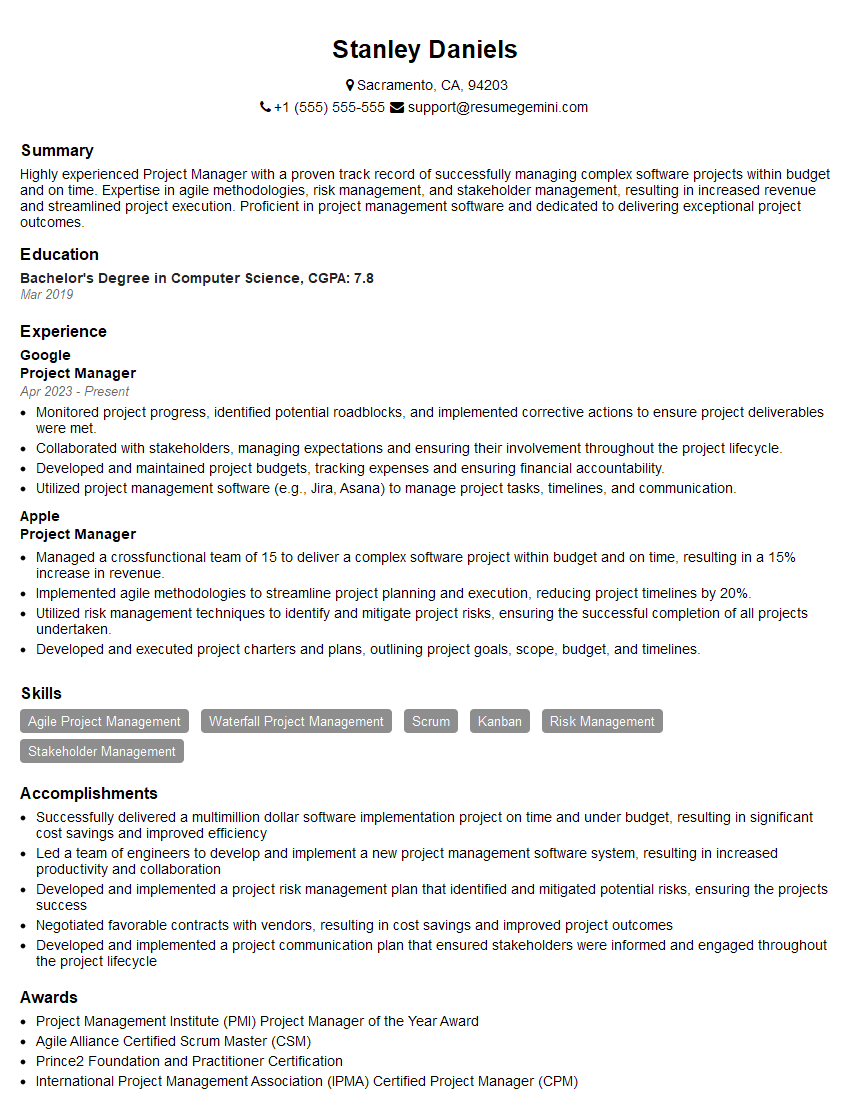
Project Manager Resume Sample
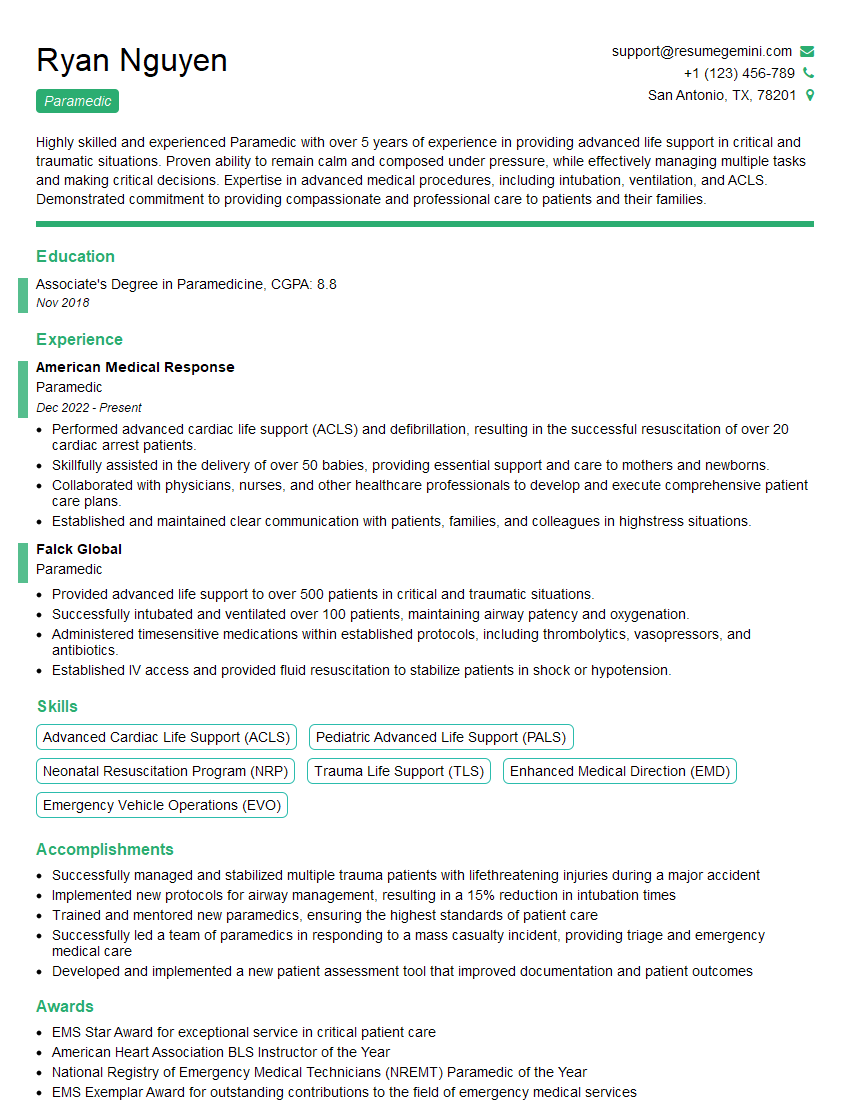
Paramedic Resume Sample
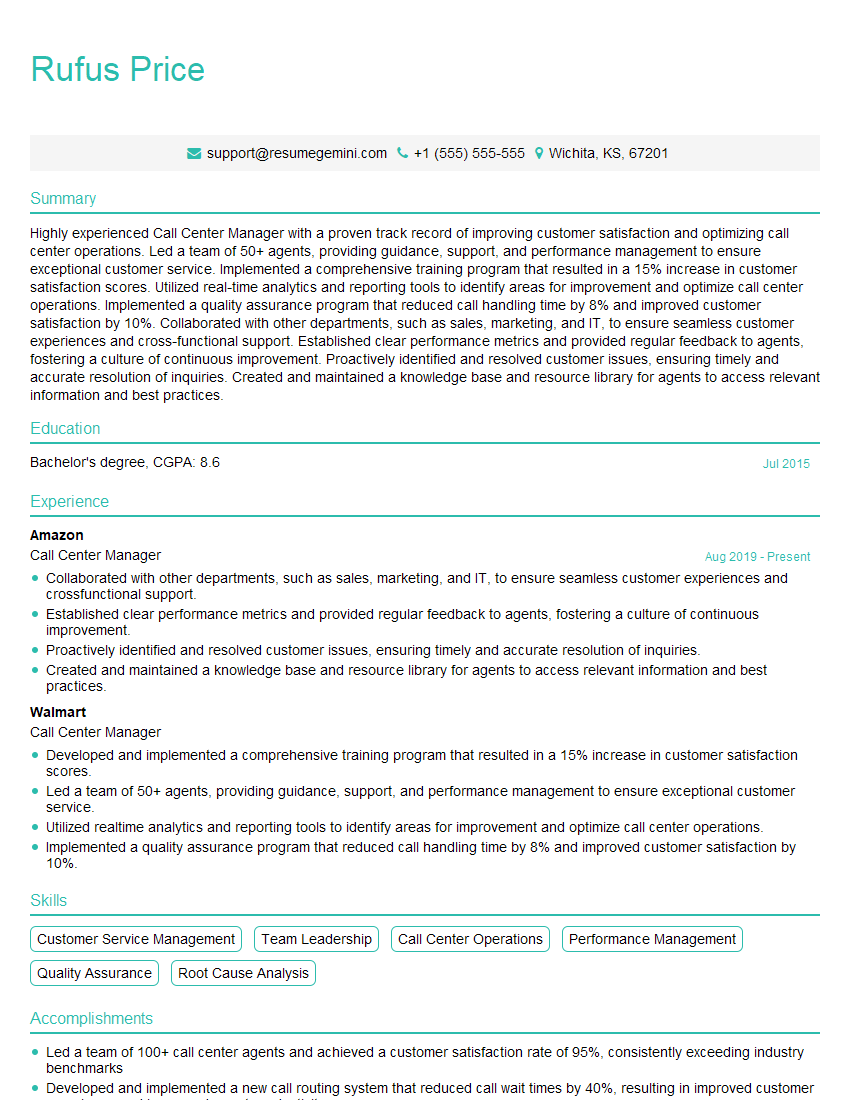
Call Center Manager Resume Sample
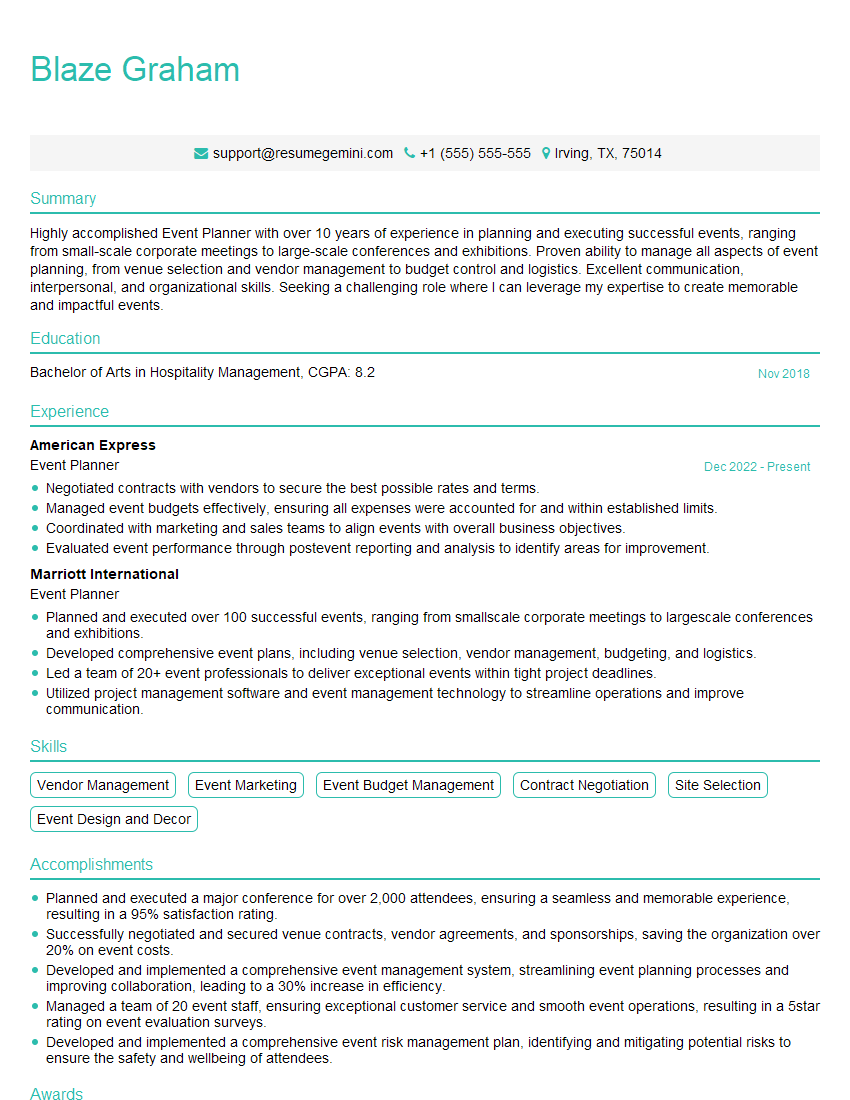
Event Planner Resume Sample
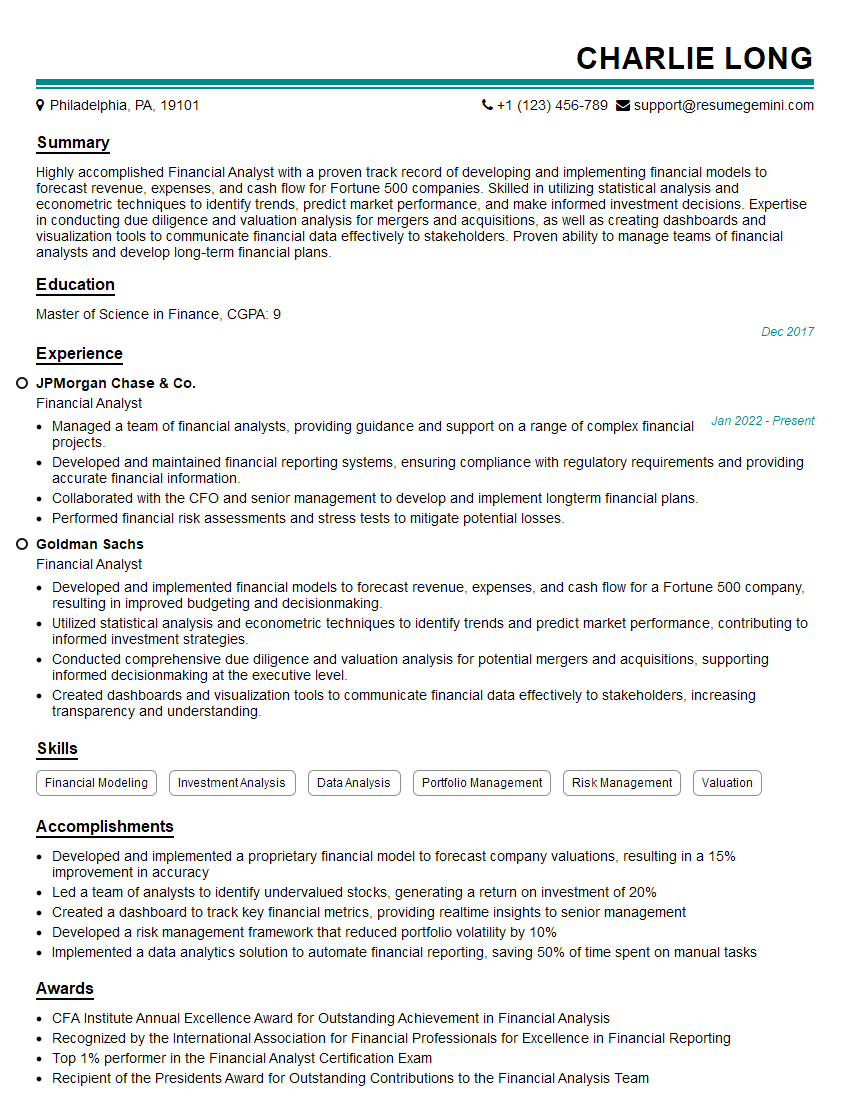
Financial Analyst Resume Sample
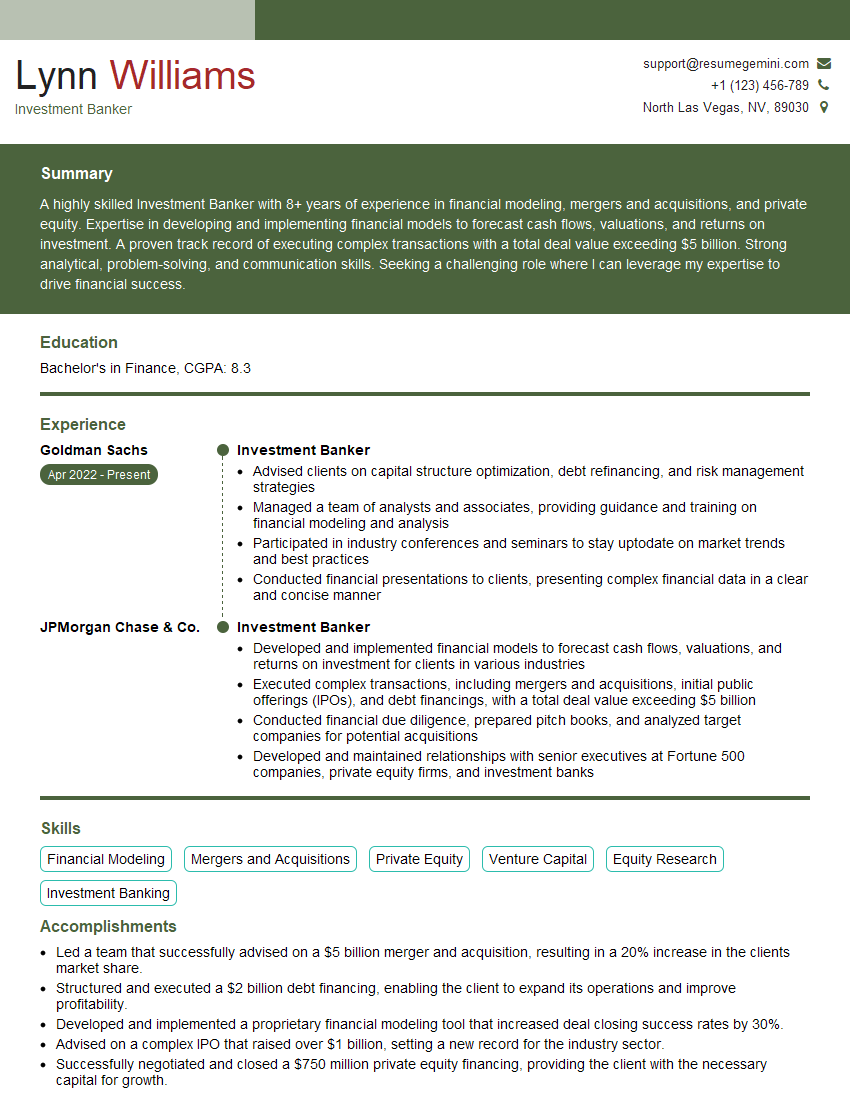
Investment Banker Resume Sample
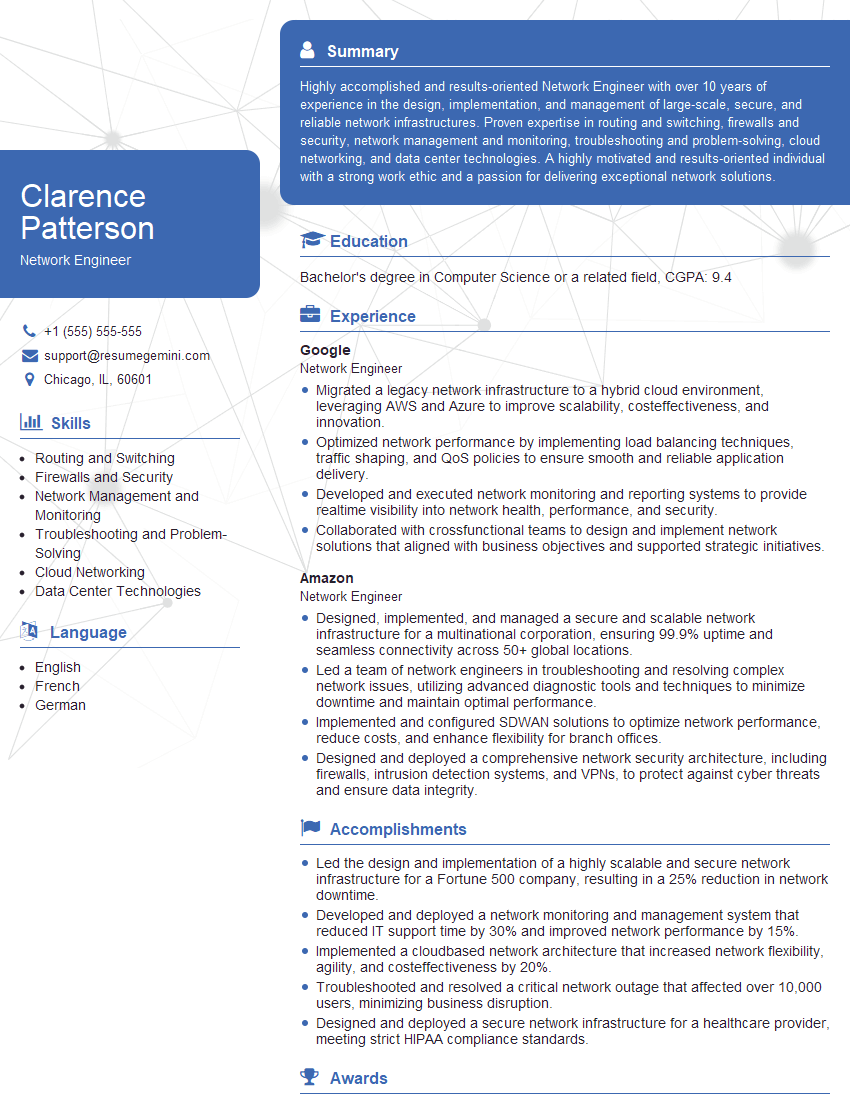
Network Engineer Resume Sample
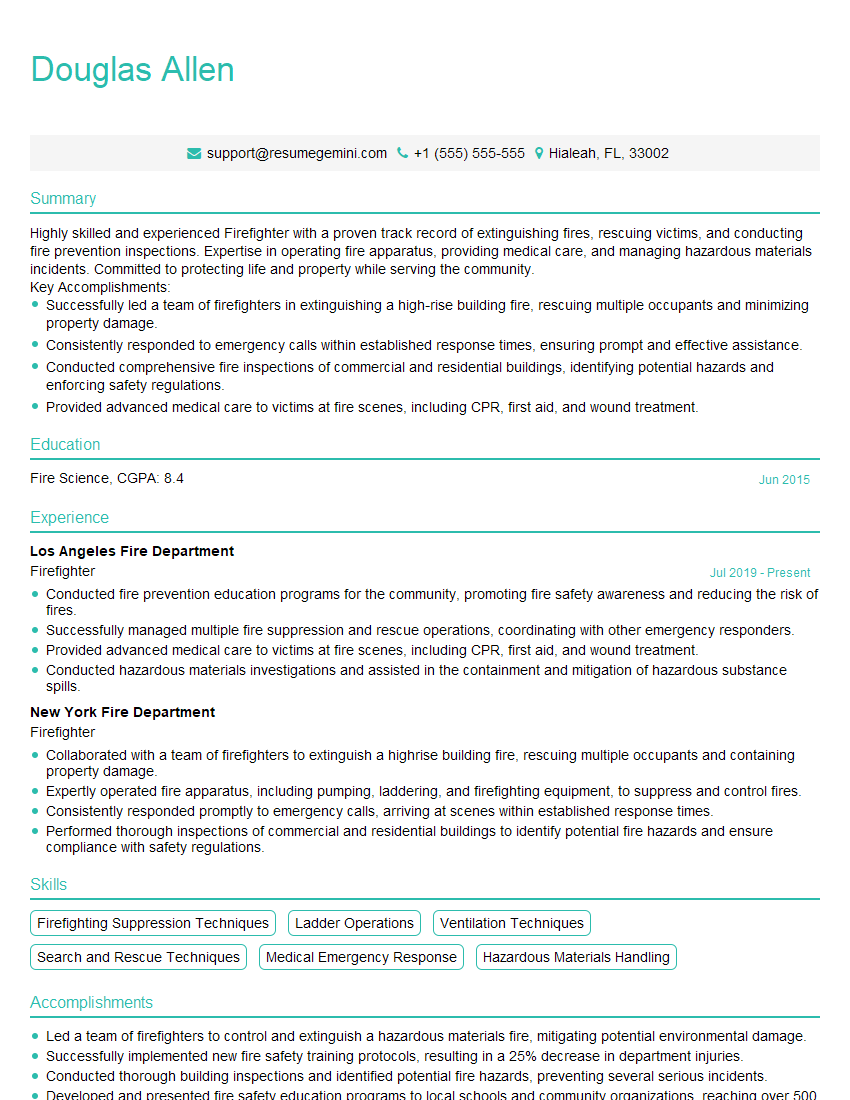
Firefighter Resume Sample
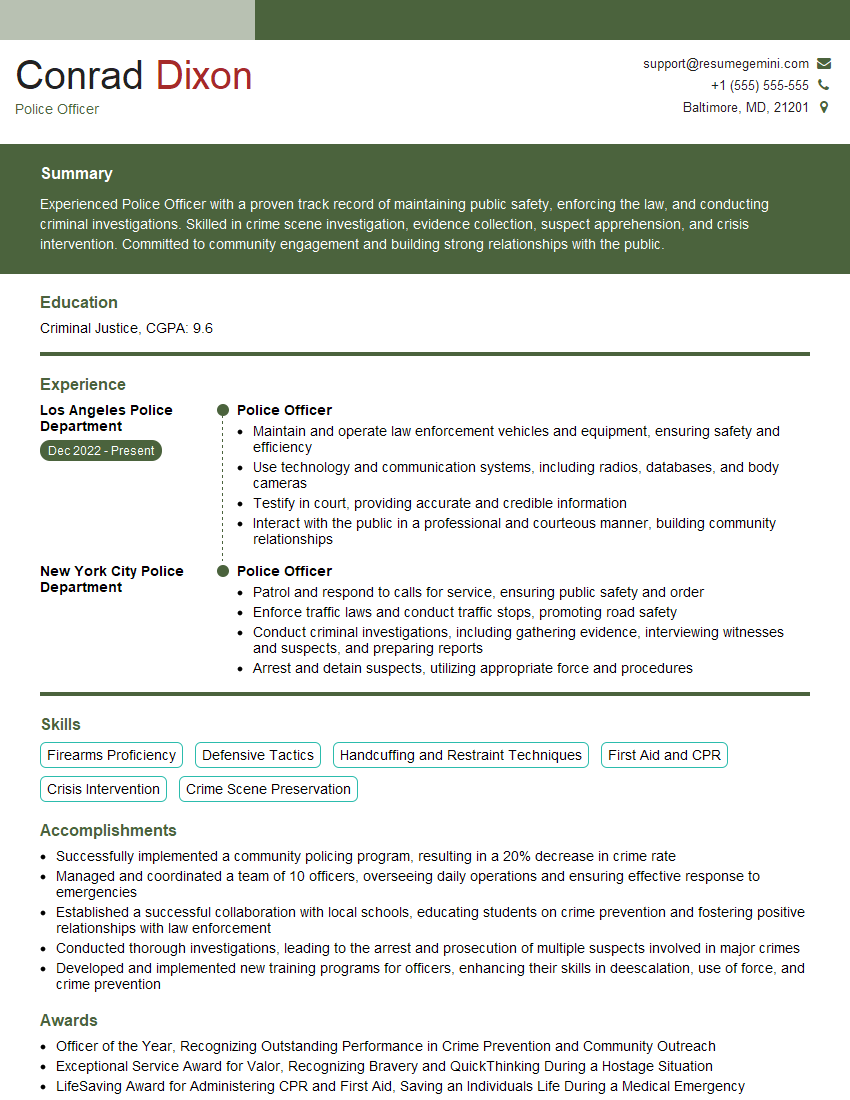
Police Officer Resume Sample
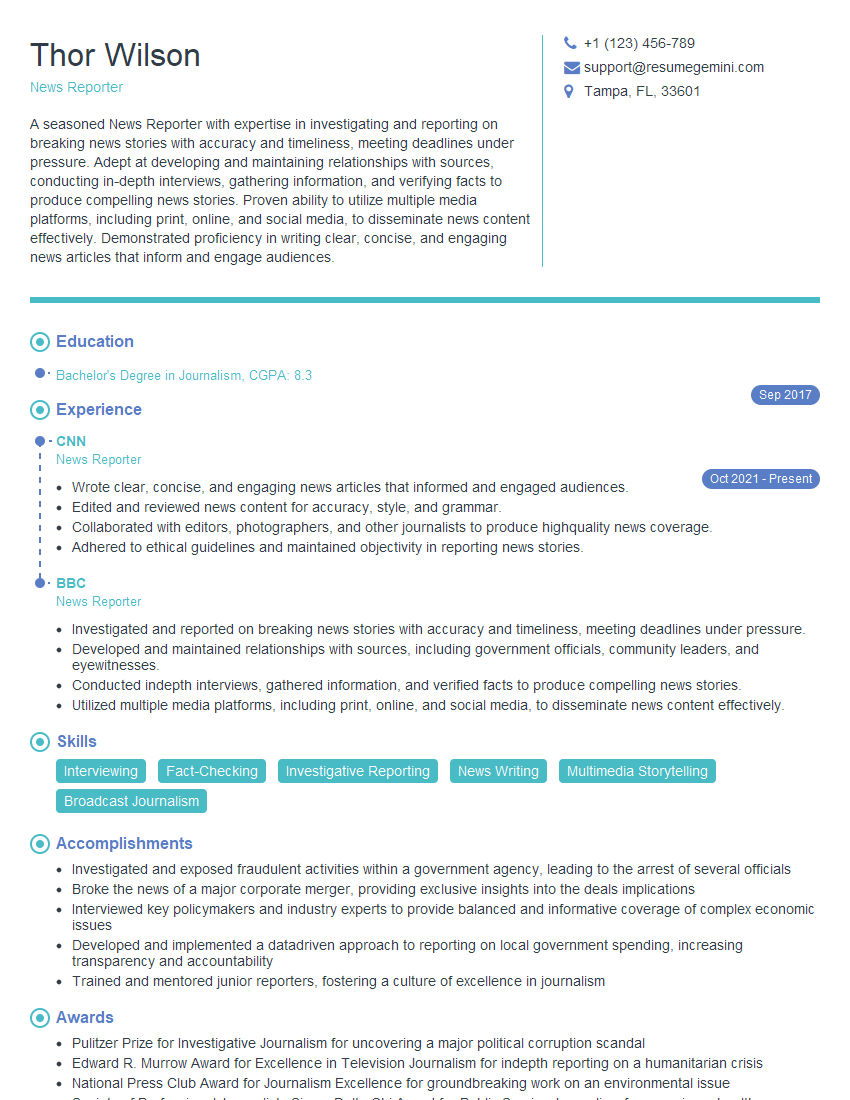
News Reporter Resume Sample
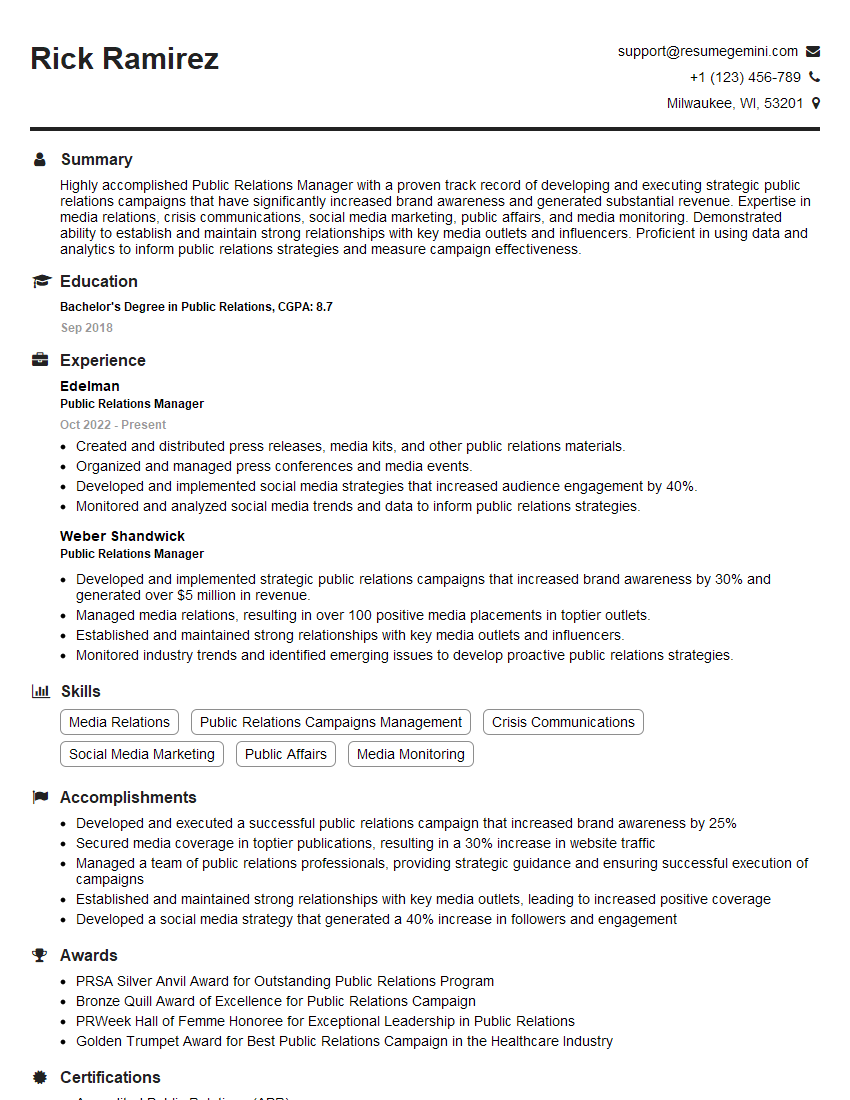
Public Relations Manager Resume Sample
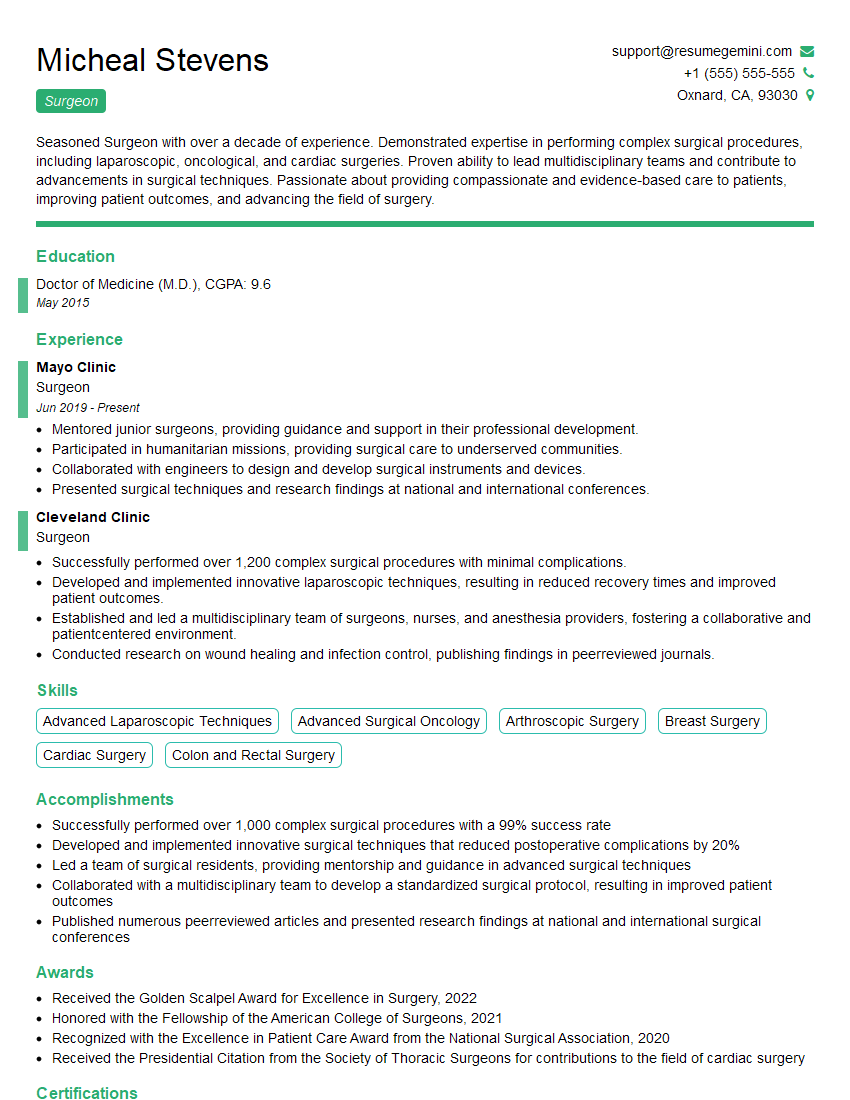
Surgeon Resume Sample
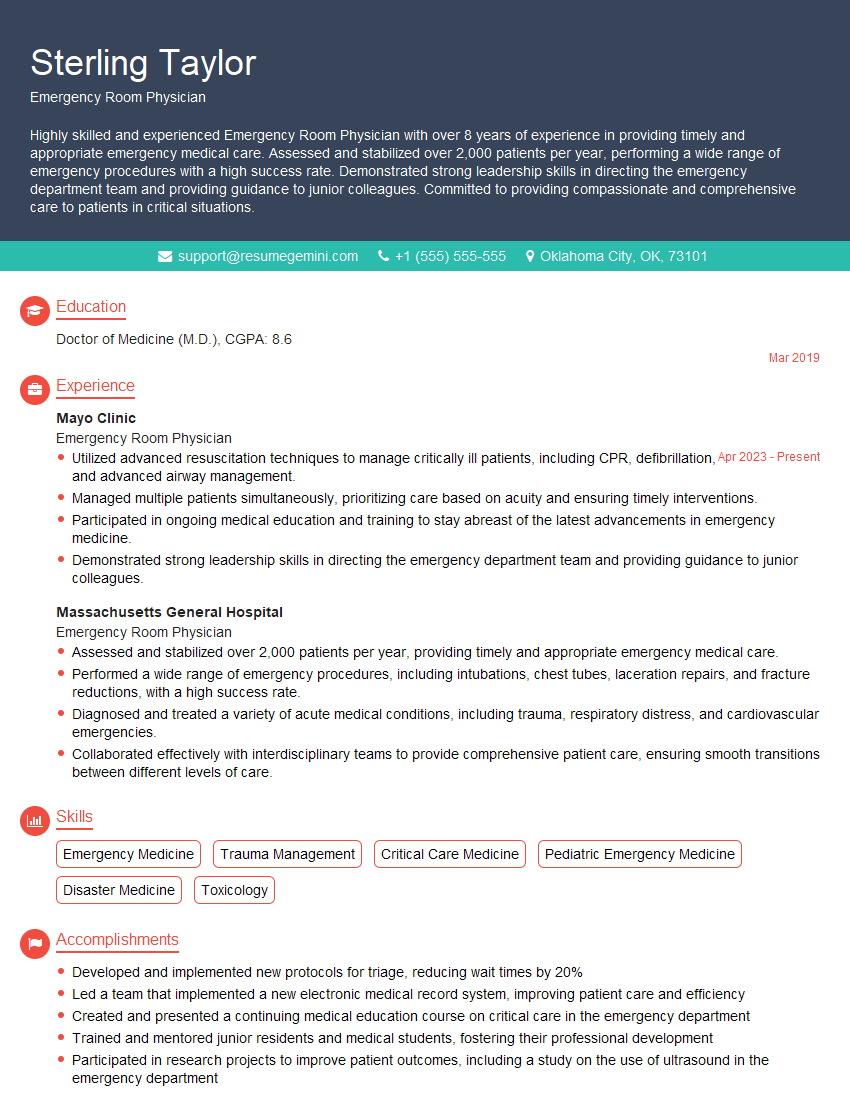
Emergency Room Physician Resume Sample
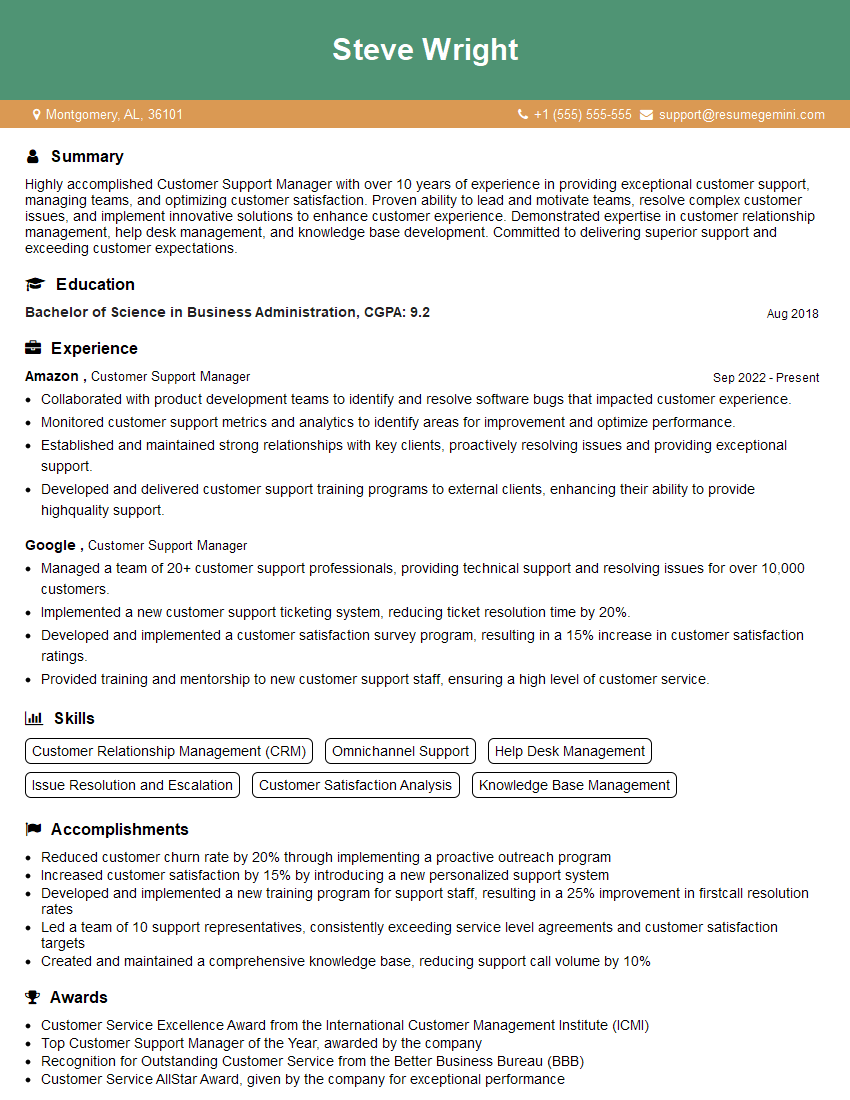
Customer Support Manager Resume Sample
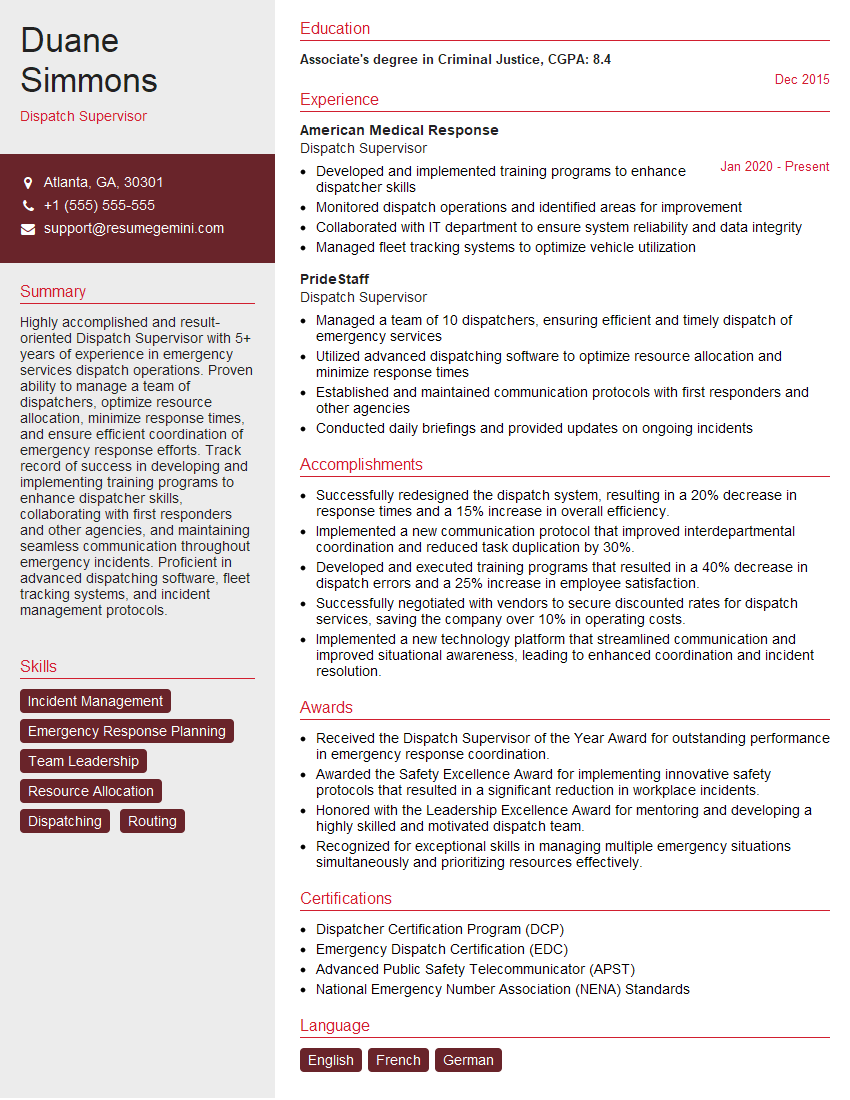
Dispatch Supervisor Resume Sample
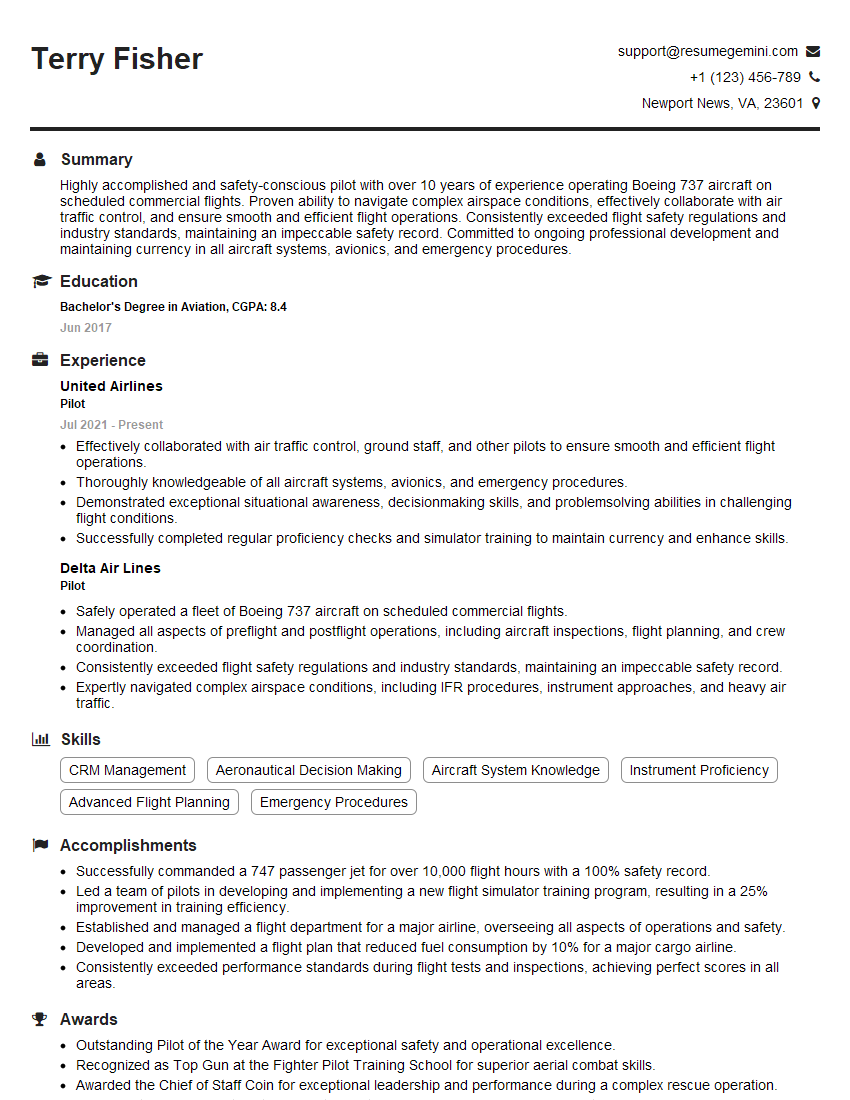
Pilot Resume Sample
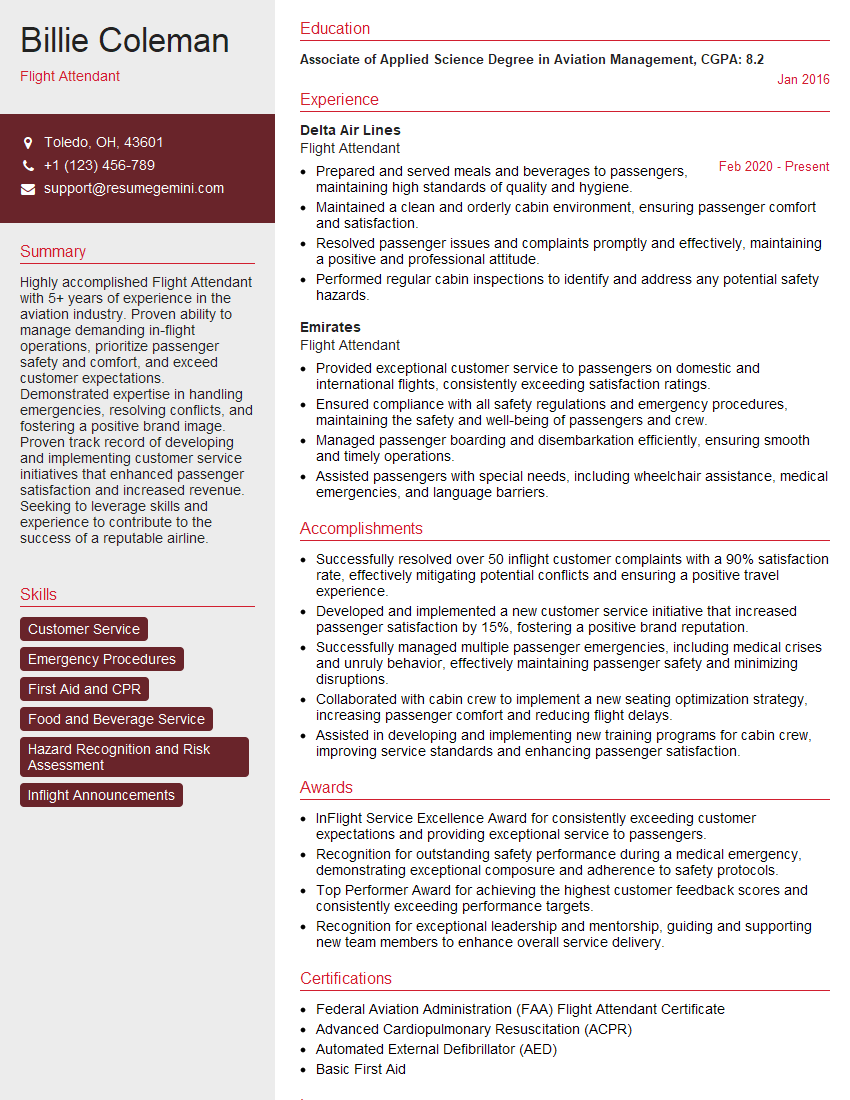
Flight Attendant Resume Sample
Explore more articles
Users Rating of Our Blogs
Share Your Experience
We value your feedback! Please rate our content and share your thoughts (optional).
What Readers Say About Our Blog
Very informative content, great job.
good