Preparation is the key to success in any interview. In this post, we’ll explore crucial Ability to work in cold and wet conditions interview questions and equip you with strategies to craft impactful answers. Whether you’re a beginner or a pro, these tips will elevate your preparation.
Questions Asked in Ability to work in cold and wet conditions Interview
Q 1. Describe your experience working in cold and wet conditions.
My experience working in cold and wet conditions spans over 10 years, primarily in the field of marine construction and environmental research. I’ve worked on projects ranging from underwater cable installations in the North Atlantic to ecological surveys in Alaskan fjords. This involved prolonged exposure to freezing temperatures, heavy rainfall, snow, and high winds. I’ve consistently demonstrated the ability to maintain productivity and safety under these challenging conditions.
For example, during an underwater cable installation project, we faced several days of relentless rain and sub-zero wind chills. Despite the harsh weather, we successfully completed the project on schedule by implementing rigorous safety protocols and adapting our work strategies to the changing conditions. We also implemented a robust system of regular breaks in heated facilities to maintain the team’s core body temperature.
Q 2. What types of protective clothing are you familiar with for cold and wet environments?
I’m familiar with a wide range of protective clothing designed for cold and wet environments. This includes:
- Insulated waterproof outer layers: These garments, often made from Gore-Tex or similar materials, provide a barrier against wind, rain, and snow while trapping body heat.
- Mid-layers: Fleece or wool garments provide excellent insulation and wick away moisture from the skin.
- Base layers: Moisture-wicking thermal underwear is crucial for keeping skin dry and preventing hypothermia. Merino wool or synthetic materials are ideal.
- Insulated boots and gloves: These are essential for protecting extremities from frostbite. Features like waterproof membranes and thick insulation are critical.
- Headwear: Hats and balaclavas are essential for preventing heat loss from the head, which is a major source of body heat.
The specific clothing chosen depends on the severity of the conditions. In extremely harsh environments, layering is key to maximizing warmth and adjusting to changing conditions.
Q 3. How do you maintain your body temperature while working in cold conditions?
Maintaining body temperature in cold conditions is paramount. My approach involves a multi-pronged strategy:
- Layering: As mentioned, proper layering is crucial for trapping heat and regulating body temperature. Adding or removing layers allows for adaptability.
- Regular breaks in warm environments: Frequent breaks in heated shelters or vehicles allow the body to recover from cold exposure.
- Hydration and nutrition: Staying hydrated and consuming high-calorie foods maintains energy levels and supports the body’s natural temperature regulation.
- Physical activity: Gentle movement generates body heat, but strenuous activity can lead to sweating and subsequent heat loss, so it must be balanced with rest.
- Hand and foot warmers: These disposable chemical warmers provide extra heat for extremities that are particularly susceptible to cold.
For example, during a winter fieldwork project, we scheduled regular 15-minute breaks every two hours in a heated van, ensuring everyone could warm up and rehydrate.
Q 4. Explain your experience with hypothermia prevention and recognition.
Hypothermia prevention and recognition are critical aspects of working in cold environments. Hypothermia is a dangerous drop in core body temperature. Prevention focuses on the strategies mentioned above: proper clothing, regular breaks, hydration, and nutrition.
Recognizing hypothermia is crucial. Symptoms include shivering (early stages), confusion, slurred speech, drowsiness, and loss of coordination. In severe cases, the victim may become unconscious. If hypothermia is suspected, immediate action is necessary: move the individual to a warm place, remove wet clothing, provide warm drinks (if conscious), and seek medical attention immediately.
During my work, I’ve participated in regular hypothermia awareness training and have led team members through the proper response procedures in simulated scenarios. I’ve even had to assist a colleague who experienced mild hypothermia due to unexpected weather changes during a late-season survey – our quick action prevented a serious incident.
Q 5. Describe your experience using specialized equipment in cold and wet environments.
My experience with specialized equipment in cold and wet environments includes operating:
- Remotely Operated Vehicles (ROVs): Used for underwater inspections and repairs in challenging weather. Understanding the equipment’s limitations in cold water and managing its thermal stability is crucial.
- Specialized lifting and rigging equipment: Working with cranes and winches requires added caution in icy or wet conditions to ensure stability and prevent accidents.
- Snowmobiles and ATVs: These are essential for traversing snowy or icy terrain for access to remote work sites, demanding specialized winterization and safety training.
- GPS and survey equipment: Using this equipment in cold conditions requires proper protection from the elements to maintain accuracy and prevent malfunctions.
For example, during an ROV deployment, we had to carefully manage the equipment’s power supply and protect it from potential water ingress, particularly crucial in the frigid water temperatures.
Q 6. How do you adapt your work schedule or procedures to account for adverse weather?
Adverse weather necessitates adapting work schedules and procedures. This involves:
- Weather monitoring: Closely monitoring weather forecasts is crucial for planning and adjusting schedules.
- Flexible scheduling: Being prepared to delay or postpone work in extreme conditions is essential.
- Risk assessments: Conducting regular risk assessments to identify potential hazards and develop mitigation strategies.
- Communication: Maintaining open communication with the team and project managers regarding weather conditions and work progress.
- Emergency procedures: Establishing clear emergency procedures and ensuring everyone understands their roles in case of adverse weather events.
In one instance, a sudden blizzard forced us to halt fieldwork and relocate the team to a safe shelter until the storm passed. This prevented potential injuries and ensured the safety of the equipment.
Q 7. What safety precautions do you take when working in cold and wet conditions?
Safety is paramount when working in cold and wet conditions. My precautions include:
- Proper clothing and equipment: Always wearing appropriate protective clothing and ensuring all equipment is in good working order and properly maintained.
- Buddy system: Never working alone; always having a designated buddy to monitor each other’s well-being.
- Regular breaks and hydration: Taking regular breaks to warm up and stay hydrated to avoid hypothermia.
- Communication and reporting: Regularly communicating with supervisors and team members about weather conditions and potential hazards.
- Emergency preparedness: Having a comprehensive emergency plan, including first aid and evacuation procedures.
I always prioritize safety and strictly adhere to all safety guidelines and regulations. I view safety as a collaborative responsibility and encourage team members to speak up if they identify a potential hazard.
Q 8. How do you deal with decreased visibility due to rain or snow?
Decreased visibility in rain or snow significantly impacts safety and efficiency. My approach is multi-faceted, prioritizing both personal safety and task completion. Firstly, I always wear high-visibility clothing, ensuring I remain visible to others. Secondly, I utilize appropriate lighting – headlamps or work lights – to illuminate my immediate surroundings. Thirdly, I slow down my work pace to compensate for reduced visibility and increase my awareness of potential hazards. For particularly challenging conditions, I may opt to postpone the work until visibility improves, prioritizing safety over deadlines. Think of it like driving in fog – you reduce speed and increase your following distance. The same principle applies to working in low visibility conditions.
Q 9. Have you ever experienced an injury related to working in cold and wet conditions? If so, describe it and the steps taken.
Yes, I once sustained a minor hypothermia during a prolonged period of rain while working on an outdoor construction project. The prolonged exposure to cold and wet conditions, coupled with the physical exertion, led to a gradual decrease in body temperature. I recognized the symptoms – shivering, confusion, and fatigue – and immediately retreated to a warm location. I removed my wet clothing, consumed warm fluids, and rested. Fortunately, it was only a mild case, and I recovered fully within a few hours. This experience reinforced the importance of layering clothing, regularly checking for signs of hypothermia, and having a readily available plan for warming up if necessary. Regular breaks, even in short bursts, can help as well.
Q 10. How do you maintain your equipment’s functionality in cold and wet environments?
Maintaining equipment functionality in cold and wet environments requires a proactive approach. This includes regular preventative maintenance – lubricating moving parts with appropriate lubricants designed for low temperatures, ensuring all seals and gaskets are intact and correctly positioned, and regularly checking for signs of corrosion. Before exposure to extreme conditions, I inspect my tools thoroughly and clean them; I then store them in weatherproof containers. After each use, thorough drying and cleaning are crucial to prevent corrosion. For example, power tools are cleaned and stored in dry, heated areas after exposure to moisture.
Q 11. Explain your experience with working at heights in cold and wet weather.
I have extensive experience working at heights in cold and wet weather, always adhering to strict safety protocols. This includes using specialized equipment designed for such conditions, like insulated harnesses and ropes resistant to ice build-up. Prior to commencing work, a thorough risk assessment is conducted. Fall arrest systems are meticulously checked, and the integrity of scaffolding or other elevated structures is carefully verified before use. This is far more challenging than working at heights in favorable conditions; ice can be present and reduce friction; the cold can affect material strengths; and rain can hinder visibility. Extra precautions are taken to ensure the safety of both myself and my colleagues.
Q 12. Describe your experience with working on water or near water in cold weather.
My experience working on or near water in cold weather involves a high level of awareness and preparedness. This means always wearing appropriate personal flotation devices (PFDs) and utilizing specialized equipment designed for cold water rescue and retrieval. Having a thorough understanding of cold water shock and its effects is vital – it’s far more dangerous than most people realize. Regular safety briefings and training in water rescue techniques are essential. In addition, I am always cognizant of the potential for ice formations near water’s edge, which can create unexpected hazards.
Q 13. What is your experience with working with ice or snow?
Working with ice and snow requires careful consideration of the hazards associated with slippage, falls, and exposure to extreme cold. I use appropriate footwear with good traction, such as crampons or ice cleats, and tools designed for snow and ice removal. A thorough understanding of snow and ice behavior is necessary, taking into account the potential for hidden crevices and weaknesses. Safety is paramount: I never work alone in such conditions and always have a clear communication plan with my team.
Q 14. How do you assess the risks associated with working in cold and wet conditions?
Risk assessment in cold and wet conditions is a systematic process involving several key steps. Firstly, identifying potential hazards; this might include exposure to hypothermia, slips, trips, and falls, electrical hazards, and equipment malfunction due to moisture. Secondly, evaluating the likelihood and severity of these hazards. Thirdly, putting in place control measures such as appropriate PPE (personal protective equipment), work practices, and emergency procedures. The risk assessment is a dynamic process, regularly updated as conditions change or new hazards are identified. For example, a risk assessment for a snowstorm might be drastically different from one done in light rain.
Q 15. How do you mitigate risks associated with working in cold and wet conditions?
Mitigating risks in cold, wet conditions requires a layered approach focusing on personal protection, environmental awareness, and team communication. This involves proper clothing selection, understanding the specific hazards (hypothermia, frostbite, slips, falls), and having robust emergency procedures in place.
- Appropriate Clothing: Layering is crucial. A base layer wicks moisture, a mid-layer insulates, and an outer layer protects from wind and rain. Waterproof and windproof outerwear is essential. Consider insulated boots and gloves rated for the expected temperatures and conditions.
- Environmental Awareness: Regularly check weather forecasts and be prepared for sudden changes. Identify potential hazards like ice patches, slippery surfaces, and areas with poor visibility. Understand the signs of hypothermia and frostbite.
- Teamwork and Communication: Working in teams allows for buddy checks and immediate assistance in emergencies. Establish clear communication protocols, particularly if visibility is reduced. Regular breaks in sheltered areas are vital.
- Emergency Procedures: Everyone on the team needs to know the emergency procedures, including how to contact help, administer first aid, and what to do in case of a lost or injured teammate.
For example, during a recent survey in a remote mountainous region, we used a detailed risk assessment matrix which factored in temperature, wind chill, precipitation, and terrain to determine appropriate clothing and safety measures. Having a pre-planned escape route and emergency signal system was crucial given the potential for communication disruptions.
Career Expert Tips:
- Ace those interviews! Prepare effectively by reviewing the Top 50 Most Common Interview Questions on ResumeGemini.
- Navigate your job search with confidence! Explore a wide range of Career Tips on ResumeGemini. Learn about common challenges and recommendations to overcome them.
- Craft the perfect resume! Master the Art of Resume Writing with ResumeGemini’s guide. Showcase your unique qualifications and achievements effectively.
- Don’t miss out on holiday savings! Build your dream resume with ResumeGemini’s ATS optimized templates.
Q 16. What are the limitations of common cold weather gear?
Even the best cold-weather gear has limitations. Common issues include:
- Moisture Absorption: Over time, even waterproof materials can become saturated, reducing their insulating capabilities. This is especially true if the outer layer is compromised or if the wearer sweats excessively.
- Limited Mobility: Bulky clothing can restrict movement, increasing the risk of falls and injuries, particularly in challenging terrain.
- Lack of Breathability: Impermeable fabrics trap sweat, leading to chilling and discomfort. This can happen even with supposedly breathable garments if they are not properly layered or if the activity level is high.
- Wear and Tear: Constant exposure to harsh elements can damage clothing and gear over time, reducing their effectiveness. Regular inspection and maintenance are crucial.
- Inadequate Protection in Extreme Conditions: Many commercial products simply aren’t designed to handle extreme cold or prolonged exposure.
For instance, I’ve encountered situations where seemingly waterproof gloves failed in heavy rain, leading to cold and wet hands. Similarly, poor-quality boots can quickly lose their insulation in deep snow, resulting in cold feet.
Q 17. How do you prevent frostbite and/or hypothermia?
Preventing frostbite and hypothermia requires a proactive approach emphasizing proper clothing, hydration, and awareness of environmental conditions. Frostbite is the freezing of body tissue, while hypothermia is a dangerously low body temperature.
- Layering: As previously mentioned, layering is crucial for maintaining body heat. The base layer wicks moisture, the mid-layer insulates, and the outer layer protects from wind and rain.
- Hydration and Nutrition: Dehydration reduces the body’s ability to regulate temperature. Consuming warm fluids and high-energy foods regularly helps maintain core body temperature.
- Regular Breaks: Frequent breaks in sheltered areas allow the body to rest and recover. During these breaks, consuming warm drinks and snacks helps to restore energy levels and increase core body temperature.
- Monitoring Symptoms: Pay attention to yourself and your colleagues for early signs of both conditions (discussed in Question 7). If any symptoms are observed, take immediate action to warm the affected person and seek medical attention if necessary.
- Protective Gear: Use appropriate gear for hands, feet, and face, particularly in extremely cold or windy conditions.
During a winter expedition, I noticed a colleague experiencing early signs of frostbite on their fingers. We immediately brought them into a heated tent, provided warm drinks, and removed their wet gloves. This quick intervention prevented further damage.
Q 18. How do you manage fatigue in cold and wet conditions?
Fatigue in cold and wet conditions is significantly amplified because the body is working harder to maintain core temperature. Managing fatigue requires a strategic approach.
- Regular Breaks: Planned and frequent breaks are essential to prevent exhaustion. These breaks should be spent in a warm and sheltered location, if possible.
- Adequate Hydration and Nutrition: Proper hydration and nutrition are vital for energy levels. Consuming warm, sugary drinks and high-energy foods regularly helps maintain energy levels.
- Proper Clothing: Avoid excessive exertion that can lead to sweating and subsequent chilling. Dress appropriately for the conditions to avoid unnecessary energy expenditure trying to stay warm.
- Pacing Yourself: Avoid rushing and work at a sustainable pace. Recognize your limits and don’t push yourself too hard.
- Teamwork and Support: Working as a team allows for shared responsibility and mutual support, reducing the burden on any individual.
In a previous project involving long hours of fieldwork in freezing rain, we implemented a system of scheduled, rotating rest periods. This ensured that everyone had adequate time to warm up, rehydrate, and refuel, preventing serious fatigue.
Q 19. Describe your experience working in varied weather conditions.
My experience spans a wide range of weather conditions, from the scorching heat of desert environments to the freezing temperatures of high-altitude regions. I’ve worked in torrential rain, blizzards, and extreme heat, adapting my techniques and equipment as needed. This includes performing hydrological surveys in mountainous regions during winter storms, conducting ecological surveys in tropical rainforests, and undertaking infrastructure assessments in desert climates.
This diverse experience has honed my ability to assess risks accurately, select appropriate gear and adapt my procedures to handle various environmental challenges. I’ve learned to recognize the subtle signs of impending weather changes and to react appropriately, prioritizing safety above all else.
Q 20. How do you communicate effectively in adverse weather conditions?
Effective communication in adverse weather is critical for safety. Visibility limitations, wind noise, and the physical challenges of cold and wet conditions can significantly hamper communication. Strategies include:
- Pre-Planned Communication Protocols: Establishing clear communication plans before starting work, outlining procedures for emergencies and routine updates.
- Visual Signals: Employing hand signals, flags, or lights to supplement verbal communication when visibility is poor.
- Two-Way Radios: Utilizing two-way radios, ideally with waterproof and weatherproof housings, for consistent contact and updates.
- Frequent Check-ins: Regular check-ins are crucial to monitor the well-being of team members and address any concerns.
- Clear and Concise Messages: When speaking, keep messages short, clear, and direct. Repeat important information to ensure understanding.
During a blizzard, we relied heavily on pre-arranged hand signals to convey crucial information, such as location and status updates. This ensured effective communication despite the near-zero visibility.
Q 21. What are the signs of early hypothermia?
Early signs of hypothermia can be subtle and easily overlooked, making early detection critical. These signs can include:
- Shivering: Initially, shivering is a common response to cold, but prolonged or intense shivering can indicate hypothermia.
- Slurred Speech or Confusion: As body temperature drops, cognitive function is impaired, leading to confusion, disorientation, or slurred speech.
- Fatigue and Weakness: Feeling unusually tired or weak, even after minimal exertion, can be a sign of hypothermia.
- Loss of Coordination: Difficulty with fine motor skills, like buttoning clothing or fastening zippers, is a warning sign.
- Pale or Bluish Skin: Skin color can change to pale or bluish, particularly in the extremities.
- Drowsiness or Lethargy: Feeling excessively sleepy or lethargic is another indication of dropping body temperature.
It’s vital to understand that these symptoms can develop gradually. If any of these are observed, immediate action is required to warm the individual and seek medical assistance.
Q 22. What are the safety procedures you would follow during a heavy rain event?
Safety during a heavy rain event is paramount. My procedure begins with assessing the situation: Is the work area safe? Are there any immediate hazards like downed power lines or flooding? If it’s unsafe, work stops immediately. I’d then communicate this to my supervisor and team. If it’s deemed safe to continue, but with modified procedures, we implement the following:
- High-visibility clothing: Bright, reflective gear ensures visibility in low-light conditions.
- Waterproof outerwear: This protects against hypothermia and keeps equipment dry.
- Proper footwear: Steel-toed boots with excellent grip are crucial to prevent slips and falls.
- Reduced work speed: Caution and slower movements reduce the risk of accidents.
- Frequent breaks: Taking short breaks in a sheltered area to avoid prolonged exposure to the elements.
- Awareness of surroundings: Constant vigilance for potential hazards such as puddles, uneven ground, and debris.
For instance, during a roof repair in a heavy downpour, we’d postpone work until the intensity reduced or relocate to a covered area to complete the less weather-sensitive parts. Safety is always the top priority.
Q 23. How do you manage potential slips, trips, and falls in wet conditions?
Preventing slips, trips, and falls in wet conditions requires a proactive approach. This involves a combination of personal protective equipment (PPE) and careful work practices. Firstly, wearing appropriate footwear is essential – boots with deep treads and non-slip soles provide superior grip. Secondly, I always maintain situational awareness, looking out for potential hazards like slick surfaces, puddles, and uneven terrain. I avoid shortcuts and take the safest route possible.
Moreover, I make sure work areas are clear of any obstructions that could cause tripping. If the area is particularly hazardous, I would use additional safety measures such as ropes or safety cones to warn others and mark off dangerous zones. In one instance, during a pipeline inspection in heavy rain, I used strategically placed sandbags to create more secure footing in slippery areas. Regular cleaning of walkways to remove debris further mitigates risks.
Q 24. Describe your experience with using emergency communication devices in remote locations.
My experience with emergency communication devices in remote locations is extensive. I’m proficient in using satellite phones, two-way radios, and personal locator beacons (PLBs). I understand the limitations of each and know when to use which device. Satellite phones provide reliable voice communication even in areas with no cell service, although they can be more expensive and have limited battery life. Two-way radios are cost-effective for short-range communication within a team, but their range is limited by terrain and weather conditions.
PLBs, on the other hand, are essential for emergency situations. They transmit a distress signal to rescue services, including GPS coordinates, which is vital in remote locations where pinpointing your location might otherwise be difficult. In a remote dam construction project, I used a satellite phone to coordinate a rescue after a team member suffered a cold-related injury. Regular testing and familiarity with the equipment are crucial for effective use during emergencies.
Q 25. What is your experience with first aid in cold-weather emergencies?
I possess a current wilderness first aid certification, specifically trained to deal with cold-weather emergencies. My training covers hypothermia, frostbite, and other cold-related injuries. I understand the importance of early recognition and prompt treatment in these situations. This involves recognizing symptoms, such as shivering, confusion, and numbness, and taking immediate action to warm the individual gently and safely.
Furthermore, I’m familiar with the use of emergency shelters, insulated blankets, and other warming techniques. Proper hydration and avoiding alcohol or caffeine are also critical aspects of cold-weather first aid. In one instance, I provided first aid to a colleague experiencing early stages of hypothermia during a mountain rescue operation, administering warm fluids and moving them to a sheltered area before emergency services arrived. Effective first aid requires both knowledge and swift action.
Q 26. What are the challenges of working in cold and wet conditions?
Working in cold and wet conditions presents numerous challenges. The most significant include:
- Hypothermia and frostbite: Prolonged exposure to cold temperatures significantly increases the risk of these life-threatening conditions.
- Reduced dexterity and fatigue: Cold temperatures impair fine motor skills and increase fatigue, making tasks more challenging and accident-prone.
- Slips, trips, and falls: Wet surfaces create a high risk of slips and falls, potentially leading to serious injuries.
- Equipment malfunction: Cold and wet conditions can affect the performance of various tools and equipment.
- Communication difficulties: Weather can impact the clarity of communication, especially with radio systems.
- Reduced visibility: Rain, snow, and fog can severely impair visibility, increasing the risk of accidents.
These challenges necessitate careful planning, appropriate PPE, and a high level of awareness and vigilance. Addressing these challenges proactively minimizes risks and ensures worker safety and productivity.
Q 27. How do you remain motivated and productive in challenging weather conditions?
Maintaining motivation and productivity in challenging weather conditions requires a multifaceted approach. Firstly, proper preparation is key. Ensuring I have the appropriate clothing and equipment significantly improves my comfort and confidence. Secondly, focusing on the task at hand and breaking down large projects into smaller, manageable goals helps prevent feelings of being overwhelmed. Celebrating small victories and recognizing progress keeps morale high.
Furthermore, teamwork plays a crucial role. A positive team environment and mutual support create a sense of camaraderie, making the challenging conditions more bearable. Regular breaks in a warm and dry place also help restore energy and improve focus. Finally, acknowledging the inherent difficulties of the job and focusing on the importance of the work provides a deeper sense of purpose and motivation. It’s about adapting to the conditions and finding ways to work effectively, while prioritizing safety and well-being.
Q 28. Describe a time when you had to adapt your work to changing weather conditions.
During a bridge inspection project, a sudden, unexpected blizzard hit. The visibility dropped drastically, and the strong winds made working on the bridge highly dangerous. Initially, we tried to continue, but it quickly became clear that it was unsafe. We had to adapt quickly. We immediately ceased operations and secured the worksite, ensuring all equipment was properly stored and secured against the elements.
Then, we relocated to a nearby shelter, assessed the situation, and consulted with the project manager to determine the next steps. We decided to postpone the inspection until the weather improved, prioritizing safety over schedule. This experience reinforced the importance of flexibility and adaptability in facing unpredictable weather changes. Safety protocols were meticulously followed, and a revised plan was put in place before resuming operations once conditions permitted.
Key Topics to Learn for Ability to work in cold and wet conditions Interview
- Understanding Cold-Related Hazards: Learn about hypothermia, frostbite, and other risks associated with working in cold environments. Explore the physiological effects of cold exposure on the body.
- Wet Conditions and Safety: Discuss the increased risks posed by wet conditions, including slips, falls, and electrical hazards. Understand appropriate safety precautions and the use of protective gear.
- Appropriate Clothing and Gear: Explore the importance of layering clothing, waterproof outerwear, and specialized footwear for cold and wet conditions. Understand the principles of thermal regulation and moisture wicking.
- Practical Application of Safety Procedures: Discuss real-world scenarios and how to apply learned safety procedures in various working environments. This includes emergency response protocols and buddy systems.
- Maintaining Physical Fitness and Health: Understand the importance of maintaining good physical fitness and health for working in demanding conditions. This includes the effects of cold and wet weather on stamina and the importance of pre-emptive measures for health maintenance.
- Working Effectively in Challenging Conditions: Explore strategies for staying focused and productive while working in uncomfortable and challenging conditions, maintaining morale and teamwork.
- Risk Assessment and Mitigation: Discuss the importance of conducting thorough risk assessments before commencing work in cold and wet conditions and devising mitigation strategies.
Next Steps
Mastering the ability to work effectively in cold and wet conditions opens doors to a wider range of job opportunities and demonstrates your resilience and adaptability – valuable assets in many industries. To maximize your job prospects, focus on crafting an ATS-friendly resume that highlights your relevant skills and experience. ResumeGemini is a trusted resource that can help you build a professional and impactful resume tailored to your specific needs. We provide examples of resumes specifically designed for candidates showcasing their ability to work in cold and wet conditions, to help you create a compelling application.
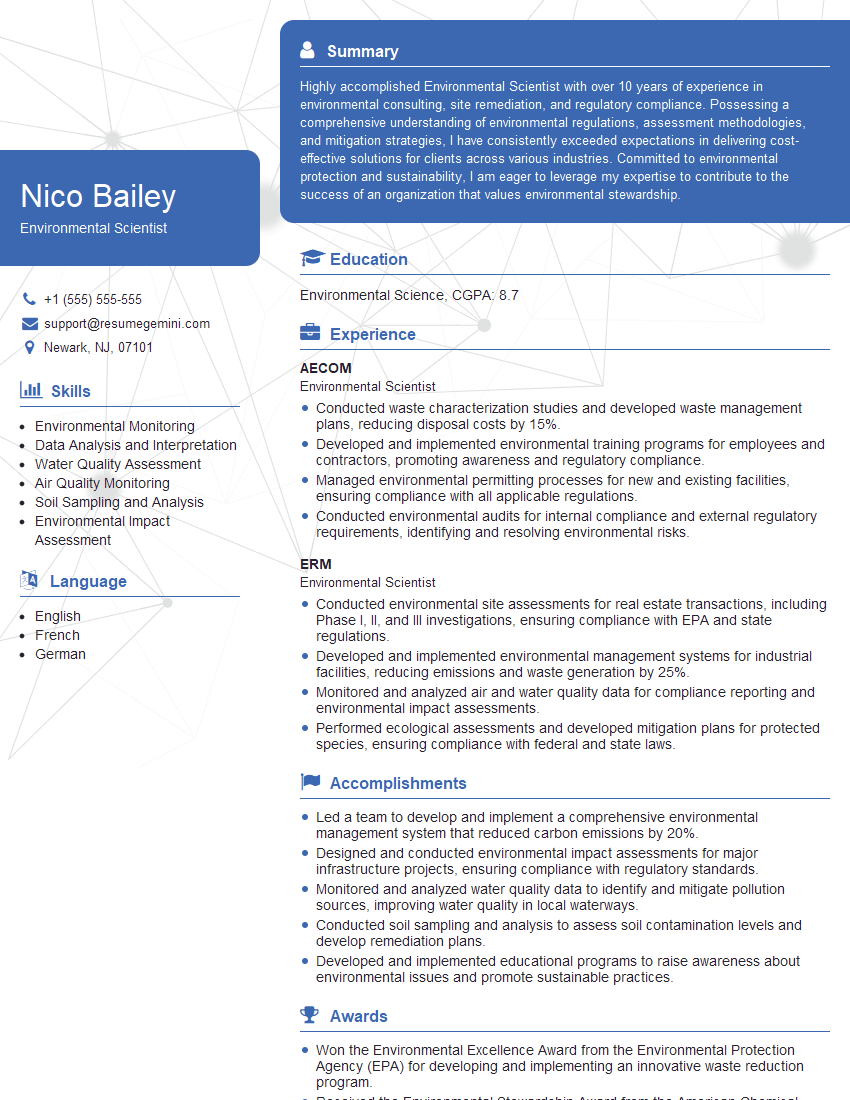
Environmental Scientist Resume Sample
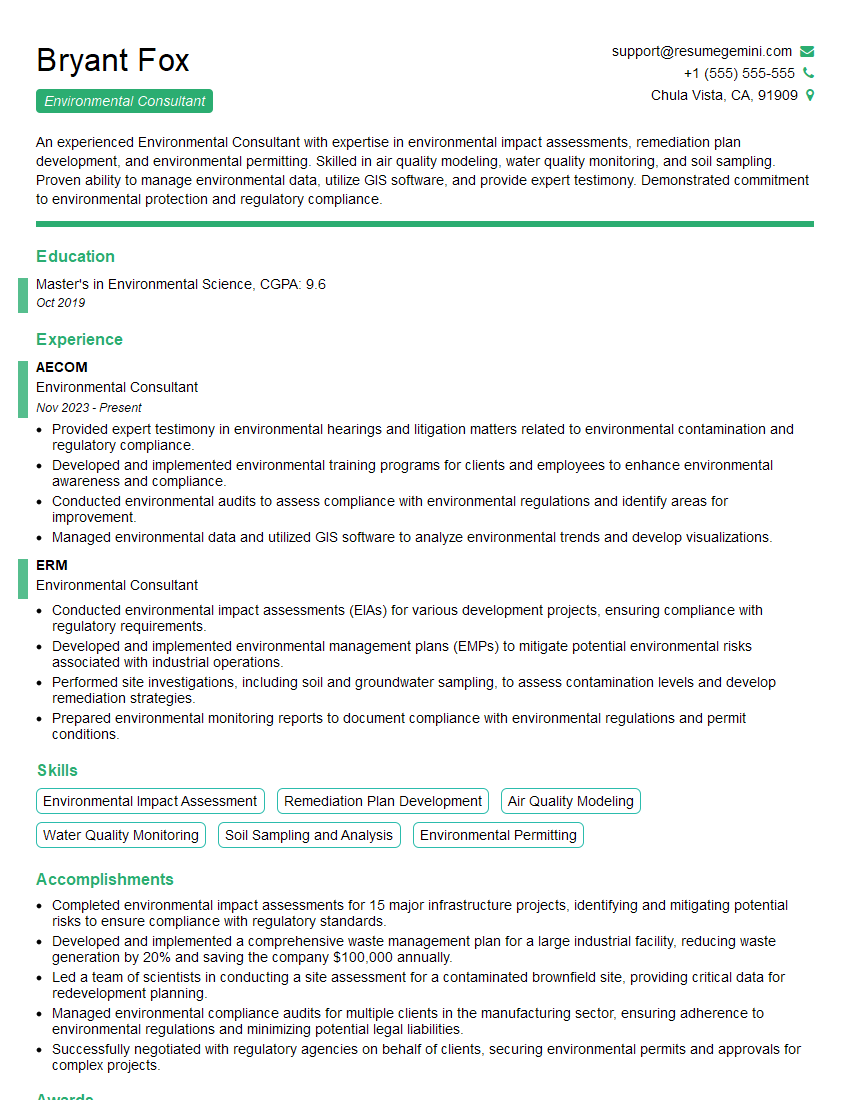
Environmental Consultant Resume Sample
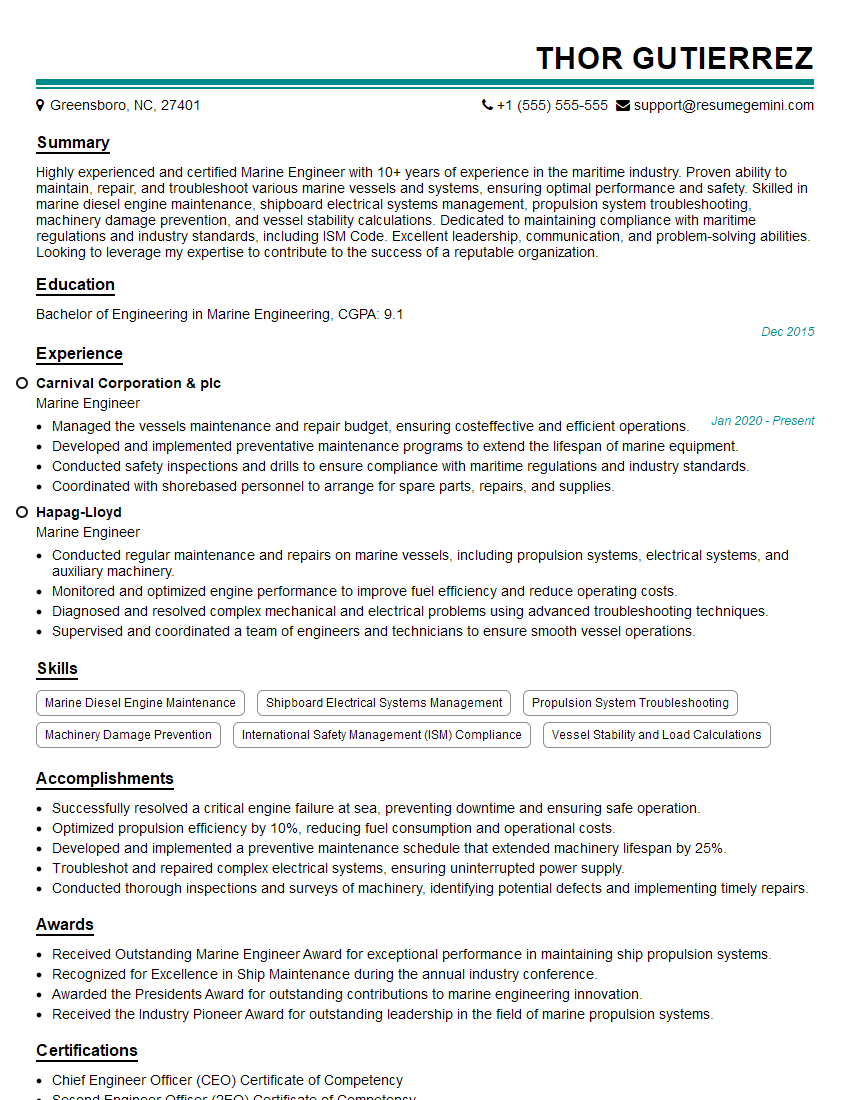
Marine Engineer Resume Sample
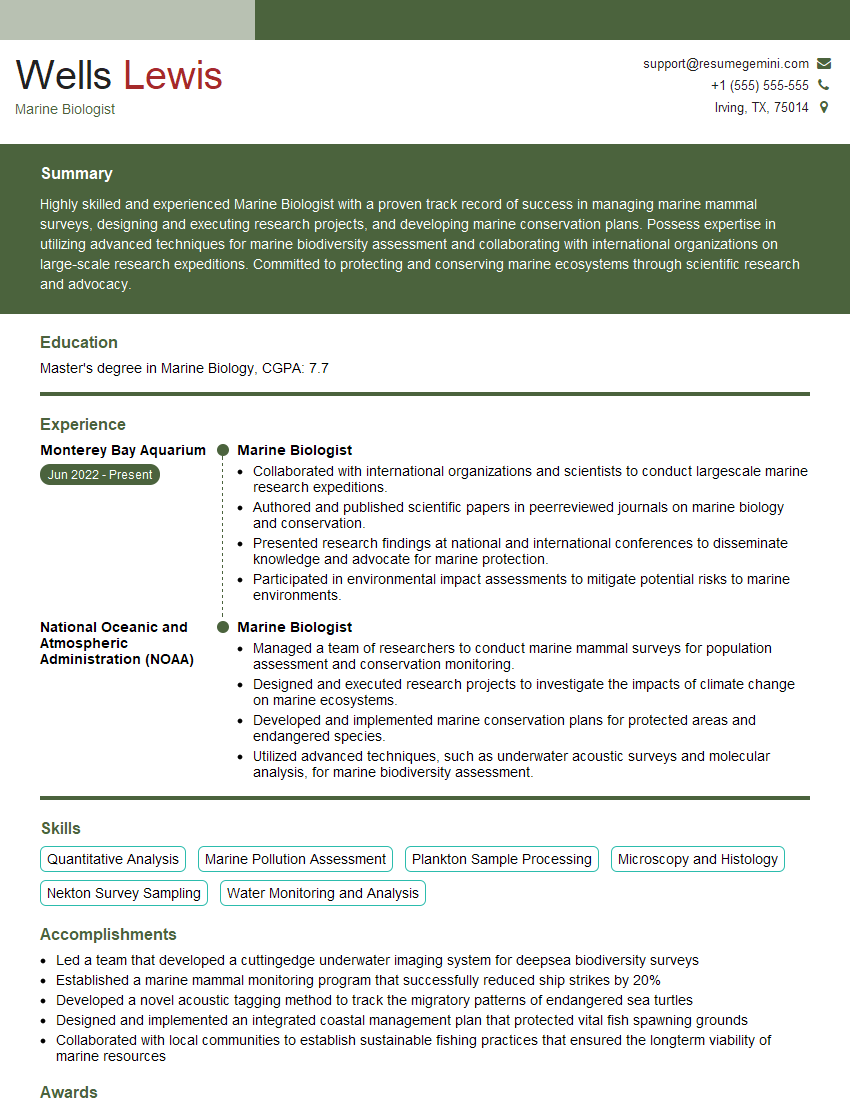
Marine Biologist Resume Sample
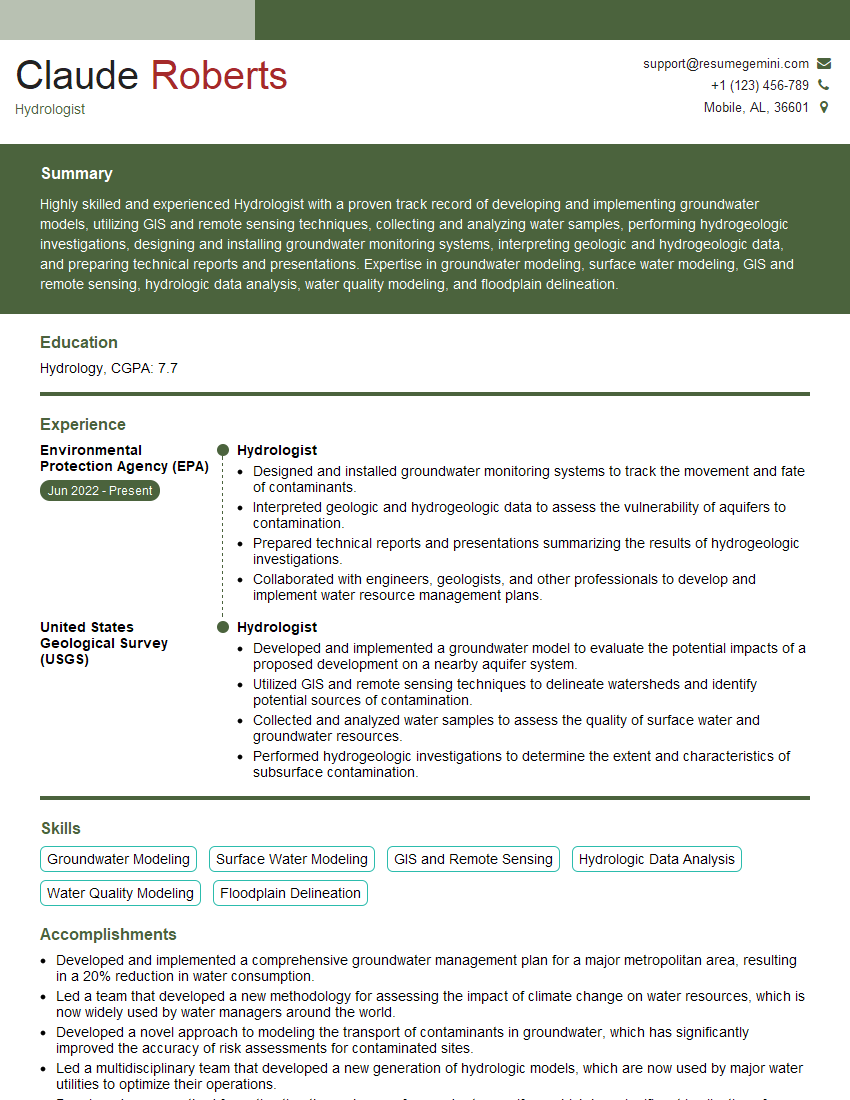
Hydrologist Resume Sample
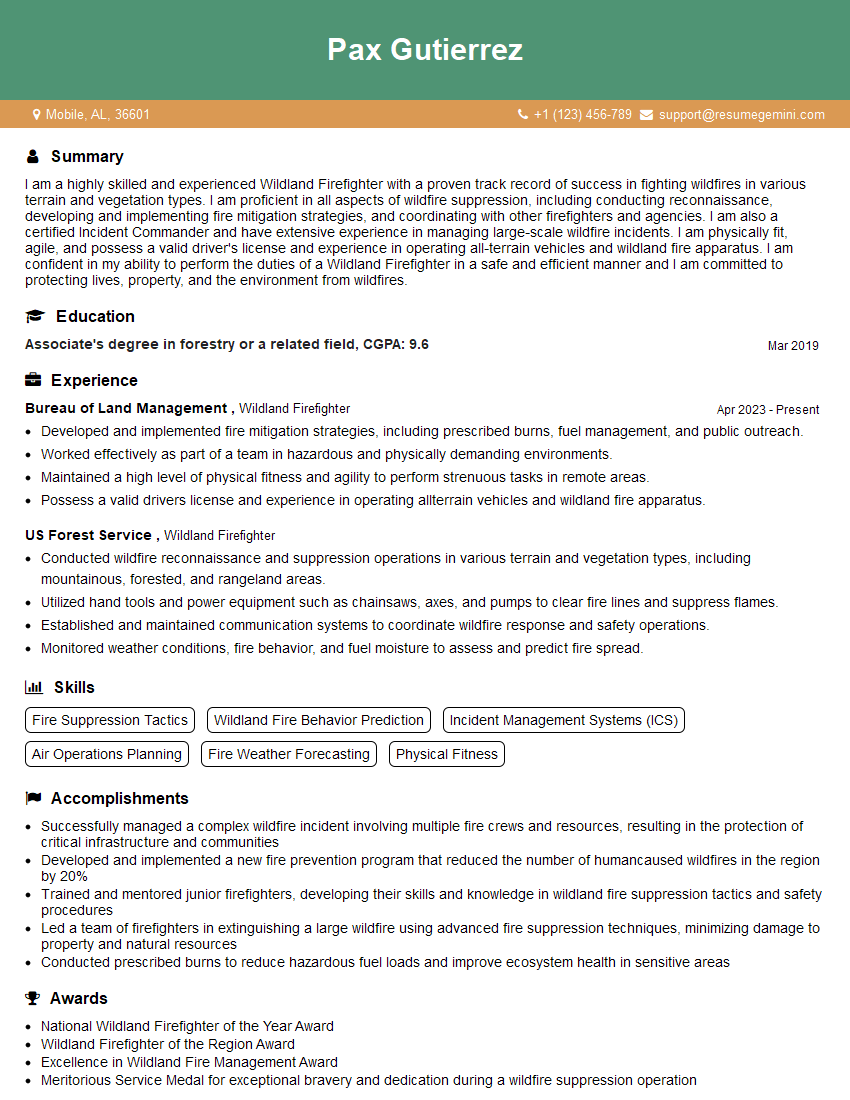
Wildland Firefighter Resume Sample
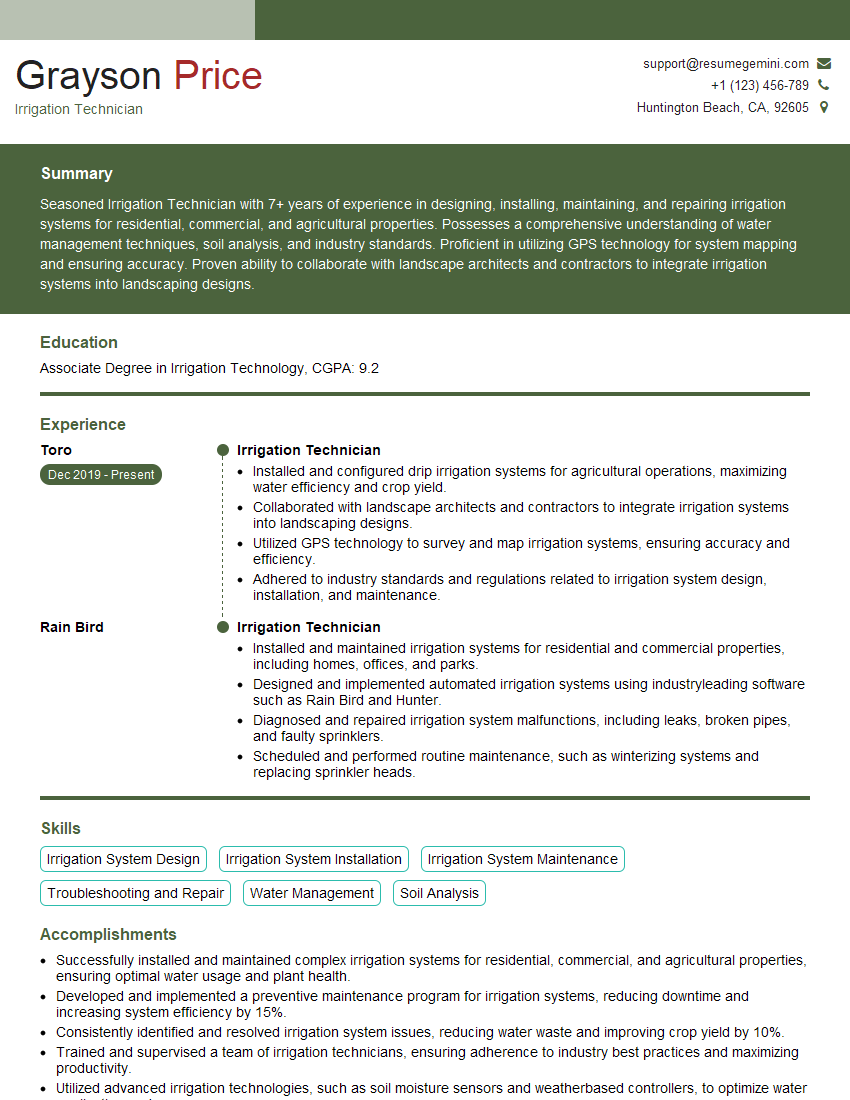
Irrigation Technician Resume Sample

Deckhand Resume Sample
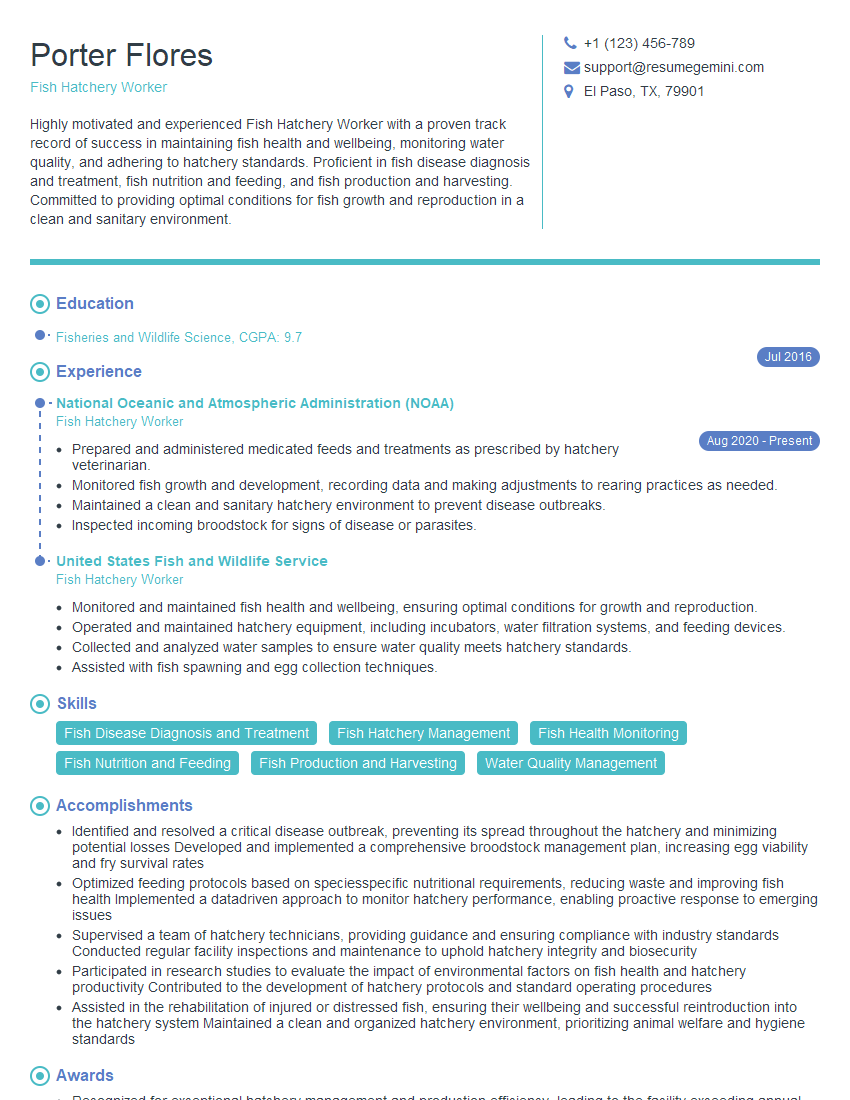
Fish Hatchery Worker Resume Sample
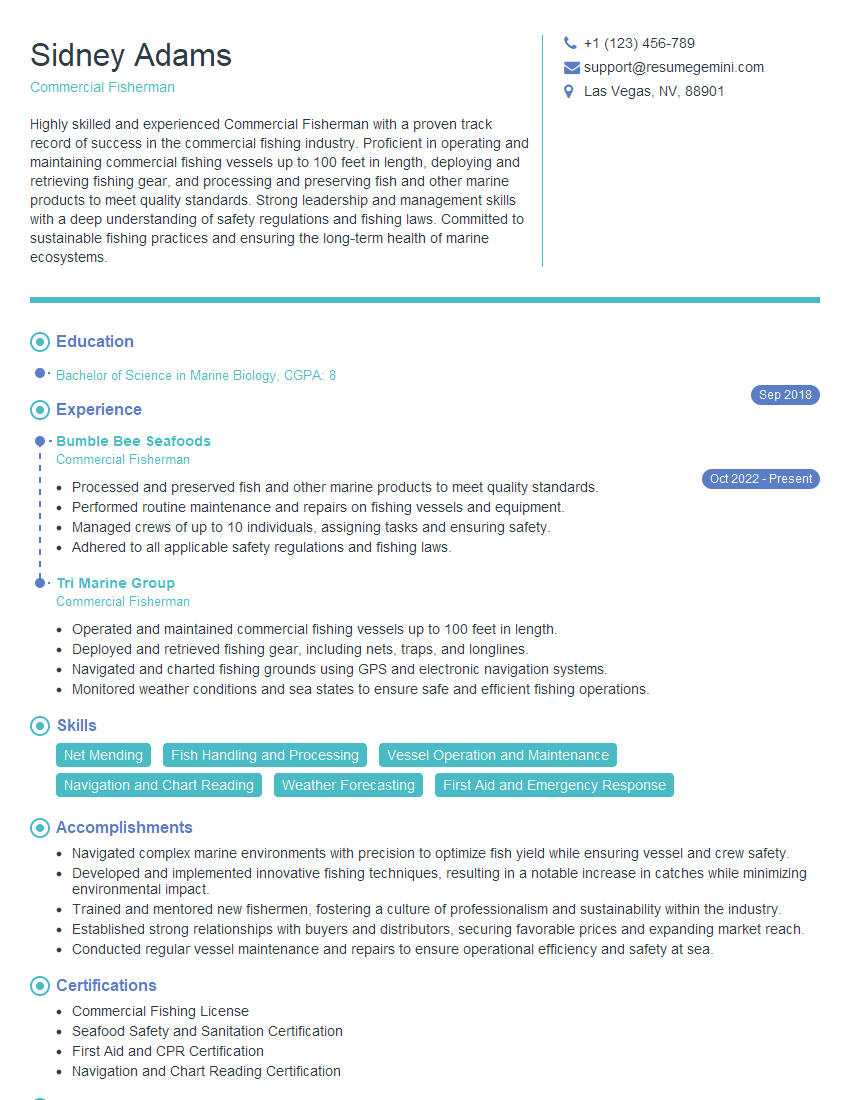
Commercial Fisherman Resume Sample
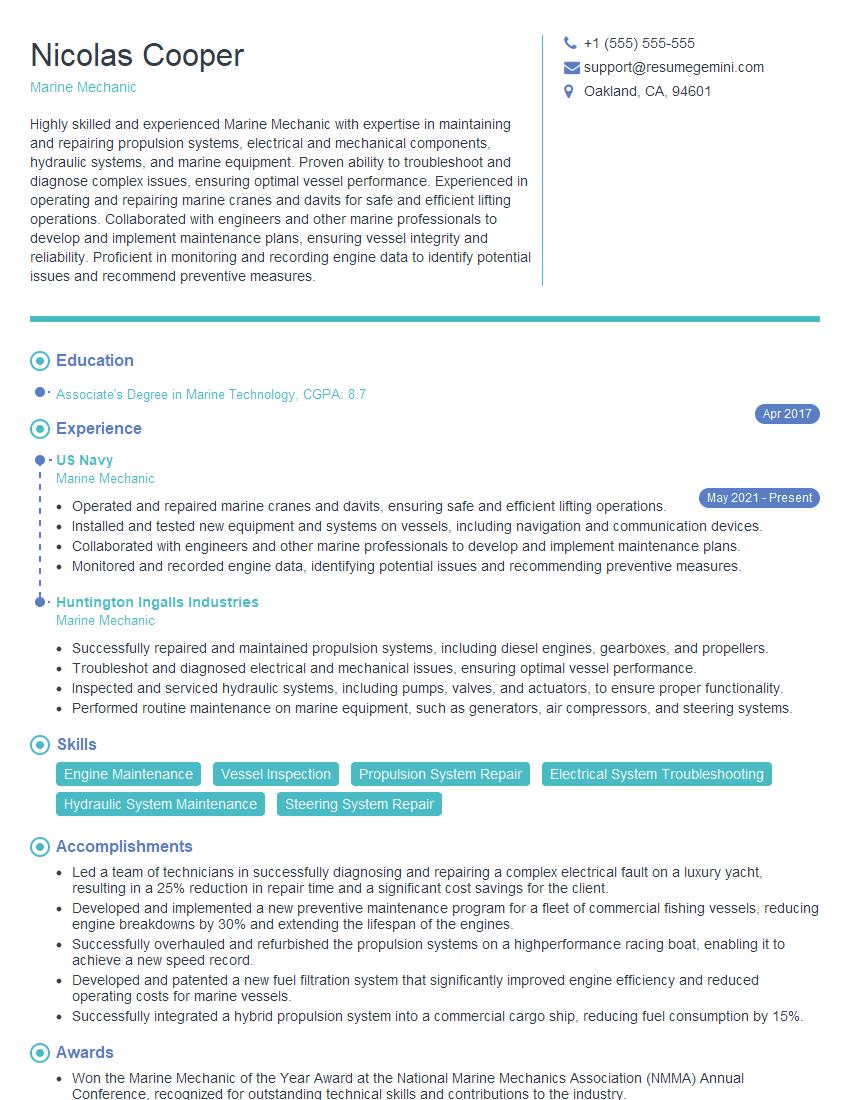
Marine Mechanic Resume Sample
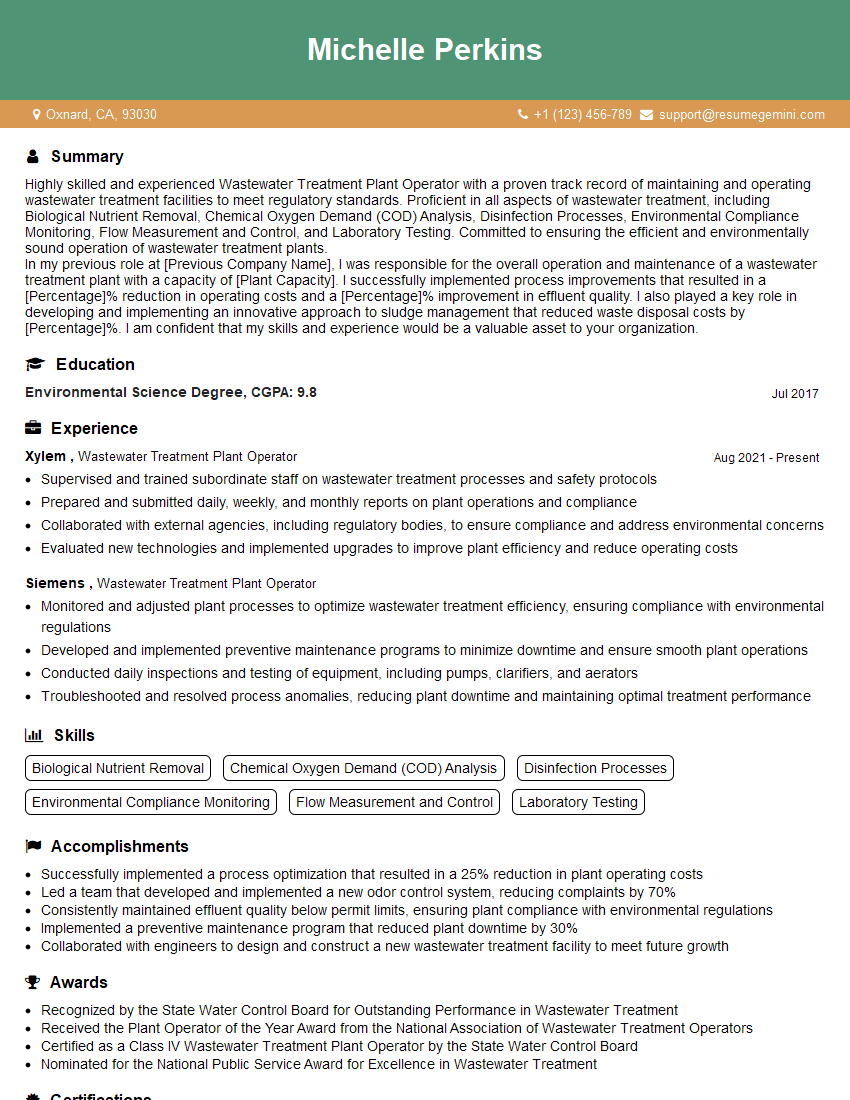
Wastewater Treatment Plant Operator Resume Sample
Explore more articles
Users Rating of Our Blogs
Share Your Experience
We value your feedback! Please rate our content and share your thoughts (optional).
What Readers Say About Our Blog
Very informative content, great job.
good