Preparation is the key to success in any interview. In this post, we’ll explore crucial OSHA 30-Hour General Industry interview questions and equip you with strategies to craft impactful answers. Whether you’re a beginner or a pro, these tips will elevate your preparation.
Questions Asked in OSHA 30-Hour General Industry Interview
Q 1. Explain the importance of OSHA’s General Duty Clause.
OSHA’s General Duty Clause, found in Section 5(a)(1) of the Occupational Safety and Health Act, is the cornerstone of workplace safety. It essentially states that every employer has a responsibility to furnish each of its employees with a workplace free from recognized hazards that are causing or are likely to cause death or serious physical harm. This is a crucial catch-all provision, meaning even if a specific OSHA standard doesn’t directly address a particular hazard, employers are still obligated to protect their workers. Think of it as a ‘common sense’ requirement. If a hazard exists and is reasonably foreseeable, the employer must take steps to eliminate or control it. For instance, if an employer notices a consistently wet floor leading to several near-miss slips and falls, even without a specific standard for wet floors in that industry, the General Duty Clause mandates they address the issue – perhaps by providing absorbent mats, implementing better cleaning procedures, and providing appropriate safety footwear. It’s a powerful tool for ensuring comprehensive workplace safety beyond specific regulations.
Q 2. Describe the hierarchy of hazard controls.
The hierarchy of hazard controls is a prioritized approach to eliminating or mitigating workplace hazards. The goal is to eliminate hazards at the source whenever possible, progressively moving to less effective controls only if elimination isn’t feasible. The order is as follows:
- Elimination: This is the most effective method. Completely removing the hazard from the workplace is ideal. Example: Replacing a hazardous chemical with a less hazardous alternative.
- Substitution: Replacing a hazardous substance, process, or piece of equipment with a safer one. Example: Switching from a solvent-based cleaner to a water-based one.
- Engineering Controls: Implementing physical changes to the workplace to reduce hazard exposure. Examples include installing machine guards, implementing ventilation systems to remove airborne contaminants, or using enclosed systems to prevent chemical spills.
- Administrative Controls: Changes in work practices or procedures to reduce exposure. Examples: Job rotation, establishing safe work procedures, providing additional training, reducing work hours.
- Personal Protective Equipment (PPE): The last line of defense. PPE protects the worker from hazards when other controls aren’t feasible or sufficient. Examples: Hard hats, safety glasses, gloves, respirators. It’s important to remember that PPE should be considered only after other controls have been implemented.
Imagine a scenario with a noisy machine. First, try to eliminate it (replace with a quieter model). If that’s not possible, substitute it with a less noisy one. If neither is feasible, install soundproofing (engineering control). If the noise is still above acceptable levels, limit employee exposure time (administrative control). Finally, provide hearing protection (PPE).
Q 3. What are the key elements of a lockout/tagout procedure?
Lockout/Tagout (LOTO) procedures are critical for controlling hazardous energy sources during maintenance or repair. They ensure that machinery is de-energized and prevented from being accidentally started, significantly reducing the risk of injury. Key elements include:
- Energy Isolation: Identifying all energy sources (electrical, mechanical, hydraulic, pneumatic, etc.) and safely disconnecting them.
- Lockout/Tagout Devices: Using approved lockout devices (locks) and tagout devices (tags) to prevent the re-energization of equipment.
- Verification of Isolation: After isolation, verify that the energy source is truly de-energized by testing, if possible.
- Energy Control Program: Employers must have a written program that includes procedures for identifying hazardous energy, selecting appropriate lockout/tagout devices, training employees, and periodic inspections.
- Employee Training: All authorized employees must be thoroughly trained in the correct procedures and receive regular refresher training.
- Periodic Inspections: Regular inspections of LOTO devices and procedures are essential to ensure effectiveness.
A common example is working on electrical equipment. Before any maintenance, the technician must de-energize the circuit, apply a lockout device to the breaker, and attach a tag clearly indicating the work being done and who is responsible. After the work is completed, the technician removes the lockout/tagout devices and verifies that the equipment is operating correctly.
Q 4. How do you identify and assess workplace hazards?
Hazard identification and assessment is a systematic process to pinpoint potential dangers in the workplace. It involves a thorough walkthrough of the work area, observing work practices, and consulting with employees. Several methods can be used:
- Walkthrough Inspections: A physical inspection of the workplace to identify hazards visually.
- Job Hazard Analysis (JSA): A detailed analysis of each job task to identify potential hazards and control measures (discussed further in the next answer).
- Incident Investigation: Reviewing past incidents to determine root causes and prevent future occurrences.
- Employee Input: Gathering feedback from employees through surveys, interviews, or safety meetings. This is often the most effective approach, as employees are often closest to potential dangers.
- Near Miss Reporting: Encouraging employees to report near-miss incidents (situations where an accident almost happened) provides valuable insights into potential hazards.
For example, a walkthrough inspection of a construction site might identify unguarded equipment, exposed wires, and inadequate lighting. An employee might identify a repetitive motion that causes strain on their back. Combining these observations allows for a comprehensive hazard assessment.
Q 5. Explain the process for conducting a job safety analysis (JSA).
A Job Safety Analysis (JSA) is a detailed, step-by-step examination of a job to identify potential hazards and control measures. The process typically involves:
- Select the Job: Choose a specific job task to analyze.
- Break Down the Job into Steps: List each step of the job in chronological order.
- Identify Potential Hazards for Each Step: List all potential hazards associated with each step.
- Identify Existing Controls: Determine what controls are already in place to mitigate the hazards.
- Recommend Additional Controls: If existing controls are insufficient, recommend additional controls based on the hierarchy of hazard controls.
- Document the JSA: Create a written record of the analysis, including the steps, hazards, controls, and recommendations.
Imagine a JSA for changing a lightbulb. Steps might include turning off the power, accessing the light fixture, removing the old bulb, installing the new bulb, and testing the light. Hazards could include electrical shock, falling from a ladder, or cuts from broken glass. Existing controls might be the circuit breaker. Additional controls could be a stable ladder, gloves, and safety glasses.
Q 6. Describe the different types of personal protective equipment (PPE) and when they should be used.
Personal Protective Equipment (PPE) is the last line of defense against workplace hazards. It’s crucial to remember that PPE should only be used after all other control measures have been implemented. Different types of PPE are used for various hazards:
- Head Protection: Hard hats protect against falling objects and impacts.
- Eye and Face Protection: Safety glasses, goggles, and face shields protect against flying debris, chemicals, and radiation.
- Hearing Protection: Earplugs and earmuffs reduce noise exposure.
- Respiratory Protection: Respirators protect against airborne contaminants such as dust, fumes, and gases.
- Hand Protection: Gloves protect against cuts, abrasions, chemicals, and extreme temperatures.
- Foot Protection: Safety shoes or boots protect against punctures, crushing, and electrical hazards.
- Body Protection: Aprons, coveralls, and other protective clothing protect against cuts, abrasions, chemicals, and extreme temperatures.
- Fall Protection: Harnesses, lanyards, and other equipment prevent falls from heights.
Choosing the right PPE is vital. For example, working with chemicals requires chemical-resistant gloves and eye protection, whereas working at heights necessitates a safety harness and appropriate fall protection equipment.
Q 7. What are the requirements for confined space entry?
Confined space entry is a high-risk activity requiring strict procedures to ensure worker safety. Confined spaces are enclosed or partially enclosed areas with limited access or egress, posing several hazards such as oxygen deficiency, toxic atmospheres, and engulfment. Requirements generally include:
- Permit-Required Confined Space Program: Employers must have a written program detailing procedures for identifying and classifying confined spaces, performing atmospheric monitoring, rescue planning, and employee training.
- Atmospheric Monitoring: Before entry, the atmosphere must be tested for oxygen levels, flammable gases, and toxic substances.
- Ventilation: Adequate ventilation must be provided to ensure a safe atmosphere.
- Entry Procedures: Procedures must outline the entry and exit process, including use of harnesses and lifelines.
- Attendant: A trained attendant must remain outside the confined space to monitor the entrant and provide assistance in case of an emergency.
- Rescue Plan: A comprehensive rescue plan must be developed and practiced regularly.
- Personal Protective Equipment (PPE): Appropriate PPE, such as respirators, harnesses, and protective clothing, must be worn.
- Emergency Response: Emergency response procedures should be established and readily accessible.
A common example is entering a tank to perform maintenance. Before entry, atmospheric testing is critical to ensure sufficient oxygen and the absence of hazardous gases. A trained attendant monitors the situation, and a rescue team is on standby. This rigorous approach minimizes the risk of serious incidents in confined spaces.
Q 8. Explain the importance of hazard communication and the SDS.
Hazard communication is crucial for workplace safety. It’s all about ensuring employees are aware of the dangers they might face on the job. The cornerstone of this is the Safety Data Sheet (SDS), formerly known as the Material Safety Data Sheet (MSDS). The SDS provides comprehensive information about hazardous chemicals, including their physical and chemical properties, health hazards, first aid measures, and handling precautions.
Think of the SDS as the instruction manual for hazardous materials. It tells you everything you need to know to work safely with a particular substance. For example, an SDS for a cleaning solvent might detail its flammability, potential for skin irritation, proper ventilation requirements, and emergency response procedures. Without proper hazard communication and access to SDSs, workers are at significant risk of injury or illness.
- Importance of Hazard Communication: Prevents accidents and injuries, complies with OSHA regulations, and promotes a safer work environment.
- Importance of SDS: Provides detailed information about hazardous chemicals, enables informed decision-making, and guides safe handling procedures.
Employers are obligated to provide readily accessible SDSs to employees and to train them on how to understand and use this vital information. This ensures that everyone is equipped to work safely and responsibly.
Q 9. Describe the procedures for handling hazardous waste.
Handling hazardous waste involves a multi-step process designed to minimize environmental impact and protect worker safety. It begins with proper identification and segregation of waste materials. This means separating different types of hazardous waste – such as flammable materials, corrosives, and toxins – into designated containers to prevent dangerous reactions or contamination.
Next, waste must be stored appropriately, often in clearly labeled, closed containers, in a designated area that is well-ventilated and protected from the elements. Regular inspections are necessary to ensure containers are undamaged and waste is properly contained. Finally, disposal follows established regulations. This might involve contracting a licensed hazardous waste disposal company or following specific procedures for on-site disposal if permitted. Documentation is critical throughout the entire process, including the generation, storage, and disposal of waste materials, to ensure compliance with all applicable environmental and safety regulations.
For example, a mechanic handling used motor oil must collect it in designated containers, label it properly, and arrange for its transport to a recycling facility. Failure to follow these procedures can lead to severe penalties and environmental damage.
Q 10. What are the OSHA requirements for fall protection?
OSHA’s fall protection standards are designed to prevent falls from heights, a leading cause of workplace fatalities. The regulations generally require fall protection at elevations of 4 feet or more, depending on the specific task and work environment. This protection typically involves the use of guardrail systems, safety nets, or personal fall arrest systems (PFAS).
Guardrails create a physical barrier around an elevated work area. Safety nets catch a worker if they fall. PFAS, which include harnesses, lanyards, and anchor points, arrest a fall, preventing a worker from hitting the ground. Regular inspections of fall protection equipment are essential to ensure its effectiveness and identify any damage or wear. The employer is responsible for providing training to employees on proper use, inspection, and limitations of fall protection equipment.
A scenario where fall protection is critical would be working on a roof. A guardrail system should be installed, and if it’s not feasible, a safety net and harnesses may be employed instead. Failing to provide adequate fall protection in such a situation could have deadly consequences.
Q 11. How do you investigate and report workplace accidents?
Investigating and reporting workplace accidents is a crucial aspect of improving safety. The investigation should be prompt, thorough, and impartial, focusing on identifying the root causes of the accident, not just assigning blame. This often involves collecting evidence, such as witness statements, photos, and equipment records.
The investigation follows a structured approach. First, secure the accident scene to prevent further harm. Then, gather all relevant information, including details of the event, the individual involved, and any contributing factors. This might entail interviews with witnesses and individuals involved, analysis of the equipment, and a review of safety procedures. A comprehensive report documenting the findings and recommendations for preventing future incidents should then be prepared and submitted to the appropriate authorities.
Imagine a worker slipping and falling on a wet floor. The investigation would look at why the floor was wet (e.g., a spill that wasn’t cleaned up immediately, inadequate drainage), the presence of warning signs, and the adequacy of safety training. OSHA Form 300 and 301 are important in documenting and reporting workplace injuries and illnesses.
Q 12. What are the key elements of an effective safety training program?
An effective safety training program is comprehensive, engaging, and tailored to the specific hazards of the workplace. It begins with a needs assessment, identifying the unique risks and the skills and knowledge employees need. The training itself must be clear, concise, and delivered using various methods – lectures, demonstrations, hands-on practice, and interactive sessions – to cater to different learning styles.
Effective training includes both theoretical and practical components. Employees must not only understand safety rules but also know how to apply them in real-world situations. Regular refresher training is essential, as is ongoing reinforcement of safety messages through regular communication and supervision. The success of the training should be evaluated through methods such as testing, observation, and tracking accident rates. Documentation, including records of training attendance and competency evaluations, is critical.
For instance, training on lockout/tagout procedures would involve classroom instruction on the theory, demonstrations of the techniques, and hands-on practice with equipment. Post-training assessments would gauge employee understanding and ability to safely perform the procedures.
Q 13. Explain the difference between a leading and lagging indicator in safety.
Leading and lagging indicators in safety are valuable tools for assessing workplace safety performance. Leading indicators are proactive measures that predict future accidents. They focus on the processes and behaviors that influence safety outcomes. Examples include safety training completion rates, the number of near misses reported, and the frequency of safety inspections. These indicators help identify potential problems *before* they lead to incidents.
Lagging indicators, on the other hand, are reactive measures that reflect the outcome of safety performance. They are historical data points, such as the number of accidents, injuries, or illnesses, lost workdays, or insurance costs. Lagging indicators indicate what has already happened and are useful for tracking trends but don’t predict future occurrences.
Think of it this way: leading indicators are like a car’s preventative maintenance schedule – regular oil changes and tire rotations help prevent major breakdowns down the road. Lagging indicators are like car accidents – they’re the result of past failures.
Q 14. How do you conduct a safety inspection?
Conducting a safety inspection involves a systematic review of the workplace to identify hazards and ensure compliance with safety regulations. This is typically a scheduled, formal process, although informal walkthroughs also play a critical role. A well-structured inspection involves using a checklist tailored to the specific workplace hazards. The checklist should cover various aspects, including machinery, equipment, personal protective equipment (PPE), emergency exits, housekeeping, and work practices.
Inspectors should carefully observe working conditions, looking for damaged equipment, unsafe practices, and potential hazards. They should record their findings, taking photos or videos as necessary, and prioritize the most critical hazards to ensure they’re addressed quickly. The findings are summarized in an inspection report, detailing the identified hazards, their severity, and recommendations for corrective actions. Follow-up inspections are necessary to ensure corrective actions are taken.
A safety inspection at a construction site, for example, would focus on things like fall hazards, proper scaffolding, use of hard hats and safety harnesses, and the handling of materials. The goal is to identify and mitigate risks to prevent accidents and injuries.
Q 15. What are the OSHA requirements for emergency action plans?
OSHA requires every workplace to have a comprehensive Emergency Action Plan (EAP). This isn’t just a document gathering dust on a shelf; it’s a vital roadmap for responding to emergencies, ensuring employee safety, and minimizing damage. The plan must be documented, communicated, and practiced regularly.
- Emergency escape procedures and routes: Clearly marked evacuation routes, assembly points, and alternate escape routes in case of primary route blockage are crucial. Think of it like planning your escape route from a burning building – knowing where to go is life-saving.
- Procedures for employees who remain to operate critical plant operations before evacuating: Some employees might be tasked with shutting down machinery safely before evacuating. This requires specific training and clearly defined responsibilities.
- Procedures to account for all employees: A headcount after an evacuation is essential to ensure everyone is safe. This could involve designated personnel checking off names or using a roll-call system.
- Rescue and medical duties: The EAP should outline who is responsible for performing first aid or assisting injured colleagues until emergency services arrive. This could be trained first responders within the company.
- The preferred means of reporting fires and other emergencies: This could range from pulling fire alarms to using specific communication systems, such as two-way radios.
- Names or job titles of persons or departments responsible for coordinating the emergency action plan: Clearly identifying who’s in charge is vital for efficient response. This might be a safety officer or a designated team leader.
- Training and Drills: The EAP isn’t effective unless everyone understands and can follow it. Regular drills are essential to ensure familiarity and preparedness.
For example, in a manufacturing plant, the EAP would detail how to shut down heavy machinery safely before evacuating, the designated assembly points, and the roles of specific personnel in coordinating the rescue efforts. Regular drills, including fire drills, would reinforce the plan’s effectiveness.
Career Expert Tips:
- Ace those interviews! Prepare effectively by reviewing the Top 50 Most Common Interview Questions on ResumeGemini.
- Navigate your job search with confidence! Explore a wide range of Career Tips on ResumeGemini. Learn about common challenges and recommendations to overcome them.
- Craft the perfect resume! Master the Art of Resume Writing with ResumeGemini’s guide. Showcase your unique qualifications and achievements effectively.
- Don’t miss out on holiday savings! Build your dream resume with ResumeGemini’s ATS optimized templates.
Q 16. Describe the importance of ergonomics in the workplace.
Ergonomics is the science of designing the workplace and tools to fit the worker, not the other way around. Its importance lies in preventing musculoskeletal disorders (MSDs) like carpal tunnel syndrome, back injuries, and repetitive strain injuries. By creating a comfortable and efficient workspace, companies reduce employee discomfort, boost productivity, and lower healthcare costs. A poorly designed workstation can lead to fatigue, reduced efficiency, and ultimately, injury. Think of it as preventing long-term wear and tear on the human body.
Implementing ergonomic principles involves analyzing workstations to identify potential hazards. This might include adjusting chair height, keyboard placement, monitor positioning, and providing proper lifting techniques training. For instance, providing adjustable chairs and standing desks allows employees to choose a posture that’s most comfortable for them throughout the day. Implementing proper lifting techniques can significantly reduce the risk of back injuries.
The benefits extend beyond injury prevention. Ergonomic improvements increase employee morale, reduce absenteeism, and enhance overall productivity. A happy, healthy employee is a productive employee.
Q 17. What are the OSHA requirements for machine guarding?
OSHA’s machine guarding requirements are extensive and aim to prevent accidents caused by moving parts of machinery. The fundamental principle is to eliminate or reduce contact between workers and hazardous machine parts. This is achieved through various guarding methods.
- Guards: These physical barriers completely enclose dangerous machine parts, preventing access. Think of a fully enclosed belt drive system.
- Devices: These might include interlocks, which prevent operation when a guard is open; presence-sensing devices, which stop the machine if a worker enters the danger zone; and safety gates.
- Location: The machine’s location itself can be a form of guarding, positioning it away from traffic areas or installing barriers around it.
- Safe Operating Procedures (SOPs): Clear SOPs are critical, instructing workers on how to use the machinery safely and highlighting potential hazards. Lockout/Tagout (LOTO) procedures are an essential component for maintaining safety during maintenance and repair. This ensures all power is isolated before anyone works on the equipment.
For instance, a saw blade should have a guard that fully encloses it except for the cutting area. A press brake must have a point-of-operation guard to prevent fingers from being crushed. Failure to properly guard machinery is a frequent cause of serious workplace injuries and significant OSHA citations.
Q 18. Explain the role of a safety committee.
A safety committee is a crucial element of a proactive safety program. It’s a group of employees and management representatives who work collaboratively to identify, assess, and control workplace hazards. They don’t replace management’s responsibility for safety but act as a powerful advisory and implementation body. Think of them as the workplace safety think tank.
- Hazard Identification and Assessment: The committee regularly inspects the workplace, identifies potential hazards, and assesses the associated risks. They might conduct safety audits and walk-throughs.
- Recommendation Development: Based on their assessments, they develop recommendations for corrective actions to mitigate identified hazards. These might involve implementing new safety procedures, purchasing personal protective equipment, or modifying equipment.
- Implementation and Follow-up: The committee monitors the implementation of safety improvements and follows up to ensure their effectiveness.
- Training and Education: They play a key role in promoting safety awareness through training and education programs.
- Communication: They act as a vital communication channel between employees and management on safety matters.
A well-functioning safety committee fosters a culture of safety, improves employee participation, and ultimately leads to a safer and more productive workplace. Their input is invaluable in creating a workplace where everyone feels valued and safe.
Q 19. What are the common causes of workplace injuries?
Workplace injuries stem from a multitude of causes, often interconnected. Some of the most common include:
- Falls: Falls from heights, slips, and trips are frequent causes of injury.
- Struck-by hazards: Being struck by falling objects, vehicles, or equipment is a significant risk in many industries.
- Caught-in/between hazards: Getting caught in or between machinery or objects, like being caught in a conveyor belt or crushed between two objects.
- Overexertion: Manual material handling, improper lifting techniques, and repetitive motions can lead to MSDs.
- Exposure to harmful substances: Contact with chemicals, hazardous materials, or exposure to excessive noise or radiation poses significant health risks.
- Lack of training and awareness: Inadequate safety training and a lack of awareness about potential hazards significantly increase the risk of accidents.
- Unsafe work practices: Failing to follow safety procedures, using faulty equipment, and neglecting safety precautions contributes to accidents.
Addressing these causes requires a multi-pronged approach involving proper training, hazard identification, risk assessment, implementing engineering controls, and establishing clear safety procedures.
Q 20. How do you ensure compliance with OSHA regulations?
Ensuring OSHA compliance is a continuous process, not a one-time event. It requires a proactive and comprehensive approach.
- Hazard Identification and Risk Assessment: Regularly identify and assess workplace hazards using methods like job hazard analyses (JHAs) and workplace inspections. A proactive approach is far better than reacting to accidents.
- Implementation of Controls: Implement appropriate controls to eliminate or reduce hazards. This might include engineering controls (e.g., machine guarding), administrative controls (e.g., safety procedures), and personal protective equipment (PPE).
- Employee Training and Education: Provide comprehensive safety training to all employees, covering relevant OSHA standards and safe work practices. This ensures that every employee understands their role in maintaining a safe working environment.
- Recordkeeping: Maintain accurate and complete records of workplace injuries, illnesses, and safety training. This allows for tracking trends and identifying areas needing improvement.
- Regular Inspections: Conduct regular workplace inspections to identify and correct hazards before they cause injuries. These should be documented and followed up with corrective actions.
- Emergency Preparedness: Develop and implement a comprehensive emergency action plan (EAP) and conduct regular drills. This ensures that the workplace is prepared for various emergencies.
- Compliance with OSHA Standards: Stay current with OSHA standards and regulations. This might involve subscribing to OSHA updates or hiring a safety consultant to ensure compliance.
Think of it as building a strong safety foundation, brick by brick, starting with hazard identification and ending with continuous monitoring and improvement.
Q 21. Describe your experience with OSHA inspections.
I’ve had extensive experience with OSHA inspections, both in preparation and during the actual inspection process. My role has often involved preparing the workplace for an inspection, working with inspectors to address any identified violations, and developing corrective action plans.
During inspections, I’ve collaborated closely with OSHA inspectors to provide documentation, answer questions regarding our safety program, and demonstrate our commitment to employee safety. My experience highlights the importance of thorough record keeping, clear and accessible safety documentation, and having a well-defined safety program in place. The goal isn’t to avoid citations, but to show a genuine commitment to a safe working environment. A well-prepared workplace significantly reduces stress and increases efficiency during an inspection.
The most important lessons learned involve maintaining clear and updated safety documentation, ensuring employees receive thorough training, and promptly addressing any safety concerns. A positive attitude and willingness to collaborate are key to a productive inspection.
Q 22. How do you promote a positive safety culture?
Promoting a positive safety culture isn’t about posting signs; it’s about fostering a genuine commitment to safety at every level. It starts with leadership visibly championing safety, making it a core value, not just a checklist item. Think of it like building a strong team – it requires trust, communication, and shared responsibility.
Lead by Example: Management must actively participate in safety procedures, demonstrating their commitment. If supervisors consistently cut corners, workers will follow suit.
Open Communication: Create a safe space for employees to report hazards or near misses without fear of reprisal. Regular safety meetings, toolbox talks, and open forums are crucial.
Employee Involvement: Involve employees in safety planning and decision-making. Their input is invaluable, and their ownership of safety procedures increases compliance.
Recognition and Reward: Acknowledge and reward safe behaviors. This could be through verbal praise, safety awards, or incentives. Positive reinforcement is far more effective than punishment.
Continuous Improvement: Regularly review safety procedures and data to identify areas for improvement. Conduct thorough incident investigations to prevent recurrence and learn from mistakes.
For example, in a previous role, we implemented a peer-to-peer safety observation program where employees could positively reinforce colleagues adhering to safety protocols. This significantly increased participation and awareness.
Q 23. Explain your understanding of OSHA recordkeeping requirements.
OSHA recordkeeping is crucial for demonstrating compliance and identifying trends in workplace injuries and illnesses. It’s not just about filling out forms; it’s about accurately tracking and analyzing data to prevent future incidents. The requirements depend on the company size and the number of employees.
OSHA Form 300: This log summarizes work-related injuries and illnesses. It includes information like the date of injury, nature of the injury, and days away from work.
OSHA Form 300A: This is the summary of work-related injuries and illnesses, which is posted annually.
OSHA Form 301: This form details the incident, providing more specific information about the injury or illness.
Companies with 10 or more employees are generally required to maintain these logs. Accurate and timely recordkeeping is vital. Failure to comply can result in significant penalties. Think of it as a vital health record for the workplace – it allows for proactive identification of areas needing attention.
Q 24. Describe a situation where you had to address a safety violation.
During a routine safety inspection at a previous workplace, I discovered workers using a forklift without proper training or certification. This violated OSHA standards concerning powered industrial trucks. I immediately stopped the operation and addressed the situation step-by-step.
Immediate Action: I halted the forklift operations to prevent further risk.
Investigation: I investigated to understand why the untrained workers were operating the equipment. I found a lack of supervision and inadequate training programs.
Corrective Actions: I worked with management to provide certified forklift training to all relevant employees, enforce a stricter supervision policy, and implement a system to verify training certifications.
Documentation: I documented the violation, corrective actions, and retraining completion. This documentation is crucial for auditing and demonstrating compliance.
The situation underscored the importance of proactive safety measures, thorough training, and consistent supervision in preventing violations and ensuring a safe work environment.
Q 25. How do you handle conflict regarding safety procedures?
Conflicts regarding safety procedures are inevitable. Effective conflict resolution requires a collaborative approach focused on finding solutions that prioritize safety. Think of it as a problem-solving exercise, not a power struggle.
Active Listening: Listen carefully to understand each party’s perspective and concerns. Avoid interrupting or becoming defensive.
Facilitation: Guide the discussion towards a mutually acceptable solution. Focus on the underlying issues and avoid personal attacks.
Objective Data: Use objective data (OSHA regulations, industry best practices) to support decisions and reach a consensus.
Compromise: Find common ground. Sometimes it means finding a solution that isn’t ideal for every party but ensures a safe work environment.
Documentation: Document the conflict, the agreed-upon solution, and any follow-up actions.
For instance, in a previous situation, a disagreement arose over the use of personal protective equipment (PPE). Through active listening and collaborative discussion, we developed a revised PPE policy that addressed the concerns of all parties while enhancing safety compliance.
Q 26. What are your strengths and weaknesses in a safety role?
My strengths in a safety role include my proactive approach, strong communication skills, and ability to analyze data and implement effective solutions. I am detail-oriented and thorough, ensuring compliance with all regulations. I am also adept at building positive relationships with employees at all levels, fostering a collaborative safety culture.
One area I’m working on is delegating tasks more effectively. While I am meticulous, sometimes my attention to detail can lead to micromanagement. I’m actively working on developing my delegation skills to empower my team members while still maintaining high safety standards.
Q 27. How do you stay up-to-date on changes in OSHA regulations?
Staying updated on OSHA regulations is paramount for maintaining compliance and ensuring worker safety. I utilize several methods to keep abreast of changes:
OSHA Website: Regularly reviewing the official OSHA website for updates, news, and revised standards.
Industry Publications and Newsletters: Subscribing to relevant safety publications and newsletters that provide updates and analysis of new regulations.
Professional Development: Attending seminars, webinars, and conferences related to occupational safety and health.
Networking: Engaging with other safety professionals to share knowledge and best practices.
By combining these methods, I ensure I’m always informed about the latest developments in OSHA regulations and can adapt my safety practices accordingly.
Q 28. Describe your experience with implementing new safety programs.
I have experience implementing several new safety programs, including a near-miss reporting system and a comprehensive lockout/tagout (LOTO) procedure. Implementing new programs requires a systematic approach.
Needs Assessment: Identify the need for the new program based on risk assessments, accident data, or industry best practices.
Program Development: Develop clear, concise, and easy-to-understand procedures and training materials.
Training and Communication: Provide comprehensive training to all relevant employees, ensuring they understand the new procedures and their responsibilities.
Implementation and Monitoring: Implement the program and regularly monitor its effectiveness. Collect data to track compliance and identify areas for improvement.
Evaluation and Revision: Evaluate the program’s success and make necessary revisions to ensure its effectiveness and efficiency.
For example, when implementing the LOTO program, we conducted thorough training sessions, provided visual aids, and conducted regular audits to ensure consistent application of the procedure. This resulted in a significant decrease in incidents involving hazardous energy.
Key Topics to Learn for OSHA 30-Hour General Industry Interview
- Hazard Communication: Understand the importance of SDS (Safety Data Sheets), labeling requirements, and employee training related to hazardous chemicals in the workplace. Practical application includes identifying potential hazards and implementing appropriate control measures.
- Personal Protective Equipment (PPE): Learn about selecting, using, and maintaining appropriate PPE for various job tasks. Practical application includes assessing workplace hazards and choosing the correct PPE to mitigate risks. Consider different types of PPE and their limitations.
- Lockout/Tagout (LOTO): Master the procedures for controlling hazardous energy sources during maintenance and repair. Practical application involves understanding the steps in the LOTO process and recognizing potential hazards associated with failing to follow procedures correctly.
- Fall Protection: Understand fall hazards, fall protection systems, and proper usage. Practical application includes identifying fall hazards on a job site and selecting the appropriate fall protection equipment and methods.
- Emergency Action Plans (EAPs): Learn how to develop and implement effective EAPs, including evacuation procedures, emergency contacts, and first aid response. Practical application includes reviewing and practicing EAPs and identifying potential weaknesses or areas for improvement.
- OSHA Inspections and Citations: Understand the process of OSHA inspections, common violations, and the consequences of non-compliance. Practical application involves understanding employee rights during an inspection and how to address citations.
- Recordkeeping and Reporting: Understand OSHA’s requirements for maintaining injury and illness records and reporting workplace incidents. Practical application includes understanding the importance of accurate recordkeeping and proper incident reporting procedures.
Next Steps
Mastering the OSHA 30-Hour General Industry curriculum significantly enhances your safety knowledge and demonstrates a commitment to workplace safety, making you a highly desirable candidate in many industries. To further boost your job prospects, create an ATS-friendly resume that highlights your newly acquired skills and experience. ResumeGemini is a trusted resource for building professional resumes that get noticed. They provide examples of resumes tailored to the OSHA 30-Hour General Industry certification, helping you present your qualifications effectively.
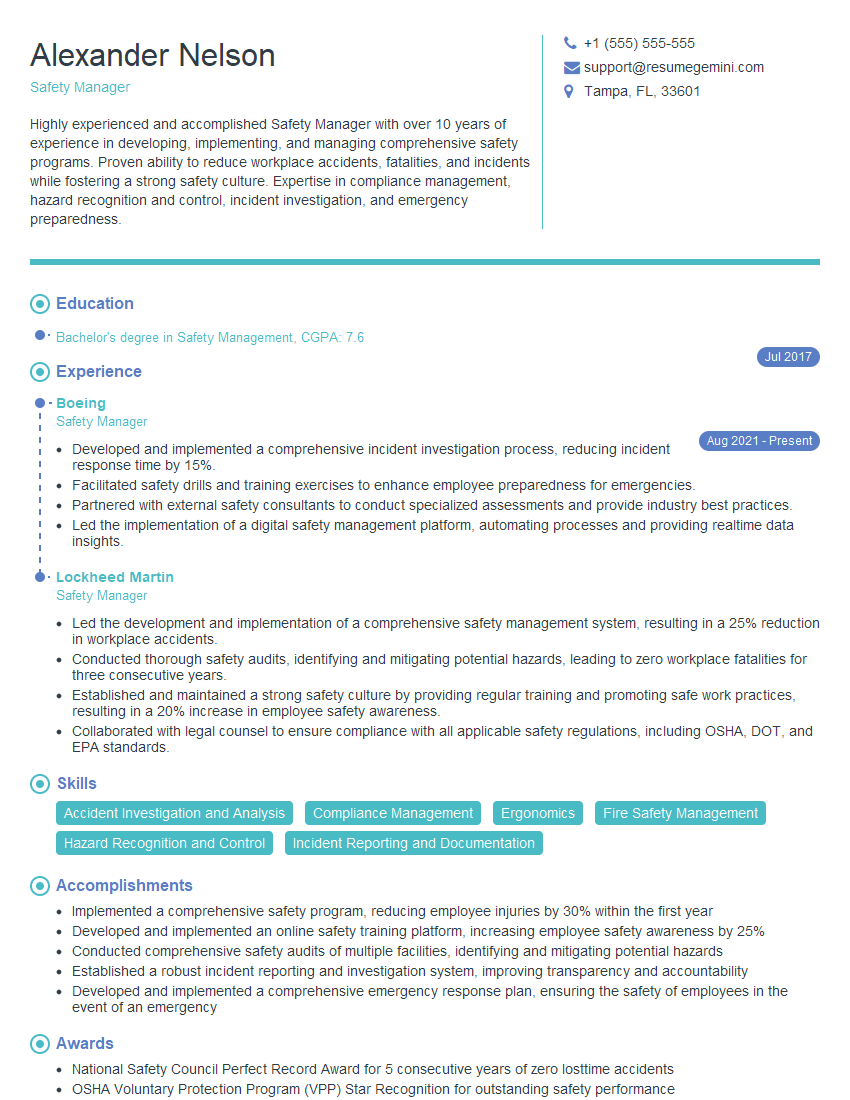
Safety Manager Resume Sample
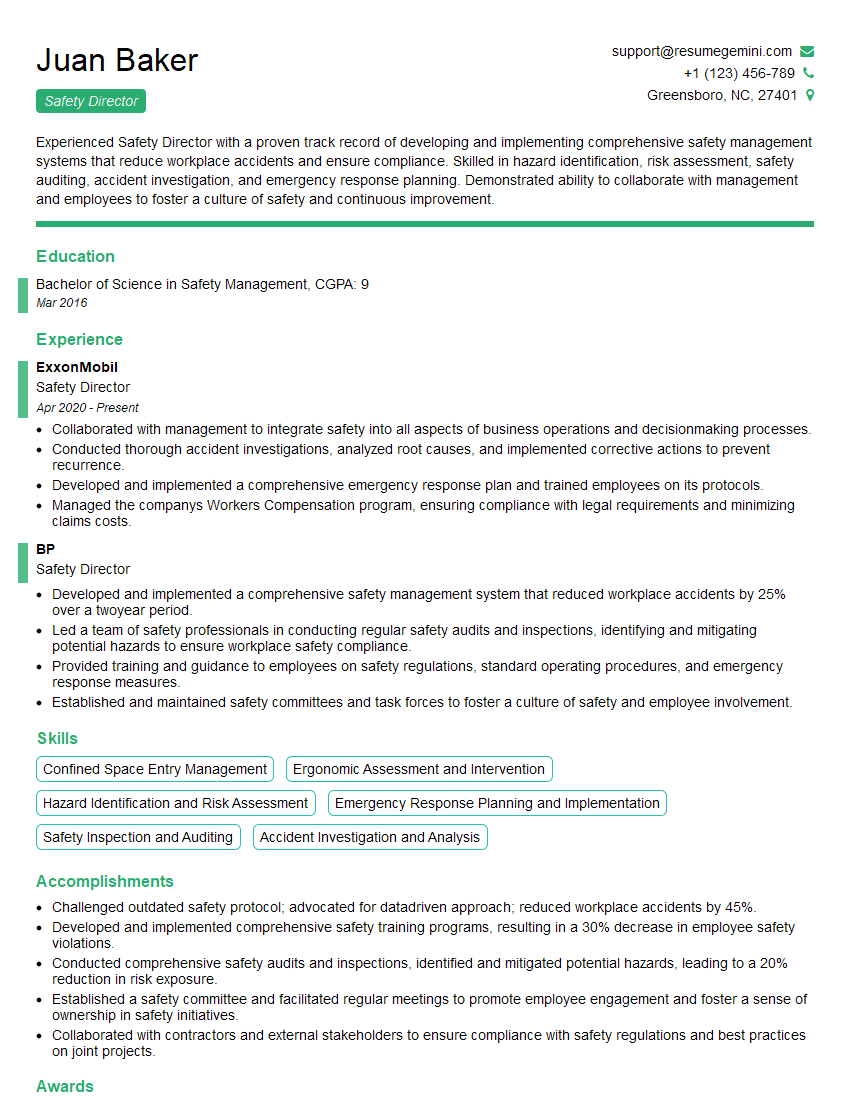
Safety Director Resume Sample
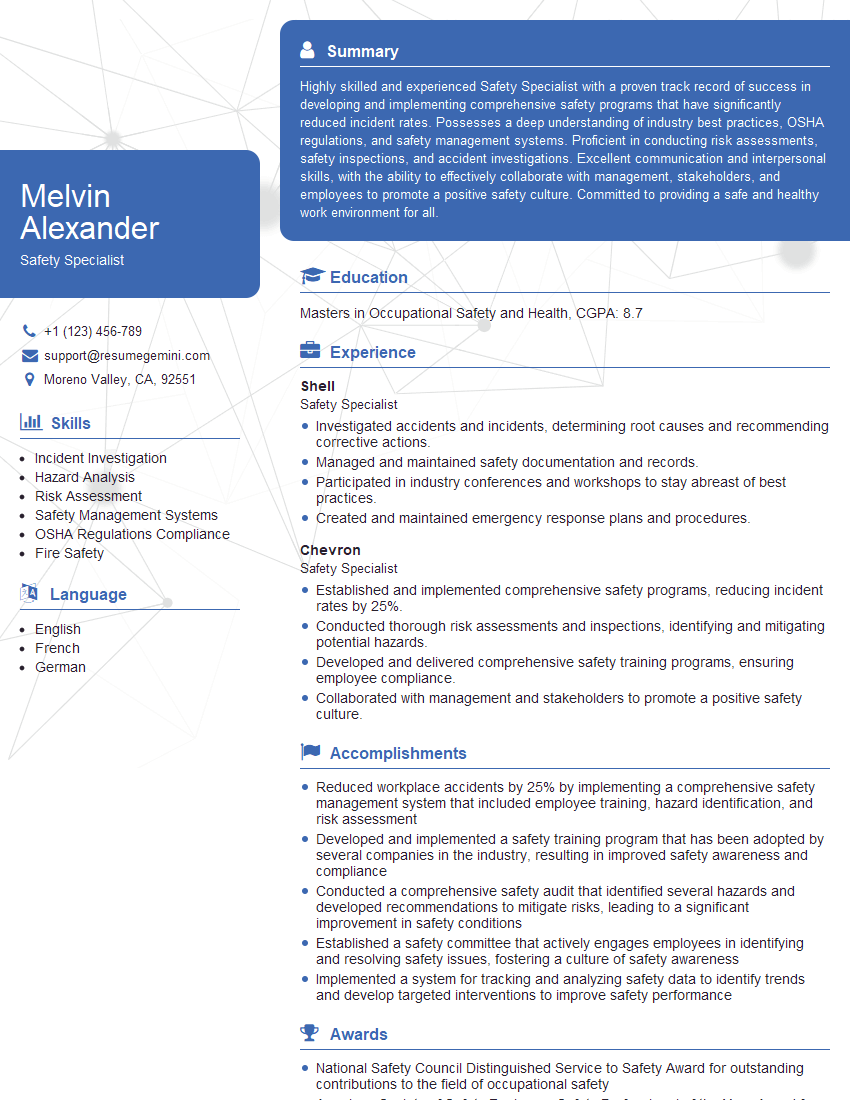
Safety Specialist Resume Sample
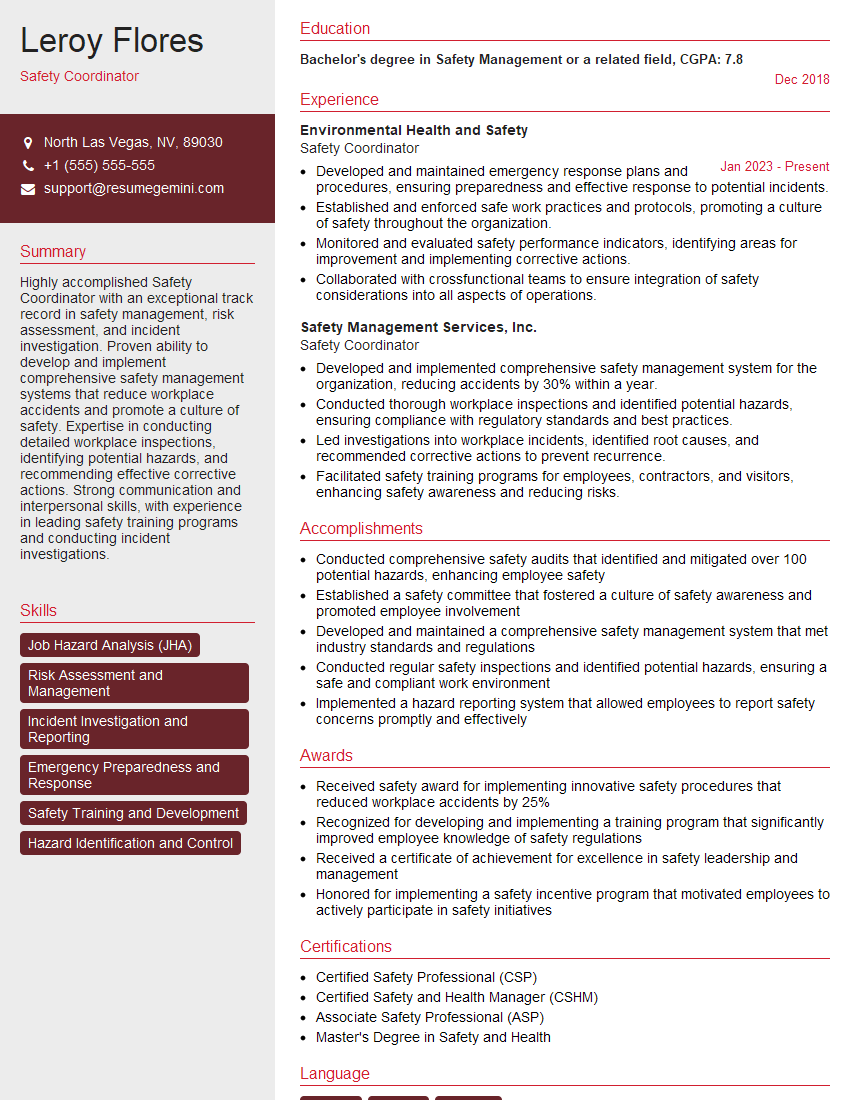
Safety Coordinator Resume Sample

Compliance Officer Resume Sample

Regulatory Compliance Specialist Resume Sample

Risk Manager Resume Sample
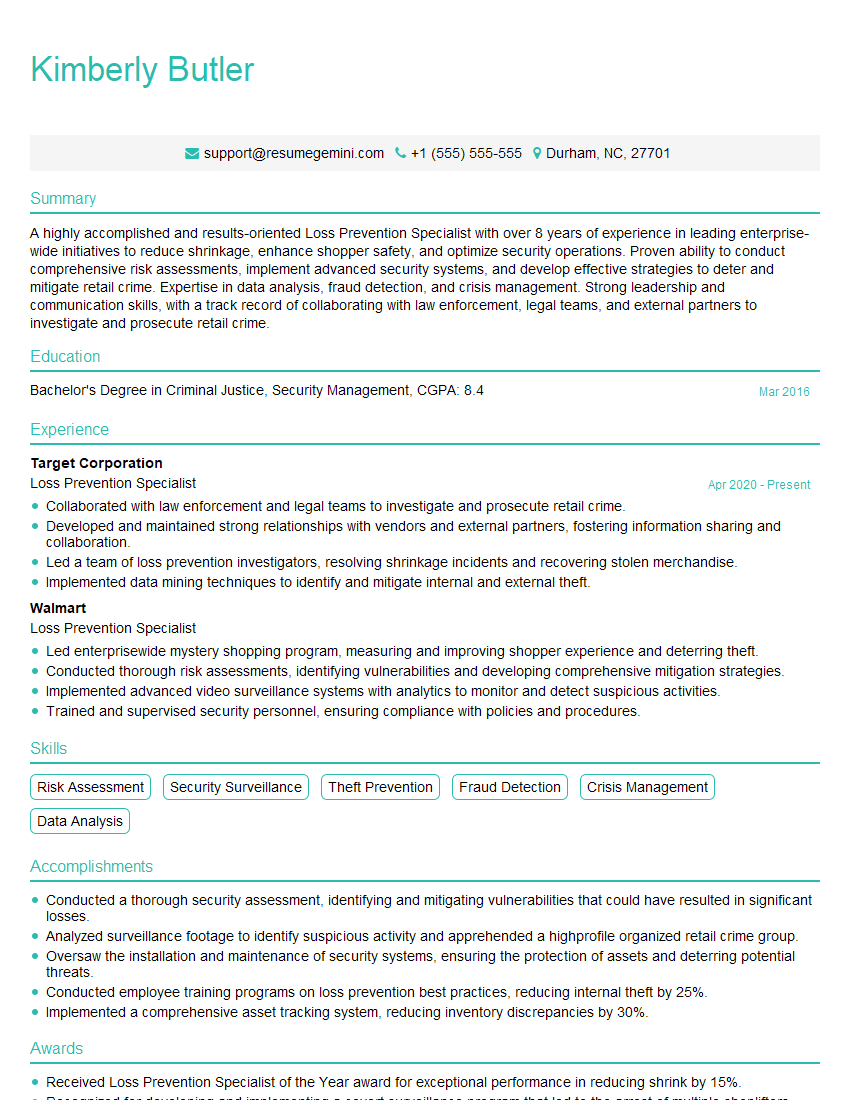
Loss Prevention Specialist Resume Sample
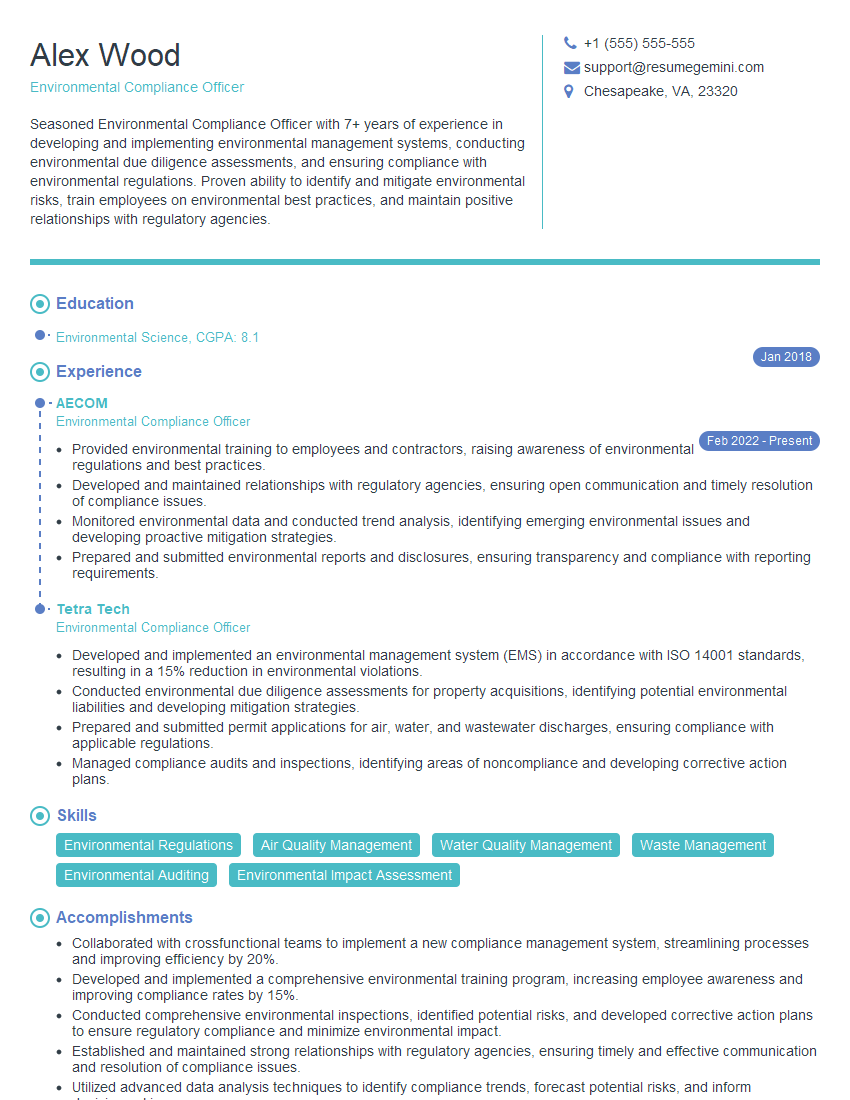
Environmental Compliance Officer Resume Sample
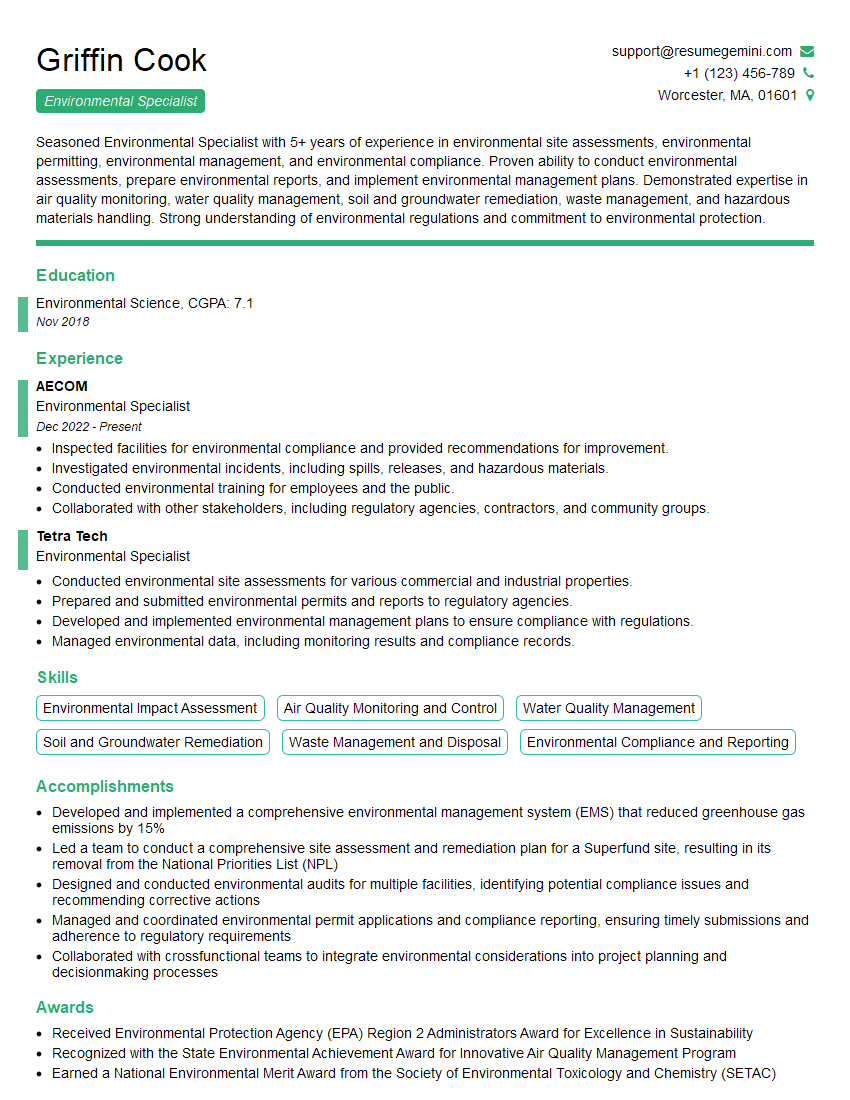
Environmental Specialist Resume Sample
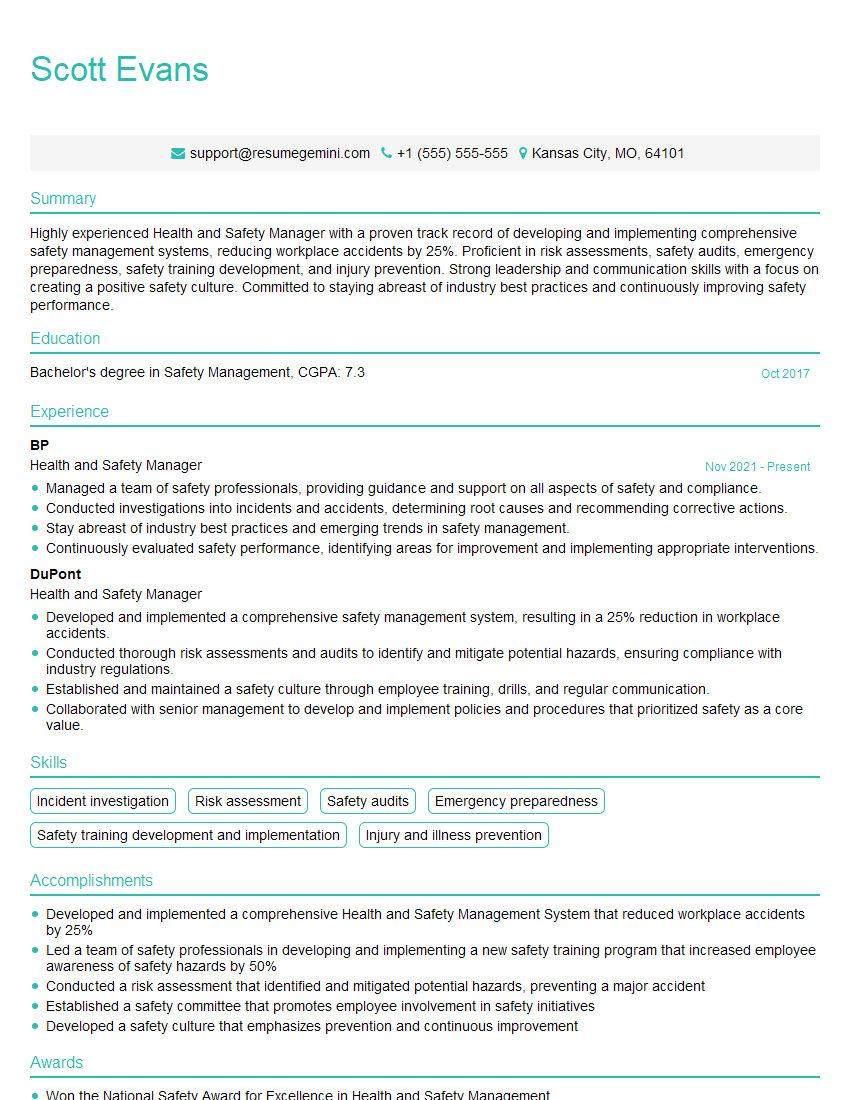
Health and Safety Manager Resume Sample
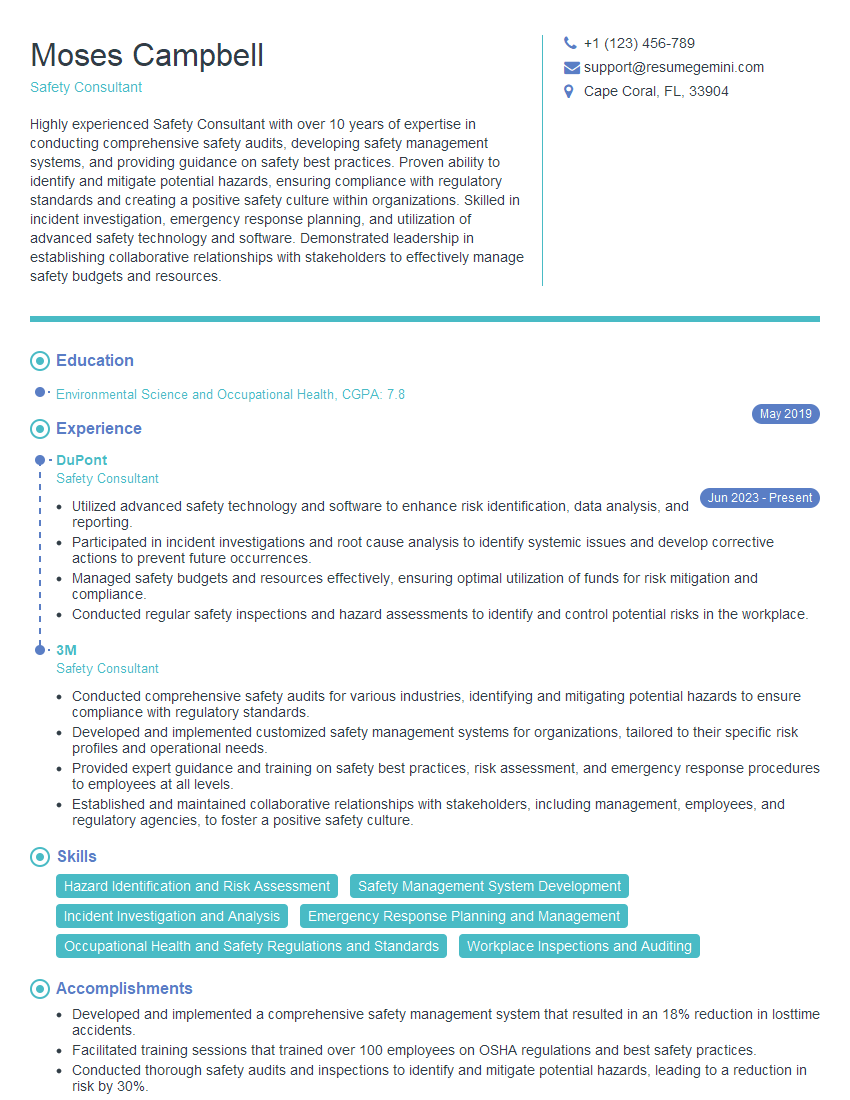
Safety Consultant Resume Sample

Safety Engineer Resume Sample

Industrial Hygienist Resume Sample
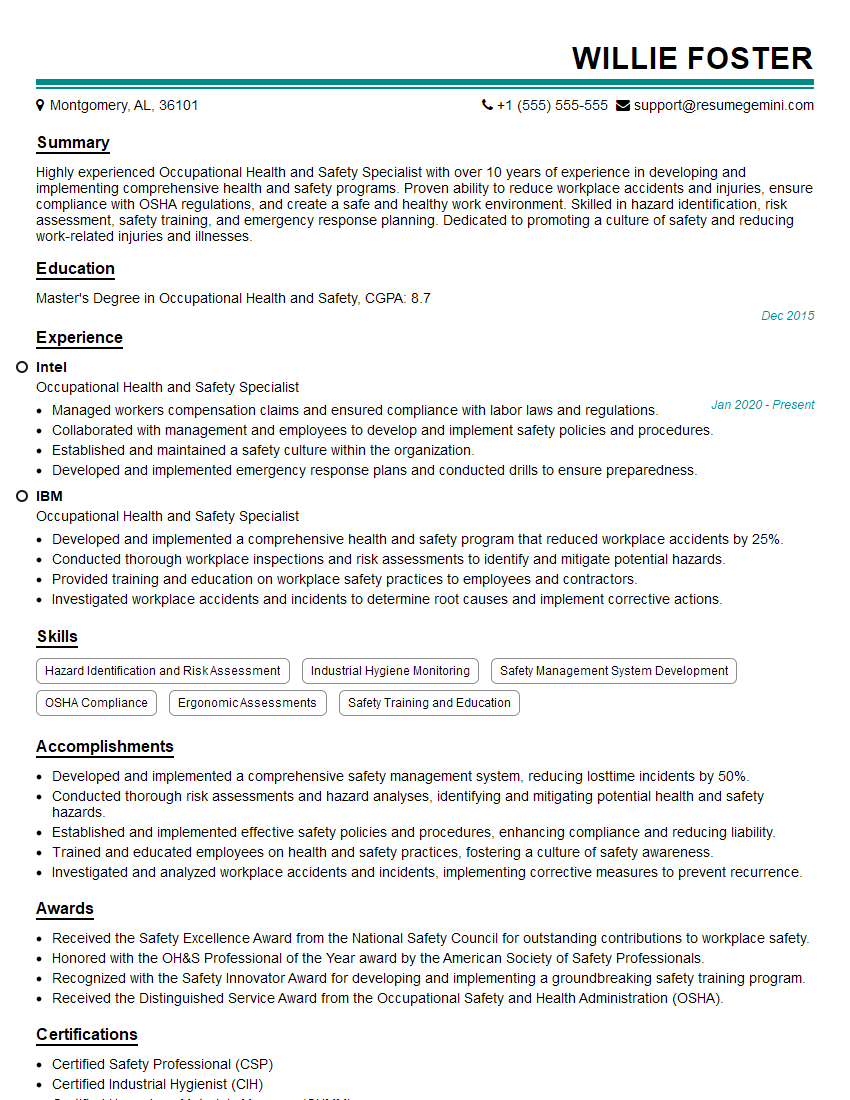
Occupational Health and Safety Specialist Resume Sample
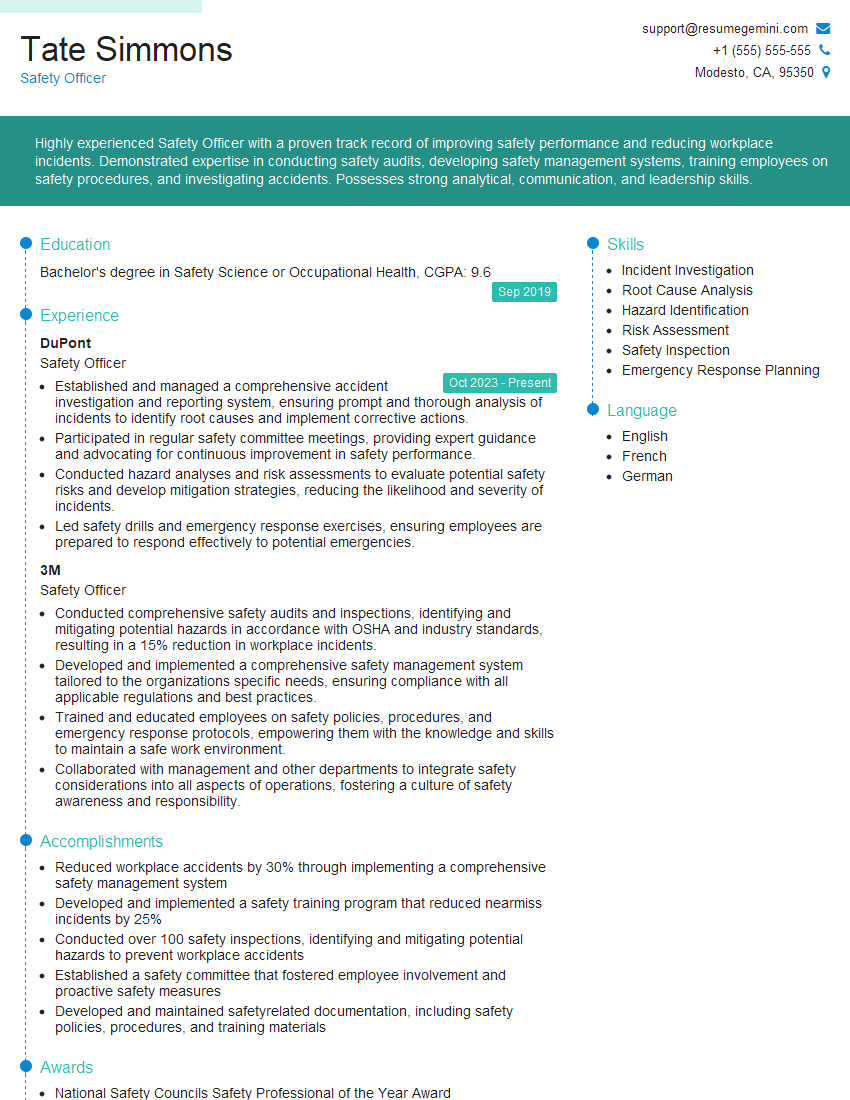
Safety Officer Resume Sample
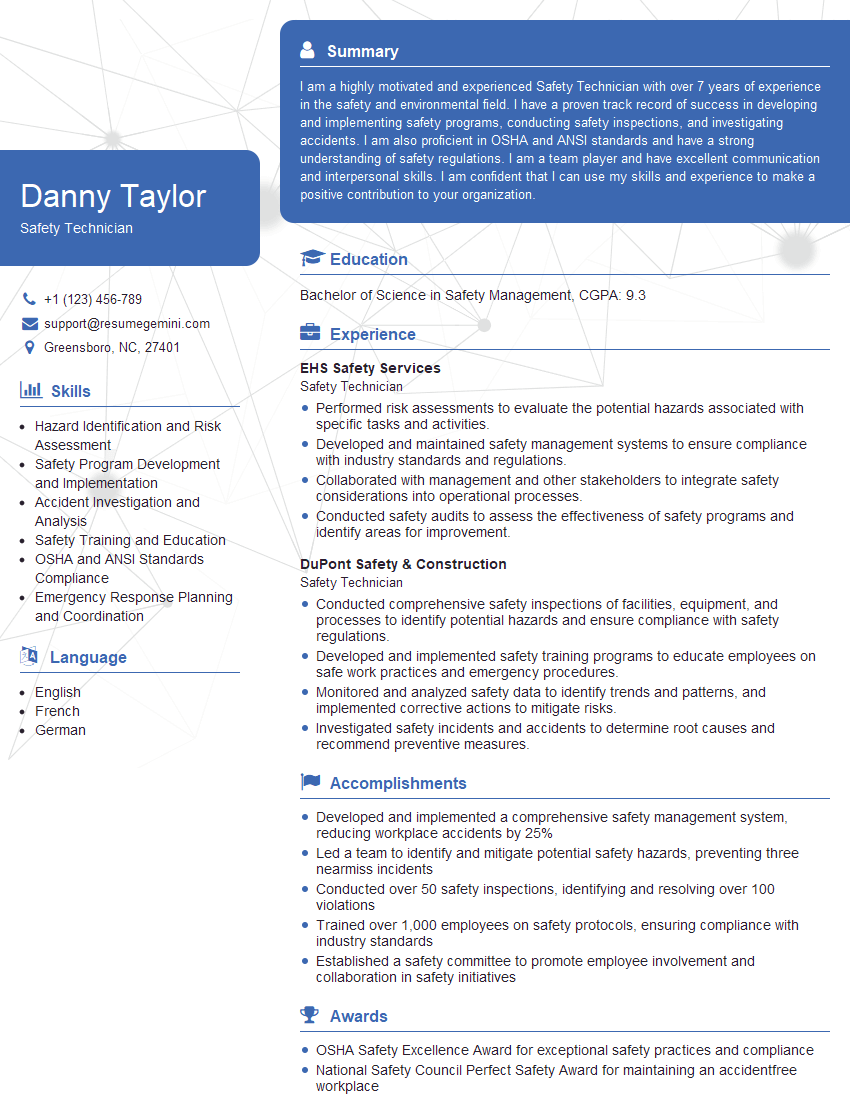
Safety Technician Resume Sample
- Safety Manager
- Safety Director
- Safety Specialist
- Safety Coordinator
- Compliance Officer
- Regulatory Compliance Specialist
- Risk Manager
- Loss Prevention Specialist
- Environmental Compliance Officer
- Environmental Specialist
- Health and Safety Manager
- Safety Consultant
- Safety Engineer
- Industrial Hygienist
- Occupational Health and Safety Specialist
- Safety Officer
- Safety Technician
Explore more articles
Users Rating of Our Blogs
Share Your Experience
We value your feedback! Please rate our content and share your thoughts (optional).
What Readers Say About Our Blog
Very informative content, great job.
good