Feeling uncertain about what to expect in your upcoming interview? We’ve got you covered! This blog highlights the most important Ability to Work in Extreme Conditions interview questions and provides actionable advice to help you stand out as the ideal candidate. Let’s pave the way for your success.
Questions Asked in Ability to Work in Extreme Conditions Interview
Q 1. Describe your experience working in extreme temperatures (heat or cold).
My experience with extreme temperatures spans several expeditions and projects. For instance, I worked on a geological survey in the Sahara Desert, where temperatures regularly exceeded 45°C (113°F). This involved meticulous planning for hydration, utilizing specialized clothing and equipment, and adhering to strict work schedules to avoid the hottest parts of the day. Conversely, I’ve participated in Arctic research projects where temperatures plunged to -30°C (-22°F). Here, the focus shifted to layering clothing effectively, utilizing appropriate cold-weather gear, and regularly monitoring for signs of hypothermia. In both instances, thorough acclimatization, understanding the physiological effects of extreme temperatures, and proactive safety measures were crucial for success and personal safety.
In the Sahara, we employed a rotation system, working in shorter bursts during the cooler morning hours. We carried ample water and monitored each other for signs of heat exhaustion. In the Arctic, we learned to recognize the early signs of frostbite, and always worked in pairs or small groups to ensure mutual support and observation. Safety protocols were reviewed frequently and strictly adhered to.
Q 2. How have you adapted to working in high-altitude environments?
Adapting to high-altitude environments requires a multi-faceted approach focusing on physical acclimatization and understanding the physiological challenges. My work in the Andes Mountains, for example, involved a gradual ascent, allowing my body to adjust to the decreasing oxygen levels. This is crucial to avoid altitude sickness. We monitored our oxygen saturation levels with pulse oximeters and paid close attention to symptoms like headaches, nausea, and fatigue. We also focused on hydration and consumed a high-carbohydrate diet to provide energy for our bodies. Furthermore, the use of supplemental oxygen at higher altitudes and understanding the signs and treatments for High Altitude Pulmonary Edema (HAPE) and High Altitude Cerebral Edema (HACE) were critical elements of safety planning.
A critical aspect of adaptation also involves pacing yourself. Physical exertion at high altitudes needs to be significantly reduced compared to lower altitudes to avoid stressing the body. We incorporated rest days into our schedule and made sure we weren’t pushing ourselves too hard.
Q 3. Explain your approach to risk assessment in extreme conditions.
My approach to risk assessment in extreme conditions is systematic and multi-layered. It starts with identifying potential hazards specific to the environment and the tasks being undertaken. For example, in a blizzard, risks include hypothermia, disorientation, and equipment failure. This is then followed by evaluating the likelihood and severity of each hazard. This often involves reviewing past data, consulting weather forecasts, and speaking to local experts to gain an understanding of potential risks.
Next, I develop mitigation strategies for each identified hazard. This might include using specialized equipment, employing specific work procedures, and establishing clear communication protocols. Finally, I regularly monitor conditions, adjust plans as necessary, and ensure everyone on the team is aware of the risks and the mitigation measures in place. A robust risk assessment is an iterative process that adapts as circumstances change.
Q 4. Describe a time you had to make a critical decision under pressure in a hazardous environment.
During a research expedition in the Himalayas, a sudden blizzard forced us to make a critical decision. We were caught at a high altitude with rapidly deteriorating weather conditions and limited visibility. Continuing our ascent was extremely risky, as the chance of becoming disoriented and lost in the blizzard was very high. However, descending immediately would also be challenging in the blinding snow and icy conditions.
After consulting with the team, considering the weather forecast, and assessing our resources (food, water, shelter), we decided to find a sheltered location to wait out the worst of the blizzard. This involved carefully navigating through knee-deep snow to reach a relatively protected area, setting up camp, and meticulously checking everyone’s well-being. The decision required rapid assessment, decisive action, and calm leadership under intense pressure. Fortunately, our preparation and swift decision-making minimized the risk, and we all came through safely.
Q 5. How do you maintain your physical and mental well-being while working in extreme conditions?
Maintaining physical and mental well-being in extreme conditions is paramount, requiring a holistic approach. Physically, this involves staying hydrated, consuming nutritious food, getting sufficient rest, and regular exercise – even in extreme conditions. This often requires careful planning and adapting exercise routines to accommodate environmental challenges. For example, in extreme cold, shorter, more intense workouts are often more efficient than longer sessions.
Mentally, maintaining morale and resilience involves fostering teamwork and camaraderie, practicing mindfulness or stress-reduction techniques, and maintaining regular communication with loved ones. It’s important to recognize signs of stress or fatigue in oneself and others, and address them promptly. Often, having a designated mental health resource, or even just regular check-ins, is a vital element of success in extreme conditions.
Q 6. What safety protocols are essential when working in extreme environments?
Essential safety protocols in extreme environments vary depending on the specific conditions, but some are universal. These include, but are not limited to:
- Comprehensive risk assessments and emergency plans: These should account for all foreseeable hazards and include detailed evacuation procedures.
- Appropriate clothing and equipment: This must be tailored to the specific environment and task, ensuring adequate protection from the elements.
- Regular communication systems: Maintaining consistent communication with base camp or support teams is vital, especially in remote areas.
- First aid and medical preparedness: This involves having a well-stocked first aid kit and personnel trained in wilderness first aid or specialized medical care for the environment.
- Environmental awareness and training: Team members should receive thorough training in the specific challenges and hazards presented by the extreme environment.
Regular safety briefings and drills are critical for reinforcing these protocols and ensuring everyone is prepared for unexpected situations.
Q 7. How do you handle equipment malfunctions or unexpected challenges in extreme settings?
Handling equipment malfunctions or unexpected challenges requires a calm, systematic approach. The first step is assessing the situation, identifying the problem, and determining the potential consequences. Then, the next step is to implement appropriate emergency procedures. This often involves utilizing backup equipment, implementing contingency plans, and seeking assistance if necessary. In some cases, creative problem-solving might be required – for instance, improvising a repair using available materials.
Communication is critical. The team must be informed of the situation, and decisions regarding next steps should be made collaboratively. Throughout this process, maintaining a focus on safety is paramount. If a situation becomes too dangerous, the best course of action is often to retreat and seek help. Thorough pre-expedition planning, including equipment redundancy and contingency strategies, significantly reduces the impact of unexpected challenges. The emphasis should always be on prioritizing the safety and well-being of the team.
Q 8. Describe your experience with emergency response procedures in extreme situations.
My experience with emergency response in extreme situations is extensive. I’ve been involved in numerous scenarios, from responding to wildfires in remote areas with limited resources to participating in search and rescue operations during severe blizzards. These experiences have honed my ability to quickly assess threats, prioritize actions, and coordinate teams effectively under immense pressure. For instance, during a wildfire, we faced rapidly changing conditions and limited visibility. Our success hinged on clear communication, pre-established protocols, and adapting to the evolving situation in real-time. We utilized a tiered communication system, with multiple redundant channels to overcome communication failures that can often arise in extreme conditions. This included satellite phones, dedicated radio channels, and visual signals. The effective execution of our pre-planned emergency response procedures – including risk assessment, resource allocation, and team deployment – ensured the safety of both personnel and the affected population.
Q 9. Explain your understanding of the effects of extreme conditions on human performance.
Extreme conditions significantly impact human performance. Factors like extreme heat, cold, altitude, and lack of oxygen can impair cognitive function, reduce physical strength and endurance, and increase the risk of errors. For example, in extreme heat, dehydration can lead to decreased reaction time and impaired decision-making. Similarly, extreme cold can cause hypothermia, leading to sluggishness, confusion, and ultimately, loss of consciousness. My understanding encompasses the physiological and psychological effects. I’m familiar with various strategies to mitigate these impacts, such as proper hydration and acclimatization techniques. Furthermore, understanding the impact of sleep deprivation, stress, and emotional factors is crucial in ensuring operational efficiency and safety in extreme environments. We implement regular health checks, and encourage team members to communicate any physical or mental challenges promptly.
Q 10. How do you ensure effective communication in noisy or hazardous environments?
Effective communication in noisy or hazardous environments requires a multi-faceted approach. We rely heavily on pre-established communication protocols and utilize specialized equipment. This includes using clear and concise language, visual aids (e.g., hand signals, light signals), and dedicated communication channels (e.g., encrypted radios). In high-noise environments, personal protective equipment (PPE) like hearing protection is crucial. Moreover, we frequently conduct communication drills to rehearse our procedures. For instance, during a search and rescue operation in a blizzard, we utilized hand signals and high-visibility clothing alongside radio communication, which was often hampered by interference. Regular check-ins and confirmation of messages ensured that all team members understood the situation and their assigned roles. Choosing the right communication method for the specific environment is key; sometimes a simple visual cue is more effective and reliable than a verbal command in a loud environment.
Q 11. How do you stay motivated and focused in challenging or physically demanding situations?
Maintaining motivation and focus in challenging situations relies on both individual resilience and team dynamics. Preparation is key; rigorous training helps build confidence and competence. We emphasize team cohesion and mutual support. Setting clear goals and celebrating small wins helps boost morale. Moreover, recognizing the value of the work itself, whether it’s saving lives or protecting the environment, serves as a powerful motivator. During a particularly difficult search and rescue mission, we kept our spirits up by sharing personal stories and reminding each other of our shared goal. We also focused on completing small tasks successfully, building momentum and confidence with each step.
Q 12. Describe your experience working with specialized safety equipment in extreme environments.
My experience encompasses working with a wide array of specialized safety equipment. This includes everything from personal protective equipment (PPE) like specialized cold weather gear, fire-retardant clothing, and respirators, to specialized tools like thermal imaging cameras, GPS tracking devices, and satellite communication systems. I’m proficient in the proper use and maintenance of this equipment, understanding the limitations of each piece. For example, we routinely inspect and test all equipment before deploying to an extreme environment to ensure its functionality and reliability. Regular training and certifications maintain my proficiency with this equipment, allowing me to work safely and effectively in various challenging settings. Failure to use equipment correctly can lead to serious safety risks. Understanding the limitations of each piece of gear and using them according to the manufacturers’ guidelines is critical.
Q 13. How do you manage stress and fatigue in high-pressure, extreme conditions?
Managing stress and fatigue in high-pressure, extreme conditions requires a proactive approach. This begins with sufficient rest and proper nutrition before any mission. During operations, regular breaks are essential. We utilize stress-reduction techniques like mindfulness and controlled breathing exercises. Open communication within the team allows for support and problem-solving. Recognizing the signs of fatigue in oneself and others is crucial. If fatigue becomes a safety concern, we don’t hesitate to implement strategies like rotating personnel or adjusting workloads. Prioritizing safety and well-being is paramount, recognizing that pushing oneself too hard can lead to mistakes with potentially disastrous consequences.
Q 14. Describe your knowledge of relevant safety regulations and standards for extreme environments.
My knowledge of safety regulations and standards for extreme environments is comprehensive. I am familiar with OSHA guidelines and other relevant industry-specific standards depending on the operational context, including those relating to working at heights, confined spaces, hazardous materials, and wilderness operations. We always conduct thorough risk assessments before undertaking any operations. Compliance with these regulations is not simply a matter of following rules; it’s fundamental to ensuring the safety and well-being of both personnel and the environment. Regular updates on safety protocols and participation in safety training are essential. Understanding the legal ramifications of non-compliance and the potential for severe consequences emphasizes the importance of adhering to all safety guidelines.
Q 15. How do you adapt your work strategies to different extreme conditions (e.g., storms, darkness)?
Adapting work strategies to extreme conditions requires a multifaceted approach. It’s not just about reacting to the immediate challenge; it’s about proactive planning and flexible execution. For example, working in a storm necessitates a shift from outdoor tasks to indoor ones, or at the very least, the use of specialized protective gear and equipment. If darkness is a factor, we might employ night vision equipment, adjust work schedules, or rely on additional lighting. My approach always prioritizes safety and efficiency. This means having contingency plans for unexpected delays or equipment malfunctions. In the case of a blizzard, my plan might include pre-positioning supplies, ensuring communications remain available, and having a predetermined shelter location. The key is to anticipate challenges and develop flexible solutions, continuously assessing risk and adjusting our approach as necessary.
For instance, during a recent survey project in a remote, mountainous region, an unexpected blizzard hit. We had pre-positioned supplies at a designated shelter, enabling us to remain safe and continue data collection, albeit at a slower pace, once the storm subsided. This pre-emptive planning minimized the impact of the extreme weather event on our operations and ensured the safety of the team.
Career Expert Tips:
- Ace those interviews! Prepare effectively by reviewing the Top 50 Most Common Interview Questions on ResumeGemini.
- Navigate your job search with confidence! Explore a wide range of Career Tips on ResumeGemini. Learn about common challenges and recommendations to overcome them.
- Craft the perfect resume! Master the Art of Resume Writing with ResumeGemini’s guide. Showcase your unique qualifications and achievements effectively.
- Don’t miss out on holiday savings! Build your dream resume with ResumeGemini’s ATS optimized templates.
Q 16. Explain your understanding of environmental hazards (e.g., radiation, toxins) in your field.
Environmental hazards are a significant concern in extreme conditions. My understanding encompasses a wide range of risks, from naturally occurring hazards like radiation from solar flares (relevant in high-altitude or polar work) to man-made toxins like exposure to hazardous materials during industrial cleanup operations. It also includes geological hazards such as landslides or seismic activity, depending on the work environment. I am trained to identify these hazards, assess their potential impact, and implement appropriate mitigation strategies. This includes understanding safety data sheets (SDS) for any chemicals I might encounter, using appropriate personal protective equipment (PPE), and following established safety protocols. Specific training and certifications (depending on the hazard) are essential in effectively managing these risks.
For example, when working near abandoned mines, we’d undergo rigorous training on potential methane gas leaks, ensuring team members know the symptoms of exposure and have the appropriate respiratory protection available. The team also undergoes specialized training to perform safe emergency responses in the event of a methane build-up.
Q 17. How do you contribute to a safe and efficient team environment in extreme conditions?
Creating a safe and efficient team environment in extreme conditions necessitates strong leadership, clear communication, and mutual respect. This starts with thorough pre-job briefings, where potential hazards are discussed, safety protocols are reinforced, and roles and responsibilities are clearly defined. Open communication is vital – team members must feel comfortable voicing concerns and reporting any safety issues without fear of reprimand. Teamwork is essential; in extreme conditions, our success depends on collective effort and mutual support. Regularly checking in on team members’ well-being, both physical and mental, is as crucial as monitoring equipment and environmental conditions.
During a wildfire suppression operation, for instance, we established regular check-in points and communication protocols to maintain situational awareness and ensure every team member was accounted for and supported. This included establishing clear procedures for requesting assistance and reporting injuries or equipment failures.
Q 18. Describe a time you had to overcome a significant obstacle while working in a hazardous environment.
During a deep-sea research expedition, a sudden and unexpected storm caused a significant power outage on our research vessel. This created several immediate challenges: loss of communication with land, compromised navigation systems, and the risk of equipment damage. The obstacle was not merely the storm, but the cascading effects of the power outage. To overcome this, we immediately switched to backup power systems, initiated emergency communication procedures using satellite phones, and implemented damage control measures to protect sensitive equipment. The team worked collaboratively, adapting to the changing circumstances and prioritizing safety. We successfully weathered the storm, minimizing damage and ensuring the safety of the crew and equipment. This event underscored the importance of redundancy and proactive risk management in extreme environments.
Q 19. How do you ensure the safety of yourself and your team members in extreme situations?
Ensuring safety in extreme situations is a multi-layered process. It starts with thorough risk assessment and planning before any operation begins. This includes identifying potential hazards, developing mitigation strategies, and selecting appropriate personal protective equipment (PPE). During the operation, constant monitoring of environmental conditions and equipment is crucial. Regular communication within the team, including clear procedures for reporting emergencies, is essential. Team members undergo rigorous training on emergency response procedures, including first aid and evacuation protocols. In addition, we utilize various safety technologies like GPS tracking, emergency beacons, and specialized communication systems tailored for the specific extreme environment.
For example, in high-altitude mountaineering, we utilize oxygen tanks, specialized climbing gear, and rope systems for safety and have established protocols for altitude sickness recognition and treatment. We meticulously plan routes, and communicate regularly through radio systems.
Q 20. How would you react to a sudden change in weather conditions or an emergency?
My reaction to a sudden change in weather conditions or an emergency is swift and systematic. It involves immediate assessment of the situation: identifying the nature of the change or emergency and assessing its potential impact on the team and the operation. Next, I’d activate pre-established emergency protocols, ensuring the safety of the team is the top priority. This might involve seeking shelter, deploying emergency equipment, or initiating evacuation procedures. Clear and concise communication is crucial at this stage, keeping the team informed and coordinated. Following the immediate response, I would conduct a thorough post-incident analysis to identify lessons learned and improve future preparedness.
Imagine a sudden flash flood during a river survey. The immediate response would be to move the team to higher ground, secure equipment, and initiate communication with support personnel. Post-incident, we would analyze the effectiveness of our response, reviewing weather forecasts and emergency protocols, potentially adjusting procedures to better handle similar events in the future.
Q 21. What steps do you take to prevent accidents or injuries in extreme work settings?
Preventing accidents and injuries involves a comprehensive approach. It begins with a robust safety culture that prioritizes risk assessment, hazard identification, and the implementation of appropriate controls. This includes regular safety training for all team members, emphasizing proper use of equipment and adherence to safety protocols. Before any task, a thorough job safety analysis (JSA) is conducted, identifying potential hazards and outlining safety measures. The use of appropriate personal protective equipment (PPE) is mandatory, and its proper usage is reinforced through training and supervision. Regular equipment inspections and maintenance prevent malfunctions that could lead to accidents. Furthermore, we incorporate safety checks throughout the operational process, enforcing strict adherence to protocols and responding promptly to any safety concerns raised by team members. Regular safety meetings and discussions foster a culture of vigilance and safety awareness.
In a construction project in a high-wind area, this would entail regular crane inspections, ensuring that workers always wear hard hats and safety harnesses, and implementing strict wind-speed limits for operations. Safety briefings would be conducted before each workday, emphasizing the potential hazards and the necessary precautions.
Q 22. Explain your experience working with limited resources or support in a challenging environment.
Working with limited resources in challenging environments demands resourcefulness and adaptability. It’s about making the most of what you have, prioritizing needs, and improvising solutions. Think of it like building a shelter with limited materials – you wouldn’t aim for a mansion, but a functional, safe space is the priority.
For example, during a remote field research project in the Arctic, we experienced a critical equipment failure – our primary communication system went down. Instead of panicking, we utilized a backup satellite phone (which had limited battery life and a high cost per minute), prioritizing only essential communications – safety reports and critical data transmissions. We meticulously rationed the battery, extending its lifespan beyond initial expectations. We also adapted our research schedule, focusing on tasks that didn’t require constant communication until we could establish a new link.
This experience taught me the importance of thorough pre-planning, including redundant systems and contingency strategies, to mitigate the impact of resource limitations. It also emphasized the value of teamwork and creative problem-solving under pressure.
Q 23. How do you maintain awareness of your surroundings and potential hazards in extreme conditions?
Maintaining situational awareness in extreme conditions is paramount to safety. It’s a combination of constant vigilance, proactive risk assessment, and understanding the environment’s specific hazards. Think of it like being a vigilant captain of a ship – you constantly scan the horizon for potential dangers, always anticipating the unexpected.
My approach involves a multi-layered strategy. Firstly, I conduct thorough pre-mission briefings, studying weather patterns, terrain specifics, and potential hazards. During operations, I continuously scan my surroundings, utilizing all my senses. This includes visual observation for potential dangers (e.g., unstable terrain, wildlife), auditory attention (e.g., changes in wind patterns, approaching storms), and awareness of physical sensations (e.g., temperature changes, shifting ground). Secondly, I use appropriate technology – GPS devices for navigation and mapping, weather monitoring equipment for timely updates, and communication systems for coordinating with the team. Finally, I encourage team members to maintain constant communication and vigilance, fostering a culture of shared responsibility for safety.
Q 24. How do you prioritize tasks and manage time effectively in stressful extreme environments?
Prioritizing tasks and managing time in stressful extreme environments requires a structured approach, combining strategic planning with flexible adaptation. It’s like conducting an orchestra – you have a score (plan), but must adapt to unexpected disruptions (challenges).
I use a combination of techniques. Firstly, I utilize a prioritized task list, categorizing tasks based on urgency and importance (using a matrix like the Eisenhower Matrix). This allows me to focus on critical tasks first, ensuring core objectives are met. Secondly, I build in buffer time for unexpected delays or complications that are common in extreme environments. Thirdly, I regularly review and adjust the task list based on real-time conditions and feedback. For example, during a wildfire response, shifting wind patterns might necessitate a sudden change in priorities. This requires flexible re-prioritization to ensure team safety and operational efficiency. Regular briefings help maintain team awareness of evolving tasks and priorities.
Q 25. Describe your experience using specialized tools or technologies for working in extreme conditions.
My experience encompasses working with a range of specialized tools and technologies for extreme environments, from specialized climbing equipment and cold-weather gear to advanced communication systems and environmental monitoring tools. Think of it like a surgeon needing specialized instruments for precision; similarly, we use specific tools suited for the challenges.
For example, during a glacier research expedition, we utilized ice climbing equipment, GPS devices with high-precision mapping capabilities, and specialized probes for ice core sampling. The tools needed for this differed greatly from those used in a desert survival scenario which would have prioritized water purification systems and sun protection equipment. Proficiency in using these tools requires extensive training and practical experience, which ensures safety and accuracy in data collection. This experience encompasses regular maintenance and troubleshooting of equipment under harsh conditions, a critical skill for reliability.
Q 26. How would you train a new team member on safety procedures for extreme environments?
Training a new team member on safety procedures for extreme environments involves a structured, multi-faceted approach. It goes beyond theoretical knowledge and encompasses hands-on practical training, emphasis on situational awareness, and building of communication and trust. Think of it as learning to drive – you need both theoretical knowledge of rules and practical experience driving in various conditions.
My approach would involve classroom-based learning covering relevant safety protocols, risk assessment techniques, and emergency procedures, followed by simulated scenarios and field exercises. For example, we’d practice setting up emergency shelters, using communication devices, and performing first aid. This practical experience allows them to familiarize themselves with equipment and procedures before deploying into the field. Continuous feedback and assessment are provided, ensuring understanding and skill development. The training would adapt to the specific extreme environment in question – wilderness survival techniques for a remote expedition would differ from those necessary for a high-altitude climbing operation.
Q 27. How do you adapt your communication style to work effectively with diverse teams in extreme settings?
Effective communication in diverse teams working in extreme settings is crucial for safety and mission success. It requires adaptability, clarity, and sensitivity to cultural differences and individual communication styles. Think of it as translating messages across languages – you need to use clear, universal language and be mindful of cultural nuances.
My approach involves clear, concise, and unambiguous communication, avoiding jargon and technical terms that might not be understood by everyone. I encourage open dialogue and feedback, creating a safe space for team members to express concerns. I adapt my communication style based on individual team members and their communication preferences – some prefer direct, factual information while others value more detailed explanations. I actively listen and pay attention to both verbal and nonverbal cues, demonstrating respect and empathy towards others. In diverse teams, I would also be mindful of cultural differences in communication styles and would strive to create a collaborative atmosphere of mutual respect.
Q 28. Describe your experience with survival training or wilderness survival skills.
My experience with survival training and wilderness survival skills is extensive. It’s not just about basic survival; it’s about understanding environmental dynamics and applying knowledge and skills to maximize chances of survival and safe extraction. Think of it as a combination of engineering and resourcefulness applied to extreme environments.
This includes formal training in wilderness first aid, survival techniques, and navigation using maps and compasses. I’ve also completed advanced courses on cold weather survival, desert survival, and search and rescue operations. Practical applications of these skills include navigating through unfamiliar terrain, constructing emergency shelters, purifying water, signaling for help, and managing resource allocation in limited-resource situations. Furthermore, I’ve participated in several field exercises and expeditions where I’ve applied these skills in real-world scenarios, honing my abilities in extreme conditions. This practical experience provided invaluable insight and sharpened my decision-making capabilities under pressure.
Key Topics to Learn for Ability to Work in Extreme Conditions Interview
- Physical Stamina and Endurance: Understanding your physical limitations and strategies for maintaining performance in demanding environments (heat, cold, altitude, etc.). Consider how you’ve pushed your physical boundaries in the past.
- Mental Resilience and Stress Management: Developing techniques for coping with pressure, fatigue, isolation, and uncertainty. Highlight examples demonstrating your ability to remain focused and productive under duress.
- Safety Procedures and Risk Mitigation: Demonstrating knowledge of safety protocols relevant to the specific extreme conditions you’ll face (e.g., working at heights, handling hazardous materials, emergency response). Focus on practical experience and preparedness.
- Teamwork and Communication in Extreme Environments: Explaining how you contribute effectively to a team under pressure, emphasizing clear communication and collaboration. Provide examples of successful teamwork in challenging situations.
- Adaptability and Problem-Solving: Showcasing your ability to think on your feet, adapt to unforeseen challenges, and find creative solutions in unconventional circumstances. Use the STAR method (Situation, Task, Action, Result) to illustrate your problem-solving skills.
- Resourcefulness and Self-Sufficiency: Highlighting your ability to manage resources effectively, prioritize tasks, and work independently when needed. Give specific examples of how you’ve overcome resource constraints.
Next Steps
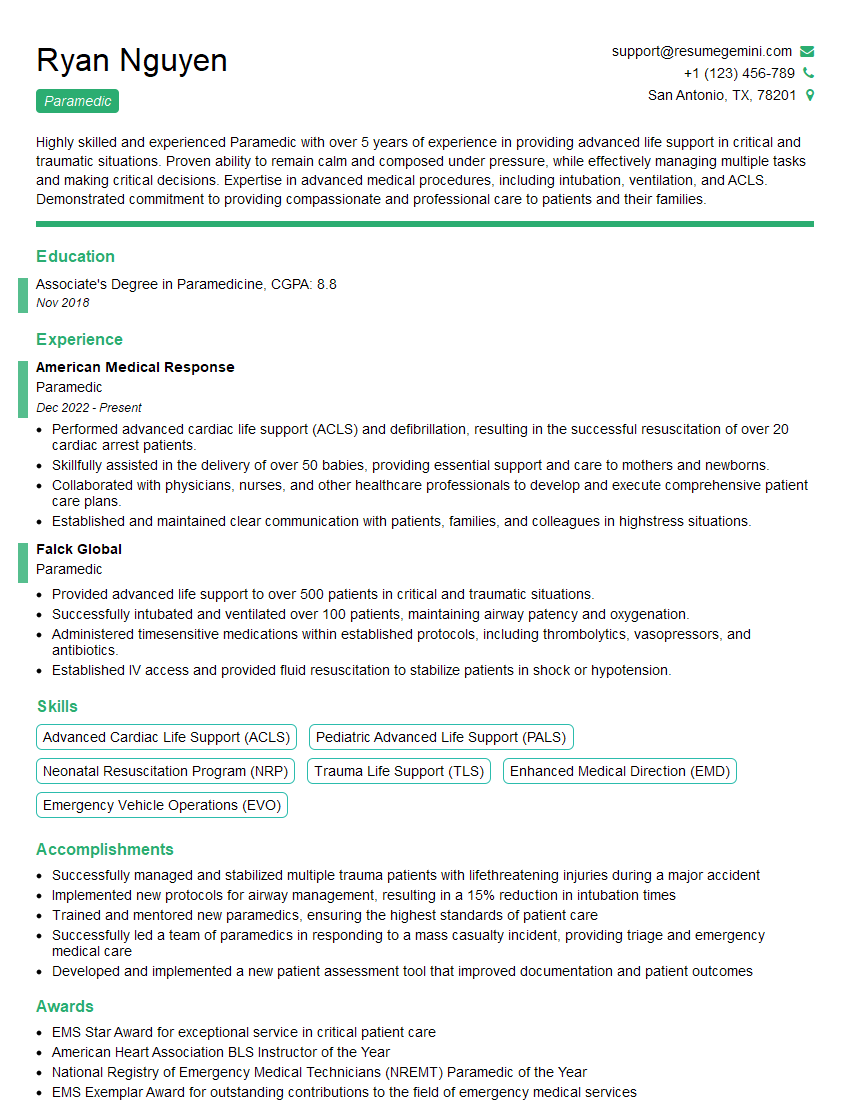
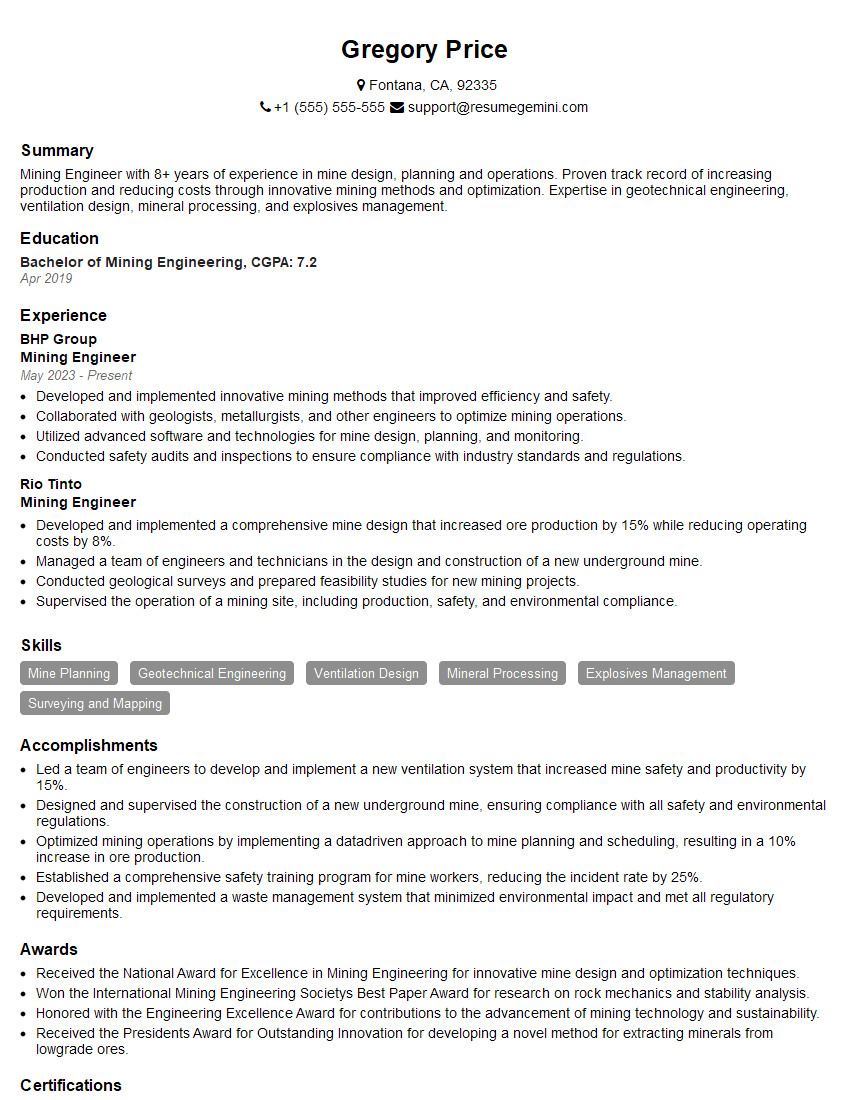
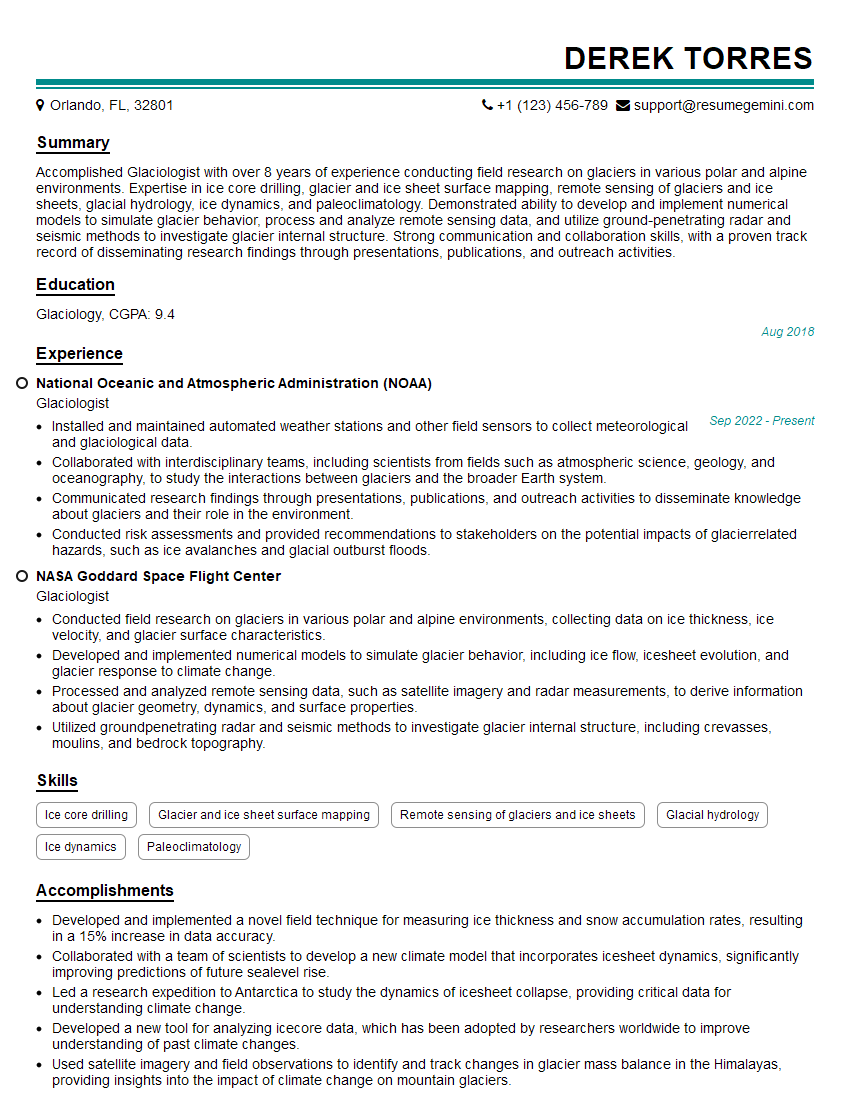
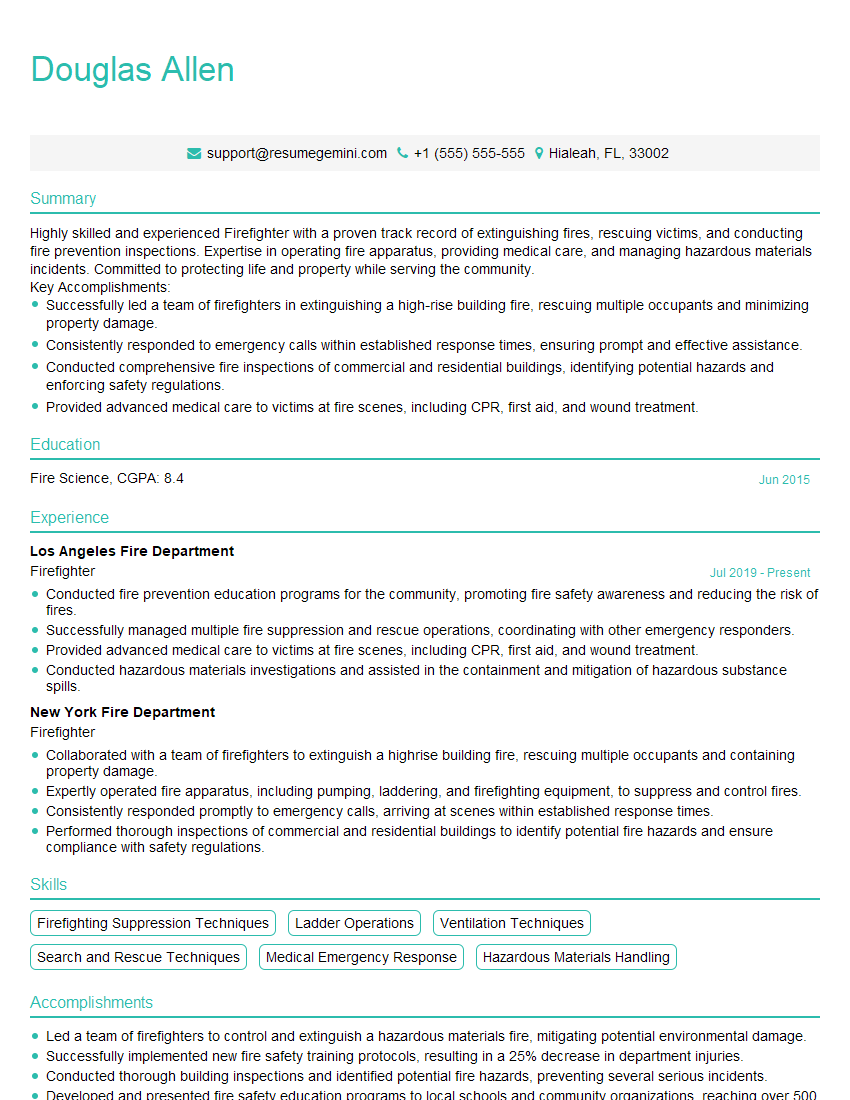
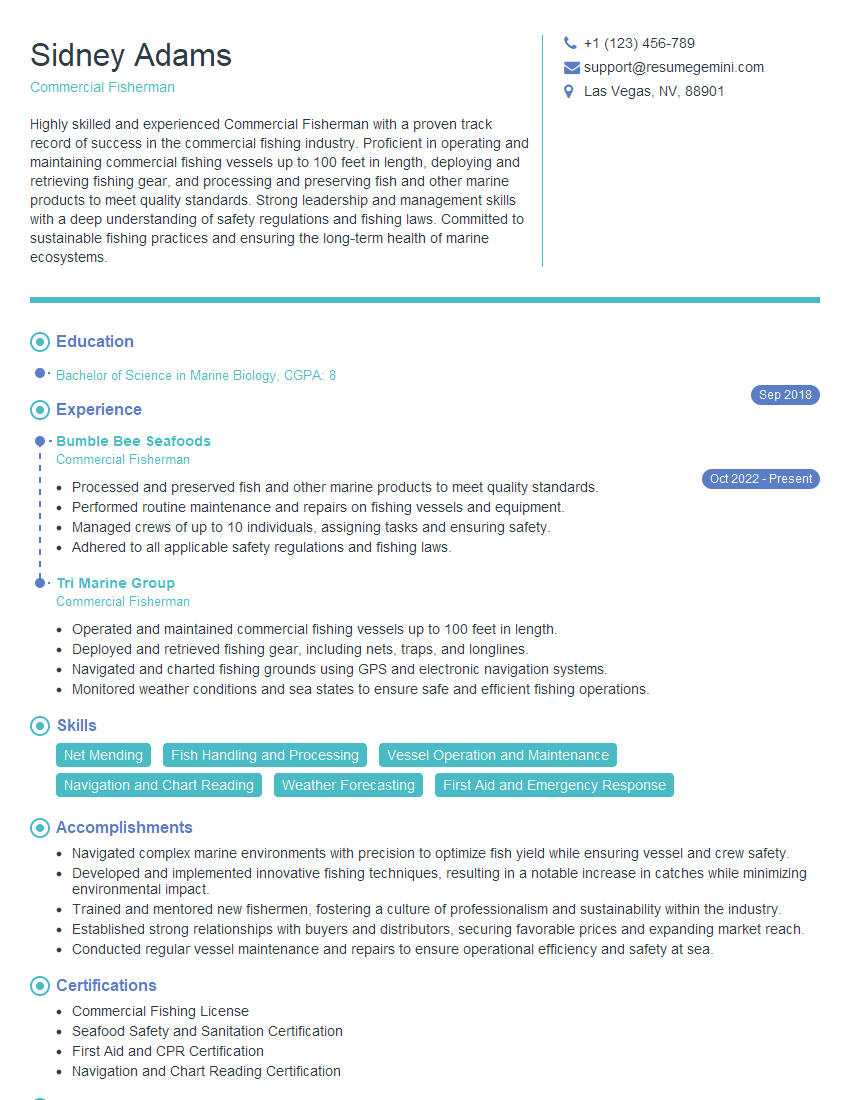
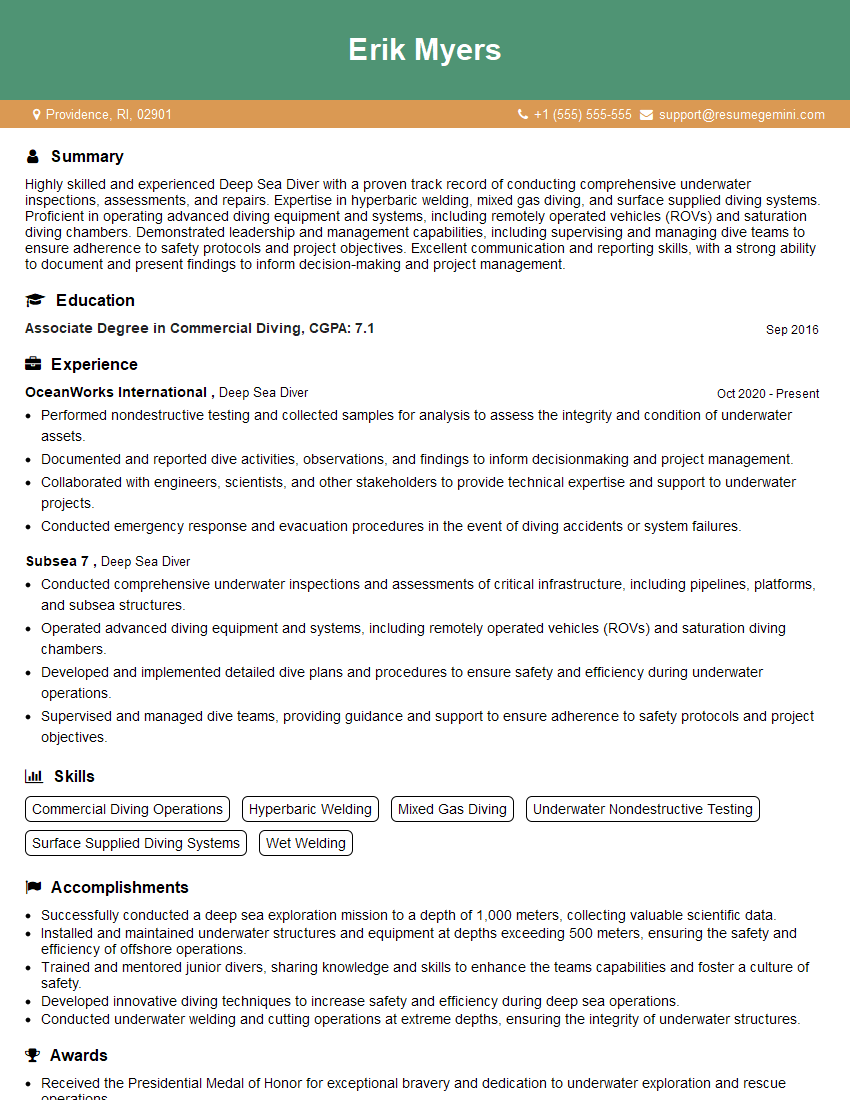
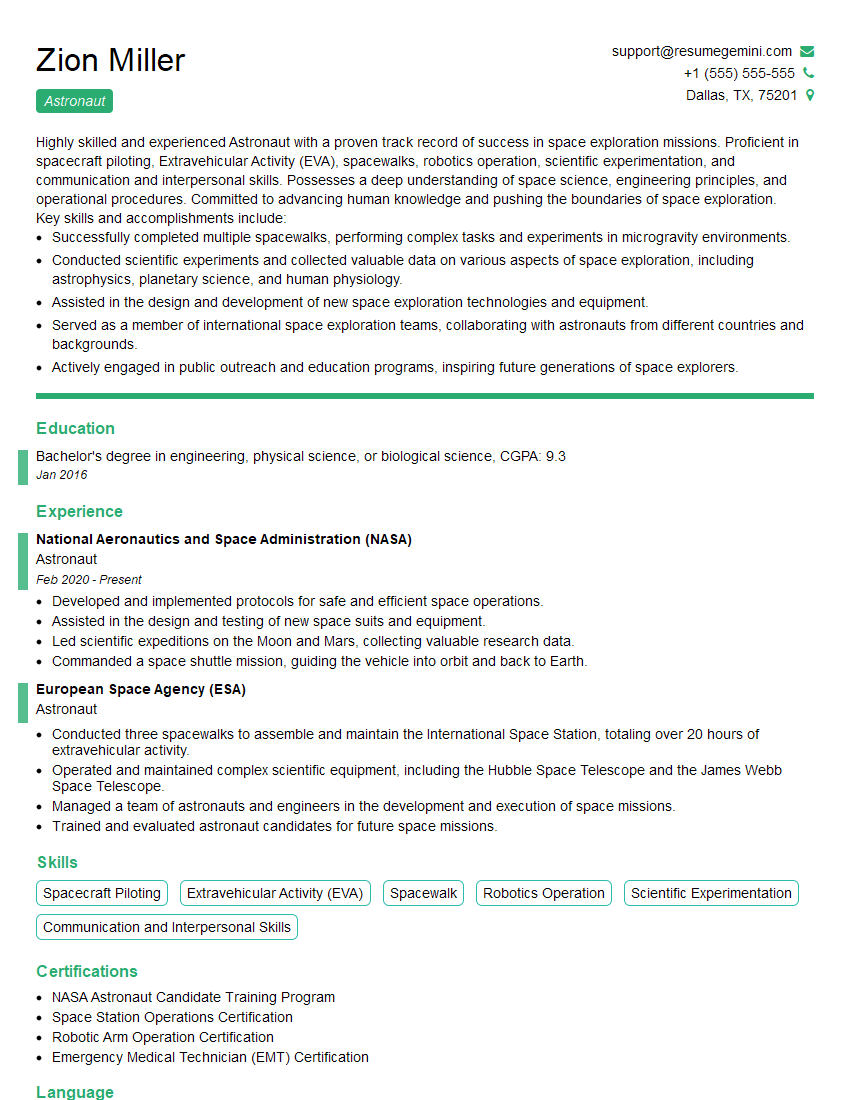
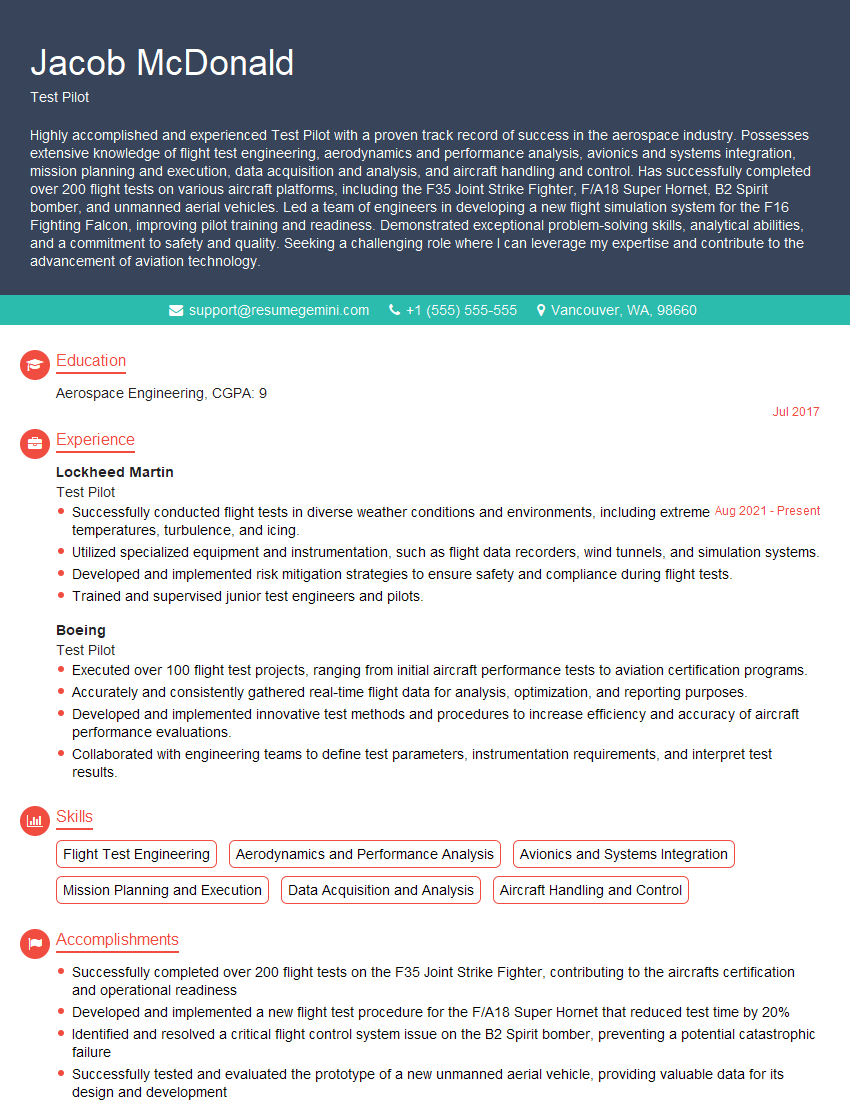
Mastering the ability to work in extreme conditions significantly enhances your career prospects, opening doors to exciting and rewarding opportunities often unavailable to those lacking this crucial skillset. A strong, ATS-friendly resume is key to showcasing your capabilities to potential employers. To create a compelling and effective resume that highlights your experience and qualifications related to working in extreme conditions, we recommend leveraging the power of ResumeGemini. ResumeGemini provides a user-friendly platform to build professional resumes, and we offer examples of resumes tailored to highlight “Ability to Work in Extreme Conditions” to help you get started. Invest time in crafting a resume that accurately reflects your skills and experience; it’s a vital step in securing your dream job.
Explore more articles
Users Rating of Our Blogs
Share Your Experience
We value your feedback! Please rate our content and share your thoughts (optional).
What Readers Say About Our Blog
Very informative content, great job.
good