Are you ready to stand out in your next interview? Understanding and preparing for Permeable Reactive Barriers interview questions is a game-changer. In this blog, we’ve compiled key questions and expert advice to help you showcase your skills with confidence and precision. Let’s get started on your journey to acing the interview.
Questions Asked in Permeable Reactive Barriers Interview
Q 1. Explain the principles of Permeable Reactive Barriers (PRBs).
Permeable Reactive Barriers (PRBs) are in-situ subsurface treatment technologies used to remediate contaminated groundwater. They work on the principle of reactive filtration. Contaminated groundwater flows through a reactive zone, engineered with specific materials, where the contaminants interact with the reactive media and undergo a chemical or biological transformation, rendering them less harmful or immobile.
Imagine a water filter, but on a much larger scale, buried underground. The contaminated water flows through this ‘filter’ (the PRB), and the harmful substances are trapped or changed, resulting in cleaner water exiting the barrier.
The effectiveness of a PRB depends on several factors, including the hydraulic conductivity of the barrier itself (allowing sufficient flow), the reactivity of the chosen materials, the concentration and type of contaminants, and the geological conditions of the site.
Q 2. Describe different types of PRB reactive materials and their applications.
Various reactive materials are used in PRBs, each suited to specific contaminants. Some common types include:
- Zero-valent iron (ZVI): Highly effective for removing chlorinated solvents (like trichloroethylene or TCE) through reduction reactions. ZVI is relatively inexpensive and readily available.
- Activated carbon: Excellent for adsorbing a wide range of organic contaminants, including pesticides and volatile organic compounds (VOCs). Its effectiveness is influenced by the surface area and pore structure of the carbon.
- Sulfide minerals (e.g., pyrite): Used for treating heavy metals such as arsenic, chromium, and selenium. They promote precipitation and sulfide-mineralization of the metals.
- Microbial communities: Bioaugmentation or biostimulation can enhance the natural ability of microbes in the subsurface to break down organic contaminants. This approach requires careful consideration of the site’s environmental conditions.
The choice of reactive material hinges on the specific contaminants present, the site hydrogeology, and cost-effectiveness. For example, a site contaminated with TCE might benefit from a ZVI PRB, whereas a site with a mix of organic pollutants could utilize activated carbon.
Q 3. How do you select the appropriate reactive material for a specific contaminant?
Selecting the appropriate reactive material is crucial for PRB success. This involves a thorough site characterization, including:
- Contaminant identification and quantification: Comprehensive analysis to determine the types and concentrations of contaminants present is paramount.
- Hydrogeological assessment: Understanding groundwater flow patterns, velocity, and the geochemical environment is critical to selecting a material with suitable reactivity and longevity.
- Reactive material testing: Laboratory batch and column tests are typically conducted to evaluate the reactivity of different materials with the specific contaminants under representative site conditions.
- Cost-benefit analysis: Comparing the effectiveness, longevity, and cost of various materials is essential for selecting the most suitable option.
For instance, if the primary contaminant is arsenic, a sulfide-based PRB would be investigated, whereas if the primary contaminant is a chlorinated solvent, ZVI would be a strong candidate. The selection process often involves a multi-criteria decision analysis to balance effectiveness and cost.
Q 4. What are the design considerations for PRB hydraulic conductivity?
Hydraulic conductivity, the ability of the PRB to transmit water, is a critical design parameter. The goal is to balance sufficient flow to contact the reactive materials with minimizing potential clogging or channeling.
Factors influencing the design include:
- Groundwater velocity: Slower velocities allow longer contact times for reaction, but excessively slow flow might lead to limited treatment capacity.
- Reactive material grain size and porosity: Larger grain sizes generally enhance permeability but may reduce surface area for reactions. Porosity needs to be optimized for both flow and reaction.
- PRB thickness: Increased thickness provides greater reactive capacity, but excessive thickness can be costly and might hinder flow.
- Potential for clogging: Selecting materials resistant to clogging, such as coarser-grained media, or incorporating measures to prevent clogging (like pre-treatment), is essential.
The design process often involves numerical modeling to simulate groundwater flow and contaminant transport to optimize hydraulic conductivity for effective treatment.
Q 5. Explain the role of hydrogeology in PRB design and placement.
Hydrogeology plays a vital role in PRB design and placement. A thorough understanding of the subsurface conditions is crucial for successful implementation.
Key aspects include:
- Groundwater flow direction and velocity: The PRB must be oriented perpendicular to the groundwater flow path to ensure that the contaminated water flows through the reactive zone.
- Aquifer characteristics: The permeability, porosity, and heterogeneity of the aquifer influence the design of the PRB and its effectiveness. High permeability allows for rapid flow, while low permeability might necessitate a larger PRB.
- Geochemical conditions: The pH, redox potential, and presence of other ions in the groundwater can influence the reactivity of the chosen materials. For example, high pH can impact ZVI reactivity.
- Depth to groundwater and thickness of the saturated zone: These parameters determine the PRB depth and length.
Improper placement considering hydrogeology could lead to inefficient treatment or even bypass of the PRB by the plume.
Q 6. How do you assess the longevity and effectiveness of a PRB?
Assessing the longevity and effectiveness of a PRB requires a multi-faceted approach:
- Reactive material depletion modeling: Predicting the rate of reactive material consumption allows for estimation of PRB lifespan.
- Monitoring well data analysis: Long-term monitoring of groundwater quality up-gradient and down-gradient of the PRB provides direct evidence of treatment effectiveness and potential breakthrough.
- Periodic core sampling: Physical sampling of the reactive material allows for assessment of its remaining reactivity and potential clogging.
- Numerical modeling validation: Comparing observed performance with model predictions helps assess the accuracy of the design and identify potential issues.
Longevity is influenced by factors like the initial mass of reactive material, the concentration of contaminants, and the rate of groundwater flow. Regular assessment helps to predict when the PRB might require replacement or remediation.
Q 7. Describe methods for monitoring PRB performance.
Monitoring PRB performance is essential to ensure its effectiveness and longevity. Several methods are employed:
- Groundwater monitoring wells: Regular sampling of groundwater from wells up-gradient, within, and down-gradient of the PRB allows for tracking contaminant concentrations and evaluating treatment effectiveness.
- Pressure transducers: Measuring pressure differences across the PRB can help assess hydraulic conductivity and detect potential clogging or channeling.
- Geophysical methods: Techniques like electrical resistivity tomography (ERT) can provide images of the subsurface, allowing for non-invasive monitoring of PRB integrity and the extent of contaminant plumes.
- Reactive material characterization: Periodic core sampling and laboratory analyses of the reactive material can determine its remaining reactivity and degree of depletion.
The monitoring frequency and methods employed depend on the specific site conditions, the type of reactive material, and the regulatory requirements.
Q 8. What are the limitations of PRBs?
Permeable Reactive Barriers (PRBs) are a highly effective in-situ remediation technology, but like any technology, they have limitations. One major limitation is the potential for clogging. Fine particles from the groundwater can accumulate within the reactive media, reducing its permeability and hindering contaminant flow to the reactive materials. Another limitation relates to reactive media lifespan. The reactive materials have a finite capacity to treat contaminants, and eventually become depleted, requiring replacement or other remedial action. The site-specific nature of PRBs is also a limitation. The effectiveness of a PRB is strongly dependent on the hydrogeology of the site, requiring extensive site characterization and design specific to the contaminant plume and subsurface conditions. Furthermore, limited treatment of some contaminants is a concern; some contaminants may not react effectively with the chosen reactive media, or may produce undesirable byproducts. Finally, long-term monitoring is crucial for ensuring effectiveness and identifying any issues, adding to the overall cost and complexity.
Q 9. How do you address clogging in PRBs?
Addressing clogging in PRBs is crucial for their long-term success. Several strategies can be employed. Pre-treatment of groundwater before it reaches the PRB can remove suspended solids, reducing clogging potential. This might involve filtration or coagulation techniques. The selection of reactive materials with high permeability and large pore sizes is paramount, minimizing the risk of clogging. For example, using coarser-grained materials like granular zero-valent iron (ZVI) compared to fine-grained materials can help. Optimized PRB design, including the use of multiple layers of different materials or incorporating drainage layers, can manage clogging. Regular monitoring and maintenance are essential, allowing for early detection of clogging and potential remediation through methods like backwashing or chemical cleaning. In some cases, sacrificial layers of less expensive material can be placed upstream of the reactive media to trap sediment before it reaches the main reactive zone.
Q 10. Explain the process of PRB construction and installation.
PRB construction and installation is a multi-step process that begins with detailed site characterization. This involves extensive hydrogeological investigations to understand groundwater flow direction, velocity, and contaminant plume distribution. Next, the design phase determines the PRB’s dimensions, the type and amount of reactive material, and the overall layout. Excavation of the trench is carefully done, following the design specifications. The selected reactive materials are then placed within the trench, often in layers, ensuring proper compaction and uniform distribution. A geotextile filter fabric is typically placed around the reactive materials to prevent the migration of fine sediments into the barrier and out of the barrier. The trench is then backfilled with native material or other suitable backfill, and the site is restored to its original condition. During installation, quality control measures are critical, including regular monitoring of the placement and compaction of the reactive materials. Consider a scenario where a PRB is being installed to remediate a TCE plume. The site investigation would determine the optimal location for the barrier, perpendicular to the groundwater flow, and detailed calculations would determine the required length, width, and depth of the trench based on the plume size and hydraulic conductivity.
Q 11. What are the regulatory requirements for PRB implementation?
Regulatory requirements for PRB implementation vary depending on location, but generally involve several key aspects. Permitting is crucial, requiring submission of detailed designs, site characterization data, and a risk assessment to relevant environmental agencies. Compliance with specific standards, such as those for contaminant treatment and monitoring, is necessary. Long-term monitoring is mandated to ensure the effectiveness of the PRB and to assess any potential risks to human health or the environment. Detailed reporting requirements are also common, documenting the design, construction, and ongoing performance of the PRB. For instance, the U.S. Environmental Protection Agency (EPA) and state environmental agencies have specific guidelines and regulations related to in-situ remediation technologies, including PRBs. These guidelines cover everything from design and construction to operation, maintenance and closure.
Q 12. How do you estimate the cost-effectiveness of a PRB compared to other remediation technologies?
Cost-effectiveness is crucial in evaluating PRB feasibility. A life-cycle cost analysis is essential, comparing the initial capital costs (site investigation, design, construction, installation) with the operational and maintenance costs (monitoring, potential replacement of reactive materials) over the PRB’s lifetime. This is then compared to alternative remediation technologies, such as pump-and-treat systems, bioremediation, or soil excavation. Factors like the size and complexity of the contamination, the hydrogeological setting, and the regulatory requirements influence cost estimates. A properly designed and implemented PRB can often be more cost-effective in the long run compared to more intensive, ex-situ methods for large-scale contamination plumes, especially when considering the long-term operation and maintenance costs of other technologies. For example, a cost-benefit analysis might show that while the initial investment in a PRB is higher than a pump-and-treat system, the long-term operational costs of the pump-and-treat system far exceed those of a PRB.
Q 13. Describe the role of reactive transport modeling in PRB design.
Reactive transport modeling plays a critical role in PRB design. It combines hydrogeological models with chemical reaction kinetics to predict the fate and transport of contaminants within the PRB. Models use parameters such as groundwater flow velocity, permeability, and the reactivity of the chosen material to simulate the contaminant plume’s interaction with the reactive media. This allows engineers to optimize the design parameters (length, width, depth, type of reactive material) to achieve the desired level of contaminant removal. Models can help predict the breakthrough curves (time it takes for contaminants to appear at the PRB’s downstream end), reaction rates, and the long-term performance of the PRB under varying conditions. Sophisticated models can incorporate site heterogeneity and uncertainty, giving a more realistic simulation. For instance, software such as MT3DMS coupled with a reaction package is commonly used for this purpose. The model output is critical in selecting the right reactive media and optimizing the PRB’s dimensions to achieve the desired level of remediation.
Q 14. How do you account for heterogeneity in the subsurface when designing a PRB?
Subsurface heterogeneity significantly influences PRB performance, posing a challenge in design. High-resolution site characterization is essential to understand the spatial variability of hydraulic conductivity, sediment grain size, and other parameters. Geostatistical methods can be employed to interpret the data and create a representative model of the subsurface. Adaptive designs, incorporating multiple layers of reactive material or adjusting the barrier geometry to account for heterogeneities, can improve effectiveness. Probabilistic modeling can be used to quantify the uncertainty associated with heterogeneity and to estimate the PRB’s performance under various scenarios. For example, if high permeability zones exist near the PRB, more reactive material might be placed in those areas to enhance removal efficiency. Proper consideration of heterogeneity in the design phase helps to mitigate risks associated with unexpected flow paths and improve the overall success of the PRB.
Q 15. What are the potential environmental impacts of PRB construction and operation?
PRB construction and operation, while offering a sustainable remediation approach, can have environmental impacts. These impacts are primarily related to the construction phase and the potential for unintended consequences if not properly designed and monitored.
Construction Impacts: Excavation, trenching, and the transportation of construction materials can disturb the soil and potentially release existing contaminants. This can lead to temporary increases in soil erosion, turbidity in nearby surface waters, and noise pollution. Careful planning and mitigation measures, such as erosion control blankets and noise barriers, are crucial to minimize these effects.
Operational Impacts: The reactive materials used in PRBs can themselves pose environmental risks if not carefully chosen and managed. For example, some zero-valent iron (ZVI) formulations can generate byproducts like ferrous iron, which can impact water quality. Similarly, there’s a potential for clogging of the PRB over time, leading to reduced effectiveness and potentially necessitating replacement or remediation of the barrier itself. Regular monitoring is essential to mitigate these concerns.
Long-term impacts: While PRBs are designed for long-term performance, their longevity depends on factors such as the nature of the contaminants, the reactive material selected, and groundwater flow patterns. Long-term monitoring is necessary to assess the efficacy and address any unforeseen impacts that might emerge over time. Furthermore, the eventual decommissioning of a PRB will require careful planning to minimize any environmental disturbance.
Career Expert Tips:
- Ace those interviews! Prepare effectively by reviewing the Top 50 Most Common Interview Questions on ResumeGemini.
- Navigate your job search with confidence! Explore a wide range of Career Tips on ResumeGemini. Learn about common challenges and recommendations to overcome them.
- Craft the perfect resume! Master the Art of Resume Writing with ResumeGemini’s guide. Showcase your unique qualifications and achievements effectively.
- Don’t miss out on holiday savings! Build your dream resume with ResumeGemini’s ATS optimized templates.
Q 16. How do you address potential risks associated with PRB failure?
Addressing potential risks associated with PRB failure is a critical aspect of their design, construction, and operation. Failure can manifest in several ways, including clogging, channeling, or degradation of the reactive materials. A robust risk management plan is essential and typically involves:
Thorough Site Characterization: A comprehensive understanding of the hydrogeology, contaminant distribution, and geochemical conditions is paramount. This involves extensive sampling and analysis to inform the design and selection of appropriate reactive materials.
Redundancy and Fail-safes: Incorporating design features that provide redundancy, such as multiple layers of reactive materials or parallel PRBs, can help mitigate the impact of localized failures.
Monitoring and Maintenance: Regular monitoring of groundwater quality upstream and downstream of the PRB, as well as pressure transducers to monitor hydraulic head, provides early warning signs of potential issues. This allows for timely interventions, such as backwashing or replacement of sections of the barrier.
Contingency Planning: A detailed contingency plan should be in place outlining steps to be taken in the event of PRB failure, including emergency response procedures and alternative remediation strategies.
Material Selection and Durability: Selecting robust and durable reactive materials that are resistant to degradation and clogging is crucial. This involves considering the specific contaminants present and their reactivity with different materials.
Q 17. What are the key performance indicators (KPIs) for a PRB?
Key Performance Indicators (KPIs) for a PRB are crucial for assessing its effectiveness and ensuring it meets its design objectives. These KPIs typically include:
Contaminant Concentration Reduction: This is the primary KPI, measuring the decrease in contaminant concentrations in groundwater as it flows through the PRB. It is typically expressed as a percentage reduction or a comparison of upstream and downstream concentrations.
Hydraulic Conductivity: Monitoring the hydraulic conductivity of the PRB helps to assess its permeability and identify potential clogging issues. A significant decrease in hydraulic conductivity indicates potential clogging and reduced performance.
Reactive Material Consumption: Tracking the consumption of reactive materials helps to assess the longevity and effectiveness of the PRB. A rapid depletion of the reactive material might indicate a need for intervention or replacement.
Byproduct Formation: Monitoring the formation of byproducts from the reactive processes is essential to assess potential impacts on groundwater quality. This includes monitoring of dissolved metals, pH, and other relevant parameters.
Groundwater Flow Patterns: Monitoring groundwater flow patterns helps to ensure the PRB is intercepting the contaminated plume effectively. Changes in flow patterns might indicate channeling or other issues that can compromise the PRB’s performance.
The specific KPIs will depend on the site-specific conditions and the contaminants of concern. Regular reporting and analysis of these KPIs are essential for adaptive management and ensuring the long-term success of the PRB.
Q 18. Explain the difference between in-situ and ex-situ remediation techniques, including PRBs.
In-situ and ex-situ remediation techniques represent two fundamentally different approaches to groundwater remediation. PRBs fall under the category of in-situ techniques.
In-situ remediation involves treating contaminated groundwater or soil at the site itself, minimizing the need for excavation or removal of materials. This is often preferred for its cost-effectiveness and reduced environmental disruption. PRBs are a classic example, as they are constructed in place within the aquifer.
Ex-situ remediation, on the other hand, involves removing the contaminated material (soil or groundwater) from the site for treatment elsewhere. This could involve excavation and treatment of contaminated soil, or pumping groundwater to a treatment plant. Examples include pump-and-treat systems and soil washing.
The choice between in-situ and ex-situ methods depends on factors such as the extent of contamination, the hydrogeology of the site, the nature of the contaminants, and the regulatory requirements. In many cases, a combination of both approaches might be the most effective solution. For example, a pump-and-treat system might be used initially to reduce the contaminant mass before deploying a PRB for long-term remediation.
Q 19. How do you integrate PRBs with other remediation strategies?
PRBs are often integrated with other remediation strategies to optimize the overall remediation effort and address the limitations of individual techniques. Integration can involve both sequential and concurrent applications:
Sequential Integration: A pump-and-treat system could be used initially to reduce the contaminant plume’s extent before installing a PRB for long-term treatment. This reduces the initial reactive material load on the PRB and enhances its longevity.
Concurrent Integration: A PRB can be combined with bioremediation techniques, where microorganisms are used to degrade contaminants. The PRB can provide an enhanced environment for microbial growth and activity. Similarly, combining a PRB with a monitored natural attenuation (MNA) strategy might involve using the PRB to enhance natural attenuation processes.
The key to successful integration is careful planning and coordination between the different remediation components. This requires a thorough understanding of the site-specific conditions and the interactions between the different remediation strategies.
Q 20. Describe your experience with specific PRB projects.
I have been involved in several PRB projects over my career, each presenting unique challenges and opportunities. One project involved a chlorinated solvent plume at a former industrial site. The site had complex hydrogeology, and we used a multi-layered PRB incorporating zero-valent iron and activated carbon to address the specific contaminant mix. We employed advanced modeling techniques to optimize the PRB design and placement to ensure effective interception of the plume. Regular monitoring demonstrated excellent performance, with significant reductions in contaminant concentrations downstream of the barrier. Another project involved a smaller-scale PRB for nitrate removal from agricultural runoff. This project highlighted the importance of selecting the appropriate reactive material based on the specific contaminant and site conditions. The success of both projects emphasized the need for careful site characterization, detailed design, and rigorous monitoring to ensure the long-term success of PRBs.
Q 21. Explain your understanding of contaminant transport in groundwater.
Understanding contaminant transport in groundwater is fundamental to designing and implementing effective remediation strategies, including PRBs. Contaminant transport is governed by several factors:
Advection: The movement of contaminants with the bulk groundwater flow. This is the dominant transport mechanism in many cases.
Dispersion: The spreading of the contaminant plume due to variations in flow paths and velocity. This includes both mechanical dispersion (due to variations in pore size) and hydrodynamic dispersion (due to variations in groundwater velocity).
Diffusion: The movement of contaminants from areas of high concentration to areas of low concentration. This process is typically slower than advection but becomes more important in low-flow regions.
Sorption: The attachment of contaminants to soil particles, reducing their mobility in groundwater. This process can significantly affect the rate and extent of contaminant transport.
Biodegradation: The breakdown of contaminants by microorganisms. This process can be enhanced through bioremediation strategies.
Understanding these transport processes allows us to predict the movement of contaminants in groundwater, design PRBs to intercept the plume effectively, and assess the potential impact of remediation measures. We frequently utilize numerical models to simulate contaminant transport and optimize PRB design.
Q 22. How do you evaluate the effectiveness of a PRB based on monitoring data?
Evaluating PRB effectiveness relies heavily on comprehensive monitoring data. We assess performance by tracking changes in contaminant concentrations both upstream and downstream of the barrier. This involves analyzing water samples for key pollutants over time.
For instance, if we’re treating groundwater contaminated with trichloroethylene (TCE), we’d monitor TCE levels at various monitoring wells placed upgradient, within, and downgradient of the PRB. A successful PRB will show a significant reduction in TCE concentration downstream compared to upstream. We also look at the emergence of by-products, which helps us understand the reactive processes occurring within the barrier. A decline in the primary contaminant and an increase in harmless byproducts confirms efficient remediation.
Beyond contaminant concentrations, we also assess the hydraulic performance of the PRB. This involves monitoring groundwater flow rates and directions to ensure the water is properly interacting with the reactive media. Changes in hydraulic conductivity, which indicates the ease with which water can move through the barrier, are significant indicators of potential issues such as clogging or media degradation. Finally, we’d analyze the performance data using statistical tools to determine the overall effectiveness and longevity of the system.
Q 23. What are the challenges associated with long-term PRB management?
Long-term PRB management presents several challenges. One major concern is media exhaustion, where the reactive material loses its capacity to remove contaminants. This depends on the reactive media and contaminant concentration. Regular monitoring is crucial to detect this early and potentially implement measures to extend the PRB’s lifespan, such as adding reactive material or replacing sections. Clogging is another significant issue – fine particles in the groundwater can fill the pores of the reactive media, reducing its permeability and effectiveness. Careful site characterization and media selection can help mitigate this, but it still needs ongoing monitoring and potentially remedial actions.
Furthermore, long-term monitoring itself is costly and requires consistent effort. Maintaining access to monitoring wells and ensuring accurate and reliable data collection is vital. Finally, regulatory compliance demands careful documentation of all aspects of the PRB’s performance and operation, adding complexity to long-term management. Addressing these challenges necessitates a proactive approach, including regular inspections, data analysis, and potentially, adaptive management strategies based on the observed data.
Q 24. How do you determine the appropriate scale of a PRB for a specific site?
Determining the appropriate PRB scale involves a multi-step process incorporating site-specific data. It starts with a thorough hydrogeological investigation to understand groundwater flow patterns, contaminant plume dimensions, and the site’s geological characteristics. We use numerical groundwater modeling tools (discussed in the next question) to simulate contaminant transport and evaluate various PRB designs. The model helps to determine the required length, thickness, and depth of the barrier based on factors such as contaminant concentration, flow velocity, and the reactivity of the selected media.
The contaminant plume’s size and concentration are crucial factors. A larger, more concentrated plume will necessitate a longer and possibly thicker PRB. The groundwater flow velocity also dictates the length of the barrier, since a faster flow requires a longer residence time for effective treatment. Finally, the reactive media’s capacity (e.g., the amount of contaminant it can remove per unit volume) influences the size of the PRB. A higher capacity media may permit a smaller barrier. This iterative process ensures we design a PRB that effectively intercepts and treats the contaminated groundwater within the defined project constraints.
Q 25. What software or tools are you familiar with for PRB design and analysis?
I’m proficient in several software packages used in PRB design and analysis. MODFLOW is a widely used groundwater flow model that simulates the movement of groundwater through the subsurface. We can integrate this with reactive transport models like RT3D or MT3DMS to simulate the fate and transport of contaminants in the presence of a PRB. This allows for optimization of barrier design based on contaminant reduction levels and the lifespan of the reactive material.
Other tools I use include GIS software, such as ArcGIS, for spatial data analysis and visualization. This helps with creating accurate site maps and visualizing groundwater flow paths and contaminant plumes. Furthermore, I have experience with various spreadsheet software (like Excel) to develop mass-balance calculations and data analysis from field monitoring programs. The choice of software depends on the project’s complexity and the available data. Often, a combination of these tools ensures a robust and reliable analysis.
Q 26. Explain the importance of site characterization in PRB design.
Site characterization is paramount in PRB design; it forms the foundation for a successful and effective barrier. A comprehensive characterization involves several crucial steps. First, we conduct a detailed hydrogeological investigation to map the groundwater flow paths, identify the location and extent of the contaminant plume, and understand the hydraulic properties of the subsurface (permeability, porosity, etc.). This typically involves drilling boreholes to collect soil and water samples.
Next, we carry out geochemical analyses on these samples to determine the type and concentration of contaminants, pH, redox potential, and other relevant parameters that might affect the choice and performance of the reactive media. Finally, we gather data on the geotechnical properties of the soil to ensure the barrier’s structural stability. This includes assessing the bearing capacity of the soil and evaluating the potential for settlement or erosion. A thorough understanding of these factors allows us to design a PRB that is both hydraulically and structurally sound and ensures the selected reactive media is compatible with the site conditions, maximizing its efficacy.
Q 27. Describe your experience with different types of reactive media.
My experience encompasses a wide range of reactive media used in PRBs. Zero-valent iron (ZVI) is a common and effective material for the reductive dechlorination of many chlorinated solvents, like TCE and PCE. I’ve designed and implemented several PRBs utilizing ZVI, carefully considering its reactivity, longevity, and potential for passivation (loss of reactivity). Another material I’ve worked extensively with is activated carbon, highly effective for adsorbing a range of organic contaminants. It is particularly useful for treating less reactive contaminants or for polishing groundwater after treatment with other media.
I also have experience with bioreactive media, which utilize microorganisms to degrade contaminants. These are particularly beneficial for treating a wider range of contaminants than some other materials, but the design necessitates careful consideration of microbial activity parameters. Furthermore, I’ve worked with bimetallic systems, using combinations of materials to enhance the treatment of specific contaminants. The selection of the appropriate reactive media depends on the specific contaminants, groundwater chemistry, and site-specific considerations. The goal is to select a media that offers both high efficiency and longevity under given conditions.
Q 28. How do you incorporate sustainability considerations in PRB design and implementation?
Sustainability is a critical aspect of PRB design and implementation. We strive to minimize the environmental footprint of the entire process. This begins with selecting locally sourced reactive materials whenever possible to reduce transportation costs and emissions. We assess the long-term viability of the selected materials and design for potential media replacement or replenishment, reducing the need for complete PRB reconstruction. Furthermore, we focus on energy efficiency in the monitoring process and strive to use energy-efficient equipment and techniques.
The lifecycle assessment of the PRB system is carefully considered, from material selection and construction to operation and eventual decommissioning. We also analyze the potential for reuse or recycling of materials when the barrier reaches the end of its useful life. Our aim is to design sustainable PRBs that offer effective remediation while minimizing adverse impacts on the environment and communities, providing long-term solutions that reduce the overall environmental burden of site remediation.
Key Topics to Learn for Permeable Reactive Barriers Interview
- Fundamental Principles: Understand the underlying chemistry and hydrogeology governing PRB function. This includes redox reactions, adsorption, precipitation, and contaminant transport mechanisms.
- Reactive Media Selection: Learn the criteria for selecting appropriate reactive materials (e.g., zero-valent iron, activated carbon) based on specific contaminant types and site conditions. Explore the advantages and limitations of different media.
- Design and Construction: Familiarize yourself with the practical aspects of PRB design, including trench excavation, backfilling techniques, and quality control measures. Understand factors affecting PRB longevity and performance.
- Performance Monitoring and Evaluation: Learn how to interpret data from monitoring wells and assess PRB effectiveness. Understand common challenges in PRB performance and troubleshooting strategies.
- Regulatory Compliance: Be aware of relevant environmental regulations and permitting requirements related to PRB installation and operation. This includes understanding risk assessment and remediation goals.
- Case Studies and Applications: Review successful PRB applications for various contaminants (e.g., chlorinated solvents, heavy metals). Analyze the factors contributing to their success or failure.
- Emerging Technologies and Research: Stay updated on advancements in PRB technology, including innovative reactive materials and enhanced monitoring techniques.
Next Steps
Mastering Permeable Reactive Barriers opens doors to exciting career opportunities in environmental remediation and engineering. A strong understanding of PRB principles and applications is highly valued by employers. To significantly boost your job prospects, create a compelling and ATS-friendly resume that highlights your skills and experience. ResumeGemini is a trusted resource for building professional resumes that stand out. We offer examples of resumes tailored to Permeable Reactive Barriers to help you showcase your expertise effectively. Take the next step towards your dream career – build a winning resume with ResumeGemini today!

Sustainability Manager Resume Sample
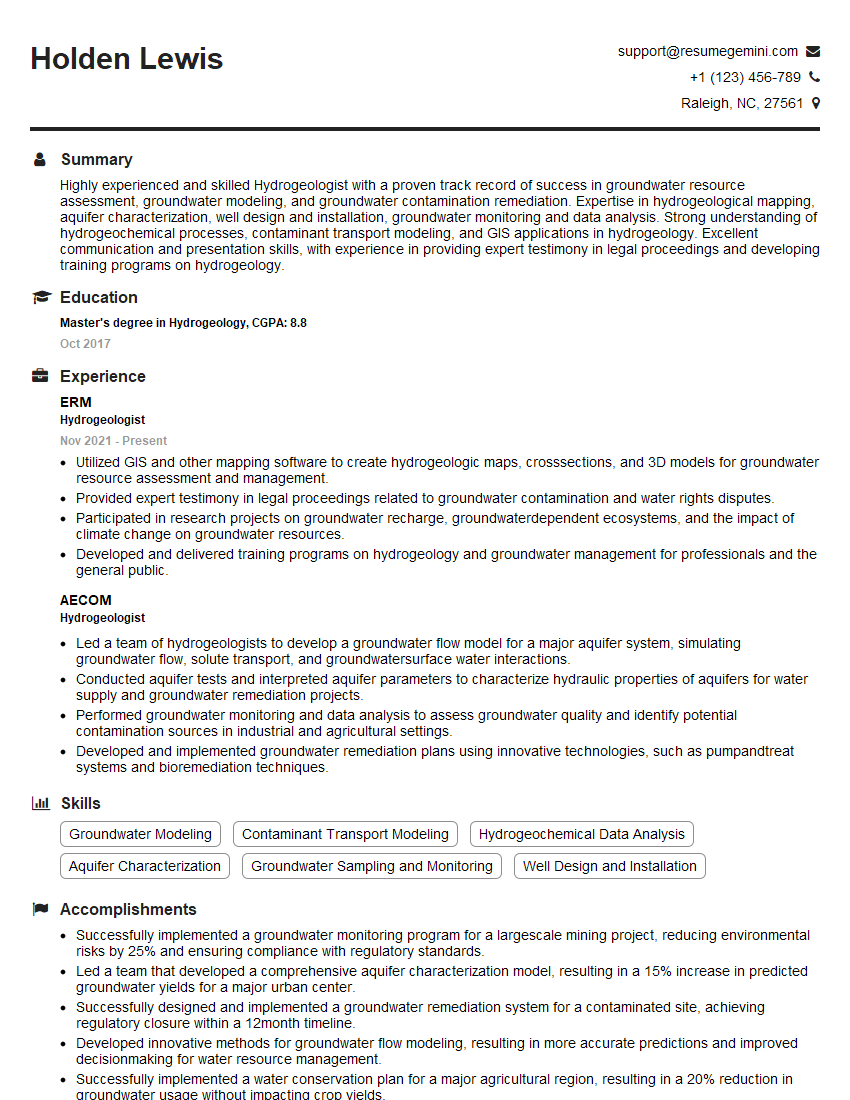
Hydrogeologist Resume Sample
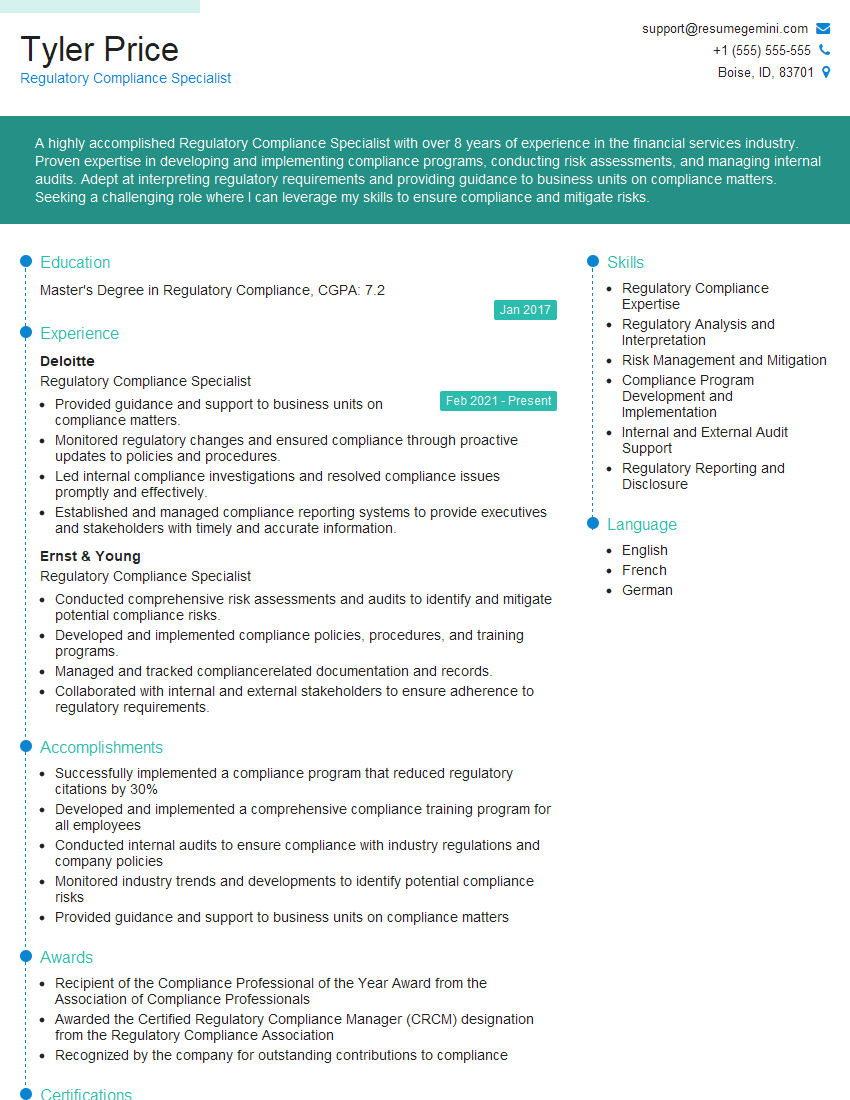
Regulatory Compliance Specialist Resume Sample
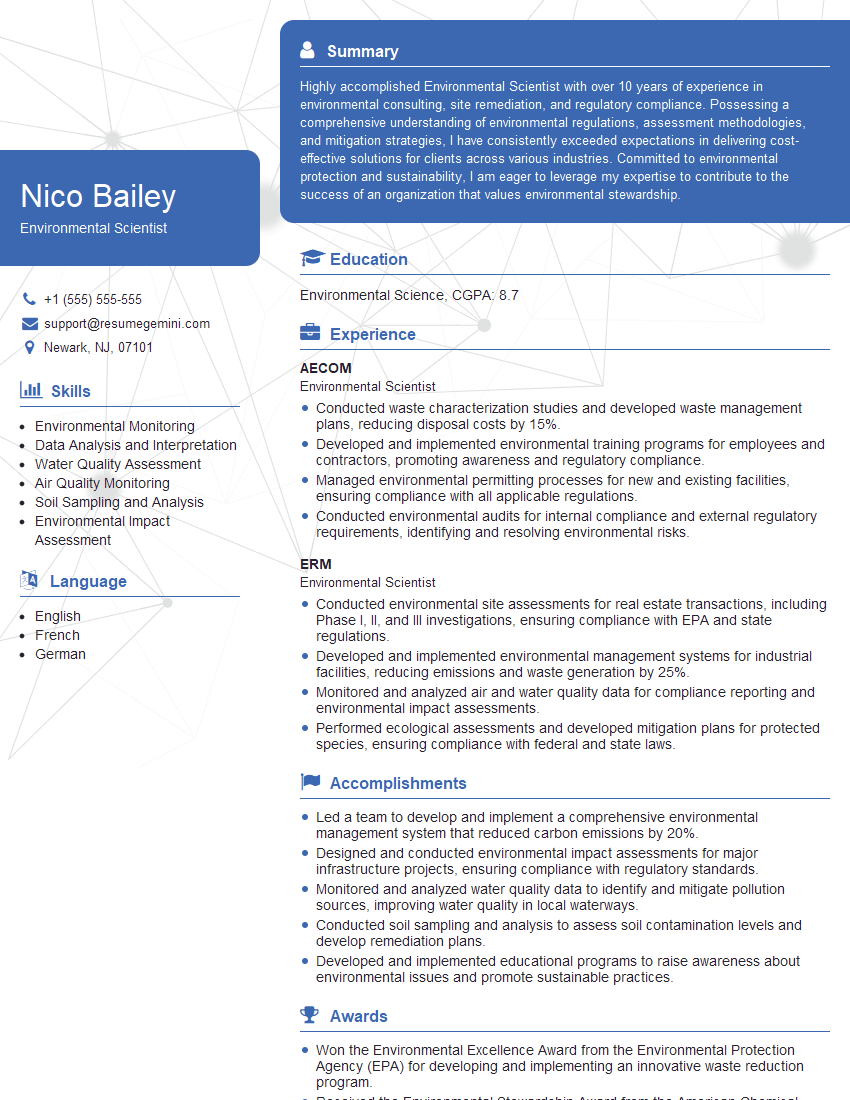
Environmental Scientist Resume Sample
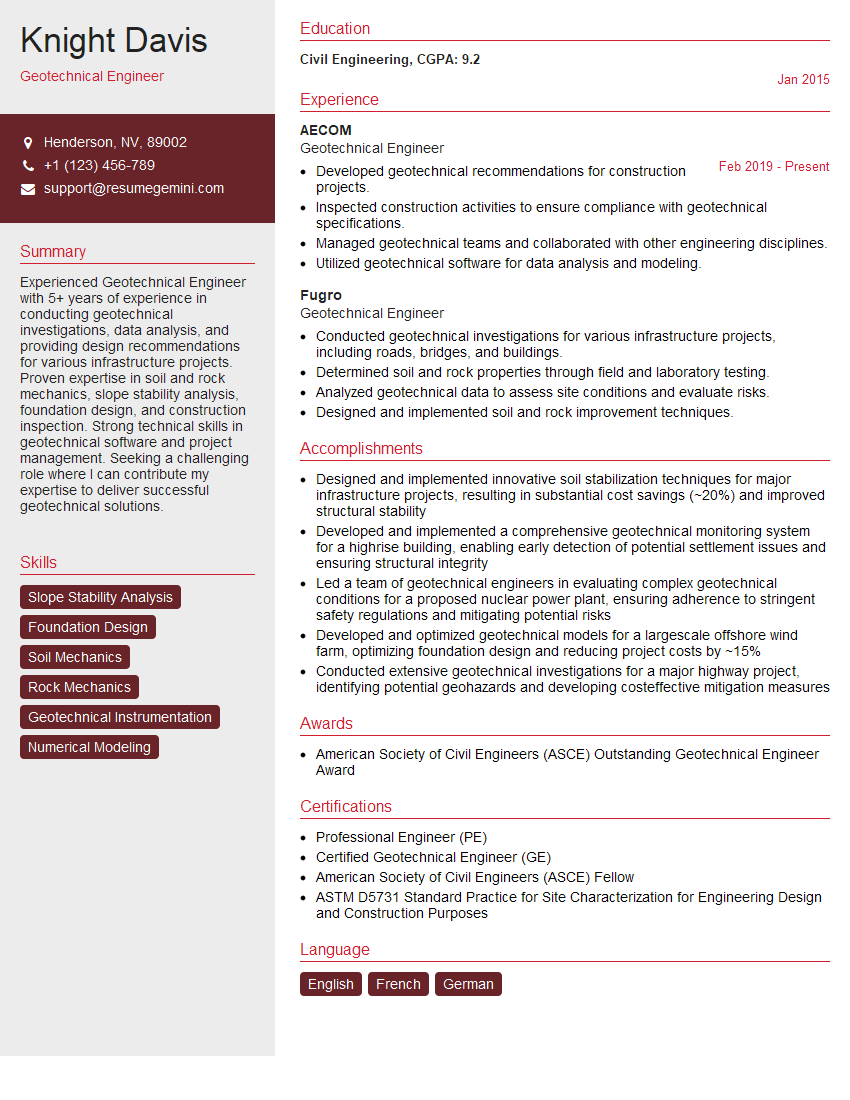
Geotechnical Engineer Resume Sample
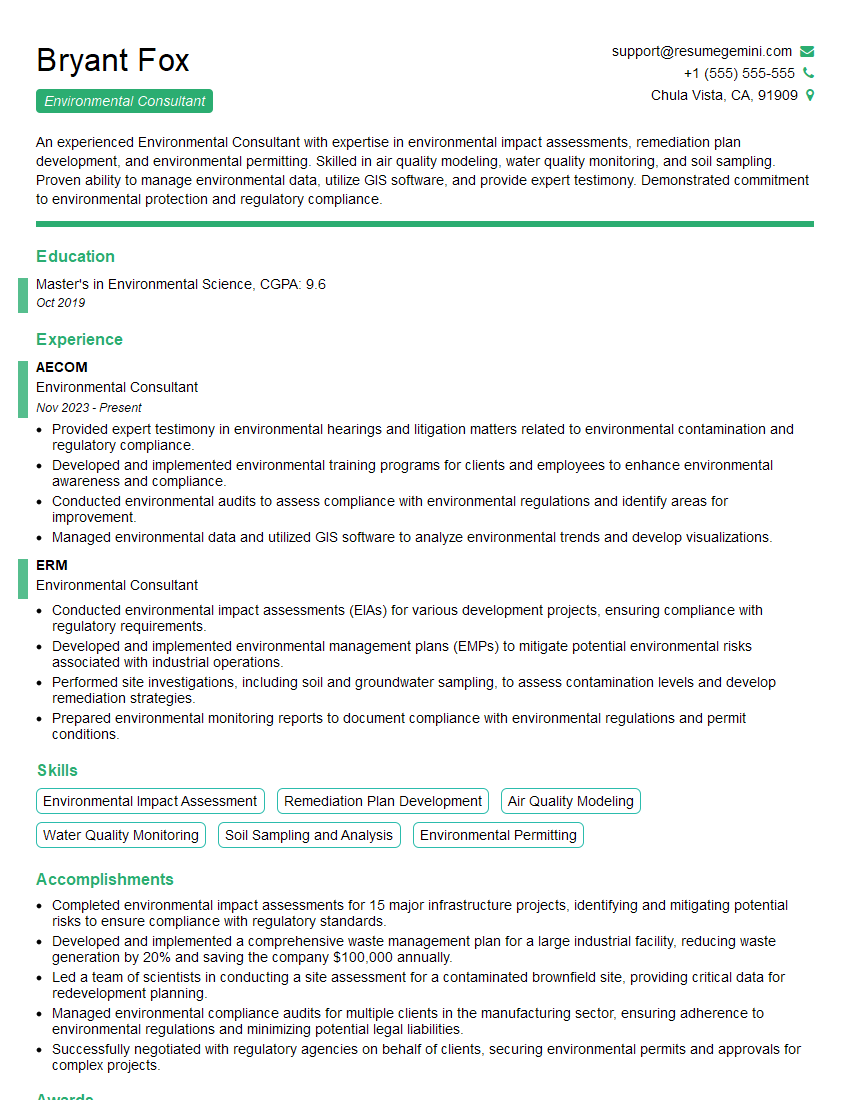
Environmental Consultant Resume Sample

Environmental Engineer Resume Sample
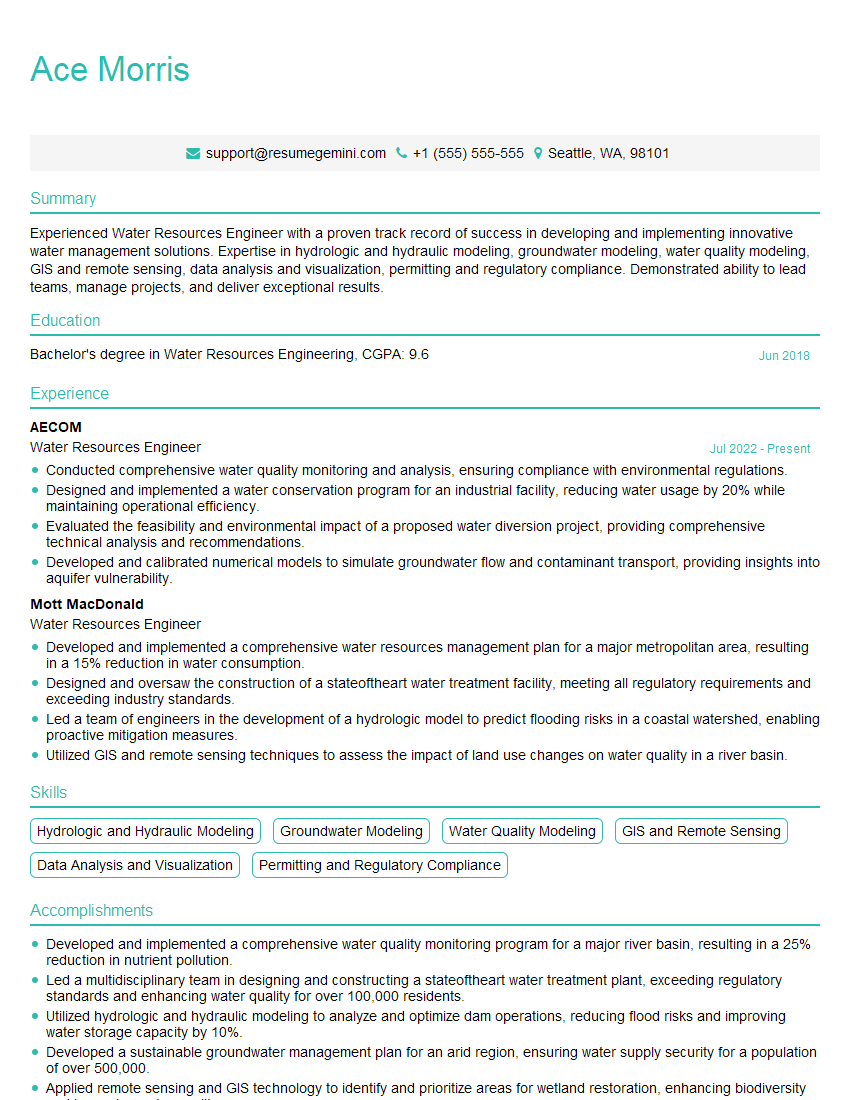
Water Resources Engineer Resume Sample

Engineering Geologist Resume Sample

Geochemist Resume Sample
Explore more articles
Users Rating of Our Blogs
Share Your Experience
We value your feedback! Please rate our content and share your thoughts (optional).
What Readers Say About Our Blog
Very informative content, great job.
good