Feeling uncertain about what to expect in your upcoming interview? We’ve got you covered! This blog highlights the most important Ability to work with confidential information interview questions and provides actionable advice to help you stand out as the ideal candidate. Let’s pave the way for your success.
Questions Asked in Ability to work with confidential information Interview
Q 1. Explain your understanding of confidentiality agreements.
Confidentiality agreements, often called Non-Disclosure Agreements (NDAs), are legally binding contracts that protect sensitive information from unauthorized disclosure. They outline the specific information considered confidential, who is bound by the agreement, and the consequences of breaching the agreement. These agreements vary widely depending on the context – a simple NDA between two individuals might be quite different from a complex NDA between corporations involving proprietary technology.
A typical NDA usually includes clauses defining the scope of confidential information (e.g., trade secrets, financial data, customer lists), the duration of the agreement, permitted uses of the information, and remedies for breaches (e.g., financial penalties, injunctions). Understanding the nuances of an NDA is crucial for both parties involved to ensure protection of sensitive data and to avoid legal ramifications.
- Key elements: Defined confidential information, parties involved, permitted use, duration, remedies for breach.
- Importance: Protects intellectual property, maintains competitive advantage, safeguards client data, and fosters trust.
Q 2. Describe a situation where you had to protect confidential information.
In my previous role at a financial institution, I was responsible for managing client portfolios. One client, a high-net-worth individual, had entrusted us with highly sensitive investment strategies and financial projections. During a routine data review, I discovered a potential error in the client’s risk assessment report, a document clearly marked as confidential. Instead of directly addressing the issue, I immediately followed established protocols. I informed my supervisor, documented the potential error, and awaited their instruction on how to proceed. We then collaboratively determined the best course of action to rectify the error while ensuring the client’s sensitive data remained secure and protected from any unauthorized access. This experience reinforced the importance of following established security protocols and the seriousness of handling confidential information.
Q 3. What measures would you take to ensure the security of sensitive data?
Ensuring sensitive data security requires a multi-layered approach. This involves both technical and procedural safeguards. Think of it like a fortress – multiple layers of defense make it much harder to breach.
- Access Control: Implementing robust access control mechanisms, including role-based access control (RBAC), restricts access to data based on an individual’s role and responsibilities.
- Data Encryption: Encrypting data both in transit (using HTTPS) and at rest (using encryption at the database level) safeguards data even if a breach occurs.
- Regular Security Audits: Conducting regular security audits and penetration testing identifies vulnerabilities before malicious actors can exploit them.
- Employee Training: Educating employees on security best practices, including password security, phishing awareness, and data handling procedures, is critical.
- Data Loss Prevention (DLP): Implementing DLP tools helps monitor and prevent sensitive data from leaving the organization’s control.
- Physical Security: For physical documents and hardware, secure storage and access controls are paramount.
Q 4. How would you handle a situation where you accidentally accessed confidential information you weren’t authorized to see?
Accidental access to unauthorized information is a serious breach. My immediate response would be to cease all activity, avoid making any changes, and immediately report the incident to my supervisor and the relevant security personnel. I would then fully document the circumstances of the access, including the time, date, and what I saw. It’s crucial to remain transparent and follow established protocols to minimize further risk and ensure a thorough investigation. Depending on the sensitivity of the information and the organization’s policies, further steps, such as security training or disciplinary action, might be taken.
Q 5. What is your understanding of HIPAA regulations (or other relevant industry regulations)?
HIPAA (Health Insurance Portability and Accountability Act) is a US law designed to protect the privacy and security of Protected Health Information (PHI). PHI includes any information relating to an individual’s past, present, or future physical or mental health, or provision of healthcare, and is identifiable to that individual. HIPAA establishes strict guidelines for the use, disclosure, and safeguarding of PHI, including requirements for data encryption, access controls, and employee training. Violations can lead to significant fines and legal repercussions. Similar regulations exist in other industries and countries, such as GDPR (General Data Protection Regulation) in Europe, which focuses on personal data protection.
Q 6. How would you report a suspected data breach?
Reporting a suspected data breach involves a clear and immediate chain of command. I would first notify my immediate supervisor, then follow the organization’s established incident response plan. This plan usually outlines specific steps for reporting, investigation, remediation, and notification of affected individuals and authorities. The report should include detailed information about the suspected breach, including the nature of the incident, the potential impact, and any mitigating actions taken. The speed and accuracy of reporting are vital to minimize further damage.
Q 7. Describe your experience with data encryption methods.
My experience encompasses various data encryption methods, including symmetric encryption (e.g., AES) and asymmetric encryption (e.g., RSA). Symmetric encryption uses the same key for both encryption and decryption, while asymmetric encryption uses a pair of keys – a public key for encryption and a private key for decryption. I’m familiar with the practical application of these methods in database security, secure communication protocols (like TLS/SSL), and file encryption. I understand the importance of selecting the appropriate encryption algorithm based on the sensitivity of the data and the security requirements. For instance, AES is widely used for its speed and robustness, while RSA is commonly used for key exchange and digital signatures. Furthermore, I have experience with key management practices, which are essential for the secure handling and rotation of encryption keys.
Q 8. How do you prioritize confidentiality when working on multiple projects?
Prioritizing confidentiality across multiple projects requires a structured approach. I employ a system combining project-specific security protocols with a strong personal commitment to data protection. Think of it like a skilled chef managing multiple dishes – each requires unique ingredients and preparation, but all must adhere to the highest hygiene standards.
- Categorization by Sensitivity: I first categorize each project based on the sensitivity of the information involved. High-sensitivity projects, such as those dealing with personally identifiable information (PII) or financial data, immediately receive top priority and dedicated security measures.
- Dedicated Workspaces: I use separate, secure workspaces for each project, both physically (if possible) and digitally (using virtual machines or isolated folders with strong access controls). This prevents accidental mixing of confidential data.
- Regular Security Audits: I perform regular self-audits to ensure I’m adhering to security protocols and promptly address any potential risks or breaches. This is similar to a pilot conducting pre-flight checks before each takeoff.
- Prioritization Matrix: I utilize a prioritization matrix to balance urgent tasks with high-sensitivity ones. Deadlines are critical, but compromising confidentiality is never an option. A well-managed matrix helps effectively juggle these competing demands.
For example, if I’m simultaneously working on a project involving client financial records and another involving less sensitive market research, the financial project will take precedence in terms of security measures and dedicated work time.
Q 9. How would you handle a request for confidential information from an unauthorized person?
Handling a request for confidential information from an unauthorized person is a critical aspect of data protection. My immediate response would be to politely but firmly refuse the request, emphasizing the sensitivity of the data and the potential legal and ethical ramifications of unauthorized disclosure.
- Verify Identity: First, I would verify the identity of the requester. This might involve checking employee IDs, confirming their role within the organization, or contacting their supervisor if necessary.
- Explain Policy: I would then clearly explain the company’s confidentiality policies and the consequences of unauthorized access. This isn’t just about protecting the data; it’s about adhering to legal and ethical responsibilities.
- Document the Incident: I would meticulously document the entire interaction, including the requester’s identity, the nature of the request, and the reason for refusal. This documentation is crucial for auditing purposes and potential investigations.
- Report the Incident: Finally, I would report the incident to my supervisor or the appropriate security personnel. This ensures that the company is aware of any potential security breaches or attempts at unauthorized access.
Imagine a bank teller refusing to give out account details to someone without proper identification. The principle is the same – protecting sensitive information is paramount, regardless of the individual’s reason for requesting it.
Q 10. What is your understanding of data loss prevention (DLP) measures?
Data Loss Prevention (DLP) measures are a crucial set of technologies and processes designed to prevent sensitive data from leaving the organization’s control. Think of it as a comprehensive security system protecting your valuables.
- Data Identification and Classification: DLP starts with identifying and classifying sensitive data. This involves understanding what constitutes confidential information and marking it accordingly. This is like categorizing files in a filing cabinet to ensure easy retrieval and proper access.
- Monitoring and Prevention: DLP systems monitor data in transit and at rest, preventing its unauthorized transfer. This includes blocking emails containing sensitive information, controlling access to sensitive files, and preventing data from being copied to unauthorized devices.
- Incident Response: In case a data breach occurs, DLP systems help in investigating and mitigating its impact. It’s like having a fire alarm system in place to help in case a fire breaks out.
- Encryption and Access Control: DLP often involves encryption of sensitive data to ensure that even if it’s accessed, it cannot be read without the appropriate decryption keys. Access control limits who can access what data, much like a secure building with access cards.
For instance, a DLP system might prevent an employee from emailing a document containing customer credit card numbers to a personal email address.
Q 11. How familiar are you with access control lists (ACLs)?
Access Control Lists (ACLs) are essentially lists that define which users or groups have permission to access specific files, folders, or other resources. They are the gatekeepers of data, determining who can view, edit, or delete information. Think of them as digital bouncers at a club, allowing only authorized individuals entry.
- Permissions: ACLs grant specific permissions, such as read, write, and execute, to different users or groups. For instance, an ACL could grant ‘read’ access to a document to a large group of employees, but only ‘read’ and ‘write’ access to a specific team.
- Granularity: ACLs can be highly granular, allowing for fine-grained control over access. This might mean granting different permissions to different users on the same file.
- Inheritance: ACLs can inherit permissions from parent folders. If a folder has a specific ACL, subfolders might inherit those permissions unless explicitly overridden.
- Security Enhancement: Properly configured ACLs are a crucial component of robust security, limiting unauthorized access and helping prevent data breaches. Using ACLs in conjunction with other security controls like strong passwords and multi-factor authentication is important.
A practical example would be setting an ACL on a shared project folder, granting ‘read’ access to all project members but ‘write’ access only to the project manager.
Q 12. Describe your experience with secure file sharing and storage systems.
My experience encompasses various secure file sharing and storage systems, including both cloud-based and on-premise solutions. I’m proficient in using systems that prioritize security features such as encryption, access controls, and audit trails. I think of these systems as secure vaults for sensitive data.
- Cloud-Based Solutions: I’ve utilized secure cloud storage services like those offered by major providers. These often incorporate features like end-to-end encryption, granular access controls, and version history, enhancing security and data protection.
- On-Premise Solutions: I’ve also worked with on-premise file servers that implement robust security measures, including firewalls, intrusion detection systems, and regular security audits. These offer greater control but require more dedicated IT management.
- Secure File Transfer Protocols: I’m familiar with secure file transfer protocols like SFTP (SSH File Transfer Protocol) and FTPS (File Transfer Protocol Secure) for transferring files securely over a network.
- Data Encryption: Regardless of the system used, I always prioritize data encryption, both in transit and at rest. This means using encryption protocols to ensure that even if data is intercepted, it cannot be easily accessed.
For example, when sharing sensitive documents with external collaborators, I always use a secure file transfer service with end-to-end encryption rather than simply attaching files to an email.
Q 13. How do you balance confidentiality with the need for collaboration?
Balancing confidentiality with the need for collaboration is a delicate act, requiring careful planning and the implementation of appropriate security measures. It’s like navigating a tightrope – maintaining balance is crucial.
- Need-to-Know Basis: I only share confidential information on a strict need-to-know basis. This minimizes the risk of data exposure while ensuring that those who require access have it.
- Secure Collaboration Platforms: I leverage secure collaboration platforms that provide features like access controls, encryption, and audit trails. This allows for seamless teamwork while maintaining confidentiality.
- Data Anonymization: When feasible, I anonymize data before sharing it for collaborative purposes. This protects individual privacy while still allowing for valuable insights.
- Non-Disclosure Agreements (NDAs): For collaborations with external parties, I utilize NDAs to formally outline confidentiality obligations and ensure everyone is on the same page.
For instance, when working on a project involving sensitive customer data, I might only share the necessary, anonymized portions with relevant team members using a secure collaboration platform, and any external partners would be required to sign an NDA.
Q 14. How would you ensure the confidentiality of information during remote work?
Ensuring confidentiality during remote work requires a proactive approach, encompassing both technological and behavioral aspects. It’s about extending the office’s security perimeter to the remote worker’s environment.
- Secure Network Connection: Using a Virtual Private Network (VPN) is crucial to encrypt internet traffic and protect data during transmission. This creates a secure tunnel for communication.
- Strong Passwords and Multi-Factor Authentication (MFA): Employing strong passwords and MFA adds extra layers of security, significantly reducing the risk of unauthorized access.
- Secure Devices: Working from secure, updated devices, free of malware, is essential. Regular software updates and anti-malware protection are vital.
- Data Encryption: Encrypting sensitive data on devices and in cloud storage adds an extra layer of protection, even if a device is lost or stolen.
- Secure Communication Channels: Using encrypted communication channels, such as secure email or messaging apps, is critical for protecting sensitive information exchanged remotely.
- Home Office Security: Maintaining a secure physical environment at home, protecting devices from theft or unauthorized access, is also paramount.
For example, before starting a remote work session, I’d ensure my VPN is connected, my device is updated, and any sensitive data is encrypted. This helps create a secure environment mimicking office security protocols.
Q 15. What are some common threats to confidential information, and how can they be mitigated?
Confidential information faces numerous threats, both internal and external. External threats include hacking attempts, phishing scams, malware infections, and physical theft of data-carrying devices. Internal threats stem from negligent employees, malicious insiders, and accidental data breaches. Mitigation strategies involve a layered approach.
- Strong Access Controls: Implementing robust password policies, multi-factor authentication (MFA), and role-based access control (RBAC) limits access to sensitive data only to authorized personnel.
- Data Encryption: Encrypting data both in transit (using HTTPS) and at rest protects it even if it’s compromised. This includes encrypting databases, files, and removable storage devices.
- Security Awareness Training: Regular training for employees on phishing recognition, password hygiene, and safe data handling practices significantly reduces the risk of human error.
- Regular Security Audits and Penetration Testing: These proactive measures identify vulnerabilities in systems and processes before they can be exploited by attackers.
- Intrusion Detection and Prevention Systems (IDS/IPS): These systems monitor network traffic for suspicious activity and can block or alert on potential threats in real-time.
- Data Loss Prevention (DLP) Tools: These tools monitor data movement and prevent sensitive information from leaving the organization’s controlled environment without authorization.
For example, a company might use DLP to prevent employees from emailing sensitive client data to personal accounts. Furthermore, a robust incident response plan is crucial to contain and mitigate the impact of a data breach.
Career Expert Tips:
- Ace those interviews! Prepare effectively by reviewing the Top 50 Most Common Interview Questions on ResumeGemini.
- Navigate your job search with confidence! Explore a wide range of Career Tips on ResumeGemini. Learn about common challenges and recommendations to overcome them.
- Craft the perfect resume! Master the Art of Resume Writing with ResumeGemini’s guide. Showcase your unique qualifications and achievements effectively.
- Don’t miss out on holiday savings! Build your dream resume with ResumeGemini’s ATS optimized templates.
Q 16. Describe a time you had to make a difficult decision regarding confidentiality.
In a previous role, I was involved in a project where a high-ranking executive inadvertently shared confidential financial projections with an external consultant who lacked proper authorization. I faced a dilemma: report the breach, which could damage the executive’s reputation, or try to resolve it quietly. The executive’s good intentions didn’t negate the security violation.
After careful consideration of the potential risks and consulting with my supervisor, I chose to address the issue privately with the executive. I explained the security breach, the potential consequences, and the importance of adhering to company policy. I worked with them and the IT department to secure the information and implement additional safeguards. Fortunately, no further damage resulted. The focus was on remediation and prevention, emphasizing the learning opportunity. This experience taught me the importance of both adherence to protocol and a measured approach to conflict resolution when dealing with sensitive situations.
Q 17. How do you stay up-to-date on data security best practices?
Staying current on data security best practices requires a multifaceted approach. I actively participate in online communities, attend webinars and conferences, and subscribe to industry newsletters and publications such as those from SANS Institute and OWASP. I also regularly review relevant industry standards and frameworks like NIST Cybersecurity Framework and ISO 27001.
Certifications like CISSP (Certified Information Systems Security Professional) or CISM (Certified Information Security Manager) demonstrate commitment to ongoing professional development in this dynamic field. Furthermore, I actively seek out training and development opportunities offered by my employer to stay abreast of emerging threats and technologies.
Q 18. What are some of the ethical considerations involved in handling confidential information?
Ethical considerations in handling confidential information are paramount. The core principle is maintaining the privacy and confidentiality of information entrusted to you. This involves:
- Confidentiality: Only accessing and using information for authorized purposes and protecting it from unauthorized access.
- Integrity: Ensuring the accuracy and completeness of the information and preventing unauthorized modification or deletion.
- Availability: Making sure that authorized users have timely and reliable access to the information when needed.
- Accountability: Taking responsibility for the information under your care and being transparent about its handling.
Ethical breaches can have significant legal and reputational consequences for both the individual and the organization. For instance, revealing trade secrets or violating patient confidentiality could lead to lawsuits and damage trust.
Q 19. How would you address a situation where a colleague is not following confidentiality protocols?
If a colleague isn’t following confidentiality protocols, my first step would be a private and informal conversation. I’d express my concern, explaining the potential risks and reminding them of the company’s policies. I’d try to understand the reasons for their behavior – perhaps they lack training or understanding.
If the behavior continues, I’d escalate the matter to my supervisor or the relevant security personnel. Documentation of the incidents is crucial. The goal isn’t to punish the colleague, but to address the issue to protect the organization and maintain data security. A more formal approach may involve a written warning or further disciplinary action, depending on the severity and recurrence of the violation.
Q 20. Explain your understanding of different levels of data classification.
Data classification involves categorizing data based on its sensitivity and criticality. Common levels include:
- Public: Information accessible to anyone.
- Internal: Information accessible only to employees within the organization.
- Confidential: Information that requires a higher level of protection and access control. Disclosure could cause damage to the organization.
- Strictly Confidential/Top Secret: Information whose unauthorized disclosure could cause severe damage or compromise national security. Access is strictly limited.
The specific levels and their definitions vary between organizations, often aligned with industry regulations (e.g., HIPAA for healthcare, GDPR for European data). The classification process includes identifying data, assessing its sensitivity, assigning a classification level, and implementing appropriate controls based on the assigned level.
Q 21. How would you handle a situation where you received a subpoena for confidential information?
Receiving a subpoena for confidential information requires careful legal counsel. I would immediately notify my legal department. They would determine the validity of the subpoena and advise on the appropriate response. This might involve providing only the information specifically requested, redacting sensitive data not relevant to the legal process, or challenging the subpoena in court if it’s deemed overly broad or inappropriate.
The process follows established legal protocols, prioritizing both compliance with legal obligations and protecting the confidentiality of data not relevant to the subpoena. Collaboration with legal experts is paramount in such situations.
Q 22. Describe your experience with background checks and security clearances.
Throughout my career, I’ve undergone numerous background checks, including those required for government contracts and roles involving access to sensitive data. These checks typically involve verifying my identity, employment history, education, and criminal record. In some cases, I’ve also completed more extensive security clearances, such as a National Agency Check with Inquiries (NACI) or a higher-level clearance, involving interviews, polygraph tests, and thorough background investigations to ensure my trustworthiness and suitability for handling classified information. Each process is different, but the common thread is a commitment to verifying that individuals handling sensitive data are reliable and pose no security risks.
For example, during my time at [Previous Company Name], I successfully completed a Top Secret clearance process, which included extensive vetting of my personal history, financial records, and foreign contacts. This experience gave me a profound understanding of the meticulous procedures and stringent standards involved in maintaining national security.
Q 23. How do you manage your own passwords and access credentials securely?
Password security is paramount. I employ a multi-layered approach using a password manager to generate and store strong, unique passwords for each account. This prevents me from reusing passwords, significantly reducing my vulnerability to breaches. The password manager itself is protected with a master password, which I choose carefully and keep completely offline. I also utilize multi-factor authentication (MFA) wherever possible, adding an extra layer of security beyond just a password. Regularly updating passwords, even those generated by a manager, and being vigilant about phishing attempts are also crucial parts of my strategy. Think of it like a bank vault: the password manager is the vault, the master password is the combination, and MFA is the guard at the door.
Q 24. What is your experience with incident response plans related to data breaches?
My experience with incident response plans involves participating in multiple simulations and actual data breach responses. This involves understanding and following established protocols to contain the breach, investigate its cause, mitigate its impact, and recover compromised data. Key aspects include immediate data isolation, forensic analysis to identify the source and extent of the breach, communication with affected parties and regulatory bodies, and implementing corrective measures to prevent future incidents. A critical element is documenting every step of the response, which is essential for compliance and future improvements.
For instance, at [Previous Company Name], we successfully mitigated a phishing attack that compromised a limited number of employee accounts. Our response followed a well-defined plan, allowing us to contain the breach within hours, minimizing the impact on our systems and customer data. The incident led to improved employee security awareness training and the implementation of additional security controls.
Q 25. How familiar are you with GDPR regulations?
I’m very familiar with the General Data Protection Regulation (GDPR), a regulation in EU law on data protection and privacy in the European Union (EU) and the European Economic Area (EEA). I understand its core principles, including lawfulness, fairness, and transparency; purpose limitation; data minimization; accuracy; storage limitation; integrity and confidentiality; and accountability. GDPR compliance requires a proactive approach involving data mapping, consent management, data subject access requests (DSAR) handling, and robust security measures to protect personal data. A failure to comply can result in significant financial penalties.
My understanding extends to practical applications, such as conducting data protection impact assessments (DPIAs) and ensuring compliance with data transfer mechanisms like standard contractual clauses when transferring data outside the EEA.
Q 26. How would you educate others on the importance of confidentiality?
Educating others about confidentiality requires a multi-pronged approach. It begins with clear communication of company policies and relevant regulations like GDPR. Then, I would use relatable examples and scenarios to illustrate the potential consequences of breaches – both for the organization and individuals involved. Interactive training sessions, including simulations and quizzes, can help reinforce learning and encourage engagement. Regular refresher training is vital, given the ever-evolving threat landscape. It’s not just about rules; it’s about instilling a culture of security awareness where confidentiality is everyone’s responsibility.
I find that using real-world examples, such as news stories about data breaches and their consequences, is a powerful way to highlight the importance of confidentiality.
Q 27. Describe your understanding of physical security measures related to confidential data.
Physical security measures for confidential data are crucial and often overlooked. This involves securing physical access to facilities housing sensitive information through measures like access control systems (e.g., key cards, biometric scanners), surveillance cameras, and alarm systems. Proper disposal of physical documents containing confidential information, including secure shredding or incineration, is essential. Secure storage solutions, such as locked cabinets and safes, are necessary for protecting sensitive documents and storage media. Regular security audits and inspections help ensure these measures remain effective and up-to-date.
Think of it as protecting a valuable asset: the more layers of security you have, the less likely it is to be compromised.
Q 28. How do you ensure the confidentiality of information when using personal devices for work?
Using personal devices for work requires extra caution. I would never store confidential data on a personal device unless absolutely necessary and only after implementing robust security measures. This includes using strong passwords, enabling device encryption, and installing reputable antivirus software. I would also avoid using public Wi-Fi networks for accessing sensitive data, opting for secure private connections instead. If work data must be accessed on a personal device, I’d ensure the device is fully compliant with company security policies, including appropriate mobile device management (MDM) software.
Essentially, I treat personal devices used for work with the same level of security as company-issued devices, recognizing that any compromise on my personal device could also impact company data.
Key Topics to Learn for Ability to Work with Confidential Information Interviews
- Understanding Confidentiality Agreements: Explore the legal and ethical implications of handling sensitive information, including different types of confidentiality agreements and their clauses.
- Practical Application of Confidentiality Policies: Discuss real-world scenarios where discretion is paramount, such as protecting client data, financial records, or proprietary information. Practice explaining how you’ve handled such situations in previous roles.
- Data Security Best Practices: Learn about implementing security measures like password protection, secure data storage, and responsible email communication to safeguard confidential data.
- Recognizing and Reporting Security Breaches: Understand the procedures for identifying and reporting potential data breaches, emphasizing the importance of immediate action and appropriate channels for reporting.
- Maintaining Confidentiality in a Team Environment: Discuss strategies for collaborating effectively while ensuring the confidentiality of sensitive information within a team setting. Consider scenarios involving communication and information sharing.
- Ethical Considerations and Professional Conduct: Explore the ethical responsibilities associated with handling confidential information, including maintaining discretion and avoiding conflicts of interest.
Next Steps
Mastering the ability to work with confidential information is crucial for career advancement in virtually any professional field. Demonstrating this skill confidently during interviews significantly improves your chances of securing your desired role. To further enhance your job prospects, create an ATS-friendly resume that highlights your experience and commitment to data security. ResumeGemini is a trusted resource to help you build a professional resume that showcases your skills effectively. We provide examples of resumes tailored to highlight experience with confidential information to help guide you.
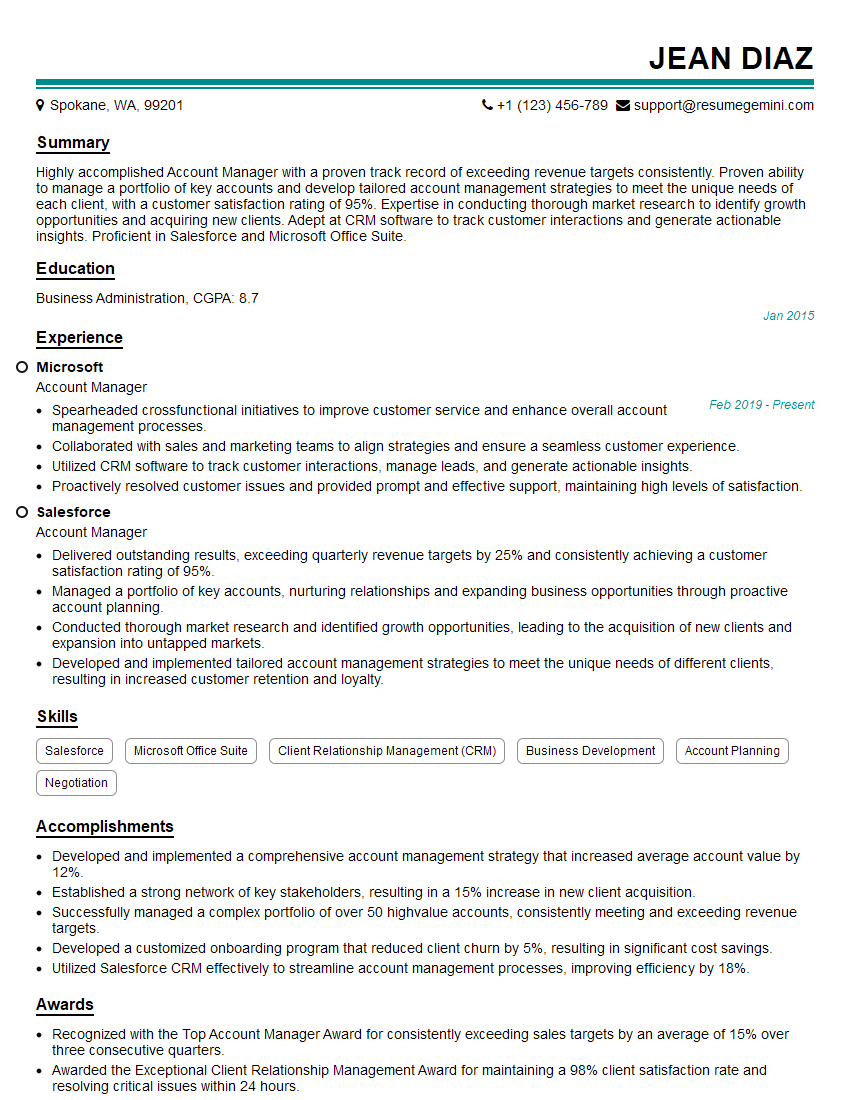
Account Manager Resume Sample
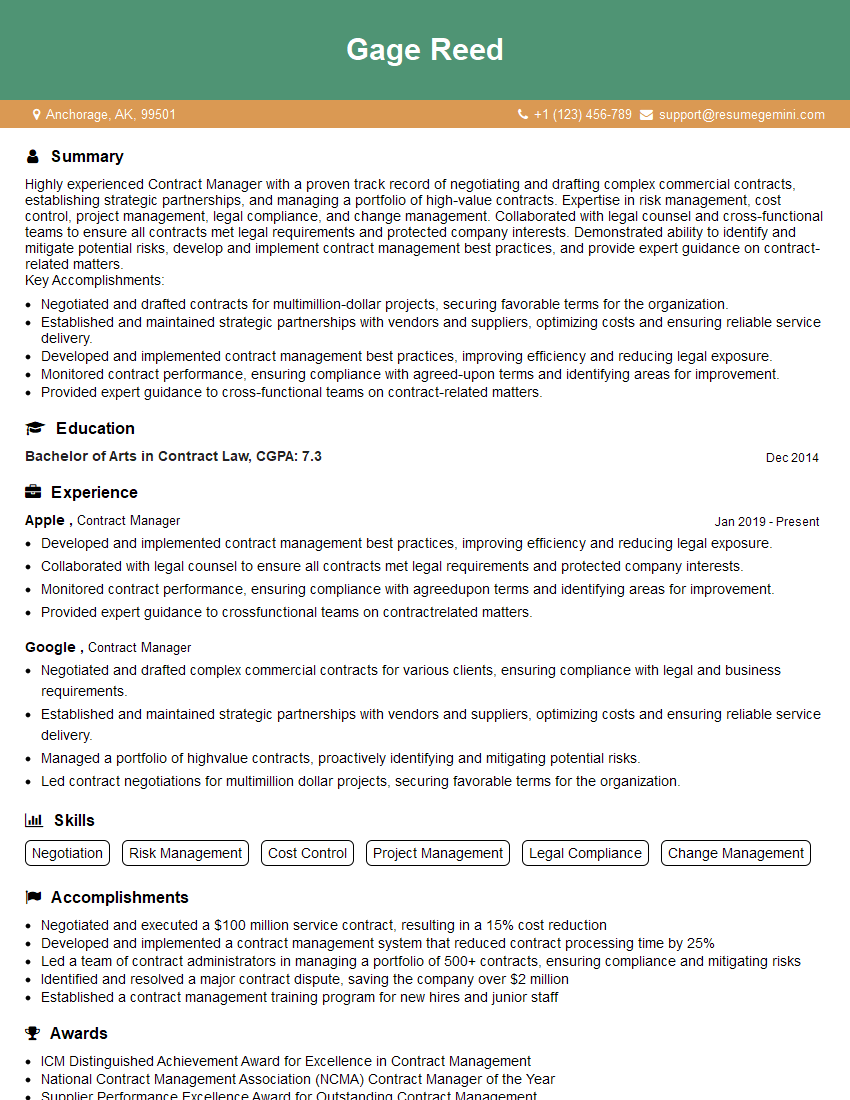
Contract Manager Resume Sample
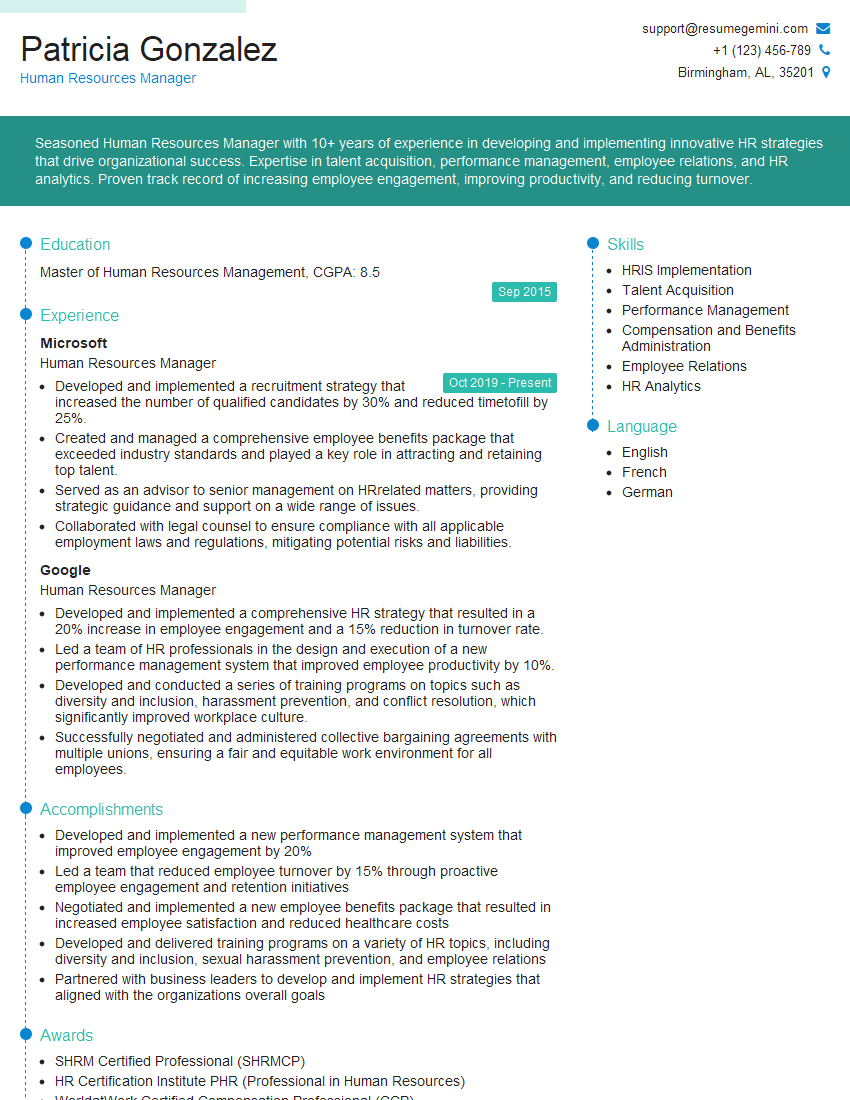
Human Resources Manager Resume Sample

Project Manager Resume Sample

Compliance Officer Resume Sample
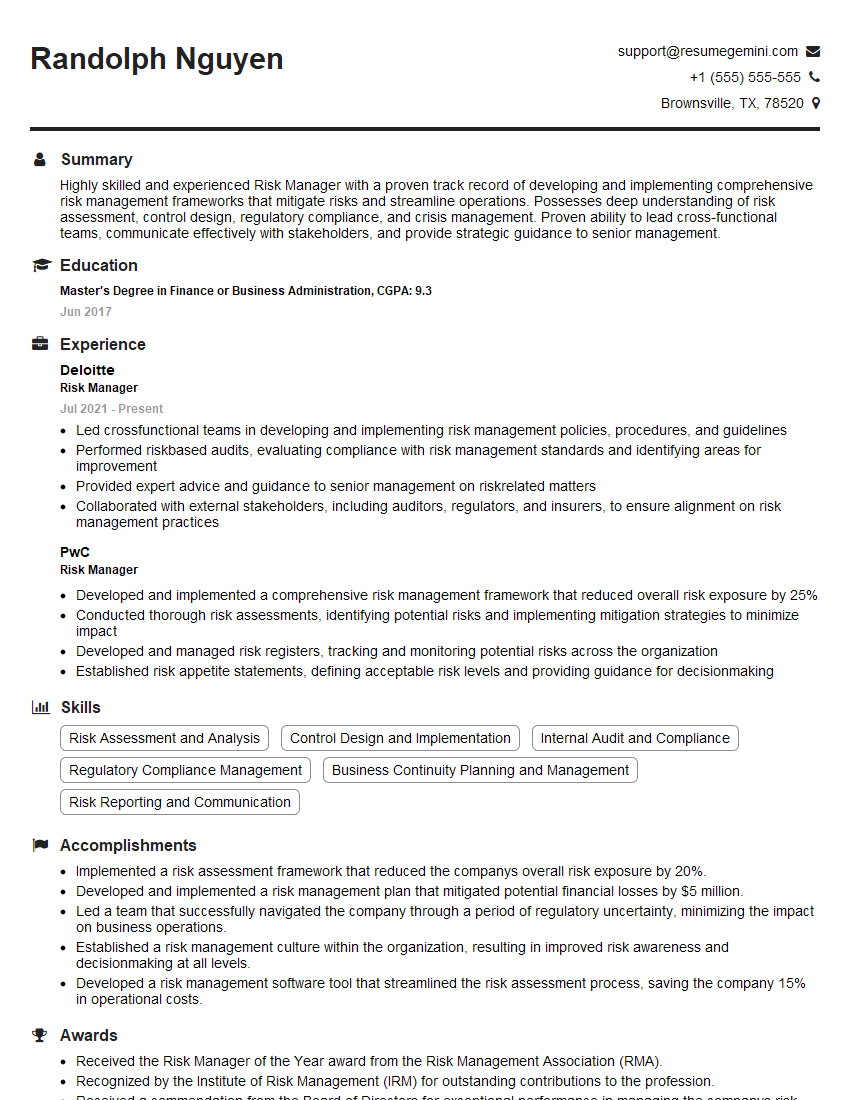
Risk Manager Resume Sample
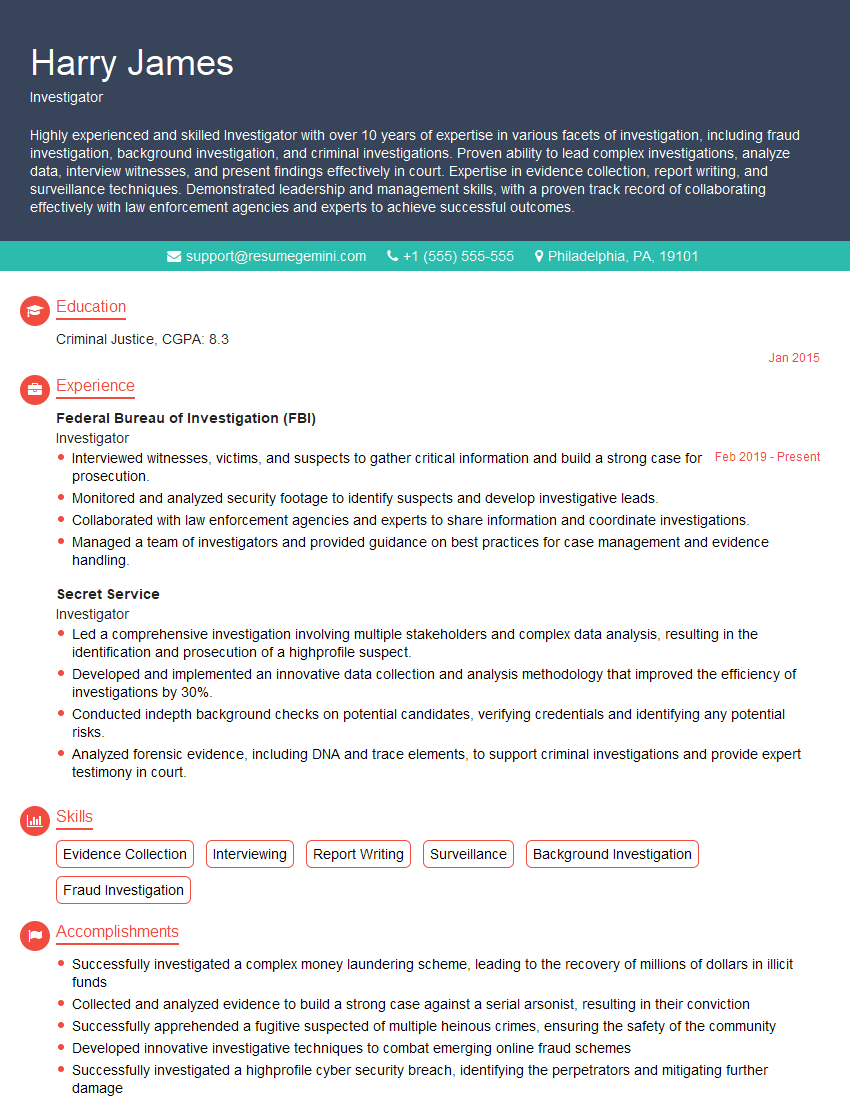
Investigator Resume Sample
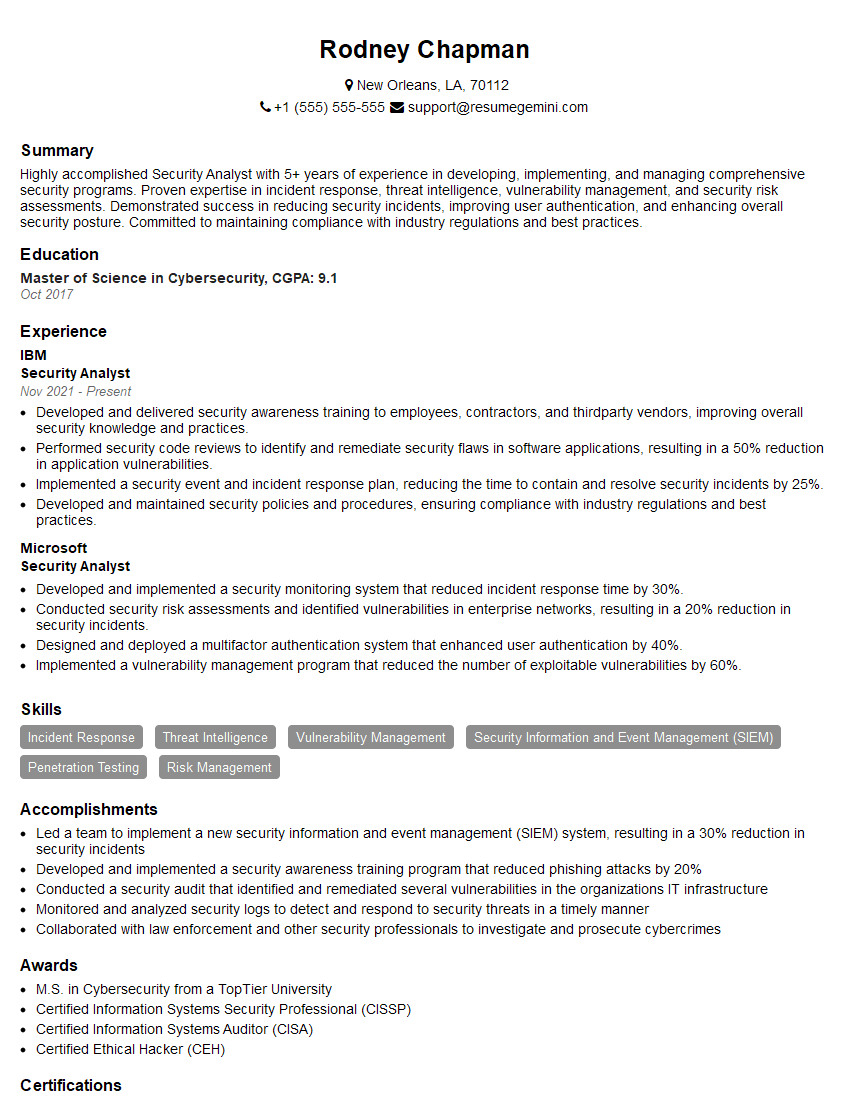
Security Analyst Resume Sample
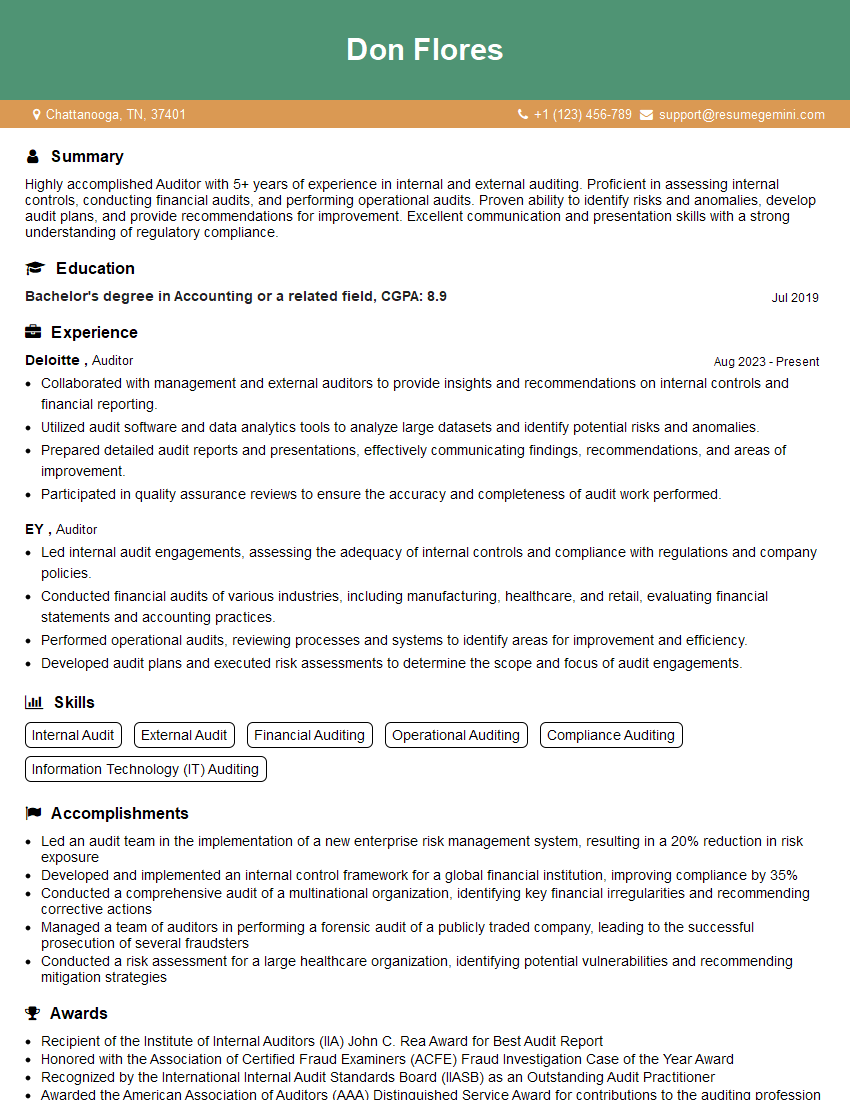
Auditor Resume Sample
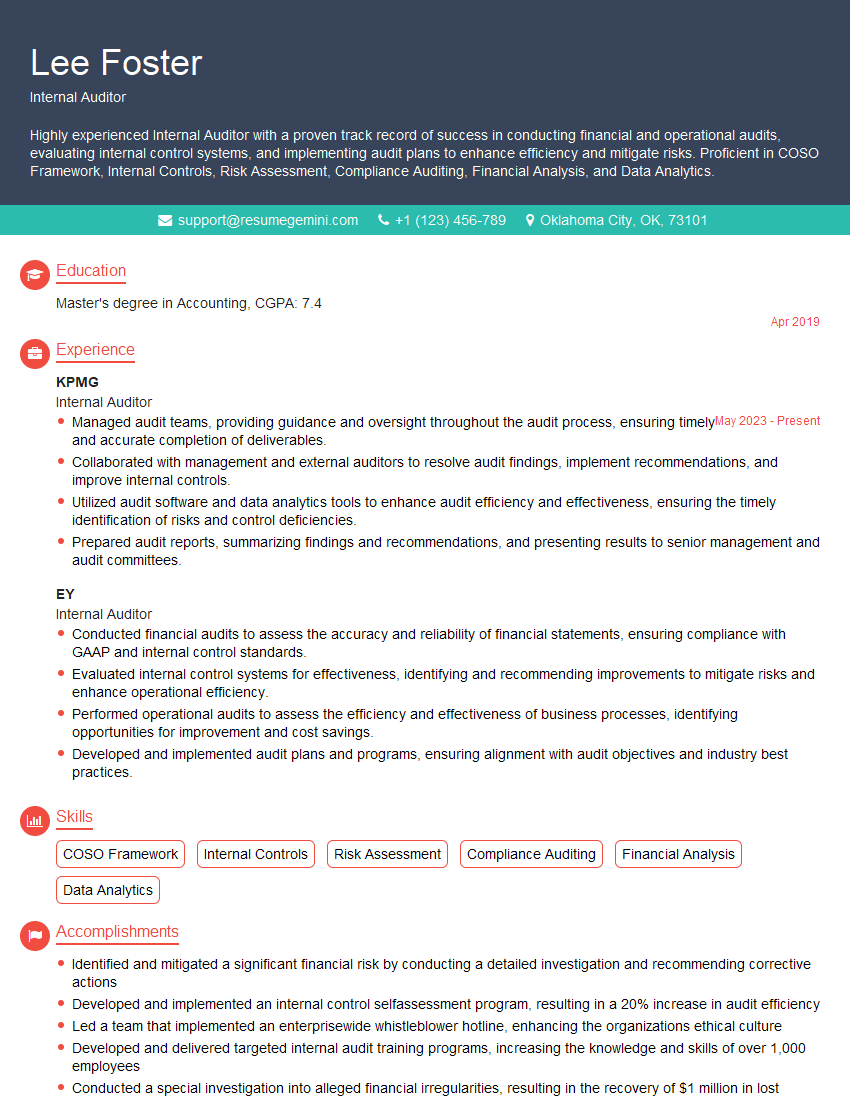
Internal Auditor Resume Sample
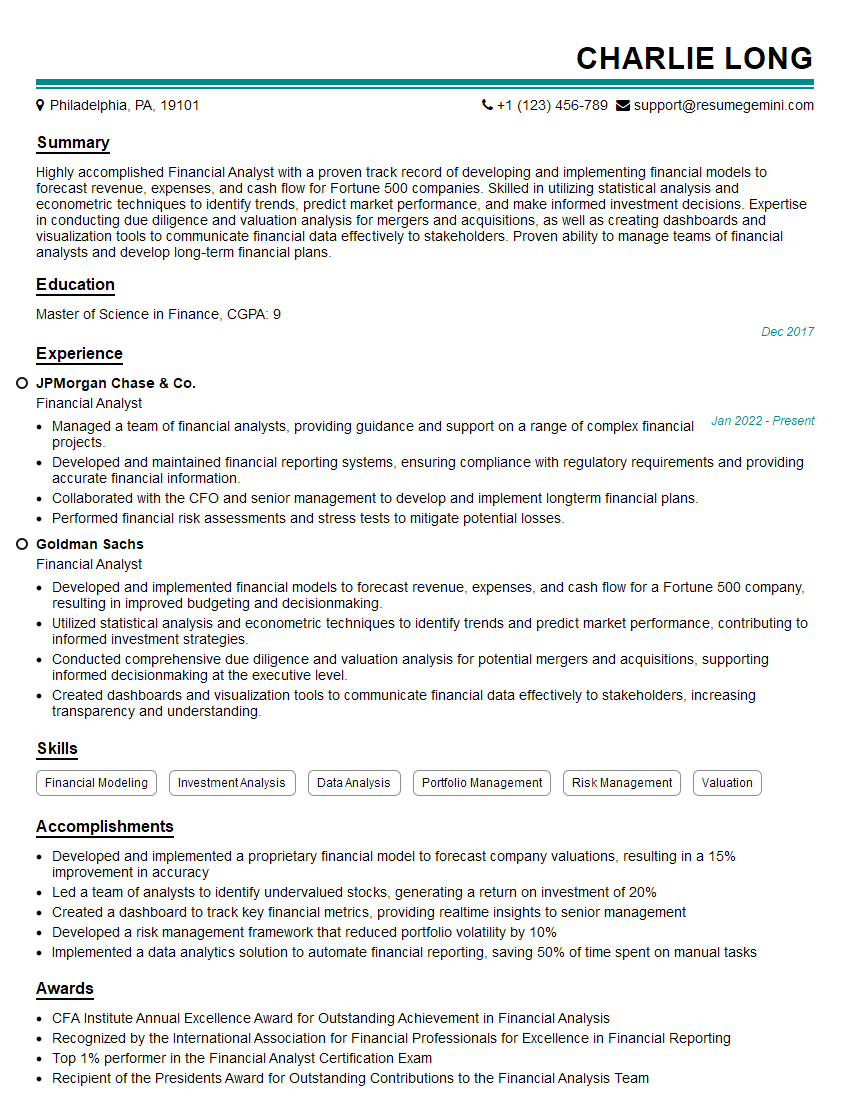
Financial Analyst Resume Sample

Data Analyst Resume Sample
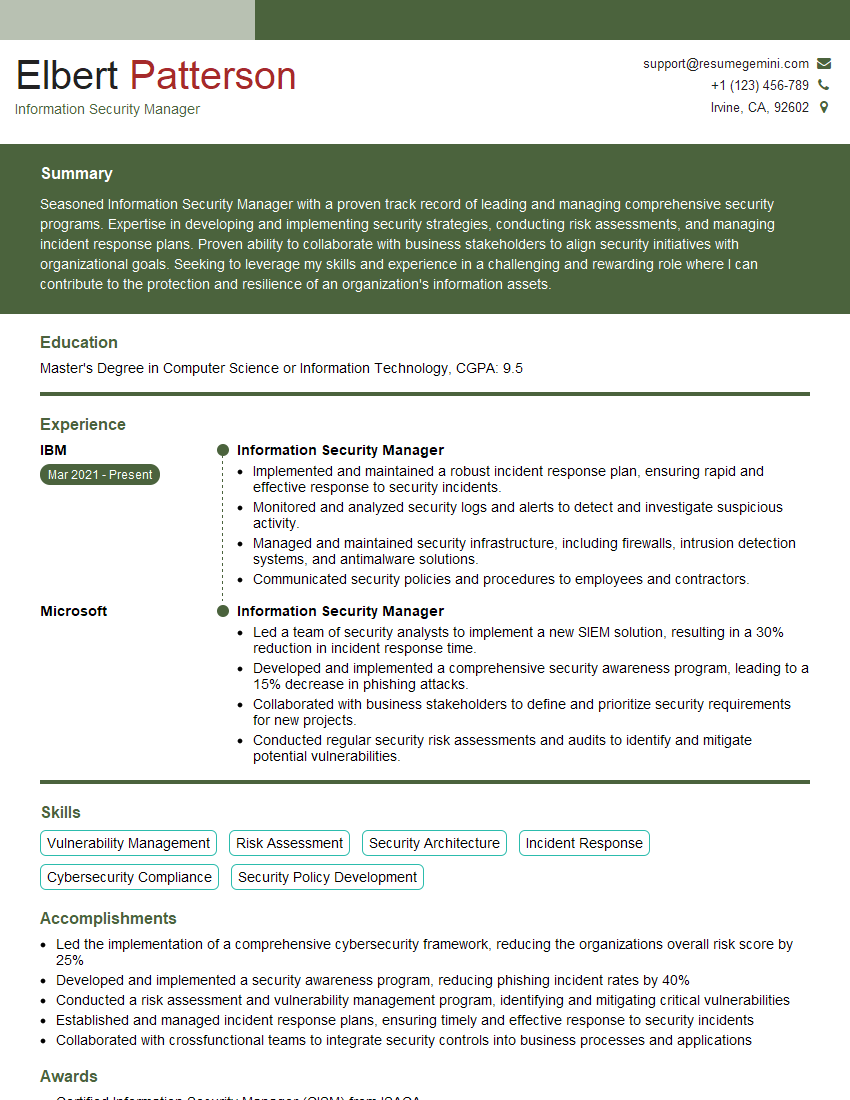
Information Security Manager Resume Sample
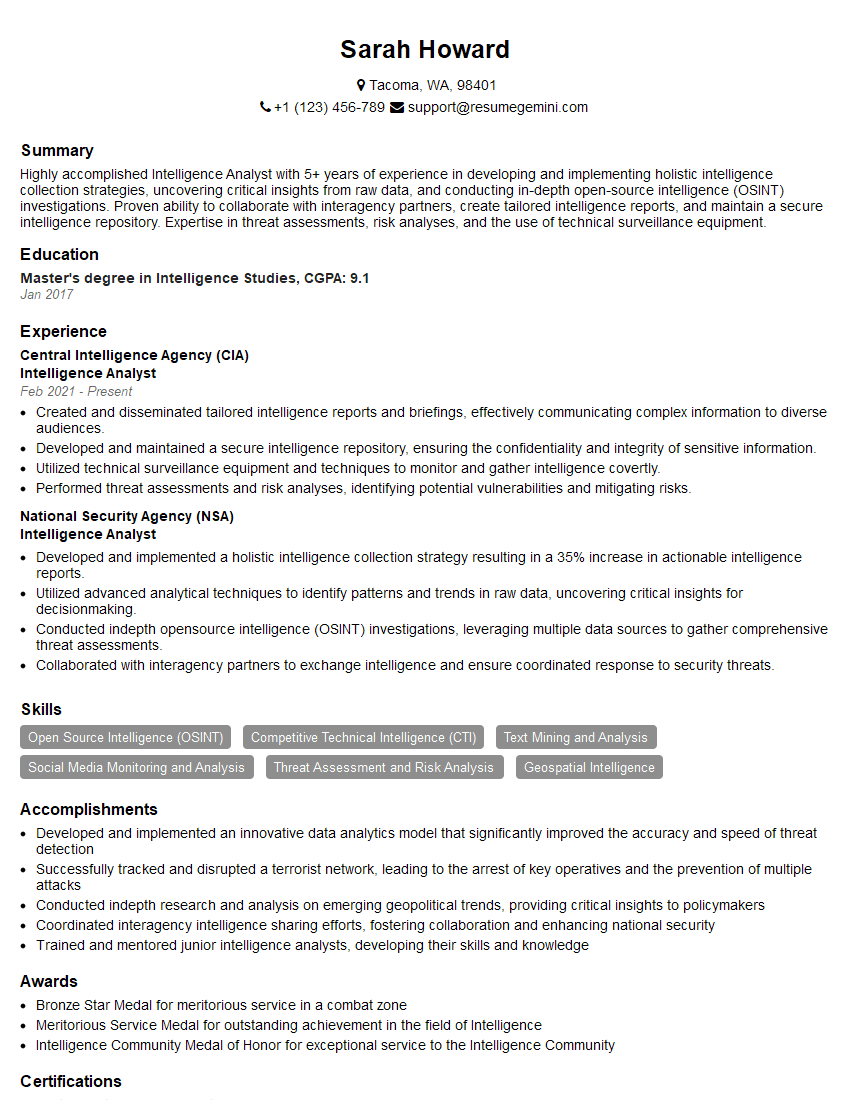
Intelligence Analyst Resume Sample
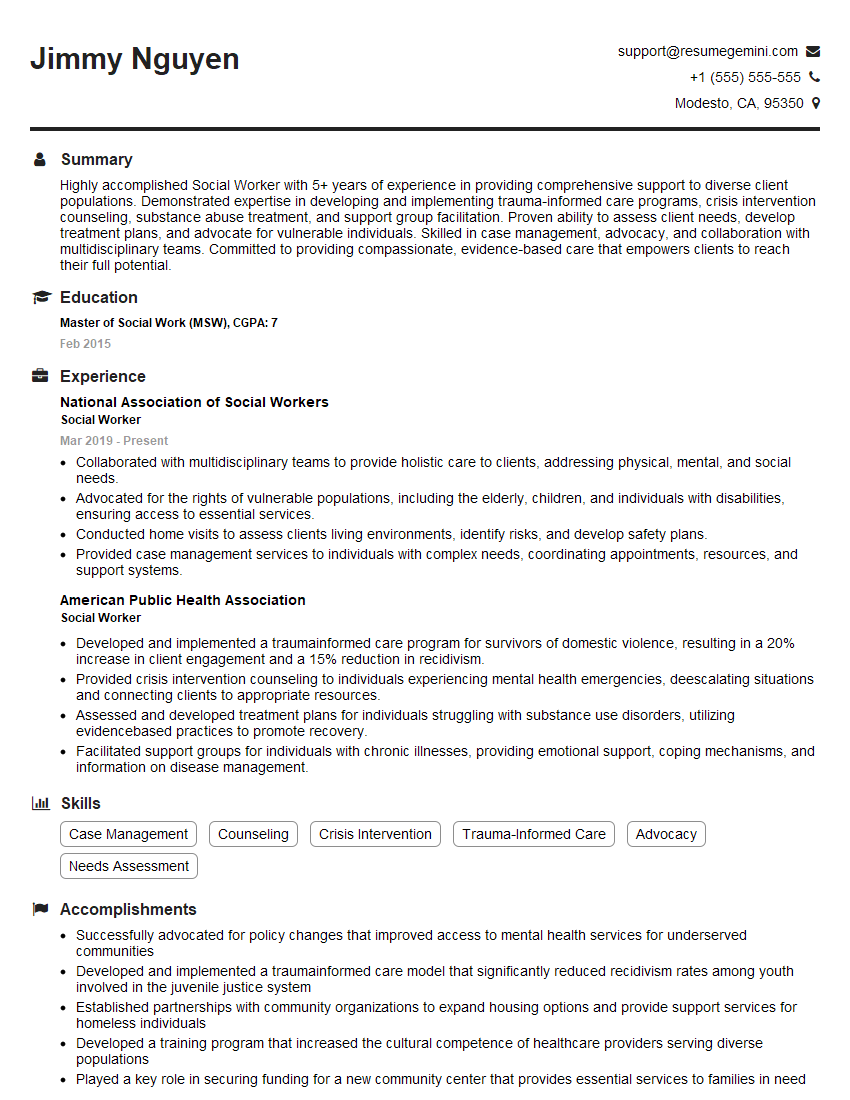
Social Worker Resume Sample
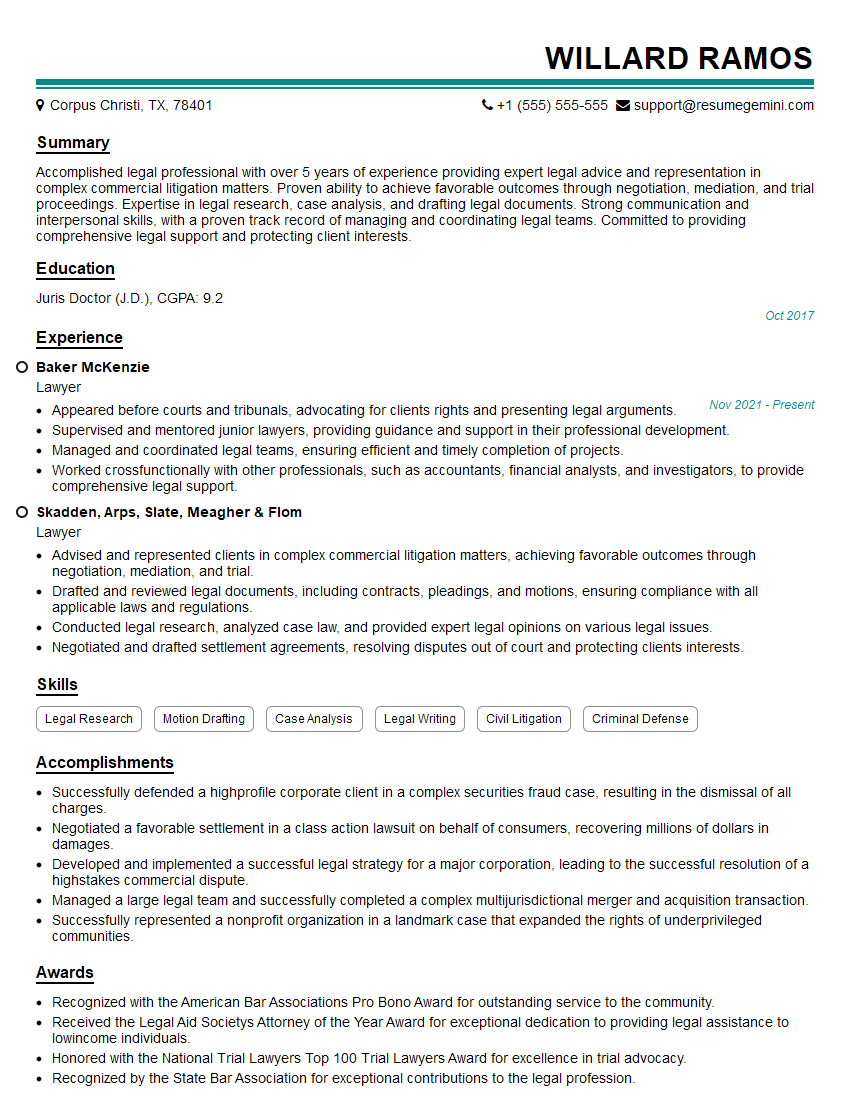
Lawyer Resume Sample
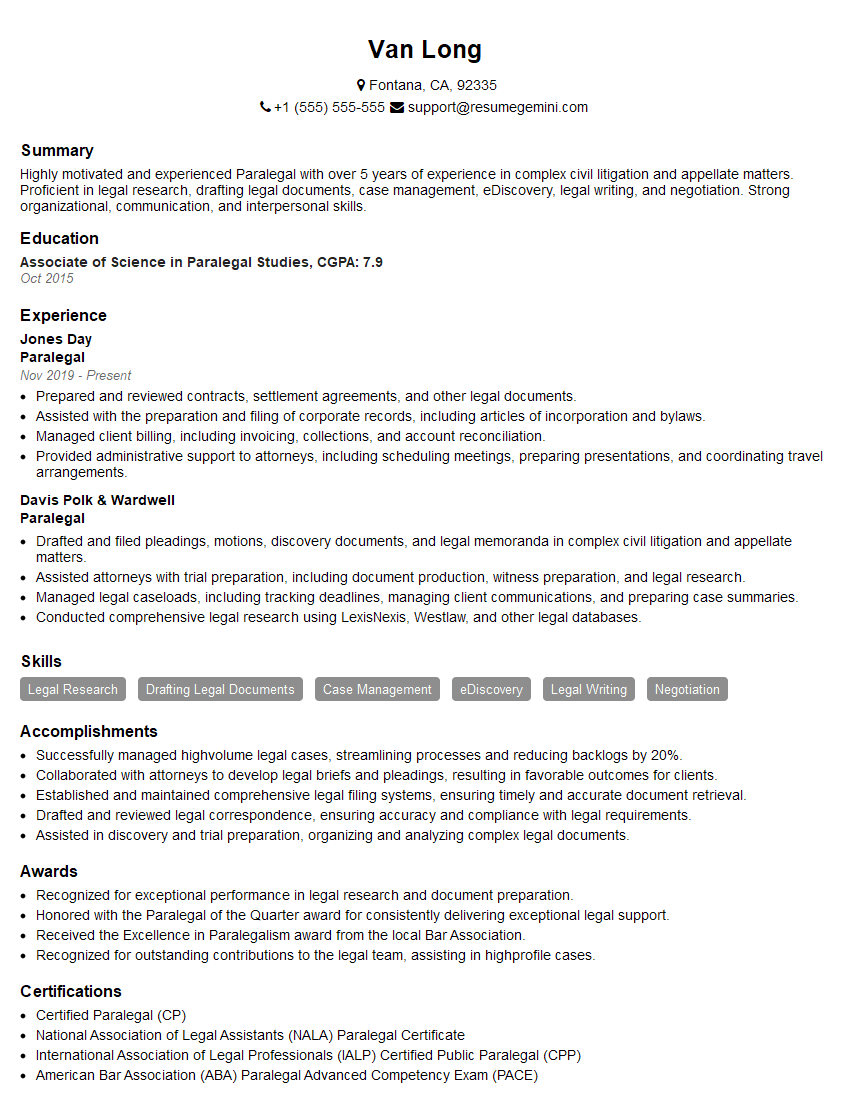
Paralegal Resume Sample
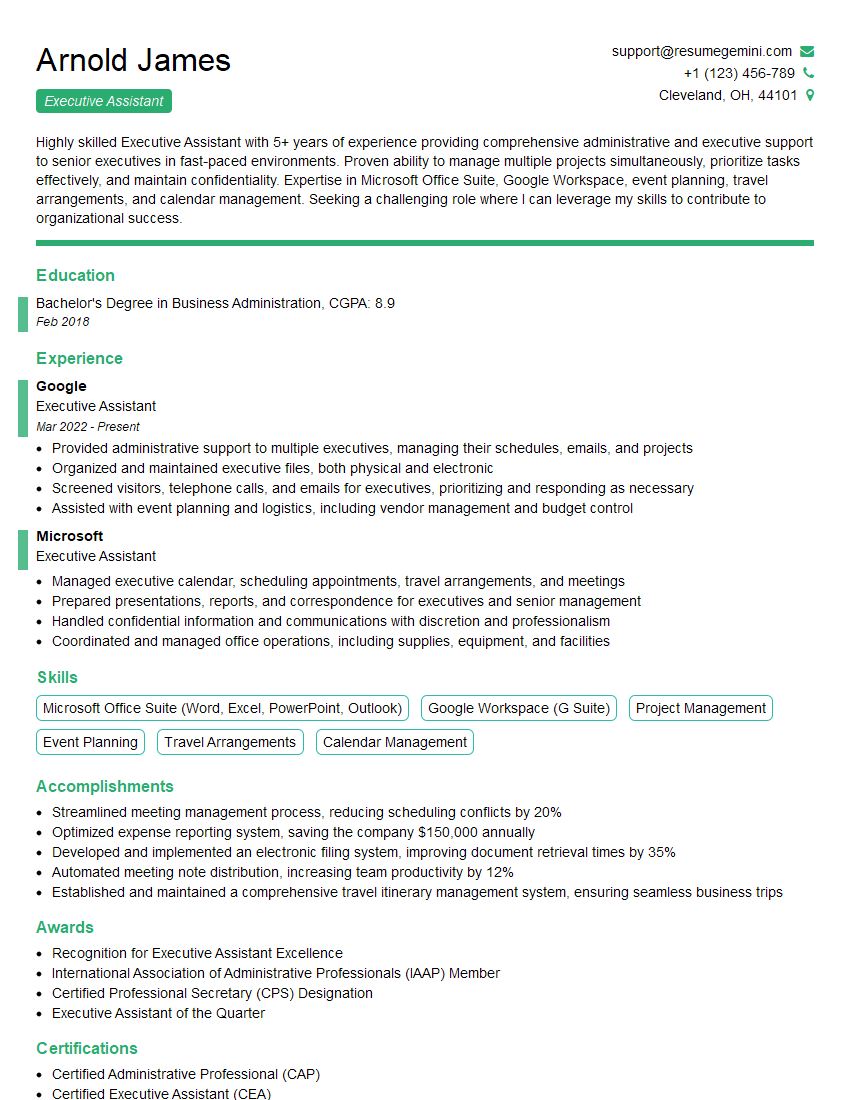
Executive Assistant Resume Sample
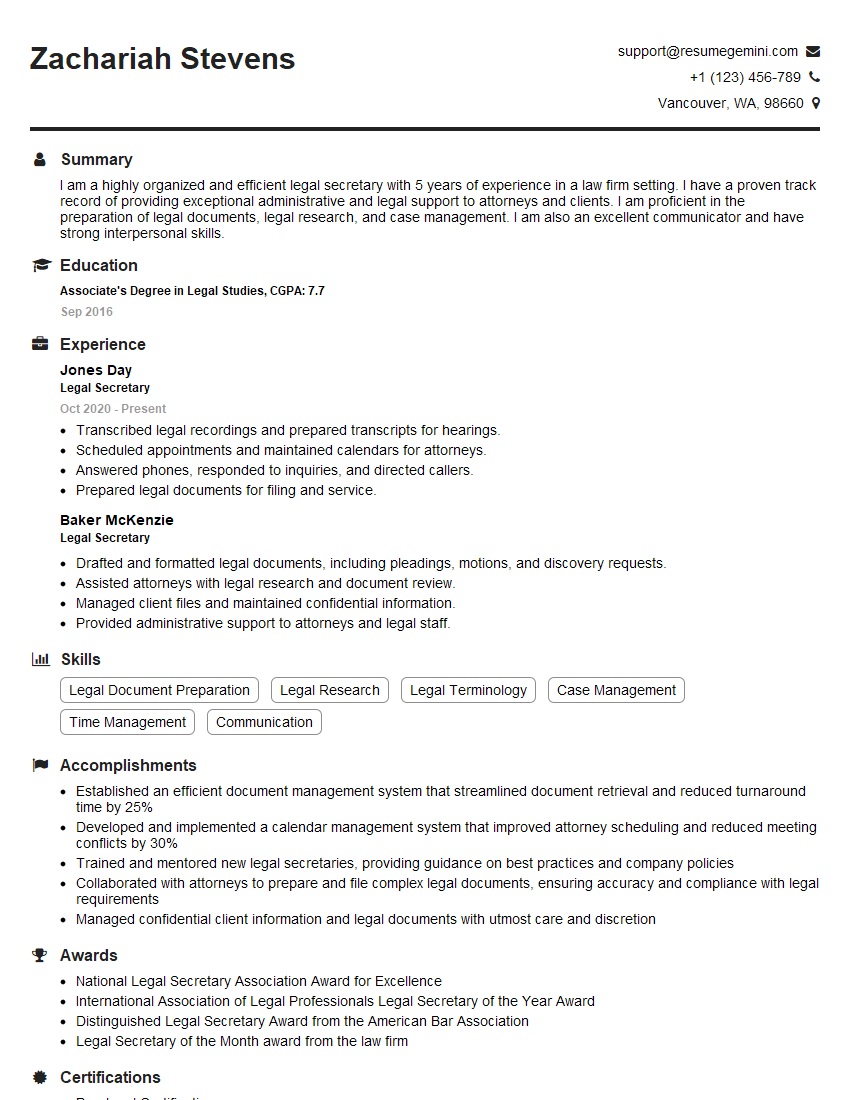
Legal Secretary Resume Sample
- Account Manager
- Contract Manager
- Human Resources Manager
- Project Manager
- Compliance Officer
- Risk Manager
- Investigator
- Security Analyst
- Auditor
- Internal Auditor
- Financial Analyst
- Data Analyst
- Information Security Manager
- Intelligence Analyst
- Social Worker
- Lawyer
- Paralegal
- Executive Assistant
- Legal Secretary
Explore more articles
Users Rating of Our Blogs
Share Your Experience
We value your feedback! Please rate our content and share your thoughts (optional).
What Readers Say About Our Blog
Very informative content, great job.
good