Interviews are more than just a Q&A session—they’re a chance to prove your worth. This blog dives into essential Ability to work with heavy equipment interview questions and expert tips to help you align your answers with what hiring managers are looking for. Start preparing to shine!
Questions Asked in Ability to work with heavy equipment Interview
Q 1. Describe your experience operating excavators.
My experience with excavators spans over 10 years, encompassing various models and applications. I’m proficient in both conventional hydraulic excavators and those with advanced features like GPS guidance. I’ve operated machines ranging from compact excavators used in tight urban spaces to larger, heavy-duty models used in large-scale earthmoving projects. For instance, on a recent project involving utility line installation, I utilized a compact excavator to precisely excavate trenches, minimizing disruption to surrounding infrastructure. On a larger project, a 30-ton excavator was essential to efficiently remove large quantities of earth for a new housing development. My skills extend to different types of excavation tasks including trenching, digging foundations, and demolition work. I’m also familiar with various excavator attachments, such as breakers, augers, and thumb grapples, adapting my technique to the specific job requirements.
Q 2. What safety procedures do you follow when operating heavy equipment?
Safety is paramount in heavy equipment operation. My safety procedures begin before I even start the engine. This includes a thorough pre-operational inspection, checking fluid levels (hydraulic, engine oil), tire pressure, and the structural integrity of the machine. I always ensure that all safety devices, such as seatbelts, emergency stops, and warning lights, are functioning correctly. Before beginning any work, I carefully assess the work area, identifying potential hazards like overhead power lines, unstable ground, or nearby personnel. Communication is key; I use hand signals and radios to coordinate with other operators and ground personnel. During operation, I maintain a safe operating speed, adjusting based on terrain and visibility. I never operate under the influence of drugs or alcohol. After completing work, I secure the equipment, removing keys and ensuring it’s parked safely. Regular safety training is an integral part of my work routine.
Q 3. Explain your experience with preventative maintenance on heavy machinery.
Preventative maintenance is crucial for maximizing equipment lifespan and minimizing downtime. I’m experienced in performing daily, weekly, and monthly maintenance checks on heavy machinery. This includes lubricating moving parts, checking hydraulic fluid levels and cleanliness, inspecting belts and hoses for wear and tear, and regularly changing filters (oil, air, fuel). I keep detailed logs of all maintenance activities. I know how to address small issues before they escalate into major problems. For instance, regularly tightening bolts can prevent serious mechanical failure down the line. I’m also adept at interpreting diagnostic codes and troubleshooting basic mechanical problems. I understand the manufacturer’s recommended maintenance schedules and adhere strictly to them. Proactive maintenance not only extends equipment life, but also contributes to safer working conditions.
Q 4. How do you handle unexpected equipment malfunctions?
When faced with unexpected equipment malfunctions, my approach is systematic and focused on safety. First, I immediately shut down the machine and activate any emergency stops. I assess the situation, identifying the nature of the problem. Is it a minor issue that can be quickly resolved, or does it require more extensive attention? For example, if it’s a simple hydraulic leak, I might be able to temporarily address it and complete the task, making sure to report the problem. However, if it’s a major mechanical failure, I immediately inform my supervisor and follow the established emergency procedures. Safety always comes first; I never attempt a repair while the machine is running or if I’m unsure of the cause. Documentation is crucial; I meticulously record the details of the malfunction and the steps taken to address it.
Q 5. Describe your experience with different types of loaders (e.g., wheel loaders, skid steer loaders).
I have extensive experience operating various types of loaders. With wheel loaders, I’m comfortable handling large volumes of material, especially in applications requiring long distances and smooth maneuvering. I’ve worked with both standard and high-lift configurations, adapting my technique based on the specific job. My experience with skid steer loaders involves tasks requiring precision and maneuverability in tight spaces. These are ideal for projects like landscaping or demolition where pinpoint accuracy is critical. For example, when working on a landscaping project, a skid steer was the perfect tool for shaping the landscape around a newly constructed building. I understand the capabilities and limitations of each type, carefully choosing the right machine for the job. This includes understanding the different types of buckets and attachments available for each.
Q 6. What are the key differences between operating a bulldozer and a grader?
Bulldozers and graders, while both earthmoving machines, serve distinct purposes. Bulldozers are primarily used for pushing and moving large quantities of earth, focusing on rough grading and land clearing. Their strength lies in their powerful blades capable of moving significant amounts of material. Graders, on the other hand, perform fine grading, creating smooth, level surfaces for roads, runways, or other construction projects. They excel at precision work, utilizing a long blade to precisely adjust the elevation of the ground. Think of a bulldozer as a powerful brute and a grader as a precision instrument. Their operational techniques differ significantly, requiring different skills and approaches to achieve optimal results. I’m proficient in both, adapting my technique based on the required outcome.
Q 7. Explain your proficiency in operating cranes (specify type if applicable).
I’m certified to operate a variety of cranes, including mobile telescopic cranes and tower cranes. My experience encompasses lifting and placing heavy materials with precision, emphasizing safety protocols throughout the entire process. This includes understanding weight limits, load charts, and proper rigging techniques. I’m well-versed in pre-lift inspections, ensuring the crane is correctly assembled and functioning safely. During operations, I meticulously follow all safety procedures, always ensuring a stable base and adequate support. I understand the limitations and risks associated with crane operations, making responsible decisions to avoid hazardous situations. My experience covers various construction projects, demonstrating proficiency in placing prefabricated components, steel beams, and other heavy materials according to precise specifications. Safety and efficiency are paramount in my crane operations.
Q 8. How do you ensure the stability of the equipment during operation?
Ensuring equipment stability is paramount for safety and operational efficiency. It involves a multi-pronged approach focusing on the machine itself, the terrain, and the load.
- Proper Ground Conditions: Before operating any heavy equipment, I meticulously assess the ground. Soft soil, slopes, and uneven surfaces require extra caution. I might need to use ground mats or choose alternative access routes to prevent sinking or tipping. For example, on a recent project involving a large excavator, we laid down heavy-duty plywood mats on a particularly soft section to ensure a stable working platform.
- Load Distribution: Understanding the equipment’s load capacity and distributing the load evenly is crucial. Overloading is a major cause of instability. I always consult the load charts (as I’ll discuss further in a later response) and ensure the weight is evenly balanced. Incorrectly placing heavy materials can create imbalances, especially on articulated machines.
- Outriggers and Stabilizers: Many pieces of heavy equipment are fitted with outriggers or stabilizers. I always deploy these whenever the situation warrants added stability, particularly on uneven ground or when lifting heavy loads. The practice is second nature – I think of it like carefully setting up a tripod for a camera, maximizing stability for a steady shot.
- Operational Technique: Smooth and controlled movements are key. Jerky movements, sudden acceleration, or sharp turns can destabilize even the most robust equipment. I prioritize slow, deliberate movements especially when operating on inclines or near obstacles.
Q 9. What are your skills in using GPS and surveying equipment in conjunction with heavy machinery?
GPS and surveying equipment are indispensable tools for precision in heavy equipment operations. My skills encompass using these technologies to achieve accurate positioning, grading, and site preparation.
- GPS Guidance Systems: I’m proficient in using GPS-guided systems integrated into excavators and bulldozers. These systems allow for highly accurate grading and earthmoving, minimizing waste and ensuring precision in projects. On a recent road construction project, the GPS system guided the bulldozer to within a centimeter of the designated grade.
- Surveying Equipment Integration: I understand how to interpret survey data and integrate it with machine control systems. This allows me to precisely execute excavation tasks, laying pipelines, or creating foundations to the exact specifications provided by the survey team.
- Data Interpretation and Adjustment: Beyond basic operation, I can interpret GPS and survey data to make on-the-fly adjustments to machine settings. For instance, if a slight deviation from the planned grade is detected, I can make the necessary corrections to ensure accuracy.
Q 10. Describe your experience with working on uneven terrain or confined spaces.
Operating heavy equipment on uneven terrain or in confined spaces demands specialized skills and extreme caution. It requires careful planning and precise execution.
- Uneven Terrain: When working on slopes or uneven ground, I always make a thorough assessment of the terrain. The choice of equipment and the operating techniques will change depending on the severity of the incline or surface irregularities. For example, working on a steep incline might require using a machine with better traction and operating at a slower speed. The risk of tipping or machine instability increases dramatically in such scenarios.
- Confined Spaces: Working in tight spaces requires excellent spatial awareness and maneuvering skills. I take extra time to plan movements carefully, ensuring that the machine has adequate clearance and that I am aware of all potential obstacles. I prioritize safety and take extra measures to avoid damage to the machine or nearby structures. Working within tight areas often entails employing smaller machines or modifying operations to work within the limits of the space.
Q 11. What are the common causes of heavy equipment breakdowns, and how would you troubleshoot them?
Heavy equipment breakdowns are often caused by a combination of factors. Identifying the root cause requires a systematic approach.
- Mechanical Issues: Wear and tear, fluid leaks (hydraulic, engine oil, coolant), and component failure (belts, hoses, pumps) are common causes. Regular preventative maintenance is crucial in mitigating these.
- Electrical Problems: Malfunctioning sensors, wiring issues, or problems with the electrical system can lead to breakdowns. This requires specialized testing equipment and expertise to diagnose accurately.
- Operator Error: Overloading, improper operation, or ignoring warning signs can lead to premature failure. Proper training and adherence to operational guidelines are paramount.
My troubleshooting approach is methodical. I start by systematically checking the obvious – fluid levels, visual inspection for leaks or damage. I then use diagnostic tools (if available) to check for electrical or sensor issues. When faced with a problem I can’t resolve, I consult the machine’s manual, reach out to experienced colleagues, or contact the equipment’s manufacturer for support.
Q 12. How do you ensure compliance with all relevant safety regulations?
Safety is my top priority. I strictly adhere to all relevant safety regulations, including those outlined in the company’s safety manual and those mandated by regulatory bodies. This includes:
- Personal Protective Equipment (PPE): I always wear appropriate PPE, including hard hats, safety glasses, high-visibility clothing, and hearing protection. The type of PPE worn varies depending on the task.
- Pre-Operational Checks: Before starting any work, I perform thorough pre-operational checks of the equipment, confirming that it’s in safe working order and that all safety systems are functioning correctly.
- Site Safety Procedures: I strictly follow all site-specific safety procedures, including maintaining awareness of my surroundings and the movements of other workers.
- Reporting Incidents: Any incident, however minor, is reported immediately to the supervisor. This helps prevent future incidents and ensures that all issues are addressed.
Safety is not just about following rules, it’s about a proactive mindset. I anticipate potential hazards, and actively work to mitigate them before they occur. It’s a mindset that needs to be instilled in every heavy equipment operator to create a safe work environment.
Q 13. Explain your experience with load charts and weight limits.
Load charts and weight limits are fundamental to safe and efficient operation. I have extensive experience in interpreting and applying these charts to ensure that the equipment is not overloaded, preventing potential damage or accidents.
- Understanding Load Charts: I can interpret load charts for different types of heavy equipment, understanding the relationship between load weight, boom length, and the stability of the machine.
- Weight Calculation: I’m proficient in calculating the weight of materials being lifted or moved to ensure that the total weight remains within the limits specified in the load charts.
- Load Distribution: I ensure that the load is evenly distributed to maintain stability and prevent over-stressing any part of the equipment. This involves careful positioning of the load and understanding the center of gravity.
- Load Monitoring: I regularly monitor the load during lifting or movement to confirm that it stays within safe parameters. This is essential for stability and to prevent accidents.
Ignoring load limits is a recipe for disaster, which could range from minor damage to the equipment to severe accidents. Understanding and adhering to these limits is not optional but a critical aspect of responsible operation.
Q 14. How do you communicate effectively with other workers on the site?
Effective communication is the cornerstone of a safe and productive worksite. My approach focuses on clarity, respect, and proactive communication.
- Clear and Concise Communication: I use clear and concise language when communicating with other workers, avoiding jargon unless everyone understands it. I make sure my instructions are easily understood.
- Hand Signals and Visual Cues: I’m proficient in using standard hand signals to communicate when verbal communication is difficult or impossible. Visual cues are crucial for safety when working in noisy environments or with heavy equipment.
- Two-Way Communication: I actively listen to others and confirm that my instructions have been understood correctly. Open communication is very important, this includes promptly addressing concerns raised by colleagues.
- Pre-Job Briefings: I participate actively in pre-job briefings to ensure everyone understands the plan, potential hazards, and their responsibilities. This proactive approach helps prevent misunderstandings and ensures safety for everyone on-site.
Miscommunication can be dangerous, potentially leading to accidents. Therefore, open, clear, and consistent communication is my top priority. I use multiple channels for communication, including face-to-face discussions, radios, and hand signals.
Q 15. Describe your experience working with different types of attachments for heavy equipment.
My experience with heavy equipment attachments is extensive, encompassing a wide range of applications. I’ve worked with everything from standard buckets for excavation and material handling to specialized attachments like rippers for breaking up hard ground, augers for drilling holes, and hydraulic hammers for demolition. Each attachment requires a different operating technique and understanding of its limitations. For instance, using a ripper on soft ground would be inefficient and potentially damaging to both the equipment and the ground itself. Conversely, using a standard bucket to break up rocky soil would be ineffective and put undue stress on the excavator’s hydraulic system. I always assess the job site conditions and choose the most appropriate attachment for optimal performance and safety. For example, on a recent project involving trenching, I used a narrow trenching bucket to achieve precise cuts and minimize soil disturbance, whereas on a different job involving bulk material movement, I opted for a wider, general-purpose bucket.
- Buckets: Various sizes and styles (heavy-duty, light-material, ditch cleaning).
- Rippers: For breaking up compacted earth and rock.
- Augers: For creating holes for posts, foundations, or utility lines.
- Hydraulic Hammers: For demolition and breaking up concrete or rock.
- Grapples: For handling loose materials like scrap metal or logs.
Career Expert Tips:
- Ace those interviews! Prepare effectively by reviewing the Top 50 Most Common Interview Questions on ResumeGemini.
- Navigate your job search with confidence! Explore a wide range of Career Tips on ResumeGemini. Learn about common challenges and recommendations to overcome them.
- Craft the perfect resume! Master the Art of Resume Writing with ResumeGemini’s guide. Showcase your unique qualifications and achievements effectively.
- Don’t miss out on holiday savings! Build your dream resume with ResumeGemini’s ATS optimized templates.
Q 16. How do you handle stressful situations or pressure while operating heavy machinery?
Operating heavy machinery under pressure requires a calm and methodical approach. Stressful situations, like working against a tight deadline or navigating complex terrain, demand focus and adherence to safety protocols. My strategy is to prioritize safety first, always. I break down complex tasks into smaller, manageable steps, maintaining a consistent pace and checking my surroundings frequently. Regular breaks to avoid fatigue are crucial, as is communicating clearly with fellow operators and spotters. For example, during a night shift excavation near utility lines, I slowed my operation significantly, taking extra precautions to avoid accidental damage to these lines. Open communication with the site supervisor ensured everyone was on the same page and that we proceeded methodically and safely. Deep breathing exercises and mental techniques also help in managing stress.
Q 17. Explain your knowledge of different fuel types and their impact on equipment performance.
Different fuel types significantly impact heavy equipment performance and operational costs. Diesel fuel is the most common, offering good power and efficiency, but its sulfur content and emissions need consideration. Biodiesel blends can reduce emissions but may require adjustments to the equipment’s fuel system. The use of ultra-low sulfur diesel (ULSD) is crucial for minimizing emissions and preventing damage to sensitive engine components. Choosing the right fuel is important. Using incorrect fuel can cause significant damage to the engine, leading to costly repairs or even complete engine failure. Understanding the fuel specifications provided by the equipment manufacturer is paramount. For instance, using gasoline in a diesel engine would be catastrophic.
- Diesel: The standard fuel for most heavy equipment, offering a balance of power and efficiency.
- Biodiesel: Renewable fuel that can reduce emissions but requires careful consideration of compatibility with the equipment.
- ULSD: Ultra-low sulfur diesel, which helps in reducing emissions and wear on engine parts.
Q 18. What is your understanding of hydraulic systems in heavy equipment?
Hydraulic systems are the lifeblood of most heavy equipment. They use pressurized fluid to generate power for various functions like lifting, digging, and rotating. Understanding the components—pumps, valves, cylinders, and hoses—is vital for both operation and maintenance. A basic understanding of hydraulic schematics helps troubleshoot problems. For example, a leak in a hydraulic hose can significantly reduce the equipment’s power and lead to a complete system failure. Recognizing the symptoms of a hydraulic system malfunction, such as slow response or unusual noises, is crucial for avoiding more extensive damage. I can perform basic maintenance on the hydraulic system, which includes regularly checking fluid levels and hose condition, and I can identify major system problems and then call for expert assistance.
Q 19. How would you respond to a potential accident or near-miss incident?
My immediate response to an accident or near-miss would prioritize safety and preventing further harm. First, I would secure the area, ensuring the safety of everyone involved. Then, I’d immediately report the incident to the supervisor and follow company procedures for accident reporting. This includes accurately documenting the event, noting contributing factors, and any injuries or damage. A near-miss incident provides an opportunity to assess the situation, identify contributing factors, and make improvements to prevent similar future incidents. I am very good at analyzing near misses and then preventing them from happening again. For example, during a near-miss incident involving a moving vehicle and a pedestrian on the construction site, I immediately stopped all operations, helped to secure the area, and made recommendations to improve site safety protocols, like increased signage and improved traffic control systems.
Q 20. Describe your experience with various types of ground conditions and their effect on equipment operation.
Ground conditions significantly affect equipment operation and efficiency. Soft soil, for example, requires careful maneuvering to avoid getting stuck. Rocky or hard ground might necessitate the use of specialized attachments, like rippers, for effective excavation. Understanding soil types—clay, sand, gravel—is crucial for selecting appropriate equipment and operating techniques. For example, working with an excavator on extremely soft, swampy ground may require the use of wider tracks or even specialized tracked vehicles designed for low ground pressure. Operating on steep slopes demands extra caution and the use of appropriate safety measures, including the use of stabilizers to prevent rollover. I have experience working in various ground conditions and adjust my techniques and equipment accordingly.
Q 21. What steps do you take to ensure the longevity of heavy equipment?
Ensuring the longevity of heavy equipment involves a multi-pronged approach that emphasizes preventative maintenance and careful operation. This includes regular inspections, checking fluid levels (engine oil, hydraulic fluid, coolant), and lubricating moving parts. Following the manufacturer’s recommended maintenance schedule is critical. Operators should be trained to avoid overloading or operating the equipment outside its design parameters. Correctly storing the equipment when not in use also helps to extend its lifespan. Proper cleaning of the equipment after use is important, preventing the buildup of corrosive materials. Addressing minor issues promptly prevents them from developing into major problems later on. A small leak, for instance, if left unattended, could develop into a major hydraulic system failure.
Q 22. Describe your experience working with different types of terrain (e.g., rocky, muddy, sandy).
My experience spans a wide range of terrains. I’ve operated heavy equipment on everything from solid bedrock and challenging rocky outcrops, requiring careful maneuvering and precise control to avoid damage to the machine or the surroundings, to deeply muddy areas where traction is critical. In muddy conditions, I’ve used techniques like using wider tracks or tires to distribute weight and maintain stability, and sometimes even deploying mats to create a more stable surface. Sandy terrain presents a different set of challenges, primarily dealing with shifting ground and potential for equipment to sink. I adjust operating techniques based on the soil conditions, selecting lower gears for better traction, and being mindful of the load and how it impacts the ground’s stability. For instance, when working on a steep incline in sandy conditions, I always ensure I’m approaching it at a safe angle and avoiding unnecessary acceleration or sudden movements. Each terrain type demands a unique approach to ensure both safety and operational efficiency.
Q 23. How familiar are you with pre-operational checks and post-operational procedures?
Pre-operational and post-operational checks are fundamental to safe and efficient heavy equipment operation. Pre-operation includes a thorough visual inspection of the entire machine. This involves checking fluid levels (engine oil, hydraulic fluid, coolant), tire pressure, the condition of the tracks or tires, and ensuring all safety mechanisms, such as lights, brakes, and horns, are functioning correctly. I also verify that all attachments are securely connected and in good working order. Post-operational procedures are equally important; they involve cleaning the equipment, refueling if necessary, and conducting a final visual inspection for any damage or potential issues that might need addressing. I meticulously document any maintenance issues that arise in a logbook. For example, if I notice a hydraulic leak, I’ll document its location, severity and inform my supervisor immediately. This diligent approach minimizes downtime and ensures the longevity of the equipment.
Q 24. Describe your experience with operating equipment in various weather conditions.
Operating heavy equipment in various weather conditions requires adaptability and careful planning. Extreme heat can lead to overheating, so I always monitor engine temperature closely and ensure adequate cooling. In cold weather, I take precautions against frozen fluids by using appropriate additives and allowing the engine to warm up properly. Rain and snow necessitate the use of caution due to reduced visibility and potentially slippery ground conditions. I adjust my operating speed and technique accordingly, and always maintain a safe distance from other equipment or personnel. For example, operating a bulldozer in heavy snowfall requires maintaining a slower speed to ensure that the blade does not get overloaded and that I can maintain good visibility. I also ensure proper lighting and wear appropriate clothing. Safety is always my paramount concern, regardless of the weather.
Q 25. How would you train a new operator on the safe and efficient operation of heavy equipment?
Training a new operator involves a structured, hands-on approach. It would start with classroom instruction covering safety regulations, machine operation, and maintenance procedures. I would then conduct practical training in a controlled environment, starting with basic maneuvers and progressively introducing more complex tasks. This includes explaining the controls, demonstrating proper techniques, and allowing the trainee to practice under close supervision. I’d emphasize the importance of pre- and post-operational checks and highlight the risks associated with operating in different terrains and weather conditions. I’d focus on creating a safe and comfortable learning environment where the trainee can ask questions and receive constructive feedback. Regular assessments and practical tests are crucial to ensure the operator understands and can apply the learned skills effectively and safely. I believe in building confidence and competence through a combination of theory and practice.
Q 26. What are your strengths and weaknesses as a heavy equipment operator?
My strengths include my meticulous attention to detail, my ability to adapt to various terrains and weather conditions, and my commitment to safety. I’m a quick learner, proficient in troubleshooting minor mechanical issues, and I work effectively both independently and as part of a team. One area I’m continually working on is improving my time management skills in high-pressure situations. While I’m efficient, I strive for even better optimization of workflows to maximize productivity without compromising safety. This is a weakness I actively address through continuous learning and self-reflection, seeking feedback from supervisors and colleagues.
Q 27. What are your salary expectations?
My salary expectations are commensurate with my experience and skills, and competitive within the industry. I’m open to discussing a specific range after learning more about the details of the position and the company’s compensation structure.
Q 28. Do you have any questions for me?
Yes, I have a few questions. Firstly, what are the company’s safety protocols and training programs? Secondly, what type of equipment will I be primarily operating? And finally, what are the opportunities for professional development and advancement within the company?
Key Topics to Learn for Ability to Work with Heavy Equipment Interviews
- Equipment Operation & Maintenance: Understanding the mechanics, controls, and safety procedures for various types of heavy equipment (e.g., excavators, bulldozers, loaders). This includes pre-operation checks, routine maintenance, and troubleshooting basic malfunctions.
- Safety Procedures & Regulations: Demonstrating a thorough knowledge of OSHA (or relevant regional) safety regulations, including personal protective equipment (PPE) use, hazard identification, and accident prevention techniques. Practical experience applying these procedures is crucial.
- Site Awareness & Spatial Reasoning: Explaining your understanding of working safely in confined spaces, navigating challenging terrain, and understanding the impact of equipment operation on the surrounding environment. Be prepared to discuss examples of how you’ve addressed spatial challenges.
- Load Handling & Transportation: Describing your experience with safe loading and unloading procedures, understanding weight limits, and adhering to proper transportation regulations. Highlight experience with different types of loads and handling techniques.
- Problem-Solving & Troubleshooting: Be ready to discuss situations where equipment malfunctioned or unexpected challenges arose on the job site. Explain your problem-solving approach, highlighting your ability to think critically and safely resolve issues.
- Teamwork & Communication: Emphasize your ability to work effectively as part of a team, communicate clearly with supervisors and colleagues, and follow instructions accurately. Use examples to illustrate your teamwork skills.
Next Steps
Mastering the ability to work with heavy equipment opens doors to rewarding and high-demand careers in construction, mining, and logistics. A strong resume is your key to unlocking these opportunities. An ATS-friendly resume, optimized for applicant tracking systems, significantly increases your chances of getting noticed by potential employers. ResumeGemini is a trusted resource to help you create a professional and impactful resume that showcases your skills and experience effectively. We provide examples of resumes tailored to the “Ability to work with heavy equipment” field to help you get started. Take the next step towards your dream career – build your best resume with ResumeGemini today!

Site Manager Resume Sample

Construction Superintendent Resume Sample

Crane Operator Resume Sample
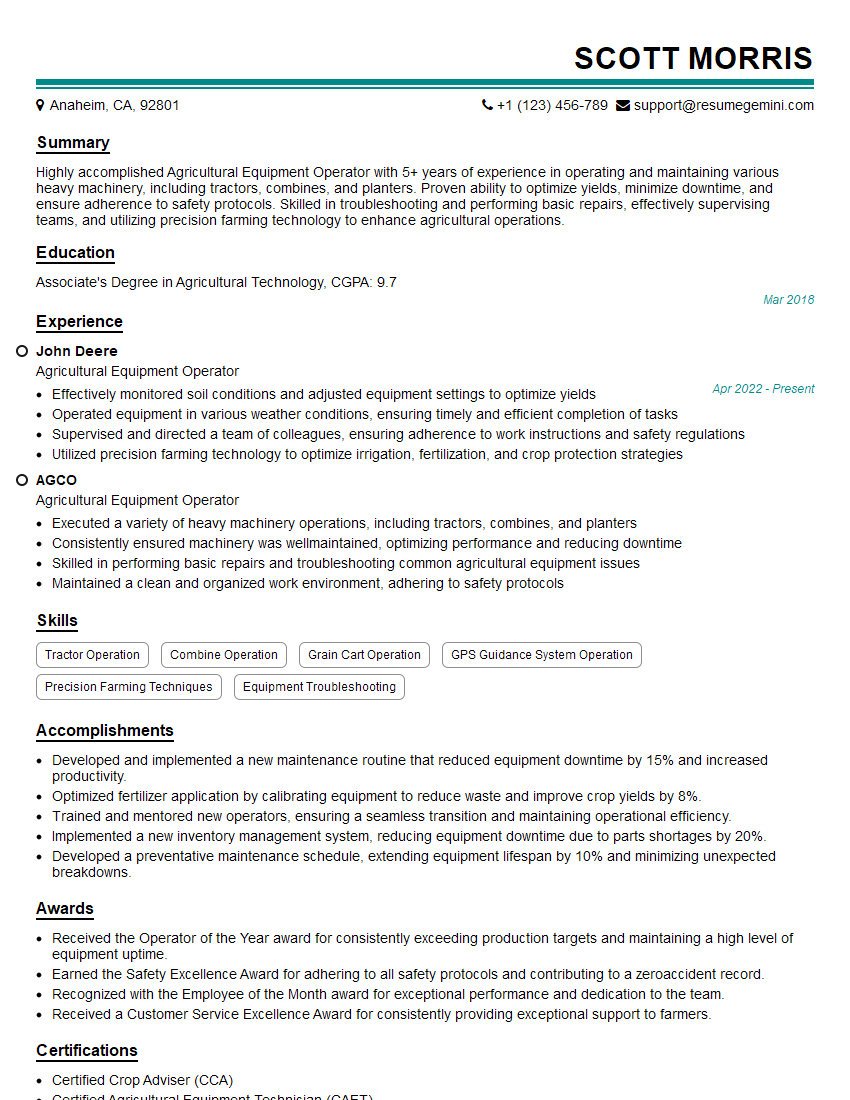
Agricultural Equipment Operator Resume Sample
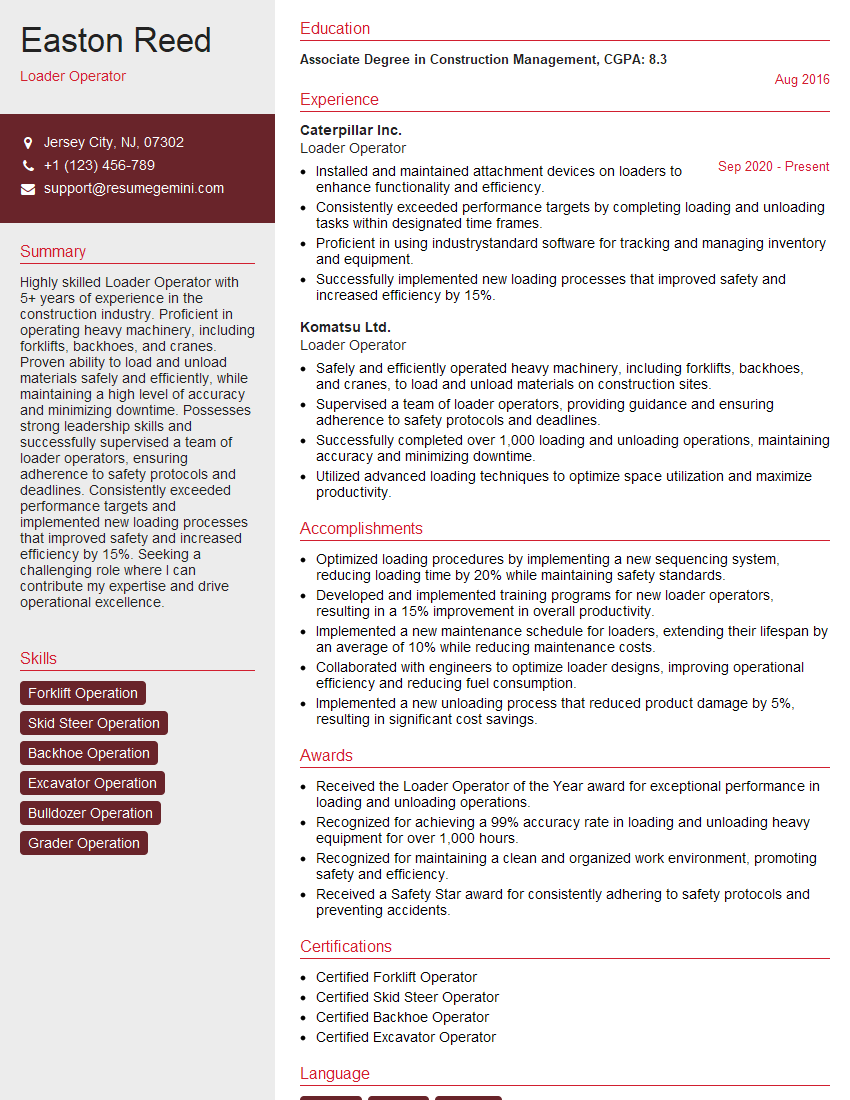
Loader Operator Resume Sample

Heavy Equipment Operator Resume Sample
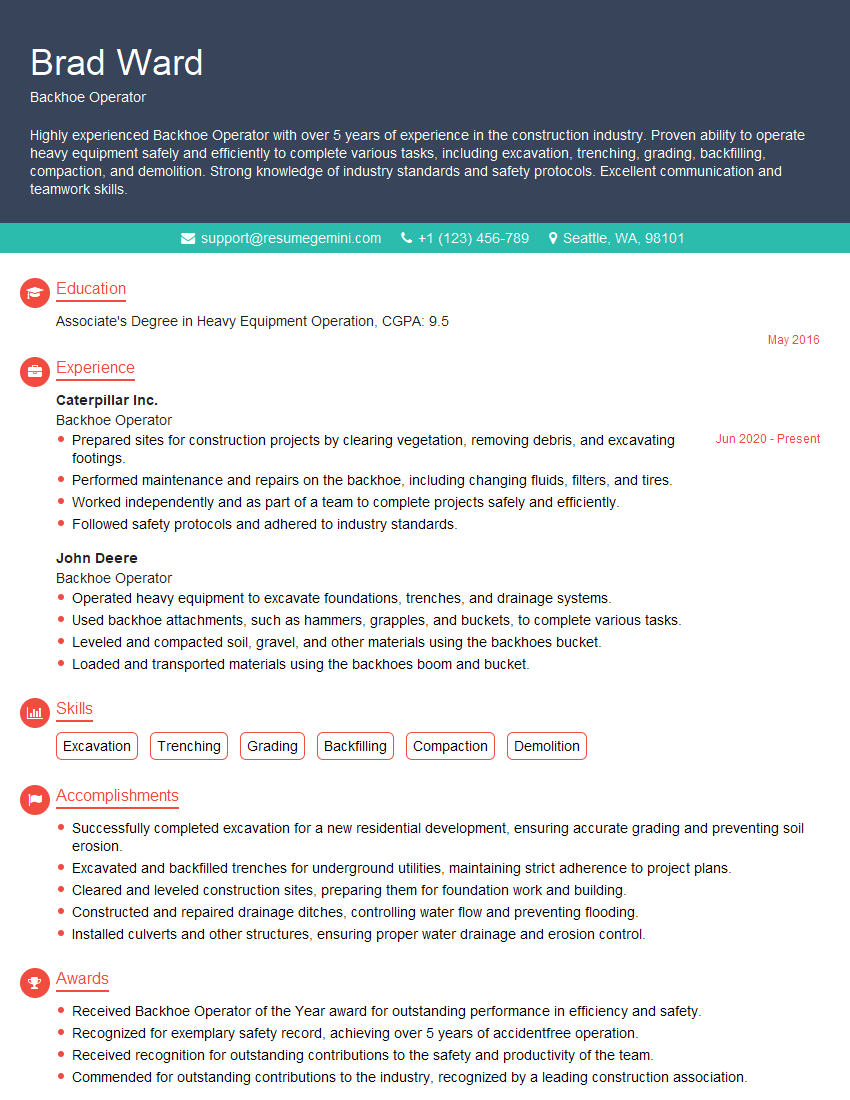
Backhoe Operator Resume Sample
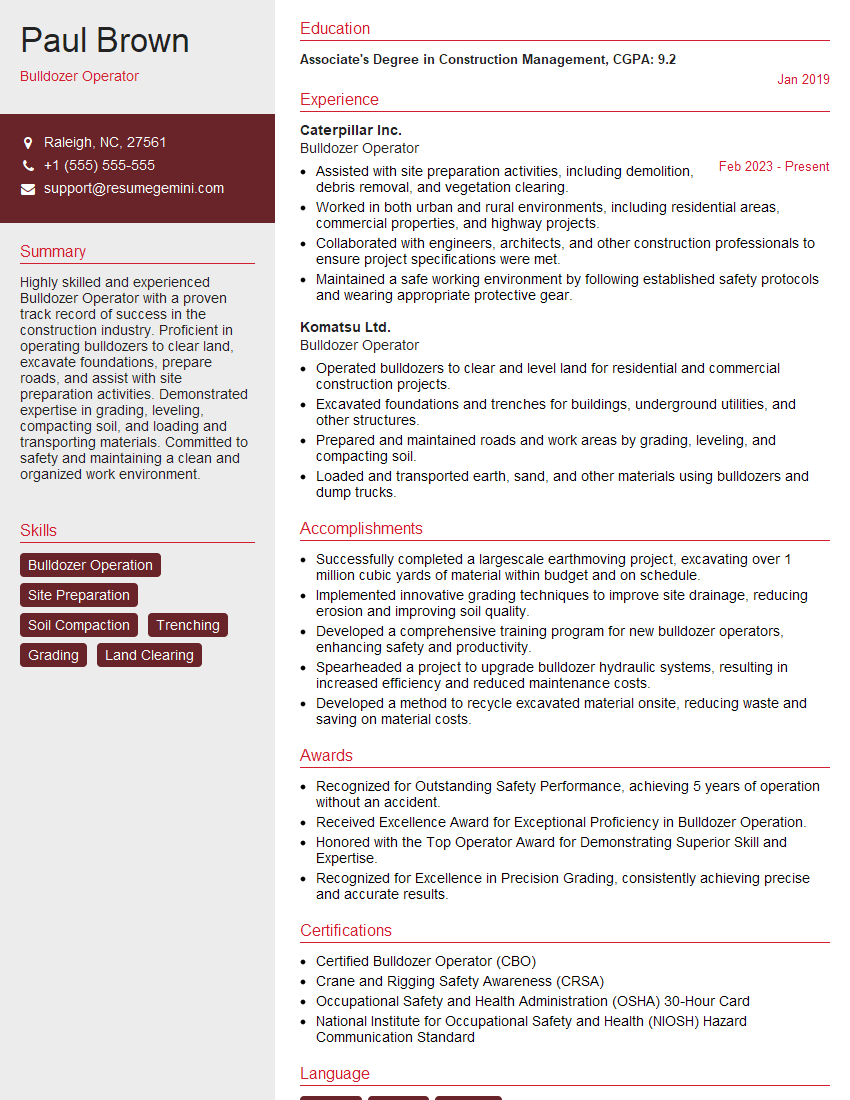
Bulldozer Operator Resume Sample
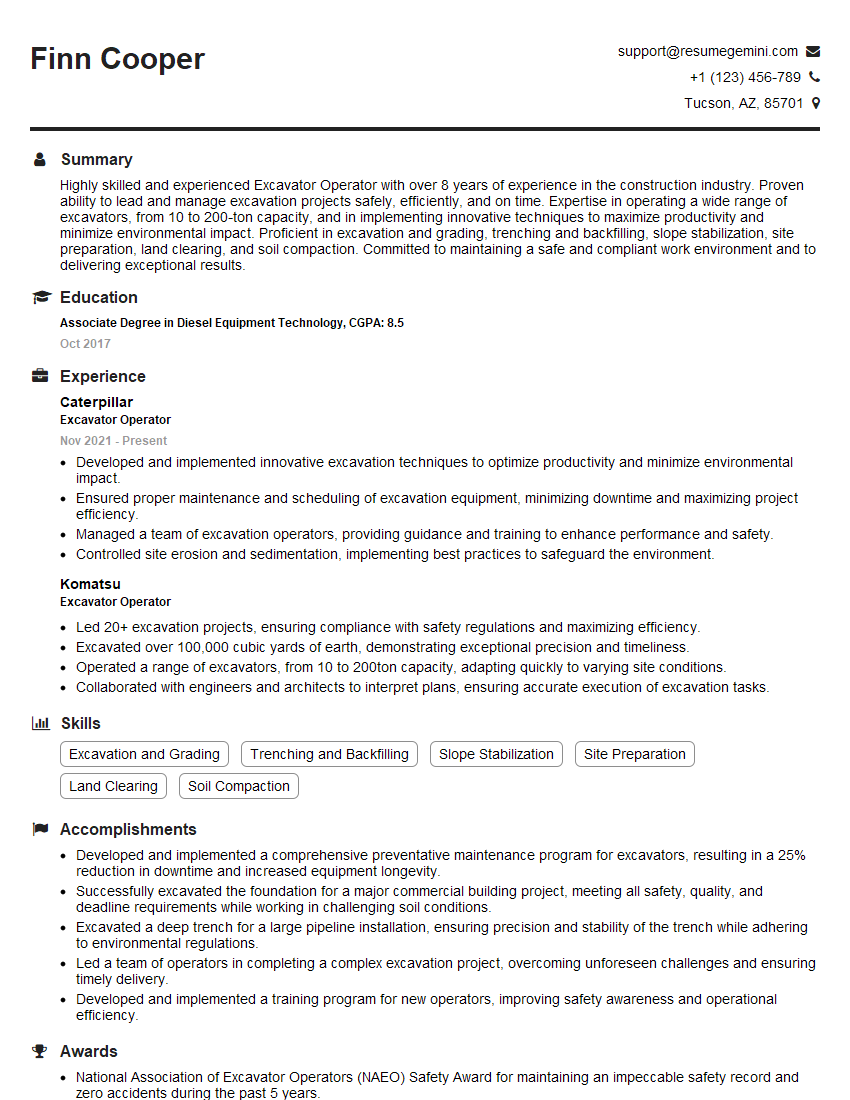
Excavator Operator Resume Sample
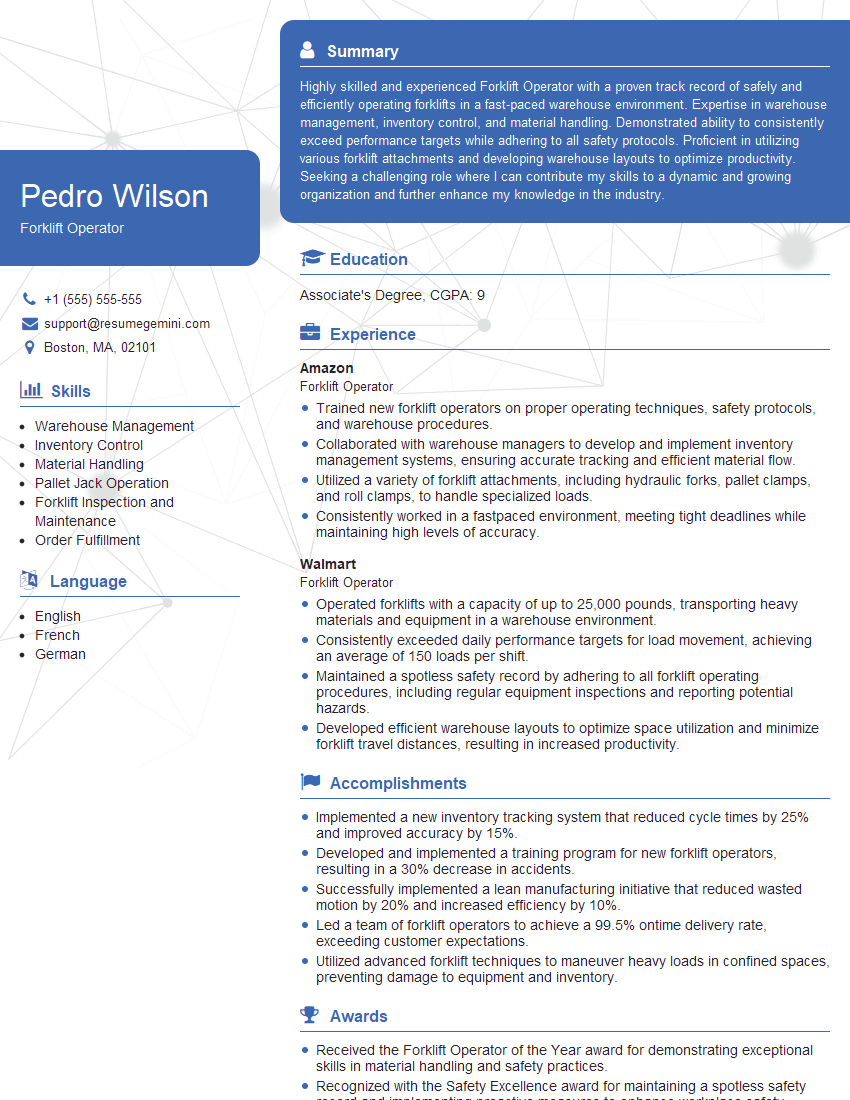
Forklift Operator Resume Sample
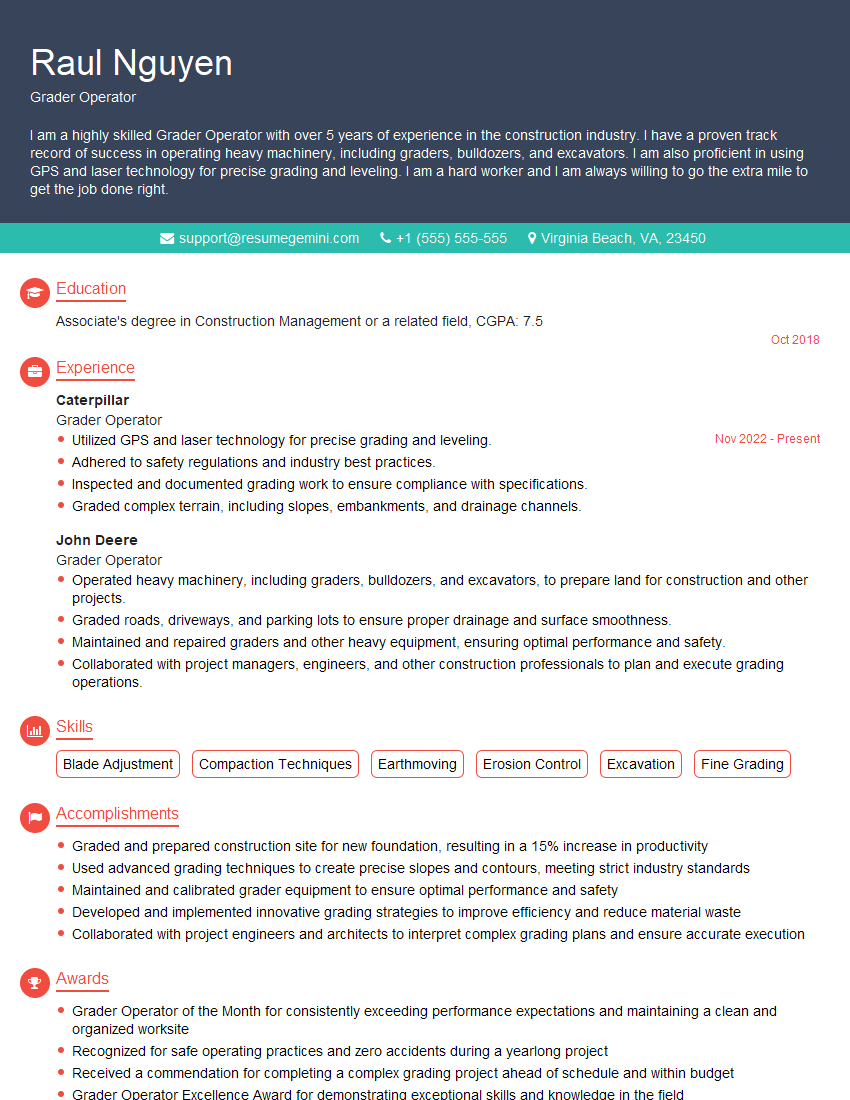
Grader Operator Resume Sample
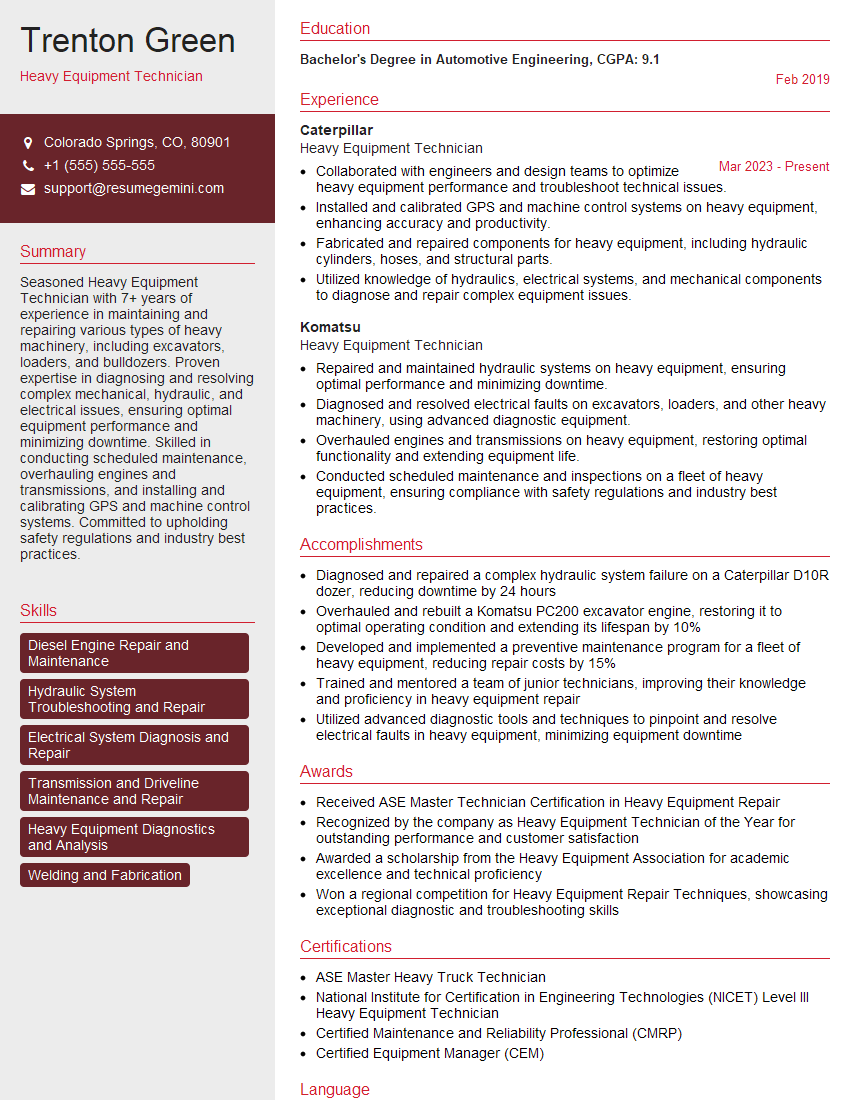
Heavy Equipment Technician Resume Sample
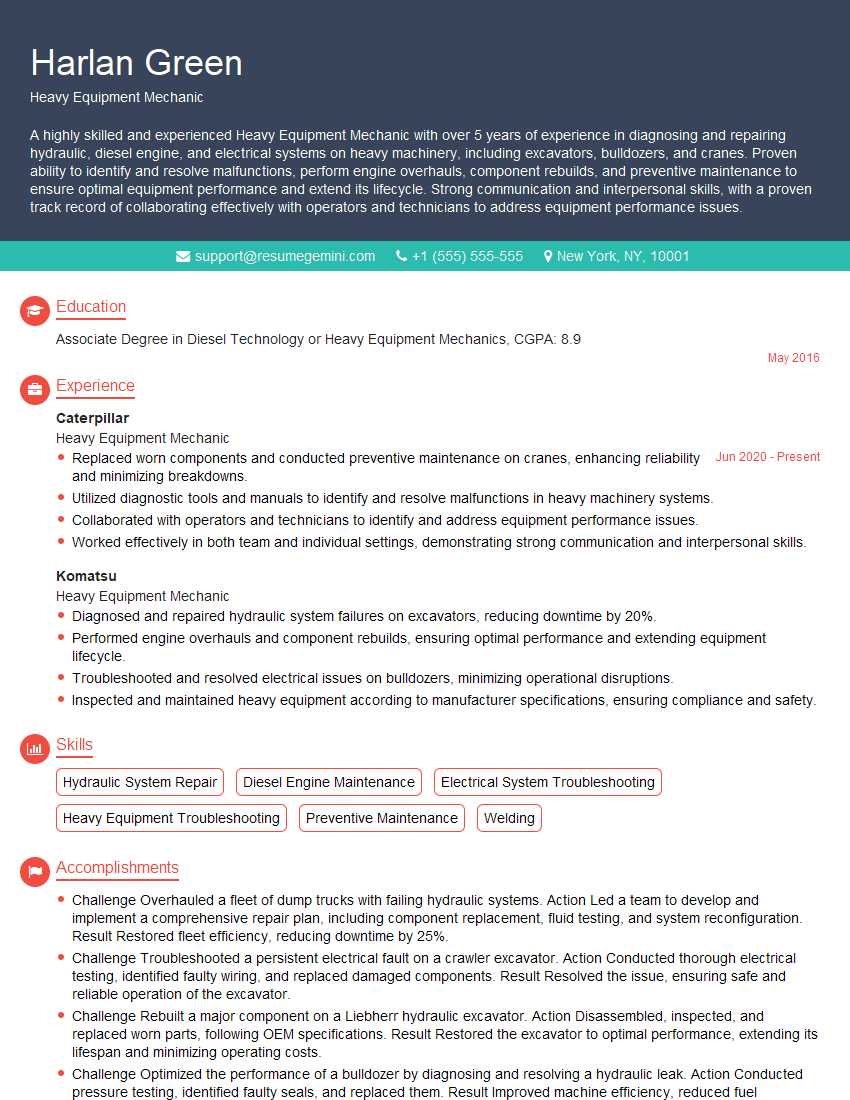
Heavy Equipment Mechanic Resume Sample
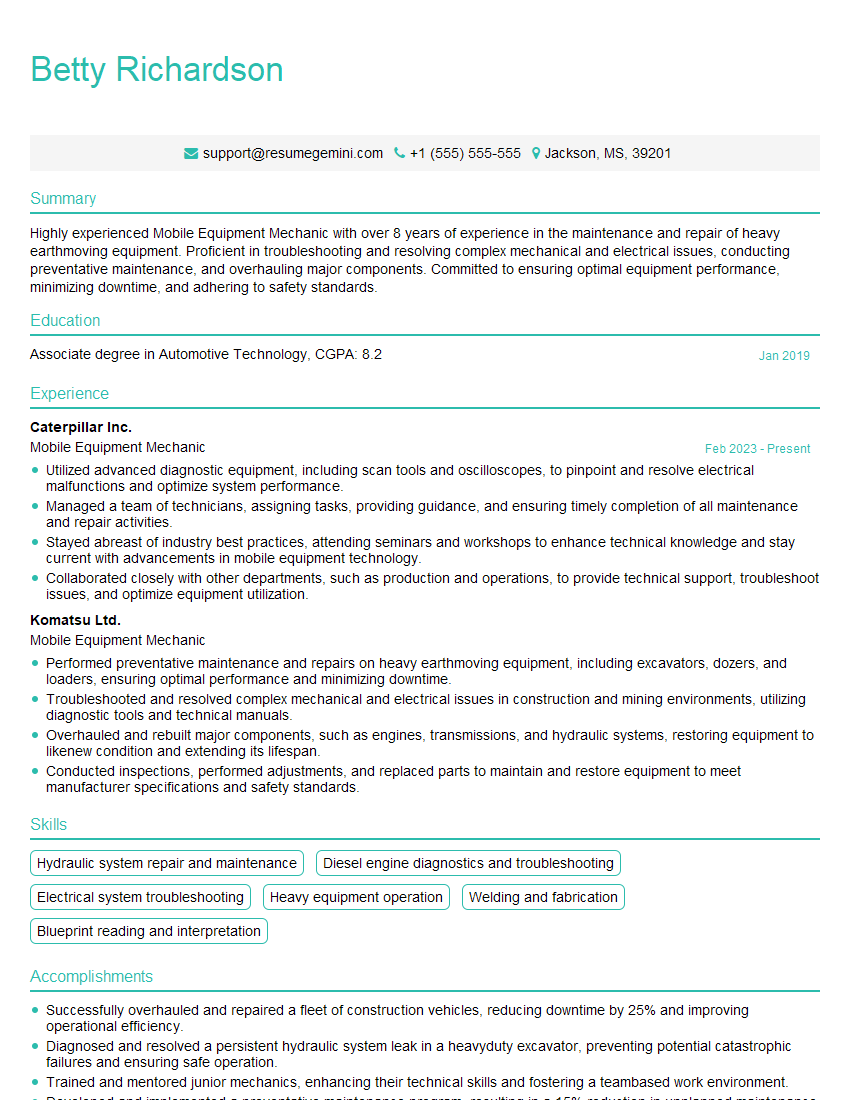
Mobile Equipment Mechanic Resume Sample
Explore more articles
Users Rating of Our Blogs
Share Your Experience
We value your feedback! Please rate our content and share your thoughts (optional).
What Readers Say About Our Blog
Very informative content, great job.
good