Cracking a skill-specific interview, like one for Ability to Work with Tight Deadlines, requires understanding the nuances of the role. In this blog, we present the questions you’re most likely to encounter, along with insights into how to answer them effectively. Let’s ensure you’re ready to make a strong impression.
Questions Asked in Ability to Work with Tight Deadlines Interview
Q 1. Describe your approach to prioritizing tasks when facing multiple deadlines.
Prioritizing tasks under tight deadlines requires a structured approach. I typically use a combination of methods, starting with a clear understanding of project goals and deliverables. I then employ a prioritization matrix, often using a combination of urgency and importance. This helps me visually categorize tasks, ensuring that critical path activities – those directly impacting the final deadline – receive top priority. I might use tools like Eisenhower Matrix (Urgent/Important) or MoSCoW (Must have/Should have/Could have/Won’t have) to further refine the list. Finally, I break down large tasks into smaller, more manageable sub-tasks, making the overall project less daunting and allowing for more effective tracking of progress.
For example, if I’m working on a website launch with multiple components (design, development, content), I’d first identify the most crucial components for launch (e.g., core functionality) and assign those the highest priority. Then, I’d schedule tasks accordingly, ensuring that dependent tasks are sequenced correctly to avoid bottlenecks.
Q 2. How do you handle unexpected delays that threaten to jeopardize a deadline?
Unexpected delays are inevitable. My response involves immediate assessment and proactive communication. First, I identify the root cause of the delay. Is it a technical issue, resource constraint, or something else? Once identified, I explore possible mitigation strategies. This might involve re-allocating resources, adjusting the scope of the project (if feasible), or seeking assistance from colleagues or other teams. Crucially, I communicate the delay transparently to stakeholders, providing an updated timeline and clearly explaining the reasons for the change. This ensures everyone is informed and aligned, minimizing potential disruptions.
For instance, if a key software component fails unexpectedly, I would immediately notify the development team, explore alternative solutions (e.g., using a backup system, contacting the vendor for support), and then inform stakeholders about the delay and the steps being taken to address it. I would also adjust the project schedule accordingly, prioritizing tasks that can still be completed within the revised timeline.
Q 3. What strategies do you use to effectively manage your time under pressure?
Effective time management under pressure relies on several key strategies. Firstly, I utilize time-blocking techniques, allocating specific time slots for different tasks. This promotes focused work and minimizes distractions. Secondly, I practice the Pomodoro Technique – working in focused bursts with short breaks in between – to maintain concentration and prevent burnout. Thirdly, I minimize multitasking; instead, I prioritize completing one task at a time before moving on to the next. Finally, I regularly review my progress, adjusting my schedule as needed. This iterative approach allows for flexibility and ensures that I stay on track, even when faced with unforeseen circumstances.
For example, I might schedule two hours in the morning for focused coding, followed by a 30-minute break. Then, I’d dedicate an hour for addressing emails and another hour for meetings. Throughout the day, I would use a task management tool to track my progress and re-prioritize tasks based on their urgency and importance.
Q 4. Give an example of a time you successfully met a tight deadline despite unforeseen challenges.
In a previous role, we were tasked with launching a new product within an extremely tight deadline – just three months. A critical component, the backend database integration, encountered unforeseen compatibility issues two weeks before launch. The initial solution was estimated to take another week, jeopardizing the entire project. To overcome this, I collaborated with the development team and proposed a workaround using a different, readily available database system. This required some code restructuring, but it was significantly faster than fixing the initial compatibility issues. We worked around the clock, organizing ourselves into smaller, specialized teams focusing on different aspects of the workaround. Through intensive effort and effective communication, we successfully launched the product on time, demonstrating the ability to adapt and overcome significant challenges under pressure.
Q 5. How do you delegate tasks effectively when working against a tight deadline?
Effective delegation under tight deadlines requires careful planning and clear communication. I assess each task, identifying which team members possess the necessary skills and availability to complete it effectively. Then, I clearly define expectations, including deadlines, desired outcomes, and acceptable quality standards. Regular check-ins are crucial to monitor progress and provide support if needed. I also empower team members by giving them the autonomy to make decisions, fostering a sense of ownership and accountability. Finally, I clearly communicate the overall project timeline and the interdependence of different tasks, ensuring everyone understands their contribution to the overall success.
For example, if I need to create marketing materials alongside developing software features, I’d delegate the design and writing of marketing materials to the marketing team, providing them with clear style guidelines and deadlines, while focusing my efforts on resolving software development issues. I will ensure frequent communication and feedback cycles to maintain alignment and ensure the final deliverables fit together seamlessly.
Q 6. How do you communicate project status and potential delays to stakeholders?
Transparent and proactive communication is paramount. I regularly update stakeholders on project progress using a variety of methods – emails, project management software updates, and regular meetings. If potential delays emerge, I communicate them promptly, explaining the cause and proposing mitigation strategies. I avoid sugarcoating issues and instead provide realistic assessments, emphasizing my commitment to finding solutions. I also involve stakeholders in the decision-making process whenever possible, ensuring that they feel informed and involved in addressing potential challenges.
For instance, I would use project management software to update the project timeline in real-time and notify stakeholders of any changes through automated notifications and emails. I’d follow up with regular briefings to address concerns and answer questions transparently.
Q 7. What tools or techniques do you use to track progress and ensure timely completion?
I use a combination of tools and techniques to track progress and ensure timely completion. Project management software (like Jira, Asana, or Trello) is crucial for task assignment, progress tracking, and deadline management. These tools allow for centralized information sharing and provide visual representations of project status. I also utilize Gantt charts to visualize task dependencies and timelines. Regular progress meetings, both with individual team members and the entire team, are critical for identifying potential roadblocks and adjusting the schedule proactively. Finally, I encourage the use of time-tracking tools to provide insights into time allocation and identify areas for potential improvement.
For example, I might use Jira to assign tasks, track progress using Kanban boards, and monitor deadlines. A Gantt chart would then visually represent the project timeline and dependencies. Daily stand-up meetings would provide an opportunity to address any immediate roadblocks, while weekly progress reports would offer a broader perspective on the project status and potential risks.
Q 8. Describe a situation where you had to make difficult decisions to meet a deadline.
Meeting tight deadlines often necessitates difficult choices. One instance involved a critical software update for a major client. We were already behind schedule due to unforeseen technical complexities. To deliver on time, we had to prioritize features. We used a prioritization matrix, weighing client-defined criticality against implementation effort. This led to the difficult decision to postpone less crucial features to a future release, a choice that was not popular with some team members who felt their work was devalued. However, delivering the core functionality on time preserved our client relationship and company reputation. This situation taught me the importance of transparent communication and collaborative decision-making when facing tight deadlines.
Q 9. How do you balance quality with speed when working under pressure?
Balancing quality and speed under pressure is a constant juggling act. My approach involves proactive planning and risk management. Firstly, I meticulously define the minimum viable product (MVP) – the core features that absolutely must be delivered to meet the deadline. This helps to avoid scope creep. Secondly, I leverage agile methodologies, embracing iterative development and frequent testing to quickly identify and resolve issues early on. Thirdly, I prioritize automated testing to ensure quality isn’t sacrificed while gaining speed. This structured approach, combined with transparent communication with the team and stakeholders, allows for efficient course correction and ensures that, while we are fast, we are also delivering high quality work.
Q 10. How do you maintain your focus and avoid burnout when working long hours to meet deadlines?
Maintaining focus and avoiding burnout during intense deadline periods requires a holistic strategy. I prioritize sleep, maintain a healthy diet, and incorporate regular breaks into my workday. These aren’t luxuries; they’re essential for sustained productivity. I also use time-blocking techniques, scheduling focused work sessions interspersed with short breaks for stretching or mindfulness exercises. Crucially, I communicate openly with my team and manager about my workload to prevent overcommitment and seek support when needed. Recognizing my limitations and asking for help is not a sign of weakness, but a crucial aspect of effective time management.
Q 11. What’s your process for breaking down large projects into manageable tasks with deadlines?
My process for breaking down large projects begins with a clear definition of the final deliverable and its key components. I then use a work breakdown structure (WBS) to decompose the project into smaller, manageable tasks. Each task receives a realistic deadline, considering dependencies between tasks. I use project management software to visualize this breakdown, track progress, and assign responsibilities. For example, if the project is building a website, the WBS might include tasks like ‘design mockups’, ‘develop front-end’, ‘develop back-end’, ‘test and deploy’. Each of these tasks would then be broken down further. This structured approach avoids feeling overwhelmed by the overall project and facilitates efficient progress tracking.
Q 12. How do you identify and mitigate potential risks that could delay a project?
Identifying and mitigating risks is crucial for on-time delivery. I employ a risk assessment matrix that considers the likelihood and impact of potential delays. This might include technical challenges, resource constraints, or unforeseen dependencies. For each identified risk, I develop a mitigation plan – a proactive strategy to minimize the impact if the risk materializes. For example, if a key team member might be unavailable, we identify backup personnel. If there’s a risk of a software library being incompatible, we start testing early. Regular project reviews involving the team allow for early detection and adjustment of the mitigation strategies.
Q 13. Describe a time you had to adjust your work schedule to meet a critical deadline.
During the launch of a new product, we faced a critical deadline for the final marketing materials. The original schedule was impacted by a delay in securing final approvals. To compensate, I volunteered to work extra hours over a weekend to ensure timely completion. This involved coordinating with the design and marketing teams and ensuring the final materials were reviewed and approved. While it required personal sacrifice, meeting this deadline was vital for the successful product launch and demonstrated commitment to the project’s success. However, I ensured I took compensatory time off afterward to prevent burnout.
Q 14. How do you handle conflicting deadlines or competing priorities?
Conflicting deadlines require prioritization. I use a combination of techniques: First, I clearly define the priorities of each task, considering the impact of missing a deadline. Then, I communicate transparently with stakeholders to clarify expectations and potentially negotiate deadlines if possible. Sometimes, this involves re-allocating resources or requesting additional support. If a compromise isn’t possible, I focus on completing the highest-priority tasks first, ensuring that critical deliverables are met. Effective communication is key throughout this process to manage expectations and ensure everyone is aware of the trade-offs being made.
Q 15. What is your experience with project management software for deadline tracking?
My experience with project management software for deadline tracking is extensive. I’ve used a variety of tools, including Asana, Jira, Trello, and Monday.com, adapting my approach based on project needs and team preferences. For example, in a recent marketing campaign, we used Asana to track individual task assignments, deadlines, and progress towards the overall launch date. Asana’s subtask functionality allowed us to break down large tasks into smaller, manageable pieces, each with its own deadline. This granular level of tracking helped us visualize the project’s critical path and identify potential delays early on. I’m proficient in utilizing Gantt charts and Kanban boards within these platforms to visualize timelines and workflow, ensuring everyone remains aware of deadlines and dependencies.
Beyond simply inputting deadlines, I actively utilize the reporting features in these tools to monitor progress, identify bottlenecks, and proactively adjust timelines as needed. For instance, I regularly generate progress reports from Asana to share with stakeholders, highlighting both successes and areas requiring attention.
Career Expert Tips:
- Ace those interviews! Prepare effectively by reviewing the Top 50 Most Common Interview Questions on ResumeGemini.
- Navigate your job search with confidence! Explore a wide range of Career Tips on ResumeGemini. Learn about common challenges and recommendations to overcome them.
- Craft the perfect resume! Master the Art of Resume Writing with ResumeGemini’s guide. Showcase your unique qualifications and achievements effectively.
- Don’t miss out on holiday savings! Build your dream resume with ResumeGemini’s ATS optimized templates.
Q 16. How do you proactively identify potential roadblocks that might impact deadlines?
Proactively identifying potential roadblocks is crucial for meeting deadlines. My approach is multi-faceted and includes:
- Regular Check-ins: Frequent communication with team members to discuss progress, challenges, and potential issues. This fosters early identification of problems.
- Risk Assessment: Before starting a project, I conduct a thorough risk assessment, considering potential delays from various sources, such as resource availability, technical difficulties, or external dependencies. This helps anticipate problems.
- Dependency Mapping: I meticulously map out task dependencies. Understanding which tasks rely on others helps pinpoint potential bottlenecks and allows for proactive mitigation strategies.
- Buffer Time: I always build buffer time into the schedule. This extra time accounts for unforeseen delays or unexpected complexities.
- Contingency Planning: For high-risk tasks or those with tight deadlines, I develop contingency plans. This involves outlining alternative solutions or strategies in case of delays.
For instance, in a previous project, during the risk assessment phase, we identified potential delays due to external API integration. We proactively contacted the API provider, ensuring a clear timeline and communication plan. This prevented unexpected delays and kept the project on track.
Q 17. Have you ever missed a deadline? Describe the situation and what you learned.
Yes, I have missed a deadline before. It was during a particularly complex software development project where we underestimated the integration challenges between different modules. We had insufficiently detailed documentation for the APIs involved. While we had a rigorous testing process, the complexity of the system led to unforeseen bugs that emerged late in the cycle.
The experience taught me the critical importance of:
- More thorough upfront planning and documentation to avoid such complexities arising late in the project lifecycle.
- More aggressive unit testing on individual components before integration testing.
- More frequent communication with stakeholders to manage expectations and communicate potential delays early.
- Building additional buffer time to account for unforeseen complexities.
The missed deadline, while stressful, resulted in valuable lessons that I apply to every project now.
Q 18. How do you adapt to changing priorities and deadlines?
Adapting to changing priorities and deadlines requires flexibility and a structured approach. I prioritize tasks using methods like MoSCoW analysis (Must have, Should have, Could have, Won’t have) to clearly define the importance of different components and ensure that critical tasks remain prioritized. I utilize project management software to re-evaluate the timeline, adjusting task durations and dependencies to accommodate the new priorities. This involves open communication with the team to ensure everyone understands the shift in focus and their role in meeting the revised deadlines. Transparency is key. I regularly update stakeholders to manage expectations and ensure buy-in for the necessary adjustments.
For example, if a high-priority task emerges, I would immediately re-evaluate the project’s critical path, potentially postponing lower-priority tasks to ensure the urgent item is addressed in time.
Q 19. How do you ensure accuracy while working at a fast pace?
Ensuring accuracy while working at a fast pace necessitates a structured approach combined with effective time management. I prioritize tasks, breaking them into smaller, manageable chunks. This minimizes the risk of errors by focusing my concentration on specific, smaller parts. I use checklists to ensure I don’t miss crucial steps, and I employ techniques like timeboxing to dedicate specific amounts of time to each task. This helps avoid rushing and potential mistakes. Regular self-checks and peer reviews play a crucial role in identifying and correcting errors promptly. I advocate for utilizing automated tools wherever possible to mitigate human error and improve efficiency. For instance, automated testing in software development can significantly reduce errors and improve speed.
Q 20. Describe your experience working with collaborative tools for deadline management.
I’ve extensive experience utilizing collaborative tools for deadline management. In addition to Asana, Jira, and Trello, I’ve utilized Microsoft Teams and Slack for real-time communication and updates. These tools enable seamless sharing of information and files, ensuring everyone is on the same page and aware of deadlines. The ability to use threaded comments, task assignments, and progress tracking within these platforms allows for improved team coordination and efficient communication. Furthermore, regular virtual meetings and quick check-ins (often using screen-sharing features within these tools) help resolve problems and keep the project on track. The transparency offered by collaborative tools enables proactive identification and resolution of potential delays.
Q 21. How do you cope with the stress associated with tight deadlines?
Working under tight deadlines can be stressful, but I’ve developed strategies to cope effectively. These include:
- Prioritization and planning: A well-defined plan helps reduce uncertainty and anxiety.
- Time Management: Effective time management techniques, like the Pomodoro Technique, help maintain focus and prevent burnout.
- Breaks and Self-Care: Regular breaks throughout the day are crucial for maintaining focus and preventing burnout. This includes stepping away from work for short periods to relax and recharge.
- Mindfulness and Stress-Reduction Techniques: I utilize techniques like meditation or deep breathing exercises to manage stress levels.
- Communication: Open communication with my team and stakeholders helps manage expectations and reduce pressure.
It’s important to recognize that stress is a normal part of working under pressure, but managing it proactively can prevent burnout and enhance productivity.
Q 22. How do you use data to inform your decision-making when deadlines are near?
When deadlines loom, data-driven decision-making becomes crucial. It’s not about gut feeling; it’s about prioritizing tasks based on their impact and urgency. I use a combination of techniques. First, I identify key performance indicators (KPIs) relevant to the project. For instance, if it’s a software development project, KPIs might include lines of code completed, number of bugs fixed, or test coverage percentage. Then, I collect and analyze data on these KPIs, focusing on what’s most critical to delivering a minimally viable product (MVP) by the deadline. This allows me to identify bottlenecks and allocate resources – my own time and that of my team – efficiently. For example, if data shows that a particular feature is consuming a disproportionate amount of time without significantly impacting the overall value delivered, I might de-prioritize or even temporarily postpone it. This prioritization based on data ensures that we’re focusing on the most impactful tasks, maximizing output in the limited time available.
Q 23. How do you maintain clear communication with your team when under pressure?
Maintaining clear communication under pressure is paramount. I believe in proactive, frequent, and transparent communication. This means daily stand-up meetings – short, focused updates – to keep everyone synchronized. I also utilize project management tools like Jira or Asana to provide real-time visibility into task progress, roadblocks, and dependencies. Crucially, I encourage open dialogue. If team members encounter challenges, they’re empowered to communicate them immediately, without fear of reprisal. I focus on active listening and addressing concerns swiftly, fostering a supportive and collaborative environment even amidst the urgency. This prevents miscommunications and keeps everyone aligned towards a common goal. For example, if a team member is falling behind, we collaboratively identify the root cause – lack of clarity, unexpected technical challenges, or personal constraints – and then work together to find solutions.
Q 24. How do you handle pressure from clients or superiors to meet unrealistic deadlines?
Unrealistic deadlines are a reality in many projects. My approach involves a three-step process: Firstly, I respectfully but firmly push back. I present a realistic timeline based on my experience and the available resources, supporting my assessment with data (e.g., historical project data, complexity estimations). Secondly, I actively collaborate to find mutually acceptable solutions. This could involve scope reduction, resource augmentation, or a re-negotiation of deliverables. Thirdly, if a compromise can’t be reached, I clearly communicate the potential risks and consequences of proceeding with the unrealistic timeline, including compromised quality, burnout, and project failure. This approach protects both the project’s success and the well-being of the team, while maintaining a professional and collaborative relationship with clients and superiors. For instance, I’ve previously suggested delivering a minimum viable product (MVP) by the initial deadline, followed by incremental releases to fully incorporate all the features later.
Q 25. Describe your experience using agile methodologies for project management.
Agile methodologies are my preferred approach to project management, particularly under tight deadlines. The iterative nature of Agile, with its short sprints and frequent feedback loops, allows for adaptability and quick adjustments. I have extensive experience using Scrum, where we break down projects into manageable tasks, hold daily stand-up meetings, and conduct sprint reviews and retrospectives to assess progress and identify areas for improvement. This incremental approach allows for continuous monitoring of the project’s health and quick course correction if needed. For example, in a recent project using Scrum, we detected a significant bottleneck in the testing phase after the first sprint. Through the retrospective, we identified the problem as insufficient test automation, and quickly adjusted the plan for the following sprints, introducing more automated testing tools and processes. This adaptive approach ensured we delivered a high-quality product despite initial challenges.
Q 26. What’s your preferred method for reporting progress and potential delays on projects?
My preferred method for reporting progress and potential delays is a multi-faceted approach that leverages both technology and personal communication. I utilize project management tools such as Jira or Asana to provide up-to-date, visual representations of task completion, progress towards milestones, and any identified risks or roadblocks. This allows stakeholders to track progress in real-time. Alongside this, I hold regular briefings with clients and superiors, providing concise and focused updates on progress, highlighting any potential issues and proposed mitigation strategies. These face-to-face or video conference briefings allow for immediate feedback and discussion, fostering transparency and preventing any surprises or misinterpretations. For instance, if a delay is anticipated, I will proactively communicate the reasons, provide revised timelines, and outline the steps we’re taking to get back on track.
Q 27. How do you ensure you deliver high-quality work even under tight time constraints?
Delivering high-quality work under pressure requires meticulous planning and prioritization. I use a combination of techniques, including: Prioritization based on data, as discussed earlier. Defining clear acceptance criteria for each task ensures that work meets the required standards before moving on. Thorough testing and quality assurance are integrated throughout the project lifecycle, not just at the end. We use pair programming in critical sections of the code to minimize errors and ensure code reviews are done promptly. Automation wherever possible reduces manual effort and the risk of human error. Finally, continuous learning and skill development are vital in tackling complex issues under pressure. The key is to create processes and habits that streamline the workflow while maintaining quality checks throughout the entire development process. A focus on meticulous planning and consistent quality checks is key to success under pressure.
Q 28. How do you evaluate the effectiveness of your time management strategies?
I evaluate the effectiveness of my time management strategies through a combination of self-reflection and data analysis. I regularly review my daily and weekly schedules to identify areas where time was wasted or where tasks took longer than anticipated. I analyze project timelines and compare them against actual completion times to pinpoint bottlenecks or inefficiencies. I also solicit feedback from my team members, as their perspectives can reveal hidden time sinks or suggest improvements to our processes. In addition, tools such as time tracking software can be incredibly useful for objectively measuring time allocation. This data is invaluable in adjusting my approach and adopting better strategies for future projects. For instance, if the data reveals that meetings are consuming too much time, I may explore more efficient meeting formats or reduce their frequency. Continuous review and refinement are crucial for adapting to the changing demands of each project and improving personal time management.
Key Topics to Learn for Ability to Work with Tight Deadlines Interview
- Prioritization and Time Management: Understanding how to effectively prioritize tasks based on urgency and importance, utilizing time management techniques like the Eisenhower Matrix.
- Effective Communication: Clearly communicating deadlines and potential roadblocks to stakeholders; proactively seeking clarification and support when needed.
- Stress Management and Resilience: Developing strategies to manage stress and maintain focus under pressure; showcasing your ability to remain calm and productive in high-pressure situations.
- Adaptability and Flexibility: Demonstrating the ability to adjust plans and priorities based on changing circumstances and unexpected challenges; showcasing flexibility in approach.
- Problem-Solving Under Pressure: Highlighting experience in quickly identifying and resolving issues that could impact deadlines; showcasing efficient problem-solving methodologies.
- Proactive Planning and Preparation: Explaining your approach to anticipating potential delays and proactively mitigating risks; showcasing meticulous planning skills.
- Delegation and Teamwork (if applicable): If relevant to the role, demonstrating your ability to delegate tasks effectively and collaborate effectively with team members to meet deadlines.
- Use of Tools and Technology: Highlighting your proficiency with project management software (e.g., Asana, Trello, Jira) and other tools that enhance efficiency.
Next Steps
Mastering the ability to work effectively under tight deadlines is crucial for career advancement. It showcases your reliability, resourcefulness, and ability to deliver results even under pressure – highly valued attributes in any professional setting. To maximize your job prospects, focus on crafting an ATS-friendly resume that clearly highlights your skills and experience in this area. ResumeGemini is a trusted resource to help you build a professional and impactful resume that will get noticed. We offer examples of resumes tailored to showcase proficiency in handling tight deadlines, helping you present yourself as the ideal candidate.

Operations Manager Resume Sample
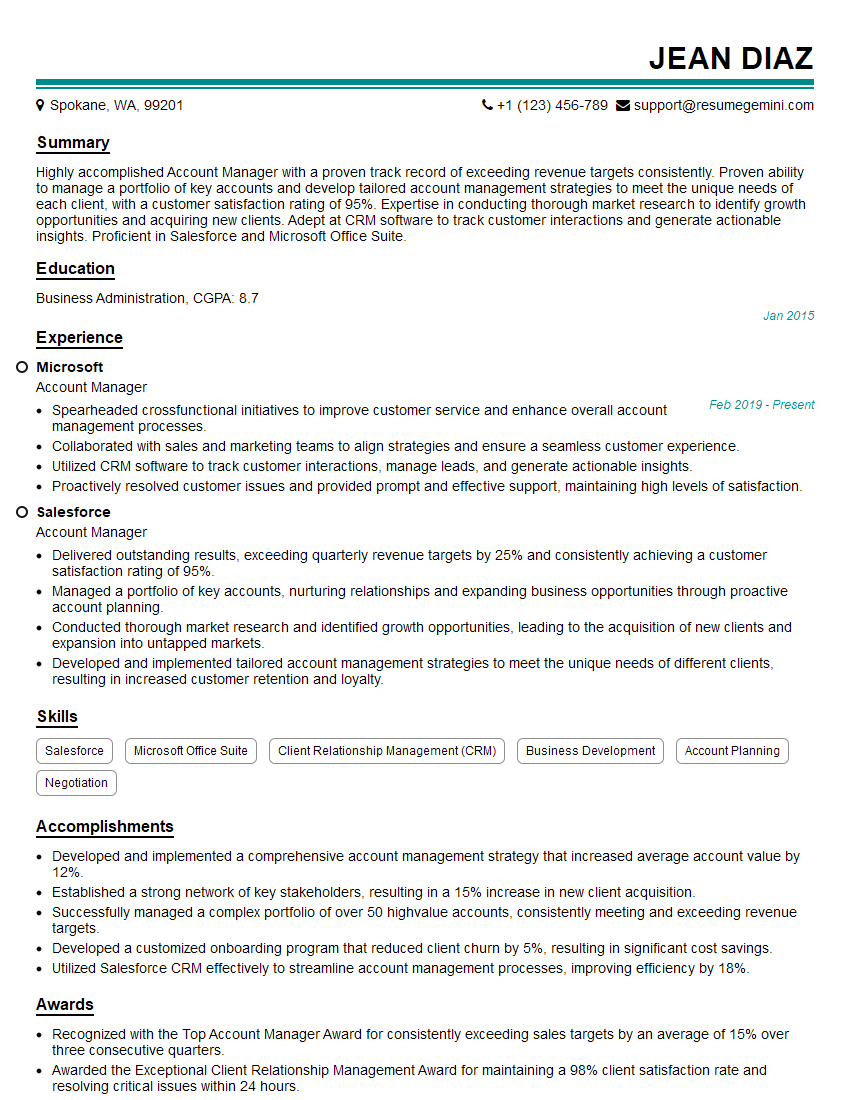
Account Manager Resume Sample
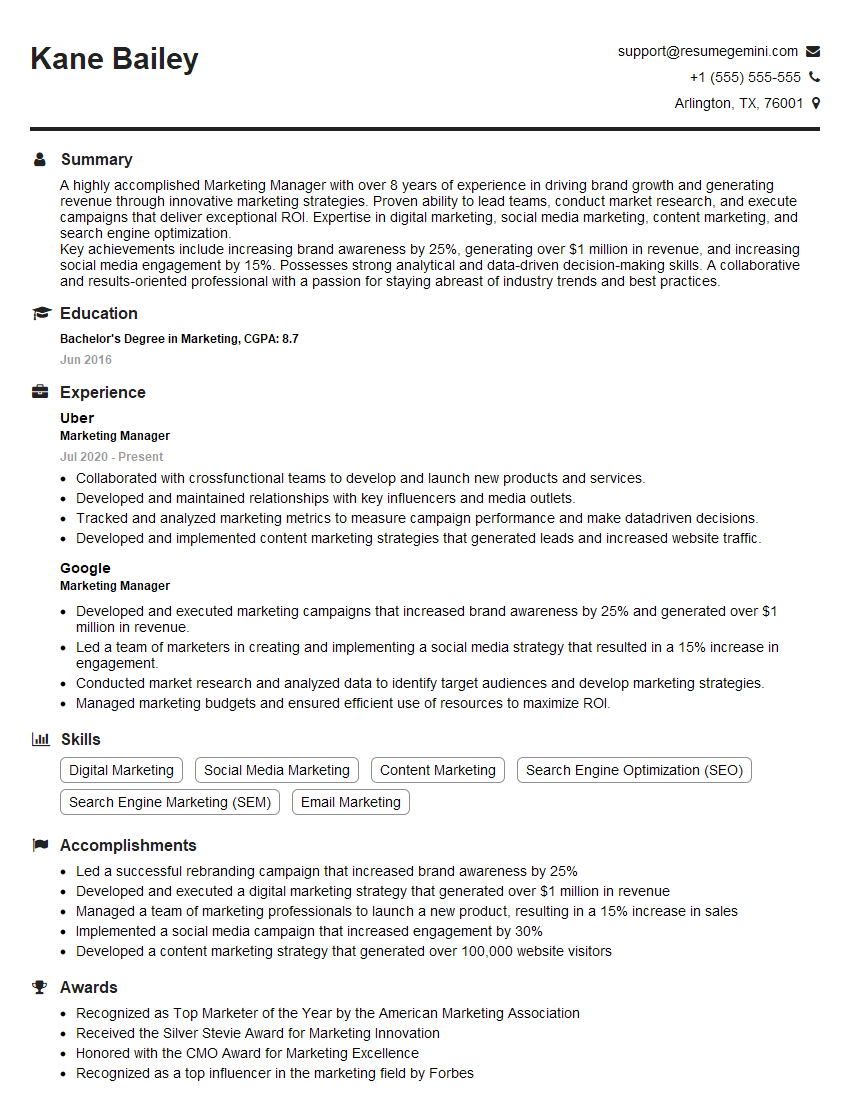
Marketing Manager Resume Sample
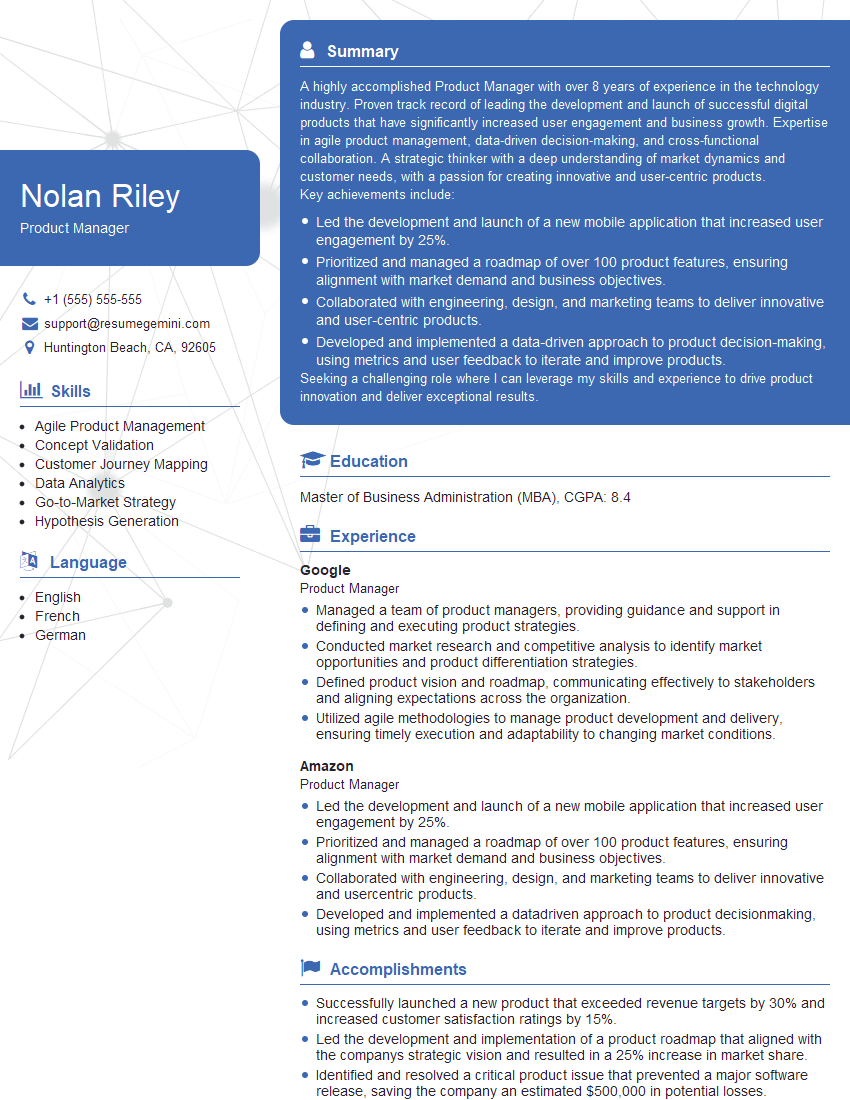
Product Manager Resume Sample
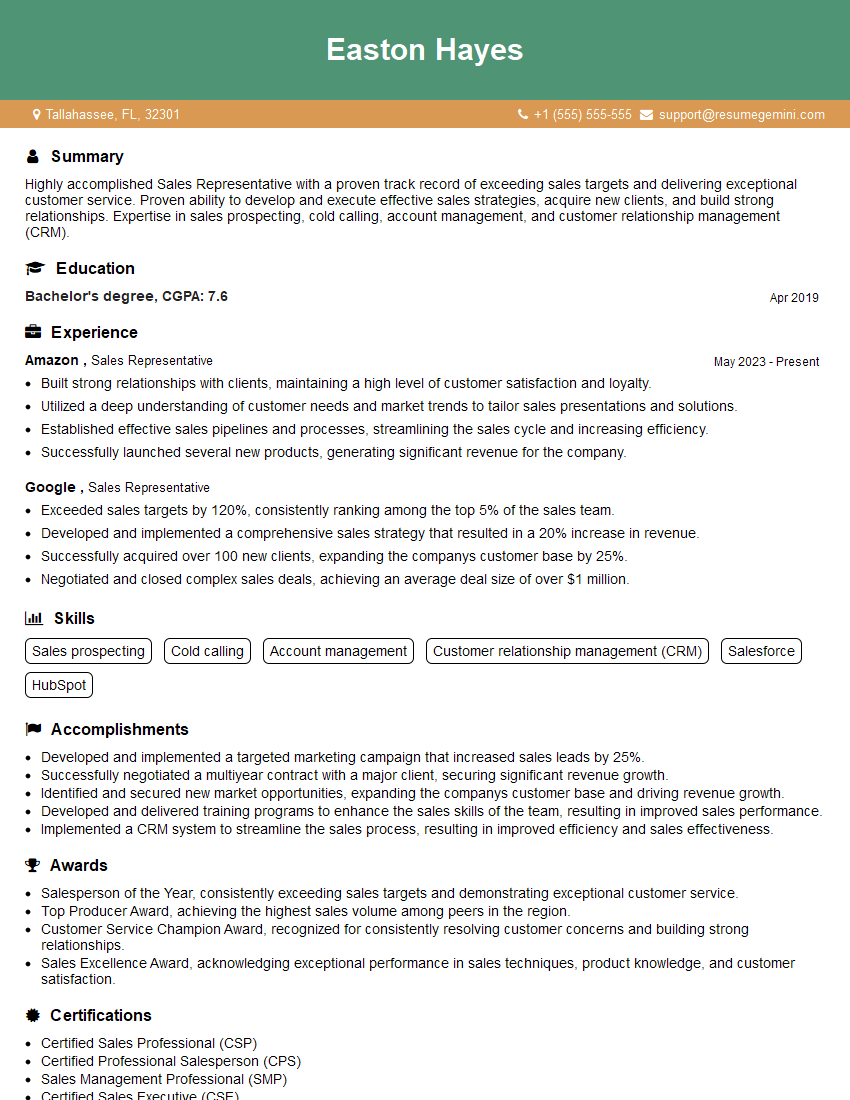
Sales Representative Resume Sample

Customer Service Manager Resume Sample
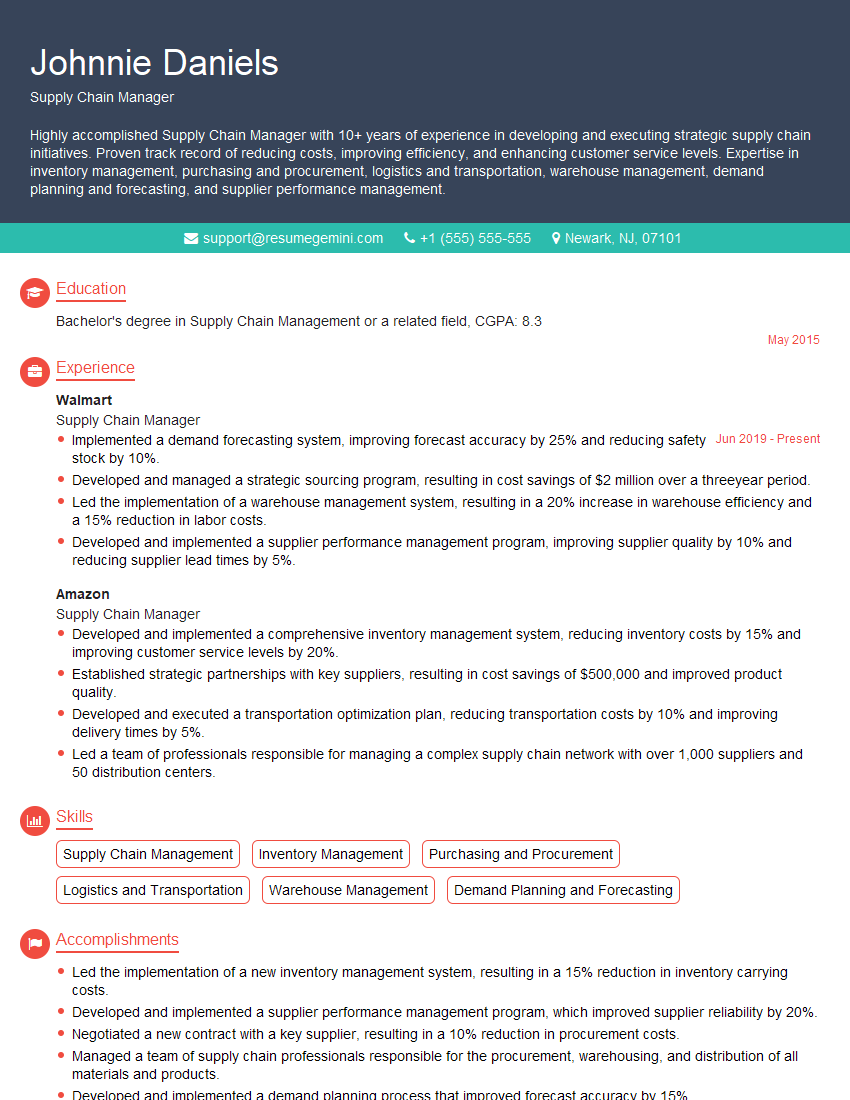
Supply Chain Manager Resume Sample
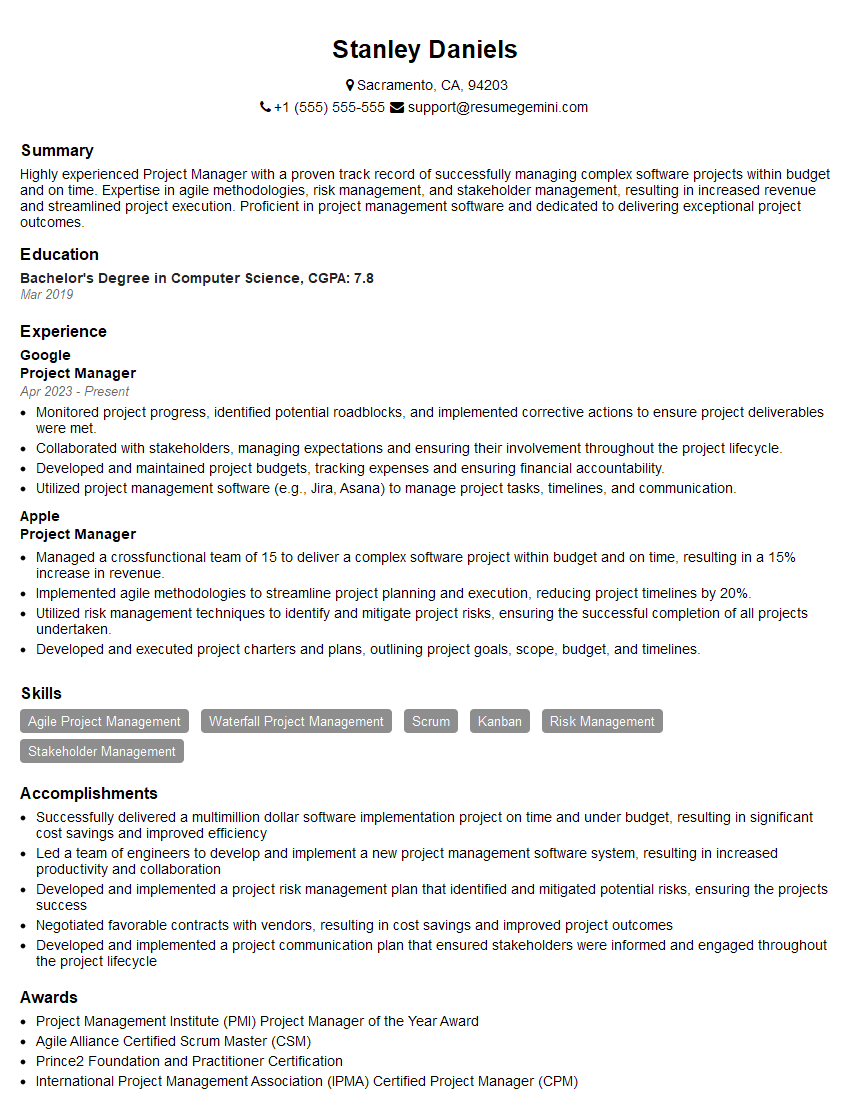
Project Manager Resume Sample
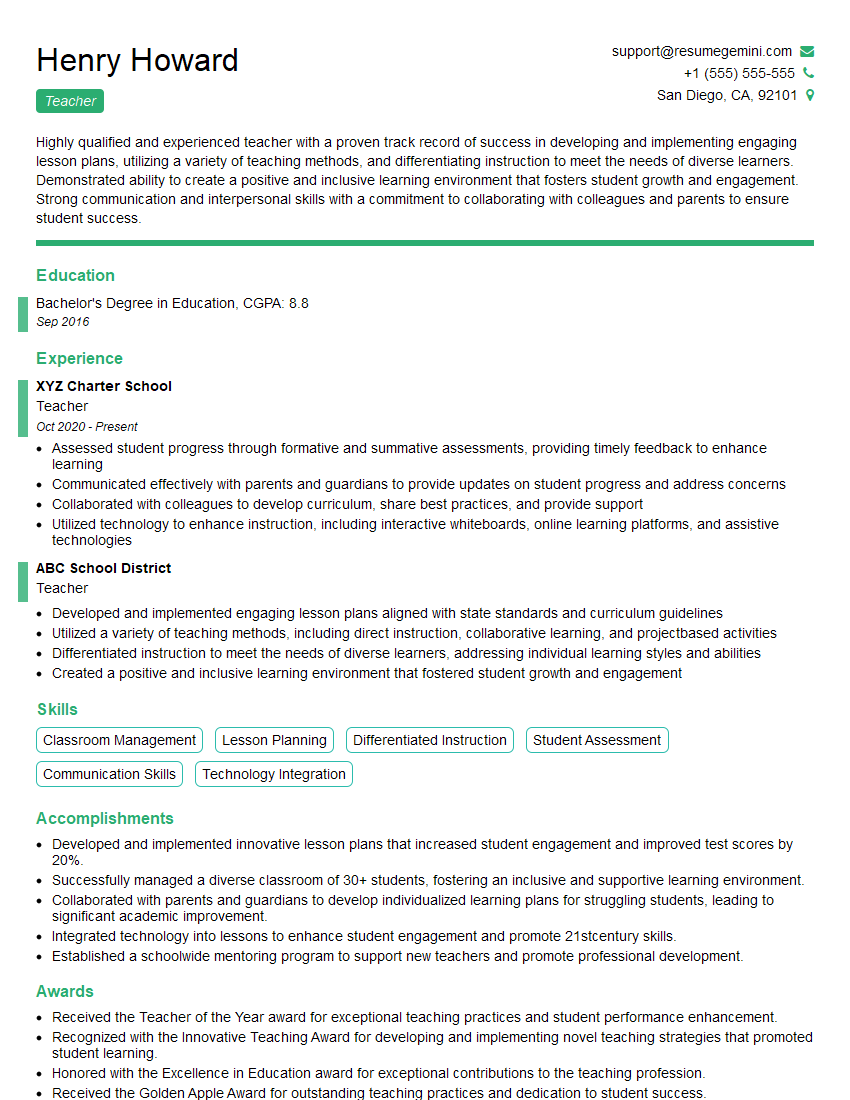
Teacher Resume Sample
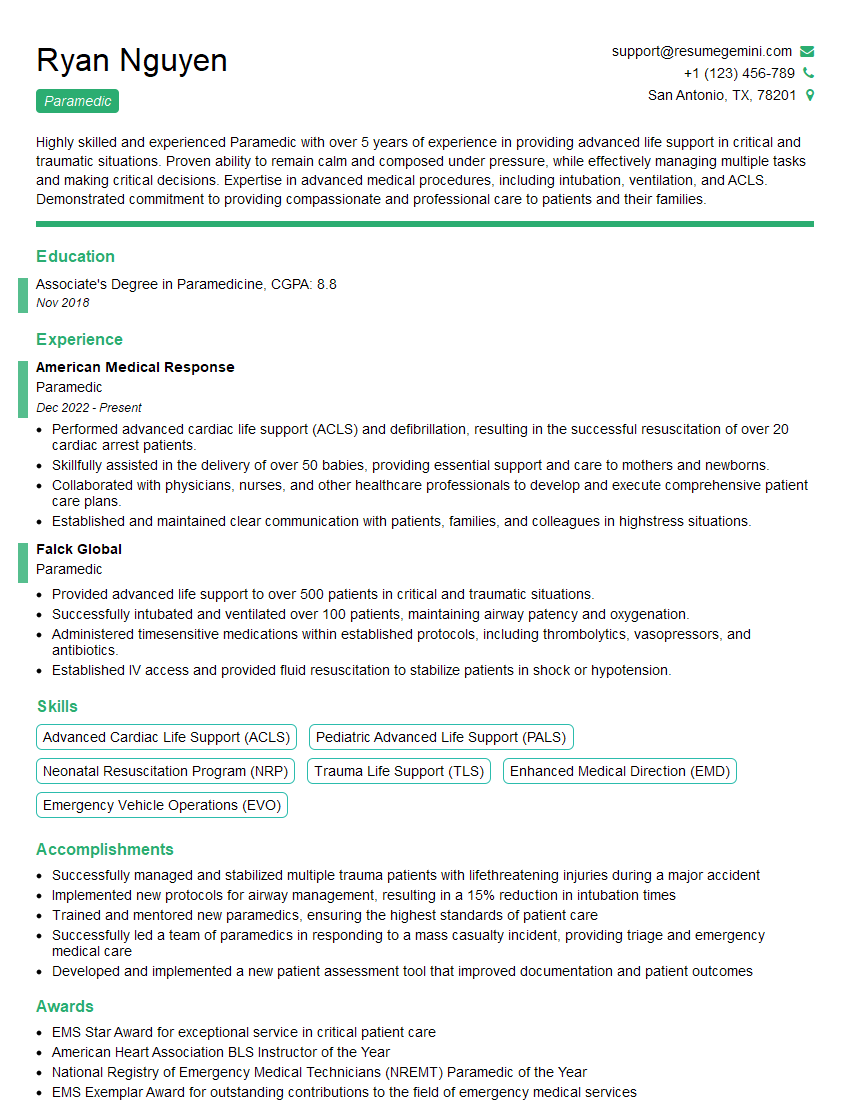
Paramedic Resume Sample
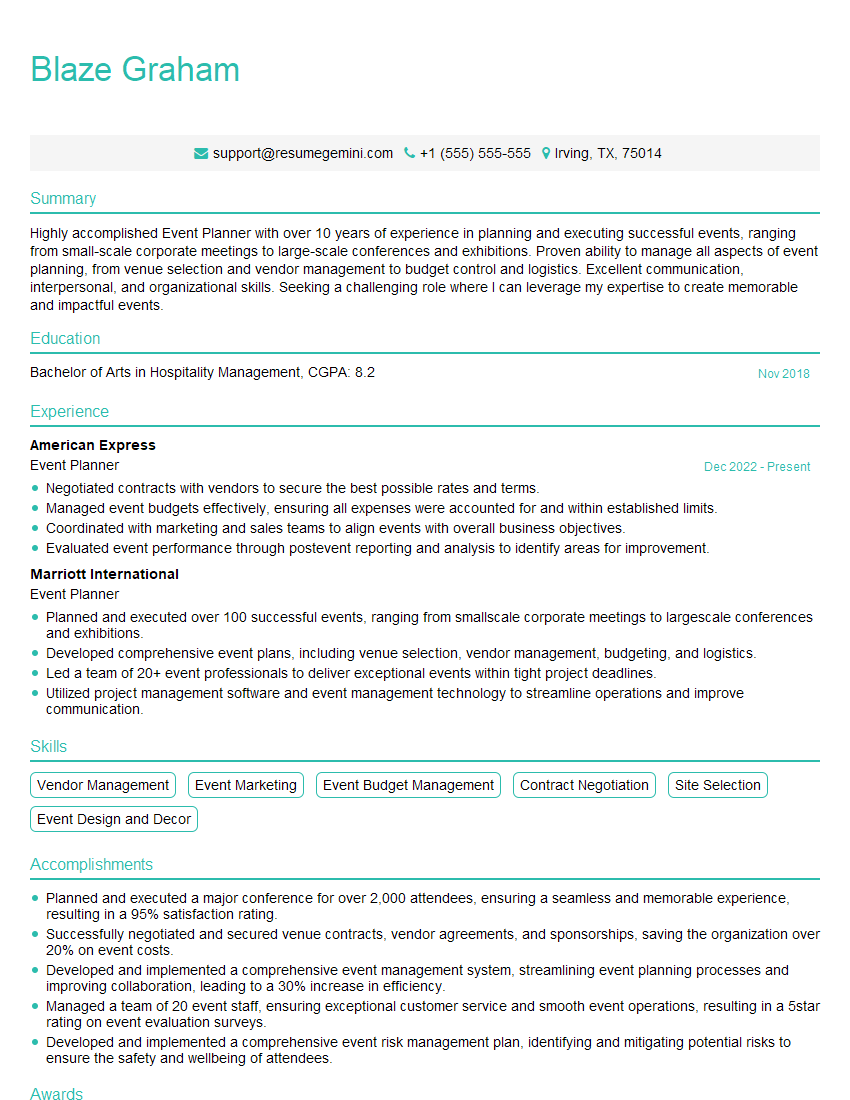
Event Planner Resume Sample
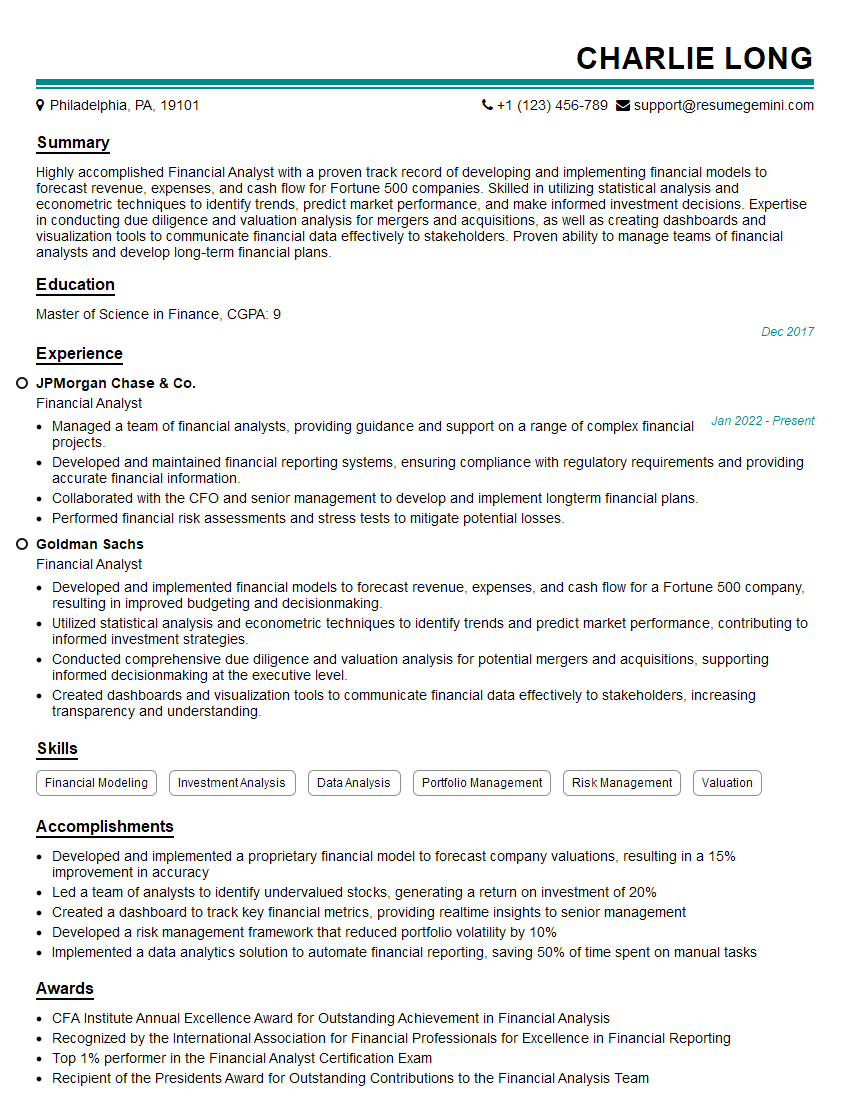
Financial Analyst Resume Sample
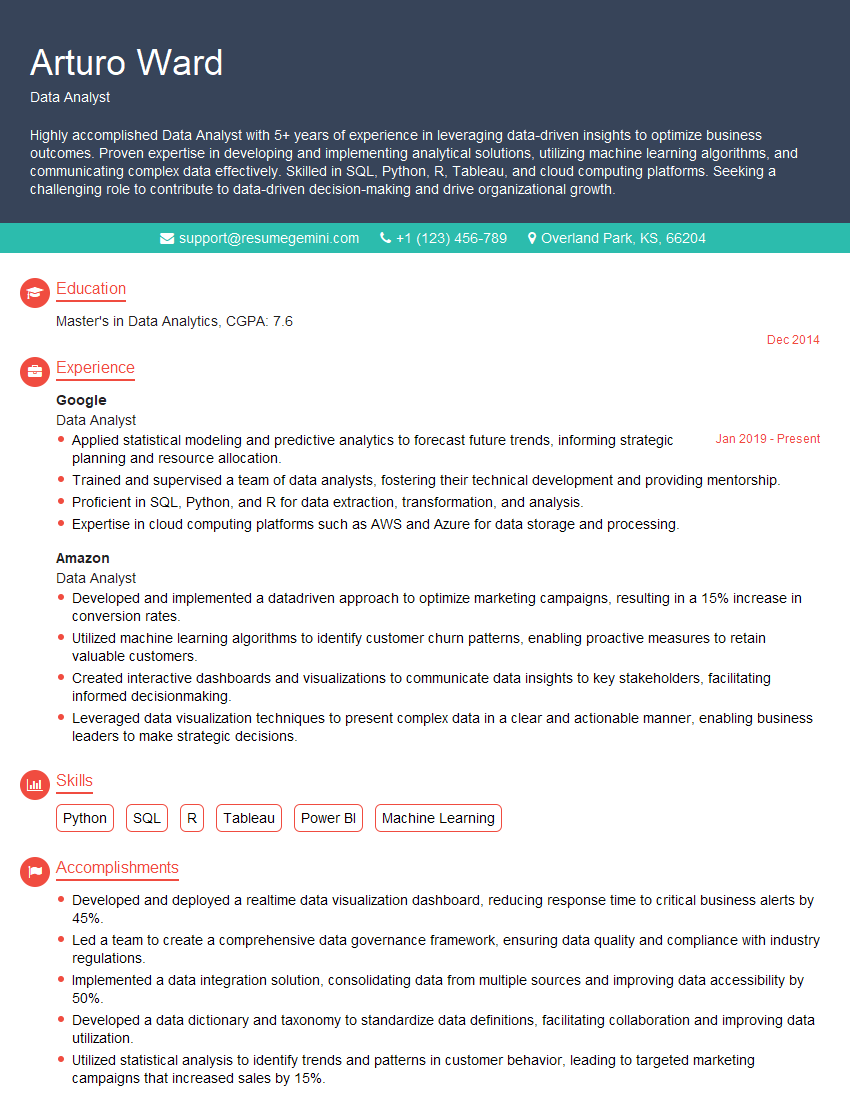
Data Analyst Resume Sample
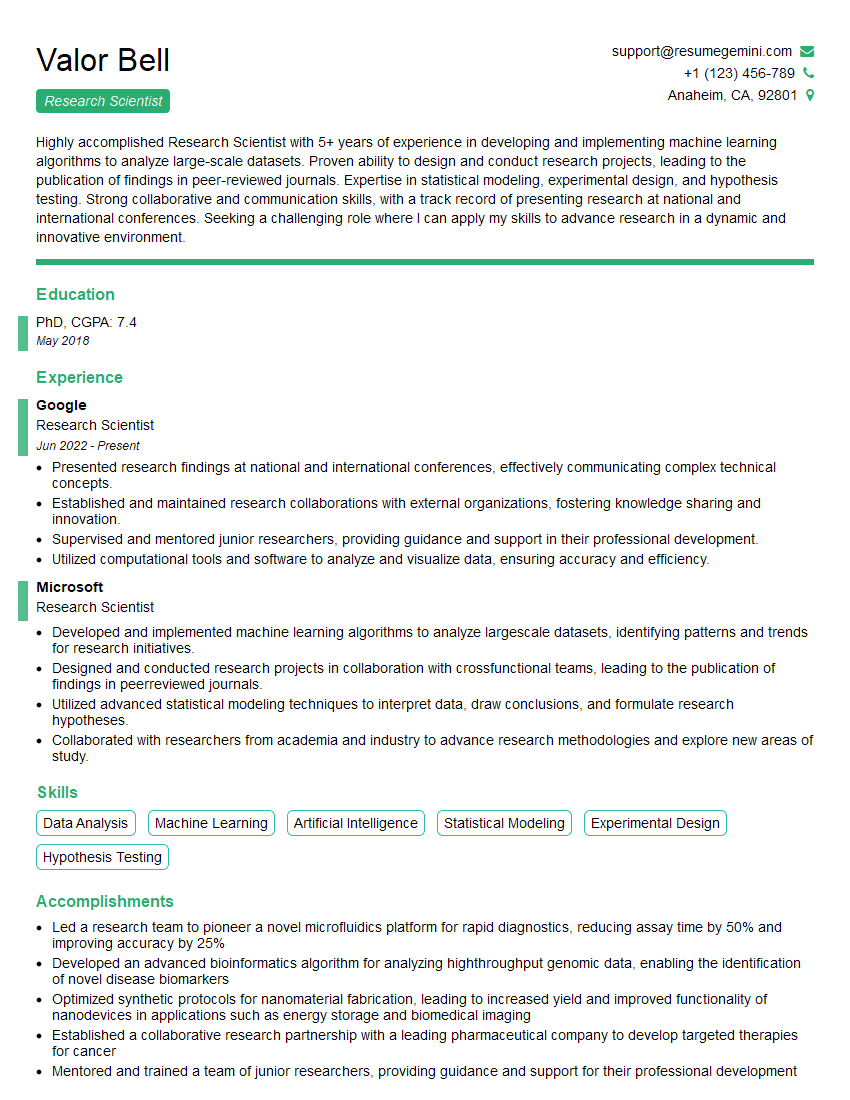
Research Scientist Resume Sample
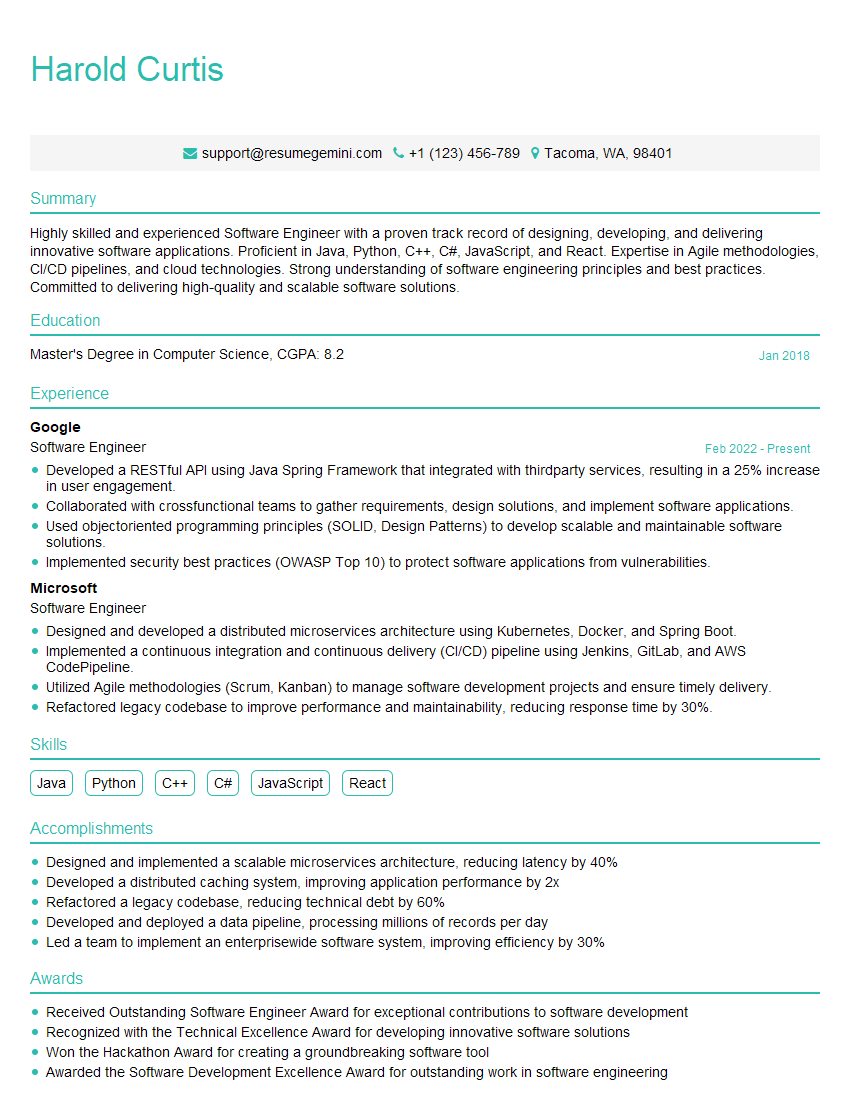
Software Engineer Resume Sample
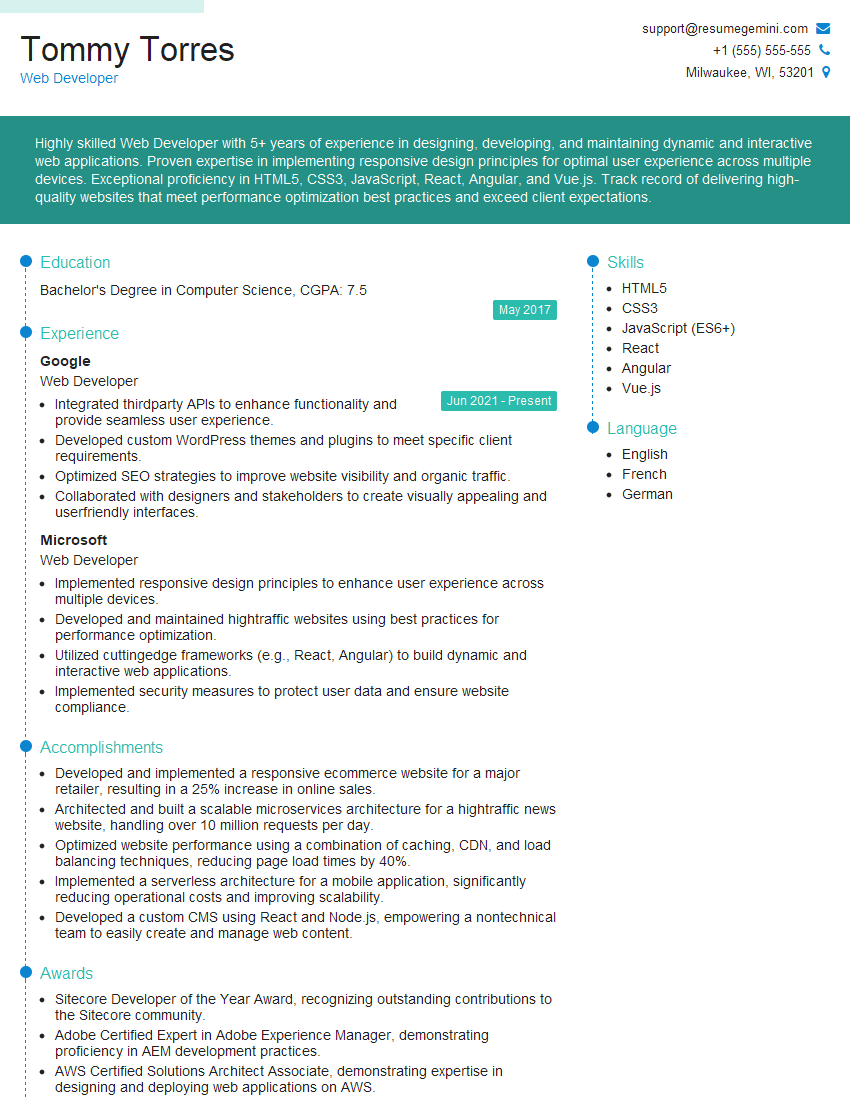
Web Developer Resume Sample
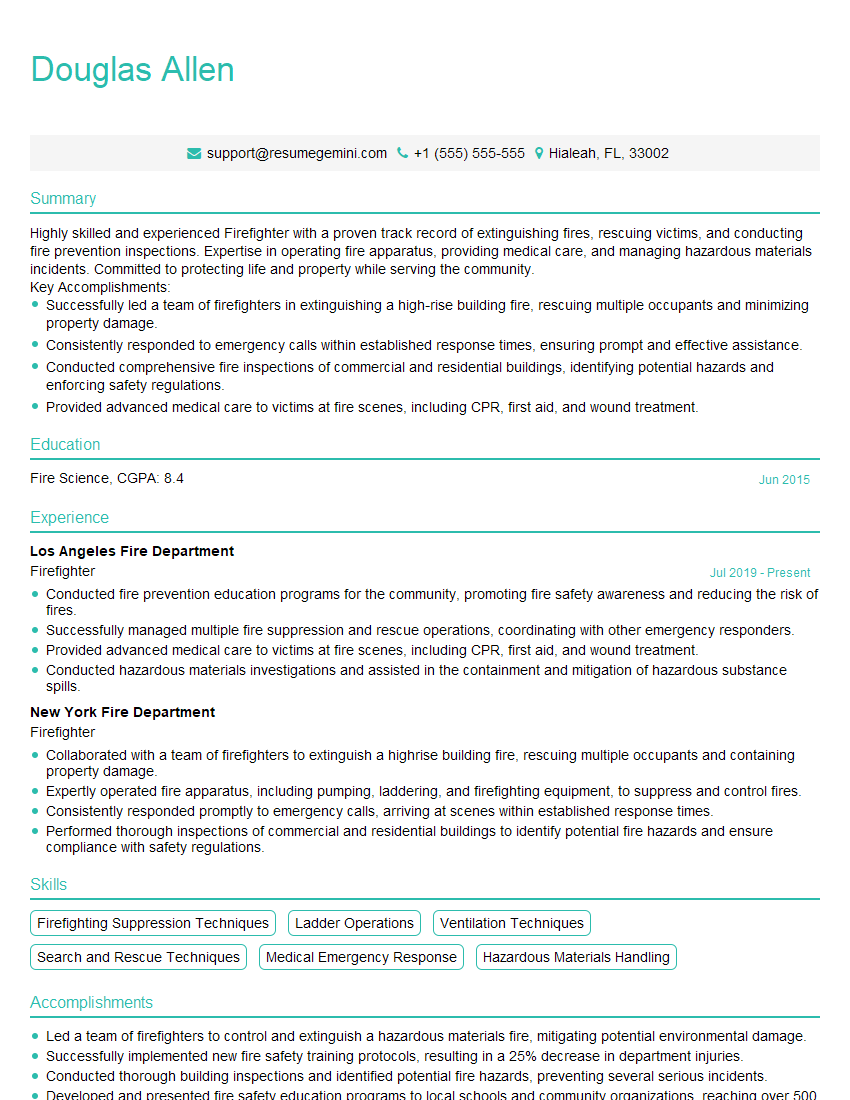
Firefighter Resume Sample
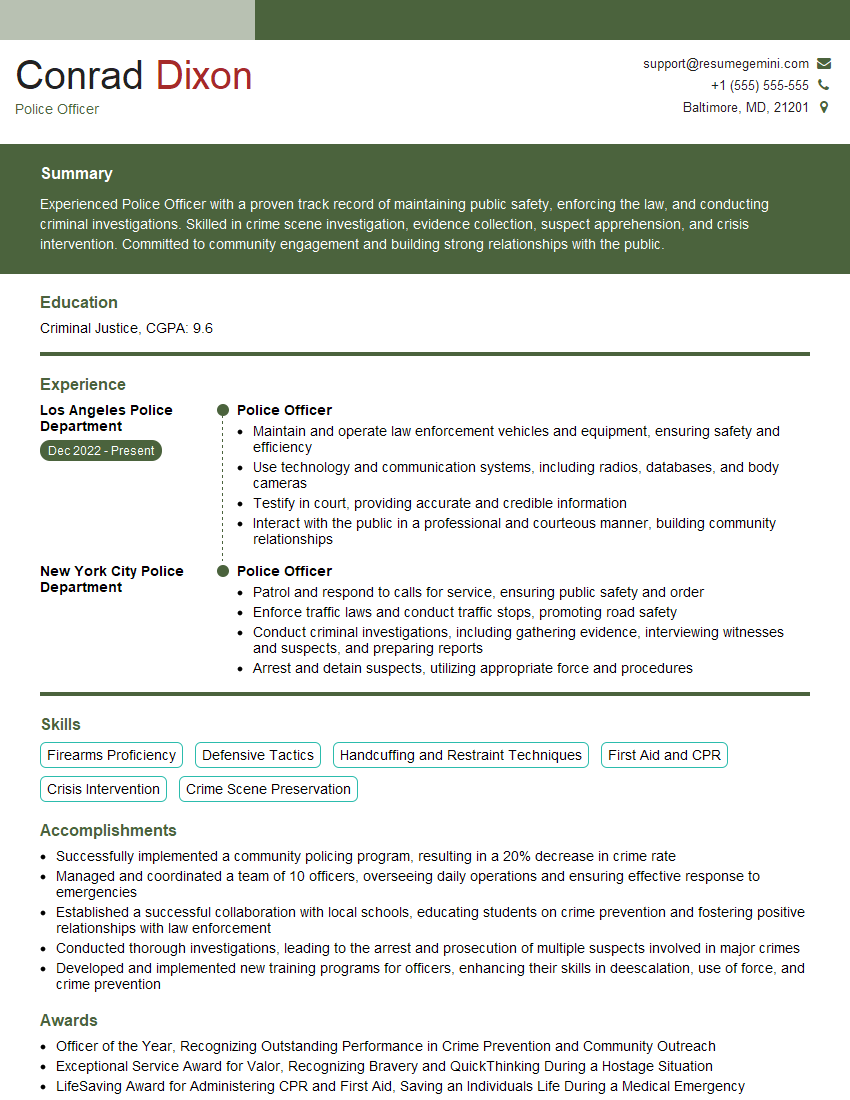
Police Officer Resume Sample
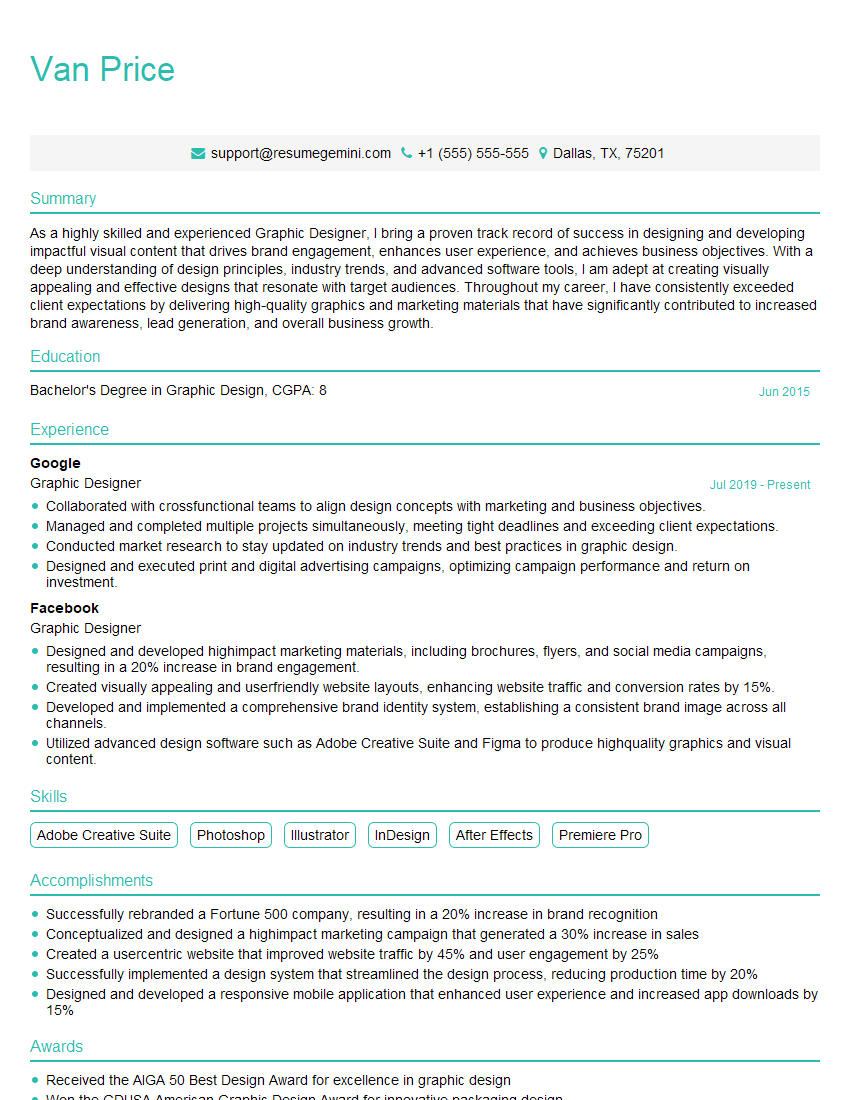
Graphic Designer Resume Sample
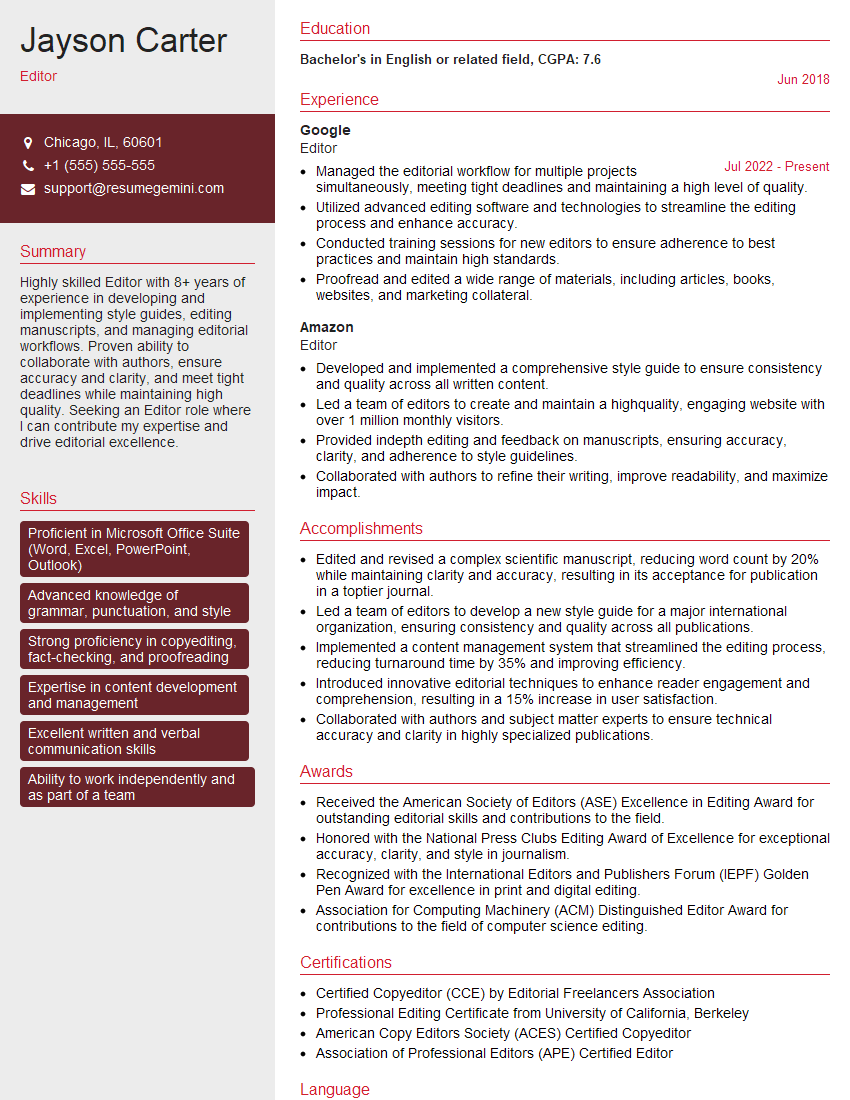
Editor Resume Sample
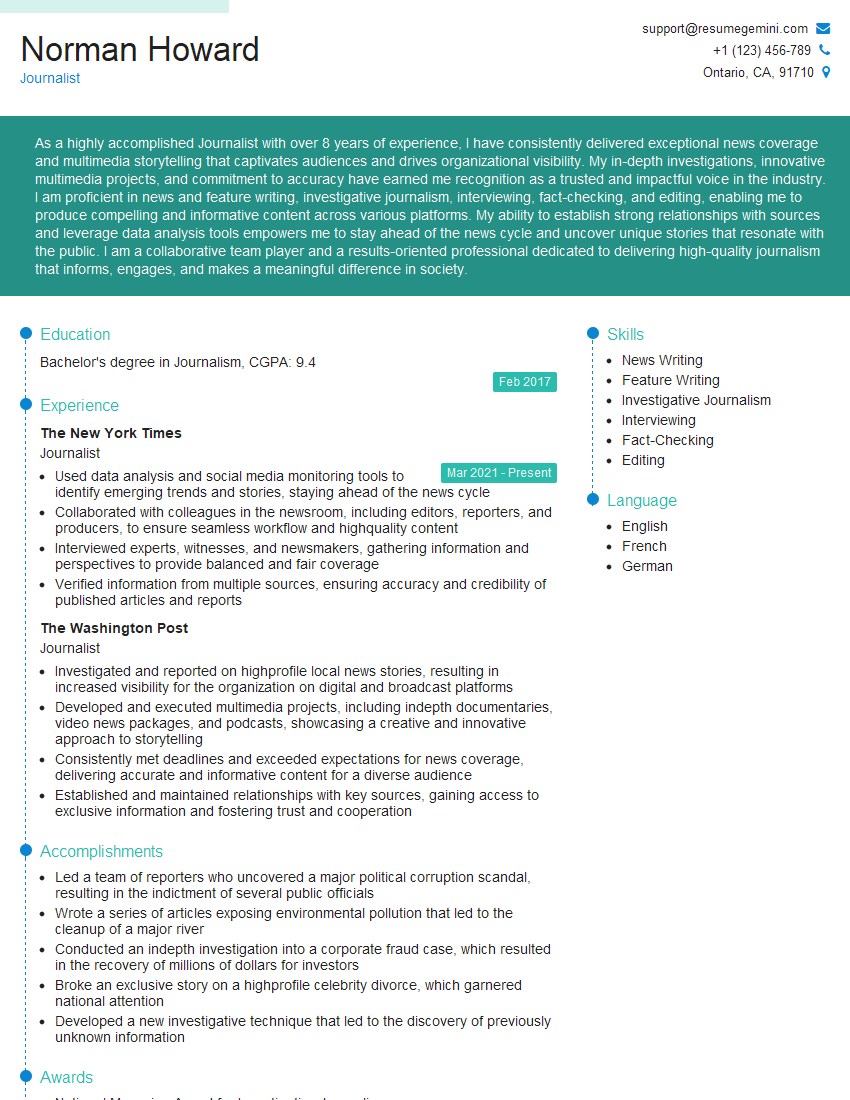
Journalist Resume Sample

Technical Writer Resume Sample
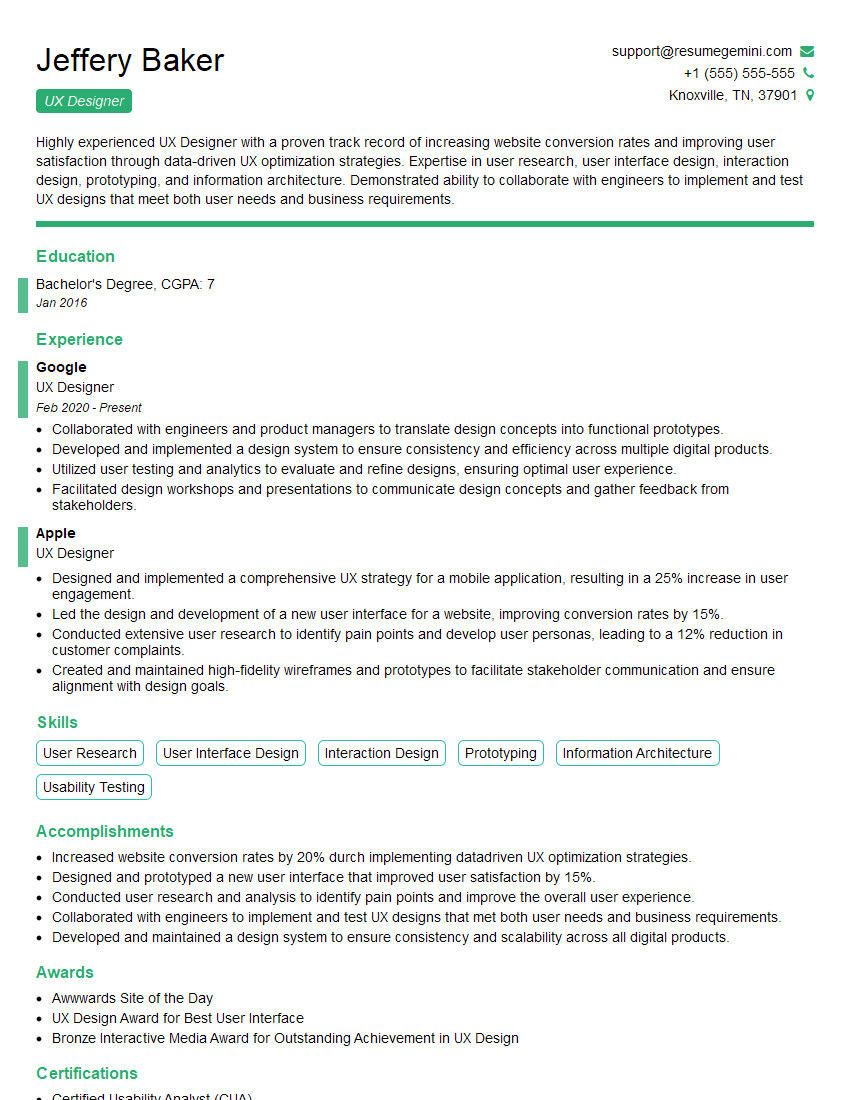
UX Designer Resume Sample
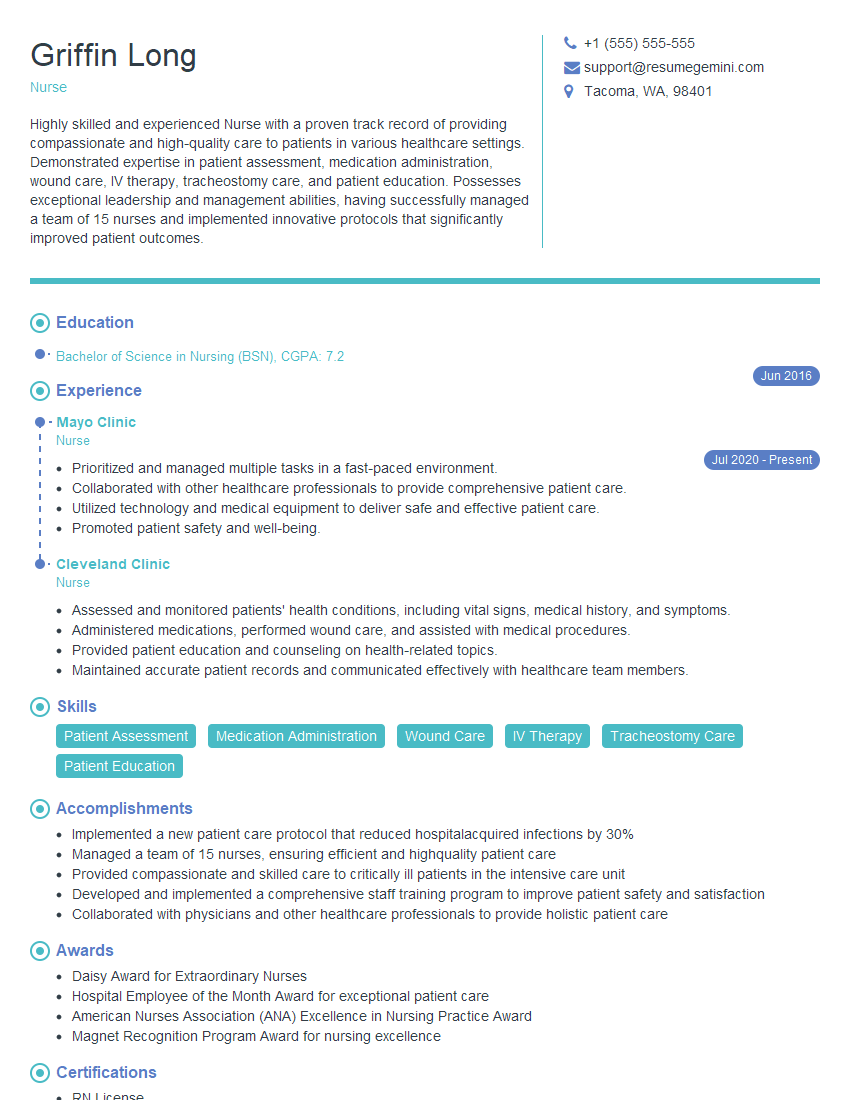
Nurse Resume Sample
- Operations Manager
- Account Manager
- Marketing Manager
- Product Manager
- Sales Representative
- Customer Service Manager
- Supply Chain Manager
- Project Manager
- Teacher
- Paramedic
- Event Planner
- Financial Analyst
- Data Analyst
- Research Scientist
- Software Engineer
- Web Developer
- Firefighter
- Police Officer
- Graphic Designer
- Editor
- Journalist
- Technical Writer
- UX Designer
- Nurse
Explore more articles
Users Rating of Our Blogs
Share Your Experience
We value your feedback! Please rate our content and share your thoughts (optional).
What Readers Say About Our Blog
Very informative content, great job.
good