Interviews are more than just a Q&A session—they’re a chance to prove your worth. This blog dives into essential AbilityToWorkInATeam interview questions and expert tips to help you align your answers with what hiring managers are looking for. Start preparing to shine!
Questions Asked in AbilityToWorkInATeam Interview
Q 1. Describe a time you had to compromise on a team project.
Compromise is crucial for successful teamwork. It’s about finding solutions that satisfy the needs of all team members, even if it means relinquishing some of your own preferences. It’s not about losing, but rather about achieving a collective win.
In a university group project designing a marketing campaign, my team initially had conflicting visions. I favored a social media-centric approach, while another member strongly advocated for print advertising. Instead of imposing my preference, we spent time discussing the pros and cons of each method, considering our target audience and budget constraints. Ultimately, we compromised by creating a blended campaign that integrated both social media and a limited print run targeting a specific demographic. This compromise resulted in a more comprehensive and effective campaign than either of us could have achieved alone.
Q 2. How do you handle conflict within a team setting?
Conflict is inevitable in any team setting, but how it’s handled determines the team’s success. My approach focuses on open communication, active listening, and finding mutually acceptable solutions. I avoid personal attacks and focus on the issue at hand.
I remember a disagreement during a software development project where two developers had contrasting opinions on the best technical solution. Instead of letting the argument escalate, I facilitated a discussion where each developer explained their reasoning. We then collaboratively evaluated the pros and cons of each approach, considering factors like efficiency, scalability, and maintainability. This led to a hybrid solution that incorporated the best aspects of both original proposals.
Q 3. Describe your preferred method of communication in a team environment.
My preferred method of communication is a multi-faceted approach that adapts to the situation and team members. While I value clear and concise written communication for documentation and complex updates (like emails or project management software), I believe in the power of face-to-face or video conferencing for brainstorming, problem-solving, and informal updates. This fosters a stronger sense of connection and collaboration.
For quick updates or informal discussions, instant messaging is incredibly effective, allowing for rapid exchange of information and feedback. However, I avoid using instant messaging for sensitive or complex topics that need a more formal method of communication.
Q 4. How do you contribute to a positive team dynamic?
Contributing to a positive team dynamic involves several key aspects: active listening, empathy, positivity, and recognizing individual contributions. I strive to create an inclusive environment where everyone feels valued and respected. I also believe in celebrating both large and small successes as a team, building morale and fostering a sense of accomplishment.
During a particularly challenging phase of a project, I noticed one team member seemed demotivated. Instead of ignoring it, I took the time to chat with them, acknowledging the difficulties and offering support and encouragement. This small gesture helped foster a more positive and supportive team atmosphere.
Q 5. Explain a situation where you had to rely on teamwork to solve a problem.
Teamwork is essential for tackling complex challenges. A prime example is during a consulting project where we needed to develop a comprehensive business strategy for a client facing significant financial difficulties. No single person possessed all the necessary expertise in finance, marketing, and operations. We leveraged each team member’s unique skills, creating specialized workstreams that ran concurrently but were tightly integrated. We utilized regular check-ins and collaborative documentation to ensure everyone was on the same page, leading to a cohesive and effective strategy that helped the client turn its financial situation around.
Q 6. How do you adapt your communication style to different team members?
Adapting communication style is paramount for effective teamwork. My approach involves observing individual preferences and adapting my communication accordingly. Some team members prefer concise, direct communication, while others value more detailed explanations. I tailor my communication style to match the individual’s preferences, ensuring that my message is received and understood clearly.
For instance, when working with a senior executive who valued brevity, I would focus on delivering key findings and recommendations concisely, while with junior team members, I provided more context and guidance.
Q 7. Give an example of a time you delegated tasks effectively within a team.
Effective delegation involves assigning tasks based on individual strengths and ensuring clear communication of expectations and deadlines. During a website redesign project, I delegated tasks based on team members’ skills: the front-end developer handled the user interface, the back-end developer managed database integration, and the content writer created the website copy. I provided clear guidelines, deadlines, and regular feedback to ensure the project ran smoothly and was completed to a high standard. The result was a well-coordinated and efficient completion of the project, demonstrating the strength of effective delegation.
Q 8. Describe your approach to providing constructive feedback to team members.
Providing constructive feedback is crucial for team growth. My approach centers around the SBI model: Situation, Behavior, Impact. I start by describing the specific situation (Situation), then clearly articulate the observed behavior (Behavior), and finally explain the impact that behavior had on the project or team (Impact). This avoids ambiguity and personal attacks. I always frame my feedback positively, focusing on improvement rather than criticism. For example, instead of saying ‘Your code is messy,’ I might say, ‘I noticed the code in the update_user() function could be improved for readability. Perhaps we could refactor it using more descriptive variable names and comments to enhance maintainability?’ I also ensure a safe space for the recipient to respond and ask clarifying questions. Finally, I always end on a positive note, emphasizing their strengths and potential for growth.
Q 9. How do you handle a situation where a team member isn’t meeting expectations?
When a team member isn’t meeting expectations, I initiate a private conversation. I begin by clearly outlining the specific areas where performance is falling short, using concrete examples. Then, I collaboratively explore the underlying reasons for the underperformance, asking open-ended questions like, ‘What challenges are you facing?’, or ‘Is there anything preventing you from completing your tasks efficiently?’ This helps me understand the root cause, be it lack of training, resource constraints, or personal issues. We then develop an action plan together, setting realistic, measurable goals and timelines. I provide the necessary support and resources to help them succeed. Regular check-ins are crucial to monitor progress and make necessary adjustments. If the issues persist despite our efforts, more formal steps might be necessary, involving HR if appropriate.
Q 10. How do you ensure all team members feel valued and heard?
Making everyone feel valued and heard is paramount. I foster an inclusive environment where everyone has a voice. This starts with actively listening during meetings and creating a psychologically safe space for open communication. I utilize various techniques such as regular one-on-one meetings, team-building activities, and feedback sessions to ensure that everyone feels heard and their contributions are recognized. I make a conscious effort to delegate tasks based on individual strengths and interests. I celebrate successes both individually and as a team, highlighting individual contributions and acknowledging the collective effort. For instance, after a successful project launch, we might have a team lunch or share a celebratory email acknowledging each member’s specific role in the achievement.
Q 11. Describe a time you had to mediate a disagreement within a team.
During a project involving a new software implementation, two team members, Sarah and John, had a disagreement about the best approach. Sarah favored a more agile methodology while John preferred a more structured, waterfall approach. The disagreement escalated, threatening to stall the project. I mediated by first creating a safe space for both to express their perspectives without interruption. I then actively listened to both sides, summarizing their arguments to ensure I understood their positions clearly. I facilitated a brainstorming session where we explored the advantages and disadvantages of each approach, considering the project’s specific constraints and deadlines. We collaboratively identified common ground and compromises, ultimately agreeing on a hybrid approach leveraging the strengths of both methodologies. The successful resolution demonstrated the power of collaborative problem-solving and reinforced mutual respect.
Q 12. How do you resolve conflicts related to differing opinions or approaches?
Resolving conflicts stemming from differing opinions requires a structured approach. I encourage open and respectful dialogue, ensuring everyone feels heard and understood. I often use techniques like active listening and summarizing to clarify positions and identify common goals. I guide the discussion towards finding common ground, exploring areas of agreement, and identifying potential compromises. Sometimes, data or evidence can help resolve disagreements; if, for instance, different approaches produce different results, we might use A/B testing or other methods to determine the best path forward. The goal is to arrive at a solution that is acceptable to all parties involved, even if it’s not everyone’s preferred option. The emphasis remains on finding a solution that works for the team and the project, promoting collaboration rather than confrontation.
Q 13. How do you utilize each team member’s strengths to achieve a shared goal?
Optimizing team performance involves strategically leveraging each member’s unique skills and talents. I begin by conducting a thorough assessment of each team member’s strengths and weaknesses, through discussions, observation, and performance reviews. I then tailor task assignments to match individual strengths, ensuring each person is working in areas where they excel. For example, if one team member possesses excellent communication skills, I might assign them the role of primary spokesperson. If another member is detail-oriented, I might assign them tasks requiring meticulous attention to accuracy. By utilizing each team member’s strengths, we maximize efficiency and team productivity. This also boosts individual morale and job satisfaction.
Q 14. How do you maintain motivation and morale within a team?
Maintaining high team morale and motivation involves fostering a positive and supportive work environment. This includes recognizing and rewarding achievements, both big and small, through verbal praise, public acknowledgements, or small team celebrations. Providing regular feedback and constructive criticism is vital; ensuring each team member receives timely and relevant feedback about their performance helps them grow and stay engaged. Giving team members a sense of autonomy and ownership over their work, empowering them to make decisions and take initiative, boosts their motivation. Furthermore, investing in team-building activities promotes camaraderie and helps build strong working relationships. Regularly evaluating workloads to prevent burnout is also crucial to ensure sustainability and maintain a healthy team dynamic.
Q 15. Describe your experience with Agile or Scrum methodologies.
My experience with Agile and Scrum methodologies is extensive. I’ve consistently worked in teams employing Scrum, participating in all its ceremonies: sprint planning, daily stand-ups, sprint reviews, and retrospectives. I understand the importance of iterative development, incremental delivery, and continuous improvement. In my previous role at XYZ Company, we used Scrum to develop a new customer relationship management (CRM) system. My role involved leading the development of a key module, ensuring we met sprint goals and delivered high-quality, tested code. We utilized tools like Jira for task management and Confluence for documentation, fostering seamless collaboration and transparency. The iterative nature of Scrum allowed us to adapt to changing requirements effectively, leading to a successful project launch ahead of schedule.
I’m proficient in various Agile practices, such as user story mapping, sprint backlog refinement, and impediment removal. I actively participate in retrospectives, focusing on identifying areas for improvement in our processes and team dynamics. This collaborative approach to problem-solving and continuous learning is crucial for Agile success.
Career Expert Tips:
- Ace those interviews! Prepare effectively by reviewing the Top 50 Most Common Interview Questions on ResumeGemini.
- Navigate your job search with confidence! Explore a wide range of Career Tips on ResumeGemini. Learn about common challenges and recommendations to overcome them.
- Craft the perfect resume! Master the Art of Resume Writing with ResumeGemini’s guide. Showcase your unique qualifications and achievements effectively.
- Don’t miss out on holiday savings! Build your dream resume with ResumeGemini’s ATS optimized templates.
Q 16. How do you handle pressure and deadlines within a team environment?
Handling pressure and deadlines within a team environment requires a proactive and collaborative approach. I believe in open communication – letting my team know immediately if I foresee challenges in meeting a deadline. This allows us to collectively brainstorm solutions, redistribute tasks if necessary, or adjust priorities to ensure timely delivery. For example, during a particularly demanding project at ABC Corporation, we faced a tight deadline. By proactively identifying a potential bottleneck in the testing phase, we collaboratively decided to add an extra tester for a week, ensuring timely completion without compromising quality. Effective time management and prioritization are crucial, as is maintaining a positive and supportive team atmosphere – a stressed team is less effective. I also prioritize my well-being outside of work to avoid burnout and maintain my effectiveness under pressure.
Q 17. How do you prioritize tasks when working on multiple projects simultaneously within a team?
Prioritizing tasks across multiple projects requires a structured approach. I often use a matrix that considers factors like urgency, importance, and dependencies. For example, I might use a MoSCoW method (Must have, Should have, Could have, Won’t have) to categorize tasks within each project. This helps me focus on the most critical tasks first, while still ensuring progress on other projects. Regular communication with team members and stakeholders is vital to ensure everyone is aligned on priorities and to adjust the plan as needed. Tools like project management software (e.g., Asana, Trello) can also greatly assist in task prioritization and tracking progress across different projects.
Transparency is key; I ensure that all team members understand the rationale behind prioritization decisions. This minimizes confusion and promotes a shared understanding of goals and deadlines.
Q 18. Describe a time you had to adapt your approach to meet unexpected challenges within a team project.
In a previous project involving the development of a mobile application, we encountered an unexpected challenge when our chosen third-party API provider experienced significant downtime just a week before the launch date. Our initial plan was severely disrupted. Instead of panicking, we held an emergency team meeting to brainstorm solutions. We considered alternatives, such as using a different API or temporarily disabling certain features relying on the affected API. We quickly decided on a phased launch approach, releasing the core features that didn’t depend on the problematic API first, and then deploying the remaining features once the API was restored. This involved re-prioritizing tasks and adapting our communication strategy to manage user expectations. This experience taught me the importance of contingency planning and the value of a flexible and collaborative team in overcoming unexpected obstacles.
Q 19. How do you balance individual contributions with team collaboration?
Balancing individual contributions with team collaboration is a delicate but crucial aspect of teamwork. I believe in contributing my expertise effectively while actively participating in shared decision-making and supporting my teammates. I strive to understand team members’ strengths and weaknesses and leverage them strategically. For instance, if a teammate struggles with a particular aspect of a project, I offer assistance and mentorship without taking over their work. This fosters collaboration and mutual support, leading to stronger team outcomes. Regular feedback sessions, both providing and receiving, are also essential to ensure everyone feels heard and valued, contributing to a strong sense of shared accomplishment.
Q 20. Explain a time you learned from a mistake made by your team.
During a project at DEF Company, our team made a mistake in the initial design phase, leading to significant rework later on. We had failed to adequately consult with the end-users early in the process, resulting in a product that didn’t fully meet their needs. This mistake taught us a valuable lesson about the importance of user-centered design and the need for thorough requirements gathering and user feedback throughout the development lifecycle. We implemented a new process where user feedback is solicited at each stage of the project, preventing similar issues in future endeavors. We documented this learning in our team’s retrospective notes, ensuring that we wouldn’t repeat the same mistake. This experience highlighted the importance of continuous learning and improvement within the team.
Q 21. How do you ensure clear communication and information sharing within a team?
Ensuring clear communication and information sharing within a team is paramount for success. We utilize various communication channels to address different needs: daily stand-up meetings for quick updates, project management software for task assignments and progress tracking, and email or instant messaging for quick queries. Regular team meetings also provide an opportunity to discuss progress, challenges, and upcoming tasks, fostering a sense of shared understanding and ownership. We also utilize documentation tools like Confluence or Sharepoint to centralize project-related information, ensuring easy access to all team members. Crucially, we establish clear communication protocols and expectations from the outset, making sure everyone understands how and when to communicate effectively and efficiently.
Q 22. Describe your experience working with remote or geographically dispersed teams.
Working effectively with remote or geographically dispersed teams requires a robust communication strategy and a strong understanding of individual working styles. My experience includes collaborating on several projects where team members were located across different time zones and countries. We utilized a combination of tools and techniques to ensure seamless collaboration.
- Asynchronous Communication: We relied heavily on project management tools like Jira and Asana for task assignments, progress updates, and file sharing. This allowed team members to contribute at their own pace and time zone.
- Synchronous Communication: Regular video conferencing using platforms like Zoom and Google Meet were essential for brainstorming sessions, problem-solving discussions, and team building activities. Scheduling meetings considering all time zones was crucial.
- Clear Communication Protocols: We established clear communication channels and expectations, specifying which platform to use for different types of communication (e.g., Slack for quick questions, email for formal updates, video conferencing for meetings).
- Building Trust and Rapport: Virtual team building activities – even short informal online chats – helped foster a sense of camaraderie and build trust amongst team members, which is vital for remote collaboration.
For example, during a software development project with a team spread across the US and India, we successfully launched the product on time by meticulously managing our asynchronous workflow and scheduling focused synchronous meetings to address critical issues.
Q 23. How do you encourage participation and engagement from all team members?
Encouraging participation and engagement from all team members requires creating an inclusive and respectful environment where everyone feels valued and heard. My approach combines several strategies:
- Regular Check-ins: One-on-one meetings with each team member allow me to gauge their progress, address any concerns, and understand their individual needs and challenges.
- Open Communication Channels: Encouraging open dialogue and feedback through various channels, such as team meetings, instant messaging, and surveys, ensures that every voice is heard.
- Delegation and Ownership: Assigning tasks that match individuals’ strengths and interests empowers them and boosts their engagement. Giving them ownership of their tasks increases accountability and responsibility.
- Recognition and Appreciation: Publicly acknowledging and celebrating team members’ accomplishments, both big and small, fosters a positive and motivating work environment.
- Collaborative Decision-Making: Involving team members in decision-making processes makes them feel valued and invested in the project’s success.
For instance, in a previous team, I noticed a team member was consistently quiet during meetings. After a one-on-one, I discovered they felt their ideas were not valued. By actively soliciting their input during subsequent meetings and highlighting their contributions, I significantly increased their participation.
Q 24. How do you measure the success of a team project?
Measuring the success of a team project goes beyond simply meeting deadlines and staying within budget. It involves a holistic assessment of several key performance indicators (KPIs):
- Project Goals Achievement: Did the project meet its predefined objectives and deliverables? This could include quantitative metrics (e.g., increased sales, improved efficiency) or qualitative measures (e.g., improved customer satisfaction, enhanced brand reputation).
- Time and Budget Management: Was the project completed on time and within the allocated budget? Analyzing variances helps understand efficiency and cost-effectiveness.
- Team Performance and Collaboration: Were team members effectively collaborating? Assessing team dynamics and individual contributions provides insights into teamwork effectiveness.
- Quality of Deliverables: Did the project produce high-quality outputs that meet or exceed expectations? This may involve client feedback, user testing, or internal quality reviews.
- Stakeholder Satisfaction: Are the stakeholders (clients, management, end-users) satisfied with the project’s outcome? This could be measured using surveys, feedback forms, or direct communication.
For example, in a recent project, we not only delivered the software on time and within budget but also exceeded user engagement expectations by 20%, demonstrating success across multiple KPIs.
Q 25. Describe a time you had to mentor or train a new team member.
Mentoring and training new team members is a crucial aspect of team leadership. I recently mentored a junior software developer who lacked experience with agile methodologies.
- Onboarding and Orientation: I started by providing a comprehensive overview of our team’s structure, processes, and tools.
- Skill Development: I provided hands-on training on agile practices like sprint planning, daily stand-ups, and retrospectives. I also paired them with senior developers for more focused guidance.
- Feedback and Coaching: Regular feedback sessions focused on their strengths and areas for improvement. I offered constructive criticism and practical suggestions for improvement.
- Resource Provision: I directed them to relevant learning materials, online courses, and internal documentation to enhance their skills further.
- Performance Monitoring: I tracked their progress and provided support as needed, ensuring they felt comfortable and confident in their role.
Within three months, this new team member became a valuable asset, proficiently utilizing agile methodologies and contributing significantly to our projects.
Q 26. How do you stay informed about the progress of team projects?
Staying informed about the progress of team projects requires a multi-faceted approach:
- Regular Team Meetings: Scheduled meetings provide a platform for updates, discussions, and problem-solving.
- Project Management Tools: Using tools like Jira, Asana, or Trello allows for real-time tracking of tasks, deadlines, and progress.
- Progress Reports: Requiring regular progress reports from team members ensures accountability and visibility into project status.
- One-on-One Check-ins: Regular one-on-one meetings with team members facilitate personalized progress reviews and address any roadblocks.
- Visual Dashboards: Creating visual dashboards showcasing key project metrics provides a quick overview of the project’s status.
For example, we use a Kanban board in Jira, providing a clear visual representation of the workflow and the status of each task, enabling everyone to monitor progress easily.
Q 27. How do you identify and resolve potential team conflicts proactively?
Proactive conflict resolution is crucial for maintaining a healthy and productive team environment. My strategy involves:
- Early Identification: Regular communication and observation allow me to identify potential conflicts early on, before they escalate.
- Open Dialogue and Listening: Creating a safe space for team members to express their concerns and perspectives without judgment is vital. Active listening helps understand the root causes of conflict.
- Mediation and Facilitation: If conflict arises, I act as a neutral mediator, helping team members find common ground and work towards a mutually acceptable solution.
- Clear Communication and Expectations: Setting clear expectations and communication protocols helps prevent misunderstandings and conflicts.
- Conflict Resolution Training: Providing team members with conflict resolution training can equip them with the skills to address conflicts effectively.
For example, I once intervened when two team members had differing opinions on the best approach to a design problem. By facilitating a structured discussion and encouraging them to brainstorm solutions together, I helped them find a compromise that satisfied both parties.
Q 28. Describe a situation where you had to influence a team to adopt a new approach or process.
Influencing a team to adopt a new approach or process requires a strategic and collaborative approach. I recently successfully transitioned our team to a new project management methodology.
- Demonstrate Value: I started by clearly articulating the benefits of the new approach, highlighting how it would improve efficiency, productivity, and quality.
- Pilot Project: We initiated a small pilot project using the new methodology to demonstrate its effectiveness in a real-world setting.
- Training and Support: I ensured that all team members received adequate training on the new methodology and provided ongoing support.
- Iterative Implementation: We implemented the new methodology gradually, allowing the team to adjust and adapt to the changes.
- Open Communication and Feedback: Throughout the process, I encouraged open communication and feedback, addressing concerns and incorporating suggestions.
The pilot project’s success and the positive feedback from team members significantly improved buy-in and helped secure the team’s acceptance of the new methodology.
Key Topics to Learn for AbilityToWorkInATeam Interview
- Collaboration & Communication: Understanding different communication styles, active listening techniques, and effective methods for sharing information and feedback within a team.
- Conflict Resolution: Strategies for identifying and addressing disagreements constructively, mediating disputes, and finding mutually beneficial solutions. Practical application: Describe a time you navigated a team conflict successfully.
- Team Dynamics & Roles: Recognizing individual strengths and weaknesses within a team, understanding team structures and roles, and adapting your approach based on team needs. Consider exploring different team leadership styles.
- Contribution & Accountability: Understanding your role in achieving team goals, taking ownership of your responsibilities, and contributing effectively to the overall team success. Prepare examples showcasing your proactive contributions.
- Shared Goals & Objectives: Aligning individual efforts with team objectives, understanding the importance of collective responsibility, and contributing to a shared vision.
- Problem-solving as a Team: Brainstorming techniques, collaborative decision-making processes, and leveraging diverse perspectives to find innovative solutions.
Next Steps
Mastering the ability to work effectively in a team is crucial for career advancement. Employers highly value individuals who can collaborate seamlessly, contribute meaningfully, and navigate team dynamics successfully. This skill is essential for almost every role, from entry-level positions to leadership roles. To maximize your job prospects, focus on building a strong, ATS-friendly resume that showcases your teamwork skills. ResumeGemini can help you create a professional and impactful resume tailored to highlight your abilities. Examples of resumes specifically designed to showcase your ability to work in a team are available – use them as inspiration to build your own compelling narrative.

Operations Manager Resume Sample
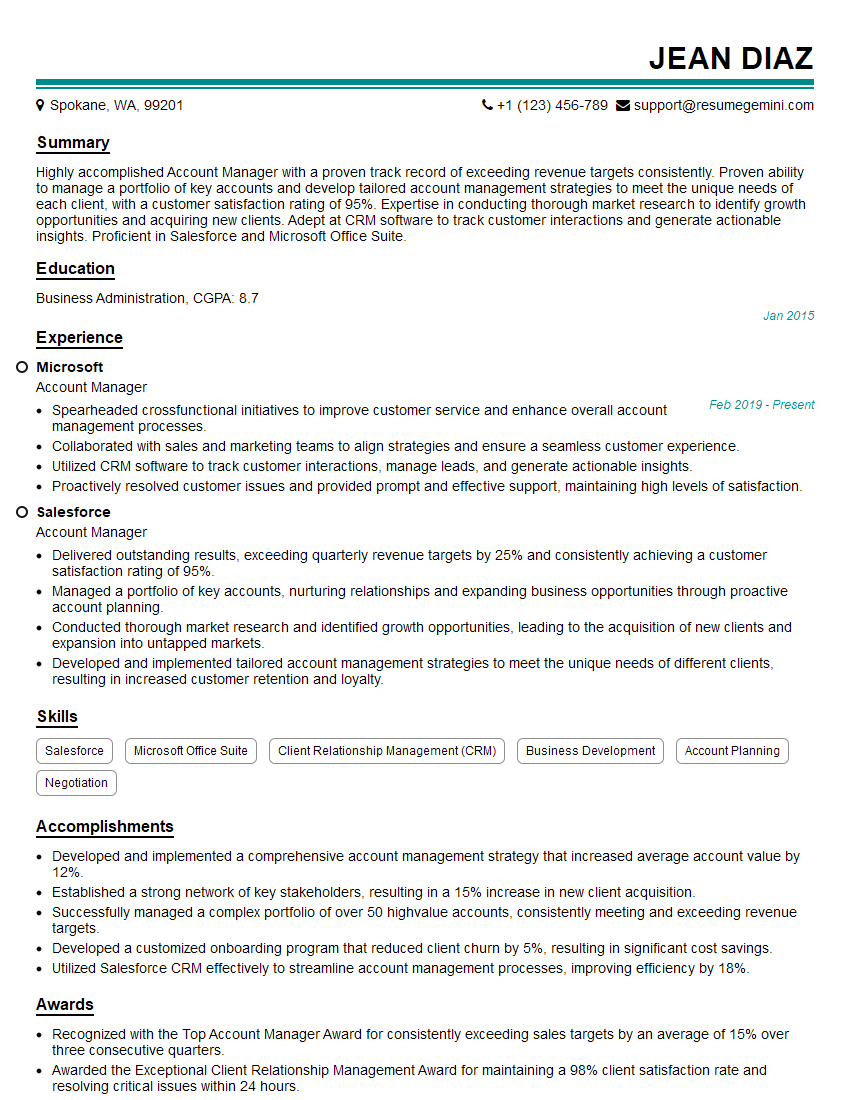
Account Manager Resume Sample
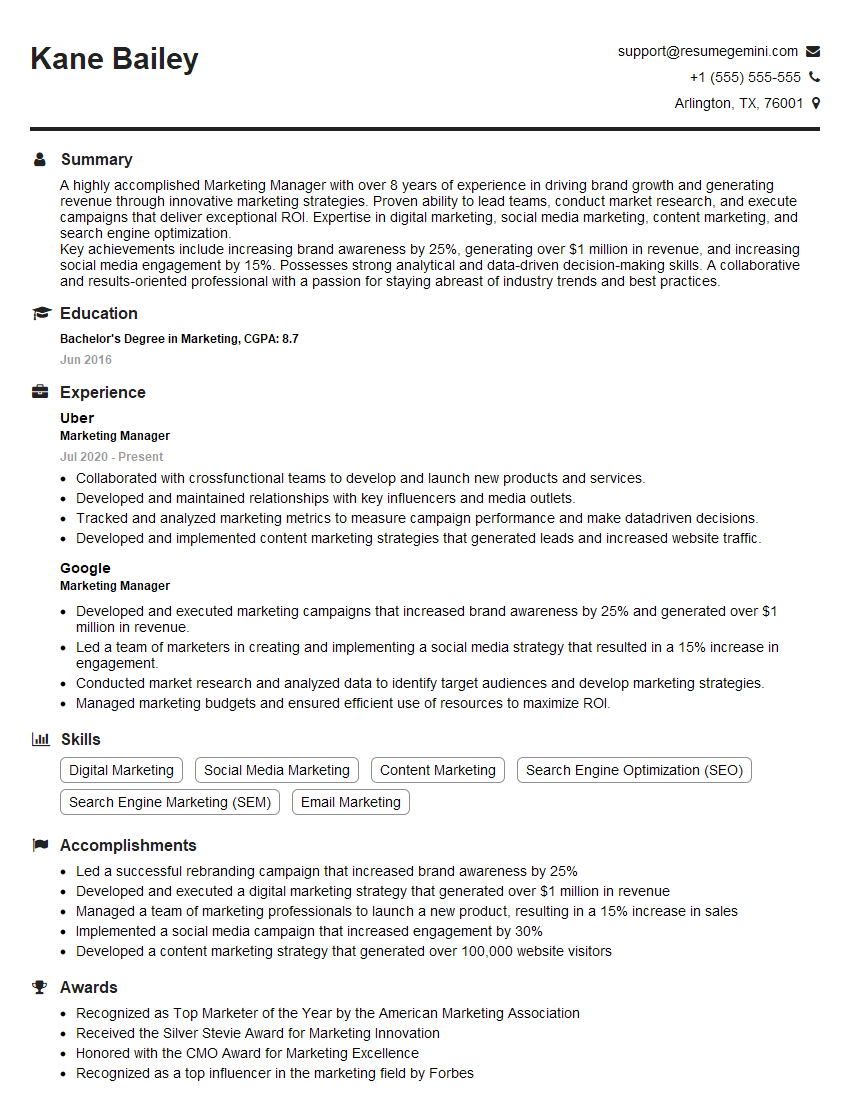
Marketing Manager Resume Sample
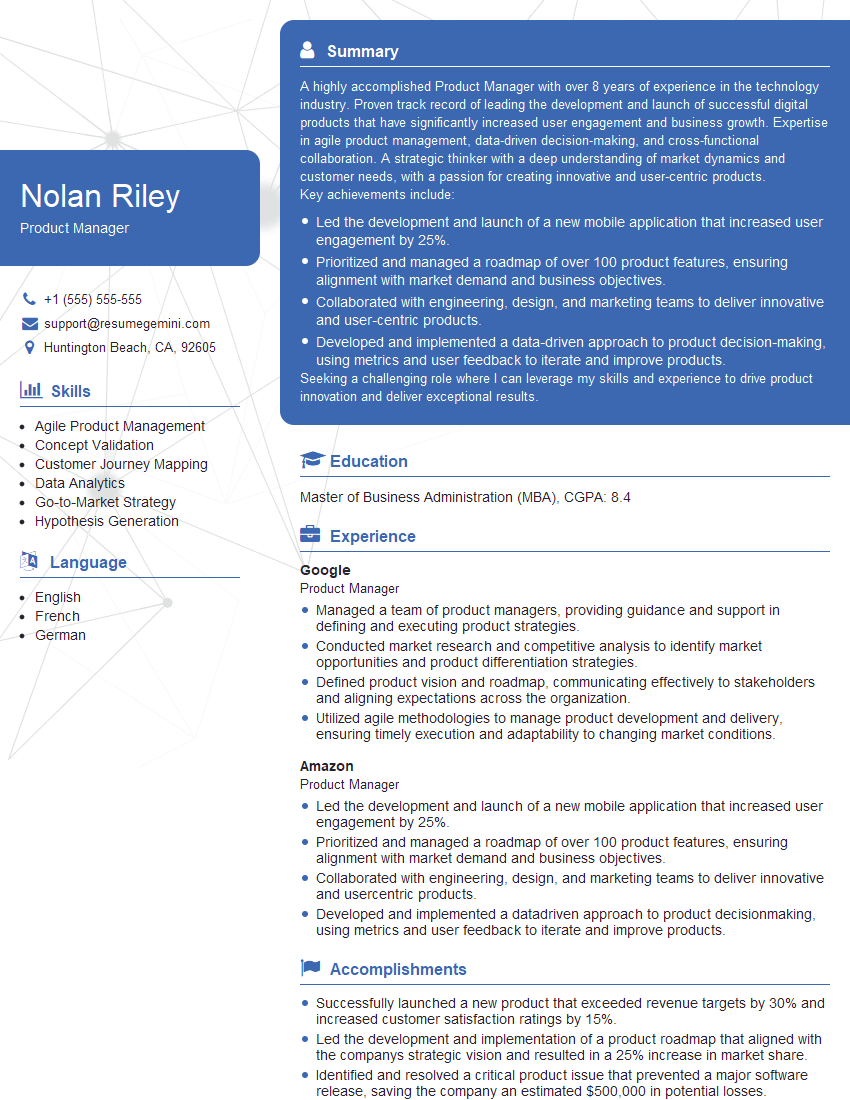
Product Manager Resume Sample
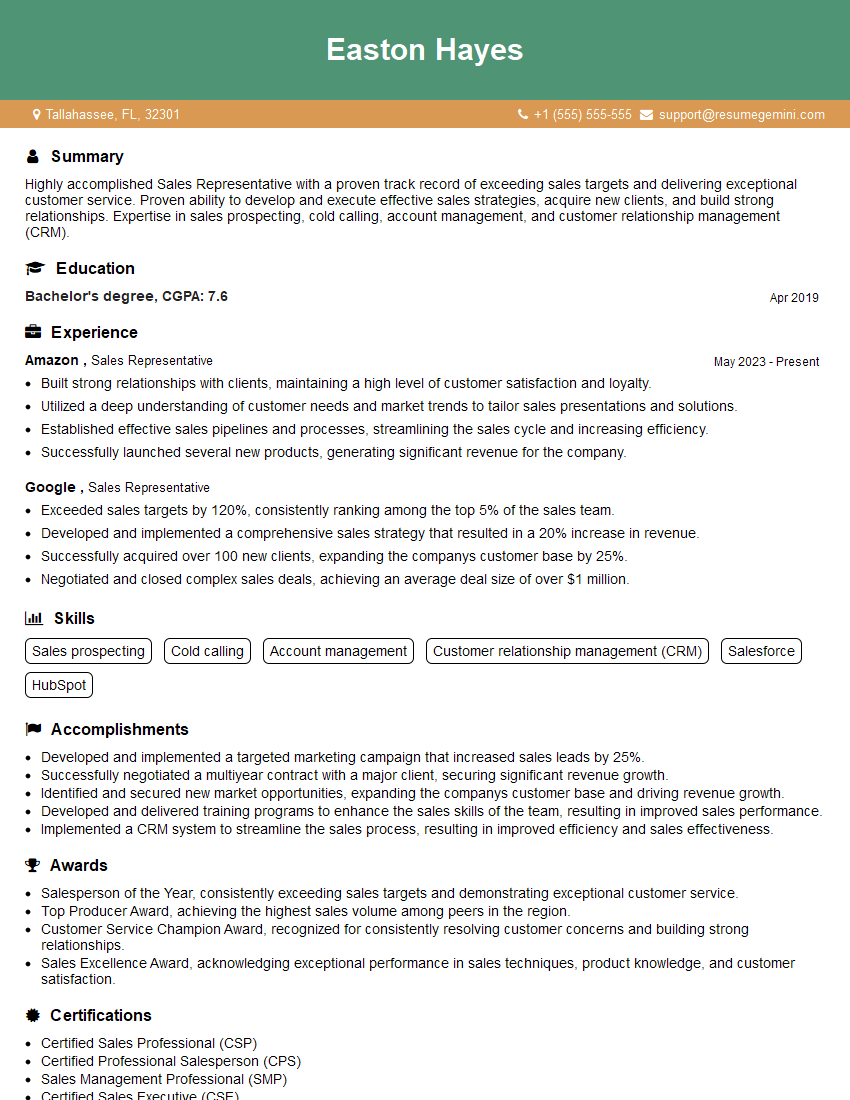
Sales Representative Resume Sample

Supply Chain Manager Resume Sample
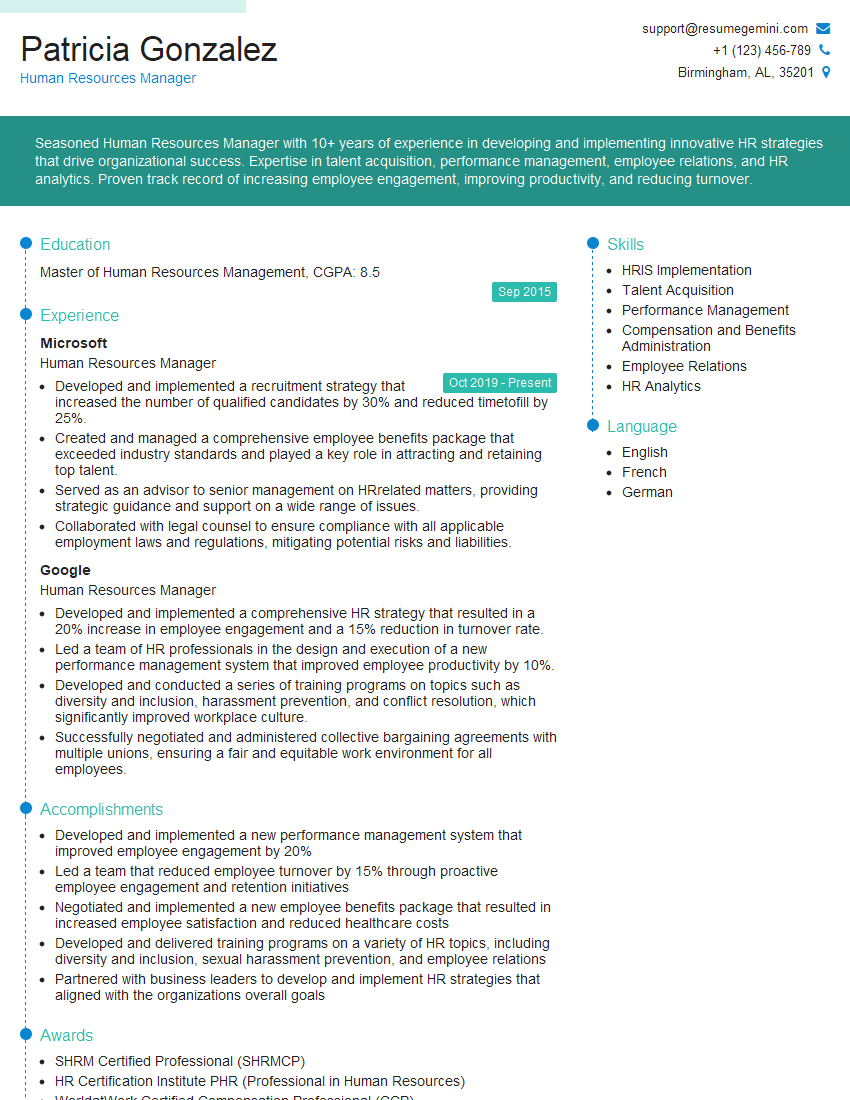
Human Resources Manager Resume Sample

Project Manager Resume Sample
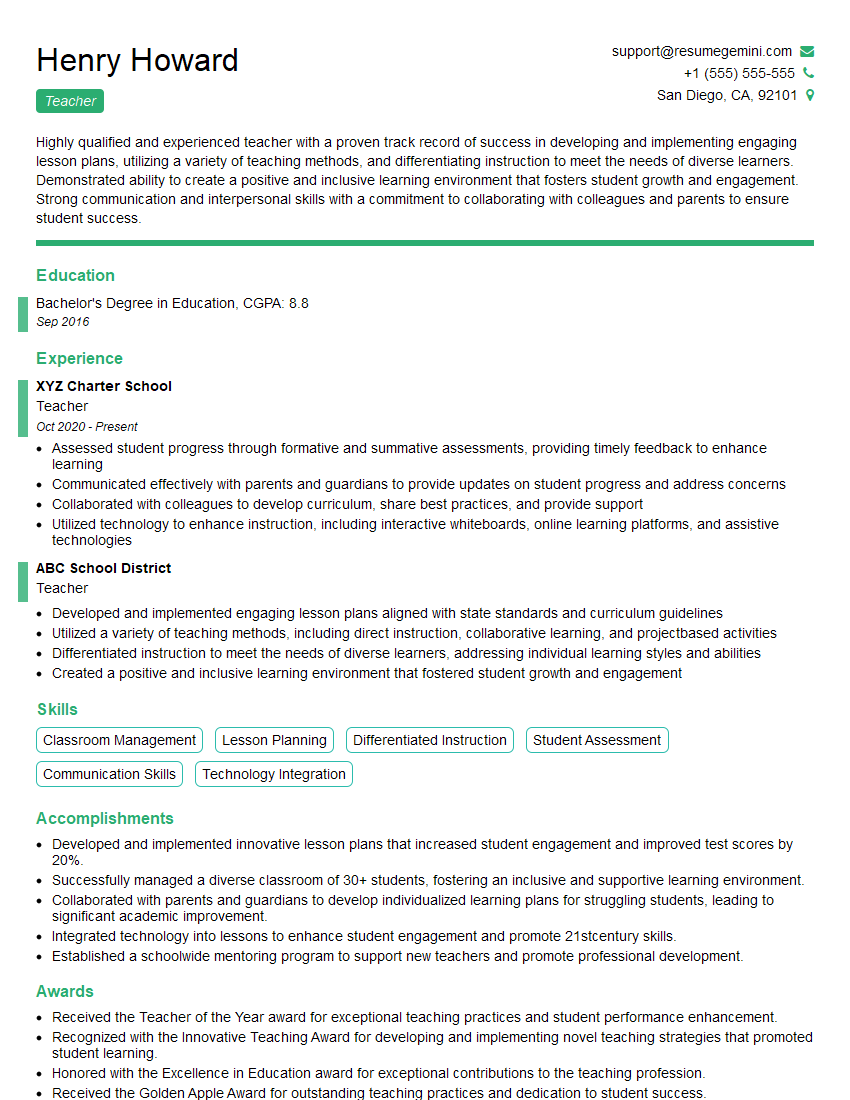
Teacher Resume Sample
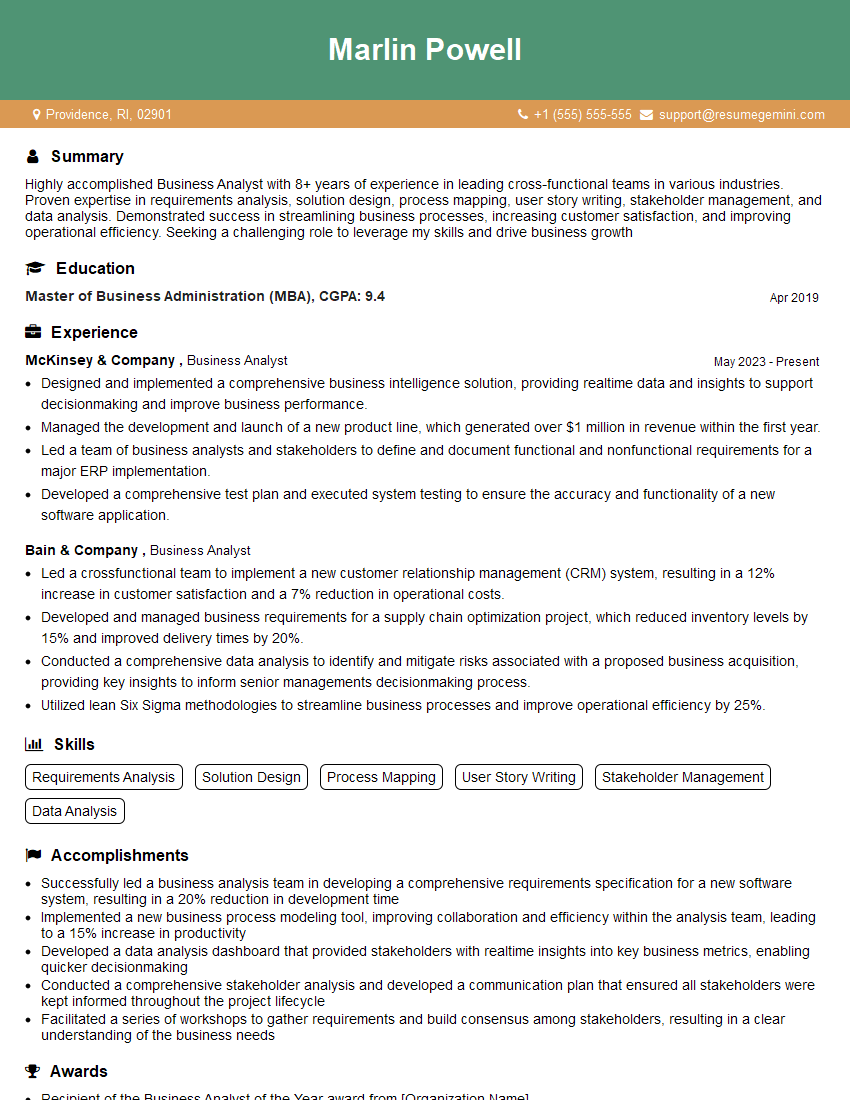
Business Analyst Resume Sample
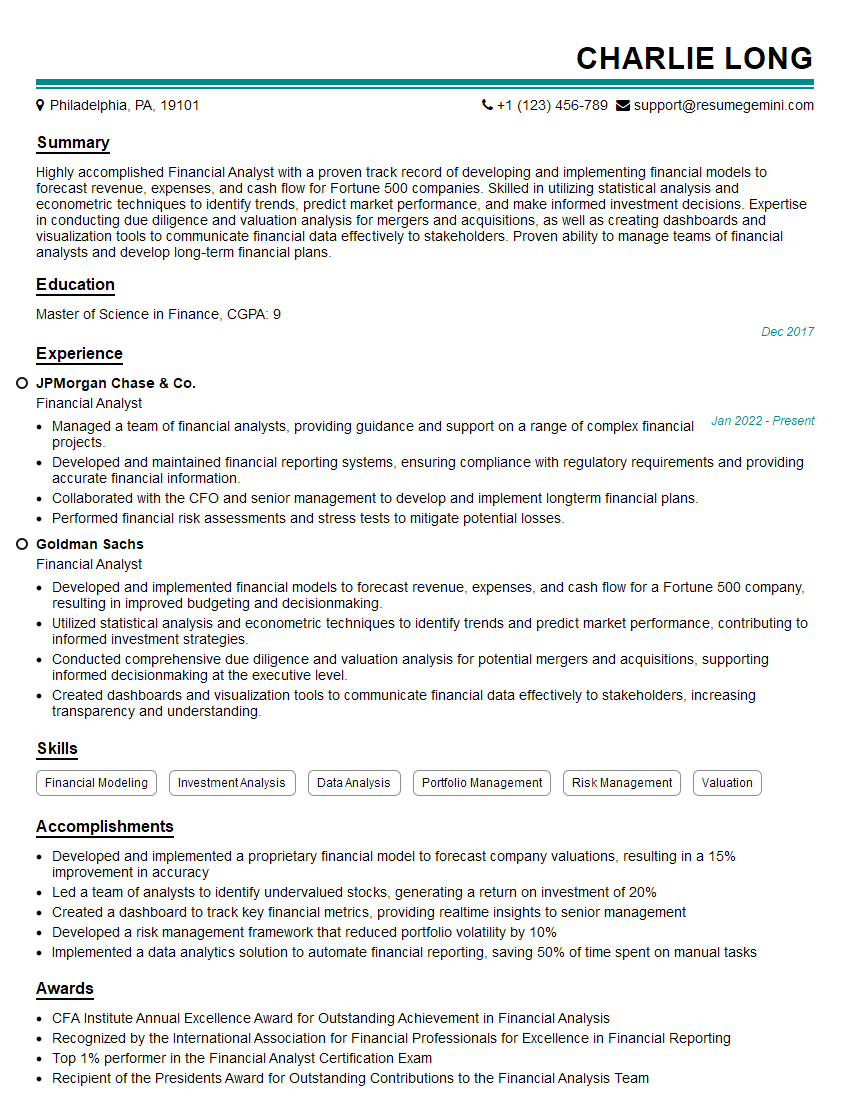
Financial Analyst Resume Sample
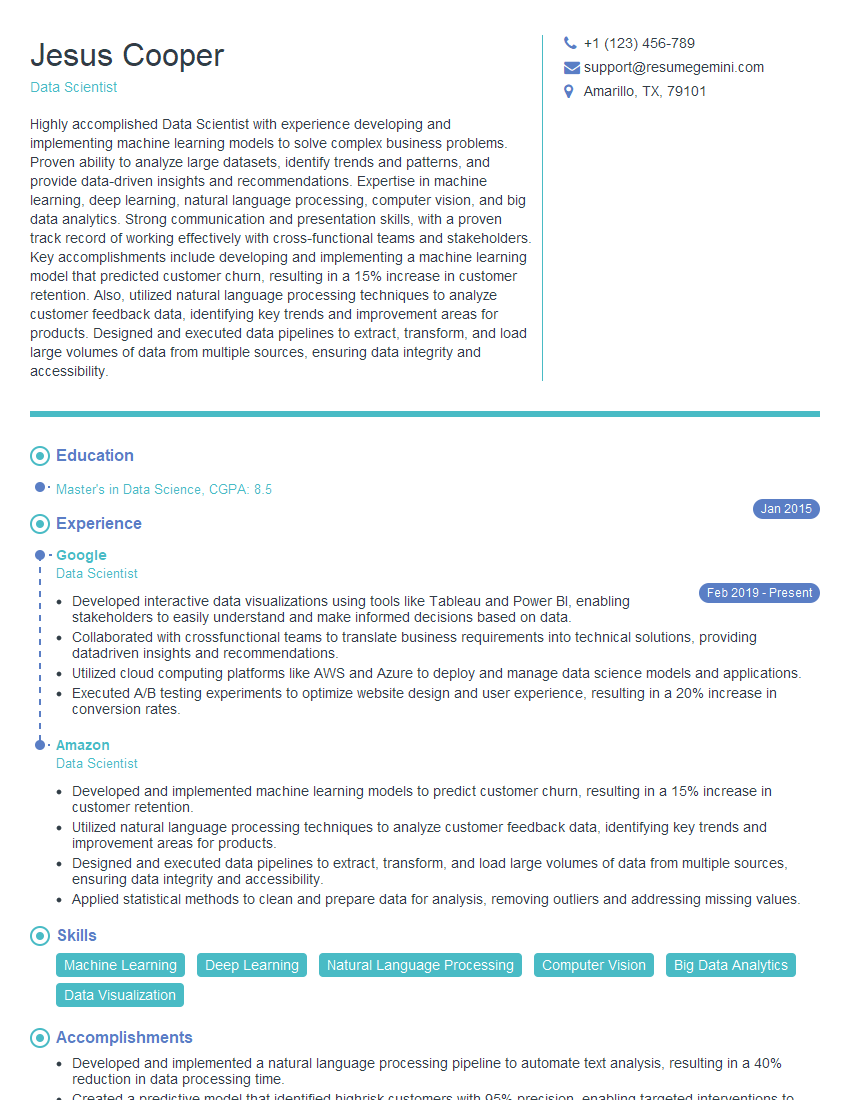
Data Scientist Resume Sample
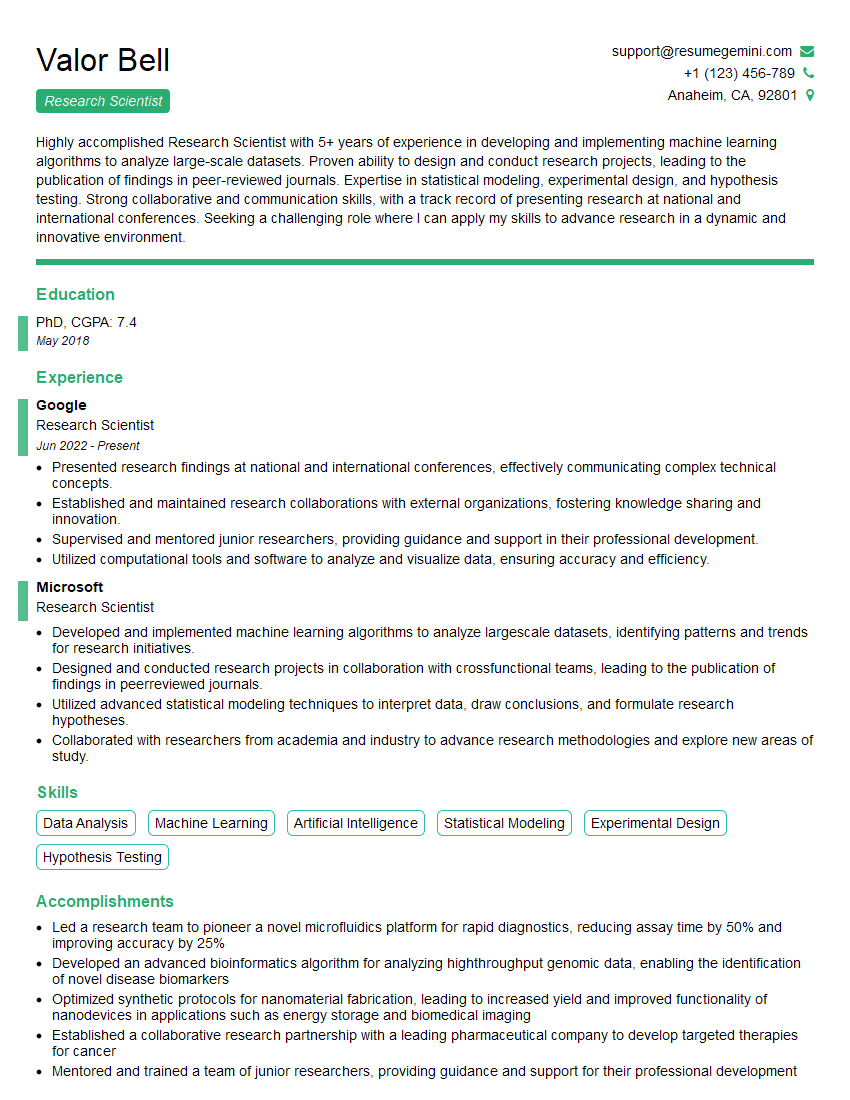
Research Scientist Resume Sample
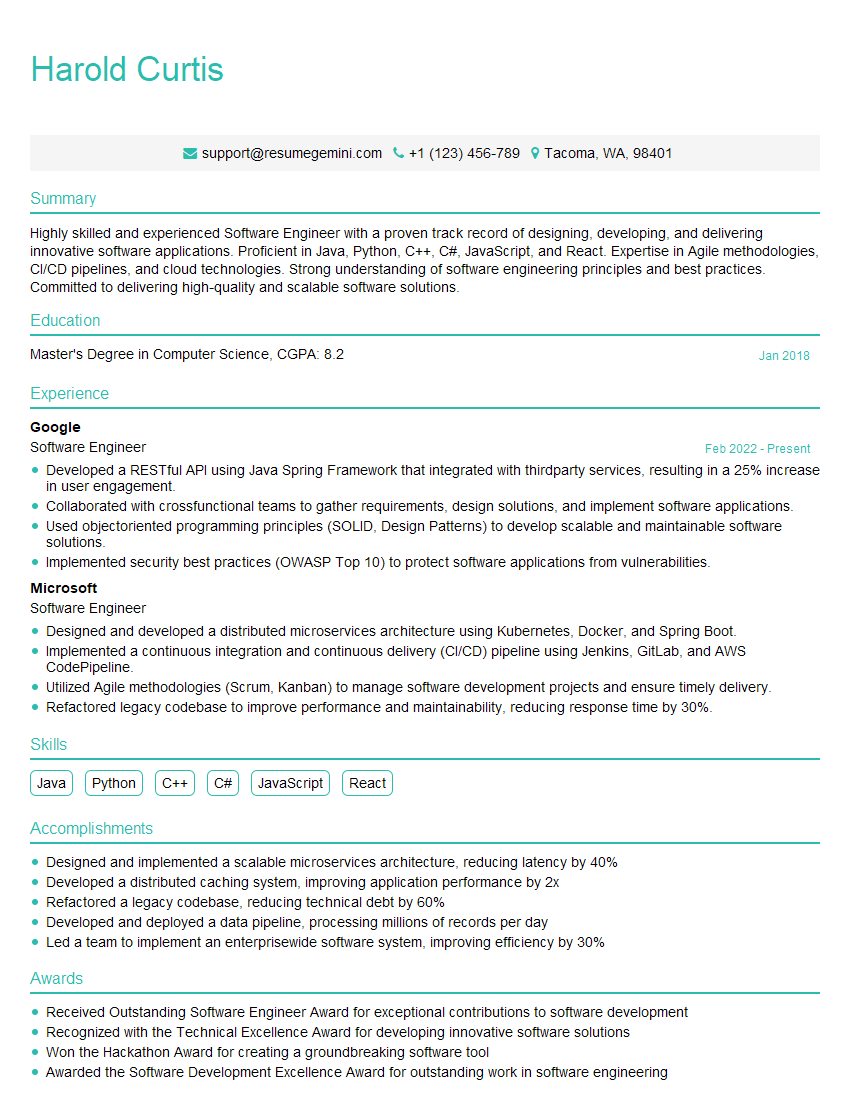
Software Engineer Resume Sample
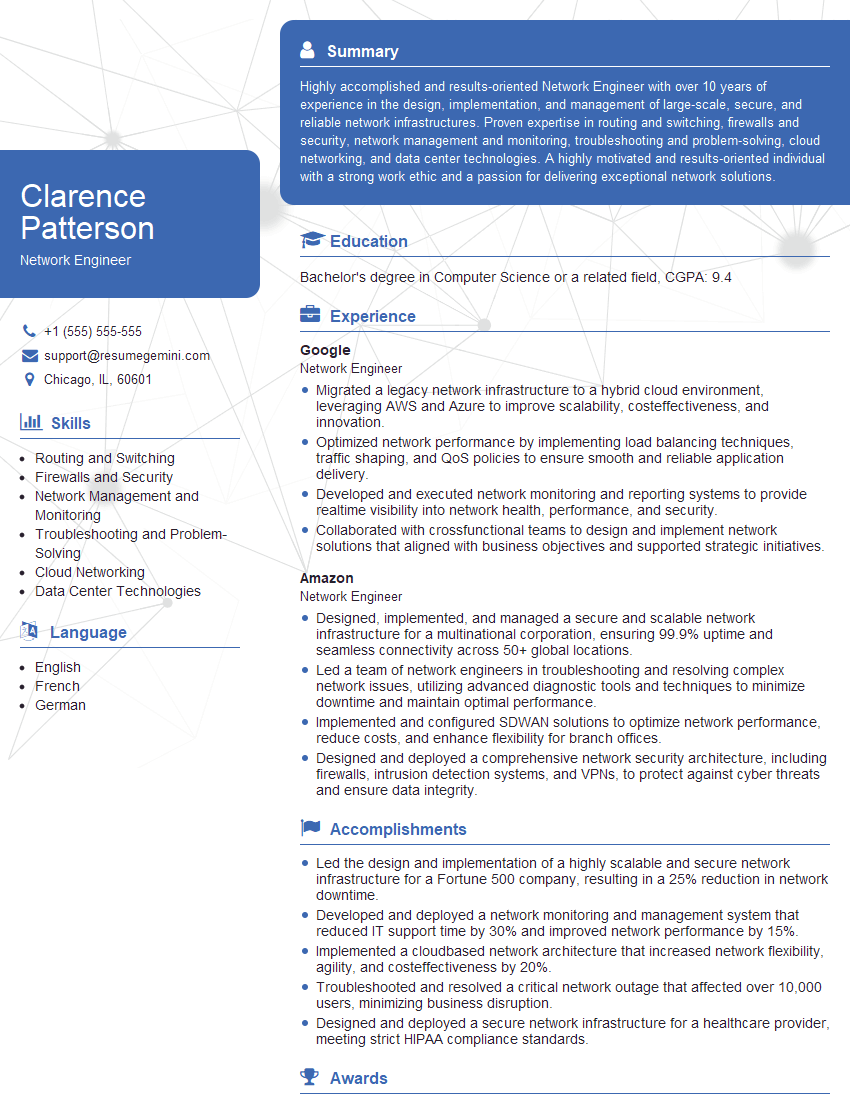
Network Engineer Resume Sample
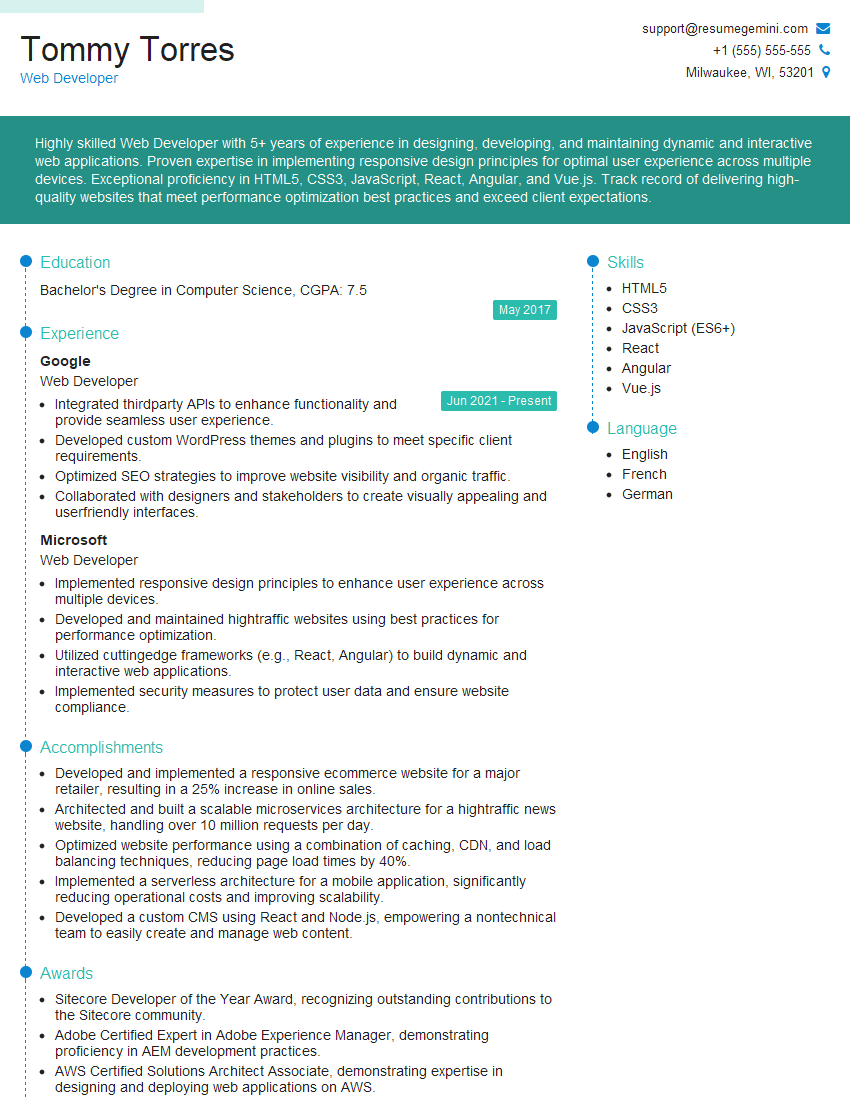
Web Developer Resume Sample
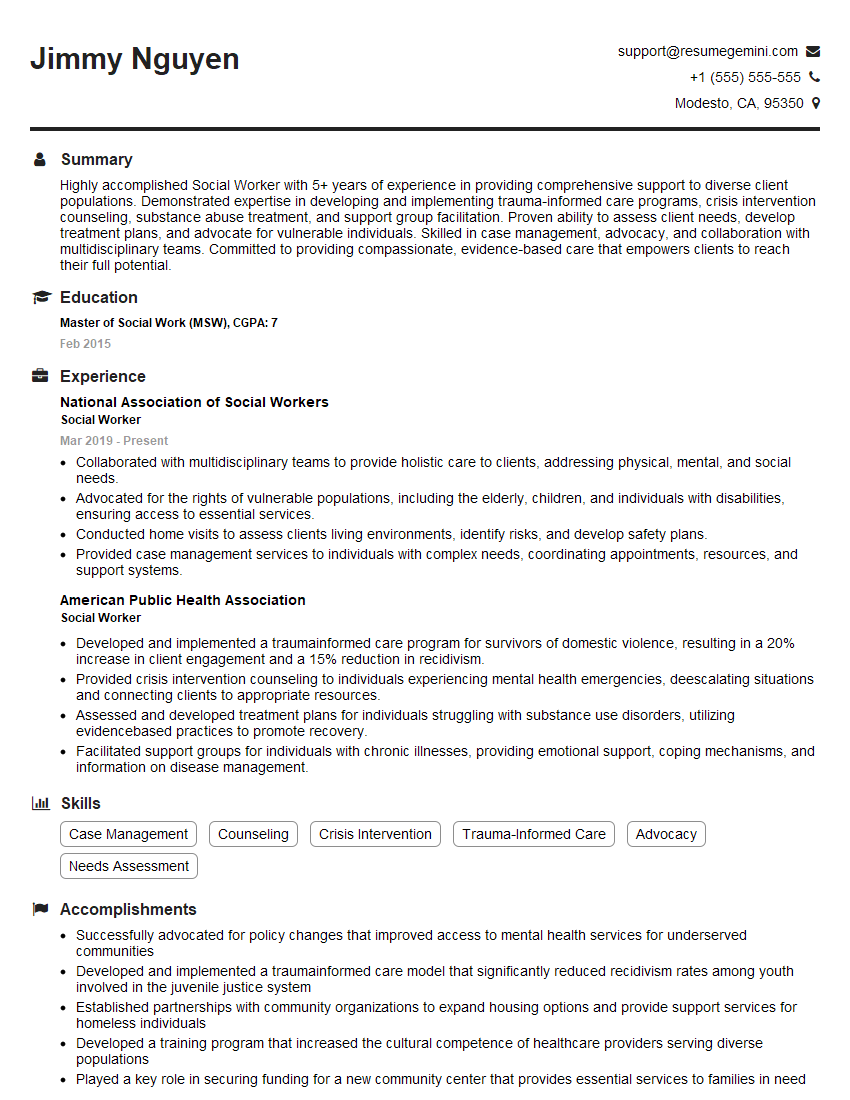
Social Worker Resume Sample
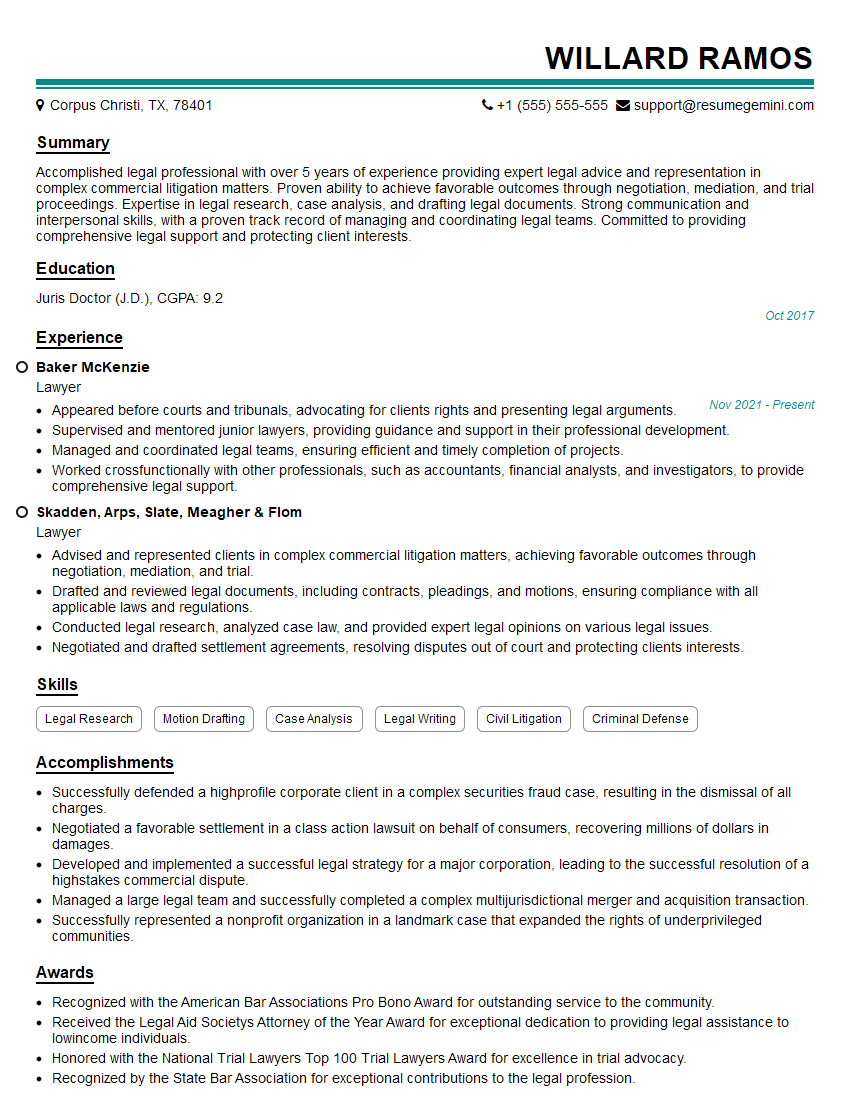
Lawyer Resume Sample

Technical Writer Resume Sample
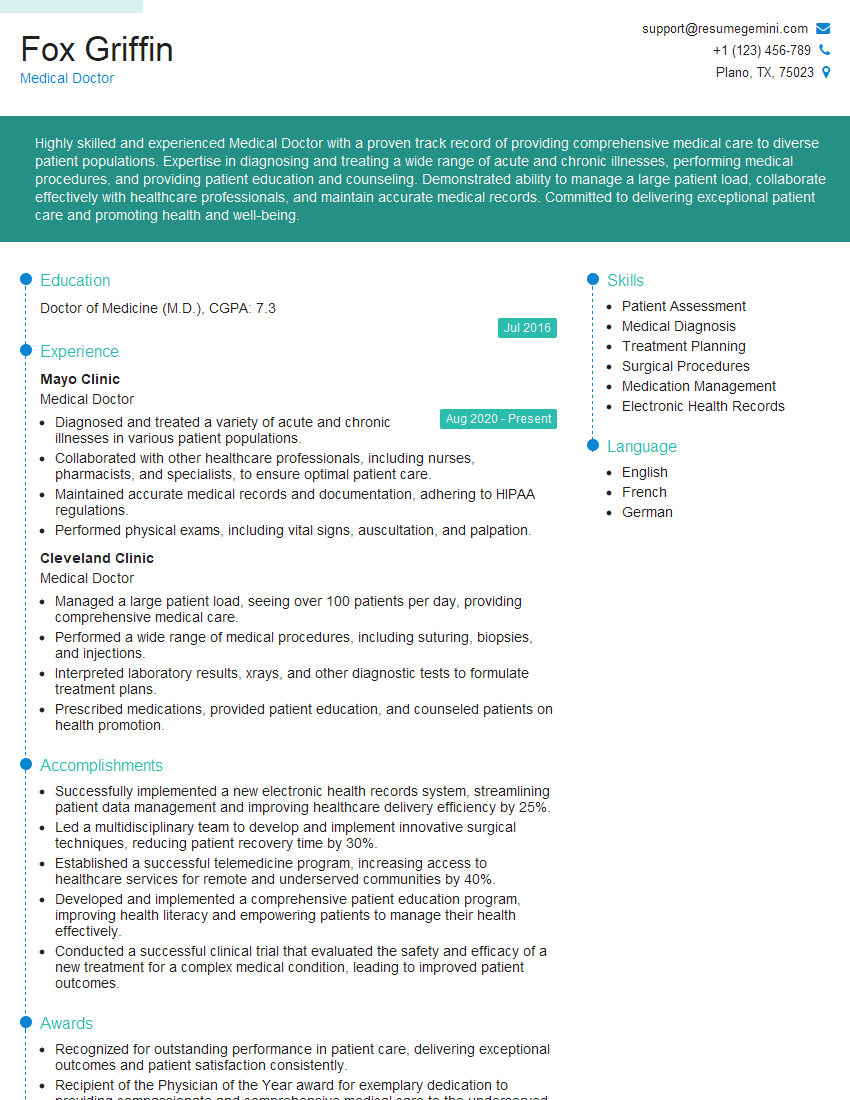
Medical Doctor Resume Sample
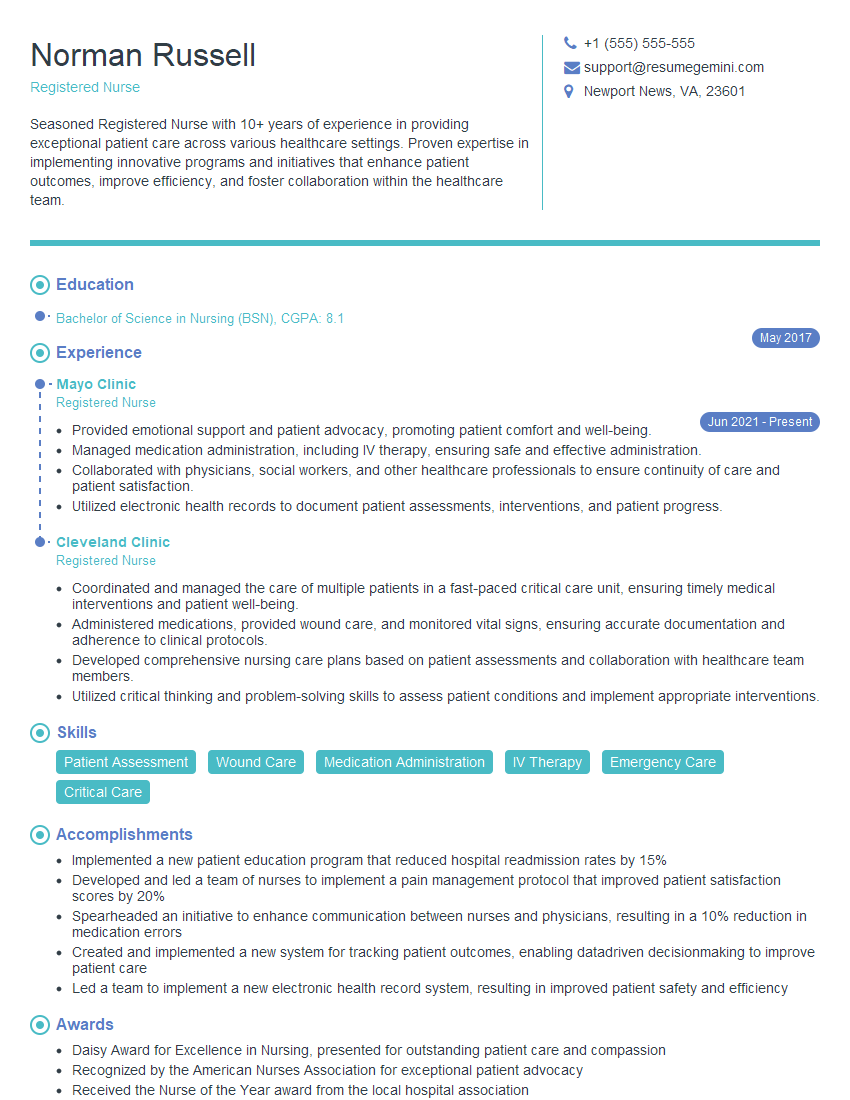
Registered Nurse Resume Sample
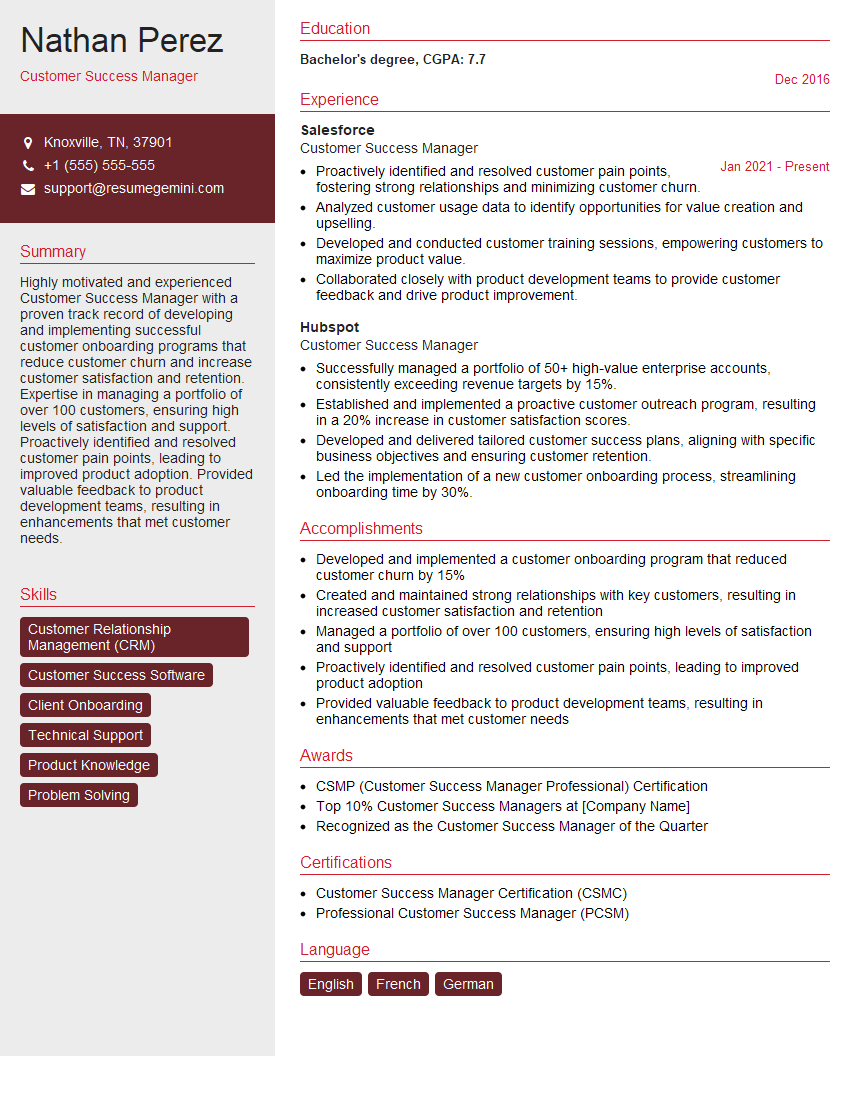
Customer Success Manager Resume Sample
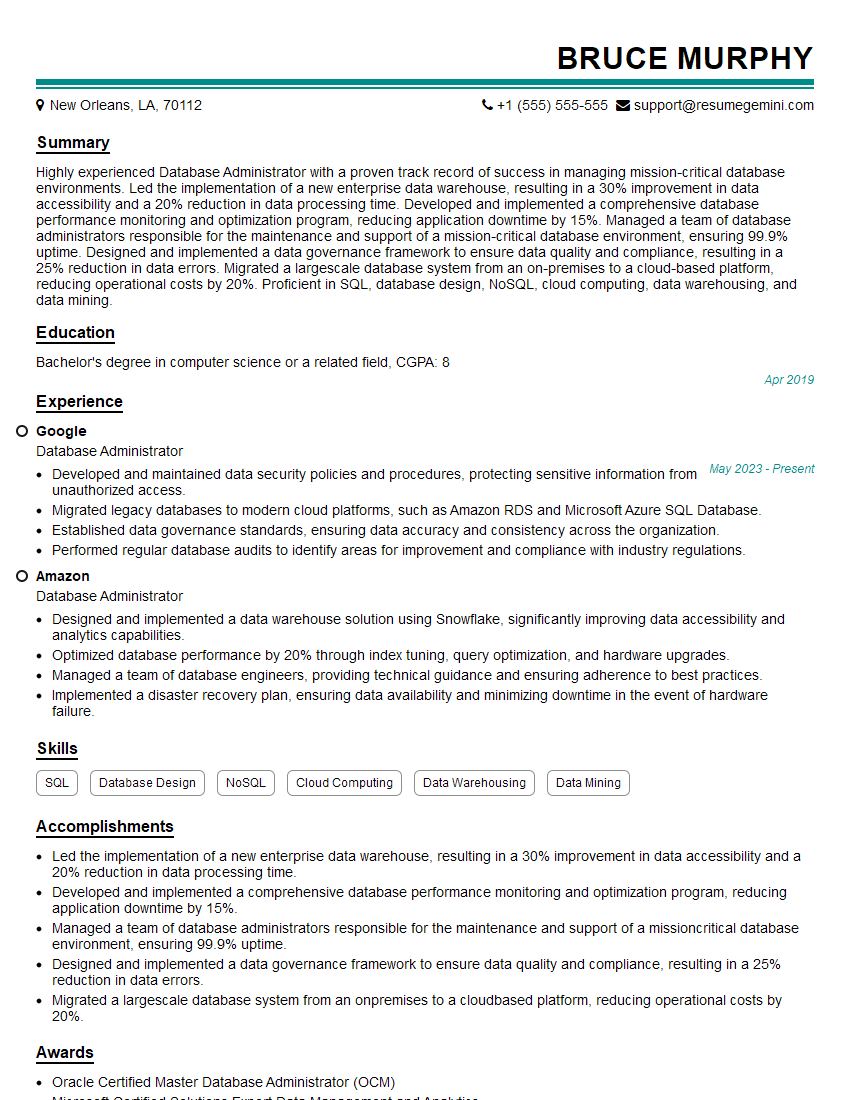
Database Administrator Resume Sample
- Operations Manager
- Account Manager
- Marketing Manager
- Product Manager
- Sales Representative
- Supply Chain Manager
- Human Resources Manager
- Project Manager
- Teacher
- Business Analyst
- Financial Analyst
- Data Scientist
- Research Scientist
- Software Engineer
- Network Engineer
- Web Developer
- Social Worker
- Lawyer
- Technical Writer
- Medical Doctor
- Registered Nurse
- Customer Success Manager
- Database Administrator
Explore more articles
Users Rating of Our Blogs
Share Your Experience
We value your feedback! Please rate our content and share your thoughts (optional).
What Readers Say About Our Blog
Very informative content, great job.
good