Feeling uncertain about what to expect in your upcoming interview? We’ve got you covered! This blog highlights the most important Commitment to Fair and Ethical Judging interview questions and provides actionable advice to help you stand out as the ideal candidate. Let’s pave the way for your success.
Questions Asked in Commitment to Fair and Ethical Judging Interview
Q 1. Define ‘impartiality’ in the context of judging.
Impartiality in judging means approaching each case with an open mind, free from bias or prejudice. It requires setting aside personal feelings, beliefs, or external pressures and basing decisions solely on the evidence presented and the applicable laws and rules. It’s about ensuring that everyone involved, regardless of background, status, or any other factor, is treated equally and fairly under the law.
Think of it like a scale: impartiality ensures that both sides of the scale are weighed equally, without any pre-conceived notions tipping the balance before the evidence is considered.
Q 2. Describe a situation where you had to balance competing interests fairly.
In a recent case involving a zoning dispute, I had to balance the rights of a property owner seeking to expand their business against the concerns of local residents regarding increased traffic and noise. The property owner presented evidence of economic benefits and job creation, while residents highlighted potential negative impacts on their quality of life. To ensure fairness, I meticulously reviewed all submitted evidence, including traffic studies, noise impact assessments, and resident testimonies. Ultimately, I reached a decision that incorporated both perspectives, approving the expansion with conditions designed to mitigate the negative impacts on the community, such as implementing sound barriers and traffic calming measures. This demonstrated a commitment to finding a solution that acknowledged the legitimate interests of all parties involved.
Q 3. How do you ensure consistency and fairness in your judgments?
Consistency and fairness in judgments are maintained through several key strategies. First, I rigorously apply established legal principles and precedents to each case, ensuring that similar cases are treated similarly. Second, I maintain detailed records of my reasoning and the evidence considered in every decision, allowing for review and promoting transparency. Third, I regularly engage in professional development to stay abreast of legal updates and best practices in judging, helping to refine my approach and maintain consistency. Finally, I actively seek feedback from colleagues and mentors to identify areas for improvement and ensure my judgments align with ethical standards.
Q 4. What strategies do you use to mitigate bias in decision-making?
Mitigating bias requires conscious effort and self-awareness. I utilize several strategies: Blind review of documents where identifying information is redacted to prevent unconscious bias based on names, addresses, or other identifying factors. Structured decision-making using checklists and frameworks to minimize subjective interpretation. Seeking diverse perspectives by actively soliciting input from colleagues with differing viewpoints. Regular reflection on personal biases to identify and address potential blind spots. Continuing education on diversity and inclusion training to enhance awareness and sensitivity to various cultural and social factors.
Q 5. Explain your process for gathering and evaluating evidence.
My process for gathering and evaluating evidence is systematic and thorough. It begins with clearly defining the issues in dispute. Then, I review all submitted evidence, including documents, testimonies, and expert reports, carefully examining their reliability, relevance, and authenticity. This includes assessing the credibility of witnesses and the weight of evidence. I use a multi-faceted approach, cross-referencing evidence, looking for corroboration and contradictions, and considering any potential biases. Finally, I systematically weigh the evidence to draw reasonable conclusions.
Q 6. How do you handle conflicting evidence or testimony?
Conflicting evidence is a common challenge. My approach involves a careful analysis of the source, reliability, and context of each piece of evidence. I assess witness credibility based on their demeanor, consistency of testimony, and potential motives. I examine the evidence for inconsistencies and look for corroborating or contradictory information. When faced with irreconcilable differences, I carefully weigh the strengths and weaknesses of each piece of evidence and explain my reasoning in the judgment, transparently acknowledging the complexities and uncertainties involved. The goal is not to necessarily find the single ‘truth’ but to reach a reasoned decision based on a thorough evaluation of all available evidence.
Q 7. Describe a time you had to make a difficult ethical decision related to judging.
I once faced a difficult ethical decision involving a case where a defendant’s lawyer, whom I knew personally, presented a seemingly weak defense. While I maintained my impartiality throughout the proceedings, I was subsequently approached by the lawyer, who expressed concerns about a potential conflict of interest. To ensure the integrity of the process, I disclosed the nature of my prior relationship to all parties involved, and consulted with a senior judge to obtain guidance on how to best manage the situation. Ultimately, I concluded that my prior relationship did not unduly influence my judgment, but the transparency was crucial to maintaining public trust and confidence in the fairness of the legal process.
Q 8. How do you maintain objectivity when dealing with emotionally charged situations?
Maintaining objectivity in emotionally charged situations is paramount for fair judging. It requires a conscious effort to separate personal feelings from the facts presented. Imagine a case involving child abuse – the emotional weight is immense. To remain objective, I rely on a structured approach. First, I meticulously review all evidence, focusing on verifiable facts and documented testimonies, not allowing emotional responses to sway my interpretation. Second, I consciously employ active listening techniques, ensuring I understand all perspectives without letting emotional language cloud my judgment. Finally, I utilize established legal frameworks and precedents as a guiding compass, focusing on applying the law impartially, regardless of my personal feelings about the case or the individuals involved. This process helps to ensure a fair and unbiased outcome.
Q 9. What are some common ethical dilemmas faced by judges?
Judges frequently face complex ethical dilemmas. One common challenge is managing conflicts of interest, such as a personal relationship with a party involved in a case. Another is the pressure to meet deadlines or quotas, which could compromise thoroughness and fairness. Consider a situation where a judge’s close friend is a lawyer in a case before them – recusal is mandatory to uphold impartiality. Balancing the need for swift justice with the requirement for due diligence is another constant challenge. For example, a judge might face pressure to expedite a high-profile case, potentially sacrificing the right of the defendant to a thorough defense. Navigating these dilemmas requires a steadfast commitment to ethical principles and a willingness to seek guidance and, if necessary, recuse oneself from cases that pose a potential conflict.
Q 10. How do you ensure transparency and accountability in your judgments?
Transparency and accountability are cornerstones of fair judging. This is achieved through several mechanisms. Firstly, all court proceedings are documented; detailed records of evidence, arguments, and the judge’s reasoning are kept. This creates an audit trail that ensures scrutiny. Secondly, judgments are usually made public, allowing for open review and critique. While specific details might be redacted to protect privacy, the core reasoning behind the decision is generally accessible. Finally, there are appeals processes and mechanisms for judicial review, allowing higher courts to examine lower court decisions for errors of law or procedural irregularities. This multi-layered approach safeguards against bias and promotes public confidence in the judicial system. For example, a judge might explicitly state the legal basis for a decision in their written judgment, explaining how particular facts meet specific legal criteria.
Q 11. Explain your understanding of due process.
Due process is a fundamental principle of justice, guaranteeing fairness and protecting individuals’ rights throughout legal proceedings. It encompasses several key aspects: the right to a fair hearing, the right to be informed of the charges, the right to legal representation, the right to present evidence and cross-examine witnesses, and the right to a timely and impartial decision. Think of it as a checklist ensuring everyone involved receives a fair shake. Violating due process can lead to unjust outcomes. For instance, if a defendant is not given adequate opportunity to present their defense, due process is violated, and the resulting judgment could be deemed unfair and potentially overturned on appeal. A fair hearing is central: it ensures that all relevant information is considered before a judgment is rendered.
Q 12. How do you handle challenges to your decisions?
Handling challenges to decisions is part of the judicial process. Challenges can be made through appeals, motions for reconsideration, or other legal mechanisms. I approach these challenges with careful consideration. I meticulously review the reasons behind the challenge, comparing them to the original judgment and considering whether any new evidence is presented or arguments have been raised that warrant further scrutiny. Transparency is crucial; I make available all necessary information to the reviewing body and openly respond to any questions raised. Ultimately, the goal is to ensure the decision was made based on sound legal reasoning and correctly applied law. If the challenge reveals a genuine error, I am prepared to correct it, underscoring the importance of ongoing learning and refining my decision-making process.
Q 13. How do you manage conflicts of interest?
Conflicts of interest pose a serious threat to judicial impartiality. My approach is proactive and multi-faceted. Firstly, I disclose any potential conflicts, no matter how minor they seem. This includes financial interests, personal relationships, or any other connections that could reasonably be perceived as influencing my judgment. If a conflict exists, I recuse myself immediately, ensuring another impartial judge takes over the case. The appearance of impartiality is just as vital as actual impartiality. For instance, if I had a past professional relationship with a lawyer involved in a case, even if I feel it wouldn’t affect my judgment, I’d recuse myself to avoid any suggestion of bias. Transparency and proactive avoidance are my primary tools in managing these situations.
Q 14. Describe your understanding of procedural fairness.
Procedural fairness, closely related to due process, focuses on the procedures used in making a decision, rather than solely on the outcome. It emphasizes fairness in the processes themselves. Key aspects include: providing adequate notice to all parties, allowing for participation and input from affected individuals, applying rules consistently, and providing reasons for decisions. A simple example: a landlord evicting a tenant should give proper notice and allow the tenant a hearing to present their side before making the decision. Procedural fairness seeks to ensure that the entire process is transparent, consistent, and allows for participation by all stakeholders, thereby fostering confidence in the fairness of the outcome, regardless of whether one agrees with the final decision. This fosters a sense of trust in the system.
Q 15. How do you prioritize fairness over efficiency?
Fairness and efficiency are not mutually exclusive, but rather, complementary goals in judging. Prioritizing fairness doesn’t mean sacrificing efficiency entirely; it means strategically allocating time and resources to ensure a just outcome, even if it takes longer. Imagine a courtroom scene: rushing a case to meet a deadline might lead to overlooking crucial evidence or misinterpreting witness testimony, resulting in an unfair verdict. A fair trial demands thorough examination of facts and arguments, which may take time. I prioritize fairness by establishing clear timelines, meticulously reviewing all submitted evidence, and allocating sufficient time for each party to present their case. I would rather a slightly delayed but fair judgment than a quick, unjust one. The long-term consequences of an unfair judgment far outweigh the short-term benefits of efficiency.
Career Expert Tips:
- Ace those interviews! Prepare effectively by reviewing the Top 50 Most Common Interview Questions on ResumeGemini.
- Navigate your job search with confidence! Explore a wide range of Career Tips on ResumeGemini. Learn about common challenges and recommendations to overcome them.
- Craft the perfect resume! Master the Art of Resume Writing with ResumeGemini’s guide. Showcase your unique qualifications and achievements effectively.
- Don’t miss out on holiday savings! Build your dream resume with ResumeGemini’s ATS optimized templates.
Q 16. How do you adapt your approach to different contexts and individuals?
Adaptability is crucial in fair judging. Different contexts require different approaches. For example, judging a small claims dispute requires a less formal approach than presiding over a complex commercial litigation. Similarly, individuals have varied communication styles and levels of understanding of legal processes. I adapt by employing active listening, clarifying complex legal concepts in plain language, adjusting my questioning techniques to suit the individual’s demeanor, and ensuring all parties feel heard and understood. For instance, I might use visual aids or simpler language when dealing with a party who isn’t legally trained, ensuring full comprehension and participation.
- Contextual adaptation: Understanding the unique circumstances of each case and adjusting my approach accordingly.
- Individual adaptation: Tailoring communication and procedures to the specific needs and abilities of those involved.
Q 17. How do you deal with pressure to compromise your ethical standards?
Pressure to compromise ethical standards is a serious challenge. My response is unwavering adherence to my ethical code and the relevant legal framework. This means refusing to participate in any activity that would violate my ethical duties, even if it leads to personal or professional setbacks. I believe that compromising my integrity undermines the entire justice system. I’d document any such pressure, and if necessary, report it through the appropriate channels. Maintaining transparency and accountability are paramount. For example, if I were pressured to rule in favor of a powerful individual regardless of the evidence, I would refuse, explaining my decision in writing, citing the relevant legal principles and evidence that support my judgment. Protecting the integrity of the process is more important than facing external pressure.
Q 18. Explain how you would handle a situation where new evidence emerges after a judgment.
The emergence of new evidence after a judgment is a serious matter. Depending on the nature of the new evidence and its potential impact on the judgment, different procedures would apply. If the evidence is significant enough to potentially overturn the judgment, I would follow established legal procedures for reopening the case. This might involve a motion for a new trial or appeal. The process would include examining the credibility and relevance of the new evidence, providing all parties with an opportunity to respond, and considering its impact on the original decision. Transparency and due process are essential throughout this process. For instance, a newly discovered witness with crucial testimony could necessitate revisiting the case to ensure a fair and just conclusion. I would strive to maintain the integrity of the process and ensure that justice is served.
Q 19. Describe your approach to upholding the rule of law.
Upholding the rule of law is fundamental to my role. This means applying and interpreting laws fairly and consistently, according to established legal principles and precedents. I remain unbiased, impartial and strictly follow procedural rules to ensure a just outcome. This includes considering all evidence and arguments presented by all parties, respecting the rights of the accused and the victim, and ensuring that all proceedings are conducted according to the relevant legal framework. Any deviation from the law would be a serious breach of my professional obligations. My actions serve as a model of legal propriety, demonstrating respect for the justice system and its fundamental principles.
Q 20. How do you ensure your judgments are well-reasoned and justified?
Well-reasoned and justified judgments are essential for maintaining public trust in the judicial system. I ensure this by meticulously documenting my reasoning, citing relevant laws, precedents, and evidence to support each conclusion. My decisions are transparent and understandable, allowing for scrutiny and accountability. I use a structured approach to clarify the facts, the relevant legal issues, and my analysis leading to the final decision. Think of it like a well-written essay with a clear thesis statement (the judgment), supported by evidence and logical arguments (analysis of facts and law).
Q 21. What steps do you take to ensure your decisions are understood by all parties?
Ensuring all parties understand my decisions is crucial for fostering acceptance and promoting confidence in the judicial process. I strive for clarity and simplicity in my judgments, avoiding legal jargon whenever possible. I explain the reasoning behind my decision in plain language, summarizing the key findings and conclusions in a way that is readily accessible. I also provide an opportunity for parties to ask clarifying questions and address any concerns they may have. In complex cases, I might provide a supplementary written explanation or schedule a meeting to discuss the decision in detail. The goal is to ensure that everyone involved understands the outcome and the process that led to it.
Q 22. How do you communicate complex information clearly and concisely?
Communicating complex information clearly and concisely requires a multi-faceted approach. It begins with a deep understanding of the subject matter itself. Only then can one effectively distill the essential elements and present them in a digestible format. I employ several key strategies:
- Simplify Language: I avoid jargon and technical terms whenever possible, replacing them with plain language explanations. For example, instead of saying “de novo review,” I might explain it as “a completely fresh look at the case from the beginning.”
- Structure Information Logically: I organize information using clear headings, subheadings, bullet points, and numbered lists to improve readability and comprehension. This allows the audience to easily follow the flow of information.
- Use Visual Aids: Where appropriate, I use charts, graphs, or diagrams to visually represent complex data or concepts. A picture truly is worth a thousand words, especially when dealing with intricate details.
- Check for Understanding: I consistently check for understanding by asking clarifying questions and summarizing key points throughout the explanation. This ensures the audience is actively engaged and grasping the material.
- Tailor the Message: I adapt my communication style to the audience’s level of understanding and background knowledge. A legal professional will require a different explanation than a layperson.
For instance, when explaining a nuanced point of law to a jury, I would avoid legal jargon and focus on the practical implications of the concept, using relatable examples to illustrate its meaning.
Q 23. How do you handle criticism or complaints about your judgments?
Handling criticism or complaints is crucial for maintaining fairness and ethical standards. My approach is centered on active listening, respectful dialogue, and transparency.
- Active Listening: I carefully listen to the concerns raised, ensuring I fully understand the nature of the complaint before formulating a response. I actively seek to understand their perspective, even if I don’t agree with it.
- Respectful Dialogue: I engage in respectful and professional dialogue, aiming to address concerns calmly and thoughtfully. I acknowledge the validity of their feelings, even if I disagree with the substance of the complaint.
- Transparency: I explain the reasoning behind my judgment clearly and concisely, providing detailed justification where necessary. I am open to explaining my thought process and decision-making steps.
- Documentation: I maintain detailed records of all judgments and any subsequent complaints or feedback received. This documentation serves as a valuable resource for addressing future concerns and identifying areas for improvement.
- Appropriate Action: If the complaint reveals a genuine error or oversight, I take immediate corrective action to rectify the issue, following appropriate procedures. If necessary, I seek advice from ethical review boards or supervisors.
For example, if a party felt their evidence was not given sufficient weight, I would review the case file, revisit the evidence, and explain my reasoning, highlighting any factors that influenced my decision. If a genuine oversight occurred, I would acknowledge the mistake and take appropriate steps to rectify the situation.
Q 24. What are your strategies for continuous improvement in your approach to judging?
Continuous improvement is paramount in judging. I actively pursue several strategies to refine my approach:
- Self-Reflection: After each judgment, I engage in self-reflection, evaluating my decision-making process and identifying areas where I could have improved. This includes considering alternative perspectives and potential biases.
- Peer Review: I actively seek feedback from respected colleagues and mentors, engaging in constructive criticism to gain fresh perspectives and identify blind spots in my reasoning.
- Continuing Education: I regularly participate in continuing education programs, workshops, and seminars to stay abreast of the latest legal developments and ethical guidelines in judging. This ensures my knowledge remains current and relevant.
- Mentorship: I actively participate in mentorship programs, both as a mentor and mentee, to share experiences and learn from others’ expertise. This fosters a culture of continuous learning and growth.
- Feedback Mechanisms: I implement robust feedback mechanisms to gather input from various stakeholders, including participants, observers, and legal professionals. This allows for a holistic assessment of my performance.
For example, attending a seminar on implicit bias in judicial decision-making helped me recognize and mitigate potential unconscious biases in my own judgment.
Q 25. How do you maintain your own integrity and impartiality?
Maintaining integrity and impartiality is the cornerstone of ethical judging. This is achieved through a combination of personal commitment, professional conduct, and institutional support:
- Personal Ethics: I maintain a strong personal commitment to fairness, honesty, and objectivity. This commitment guides my decisions and actions, ensuring they align with ethical principles.
- Code of Conduct: I strictly adhere to the established code of conduct for judges, which provides a framework for ethical decision-making and professional behavior. This code outlines specific rules and guidelines for maintaining impartiality.
- Recusal: I carefully consider the need for recusal whenever there is a potential conflict of interest or bias. This ensures decisions are made without any undue influence or prejudice.
- Transparency: I operate with transparency in my decision-making process, clearly explaining my reasoning and making all relevant information accessible to the parties involved. This fosters trust and confidence in the judicial system.
- Continuous Learning: I remain committed to continuous learning and professional development, seeking to enhance my understanding of ethical dilemmas and best practices in judicial conduct. This ensures I stay abreast of evolving standards and challenges.
For example, if I have a personal acquaintance involved in a case, I would recuse myself to avoid any appearance of bias, ensuring the fairness and impartiality of the proceedings.
Q 26. What resources do you utilize to stay informed about ethical standards in judging?
Staying informed about ethical standards requires a multi-pronged approach:
- Professional Organizations: I actively participate in and follow the guidelines and publications of professional organizations for judges, such as the American Judicature Society or equivalent organizations in my jurisdiction. These organizations offer resources on ethical dilemmas, best practices, and continuing education.
- Legal Journals and Publications: I regularly read legal journals and publications focusing on judicial ethics and conduct. These publications provide insights into current legal developments and ethical challenges facing judges.
- Continuing Legal Education: I participate in continuing legal education (CLE) programs specifically focused on judicial ethics. These programs offer updates on ethical standards and best practices in judicial decision-making.
- Ethical Guidelines and Codes of Conduct: I regularly review the relevant ethical guidelines and codes of conduct applicable to my jurisdiction. This ensures I remain updated on legal and ethical standards.
- Case Law and Judicial Opinions: I stay abreast of relevant case law and judicial opinions dealing with ethical issues in judging. This provides insight into how ethical principles have been applied in practice.
For instance, I regularly review the Model Code of Judicial Conduct to ensure my actions are consistent with the highest ethical standards.
Q 27. Describe a time you had to explain a complex judgment to someone with limited legal knowledge.
I once had to explain a complex ruling on evidentiary admissibility to a distraught plaintiff with limited legal knowledge. The ruling hinged on a technicality concerning the chain of custody of a crucial piece of evidence. Instead of using legal jargon, I used an analogy:
“Imagine you’re baking a cake. Each step – from measuring the ingredients to baking and cooling – is important. The chain of custody is like that. To be sure the cake is yours, we need to account for every step in its creation. If we can’t prove every step, we can’t be certain it’s the right cake. Similarly, to use this evidence, we need to be completely sure it hasn’t been tampered with or changed along the way. Unfortunately, in this case, we have a gap in that process, so we can’t use it.”
By using this simple analogy, I helped the plaintiff understand the underlying principle without overwhelming them with complex legal terms. I also took the time to answer their questions patiently and address their emotional response to the ruling with empathy.
Q 28. How do you balance the needs of individual justice with the need for broader societal good?
Balancing individual justice with the broader societal good is a constant challenge in judging. It’s not a simple equation, but a delicate balancing act requiring careful consideration of several factors:
- Fairness and Impartiality: Each individual case must be assessed fairly and impartially, ensuring each party’s rights are protected and the law is applied equitably. This forms the foundation of individual justice.
- Precedents and Legal Principles: Judicial decisions must be guided by established legal principles and precedents, ensuring consistency and predictability in the application of the law. This promotes broader societal order.
- Contextual Understanding: It is crucial to understand the broader social context surrounding the case, including its impact on the community and society. This enables a balanced approach, preventing decisions that are overly focused on individual circumstances at the expense of wider societal good.
- Proportionality: Sentences and rulings should be proportionate to the offense and the specific circumstances of the case. This ensures that punishment aligns with the crime committed while considering the impact on both the individual and the community.
- Rehabilitative Justice: Where appropriate, the focus should shift towards restorative justice and rehabilitation, aiming to repair harm and prevent future offenses. This contributes to broader societal well-being.
For example, in sentencing a young offender, a judge might consider the impact on the victim and the need for punishment, but also factor in the potential for rehabilitation, reducing the sentence to provide opportunities for reform. This approach balances individual justice with the aim of reducing crime and improving societal well-being.
Key Topics to Learn for Commitment to Fair and Ethical Judging Interview
- Understanding Bias and Impartiality: Explore the various forms of bias (conscious and unconscious) and develop strategies to mitigate their influence on judgment. Consider real-world scenarios where bias might creep in and how to counteract them.
- Ethical Frameworks and Codes of Conduct: Familiarize yourself with relevant ethical guidelines and professional codes of conduct applicable to judging. Practice applying these principles to hypothetical situations.
- Due Process and Procedural Fairness: Master the concepts of due process and procedural fairness, ensuring you understand the importance of equal opportunity, transparency, and the right to be heard for all parties involved.
- Conflict of Interest and Disclosure: Learn to identify and manage potential conflicts of interest. Understand the importance of full disclosure and the procedures for recusal when necessary.
- Decision-Making and Justification: Develop clear and concise methods for articulating your judgments, providing well-reasoned justifications supported by evidence and ethical principles.
- Accountability and Transparency: Understand the mechanisms of accountability within the judging process and the importance of maintaining transparency in your decisions.
- Cultural Sensitivity and Inclusivity: Reflect on how cultural differences might impact judgment and how to ensure fair and equitable treatment for all participants regardless of background.
Next Steps
Mastering commitment to fair and ethical judging is paramount for career advancement in many fields. It demonstrates integrity, professionalism, and a dedication to upholding justice. To maximize your job prospects, building a strong, ATS-friendly resume is crucial. ResumeGemini can help you create a compelling resume that highlights your skills and experience in this vital area. We offer examples of resumes tailored to Commitment to Fair and Ethical Judging to help guide your process. Take the next step toward a successful career by crafting a professional resume that showcases your commitment to fairness and ethics.
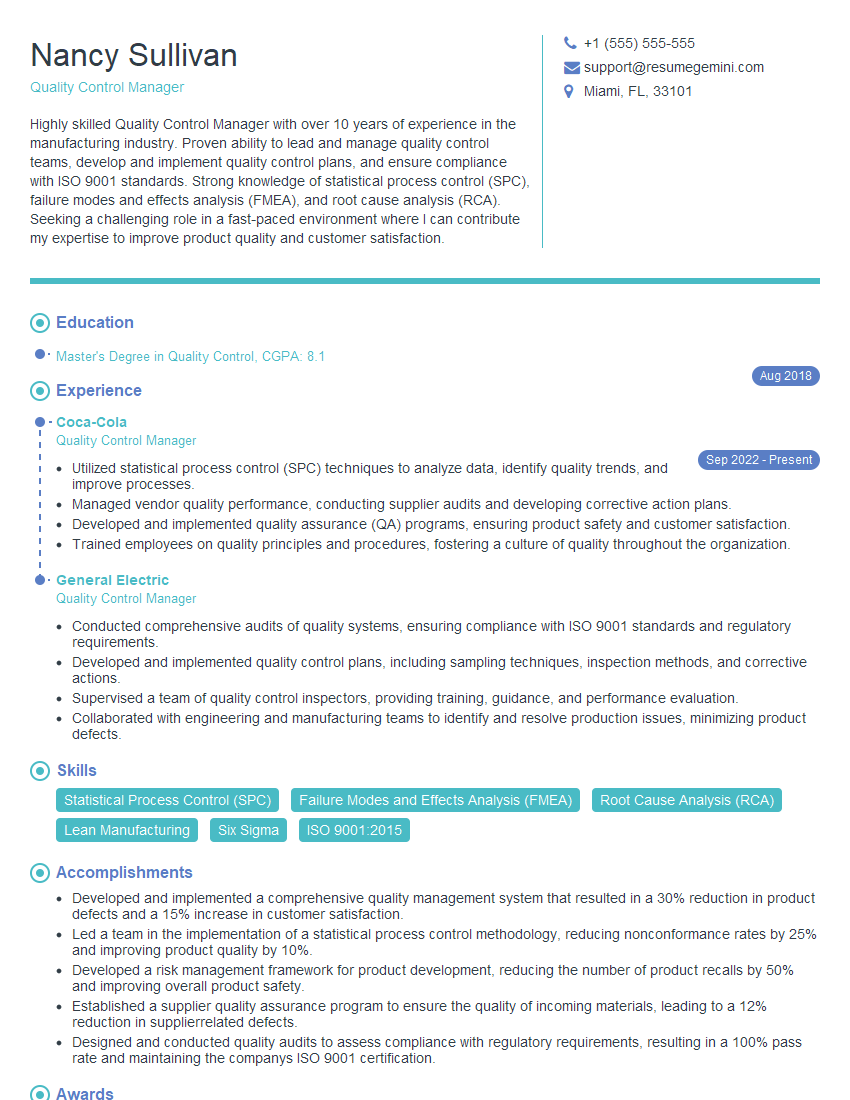
Quality Control Manager Resume Sample
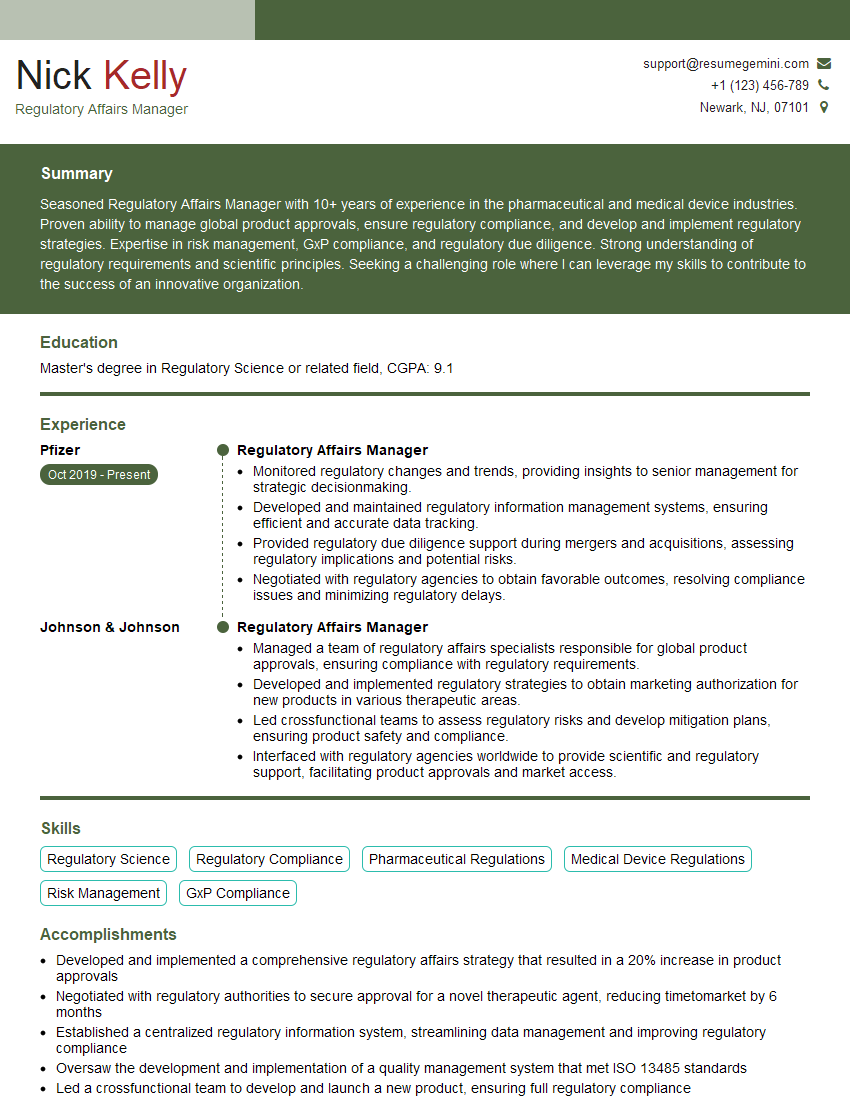
Regulatory Affairs Manager Resume Sample

Compliance Officer Resume Sample
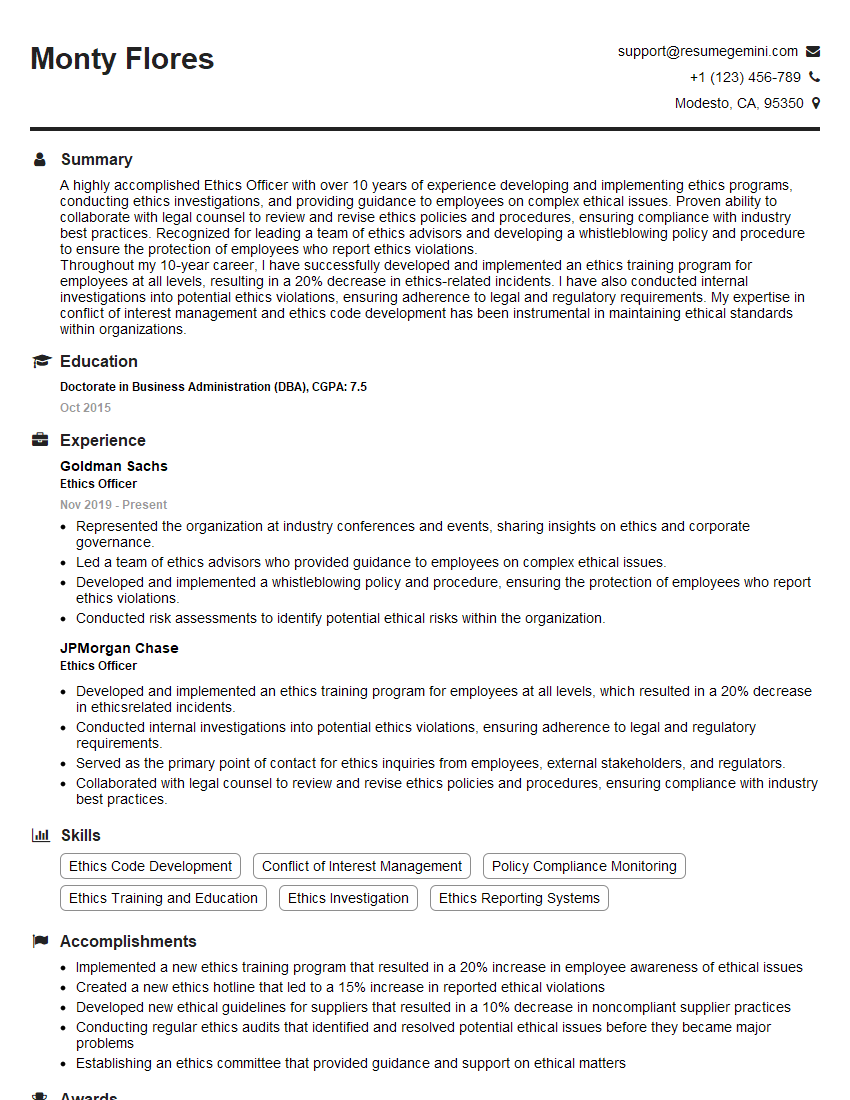
Ethics Officer Resume Sample
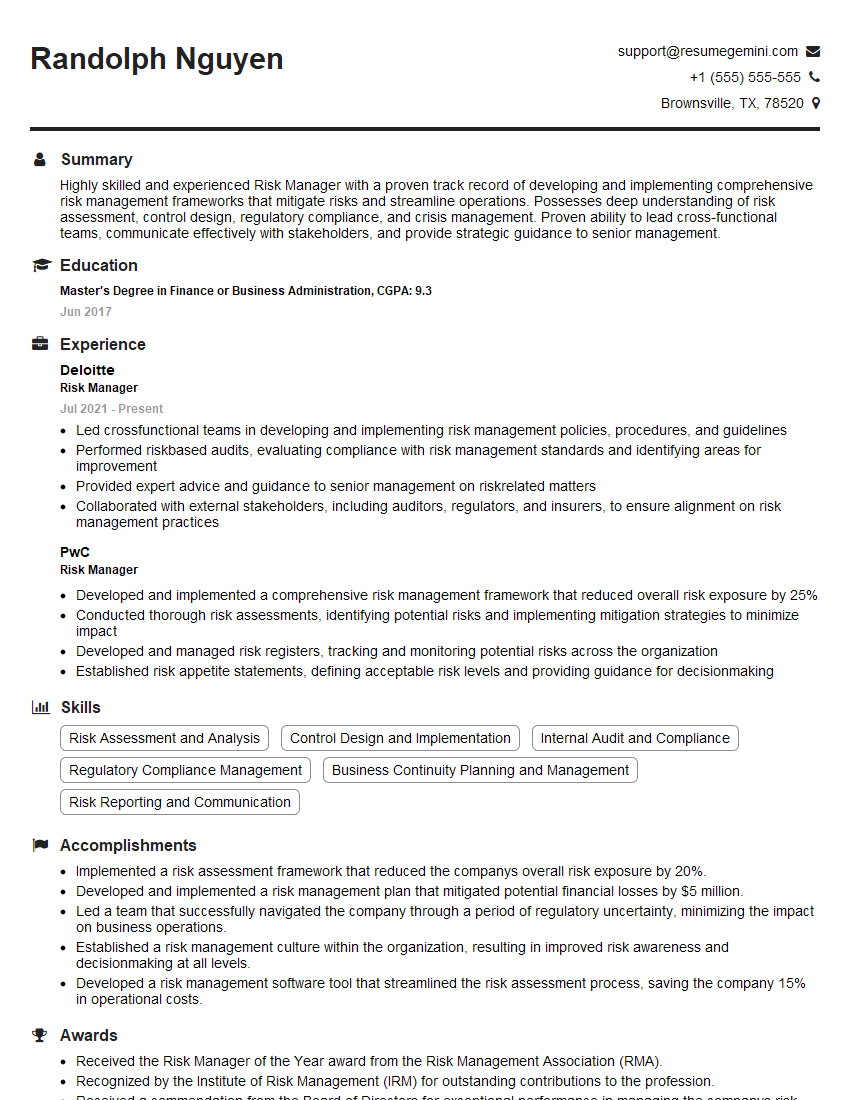
Risk Manager Resume Sample
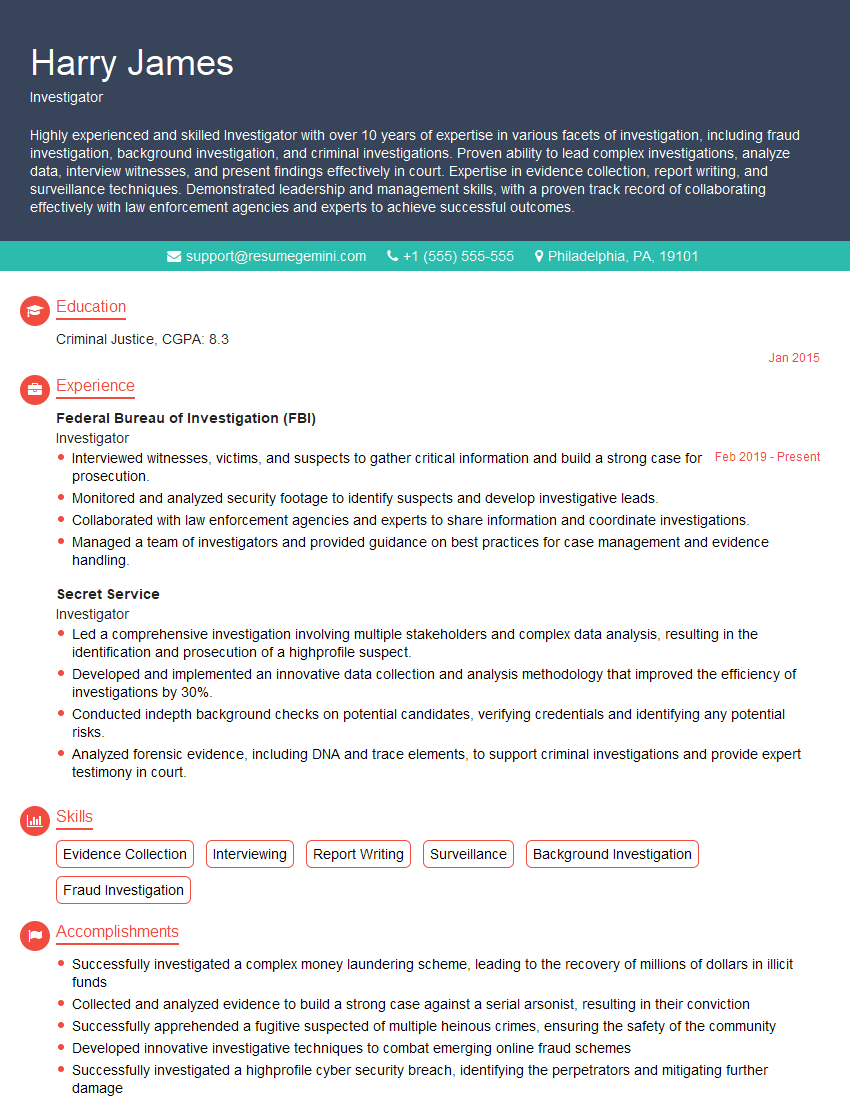
Investigator Resume Sample
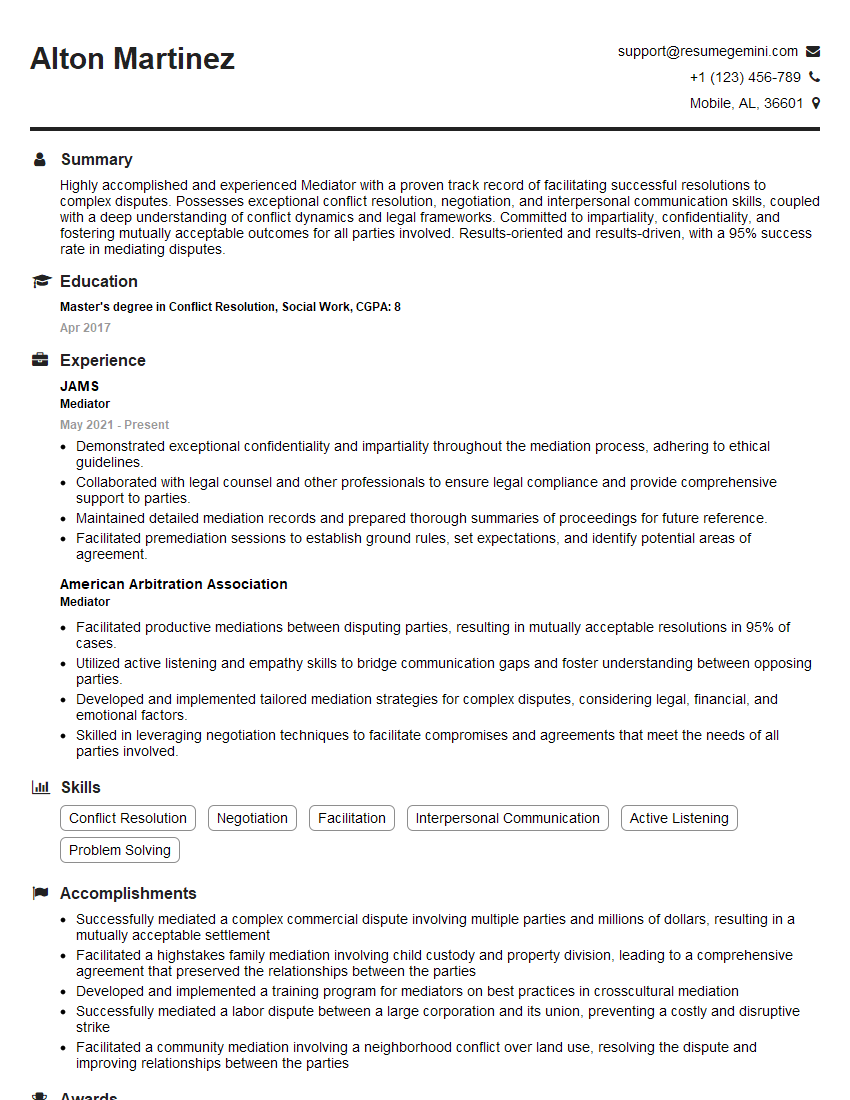
Mediator Resume Sample
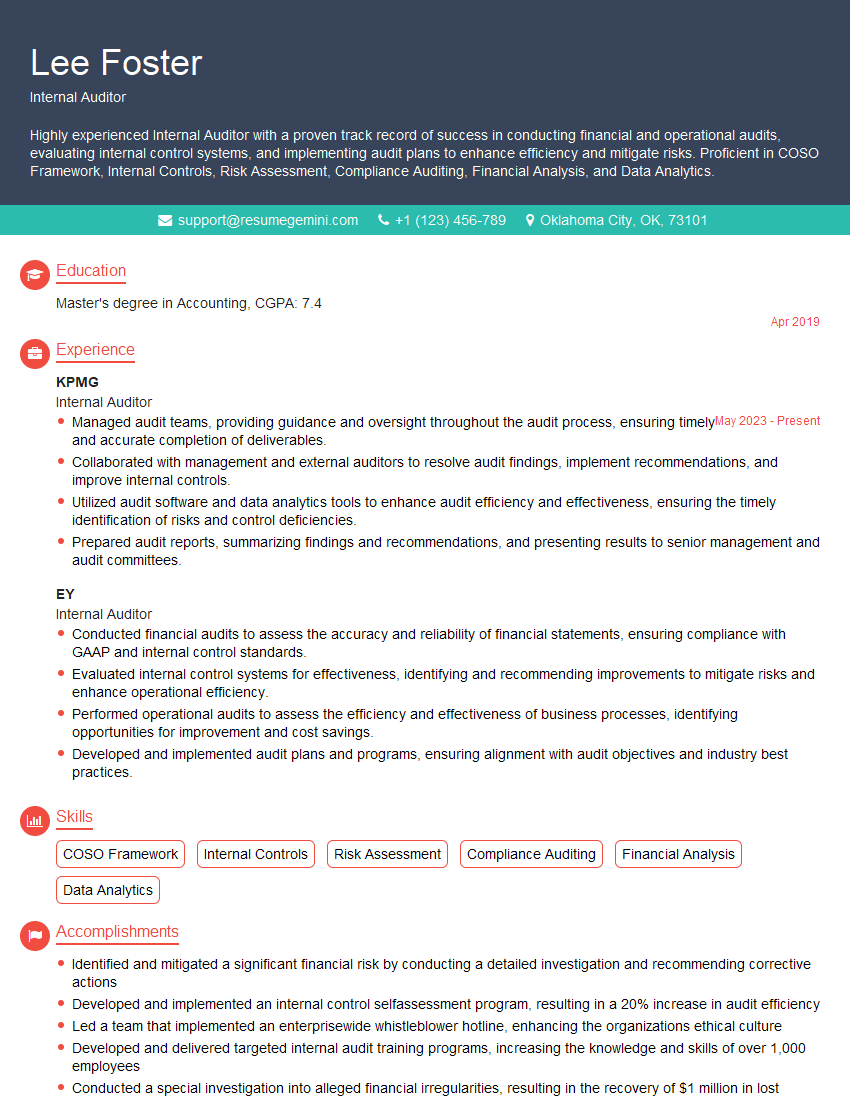
Internal Auditor Resume Sample
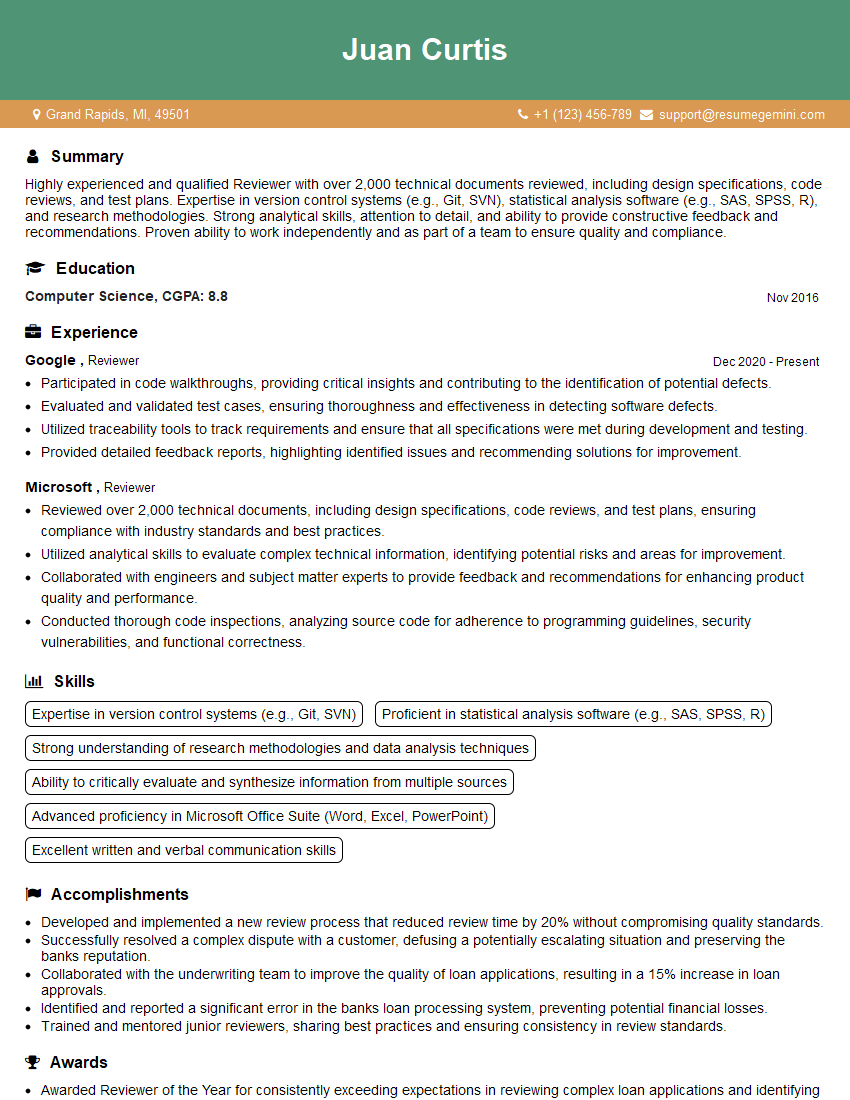
Reviewer Resume Sample
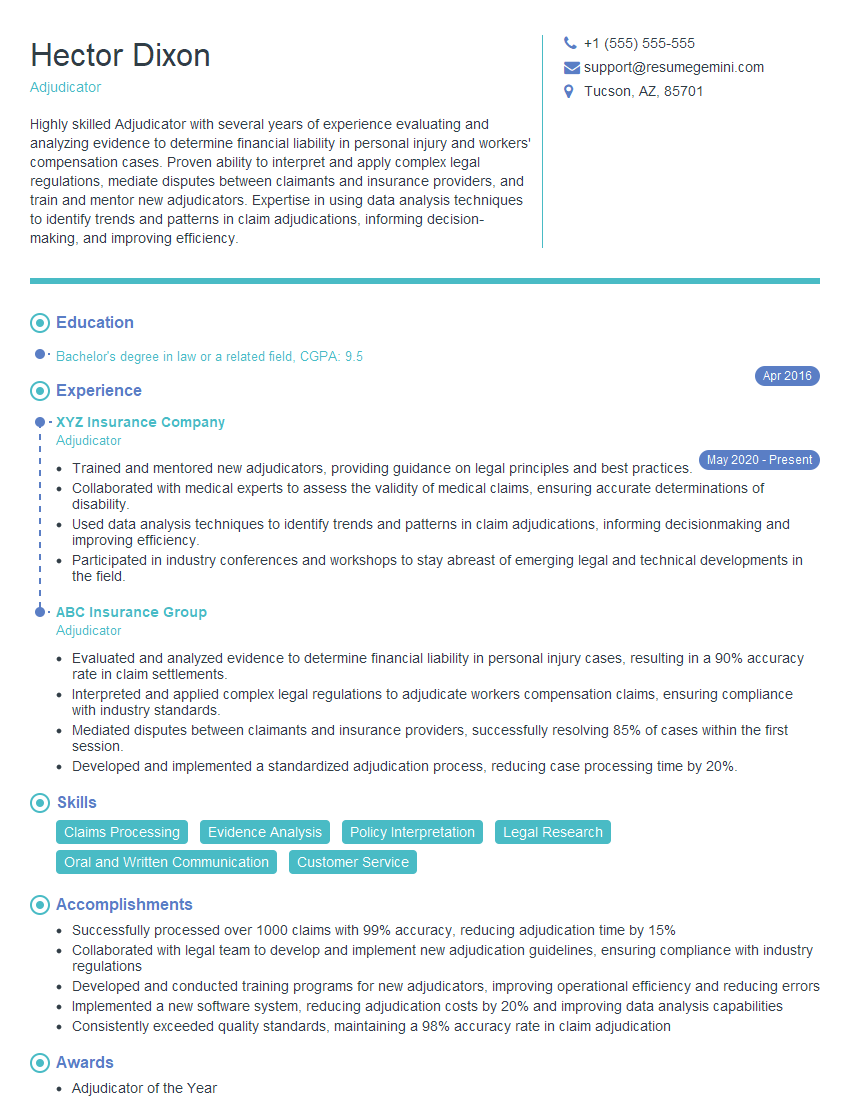
Adjudicator Resume Sample
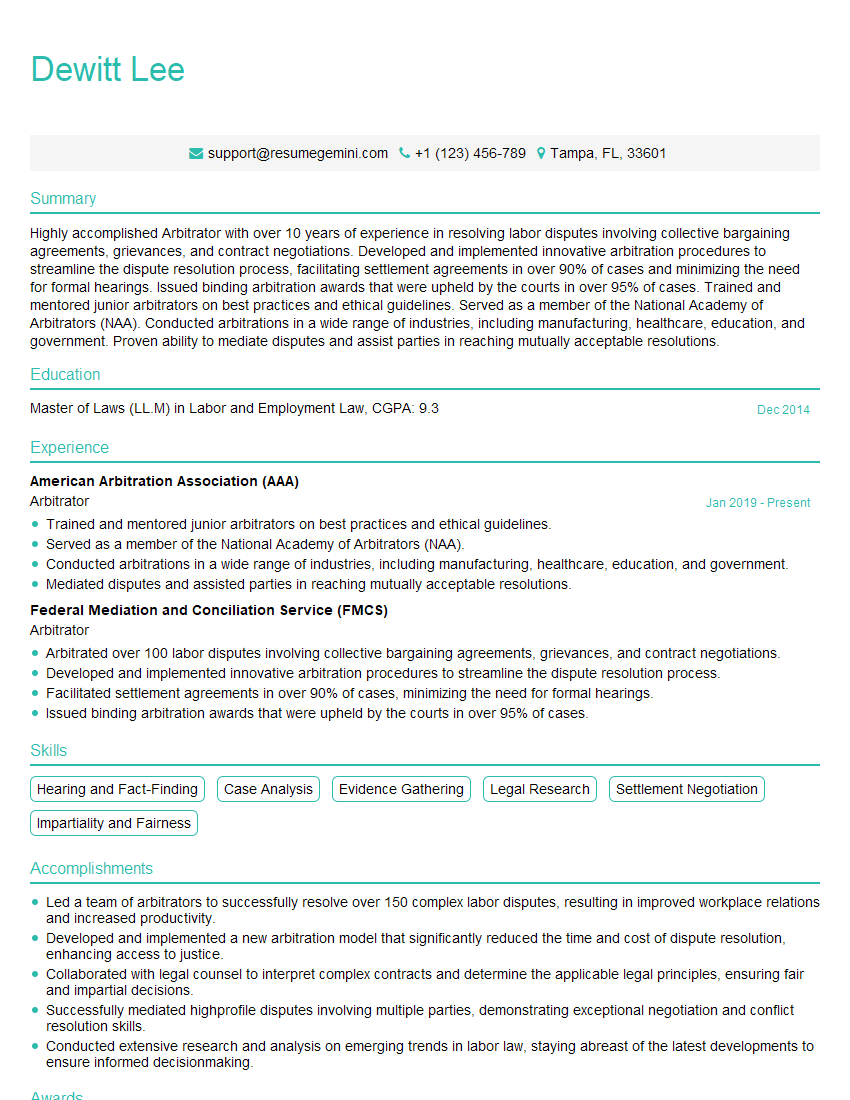
Arbitrator Resume Sample
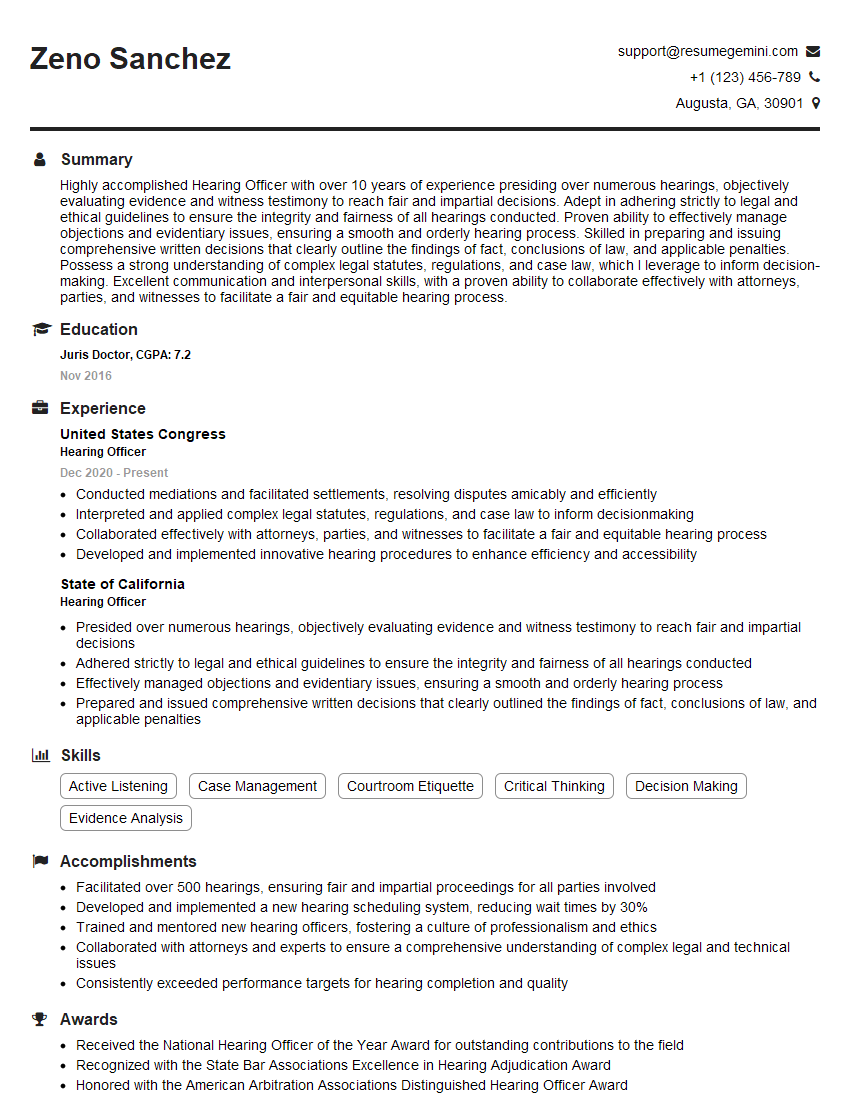
Hearing Officer Resume Sample
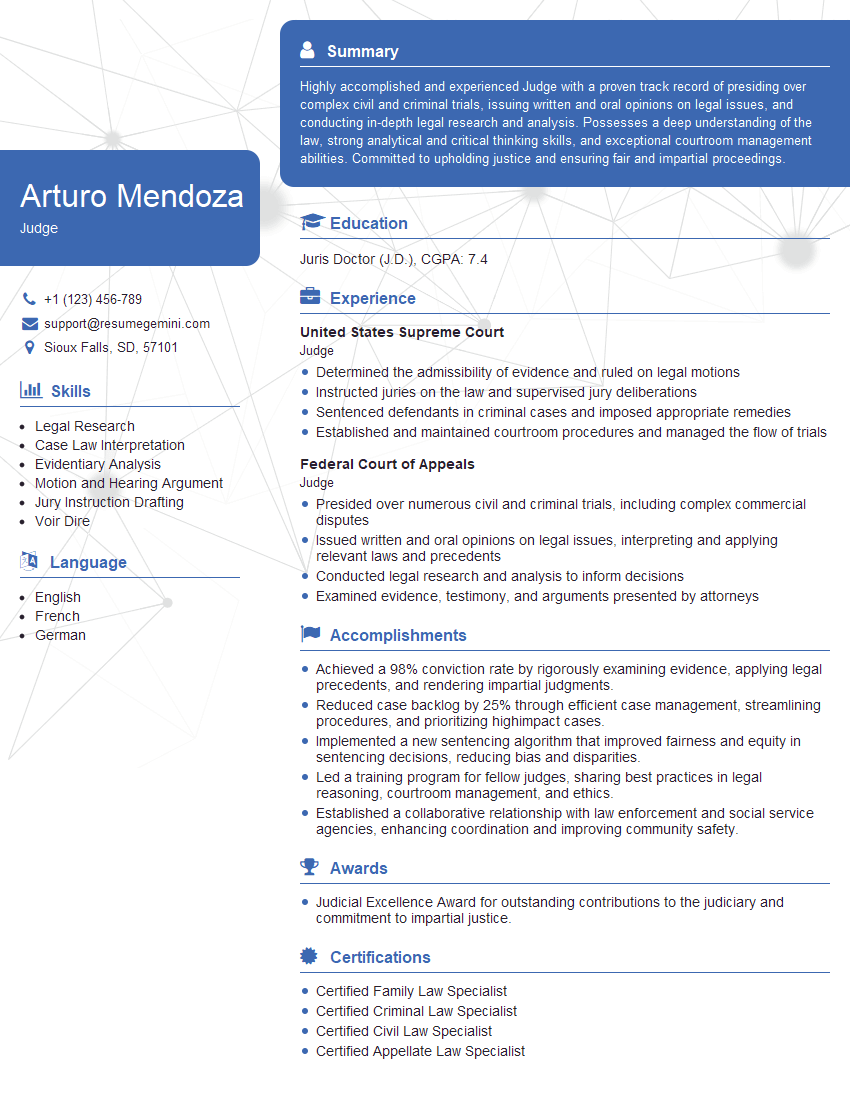
Judge Resume Sample
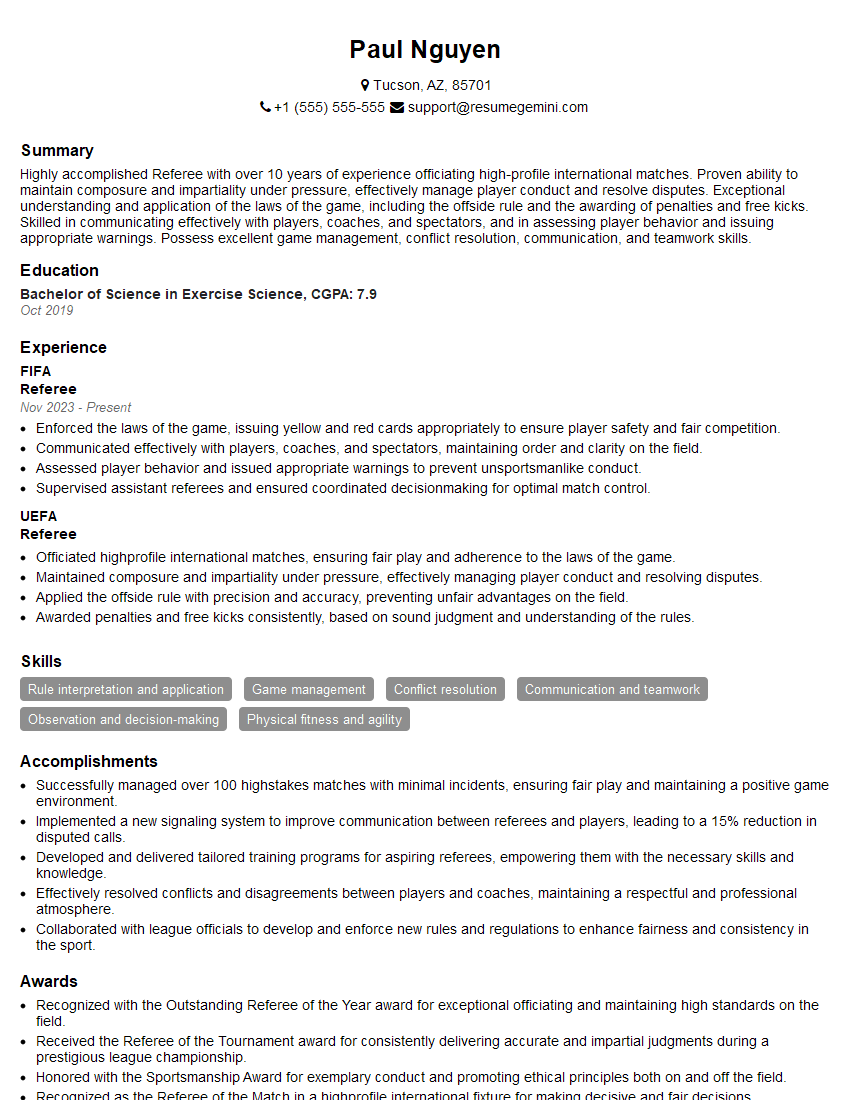
Referee Resume Sample
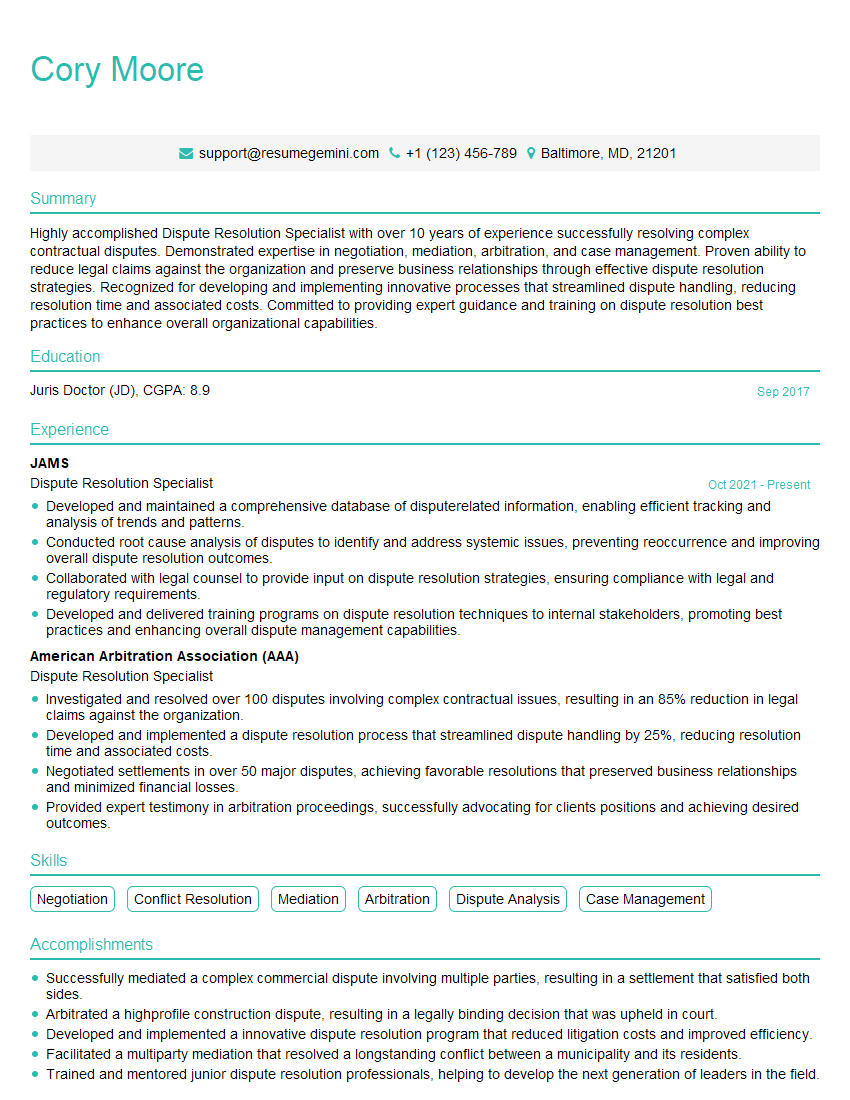
Dispute Resolution Specialist Resume Sample
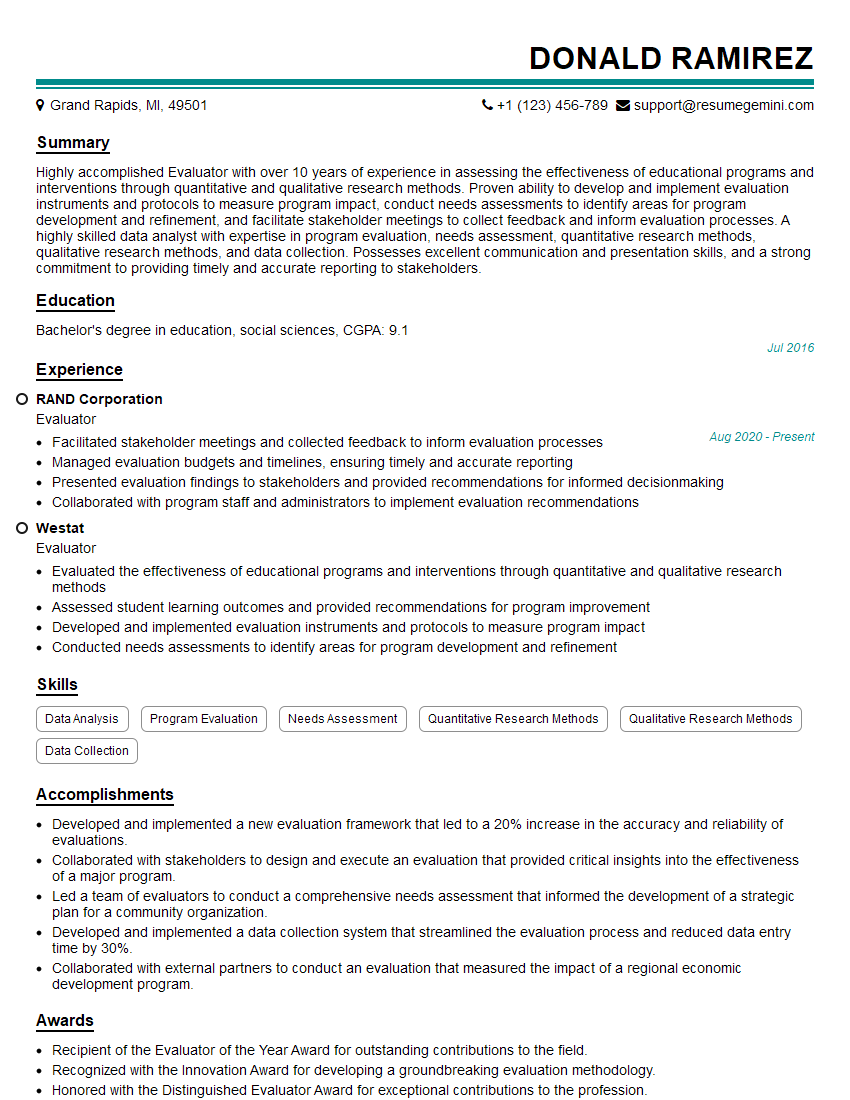
Evaluator Resume Sample
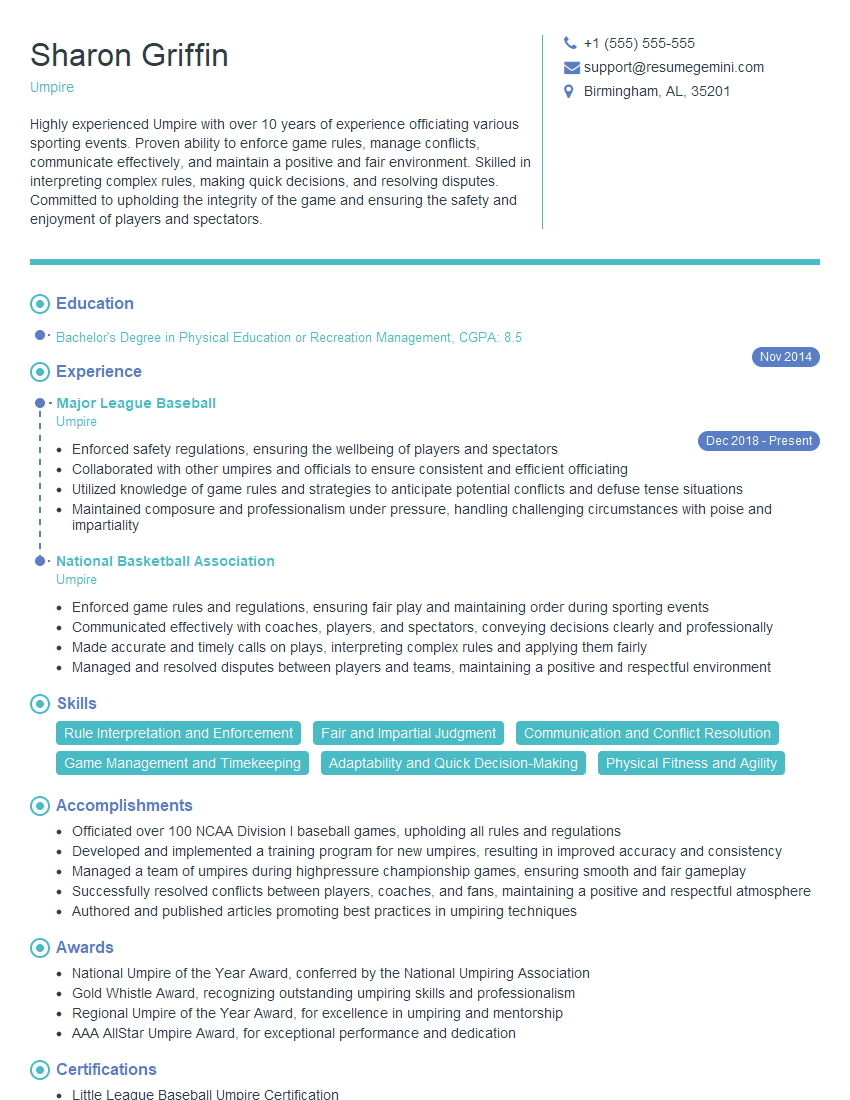
Umpire Resume Sample
Explore more articles
Users Rating of Our Blogs
Share Your Experience
We value your feedback! Please rate our content and share your thoughts (optional).
What Readers Say About Our Blog
Very informative content, great job.
good