Every successful interview starts with knowing what to expect. In this blog, we’ll take you through the top Able to Work in a Fast-Paced and Physically Demanding Environment interview questions, breaking them down with expert tips to help you deliver impactful answers. Step into your next interview fully prepared and ready to succeed.
Questions Asked in Able to Work in a Fast-Paced and Physically Demanding Environment Interview
Q 1. Describe your experience handling high-pressure situations.
High-pressure situations are a regular part of my professional life. My approach is multifaceted, focusing on maintaining composure, prioritizing effectively, and leveraging my experience to find solutions. For instance, during a critical project launch where a key system malfunctioned just hours before the deadline, I didn’t panic. Instead, I immediately assembled the relevant team members, calmly assessed the situation, and delegated tasks based on individual expertise. We implemented a contingency plan, and by working collaboratively under pressure, we successfully launched the project with minimal disruption. This experience highlighted the importance of clear communication, swift decision-making, and a calm, decisive leadership style in high-pressure environments.
Q 2. How do you prioritize tasks in a fast-paced environment?
Prioritizing in a fast-paced environment is crucial. I use a combination of methods, including the Eisenhower Matrix (urgent/important), to categorize tasks. I start by identifying the most critical tasks that directly impact key objectives. Then, I break down larger tasks into smaller, more manageable steps. I also utilize project management tools to track progress and deadlines, ensuring that I stay focused and on track. Furthermore, I actively communicate with colleagues and stakeholders to manage expectations and ensure everyone is aligned on priorities. This collaborative approach prevents bottlenecks and maintains momentum even during periods of high workload.
Q 3. What strategies do you use to maintain focus and efficiency under pressure?
Maintaining focus and efficiency under pressure requires a proactive approach. I prioritize sufficient sleep and maintain a healthy diet to ensure optimal physical and mental energy. Mindfulness techniques, such as brief meditation breaks, help me clear my mind and refocus. I also break down tasks into smaller, achievable chunks to prevent feeling overwhelmed. Regularly reviewing my to-do list and adjusting priorities as needed helps to stay organized and avoid burnout. Finally, I make use of time management techniques like the Pomodoro Technique, working in focused bursts with short breaks in between to maintain concentration and avoid mental fatigue.
Q 4. How do you manage physical demands of a demanding job?
Managing the physical demands of a demanding job is paramount for both productivity and well-being. This involves proactive strategies such as maintaining good physical fitness through regular exercise. I also ensure proper hydration throughout the day and prioritize ergonomic work practices to prevent strain and injuries. Listening to my body and taking breaks when needed are also crucial for preventing fatigue and injuries. Furthermore, I utilize proper lifting techniques and safety equipment where applicable to minimize the risk of physical harm. Regular stretching and incorporating light exercise into my daily routine are essential for maintaining both physical and mental well-being in a physically demanding role.
Q 5. Have you ever worked in a physically demanding environment? Describe your experience.
Yes, I have extensive experience in physically demanding environments. During my time working as a [insert previous job title, e.g., construction worker], I regularly lifted heavy objects, worked long hours in varied weather conditions, and performed strenuous physical tasks. This involved maintaining physical stamina, adhering to strict safety regulations, and working collaboratively as part of a team. I learned the importance of proper technique, teamwork, and prioritizing safety to prevent accidents and injuries. This experience instilled in me a deep understanding of the physical demands of such a role, and a strong work ethic in overcoming physical challenges.
Q 6. How do you cope with long hours or strenuous work?
Coping with long hours or strenuous work involves a holistic approach. Maintaining a healthy lifestyle, including regular exercise and a balanced diet, is essential for sustained energy levels. I prioritize efficient time management and avoid procrastination to optimize productivity. Furthermore, effective communication with my team and supervisors helps to manage expectations and prevent burnout. Taking short breaks throughout the day, getting adequate sleep, and engaging in relaxing activities outside of work are crucial for maintaining both physical and mental well-being. It’s also important to know my limits and to not hesitate to ask for assistance when needed.
Q 7. Describe a time you had to work quickly and efficiently to meet a deadline.
In a previous role, we faced a critical system failure impacting a major client’s operations. We had only 48 hours to restore the system and avert significant financial losses. The pressure was immense. I immediately assembled a team of specialists, assigned specific tasks based on their expertise, and established clear communication channels. We worked around the clock, prioritizing troubleshooting the core issue while simultaneously developing a temporary workaround. By fostering a collaborative atmosphere focused on solutions, we successfully resolved the problem within the deadline. This experience highlighted the importance of teamwork, clear communication, prioritization, and quick decision-making under immense pressure. Learning from this experience helped me fine-tune my problem-solving approach and reinforce my ability to function effectively in high-stakes situations.
Q 8. How do you handle unexpected problems or changes in a fast-paced environment?
In a fast-paced environment, unexpected problems are the norm, not the exception. My approach is systematic and prioritizes calm, efficient problem-solving. First, I assess the situation quickly, focusing on identifying the core issue and its potential impact. Then, I prioritize actions based on urgency and importance, tackling the most critical issues first. This often involves leveraging my existing knowledge and skills, but if I don’t have the immediate solution, I don’t hesitate to seek assistance from colleagues or supervisors. Finally, I document the issue, resolution, and any lessons learned to prevent similar problems in the future. For instance, during a particularly busy shift at a previous warehouse, the conveyor belt malfunctioned. Instead of panicking, I quickly assessed the damage, alerted management, and coordinated with my team to reroute the workflow manually, minimizing downtime and ensuring order fulfillment continued with minimal disruption.
Q 9. How do you maintain your stamina and energy throughout the workday?
Maintaining stamina and energy in a physically demanding role requires a holistic approach. It’s not just about powering through; it’s about proactive energy management. This starts with prioritizing sufficient sleep and a balanced diet, focusing on foods that provide sustained energy rather than quick sugar rushes. Hydration is crucial; I consistently drink water throughout the day. Regular breaks, even short ones, are essential for preventing burnout. I also incorporate light stretching or brief walking breaks to improve circulation and reduce muscle fatigue. Finally, I find that maintaining a positive attitude and a sense of purpose significantly impacts my energy levels throughout the workday. Feeling engaged and valued in my work makes a huge difference.
Q 10. Describe a time you had to overcome a physical challenge at work.
During a large-scale inventory project, we were tasked with manually moving and reorganizing thousands of heavy boxes. I suffered a minor back strain early on. Instead of pushing through the pain and risking a more significant injury, I immediately reported it to my supervisor. We implemented a modified approach, using lifting techniques and equipment to minimize physical strain. This collaborative solution ensured the project’s completion while prioritizing my well-being and preventing further injury. This experience taught me the importance of prioritizing safety and communication in physically demanding situations.
Q 11. What measures do you take to ensure your safety in a demanding work environment?
Safety is paramount in a demanding work environment. My approach is multifaceted and starts with thorough training and adherence to all safety protocols and regulations. This includes proper use of personal protective equipment (PPE), such as safety glasses, gloves, and steel-toed boots. I regularly inspect my work area for potential hazards, reporting any unsafe conditions immediately to my supervisor. I actively participate in safety meetings and training sessions, ensuring I am up-to-date on best practices. I always prioritize safe lifting techniques and am cautious about my surroundings to avoid accidents. Proactive safety measures significantly reduce the risk of injury and create a safer work environment for everyone.
Q 12. How do you work effectively as part of a team in a busy setting?
Effective teamwork in a busy setting relies on clear communication, mutual respect, and a collaborative spirit. I actively listen to my teammates, clearly articulate my tasks and progress, and offer support where needed. I believe in open communication, proactively sharing information and addressing concerns immediately. In a previous role, our team faced a significant backlog of orders during peak season. By actively communicating with each other, dividing tasks efficiently, and assisting colleagues where needed, we were able to meet the increased demand successfully. Collaboration and strong communication were key to our success.
Q 13. How do you adapt to changing priorities or unexpected demands?
Adaptability is critical in fast-paced environments. When priorities change or unexpected demands arise, I remain calm and reassess the situation. I prioritize tasks based on urgency and importance, using a system like Eisenhower Matrix (urgent/important) to help organize my workload. I communicate the changes effectively with my team and supervisor, keeping everyone informed and aligned. Flexibility is key; I am comfortable adjusting my plans and shifting my focus as needed. Being proactive, anticipating potential challenges, and building in buffer time, allow for more flexibility in adapting to the inevitable changes.
Q 14. Describe your experience handling multitasking in a fast-paced setting.
Multitasking in a fast-paced environment requires organization and prioritization. I use techniques like time blocking to allocate specific time slots for different tasks. I avoid context switching as much as possible, focusing on completing one task before moving to the next. I break down large tasks into smaller, manageable steps to avoid feeling overwhelmed. Effective use of tools like to-do lists and project management software helps me to keep track of multiple tasks simultaneously. For example, I may be simultaneously processing orders, answering customer inquiries, and restocking shelves, all while managing communication with my team and supervisor. Success relies heavily on good organization and consistent prioritization.
Q 15. Have you ever experienced fatigue or injury at work? How did you manage it?
While I strive for peak performance, experiencing fatigue or injury is an inherent risk in physically demanding roles. My approach focuses on proactive prevention and effective management. For instance, during my time working as a construction foreman, I developed persistent lower back pain due to prolonged lifting. I immediately reported it to my supervisor and sought medical attention. The doctor recommended physiotherapy, which I diligently followed. Simultaneously, I adjusted my lifting techniques, utilizing proper form and incorporating more frequent breaks to avoid overexertion. This combination of professional medical care and proactive adjustments to my work practices allowed me to recover fully and prevent recurrence.
In another instance, a minor hand injury sustained while using power tools was immediately addressed by cleaning and bandaging the wound, followed by taking a break to let it heal. I also reported it to ensure compliance with safety protocols. This highlights the importance of immediate action, preventative care, and adhering to company safety regulations.
Career Expert Tips:
- Ace those interviews! Prepare effectively by reviewing the Top 50 Most Common Interview Questions on ResumeGemini.
- Navigate your job search with confidence! Explore a wide range of Career Tips on ResumeGemini. Learn about common challenges and recommendations to overcome them.
- Craft the perfect resume! Master the Art of Resume Writing with ResumeGemini’s guide. Showcase your unique qualifications and achievements effectively.
- Don’t miss out on holiday savings! Build your dream resume with ResumeGemini’s ATS optimized templates.
Q 16. How do you prevent workplace accidents or injuries in physically demanding work?
Preventing workplace accidents and injuries in physically demanding work requires a multi-pronged approach emphasizing proactive safety measures, rigorous training, and a culture of safety awareness. This involves several key strategies:
- Proper Training and Skill Development: Thorough training on safe lifting techniques, proper use of equipment, and hazard identification is crucial. This includes hands-on practice and regular refresher courses to ensure skills remain sharp.
- Regular Safety Inspections: Frequent inspections of the work environment identify potential hazards before they cause accidents. This includes checking equipment for malfunctions, ensuring proper safety gear is available and in good condition, and addressing any environmental hazards.
- Use of Personal Protective Equipment (PPE): Ensuring all workers consistently use appropriate PPE, such as safety helmets, gloves, eye protection, and steel-toed boots, is non-negotiable. Regular checks and replacements are vital.
- Ergonomic Design and Workspace Optimization: Designing workstations and tasks to minimize physical strain on workers is paramount. This might involve adjusting work heights, providing ergonomic tools, and implementing frequent rest breaks.
- Promoting a Safety-First Culture: This involves open communication, where workers feel comfortable reporting hazards or concerns without fear of reprisal. Regular safety meetings and training sessions reinforce safety protocols.
Q 17. Describe a time you had to make a quick decision under pressure.
During a warehouse shift, a major shipment was delayed due to a critical equipment malfunction. We were under immense pressure to load the trucks and meet the delivery deadline. Initially, the team was flustered and unsure how to proceed. I assessed the situation quickly, realizing that we lacked the specialized tool needed to repair the equipment immediately. I swiftly made the decision to divide the team, sending some to manually load the less time-sensitive items, while I coordinated the acquisition of the needed part by calling our supply chain partner directly. This split approach allowed us to maintain progress while addressing the core issue. We ended up completing the loading within the timeframe, though with additional effort, and the delayed shipment was minimized to a few hours. The incident highlighted the importance of quick situational analysis, decisive action, and effective resource allocation under pressure.
Q 18. How do you handle conflicting priorities in a fast-paced environment?
Handling conflicting priorities in a fast-paced environment requires a structured and efficient approach. I typically use a prioritization matrix, often visualized as a simple grid assessing urgency and importance. Tasks are categorized as:
- Urgent and Important: These tasks demand immediate attention and should be tackled first. Examples might include resolving a critical equipment malfunction or addressing a safety concern.
- Important but Not Urgent: These tasks are crucial for long-term goals but can be scheduled. Examples include proactive maintenance or training sessions.
- Urgent but Not Important: These might be distractions. I strategically delegate these or postpone them if possible.
- Not Urgent and Not Important: These are eliminated or postponed indefinitely.
Combining this matrix with effective time management techniques, like time blocking and the Pomodoro Technique, ensures that I allocate my time efficiently and avoid being overwhelmed by competing demands.
Q 19. What are your strengths when working under time constraints?
My strengths under time constraints lie in my ability to focus, prioritize effectively, and remain calm under pressure. I thrive in situations that demand efficiency. Specifically:
- Focused Attention: I can quickly filter out distractions and concentrate on the most critical tasks.
- Prioritization Skills: As mentioned before, my ability to utilize a prioritization matrix allows me to tackle the most critical items first, even under immense pressure.
- Adaptability and Flexibility: I can rapidly adapt to changing circumstances and adjust my approach as needed. If one strategy doesn’t work, I quickly explore alternatives without losing momentum.
- Efficient Delegation: When appropriate, I delegate tasks effectively, leveraging team members’ skills and ensuring tasks are completed on time.
These skills enable me to navigate even the most time-sensitive situations with composure and efficiency.
Q 20. Describe a time you exceeded expectations in a physically demanding role.
During a large-scale construction project, we faced a significant setback: a critical delivery was delayed, threatening our project timeline. While others were panicked, I took charge, analyzing the situation and identifying alternative solutions. I coordinated with the supplier to expedite a partial shipment of the critical materials. Simultaneously, I reorganized the work schedule, adjusting tasks to minimize reliance on the delayed materials. Through effective communication and proactive problem-solving, not only did we avoid significant project delays, but we also finished the project ahead of schedule, saving considerable costs for the company. This situation showcased my ability to overcome unexpected challenges, adapt quickly, and efficiently manage a team in a high-pressure environment.
Q 21. How do you communicate effectively in a high-stress environment?
Effective communication in high-stress environments hinges on clarity, conciseness, and active listening. My approach involves:
- Clear and Concise Messaging: In stressful situations, avoid jargon or ambiguity. Deliver information in a straightforward and easily understandable manner.
- Active Listening: Pay close attention to what others are saying, both verbally and nonverbally, to ensure understanding and address concerns.
- Empathy and Respect: Acknowledge the stress everyone is experiencing and communicate with respect and empathy.
- Non-verbal Communication: Maintain eye contact, use positive body language, and speak in a calm and controlled tone to reduce anxiety.
- Regular Check-ins: In fast-paced environments, I ensure regular check-ins with the team to update progress, address concerns, and maintain morale.
These techniques help foster collaboration and ensure everyone remains informed and engaged, even in demanding situations.
Q 22. How do you manage your stress levels in a physically demanding job?
Managing stress in a physically demanding job requires a multi-pronged approach. It’s not just about pushing through; it’s about proactive strategies to prevent burnout and maintain peak performance. My strategy focuses on three key areas: physical well-being, mental resilience, and lifestyle choices.
Physical Well-being: This includes proper nutrition, sufficient sleep (7-8 hours), and regular exercise, even outside of work. I find that a short, focused workout before or after work significantly improves my energy levels and reduces stress hormones. Hydration is also critical; I carry a water bottle and consistently replenish it throughout the day.
Mental Resilience: Mindfulness techniques, like deep breathing exercises or short meditation sessions, help me center myself during stressful moments. Learning to recognize and manage my stress triggers is also crucial. If I anticipate a particularly demanding task, I prepare mentally by visualizing successful completion and breaking the task into smaller, manageable steps.
Lifestyle Choices: I prioritize time for relaxation and activities I enjoy outside of work. This could be anything from spending time in nature to pursuing hobbies like reading or spending time with family and friends. A healthy work-life balance is essential for long-term well-being and stress management.
For example, during a particularly busy period at my previous job, where we were short-staffed and facing tight deadlines, I implemented a daily 15-minute mindfulness practice. This helped me stay focused, calm, and productive even under pressure.
Q 23. What techniques do you use to stay organized in a chaotic environment?
Staying organized in a chaotic environment requires a blend of planning, prioritization, and efficient systems. I rely on a combination of techniques to ensure nothing slips through the cracks.
Prioritization: I use a task management system, prioritizing tasks based on urgency and importance. I often use the Eisenhower Matrix (urgent/important) to categorize my tasks. This ensures I focus on the most critical aspects first.
Clear Communication: Open and clear communication with my team is essential. Regular check-ins and updates keep everyone on the same page and prevent misunderstandings. I also use tools like shared task lists or project management software to ensure everyone knows what’s happening.
Spatial Organization: Maintaining a tidy workspace is surprisingly effective. Knowing exactly where everything is helps me save time and reduces unnecessary stress. I utilize storage solutions and labeling systems to keep my area organized.
Time Blocking: Allocating specific blocks of time to dedicated tasks helps me stay focused and prevents me from switching between tasks too frequently. This technique increases efficiency and reduces the feeling of being overwhelmed.
In my previous role, we were constantly facing shifting priorities. Implementing a shared digital task list, combined with daily team stand-up meetings, dramatically improved our teamwork and organizational efficiency.
Q 24. How do you ensure accuracy and attention to detail in a fast-paced setting?
Maintaining accuracy and attention to detail in a fast-paced setting requires discipline and the implementation of effective strategies. It’s about building a system for minimizing errors and ensuring quality.
Double-Checking: I always double-check my work, especially when under pressure. This simple step significantly reduces the chance of errors. This could involve peer review or self-review with a fresh eye.
Systemic Approach: I employ checklists and standardized procedures whenever possible. These serve as safety nets and reduce the likelihood of overlooking crucial steps. This is especially useful for repetitive tasks.
Breaks and Mindfulness: Short breaks are essential to avoid fatigue and maintain concentration. Even short mindfulness exercises can help refocus attention and improve accuracy.
Technology: Utilizing technology like barcode scanners or digital data entry systems can minimize human error and ensure accurate record-keeping.
In a previous role involving high-volume data entry, implementing a double-checking system alongside a standardized data input format significantly reduced errors, leading to a notable increase in efficiency and improved data quality.
Q 25. What is your experience with lifting heavy objects or performing repetitive motions?
Throughout my career, I’ve had extensive experience lifting heavy objects and performing repetitive motions. I understand the importance of proper techniques to prevent injury and maintain efficiency.
Lifting Techniques: I’m proficient in using proper lifting techniques, including maintaining a straight back, bending at the knees, and lifting with my legs rather than my back. I always assess the weight and stability of an object before attempting to lift it.
Repetitive Motions: When dealing with repetitive tasks, I focus on maintaining proper posture and taking regular breaks to avoid strain and fatigue. Stretching exercises throughout the day are also incorporated to maintain flexibility and reduce muscle stiffness.
Safety Procedures: I’m familiar with and adhere to all relevant workplace safety procedures, including the use of appropriate lifting equipment (e.g., hand trucks, hoists) when necessary. Safety is always my top priority.
For example, in my previous role at a warehouse, I regularly lifted and moved pallets weighing over 100 pounds. Through consistent application of proper lifting techniques, I maintained my physical health and consistently exceeded my daily targets without suffering any injuries.
Q 26. How do you maintain a positive attitude while facing physical challenges at work?
Maintaining a positive attitude during physical challenges is essential for both productivity and overall well-being. My approach combines mental resilience with proactive self-care.
Positive Self-Talk: I consciously use positive self-talk to overcome challenges. Instead of focusing on the difficulty, I focus on my ability to overcome it. This is a powerful mental technique.
Focus on Achievements: I regularly remind myself of my accomplishments, both big and small. This boosts my confidence and reinforces a positive mindset. Celebrating small wins keeps motivation high.
Teamwork and Support: A supportive work environment is crucial. Teamwork and mutual encouragement can significantly improve morale and make facing challenges easier.
Self-Care: Prioritizing rest, proper nutrition, and relaxation outside of work are vital for maintaining a positive attitude. Burnout prevention is a proactive effort, not a reactive one.
During a particularly physically demanding project, where we were working long hours, I kept a positive outlook by focusing on the collective accomplishment and celebrating the team’s progress regularly. This helped maintain morale and ultimately resulted in a successful project completion.
Q 27. Describe your experience working in a team with varying levels of experience.
Working effectively in a team with varying experience levels requires strong communication, adaptability, and a willingness to both mentor and learn. My approach focuses on creating an inclusive and supportive environment where everyone feels valued and can contribute their best.
Open Communication: I ensure clear and open communication to facilitate collaboration and knowledge sharing. I make it a point to listen actively and understand the perspectives of team members with different levels of experience.
Mentorship and Support: I am always willing to offer guidance and support to less experienced team members. This not only helps them develop but also creates a stronger team dynamic. I also take the initiative to learn from more experienced members.
Shared Goals: Defining and sharing clear team goals ensures everyone works toward the same objectives. This promotes collaboration and reduces misunderstandings.
Constructive Feedback: I deliver and receive constructive feedback openly and respectfully. This is essential for continuous improvement and personal growth at all levels.
In a previous team project, we had a mix of experienced technicians and recent graduates. By fostering an environment of open communication and mutual support, we not only completed the project ahead of schedule, but also built stronger individual skills and a great team spirit.
Q 28. What are your strategies for preventing burnout in a physically and mentally demanding role?
Preventing burnout in a physically and mentally demanding role is crucial for maintaining long-term health and job satisfaction. My strategies prioritize proactive self-care, effective time management, and a healthy work-life balance.
Prioritize Rest and Recovery: Sufficient sleep, regular breaks, and planned time off are vital. I make sure to get enough sleep, take regular breaks throughout the day, and schedule time off to rest and recharge.
Mindfulness and Stress Management: Regular mindfulness practices, such as meditation or deep breathing, help regulate stress and improve mental well-being. Stress is a major contributor to burnout, so managing it proactively is crucial.
Set Boundaries: Defining clear boundaries between work and personal life is essential. I avoid checking emails or engaging in work-related activities during personal time.
Seek Support: Don’t hesitate to seek support when needed. This could be from colleagues, supervisors, or mental health professionals. Early intervention is key.
Regular Exercise and Healthy Diet: Physical activity and a balanced diet are essential for maintaining energy levels and overall well-being. A healthy lifestyle contributes significantly to burnout prevention.
By incorporating these strategies into my routine, I’ve been able to maintain a healthy balance and avoid burnout, even in the face of demanding work environments. It’s not about working harder, it’s about working smarter and taking care of myself so that I can consistently deliver high-quality work.
Key Topics to Learn for “Able to Work in a Fast-Paced and Physically Demanding Environment” Interview
- Time Management & Prioritization: Understanding how to effectively manage multiple tasks under pressure, prioritize urgent requests, and meet tight deadlines. Consider how you’ve handled similar situations in past roles.
- Physical Stamina & Endurance: Reflect on your past experiences requiring physical exertion and stamina. Be prepared to discuss your ability to maintain focus and productivity throughout long shifts or demanding tasks. Think about examples that demonstrate your resilience.
- Adaptability & Flexibility: Showcase your ability to adjust to changing priorities and unexpected circumstances. Provide examples where you’ve successfully adapted to a rapidly evolving work environment.
- Teamwork & Collaboration: Highlight your experience working effectively within a team, especially in high-pressure situations. Discuss how you contribute to a positive and productive team dynamic.
- Problem-Solving Under Pressure: Be ready to discuss instances where you’ve solved complex problems quickly and efficiently under tight deadlines. Focus on your approach to problem-solving and your ability to remain calm and focused.
- Safety Awareness & Procedures: Demonstrate your understanding of safety protocols and your commitment to maintaining a safe work environment. If applicable, highlight relevant certifications or training.
- Stress Management Techniques: Discuss healthy coping mechanisms for managing stress and maintaining productivity in a demanding environment. This could include strategies you use for self-care and maintaining work-life balance.
Next Steps
Mastering the ability to thrive in a fast-paced and physically demanding environment is crucial for career advancement in many fields. It demonstrates resilience, dedication, and valuable skills highly sought after by employers. To increase your job prospects, creating an ATS-friendly resume is essential. ResumeGemini is a trusted resource to help you build a professional and impactful resume that highlights your relevant skills and experiences. Examples of resumes tailored to showcase your ability to work in a fast-paced and physically demanding environment are available to guide you, helping you present yourself effectively to potential employers.
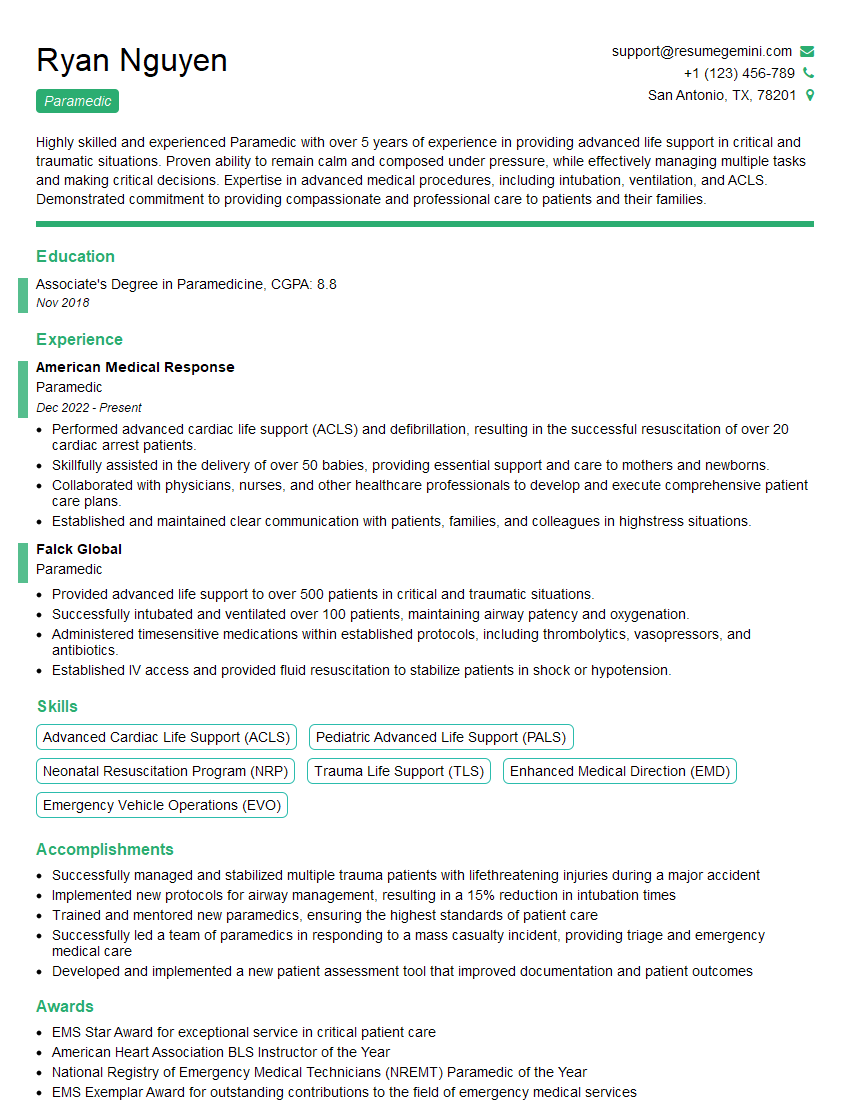
Paramedic Resume Sample
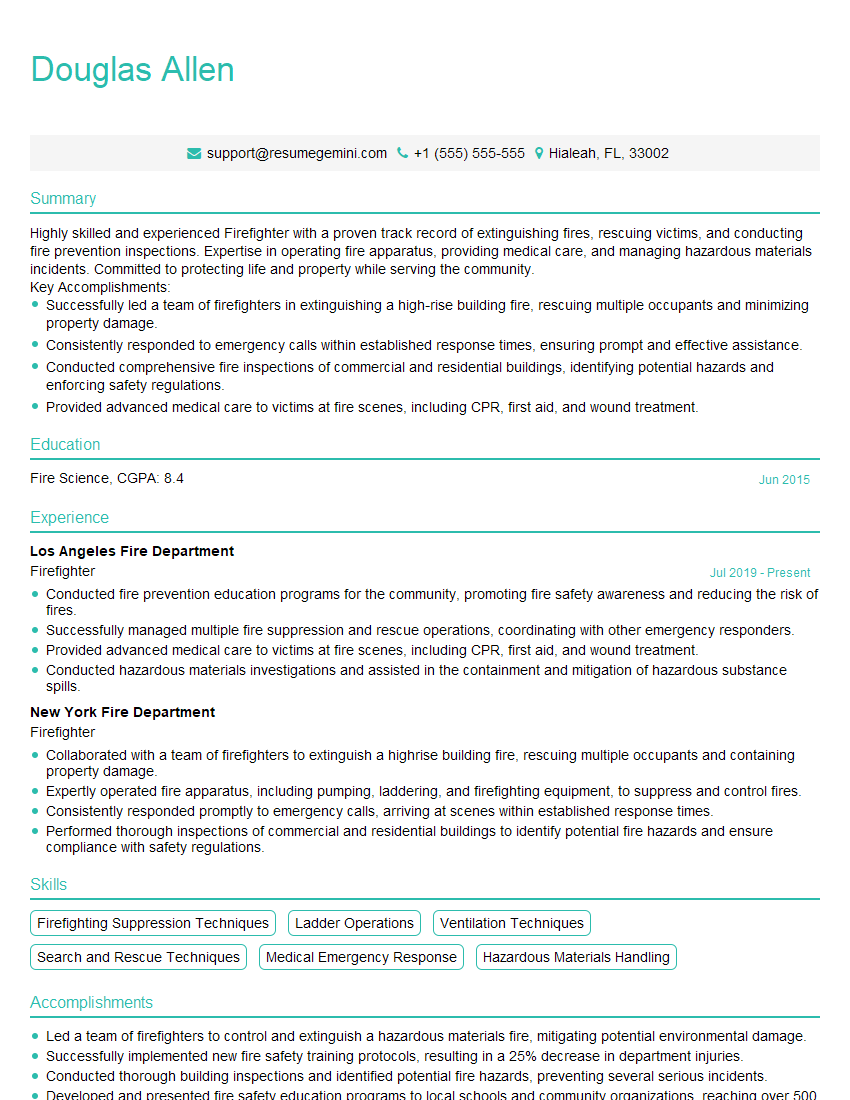
Firefighter Resume Sample
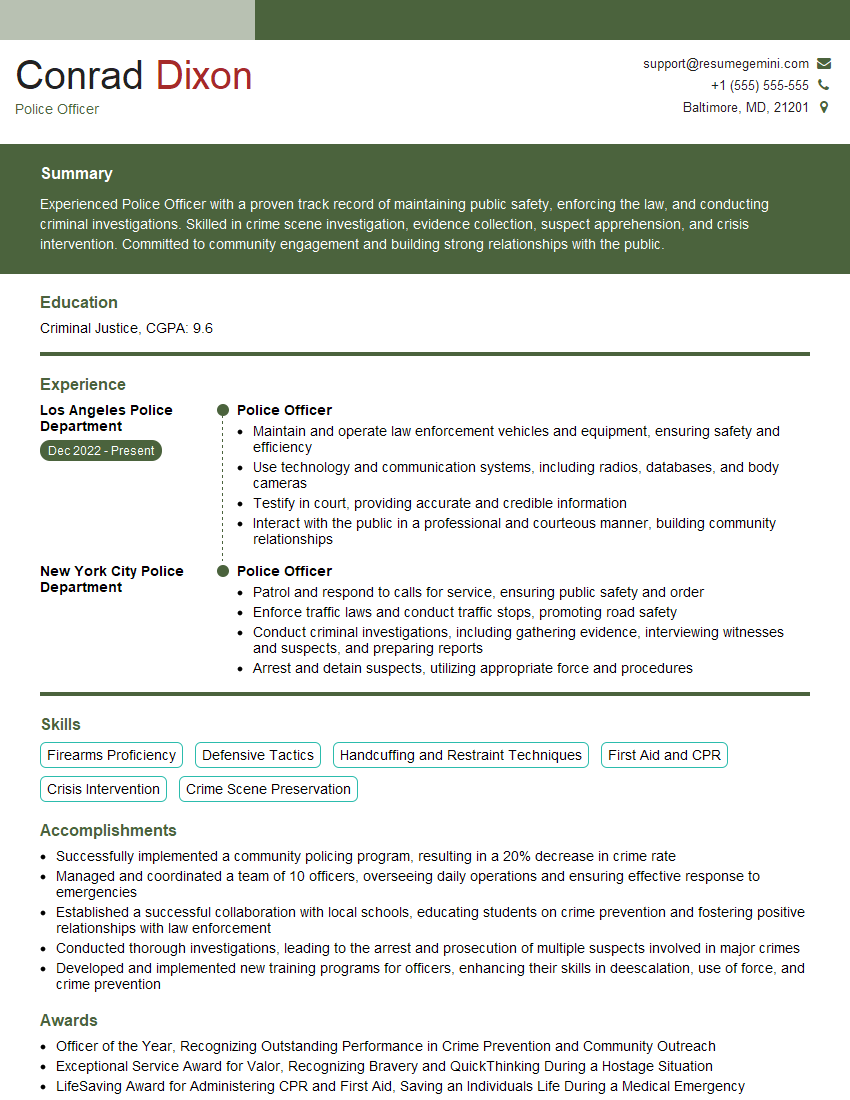
Police Officer Resume Sample
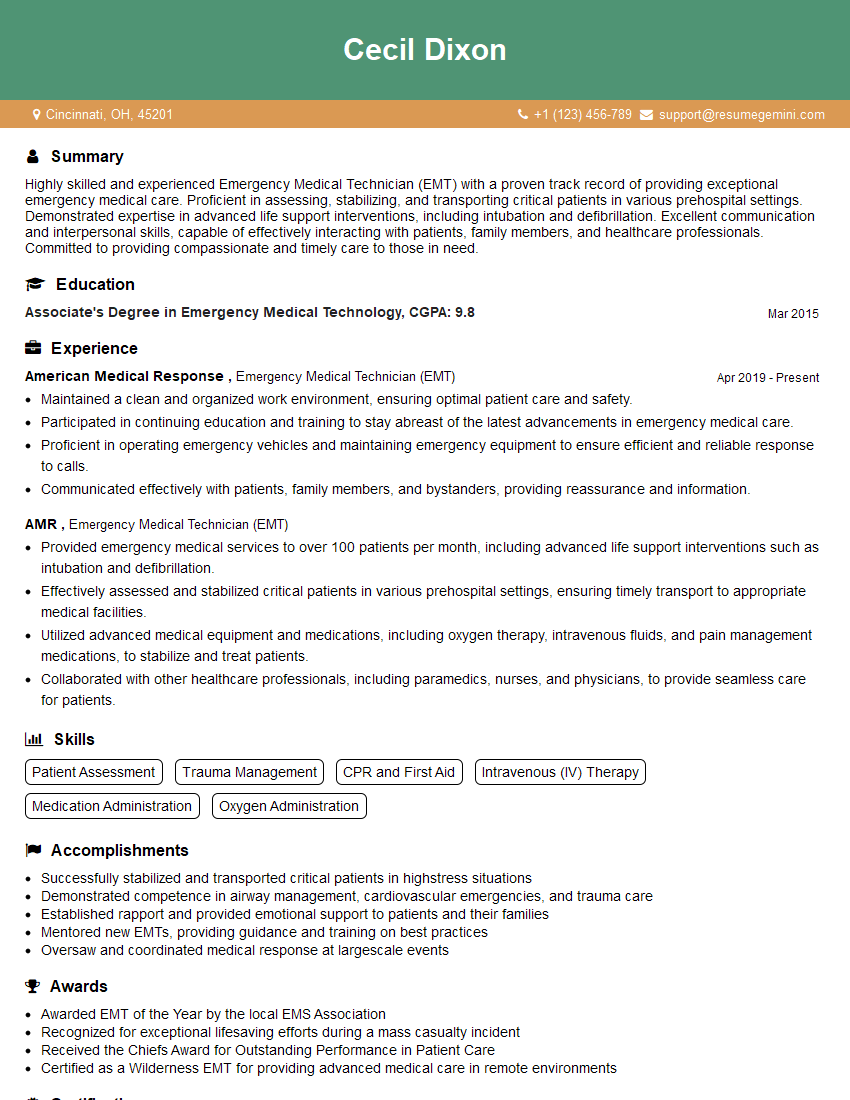
Emergency Medical Technician (EMT) Resume Sample
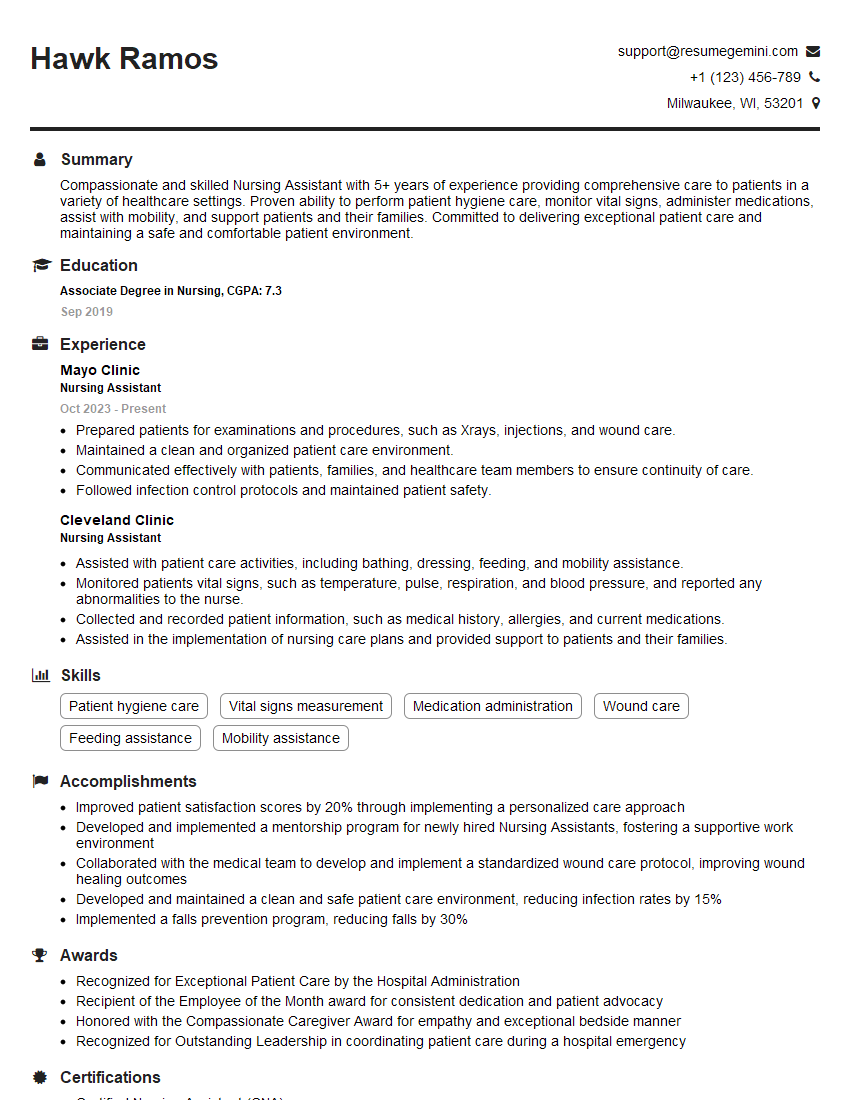
Nursing Assistant Resume Sample
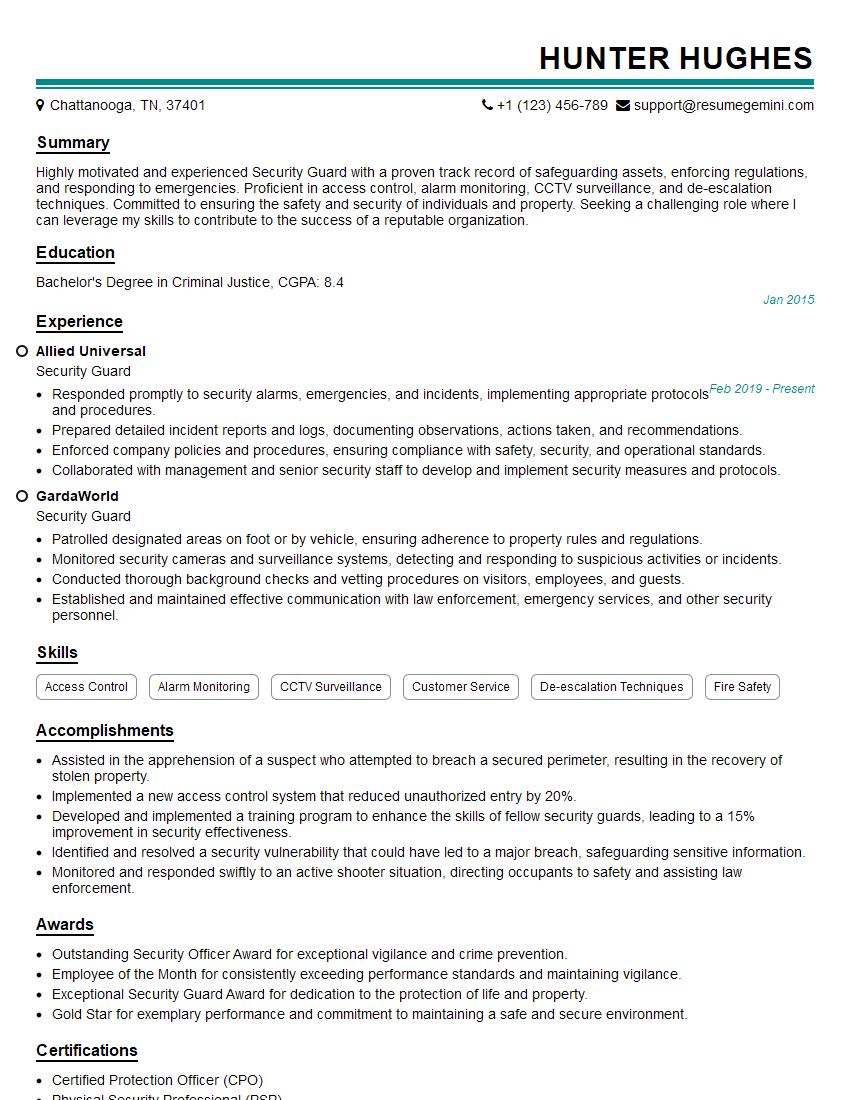
Security Guard Resume Sample
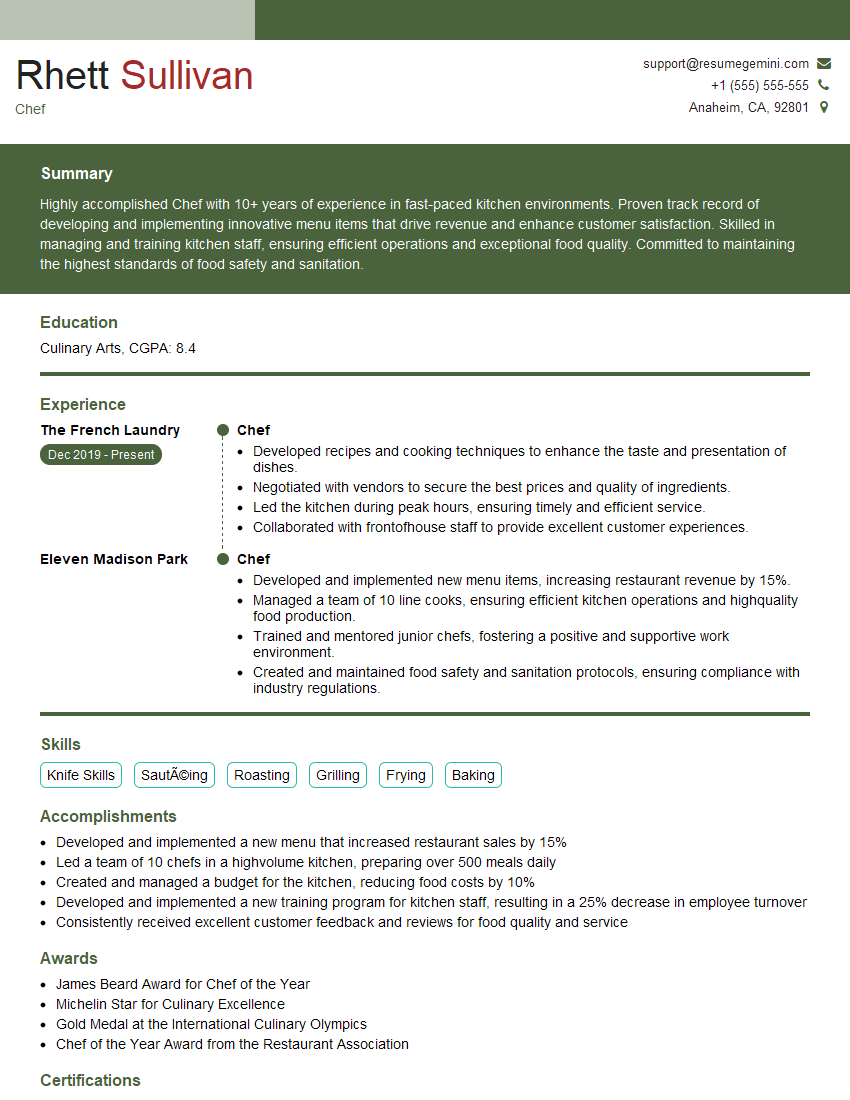
Chef Resume Sample
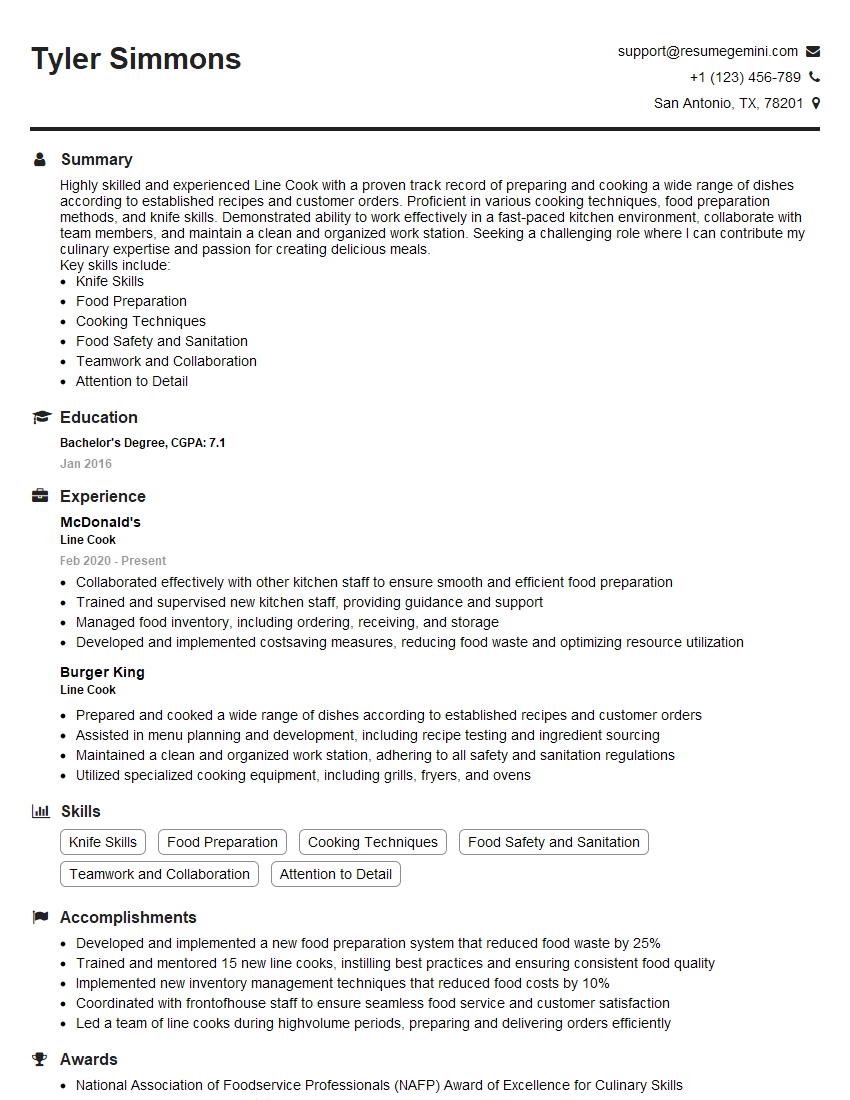
Line Cook Resume Sample
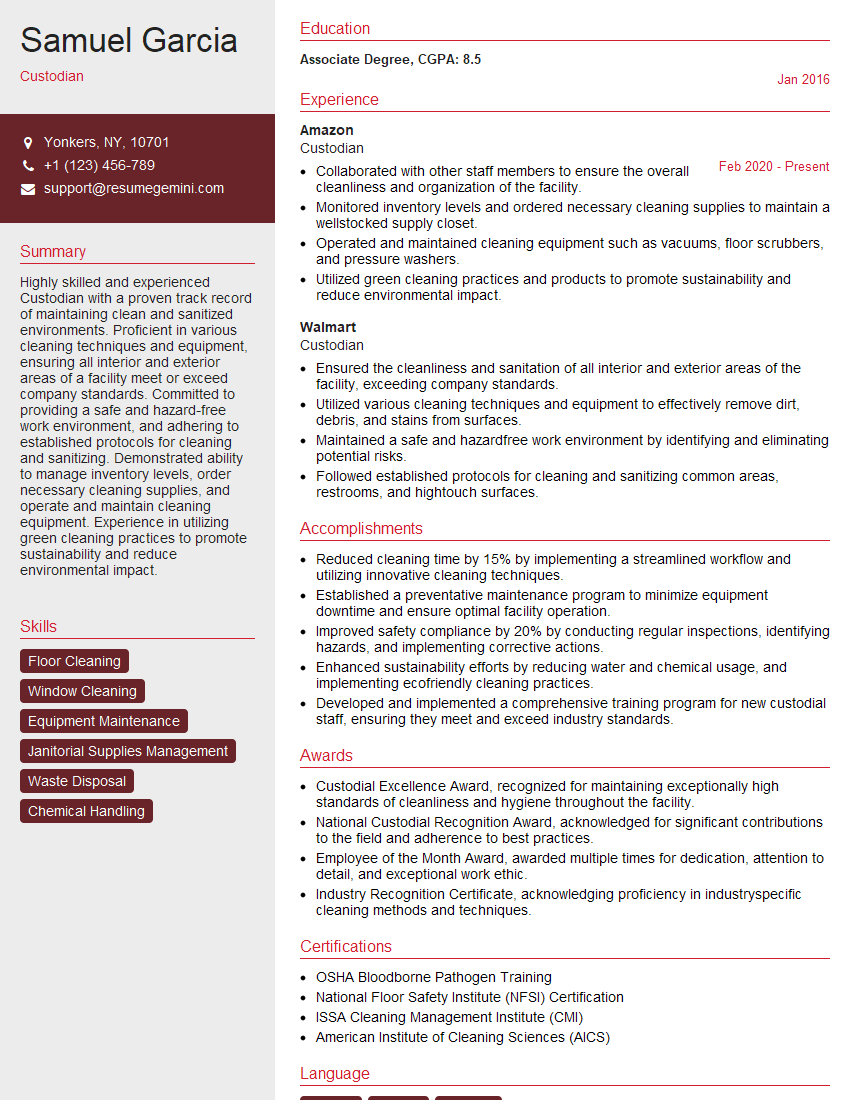
Custodian Resume Sample
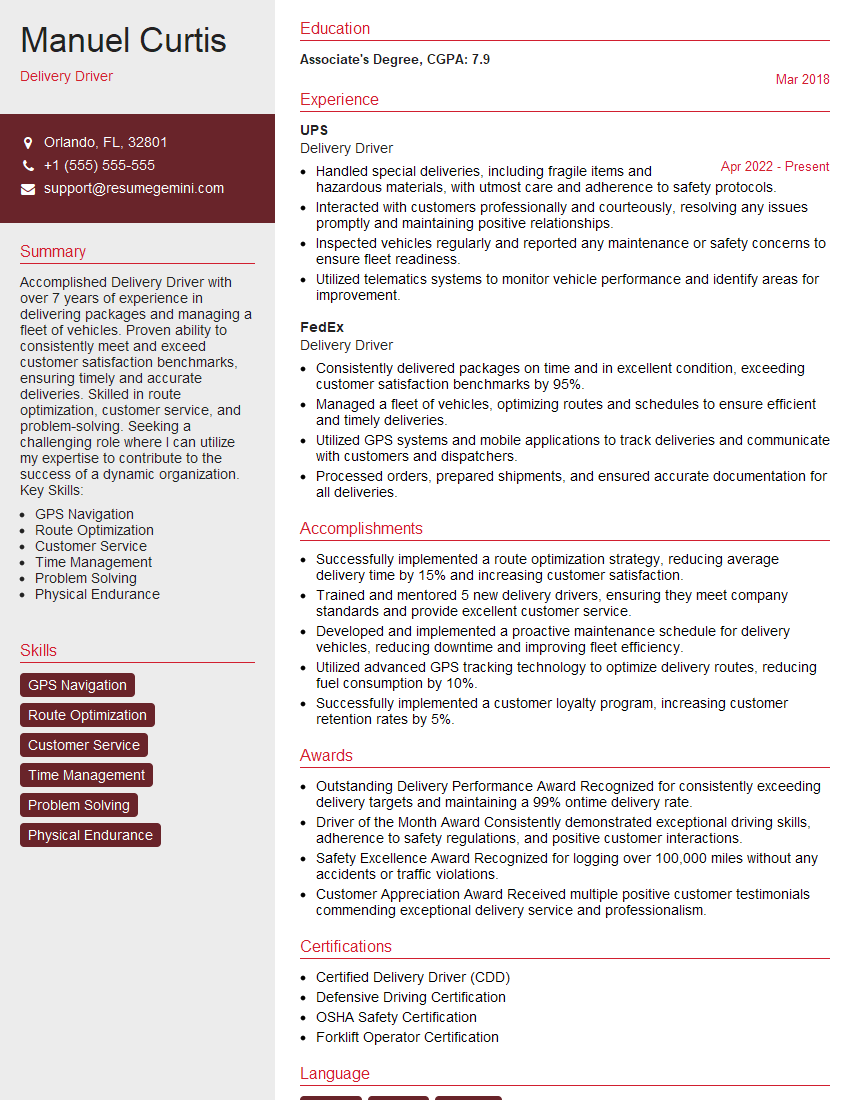
Delivery Driver Resume Sample
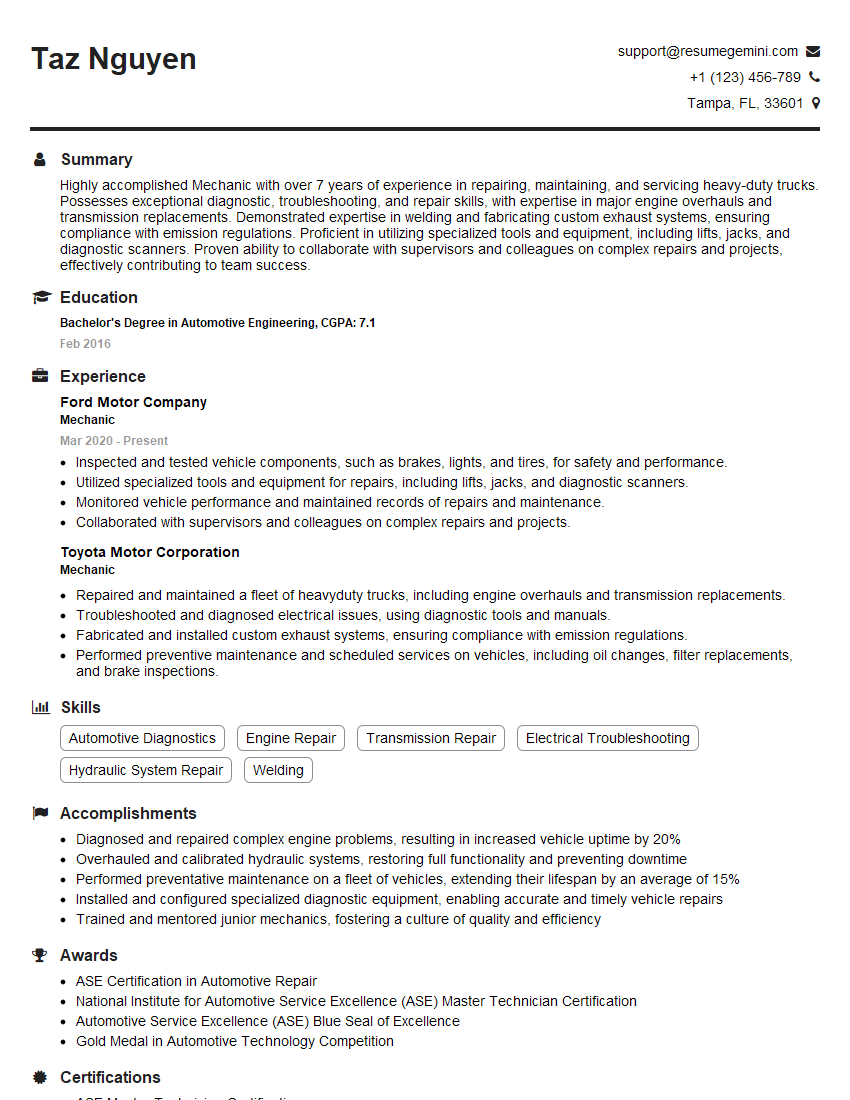
Mechanic Resume Sample
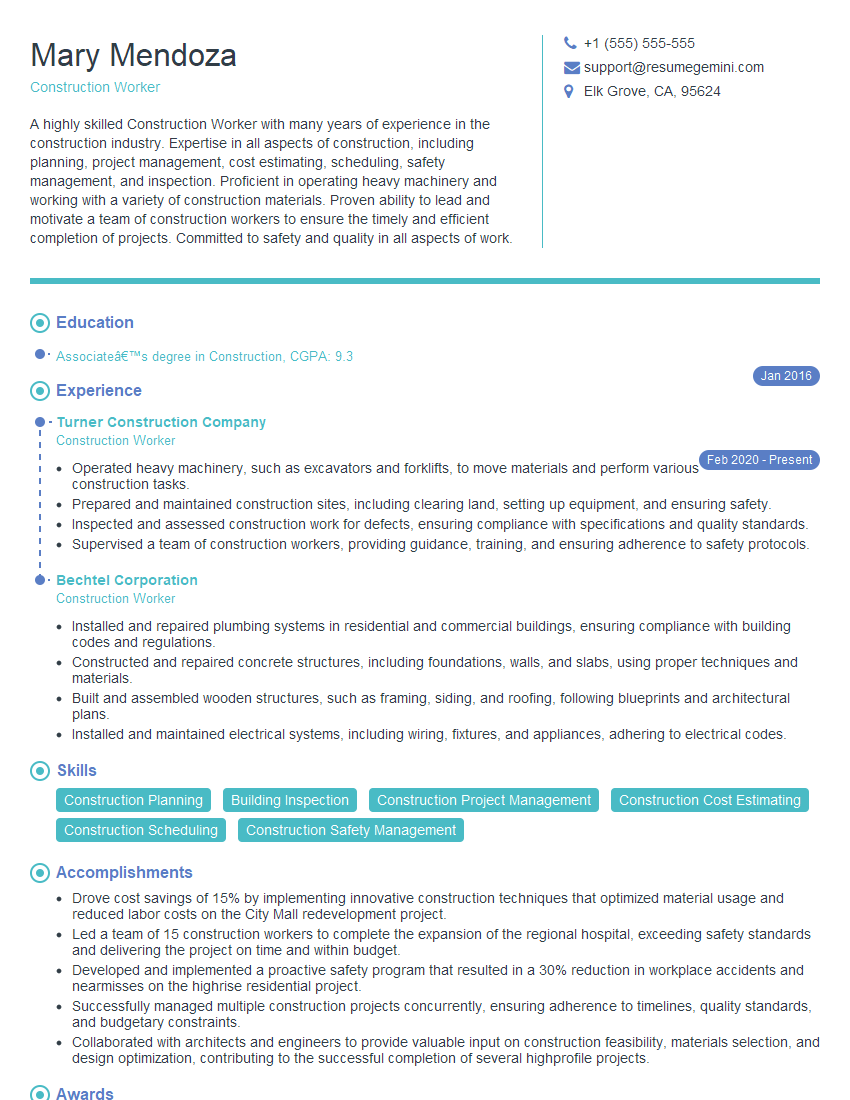
Construction Worker Resume Sample
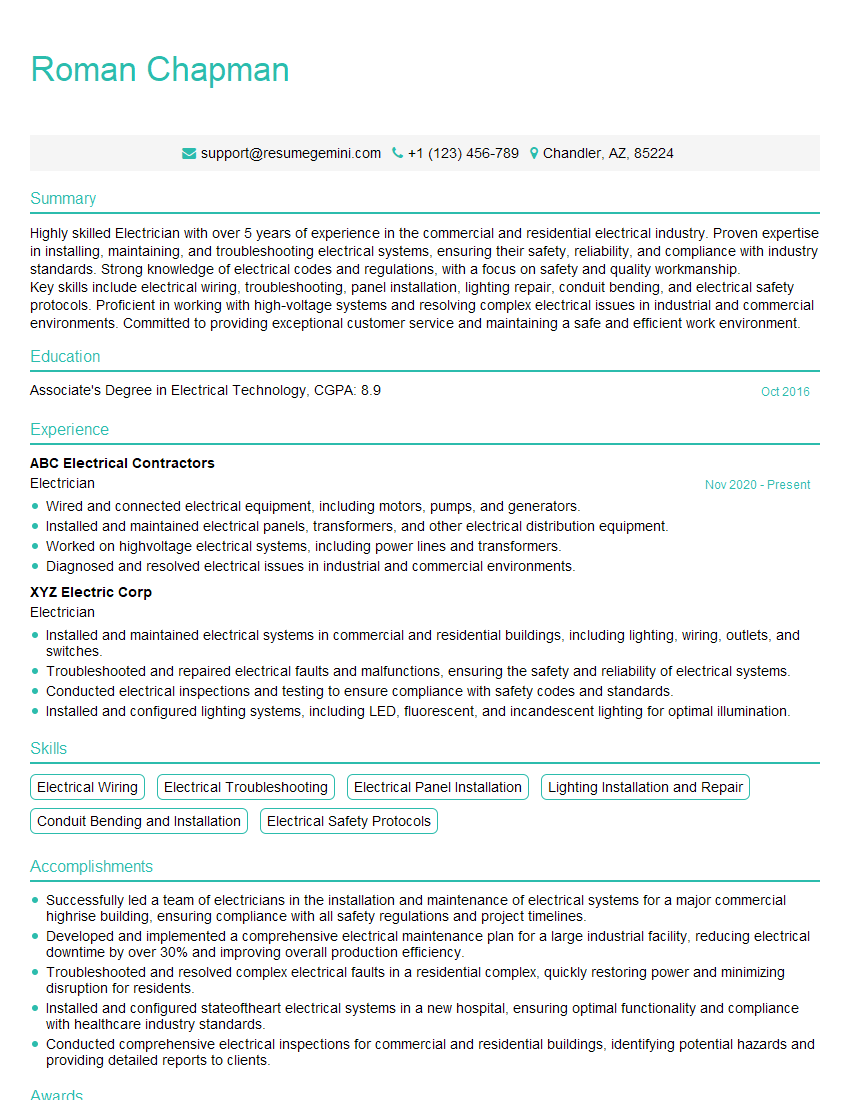
Electrician Resume Sample
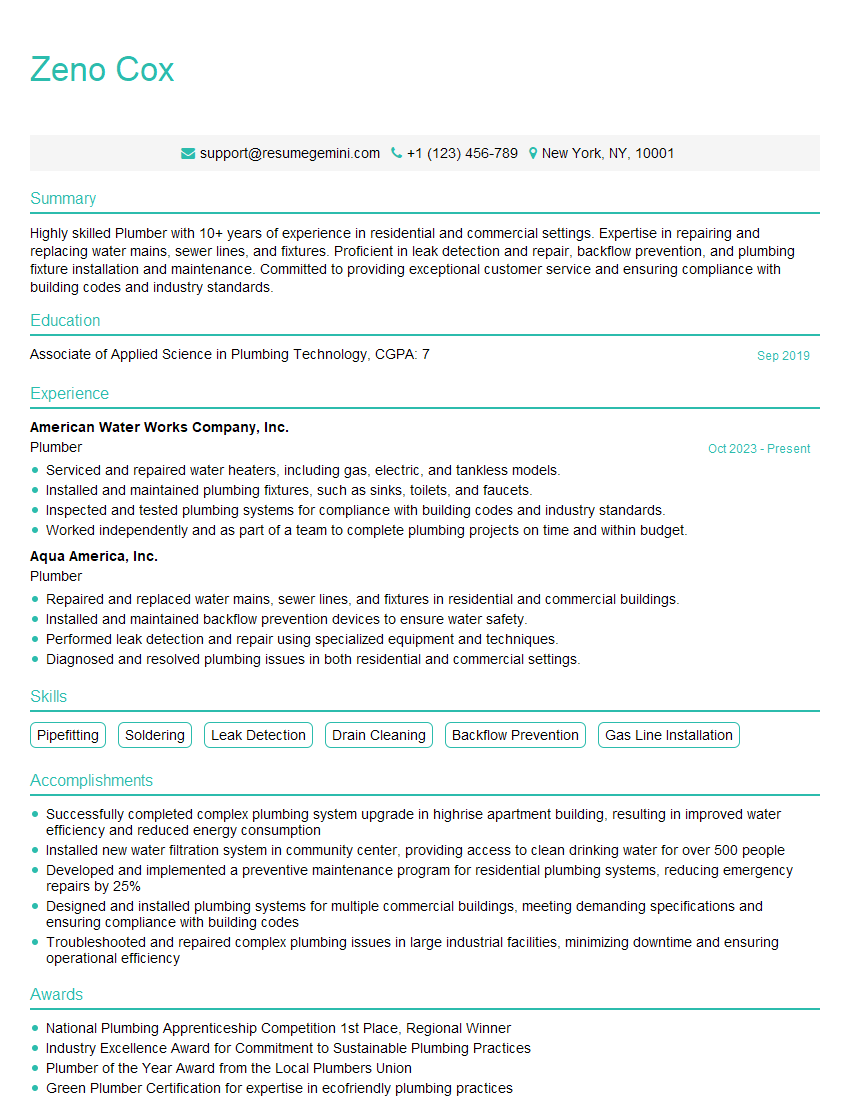
Plumber Resume Sample
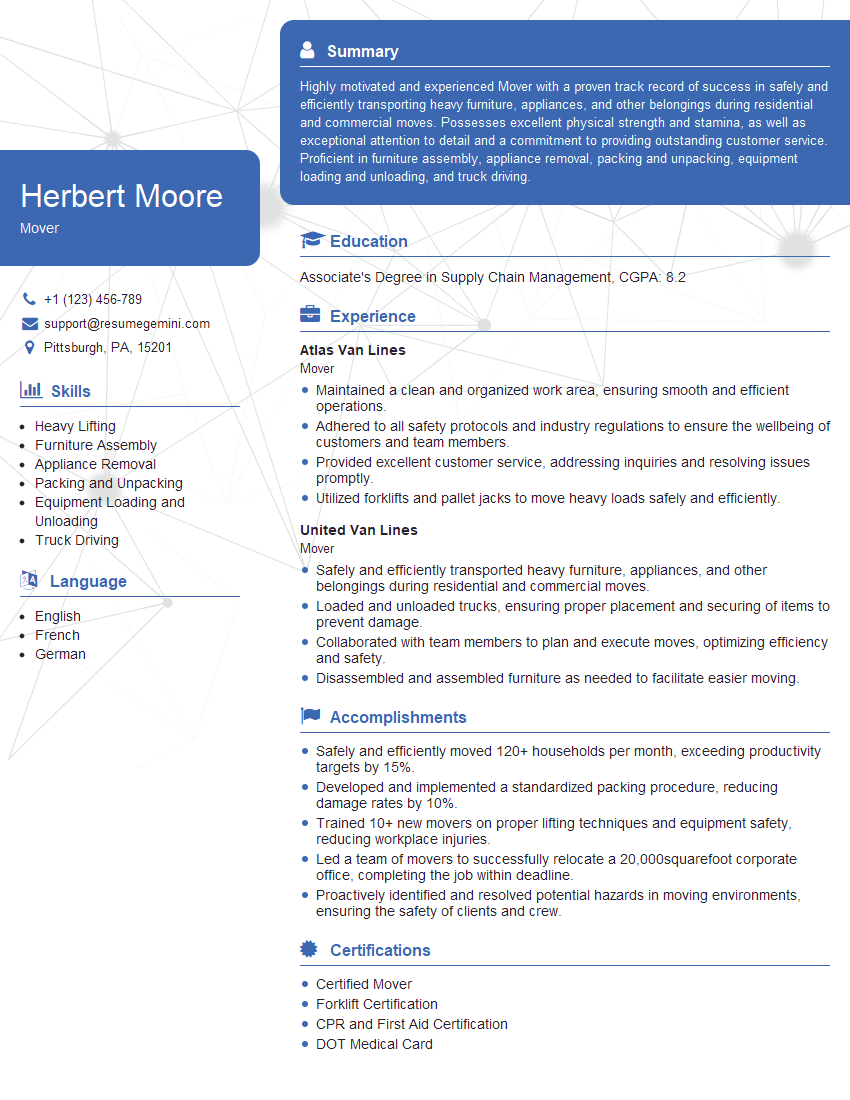
Mover Resume Sample
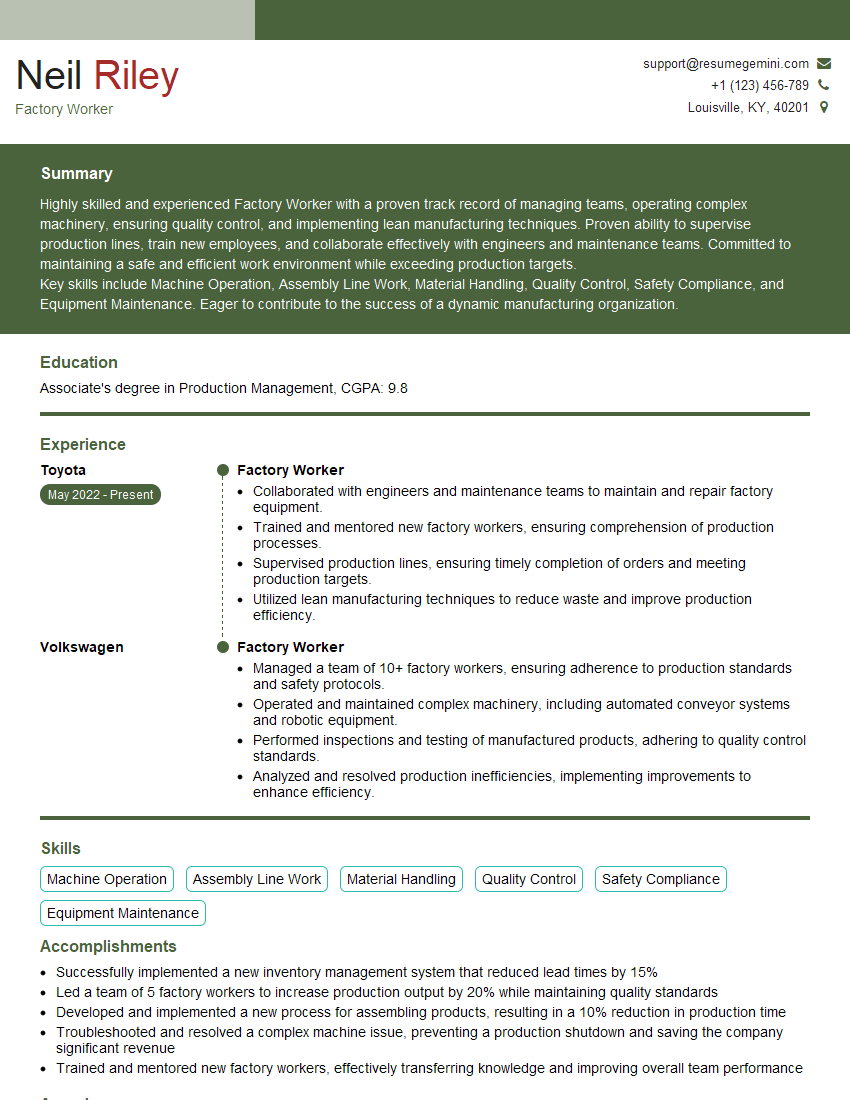
Factory Worker Resume Sample
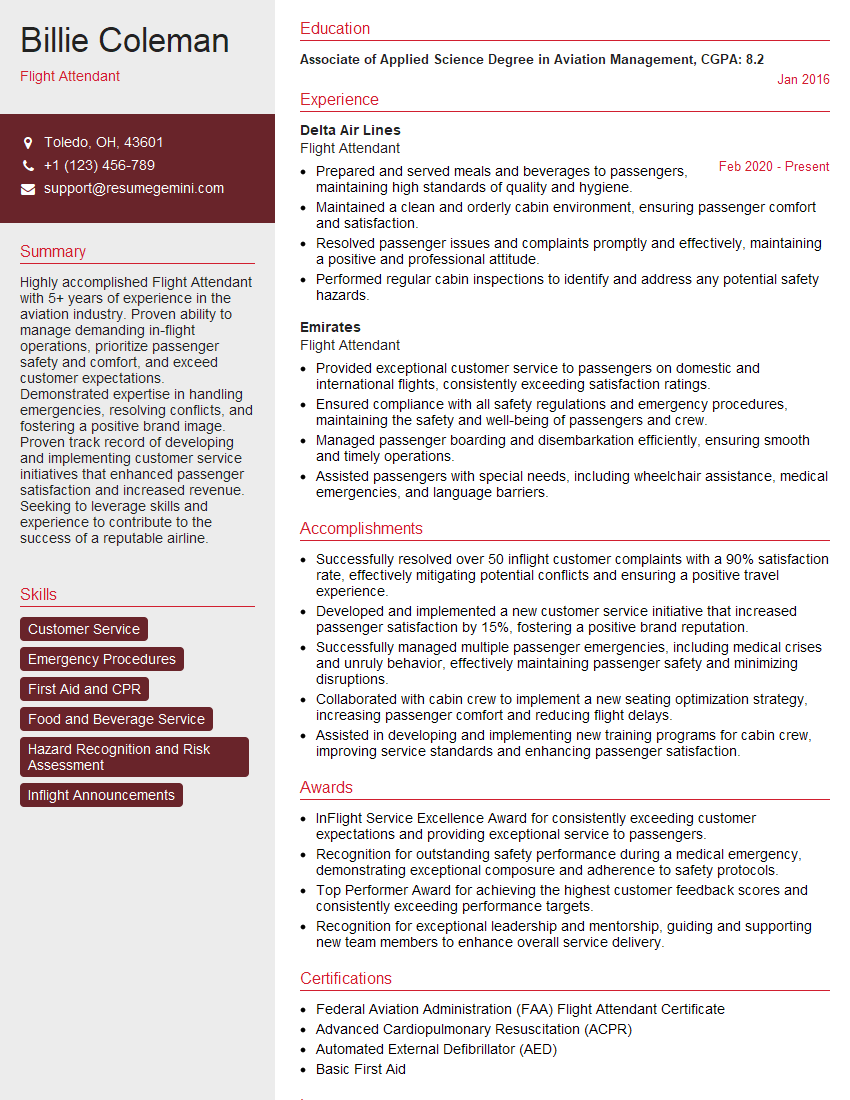
Flight Attendant Resume Sample
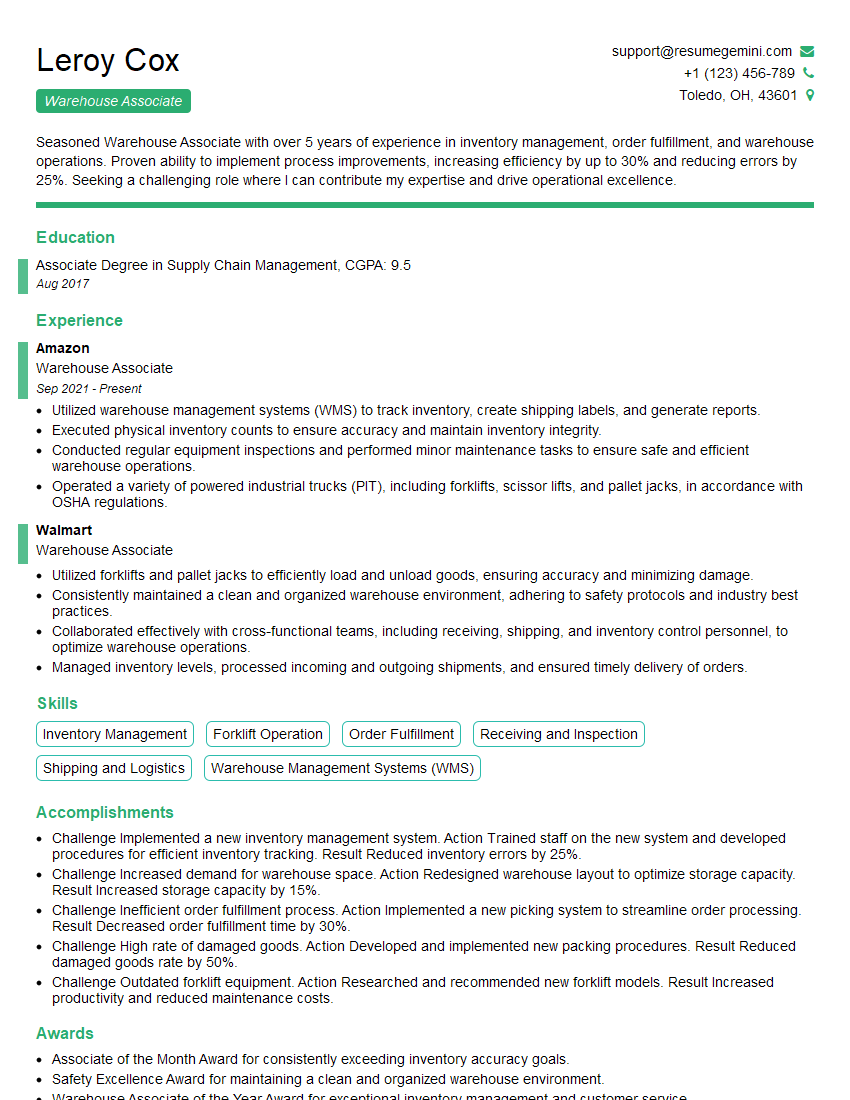
Warehouse Associate Resume Sample
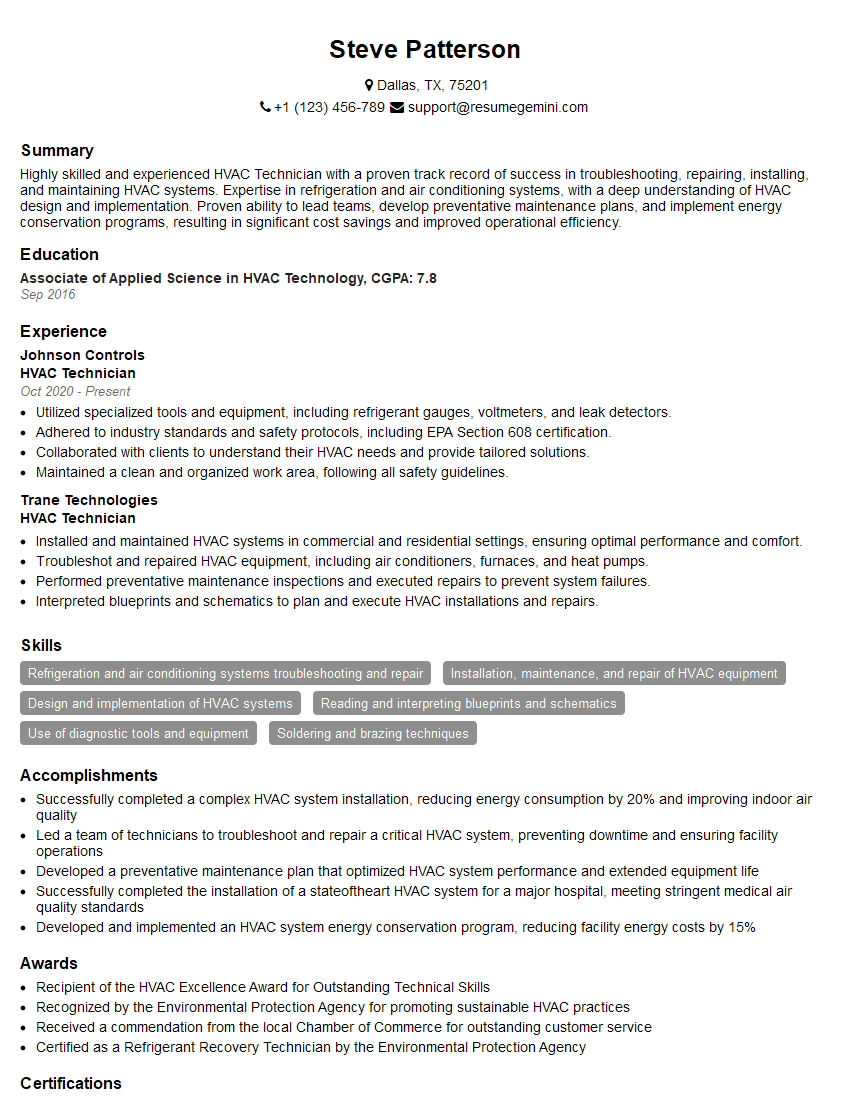
HVAC Technician Resume Sample
Explore more articles
Users Rating of Our Blogs
Share Your Experience
We value your feedback! Please rate our content and share your thoughts (optional).
What Readers Say About Our Blog
Very informative content, great job.
good