Are you ready to stand out in your next interview? Understanding and preparing for Casualty Evacuation interview questions is a game-changer. In this blog, we’ve compiled key questions and expert advice to help you showcase your skills with confidence and precision. Let’s get started on your journey to acing the interview.
Questions Asked in Casualty Evacuation Interview
Q 1. Describe the different casualty evacuation methods.
Casualty evacuation methods vary depending on the environment, the severity of injuries, and the resources available. They range from simple carries to sophisticated airlifts.
- Self-evacuation: The casualty is able to move themselves to safety.
- Assisted evacuation: One or more rescuers help the casualty move to safety, using techniques like carrying (e.g., fireman’s carry, two-person carry) or dragging.
- Litter/stretcher evacuation: The casualty is placed on a stretcher or litter for transport, often requiring several rescuers. This is crucial for those with severe injuries.
- Vehicle evacuation: Ambulances, helicopters, or other vehicles provide transport. Helicopters are ideal for difficult terrain or long distances.
- Water evacuation: Boats or other watercraft are used in aquatic environments.
The choice of method depends on a careful assessment of the casualty’s condition, the terrain, and available resources. For example, a casualty with a suspected spinal injury would require a stretcher and careful stabilization techniques, whereas a walking wounded casualty might be able to self-evacuate with assistance.
Q 2. Explain the START triage system.
START (Simple Triage and Rapid Treatment) is a triage system used in mass casualty incidents (MCIs) to quickly assess and prioritize casualties based on their immediate needs. It’s designed to be rapid and efficient, allowing responders to quickly identify and treat the most critical patients first.
The system uses a simple assessment process:
- Respiratory Rate: Assess breathing. Absent or >30 breaths per minute indicates immediate (red) triage.
- Perfusion: Check for radial pulse and capillary refill. Absent pulse or refill >2 seconds indicates immediate (red) triage.
- Mental Status: Assess mental status. Unresponsive indicates immediate (red) triage.
Based on these three vital signs, casualties are categorized as follows:
- Red (Immediate): Requires immediate medical attention; life-threatening injuries. Example: A patient with absent breathing and no radial pulse.
- Yellow (Delayed): Requires medical attention but can wait. Example: A patient with a broken leg but stable vital signs.
- Green (Minor): Minor injuries; can wait for treatment. Example: Minor abrasions or sprains.
- Black (Deceased): No chance of survival.
START’s simplicity and speed are its strengths, especially in chaotic MCI environments, but it’s important to remember that it’s a rapid assessment and further evaluation may be necessary once the initial triage is complete.
Q 3. What are the key considerations for prioritizing casualties during mass casualty incidents?
Prioritizing casualties in MCIs is a critical aspect of effective casualty evacuation. The goal is to maximize the number of survivors by focusing resources on those most likely to benefit from immediate intervention. Several factors influence prioritization:
- Severity of injury: Life-threatening injuries (e.g., airway obstruction, severe bleeding) take precedence.
- Probability of survival: Those with a higher chance of survival with immediate treatment are prioritized.
- Resource availability: Treatment capacity influences prioritization. If only a limited number of ventilators are available, those needing ventilation are given priority.
- Time-sensitive injuries: Conditions such as uncontrolled hemorrhage or traumatic brain injuries require immediate action.
- Reverse Triage: In some extreme situations, a reverse triage may be considered. In this case, resources would focus on the casualties most likely to survive with minimum intervention, enabling the preservation of resources for a greater number of people.
The START triage system provides a framework, but ongoing reassessment is vital as conditions can change rapidly. Ethical considerations and fairness are paramount in these situations, as difficult choices sometimes must be made about resource allocation.
Q 4. How would you manage a casualty with a suspected spinal injury during evacuation?
Managing a casualty with a suspected spinal injury requires utmost caution to prevent further damage. The key principles are immobilization and careful handling.
- Initial Assessment: Assess the airway, breathing, and circulation (ABCs).
- Manual Stabilization: Manually stabilize the head and neck to prevent movement. Avoid unnecessary neck manipulation.
- Immobilization: Use a rigid cervical collar and a long spine board to immobilize the entire spine. This should be done carefully and smoothly by trained personnel.
- Log Roll Technique: If the casualty needs to be moved, use the log roll technique, ensuring the head, neck, and spine remain aligned throughout the maneuver. This requires at least three to four trained rescuers.
- Careful Transportation: Transport the casualty on the spine board using appropriate equipment, minimizing any jarring or sudden movements.
Throughout the process, communication is key. Clear instructions and coordination among the rescue team are crucial for safe and effective handling. Improper handling of spinal injuries can lead to permanent neurological damage.
Q 5. What are the common types of medical equipment used in casualty evacuation?
The medical equipment used in casualty evacuation varies depending on the anticipated injuries and the severity of the incident. Essential equipment includes:
- Stretcher/Litter: For transporting casualties.
- Cervical Collar: To immobilize the neck in case of suspected spinal injury.
- Spine Board: For full spinal immobilization.
- Oxygen: For respiratory support.
- IV fluids: For fluid resuscitation.
- Bandages and dressings: For wound management.
- Tourniquets: To control severe bleeding.
- Suction device: To clear the airway.
- AED (Automated External Defibrillator): For cardiac arrest.
- Trauma shears: For cutting clothing.
- Backboard and straps: Immobilization equipment
Specialized equipment may also be needed for particular emergencies such as trauma bags, medication kits and more sophisticated monitoring equipment.
Q 6. Explain the importance of maintaining a sterile field during casualty care.
Maintaining a sterile field during casualty care is paramount to prevent infection. Open wounds provide a direct route for bacteria and other pathogens to enter the body, potentially leading to serious complications such as sepsis. A sterile field is an area free from microorganisms, reducing the risk of infection.
Sterility is maintained by:
- Using sterile gloves: Prevents transmission of microorganisms from the rescuer to the casualty.
- Using sterile dressings and bandages: Covers wounds to prevent contamination.
- Proper hand hygiene: Washing hands thoroughly before and after any interaction with a casualty is critical.
- Disinfecting equipment: Proper cleaning and sterilization of instruments minimizes the risk of contamination.
- Avoiding touching sterile areas with non-sterile items: Maintaining the integrity of sterile packages and avoiding touching sterile areas with bare hands is vital.
Even seemingly minor wounds should be treated with sterile techniques to minimize the risk of infection. This is crucial in preventing potential long-term health issues for the injured person and helps optimize the chances of successful healing.
Q 7. Describe your experience with different types of evacuation vehicles (e.g., helicopters, ambulances).
My experience encompasses various evacuation vehicles, each with its strengths and limitations.
- Ambulances: I’ve extensively used ambulances for ground transportation. They are readily available, adaptable for various casualty types, and offer basic life support in transit. However, they are limited by road conditions and terrain.
- Helicopters: Helicopter evacuation is invaluable for rapid transport in remote areas or situations where ground transport is impossible or impractical. I’ve participated in many airlifts, observing the speed and efficiency of this mode. However, helicopters are costly, weather-dependent, and require specific landing zones.
- Other vehicles: I’ve also used all-terrain vehicles (ATVs) and other specialized vehicles for evacuations in challenging terrains and situations where an ambulance or helicopter isn’t readily accessible. This often requires careful planning and a strong understanding of the capabilities and limitations of the available equipment.
The selection of the appropriate evacuation vehicle hinges on factors such as the urgency of the situation, the casualty’s condition, the distance to the medical facility, and environmental circumstances. It is crucial to always have a contingency plan that accounts for potential unforeseen challenges.
Q 8. How do you handle communication challenges during a casualty evacuation?
Effective communication is the bedrock of any successful casualty evacuation. Challenges arise from various sources: disrupted communication networks, language barriers, noisy environments, and the stress of the situation itself. To mitigate this, we utilize a multi-pronged approach.
- Redundant Communication Systems: We rely on a combination of radios (HF, VHF, UHF, satellite), mobile phones, and even runners when technology fails. This ensures a backup plan is always in place. For instance, during a mountain rescue, satellite phones might be essential when radio signals are weak.
- Clear and Concise Messaging: We employ standardized communication protocols like MEDEVAC request forms and pre-agreed terminology to minimize ambiguity. Think of it like a well-rehearsed play – everyone knows their role and how to communicate efficiently.
- Designated Communication Officer: A dedicated person manages all communication, filtering information and ensuring accurate transmission to all relevant parties (medical teams, transport, command). This centralized approach prevents confusion and ensures everyone is informed.
- Pre-Mission Briefing: Before any operation, a thorough briefing establishes communication plans, contact information, and emergency procedures. This prepares the team for potential issues, reducing on-site confusion.
In essence, proactive planning, redundant systems, and standardized protocols are crucial to overcome communication hurdles in casualty evacuation.
Q 9. What are your strategies for dealing with a hostile environment during a casualty evacuation?
Operating in a hostile environment demands a different set of skills and strategies. The safety of the team and the casualty takes precedence. Our approach involves:
- Risk Assessment and Mitigation: We meticulously assess potential threats (armed conflict, natural disasters, unstable terrain) before any movement. This leads to detailed planning that minimizes exposure to these threats. For example, we might choose a different evacuation route to avoid known danger zones.
- Security Detail: Depending on the threat level, a security detail might accompany the evacuation team to protect against armed attacks or other hostile acts. This is particularly crucial in war zones or areas with high criminal activity.
- Camouflage and Concealment: Depending on the environment, tactical movements might be needed, utilizing cover and concealment to minimize visibility to hostile actors. This could involve using natural obstacles or even specialized equipment.
- Evacuation Route Planning: The route selection is paramount, taking into account the terrain, potential threats, and the casualty’s condition. This involves carefully mapping the route beforehand and identifying safe havens or extraction points.
- Emergency Procedures: We establish clear procedures for various scenarios, like attacks or ambushes, outlining immediate actions and emergency communication protocols. Practicing these procedures through drills ensures the team reacts effectively under pressure.
Successfully navigating a hostile environment requires a meticulous approach, blending careful planning with adaptability and skilled teamwork.
Q 10. How do you ensure the safety of both the casualty and the evacuation team?
Ensuring the safety of both the casualty and the evacuation team is our primary concern. This is achieved through a layered approach to safety:
- Proper Equipment and Training: We use high-quality medical equipment, appropriate personal protective equipment (PPE), and ensure all team members receive comprehensive training in first aid, casualty handling, and evacuation techniques. For instance, this might include training on lifting techniques to avoid injuring the casualty further.
- Continuous Monitoring: We constantly monitor the casualty’s vital signs and adjust the evacuation plan as needed. This might involve prioritizing speed if the casualty’s condition deteriorates or taking breaks if necessary.
- Risk Management: The inherent risks are identified and mitigated throughout the evacuation, continuously reassessing and adapting the plan. This includes considering weather conditions, terrain, and potential threats.
- Communication and Coordination: Clear communication among team members and with support personnel is crucial for rapid responses to unexpected challenges. This might be as simple as one team member monitoring the casualty while the other manages the evacuation vehicle.
- Post-Evacuation Debrief: After each evacuation, a debriefing session allows team members to identify areas for improvement and refine procedures to enhance safety in future operations.
Prioritizing safety is an ongoing process, demanding constant vigilance and a commitment to continuous improvement.
Q 11. What are the legal and ethical considerations in casualty evacuation?
Legal and ethical considerations are paramount in casualty evacuation. We must adhere to:
- Informed Consent: Whenever possible, we obtain informed consent from the casualty before any treatment or evacuation. If the casualty is incapacitated, we follow established protocols for next-of-kin consent or implied consent based on the urgency of the situation.
- Data Protection and Privacy: We comply with all relevant data protection laws, ensuring patient confidentiality throughout the evacuation process. Medical information is only shared with authorized personnel on a need-to-know basis.
- Duty of Care: We have a legal and ethical duty to provide the best possible care, balancing the urgency of the situation with the safety and well-being of the casualty and the evacuation team. This involves making difficult decisions based on available resources.
- Non-discrimination: We provide equal care to all casualties regardless of race, religion, gender, or any other personal characteristic. This is a fundamental principle of ethical medical practice.
- Compliance with Local Laws: We are mindful of local laws and regulations, particularly in international operations. This includes understanding and respecting cultural sensitivities.
Navigating the legal and ethical landscape demands a thorough understanding of the applicable laws and a steadfast commitment to ethical principles.
Q 12. Explain your understanding of patient confidentiality in the context of casualty evacuation.
Patient confidentiality is strictly maintained throughout the casualty evacuation process. This means all medical information, personal details, and any other identifying information remain strictly confidential and are only shared with authorized personnel involved directly in the casualty’s care or transport. This includes:
- HIPAA Compliance (or equivalent): We adhere to all relevant privacy regulations, such as HIPAA in the US or GDPR in Europe, protecting the patient’s sensitive information.
- Secure Communication Channels: We use secure communication methods to transmit patient data, minimizing the risk of unauthorized access.
- Limited Information Sharing: We only share the minimum necessary information with other medical professionals or authorities involved in the care or transport of the casualty. This is often limited to essential information needed for continuity of care.
- Data Security Protocols: All medical records and patient data are handled according to established security protocols, ensuring the data’s integrity and confidentiality.
Maintaining confidentiality builds trust and is a cornerstone of ethical medical practice.
Q 13. How do you manage a casualty with severe bleeding during transport?
Managing severe bleeding during transport requires immediate and decisive action. The steps are:
- Direct Pressure: The first step is to apply direct pressure to the wound using a clean cloth or dressing. This helps to slow or stop the bleeding.
- Elevation: If possible, elevate the injured limb above the heart to reduce blood flow to the wound. This is a supportive measure, and direct pressure remains crucial.
- Tourniquet Application (when appropriate): In cases of life-threatening bleeding where direct pressure is insufficient, a tourniquet may be used as a last resort. This is a critical skill requiring proper training. The location and time of tourniquet application must be documented carefully.
- Monitoring Vital Signs: We continuously monitor the casualty’s blood pressure, heart rate, and respiratory rate. Changes in these indicators can indicate worsening shock.
- Fluid Resuscitation (as appropriate): Depending on the casualty’s condition, fluid resuscitation may be necessary to treat shock. This requires medical training and is usually only undertaken by qualified medical personnel.
- Rapid Transport: Getting the casualty to definitive medical care quickly is crucial for survival.
Managing severe bleeding is a time-critical intervention requiring both immediate action and ongoing monitoring. Proper training is essential.
Q 14. Describe your experience with administering medications during a casualty evacuation.
Administering medications during a casualty evacuation is a complex process that necessitates careful consideration and adherence to strict protocols. It’s often limited to emergency situations where the benefits of medication clearly outweigh the potential risks in the given circumstances.
- Medical Authorization: Medication administration requires clear medical authorization either beforehand (standing orders, pre-approved protocols) or via real-time consultation with a medical professional (telemedicine or radio communication).
- Medication Knowledge: Team members administering medications must possess a thorough understanding of the drug, its dosage, its administration route, potential side effects, and contraindications. Misuse of medication can have serious consequences.
- Accurate Documentation: Every medication administered must be accurately documented, noting the type, dosage, time, route of administration, and the casualty’s response. This forms a vital part of the patient’s medical record.
- Emergency Medications: Our kits contain a limited range of essential emergency medications, such as analgesics (pain relievers), anti-emetics (anti-vomiting medication), and potentially medications for allergic reactions. These are carefully selected based on potential in-field needs.
- Safety and Storage: Medications are stored securely and are protected from damage or deterioration. Proper medication management practices are essential to ensure their efficacy.
Medication administration is a high-risk procedure requiring expertise, proper training, and adherence to strict protocols to minimize risks and maximize the chance of successful treatment.
Q 15. How do you assess the severity of injuries in a rapid and efficient manner?
Rapidly assessing injury severity relies on a streamlined approach using the START (Simple Triage And Rapid Treatment) method or similar protocols. This involves a quick visual assessment of breathing, circulation, and mental status.
For breathing, we check for the presence and quality of respirations. Is the casualty breathing normally, or is it labored or absent? For circulation, we assess pulse and capillary refill. A weak or absent pulse, and prolonged capillary refill time (longer than 2 seconds) indicates poor circulation. Mental status is gauged by asking simple questions; an unresponsive or confused casualty requires immediate attention. Based on these observations, casualties are categorized into immediate, delayed, minimal, or expectant categories to prioritize treatment and evacuation.
For example, during a building collapse, I might quickly assess a casualty with labored breathing, weak pulse, and altered mental status as an ‘Immediate’ case, requiring immediate evacuation to a trauma center. Conversely, a casualty with minor injuries and normal vital signs would be categorized as ‘Minimal’ and evacuated later.
Career Expert Tips:
- Ace those interviews! Prepare effectively by reviewing the Top 50 Most Common Interview Questions on ResumeGemini.
- Navigate your job search with confidence! Explore a wide range of Career Tips on ResumeGemini. Learn about common challenges and recommendations to overcome them.
- Craft the perfect resume! Master the Art of Resume Writing with ResumeGemini’s guide. Showcase your unique qualifications and achievements effectively.
- Don’t miss out on holiday savings! Build your dream resume with ResumeGemini’s ATS optimized templates.
Q 16. Explain the process of documenting casualty information during evacuation.
Documenting casualty information is crucial for effective treatment and tracking. We typically use pre-printed forms or digital systems for efficient data capture. Key information includes: casualty identification (name, age, date of birth), location of injury, type of injury, vital signs (heart rate, blood pressure, respiratory rate, oxygen saturation), treatment administered, and evacuation time and route. This information ensures continuity of care from the scene to the receiving hospital.
For instance, in a mass casualty incident, a standardized format ensures all essential details are recorded consistently, facilitating efficient data analysis and resource allocation. Accurate documentation also plays a critical role in legal and insurance claims later on.
Q 17. What are the key challenges you have faced in previous casualty evacuation experiences?
The biggest challenges I’ve encountered involve managing limited resources in remote areas or during large-scale disasters. This includes insufficient personnel, inadequate transport, difficult terrain, and unpredictable weather conditions. For example, evacuating casualties from a remote mountain area during a blizzard presents significant logistical and safety challenges. Communication breakdowns also pose a serious problem; lack of reliable radio communication can hinder coordination and decision-making. Another challenge is managing the emotional toll on both the casualties and the evacuation team, particularly in scenes of high trauma.
Q 18. How do you adapt your approach to casualty evacuation in different settings (e.g., urban, rural, wilderness)?
Adapting to different settings requires flexibility and planning. In urban environments, access to roads and buildings is generally easier, but traffic and structural damage can create challenges. Rural settings often involve longer distances and limited access to roads, requiring the use of all-terrain vehicles or helicopters. Wilderness evacuations pose unique risks due to terrain, weather, and wildlife.
For example, in an urban setting, I would utilize ambulances and emergency vehicles. In a rural environment, I’d likely coordinate with 4×4 vehicles or helicopters depending on the terrain and severity. In wilderness settings, I would heavily rely on specialized teams trained in wilderness rescue and evacuation techniques, possibly employing rope systems or litters.
Q 19. What is your experience with using GPS and other navigation tools during evacuation?
GPS and other navigation tools are essential. I have extensive experience using handheld GPS devices, mapping software, and satellite imagery to track locations, plan routes, and monitor progress during evacuations, especially in remote locations.
For example, during a wilderness evacuation, GPS allows for precise location tracking of the casualty and the evacuation team, helping to avoid getting lost and ensuring timely arrival at the designated extraction point. This is particularly crucial in low-visibility conditions. In addition, mapping software helps us to plan the optimal route considering terrain and potential obstacles, saving precious time and resources.
Q 20. How do you coordinate with other emergency services during a large-scale incident?
Coordination is key. In large-scale incidents, I rely on clear communication protocols and established command structures. This involves regular updates with fire services, police, medical teams, and other relevant agencies using radios, mobile phones, and other communication systems. A common operating picture (COP) aids in situational awareness.
For instance, during a major traffic accident, I’d establish communication channels with police to control traffic and ensure safe access for ambulances, with fire services for potential extrication, and with hospitals to prepare for incoming casualties. This ensures efficient resource allocation and reduces response time.
Q 21. What is your understanding of the chain of command in a casualty evacuation operation?
Understanding the chain of command is vital. It usually follows a hierarchical structure, starting from the incident commander (usually a fire or police official) at the top, followed by sector commanders, team leaders, and individual responders. Each level has clearly defined roles and responsibilities. My role is typically to act under the direction of the assigned team leader or sector commander, following their instructions and reporting any issues or changes promptly.
Clear communication and adherence to this structure are crucial for efficient operations and safe casualty evacuation. Deviation from the established chain of command can lead to confusion and potentially compromise safety and efficiency.
Q 22. Explain the importance of teamwork in casualty evacuation.
Teamwork is absolutely paramount in casualty evacuation. It’s not just about moving bodies; it’s about coordinated, efficient, and safe transport of injured individuals, often under immense pressure. Think of it like a well-oiled machine – each member has a specific role, from initial assessment and stabilization to loading, transport, and handover to medical personnel. A breakdown in one area compromises the entire process.
- Clear Communication: Effective communication ensures everyone understands their roles and responsibilities. This prevents duplication of effort and ensures critical information (e.g., patient condition, allergies) is relayed seamlessly.
- Shared Responsibility: The weight of responsibility is distributed amongst the team, reducing stress and improving overall performance. Each member is accountable for their tasks, but it’s a collective success or failure.
- Skill Synergy: Different team members bring unique skills, like medical expertise, lifting techniques, and navigation skills, to the table. Combining these ensures the best possible care for the casualty.
For example, during a mountain rescue, one person might focus on stabilizing the patient’s spine while another ensures safe passage across rough terrain. A third might communicate with emergency services for guidance and resource allocation. This collaboration guarantees a safer, more effective evacuation.
Q 23. How would you handle a critical situation where you are faced with limited resources?
Limited resources in casualty evacuation demand a prioritization strategy. It’s a matter of making difficult choices to maximize the good that can be done. My approach involves a structured decision-making framework focusing on:
- Triaging: Rapid assessment of casualties to prioritize the most critically injured. This uses the START (Simple Triage And Rapid Treatment) or other established triage systems to ensure the most urgent cases receive immediate attention.
- Resource Allocation: Determining which resources (personnel, equipment, vehicles) are available and deploying them effectively to the highest priority cases. This might mean delaying less critical evacuations to ensure the critically injured receive timely care.
- Improvisation: Finding creative solutions to overcome resource limitations. For example, using readily available materials to create makeshift splints or utilizing local transportation options when ambulances are unavailable.
- Collaboration: Networking with other agencies or organizations to acquire additional resources if possible. This could involve requesting support from neighboring teams, NGOs, or the military.
Imagine a scenario following a major earthquake where medical supplies are scarce and transportation routes are blocked. I would prioritize those with life-threatening injuries (e.g., severe bleeding, respiratory distress) for immediate evacuation using available transport. Less critical cases would be treated on-site until resources allow for transport.
Q 24. Describe your experience with using different types of communication devices.
My experience encompasses a range of communication devices, crucial for seamless casualty evacuation, including:
- Two-way Radios: Essential for real-time communication within the evacuation team, particularly in areas with limited or no cell service. I’m proficient in using various frequencies and protocols.
- Satellite Phones: In remote locations lacking terrestrial networks, satellite phones provide a lifeline for contacting emergency services, requesting backup, and relaying vital patient information.
- Cell Phones: Useful when network coverage is available for quick updates, coordination, and requesting backup.
- Emergency Beacons (PLBs): In severe emergencies, these devices transmit location data to rescue services, crucial for locating teams or casualties in remote areas.
During a wilderness rescue, for instance, we used satellite phones to coordinate with a helicopter while utilizing two-way radios for communication between team members on the ground. Each technology has its strengths and limitations, and knowing when to use each one is key.
Q 25. How do you maintain your composure and effectiveness under pressure?
Maintaining composure under pressure is a learned skill honed through training and experience. It’s about focusing on the task at hand while remaining calm and decisive. My techniques include:
- Prioritization: Focusing on immediate priorities, step-by-step. This prevents feeling overwhelmed by the overall situation.
- Deep Breathing Exercises: Simple breathing techniques can help manage stress and regain focus in high-pressure moments.
- Team Reliance: Trusting and relying on the expertise of my team members to share the workload and maintain morale.
- Positive Self-Talk: Encouraging myself and my team to stay positive and focus on solutions rather than dwelling on problems.
For example, during a multi-casualty incident, I would consciously focus on one casualty at a time, using deep breathing to manage anxiety and delegating tasks to team members. Keeping a positive attitude despite the challenging circumstances is crucial for team morale and effective response.
Q 26. What are your strengths and weaknesses related to casualty evacuation?
My strengths lie in my leadership skills, practical problem-solving abilities, and experience managing complex, high-pressure situations. I’m a quick learner, adaptable to changing circumstances, and possess strong communication and teamwork skills. I’m proficient in various triage and evacuation techniques and possess a deep understanding of safety protocols.
A potential weakness could be my tendency to be perfectionistic, which can sometimes lead to slower decision-making in highly time-sensitive scenarios. I’m actively working on mitigating this by focusing on effective prioritization and delegating tasks appropriately.
Q 27. What are your salary expectations?
My salary expectations are in line with the industry standard for a role with my experience and qualifications. I’m open to discussing a specific range based on the details of the compensation package and benefits offered.
Q 28. Why are you interested in this position?
I’m highly interested in this position due to the opportunity to contribute to a team dedicated to providing high-quality casualty evacuation services. The chance to utilize my skills and experience in a challenging and rewarding environment is extremely appealing. The organization’s reputation for excellence and commitment to best practices aligns perfectly with my professional values.
Key Topics to Learn for Casualty Evacuation Interview
- Incident Assessment and Prioritization: Understanding the scene, identifying the most critical casualties, and establishing priorities for evacuation.
- Casualty Triage Techniques: Mastering various triage methods (e.g., START, SALT) and applying them effectively under pressure, including practical scenarios involving limited resources.
- Evacuation Planning and Coordination: Developing safe and efficient evacuation plans, coordinating with various teams (medical, rescue, logistics), and adapting plans based on changing circumstances. This includes understanding different modes of transportation and their limitations.
- Patient Handling and Movement Techniques: Safe and efficient techniques for moving casualties, considering various injuries and limitations, including the use of appropriate equipment (stretchers, backboards).
- Communication and Teamwork: Effective communication protocols, including clear and concise reporting, collaboration with diverse teams under stress, and maintaining situational awareness.
- Safety Procedures and Risk Mitigation: Understanding and implementing safety protocols to minimize risks to both casualties and rescuers during evacuation procedures.
- Emergency Medical Care in Transit: Providing basic life support and other appropriate medical interventions during transport to ensure casualty survival and minimize further injury.
- Legal and Ethical Considerations: Understanding the legal and ethical implications of casualty evacuation decisions, particularly in challenging situations.
- Post-Evacuation Procedures: Handling handover procedures to receiving medical facilities, documenting actions, and contributing to post-incident analysis and improvement.
Next Steps
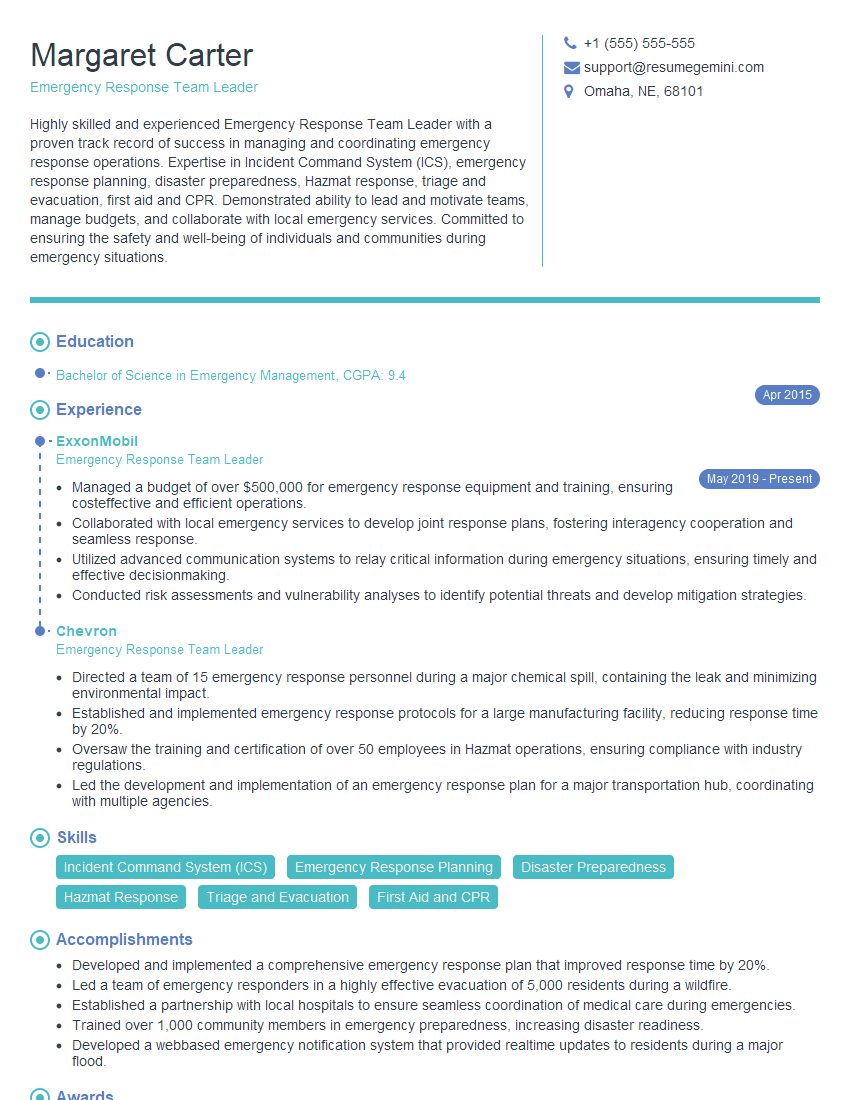
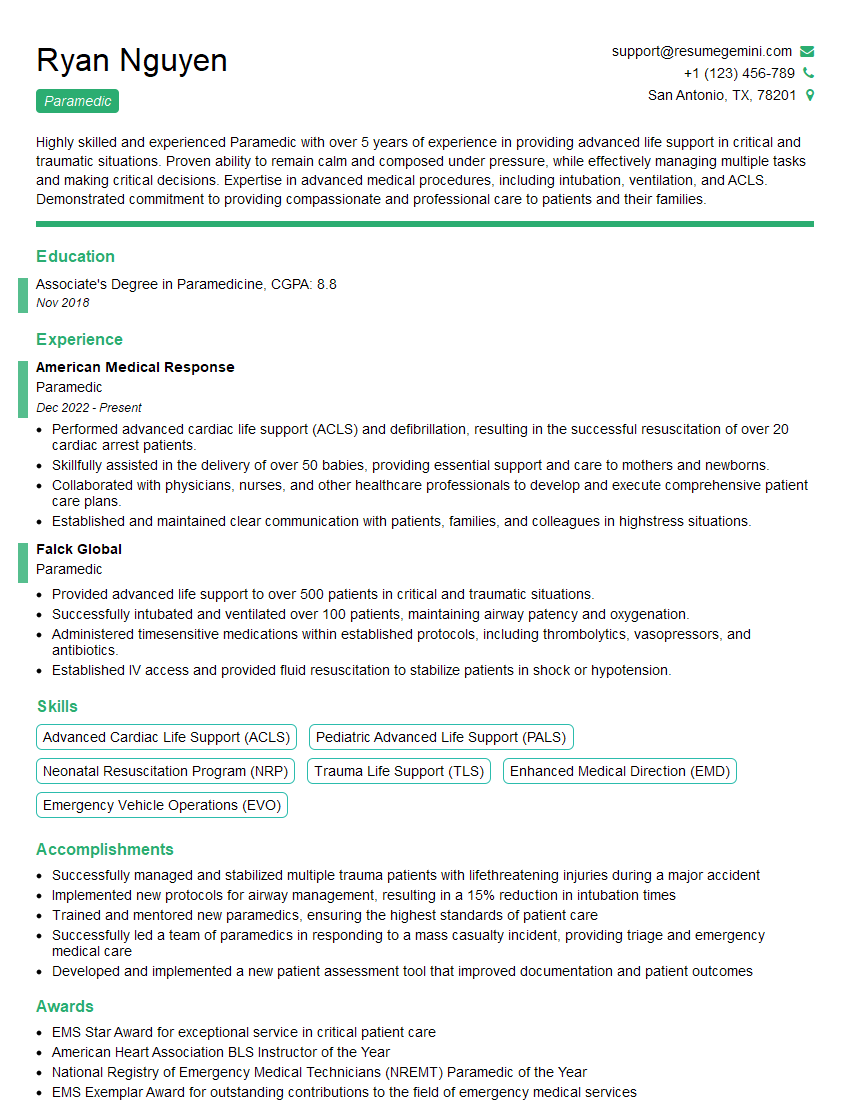
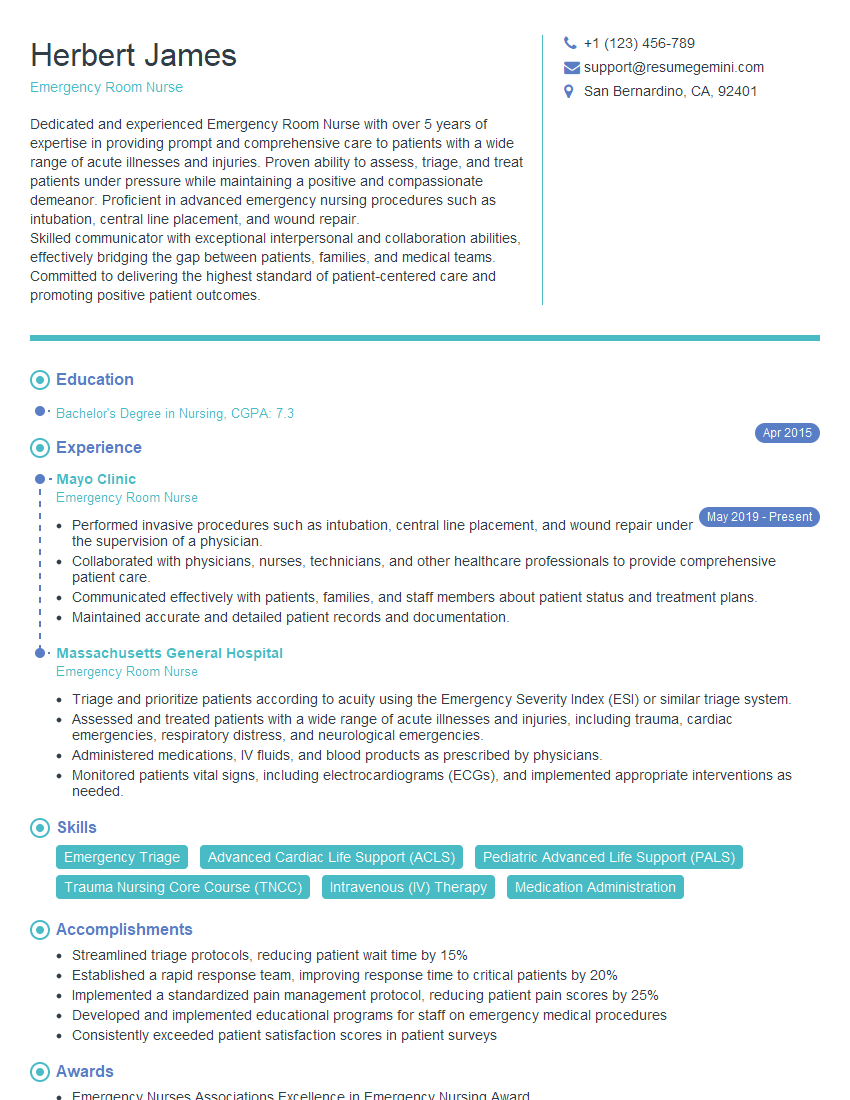
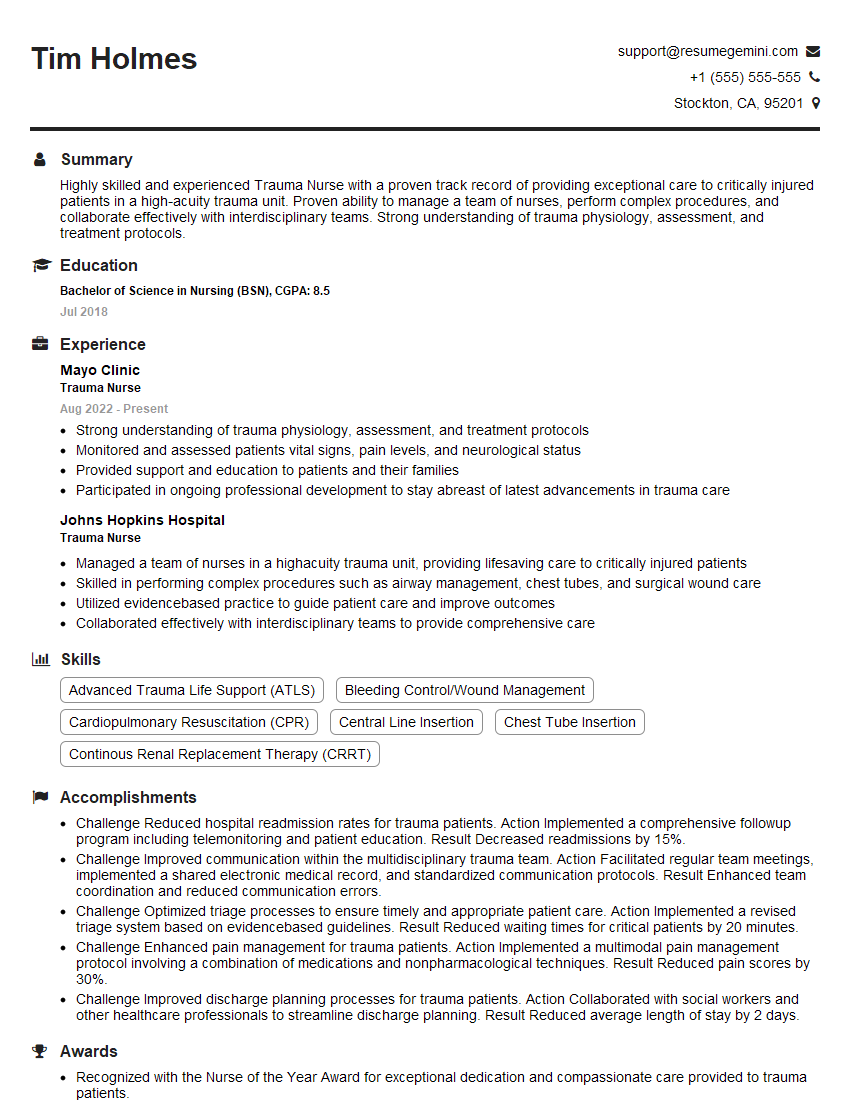
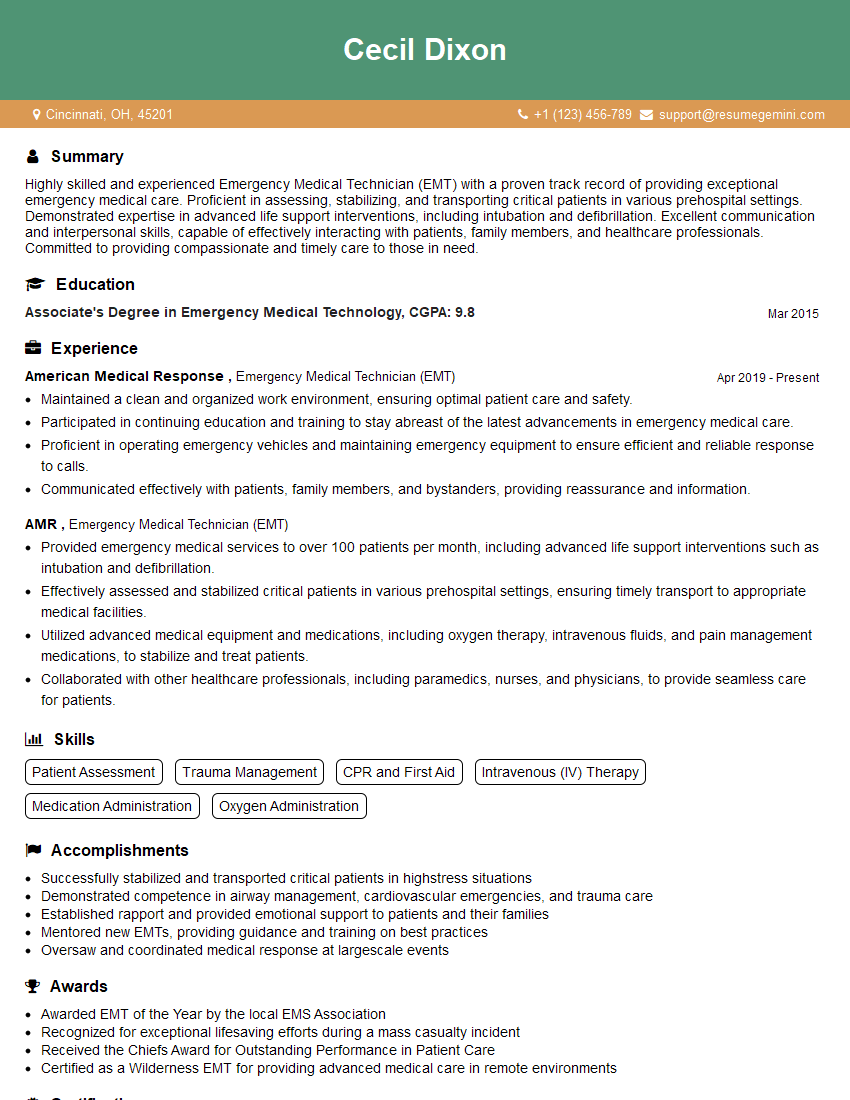
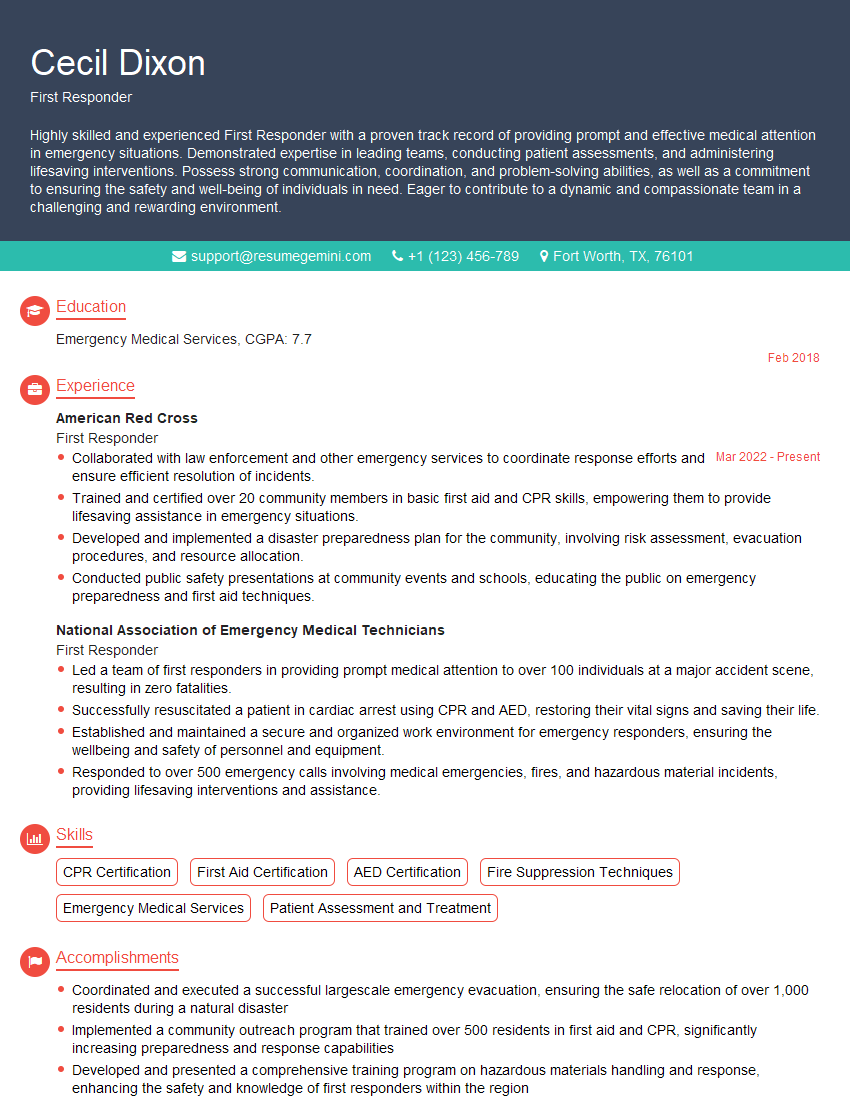
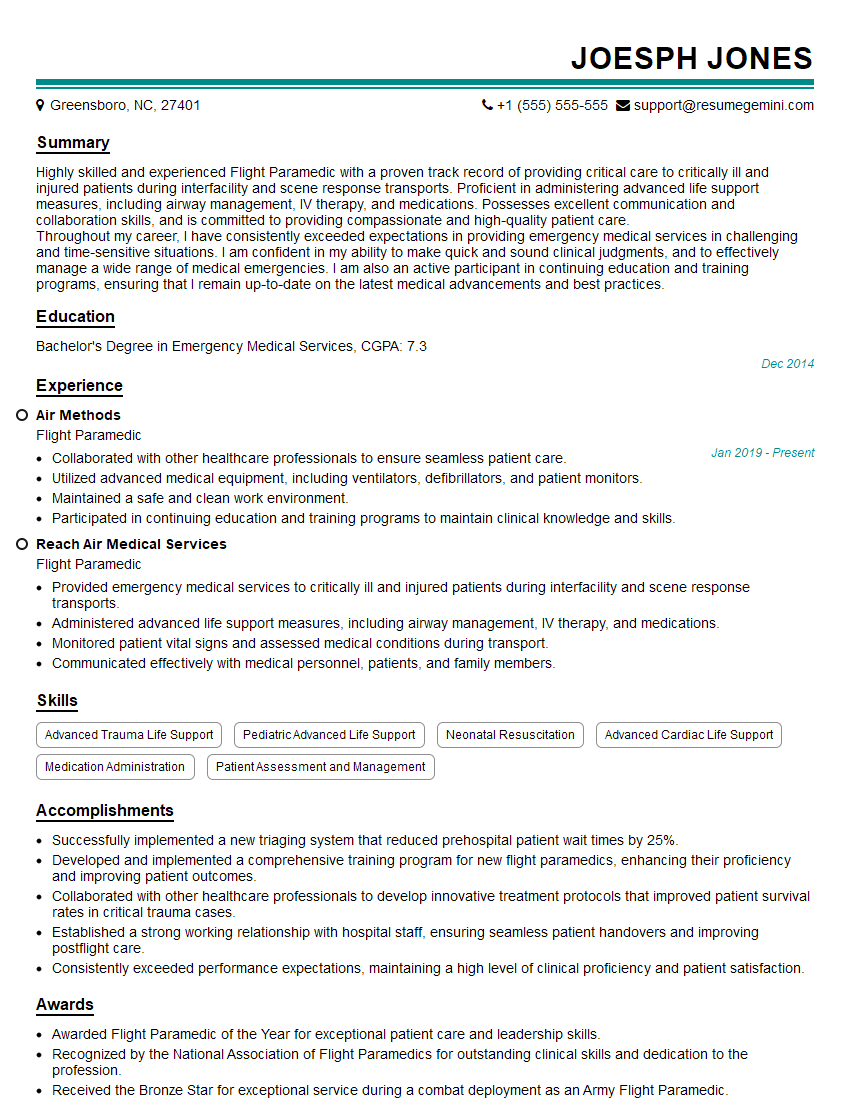
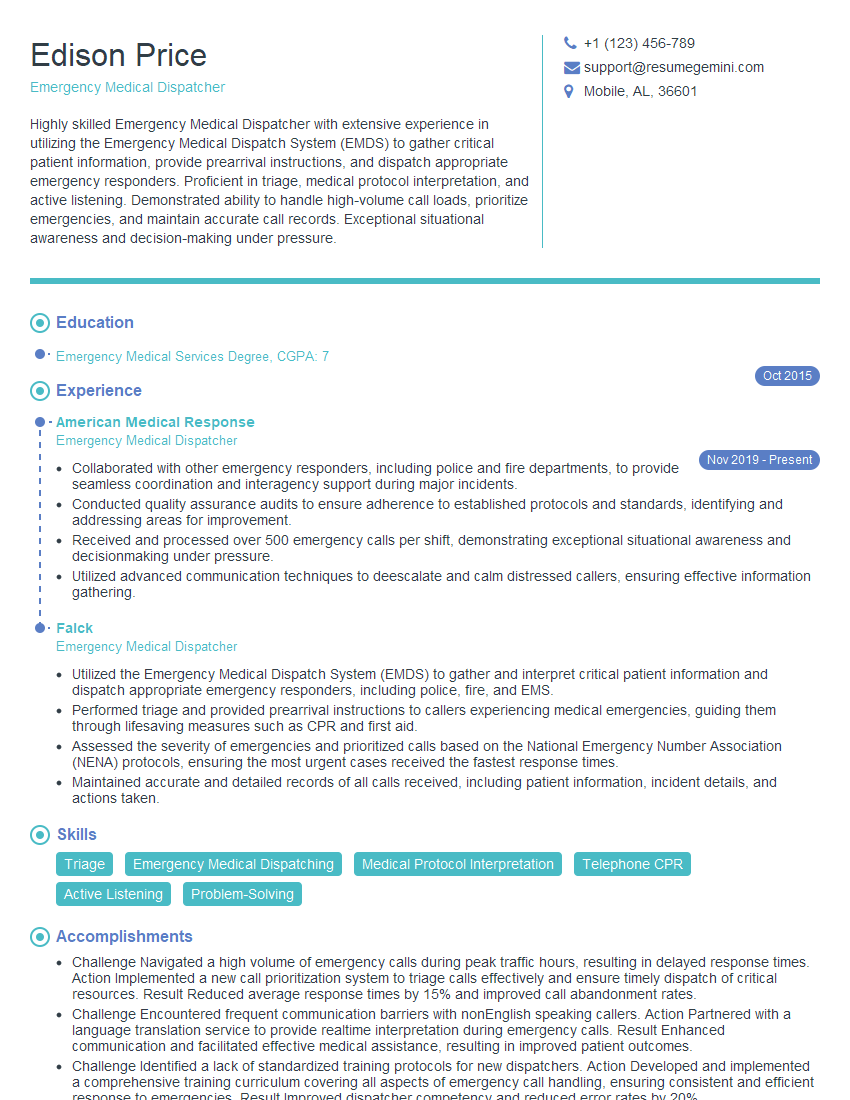
Mastering Casualty Evacuation demonstrates critical skills highly valued in emergency response and healthcare settings, significantly boosting your career prospects. A strong resume is crucial for showcasing these skills effectively to potential employers. To make your resume stand out and get noticed by Applicant Tracking Systems (ATS), focus on using keywords relevant to Casualty Evacuation and presenting your experience in a clear, concise, and results-oriented manner. We recommend using ResumeGemini, a trusted resource, to build a professional and ATS-friendly resume that highlights your qualifications. Examples of resumes tailored to Casualty Evacuation are provided to help you get started.
Explore more articles
Users Rating of Our Blogs
Share Your Experience
We value your feedback! Please rate our content and share your thoughts (optional).
What Readers Say About Our Blog
Very informative content, great job.
good