Interviews are more than just a Q&A session—they’re a chance to prove your worth. This blog dives into essential Abscess Management interview questions and expert tips to help you align your answers with what hiring managers are looking for. Start preparing to shine!
Questions Asked in Abscess Management Interview
Q 1. Describe the different types of abscesses and their common locations.
Abscesses are localized collections of pus, a thick fluid containing white blood cells, dead tissue, and bacteria. They can form virtually anywhere in the body, depending on the infection’s location and the body’s response. Several factors influence the type and location, such as the infecting organism, the patient’s immune status, and the underlying cause.
- Skin abscesses: These are the most common type, often appearing as boils (furuncles) – small, localized infections of hair follicles – or carbuncles – clusters of boils. They frequently occur on the face, neck, buttocks, and armpits.
- Dental abscesses: These develop at the root of a tooth, often due to untreated dental caries (cavities) or gum disease. They can be incredibly painful and may spread to the jaw or other areas.
- Peritonsillar abscesses (quinsy): This type forms in the space between the tonsil and the side of the throat. It often causes severe throat pain, difficulty swallowing, and sometimes a muffled voice.
- Intra-abdominal abscesses: These occur within the abdominal cavity and can be life-threatening. They can result from various conditions, including appendicitis, diverticulitis, or surgery.
- Brain abscesses: These are serious and potentially fatal. They usually result from an infection elsewhere in the body spreading to the brain, or from a direct infection in the brain (e.g., after head trauma).
The location of an abscess greatly influences its presentation and management.
Q 2. Explain the process of diagnosing an abscess.
Diagnosing an abscess typically involves a combination of methods focusing on physical examination and sometimes imaging studies.
- Physical examination: This is crucial and often sufficient. The doctor will look for localized swelling, redness (erythema), warmth, pain, and tenderness to the touch. Fluctuation (a feeling of pus shifting beneath the skin) is a highly suggestive sign.
- Imaging studies: In cases where the diagnosis is uncertain, particularly for deeper abscesses, imaging tests such as ultrasound, CT scans, or MRI may be used to visualize the abscess and determine its size and location. Ultrasound is often the first-line imaging modality due to its accessibility and cost-effectiveness.
- Aspiration: Sometimes, a needle is used to aspirate (remove) a sample of the fluid from the abscess. This fluid is then sent to a laboratory for analysis to identify the causative organism and guide antibiotic selection.
A complete blood count (CBC) may also be ordered to assess the patient’s overall infection status, including their white blood cell count.
Q 3. What are the key clinical features of an abscess?
The key clinical features of an abscess are often summarized by the mnemonic FLUCTUANT:
- Fluctuation (pus shifting under the skin)
- Localized swelling
- Ulceration (potential skin breakdown)
- Color change (redness)
- Tenderness to palpation
- Unwell patient (systemic symptoms like fever, chills)
- Absence of movement in affected area
- Nausea (sometimes)
- Temperature elevation (fever)
The severity of these features varies greatly depending on the location, size, and type of abscess. For example, a small skin abscess might only show mild redness and tenderness, while a larger, deeper abscess could cause significant pain, fever, and systemic illness.
Q 4. Discuss the various treatment options for abscesses, including incision and drainage.
Treatment of abscesses primarily focuses on drainage of the pus. Antibiotics are often used in conjunction, but drainage is the cornerstone of successful management.
- Incision and Drainage (I&D): This is the most common treatment for abscesses. A small incision is made to allow the pus to drain. The abscess cavity is often irrigated with saline solution to remove remaining debris. In some cases, a drain (a small tube) may be placed to ensure continued drainage.
- Aspiration: For small, superficial abscesses, aspiration using a needle may be sufficient to drain the pus. This is less invasive than I&D.
- Antibiotic Therapy (discussed in next answer): Antibiotics play a supporting role in the treatment of abscesses but aren’t always necessary for all cases.
The choice of treatment depends on factors such as the size and location of the abscess, the patient’s overall health, and the presence of systemic symptoms. For example, a small skin abscess might only require aspiration, whereas a large, deep abscess might need I&D with the insertion of a drain.
Q 5. Explain the indications for antibiotic therapy in abscess management.
Antibiotic therapy for abscesses is generally indicated in specific situations, not as a standalone treatment. Drainage remains the priority. Antibiotics are used to reduce the risk of complications or treat associated systemic infection.
- Large or Deep Abscesses: These are at higher risk for spreading infection. Antibiotics help to prevent systemic spread and limit the severity of the infection.
- Immunocompromised Patients: Patients with weakened immune systems (e.g., those with HIV, diabetes, or undergoing chemotherapy) are more susceptible to severe infections, making antibiotics more crucial.
- Evidence of Systemic Infection: Fever, chills, or other signs of a widespread infection warrant the use of antibiotics.
- Abscess Recurrence: If an abscess recurs after drainage, antibiotics might be necessary to address persistent infection.
- Specific Organisms: If the aspirated pus reveals an infection caused by bacteria resistant to common antibiotics, more targeted treatment is needed.
The choice of antibiotic depends on the suspected or identified pathogen and the patient’s sensitivities. Broad-spectrum antibiotics are often used initially while awaiting culture results.
Q 6. What are the potential complications of an abscess?
Potential complications of an abscess can range from minor to life-threatening, depending on the location and size of the abscess and the patient’s health status.
- Spreading Infection (cellulitis, sepsis): The infection can spread to surrounding tissues, leading to cellulitis (a skin infection) or sepsis (a life-threatening condition). This is particularly concerning with deep or untreated abscesses.
- Abscess Rupture: The abscess can spontaneously rupture, releasing pus into surrounding tissues, potentially leading to further infection.
- Fistula Formation: A fistula (an abnormal connection between two organs or tissues) can develop, often requiring further surgical intervention.
- Necrosis (tissue death): The surrounding tissue can die due to lack of blood supply and infection, leading to significant scarring or additional surgical needs.
- Septic Shock: This severe condition occurs when a widespread infection leads to a dramatic drop in blood pressure, which can be fatal.
- Organ Damage: Abscesses near vital organs can lead to organ damage if not treated promptly.
The risk of complications is significantly reduced with timely and appropriate treatment, including incision and drainage, and sometimes antibiotic therapy.
Q 7. How do you manage an abscess in a patient with comorbidities?
Managing an abscess in a patient with comorbidities requires a more cautious and individualized approach. The presence of other medical conditions can affect treatment options and increase the risk of complications.
- Diabetes: Patients with diabetes often have impaired wound healing and are at increased risk of infection. Meticulous wound care and possibly more aggressive antibiotic therapy may be necessary.
- Immunocompromised states (HIV, cancer, etc.): These patients have a weakened immune system, making them more susceptible to severe infections. Broad-spectrum antibiotics and close monitoring are crucial. They might require more extensive surgical drainage or longer courses of antibiotic therapy.
- Cardiac conditions: Patients with cardiac disease are at a higher risk of developing infective endocarditis (infection of the heart valves) if bacteria from an abscess enter the bloodstream. Prophylactic antibiotics might be considered, in conjunction with the abscess treatment plan.
- Renal or liver failure: These conditions can affect the metabolism and clearance of antibiotics, requiring dose adjustments or the use of alternative drugs.
Careful consideration of the patient’s overall health, potential drug interactions, and organ function is vital when managing abscesses in patients with comorbidities. Close collaboration with other specialists, such as cardiologists or nephrologists, might be needed for optimal patient care.
Q 8. Describe your approach to managing a recurrent abscess.
Managing a recurrent abscess requires a multifaceted approach that goes beyond simply draining the current infection. We need to identify and address the underlying cause of the recurrence. This often involves a thorough investigation to rule out factors like inadequate initial drainage, underlying foreign bodies (like sutures or splinters), persistent infection due to resistant organisms, and anatomical factors that predispose to abscess formation (e.g., Crohn’s disease or immunocompromise).
My approach typically starts with a detailed history and physical examination focusing on the patient’s medical history, the location and characteristics of the recurrent abscess, and any potential predisposing factors. Imaging studies such as ultrasound or CT scan may be necessary to delineate the extent of the infection and identify any underlying cause. We then tailor treatment based on these findings. This might involve more aggressive surgical debridement to ensure complete removal of infected tissue, prolonged antibiotic therapy targeted at specific bacteria identified through culture and sensitivity testing, or even surgical intervention to address an anatomical abnormality contributing to recurrence. For example, in a patient with recurrent perianal abscesses, a fistulotomy might be necessary to address an underlying anal fistula.
Close follow-up is crucial to monitor for any signs of reinfection and to adjust treatment as needed. Patient education on proper hygiene and wound care is also a vital part of preventing recurrence.
Q 9. What are the signs and symptoms of an infected abscess?
An infected abscess presents with a characteristic set of signs and symptoms. The most common are:
- Pain: A localized, throbbing pain is often the first symptom.
- Swelling: A noticeable lump or swelling develops at the site of infection.
- Redness: The skin overlying the abscess becomes red and inflamed.
- Warmth: The area feels warmer to the touch compared to the surrounding skin.
- Fluctuation: As the abscess develops, you may be able to palpate a feeling of fluid fluctuation under the skin.
- Pus: In some cases, pus might drain spontaneously from the abscess, often providing relief but also indicating a need for professional medical intervention.
- Fever and chills: Systemic symptoms like fever and chills may be present if the infection is significant or has spread.
It’s important to note that the severity of these symptoms can vary greatly depending on the size, location, and individual patient factors. For instance, a small abscess might cause only mild discomfort, while a larger abscess could cause significant pain and systemic effects.
Q 10. Explain the appropriate wound care techniques post-incision and drainage.
Post-incision and drainage, meticulous wound care is crucial to prevent infection and promote healing. This involves several key steps:
- Wound Cleaning: Gently cleaning the wound with a sterile solution (like saline) helps to remove any remaining pus and debris. Avoid scrubbing aggressively, which can damage the healing tissue.
- Dressing Application: Applying an appropriate dressing is vital. This could range from simple gauze dressings to more specialized wound care products. The choice depends on the wound size, depth, and drainage. The dressing should be changed regularly, usually once or twice a day, to maintain a clean, moist environment that promotes healing.
- Monitoring for Infection: Closely observe the wound for any signs of infection, such as increased pain, redness, swelling, or drainage. Any signs of worsening infection should be reported immediately to your healthcare provider.
- Patient Education: Educating the patient about proper wound care is essential. This includes instructions on cleaning, dressing changes, and recognizing signs of infection. Patients also need to understand the importance of following any prescribed antibiotic regimens.
Example: A patient with a simple superficial abscess after I&D might use a simple gauze dressing, while a patient with a deep, complex wound might require a more advanced dressing such as a vacuum-assisted closure (VAC) therapy.
Q 11. How do you determine the appropriate size of incision for abscess drainage?
Determining the appropriate incision size for abscess drainage is critical. Too small an incision may not allow for complete drainage, leading to recurrence. Too large an incision can increase the risk of complications, such as excessive bleeding and scarring. The goal is to create an incision that provides adequate access for complete drainage of the abscess cavity while minimizing tissue trauma.
The size of the incision is guided by several factors, including the size and location of the abscess, the depth of the infection, and the presence of any loculations (compartments) within the abscess. In general, the incision should be large enough to allow for the easy evacuation of all purulent material and to allow for proper irrigation and debridement. It is often wise to make a cruciate incision rather than a simple linear incision to facilitate drainage. However, the incision should be placed in a location that minimizes cosmetic scarring. Ultrasound or CT scans can be useful to precisely guide the incision and ensure complete drainage. This prevents reoccurrence and scarring.
Q 12. What are the contraindications for incision and drainage?
While incision and drainage (I&D) is a common and effective procedure for abscess management, there are some contraindications to consider:
- Abscesses near vital structures: I&D near critical structures such as blood vessels, nerves, or organs might pose significant risks, and alternative management strategies might be preferred.
- Abscesses in specific locations: Abscesses in certain areas, like the brain or spine, necessitate a more specialized approach and are typically not managed with I&D.
- Patients with severe immunocompromise: Individuals with severely weakened immune systems may be at higher risk of complications from I&D and may require more conservative management, such as antibiotic therapy alone.
- Abscesses associated with certain medical conditions: Specific medical conditions, like certain types of cancer, might influence the approach to abscess management, potentially requiring alternative methods beyond simple I&D.
Careful consideration of these contraindications ensures patient safety and optimal outcomes. Each situation needs careful assessment and possibly consultation with specialists to determine the best approach.
Q 13. Discuss the role of imaging in abscess management.
Imaging plays a vital role in abscess management, particularly in guiding treatment and determining the extent of the infection. Ultrasound is often the initial imaging modality of choice due to its non-invasiveness, availability, and ability to accurately identify fluid collections like abscesses. It can help determine the size, location, and number of abscesses and assess the presence of any loculations. Computed tomography (CT) scans provide more detailed anatomical information and can be useful in cases where ultrasound findings are inconclusive or when assessing deeper or more complex abscesses.
Magnetic resonance imaging (MRI) is sometimes used, particularly when evaluating abscesses near sensitive structures or in situations requiring greater tissue characterization. Imaging helps guide the incision and drainage procedure, ensuring complete drainage and minimizing the risk of recurrence. Furthermore, imaging helps monitor the response to treatment and detect any complications, such as the formation of new abscesses or extension of infection.
Q 14. How do you differentiate an abscess from other similar conditions?
Differentiating an abscess from other similar conditions requires a careful clinical evaluation combining history, physical examination, and imaging. Several conditions can mimic an abscess, including:
- Cellulitis: This is a skin infection involving the deeper layers of the skin. It lacks the fluctuant mass characteristic of an abscess. Cellulitis is usually treated with antibiotics, while abscesses often require I&D.
- Hematoma: A hematoma is a collection of blood outside blood vessels, often resulting from trauma. Unlike abscesses, hematomas lack the signs of infection (fever, warmth, and pus).
- Tumor: A tumor can present as a palpable mass, but it lacks the inflammatory signs of an abscess and usually has a different consistency on palpation.
- Cyst: A cyst is a sac-like structure containing fluid. Cysts are generally painless and non-tender, unlike infected abscesses.
Ultrasound is particularly helpful in differentiating these conditions, as it can show the presence of pus (abscess), blood (hematoma), or solid tissue (tumor) within the lesion. A detailed history and careful examination remain crucial for accurate diagnosis, and sometimes aspiration of fluid for microbiological testing is essential to distinguish between an abscess and other conditions.
Q 15. What are the guidelines for follow-up care after abscess treatment?
Follow-up care after abscess treatment is crucial for ensuring complete healing and preventing recurrence. It typically involves monitoring the healing process, assessing for any signs of infection or complications, and providing patient education on wound care and hygiene.
- Initial Follow-up (1-2 weeks post-treatment): This visit focuses on assessing the wound site for signs of infection (increased pain, redness, swelling, pus), ensuring proper healing, and providing guidance on wound care. For example, we might check for complete drainage and the absence of fluctuance (a palpable wave of fluid indicating pus). We’d also assess the patient’s overall comfort level and address any concerns.
- Subsequent Follow-ups (as needed): Further follow-up appointments may be scheduled depending on the size and location of the abscess, the patient’s immune status, and the presence of any complications. These visits might involve wound dressing changes (if necessary), monitoring for signs of infection, and providing ongoing education about hygiene and preventing recurrence.
- Imaging (if indicated): In certain cases, particularly deep or recurrent abscesses, imaging studies like ultrasound may be utilized to monitor the healing process and rule out any residual infection or complications.
For instance, a patient with a large perianal abscess may require multiple follow-up visits for wound care and monitoring for fistula formation, a complication that can lead to recurrent abscesses.
Career Expert Tips:
- Ace those interviews! Prepare effectively by reviewing the Top 50 Most Common Interview Questions on ResumeGemini.
- Navigate your job search with confidence! Explore a wide range of Career Tips on ResumeGemini. Learn about common challenges and recommendations to overcome them.
- Craft the perfect resume! Master the Art of Resume Writing with ResumeGemini’s guide. Showcase your unique qualifications and achievements effectively.
- Don’t miss out on holiday savings! Build your dream resume with ResumeGemini’s ATS optimized templates.
Q 16. Explain the importance of patient education in abscess management.
Patient education is paramount in abscess management, impacting healing, reducing complications, and preventing recurrence. Educating patients empowers them to actively participate in their own care and promotes better health outcomes.
- Hygiene: Patients need to understand the importance of proper hygiene, including regular handwashing and cleaning of the affected area to prevent the spread of infection. This is especially important for abscesses in areas like the perineum or axillae.
- Wound Care: Instruction on proper wound care techniques, including cleaning, dressing changes (if applicable), and recognizing signs of infection, is crucial. For example, patients should be taught how to properly clean a wound with antiseptic solutions, apply sterile dressings, and when to seek immediate medical attention.
- Medication Adherence: If antibiotics are prescribed, patients need clear instructions on the correct dosage, timing, and duration of treatment. Non-compliance can lead to treatment failure and recurrent abscess formation. We emphasize the importance of finishing the entire course of antibiotics even if symptoms improve.
- Recognizing Complications: Patients should be educated on the signs and symptoms of complications like recurrent abscess formation, cellulitis (skin infection), or sepsis (a life-threatening systemic infection). Early detection and intervention are key to successful management.
Imagine a patient with a recurrent skin abscess. By understanding the importance of proper hygiene and the signs of infection, they can take proactive steps to prevent future episodes, minimizing discomfort and healthcare utilization.
Q 17. How do you manage a patient with an abscess who is immunocompromised?
Managing abscesses in immunocompromised patients requires a more cautious and aggressive approach due to their increased susceptibility to severe infections and poor healing.
- Prompt and Aggressive Treatment: Early intervention is critical. Any suspicion of an abscess requires immediate evaluation and treatment. Delay can lead to rapid progression and life-threatening complications.
- Surgical Drainage: Surgical drainage is often the preferred method for immunocompromised patients, as it ensures complete removal of the infected material. This minimizes the risk of persistent or recurrent infection. In some cases, we may consider image-guided drainage techniques to minimize invasiveness.
- Broad-Spectrum Antibiotics: A broad-spectrum antibiotic regimen is usually initiated empirically to cover a wide range of potential pathogens until culture results are available. The choice of antibiotics depends on the location of the abscess and the patient’s specific risk factors.
- Close Monitoring: Frequent monitoring for signs of worsening infection (fever, leukocytosis, sepsis) is essential. The patient’s immune status and response to treatment need careful assessment.
- Supportive Care: Supportive care measures, including fluid management, nutritional support, and monitoring of vital signs, are crucial to maintaining the patient’s overall health and combating the infection.
For example, a patient with HIV and a deep neck abscess would require immediate surgical drainage, broad-spectrum antibiotics, and close monitoring for signs of sepsis. Their weakened immune system demands a much more aggressive management approach.
Q 18. Describe the process of culturing an abscess to identify the causative organism.
Culturing an abscess helps identify the causative organism, guiding appropriate antibiotic therapy and improving treatment success. The process involves obtaining a sample of pus from the abscess and culturing it in a laboratory to allow bacterial growth.
- Sample Collection: A sterile needle or syringe is used to aspirate pus directly from the abscess cavity. The sample should be collected before antibiotics are administered to maximize the chance of isolating the organism. Ideally, the sample is obtained by aspiration from the deepest part of the abscess to reduce contamination with skin flora.
- Laboratory Processing: The collected sample is sent to the microbiology laboratory for processing. Technicians inoculate the sample onto various culture media that support the growth of different types of bacteria. The plates are incubated at an optimal temperature to promote bacterial growth.
- Identification: After incubation, the laboratory staff identifies the organism based on its morphology (shape and size), colony characteristics, and biochemical properties. Additional tests like Gram staining can provide preliminary information about the bacteria. Antibiotic susceptibility testing determines which antibiotics are effective against the identified organism.
- Reporting: The lab reports the findings to the clinician, including the identification of the organism and its susceptibility to various antibiotics. This information is crucial for optimizing antibiotic therapy, ensuring targeted treatment, and minimizing the development of antibiotic resistance.
For example, culturing a skin abscess might reveal Staphylococcus aureus, which will inform antibiotic selection. A positive culture guides treatment away from broad-spectrum antibiotics to a more specific and targeted approach, reducing the risk of side effects and promoting appropriate antimicrobial stewardship.
Q 19. What are the different types of antibiotics used to treat abscesses?
The choice of antibiotics for abscess treatment depends on several factors, including the location of the abscess, the suspected organism, and the patient’s medical history. Commonly used antibiotics include:
- Penicillins: Such as penicillinase-resistant penicillins (dicloxacillin, nafcillin) for staphylococcal infections. Amoxicillin/clavulanate is useful against mixed infections.
- Cephalosporins: First and second-generation cephalosporins (cephalexin, cefuroxime) are often used for skin and soft tissue infections.
- Clindamycin: This is effective against many Gram-positive organisms including Staphylococcus and Streptococcus species and is a common choice for severe skin infections. It is particularly useful in situations where penicillin allergy is a concern.
- Macrolides: (e.g., erythromycin, azithromycin, clarithromycin) May be used as alternatives to penicillins or cephalosporins, especially in penicillin-allergic patients. However, increasing resistance limits their use.
- Fluoroquinolones: (e.g., ciprofloxacin, levofloxacin) Are generally avoided for skin and soft tissue infections due to increasing resistance, unless specific organisms are identified that are susceptible.
The specific antibiotic choice is always made based on the culture and sensitivity results and takes into account the potential for allergic reactions and antibiotic-resistant bacteria. The goal is to select the narrowest-spectrum antibiotic that will effectively treat the infection.
Q 20. Explain the principles of antimicrobial stewardship in abscess management.
Antimicrobial stewardship in abscess management involves using antibiotics judiciously to maximize their effectiveness, minimize adverse effects, and reduce the development of antibiotic resistance. Key principles include:
- Appropriate Antibiotic Selection: Using culture and sensitivity results to guide antibiotic selection is crucial. This ensures that the selected antibiotic targets the specific pathogen causing the infection, maximizing effectiveness and minimizing the risk of resistance development.
- Narrow-Spectrum Antibiotics: Whenever possible, narrow-spectrum antibiotics should be preferred over broad-spectrum agents. This reduces the risk of disrupting the normal gut flora and the selection of resistant organisms.
- Appropriate Duration of Therapy: Treating for the appropriate duration, guided by clinical response and culture results, is essential. Prolonged antibiotic use unnecessarily increases the risk of side effects and the development of resistance.
- Source Control: Addressing the source of the infection through measures such as surgical drainage is key to successful treatment and minimizes the need for prolonged antibiotic therapy. Antibiotics alone often fail to eradicate abscesses effectively.
- Monitoring and Adjustment: Monitoring the patient’s clinical response to antibiotic therapy is critical. If the patient doesn’t show improvement, the antibiotic regimen should be reevaluated and adjusted based on culture results or the suspected pathogen.
For instance, rather than automatically prescribing broad-spectrum antibiotics for a suspected skin abscess, we would ideally perform aspiration for culture and sensitivity testing before initiating antibiotic therapy. This avoids unnecessary antibiotic exposure and better manages antibiotic resistance.
Q 21. How do you prevent abscess recurrence?
Preventing abscess recurrence focuses on addressing underlying causes, practicing good hygiene, and promptly treating any new infections. Strategies include:
- Treating Underlying Conditions: Addressing underlying medical conditions that predispose to abscess formation, such as diabetes, chronic inflammatory bowel disease (Crohn’s disease, ulcerative colitis), or immunodeficiency, is crucial. Proper management of these conditions reduces the risk of recurrent infections.
- Prompt Treatment of Infections: Early diagnosis and treatment of any new infections, even minor ones, can prevent them from progressing into abscesses. Prompt medical attention for even minor skin infections is important.
- Improved Hygiene: Maintaining good hygiene practices, including regular handwashing, proper wound care, and cleaning of the affected area, can reduce the risk of infection and prevent abscess recurrence. This is critical in areas prone to skin infections.
- Surgical Debridement: In certain cases, particularly with recurrent abscesses in specific locations, surgical debridement (removal of infected tissue) may be necessary to remove the source of the infection and prevent recurrence.
- Lifestyle Modifications: For example, addressing underlying obesity through weight loss and improved nutrition may contribute to reduced inflammation and a lower risk of recurring abscesses.
A patient with recurrent perianal abscesses, for example, might benefit from improved hygiene practices, treating any underlying inflammatory bowel disease, and possibly surgical intervention to address a fistula. A holistic approach addressing both local and systemic factors is essential for effective prevention.
Q 22. Describe your experience with managing specific types of abscesses (e.g., peritonsillar, dental, pilonidal).
My experience encompasses a wide range of abscess types. Peritonsillar abscesses, often requiring urgent intervention, are managed through needle aspiration or incision and drainage under close monitoring for airway compromise. I’ve treated numerous dental abscesses, focusing on identifying the causative tooth and addressing the underlying infection, often involving root canal treatment or extraction in conjunction with drainage. Pilonidal abscesses, located in the sacrococcygeal area, present unique challenges due to their location and potential for recurrence. Management typically involves incision and drainage, sometimes supplemented by packing to promote healing and prevent dead space. In all cases, meticulous wound care and appropriate antibiotic therapy are crucial for successful outcomes.
For example, I recently managed a pediatric patient with a large peritonsillar abscess who presented with significant airway distress. Immediate needle aspiration provided temporary relief, allowing for subsequent I&D and improved breathing. The case highlighted the importance of rapid assessment and intervention in potentially life-threatening situations.
Q 23. What are the key considerations for managing an abscess in a pediatric patient?
Managing abscesses in pediatric patients requires a nuanced approach. Key considerations include:
- Developmental stage: Younger children may require different pain management strategies and may struggle with complying with wound care instructions.
- Immunocompetence: Compromised immune systems necessitate more aggressive antibiotic treatment and close monitoring for complications.
- Anesthesia: Procedures often necessitate appropriate anesthesia to minimize discomfort and ensure patient cooperation.
- Parental involvement: Active parental participation is crucial for successful treatment, including providing post-procedure care and adhering to prescribed medication regimens.
- Infection prevention: Strict aseptic techniques are paramount to prevent the spread of infection.
For instance, a toddler with a small cutaneous abscess might be managed conservatively with warm compresses and close observation, while a school-aged child with a deeper abscess may require incision and drainage under general anesthesia.
Q 24. How do you manage a complicated abscess requiring further intervention?
Complicated abscesses, such as those with significant cellulitis, systemic involvement, or inadequate response to initial drainage, require a multi-faceted approach. This might include:
- Imaging studies: CT scans or ultrasound can help delineate the abscess extent and identify any associated structures.
- Broad-spectrum antibiotics: Empiric broad-spectrum antibiotics are initiated, often guided by cultures and sensitivities. Adjustments are made based on lab results.
- Surgical intervention: This may range from more extensive incision and drainage to debridement of necrotic tissue. In rare cases, more complex procedures might be necessary.
- Hospitalization: Patients with severe sepsis or significant complications may require hospitalization for intravenous antibiotics, fluid management, and close monitoring.
For example, a patient with a recurrent pilonidal abscess and significant surrounding inflammation may benefit from surgical excision and primary closure, or a seton placement to facilitate drainage and healing.
Q 25. Discuss your knowledge of different types of wound dressings used in abscess management.
The choice of wound dressing in abscess management depends on several factors, including the abscess location, depth, and drainage characteristics. Common dressings include:
- Gauze dressings: These are used for simple abscesses with minimal drainage and provide absorbency. They are cost-effective, however, they can stick to the wound bed.
- Alginate dressings: Highly absorbent dressings ideal for moderate to heavy exudate. They form a gel that helps maintain a moist wound environment, and are useful in managing complex wounds.
- Hydrocolloid dressings: These maintain a moist wound environment, minimizing pain and promoting healing. They are suitable for shallow wounds with moderate drainage.
- Foam dressings: These are used for wounds with significant drainage. They provide excellent absorption and protection from external contamination.
The decision on the appropriate dressing is always based on an individual assessment of the patient’s needs and the specific characteristics of the wound.
Q 26. Explain your understanding of the role of pain management in abscess treatment.
Pain management is a crucial aspect of abscess treatment. It enhances patient comfort, improves compliance with wound care, and facilitates healing. Methods include:
- Analgesics: Over-the-counter pain relievers like acetaminophen or ibuprofen are often sufficient for mild pain. Stronger analgesics, such as opioids, may be necessary for severe pain.
- Local anesthetics: During incision and drainage, local anesthetic injection minimizes discomfort.
- Wound care techniques: Minimizing trauma during dressing changes and employing techniques to reduce wound pain are essential.
- Patient education: Educating patients on pain management strategies empowers them to manage their discomfort.
For instance, I regularly use a combination of local anesthesia during I&D and prescribed oral analgesics for post-operative pain control, adjusting the regimen as needed based on the patient’s response and pain level.
Q 27. What are the legal and ethical considerations in the management of abscesses?
Legal and ethical considerations in abscess management center around:
- Informed consent: Patients must fully understand the risks and benefits of any procedure before agreeing to treatment. This is especially crucial for surgical interventions.
- Appropriate antibiotic use: Avoiding overuse of antibiotics is vital to prevent antibiotic resistance. Culture and sensitivity results should guide antibiotic selection.
- Documentation: Meticulous record-keeping of all aspects of treatment, including diagnosis, procedures, medications, and patient response, is essential for legal protection and continuity of care.
- Patient confidentiality: All patient information must be handled according to HIPAA regulations or equivalent.
- Referral when necessary: Recognizing limitations and referring patients to specialists when indicated is critical.
Compliance with these guidelines ensures ethical and legal practice, protecting both the patient and the healthcare professional.
Q 28. Describe a challenging case involving abscess management and how you overcame it.
One particularly challenging case involved a diabetic patient with a large, deep thigh abscess that had failed initial conservative management. The patient presented with significant cellulitis, fever, and signs of sepsis. Initial incision and drainage yielded copious purulent material, but the infection persisted. CT scans revealed extensive soft tissue involvement, and concerns arose regarding potential osteomyelitis. We implemented a comprehensive approach, including: aggressive intravenous broad-spectrum antibiotics guided by culture results; repeated surgical debridements to remove necrotic tissue; hyperbaric oxygen therapy to promote healing; and close monitoring of vital signs and laboratory values. After several weeks of intensive care, the patient’s condition stabilized, and the infection resolved. This case highlighted the importance of a multidisciplinary approach, close monitoring, and persistence in managing complex infections in immunocompromised individuals.
Key Topics to Learn for Abscess Management Interview
- Etiology and Pathophysiology of Abscesses: Understanding the underlying causes and mechanisms of abscess formation, including bacterial infections, foreign bodies, and immune deficiencies.
- Clinical Presentation and Diagnosis: Recognizing the characteristic signs and symptoms of abscesses, such as pain, swelling, redness, and warmth. Familiarize yourself with diagnostic tools like physical examination, ultrasound, and CT scans.
- Abscess Management Strategies: Mastering various treatment approaches, including conservative management (e.g., observation, antibiotics), incision and drainage (I&D), and advanced techniques like image-guided drainage.
- Antibiotic Selection and Use: Understanding the principles of appropriate antibiotic selection based on suspected pathogens and local resistance patterns. Know the indications and contraindications for antibiotic therapy.
- Complications of Abscesses: Be prepared to discuss potential complications, such as sepsis, spread of infection, and recurrent abscess formation, and how to prevent or manage them.
- Patient Education and Follow-up Care: Understand the importance of providing clear instructions to patients regarding wound care, pain management, and potential complications. Know how to plan effective follow-up care.
- Specific Abscess Locations and Management Considerations: Prepare to discuss the unique challenges and management strategies for abscesses in different anatomical locations (e.g., peritonsillar, hepatic, brain abscesses).
Next Steps
Mastering Abscess Management is crucial for career advancement in healthcare. A strong understanding of this area demonstrates valuable clinical skills and judgment, making you a highly competitive candidate. To maximize your job prospects, create an ATS-friendly resume that highlights your relevant experience and skills. ResumeGemini is a trusted resource that can help you build a professional and effective resume. We provide examples of resumes tailored to Abscess Management to guide you in crafting your application materials. Take the next step towards securing your dream job; build a compelling resume today!
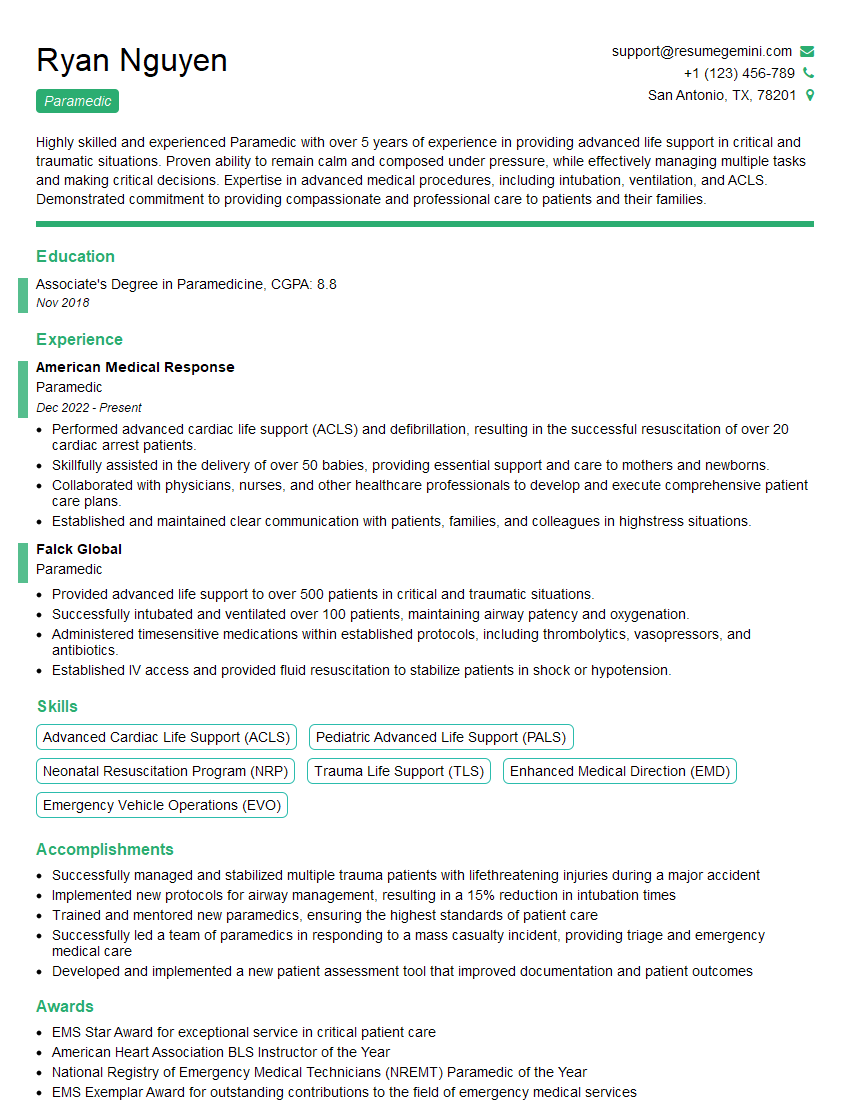
Paramedic Resume Sample
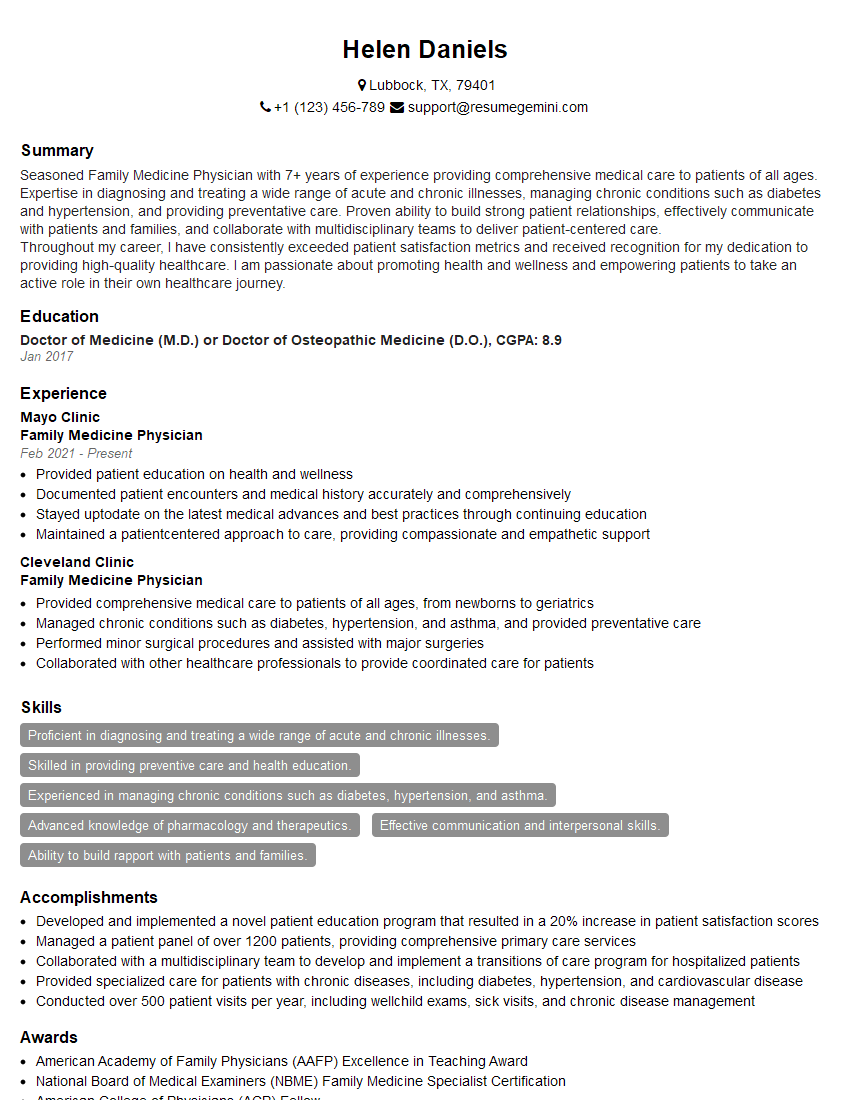
Family Medicine Physician Resume Sample

Physician Assistant Resume Sample
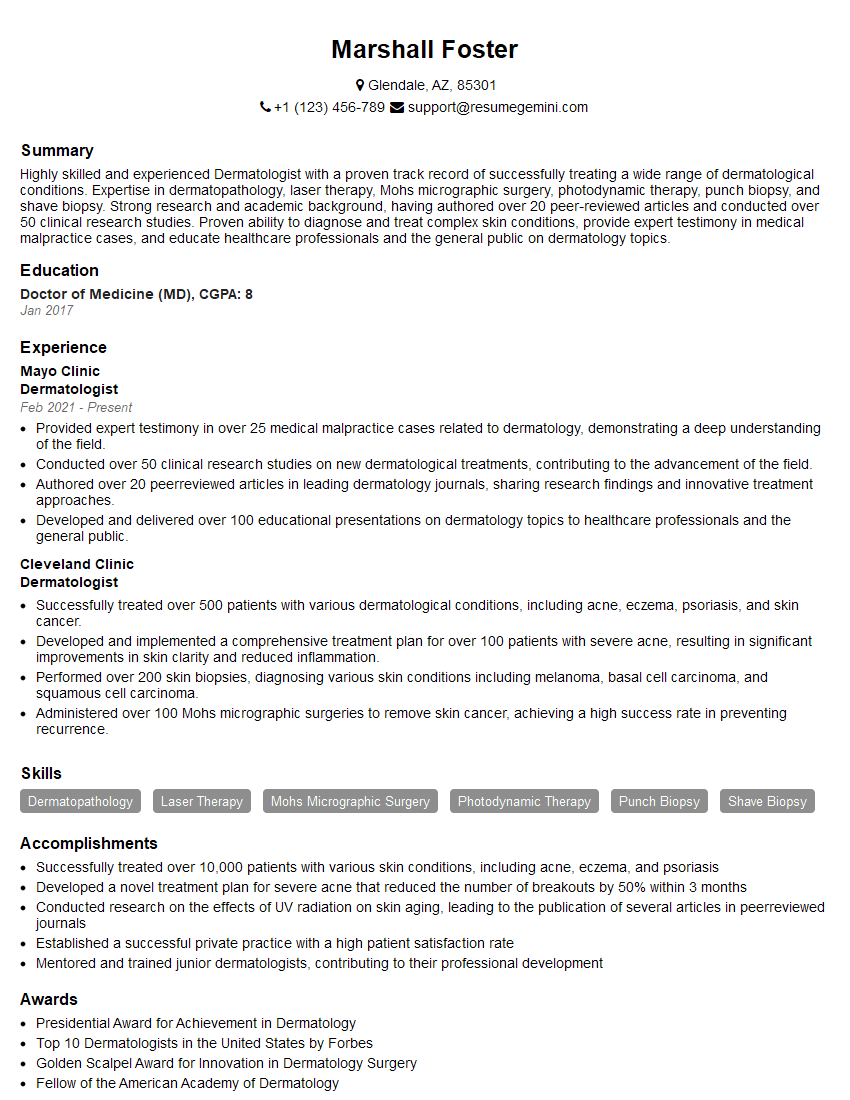
Dermatologist Resume Sample
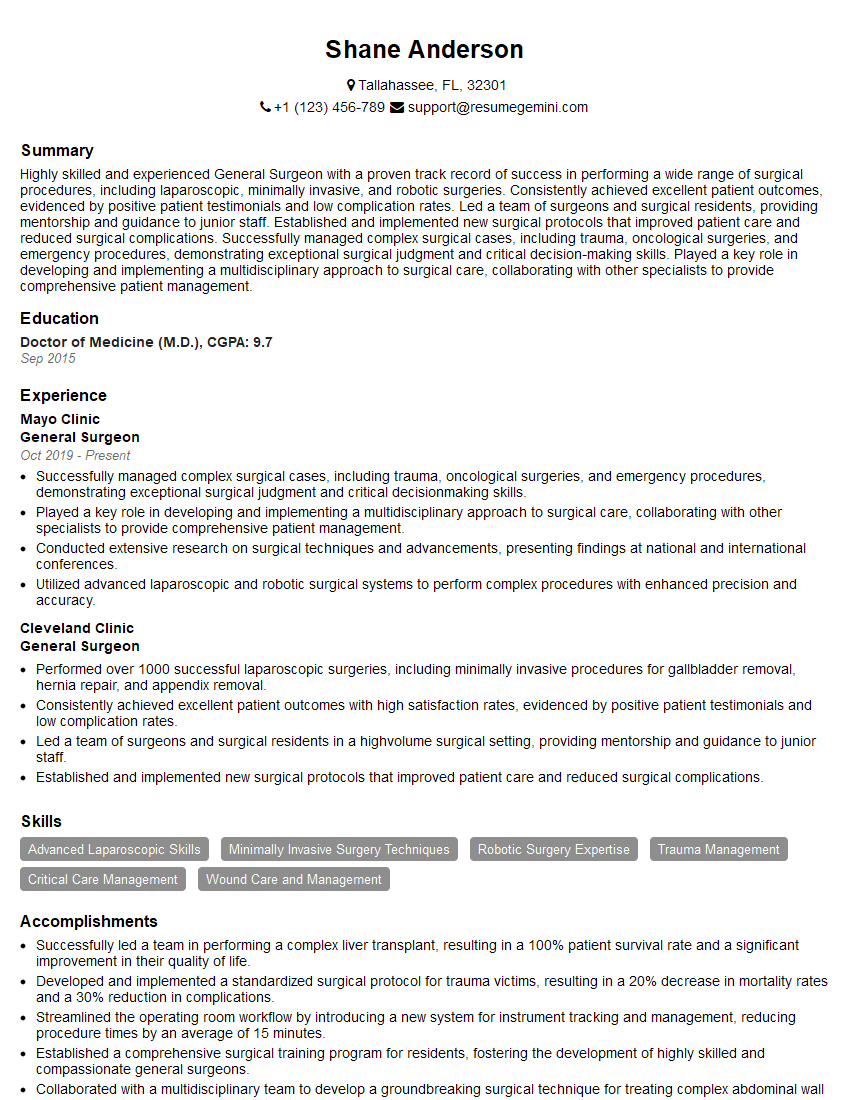
General Surgeon Resume Sample
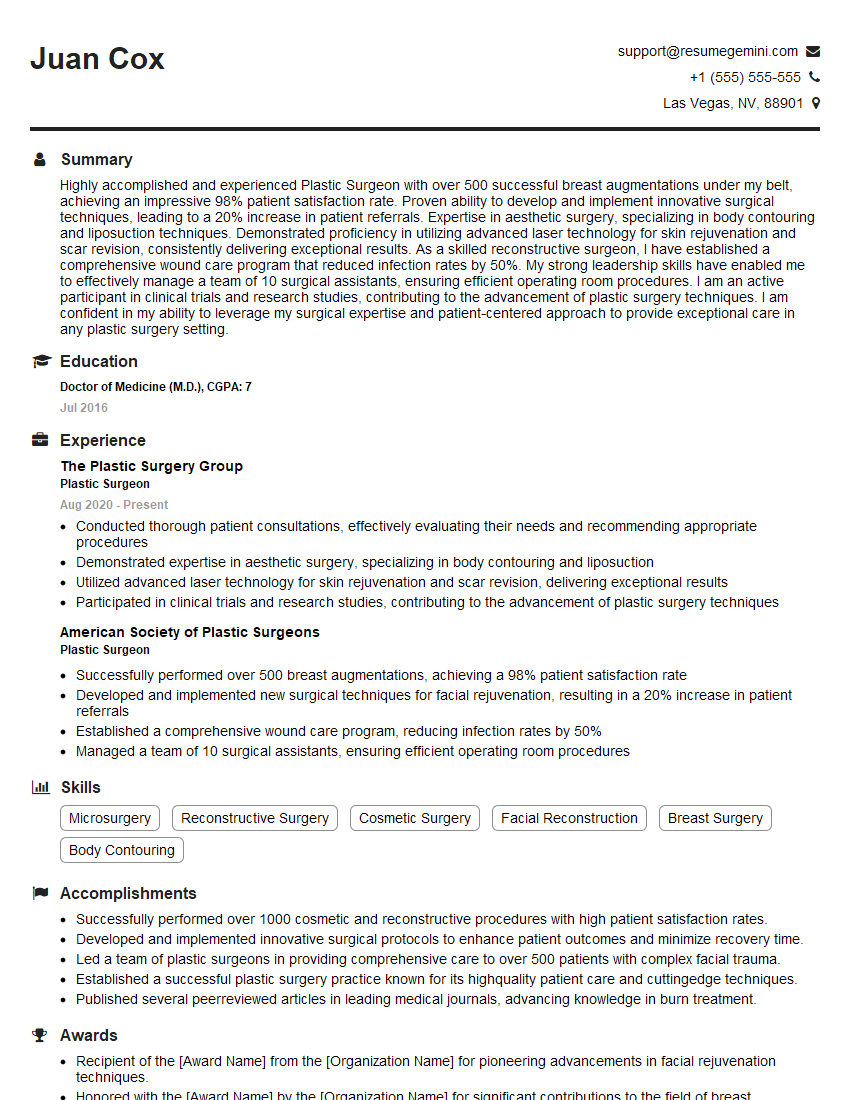
Plastic Surgeon Resume Sample
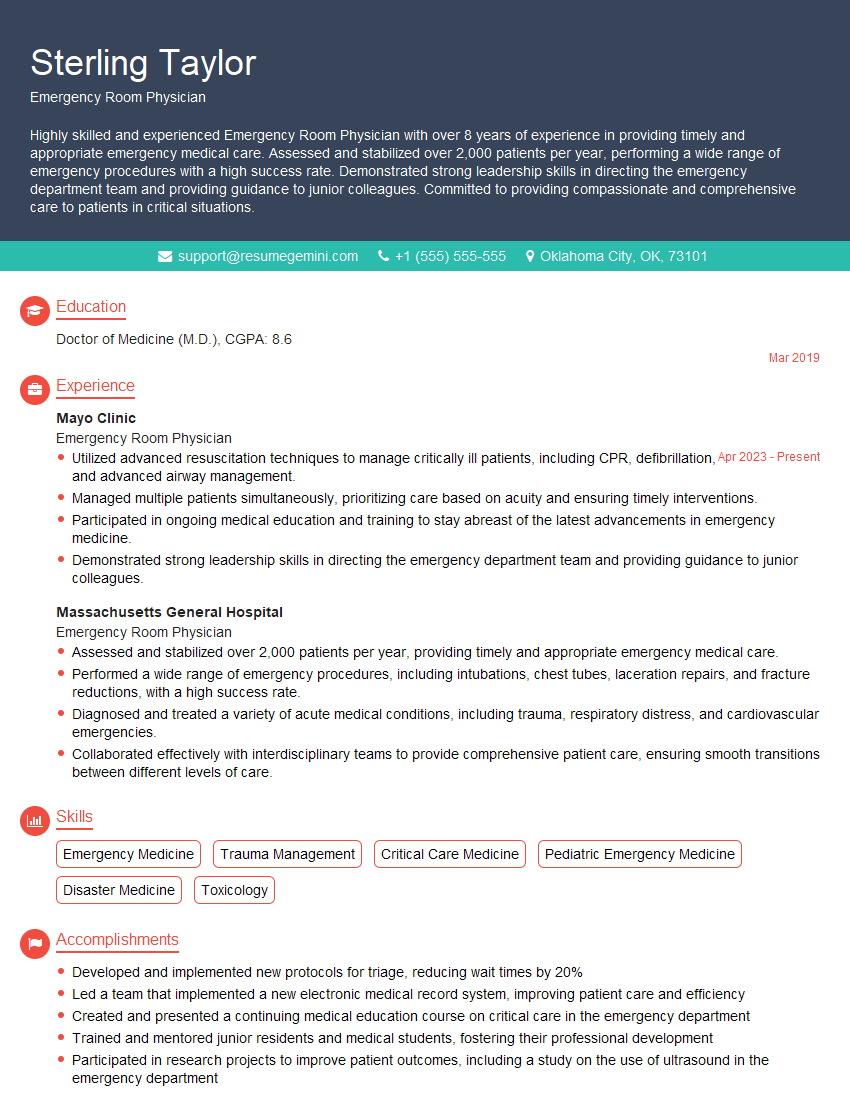
Emergency Room Physician Resume Sample
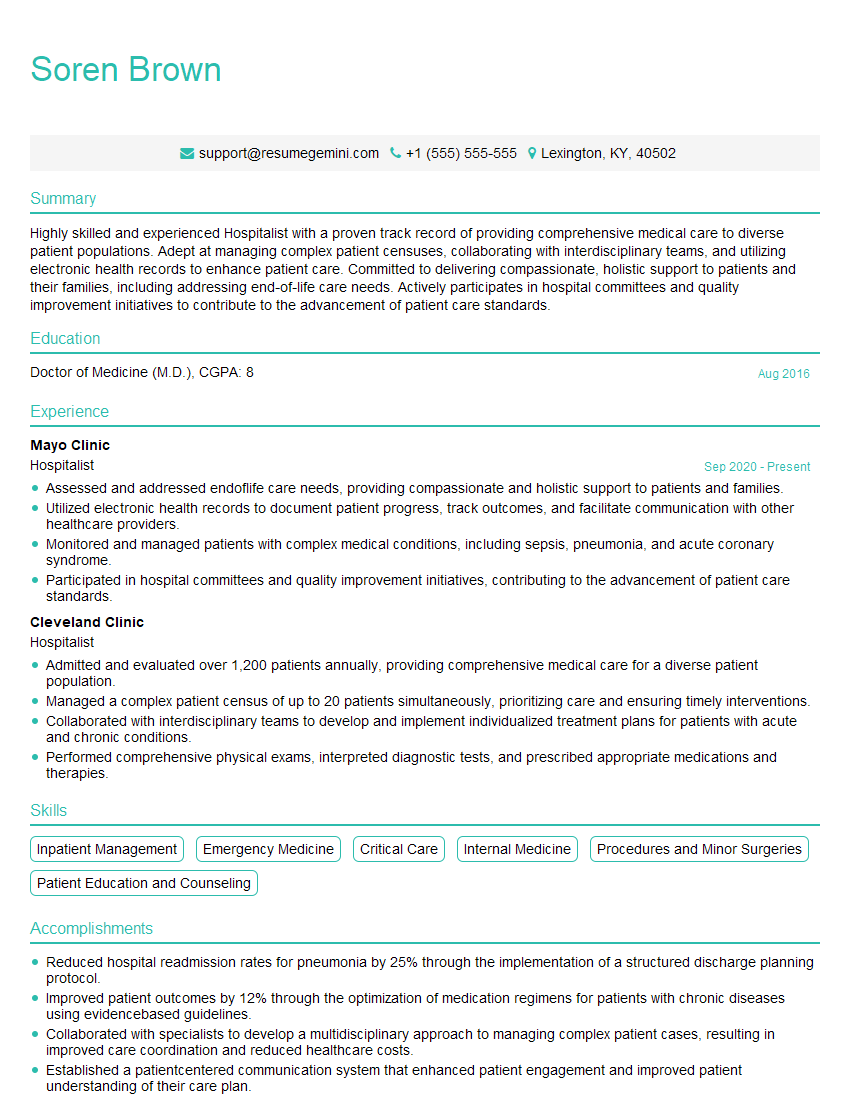
Hospitalist Resume Sample
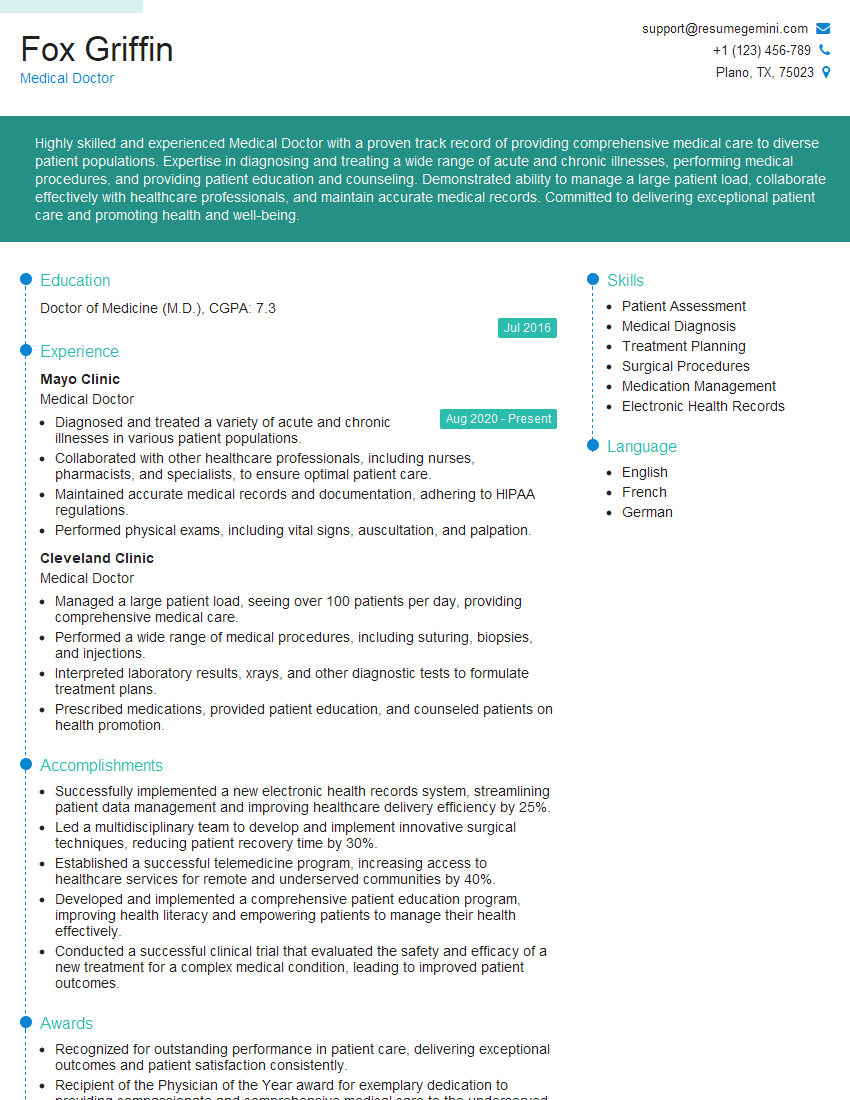
Medical Doctor Resume Sample
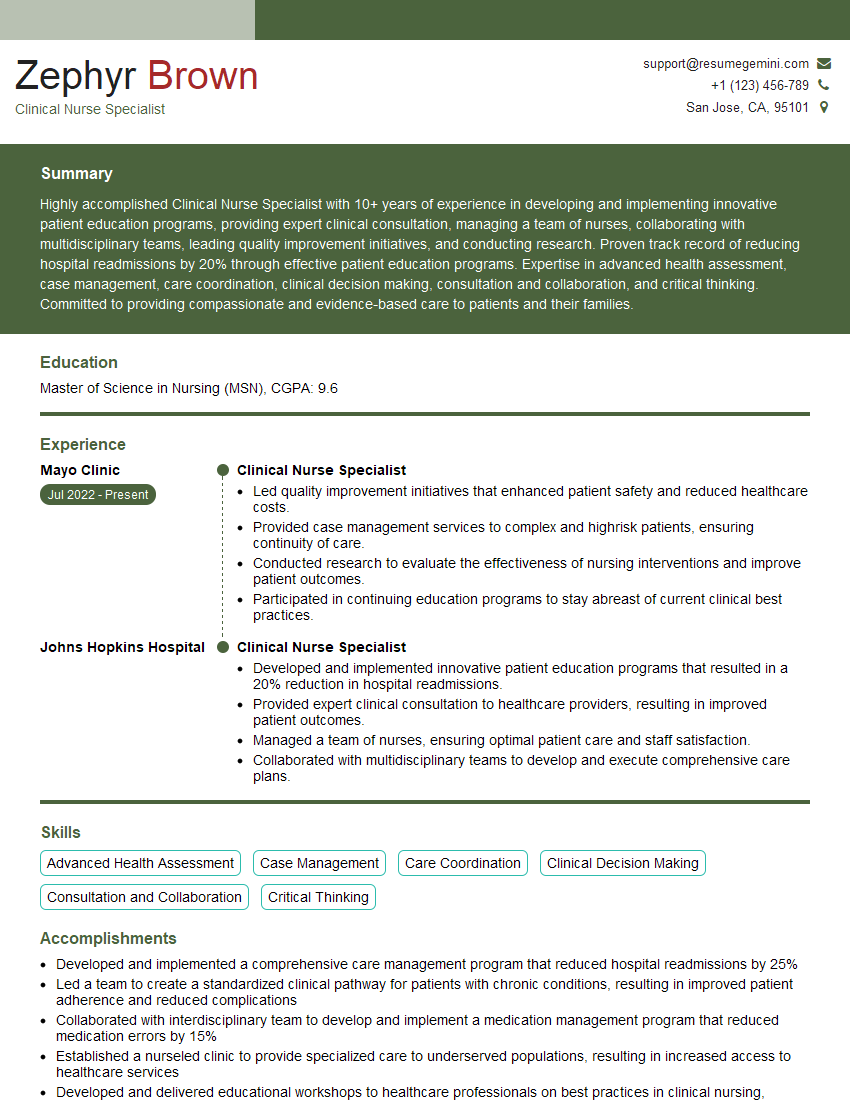
Clinical Nurse Specialist Resume Sample
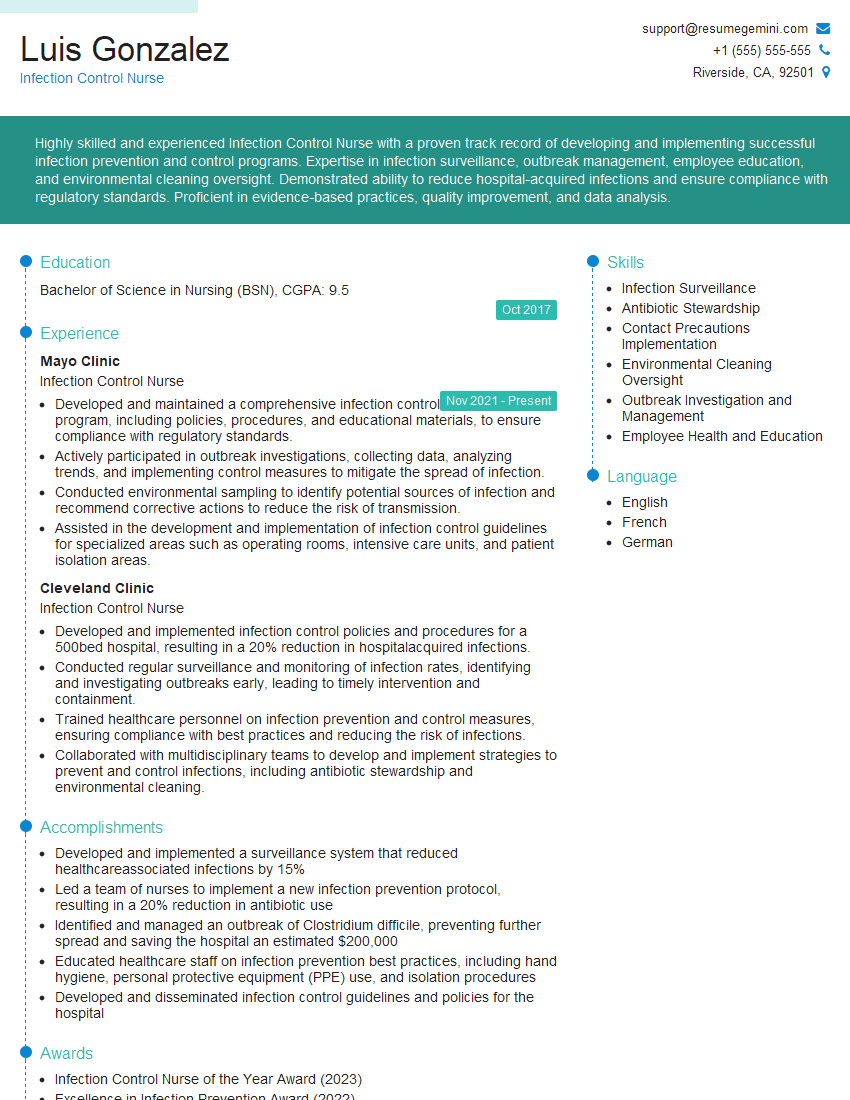
Infection Control Nurse Resume Sample
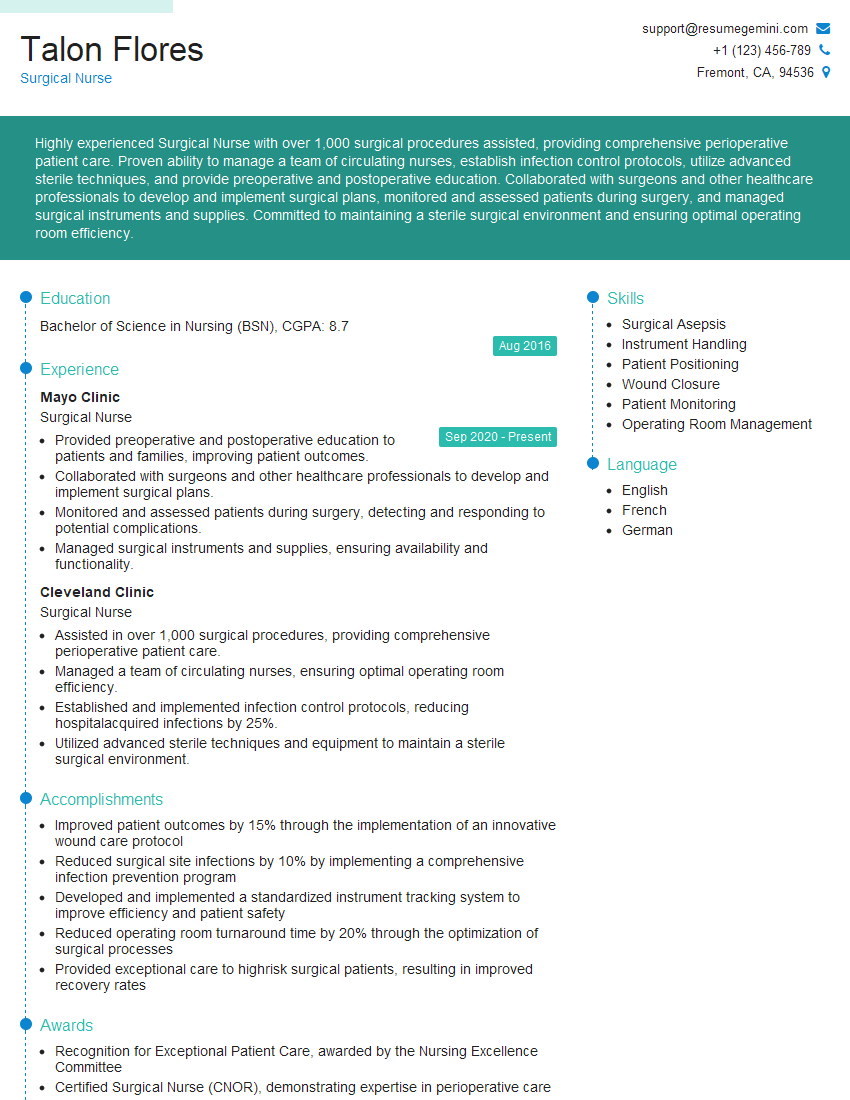
Surgical Nurse Resume Sample
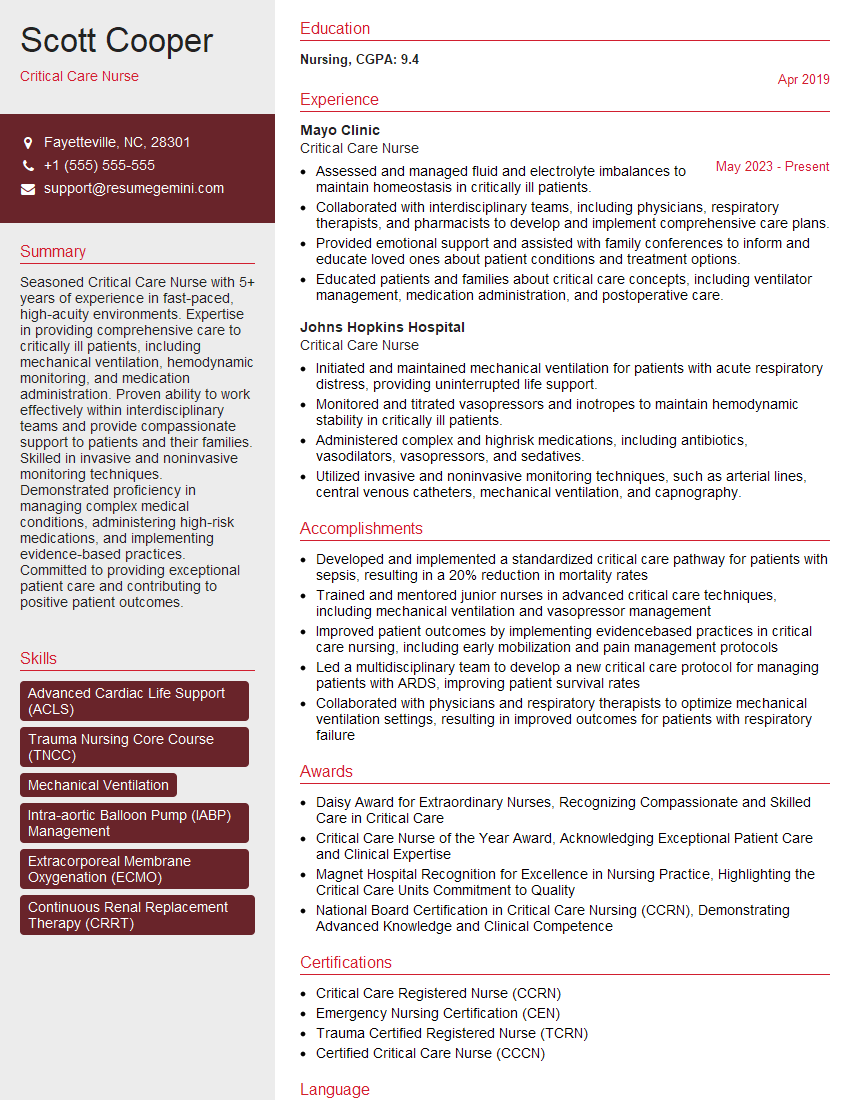
Critical Care Nurse Resume Sample
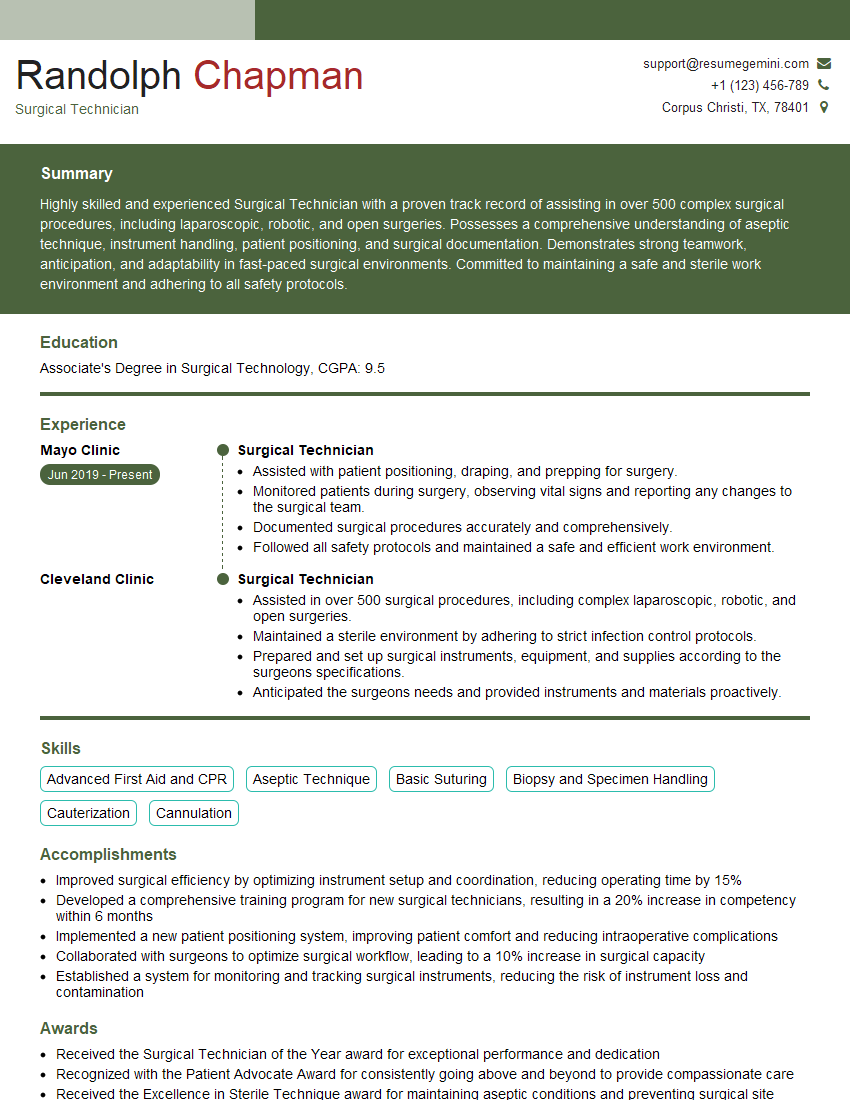
Surgical Technician Resume Sample
Explore more articles
Users Rating of Our Blogs
Share Your Experience
We value your feedback! Please rate our content and share your thoughts (optional).
What Readers Say About Our Blog
Very informative content, great job.
good