Are you ready to stand out in your next interview? Understanding and preparing for Accountability and Transparency interview questions is a game-changer. In this blog, we’ve compiled key questions and expert advice to help you showcase your skills with confidence and precision. Let’s get started on your journey to acing the interview.
Questions Asked in Accountability and Transparency Interview
Q 1. Describe your experience implementing and maintaining a system of internal controls.
Implementing and maintaining a robust system of internal controls is crucial for ensuring the reliability of financial reporting, operational efficiency, and compliance with regulations. My approach involves a cyclical process encompassing planning, implementation, monitoring, and improvement.
First, I assess the organization’s risk profile to identify potential vulnerabilities. This includes evaluating existing controls and considering industry best practices, regulatory requirements (like SOX or GDPR), and the specific nature of the business. For example, in a financial institution, robust controls around fraud prevention would be paramount, while in a manufacturing company, inventory management and quality control would take precedence.
Next, I design and implement controls tailored to mitigate identified risks. This might include segregation of duties, authorization matrices, regular reconciliations, data validation checks, and automated workflows. For instance, I might implement a two-factor authentication system for access to sensitive financial data or a robust change management process to prevent unauthorized system modifications.
Ongoing monitoring is vital. This includes regular reviews of control effectiveness through testing, analysis of key performance indicators (KPIs), and continuous monitoring tools. Any weaknesses detected are then addressed through remediation plans, which might involve retraining staff, improving documentation, or implementing new technologies. The entire process is iterative, with regular reviews and improvements based on lessons learned and evolving risks.
Q 2. How would you handle a situation where a team member fails to meet their objectives?
When a team member fails to meet objectives, my approach focuses on understanding the root cause and providing supportive guidance. I wouldn’t immediately resort to disciplinary action. Instead, I’d follow a structured process:
- Open Communication: I’d schedule a meeting with the individual to discuss the performance shortfall in a private and respectful setting. This would involve actively listening to their perspective and understanding any challenges they faced.
- Identifying Root Causes: We’d collaboratively analyze the reasons behind the missed objectives. This could involve insufficient training, unclear expectations, resource constraints, or personal issues. For example, if the team member lacks specific technical skills, I’d arrange appropriate training. If the issue stems from unclear project goals, I’d revisit the project plan.
- Developing an Action Plan: Together, we’d create a detailed action plan with specific, measurable, achievable, relevant, and time-bound (SMART) goals. This plan would outline steps to address the identified issues and get back on track.
- Providing Support and Mentorship: I’d offer ongoing support and mentorship, regularly checking in on their progress and offering guidance as needed. This could involve providing additional resources, adjusting workload, or connecting them with more experienced colleagues.
- Performance Monitoring: I’d closely monitor progress against the action plan and provide regular feedback. If improvements aren’t seen despite support, further action, potentially including disciplinary measures, might be necessary.
Q 3. Explain your understanding of corporate governance best practices.
Corporate governance best practices revolve around establishing a framework that ensures accountability, transparency, and ethical conduct within an organization. This involves a balance of power and responsibilities among stakeholders, including the board of directors, management, shareholders, and other relevant parties.
Key elements include:
- Clear Roles and Responsibilities: Defining clear roles and responsibilities for all stakeholders prevents conflicts and overlaps.
- Independent Board of Directors: An independent board provides oversight and acts as a check on management.
- Effective Risk Management: A comprehensive risk management system identifies, assesses, and mitigates potential threats.
- Transparent Financial Reporting: Accurate and timely financial reporting provides stakeholders with a clear picture of the organization’s financial health.
- Ethical Conduct and Compliance: Strong ethical standards and compliance with laws and regulations are crucial.
- Stakeholder Engagement: Engaging with stakeholders, including employees, customers, and communities, fosters trust and accountability.
Following these best practices promotes trust, reduces risk, and enhances the organization’s long-term sustainability.
Q 4. How do you ensure data accuracy and integrity within your work?
Data accuracy and integrity are paramount in my work. I employ several strategies to ensure this:
- Data Validation Checks: I implement data validation checks at various stages of the data lifecycle to identify and correct errors early. This might involve using data validation rules in spreadsheets, programming checks within applications, or using data quality tools.
- Data Source Verification: I meticulously verify the reliability and credibility of data sources before using them. This includes evaluating the source’s reputation, methodology, and potential biases.
- Version Control: When working with data sets, I utilize version control systems to track changes and revert to previous versions if necessary. This ensures traceability and allows for easy identification of errors.
- Data Documentation: I maintain comprehensive documentation about data sources, transformations, and analyses. This ensures clarity and helps to prevent misinterpretations.
- Regular Data Audits: Periodic audits and reviews help to identify and rectify any data quality issues that may have gone undetected.
For instance, when analyzing financial data, I’d perform cross-checks between different data sources to ensure consistency and identify any discrepancies. If anomalies are detected, I’d investigate further to determine the root cause and correct the error.
Q 5. What strategies do you use to promote transparency within a team or organization?
Promoting transparency requires a multi-faceted approach that fosters open communication and trust. Key strategies include:
- Open Communication Channels: Establishing clear and accessible communication channels enables the free flow of information. This might involve regular team meetings, open forums, newsletters, or collaborative platforms.
- Data Sharing and Visualization: Making data readily available and easy to understand through dashboards and reports allows everyone to see the bigger picture. Visualizing key metrics and performance indicators helps facilitate informed decision-making.
- Feedback Mechanisms: Providing mechanisms for feedback, such as anonymous surveys or suggestion boxes, allows team members to express concerns and contribute to improvements.
- Decision-Making Processes: Involving team members in decision-making processes increases their sense of ownership and transparency.
- Leading by Example: Demonstrating transparency in personal actions and decisions sets a positive example for others to follow.
In a previous role, I implemented a weekly team meeting where we shared project updates, discussed challenges, and addressed any concerns openly. This created a more collaborative and trusting environment.
Q 6. Describe a time you identified a compliance issue. How did you address it?
During a project involving government grant funding, I discovered that certain expense reports lacked the necessary supporting documentation, potentially violating compliance regulations.
My approach involved:
- Immediate Documentation: I carefully documented the discrepancy, including the specific instances of missing documentation, the potential regulatory violations, and the individuals involved.
- Internal Reporting: I immediately reported the issue to my supervisor and the relevant internal audit team.
- Investigation: I participated in the internal investigation, providing information and assisting in gathering further evidence.
- Corrective Actions: Once the investigation concluded, corrective actions were implemented, including additional training for staff on expense reporting procedures, improved internal controls, and updates to relevant policies and procedures.
- Follow-up: I ensured that follow-up measures were taken to prevent similar instances from occurring in the future.
This situation highlighted the importance of robust internal controls and thorough compliance training. Addressing the issue promptly and transparently minimized potential negative consequences.
Q 7. How do you measure the effectiveness of accountability measures within a project?
Measuring the effectiveness of accountability measures within a project requires a multi-faceted approach. It’s not just about whether deadlines were met, but also about the quality of work, adherence to processes, and the overall impact on project goals.
Methods include:
- On-time and within-budget delivery: This is a fundamental measure of project success and reflects accountability for deliverables.
- Quality metrics: Assessing the quality of deliverables through testing, reviews, and feedback mechanisms helps determine whether accountability measures ensured high-quality outcomes.
- Process adherence: Tracking adherence to established processes and procedures indicates whether accountability measures supported consistent and efficient workflow.
- Risk management: Evaluating whether accountability measures effectively identified, mitigated, and addressed project risks.
- Stakeholder satisfaction: Gathering feedback from stakeholders helps determine whether accountability measures contributed to a positive project experience and met their expectations.
- Lessons learned: Conducting a post-project review to identify areas of success and areas for improvement provides insights into the effectiveness of accountability measures and informs future projects.
By combining these methods, a comprehensive assessment of accountability measure effectiveness can be obtained, leading to continuous improvement and enhanced project outcomes. For example, analyzing defect rates in software development can show the effectiveness of code review processes as an accountability measure.
Q 8. What are the key elements of a robust ethics program?
A robust ethics program is the cornerstone of any organization committed to integrity and responsible conduct. It’s not just a set of rules, but a living, breathing system that fosters a culture of ethical behavior. Key elements include:
A clearly defined code of conduct: This document outlines the organization’s values, ethical principles, and expected behavior from all employees. It should be easily accessible and regularly reviewed.
Ethics training: Regular, engaging training programs educate employees on the code of conduct, relevant laws and regulations, and how to identify and address ethical dilemmas. Role-playing and case studies are invaluable tools.
Whistleblower protection: A confidential and secure system for reporting ethical violations is crucial. Employees must feel safe reporting concerns without fear of retaliation. This often involves a dedicated, independent reporting channel.
Independent oversight: An ethics committee or ombudsman can provide impartial guidance and investigate allegations of misconduct. This ensures fairness and objectivity in the process.
Enforcement mechanisms: Consequences for violating the code of conduct must be clearly defined and consistently applied. This could range from warnings to termination, depending on the severity of the violation.
Regular review and updates: The ethics program should be periodically reviewed and updated to reflect changes in laws, regulations, or organizational practices. This ensures its ongoing relevance and effectiveness.
For example, a company might establish a confidential hotline and an independent ethics committee to handle reports of unethical behavior, ensuring swift investigation and appropriate action. This demonstrates a commitment to ethical conduct beyond mere words.
Q 9. How would you address concerns about a lack of transparency in decision-making?
Addressing concerns about a lack of transparency in decision-making requires a multi-pronged approach focused on rebuilding trust and establishing clear communication channels. I would:
Identify the root cause: Conduct thorough interviews and surveys to understand the reasons behind the perceived lack of transparency. Is it due to poor communication, unclear processes, or intentional secrecy?
Establish clear decision-making processes: Develop and document clear, transparent processes for making key decisions. This might involve outlining steps, timelines, and the individuals involved. Make these processes readily available to all stakeholders.
Enhance communication: Regularly communicate decisions and their rationale to all affected parties. Utilize various communication channels (meetings, emails, newsletters) to ensure wide reach and understanding. Be open to feedback and questions.
Increase accessibility of information: Make relevant information readily accessible through easily navigable portals or systems. This might include meeting minutes, decision logs, and relevant data.
Promote a culture of open communication: Encourage open dialogue and feedback, creating a safe space for employees to voice concerns without fear of retaliation. This includes setting up regular forums for discussion and feedback.
Implement accountability measures: Ensure individuals are held accountable for their decisions and their communication thereof. This fosters a culture where transparency is valued and prioritized.
For instance, if a company is criticized for opaque budgeting practices, I would advocate for publically accessible budget summaries, explaining key decisions and allocations, and creating opportunities for stakeholder feedback on budget proposals.
Q 10. Explain your experience with risk assessment and mitigation strategies.
Risk assessment and mitigation are integral parts of my approach to accountability and transparency. My experience involves a systematic process:
Identify potential risks: I utilize a combination of methods including brainstorming sessions, regulatory reviews, internal audits, and data analysis to identify potential risks related to compliance, reputation, financial stability, and operational efficiency.
Analyze risk likelihood and impact: Each identified risk is assessed based on its likelihood of occurrence and potential impact on the organization. This is often represented using a risk matrix.
Develop mitigation strategies: Based on the risk assessment, I develop tailored mitigation strategies. These strategies might involve implementing new controls, improving existing processes, investing in technology, or providing additional training.
Implement and monitor mitigation strategies: Once implemented, the effectiveness of the mitigation strategies is continuously monitored and evaluated. This involves tracking key metrics and making adjustments as needed.
Document and report findings: The entire risk assessment and mitigation process is documented thoroughly, including the identified risks, their assessment, the mitigation strategies employed, and their effectiveness. This documentation is used for reporting to relevant stakeholders.
In a past role, I helped a company identify a significant risk related to data security breaches. Through a thorough risk assessment, we implemented robust security protocols, including employee training, data encryption, and intrusion detection systems, significantly reducing the likelihood of a breach and its potential financial and reputational consequences.
Q 11. How do you ensure compliance with relevant laws and regulations?
Ensuring compliance with relevant laws and regulations is a continuous process requiring vigilance and proactive measures. My approach involves:
Staying informed: I consistently monitor changes in relevant laws, regulations, and industry best practices. This includes subscribing to regulatory updates, attending industry conferences, and networking with compliance professionals.
Conducting regular compliance audits: Regular internal audits are conducted to assess compliance with all applicable laws and regulations. These audits identify gaps and areas for improvement.
Developing and implementing compliance programs: Robust compliance programs are developed and implemented to address identified gaps and ensure consistent adherence to legal requirements. This includes creating policies and procedures, providing training, and monitoring compliance.
Maintaining accurate records: Maintaining comprehensive and accurate records is crucial for demonstrating compliance. This includes documenting all relevant activities, decisions, and communications.
Responding effectively to non-compliance: In the event of non-compliance, a prompt and effective response is crucial. This involves identifying the root cause of the non-compliance, implementing corrective actions, and reporting to relevant authorities as required.
For example, in the healthcare industry, adhering to HIPAA regulations requires meticulous record-keeping, employee training, and robust security measures. Regular audits and ongoing monitoring are essential for maintaining compliance and avoiding significant penalties.
Q 12. How would you communicate complex compliance issues to non-technical audiences?
Communicating complex compliance issues to non-technical audiences requires simplifying complex information without sacrificing accuracy. My approach involves:
Using plain language: I avoid jargon and technical terms whenever possible, instead using clear, concise language that everyone can understand.
Employing visual aids: Visual aids such as charts, graphs, and infographics can make complex information easier to digest and understand.
Using real-world examples: Relatable examples and case studies can help illustrate complex concepts and make them more memorable.
Tailoring the message: I adapt the communication style and level of detail to the specific audience. For example, I would use different language and examples when talking to executives compared to front-line employees.
Providing interactive sessions: Interactive sessions with Q&A periods allow audiences to ask questions and receive clarification, ensuring understanding.
Creating summaries and key takeaways: Summarizing key points and takeaways at the end reinforces understanding and assists in knowledge retention.
For instance, when explaining data privacy regulations to a sales team, I would focus on how these regulations impact customer interactions and potential consequences of non-compliance, using real-world examples of data breaches and their impact.
Q 13. Describe your approach to conflict resolution when accountability is a central issue.
My approach to conflict resolution when accountability is a central issue is based on fairness, objectivity, and a focus on finding solutions. I would:
Gather all relevant information: Thoroughly investigate the situation, gathering information from all involved parties. This ensures a comprehensive understanding of the issue and avoids bias.
Facilitate open communication: Create a safe and neutral environment where all parties can express their perspectives without interruption. Active listening is crucial here.
Identify the root cause: Work collaboratively to identify the root cause of the conflict, focusing on the underlying issues rather than assigning blame.
Develop mutually agreeable solutions: Facilitate a collaborative process to develop solutions that address the concerns of all parties involved. This might involve compromise or negotiation.
Implement and monitor solutions: Once solutions are agreed upon, they are implemented, and progress is monitored to ensure effectiveness. This includes setting clear expectations and timelines.
Document the process: The entire conflict resolution process is carefully documented, including the steps taken, the agreements reached, and the outcomes. This ensures accountability and transparency.
For example, if a conflict arises between two team members regarding responsibility for a missed deadline, I would facilitate a discussion to understand each individual’s perspective, identify contributing factors, and develop a plan to prevent similar issues in the future, clarifying roles and responsibilities.
Q 14. How do you build trust and transparency within a team?
Building trust and transparency within a team requires consistent effort and commitment. My approach involves:
Leading by example: I demonstrate transparency in my own actions and communications, fostering a culture of open communication and honesty.
Open communication channels: I establish multiple channels for communication, ensuring that information flows freely and easily within the team. This includes regular team meetings, informal check-ins, and open-door policies.
Shared goals and objectives: Clearly define and communicate team goals and objectives, ensuring everyone understands their role and contribution to the team’s success. This fosters a sense of shared purpose.
Regular feedback: Provide regular constructive feedback, both positive and constructive, to team members. This demonstrates a commitment to their growth and development.
Recognizing and rewarding contributions: Publicly acknowledge and celebrate team accomplishments and individual contributions. This fosters a positive and motivating team environment.
Addressing conflicts promptly and fairly: Address conflicts promptly and fairly, ensuring that all parties are heard and that solutions are implemented transparently. This demonstrates commitment to fairness and justice.
For example, I might hold regular ‘open forum’ meetings where team members can openly discuss concerns, share ideas, and provide feedback on team processes without fear of reprisal. This fosters a culture of psychological safety where open communication is not only encouraged but expected.
Q 15. What methods do you use to monitor and track accountability metrics?
Monitoring accountability metrics requires a multifaceted approach. It’s not just about choosing the right metrics but also establishing a robust system for tracking, analyzing, and reporting them. I typically employ a combination of methods:
Key Performance Indicators (KPIs): I define specific, measurable, achievable, relevant, and time-bound (SMART) KPIs aligned with organizational goals. For example, if we aim to improve transparency in procurement, a KPI could be the percentage of procurement processes documented and publicly accessible.
Regular Reporting and Dashboards: Data visualization tools are crucial. Dashboards provide a clear overview of key metrics, highlighting trends and potential issues. Regular reports, perhaps monthly or quarterly, summarize performance against established KPIs and identify areas needing attention.
Audits and Reviews: Periodic independent audits and internal reviews provide an objective assessment of accountability systems and their effectiveness. This includes examining processes, documentation, and stakeholder feedback.
Surveys and Feedback Mechanisms: Gathering feedback from stakeholders, including employees, clients, and the public, allows for identification of areas needing improvement and early detection of potential accountability gaps. Anonymous feedback channels are especially important.
The choice of specific methods depends on the context, the organization’s size, and the specific accountability challenges being addressed.
Career Expert Tips:
- Ace those interviews! Prepare effectively by reviewing the Top 50 Most Common Interview Questions on ResumeGemini.
- Navigate your job search with confidence! Explore a wide range of Career Tips on ResumeGemini. Learn about common challenges and recommendations to overcome them.
- Craft the perfect resume! Master the Art of Resume Writing with ResumeGemini’s guide. Showcase your unique qualifications and achievements effectively.
- Don’t miss out on holiday savings! Build your dream resume with ResumeGemini’s ATS optimized templates.
Q 16. How do you identify and address potential biases that may affect accountability and transparency?
Identifying and mitigating bias is paramount for ensuring true accountability and transparency. Bias can manifest in various forms, affecting data collection, analysis, and interpretation. My approach involves:
Data Diversity and Representation: Ensuring that data sources are diverse and representative of all stakeholders prevents skewed conclusions. We need to actively seek diverse perspectives and data points.
Blind Review Processes: Wherever possible, I advocate for blind review processes, where identifying information is removed from documents before assessment, reducing unconscious bias.
Regular Bias Audits: Periodically reviewing processes and data for potential bias is vital. This involves examining reporting methods, decision-making processes, and the composition of teams involved.
Training and Awareness: Educating employees about different types of bias and their potential impact on accountability and transparency is essential. This includes training on unconscious bias and strategies for mitigation.
Establishing Clear Guidelines: Creating and communicating clear guidelines for data collection, analysis, and reporting helps to minimize subjective interpretations and promotes objectivity.
For example, in performance reviews, using a standardized rubric and multiple raters helps to reduce individual biases.
Q 17. Describe a time you had to escalate an issue related to accountability or transparency.
In a previous role, we discovered inconsistencies in financial reporting within a specific department. Initial attempts to resolve the issues internally were unsuccessful. The discrepancies raised serious concerns about accountability and potentially violated regulations. I escalated the issue to the Chief Financial Officer (CFO) and the audit committee, providing detailed documentation of the inconsistencies and the steps already taken. The audit committee initiated an independent investigation, which confirmed the initial findings. This led to corrective actions, including improved internal controls and enhanced training for the department involved. This experience underscored the importance of escalating issues promptly when internal resolutions prove ineffective, ensuring compliance and protecting the organization’s reputation.
Q 18. How would you handle whistleblowing situations within your organization?
Handling whistleblowing situations requires a robust and confidential process. It’s crucial to create a safe and supportive environment where employees feel comfortable reporting wrongdoing without fear of retribution. My approach involves:
Confidential Reporting Channels: Establishing multiple confidential reporting channels, including a dedicated ethics hotline, an anonymous online platform, and designated individuals, ensures that employees have various options for reporting.
Prompt and Thorough Investigation: All reports must be investigated promptly and thoroughly by an impartial body. This investigation must adhere to due process and ensure fair treatment of all parties involved.
Protection of Whistleblowers: Implementing measures to protect whistleblowers from retaliation is critical. This includes strict confidentiality protocols and clear policies against any form of reprisal.
Transparent Follow-Up: Keeping whistleblowers informed about the progress of the investigation and the outcome is essential to maintain trust and transparency.
Independent Oversight: Involving an independent body in the investigation process can enhance credibility and fairness.
The goal is to foster a culture where ethical concerns are addressed effectively and responsibly, ensuring that accountability and transparency prevail.
Q 19. What role does technology play in enhancing accountability and transparency?
Technology plays a transformative role in enhancing accountability and transparency. It offers tools to streamline processes, improve data management, and increase access to information. Examples include:
Data Management Systems: Secure and well-structured databases allow for efficient data collection, storage, and analysis, ensuring data integrity and facilitating access to relevant information.
Blockchain Technology: Blockchain’s immutable ledger can enhance transparency in supply chains and financial transactions, providing auditable records and reducing opportunities for manipulation.
Open Data Initiatives: Publishing datasets publicly increases transparency and allows for independent verification of information.
Automated Reporting Tools: Automated systems can generate regular reports and dashboards, reducing the manual effort required for monitoring and analysis.
Secure Communication Platforms: Secure communication channels can facilitate confidential reporting and feedback.
However, it’s important to note that technology is only a tool; its effectiveness depends on its proper implementation and integration within a robust accountability framework.
Q 20. Describe your experience using data analytics to assess accountability and transparency.
In a previous project involving government procurement, I used data analytics to assess accountability and transparency. We analyzed procurement data, identifying patterns and outliers to detect potential irregularities. For instance, we used regression analysis to identify unusually high prices compared to market averages. We also employed network analysis to map relationships between bidders and government officials, uncovering potential conflicts of interest. Data visualization techniques helped to communicate findings clearly to stakeholders. The analysis uncovered instances of potential fraud and led to improved procurement procedures and greater scrutiny of bidding processes. This highlighted the power of data analytics to provide objective insights and promote greater accountability in public spending.
Q 21. How do you ensure that accountability and transparency are embedded in an organization’s culture?
Embedding accountability and transparency in an organization’s culture is a long-term process requiring a multi-pronged approach. It’s not just about implementing policies but creating a mindset where accountability is valued and transparency is the norm. This involves:
Leadership Commitment: Leaders must demonstrate a clear commitment to accountability and transparency through their actions and communication. This includes setting the right tone at the top and actively promoting ethical behavior.
Clear Policies and Procedures: Developing and communicating clear policies and procedures related to accountability and transparency is crucial. These policies should be readily accessible and understandable to all employees.
Training and Education: Providing regular training on ethical conduct, accountability, and transparency helps to create awareness and build the necessary skills.
Open Communication: Promoting open and honest communication throughout the organization builds trust and facilitates feedback.
Recognition and Rewards: Recognizing and rewarding employees who demonstrate ethical behavior and commitment to transparency reinforces the desired culture.
Accountability Mechanisms: Implementing robust mechanisms for monitoring and addressing accountability gaps is essential.
Continuous Improvement: Regularly reviewing and updating policies and procedures based on feedback and experience ensures that the accountability and transparency framework remains relevant and effective.
Creating a culture of accountability and transparency is an ongoing journey that requires consistent effort and commitment from all levels of the organization.
Q 22. What are the potential challenges in implementing accountability and transparency initiatives?
Implementing accountability and transparency initiatives, while crucial for building trust and ethical conduct, presents several challenges. These often stem from resistance to change, resource constraints, and the inherent complexities of data management and communication.
- Resistance to Change: Individuals and departments may resist increased scrutiny or changes to established processes. This can manifest as passive resistance, data withholding, or outright opposition.
- Resource Constraints: Effective accountability and transparency require investment in technology, training, and personnel. Limited budgets and staffing can hinder implementation.
- Data Management and Complexity: Gathering, analyzing, and presenting data transparently can be a complex undertaking, particularly in large organizations with diverse data sources. Ensuring data accuracy, integrity, and accessibility is vital but demanding.
- Defining Metrics and KPIs: Choosing appropriate Key Performance Indicators (KPIs) to measure success can be challenging. These must accurately reflect the desired outcomes without overlooking critical areas.
- Balancing Transparency with Confidentiality: Sharing information transparently must be balanced with protecting sensitive data and maintaining confidentiality, especially regarding commercially sensitive information or personal data.
Overcoming these challenges requires strong leadership commitment, a phased implementation approach, stakeholder engagement, and the use of appropriate technology and training programs.
Q 23. How would you measure the success of an accountability and transparency program?
Measuring the success of an accountability and transparency program requires a multi-faceted approach, combining qualitative and quantitative methods. It’s not enough to simply declare success; it must be demonstrably achieved.
- Quantitative Metrics: These include measurable data points like the number of reported issues, the time taken to resolve them, the increase in stakeholder satisfaction scores (measured through surveys or feedback mechanisms), and the reduction in instances of non-compliance. For example, tracking the number of whistleblowing reports and their resolution times demonstrates the effectiveness of reporting channels and the responsiveness of the organization.
- Qualitative Metrics: This involves assessing the perceptions and experiences of stakeholders. Methods include focus groups, interviews, and analyzing feedback from surveys and social media. For example, analyzing employee feedback on the perceived level of openness and honesty within the organization offers valuable qualitative insight.
- Compliance Audits: Regularly scheduled compliance audits, conducted by both internal and external parties, provide an objective assessment of compliance with relevant laws, regulations, and internal policies.
- Stakeholder Feedback Mechanisms: Establishing clear and accessible channels for feedback from internal and external stakeholders, such as suggestion boxes, online portals, and regular town hall meetings, is crucial for gauging satisfaction and identifying areas for improvement.
A holistic approach that combines these metrics provides a comprehensive understanding of the program’s effectiveness and areas for improvement.
Q 24. Describe a situation where you had to make a difficult decision that impacted accountability or transparency.
In a previous role, we faced a situation where a significant data breach occurred. While the breach itself wasn’t due to a lack of transparency, our initial response was hesitant, prioritizing damage control over immediate, open communication with affected parties. This significantly damaged trust and highlighted the importance of prioritising transparency, even when faced with difficult circumstances.
The decision to move to full transparency, albeit delayed, was difficult. It involved admitting responsibility, detailing the steps taken to mitigate the breach, and outlining plans for preventing future incidents. It also meant facing potential legal and reputational repercussions. However, the long-term benefits of regaining trust and demonstrating accountability far outweighed the short-term risks. The experience taught me the value of prioritizing open communication and acting swiftly, even in crisis situations. We subsequently overhauled our incident response plan to emphasize proactive and transparent communication from the outset.
Q 25. How do you balance the need for accountability with the need for innovation?
Balancing accountability with innovation requires a nuanced approach that fosters a culture of trust and psychological safety. Accountability shouldn’t stifle creativity; rather, it should provide a framework within which innovation can thrive.
- Clearly Defined Goals and Expectations: Setting clear goals and expectations from the outset helps to align efforts and prevent misunderstandings. This allows for innovation while providing boundaries.
- Experimentation and Learning: Encourage a culture of experimentation, where failure is seen as an opportunity for learning rather than a punishable offense. This fosters innovation by allowing for risk-taking.
- Open Communication and Feedback: Establishing open communication channels and providing regular feedback helps to maintain transparency and address concerns early on. This creates a safer environment for taking calculated risks.
- Performance Management Focused on Outcomes: Focus performance management on the overall outcome rather than micromanaging the process. This empowers employees to find innovative solutions while still holding them accountable for the results.
- Data-Driven Decision Making: Using data to track progress and make informed decisions, rather than relying on intuition, ensures accountability without stifling creative exploration. Data can support both evaluation of successes and learning from setbacks.
The key is to establish a framework that provides clear expectations and consequences while simultaneously encouraging risk-taking and creative problem-solving.
Q 26. How do you stay informed about changes in regulations and best practices related to accountability and transparency?
Staying informed about changes in regulations and best practices related to accountability and transparency is crucial for maintaining compliance and adapting to evolving expectations. My approach involves a multi-pronged strategy:
- Subscription to Relevant Publications and Journals: I subscribe to professional journals and newsletters focusing on corporate governance, ethics, and compliance, which provide updates on legal changes and best practices.
- Attendance at Industry Conferences and Webinars: Attending conferences and webinars allows for networking and learning from experts in the field.
- Membership in Professional Organizations: Membership in relevant professional organizations offers access to resources, training, and networking opportunities.
- Monitoring Regulatory Websites and Government Agencies: Regularly checking the websites of relevant regulatory bodies and government agencies ensures up-to-date knowledge of legal and regulatory changes.
- Networking with Peers and Experts: Maintaining a professional network helps to share information and insights on emerging trends and best practices.
This proactive approach allows me to anticipate changes and adapt my practices accordingly, ensuring ongoing compliance and a forward-thinking approach to accountability and transparency.
Q 27. Describe your understanding of the importance of diversity, equity, and inclusion in relation to accountability and transparency.
Diversity, equity, and inclusion (DE&I) are fundamentally intertwined with accountability and transparency. A lack of DE&I can lead to blind spots, bias, and a lack of representation in decision-making processes, undermining accountability and hindering true transparency.
- Improved Decision-Making: Diverse perspectives enrich decision-making processes, leading to more robust and effective outcomes. This reduces the risk of biases influencing decisions.
- Increased Trust and Credibility: Organizations demonstrating a commitment to DE&I tend to engender greater trust and credibility among their stakeholders. This strengthens the foundation for accountability and transparency.
- Reduced Risk of Bias and Discrimination: DE&I initiatives aim to mitigate bias and discrimination, creating a more equitable and just environment. This promotes a culture of openness and honesty, which is essential for transparency.
- Enhanced Stakeholder Engagement: Organizations with strong DE&I policies are better equipped to engage with diverse stakeholders, ensuring that the voices and concerns of all are heard. This is crucial for building and maintaining trust.
- Accountability for DE&I initiatives themselves: Transparency in reporting on DE&I progress and outcomes is critical for accountability. Metrics should be established and reported on to ensure demonstrable progress.
Implementing DE&I initiatives requires a holistic approach, including setting clear goals, establishing diverse leadership teams, providing inclusive training, and measuring progress transparently.
Q 28. How would you utilize technology to enhance internal and external stakeholder communication related to accountability and transparency?
Technology plays a pivotal role in enhancing internal and external stakeholder communication related to accountability and transparency. Effective tools can streamline information sharing, increase accessibility, and foster greater engagement.
- Internal Communication Platforms: Utilizing internal communication platforms, such as intranets or enterprise social networks, facilitates the dissemination of information, policies, and updates to employees. This ensures that everyone has access to the same information.
- Data Visualization Dashboards: Interactive dashboards can present key performance indicators (KPIs) related to accountability and transparency in an easily understandable format. This makes complex data readily accessible to a wider audience.
- Whistleblowing Hotlines and Secure Reporting Systems: Secure and confidential whistleblowing platforms enable individuals to report concerns without fear of retaliation. This promotes ethical conduct and enhances transparency.
- External Websites and Portals: Dedicated websites or portals can provide stakeholders with access to organizational information, such as annual reports, sustainability reports, and compliance statements. This increases transparency and promotes engagement.
- Social Media Engagement: Utilizing social media platforms for responsible and ethical communication allows for two-way conversations with stakeholders. This promotes transparency and allows for direct feedback.
- Automated Reporting Tools: Automation can streamline the process of generating reports and disseminating information, saving time and ensuring consistency.
By strategically integrating technology, organizations can significantly improve their accountability and transparency efforts, building trust and strengthening relationships with stakeholders.
Key Topics to Learn for Accountability and Transparency Interview
- Defining Accountability and Transparency: Understand the nuances of these concepts, differentiating between responsibility, answerability, and culpability. Explore the various frameworks and models used to implement them.
- Practical Applications in Different Sectors: Analyze how accountability and transparency are implemented in various fields like government, non-profit organizations, and the private sector. Consider case studies illustrating successful and unsuccessful implementations.
- Risk Management and Mitigation: Discuss the role of accountability and transparency in identifying, assessing, and mitigating risks. Explore how open communication and clear lines of responsibility contribute to effective risk management.
- Ethical Considerations and Decision-Making: Examine the ethical implications of both high and low levels of accountability and transparency. Discuss how ethical frameworks inform decision-making processes related to transparency and responsibility.
- Communication Strategies for Transparency: Explore effective communication methods for fostering transparency, including proactive disclosure of information, engaging stakeholders, and responding to criticism constructively.
- Measuring and Evaluating Success: Understand the methods used to measure the effectiveness of accountability and transparency initiatives. Discuss key performance indicators (KPIs) and how to interpret the data collected.
- Addressing Challenges and Conflicts: Explore common challenges in implementing accountability and transparency, such as resistance to change, power dynamics, and information asymmetry. Develop problem-solving approaches to overcome these hurdles.
- Legal and Regulatory Compliance: Understand the legal and regulatory frameworks related to accountability and transparency in your chosen field. Know how these frameworks influence organizational practices and decision-making.
Next Steps
Mastering accountability and transparency is crucial for career advancement. It demonstrates your commitment to ethical conduct, effective governance, and building trust. To maximize your job prospects, create an ATS-friendly resume that highlights your relevant skills and experience. ResumeGemini is a trusted resource to help you build a professional and impactful resume. We provide examples of resumes tailored to Accountability and Transparency roles to guide your preparation. Take the next step towards your dream career – build a compelling resume that showcases your expertise.
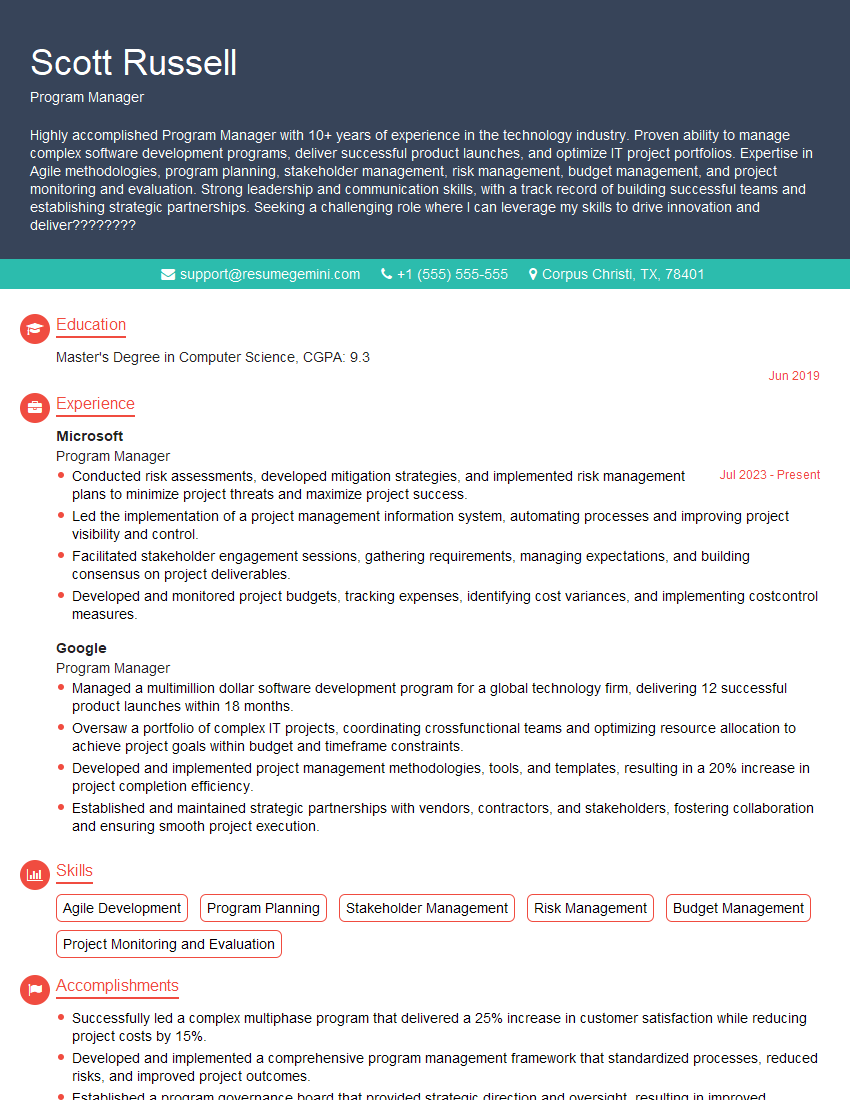
Program Manager Resume Sample
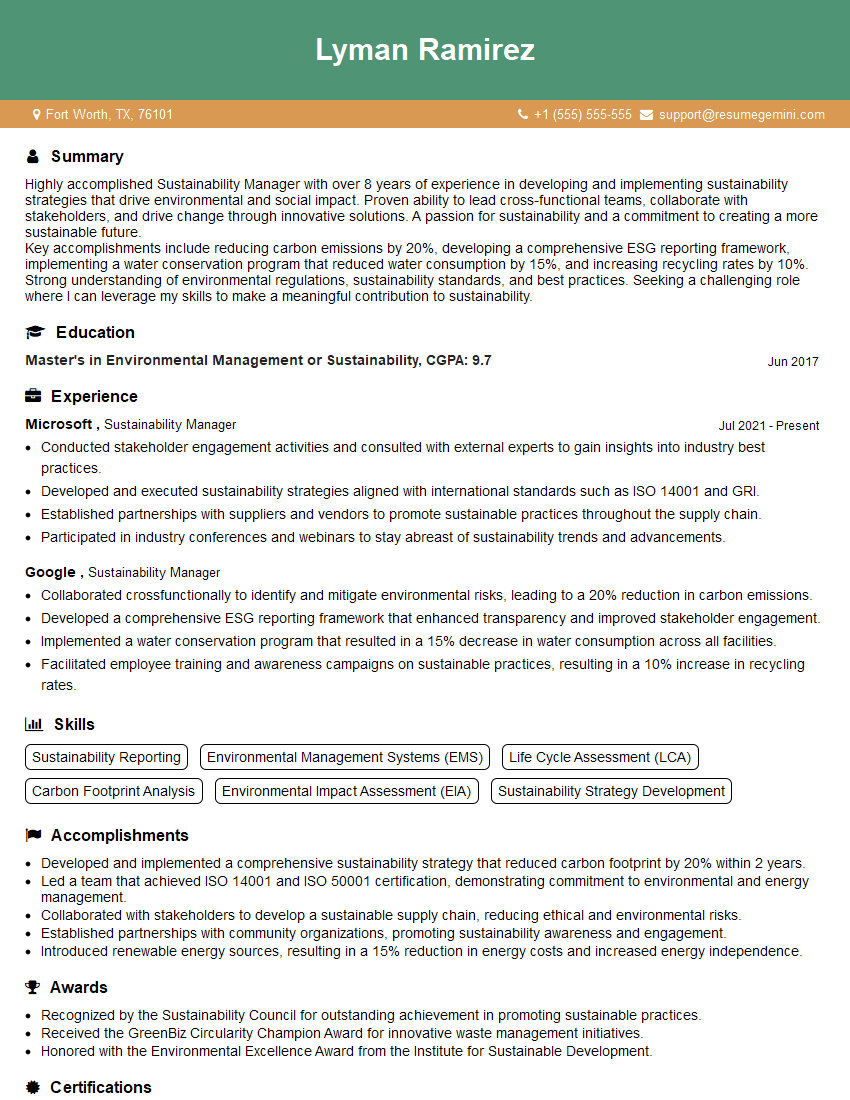
Sustainability Manager Resume Sample
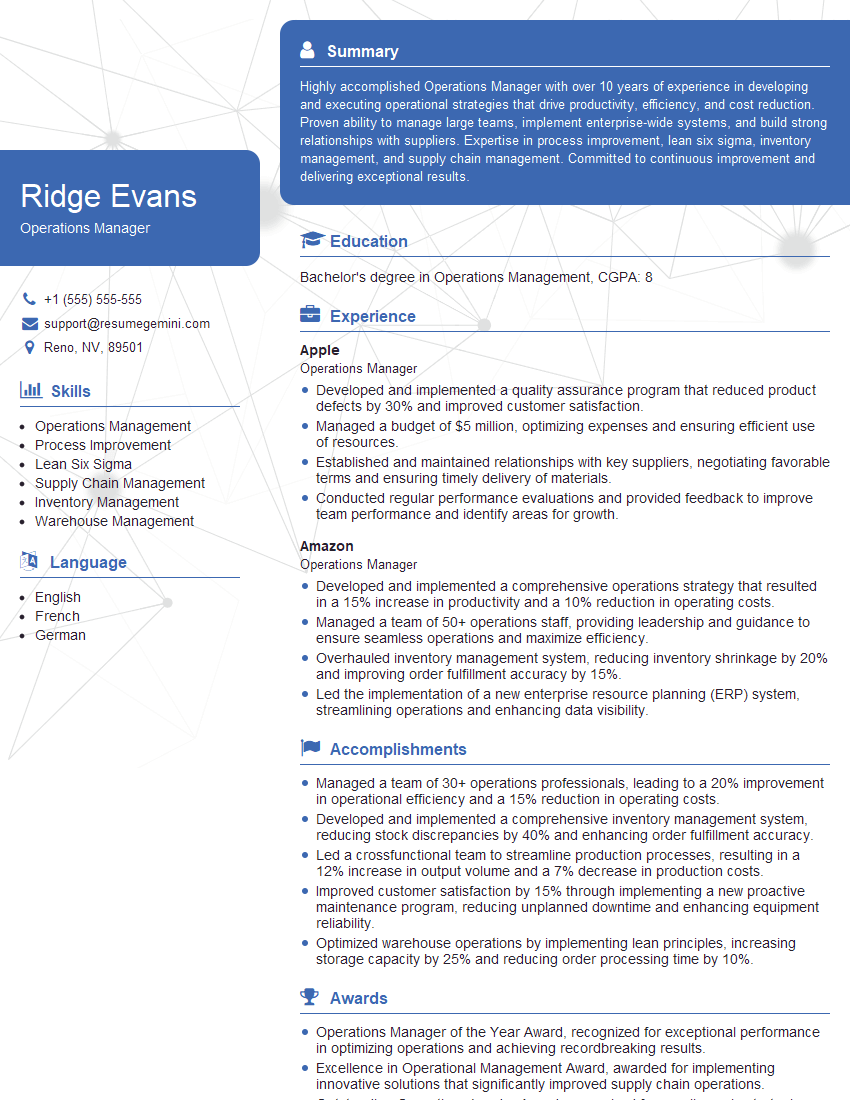
Operations Manager Resume Sample
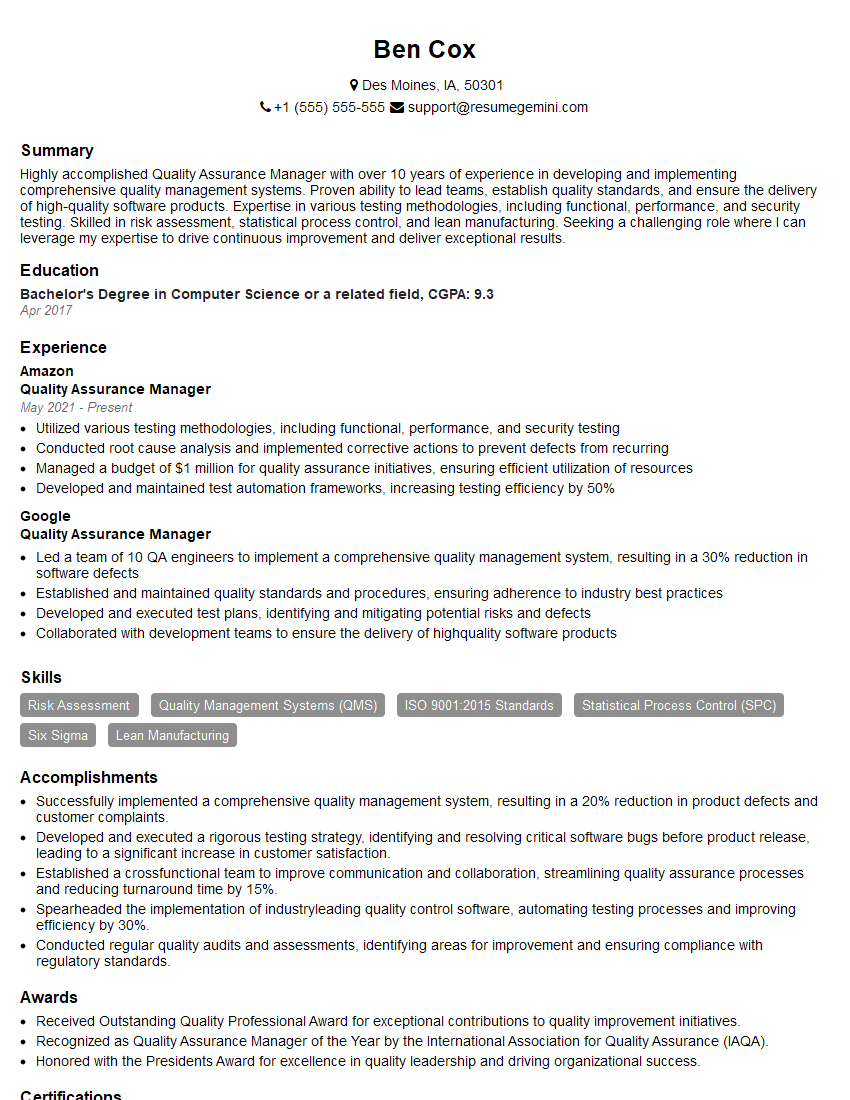
Quality Assurance Manager Resume Sample
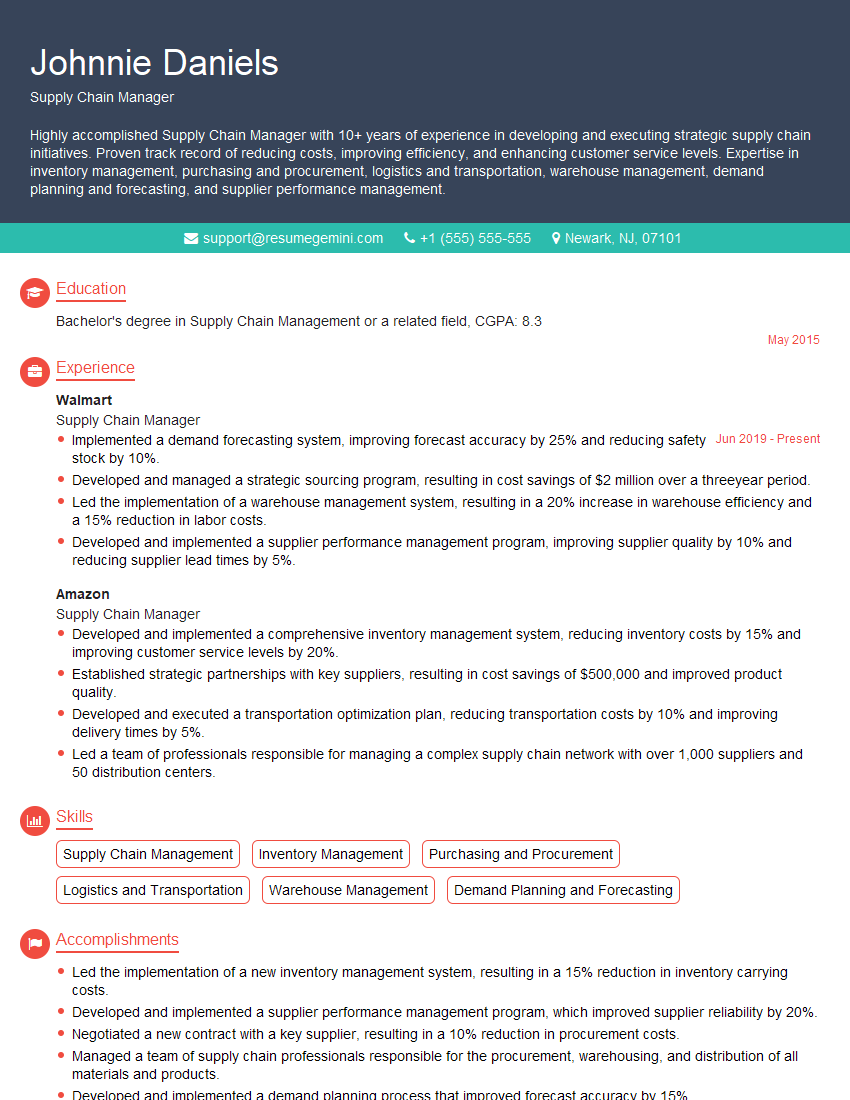
Supply Chain Manager Resume Sample
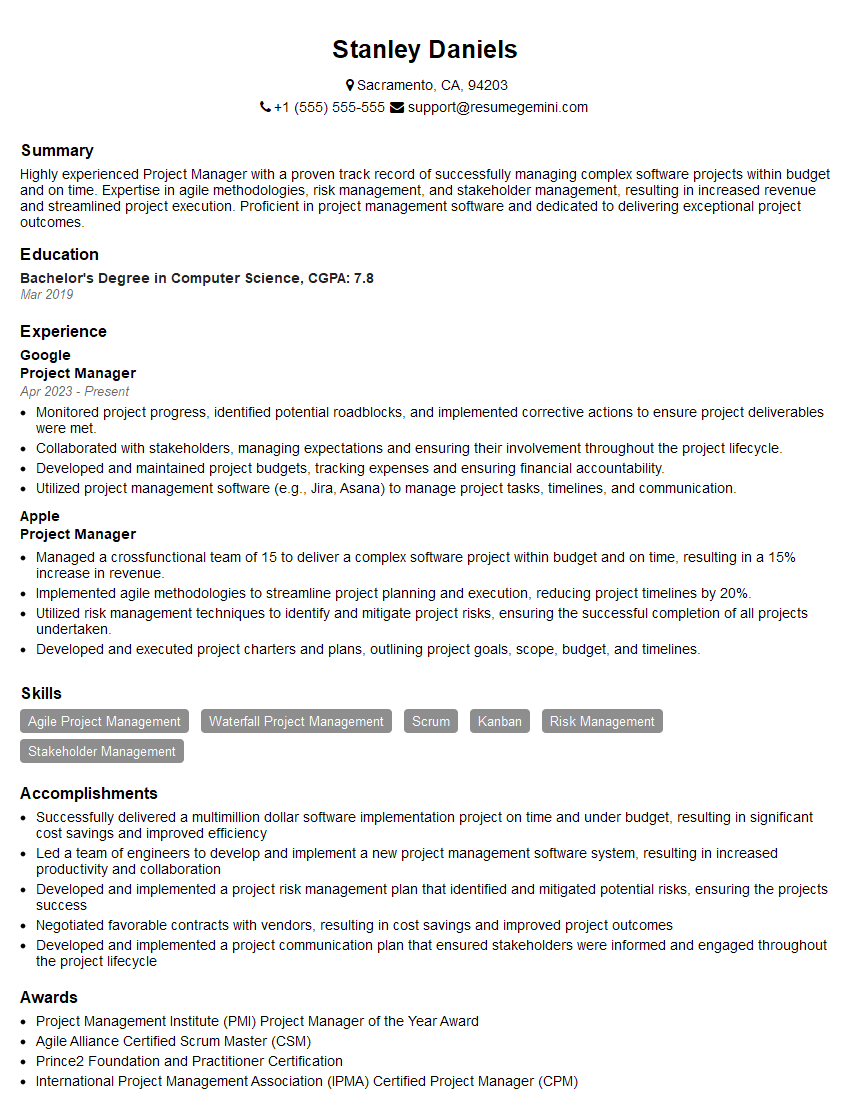
Project Manager Resume Sample

Chief of Staff Resume Sample
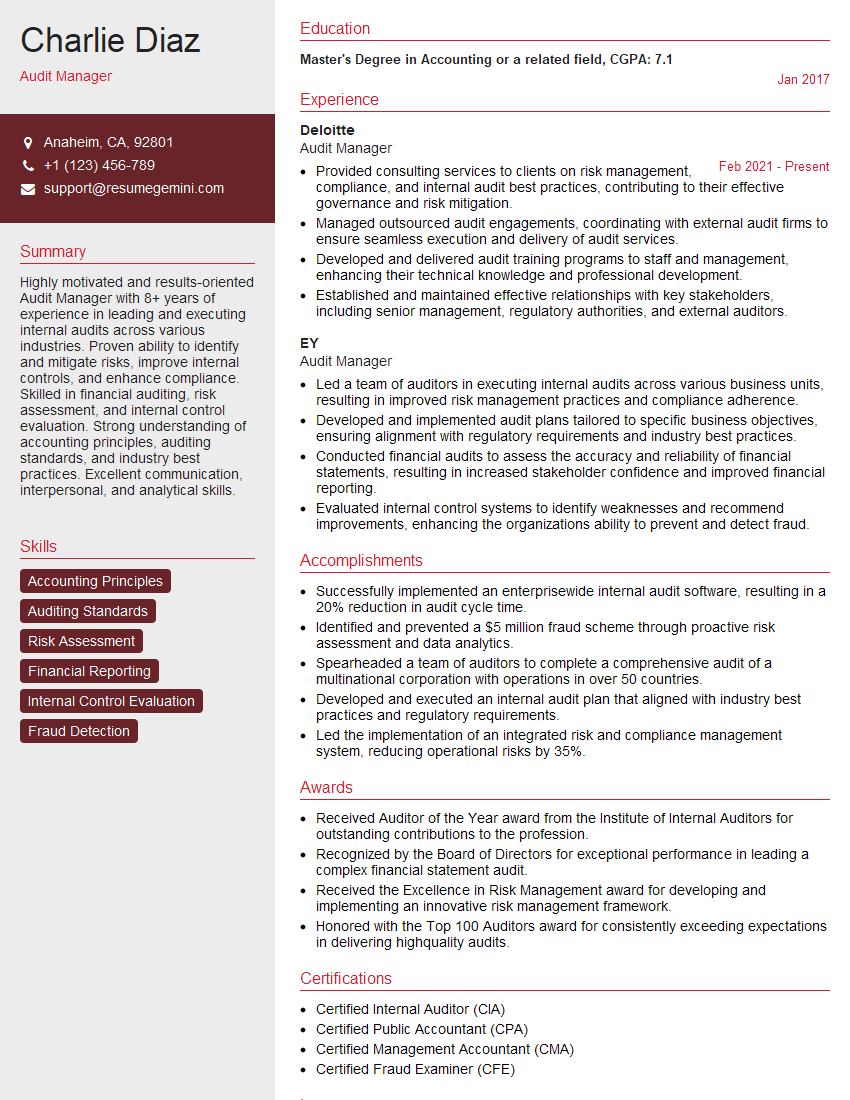
Audit Manager Resume Sample
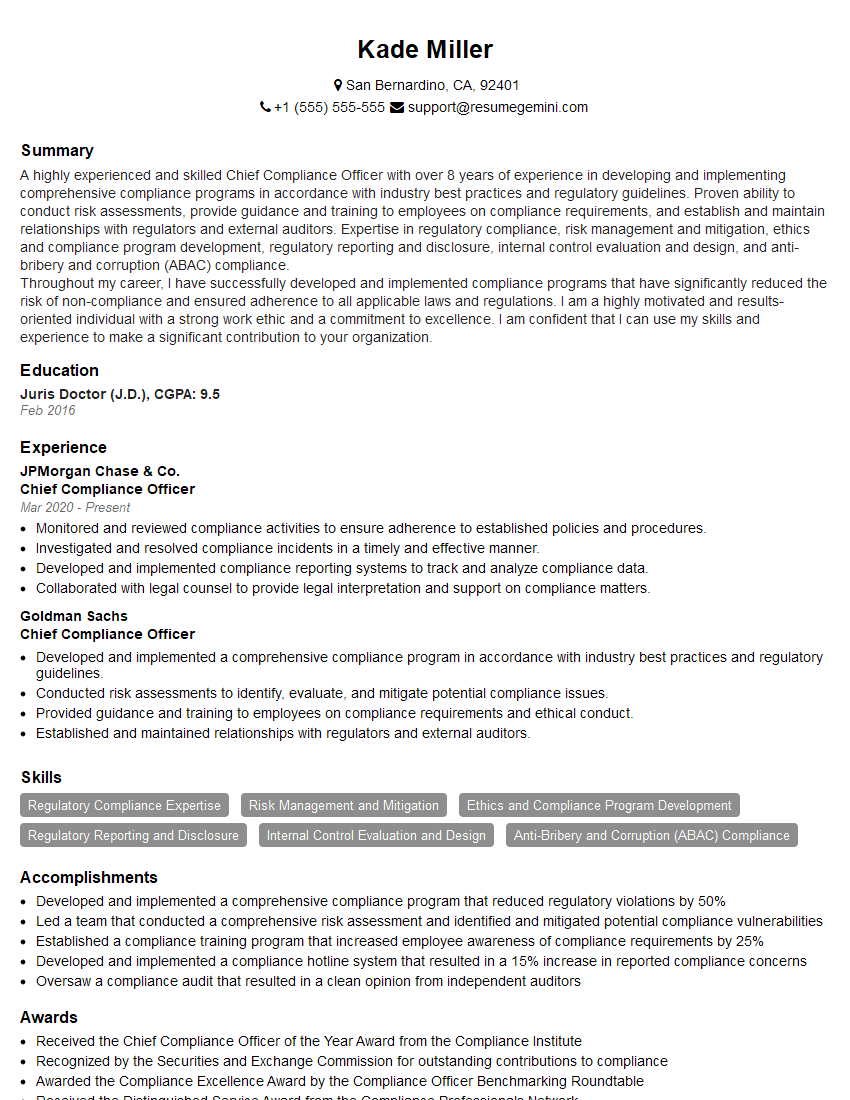
Chief Compliance Officer Resume Sample

Compliance Officer Resume Sample
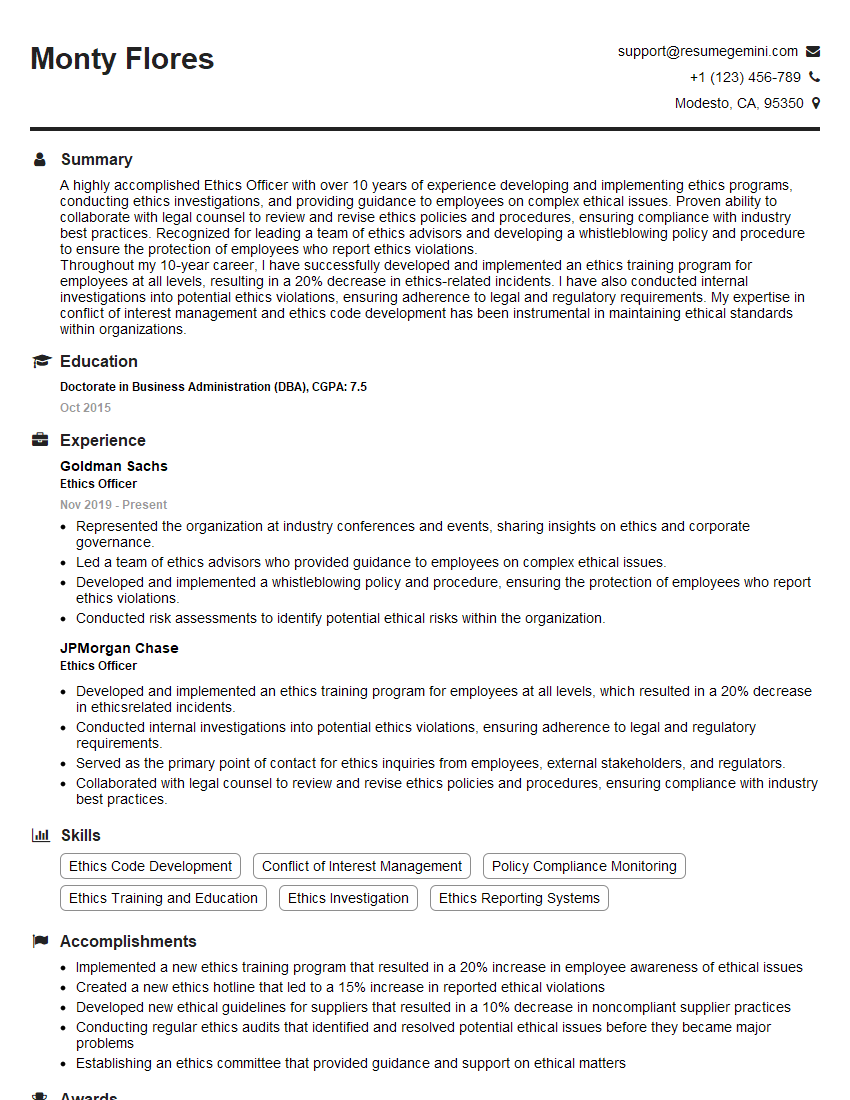
Ethics Officer Resume Sample
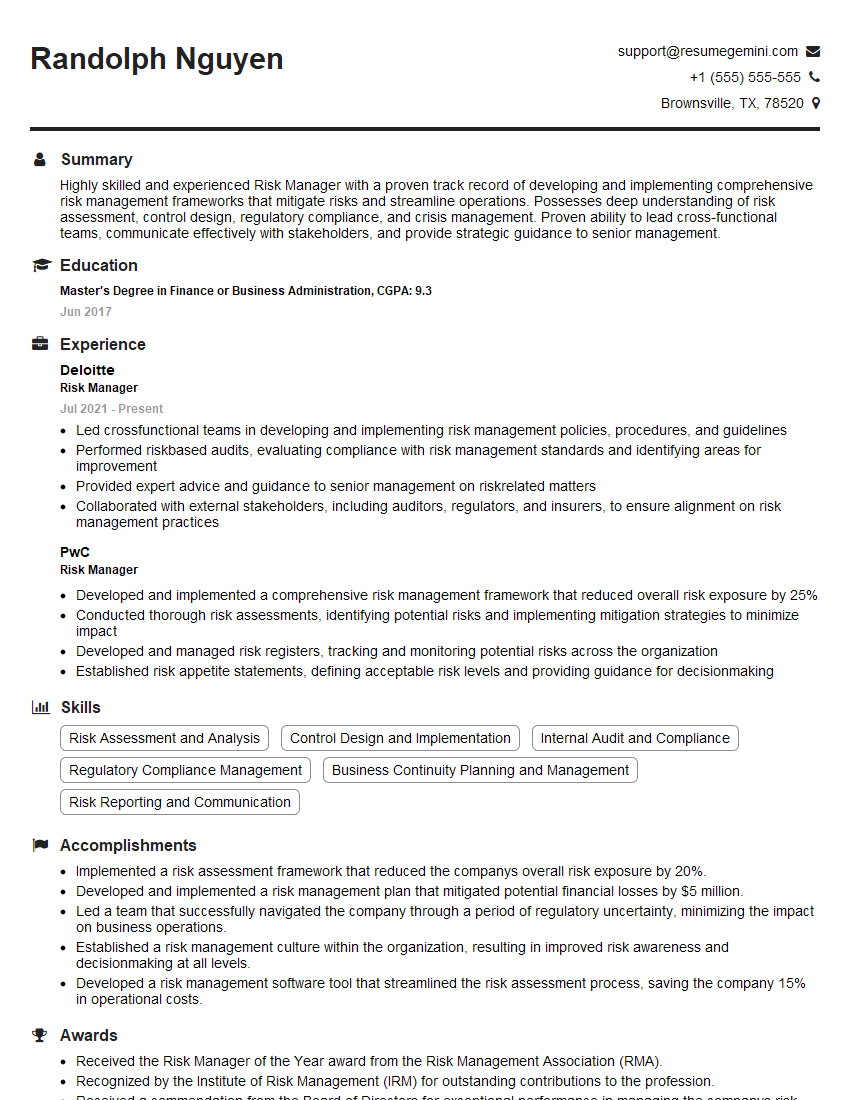
Risk Manager Resume Sample
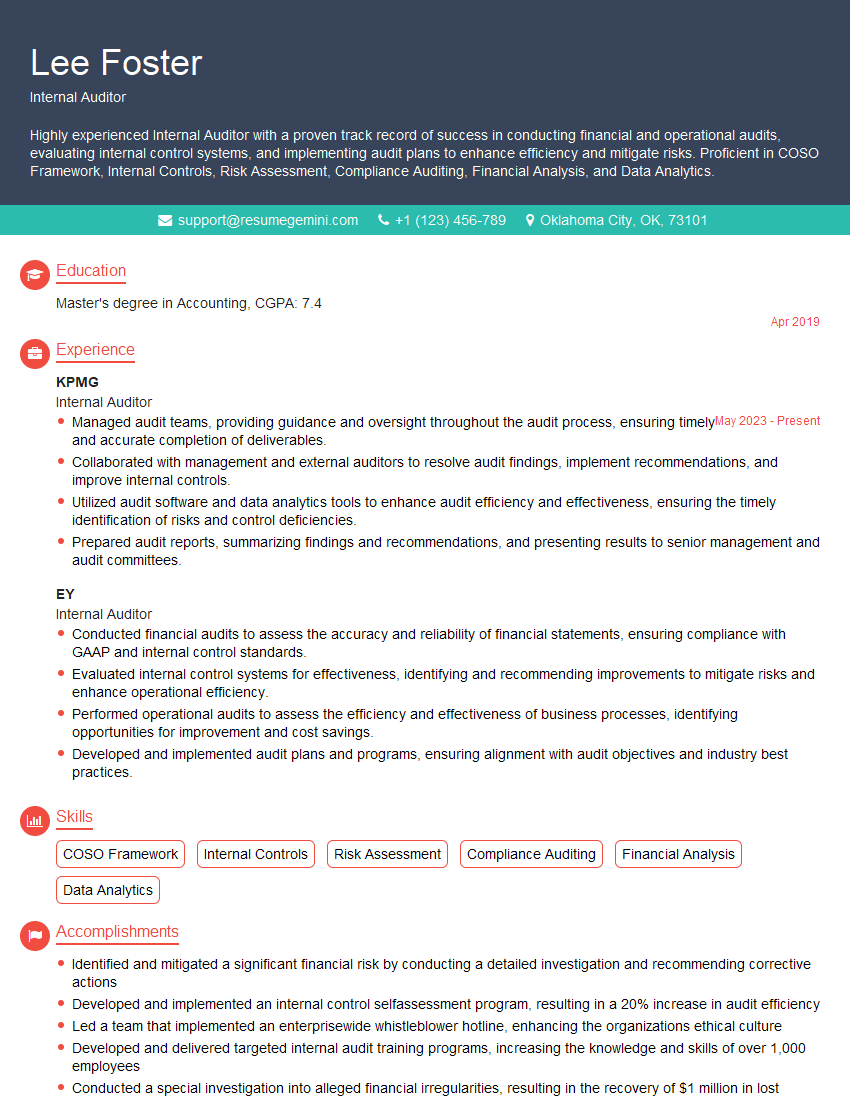
Internal Auditor Resume Sample
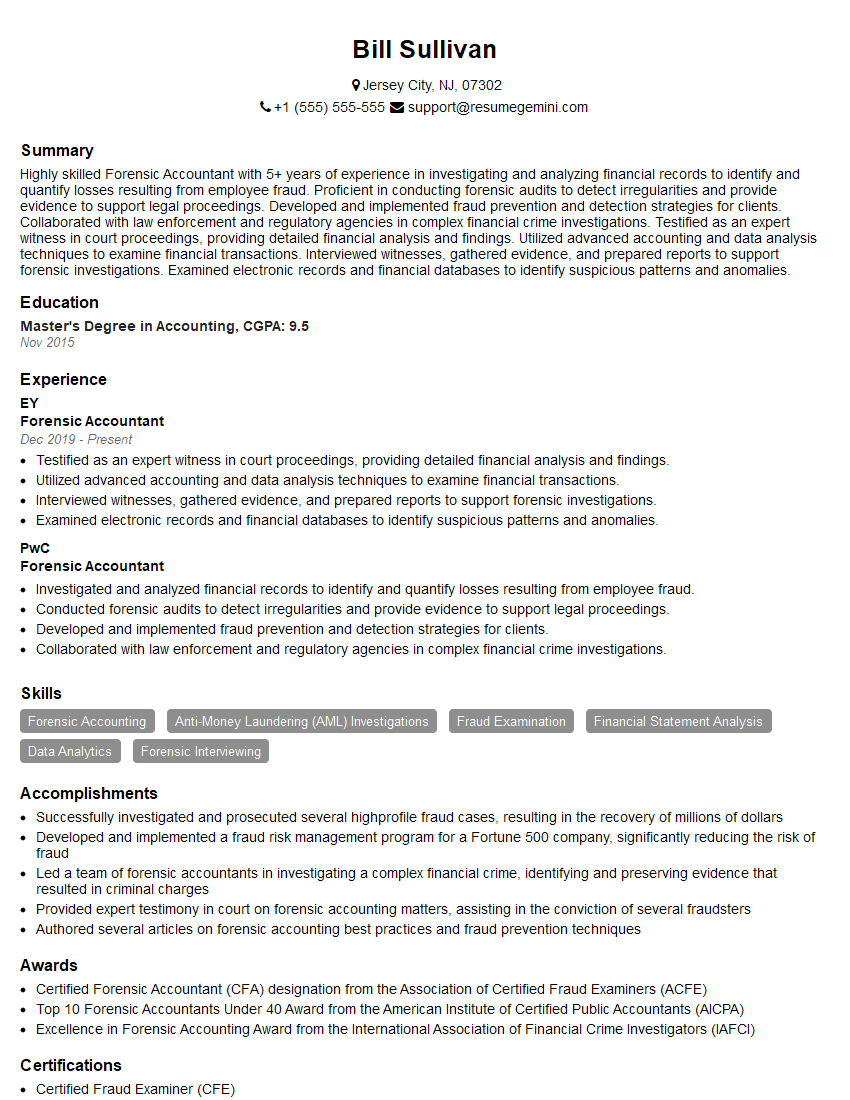
Forensic Accountant Resume Sample
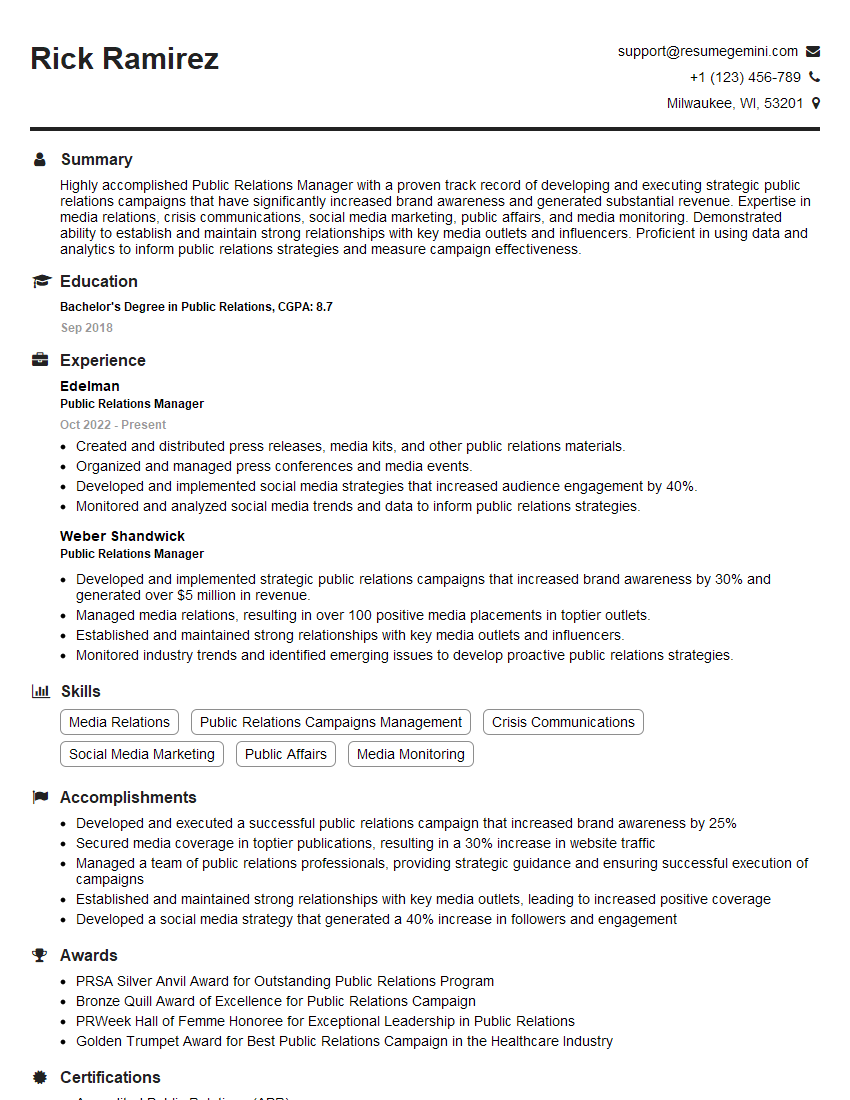
Public Relations Manager Resume Sample
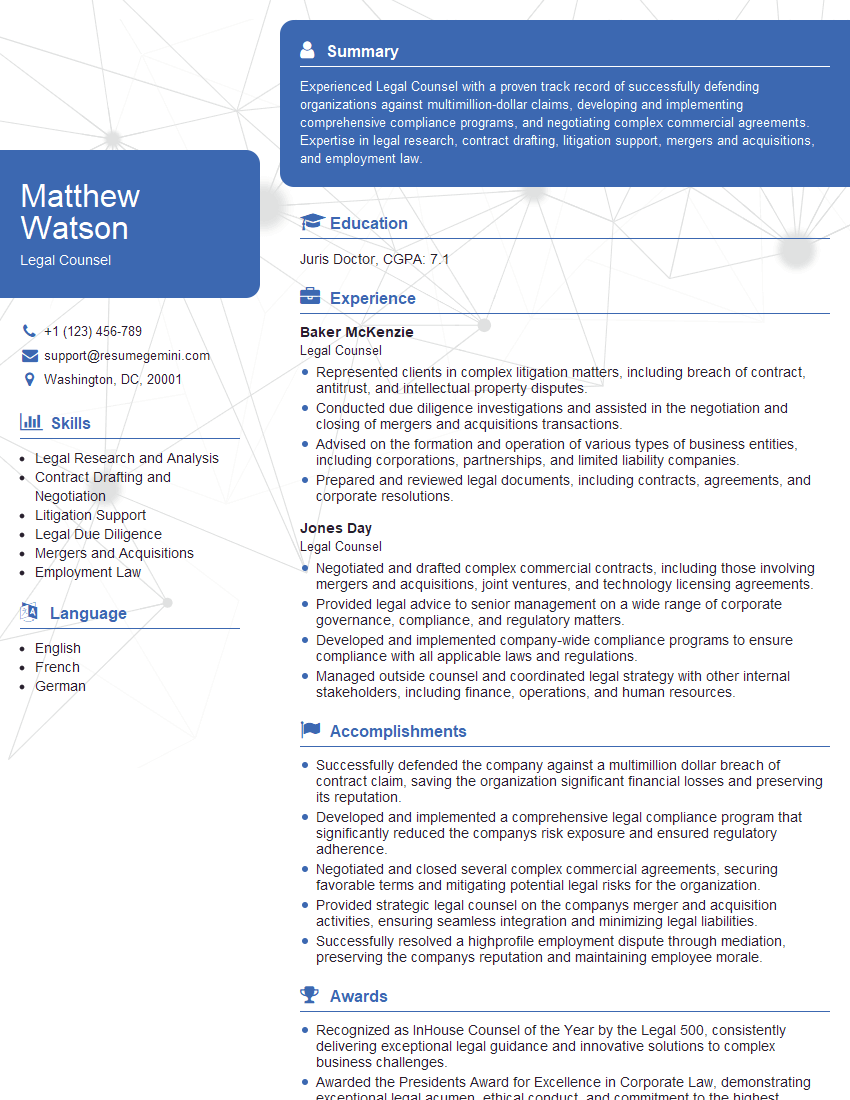
Legal Counsel Resume Sample
Explore more articles
Users Rating of Our Blogs
Share Your Experience
We value your feedback! Please rate our content and share your thoughts (optional).
What Readers Say About Our Blog
Very informative content, great job.
good