Interviews are opportunities to demonstrate your expertise, and this guide is here to help you shine. Explore the essential Adaptability and Ability to Adjust to Different Game Conditions interview questions that employers frequently ask, paired with strategies for crafting responses that set you apart from the competition.
Questions Asked in Adaptability and Ability to Adjust to Different Game Conditions Interview
Q 1. Describe a situation where you had to adapt to a significant change in project requirements.
Adaptability is crucial in project management. A significant shift in project requirements necessitates a flexible approach. Imagine we were developing a mobile game, initially designed for a single-player experience. Midway through, we received feedback indicating a strong market demand for a multiplayer mode. This was a substantial change requiring a reassessment of our timeline, budget, and feature development roadmap.
My approach involved several key steps: 1. Assessment: We held a meeting to analyze the impact of the new requirement on existing features and timelines. 2. Prioritization: We prioritized the essential features of the multiplayer mode, using a MoSCoW method (Must have, Should have, Could have, Won’t have). 3. Resource Allocation: We reallocated resources, including developers and designers, to address the new requirements. 4. Communication: We proactively communicated the changes to stakeholders, ensuring transparency and managing expectations. 5. Iterative Development: We implemented the multiplayer features iteratively, releasing incremental updates and gathering user feedback for continuous improvement.
Q 2. How do you prioritize tasks when faced with unexpected challenges?
Prioritizing tasks amidst unexpected challenges requires a structured approach. I use a combination of methods, including the Eisenhower Matrix (urgent/important), risk assessment, and dependency analysis. For example, if a critical bug emerges during a sprint, I’d immediately assess its severity and impact. If it’s a high-priority blocker, it gets top billing, even if it means rescheduling other tasks. This might involve communicating the change of plans to the team and stakeholders, and readjusting the sprint backlog accordingly.
The key is to remain calm, assess the situation objectively, and communicate clearly. Prioritization is not about ignoring other tasks; it’s about strategically focusing on what’s most impactful and time-sensitive, adjusting plans as needed.
Q 3. Explain your approach to problem-solving in a dynamic and unpredictable environment.
Problem-solving in dynamic environments demands a proactive, iterative approach. I often employ a structured process such as the 5 Whys technique to uncover the root cause of an issue, rather than just addressing the symptoms. This is followed by brainstorming potential solutions and evaluating their feasibility and impact, considering both short-term and long-term consequences. This may involve experimenting with different approaches and utilizing prototyping to test solutions rapidly.
For instance, if we encountered unexpected performance bottlenecks in our game, I would start by identifying the specific areas with performance issues (using profiling tools). Then, I’d investigate the root causes, employing the 5 Whys technique to get to the core of the problem. Potential solutions would be evaluated, and the chosen solution tested and iterated upon until it’s deemed effective and optimized.
Q 4. Give an example of a time you had to quickly learn a new skill or technology.
During a project involving a new game engine, I needed to quickly master a new scripting language. While I had prior programming experience, this specific language had unique syntax and functionalities. My approach was threefold: 1. Targeted Learning: I focused on the aspects of the language directly relevant to the project. 2. Hands-on Practice: I created small test projects to apply what I learned, reinforcing my understanding through practical application. 3. Collaboration and Mentorship: I sought help from colleagues more experienced with the language, leveraging their knowledge and guidance. This collaborative approach not only accelerated my learning but also fostered team cohesion.
Within a week, I was proficient enough to contribute effectively to the project, demonstrating the power of targeted learning and collaborative problem-solving.
Q 5. How do you handle pressure and competing deadlines?
Managing pressure and competing deadlines requires organization, prioritization, and effective communication. I use project management tools (like Jira or Trello) to visualize tasks, track progress, and identify potential bottlenecks. Prioritization (as discussed earlier) is key. I also proactively communicate with stakeholders regarding potential challenges or delays, ensuring transparency and collaborative problem-solving. Furthermore, breaking down large tasks into smaller, manageable chunks helps to avoid feeling overwhelmed. And finally, I make sure to schedule regular breaks to maintain focus and prevent burnout.
Q 6. Describe a time you had to make a quick decision with incomplete information.
In one instance, we faced a server outage during a live game event. We had limited information about the cause of the outage, but we knew we needed to act quickly to minimize the impact on players. Using the data we had (server logs, player reports), we quickly identified a likely culprit—a surge in traffic exceeding our server capacity. We made the immediate decision to redirect players to a secondary server and initiate a server-side fix while simultaneously issuing a brief explanation and apology to the players. Though we didn’t have complete information, our quick decision and transparent communication minimized negative consequences. The post-mortem analysis helped us avoid similar situations in the future, improving our disaster recovery plans.
Q 7. How do you stay calm and focused during stressful situations?
Staying calm and focused during stressful situations involves a combination of techniques: 1. Deep Breathing: Practicing deep, controlled breathing helps regulate my heart rate and reduce anxiety. 2. Mindfulness: Focusing on the present moment, rather than dwelling on past mistakes or worrying about future uncertainties, helps maintain clarity. 3. Positive Self-Talk: Encouraging self-talk, reminding myself of my capabilities and past successes, builds confidence and resilience. 4. Breaks and Self-Care: Regular short breaks, physical exercise, or engaging in relaxing activities help prevent burnout and maintain mental well-being.
These practices have helped me effectively navigate high-pressure situations and make sound decisions, even under duress.
Q 8. How do you adapt your communication style to different audiences?
Adapting communication style hinges on understanding your audience. I assess their background, technical proficiency, and preferred communication methods before tailoring my approach. For instance, when presenting a complex technical solution to engineers, I’ll use precise terminology and detailed diagrams. However, when explaining the same solution to executives, I focus on high-level results and business impact, using less technical jargon and concise summaries. I also adjust my tone – a formal tone for a client presentation, a more collaborative tone for a team brainstorming session.
I actively listen for cues such as body language and questions to gauge understanding and adapt accordingly. If I detect confusion, I’ll adjust my explanation, offering simpler analogies or providing additional context. This iterative process ensures clear and effective communication across various audiences.
Q 9. How do you handle setbacks and learn from mistakes?
Setbacks are inevitable, and I view them as valuable learning opportunities. My approach involves a structured process: first, I acknowledge the setback and avoid emotional responses. I then analyze the situation objectively, identifying contributing factors and areas for improvement. This often includes self-reflection and seeking feedback from others.
For example, if a project missed its deadline, I wouldn’t dwell on the failure, but instead investigate the root cause: were resources insufficient? Were there unrealistic expectations? Were there unforeseen challenges? Once identified, I develop corrective actions, implementing them to prevent similar issues in future projects. This iterative process of learning from mistakes allows me to refine my skills and approaches over time, leading to continuous growth and enhanced performance.
Q 10. Describe a time you had to work with a difficult team member.
In a previous project, I worked with a team member who had a significantly different working style and often resisted collaborative efforts. Instead of direct confrontation, I chose a proactive, empathetic approach. I scheduled one-on-one meetings to understand their perspective and concerns. Through active listening, I discovered that their resistance stemmed from a lack of clarity on their role and responsibilities.
I then worked with the project manager to clearly define their tasks, ensuring they understood the overall project goals and how their contribution fit into the bigger picture. I also made a conscious effort to include them in decision-making processes, valuing their input and creating a sense of ownership. This strategy fostered a more collaborative environment, and we were eventually able to effectively work together to deliver a successful project. The key was understanding their needs and addressing them constructively.
Q 11. How do you proactively identify potential problems and develop contingency plans?
Proactive problem identification and contingency planning are crucial for adaptability. My approach involves a risk assessment process. I start by identifying potential risks and challenges – technical glitches, resource limitations, unexpected changes in requirements, etc. I then analyze the likelihood and impact of each risk. Based on this assessment, I develop contingency plans for high-impact risks. These plans outline alternative solutions and steps to mitigate the negative effects should the identified risk materialize.
For instance, during software development, I anticipate potential coding errors. My contingency plan includes rigorous testing, code reviews, and a fallback mechanism to revert to a stable version if a critical error occurs. This proactive approach minimizes disruptions and ensures project success even when unexpected issues arise.
Q 12. Explain your process for managing multiple priorities simultaneously.
Managing multiple priorities effectively requires a structured approach. I prioritize tasks using frameworks like the Eisenhower Matrix (urgent/important), assigning each task a level of importance and urgency. I then break down large tasks into smaller, manageable sub-tasks, making them less daunting. I use project management tools to track progress, deadlines, and dependencies. Timeboxing is another essential technique, allocating specific time slots for focused work on high-priority tasks.
Regularly reviewing my to-do list and adjusting priorities based on emerging needs is also vital. Delegation, where possible, frees up time for higher-level tasks requiring my expertise. Maintaining a flexible schedule and communicating expectations clearly with my team prevents bottlenecks and enhances productivity.
Q 13. How do you leverage technology to improve your adaptability?
Technology significantly enhances adaptability. Project management software (e.g., Jira, Asana) helps track progress, manage tasks, and facilitate communication across teams. Collaboration tools (e.g., Slack, Microsoft Teams) ensure seamless communication and information sharing, allowing for quick responses to changing situations. Data analytics tools provide insights into performance, enabling me to identify areas needing improvement and adapt strategies accordingly. Automated systems can handle routine tasks, freeing up time to focus on higher-level problem-solving and adaptation.
For example, using a project management tool to visualize dependencies allows me to quickly assess the impact of a delay in one task on the overall project timeline, enabling me to make timely adjustments.
Q 14. Describe a situation where you had to adjust your strategy based on new data or feedback.
During a marketing campaign, we initially focused on a specific social media platform based on past performance data. However, halfway through the campaign, we received analytics showing a significant shift in user engagement towards a different platform. This new data contradicted our initial assumptions.
Instead of continuing with the original strategy, we quickly adjusted our approach. We reallocated resources, shifting a portion of our budget and efforts towards the newly identified high-performing platform. We also modified our content strategy to better align with the audience on this new platform. This swift adaptation led to a substantial improvement in campaign performance, demonstrating the importance of reacting to new data and adjusting strategies for optimal results.
Q 15. How do you maintain a positive attitude when faced with unexpected challenges?
Maintaining a positive attitude during unexpected challenges is crucial for adaptability. It’s about reframing setbacks as learning opportunities and focusing on solutions rather than dwelling on problems. This involves a proactive, multi-pronged approach.
- Cognitive Reframing: I consciously challenge negative thoughts. Instead of thinking ‘This is a disaster!’, I ask ‘What can I learn from this? What resources do I have?’
- Self-Compassion: I acknowledge that setbacks are normal. Treating myself with kindness reduces stress and fosters resilience. Everyone faces challenges; it’s how we respond that matters.
- Problem-Solving Focus: I shift my attention to identifying solutions. Breaking down large problems into smaller, manageable steps makes them less daunting and fosters a sense of progress.
- Seeking Support: Leaning on trusted colleagues or mentors for advice and perspective offers valuable external support and fresh ideas.
For example, during a project where a key team member unexpectedly left, I didn’t panic. Instead, I immediately assessed the situation, delegated tasks, and sought help from other departments, ultimately ensuring the project’s success.
Career Expert Tips:
- Ace those interviews! Prepare effectively by reviewing the Top 50 Most Common Interview Questions on ResumeGemini.
- Navigate your job search with confidence! Explore a wide range of Career Tips on ResumeGemini. Learn about common challenges and recommendations to overcome them.
- Craft the perfect resume! Master the Art of Resume Writing with ResumeGemini’s guide. Showcase your unique qualifications and achievements effectively.
- Don’t miss out on holiday savings! Build your dream resume with ResumeGemini’s ATS optimized templates.
Q 16. Describe a time you had to work effectively under pressure with limited resources.
Working effectively under pressure with limited resources demands strategic prioritization and efficient resource allocation. This requires a flexible and resourceful mindset.
In a previous role, our team faced a critical deadline for a software release with significant budget cuts. We had to streamline our processes drastically.
- Prioritization: We used the MoSCoW method (Must have, Should have, Could have, Won’t have) to prioritize features. This ensured we focused on the most critical aspects.
- Creative Problem Solving: We explored open-source alternatives for expensive software, and successfully utilized free tools. We also leveraged existing team skills to fill resource gaps, avoiding unnecessary external hires.
- Efficient Communication: Daily stand-up meetings ensured transparency and allowed us to address roadblocks proactively.
By prioritizing, innovating, and communicating effectively, we delivered a successful product on time, despite the limitations.
Q 17. How do you balance long-term goals with short-term demands?
Balancing long-term goals with short-term demands requires strategic planning and effective time management. It’s about aligning daily tasks with the overall vision while remaining adaptable to unforeseen circumstances.
- Goal Decomposition: Breaking down long-term goals into smaller, achievable short-term objectives allows for consistent progress and provides a sense of accomplishment along the way.
- Prioritization Matrix: Using a matrix (like Eisenhower’s Urgent/Important matrix) to categorize tasks helps prioritize based on urgency and importance, ensuring crucial long-term tasks aren’t neglected amidst immediate demands.
- Time Blocking: Allocating specific time slots for both short-term and long-term tasks allows for focused work and prevents tasks from being constantly interrupted.
- Regular Review and Adjustment: Periodically reviewing progress against both short-term and long-term goals enables timely adjustments to the plan, adapting to changing circumstances.
For instance, while working on a complex research project (long-term goal), I dedicated specific blocks of time to data analysis (short-term demand) while also ensuring I set aside time for literature reviews and theoretical framework development, essential to the long-term success.
Q 18. How do you measure your success in adapting to change?
Measuring success in adapting to change involves a combination of objective and subjective measures. It’s not just about the outcome but also the process of adapting itself.
- Outcome-Based Metrics: Did I achieve the desired outcome despite the change? Did I meet deadlines? Did I deliver a quality product or service?
- Process-Based Metrics: Did I effectively use problem-solving strategies? Did I effectively communicate with the team? Did I learn new skills or approaches? Did I identify areas for improvement in my adaptability?
- Self-Reflection: Regular self-assessment helps identify strengths and weaknesses in handling change. Journaling or conducting formal self-reviews is beneficial.
For instance, successfully navigating a product launch amidst a sudden market shift might be measured by on-time launch, positive customer feedback, and improved strategies learned for future adaptability.
Q 19. How do you collaborate effectively with others during times of change?
Effective collaboration during change requires open communication, empathy, and a shared understanding of goals. It’s about working together, not independently, toward a common solution.
- Transparent Communication: Keeping team members informed about changes, challenges, and plans promotes trust and reduces anxiety.
- Active Listening: Hearing and valuing diverse perspectives helps in finding creative solutions collaboratively.
- Shared Understanding: Ensuring everyone is aligned on the overall goals and their individual roles fosters a sense of collective responsibility.
- Conflict Resolution: Addressing conflicts constructively and finding mutually agreeable solutions maintains team cohesion and morale.
During a company restructure, for example, I facilitated open discussions, encouraged feedback, and actively supported team members, ensuring a smoother transition and maintaining team morale.
Q 20. Describe a time you had to innovate or find creative solutions to a problem.
Innovation and creative problem-solving often arise from a need to overcome limitations or find efficient solutions. It’s about thinking outside the box and embracing unconventional approaches.
In one instance, our team faced a critical delay in a project due to a software bug. Standard debugging methods were proving ineffective.
- Brainstorming: We held a brainstorming session, encouraging unconventional ideas.
- Lateral Thinking: Instead of focusing solely on the code, we analyzed the user workflow, identifying a potential workaround which would bypass the bug entirely.
- Prototyping: We quickly developed and tested a prototype, confirming the feasibility of our solution.
By adopting a more holistic approach, we found a creative solution, significantly mitigating the project delay.
Q 21. How do you build resilience in the face of ongoing change?
Building resilience in the face of ongoing change requires cultivating a mindset of adaptability and self-care. It’s a continuous process, not a one-time fix.
- Self-Awareness: Understanding your own stress response and triggers helps in proactively managing them.
- Mindfulness and Stress Management Techniques: Practicing mindfulness, meditation, or other stress-reduction techniques builds emotional regulation skills.
- Continuous Learning: Embracing new challenges as learning opportunities fosters a growth mindset and increases adaptability.
- Seeking Feedback: Regularly seeking and receiving feedback helps identify areas for improvement in your approach to change.
- Maintaining Work-Life Balance: Prioritizing self-care ensures that you have the energy and mental space to navigate challenges effectively.
By actively managing stress, continuously learning, and focusing on self-care, I build the resilience needed to thrive in dynamic environments.
Q 22. What strategies do you use to stay informed about industry trends and changes?
Staying informed about industry trends is crucial for adaptability. I employ a multi-pronged approach. Firstly, I actively participate in professional networks and communities, attending conferences and webinars, and engaging in online forums dedicated to game development and industry analysis. This allows me to learn about emerging technologies, design trends, and player behavior shifts firsthand. Secondly, I regularly read industry publications, research reports, and follow key influencers and companies on social media. This provides a broader perspective on market dynamics and potential disruptions. Finally, I dedicate time to competitive analysis, studying successful games and dissecting their strategies. This helps me understand what’s working and identify opportunities for innovation.
- Example: Recently, I attended the Game Developers Conference (GDC) and learned about the growing popularity of cloud gaming, prompting me to explore its potential integration into our projects.
- Example: I regularly follow prominent game studios on Twitter and LinkedIn to stay abreast of their announcements, technology advancements, and hiring trends, providing valuable insights into market demands.
Q 23. Describe a time you failed to adapt effectively. What did you learn?
During a project involving a virtual reality game, we initially focused heavily on realistic graphics, neglecting the importance of intuitive controls and motion sickness mitigation. This led to overwhelmingly negative player feedback; many experienced significant discomfort and abandoned the game prematurely. Our failure stemmed from a lack of sufficient user testing and an over-reliance on our initial assumptions about player preferences. What I learned was invaluable: prioritizing user experience is paramount, even over seemingly impressive technical achievements. We needed to thoroughly iterate on the control scheme and implement robust motion sickness countermeasures based on actual player feedback, not just our theoretical understanding. We ultimately salvaged the project by completely redesigning the control mechanics and incorporating anti-motion sickness techniques, resulting in a significantly improved player experience. This taught me the critical importance of iterative development and user-centered design.
Q 24. How do you identify your own limitations and seek assistance when needed?
Identifying limitations is a continuous process. I actively solicit feedback from my peers and supervisors, seeking constructive criticism on my performance and identifying areas for improvement. I also regularly self-reflect on my work, analyzing both successes and failures to pinpoint weaknesses. For example, if I struggle with a specific programming language or design principle, I actively seek out resources such as online courses, tutorials, or mentorship from colleagues experienced in that area. I believe in proactive knowledge acquisition and collaborative problem-solving. The willingness to admit limitations is a strength, not a weakness; it allows me to seek solutions and grow professionally.
Q 25. How do you ensure that your team remains adaptable to change?
Maintaining a team’s adaptability requires fostering a culture of open communication, continuous learning, and shared responsibility. I achieve this by:
- Regular Team Meetings: These are not just for updates but for brainstorming alternative strategies and solutions in response to changing circumstances. We use these to discuss challenges, successes, and opportunities for improvement.
- Cross-Training: Encouraging team members to learn each other’s roles promotes flexibility and reduces reliance on single points of failure. If one team member is unavailable, others can step in and maintain project momentum.
- Embracing Experimentation: Creating a safe space for experimentation and calculated risks allows the team to adapt quickly and learn from mistakes without fear of judgment. We encourage prototyping and A/B testing different approaches.
- Agile Methodologies: Utilizing frameworks like Scrum or Kanban allows for iterative development and adaptation throughout the project lifecycle, enabling us to adjust to changing requirements effectively.
Essentially, I create an environment where change is viewed as an opportunity for growth and collaboration.
Q 26. How do you manage your stress levels when faced with constant change?
Managing stress under constant change necessitates a proactive approach. I prioritize self-care, employing techniques such as:
- Time Management: Effective time management and prioritization reduce the feeling of being overwhelmed. I use tools like task management software to stay organized and focused.
- Regular Breaks: Stepping away from my work regularly, even for short periods, helps to reduce mental fatigue and improve focus. This might include brief walks or mindfulness exercises.
- Exercise and Healthy Diet: Physical activity and a balanced diet are essential for maintaining overall well-being and stress resilience.
- Mindfulness and Meditation: Practicing mindfulness techniques helps me stay present and focused, reducing anxiety related to unpredictable circumstances.
By proactively addressing my physical and mental health, I enhance my ability to cope with the pressures of a dynamic environment.
Q 27. How do you handle conflicting priorities and competing deadlines?
Handling conflicting priorities requires a structured approach. I use a prioritization matrix, often a simple Eisenhower Matrix (urgent/important), to categorize tasks. This allows me to identify and tackle the most critical items first. For competing deadlines, I engage in open communication with stakeholders, clearly outlining the limitations and negotiating realistic timelines. This might involve re-scoping projects, re-allocating resources, or seeking additional support. Transparent communication prevents misunderstandings and builds trust among team members and stakeholders.
Example: If a critical bug fix and a new feature release are both due simultaneously, the bug fix takes priority as it addresses a more immediate problem. I would communicate this to the stakeholders, potentially delaying the feature release to ensure the stability of the game.
Q 28. Describe your approach to continuous learning and development in relation to adapting to new situations.
Continuous learning is foundational to adapting to new situations. My approach to this involves:
- Targeted Skill Development: I identify skill gaps through self-assessment and feedback, focusing on areas relevant to emerging technologies or industry trends. I actively seek out training courses, workshops, or online resources to address these gaps.
- Mentorship and Collaboration: Learning from more experienced colleagues and sharing knowledge with peers is crucial. I actively participate in mentorship programs and knowledge-sharing sessions within my team.
- Experimentation and Reflection: I frequently experiment with new technologies and techniques, reflecting on the outcomes to enhance my understanding and adapt my approach accordingly. This includes experimenting with new game engines or design methodologies.
- Staying Curious: I actively cultivate a curious mindset, constantly seeking out new information and exploring innovative solutions to problems. This involves consistently reading industry publications and attending conferences.
This ongoing commitment to learning ensures I remain versatile and adaptable in the ever-evolving landscape of game development.
Key Topics to Learn for Adaptability and Ability to Adjust to Different Game Conditions Interview
- Understanding Change: Recognizing the inevitability of change in dynamic environments and its impact on goals and strategies.
- Proactive Adjustment: Developing strategies to anticipate potential challenges and adapt plans accordingly. Examples include risk assessment and contingency planning.
- Problem-Solving Under Pressure: Demonstrating the ability to analyze situations quickly, identify root causes, and implement effective solutions in high-pressure scenarios.
- Resourcefulness and Innovation: Showcasing creativity in finding alternative solutions when faced with unexpected obstacles or resource limitations.
- Communication and Collaboration: Effectively communicating changes to team members, stakeholders, and superiors; fostering a collaborative environment to navigate challenges together.
- Learning Agility: Highlighting experiences where you quickly learned new skills or adapted to new technologies or processes. Focus on the learning process itself.
- Resilience and Perseverance: Demonstrating the ability to bounce back from setbacks, maintain a positive attitude, and persevere through difficult situations.
- Self-Awareness and Reflection: Analyzing past experiences to identify areas for improvement in adaptability and adjusting to changing circumstances.
Next Steps
Mastering adaptability and the ability to adjust to different game conditions is crucial for career advancement. In today’s rapidly evolving workplace, these skills are highly sought after, significantly increasing your marketability and potential for career growth. To showcase these skills effectively, creating an ATS-friendly resume is essential. A well-crafted resume, optimized for Applicant Tracking Systems, will ensure your application reaches the hiring manager. ResumeGemini can help you build a professional and impactful resume that highlights your adaptability and problem-solving abilities. Examples of resumes tailored to emphasize these skills are available within ResumeGemini to provide further guidance.

Operations Manager Resume Sample
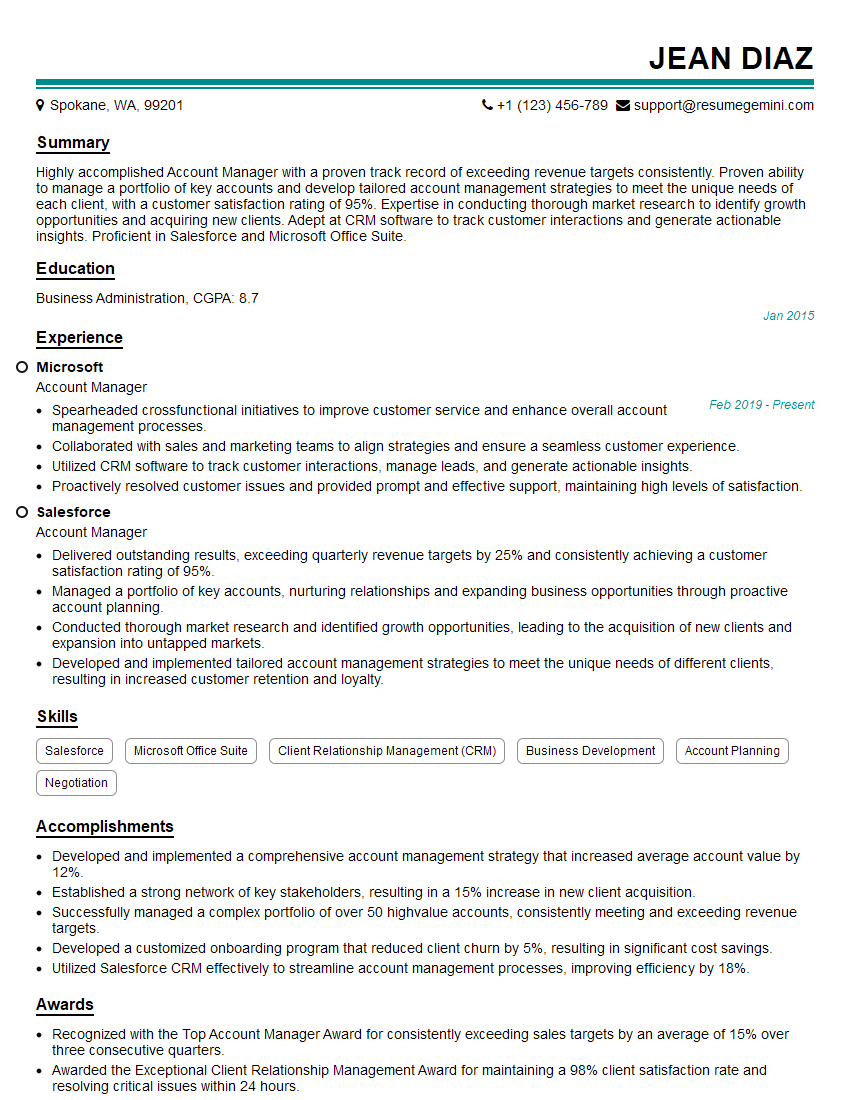
Account Manager Resume Sample
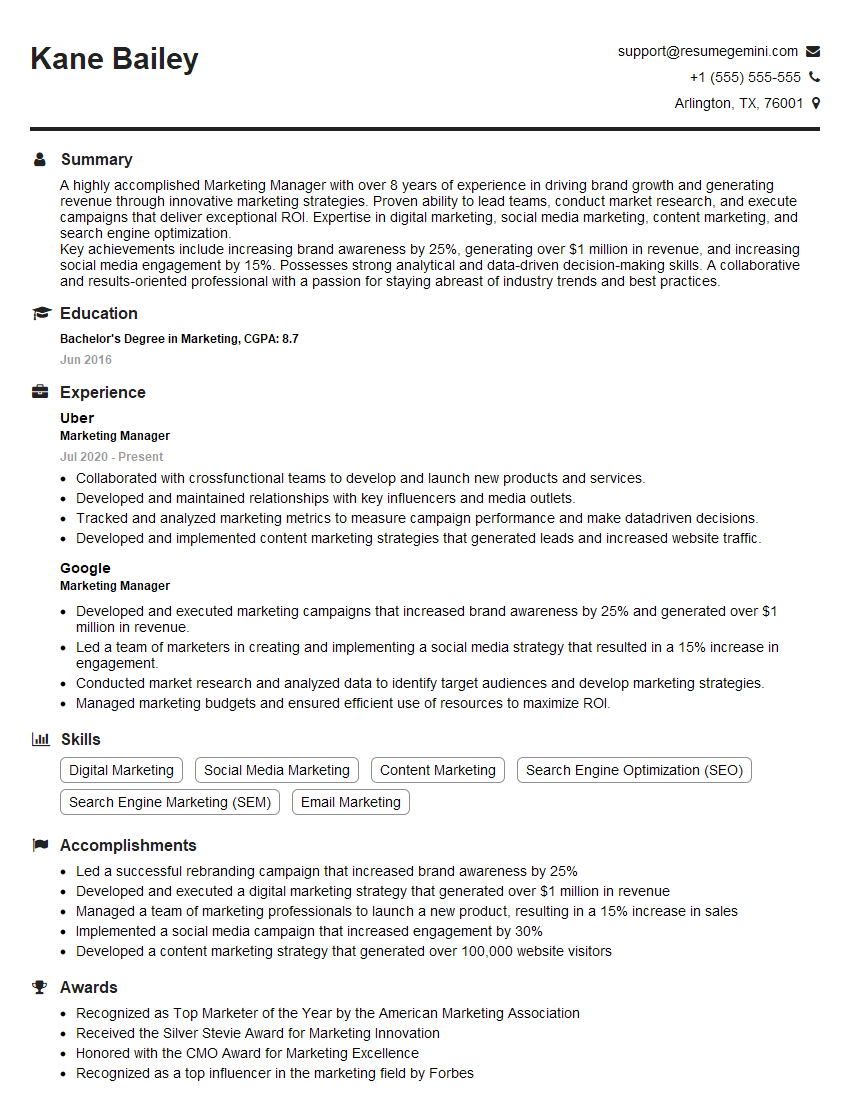
Marketing Manager Resume Sample
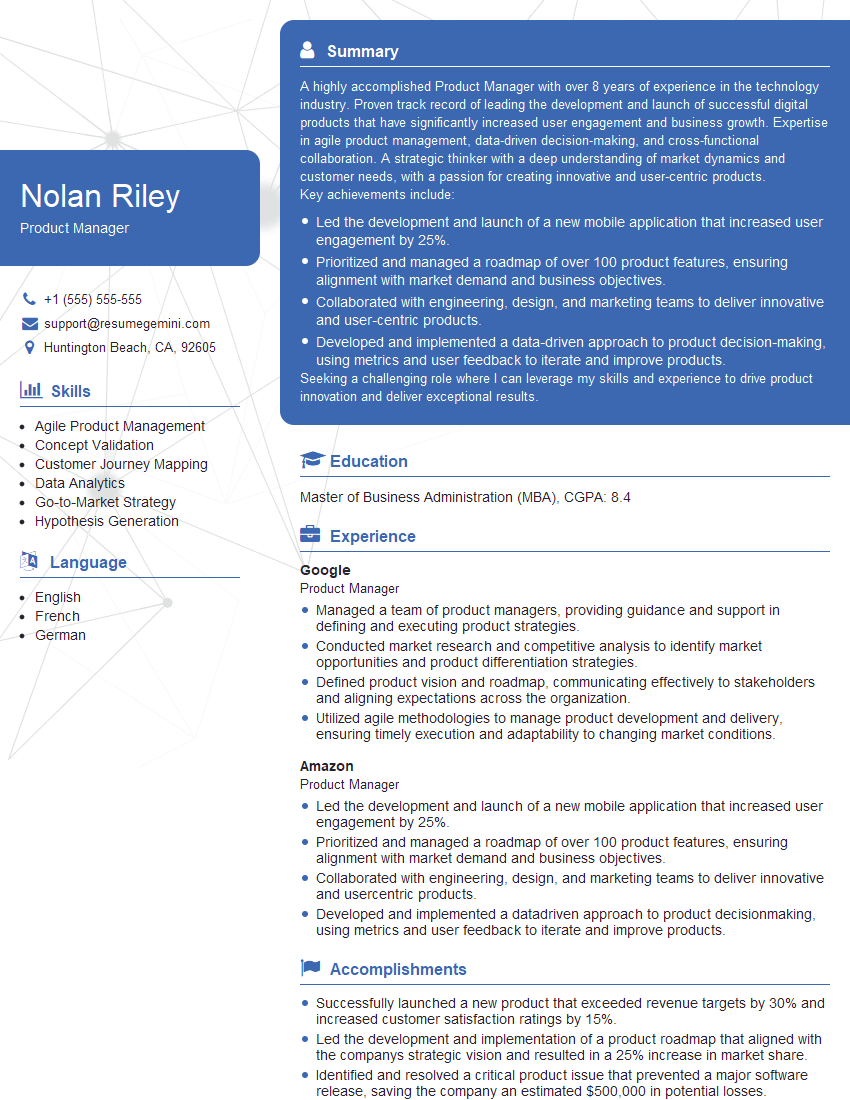
Product Manager Resume Sample
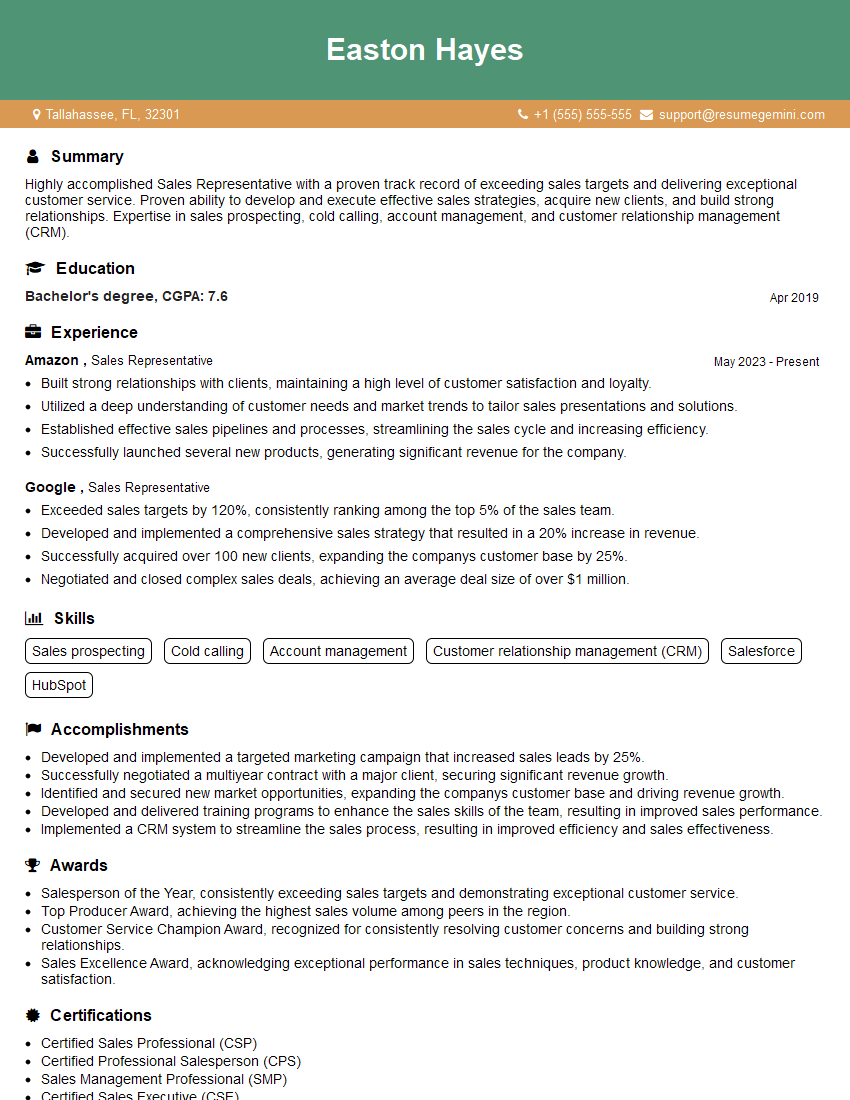
Sales Representative Resume Sample

Supply Chain Manager Resume Sample
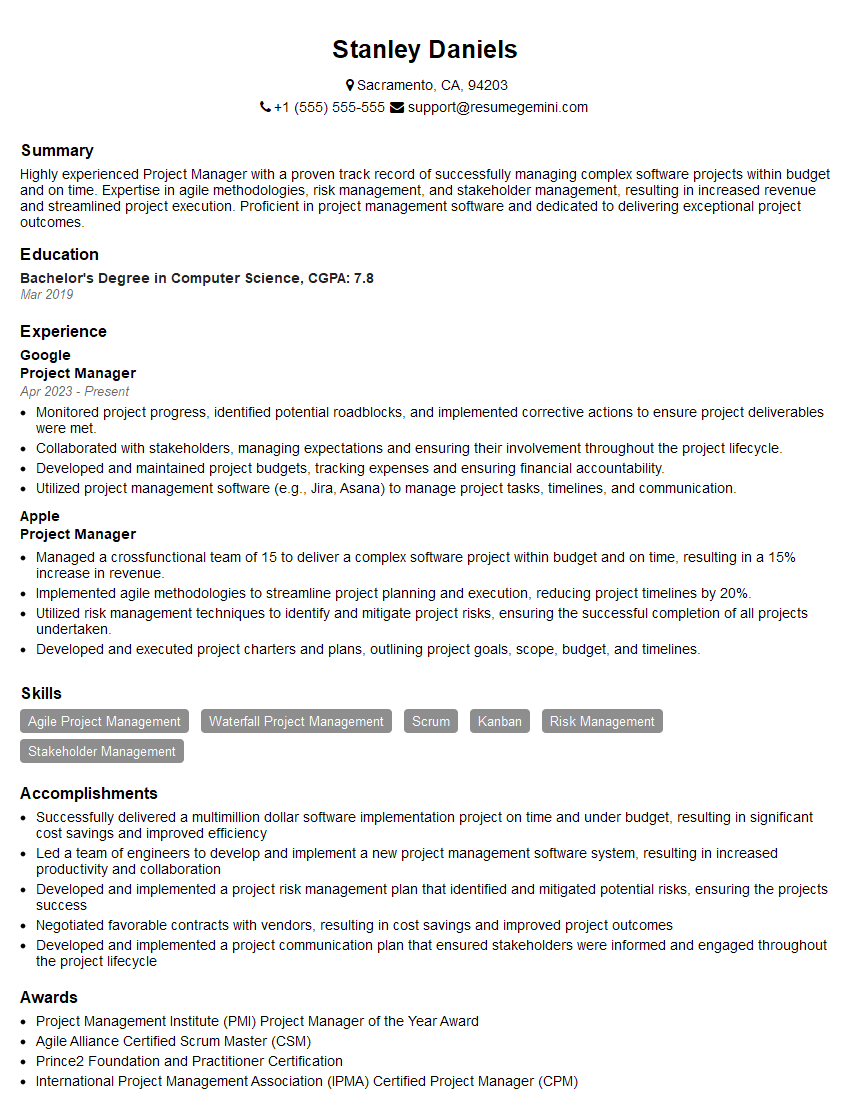
Project Manager Resume Sample
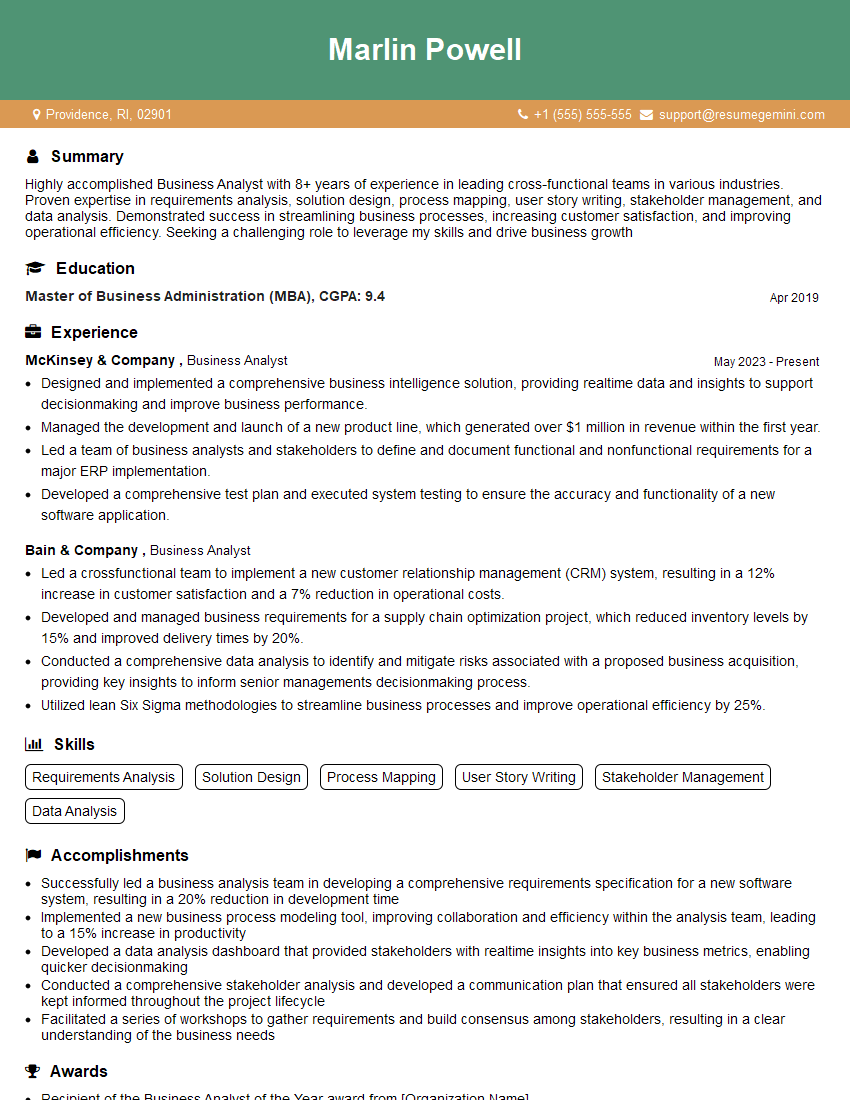
Business Analyst Resume Sample
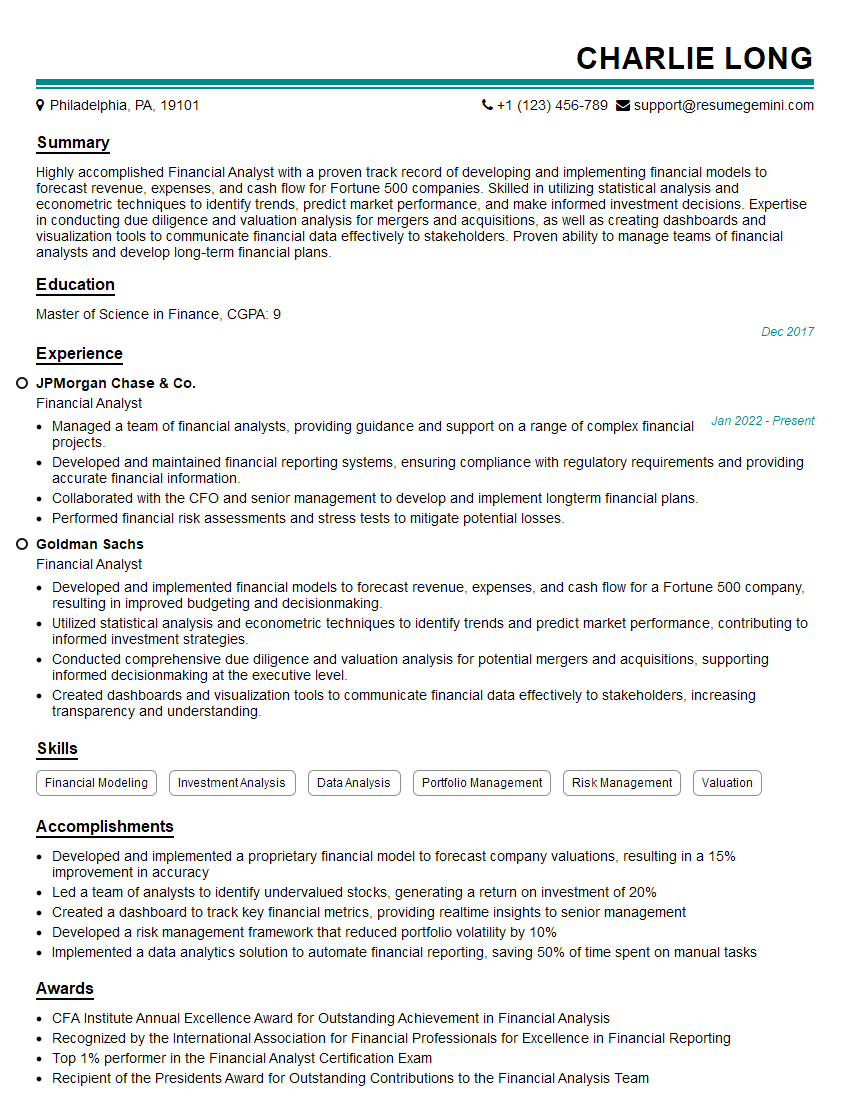
Financial Analyst Resume Sample
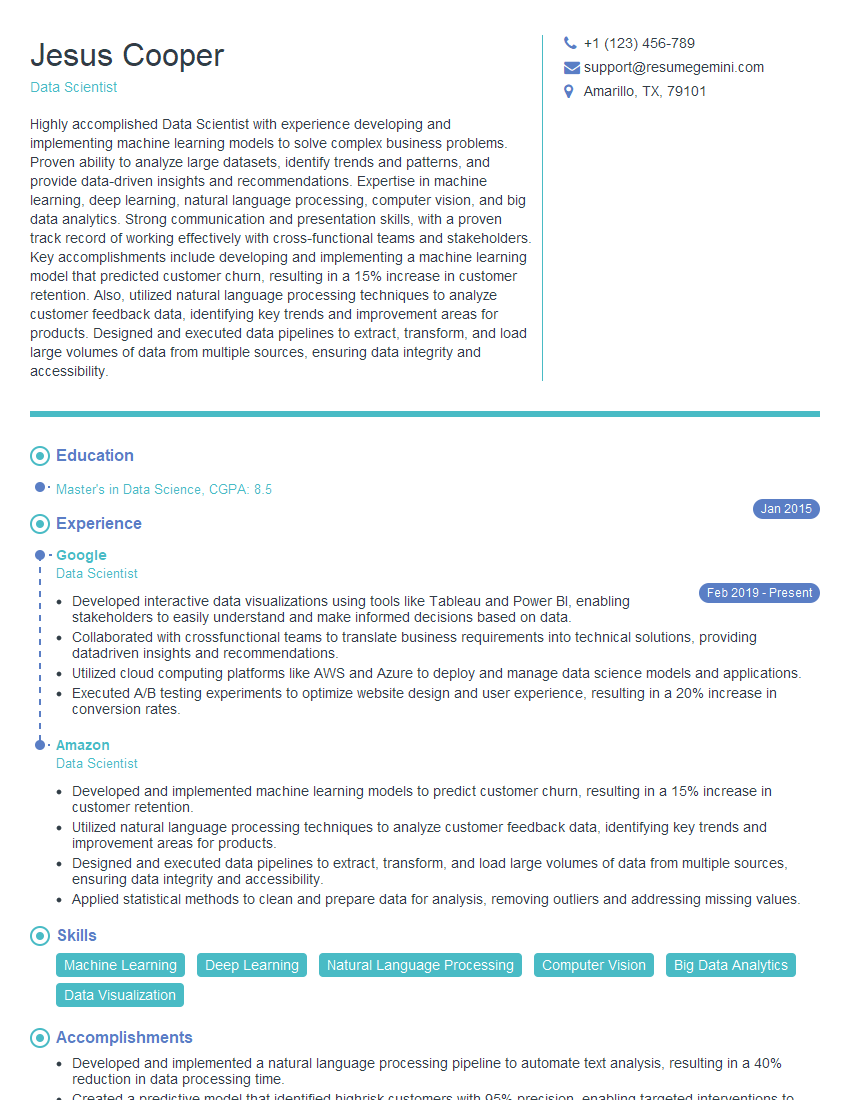
Data Scientist Resume Sample
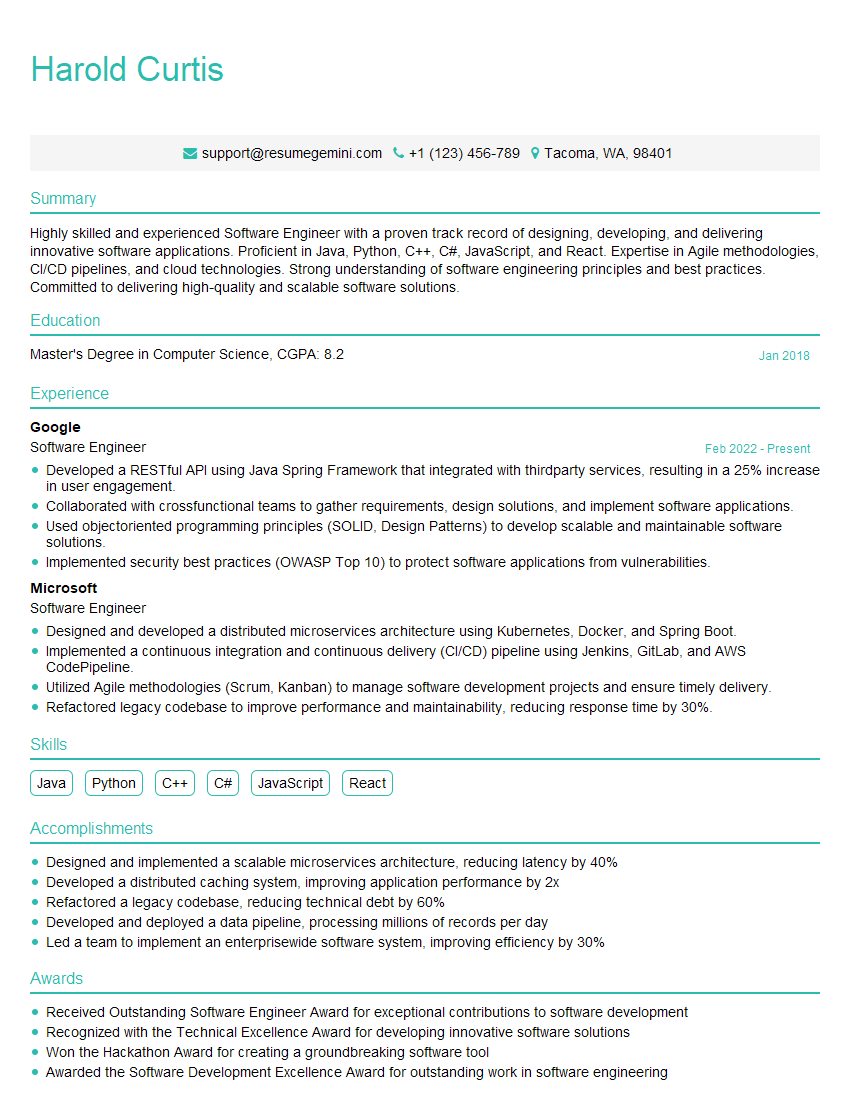
Software Engineer Resume Sample
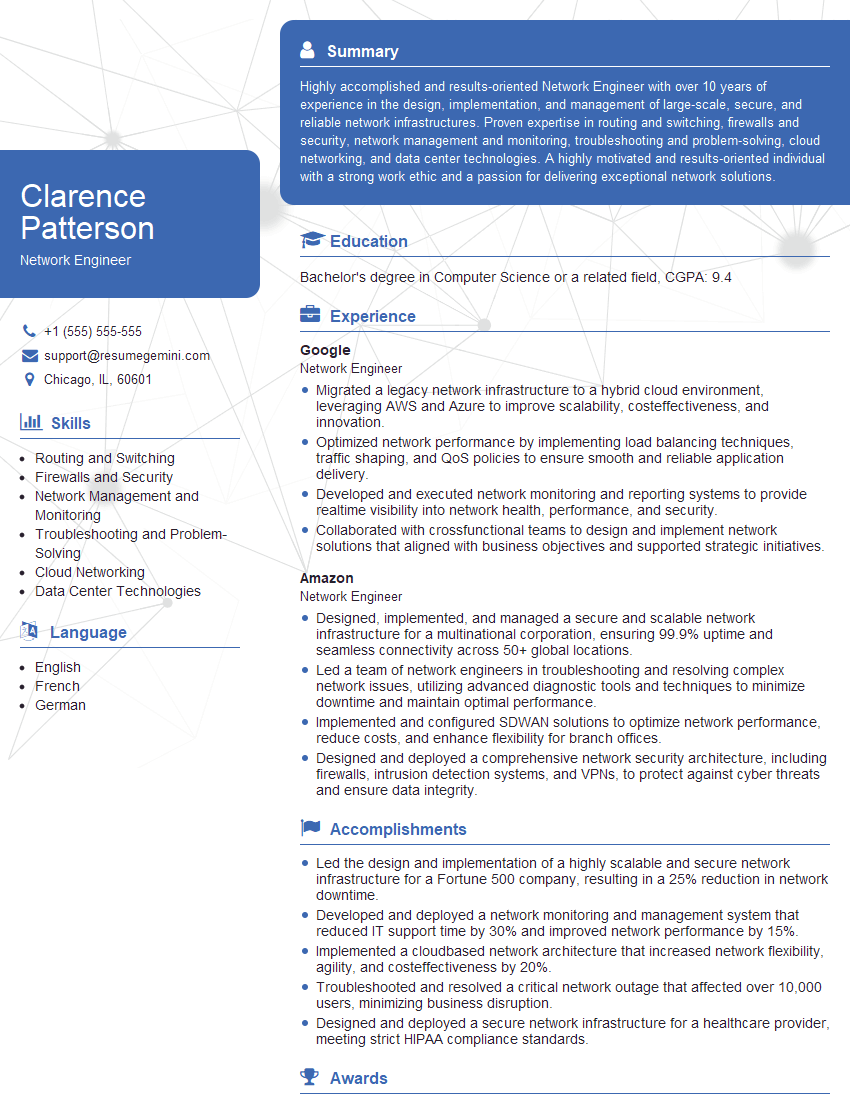
Network Engineer Resume Sample
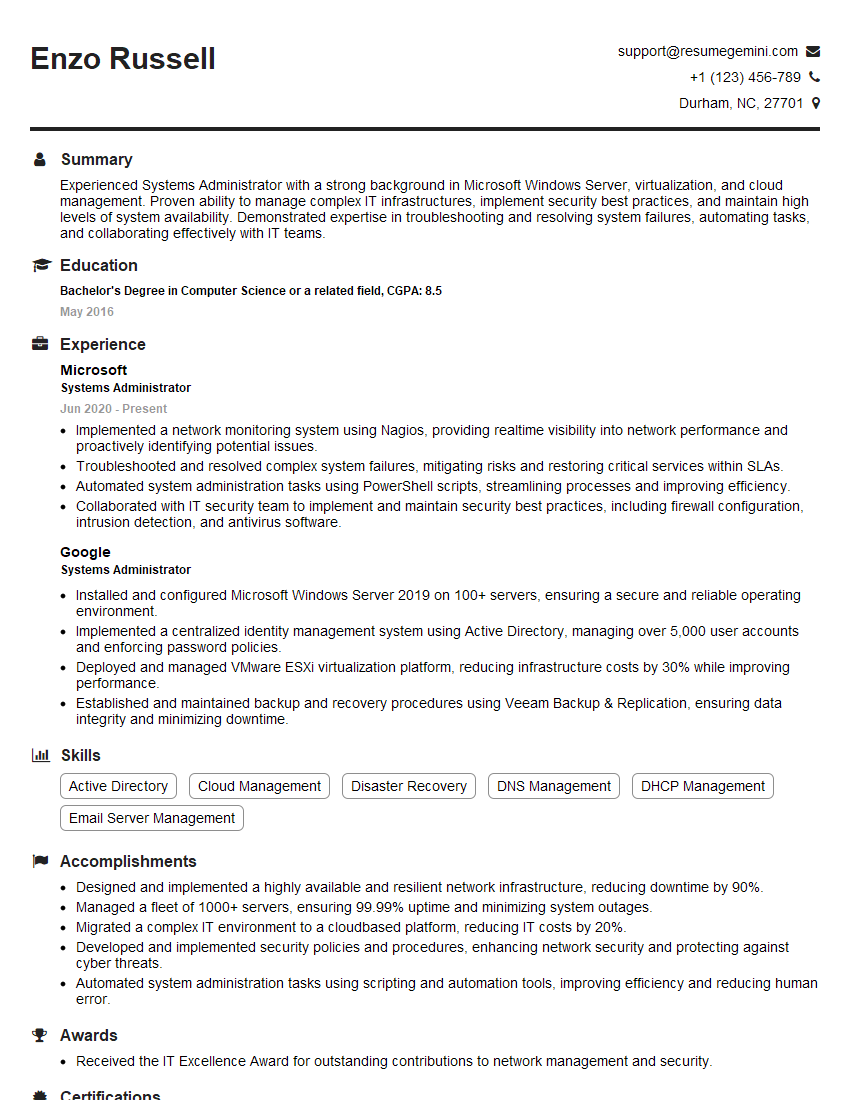
Systems Administrator Resume Sample
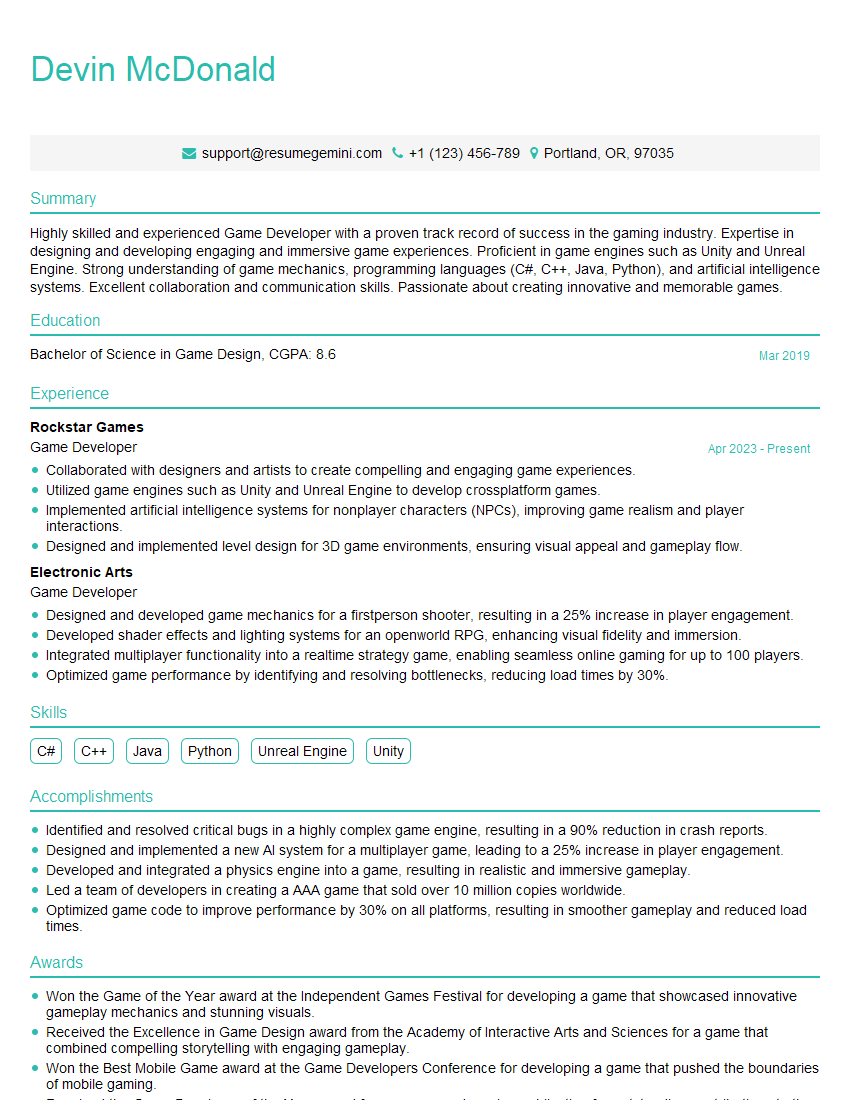
Game Developer Resume Sample
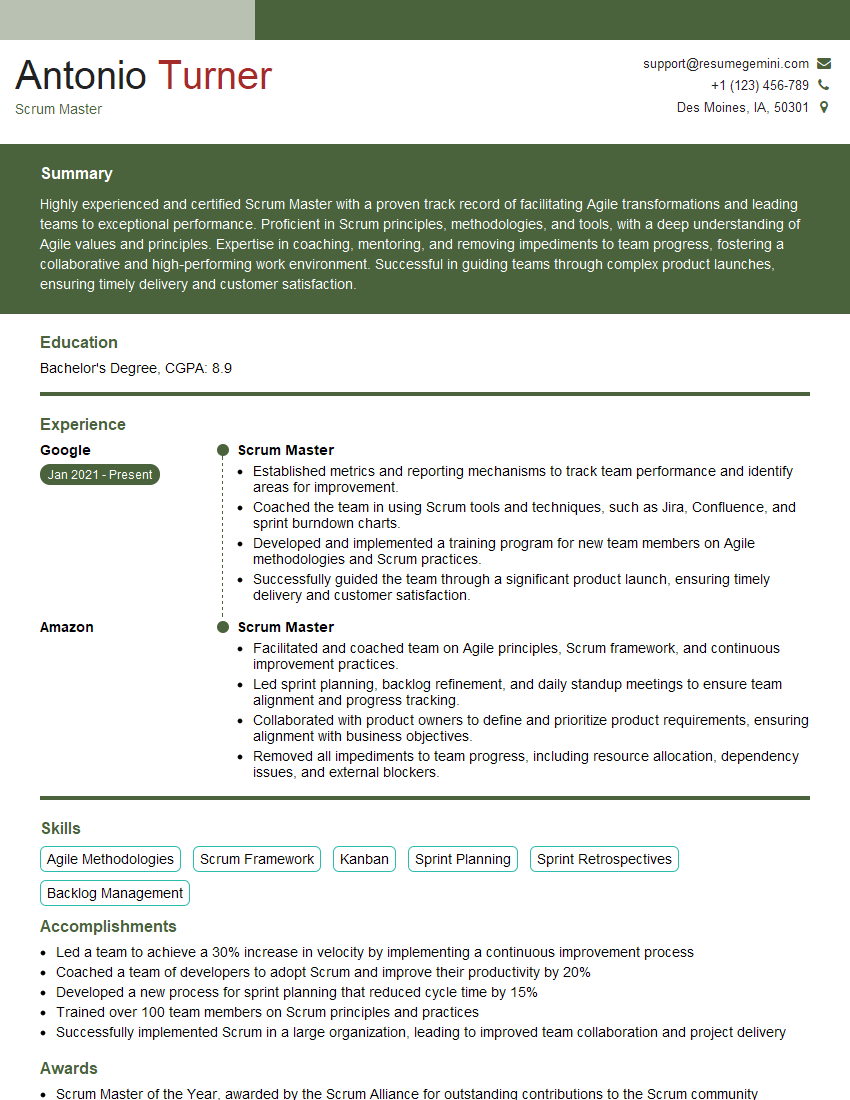
Scrum Master Resume Sample
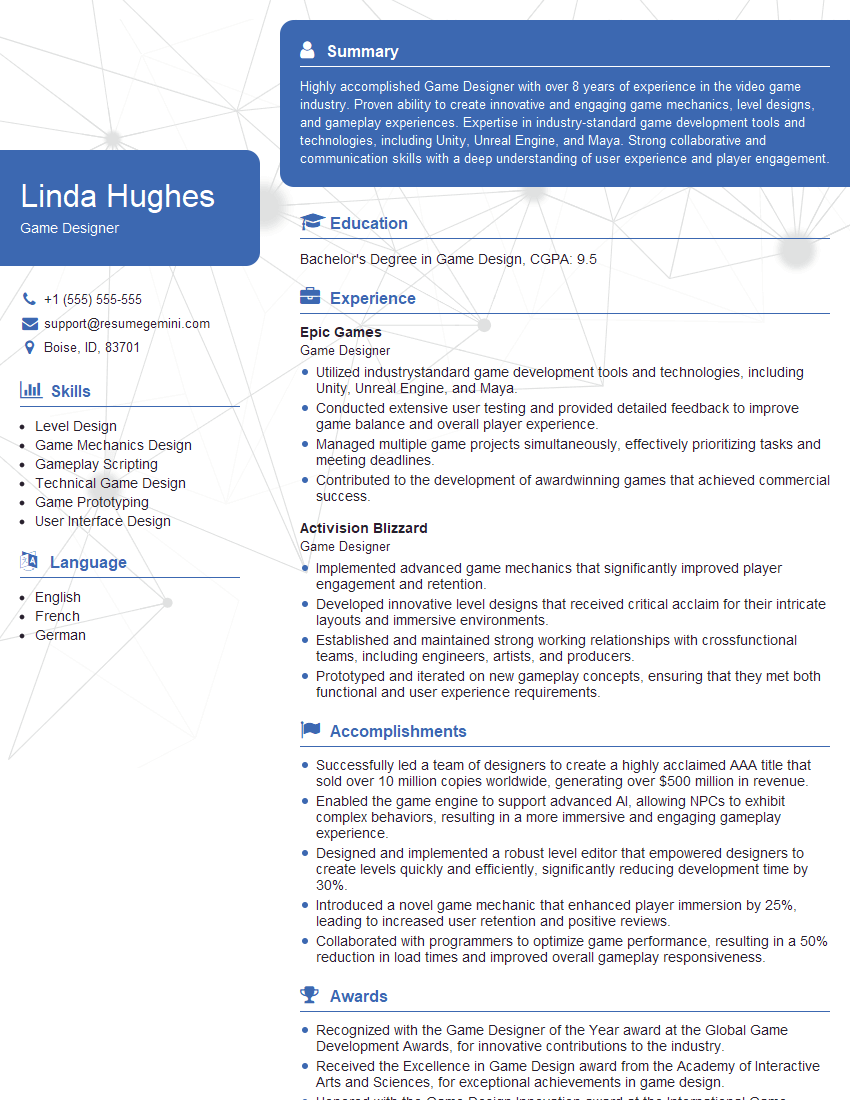
Game Designer Resume Sample
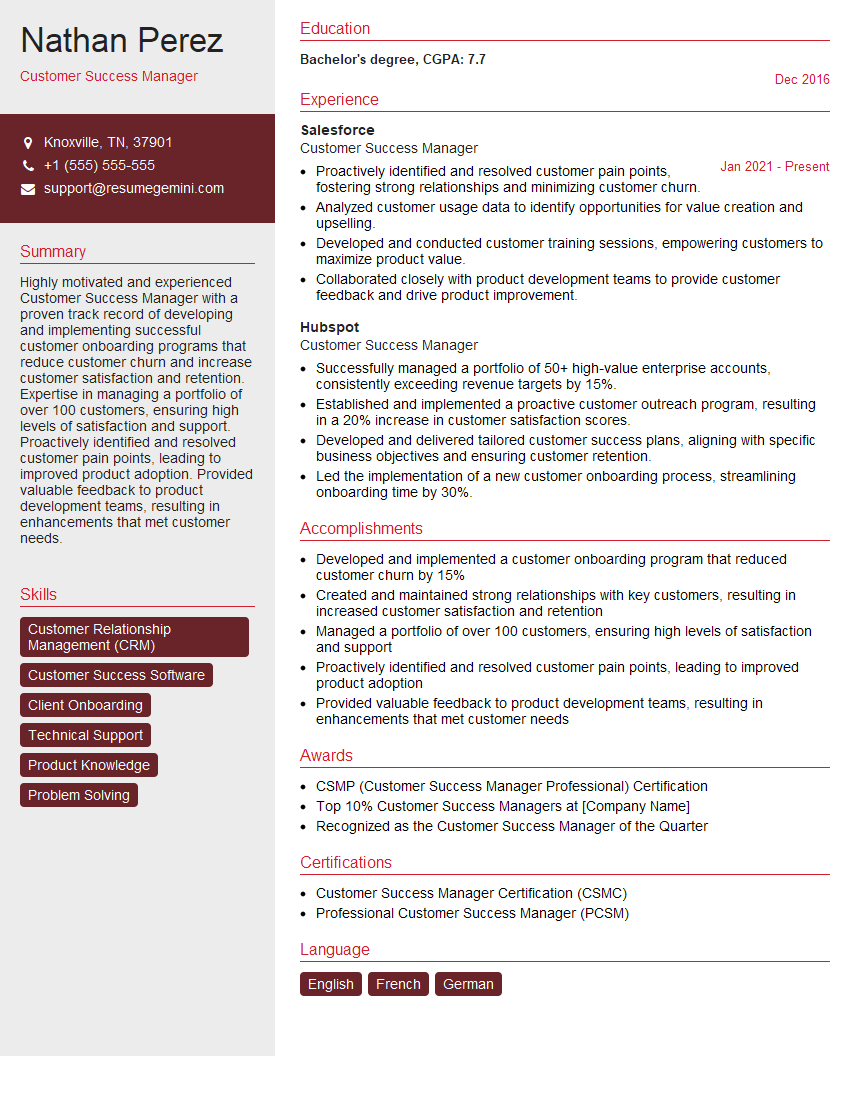
Customer Success Manager Resume Sample
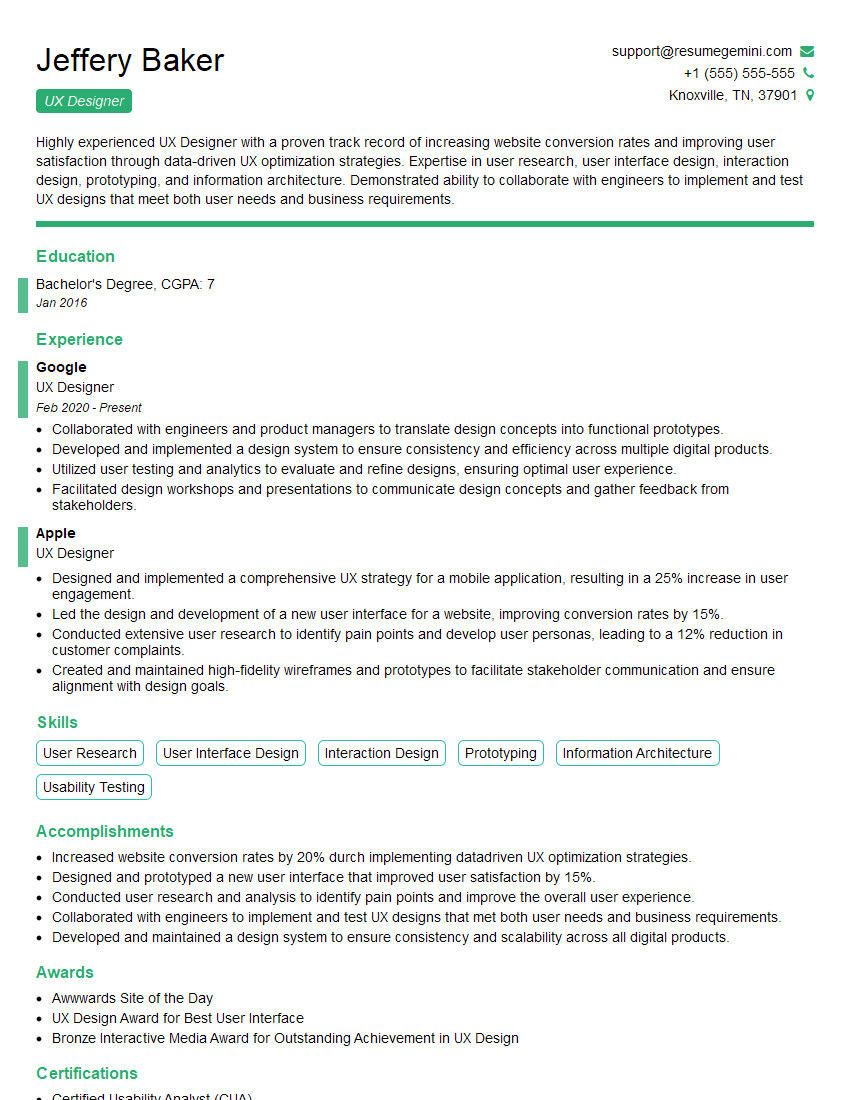
UX Designer Resume Sample
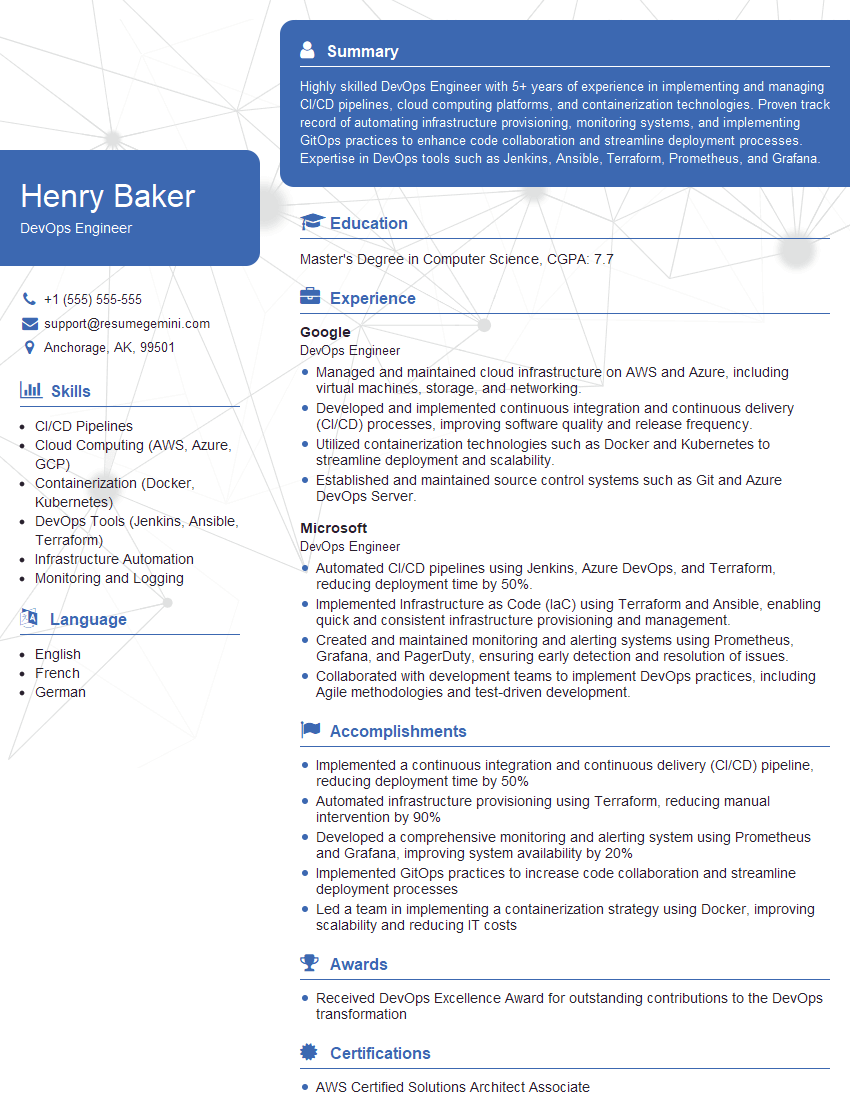
DevOps Engineer Resume Sample
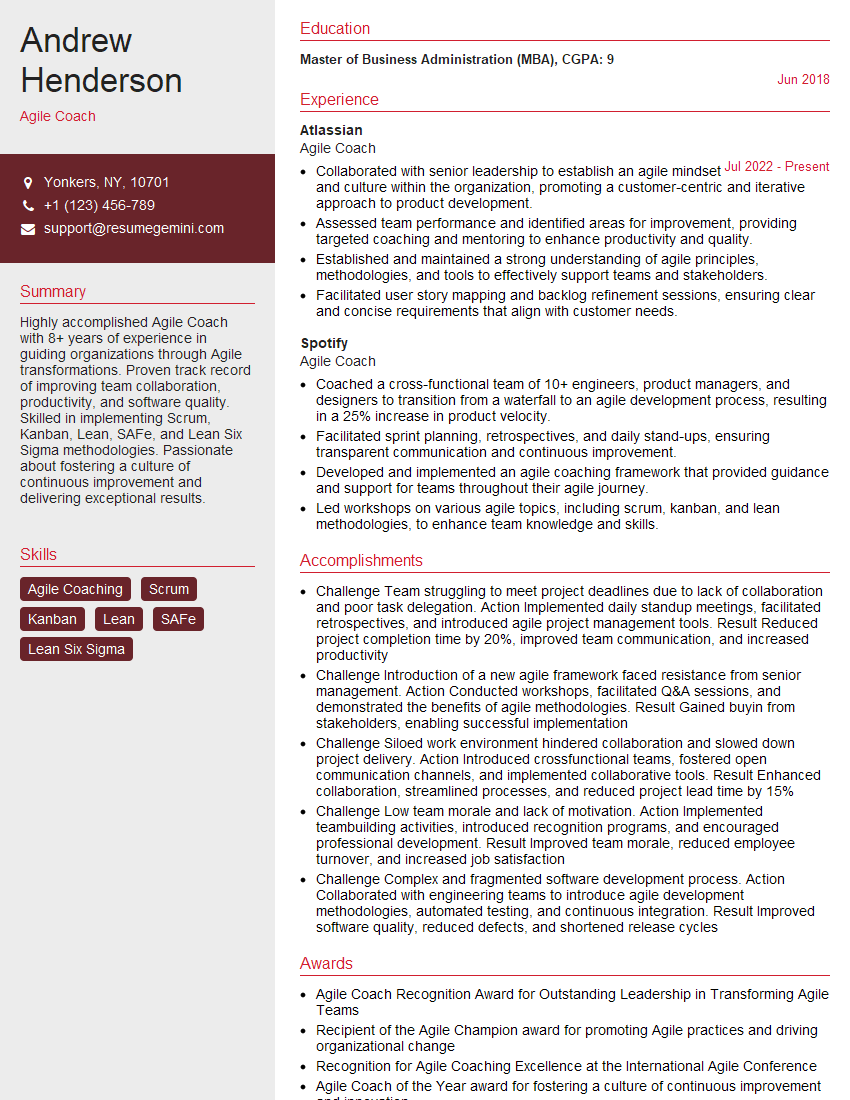
Agile Coach Resume Sample
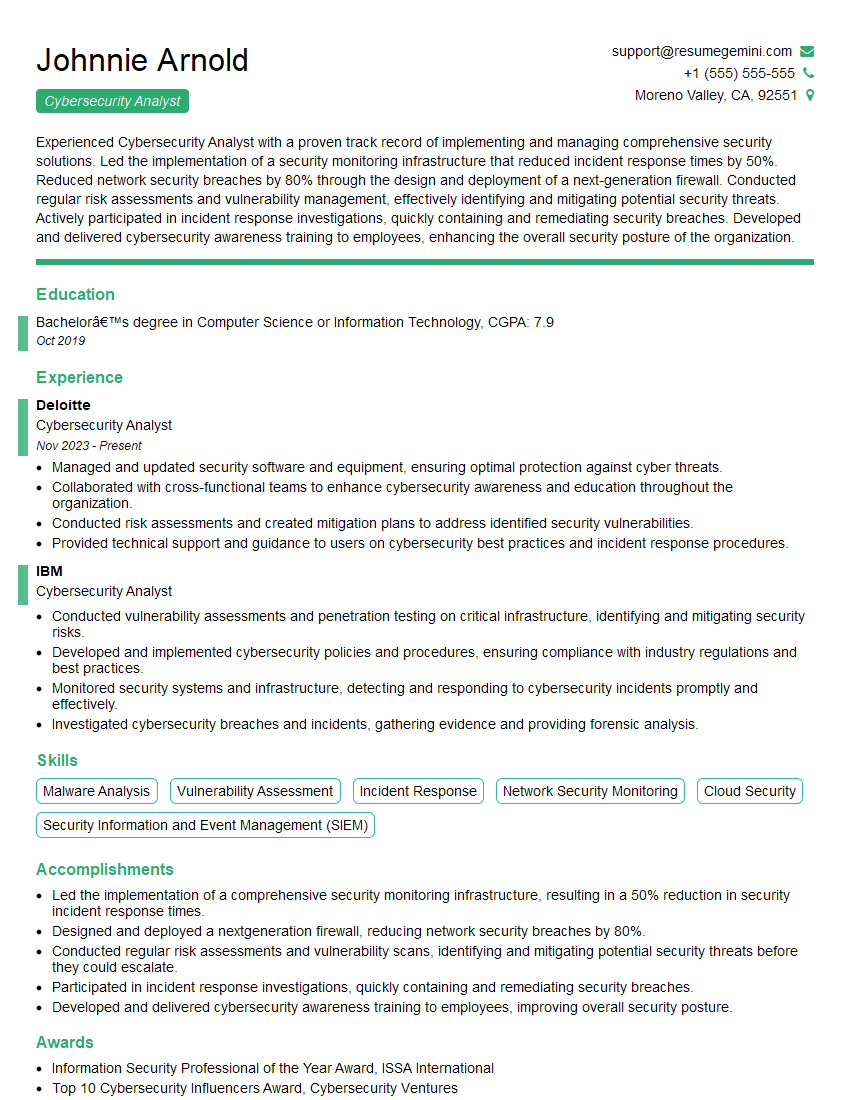
Cybersecurity Analyst Resume Sample
- Operations Manager
- Account Manager
- Marketing Manager
- Product Manager
- Sales Representative
- Supply Chain Manager
- Project Manager
- Business Analyst
- Financial Analyst
- Data Scientist
- Software Engineer
- Network Engineer
- Systems Administrator
- Game Developer
- Scrum Master
- Game Designer
- Customer Success Manager
- UX Designer
- DevOps Engineer
- Agile Coach
- Cybersecurity Analyst
Explore more articles
Users Rating of Our Blogs
Share Your Experience
We value your feedback! Please rate our content and share your thoughts (optional).
What Readers Say About Our Blog
Very informative content, great job.
good