Unlock your full potential by mastering the most common Adaptability and willingness to learn new things interview questions. This blog offers a deep dive into the critical topics, ensuring you’re not only prepared to answer but to excel. With these insights, you’ll approach your interview with clarity and confidence.
Questions Asked in Adaptability and willingness to learn new things Interview
Q 1. Describe a time you had to quickly adapt to a significant change in your work environment.
Adaptability is crucial in today’s dynamic work environments. A significant change I had to adapt to was the sudden shift to a fully remote work model during the pandemic. Our team, accustomed to face-to-face collaboration, had to quickly transition to virtual communication and project management tools.
Initially, this felt disruptive. We experienced challenges with communication clarity, and project coordination required more deliberate effort. To adapt, I proactively sought out and mastered new collaboration tools like Slack and Microsoft Teams, learning how to use them effectively for both asynchronous and synchronous communication. We established clear communication protocols, including regular virtual stand-up meetings and detailed project documentation. We also implemented a system of regular check-ins to ensure everyone felt connected and supported. This proactive approach minimized disruptions and allowed us to maintain productivity and even improve our efficiency in some areas through increased documentation and transparency.
Q 2. How do you typically approach learning a new skill or technology?
My approach to learning a new skill or technology is structured and iterative. I begin by defining clear learning objectives, breaking down the skill into smaller, manageable components. I then research various learning resources, selecting those that align with my learning style and pace. This often includes a combination of online courses, documentation, tutorials, and hands-on practice.
For example, when learning Python, I started with online courses on platforms like Coursera and edX, focusing on the fundamental concepts. I then complemented this with practical exercises, working on small projects to solidify my understanding. I believe in active learning, regularly testing my knowledge and seeking feedback. Continuous practice and refinement are key to mastering any new skill. The process is cyclical, constantly reviewing and refining understanding through practice and feedback loops.
Q 3. What strategies do you use to manage your time effectively when faced with multiple competing priorities?
Effective time management is critical when juggling multiple priorities. I utilize a combination of strategies, including prioritization techniques like the Eisenhower Matrix (urgent/important), task management tools like Trello, and time-blocking. I prioritize tasks based on their impact and urgency, focusing on high-impact activities first. Time-blocking helps me allocate dedicated time slots for specific tasks, minimizing distractions and maximizing focus.
For instance, I dedicate specific blocks of time for focused work, uninterrupted by emails or meetings, and then schedule meetings and less demanding tasks around those blocks. Regular review and adjustment of my schedule are also essential. I regularly review my to-do list, re-prioritize tasks as needed, and adjust my schedule to accommodate unforeseen changes. Flexibility is key—I’m comfortable shifting priorities based on emerging needs.
Q 4. Share an example where you had to overcome a technical challenge through self-learning.
During a previous project, we encountered a critical performance bottleneck in our database. The initial solution was complex and inefficient. Instead of relying solely on the existing team’s knowledge, I took the initiative to learn about database optimization techniques through online resources and documentation. I studied query optimization strategies and indexing techniques.
Through self-learning, I identified several inefficiencies in our database queries and implemented indexing strategies. This involved understanding database schema, query plans, and using profiling tools to identify slow queries. The outcome was a significant improvement in database performance, reducing query execution times by over 60%, without requiring extensive external support. This experience highlighted the value of proactive self-learning in problem-solving and the significant impact it can have on project success.
Q 5. How do you handle setbacks or unexpected problems in a project?
Setbacks and unexpected problems are inevitable in any project. My approach involves a structured problem-solving process. First, I acknowledge the problem and avoid emotional responses. Then, I gather information from various sources, including team members, project documentation, and relevant online resources. Next, I analyze the root cause of the problem and explore potential solutions, weighing the pros and cons of each. I prioritize solutions that are practical, feasible, and aligned with project goals. Finally, I implement the chosen solution, monitor its effectiveness, and adapt my approach if needed.
For example, if a critical dependency fails, I immediately inform stakeholders, engage the relevant teams, and document the issue thoroughly. I then explore workaround solutions while working with the relevant team to resolve the underlying issue. This systematic approach minimizes the impact of setbacks and ensures project continuity.
Q 6. Describe a situation where you had to adapt your communication style to effectively work with different personalities.
Effective communication is vital for teamwork. I adapt my communication style to match the individual and the context. I’ve worked with individuals who prefer direct, concise communication, while others value more collaborative, detailed discussions.
For example, with a team member who preferred direct communication, I focused on clear, concise messages and avoided unnecessary details. With others who preferred a more collaborative approach, I facilitated brainstorming sessions and encouraged open dialogue. I also actively listen and tailor my responses to suit their communication style, ensuring mutual understanding and avoiding misinterpretations. Understanding and adapting to individual communication preferences fosters better teamwork and project outcomes.
Q 7. How do you stay current with industry trends and advancements in your field?
Staying current with industry trends requires a multi-pronged approach. I actively participate in professional communities and online forums, attend industry conferences and webinars, and follow thought leaders on social media. I also dedicate time to reading industry publications, journals, and blogs.
I also actively seek out opportunities to learn from others, connecting with peers and mentors to discuss emerging technologies and best practices. Continuous learning and adaptation are essential to remain competitive and effective in my field.
Q 8. Have you ever had to learn a new software or system quickly? How did you approach it?
Learning new software quickly is crucial in today’s dynamic work environment. My approach is multifaceted and focuses on efficiency and understanding. I begin by identifying the core functionalities I need immediately. I don’t try to master everything at once; instead, I prioritize learning what’s essential to complete my tasks. Then, I utilize a combination of resources: the software’s built-in help documentation, online tutorials, and often, the software vendor’s community forums or support channels. Hands-on practice is key. I work through practice exercises, replicating tasks I’ll perform in my role. If possible, I seek a mentor or colleague already familiar with the software for guidance and troubleshooting. For example, when I had to learn a new CRM system (Customer Relationship Management), I focused first on contact management and lead tracking. I watched several introductory videos, then used the help section to navigate the reporting features. Through this combination of structured learning and practice, I became proficient quickly.
Q 9. Describe a time you had to change your approach to a problem because your initial strategy wasn’t working.
Adaptability means recognizing when a strategy isn’t working and pivoting. In a previous project, our team initially focused on a highly technical solution to improve data processing speed. However, after weeks of development, we realized the technical hurdles were insurmountable within our time constraints. We had to change our approach. We brainstormed alternative solutions, prioritizing a simpler, more pragmatic method that involved optimizing existing processes and focusing on data prioritization. This involved a significant shift in priorities and required us to relinquish some of our original, more ambitious goals. The result was a less technically impressive but ultimately more successful solution, delivered on time and within budget. This experience highlighted the importance of regular evaluation and the willingness to adjust strategies based on reality.
Q 10. How do you prioritize tasks when faced with competing deadlines?
Prioritizing tasks with competing deadlines requires a structured approach. I use a combination of techniques, including a prioritized to-do list. I assess each task based on its urgency and importance using a matrix (often called an Eisenhower Matrix or Urgent/Important Matrix). Urgent and important tasks get immediate attention. Important but not urgent tasks are scheduled. Urgent but not important tasks are delegated if possible, or streamlined to minimize time commitment. Tasks that are neither urgent nor important are eliminated or postponed. This allows me to focus my energy where it yields the greatest impact. Regularly reviewing and adjusting the list is essential as priorities shift. For instance, if a critical client request arrives, I’ll adjust my list to accommodate it, moving it to the top of my priority list.
Q 11. How do you handle ambiguity and uncertainty in the workplace?
Ambiguity and uncertainty are inherent in many professional settings. My approach involves seeking clarification, gathering data, and working collaboratively. I start by defining what I know and what I don’t know. Then, I proactively seek information from relevant sources, including colleagues, supervisors, and any available documentation. I often break down complex problems into smaller, more manageable parts to improve my understanding. I also encourage open communication within my team to discuss assumptions and potential risks. Instead of being paralyzed by uncertainty, I view it as an opportunity to learn and develop creative solutions. For example, when working on a project with unclear requirements, I scheduled a meeting with the stakeholders to clarify expectations and solidify the project’s scope.
Q 12. Describe a situation where you had to work with limited information to achieve a goal.
Working with limited information requires resourcefulness and effective problem-solving. In one instance, I had to develop a marketing campaign with minimal data on our target audience. I approached this by leveraging secondary research such as industry reports and competitor analyses to understand broader market trends. I also utilized available internal data, even if it was incomplete, to form hypotheses about our audience’s preferences. I then designed a campaign with a strong emphasis on testing and iteration, using A/B testing to determine which marketing messages and channels were most effective. While the lack of complete information presented challenges, this iterative approach allowed us to gradually refine the campaign and achieve a successful outcome. The key was to be adaptable and to embrace the uncertainty, turning it into an opportunity to learn and improve.
Q 13. How do you identify your own learning gaps and address them?
Identifying learning gaps is an ongoing process that involves self-reflection and feedback. I regularly assess my performance against project goals and seek feedback from colleagues and supervisors. I also use self-assessment tools, reflecting on my strengths and weaknesses. I pay close attention to areas where I struggle or where I receive constructive criticism. Once I’ve identified a gap, I create a plan to address it. This might involve taking online courses, attending workshops, reading relevant literature, or seeking mentorship. For instance, I recently realized my skills in data visualization were lagging behind my colleagues’. To address this, I enrolled in an online course focusing on data visualization tools and techniques.
Q 14. What resources do you typically use for professional development?
My professional development utilizes a range of resources. I regularly attend industry conferences and webinars to stay updated on current trends and best practices. Online learning platforms provide access to a wide range of courses and certifications, catering to specific skill development needs. I also actively participate in professional organizations and networking groups, engaging in discussions and learning from peers’ experiences. Reading industry publications and books is another vital resource for expanding my knowledge and perspectives. Mentorship is invaluable for professional growth, providing guidance and support in navigating career challenges. I also leverage internal training programs offered by my organization. By diversifying my approach, I ensure continuous learning and professional growth.
Q 15. How do you measure your own success in learning a new skill?
Measuring success in learning a new skill isn’t just about achieving a specific outcome; it’s about a holistic assessment of progress. I use a multi-faceted approach. Firstly, I define clear, measurable goals at the outset. For example, if learning Python, my goal might be to build a functional web scraper within three months. Then, I track my progress against these goals, using milestones to monitor my advancement. Secondly, I assess my proficiency through practical application. Can I use the skill effectively to solve problems or complete projects? Thirdly, I seek feedback from peers or mentors. Their objective perspective provides valuable insights I might miss. Finally, and perhaps most importantly, I reflect on my learning journey. Did I enjoy the process? Did I develop new problem-solving skills? This reflective practice helps me understand my strengths and areas for improvement, ultimately shaping my future learning endeavors. For instance, while learning data analysis, initially struggling with statistical concepts, I eventually mastered them through focused practice and collaborative learning. This success wasn’t just about mastering the techniques, but also about developing resilience and a more structured approach to tackling complex challenges.
Career Expert Tips:
- Ace those interviews! Prepare effectively by reviewing the Top 50 Most Common Interview Questions on ResumeGemini.
- Navigate your job search with confidence! Explore a wide range of Career Tips on ResumeGemini. Learn about common challenges and recommendations to overcome them.
- Craft the perfect resume! Master the Art of Resume Writing with ResumeGemini’s guide. Showcase your unique qualifications and achievements effectively.
- Don’t miss out on holiday savings! Build your dream resume with ResumeGemini’s ATS optimized templates.
Q 16. Describe a time you had to adapt to a new team or working style.
In my previous role, I transitioned from a small, agile team with a highly collaborative, informal working style to a larger, more structured team following a waterfall methodology. The initial adjustment was challenging. The smaller team thrived on quick, iterative development, while the larger team prioritized detailed planning and sequential phases. My adaptation involved several key steps. First, I actively listened and observed the team dynamics, understanding their communication styles and workflow preferences. Second, I sought clarification on processes and procedures, asking questions to avoid misunderstandings. Third, I proactively offered support and collaboration, helping bridge the gap between the different approaches. For example, I took the initiative to create clear documentation of processes, translating the team’s informal methods into a more formalized system, ensuring everyone remained informed and on the same page. This demonstrated my commitment to teamwork while ensuring efficiency. The transition wasn’t immediate, but through conscious effort and effective communication, I successfully integrated into the new team and contributed positively to their workflow.
Q 17. How do you handle constructive criticism and use it to improve your performance?
I view constructive criticism as a valuable opportunity for growth. My approach involves several key steps: First, I actively listen to the feedback without getting defensive. I acknowledge the points raised, showing the person giving feedback that I value their input. Second, I ask clarifying questions to fully understand their perspective. This helps me avoid misinterpretations and ensures I have a clear picture of the areas needing improvement. Third, I reflect on the feedback, identifying specific areas where I can improve my performance. This might involve reviewing my work, seeking additional training, or adjusting my approach. Finally, I develop a concrete action plan based on the feedback, setting achievable goals to address the identified weaknesses. For example, if feedback indicated a need for improved written communication, I might enroll in an online course on professional writing or seek mentorship from a colleague known for their strong writing skills. By actively incorporating feedback into my workflow, I consistently enhance my performance and develop professionally.
Q 18. Describe your approach to continuous learning and professional development.
My approach to continuous learning is proactive and multifaceted. It’s not just about acquiring new skills but about cultivating a growth mindset. I maintain a continuous learning journal, tracking my progress and identifying areas for development. I actively seek out new challenges and opportunities to apply my skills in different contexts. I leverage online resources, such as Coursera and edX, for structured learning in specific areas. I also attend industry conferences and workshops to stay informed about current trends and best practices. Mentorship plays a significant role. I actively seek out mentors who can guide my development and provide valuable insights. Finally, I prioritize regular reflection, assessing my progress and identifying areas where I need to focus my efforts. This systematic approach ensures I remain at the forefront of my field, adapting to new demands and innovations.
Q 19. How do you incorporate feedback to improve your adaptability?
Feedback is crucial for enhancing adaptability. I incorporate feedback by first analyzing its source and context. Is it from a peer, a manager, or a client? Understanding the source helps me contextualize the feedback. Then, I identify patterns and trends in the feedback received. Are there recurring themes suggesting areas needing significant improvement? I use this information to adjust my strategies and approaches. If feedback indicates a weakness in a particular skill, I develop a targeted plan for improvement. This might involve enrolling in a training program, seeking mentorship, or practicing specific techniques. I also actively solicit feedback, not just waiting for it to be offered. By proactively seeking feedback, I gain a more comprehensive understanding of my strengths and weaknesses and can proactively address areas needing improvement. This iterative process of seeking, analyzing, and applying feedback ensures my adaptability continually evolves and strengthens.
Q 20. What are your preferred methods for staying informed about industry best practices?
Staying informed about industry best practices is critical. I utilize a combination of methods. I subscribe to relevant industry publications and newsletters to keep up with current trends and advancements. I actively participate in online professional communities and forums, engaging in discussions and sharing knowledge with peers. I attend industry conferences and workshops to learn from experts and network with professionals in my field. I also follow key industry leaders and influencers on social media and through their publications. This multi-pronged approach ensures that I have a broad and up-to-date understanding of the industry landscape, allowing me to adapt my skills and knowledge to remain competitive and relevant.
Q 21. How do you balance your commitment to learning new things with your current workload?
Balancing continuous learning with a heavy workload requires careful planning and prioritization. I use time management techniques such as the Pomodoro Technique, allocating specific blocks of time for learning and focusing on high-impact activities. I also integrate learning into my workday, incorporating relevant online courses or readings during breaks or downtime. I prioritize learning activities that directly support my current projects, ensuring that the effort yields immediate returns. Finally, I avoid overwhelming myself, focusing on small, manageable learning goals to maintain motivation and avoid burnout. By strategically integrating learning into my daily routine, I ensure that it doesn’t become an additional burden but rather a valuable tool for enhancing my performance and effectiveness.
Q 22. Describe a situation where you had to adapt your methods due to unexpected resource constraints.
Adaptability often requires adjusting strategies when resources are unexpectedly limited. It’s about creatively finding solutions despite constraints.
In a previous project, we were developing a new marketing campaign with a tight deadline. Our initial plan relied heavily on high-quality professional photography. However, due to unforeseen budget cuts, we had to significantly reduce our photography budget. Instead of abandoning the project, we adapted. We decided to leverage user-generated content by launching a social media campaign encouraging customers to submit photos. This not only saved money but also increased customer engagement and authenticity, ultimately leading to a successful campaign, exceeding initial expectations despite the resource constraints.
This situation highlighted the importance of flexible planning and the ability to quickly identify and deploy alternative solutions. We learned to prioritize, and to creatively explore alternative avenues to meet our objectives, even with reduced resources. The solution was far more cost-effective and resulted in a more authentic marketing campaign.
Q 23. How do you approach a situation where you are unsure of the best course of action?
When faced with uncertainty, a structured approach is crucial. It’s not about avoiding decisions, but making informed ones with the information available. My approach involves a series of steps:
- Information Gathering: I begin by actively seeking all relevant information. This includes consulting colleagues, researching best practices, and analyzing data.
- Risk Assessment: I carefully evaluate the potential risks and benefits of each possible course of action. I often use a simple risk matrix to weigh potential outcomes.
- Brainstorming & Options: I brainstorm multiple solutions with colleagues, even those seemingly unconventional. This helps to generate a wider range of possibilities and avoid premature closure.
- Decision & Mitigation: Based on my analysis, I choose the best course of action and proactively develop contingency plans to mitigate potential risks associated with that decision.
- Evaluation & Iteration: I consistently monitor the results and adapt my strategy as needed. Learning from successes and failures is essential for continuous improvement.
For instance, when deciding on a new software platform for our team, we used this process. We gathered information on various platforms, assessed their risks and benefits, brainstormed different approaches to implementation, and then selected the option that minimized risk while offering the greatest potential. We also established a clear monitoring system to track the implementation progress and adjust the plan where necessary.
Q 24. Describe a time you had to make a quick decision with incomplete information.
Making quick decisions with incomplete information is a common challenge, but crucial for effective leadership. The key is to prioritize speed and minimize risk simultaneously.
During a critical system outage, we lacked complete information on the root cause. However, we needed to quickly mitigate the impact on customers. Based on preliminary diagnostics, I decided to deploy a temporary workaround that addressed the most critical aspect of the outage, minimizing customer disruption while the root cause investigation continued. We communicated transparently with our customers about the ongoing situation and the steps we were taking to resolve the issue. This helped maintain trust, even with a degree of uncertainty.
The outcome was positive. The temporary workaround prevented a major escalation, demonstrating the value of making a timely decision even with incomplete data, prioritizing immediate mitigation.
Q 25. How do you handle pressure and maintain composure in challenging situations?
Handling pressure effectively involves a combination of proactive strategies and emotional intelligence.
- Preparation: Thorough preparation helps reduce anxiety and increase confidence. Planning for various scenarios, even unlikely ones, helps you feel more in control.
- Prioritization: Focus on the most critical tasks first. Effective time management helps ensure that you’re dedicating your energy where it matters most.
- Self-Care: Adequate sleep, regular exercise, and healthy eating can significantly improve resilience under pressure.
- Mindfulness: Practicing mindfulness techniques can help you stay calm and focused during stressful situations. Taking deep breaths or short meditative breaks can help manage anxiety.
- Communication: Open communication with your team helps share the workload, build trust, and alleviate pressure.
During a product launch, we faced significant technical challenges in the final hours. By prioritizing the most critical issues, staying calm, and communicating effectively with the team, we managed to overcome the obstacles and launch the product successfully. My focus remained on maintaining a clear head and inspiring confidence in the team.
Q 26. How do you proactively identify potential challenges and develop contingency plans?
Proactive risk management is essential for successful project execution. I use a combination of techniques:
- SWOT Analysis: I regularly conduct SWOT (Strengths, Weaknesses, Opportunities, Threats) analyses to identify potential challenges and leverage opportunities.
- Scenario Planning: This involves developing multiple scenarios based on different potential outcomes. This allows for the creation of contingency plans for a range of possibilities.
- Risk Registers: I maintain a detailed risk register that documents potential risks, their likelihood, impact, and mitigation strategies. This helps to track and manage risks throughout a project’s lifecycle.
- Regular Reviews: Frequent project reviews allow us to proactively identify and address emerging risks before they become significant problems.
For example, when launching a new product into a foreign market, we conducted a thorough market analysis, considered potential regulatory hurdles, anticipated language barriers and created several contingency plans to account for various challenges ranging from supply chain issues to unexpected negative media attention.
Q 27. How do you ensure that your learning is applied effectively to your work?
Effective learning is not just about acquiring new knowledge; it’s about actively applying it to improve performance. I prioritize:
- Knowledge Sharing: I actively share my new knowledge with my team through presentations, workshops, or informal discussions. This benefits both myself and the team.
- Practical Application: I look for opportunities to apply new skills and knowledge immediately in my work, even in small ways.
- Reflection & Feedback: I regularly reflect on my learning experiences, seeking feedback from colleagues and mentors to identify areas for improvement.
- Documentation: I create documented processes and best practices based on my learning, allowing the team to benefit long-term.
Recently, I attended a workshop on Agile project management. I immediately applied the new methodologies to our current projects. I documented the changes and shared them with the team, leading to a more efficient and collaborative workflow. The improvements were quantifiable and directly linked to the new learning.
Q 28. Describe a time you had to work effectively under time pressure while maintaining quality.
Working effectively under pressure while maintaining quality necessitates a structured approach and a focus on prioritization.
In one instance, we had to complete a critical report within a very tight deadline. We utilized a time management technique known as the ‘Pomodoro Technique’, working in focused 25-minute bursts with short breaks in between. This helped maintain concentration and prevent burnout. We also prioritized the most important sections of the report first, ensuring that the most crucial aspects were completed to a high standard, even if less critical sections required some compromise. We also utilized teamwork and division of tasks, to ensure effective time utilization.
The outcome was successful. Despite the tight deadline, the report was delivered on time and to the required standard of quality. Our use of time management strategies and efficient teamwork proved effective in meeting the tight deadline while not compromising the report’s overall quality. The team learned the importance of planning under pressure and utilizing effective time management techniques.
Key Topics to Learn for Adaptability and Willingness to Learn New Things Interview
- Defining Adaptability: Understanding the nuances of adaptability – flexibility in approach, problem-solving in dynamic situations, and resilience in the face of change. Explore how you proactively seek solutions and adjust strategies when necessary.
- Demonstrating a Growth Mindset: Articulate your belief in continuous learning and personal development. Highlight instances where you actively sought out new skills or knowledge to improve your performance or address challenges.
- Practical Application of Learning: Provide examples from past experiences where you learned a new skill, technology, or process quickly and effectively. Focus on the methods you used, the challenges you overcame, and the positive outcomes achieved.
- Transferable Skills: Identify and highlight transferable skills gained from various experiences, emphasizing how these skills demonstrate your adaptability and willingness to learn in diverse contexts.
- Embracing Feedback: Discuss how you receive and incorporate feedback to improve your performance and adapt your approach. Show that you view feedback as a valuable tool for growth.
- Problem-Solving in Ambiguous Situations: Explain how you approach problems with incomplete information or changing requirements, highlighting your ability to adapt your strategies as new information emerges.
- Technological Adaptability: If relevant to the role, demonstrate your ability to quickly learn and utilize new technologies or software. Provide specific examples of successful adaptation.
Next Steps
Mastering adaptability and a willingness to learn new things is crucial for career advancement. Employers highly value individuals who can navigate change, embrace new challenges, and continuously improve their skills. To increase your chances of landing your dream job, crafting a strong, ATS-friendly resume is essential. ResumeGemini can help you build a compelling resume that highlights your adaptability and learning agility. We provide examples of resumes tailored to showcase these crucial skills, enabling you to present yourself effectively to potential employers.

Operations Manager Resume Sample
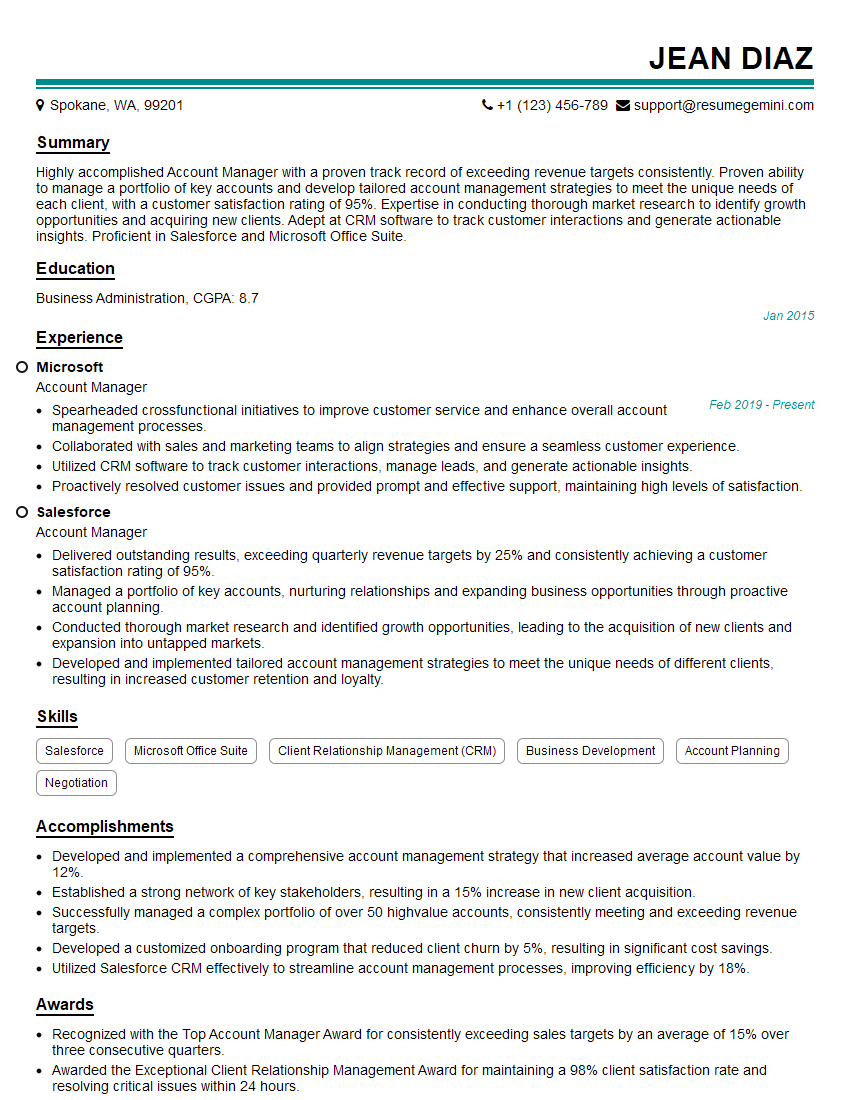
Account Manager Resume Sample
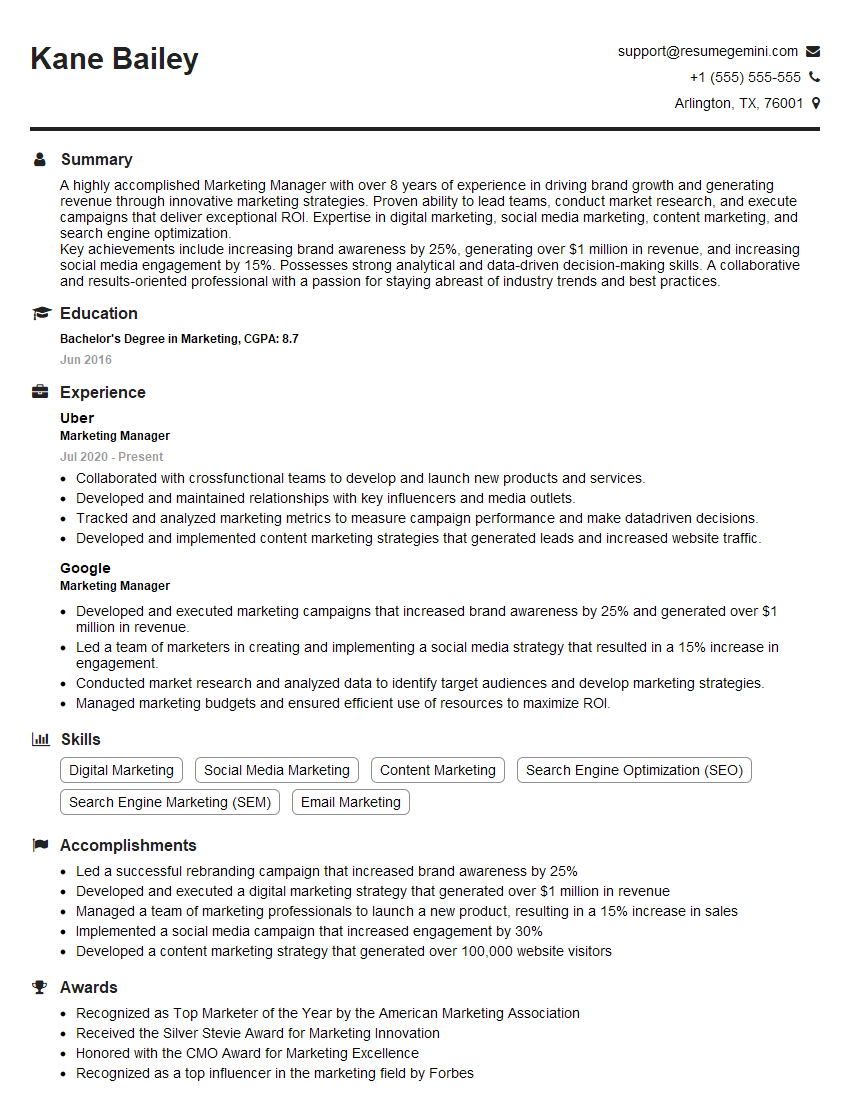
Marketing Manager Resume Sample
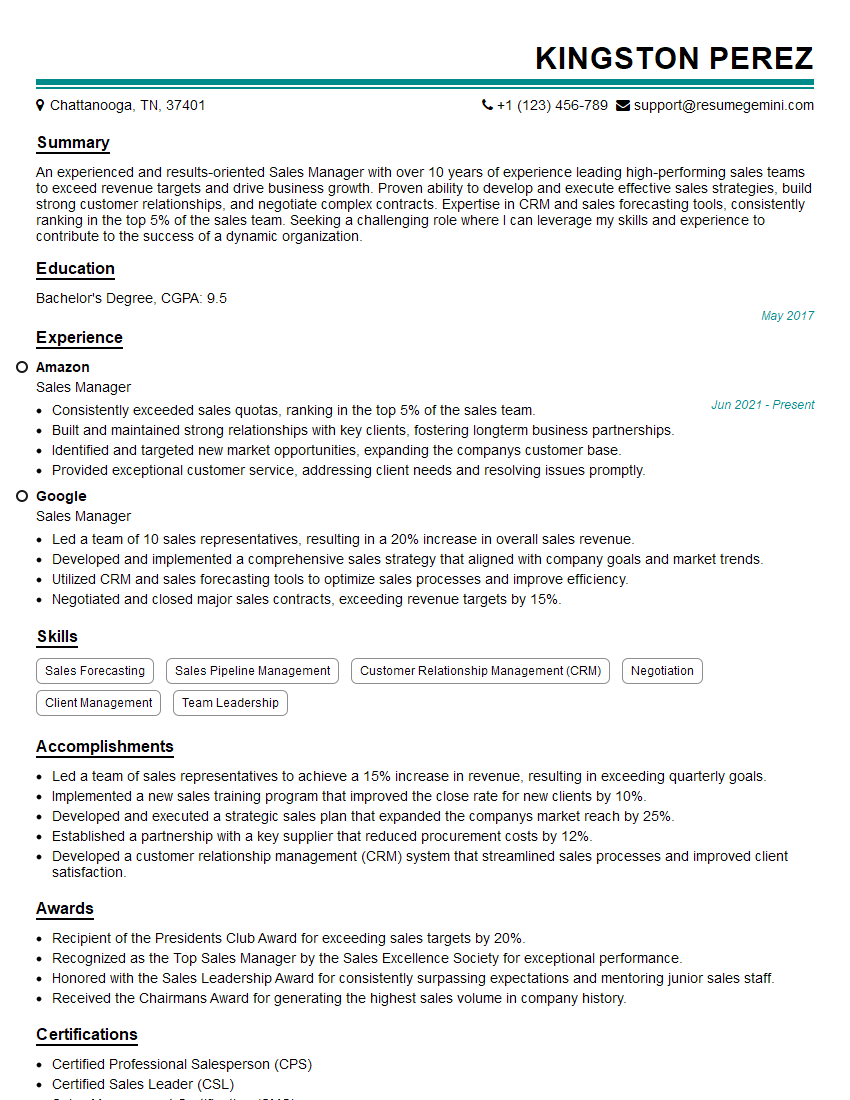
Sales Manager Resume Sample
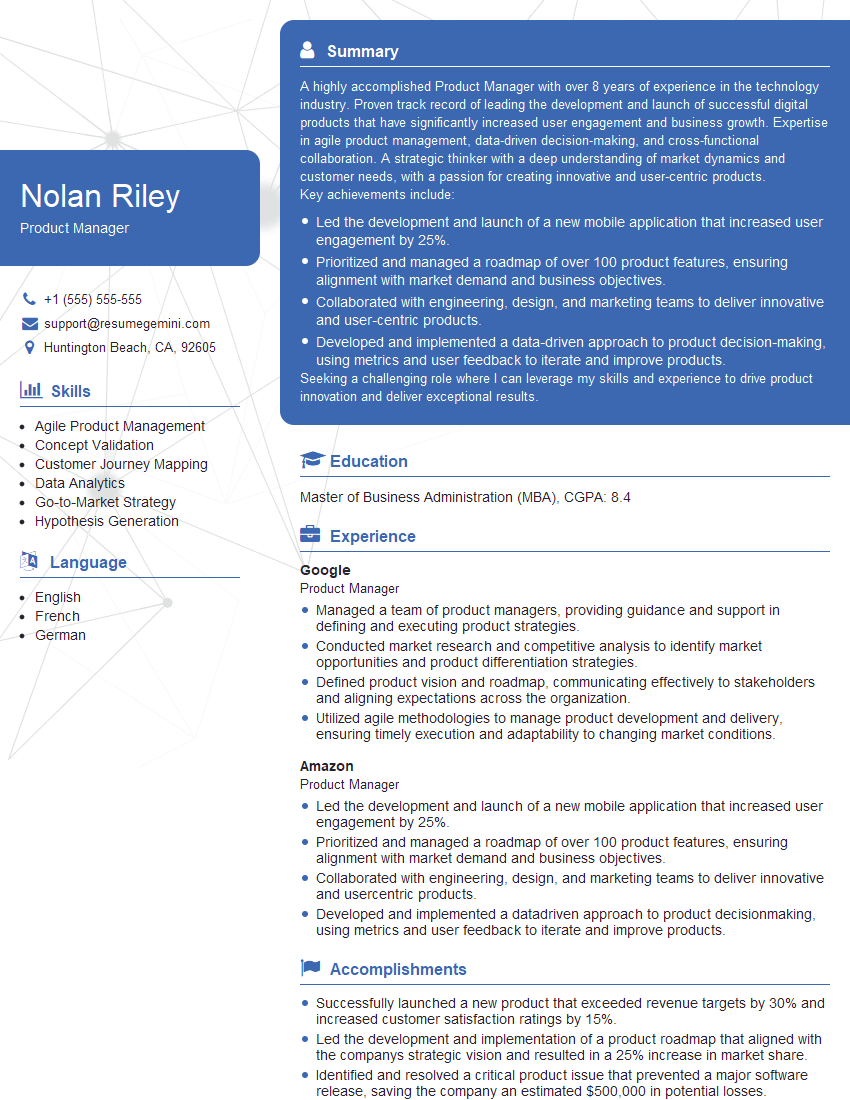
Product Manager Resume Sample
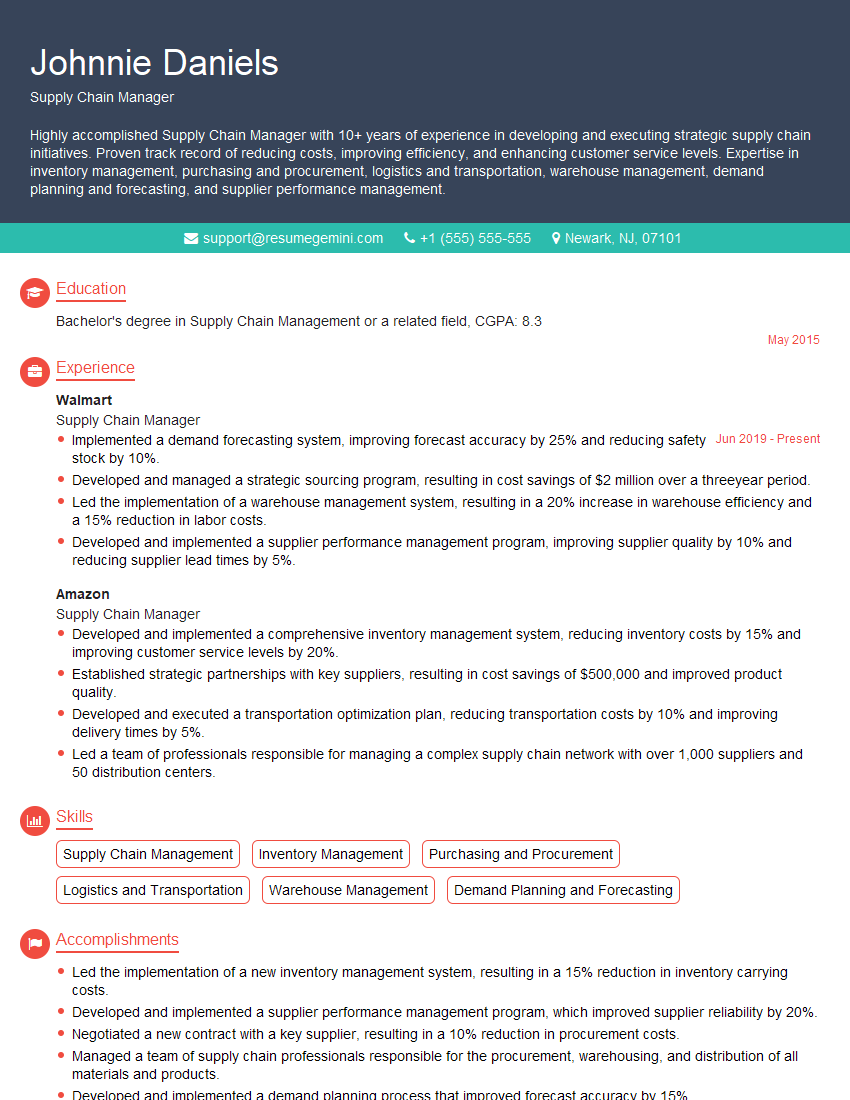
Supply Chain Manager Resume Sample
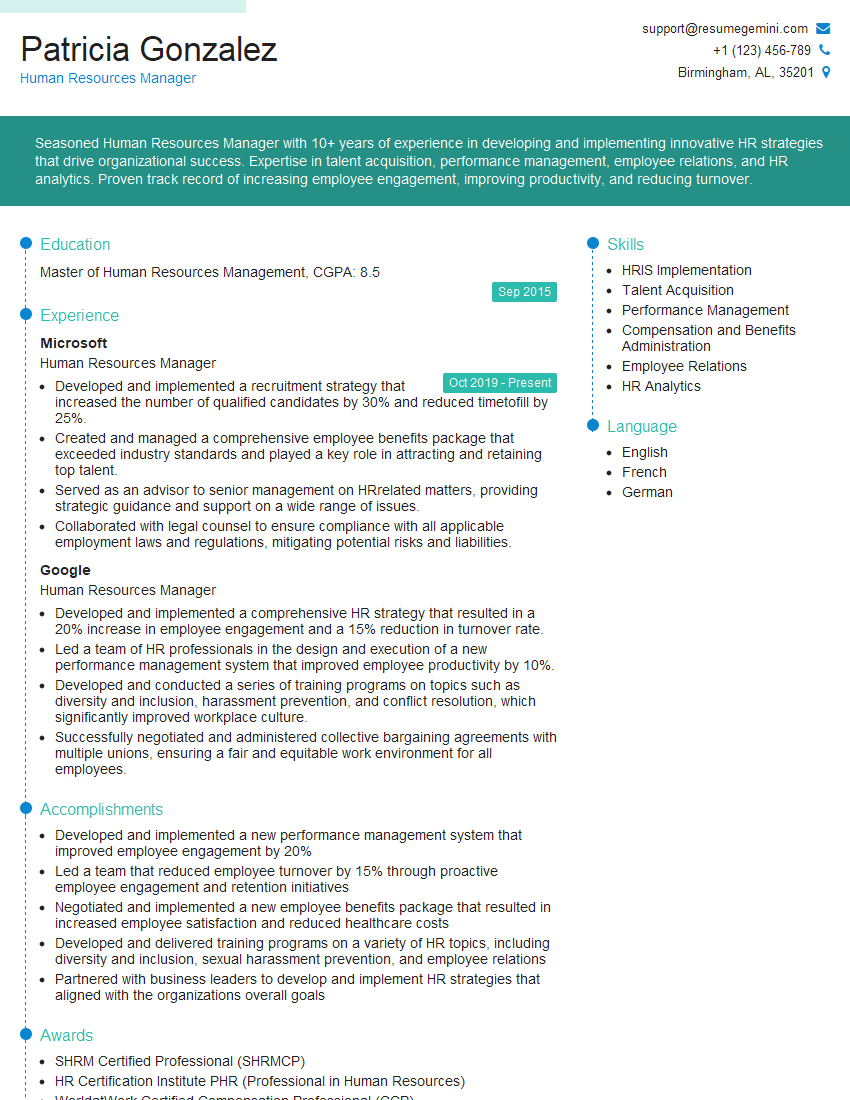
Human Resources Manager Resume Sample
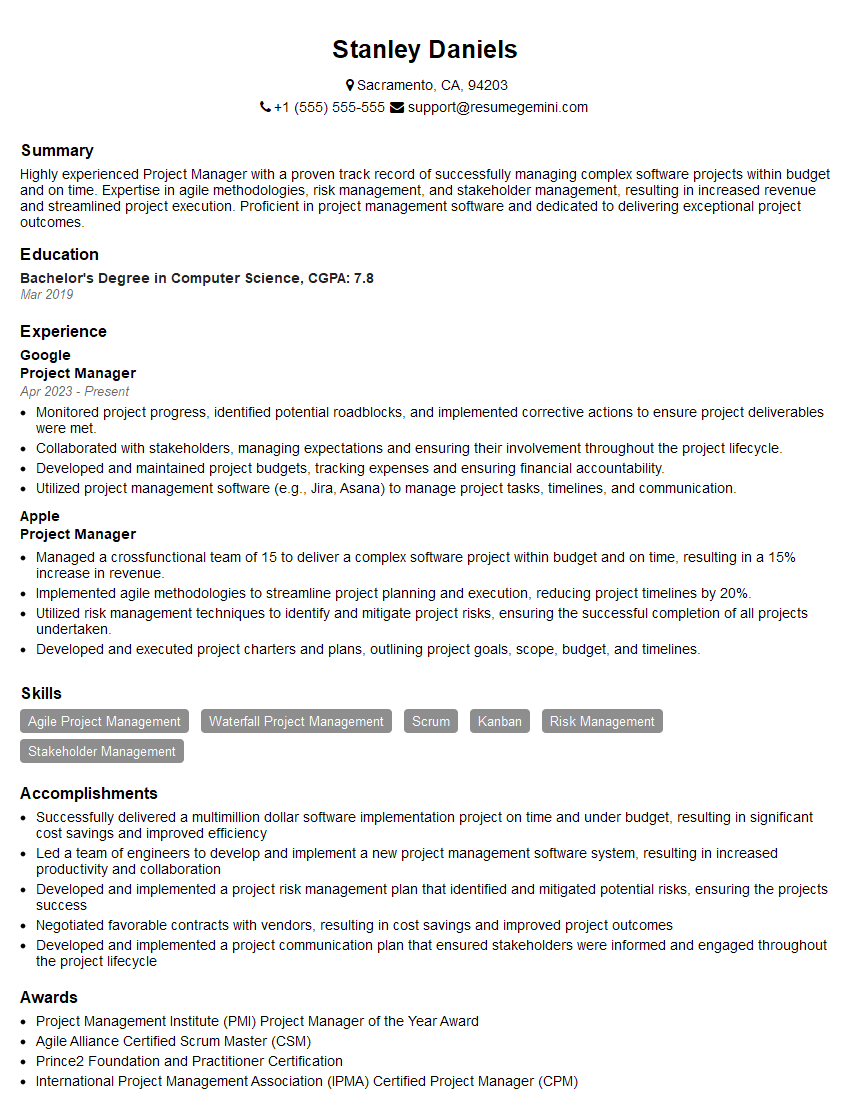
Project Manager Resume Sample
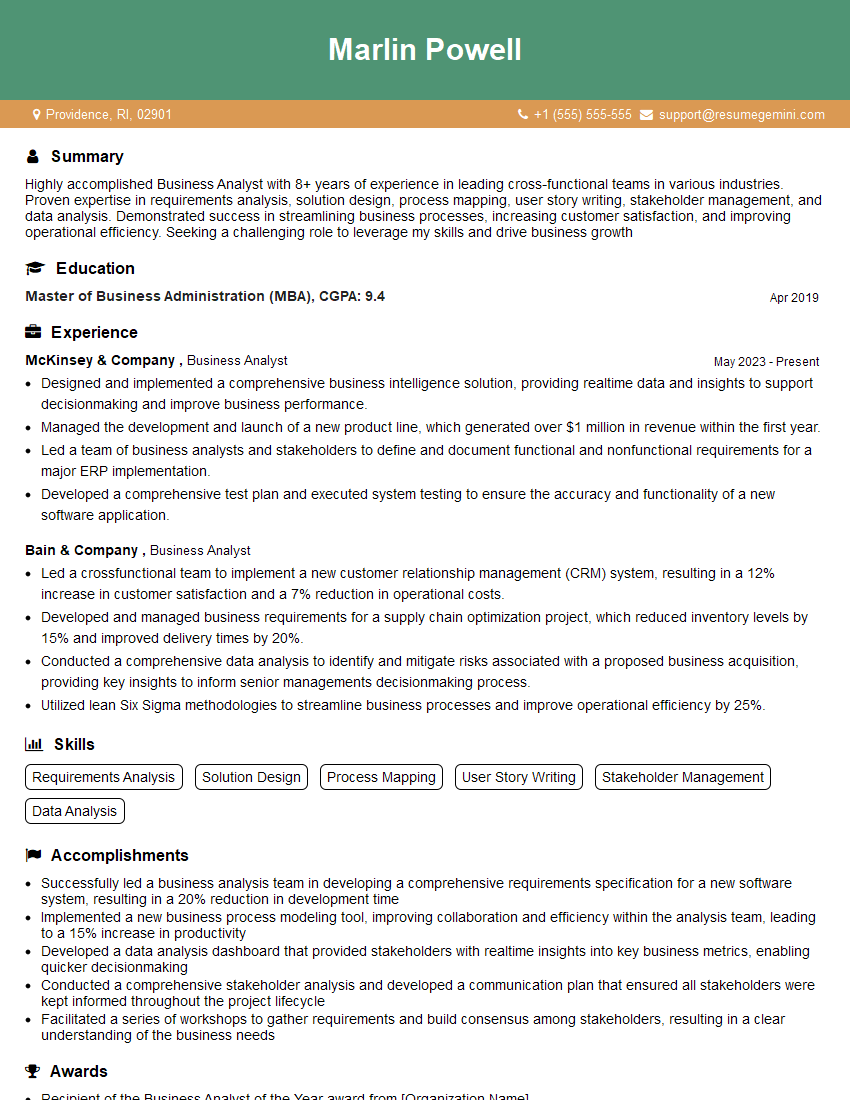
Business Analyst Resume Sample
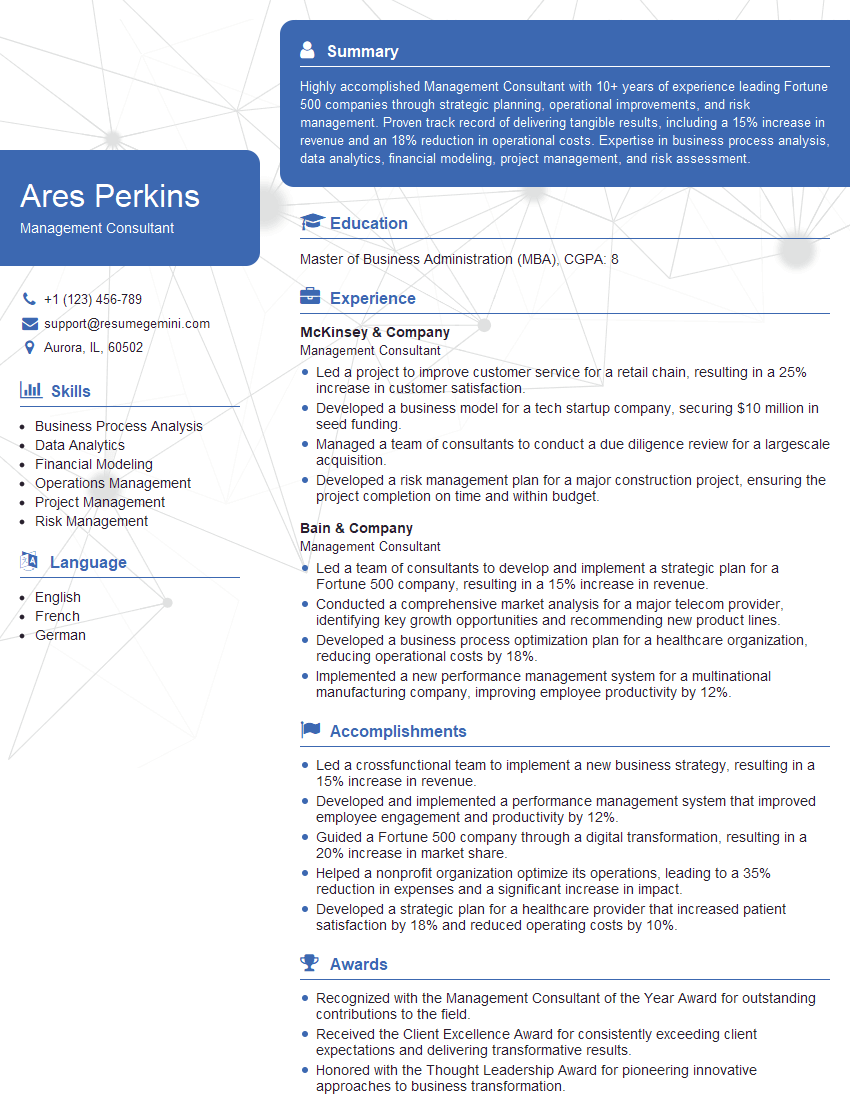
Management Consultant Resume Sample
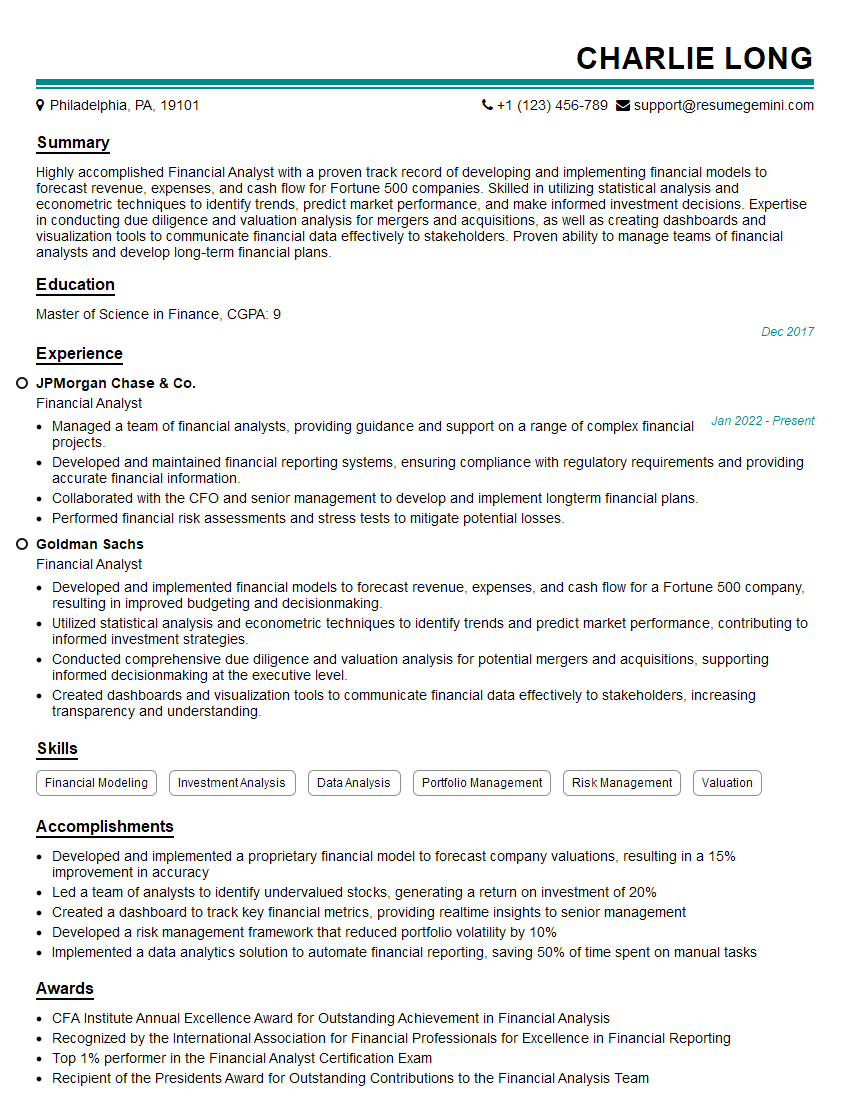
Financial Analyst Resume Sample
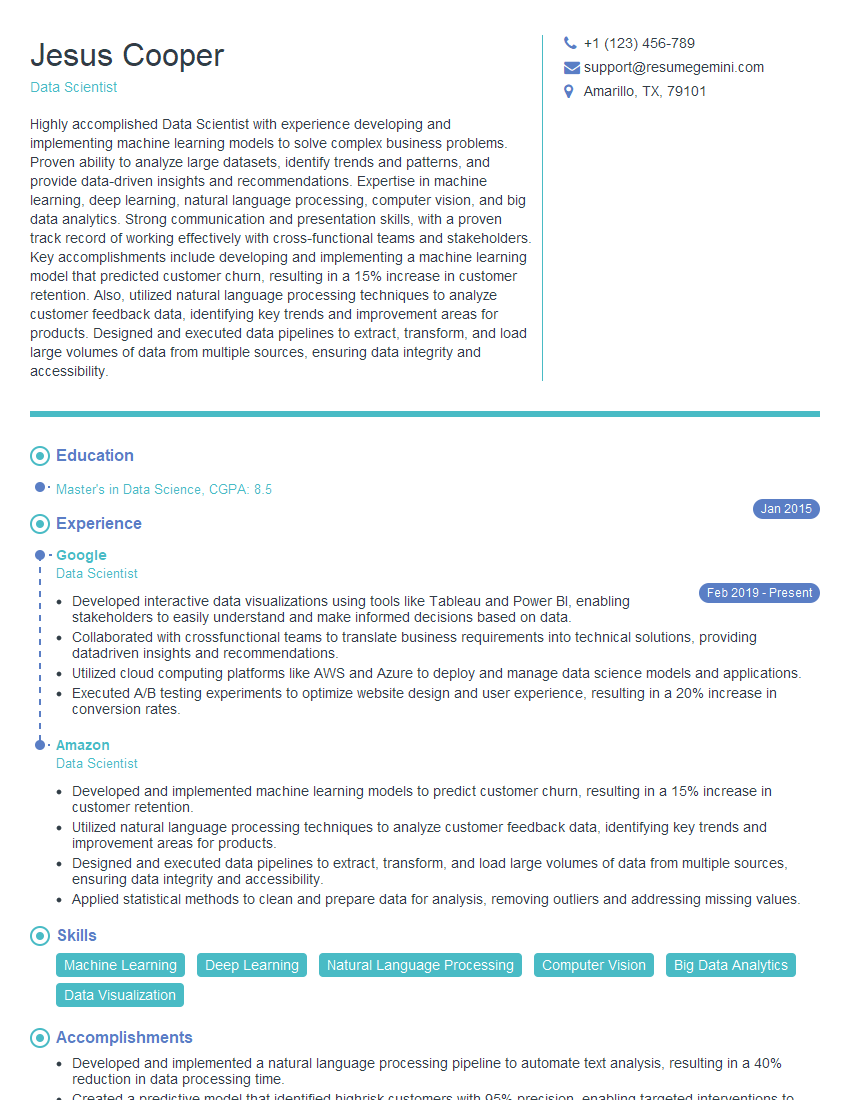
Data Scientist Resume Sample
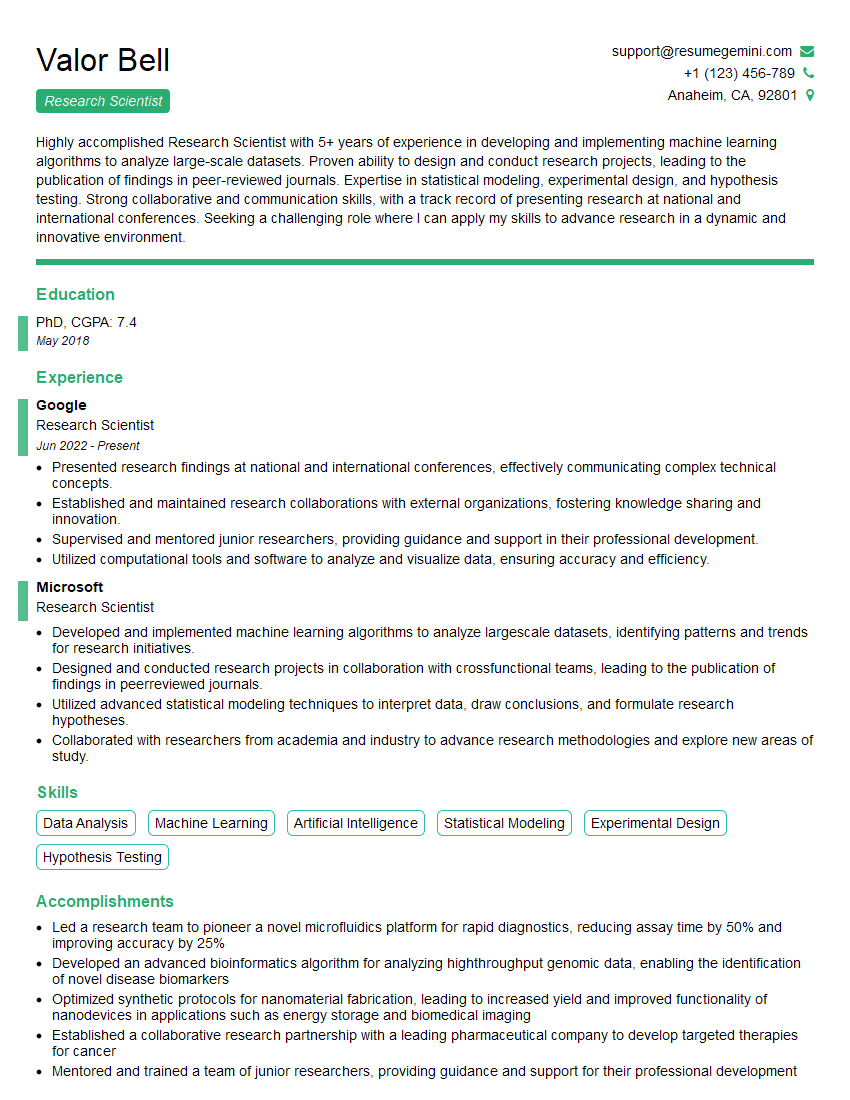
Research Scientist Resume Sample
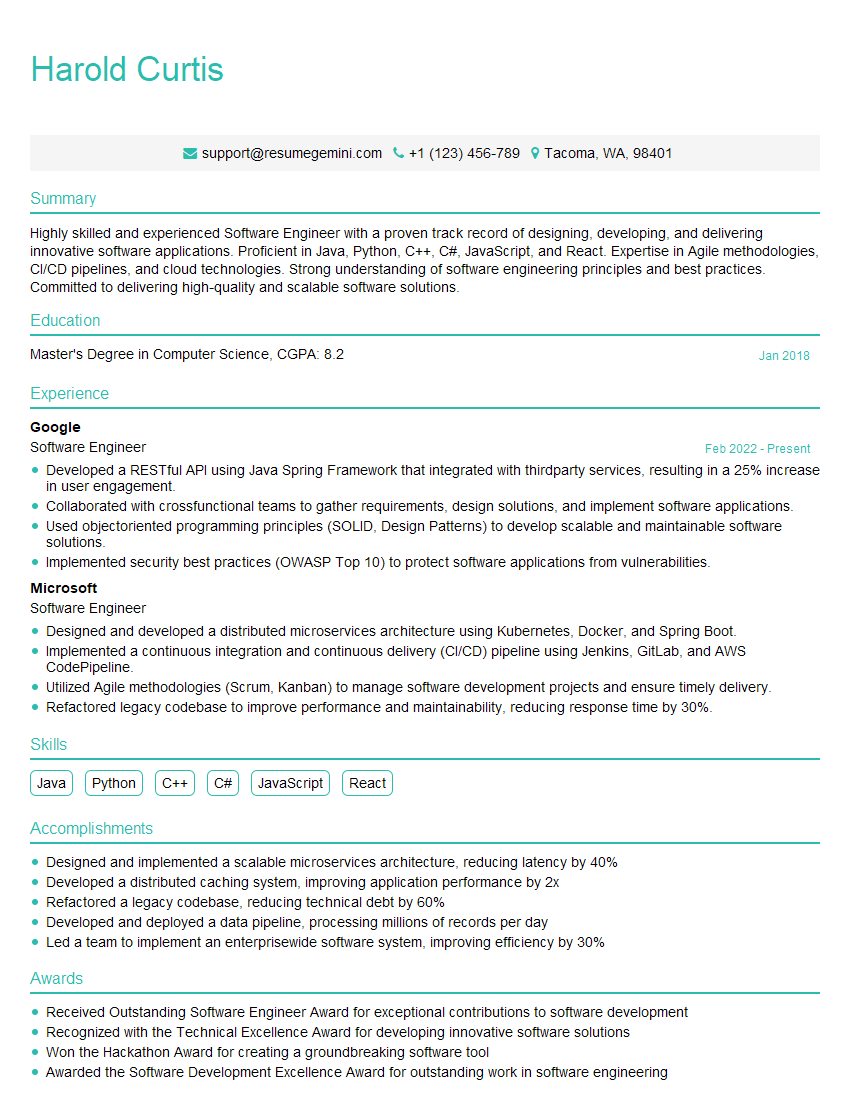
Software Engineer Resume Sample
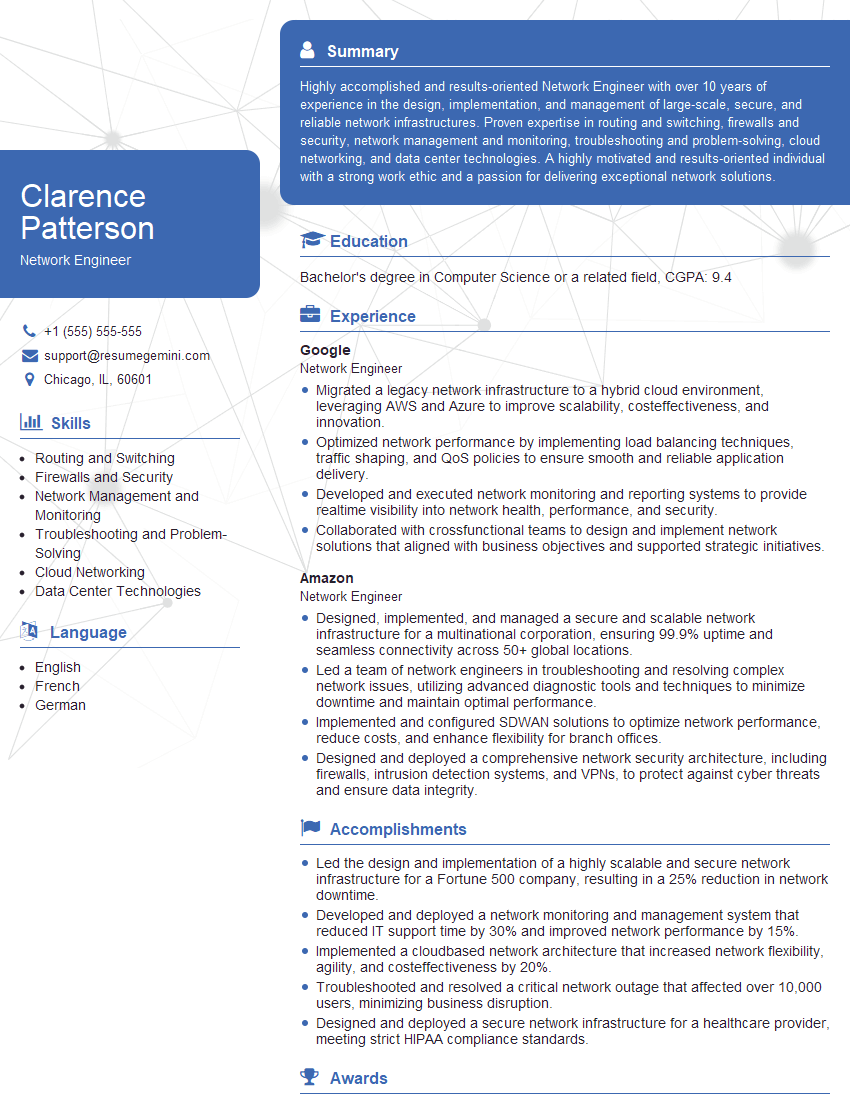
Network Engineer Resume Sample
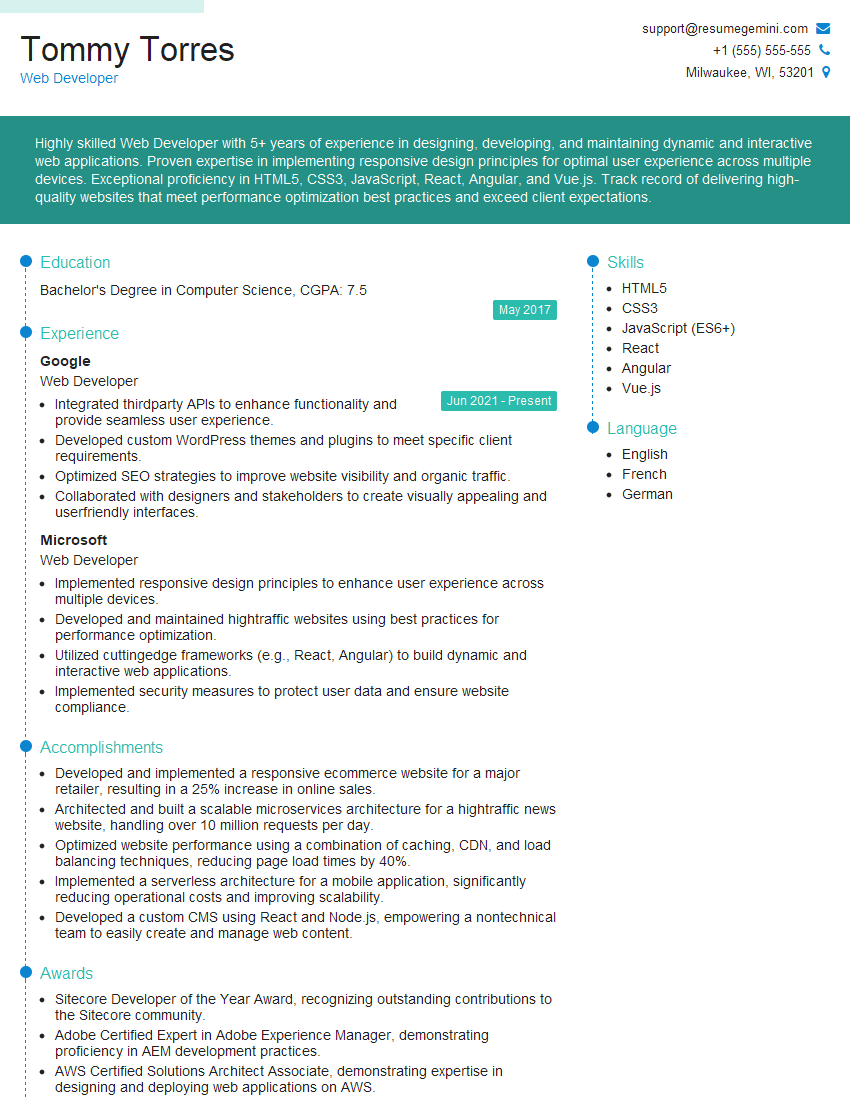
Web Developer Resume Sample
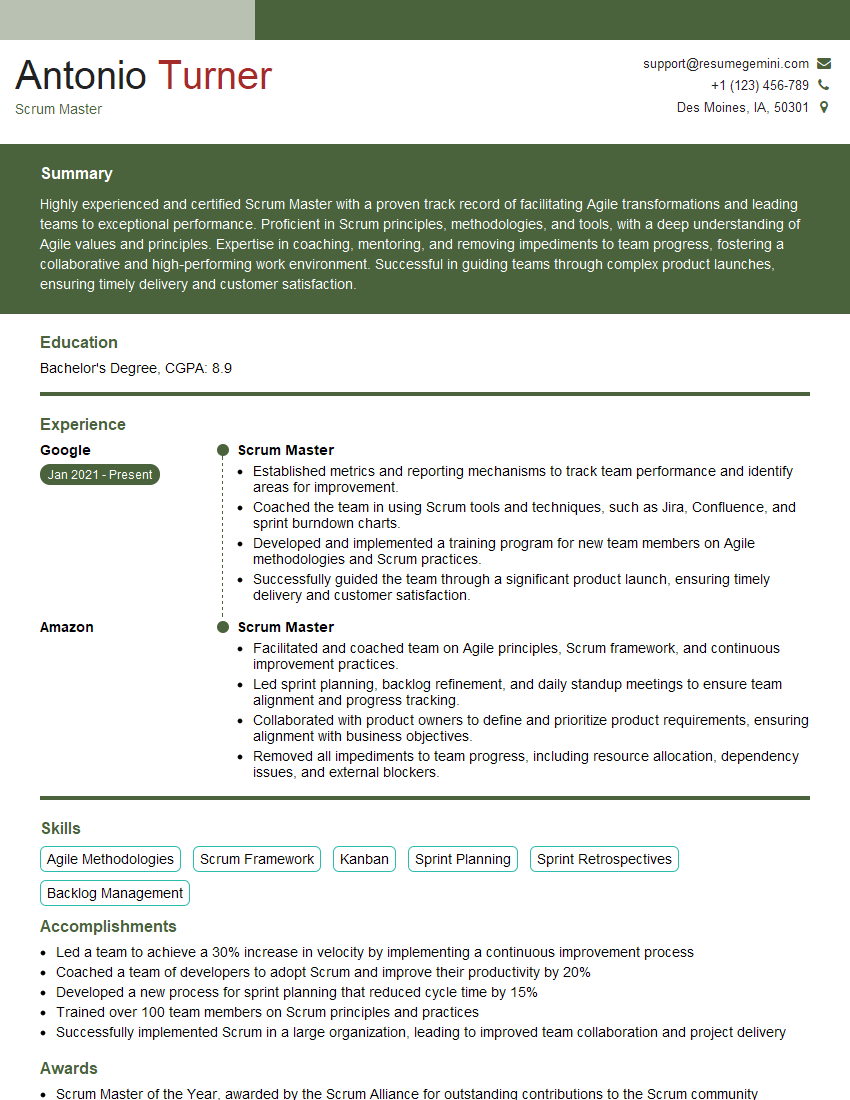
Scrum Master Resume Sample

Technical Writer Resume Sample
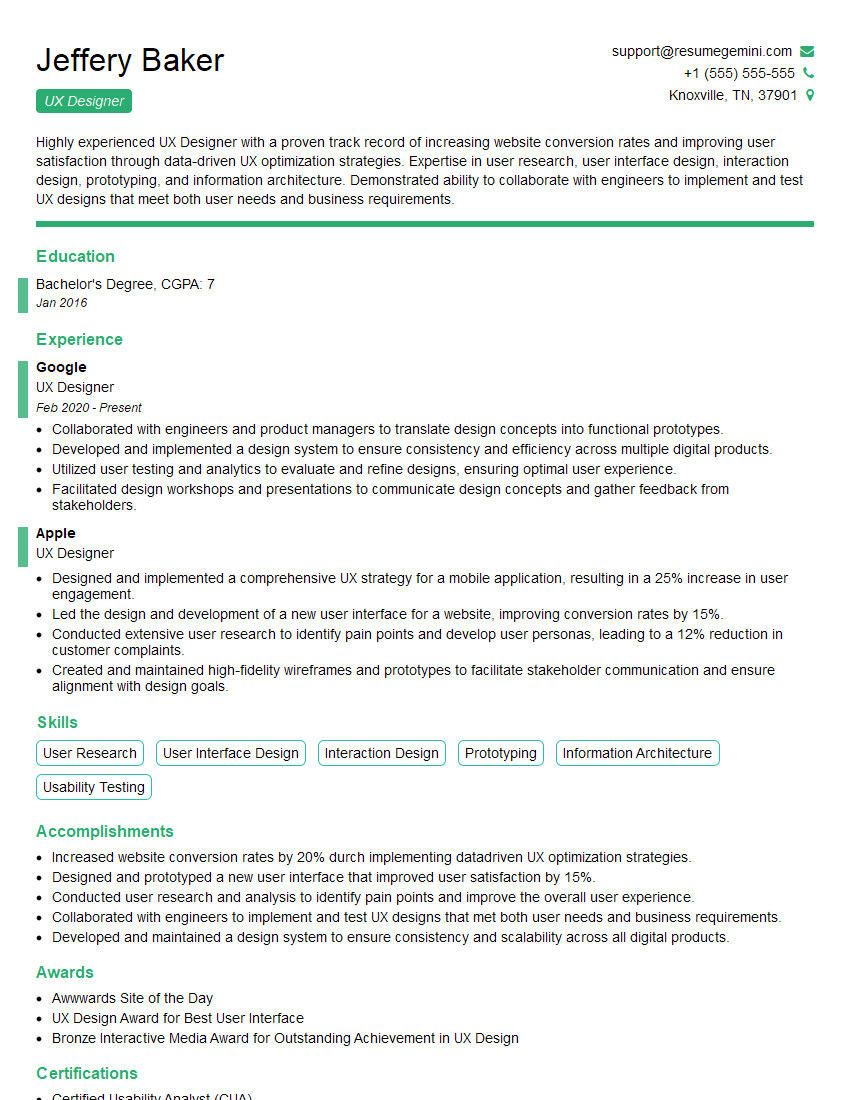
UX Designer Resume Sample
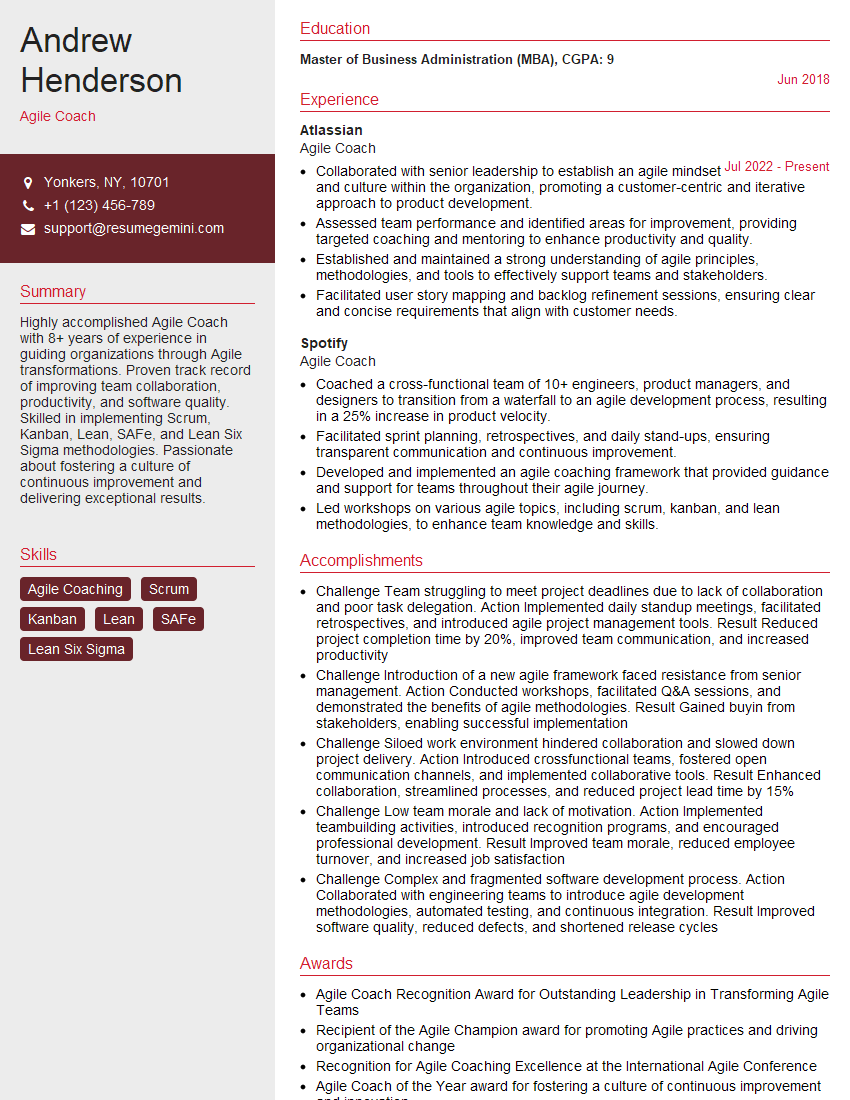
Agile Coach Resume Sample
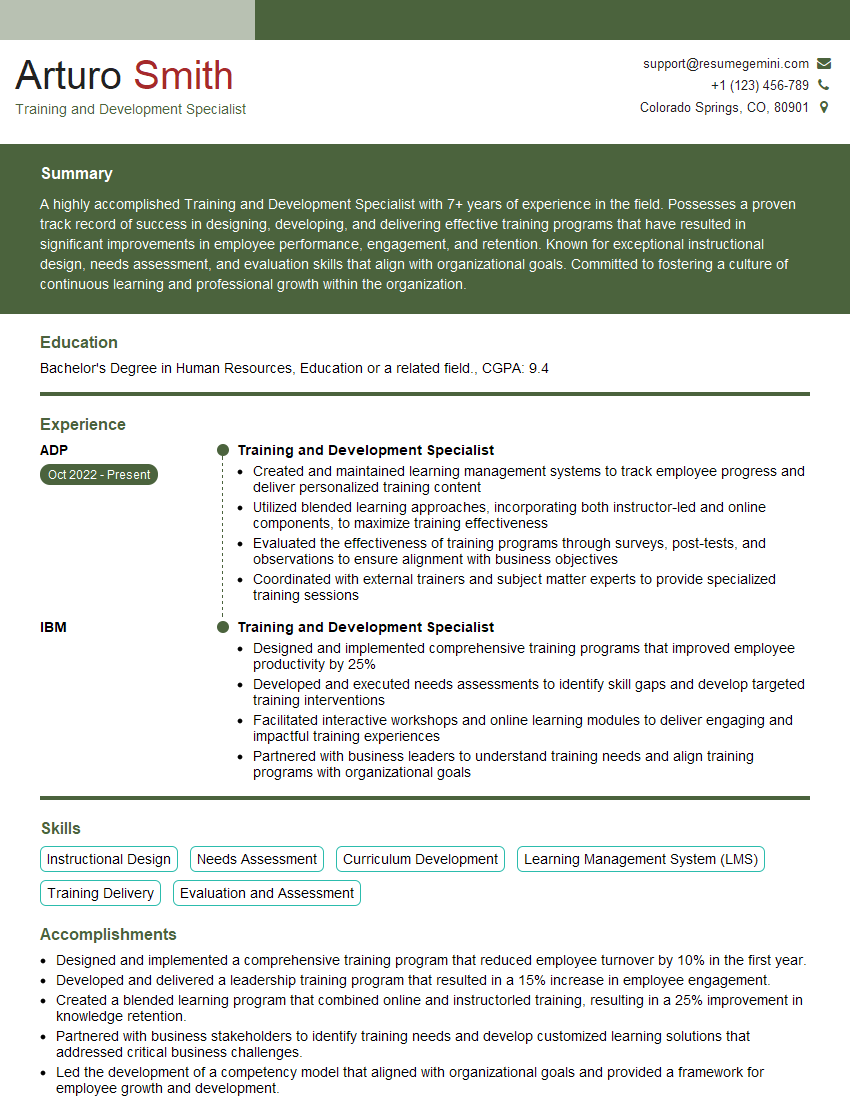
Training and Development Specialist Resume Sample
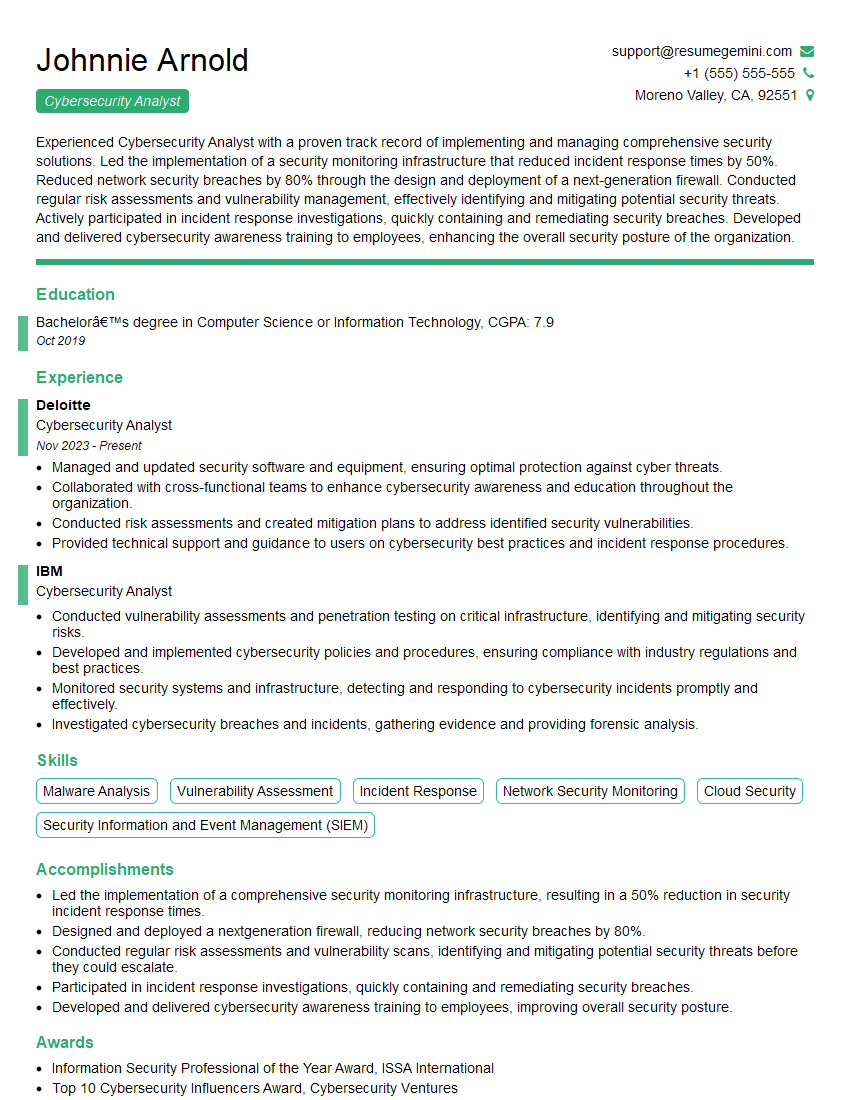
Cybersecurity Analyst Resume Sample
- Operations Manager
- Account Manager
- Marketing Manager
- Sales Manager
- Product Manager
- Supply Chain Manager
- Human Resources Manager
- Project Manager
- Business Analyst
- Management Consultant
- Financial Analyst
- Data Scientist
- Research Scientist
- Software Engineer
- Network Engineer
- Web Developer
- Scrum Master
- Technical Writer
- UX Designer
- Agile Coach
- Training and Development Specialist
- Cybersecurity Analyst
Explore more articles
Users Rating of Our Blogs
Share Your Experience
We value your feedback! Please rate our content and share your thoughts (optional).
What Readers Say About Our Blog
Very informative content, great job.
good