The right preparation can turn an interview into an opportunity to showcase your expertise. This guide to Adhere to safety protocols and wear appropriate safety gear interview questions is your ultimate resource, providing key insights and tips to help you ace your responses and stand out as a top candidate.
Questions Asked in Adhere to safety protocols and wear appropriate safety gear Interview
Q 1. Describe your experience with implementing and enforcing safety protocols.
Implementing and enforcing safety protocols involves a multi-faceted approach focusing on prevention, education, and consistent monitoring. It begins with a thorough risk assessment to identify potential hazards and then developing specific protocols to mitigate those risks. This might include establishing safe operating procedures (SOPs), providing adequate training, and ensuring the availability of necessary personal protective equipment (PPE).
In my previous role at a construction site, I was responsible for developing and enforcing a comprehensive safety program. This involved creating detailed SOPs for operating heavy machinery, working at heights, and handling hazardous materials. We conducted regular safety meetings, toolbox talks, and site inspections to reinforce safe practices and identify any emerging issues. I also implemented a system for reporting and investigating near misses and accidents to identify root causes and implement corrective actions. This proactive approach significantly reduced workplace incidents.
Enforcement involved consistent monitoring of employee compliance, offering corrective feedback and additional training when necessary, and taking disciplinary action in cases of serious or repeated violations. It’s about building a safety culture where everyone feels accountable and responsible for their safety and the safety of their colleagues. This requires clear communication, leading by example, and a fair and consistent application of rules.
Q 2. What types of personal protective equipment (PPE) are you familiar with?
My familiarity with PPE encompasses a wide range of equipment, tailored to various workplace hazards. This includes:
- Respiratory protection: Respirators (N95, full-face respirators) for dust, fumes, and airborne pathogens.
- Head protection: Hard hats to protect against falling objects.
- Eye and face protection: Safety glasses, goggles, face shields against impacts, chemicals, and radiation.
- Hand protection: Gloves appropriate for the task, such as cut-resistant gloves, chemical-resistant gloves, or insulated gloves.
- Foot protection: Safety boots or shoes with steel toes to protect against punctures and crushing injuries.
- Hearing protection: Earplugs or earmuffs to reduce exposure to excessive noise.
- Body protection: High-visibility clothing, flame-retardant clothing, and protective suits for specific hazards.
- Fall protection: Harnesses, lanyards, and safety nets to prevent falls from heights.
The selection of appropriate PPE is crucial and depends entirely on the specific hazard identified in a thorough risk assessment. It’s essential to ensure that PPE is properly fitted, maintained, and used correctly. Regular training and inspections are key to ensuring effectiveness.
Q 3. Explain the hierarchy of hazard controls.
The hierarchy of hazard controls is a prioritized approach to managing workplace risks, aiming to eliminate hazards completely before relying on less effective controls. The order of preference is:
- Elimination: Completely removing the hazard from the workplace. For example, replacing a hazardous chemical with a safer alternative.
- Substitution: Replacing a hazardous process, material, or equipment with a less hazardous one. For instance, using a robotic arm to handle heavy materials instead of manual labor.
- Engineering controls: Implementing physical changes to the workplace to reduce exposure to hazards. Examples include installing guards on machinery, improving ventilation, or using enclosed systems.
- Administrative controls: Implementing changes to work practices, procedures, or training to minimize risks. Examples include job rotation, providing training on safe work practices, and establishing clear procedures.
- Personal protective equipment (PPE): Providing workers with PPE to protect them from hazards. This is the last line of defense and should only be used when other controls are not feasible or sufficient.
Following this hierarchy ensures the most effective and sustainable hazard control measures are prioritized. Relying solely on PPE, for example, without addressing the underlying hazard, is often inadequate and fails to address the root cause of the risk.
Q 4. How do you identify and assess workplace hazards?
Identifying and assessing workplace hazards involves a systematic approach that combines observation, data analysis, and employee input. It begins with a thorough walk-through of the work area, observing tasks, equipment, materials, and the work environment. This should be followed by an analysis of potential hazards based on industry standards, past incidents, and near misses.
Data analysis could include reviewing accident reports, incident investigations, and safety inspection findings. Crucially, employee input is invaluable. Workers are often the ones who best understand the risks they face in their daily tasks. Methods for gathering employee input include safety meetings, interviews, and hazard reporting systems.
Once hazards are identified, a risk assessment must be conducted. This involves determining the likelihood of an incident occurring and the severity of potential consequences. This assessment then informs the development of appropriate control measures using the hierarchy of controls described earlier. For example, if the risk assessment reveals a high probability of a fall from heights during roof work, engineering controls like installing guardrails would be prioritized over relying solely on PPE like harnesses.
Q 5. What is your approach to conducting a safety audit?
Conducting a safety audit involves a systematic and thorough examination of a workplace’s safety practices and procedures. My approach is structured and data-driven, using a checklist-based approach and physical inspection. The audit begins with reviewing existing safety policies, procedures, and training programs to assess their completeness and effectiveness.
The next step involves a comprehensive site walk-through to observe workplace conditions, equipment usage, and employee activities. I would check for compliance with safety regulations and best practices, looking for potential hazards such as trip hazards, electrical hazards, and fire safety issues. I’d also review records like accident reports, incident investigations, and maintenance logs to gain a broader perspective.
During the audit, I document findings, both positive and negative, with photographic evidence. After the audit, I prepare a report summarizing findings, highlighting areas of compliance, non-compliance, and recommendations for improvement. The report provides a prioritized list of actions needed to address identified hazards and risks. Following up on the implementation of these recommendations is crucial to ensure that the identified issues are corrected and the workplace remains safe.
Q 6. Describe a situation where you had to enforce safety rules despite resistance.
In a previous role, we were implementing new safety protocols for operating a specific piece of machinery. A small group of experienced employees, out of habit and a sense of invulnerability, resisted adopting the new procedures. They argued that the new protocols were overly cautious and slowed down their work.
My approach was to engage them in a dialogue and demonstrate the rationale behind the new protocols, focusing on the potential consequences of not adhering to them. I used data to highlight previous incidents involving similar machinery, showing how the new procedures could prevent those types of accidents. I also involved them in the refinement of the procedures, making them feel heard and part of the solution.
While some resistance initially persisted, I remained firm in enforcing the new rules while maintaining open communication. Ultimately, the employees understood the importance of the safety protocols, not only for their personal safety, but for the safety of their colleagues. It required patience, open communication, and a clear demonstration of the benefits of compliance. The key was to focus on collaboration and education, rather than simply imposing rules.
Q 7. How do you ensure employees understand and comply with safety regulations?
Ensuring employee understanding and compliance with safety regulations requires a multifaceted approach centered around effective communication, training, and reinforcement. This begins with providing comprehensive training tailored to specific roles and hazards. This training should cover relevant safety regulations, safe work procedures, the use of PPE, and emergency response protocols.
Training should be interactive and engaging, incorporating practical demonstrations, simulations, and hands-on activities. Regular refresher training should be conducted to ensure continued understanding and to address changes in procedures or regulations. Clear and concise communication of safety information is essential. This could include visual aids, posters, safety alerts, and regular toolbox talks. A well-designed safety management system with documented procedures and readily accessible information further aids comprehension and compliance.
Regular safety inspections, both formal and informal, help to identify non-compliance and provide opportunities for corrective feedback and reinforcement of safe practices. Open communication channels, such as suggestion boxes and safety committees, can empower employees to identify hazards and contribute to improving safety. Fostering a safety culture where safety is seen as a shared responsibility is paramount in achieving sustainable compliance.
Q 8. Explain your understanding of OSHA regulations (or relevant local regulations).
My understanding of OSHA regulations, and equivalent local regulations where applicable, is comprehensive. OSHA (Occupational Safety and Health Administration) in the US, and similar agencies worldwide, establish and enforce standards designed to protect workers from job-related injuries and illnesses. These regulations cover a wide range of aspects, including hazard communication (understanding and handling hazardous materials), personal protective equipment (PPE) usage, machine guarding, lockout/tagout procedures (preventing accidental equipment startup), fall protection, and emergency action plans. I’m familiar with the General Duty Clause, which mandates employers to provide a workplace free from recognized hazards, and I understand the importance of regular inspections and compliance audits. For example, I’m well-versed in the specific requirements for confined space entry, including permit-required confined spaces, which mandates rigorous procedures and monitoring to ensure worker safety. Similarly, I’m familiar with the requirements for respiratory protection, ensuring workers use appropriate respirators when exposed to airborne hazards, and are trained on proper fit testing and usage.
Q 9. How do you handle emergency situations in the workplace?
Handling emergency situations requires a calm and methodical approach. My training emphasizes prioritizing safety and following established emergency procedures. This begins with knowing the location of emergency exits, assembly points, and emergency equipment like fire extinguishers and first-aid kits. In an actual emergency, my first step would be to assess the situation – identifying the hazard, determining the extent of the danger, and evaluating the immediate risks. I’d then initiate the appropriate emergency response, whether it’s evacuating the area, administering first aid, or contacting emergency services. This is followed by securing the scene to prevent further incidents and cooperating fully with emergency personnel and any subsequent investigations. For instance, if there’s a fire, I’d activate the fire alarm, evacuate according to the established plan, and assist others in safe evacuation, only attempting to fight the fire if it’s small and I’m properly trained to do so.
Q 10. What is your experience with incident reporting and investigation?
I have extensive experience in incident reporting and investigation. My approach follows a structured methodology starting with immediate first aid and securing the scene. Then, I’d meticulously document all aspects of the incident, including witness statements, photographic evidence, and equipment details. This documentation is crucial for understanding the root cause of the incident and preventing recurrence. I am proficient in using incident reporting software to file detailed reports, including near misses. In investigations, I employ a systematic approach, often using techniques like ‘5 Whys’ to uncover the underlying causes. For example, if an employee suffered a minor cut while using a specific machine, I wouldn’t just record the injury; I’d investigate whether proper training was provided, if safety guards were in place and functional, and whether the employee followed established safety procedures. The goal is not just to record the event, but to identify system-level failures that need addressing to prevent future incidents.
Q 11. Describe your experience with safety training programs.
Throughout my career, I’ve actively participated in and often led safety training programs. My experience includes developing and delivering training on various topics, such as hazard communication, lockout/tagout procedures, confined space entry, and personal protective equipment (PPE) selection and use. I utilize a variety of training methods, including classroom instruction, hands-on demonstrations, and simulations to ensure effective knowledge transfer. For instance, when training on forklift operation, I would include both classroom sessions covering safety rules and operational procedures, followed by practical, hands-on training sessions in a safe environment. I believe in regular refresher training to reinforce safe practices and adapt to evolving workplace conditions. Post-training assessments are key to verifying that employees have successfully grasped the material and can apply it in the workplace.
Q 12. How do you ensure that safety equipment is properly maintained and inspected?
Ensuring proper maintenance and inspection of safety equipment is paramount. We employ a rigorous system of scheduled inspections and maintenance, documented meticulously. This involves regular visual inspections for damage, wear, and tear, as well as functional testing to ensure the equipment is operating correctly. For example, we have a detailed inspection checklist for fall arrest harnesses that includes checking for fraying, damage to the straps, and proper functionality of the locking mechanisms. We also maintain detailed records of all inspections and maintenance activities, including calibration dates for equipment like gas detectors. Defective equipment is immediately removed from service, tagged as such, and sent for repair or replacement. This proactive approach minimizes the risk of equipment failure leading to accidents.
Q 13. What are the common causes of workplace accidents in your industry?
Common causes of workplace accidents in my industry (replace with your specific industry here) include, but aren’t limited to: lack of training, improper use of equipment, failure to follow established safety procedures, inadequate hazard communication, insufficient PPE, and poor housekeeping. For example, in a manufacturing environment, improper use of machinery – due to inadequate training or lack of attention – can lead to serious injuries. Similarly, poor housekeeping, like cluttered walkways or improperly stored materials, could result in slips, trips, and falls. Failing to address these factors increases the probability of incidents and highlights the necessity of ongoing safety training, regular inspections, and a robust safety culture.
Q 14. How do you develop and implement safety procedures?
Developing and implementing safety procedures is a systematic process that involves several key steps. Firstly, we conduct a thorough hazard assessment to identify all potential risks in the workplace. This might involve walking through the workplace, conducting interviews with employees, and reviewing historical incident data. Once hazards are identified, we develop specific procedures to mitigate those risks, focusing on engineering controls (eliminating hazards), administrative controls (changing work practices), and PPE (providing personal protective equipment) as layers of protection. These procedures are then documented clearly, using simple language, and made readily available to all employees. Furthermore, regular training sessions are conducted to educate employees on these procedures. Finally, we regularly review and update these procedures, ensuring they remain relevant and effective in minimizing workplace hazards. This proactive approach, coupled with regular audits and feedback mechanisms, creates a culture of safety within the organization.
Q 15. What is your experience with risk assessments?
Risk assessment is a systematic process of identifying hazards and evaluating risks associated with those hazards. It involves determining the likelihood of an incident occurring and the severity of the consequences if it does. My experience encompasses conducting thorough risk assessments across various industrial settings, from construction sites to manufacturing plants. This includes identifying potential hazards like falling objects, electrical hazards, chemical exposure, and ergonomic risks. I then use established methodologies, often involving a combination of qualitative and quantitative analysis, to evaluate the risk level. This process always involves consulting relevant safety data sheets (SDS) and standards. For example, during a recent risk assessment for a chemical handling process, I identified the potential for chemical burns and inhalation hazards. By analyzing the frequency of the task, the amount of chemical handled, and the effectiveness of existing control measures, we assigned a high-risk level and implemented additional protective measures such as enhanced ventilation and mandatory respirator use. The end result is a documented risk assessment report that prioritizes control measures and informs safety management decisions.
Career Expert Tips:
- Ace those interviews! Prepare effectively by reviewing the Top 50 Most Common Interview Questions on ResumeGemini.
- Navigate your job search with confidence! Explore a wide range of Career Tips on ResumeGemini. Learn about common challenges and recommendations to overcome them.
- Craft the perfect resume! Master the Art of Resume Writing with ResumeGemini’s guide. Showcase your unique qualifications and achievements effectively.
- Don’t miss out on holiday savings! Build your dream resume with ResumeGemini’s ATS optimized templates.
Q 16. Explain your understanding of lockout/tagout procedures.
Lockout/Tagout (LOTO) procedures are critical safety protocols designed to prevent the unexpected energization or startup of machinery and equipment during maintenance or repair. My understanding of LOTO procedures is comprehensive, encompassing all aspects from initial planning to verification. It’s all about isolating energy sources—electrical, mechanical, hydraulic, pneumatic, or thermal—to eliminate the potential for injury. The process typically involves identifying all energy sources, applying lockout devices (locks) and tagout devices (tags) to those sources, verifying that the energy is indeed isolated, performing the maintenance, and then verifying that everything is safe before releasing the lockout and tagout devices. A critical part is ensuring that only authorized personnel can access or release the equipment. I have extensive experience in leading LOTO procedures and training others. For instance, in a recent project involving a large industrial press, we followed a strict LOTO procedure that included using multiple locks and tags, documenting every step, and ensuring each team member understood their responsibilities before starting any work. This prevented any potential accidents during the maintenance process.
Q 17. Describe your experience with confined space entry procedures.
Confined space entry procedures are crucial for protecting workers entering enclosed spaces that pose potential hazards. My experience includes planning, executing, and overseeing confined space entries, adhering to strict regulations and best practices. These procedures typically involve atmospheric testing to detect hazards like oxygen deficiency, flammable gases, or toxic substances. Before entry, a permit-to-work system is often used to ensure all necessary precautions are in place, including ventilation, rescue plans, and communication systems. I’ve worked with various confined spaces, such as tanks, silos, and trenches, implementing procedures that included using appropriate personal protective equipment (PPE), monitoring atmospheric conditions, and having standby personnel ready to respond to any emergencies. One instance involved a confined space entry into a large storage tank. We meticulously tested the atmosphere for flammable gases before allowing entry. A rescue plan was in place, with standby personnel and rescue equipment ready outside the confined space. This thorough approach ensures the safety of workers while minimizing risks.
Q 18. How do you communicate safety information effectively to different audiences?
Effective communication is the cornerstone of a strong safety culture. I tailor my communication style to suit different audiences, using clear, concise language and appropriate visual aids. When communicating with skilled tradespeople, I can be more technical; however, when communicating with less experienced personnel, I employ simpler language and more visual aids, such as diagrams or videos. I utilize various methods like safety talks, toolbox meetings, training sessions, and written materials. For example, I used a short video to explain the proper way to use a forklift to a group of warehouse workers. The video showed the correct lifting techniques and common hazards in a visual, easy-to-understand format. Regular feedback and questions-and-answer sessions also help to ensure information is understood and retained. Ultimately, clear, engaging, and tailored communication ensures everyone understands and adheres to safety protocols.
Q 19. What is your experience with developing safety manuals or guidelines?
I have significant experience in developing safety manuals and guidelines, ensuring they are comprehensive, user-friendly, and compliant with relevant regulations. The process typically involves identifying the key hazards within a specific work environment, developing procedures to mitigate those hazards, and presenting the information in a clear, logical format. I utilize a variety of tools, such as templates and software, to create visually appealing and easy-to-navigate documents. For instance, I recently developed a safety manual for a construction project, which included detailed procedures for working at heights, handling hazardous materials, and using power tools. This manual incorporated illustrations, checklists, and flowcharts to make the information accessible to workers with diverse literacy levels. Regular updates and revisions ensure the manual remains current and relevant.
Q 20. How do you stay up-to-date on the latest safety regulations and best practices?
Staying current on safety regulations and best practices is essential for maintaining a safe work environment. I actively participate in professional organizations and attend industry conferences to stay abreast of the latest developments. I also subscribe to relevant publications and regularly review regulatory updates from OSHA (Occupational Safety and Health Administration) and other relevant agencies. I also leverage online resources and training modules. Furthermore, I actively seek out and review case studies of accidents and incidents, analyzing the root causes to identify potential vulnerabilities in our own safety programs. This proactive approach ensures we’re always implementing the most effective safety measures and proactively mitigating risks.
Q 21. Explain your understanding of hazard communication standards.
Hazard communication standards are designed to ensure that workers are informed of the potential hazards associated with the chemicals they handle. This involves the proper labeling, safety data sheets (SDS), and employee training. My understanding of these standards is comprehensive. I know the importance of ensuring that chemical containers are clearly labeled with appropriate hazard warnings and pictograms. I am also experienced in interpreting and utilizing SDSs to determine the appropriate control measures needed to mitigate risks. Furthermore, I understand the need to provide comprehensive training to employees about the hazards associated with the chemicals they use and how to safely handle them. This includes the proper use of PPE and emergency procedures in case of spills or exposure. I ensure compliance with all relevant regulations to prevent workplace accidents and illnesses related to chemical hazards.
Q 22. How do you prioritize safety concerns in a fast-paced work environment?
Prioritizing safety in a fast-paced environment requires a proactive and systematic approach. It’s not about reacting to accidents, but preventing them. I use a risk-based prioritization method, focusing on the likelihood and severity of potential hazards. This involves:
- Hazard Identification: Regularly conducting thorough workplace inspections, utilizing checklists and employing techniques like Job Safety Analysis (JSA) to identify potential hazards.
- Risk Assessment: Evaluating the likelihood and severity of each identified hazard using a matrix or similar tool. This helps objectively rank the risks.
- Prioritization: Addressing the highest-risk hazards first. This means allocating resources – time, training, equipment – effectively to mitigate the most significant threats.
- Communication: Ensuring all personnel are aware of identified risks and the implemented control measures. Clear, concise communication is critical.
- Continuous Improvement: Regularly reviewing and updating the risk assessment process based on new information, incidents, or changes in the workplace. Safety is a continuous journey, not a destination.
For example, in a manufacturing setting, a high-speed machinery operation with a high probability of injury would be a top priority over a low-probability hazard, even if the potential severity is similar. Addressing the high-speed machinery would involve implementing safeguards like emergency stop buttons, machine guarding, and appropriate personal protective equipment (PPE).
Q 23. Describe a time you had to make a difficult decision regarding safety.
During a project involving the installation of a large piece of equipment, I faced a difficult safety decision. The deadline was tight, and the team was under pressure. The contractor proposed a shortcut to the rigging procedure that, while potentially saving time, slightly increased the risk of equipment damage and personnel injury.
My decision was to reject the shortcut. I explained to the team the increased risk and the potential consequences. We then collaborated to find an alternative solution that adhered to safety protocols while minimizing schedule delays. This involved detailed planning, additional personnel, and clear communication among the team. Ultimately, the project was completed safely, albeit slightly later than originally planned. The decision, though difficult in the moment, demonstrated our commitment to safety above all else. The success of this alternative approach also highlighted the value of meticulous planning and effective teamwork.
Q 24. How do you ensure that safety is integrated into all aspects of the workplace?
Integrating safety into all aspects of the workplace is paramount. This involves creating a safety culture, not just a set of rules. I achieve this through:
- Leadership Commitment: Visible and vocal support from leadership is crucial. Safety must be a core value, reflected in decisions and actions at all levels.
- Training and Education: Providing comprehensive safety training for all employees, tailored to their specific roles and responsibilities. This includes regular refresher courses and updates on new procedures or hazards.
- Hazard Communication: Using clear and concise language to communicate potential hazards, risks, and control measures. This involves safety signage, labels, and regular safety meetings.
- Employee Involvement: Encouraging employee participation in safety initiatives. This includes reporting near misses, participating in safety audits, and contributing to the development of safety procedures.
- Regular Inspections and Audits: Conducting regular workplace inspections and audits to identify hazards and ensure compliance with safety regulations and procedures.
- Incident Investigation: Thorough investigation of all incidents, regardless of severity, to identify root causes and implement corrective actions. This is crucial for continuous improvement.
For instance, safety is built into our design and procurement processes. We select equipment with built-in safety features, and our procedures incorporate risk assessments at every stage, from design to decommissioning.
Q 25. What are your thoughts on proactive versus reactive safety measures?
Proactive safety measures are far more effective and cost-efficient than reactive measures. Reactive measures address problems after they’ve occurred, often leading to injuries, damage, and lost productivity. Proactive measures aim to prevent incidents before they happen.
Think of it like this: a proactive approach is like regular car maintenance – oil changes, tire rotations – preventing major breakdowns. A reactive approach is like waiting for the car to break down completely before fixing it, incurring much higher costs and inconvenience. Proactive safety involves:
- Hazard identification and risk assessment
- Implementing control measures
- Regular safety training and education
- Developing and enforcing safety procedures
Reactive measures, on the other hand, involve investigating incidents, conducting root cause analysis, and implementing corrective actions after an incident has occurred. While necessary, they are far less effective than preventing the incident in the first place.
Q 26. How do you measure the effectiveness of your safety programs?
Measuring the effectiveness of safety programs involves several key indicators, both lagging and leading. Lagging indicators measure outcomes after an event, whereas leading indicators measure actions that *prevent* events.
- Lagging Indicators: These include the number of accidents, incidents, near misses, lost-time injuries (LTIs), and workers’ compensation claims. A decrease in these indicates improvement, but they are reactive.
- Leading Indicators: These provide proactive insights. Examples include the number of safety training hours completed, the number of safety audits performed, the number of safety suggestions implemented, employee safety survey results, and near-miss reporting rates. Improving these indicates a strengthening safety culture.
We use a combination of these indicators, tracking them over time to identify trends and measure the impact of our safety initiatives. Data visualization through graphs and reports is crucial for identifying areas for improvement and demonstrating the success of our programs.
Q 27. Describe your experience working with safety committees or teams.
I have extensive experience working with safety committees and teams. I’ve served as a member and leader on several such committees across various projects and settings. My involvement has included:
- Participating in risk assessments and hazard identification activities.
- Developing and implementing safety procedures and training programs.
- Conducting safety inspections and audits.
- Investigating incidents and implementing corrective actions.
- Facilitating communication between management and employees on safety issues.
- Recommending and implementing improvements to safety procedures and policies.
Working collaboratively in a team environment fosters a shared responsibility for safety, leading to more effective and comprehensive safety programs. The diverse perspectives of team members can help identify hazards that might otherwise be missed.
Q 28. What is your experience with near-miss reporting and analysis?
Near-miss reporting is crucial for identifying potential hazards before they lead to accidents. My experience includes establishing and managing near-miss reporting systems. This involves:
- Promoting a culture of open reporting: Ensuring employees feel comfortable reporting near misses without fear of reprisal.
- Developing a simple and accessible reporting system: Making it easy for employees to report near misses, whether through online forms, dedicated email addresses, or informal discussions.
- Analyzing near-miss reports: Identifying trends and patterns to determine the root causes of near misses. This involves examining factors like unsafe acts, unsafe conditions, and environmental factors.
- Implementing corrective actions: Addressing the root causes of near misses to prevent similar incidents from occurring in the future. This might involve modifying procedures, providing additional training, or improving equipment.
For example, a near miss involving a worker nearly dropping a heavy object highlights the need for improved lifting techniques, better equipment, or additional training. By analyzing near misses, we can prevent future accidents and create a safer work environment for everyone.
Key Topics to Learn for Adhere to safety protocols and wear appropriate safety gear Interview
- Understanding Safety Protocols: Learn to identify and interpret various workplace safety regulations, policies, and procedures. This includes understanding the rationale behind each protocol.
- Appropriate Safety Gear Identification: Familiarize yourself with different types of personal protective equipment (PPE) and their applications. Know when and why specific gear (e.g., hard hats, safety glasses, gloves, respirators) is necessary.
- Hazard Recognition and Risk Assessment: Develop your ability to identify potential hazards in a work environment and assess the associated risks. This includes understanding the hierarchy of controls for mitigating risks.
- Practical Application of Safety Procedures: Be prepared to discuss real-world scenarios where you’ve applied safety protocols or had to make decisions regarding PPE usage. Showcase your problem-solving skills in these situations.
- Emergency Procedures and Response: Understand emergency response plans, evacuation procedures, and first aid basics relevant to your potential work environment. Knowing how to react calmly and efficiently in emergencies is crucial.
- Communication and Teamwork in Safety: Demonstrate your understanding of the importance of clear communication and teamwork in maintaining a safe work environment. This includes reporting hazards and participating in safety meetings.
- Legal and Regulatory Compliance: Gain a basic understanding of relevant legislation and regulations related to workplace safety in your industry. This demonstrates a proactive approach to safety.
Next Steps
Mastering adherence to safety protocols and wearing appropriate safety gear is paramount for career advancement in any safety-conscious industry. It demonstrates responsibility, competence, and a commitment to the well-being of yourself and your colleagues. To significantly improve your job prospects, create an ATS-friendly resume that highlights your safety skills and experience. ResumeGemini is a trusted resource that can help you build a professional and impactful resume, tailored to showcase your expertise in this critical area. Examples of resumes tailored to emphasize adherence to safety protocols and appropriate safety gear are available for your review.
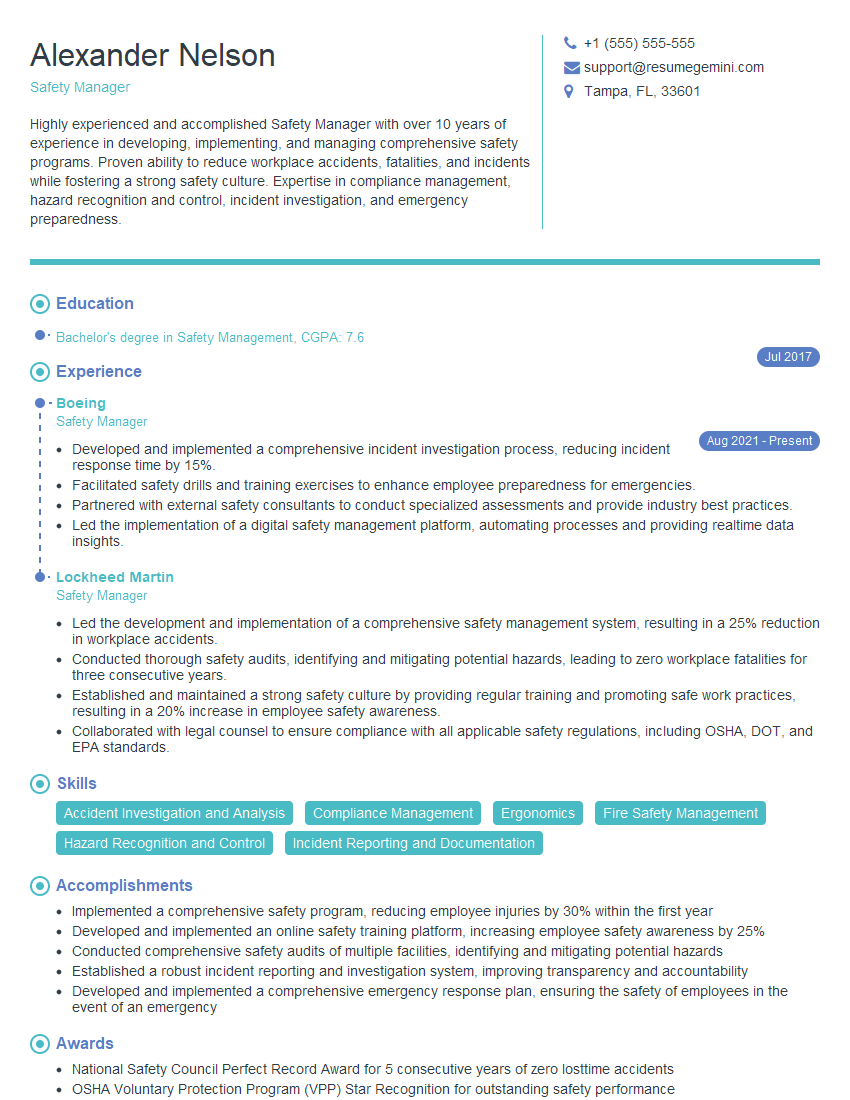
Safety Manager Resume Sample
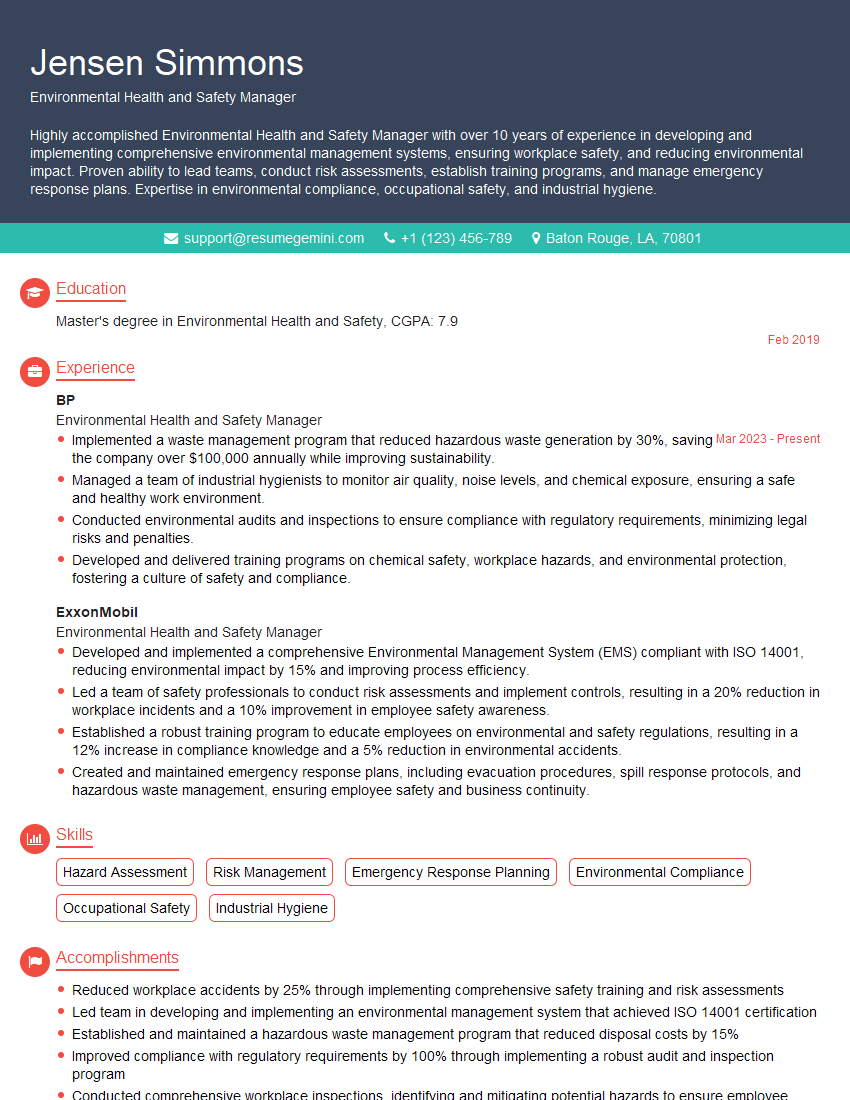
Environmental Health and Safety Manager Resume Sample
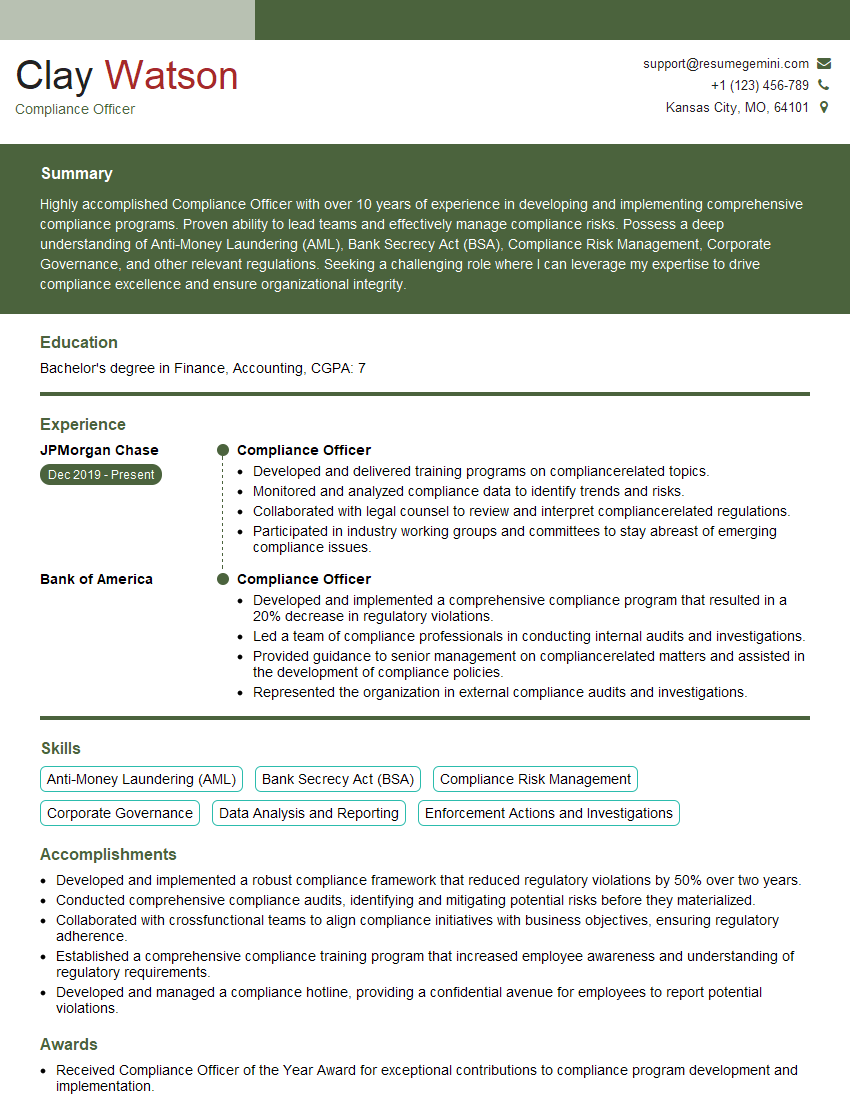
Compliance Officer Resume Sample
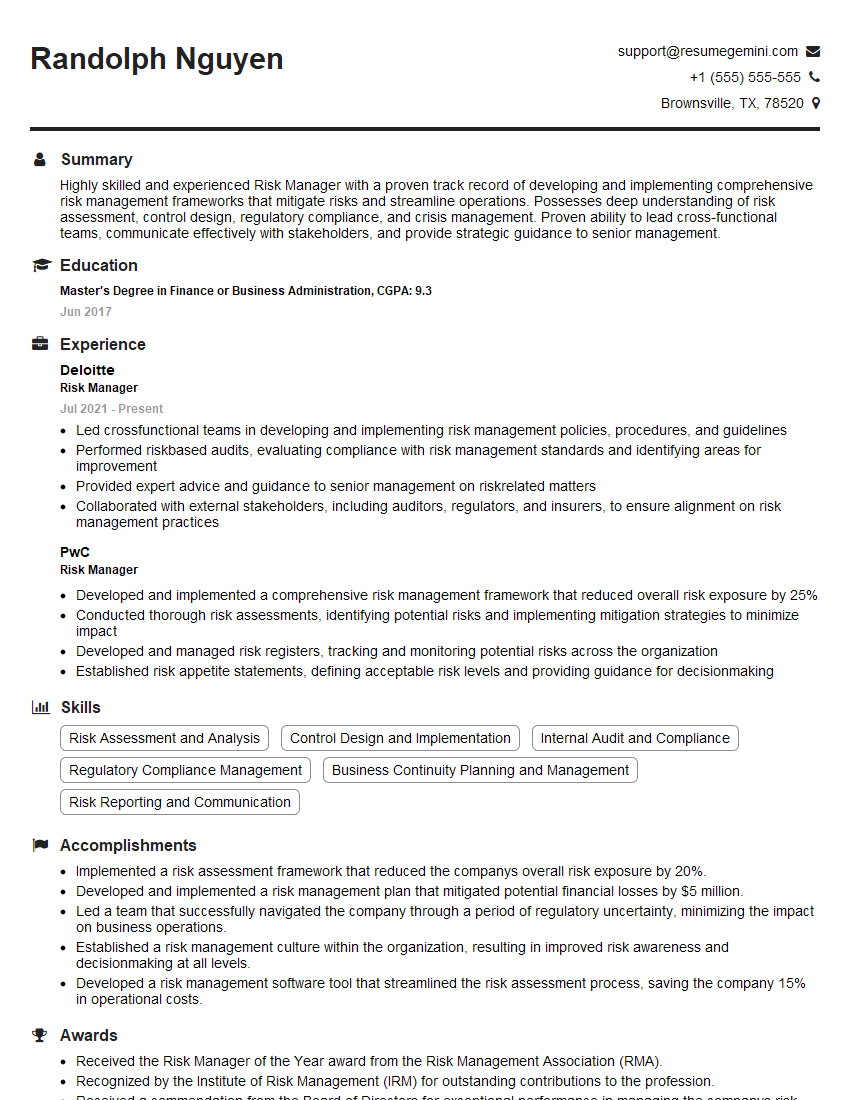
Risk Manager Resume Sample
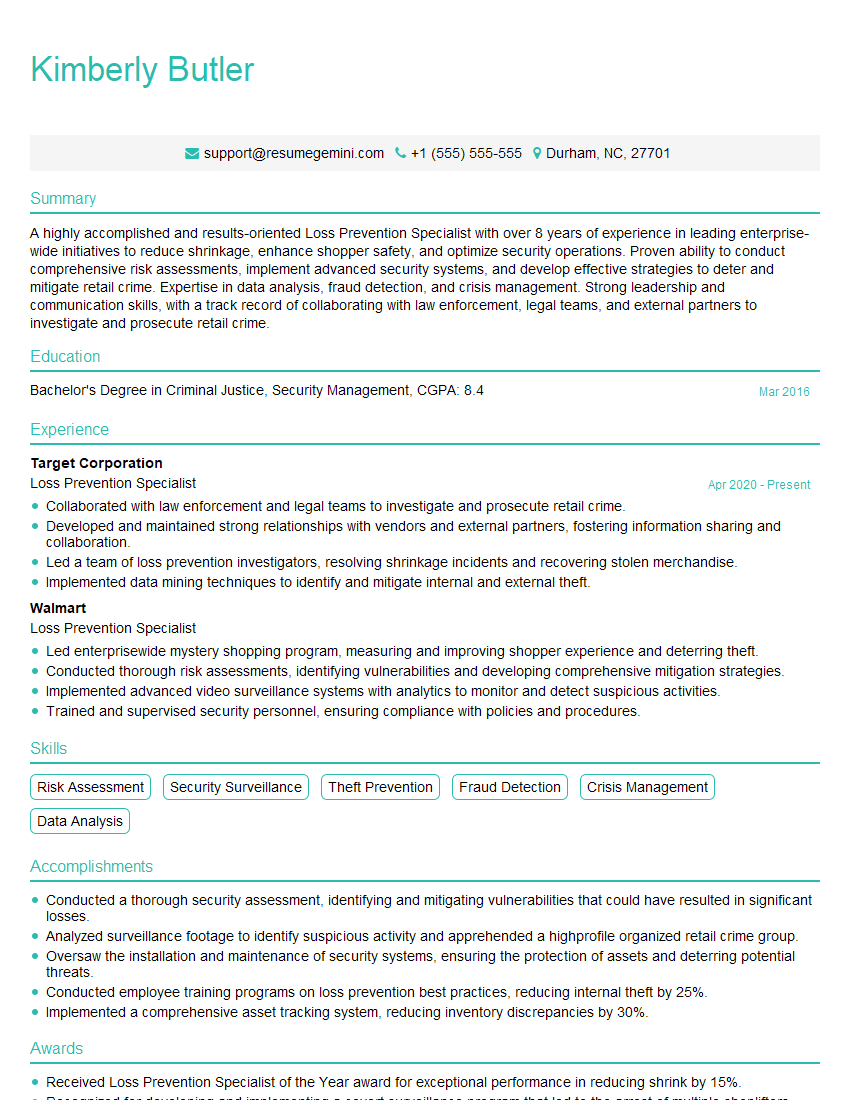
Loss Prevention Specialist Resume Sample
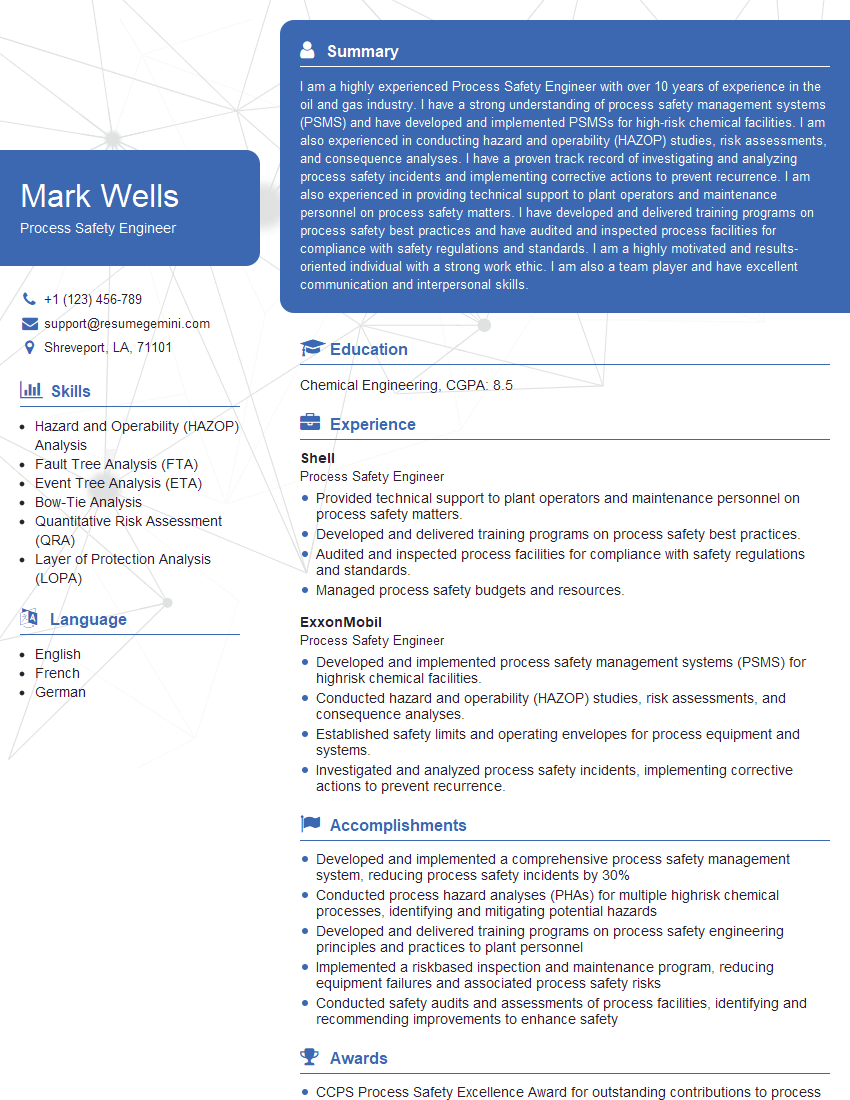
Process Safety Engineer Resume Sample
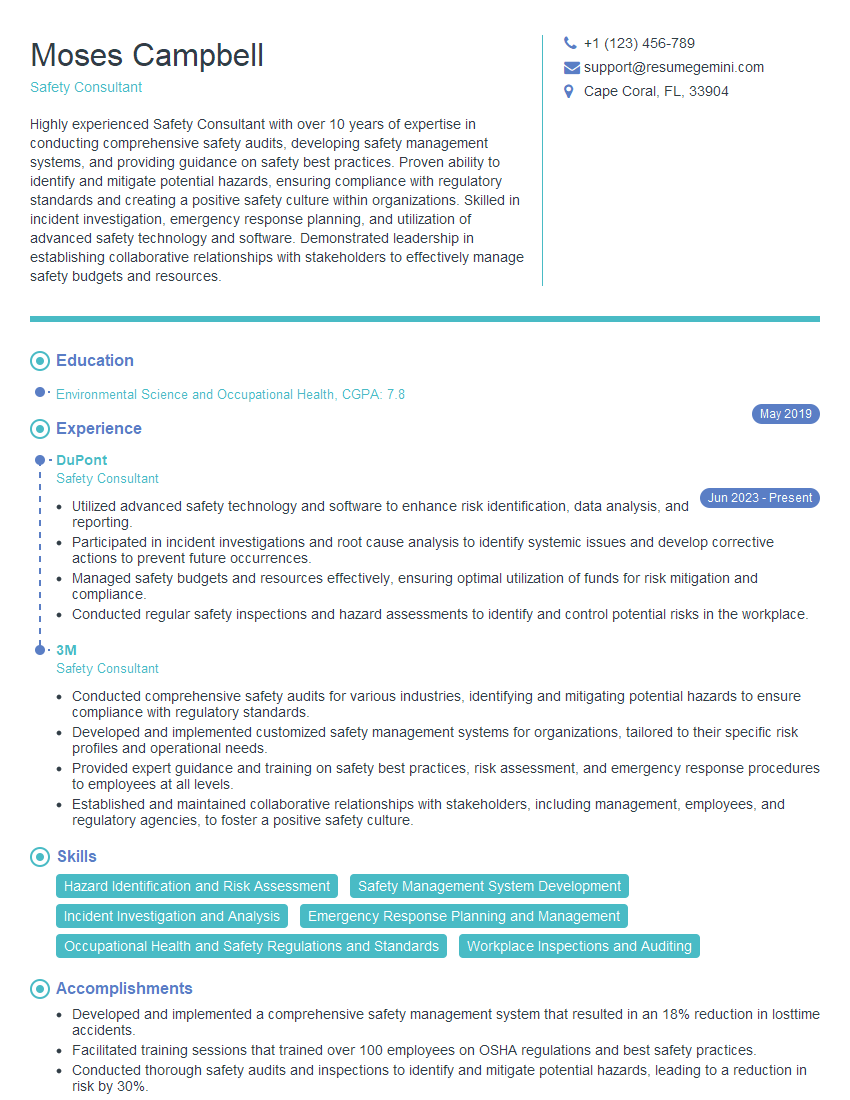
Safety Consultant Resume Sample
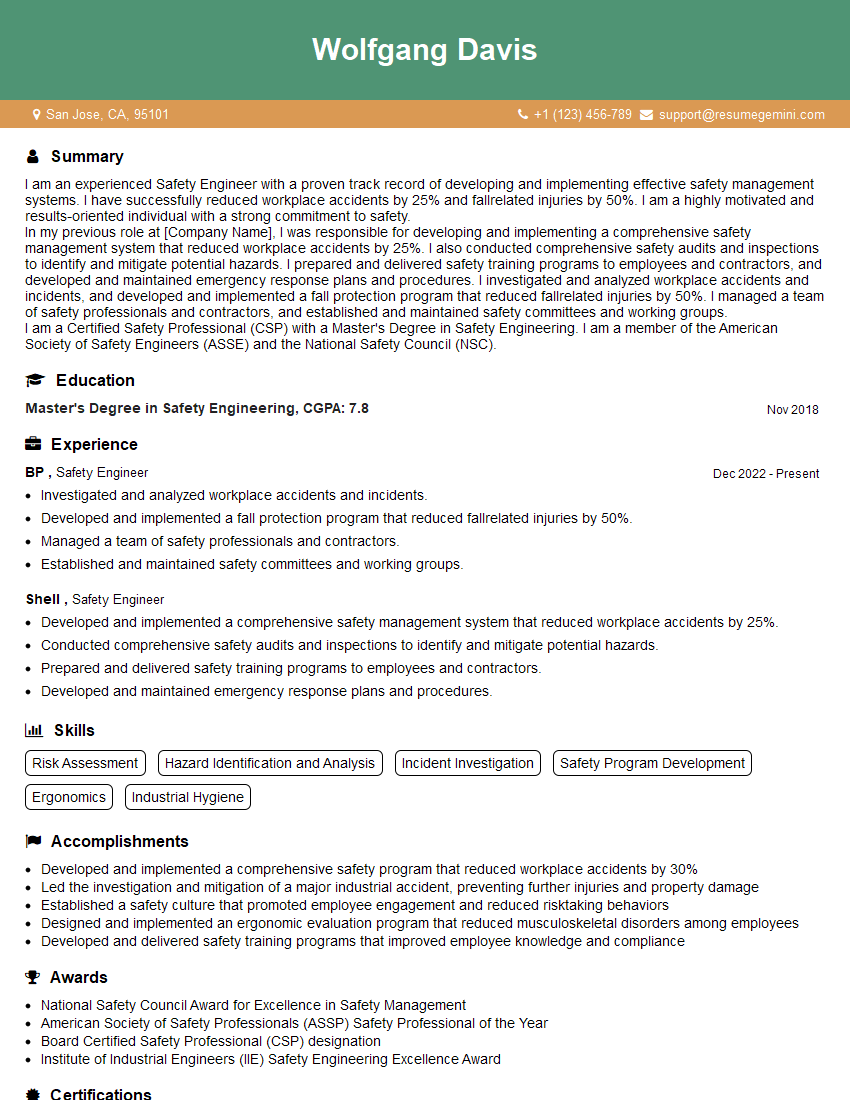
Safety Engineer Resume Sample
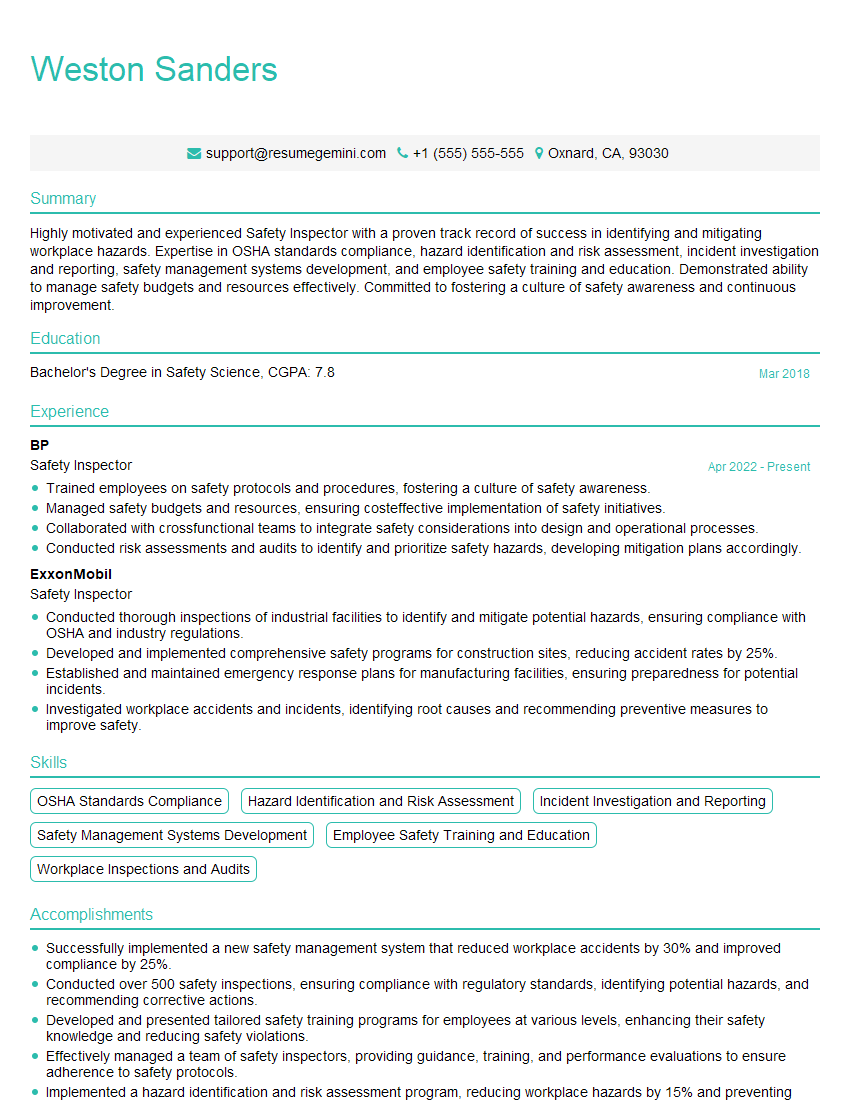
Safety Inspector Resume Sample
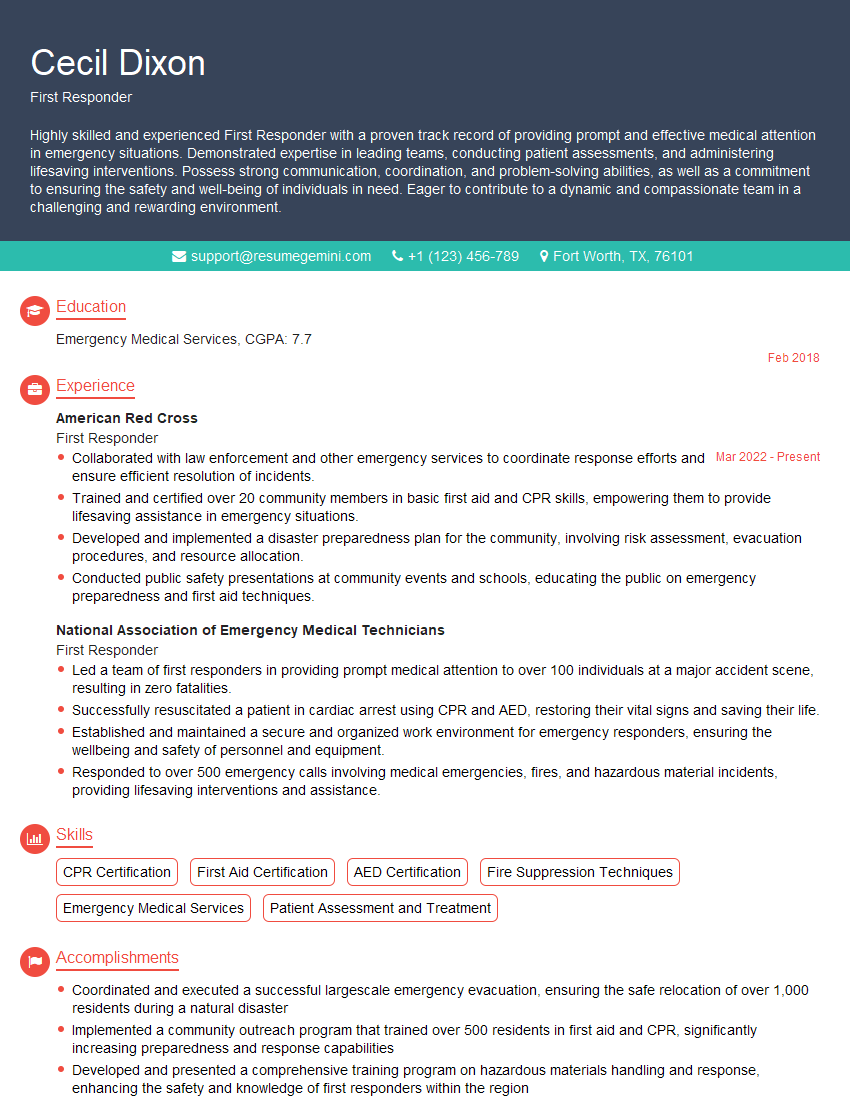
First Responder Resume Sample
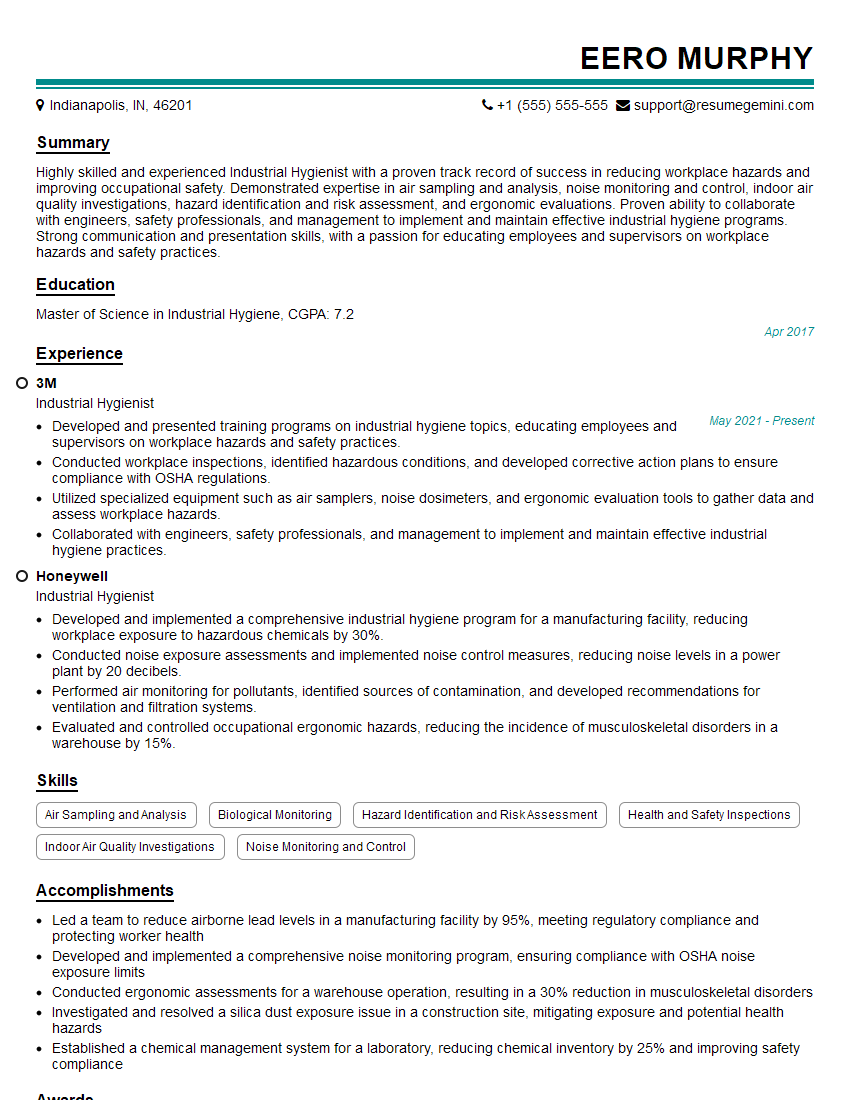
Industrial Hygienist Resume Sample
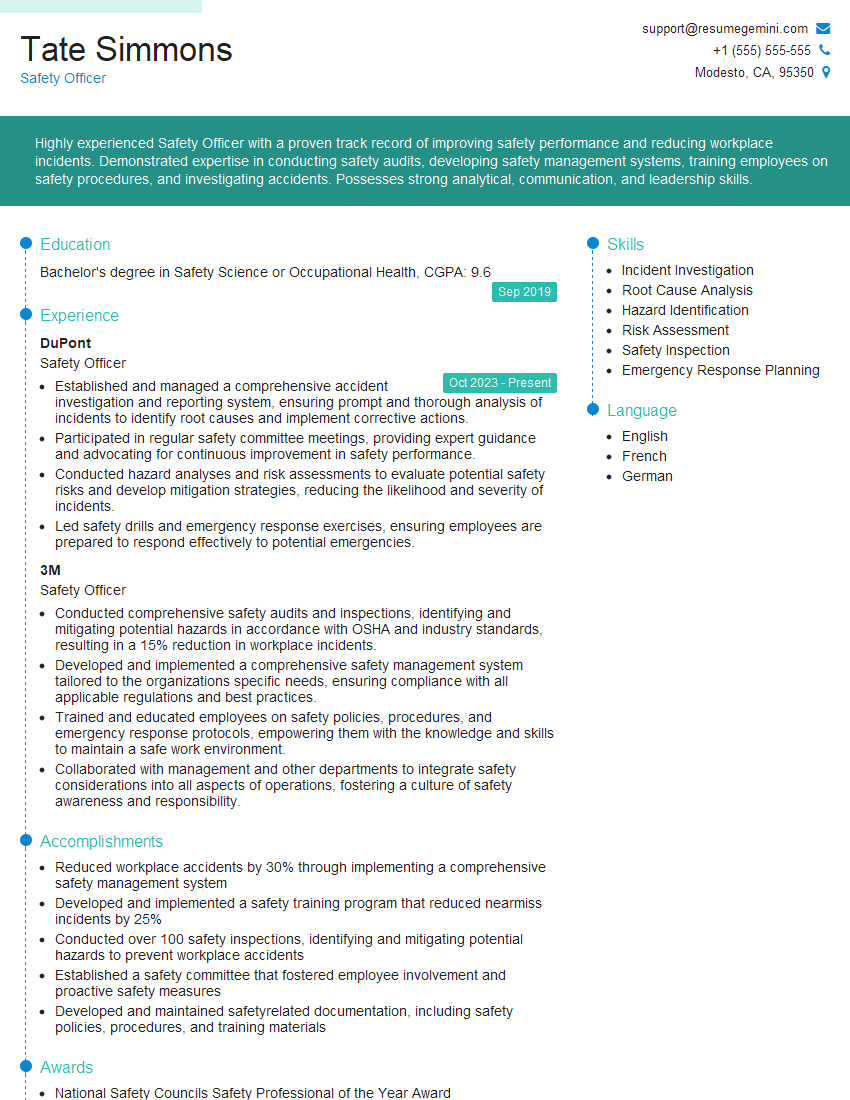
Safety Officer Resume Sample
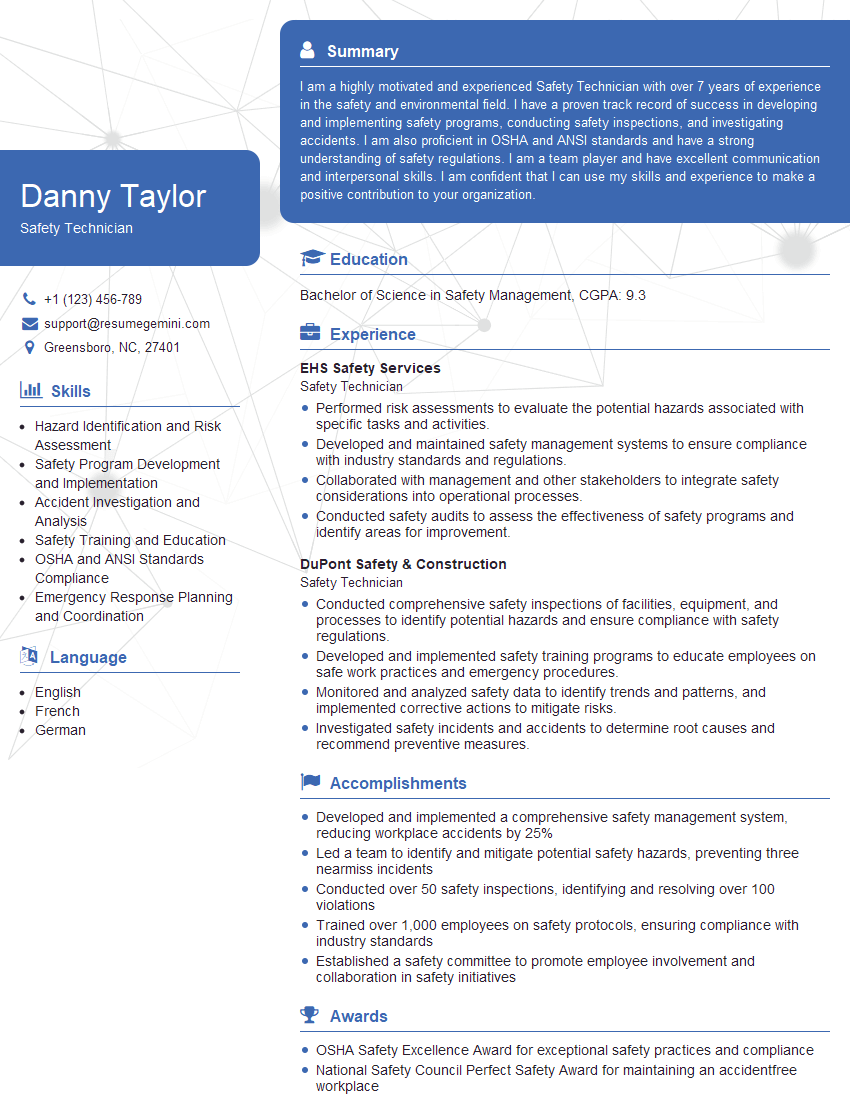
Safety Technician Resume Sample
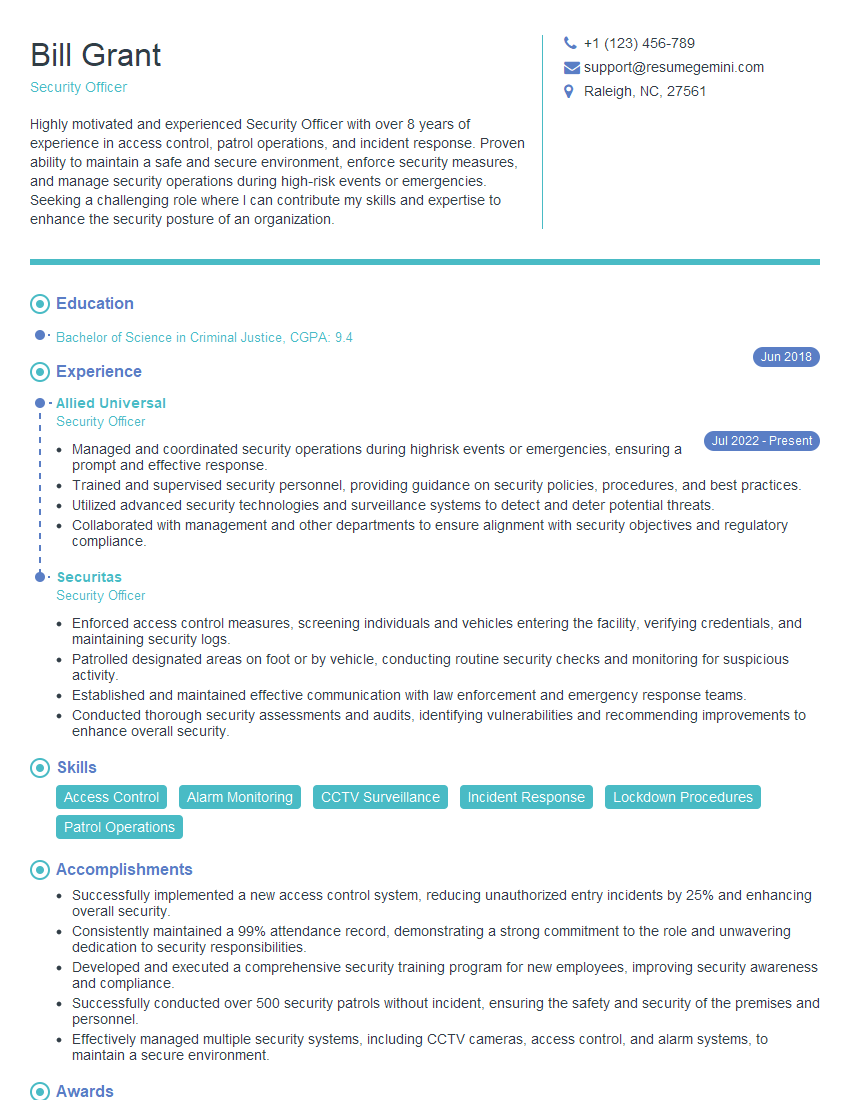
Security Officer Resume Sample
Explore more articles
Users Rating of Our Blogs
Share Your Experience
We value your feedback! Please rate our content and share your thoughts (optional).
What Readers Say About Our Blog
Very informative content, great job.
good