Every successful interview starts with knowing what to expect. In this blog, we’ll take you through the top Adhering to FDA Regulations interview questions, breaking them down with expert tips to help you deliver impactful answers. Step into your next interview fully prepared and ready to succeed.
Questions Asked in Adhering to FDA Regulations Interview
Q 1. Explain the difference between GMP and GCP.
GMP, or Good Manufacturing Practices, and GCP, or Good Clinical Practices, are both sets of regulations designed to ensure the quality and safety of products, but they apply to different stages and types of products.
- GMP focuses on the manufacturing process of pharmaceutical products, medical devices, and food. It covers everything from the sourcing of raw materials to the final product release, ensuring consistency, quality, and safety throughout the manufacturing process. Think of it as the ‘how’ of making a safe product. For example, GMP dictates the cleaning and sanitation procedures in a manufacturing facility to prevent contamination.
- GCP, on the other hand, focuses on the design, conduct, performance, monitoring, auditing, recording, analyses, and reporting of clinical trials that involve human subjects. It ensures the rights, safety, and well-being of trial participants and the reliability of the trial data. This is the ‘how’ of ethically and reliably testing a drug or treatment in humans. A key aspect of GCP is maintaining accurate and complete case report forms (CRFs).
In essence, a drug might be manufactured according to GMP standards, and then its efficacy and safety are tested in clinical trials governed by GCP before it can be marketed.
Q 2. Describe your experience with 21 CFR Part 11.
21 CFR Part 11 is a section of the Code of Federal Regulations that establishes the FDA’s guidelines for electronic records and electronic signatures. My experience with 21 CFR Part 11 includes implementing and maintaining compliant systems for data management, record keeping, and electronic signatures in several regulated environments. This involved:
- System Validation: Participating in the validation of electronic systems used for data acquisition, storage, and retrieval, ensuring they meet the requirements of 21 CFR Part 11. This included IQ (Installation Qualification), OQ (Operational Qualification), and PQ (Performance Qualification) activities.
- Audit Trails: Implementing robust audit trails to track all changes and accesses to electronic records, providing a complete history of data integrity. We used systems with granular audit trails that recorded not only the ‘who’ and ‘when’, but also the ‘what’ and ‘why’ of any system activity.
- Electronic Signatures: Establishing and implementing electronic signature systems that adhere to the guidelines, ensuring authenticity, integrity, and non-repudiation. This required defining roles and responsibilities for electronic signatures and training staff on their proper use.
- Access Control: Implementing secure access controls to ensure only authorized personnel can access and modify electronic records. We used role-based access control to restrict access to sensitive data based on job responsibilities.
For example, in one project, we implemented a new LIMS (Laboratory Information Management System) that required full 21 CFR Part 11 compliance. We worked through a rigorous validation process, including establishing SOPs for system use and security, ensuring compliance throughout.
Q 3. How do you ensure compliance with FDA regulations during a product recall?
Ensuring compliance with FDA regulations during a product recall is crucial and demands a structured and systematic approach. My experience involves:
- Immediate Action: Initiating a rapid response team to immediately halt production and distribution of the affected product. This involves securing the affected product to prevent further distribution.
- Root Cause Analysis: Conducting a thorough investigation to identify the root cause of the recall, documenting all findings meticulously. This frequently involves reviewing manufacturing records, testing data, and customer complaints.
- Recall Strategy: Developing a comprehensive recall strategy based on the classification of the recall (Class I, II, or III based on the severity of potential harm), which determines the speed and scope of action.
- Communication: Communicating effectively and promptly with the FDA, customers, distributors, and other stakeholders. Transparency and open communication are vital.
- Record Keeping: Maintaining detailed records of all actions taken, including communication logs, investigation reports, and recall implementation documents. This is paramount for FDA review.
- Corrective and Preventive Actions (CAPA): Implementing CAPA to prevent recurrence of the problem that led to the recall. This includes reviewing and updating SOPs, improving manufacturing processes, and implementing new quality controls.
In a previous recall involving a contaminated batch of medication, we swiftly followed this process, effectively containing the issue, communicating transparently with the FDA and consumers, and implementing robust CAPA to prevent future occurrences.
Q 4. What is a CAPA and how is it implemented in an FDA-regulated environment?
A Corrective and Preventive Action (CAPA) is a systematic process used to identify and investigate the root cause of non-conformances, implement corrective actions to address the immediate problem, and preventive actions to prevent recurrence. In an FDA-regulated environment, CAPA implementation is critical for demonstrating a commitment to quality and compliance.
The typical CAPA process includes:
- Identification: Identifying deviations, non-conformances, complaints, or other issues that require investigation.
- Investigation: Conducting a thorough investigation to determine the root cause of the problem. This often involves reviewing data, interviewing personnel, and analyzing processes.
- Corrective Action: Implementing immediate corrective actions to address the immediate problem and prevent further occurrences. Examples include removing affected products, retraining staff, or revising SOPs.
- Preventive Action: Implementing longer-term preventive actions to prevent recurrence. This might involve redesigning processes, implementing new quality controls, or improving training programs.
- Verification: Verifying the effectiveness of the implemented corrective and preventive actions.
- Documentation: Maintaining detailed documentation of the entire CAPA process, including investigation findings, corrective and preventive actions, and verification results. This documentation is crucial for audits and FDA inspections.
For example, if a deviation in a manufacturing process was identified, a CAPA would be initiated, thoroughly investigated to find the root cause (e.g., inadequate training), and corrective actions (e.g., retraining of staff, updated SOPs) and preventive actions (e.g., revised training program, enhanced quality checks) would be implemented and verified to ensure the deviation does not reoccur.
Q 5. Explain your understanding of FDA warning letters and 483 observations.
FDA warning letters and 483 observations are both significant indicators of regulatory non-compliance, but they differ in their severity and process.
- FDA 483 Observations: These are issued by FDA inspectors during an inspection to formally document observations of conditions or practices that appear to indicate violations of the Food, Drug, and Cosmetic Act and related regulations. They are not a final determination of non-compliance but signal areas of concern requiring immediate attention and correction. A 483 is an observation, not a penalty. Think of it as a ‘heads-up’ from the FDA.
- FDA Warning Letters: These are issued after the FDA has evaluated information from an inspection, and other sources (like complaints), and determined that there are significant violations that require immediate corrective actions. They are more formal and serious than a 483, indicating potential regulatory action if corrective actions are not taken swiftly. It’s the FDA’s more serious ‘we have a problem’ message.
Both require prompt and detailed responses with comprehensive corrective actions. Failure to address these can lead to more severe consequences, such as injunctions, seizures, and even facility closure. My experience includes drafting and executing effective responses to both 483s and warning letters, prioritizing immediate corrective actions and long-term preventive measures.
Q 6. Describe your experience with validation and qualification processes.
Validation and qualification processes are crucial for ensuring the reliability and consistency of equipment, systems, and processes in an FDA-regulated environment. My experience encompasses both aspects:
- Validation: This is the process of demonstrating that a process, equipment, or system consistently produces a product meeting predetermined specifications and quality attributes. It’s about proving ‘it works as intended’ for its intended purpose. This might include process validation, cleaning validation, and analytical method validation.
- Qualification: This is the process of demonstrating that equipment or systems are fit for their intended use. It’s a precursor to validation, demonstrating that the equipment itself is functioning properly before validation of the process it supports. This includes Installation Qualification (IQ), Operational Qualification (OQ), and Performance Qualification (PQ).
For example, the qualification of an autoclave (sterilizer) involves IQ (verifying correct installation), OQ (verifying that the autoclave performs as intended under specific operating conditions), and PQ (demonstrating that the autoclave consistently sterilizes items according to pre-defined parameters). Following qualification, process validation would then be performed to validate sterilization processes within that autoclave.
I have significant experience in designing, executing, and documenting both qualification and validation activities, ensuring all regulatory requirements are met. I’m adept at managing validation projects and leading cross-functional teams to achieve compliance.
Q 7. How do you handle deviations from standard operating procedures (SOPs)?
Deviations from standard operating procedures (SOPs) must be handled promptly and meticulously, following a well-defined process. My approach involves:
- Immediate Action: Stopping the process or activity immediately to prevent further deviations.
- Investigation: Conducting a thorough investigation to determine the root cause of the deviation. This frequently includes reviewing records, interviewing personnel, and analyzing data.
- Documentation: Documenting the deviation, the investigation, and any corrective actions taken. This includes capturing relevant details such as date, time, location, personnel involved, and actions performed.
- Corrective Action: Implementing corrective actions to address the immediate issue and prevent recurrence. This might include retraining personnel, revising SOPs, or implementing new control measures.
- CAPA Initiation (if necessary): If the deviation is significant or has potential impact on product quality, a formal CAPA may be initiated, following the steps outlined earlier.
- Management Review: The deviation and corrective actions should be reviewed by management to ensure effectiveness and to identify trends that require further action.
A real-world example involved a deviation in the weighing of raw materials. By following this process, we identified a malfunctioning scale, implemented corrective action by repairing or replacing it, and retrained personnel on proper weighing procedures. This included updating the SOP and conducting further training to improve vigilance and prevent recurrence.
Q 8. Explain your understanding of risk assessment and mitigation in relation to FDA regulations.
Risk assessment and mitigation are fundamental to FDA compliance. It’s a systematic process of identifying potential hazards associated with a product or process, evaluating their likelihood and severity, and implementing controls to reduce or eliminate the risks. For example, in pharmaceutical manufacturing, a risk assessment might focus on potential microbial contamination. This involves identifying sources of contamination (e.g., raw materials, equipment, personnel), assessing the probability of contamination occurring, and the potential impact on product quality and patient safety (e.g., infection, adverse reaction). Mitigation strategies could then include implementing rigorous cleaning and sanitization procedures, environmental monitoring, and personnel training.
The FDA expects companies to document their risk assessments, demonstrating a proactive approach to safety. This documentation should clearly outline the identified hazards, the evaluation methodology, and the implemented controls. Regular review and updates of the risk assessment are crucial to ensure it remains relevant and effective as processes change or new information becomes available. Think of it like a roadmap for safety – constantly being updated to reflect the current terrain.
Q 9. How would you ensure data integrity in a GMP environment?
Data integrity in a GMP (Good Manufacturing Practice) environment is paramount. It means ensuring that data is accurate, complete, consistent, trustworthy, attributable, legible, original, and enduring (ALCOA+). To achieve this, we need a robust system encompassing several key elements:
- Secure Systems: Using validated and secured electronic systems with appropriate access controls and audit trails. This prevents unauthorized modification or deletion of data.
- Training and Procedures: Thoroughly trained personnel following standardized operating procedures (SOPs) for data recording, handling, and review. Every action should be auditable.
- Data Backup and Recovery: Regularly backing up data to a secure location and having a robust recovery plan in place to prevent data loss due to system failures or disasters. Think of it like having a backup copy of your important documents in a safe place.
- Deviation and CAPA Management: Effective processes for handling deviations from SOPs and implementing corrective and preventive actions (CAPAs) to prevent recurrence. Data related to deviations must be thoroughly documented and analyzed.
- Regular Audits: Conducting internal and external audits to verify data integrity practices. This provides an independent evaluation of the system.
For example, raw material testing data must be meticulously recorded, including the date, time, personnel involved, and test results. Any discrepancies must be investigated and documented. The entire process must be auditable, showing the complete history of the data from origin to final report.
Q 10. What is your experience with conducting internal audits?
I have extensive experience in conducting internal audits, focusing on GMP compliance, data integrity, and other regulatory requirements. My approach is systematic and risk-based. I typically develop an audit plan that aligns with the company’s critical processes and potential areas of risk. This plan outlines the specific areas to be audited, the audit procedures, and the expected outcomes. During the audit, I meticulously review documentation, observe processes, and interview personnel to gather evidence. I then prepare a comprehensive audit report that details the findings, including any deviations from regulations or company SOPs. Finally, I work with management to develop and implement corrective and preventive actions (CAPAs) to address any deficiencies identified during the audit.
In a recent internal audit of a manufacturing facility, I discovered a gap in the documentation process for equipment calibration. This led to the implementation of a new electronic system for calibration tracking and reporting, improving data integrity and ensuring compliance with FDA regulations. This highlights the proactive role of internal audits in preventing major issues later.
Q 11. Describe your experience with FDA inspections.
I’ve been involved in several FDA inspections, both as a participant and as a support member. These inspections are rigorous and thoroughly examine all aspects of a company’s operations related to the product being regulated. The experience provided invaluable insight into the FDA’s expectations and highlighted the criticality of meticulous record-keeping and proactive compliance measures. It’s a high-pressure situation, but effective preparation is key. This includes ensuring complete and accurate documentation, clear and concise responses to inspectors’ questions, and a readily available management team to address issues.
A key takeaway from these inspections is the importance of building a strong quality system. A robust quality system that anticipates and addresses potential issues is crucial to navigate inspections successfully. The goal is to demonstrate a commitment to quality, patient safety, and regulatory compliance.
Q 12. How do you stay updated on changes to FDA regulations?
Staying current with FDA regulations requires a multi-faceted approach. I regularly monitor the FDA website for updates, guidance documents, and announcements. I subscribe to relevant industry newsletters and journals, and actively participate in industry conferences and webinars. I also leverage professional networks to exchange information and best practices with other compliance professionals. Additionally, I utilize specialized databases and regulatory information services to track changes and ensure compliance. Think of it like subscribing to multiple news sources to get a complete picture.
Proactive monitoring is crucial, not only to keep abreast of major changes but also to understand the evolving interpretations and expectations of the agency.
Q 13. Explain your understanding of the different types of FDA submissions (e.g., IND, NDA, PMA).
The FDA utilizes several types of submissions to manage the lifecycle of drug and biological products. Here are a few key examples:
- IND (Investigational New Drug): This application is submitted to the FDA to begin clinical trials of a new drug or biological product. It includes pre-clinical data demonstrating the safety and potential efficacy of the product.
- NDA (New Drug Application): This application is submitted after successful completion of clinical trials, providing comprehensive data on the drug’s safety and efficacy to support marketing approval.
- PMA (Premarket Approval): This application is used for certain high-risk medical devices. It requires rigorous premarket review and approval, similar to the NDA process for drugs.
- ANDA (Abbreviated New Drug Application): Used for generic drug products, this application demonstrates bioequivalence to a previously approved reference listed drug, reducing the need for extensive clinical trials.
Each submission type has specific requirements, and understanding these differences is critical for successful FDA interactions. The complexity and documentation requirements vary greatly depending on the type of product and its intended use.
Q 14. How do you ensure compliance with labeling regulations?
Ensuring compliance with labeling regulations is crucial for patient safety and accurate product information. This involves a thorough understanding of the FDA’s requirements for content, format, and accuracy. Labels must clearly identify the product, its intended use, active and inactive ingredients, dosage instructions, warnings, and precautions. Any claims made on the label must be substantiated by scientific evidence. The labeling process must be validated to ensure accuracy and consistency across all batches. We use a cross-functional team, including regulatory, quality, and marketing to ensure the accuracy and completeness of the labeling, before releasing any products.
We maintain a comprehensive labeling system that includes standardized templates, review processes, and change control procedures. Any changes to the label must undergo rigorous review and approval to prevent errors and ensure compliance. Think of it like a rigorous checklist for accuracy and completeness.
Q 15. Describe your experience with change control processes.
Change control is the cornerstone of maintaining compliance in regulated environments like those governed by the FDA. It’s a systematic process designed to manage any proposed changes to processes, equipment, materials, or documentation that could impact product quality, safety, or efficacy. Think of it as a carefully planned renovation project – you wouldn’t just start tearing down walls without blueprints and permits, right?
In my experience, a robust change control process typically involves these steps:
- Request: A formal request detailing the proposed change and its justification.
- Review: A cross-functional team evaluates the change’s potential impact, considering risks and compliance implications. This might involve reviewing validation data, impact assessments, or risk analyses.
- Approval: A designated authority approves or rejects the change based on the review. This often requires documented sign-off.
- Implementation: The change is implemented according to a defined plan, possibly including training for affected personnel.
- Verification: Post-implementation verification confirms that the change achieved its intended outcome and didn’t introduce any unintended consequences. This might involve re-validation, retesting, or data review.
- Documentation: Meticulous record-keeping is crucial, documenting every step of the process, including rationale, approvals, and verification results.
For example, I was involved in a change control process where we transitioned from a paper-based batch record system to an electronic one. This involved a comprehensive review of the system’s validation, training staff on the new software, and meticulously documenting the entire process, ensuring full compliance with 21 CFR Part 11 requirements. The success of this project significantly improved our efficiency and data traceability.
Career Expert Tips:
- Ace those interviews! Prepare effectively by reviewing the Top 50 Most Common Interview Questions on ResumeGemini.
- Navigate your job search with confidence! Explore a wide range of Career Tips on ResumeGemini. Learn about common challenges and recommendations to overcome them.
- Craft the perfect resume! Master the Art of Resume Writing with ResumeGemini’s guide. Showcase your unique qualifications and achievements effectively.
- Don’t miss out on holiday savings! Build your dream resume with ResumeGemini’s ATS optimized templates.
Q 16. Explain your understanding of the FDA’s definition of adulteration and misbranding.
The FDA defines adulteration as a condition where a drug or food product is impure, unsafe, or doesn’t meet standards of quality. Think of it as something being ‘contaminated’ in a way that makes it unfit for consumption or use. This can involve the presence of harmful substances, improper manufacturing practices, or deviations from established specifications.
Misbranding, on the other hand, refers to incorrect or misleading labeling or packaging of a product. This could be anything from inaccurate ingredient lists or dosage information to deceptive claims about the product’s efficacy or health benefits. It’s essentially a communication problem – the product itself may be fine, but the way it’s presented to the consumer is wrong.
Examples of adulteration could include a food product containing harmful bacteria or a drug containing unexpected impurities. Misbranding could be a supplement falsely claiming to cure cancer or a food product label that incorrectly states the amount of sugar.
Understanding these two concepts is paramount for maintaining compliance. A single instance of adulteration or misbranding can lead to serious consequences, including product recalls, fines, and legal action.
Q 17. What is your experience with quality management systems (QMS)?
Quality Management Systems (QMS) are the lifeblood of any organization aiming for consistent FDA compliance. They’re a comprehensive framework of policies, procedures, and processes designed to ensure the consistent production of high-quality products that meet regulatory requirements and customer expectations. Think of it as the operating system for a well-run manufacturing facility.
My experience spans working with various QMS, including those built on ISO 9001 and 21 CFR Part 820 principles. This includes developing and implementing Standard Operating Procedures (SOPs), conducting internal audits, and participating in management reviews. I’ve worked extensively with documentation control, ensuring all records are current, accurate, and readily accessible. I’ve successfully supported several companies in achieving and maintaining FDA compliance through the careful design, implementation, and maintenance of their QMS. One example was the implementation of a new document control system based on a centralized electronic repository, which improved efficiency and traceability of all documents.
In my experience, a successful QMS requires continuous improvement and proactive risk management. It’s not a static system; it evolves with the organization and industry changes.
Q 18. How do you investigate and resolve non-conformances?
Investigating and resolving non-conformances (NCs) is a critical aspect of maintaining compliance. A non-conformance is simply any instance where a product, process, or system fails to meet its predefined specifications or requirements. Think of it as a red flag signaling a problem that needs addressing.
My approach typically follows these steps:
- Identification and Documentation: Thoroughly document the NC, including its nature, location, severity, and any potential impact.
- Investigation: Conduct a root cause analysis (RCA) to pinpoint the underlying reasons for the non-conformance. This often involves interviewing staff, reviewing records, and analyzing data.
- Corrective Action: Develop and implement corrective actions to prevent the non-conformance from recurring. This might involve revising procedures, retraining staff, or improving equipment.
- Preventive Action: Implement preventive actions to prevent similar non-conformances in the future. This could involve process improvements, enhanced training, or improved quality checks.
- Verification: Verify the effectiveness of the corrective and preventive actions. This often involves monitoring key performance indicators (KPIs) and reviewing data to confirm that the issue has been resolved.
- Documentation: Meticulously document the entire investigation and resolution process, including the root cause analysis, corrective and preventive actions, and verification results.
For example, I investigated a non-conformance related to a batch of tablets that failed a dissolution test. The RCA revealed a problem with the mixing process. Corrective actions involved modifying the mixing procedure and retraining the operators. Preventive actions included adding an extra quality check to the mixing process.
Q 19. Explain your experience with supplier audits.
Supplier audits are essential for ensuring that materials and services from external suppliers meet our quality and compliance standards. It’s all about making sure your suppliers are as reliable and compliant as your own company. Think of it as a due diligence process to safeguard your product’s quality.
My experience involves conducting both on-site and desk audits, assessing suppliers against pre-defined criteria relating to their quality systems, manufacturing practices, and regulatory compliance. This includes reviewing documents such as SOPs, quality records, and regulatory compliance documentation. I focus on evaluating their capability to consistently provide materials or services meeting our requirements and regulatory standards. The audit process typically involves developing an audit plan, conducting the audit, documenting findings, and following up on corrective actions.
A successful supplier audit ensures that our products are built on a foundation of high-quality, compliant materials and services, mitigating potential risks associated with using sub-standard materials.
Q 20. Describe your understanding of the FDA’s requirements for record keeping.
The FDA has stringent record-keeping requirements for all regulated products. Accurate, complete, and readily accessible records are essential for demonstrating compliance and tracing the history of products. Think of it as building a complete and transparent history of your product’s journey.
These requirements cover a wide range of documents, including manufacturing records, testing results, quality control data, complaints, and deviations. Records must be maintained for a defined period and must be easily retrievable for audits and inspections. The key aspects are:
- Accuracy: Records must accurately reflect the events and processes they describe.
- Completeness: No critical information should be missing.
- Accessibility: Records must be readily available for review.
- Retention: Records must be retained for the specified timeframes as defined by the regulations.
- Legibility: Records must be easily legible and understandable.
Failure to maintain adequate records can result in serious consequences, including warning letters, import alerts, and even product recalls. Therefore, a well-defined record-retention policy and procedures are vital.
Q 21. How do you ensure compliance with the FDA’s requirements for electronic records and electronic signatures?
Ensuring compliance with the FDA’s requirements for electronic records and electronic signatures (ERES) under 21 CFR Part 11 is crucial in today’s digital landscape. It’s about ensuring that electronic systems used for recording and signing regulated documents are reliable, secure, and maintain the same level of integrity as paper-based systems. Think of it as building a secure digital vault for your sensitive information.
Compliance involves implementing and validating systems that meet the requirements outlined in 21 CFR Part 11. This includes:
- System Validation: Demonstrating that the electronic system performs as intended and produces reliable results.
- Audit Trails: Maintaining a detailed record of all activities performed within the system, including user access, data changes, and deletions.
- Access Control: Implementing appropriate access controls to prevent unauthorized access and modification of data.
- Data Integrity: Ensuring that data is accurate, complete, consistent, and reliable.
- Electronic Signatures: Implementing electronic signature processes that meet the requirements of 21 CFR Part 11, ensuring authenticity and non-repudiation.
I have hands-on experience in implementing and validating ERES compliant systems, ensuring data integrity and regulatory compliance. This includes working with various Electronic Batch Records systems, LIMS, and other enterprise-level software solutions. For instance, I have been involved in multiple projects where we implemented and validated new electronic systems for data management and ensured all aspects met the requirements of 21 CFR Part 11, enabling a fully compliant and efficient regulatory environment.
Q 22. What is your experience with designing and implementing quality control tests?
Designing and implementing quality control tests is crucial for ensuring the safety and efficacy of products regulated by the FDA. My experience encompasses the entire lifecycle, from initial test design based on risk assessment to ongoing monitoring and improvement. This includes defining acceptance criteria, developing robust testing methodologies, and validating these methods to ensure they consistently produce reliable results.
For example, in my previous role, we developed a new HPLC method (High-Performance Liquid Chromatography) to quantify the active pharmaceutical ingredient in a drug product. This involved meticulously establishing the method’s accuracy, precision, specificity, linearity, and robustness through validation studies. We documented every step, complying with 21 CFR Part 11 for electronic records and signatures. We also incorporated Statistical Process Control (SPC) charting to monitor the ongoing performance of the method and promptly identify any deviations. Failure to perform these tests robustly could lead to product recalls or worse, patient harm.
Another example involved designing stability studies to assess how the product degrades over time under various storage conditions. These studies provided crucial data for establishing shelf life and ensuring the product remained potent and safe throughout its intended lifespan. Properly designed and executed stability programs directly impact the quality of the drug and its compliance with FDA expectations.
Q 23. Describe your experience with handling adverse events or complaints.
Handling adverse events (AEs) and complaints is paramount for patient safety and regulatory compliance. My experience involves meticulously documenting every detail, conducting thorough investigations to determine root cause, and implementing corrective and preventative actions (CAPA). The process begins with immediate triage to assess the severity and urgency of the reported event.
In one case, we received a complaint about a medical device malfunction resulting in a minor injury to a patient. We immediately initiated a comprehensive investigation, which included reviewing the device’s design specifications, manufacturing records, and post-market surveillance data. We interviewed the patient, healthcare professionals, and our own staff to gather complete information. The root cause analysis revealed a defect in the manufacturing process. We implemented corrective actions to address the defect, including retraining staff, updating manufacturing procedures, and conducting rigorous quality checks. We also submitted a detailed report to the FDA, as required.
The key is a systematic approach adhering to the FDA’s regulations for reporting and investigation. This ensures not only patient safety but also helps prevent similar events from occurring in the future, maintaining the integrity and trust associated with our products.
Q 24. Explain your understanding of the FDA’s process for approving new drugs or medical devices.
The FDA’s approval process for new drugs and medical devices is rigorous and multi-phased, designed to ensure both safety and efficacy. For drugs, it generally involves pre-clinical studies (testing on animals), Investigational New Drug (IND) application, clinical trials (Phases 1-3), and finally a New Drug Application (NDA). Medical devices follow a similar, yet distinct path involving pre-clinical testing, 510(k) submissions (for devices substantially equivalent to existing ones) or Premarket Approval (PMA) applications (for high-risk devices), and post-market surveillance.
The FDA reviews extensive data from each phase, scrutinizing the results for efficacy, safety, and manufacturing quality. They assess the risk-benefit profile, manufacturing processes, and labeling information. A comprehensive review ensures that the product meets stringent quality standards and is safe and effective for its intended use before it reaches the market. The entire process is documented and subject to periodic audits to maintain compliance. This rigorous process is essential to protect public health and is a cornerstone of trust in the healthcare system.
Q 25. How do you prioritize compliance activities?
Prioritizing compliance activities requires a risk-based approach. I utilize a system that considers the potential impact of non-compliance, the likelihood of occurrence, and the feasibility of mitigation strategies. High-risk areas, such as those involving patient safety and significant regulatory requirements, receive top priority.
For example, ensuring the accuracy of labeling, conducting timely recalls if necessary, and adhering to Good Manufacturing Practices (GMP) are given higher precedence than less critical activities. A risk assessment matrix helps in this prioritization. This matrix uses factors like the severity of the consequence (e.g., patient death, minor side effect), the likelihood of occurrence, and the level of control. This allows for a clear and objective evaluation of which actions require immediate attention.
Regular internal audits and external inspections are used to validate our prioritization and identify areas needing improvement. Continuous monitoring and adaptation based on risk assessment ensure alignment with FDA expectations and evolving regulatory landscape.
Q 26. Describe a situation where you had to resolve a compliance issue. What was the outcome?
In a previous role, we discovered inconsistencies in our batch record documentation. This was identified during a routine internal audit. The deviations were not critical to product safety, but violated GMP guidelines. We immediately launched an investigation following our established CAPA process.
The investigation revealed inadequate staff training on proper documentation procedures. Our corrective actions included mandatory retraining for all relevant staff, implementation of a new, more user-friendly documentation system, and introduction of regular checks to ensure consistent compliance. We also updated our Standard Operating Procedures (SOPs) to address the identified gaps. The outcome was successful. We corrected the deviations, improved our documentation processes, and prevented future occurrences. We also reported the deviations to the FDA as required, demonstrating our commitment to transparent and compliant operation.
Q 27. How would you handle a situation where a colleague was not following FDA regulations?
Observing a colleague not following FDA regulations requires a delicate yet firm approach. My first step would be a private conversation with the colleague, aiming for a collaborative solution. I would explain the specific regulatory violation, emphasizing the potential risks and consequences. I would approach the situation with understanding, exploring if there are underlying reasons for the non-compliance, such as a lack of training or unclear expectations.
If the issue persists or involves a serious breach, I would escalate it to their supervisor or the appropriate compliance officer. Maintaining a culture of compliance requires open communication and a commitment to holding each other accountable. The goal isn’t to blame but to ensure consistent adherence to regulations and, most importantly, patient safety. Documentation is key throughout this process. It’s crucial to record all conversations and actions taken to safeguard against any potential future issues.
Key Topics to Learn for Adhering to FDA Regulations Interview
- Good Manufacturing Practices (GMP): Understanding the core principles of GMP, including documentation, quality control, and deviation management. This is foundational to any role involving FDA-regulated products.
- 21 CFR Part 11: Learn the requirements for electronic records and signatures, a crucial aspect of modern pharmaceutical and medical device manufacturing and data management. Practical application includes understanding validation procedures and audit trails.
- Quality Systems Regulations (QSR): Grasp the principles of implementing and maintaining a robust quality system to ensure compliance. This includes understanding CAPA (Corrective and Preventive Actions) processes.
- Risk Management: Familiarize yourself with risk assessment and mitigation strategies within the context of FDA regulations. This includes understanding tools like FMEA (Failure Mode and Effects Analysis).
- Regulatory Submissions: Understand the process of preparing and submitting regulatory documentation to the FDA, including the various types of submissions (e.g., IND, NDA, PMA).
- Inspection Readiness: Prepare for potential FDA inspections by understanding the typical inspection process and developing strategies for handling inspection findings. This involves understanding documentation control and traceability.
- Specific Regulations by Product Type: Depending on the specific role, delve deeper into regulations specific to the type of product (e.g., drugs, medical devices, biologics, food).
Next Steps
Mastering adherence to FDA regulations is paramount for career advancement in the regulated industries. A strong understanding of these principles significantly increases your employability and opens doors to challenging and rewarding roles. To further enhance your job prospects, create an ATS-friendly resume that highlights your relevant skills and experience. We highly recommend using ResumeGemini, a trusted resource for building professional resumes. ResumeGemini provides examples of resumes tailored to Adhering to FDA Regulations, helping you showcase your qualifications effectively and stand out from the competition.
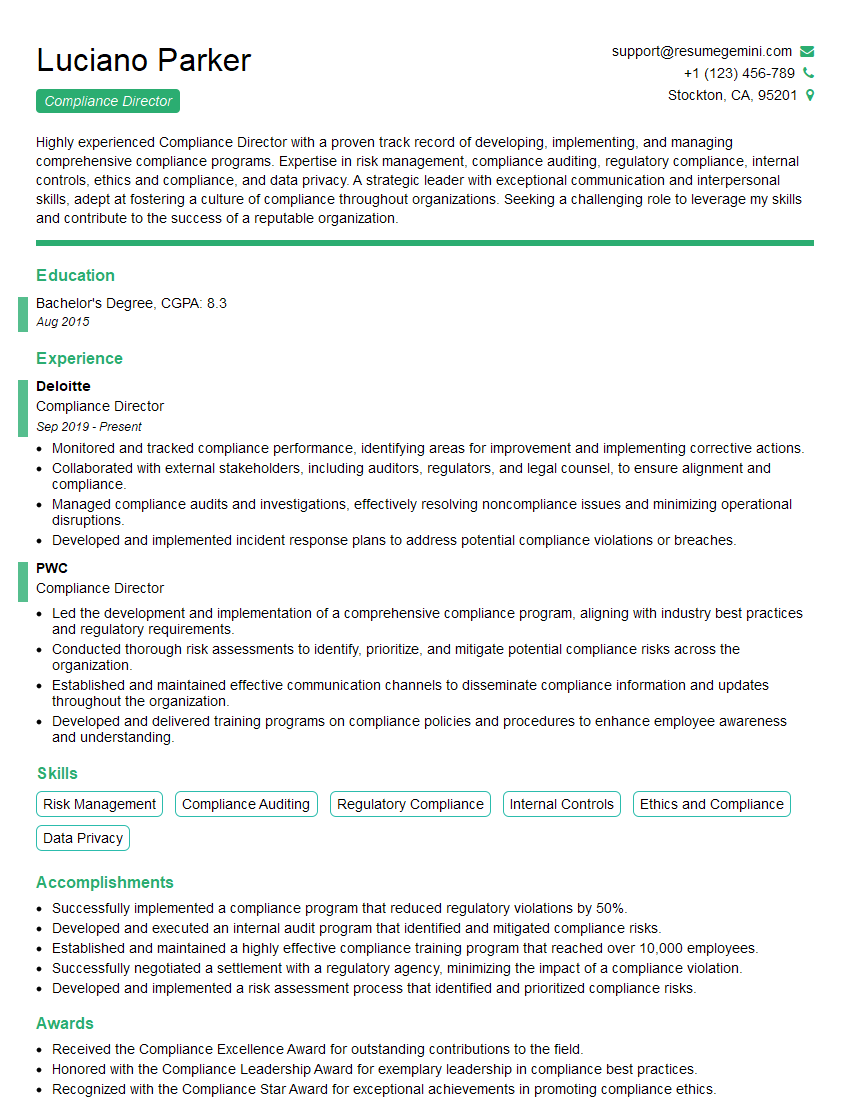
Compliance Director Resume Sample
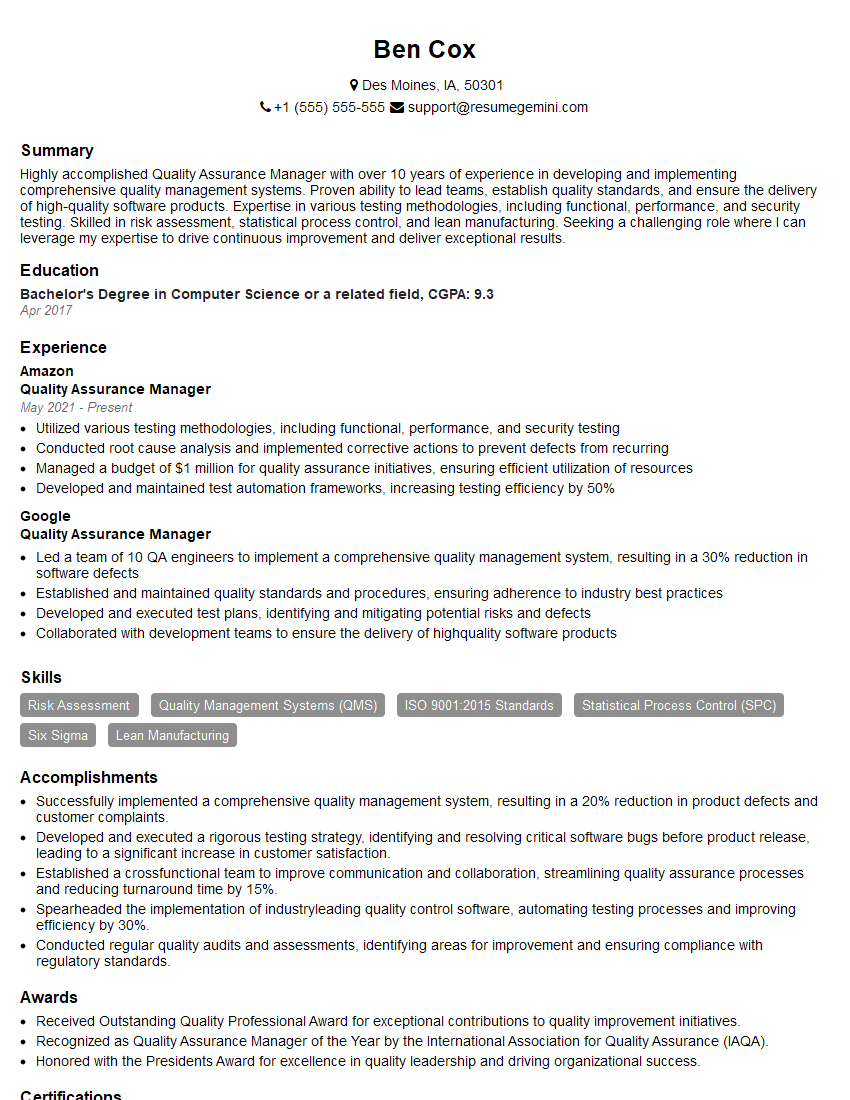
Quality Assurance Manager Resume Sample
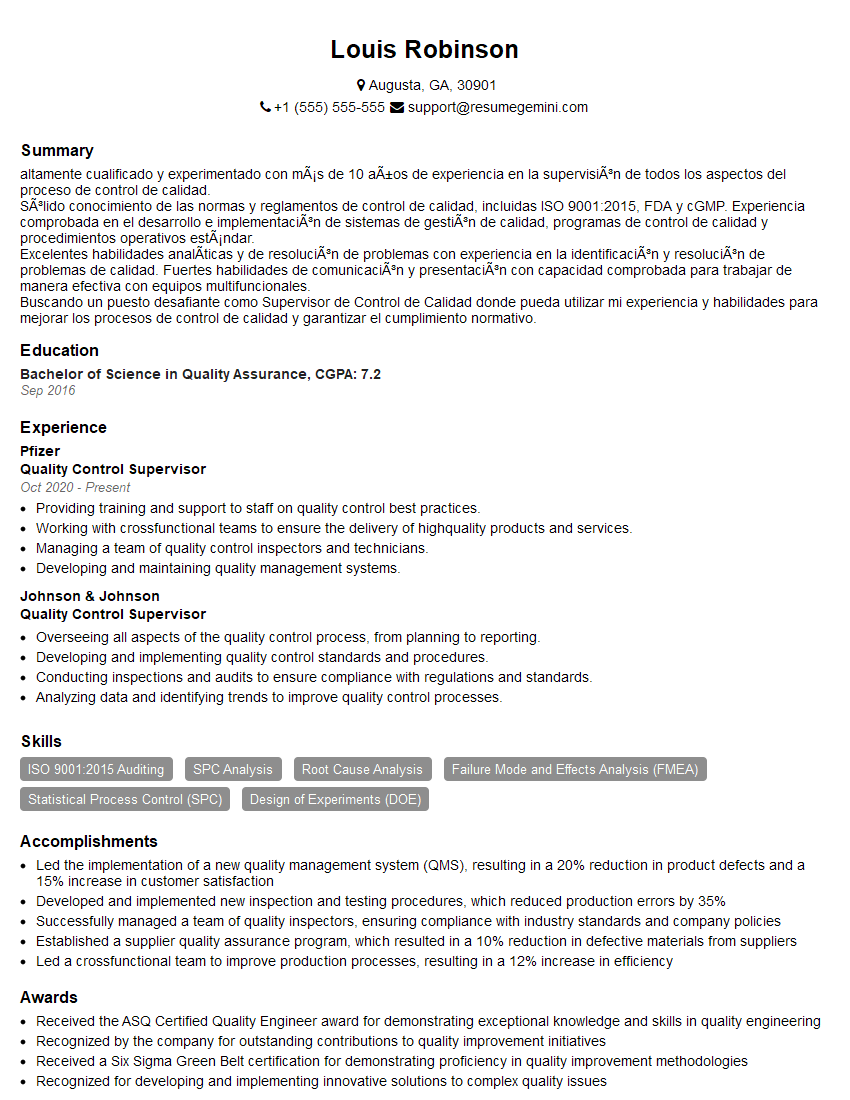
Quality Control Supervisor Resume Sample
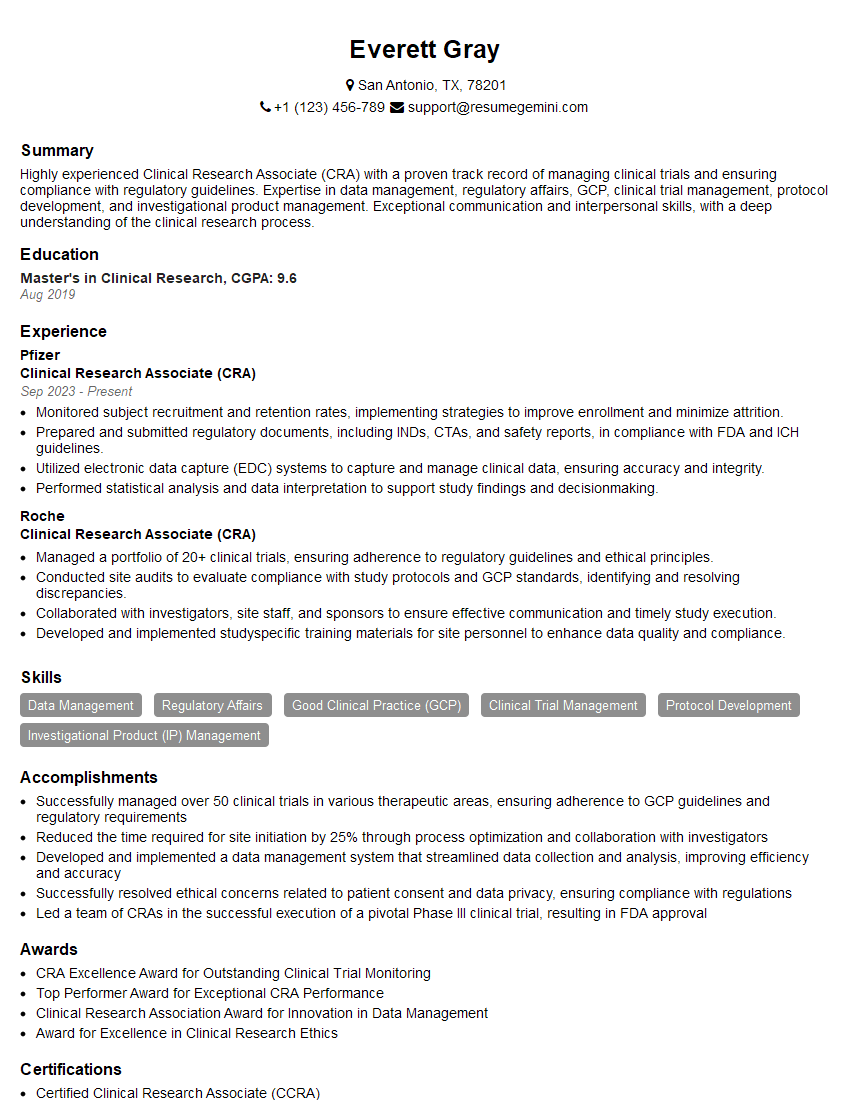
Clinical Research Associate (CRA) Resume Sample
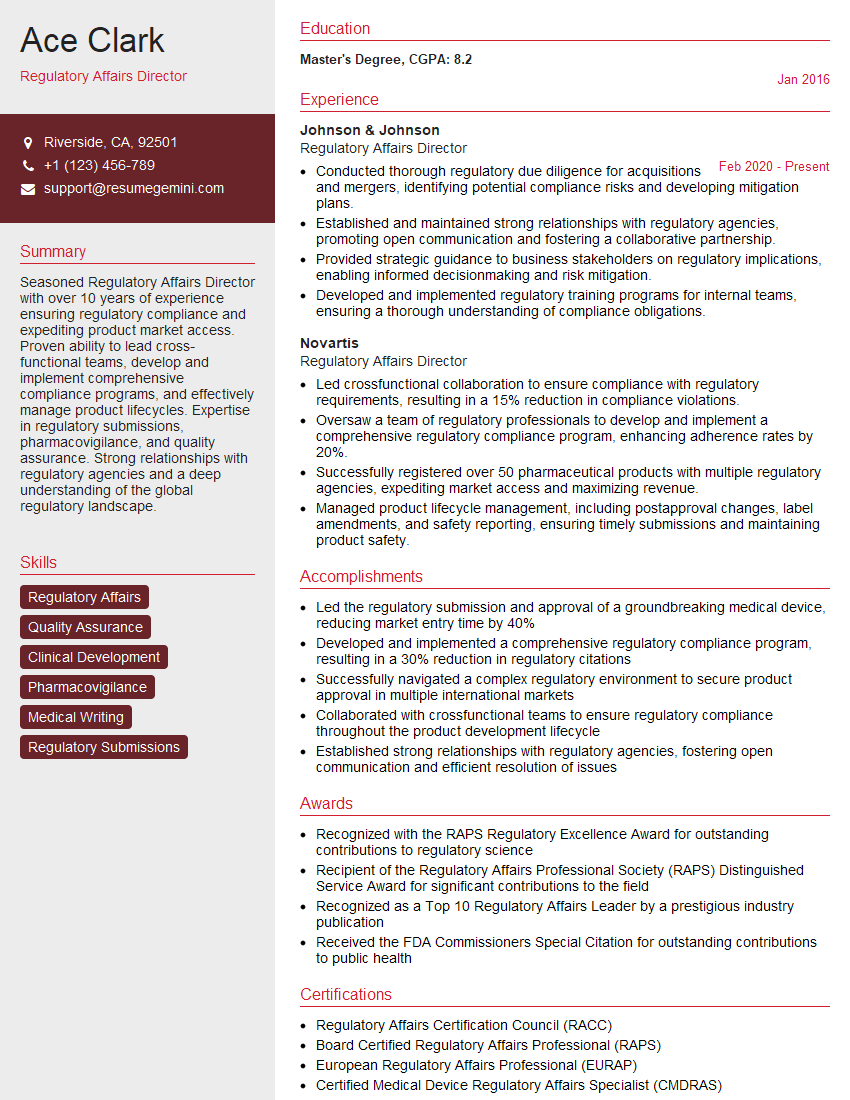
Regulatory Affairs Director Resume Sample
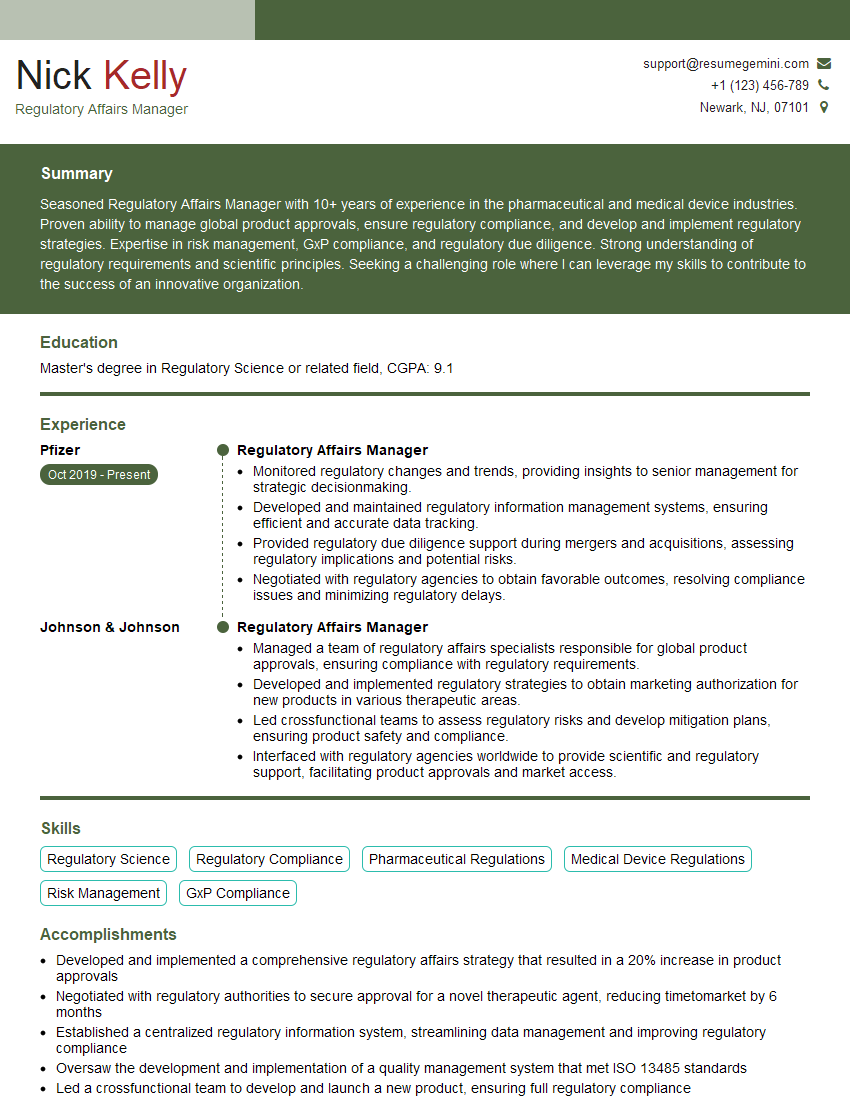
Regulatory Affairs Manager Resume Sample

Compliance Officer Resume Sample
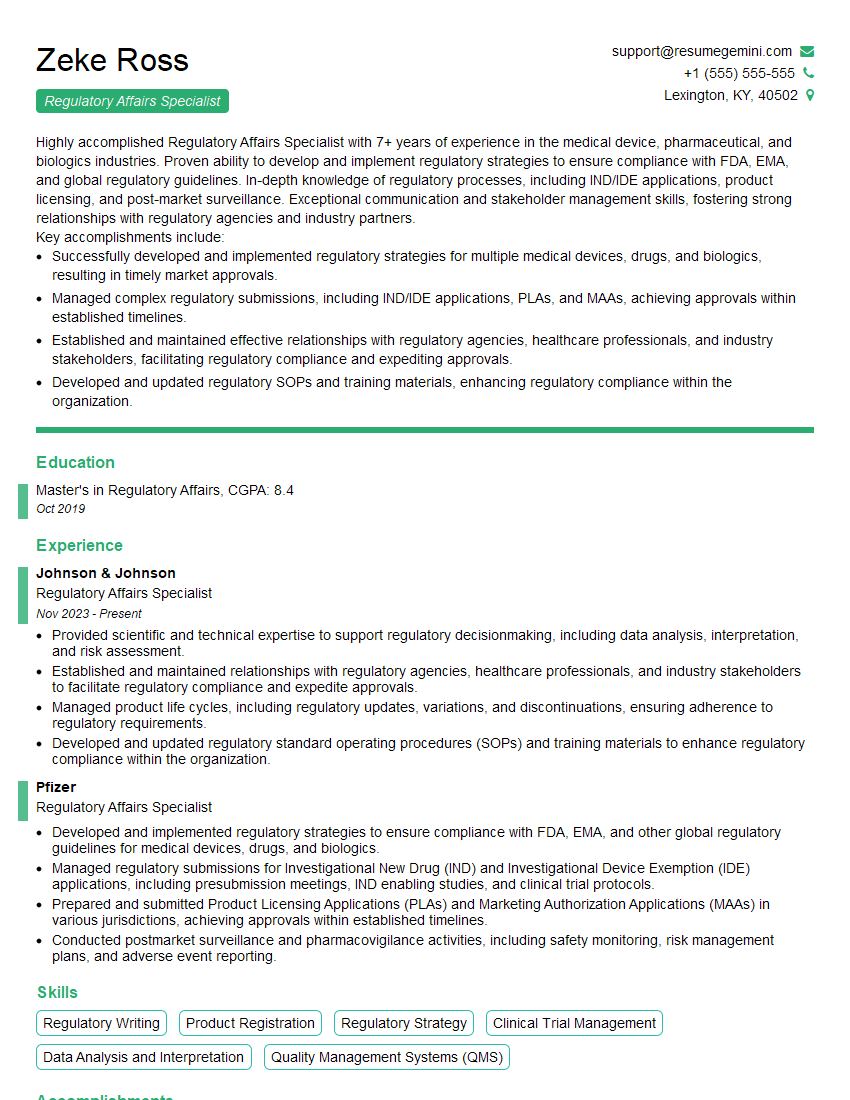
Regulatory Affairs Specialist Resume Sample
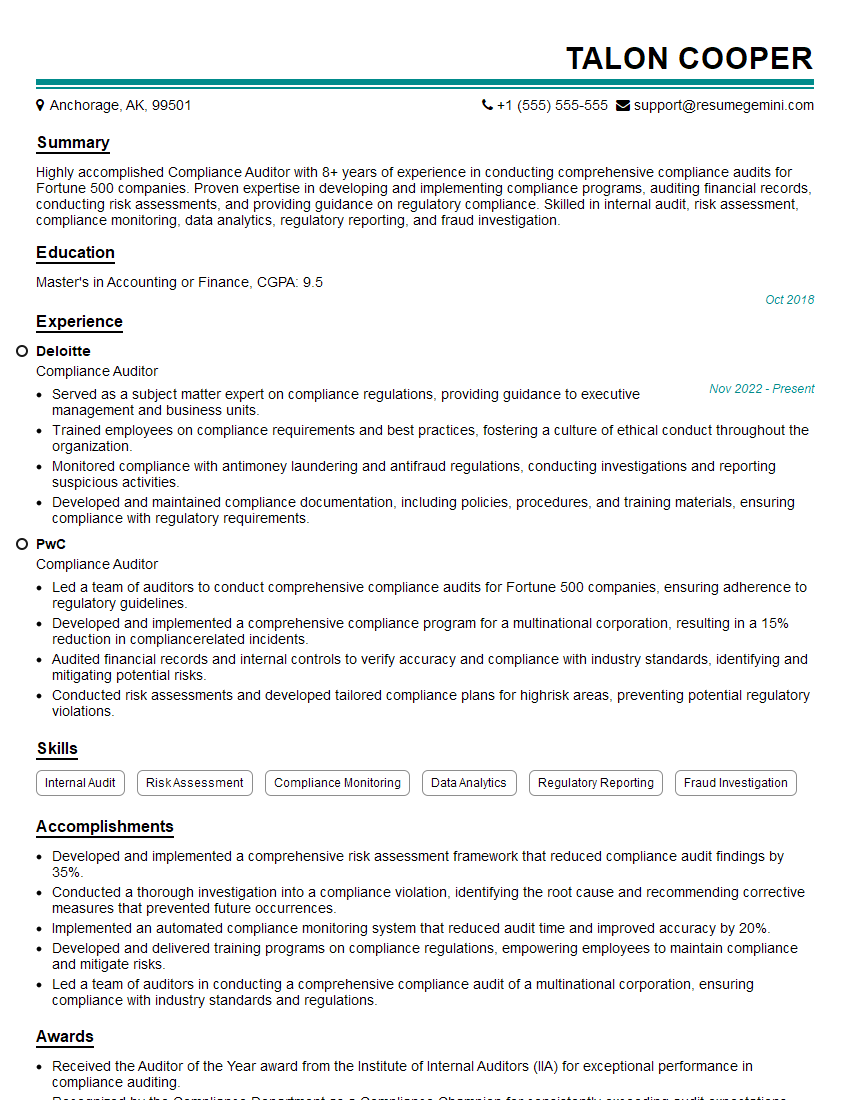
Compliance Auditor Resume Sample
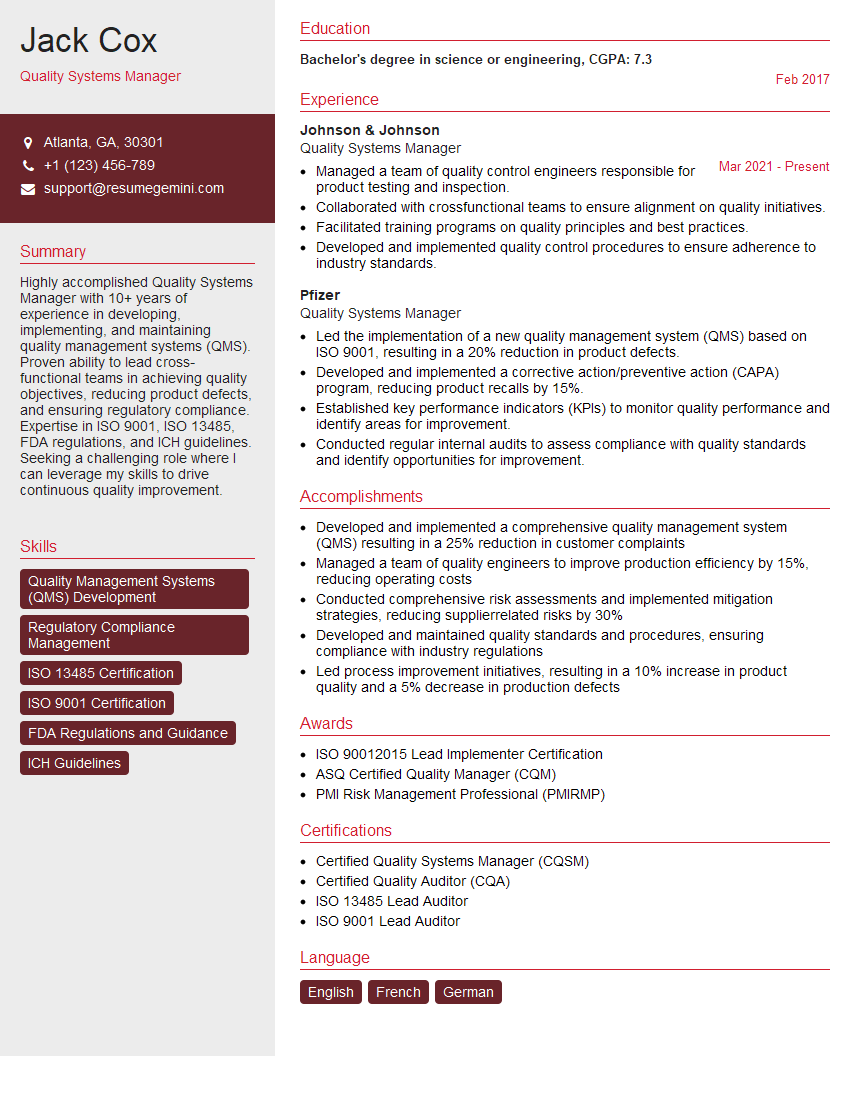
Quality Systems Manager Resume Sample
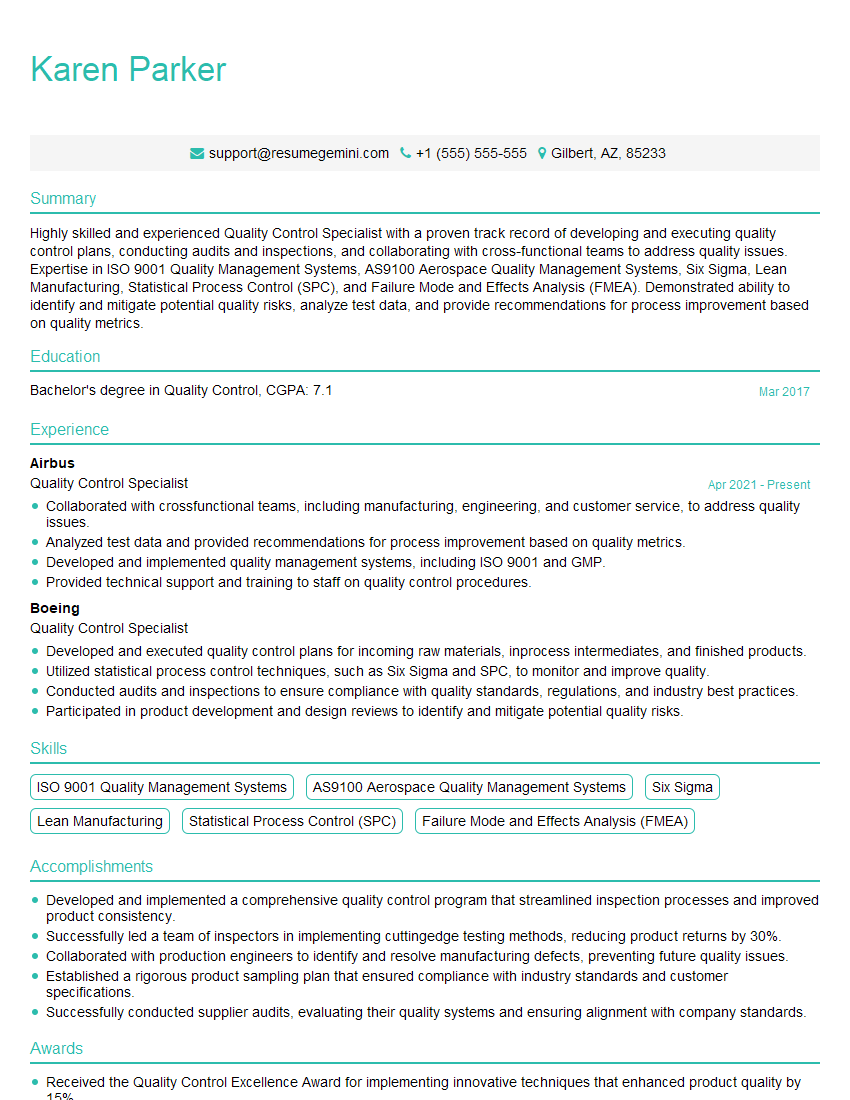
Quality Control Specialist Resume Sample
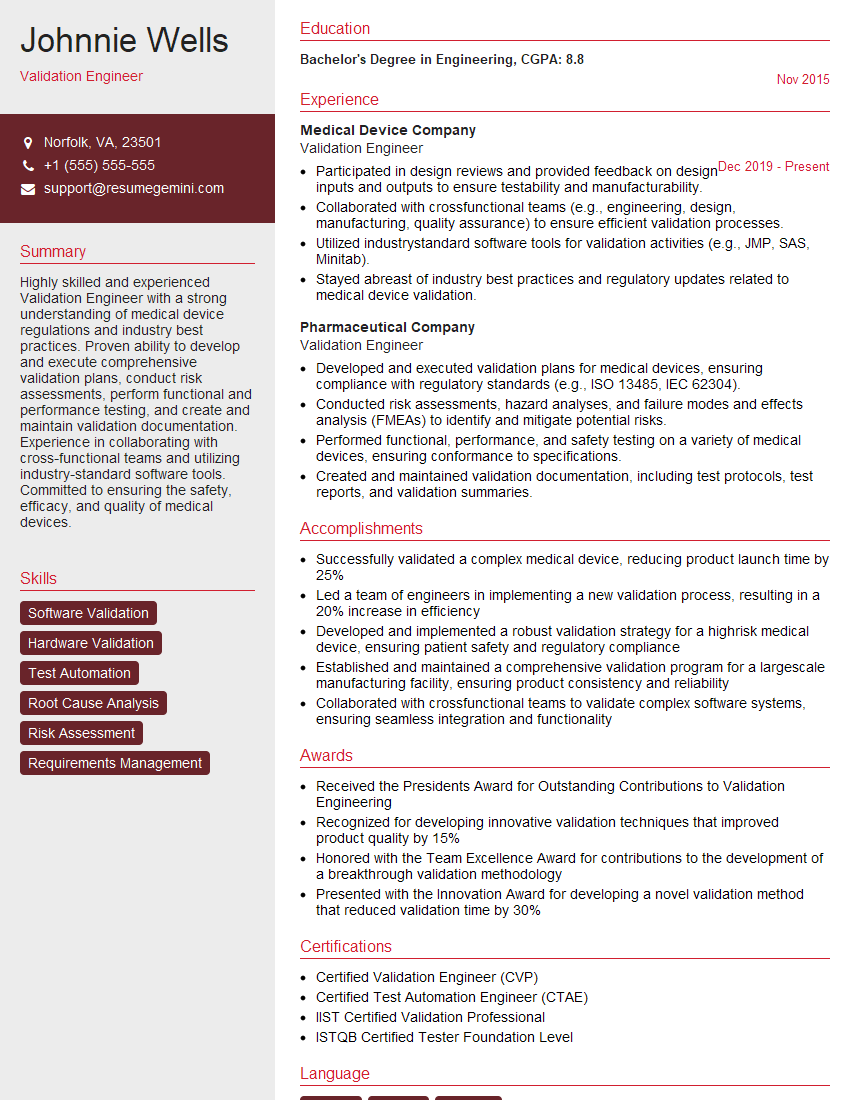
Validation Engineer Resume Sample
- Compliance Director
- Quality Assurance Manager
- Quality Control Supervisor
- Clinical Research Associate (CRA)
- Regulatory Affairs Director
- Regulatory Affairs Manager
- Compliance Officer
- Regulatory Affairs Specialist
- Compliance Auditor
- Quality Systems Manager
- Quality Control Specialist
- Validation Engineer
Explore more articles
Users Rating of Our Blogs
Share Your Experience
We value your feedback! Please rate our content and share your thoughts (optional).
What Readers Say About Our Blog
Very informative content, great job.
good