Interviews are more than just a Q&A session—they’re a chance to prove your worth. This blog dives into essential Adhering to food safety and sanitation regulations interview questions and expert tips to help you align your answers with what hiring managers are looking for. Start preparing to shine!
Questions Asked in Adhering to food safety and sanitation regulations Interview
Q 1. What are the key principles of HACCP?
HACCP, or Hazard Analysis and Critical Control Points, is a preventative food safety management system. Instead of simply reacting to contamination, HACCP focuses on identifying and controlling potential hazards throughout the entire food production process, from farm to table. Its core principle is to proactively minimize risks, ensuring food safety and preventing outbreaks.
Q 2. Explain the seven HACCP principles.
The seven HACCP principles are a systematic approach to food safety. They are:
- Conduct a hazard analysis: Identify potential biological, chemical, and physical hazards that could occur at each step of food production.
- Determine critical control points (CCPs): Pinpoint steps in the process where hazards can be controlled or eliminated. For example, cooking temperature is a CCP for bacterial hazards.
- Establish critical limits: Set measurable parameters for each CCP. This might include a minimum cooking temperature (e.g., 165°F for poultry) or a maximum acceptable level of contaminants.
- Establish monitoring procedures: Regularly monitor CCPs to ensure critical limits are met. This could involve using thermometers, visual inspections, or testing for pathogens.
- Establish corrective actions: Outline procedures to follow if a CCP is not met. This might involve discarding contaminated food, reprocessing, or adjusting the process.
- Establish verification procedures: Regularly verify that the HACCP plan is effective and working as intended through audits, record reviews, and other assessments.
- Establish record-keeping and documentation procedures: Maintain thorough records of all HACCP activities, including hazard analyses, monitoring data, corrective actions, and verification results. These records are essential for traceability and demonstrating compliance.
Q 3. Describe your experience with implementing a HACCP plan.
In my previous role at a large-scale food processing plant, I was instrumental in implementing and maintaining a HACCP plan. We started with a comprehensive hazard analysis, focusing on all stages, from ingredient receiving to packaging and distribution. This involved identifying potential hazards like Salmonella in poultry, cross-contamination, and improper storage temperatures. We then identified CCPs, such as cooking, cooling, and chilling stages, and established critical limits for each. I developed monitoring procedures using temperature loggers and checklists, and trained all personnel on proper procedures and corrective actions. We documented everything meticulously, and regular audits ensured compliance. The system significantly reduced our risk of foodborne illness outbreaks and improved our overall food safety performance. For example, we reduced instances of improper temperature control by over 60% within the first year of implementation.
Q 4. How do you identify and control foodborne hazards?
Identifying and controlling foodborne hazards involves a multi-pronged approach. Firstly, we must identify potential hazards through a thorough hazard analysis, considering biological (bacteria, viruses, parasites), chemical (pesticides, cleaning agents), and physical (glass, metal) contaminants. Once hazards are identified, we establish control measures. This might involve implementing proper sanitation practices (e.g., regular cleaning and disinfection of equipment), temperature control (e.g., maintaining cold chain integrity), preventative maintenance of equipment, effective pest control, and employee training. Monitoring and corrective actions are key to ensuring the effectiveness of these control measures.
Q 5. What are the common causes of food contamination?
Food contamination arises from various sources. Improper food handling is a major contributor; this includes inadequate cooking temperatures, cross-contamination between raw and cooked foods, and failing to maintain proper cold chain temperatures. Poor sanitation practices, such as insufficient cleaning and disinfection of equipment and surfaces, also create a breeding ground for pathogens. Contaminated water or ingredients, improper storage, and pest infestations are other common causes. Finally, inadequate employee training in food safety procedures can lead to numerous contamination risks.
Q 6. What is your experience with food safety regulations (e.g., FDA, USDA)?
I have extensive experience working within the framework of FDA and USDA regulations. I understand the requirements for food safety plans, record-keeping, and compliance with Good Manufacturing Practices (GMPs). My experience includes working with facilities subject to both FDA and USDA inspections, where I oversaw the implementation of measures to ensure adherence to all relevant regulations, including preventative controls, allergen management, and recall procedures. I am well-versed in interpreting and applying the various regulations to ensure compliance and prevent violations.
Q 7. How do you ensure proper handwashing techniques are followed?
Ensuring proper handwashing is paramount. We enforce a strict handwashing policy that involves using warm water, soap, and scrubbing for at least 20 seconds, focusing on all surfaces of the hands and between fingers. We provide readily accessible handwashing stations with soap and single-use paper towels. Regular visual checks by supervisors are conducted. Training emphasizes the importance of handwashing before starting work, after handling raw foods, after using the restroom, and after any potential contamination. We also use posters and visual aids to reinforce best practices. Regular hand hygiene assessments are a part of our ongoing audit process.
Q 8. How do you monitor and control temperature in food storage and preparation?
Temperature control is paramount in preventing foodborne illnesses. We use a multi-pronged approach, starting with proper equipment. This includes calibrated thermometers for both refrigerators and freezers, ensuring they consistently maintain safe temperatures of 41°F (5°C) or below for refrigeration and 0°F (-18°C) or below for freezing. We also regularly monitor these temperatures using data loggers that provide a continuous record. These loggers alert us immediately if temperatures deviate outside of the safe range. For hot food holding, we utilize heated holding units that maintain temperatures above 135°F (57°C). Finally, we employ a robust training program for all staff, teaching them proper thermometer use, temperature checks, and the importance of documenting these checks throughout the day.
For example, imagine a delivery of fresh fish. Immediately upon arrival, we check the temperature with a calibrated thermometer. If it’s not within the safe range, we reject the delivery. Throughout its storage and preparation, we continue monitoring its temperature to ensure it remains safe for consumption.
Q 9. Explain your understanding of proper food storage procedures.
Proper food storage is all about preventing contamination and spoilage. We follow the FIFO (First-In, First-Out) method, ensuring that older products are used before newer ones. This minimizes the risk of food exceeding its shelf life. We store foods at the correct temperatures, as previously discussed, and separate raw from cooked foods to avoid cross-contamination. Raw meats are stored on lower shelves to prevent dripping onto other foods. Ready-to-eat foods are kept separately and often covered to protect them from airborne contaminants. All food is properly labeled with its name and date of receipt. We also perform regular inventory checks to monitor food quality and prevent waste.
Think of it like organizing a pantry. You wouldn’t put your spices next to your raw chicken! Similarly, we maintain clear separation between various food types to prevent any chance of contamination.
Q 10. Describe your experience with pest control measures in a food environment.
Pest control is a crucial aspect of food safety. We use a preventative approach, starting with good sanitation practices. Regular cleaning and sealing cracks and crevices in walls and floors eliminate potential entry points. We store food in sealed containers and maintain a clean and clutter-free environment. We also contract with a licensed pest control company for regular inspections and treatments. They employ bait stations and other non-toxic methods whenever possible. All pest control activities are meticulously documented, and we ensure any chemicals used comply with all relevant regulations and are used only by licensed professionals.
For instance, we regularly inspect incoming shipments for signs of pests and would immediately contact the supplier and our pest control company if any were found. We have procedures to handle pests such as rodents, insects, etc., and immediate action is taken.
Q 11. How do you maintain sanitation standards in food preparation areas?
Maintaining sanitation in food preparation areas involves a comprehensive approach. We follow a strict cleaning schedule, including frequent cleaning and sanitizing of all surfaces, equipment, and utensils. This is achieved using appropriate cleaning agents and sanitizers according to the manufacturer’s instructions. We also regularly clean floors and walls, ensuring they are free of debris and spills. Handwashing sinks are readily available and well-stocked with soap and paper towels. Employee hand hygiene is rigorously enforced, and we provide comprehensive training on proper handwashing techniques. We also maintain a clean and organized workspace to reduce the risk of contamination.
Imagine a chef preparing a meal. Throughout the entire process, they frequently clean and sanitize their work surface. They would wash their hands before handling food, after handling raw ingredients, and after any other potential contaminating activities. This is a standard operating procedure.
Q 12. What is your process for cleaning and sanitizing equipment?
Our cleaning and sanitizing procedure is systematic and follows a standardized protocol. First, we pre-clean the equipment by removing all food debris. Then, we wash the equipment thoroughly using hot, soapy water and scrub brushes. Next, we rinse the equipment thoroughly with clean water. Finally, we sanitize the equipment by immersing it in a sanitizer solution (at the proper concentration and for the appropriate contact time) or using a sanitizer spray, following manufacturer instructions carefully. All equipment is then allowed to air dry to prevent water spots. We carefully document each cleaning and sanitizing event, including the date, time, equipment cleaned, cleaning agent used, and the person performing the cleaning.
For instance, after preparing a batch of dough, the mixing bowl is washed thoroughly in hot soapy water, rinsed, and then immersed in a sanitizer solution to eliminate any potential pathogens.
Q 13. How do you prevent cross-contamination?
Preventing cross-contamination is crucial. We achieve this through meticulous separation of raw and cooked foods throughout the entire process, from storage to preparation to service. We use separate cutting boards, utensils, and equipment for raw and cooked foods. We maintain a clear workflow to minimize the potential for contact between raw and cooked ingredients. Proper handwashing is essential, as previously mentioned. Thorough cleaning and sanitizing of all surfaces and equipment between food preparation tasks also plays a vital role. Additionally, we regularly inspect our facility for potential cross-contamination points.
For example, a cutting board used for raw chicken would never be used for cutting vegetables without being thoroughly cleaned and sanitized first. We have designated color-coded cutting boards to help employees avoid this mistake.
Q 14. What are the different types of foodborne illnesses?
Foodborne illnesses encompass a wide range of diseases caused by consuming contaminated food or beverages. Some common types include:
- Salmonella: Often associated with poultry, eggs, and meat. Symptoms include diarrhea, fever, and abdominal cramps.
- E. coli: Typically found in undercooked beef, contaminated produce, and unpasteurized milk. It can cause severe diarrhea, vomiting, and even kidney failure.
- Listeria: Can contaminate ready-to-eat foods such as deli meats, soft cheeses, and unpasteurized dairy products. It’s particularly dangerous for pregnant women, the elderly, and people with compromised immune systems.
- Norovirus: A highly contagious virus commonly spread through contaminated food handlers who haven’t washed their hands properly. It causes severe vomiting and diarrhea.
- Campylobacter: Often associated with raw or undercooked poultry, unpasteurized milk, and contaminated water. Symptoms include diarrhea, fever, and abdominal cramps.
Proper food handling practices, as previously discussed, are the most effective way to prevent these illnesses.
Q 15. How do you handle food recalls?
Handling a food recall requires swift, decisive action to protect public health and maintain consumer trust. It’s a multi-stage process that begins with immediate notification. Upon learning of a potential contamination, we would first isolate the affected product, tracing it back to its source through our meticulous inventory and production records. This includes identifying batch numbers, distribution channels, and expiration dates.
Next, we’d initiate contact with regulatory agencies like the FDA (Food and Drug Administration) or equivalent bodies, providing full transparency about the situation and cooperating fully with their investigation. Simultaneously, we would issue a public recall notice, utilizing multiple channels including our website, social media, and press releases. The notice would clearly specify the affected product, lot numbers, and instructions for consumers to return the product for a refund or replacement.
Finally, we’d implement corrective actions to prevent future recurrences. This may involve reviewing our entire supply chain, enhancing quality control measures, or retraining staff on proper sanitation protocols. Thorough documentation of each stage of the recall process is essential for accountability and future reference.
For example, if a batch of our salad dressing was found to be contaminated, we’d immediately pull that batch from shelves, notify our distributors, and launch a recall campaign. Post-recall, we might invest in new testing equipment to ensure faster detection of contaminants.
Career Expert Tips:
- Ace those interviews! Prepare effectively by reviewing the Top 50 Most Common Interview Questions on ResumeGemini.
- Navigate your job search with confidence! Explore a wide range of Career Tips on ResumeGemini. Learn about common challenges and recommendations to overcome them.
- Craft the perfect resume! Master the Art of Resume Writing with ResumeGemini’s guide. Showcase your unique qualifications and achievements effectively.
- Don’t miss out on holiday savings! Build your dream resume with ResumeGemini’s ATS optimized templates.
Q 16. Describe your experience with food safety audits.
I have extensive experience with food safety audits, having participated in numerous audits conducted by both internal and external agencies. These audits typically involve a thorough review of our food safety management system (FSMS), encompassing everything from our supplier relationships to employee training and hygiene practices to our cleaning and sanitation procedures. Auditors meticulously examine our documentation—HACCP plans (Hazard Analysis and Critical Control Points), Standard Operating Procedures (SOPs), and records of inspections and training—to ensure compliance with relevant regulations.
During audits, I proactively collaborate with auditors, providing them with the necessary documentation and answering their questions openly and honestly. I understand that an audit is not simply a compliance check but also an opportunity for continuous improvement. Any identified non-conformances are addressed immediately with corrective actions. This includes documenting the issue, implementing corrective actions to resolve the deficiency, and demonstrating effectiveness through verification. A strong FSMS, coupled with clear documentation, enables us to navigate audits smoothly and identify areas for growth.
For instance, a recent audit revealed a minor discrepancy in our temperature log. We addressed this promptly by improving our logging procedures and providing additional training to employees responsible for temperature monitoring. The result was a higher score in our next audit.
Q 17. What is your understanding of personal hygiene in food handling?
Personal hygiene is paramount in food handling. It’s the cornerstone of preventing foodborne illnesses. This involves a multifaceted approach, starting with handwashing. Employees must wash their hands thoroughly and frequently, especially after using the restroom, handling raw food, or touching anything potentially contaminated. Handwashing should follow a specific procedure, using soap and water for at least 20 seconds.
Beyond handwashing, personal hygiene extends to maintaining clean uniforms and avoiding jewelry or long hair that could fall into food. Employees should be trained to cover any cuts or wounds with waterproof bandages and gloves, preventing contamination. Proper hygiene also includes avoiding sneezing or coughing over food and using appropriate disposal methods for waste.
Think of it this way: every person who handles food is a potential vector for contamination. By enforcing strict hygiene practices, we create a clean and safe environment, minimizing the risk of foodborne illnesses.
Q 18. How do you train employees on food safety procedures?
Employee training on food safety is an ongoing process, not a one-time event. We utilize a blended learning approach, combining classroom instruction with hands-on training and regular refresher courses. The training covers all aspects of food safety, from proper handwashing techniques and safe food handling practices to understanding temperature control, allergen management, and the principles of HACCP.
Our training program includes interactive sessions, videos, and quizzes to enhance engagement and knowledge retention. We also conduct regular audits to assess employee knowledge and compliance. Each employee receives a training certificate upon completion, and their training records are meticulously maintained.
Furthermore, we emphasize practical application through observation and coaching. Supervisors actively monitor employees’ work to ensure adherence to established procedures and provide immediate feedback and reinforcement.
For example, new employees undergo a comprehensive food safety orientation, followed by shadowing experienced staff. Ongoing training sessions cover emerging food safety challenges and best practices.
Q 19. How do you document food safety procedures and findings?
Documentation is the backbone of our food safety program. We utilize a comprehensive system to document all food safety procedures and findings. This includes detailed Standard Operating Procedures (SOPs) for every aspect of food handling, from receiving ingredients to preparing and serving food to cleaning and sanitation. SOPs are regularly reviewed and updated to reflect changes in regulations or best practices.
We maintain meticulous records of temperature logs, cleaning and sanitation schedules, pest control measures, and employee training. All documentation is stored securely and is readily accessible for audits and internal reviews. We also utilize a traceability system, enabling us to track food products from their origin to the consumer, facilitating efficient recall management if necessary.
We use a combination of digital and physical records, employing specialized software for temperature monitoring and HACCP plan management. Regularly scheduled data backups ensure data integrity and availability.
Q 20. What are the signs of food spoilage?
Recognizing signs of food spoilage is crucial to prevent foodborne illness. The most common indicators include changes in appearance, odor, and texture. For example, spoiled meat might exhibit a slimy texture, an off-putting odor, or a change in color, turning gray or green. Fruits and vegetables might show signs of mold growth, discoloration, or softening. Dairy products might develop an unpleasant sour smell or curdle.
Other signs include unusual bubbling or frothing in canned goods, which can indicate bacterial growth. The “sniff test” is often effective for detecting spoiled food; if it smells off, it’s best to discard it. Keep in mind that some spoilage may not be visible, making it vital to follow proper storage and handling techniques. If there is any doubt about the safety of a food product, it is always best to err on the side of caution and discard it.
Remember, discarding spoiled food is cheaper than treating food poisoning.
Q 21. How do you manage food waste effectively?
Effective food waste management is both an ethical and economic imperative. We employ a multi-pronged approach, starting with accurate forecasting and inventory management. Precise ordering minimizes overstocking and subsequent spoilage. We use FIFO (First-In, First-Out) inventory rotation, ensuring that older items are used before newer ones.
We also actively seek ways to utilize food scraps. For example, vegetable scraps might be used in soups or stocks. Composting programs can convert organic waste into valuable fertilizer. We work closely with local food banks and charities to donate surplus food that is still safe for consumption.
By carefully tracking food waste, we can identify areas for improvement and refine our procedures. This data-driven approach enables us to continually optimize our processes, reducing waste and minimizing environmental impact.
Q 22. How do you ensure the safety of food served to vulnerable populations (e.g., elderly, children)?
Ensuring food safety for vulnerable populations like the elderly and children requires extra vigilance because they are more susceptible to foodborne illnesses. This involves a multi-pronged approach focusing on preventing contamination at every stage, from sourcing to serving.
- Temperature Control: Stricter adherence to temperature danger zones (40°F – 140°F). We would implement more frequent temperature checks and ensure rapid cooling of prepared foods. Imagine a school lunch program – ensuring hot foods stay hot and cold foods stay cold is paramount.
- High-Risk Food Handling: Extra care is taken with potentially hazardous foods such as raw meat, poultry, and eggs. Thorough cooking to the correct internal temperature is crucial, as is preventing cross-contamination through careful handwashing and the use of separate cutting boards and utensils.
- Hygiene Practices: Increased emphasis on handwashing, sanitation of food contact surfaces, and employee health checks. We’d reinforce the importance of reporting any illness or symptoms to prevent potential outbreaks. Think of a nursing home – meticulous hygiene is essential.
- Menu Planning: Careful consideration of menu choices. We’d avoid high-risk foods that are more likely to cause illness or accommodate specific dietary needs and restrictions.
- Training: Staff receive enhanced training on food safety protocols tailored to the specific needs of vulnerable populations. Regular refresher courses would be mandatory.
By meticulously implementing these measures, we significantly reduce the risk of foodborne illness in these vulnerable groups.
Q 23. What is your experience with allergen control?
Allergen control is a critical aspect of food safety. My experience includes developing and implementing allergen control programs, from menu design to ingredient sourcing and preparation. It’s not just about avoiding cross-contamination; it’s about a holistic approach to managing risk.
- Ingredient Sourcing: I verify ingredient labels and supplier certifications to ensure accurate allergen information. We’d prioritize suppliers with robust allergen management systems.
- Menu Development: I participate in menu planning, clearly indicating allergens on the menu and in recipe documentation. We’d also offer allergen-free options where possible.
- Food Preparation: Implementing strict protocols to prevent cross-contamination. This includes dedicated equipment, utensils, and preparation areas for allergen-free items. Think of a restaurant with a dedicated gluten-free prep station – completely separate from other areas.
- Staff Training: Comprehensive training for all staff on allergen awareness, handling procedures, and the importance of accurate labeling. Regular quizzes and refresher training keep everyone updated.
- Documentation and Traceability: Meticulous record-keeping of ingredient sources, preparation methods, and any potential allergen incidents. This ensures efficient traceability in case of an allergen-related incident.
My experience shows that a well-structured allergen control program minimizes risk and builds consumer trust.
Q 24. Describe your understanding of cleaning and sanitizing chemicals.
Understanding cleaning and sanitizing chemicals is fundamental to food safety. Cleaning removes visible soil and debris, while sanitizing reduces the number of microorganisms to safe levels. It’s crucial to understand the differences and proper usage.
- Cleaning Agents: These are detergents or other cleaning solutions that remove food residue and other visible soil. Their effectiveness depends on factors such as concentration, temperature, and contact time.
- Sanitizing Agents: These reduce the number of microorganisms to safe levels. Common agents include chlorine bleach solutions, iodine, and quaternary ammonium compounds (quats). Each has specific concentrations and contact times for effective sanitation.
- Safety Data Sheets (SDS): Before using any cleaning or sanitizing chemical, I always consult the SDS. This document provides crucial information on handling, storage, personal protective equipment (PPE), and emergency procedures. It’s essential for safety and compliance.
- Proper Dilution and Application: Improper dilution can render the chemicals ineffective or even dangerous. We always follow the manufacturer’s instructions precisely to ensure optimal performance and safety.
- Storage: Cleaning and sanitizing chemicals must be stored properly to prevent contamination and ensure their effectiveness. This includes appropriate labeling, ventilation, and separation from food items.
Safe and effective use of cleaning and sanitizing chemicals is essential to maintaining a clean and hygienic food preparation environment.
Q 25. How do you maintain proper food labeling procedures?
Proper food labeling is essential for consumer safety and legal compliance. It ensures that consumers have accurate information about the food they are purchasing or consuming.
- Product Name: The name should clearly and accurately describe the food product.
- Net Weight or Volume: The quantity of food in the package must be accurately stated.
- Ingredient List: All ingredients must be listed in descending order of weight.
- Allergen Information: All major allergens (e.g., milk, eggs, peanuts) must be clearly identified.
- Nutrition Facts Panel: This panel provides essential nutritional information, including calories, fat, and sodium content.
- Manufacturer’s Information: This includes the name and address of the manufacturer or distributor.
- Best Before or Expiration Date: This date indicates the shelf life of the product.
I ensure compliance with all relevant regulations and guidelines, using standardized labeling procedures and regularly reviewing labels for accuracy and completeness. Any deviations from these procedures would require immediate correction to ensure consumer safety and regulatory compliance.
Q 26. What is your process for investigating foodborne illness outbreaks?
Investigating a foodborne illness outbreak requires a systematic and thorough approach. It involves identifying the source of the contamination, determining the affected individuals, and implementing corrective actions to prevent future outbreaks. This process closely follows established guidelines and involves collaboration with health authorities.
- Initial Assessment: Gather information on the number of affected individuals, their symptoms, and the foods they consumed. This includes contacting the affected individuals and collecting samples of remaining food items.
- Food Sample Collection and Analysis: Collect samples of suspected food items and send them to a laboratory for testing. This helps identify the specific pathogen causing the outbreak.
- Environmental Assessment: Inspect the food handling and preparation areas to identify any potential contamination sources. This involves reviewing employee health records, hygiene practices, and temperature control logs.
- Interviewing Affected Individuals: Conduct interviews with the affected individuals to obtain detailed information on the foods consumed, the timeframe of symptoms, and any other potential exposure to pathogens.
- Corrective Actions: Based on the investigation findings, implement corrective actions to eliminate the source of the contamination and prevent future outbreaks. This could include enhanced cleaning and sanitation procedures, employee retraining, or changes in food handling practices.
- Reporting: Report the findings of the investigation to the relevant health authorities.
Collaboration with public health officials is critical during an outbreak investigation, ensuring a coordinated and effective response.
Q 27. How would you handle a situation where a food safety violation is discovered?
Discovering a food safety violation requires immediate and decisive action to protect public health and ensure regulatory compliance. My response would depend on the severity of the violation, but the core principle is always swift remediation and preventative measures.
- Immediate Corrective Action: Address the violation immediately to prevent further contamination or risk. This might involve discarding contaminated food, cleaning and sanitizing affected areas, or correcting improper temperature control.
- Root Cause Analysis: Identify the underlying cause of the violation. This often involves reviewing procedures, training records, and equipment maintenance logs. A thorough investigation will uncover why the violation occurred.
- Corrective Actions: Implement corrective actions to prevent the violation from recurring. This might include revising procedures, enhancing staff training, or replacing faulty equipment.
- Documentation: Maintain detailed documentation of the violation, the corrective actions taken, and any follow-up steps. This includes detailed records for internal review and potential audits.
- Reporting (If Necessary): If the violation is serious, report it to the relevant regulatory authorities. This ensures transparency and compliance with legal obligations.
Proactive food safety management and a culture of continuous improvement are crucial to minimize the risk of violations and ensure prompt and effective responses when they occur.
Q 28. Describe your experience with food safety management systems (e.g., ISO 22000).
I have extensive experience working with food safety management systems, including ISO 22000. This internationally recognized standard provides a framework for establishing, implementing, maintaining, and improving a food safety management system (FSMS).
- Hazard Analysis and Critical Control Points (HACCP): I’m proficient in implementing HACCP principles, identifying and controlling potential hazards at critical control points within the food production process.
- Preventive Controls: I understand and apply preventive controls for food safety, such as allergen control, sanitation, and supply-chain management.
- Internal Audits: I have experience conducting internal audits to ensure compliance with ISO 22000 requirements and identify areas for improvement.
- Management Review: I participate in management reviews to evaluate the effectiveness of the FSMS and make necessary adjustments.
- Documentation and Record Keeping: I maintain accurate and complete records to demonstrate compliance with ISO 22000 requirements.
Implementing ISO 22000 ensures consistent food safety throughout the entire supply chain, building consumer confidence and enhancing operational efficiency. The systematic approach and focus on prevention are key to its effectiveness.
Key Topics to Learn for Adhering to Food Safety and Sanitation Regulations Interview
- Hazard Analysis and Critical Control Points (HACCP): Understanding the principles of HACCP, including hazard identification, critical control point determination, and monitoring procedures. Practical application: Developing a HACCP plan for a specific food production process.
- Personal Hygiene and Sanitation Practices: Proper handwashing techniques, use of protective clothing, and preventing cross-contamination. Practical application: Describing your approach to maintaining a hygienic work environment in a food handling setting.
- Food Storage and Temperature Control: Safe temperature ranges for different food types, proper storage techniques to prevent spoilage and bacterial growth, and FIFO (First-In, First-Out) inventory management. Practical application: Troubleshooting a scenario involving improper food storage leading to spoilage.
- Cleaning and Sanitizing Procedures: Effective cleaning and sanitizing methods for different food contact surfaces and equipment. Practical application: Explaining the process of cleaning and sanitizing a food preparation area according to industry standards.
- Pest Control and Prevention: Identifying and mitigating pest infestations in food handling areas. Practical application: Describing strategies to prevent pest entry and infestation.
- Foodborne Illness Prevention: Understanding common foodborne pathogens and their prevention. Practical application: Explaining procedures to prevent the spread of foodborne illnesses.
- Regulatory Compliance: Familiarity with relevant food safety regulations (e.g., FDA, USDA guidelines). Practical application: Describing your understanding of local, state, or federal food safety regulations.
- Waste Management: Proper disposal of food waste and other related materials. Practical application: Explaining safe and hygienic waste disposal procedures.
Next Steps
Mastering food safety and sanitation regulations is crucial for career advancement in the food industry. It demonstrates your commitment to safety, quality, and compliance, leading to increased job opportunities and higher earning potential. To enhance your job prospects, create an ATS-friendly resume that effectively highlights your skills and experience. ResumeGemini is a trusted resource to help you build a professional resume that stands out. Examples of resumes tailored to food safety and sanitation roles are available to help guide you. Investing time in crafting a strong resume significantly improves your chances of landing your dream job.
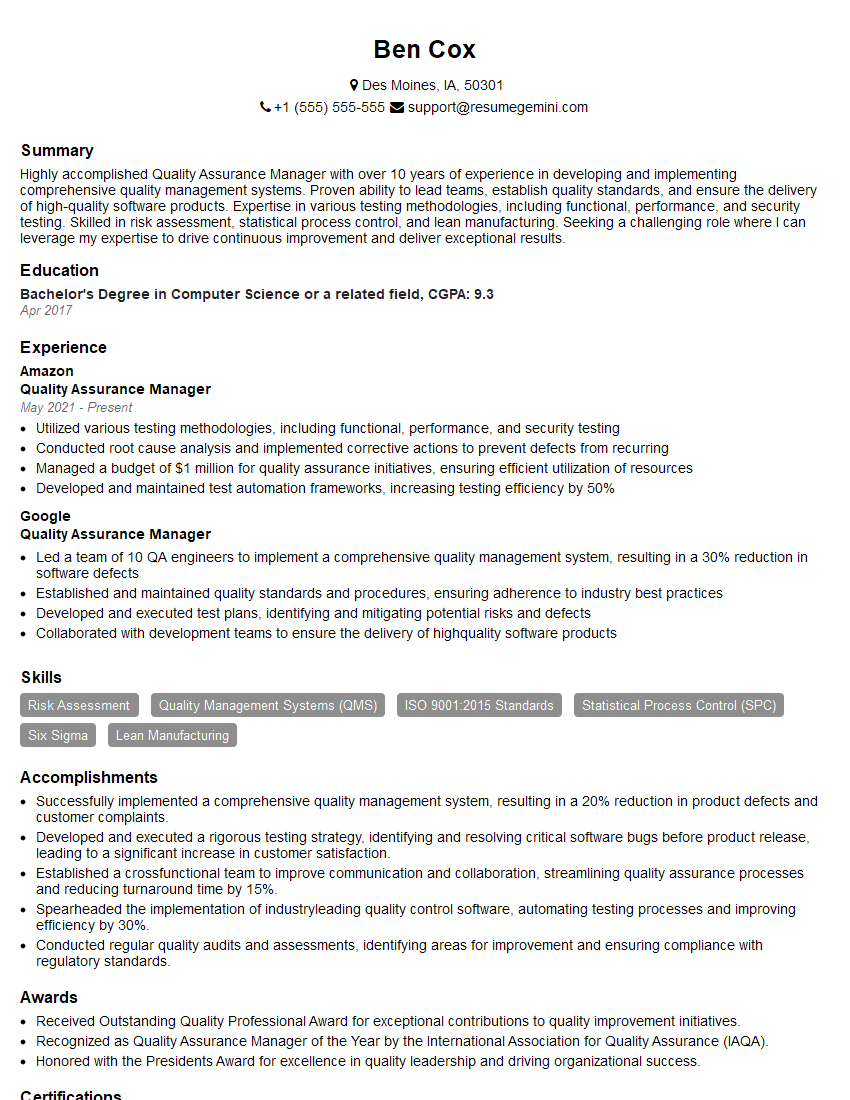
Quality Assurance Manager Resume Sample
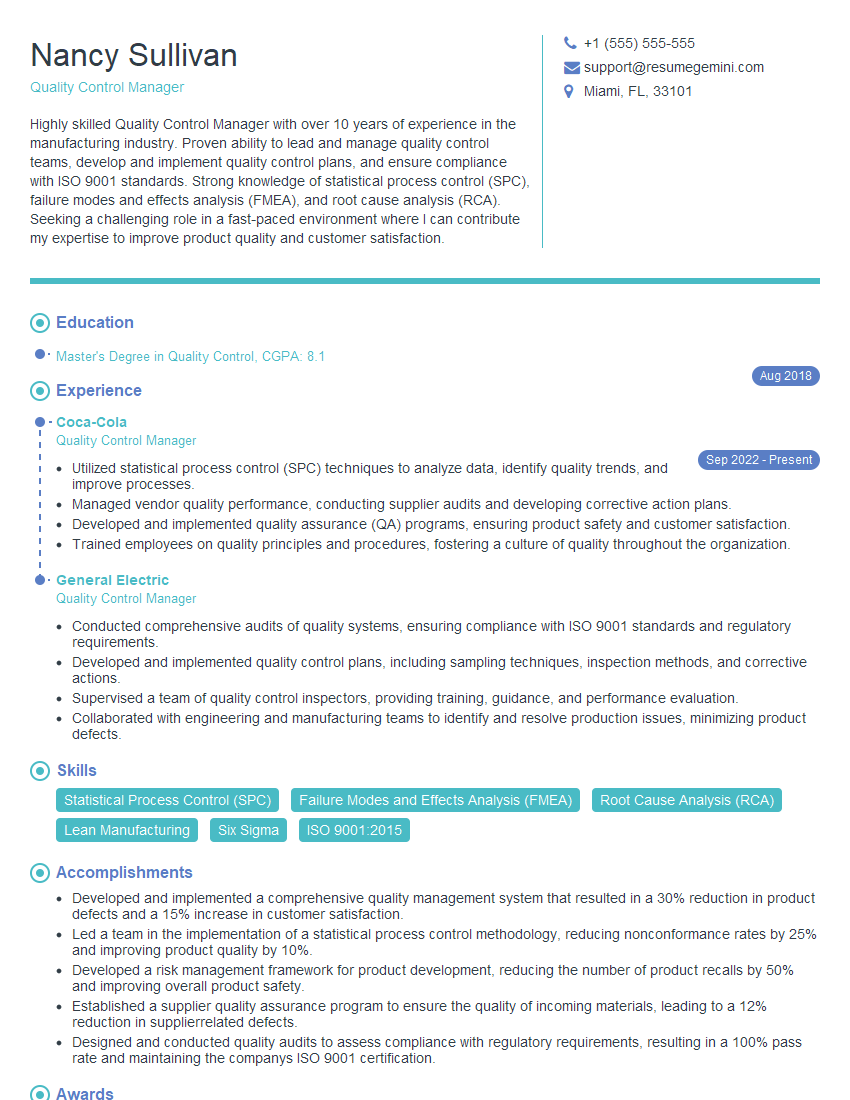
Quality Control Manager Resume Sample
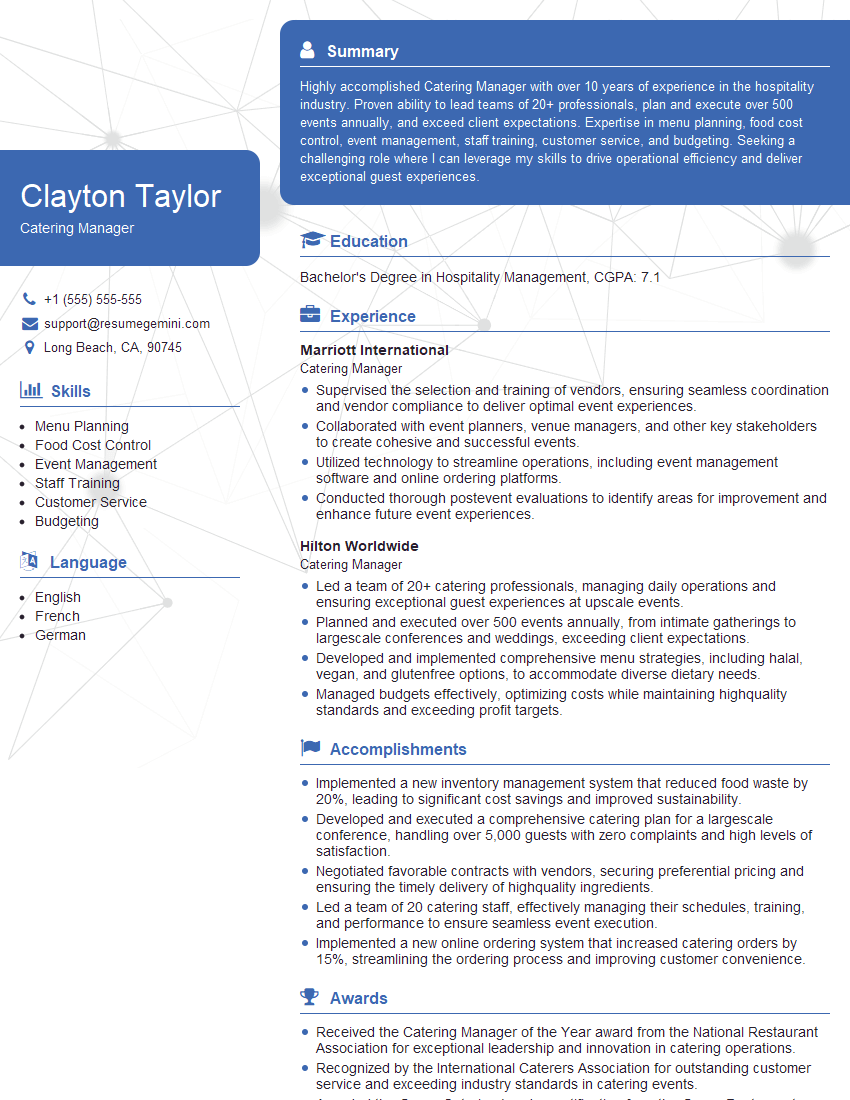
Catering Manager Resume Sample
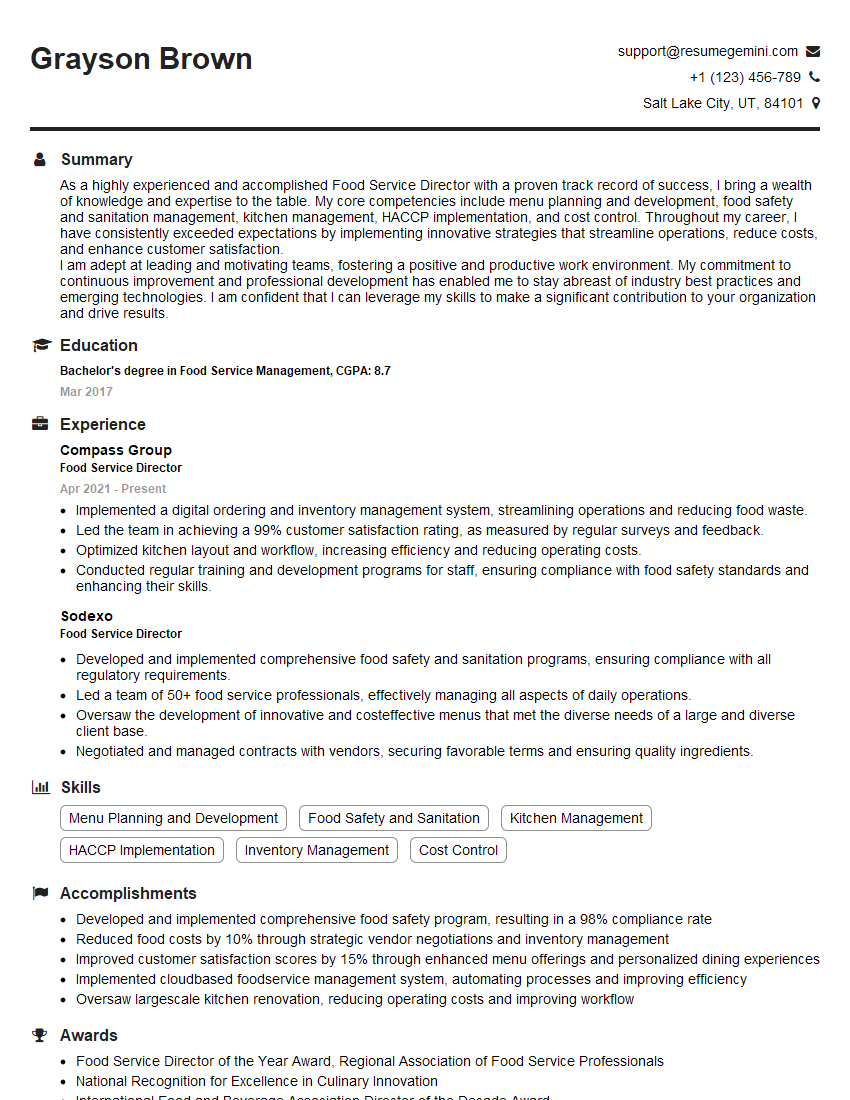
Food Service Director Resume Sample
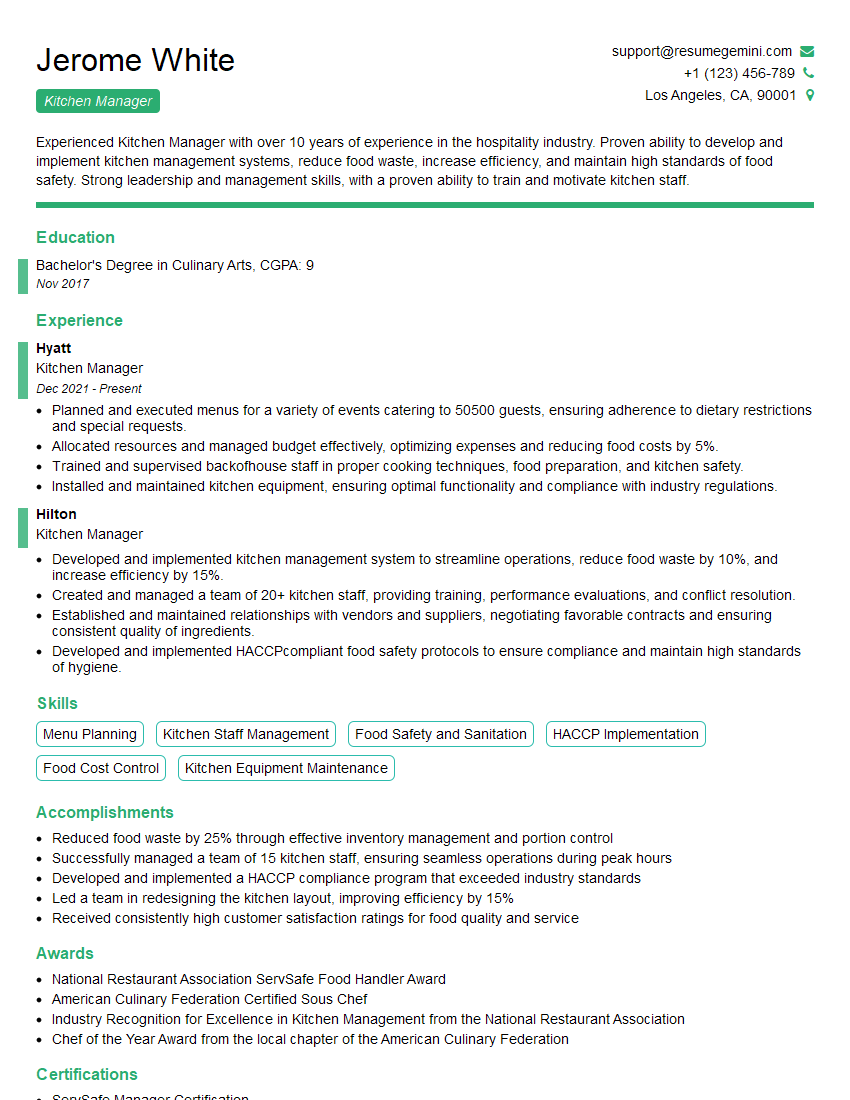
Kitchen Manager Resume Sample
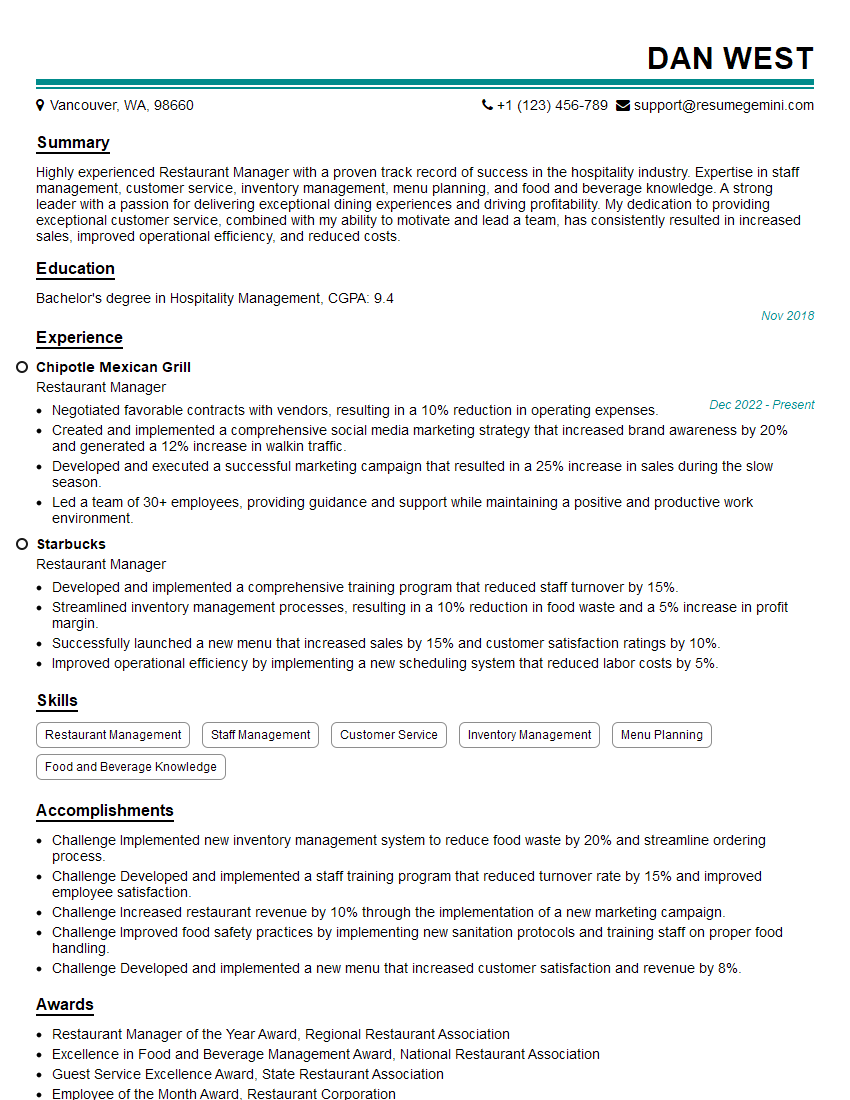
Restaurant Manager Resume Sample
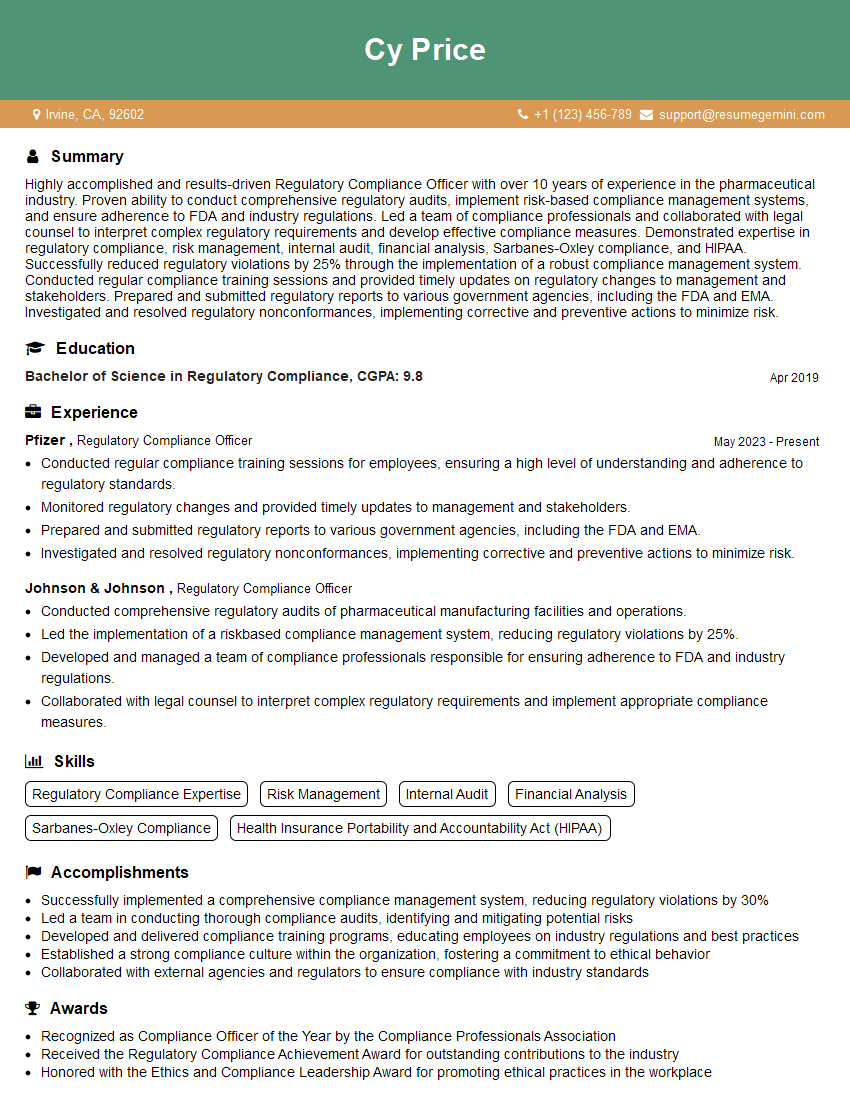
Regulatory Compliance Officer Resume Sample
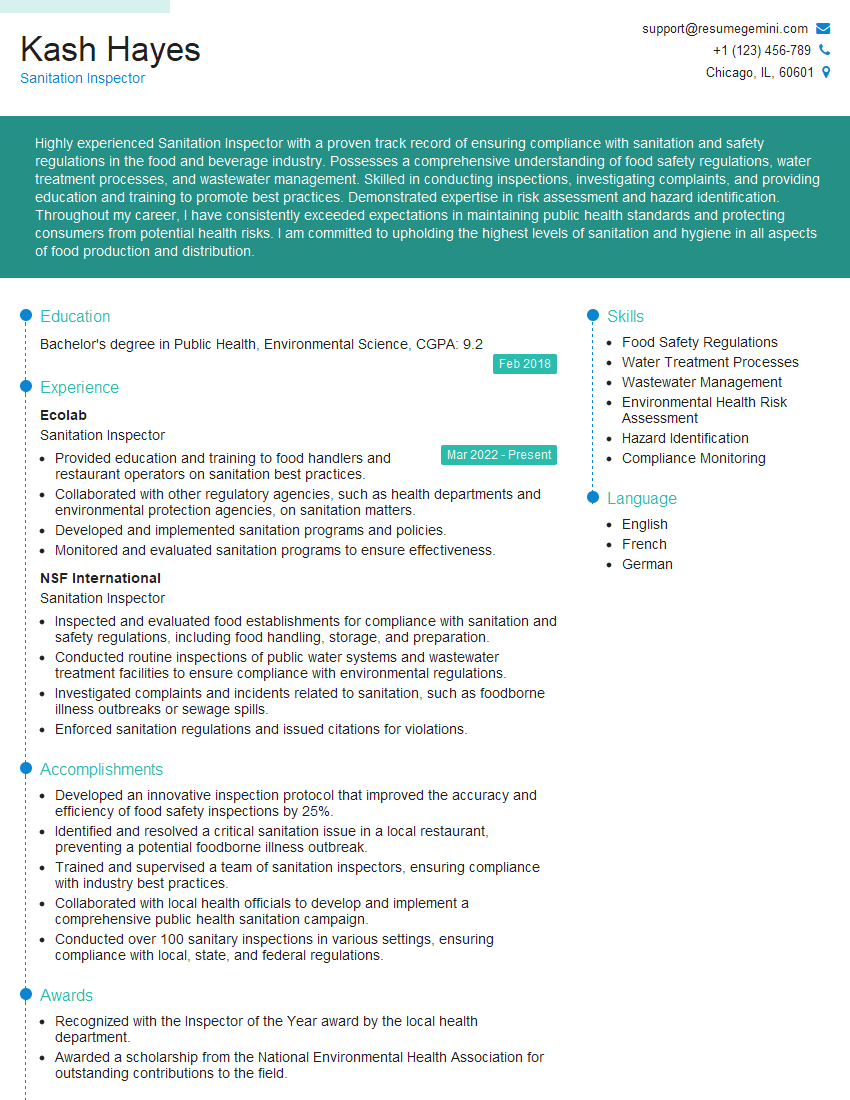
Sanitation Inspector Resume Sample
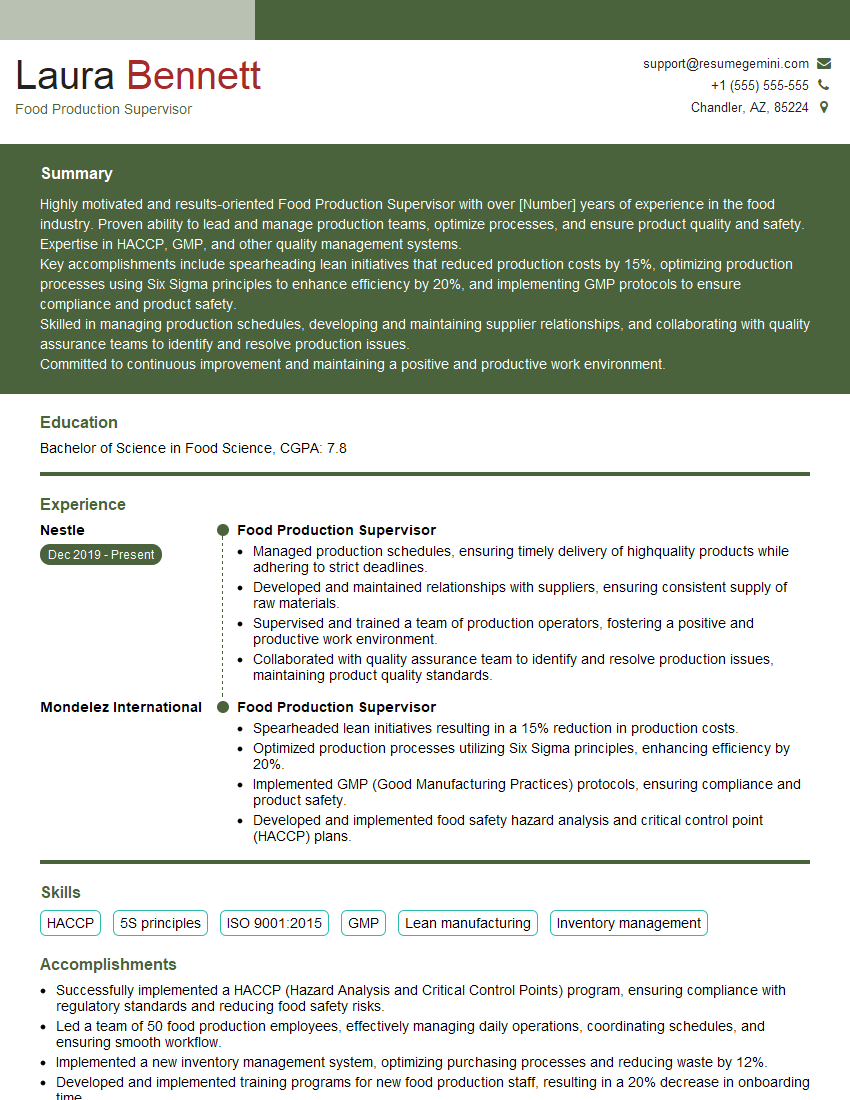
Food Production Supervisor Resume Sample
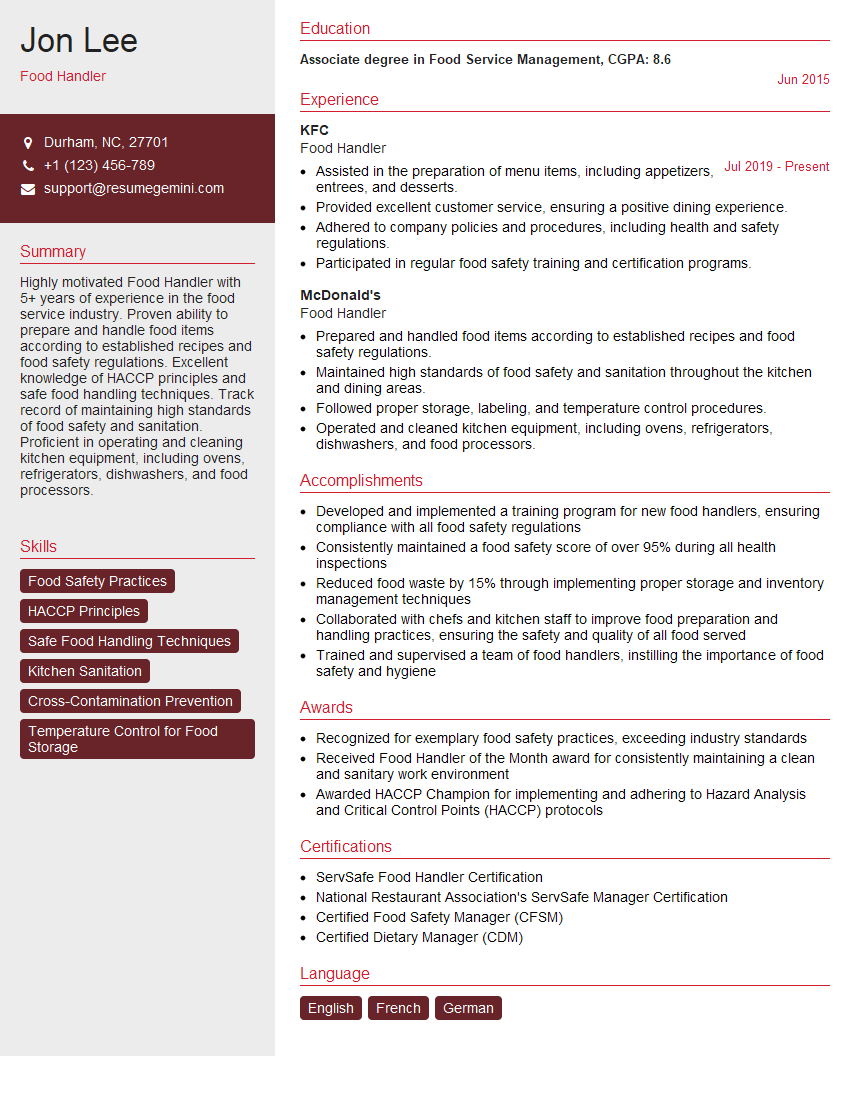
Food Handler Resume Sample
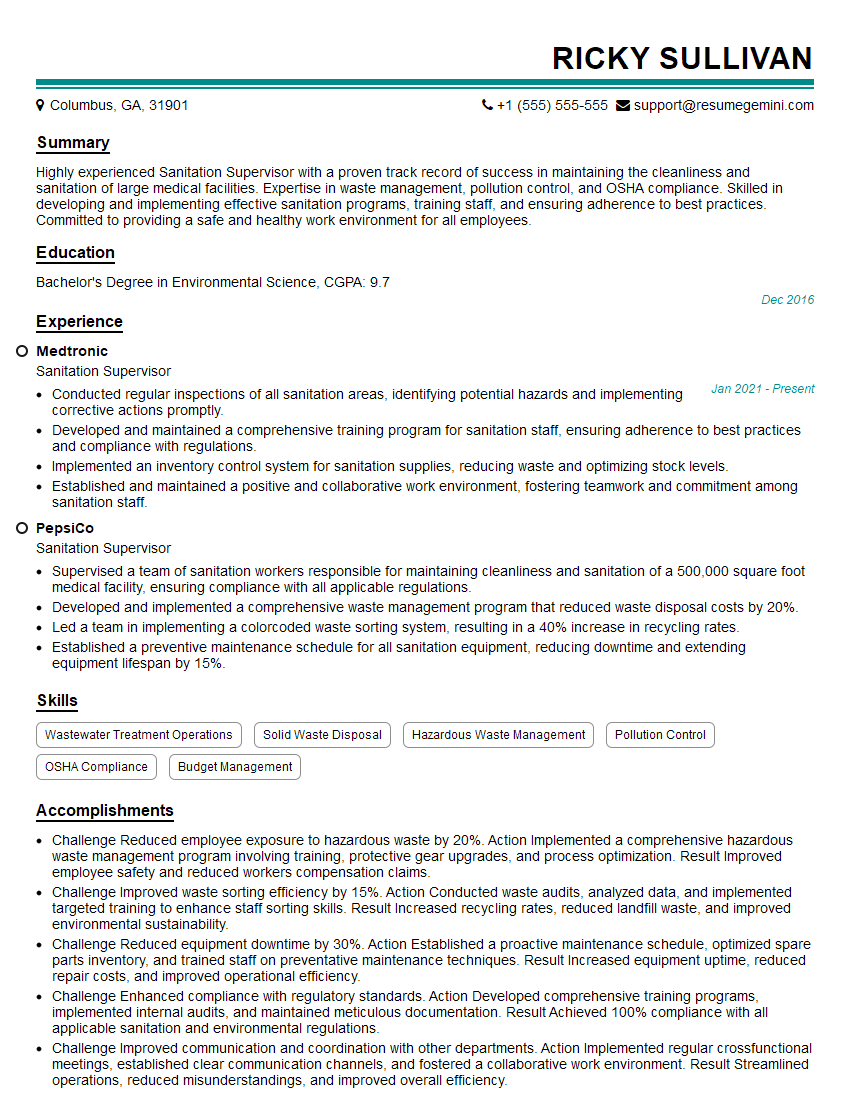
Sanitation Supervisor Resume Sample
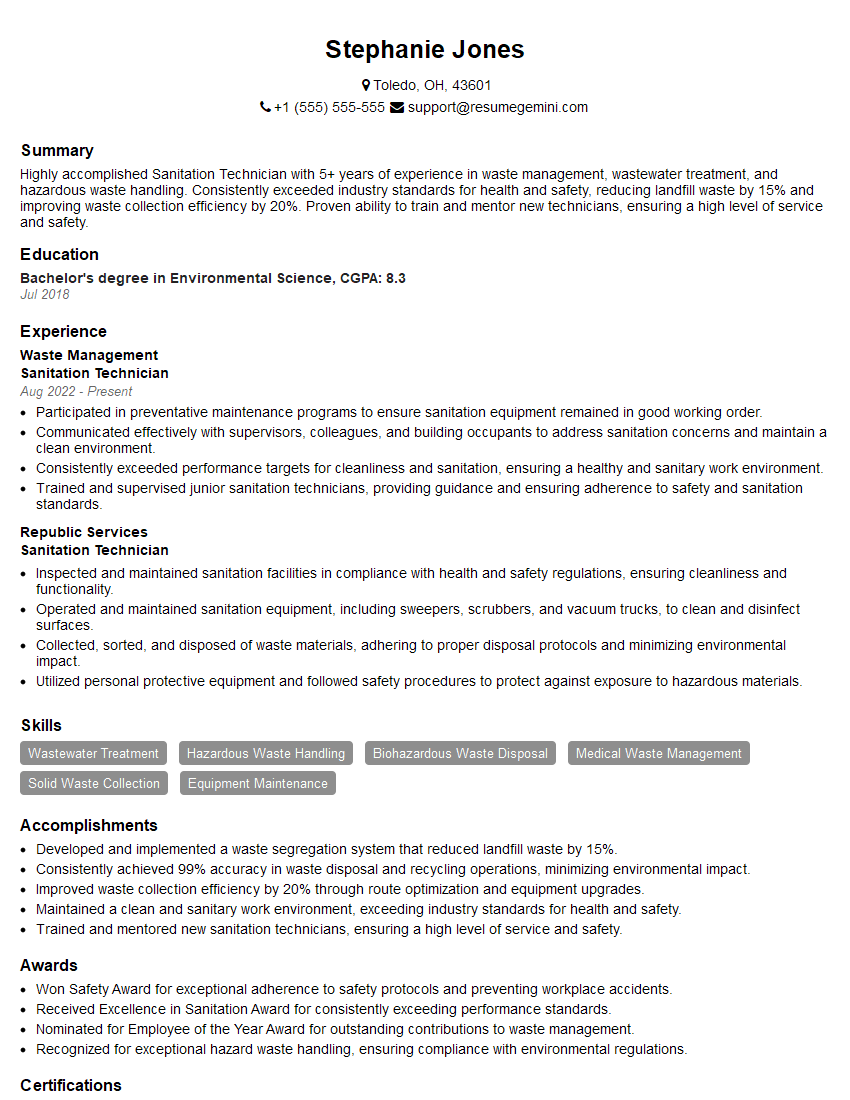
Sanitation Technician Resume Sample
Explore more articles
Users Rating of Our Blogs
Share Your Experience
We value your feedback! Please rate our content and share your thoughts (optional).
What Readers Say About Our Blog
Very informative content, great job.
good