Are you ready to stand out in your next interview? Understanding and preparing for Adrenaline Management interview questions is a game-changer. In this blog, we’ve compiled key questions and expert advice to help you showcase your skills with confidence and precision. Let’s get started on your journey to acing the interview.
Questions Asked in Adrenaline Management Interview
Q 1. Explain the physiological effects of adrenaline on the body.
Adrenaline, or epinephrine, is a hormone released by the adrenal glands in response to stress. Its physiological effects are widespread and designed to prepare the body for ‘fight or flight’.
- Increased Heart Rate and Blood Pressure: Adrenaline boosts cardiac output, sending more blood to muscles and vital organs.
- Dilated Pupils: This improves vision in low-light conditions, beneficial during emergencies.
- Increased Respiration Rate: More oxygen is delivered to the blood, fueling muscle activity.
- Elevated Blood Sugar: Glucose becomes readily available as energy for the muscles.
- Reduced Digestive Activity: Blood flow is diverted from the digestive system to more critical areas.
- Enhanced Muscle Strength and Endurance: Muscles become primed for exertion.
- Sharpened Senses: Perception is heightened, increasing awareness of surroundings.
Imagine a scenario where you suddenly encounter a dangerous animal. Your heart races, your breathing quickens, and your senses become sharper – these are all the direct effects of adrenaline preparing you to react quickly to the threat.
Q 2. Describe different techniques for managing adrenaline surges.
Managing adrenaline surges effectively requires a multi-pronged approach combining physiological and psychological techniques:
- Deep Breathing Exercises: Slow, deep breaths activate the parasympathetic nervous system, counteracting adrenaline’s effects. Inhale deeply through your nose, hold for a few seconds, and exhale slowly through your mouth. Repeat this several times.
- Progressive Muscle Relaxation: Systematically tense and release different muscle groups to reduce overall muscle tension and anxiety. Start with your toes, gradually working your way up to your head.
- Mindfulness and Meditation: These practices help cultivate awareness of the present moment and reduce reactivity to stressful triggers. Regular practice strengthens your ability to remain calm under pressure.
- Physical Exercise: Regular physical activity helps regulate stress hormones and improves resilience to stress. Aim for at least 30 minutes of moderate-intensity exercise most days of the week.
- Cognitive Restructuring: Challenge negative thoughts and replace them with more rational and positive ones. This helps reduce the emotional response to stressful events.
- Social Support: Connecting with supportive friends and family can provide emotional buffer and reduce stress levels significantly.
For instance, a public speaker might use deep breathing before a presentation to calm their nerves. A surgeon might utilize progressive muscle relaxation to manage stress during a complex operation.
Q 3. How do you assess an individual’s capacity to manage adrenaline in high-pressure situations?
Assessing an individual’s capacity to manage adrenaline involves a combination of observation, self-reporting, and potentially psychological assessments.
- Behavioral Observation: Note their responses during high-pressure situations. Do they remain calm and collected, or do they exhibit signs of panic or anxiety? How efficiently do they problem-solve under pressure?
- Self-Reporting Measures: Questionnaires or interviews can assess an individual’s perceived stress levels, coping strategies, and history of stress-related problems. Examples include scales measuring perceived stress or coping mechanisms.
- Physiological Measures: Heart rate variability (HRV) and blood pressure can be monitored during stressful tasks to provide objective data on physiological responses to pressure.
- Simulated Scenarios: Stress tests or simulations can be used to assess performance under controlled stressful conditions. Examples include role-playing exercises or virtual reality simulations.
For example, a pilot’s ability to manage adrenaline during an emergency landing can be assessed through a combination of flight simulator performance, self-reported stress levels, and post-simulation interviews.
Q 4. What are the key indicators of stress overload and impending burnout?
Stress overload and impending burnout manifest in various ways, both physically and psychologically.
- Physical Symptoms: Persistent fatigue, sleep disturbances, headaches, muscle tension, digestive problems, weakened immunity.
- Emotional Symptoms: Irritability, anxiety, depression, feeling overwhelmed, loss of motivation, cynicism, emotional exhaustion.
- Behavioral Symptoms: Procrastination, reduced productivity, increased absenteeism, social withdrawal, substance abuse.
- Cognitive Symptoms: Difficulty concentrating, memory problems, impaired decision-making, reduced creativity.
Imagine a doctor working long hours without breaks. They might experience persistent fatigue, irritability, and difficulty concentrating, indicating stress overload and a potential risk of burnout. These are early warnings that need prompt attention.
Q 5. Outline a practical strategy for managing adrenaline during a crisis.
Managing adrenaline during a crisis requires a structured approach focusing on immediate actions and long-term strategies.
- Assess the Situation: Quickly gather information to understand the nature and scope of the crisis.
- Activate Coping Mechanisms: Implement previously learned techniques such as deep breathing or progressive muscle relaxation to manage immediate adrenaline surges.
- Prioritize Tasks: Focus on immediate, critical actions to stabilize the situation and prevent further escalation.
- Seek Support: Don’t hesitate to call for help if needed. Collaboration can diffuse stressful situations more effectively.
- Debrief and Process: After the crisis, take time to debrief the event, reflect on the experience, and identify areas for improvement in future crisis management.
For example, a firefighter arriving at a house fire would first assess the scene, then use practiced breathing techniques to control their adrenaline, and finally prioritize tasks like rescuing people before addressing the fire itself.
Q 6. Explain the concept of ‘fight-or-flight’ and its impact on decision-making.
‘Fight-or-flight’ is a physiological response triggered by the sympathetic nervous system in response to perceived danger or threat. Adrenaline plays a central role in this response.
In a ‘fight-or-flight’ situation, the body prioritizes survival. This can significantly impact decision-making. The focus shifts to immediate actions, potentially at the expense of careful planning or rational evaluation. Decisions may become impulsive or risk-averse, depending on the individual’s personality and past experiences.
For example, someone confronted by a burglar might react instinctively, choosing to fight or flee rather than engaging in careful negotiation. This is driven by the ‘fight-or-flight’ response, which prioritizes survival over nuanced decision-making.
Q 7. How can mindfulness techniques be utilized to regulate adrenaline levels?
Mindfulness techniques can be highly effective in regulating adrenaline levels. By cultivating present moment awareness, mindfulness helps reduce reactivity to stressful triggers.
- Mindful Breathing: Focusing on the sensation of breath helps ground you in the present moment and reduces mind-wandering, which is a common source of anxiety and stress.
- Body Scan Meditation: Bringing awareness to different parts of the body helps detect tension and release it through mindful relaxation.
- Mindful Walking: Paying attention to the sensation of feet touching the ground, the rhythm of your steps, and your surroundings can be a calming and centering experience.
For example, a person experiencing anxiety might use mindful breathing before an important meeting to calm their nerves. Regular practice strengthens this capacity for self-regulation and reduces overall stress levels. A busy executive might practice mindful walking during their lunch break to reduce stress and improve focus.
Q 8. Describe your experience implementing stress management programs.
My experience in implementing stress management programs spans over a decade, encompassing diverse settings from corporate environments to individual coaching. I’ve designed and delivered programs incorporating various techniques, including mindfulness-based stress reduction (MBSR), cognitive behavioral therapy (CBT) for stress management, and biofeedback. A successful program I implemented at a tech startup involved a six-week workshop series focusing on time management, prioritization, and mindfulness techniques to reduce employee burnout. Pre- and post-program surveys revealed a significant decrease in reported stress levels and an improvement in overall well-being. Another example involved designing a personalized stress management plan for a high-performing executive facing significant pressure, which combined coaching sessions, relaxation techniques, and regular physical activity.
Q 9. What strategies do you use to help individuals develop resilience to high-stress environments?
Building resilience to high-stress environments involves a multi-faceted approach. I use strategies that strengthen both the psychological and physiological responses to stress. This includes:
- Cognitive restructuring: Helping individuals identify and challenge negative or catastrophic thinking patterns.
- Mindfulness practices: Teaching techniques like meditation and deep breathing to improve self-awareness and emotional regulation.
- Problem-solving skills training: Equipping individuals with effective strategies to tackle stressful situations directly.
- Stress inoculation training: Gradually exposing individuals to stressful situations in a controlled environment to build coping mechanisms.
- Promoting healthy lifestyle choices: Emphasizing the importance of regular exercise, sufficient sleep, and a balanced diet.
For instance, I worked with a firefighter who was experiencing significant PTSD. We employed a combination of CBT, mindfulness practices, and exposure therapy to help him process traumatic memories and develop coping mechanisms. This resulted in a marked improvement in his anxiety levels and overall mental health.
Q 10. How do you tailor your approach to adrenaline management based on individual needs?
My approach to adrenaline management is highly personalized, recognizing that each individual responds to stress differently. I begin by conducting a thorough assessment, considering factors such as the individual’s personality, lifestyle, stress triggers, and coping mechanisms. For example, an athlete preparing for a competition might benefit from strategies focused on optimizing performance under pressure, while a person struggling with chronic anxiety requires a different approach emphasizing relaxation and emotional regulation. I use various assessment tools, including questionnaires and interviews, to understand their specific needs. Based on this assessment, I tailor interventions, such as recommending specific relaxation techniques (progressive muscle relaxation, for example), crafting personalized mindfulness practices, or even recommending referral to a medical professional if there are underlying medical conditions.
Q 11. What are the limitations of common adrenaline management techniques?
While many adrenaline management techniques are beneficial, limitations exist. For instance, relaxation techniques like deep breathing can be ineffective for individuals experiencing intense, acute stress where immediate action is needed. Similarly, mindfulness practices require consistent effort and may not be suitable for those with limited time or motivation. Some individuals may find certain techniques, like biofeedback, uncomfortable or confusing. Furthermore, reliance on solely coping mechanisms without addressing the underlying causes of stress can lead to a temporary fix rather than a long-term solution. It’s crucial to remember that these techniques are tools, and a holistic approach considering individual needs and circumstances is paramount.
Q 12. How do you identify and address potential ethical concerns related to adrenaline management interventions?
Ethical concerns in adrenaline management primarily involve respecting individual autonomy, confidentiality, and avoiding coercion. It is crucial to obtain informed consent before implementing any intervention and to ensure the individual understands the risks and benefits. Maintaining confidentiality is paramount, respecting privacy in all discussions and records. Avoiding any undue influence or pressure to participate in interventions is essential. For instance, if I suspect a client is experiencing symptoms of a serious mental health condition, I would refer them to a qualified mental health professional. Ethical considerations also encompass maintaining professional boundaries and avoiding any conflict of interest.
Q 13. Discuss the role of sleep and nutrition in maintaining optimal adrenaline levels.
Sleep and nutrition play a vital role in maintaining optimal adrenaline levels. Sufficient sleep allows the body to recover and regulate stress hormones. Chronic sleep deprivation can lead to increased cortisol (the stress hormone) levels, exacerbating the effects of adrenaline and creating a state of chronic stress. Similarly, a balanced diet rich in fruits, vegetables, and whole grains provides the necessary nutrients to support the body’s stress response. Processed foods, high sugar, and excessive caffeine can disrupt hormonal balance and increase anxiety, further affecting adrenaline regulation. I often advise clients on establishing regular sleep routines, practicing sleep hygiene, and following a balanced diet as essential components of an effective adrenaline management plan.
Q 14. Describe your experience working with individuals facing acute or chronic stress.
My experience working with individuals facing acute and chronic stress is extensive. Acute stress, often triggered by immediate events like job loss or accidents, requires immediate intervention focused on coping mechanisms and crisis management. I’ve used CBT techniques to help individuals process the event, develop coping strategies, and regain a sense of control. Chronic stress, stemming from prolonged exposure to stressors, demands a longer-term approach. I’ve worked with clients experiencing chronic stress from demanding careers, relationship difficulties, or health issues. In these cases, I integrate various techniques, including mindfulness, lifestyle changes, and potentially referrals to medical or mental health professionals for underlying conditions. Each case requires a tailored plan; one client I worked with, a physician facing burnout, benefited greatly from regular meditation, improved sleep hygiene, and a re-evaluation of her work-life balance.
Q 15. How do you measure the effectiveness of your adrenaline management interventions?
Measuring the effectiveness of adrenaline management interventions requires a multi-faceted approach. We don’t directly measure adrenaline levels in most cases, as that requires invasive procedures. Instead, we focus on observable behavioral and physiological changes that indicate improved stress response. This includes pre- and post-intervention assessments.
Performance Metrics: We track improvements in task performance under pressure. For example, if working with a high-performing athlete, we might see improvements in reaction time, accuracy, and decision-making during competitive simulations. In a corporate setting, we would look for improvements in productivity, efficiency, and successful completion of high-stakes projects.
Physiological Measures: Heart rate variability (HRV) is a key indicator. Increased HRV suggests better autonomic nervous system regulation, meaning the individual is better at handling stress. We might also use wearable technology to monitor heart rate, skin conductance, and other physiological responses during stressful situations. Lowered resting heart rate and reduced stress hormone levels (cortisol) can also be used as indicators of success.
Subjective Measures: We utilize self-report questionnaires and scales like the Perceived Stress Scale (PSS) to assess participants’ subjective experience of stress and their perceived ability to manage it. This provides valuable qualitative data to complement the quantitative measures.
Qualitative Feedback: We gather feedback through interviews and focus groups to understand the participants’ experiences and identify areas for improvement in the intervention.
Combining these different methods allows for a comprehensive evaluation of the intervention’s effectiveness, providing a holistic picture of the impact on both performance and well-being.
Career Expert Tips:
- Ace those interviews! Prepare effectively by reviewing the Top 50 Most Common Interview Questions on ResumeGemini.
- Navigate your job search with confidence! Explore a wide range of Career Tips on ResumeGemini. Learn about common challenges and recommendations to overcome them.
- Craft the perfect resume! Master the Art of Resume Writing with ResumeGemini’s guide. Showcase your unique qualifications and achievements effectively.
- Don’t miss out on holiday savings! Build your dream resume with ResumeGemini’s ATS optimized templates.
Q 16. What are some common misconceptions about adrenaline and its impact on performance?
A common misconception is that adrenaline is always negative and should be avoided. In reality, adrenaline (epinephrine) is a crucial hormone that provides the ‘fight-or-flight’ response, essential for reacting to threats and performing under pressure. The problem isn’t the adrenaline itself but the dysregulation of the stress response.
Misconception 1: All adrenaline is bad. In fact, optimal adrenaline levels enhance performance and focus; it’s the excessive or prolonged elevation that’s detrimental.
Misconception 2: You can just ‘will’ yourself to control adrenaline. While mental strategies are crucial, simply trying to suppress adrenaline is ineffective; it needs a more integrated approach including physical and emotional regulation.
Misconception 3: Adrenaline only impacts physical performance. Adrenaline significantly impacts cognitive functions, both positively and negatively, depending on the intensity and duration of its release. High levels can impair decision-making, while optimal levels can enhance focus.
Understanding these misconceptions is key to developing effective adrenaline management strategies. It’s about optimizing, not eliminating, the adrenaline response.
Q 17. Explain the relationship between adrenaline and cognitive function.
The relationship between adrenaline and cognitive function is complex and biphasic. In other words, a moderate amount of adrenaline can enhance certain aspects of cognition, but excessive or prolonged exposure negatively impacts it.
Positive Effects (Optimal Levels): Moderate adrenaline increases alertness, attention, and focus. It sharpens sensory processing and enhances memory consolidation of emotionally salient events (e.g., remembering a crucial detail in a high-pressure situation).
Negative Effects (Excessive Levels): High levels of adrenaline can lead to anxiety, impaired decision-making, reduced working memory capacity (difficulty focusing and holding information in mind), and even emotional flooding that interferes with rational thought. It can narrow attention, making it difficult to process complex information or consider alternatives.
Think of it like a car engine: a moderate amount of fuel (adrenaline) allows for optimal performance, but too much fuel leads to a stall or burnout. The key is finding the sweet spot—the optimal level of adrenaline for peak cognitive performance.
Q 18. How do you help individuals develop effective coping mechanisms for stress?
Helping individuals develop effective coping mechanisms for stress involves a holistic approach that combines various techniques tailored to individual needs and preferences.
Mindfulness and Meditation: These practices help individuals become more aware of their thoughts, feelings, and physical sensations, allowing them to manage their stress response more effectively.
Cognitive Restructuring: This technique helps individuals identify and challenge negative or unhelpful thought patterns that contribute to stress. We work with them to replace these with more realistic and positive ones.
Relaxation Techniques: Deep breathing exercises, progressive muscle relaxation, and guided imagery are valuable tools for reducing physiological arousal and promoting a sense of calm.
Physical Exercise: Regular physical activity is a powerful stress reliever. It helps to burn off excess adrenaline and reduce cortisol levels.
Time Management and Prioritization: Effective time management strategies can significantly reduce stress by improving organization and reducing feelings of being overwhelmed.
Social Support: Encouraging strong social connections and providing opportunities for social interaction can create a buffer against stress.
I often use a combination of these techniques, tailoring the approach to the individual’s specific challenges and preferences. The process is often iterative, involving adjustments based on ongoing assessment and feedback.
Q 19. How do you facilitate communication and collaboration in high-pressure team environments?
Facilitating communication and collaboration in high-pressure team environments requires proactive strategies that focus on clear communication, shared understanding, and trust-building.
Establish Clear Roles and Responsibilities: Ensuring that each team member understands their role and how it contributes to the overall goal reduces ambiguity and confusion under pressure.
Develop Effective Communication Protocols: Implementing clear communication channels and procedures (e.g., regular briefings, standardized reporting systems) ensures that information flows efficiently and effectively.
Promote Active Listening and Feedback: Creating a culture where team members actively listen to each other and provide constructive feedback is essential for building trust and understanding.
Utilize Collaborative Tools: Employing technology (e.g., project management software, communication platforms) can streamline workflows and facilitate information sharing.
Practice Scenario Planning and Training: Running simulations and rehearsals allows the team to anticipate potential problems and practice their responses, building confidence and coordination.
Debriefing Sessions: After high-pressure situations, conducting debriefing sessions provides an opportunity to reflect on performance, identify areas for improvement, and strengthen team cohesion.
The goal is to create a supportive and collaborative environment where team members feel comfortable communicating openly, even under pressure, fostering resilience and collective success.
Q 20. Describe a situation where you effectively managed your own adrenaline levels.
During a critical incident response exercise simulating a major industrial accident, I was responsible for coordinating a large multi-agency response. The pressure was immense; there were numerous conflicting priorities, limited information, and the potential for significant consequences. My adrenaline was definitely pumping!
To manage my adrenaline effectively, I focused on a few key strategies:
Deep Breathing: I took several deep, slow breaths to regulate my heart rate and calm my nerves. This helped me to think clearly and make rational decisions.
Prioritization and Delegation: I broke down the complex task into smaller, manageable components and delegated responsibilities to capable team members. This prevented me from feeling overwhelmed.
Clear Communication: I maintained clear and concise communication with the team, providing regular updates and guidance. This ensured everyone was on the same page and working towards the same goals.
Positive Self-Talk: I used positive self-talk to maintain my confidence and focus. I reminded myself of my training and experience, focusing on what I could control rather than what I couldn’t.
By implementing these techniques, I was able to successfully navigate the stressful situation, leading the team effectively and achieving a positive outcome. The exercise highlighted the importance of proactive adrenaline management in high-pressure situations.
Q 21. How do you manage your own stress and maintain work-life balance?
Managing my own stress and maintaining work-life balance is an ongoing process requiring continuous effort. My approach integrates various strategies:
Prioritization and Time Blocking: I prioritize tasks based on their importance and urgency, allocating specific time blocks for work and personal activities. This creates structure and prevents feeling overwhelmed.
Regular Exercise: Daily physical activity helps me manage stress and maintain physical health. This can be anything from a brisk walk to a more intense workout.
Mindfulness and Meditation: Daily mindfulness practice helps me stay grounded and manage stress throughout the day. Even short meditation sessions are beneficial.
Strong Social Connections: Spending quality time with friends and family is crucial for my well-being. It provides a valuable emotional recharge.
Hobbies and Interests: Engaging in hobbies and activities I enjoy helps me de-stress and recharge my mental batteries. This could be anything from reading to playing music.
Setting Boundaries: Learning to say ‘no’ to additional commitments when necessary helps to prevent burnout. I protect my personal time and energy.
Maintaining a healthy work-life balance is a continuous journey. It’s about consistently practicing self-care and adapting strategies to fit changing demands.
Q 22. What training or qualifications do you have in adrenaline or stress management?
My expertise in adrenaline and stress management stems from a multifaceted background. I hold a Master’s degree in Clinical Psychology with a specialization in Behavioral Neuroscience, focusing on the physiological and psychological impacts of stress. Further, I’ve completed advanced certifications in Cognitive Behavioral Therapy (CBT) and Mindfulness-Based Stress Reduction (MBSR). My professional experience includes seven years working directly with individuals experiencing high-stress environments, including first responders, executives, and athletes. This hands-on experience has provided invaluable insight into tailoring stress management strategies to diverse needs.
Q 23. Explain the difference between acute and chronic stress responses.
The key difference lies in duration and impact. Acute stress is the body’s immediate response to a perceived threat—the classic ‘fight-or-flight’ response. This involves a surge of adrenaline, increased heart rate, and heightened alertness. It’s a short-term, adaptive response designed to help us deal with immediate dangers. Think of facing a sudden traffic jam or preparing for a crucial presentation. The body returns to its normal state once the threat passes.
Chronic stress, on the other hand, is prolonged exposure to stressors. It’s the constant pressure of ongoing demands, worries, or problems. This sustained activation of the stress response system can overwhelm the body’s coping mechanisms, leading to various health issues, including anxiety, depression, cardiovascular problems, and weakened immunity. Imagine dealing with financial difficulties, a challenging work environment, or a chronic illness. The body doesn’t get time to recover, leading to a continuous state of physiological tension.
Q 24. How can you recognize the signs of stress and burnout in others?
Recognizing stress and burnout involves careful observation and understanding individual behaviors and patterns. Signs can manifest physically, emotionally, and behaviorally.
- Physical Signs: Frequent headaches, fatigue, digestive issues, sleep disturbances, muscle tension.
- Emotional Signs: Irritability, anxiety, sadness, feelings of hopelessness, decreased motivation, difficulty concentrating.
- Behavioral Signs: Changes in eating habits (overeating or loss of appetite), social withdrawal, increased substance use, procrastination, decreased productivity, cynicism.
It’s crucial to consider the context. Someone might be experiencing occasional stress without burnout, whereas others may demonstrate chronic symptoms indicating a serious issue. Open and empathetic communication is key to understanding an individual’s experience.
Q 25. What is your experience with different relaxation techniques, such as deep breathing or progressive muscle relaxation?
I have extensive experience with various relaxation techniques, integrating them into personalized stress management plans. Deep breathing exercises, such as diaphragmatic breathing, are fundamental. I guide individuals to slow their breathing rate, focusing on the sensation of the breath entering and leaving the body. This activates the parasympathetic nervous system, counteracting the stress response.
Progressive muscle relaxation involves systematically tensing and releasing different muscle groups. This helps identify areas of tension and promotes physical relaxation, which often translates to mental calmness. I also utilize mindfulness meditation, guided imagery, and yoga techniques, tailoring the approach to each individual’s preferences and needs. The effectiveness of these methods is often enhanced when combined with cognitive techniques like reframing negative thoughts.
Q 26. How do you adapt your communication style when dealing with individuals under stress?
My communication style shifts significantly when working with individuals under stress. I prioritize active listening, creating a safe and non-judgmental space for them to express their concerns without interruption. I use empathic validation, acknowledging and validating their feelings. I avoid offering quick fixes or unsolicited advice, instead focusing on collaborative problem-solving.
I employ clear, concise, and reassuring language, avoiding jargon or technical terms that may increase confusion. I might use simple analogies or metaphors to help them understand complex concepts related to stress physiology. Patience and flexibility are paramount, as individuals under stress may have difficulty concentrating or processing information quickly.
Q 27. Describe a situation where you had to make a critical decision under pressure. How did you handle it?
During a major incident at a hospital I worked at, a critical equipment failure led to a system-wide outage. This caused a chaotic situation, impacting several patients who were undergoing life-saving procedures. My role was to lead the crisis management team, ensuring patient safety and minimizing disruption.
Under immense pressure, I followed a structured approach. First, I activated our emergency protocol, delegating tasks efficiently to the team. I prioritized communication, providing clear instructions and regular updates to all staff. Throughout, I maintained a calm demeanor, emphasizing collaborative problem-solving. We successfully managed the crisis, ensuring patient well-being, and minimizing any adverse effects, demonstrating the importance of structured protocols and strong communication in high-pressure settings. This experience highlighted the necessity of proactive planning and effective team leadership during critical incidents.
Q 28. What resources or support systems do you recommend to individuals struggling with stress management?
For individuals struggling with stress management, I recommend a multi-pronged approach leveraging various resources and support systems.
- Therapy: Cognitive Behavioral Therapy (CBT) and other therapeutic approaches can provide valuable coping strategies and address underlying issues.
- Support Groups: Connecting with others facing similar challenges creates a sense of community and shared understanding.
- Mindfulness and Relaxation Techniques: Regularly practicing techniques like meditation, deep breathing, or yoga can reduce stress levels and enhance well-being.
- Lifestyle Changes: Regular exercise, a balanced diet, sufficient sleep, and limiting substance use contribute significantly to stress resilience.
- Professional Coaching: A coach can provide tailored guidance and support in managing stress within a specific professional context.
It’s crucial to find resources that align with individual needs and preferences. Seeking professional help is not a sign of weakness but rather a proactive step towards improved mental and physical health. Remember, stress management is an ongoing process, not a one-time fix.
Key Topics to Learn for Adrenaline Management Interview
- Understanding Adrenaline & its Impact: Explore the physiological and psychological effects of adrenaline on individuals and teams, and how this impacts performance and decision-making under pressure.
- Strategic Stress Management: Learn practical techniques for managing stress and anxiety in high-pressure environments. Consider methods for promoting resilience and well-being within teams.
- Performance Optimization under Pressure: Discuss strategies for optimizing individual and team performance in demanding situations. This includes techniques for maintaining focus, problem-solving effectively, and fostering collaboration.
- Communication & Teamwork in High-Stress Situations: Examine effective communication strategies for conveying clear instructions and fostering collaboration during crises or high-stakes projects. Consider the role of active listening and conflict resolution.
- Risk Assessment & Mitigation: Explore methods for identifying, assessing, and mitigating risks associated with high-pressure situations. This involves proactive planning and the ability to adapt to unexpected challenges.
- Ethical Considerations: Discuss the ethical implications of adrenaline-driven decision-making, ensuring responsible behavior and adherence to professional standards.
- Leadership & Adrenaline Management: Analyze the role of leadership in managing adrenaline levels within teams, fostering a supportive and high-performing environment.
Next Steps
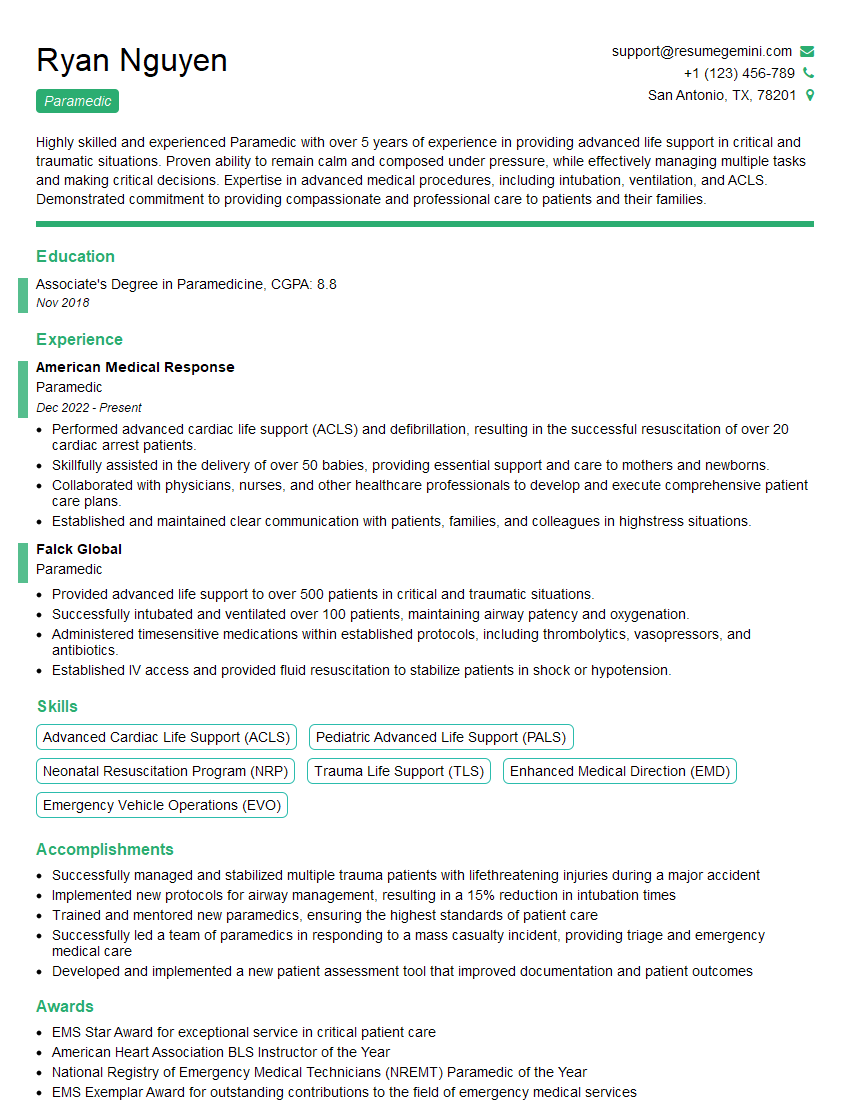
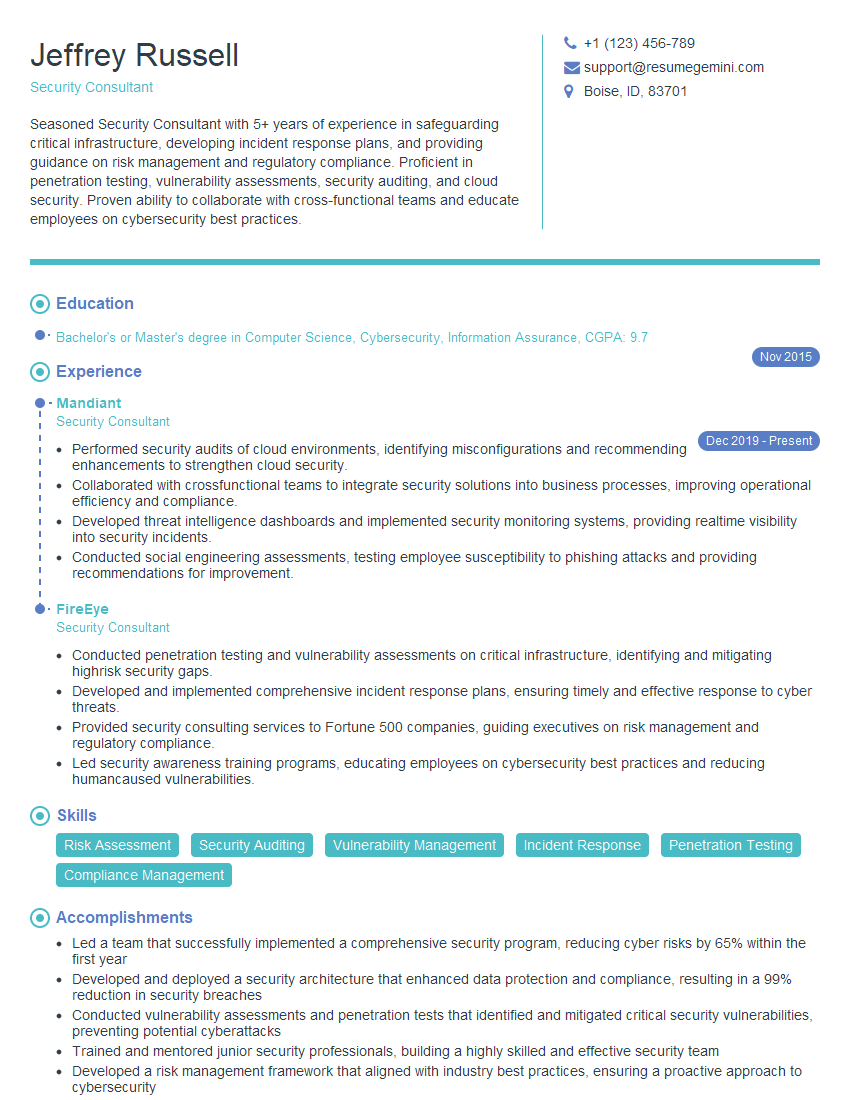
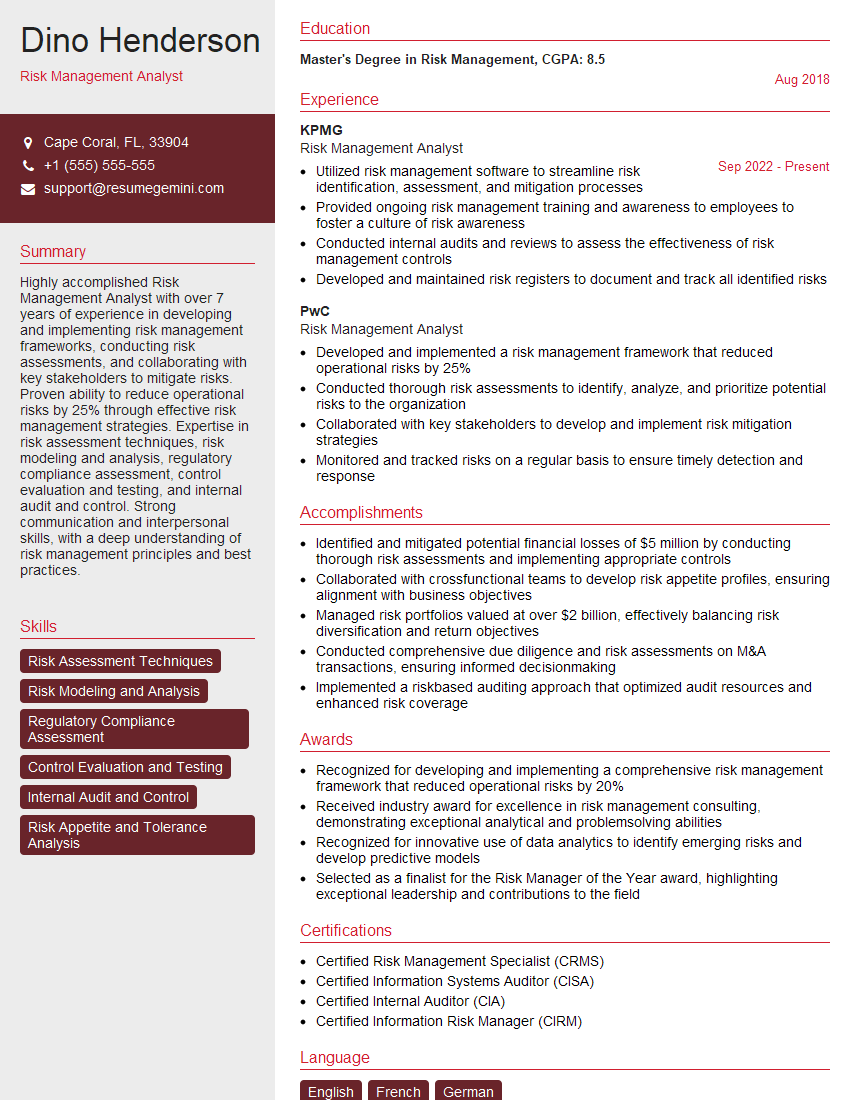
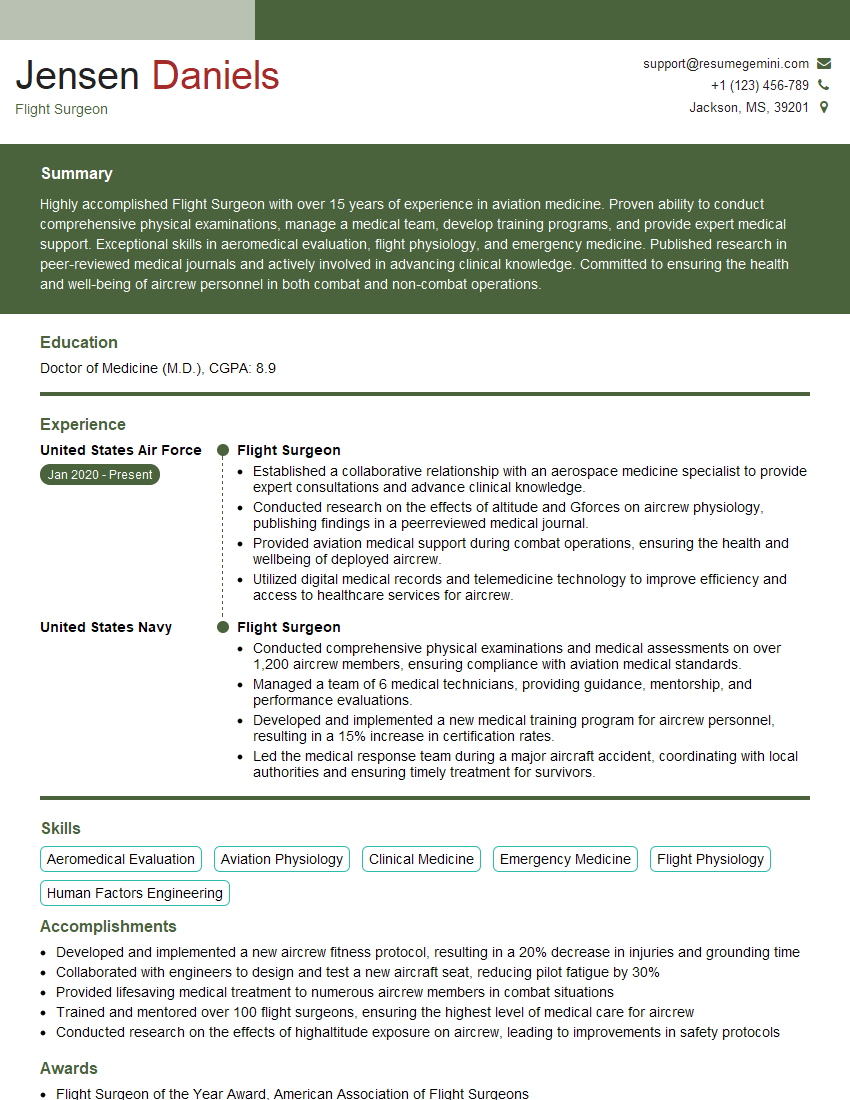
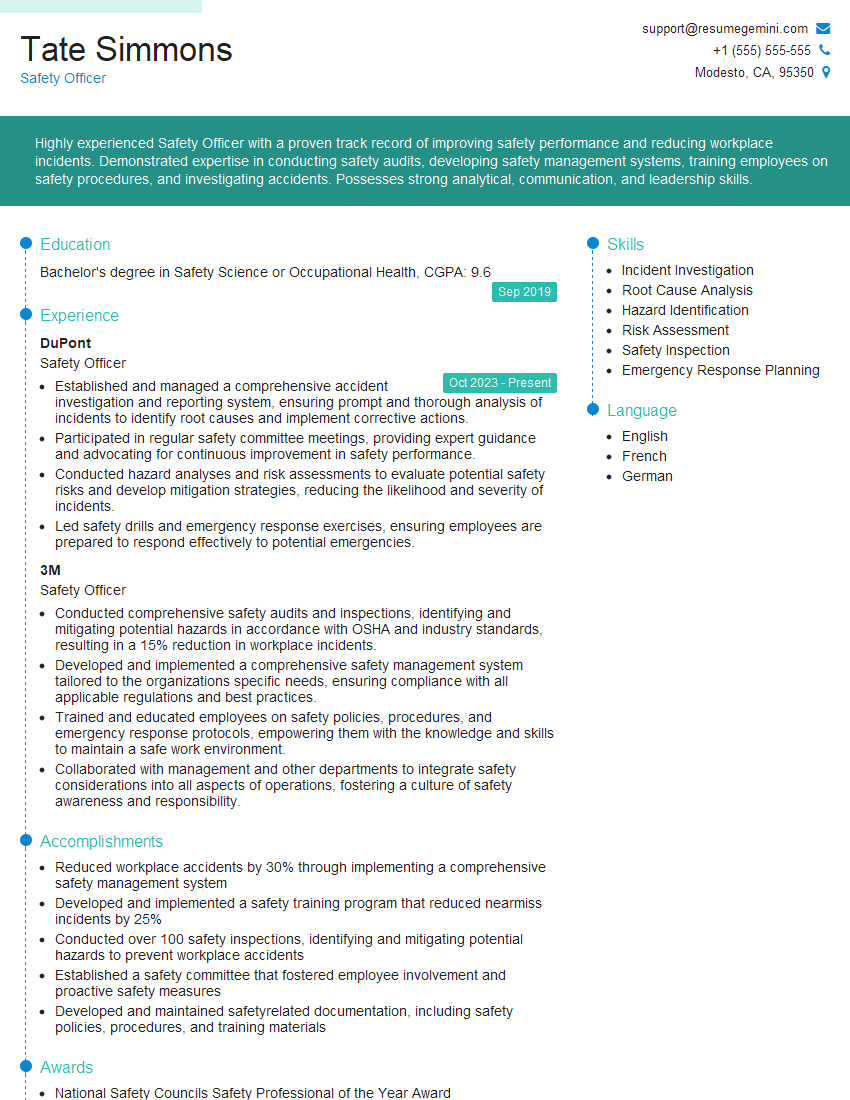
Mastering Adrenaline Management is crucial for career advancement in high-stakes fields. It demonstrates your ability to thrive under pressure, lead effectively, and make sound decisions in demanding environments. To significantly enhance your job prospects, create an ATS-friendly resume that highlights your relevant skills and experiences. We highly recommend using ResumeGemini, a trusted resource for building professional resumes that get noticed. Examples of resumes tailored to Adrenaline Management are available to help you showcase your capabilities effectively.
Explore more articles
Users Rating of Our Blogs
Share Your Experience
We value your feedback! Please rate our content and share your thoughts (optional).
What Readers Say About Our Blog
Very informative content, great job.
good