Interviews are more than just a Q&A session—they’re a chance to prove your worth. This blog dives into essential Advanced First Aid and Trauma Care interview questions and expert tips to help you align your answers with what hiring managers are looking for. Start preparing to shine!
Questions Asked in Advanced First Aid and Trauma Care Interview
Q 1. Describe the steps involved in managing a patient with severe bleeding.
Managing severe bleeding is a life-saving priority. It involves a systematic approach focusing on direct pressure, elevation, and pressure points.
- Direct Pressure: Apply firm, direct pressure to the wound using a clean cloth or dressing. Don’t remove the dressing even if it becomes soaked; add more on top. This is the most crucial step to stop external bleeding. Imagine it like plugging a hole in a water pipe – you need consistent pressure to seal it.
- Elevation: Elevate the injured limb above the heart, if possible, to reduce blood flow to the area. Think of it like tilting a water bottle – the water flows to the lower end, reducing pressure at the opening.
- Pressure Points: If direct pressure is insufficient, apply pressure to pressure points such as the brachial artery (inner arm, above the elbow) or femoral artery (groin). These are locations where major arteries are close to the surface, making it easier to control blood flow. However, I must emphasize the importance of proper training to locate and apply pressure to these points. Incorrect application could cause more harm.
- Tourniquet (Last Resort): As a last resort, apply a tourniquet only if the bleeding is uncontrolled and life-threatening. Improper tourniquet use can result in limb loss; it should only be applied by trained personnel and ideally after attempting other methods.
- Monitor and Transport: Continuously monitor the patient’s vital signs, and call for immediate emergency medical services. Rapid transport to a hospital is essential.
For example, in a scenario involving a deep laceration to the leg, I would immediately apply direct pressure while simultaneously calling for an ambulance, then elevate the leg, and only if necessary, consider a tourniquet as a last resort.
Q 2. Explain the difference between a stable and unstable patient.
The difference between a stable and unstable patient hinges on their physiological parameters and overall condition.
A stable patient maintains vital signs within acceptable ranges. They are conscious or alert, breathing adequately, and their heart rate, blood pressure, and oxygen saturation levels are within normal parameters. They are generally responsive and able to communicate. Think of a stable patient as someone who, while injured, is able to maintain their body’s basic functions effectively.
An unstable patient shows signs of physiological decompensation. This could include altered mental status (e.g., unconsciousness, confusion), difficulty breathing, rapid or weak pulse, low blood pressure, and decreased oxygen saturation. They might exhibit significant bleeding or other signs of severe trauma. An unstable patient is someone whose body is struggling to maintain basic functions due to the severity of the injury. They require immediate and aggressive intervention.
For example, a patient with a minor laceration and normal vital signs is stable. In contrast, a patient with a severe head injury, exhibiting altered consciousness and abnormal breathing, is considered unstable.
Q 3. How would you assess a patient’s airway, breathing, and circulation (ABCs)?
Assessing a patient’s ABCs – Airway, Breathing, and Circulation – is the foundation of trauma care. It’s a rapid assessment to identify and address immediately life-threatening conditions.
- Airway: Assess for patency (openness). Is the airway clear? Is the patient talking or making sounds? Look for obstructions like blood, vomit, or foreign bodies. If necessary, open the airway using head-tilt-chin-lift or jaw-thrust maneuver (carefully, considering potential spinal injury).
- Breathing: Observe the rate, depth, and rhythm of breathing. Is the breathing adequate? Look for signs of respiratory distress, such as labored breathing, use of accessory muscles, or abnormal breath sounds. Assess for cyanosis (bluish discoloration of skin or mucous membranes), indicating low oxygen levels. If breathing is inadequate, provide rescue breaths or oxygen as needed.
- Circulation: Check the patient’s pulse (rate and quality), skin color (pale, cool, clammy might suggest shock), and capillary refill (the time it takes for blood to return to the capillaries after pressure is applied to the nail bed). Assess for external bleeding. Control any significant bleeding immediately.
Remember, this is a rapid initial assessment. A more thorough secondary assessment will follow once the immediate life threats are addressed.
Q 4. What are the signs and symptoms of a traumatic brain injury?
Traumatic brain injury (TBI) encompasses a wide range of severity, from mild concussion to severe, life-threatening damage. Signs and symptoms vary depending on the extent and location of the injury. However, some common indicators include:
- Altered mental status: Confusion, disorientation, loss of consciousness, lethargy, or unresponsiveness.
- Headache: Often severe and persistent.
- Nausea and vomiting: These can be indicative of increased intracranial pressure.
- Dizziness or vertigo: A sense of imbalance or spinning.
- Visual disturbances: Blurred vision, double vision, or changes in visual acuity.
- Seizures: Abnormal electrical activity in the brain.
- Pupil abnormalities: Unequal pupil size or sluggish pupillary response to light.
- Loss of memory (amnesia): Inability to recall events before or after the injury.
- Bleeding from ears or nose: Suggests potential skull fracture.
- Changes in speech or language: Difficulty speaking or understanding language.
It’s crucial to remember that even seemingly minor head injuries require careful observation and evaluation, as symptoms can worsen over time.
Q 5. How do you treat a suspected spinal injury?
Suspected spinal injury demands the utmost caution and a systematic approach. The primary goal is to prevent further damage to the spinal cord.
- Manual Stabilization: Maintain the patient’s head and neck in a neutral, inline position, minimizing movement. This often involves manual stabilization by trained personnel. Think of this like carefully supporting a delicate stack of blocks – even slight movement can cause instability.
- Spinal Immobilization: Once the patient is stabilized, apply a cervical collar and spinal board to restrict movement as much as possible.
- Log Roll Maneuver (if necessary): If the patient needs to be moved, perform a log roll, a coordinated maneuver to carefully turn the patient onto the board without compromising the spinal alignment. This requires multiple trained personnel.
- Monitor Vital Signs: Continuously monitor the patient’s breathing, pulse, blood pressure, and level of consciousness.
- Transport: Rapid transport to a medical facility is essential. This usually requires specialized transport services to handle the spinal immobilization.
It’s important to remember that any mechanism of injury that suggests potential spinal involvement (e.g., high-impact motor vehicle collision, fall from height) requires immediate attention to spinal precautions, even if the patient is initially asymptomatic.
Q 6. Describe your experience with splinting fractures.
Splinting fractures is a critical skill involving proper assessment, material selection, and application to immobilize the injured area, reducing pain and preventing further damage.
My experience includes extensive training and practical application in various splinting techniques, ranging from simple soft splints (e.g., using rolled towels or blankets) for less severe injuries to more rigid splints (e.g., SAM splints or commercially available splints) for more complex fractures. I’ve worked with both upper and lower extremity injuries, as well as pelvic and spinal injuries (requiring specialized techniques and equipment).
The process always starts with a thorough assessment of the injury, checking for neurovascular compromise (circulation, sensation, movement). Splinting always includes immobilizing the joints above and below the fracture site to prevent movement and reduce pain. I prioritize patient comfort and the maintenance of proper circulation during the process.
I have successfully splinted many different fracture types, including forearm fractures, humeral fractures, femoral fractures, and tibial fractures using various splinting materials. Proper splinting techniques are paramount, as improper splinting can exacerbate an injury and lead to further complications. Each case is unique, and adaptation to the specific injury and circumstances is necessary.
Q 7. Explain the different types of shock and their management.
Shock represents a critical state where the body’s circulatory system fails to provide sufficient oxygen and nutrients to the tissues. Several types exist, each with distinct causes and management strategies.
- Hypovolemic Shock: This results from significant blood or fluid loss, such as severe bleeding, dehydration, or burns. Management focuses on fluid resuscitation (IV fluids) and stopping the source of bleeding.
- Cardiogenic Shock: Caused by heart failure, resulting in inadequate pumping action. Management may involve medications to support heart function and potentially advanced interventions like mechanical circulatory support.
- Distributive Shock (Septic, Anaphylactic, Neurogenic): Characterized by widespread dilation of blood vessels, leading to reduced blood pressure. Septic shock stems from infection; anaphylactic shock from allergic reactions; and neurogenic shock from spinal cord injury. Management varies, with antibiotics for sepsis, epinephrine for anaphylaxis, and supportive measures for neurogenic shock.
- Obstructive Shock: Occurs when something obstructs blood flow, like a pulmonary embolism (blood clot in the lung) or cardiac tamponade (fluid buildup around the heart). Management requires prompt attention to the underlying obstruction.
The overall management of shock always prioritizes maintaining airway, breathing, and circulation, along with addressing the underlying cause. Fluid resuscitation, oxygen therapy, and possibly medications are vital interventions. Rapid transport to a medical facility is crucial. Early recognition of shock is key to positive outcomes; delays in treatment can be life-threatening.
Q 8. How would you handle a patient experiencing anaphylaxis?
Anaphylaxis is a severe, life-threatening allergic reaction. It’s crucial to act quickly. The cornerstone of treatment is administering epinephrine (adrenaline) via an auto-injector like an EpiPen. This medication constricts blood vessels, opens airways, and reverses the effects of the allergic reaction.
- Immediate Actions: Call emergency services (911 or your local equivalent) immediately. This is paramount. Simultaneously, administer epinephrine as per the auto-injector instructions. The patient may need multiple doses.
- Monitoring and Support: Once epinephrine is given, monitor vital signs, including breathing, heart rate, and blood pressure. Maintain an open airway. If breathing is compromised, start CPR and use an airway adjunct like an oropharyngeal airway if appropriate and you are trained to do so. The patient needs to remain under observation, even after initial improvement, as symptoms can recur.
- Further Treatment: Emergency medical services will likely administer supplemental oxygen, intravenous fluids, and antihistamines to help manage the reaction and its aftereffects. The patient will require hospitalization for monitoring and observation.
Example: I once responded to a patient experiencing anaphylaxis after a bee sting. Immediate epinephrine administration, followed by CPR and EMS intervention, saved their life. The patient was then transported to the hospital for further care. The importance of rapid response cannot be overstated.
Q 9. What are the key components of a primary and secondary survey?
The primary and secondary surveys are crucial steps in trauma assessment. They provide a systematic approach to identify and manage life-threatening injuries.
- Primary Survey (ABCDE): This focuses on immediately life-threatening conditions. It follows the mnemonic ABCDE:
- A – Airway: Ensure a patent airway. Check for obstructions (e.g., vomit, blood, foreign bodies). If necessary, perform maneuvers like the head-tilt-chin-lift or jaw thrust.
- B – Breathing: Assess breathing rate, rhythm, and depth. Look for chest rise and fall. Administer oxygen if necessary.
- C – Circulation: Check heart rate and blood pressure. Control any significant bleeding. Consider intravenous access if needed.
- D – Disability: Briefly assess neurological status (level of consciousness, pupil response). This gives an overview of the patient’s brain function.
- E – Exposure: Remove clothing to expose injuries. Maintain patient warmth and privacy.
- Secondary Survey (AMPLE): This is performed after stabilizing immediate threats and involves a more detailed assessment.
- A – Allergies: Check for allergies to medications and other substances.
- M – Medications: Note any current medications being taken.
- P – Past Medical History: This is essential to the understanding of the patient’s health context.
- L – Last Meal: This is crucial information in case surgery is required.
- E – Events Leading to the Injury: Understanding the mechanism of injury is critical to guide treatment.
Example: In a car accident scenario, the primary survey would address potential airway compromise from broken bones or bleeding, ensure breathing, assess circulation for blood loss and shock, check the patient’s level of consciousness, and examine for obvious injuries like fractures or lacerations. The secondary survey would dive deeper into the patient’s medical history, medication use, and the details of the car accident.
Q 10. What are the signs and symptoms of a stroke?
A stroke occurs when blood flow to the brain is interrupted, causing brain cell damage. Recognizing the signs is critical for prompt treatment, as time is brain.
- Facial Drooping: One side of the face may droop or be numb.
- Arm Weakness: Weakness or numbness in one arm (often an inability to hold up both arms).
- Speech Difficulty: Slurred speech or difficulty understanding speech.
- Sudden onset of severe headache: A severe headache with no known cause.
- Other symptoms: Vision changes, dizziness, confusion, loss of coordination, difficulty walking.
Remember the acronym FAST:
- Facial drooping
- Arm weakness
- Speech difficulty
- Time to call 911
Example: A patient presents with sudden onset of slurred speech and weakness in their right arm. This is a classic presentation and requires immediate evaluation for stroke.
Q 11. How do you treat a patient with a suspected heart attack?
Suspected heart attack requires immediate medical attention. The focus is on stabilizing the patient and getting them to definitive care rapidly.
- Call Emergency Services: Immediately call emergency medical services (911 or your local equivalent).
- Assess and Monitor: Monitor vital signs, including heart rate, breathing rate, blood pressure, and level of consciousness.
- Oxygen Administration: Administer oxygen via a non-rebreather mask.
- Aspirin: If permitted by local protocols and there are no contraindications (such as allergy or bleeding disorder), administer a standard dose of aspirin (unless explicitly instructed otherwise by a medical professional), as it helps prevent further clotting.
- Maintain Calmness: A calm and reassuring demeanor is essential.
- Follow protocols: Local protocols will guide further management, potentially involving EKG monitoring and cardiac medications if advanced skills are available.
Example: A patient presents with crushing chest pain radiating to the left arm, shortness of breath and sweating, indicative of a possible heart attack. I will immediately call 911, administer oxygen and assess other vital signs, and ensure a comfortable position for the patient while waiting for help to arrive.
Q 12. Describe your experience with administering oxygen.
I have extensive experience administering oxygen using various delivery methods, adapting my approach based on the patient’s condition and available resources.
- Nasal Cannula: Provides low-flow oxygen (1-6 L/min). Suitable for patients with mild respiratory distress.
- Simple Face Mask: Delivers higher oxygen flow (5-10 L/min). Provides a higher concentration than a nasal cannula.
- Non-Rebreather Mask: Delivers the highest oxygen concentration (up to 90%). Used in cases of significant respiratory distress.
- Bag-Valve Mask (BVM): Used for patients who are not breathing adequately or are apneic. Requires two rescuers for effective ventilation.
Example: During a recent incident involving a patient with shortness of breath post-trauma, I assessed their respiratory rate and oxygen saturation. Based on their oxygen saturation level and respiratory distress, I administered oxygen via a non-rebreather mask to deliver a high concentration of oxygen to assist their breathing. A non-rebreather mask is preferred in cases where we need to rapidly deliver the highest concentration possible without the need for an endotracheal tube. Always monitor the patient’s response closely and adjust the oxygen flow rate as needed.
Q 13. Explain the different types of burns and their treatment.
Burns are classified based on their depth and severity. Treatment depends on the burn’s type and extent.
- First-degree burns (Superficial): Affect only the epidermis (outer layer of skin). Characterized by redness, pain, and mild swelling. Treatment usually involves cool running water and over-the-counter pain relief.
- Second-degree burns (Partial-thickness): Involve the epidermis and dermis (second layer). Characterized by blisters, significant pain, and swelling. Treatment involves cooling, sterile dressings, and pain management. May require medical intervention.
- Third-degree burns (Full-thickness): Destroy the epidermis and dermis, often extending to subcutaneous tissue or deeper. Appear white, charred, or leathery. Pain may be absent due to nerve damage. Treatment necessitates immediate medical attention and often involves hospitalization, IV fluids, pain management, and surgical intervention.
- Fourth-degree burns: Extend into muscle and bone and often require extensive surgical intervention including potential amputation.
Treatment Principles: Cool the burn with cool (not ice) water for 10-20 minutes to minimize tissue damage. Avoid applying ice or ointments directly to the burn. Cover the burn with a clean, non-stick dressing to prevent infection. Monitor for signs of shock (low blood pressure, rapid pulse) and seek immediate medical attention for significant burns.
Example: A patient sustained a second-degree burn to their arm from hot oil. I cooled the burn with cool water, covered it with a sterile dressing and administered analgesics for pain control. Given the extent of the burn, I ensured they received appropriate medical attention. For third or fourth-degree burns, early intervention is critical for patient survival.
Q 14. How would you manage a patient with a penetrating chest wound?
A penetrating chest wound is a serious injury that can cause life-threatening complications such as tension pneumothorax (air trapped in the pleural space) and massive hemothorax (blood filling the pleural space). Management requires immediate action.
- Call for immediate medical assistance: This is the most crucial step.
- Assess breathing and airway: Check for signs of respiratory distress like labored breathing, decreased breath sounds, or cyanosis (bluish discoloration of skin).
- Seal the wound (if necessary): If there is an open wound, cover it with an occlusive dressing (like plastic wrap) on three sides, taping only three sides, leaving one side slightly open to allow air to escape. This helps prevent tension pneumothorax. Do not create an airtight seal.
- Monitor vital signs: Continuously check heart rate, blood pressure, breathing rate, and level of consciousness.
- Administer high-flow oxygen: Supply oxygen via a non-rebreather mask.
- Prepare for transport: Prepare the patient for rapid transport to the hospital. Keep them in a semi-recumbent or supine position.
- Consider Needle Decompression: If there is a tension pneumothorax and you are trained to perform needle decompression, do so as appropriate and in accordance with local protocols.
Example: I responded to a stabbing victim with a penetrating chest wound. I immediately called EMS, sealed the wound with an occlusive dressing (leaving one side open), administered high-flow oxygen, and monitored vital signs whilst awaiting the arrival of advanced medical personnel. In this scenario, rapid intervention and appropriate field management were critical to increasing the chance of survival.
Q 15. Describe your experience with CPR and AED use.
My experience with CPR and AED use is extensive. I’ve been a certified Advanced First Aid and Trauma Care provider for over ten years, regularly participating in refresher courses to maintain my proficiency. I’ve performed CPR and utilized AEDs in various settings, including pre-hospital care, hospital emergency rooms, and community events. This includes both adult and pediatric CPR, and I’m comfortable with managing challenging scenarios like obstructed airways and difficult-to-ventilate patients. For instance, I once successfully resuscitated a cardiac arrest patient using CPR and an AED in a remote area before emergency services arrived, highlighting the importance of rapid intervention. My experience encompasses not only the technical aspects of CPR and AED use but also the critical decision-making involved in assessing the patient’s condition and adapting my approach accordingly.
Beyond technical proficiency, I emphasize the importance of teamwork and clear communication during resuscitation efforts. Effective communication with the rest of the medical team ensures a coordinated response and significantly improves the chances of a positive outcome. Regular practice and drills allow me to stay adept at handling high-pressure situations and make rapid, informed decisions under stressful conditions. In short, my expertise is built on a strong foundation of both practical skills and a deep understanding of the underlying physiology and emergency response protocols.
Career Expert Tips:
- Ace those interviews! Prepare effectively by reviewing the Top 50 Most Common Interview Questions on ResumeGemini.
- Navigate your job search with confidence! Explore a wide range of Career Tips on ResumeGemini. Learn about common challenges and recommendations to overcome them.
- Craft the perfect resume! Master the Art of Resume Writing with ResumeGemini’s guide. Showcase your unique qualifications and achievements effectively.
- Don’t miss out on holiday savings! Build your dream resume with ResumeGemini’s ATS optimized templates.
Q 16. How do you assess and manage a patient with a head injury?
Assessing and managing a patient with a head injury requires a systematic approach, starting with scene safety. Once safe, we initiate the primary survey, checking for airway, breathing, and circulation (ABCs). A head injury can cause airway compromise, so maintaining a patent airway is paramount. This might involve suctioning, head-tilt-chin-lift, or jaw thrust maneuvers. Breathing assessment includes evaluating respiratory rate, rhythm, and depth. Circulation is assessed via pulse and capillary refill time. Severe bleeding requires immediate control.
The secondary survey involves a more detailed assessment, including a neurological examination – checking Glasgow Coma Scale (GCS), pupillary response, and motor function. We also look for signs of skull fracture (Battle’s sign, raccoon eyes), cerebrospinal fluid leakage, and other injuries. Patient immobilization using a cervical collar and spinal board is crucial to prevent further spinal cord injury, especially if there’s suspicion of a neck injury. Monitoring vital signs (heart rate, blood pressure, respiratory rate, and oxygen saturation) is continuous. Patient management involves supportive measures like maintaining airway patency, providing oxygen, and managing shock. For severe head injuries, immediate transport to a trauma center is essential. The overall goal is to minimize secondary brain injury and improve the chances of a positive outcome. Accurate documentation of all findings and interventions is also critical.
Q 17. Explain the importance of maintaining a sterile field.
Maintaining a sterile field is absolutely critical in preventing infection, a potentially life-threatening complication, particularly in wound care. A sterile field is an area free from microorganisms. It’s essential to prevent the introduction of bacteria, viruses, and fungi into an open wound, surgical site, or any invasive procedure. Infections can lead to sepsis, abscess formation, delayed healing, and even death. Think of it like protecting a precious piece of machinery from dust and damage—a sterile field protects the body from dangerous invaders.
Maintaining a sterile field involves several steps: using sterile gloves, gowns, and instruments; establishing a clean workspace; properly preparing and handling sterile supplies; and adhering to strict aseptic techniques. Any contamination (e.g., touching a non-sterile surface) renders the field non-sterile, requiring immediate remediation. For example, if a sterile glove touches a non-sterile surface, that glove must be changed immediately. Maintaining a sterile field isn’t just about following procedures; it’s about consistently applying meticulous attention to detail, understanding the potential consequences of contamination, and prioritizing patient safety.
Q 18. What are the potential complications of hypothermia and hyperthermia?
Hypothermia (dangerously low body temperature) and hyperthermia (dangerously high body temperature) both represent serious medical emergencies with potentially fatal complications. Hypothermia can lead to slowed heart rate and breathing, impaired judgment, loss of coordination, and eventually cardiac arrest. Severe hypothermia can cause irreversible organ damage. In contrast, hyperthermia can result in heat exhaustion, heat stroke, organ damage (especially kidneys), seizures, and even coma. Both conditions require prompt intervention.
The potential complications cascade from the initial physiological effects. For example, hypothermia slows down metabolic processes, leading to decreased oxygen consumption and impaired cellular function. This can impact multiple organ systems, leading to organ failure. Similarly, hyperthermia leads to dehydration, electrolyte imbalance, and increased metabolic demands, straining the cardiovascular system and causing organ dysfunction. Treatment for hypothermia includes gradual rewarming, while hyperthermia requires rapid cooling methods like ice baths or cooling blankets. Early recognition and appropriate management are vital to mitigate these serious complications and improve patient outcomes.
Q 19. How would you handle a multiple casualty incident?
Handling a multiple casualty incident (MCI) requires a structured and coordinated approach, prioritizing the immediate needs of the most critically injured. The first step is scene safety – ensuring the safety of both victims and rescuers. Then, we initiate the START triage system (Simple Triage and Rapid Treatment). This system categorizes victims into four groups based on their immediate needs: Immediate (critical), Delayed (serious, but stable), Minor (walking wounded), and Deceased. This helps prioritize resources effectively.
After triage, we establish command and control, coordinating resources like ambulances, personnel, and equipment. Effective communication is crucial. Victims are then treated according to their triage category, focusing on the Immediate cases first. This approach ensures the most efficient allocation of resources in a chaotic and stressful environment. Continuous reassessment and flexible adaptation are also crucial. After the initial emergency response, continued care must be addressed by updating the chain of command regarding patient status and resources needed. Post-incident debriefing is essential for the team, aiding in process improvement and emotional support.
Q 20. Describe your experience with patient communication and documentation.
Patient communication and documentation are fundamental to effective healthcare. Clear, empathetic communication builds trust and helps gather essential information. I ensure I explain procedures clearly and answer any questions patients may have. I tailor my approach to the patient’s level of understanding, considering their age, cultural background, and emotional state. Active listening and building rapport are crucial. In traumatic situations, reassuring the patient calmly can have a significant impact on their psychological well-being.
Thorough documentation is equally important, serving as a legal and medical record. My documentation is precise, accurate, objective, and complete, encompassing patient history, assessment findings, interventions, and treatment responses. It includes vital signs, medication administration, and any unusual observations. I adhere to all relevant guidelines and regulations for medical records, ensuring confidentiality and accuracy. Effective documentation not only facilitates continuity of care but also plays a vital role in legal protection.
Q 21. What are your strategies for managing stress in emergency situations?
Managing stress in emergency situations is vital for maintaining performance and preventing burnout. My strategies include physical fitness and mental wellness practices to build resilience before stressful events. During an emergency, maintaining focus on the task at hand helps to mitigate stress. I utilize techniques such as controlled breathing and mindfulness to stay calm. I believe in the power of teamwork; collaborating with colleagues, sharing the workload, and supporting each other are crucial for stress management.
After an incident, debriefing sessions provide an invaluable outlet for processing the experience and addressing any emotional responses. Recognizing the emotional impact of traumatic events and seeking professional support when needed are critical steps in preventing burnout and maintaining a healthy balance. Regular self-reflection and pursuing activities that promote relaxation and well-being are essential components of my self-care strategy, ensuring I can continue to provide optimal care.
Q 22. Explain your understanding of triage principles.
Triage is the process of rapidly assessing patients in a mass casualty incident (MCI) or emergency setting to prioritize treatment based on the severity of their injuries and likelihood of survival. It’s about making the most efficient use of limited resources to save as many lives as possible. Think of it like a battlefield surgeon deciding who needs immediate attention and who can wait – every second counts.
The principles revolve around identifying and prioritizing those with life-threatening injuries needing immediate intervention (the ‘red’ or critical patients), followed by those with serious injuries requiring treatment within a reasonable timeframe (the ‘yellow’ or urgent patients), then those with minor injuries who can wait (the ‘green’ or non-urgent patients), and finally those who are deceased or beyond help (the ‘black’ patients). This system, though seemingly simplistic, relies on rapid assessment and clear decision-making under immense pressure. It’s not just about the injury itself, but also the potential for a quick recovery and response to treatment.
- Rapid Assessment: A quick initial assessment (often using the START method – Simple Triage and Rapid Treatment) focuses on respiration, perfusion (pulse), and mental status.
- Prioritization: Patients are categorized based on their immediate needs and chances of survival. Resources are allocated accordingly.
- Continuous Re-evaluation: Patients’ conditions can change rapidly, necessitating regular reassessment and adjustments to the triage categorization.
Q 23. How do you prioritize patients based on their injuries?
Prioritizing patients involves a systematic approach, often combining initial assessment with ongoing monitoring. The key is to identify those whose lives are most immediately at risk. I use a combination of methods, including the START method mentioned earlier, and incorporate the ABCDE approach (Airway, Breathing, Circulation, Disability, Exposure) during the primary survey. This framework provides a structured approach to evaluating a patient’s condition and allows me to quickly identify the most urgent needs.
- ABCDE Approach: This system ensures that the most immediately life-threatening issues are addressed first. For example, an obstructed airway (A) takes precedence over a fractured limb (D).
- Revised Trauma Score (RTS): This scoring system incorporates physiological parameters (Glasgow Coma Scale score, systolic blood pressure, respiratory rate) to quantify the severity of traumatic injuries and help determine treatment urgency.
- Clinical Judgment: While protocols are essential, experienced judgment plays a crucial role. A patient’s overall presentation and responsiveness to initial treatments heavily influence the prioritization.
For example, a patient with a severely compromised airway requiring immediate intubation takes precedence over a patient with a femur fracture, even though both require medical attention. The immediate risk of death from airway obstruction necessitates that care be prioritized.
Q 24. What are the legal and ethical considerations in emergency care?
Legal and ethical considerations are paramount in emergency care. We must always act within the boundaries of the law and maintain the highest ethical standards. This includes obtaining informed consent whenever possible, maintaining patient confidentiality (HIPAA compliance in the US), and providing care without discrimination.
- Consent: In emergency situations, implied consent often applies if the patient is unconscious or unable to give consent. However, documentation is critical to justify actions taken.
- Confidentiality: Patient information must be protected, and only shared with those directly involved in their care or as legally required.
- Negligence: Providing substandard care or acting outside one’s scope of practice can lead to legal repercussions.
- Abandonment: Once care has begun, it cannot be abruptly stopped without ensuring the patient’s safety and transfer to appropriate care.
- Good Samaritan Laws: These laws generally protect individuals from liability when providing emergency assistance in good faith, but there are limitations, so thorough training and adherence to protocols remain crucial.
For instance, a situation where a patient refuses treatment – even if it is life-saving – requires careful documentation. We must explain the risks and benefits to the best of our abilities, yet respect their autonomy in making informed decisions. This balance between clinical judgment and respect for individual rights is core to ethical practice.
Q 25. Describe your experience with working as part of a team.
Teamwork is essential in emergency medicine. I thrive in collaborative environments where effective communication, mutual respect, and clear roles are emphasized. My experience includes working in busy emergency departments and during mass casualty simulations, where effective coordination between paramedics, nurses, physicians, and other support staff is critical for patient outcomes.
In one particular simulation, we had a multi-vehicle accident with numerous critically injured patients. Our team worked seamlessly, with each member focused on their assigned tasks and communicating effectively. I played a key role in the initial triage and assessment of the injured, while other team members focused on managing the airway, providing intravenous fluids, and stabilizing spines. Through clear communication and a coordinated effort, we were able to effectively manage this chaotic situation and treat many patients simultaneously.
I value clear communication and actively participate in team briefings and debriefings to learn from experiences and enhance our collective capabilities.
Q 26. How do you stay current with the latest advances in emergency medicine?
Staying current in emergency medicine requires ongoing commitment to professional development. I actively participate in continuing medical education (CME) courses, attend conferences, and regularly review relevant medical journals and professional publications. I’m a member of several professional organizations and actively engage in online forums and discussions to remain updated on advancements in treatment protocols, technologies, and best practices.
I also participate in regular skills maintenance and refresher training such as advanced cardiac life support (ACLS) and trauma life support (ATLS) courses. This ensures my skills remain sharp and that my knowledge base is always up to date with evolving standards of care.
Q 27. Describe a challenging case and how you handled it.
One of the most challenging cases I encountered involved a young child who arrived unconscious after a near-drowning incident. The child was severely hypoxic (lack of oxygen) and exhibiting signs of cardiac arrest. The situation demanded immediate and coordinated action.
My initial assessment focused on establishing an airway and initiating advanced cardiac life support (ACLS) protocols. While performing CPR, I simultaneously directed the team to prepare for endotracheal intubation and defibrillation, while coordinating with the nurse to establish IV access for administering fluids and medication. The successful intubation and restoration of a heartbeat were followed by immediate transport to the intensive care unit (ICU). Through quick thinking, teamwork, and effective execution of protocols, we were able to successfully stabilize the child. The case highlighted the critical importance of rapid assessment, effective teamwork, and mastery of advanced life support techniques in managing life-threatening conditions. It also reinforced the importance of appropriate post-incident debriefing and analysis to improve future response times and care delivery.
Q 28. What are your salary expectations?
My salary expectations are commensurate with my experience, qualifications, and the requirements of this position. I am confident that my skills and contributions will significantly benefit your organization. I am open to discussing a competitive salary range after learning more about the specifics of the role and the compensation structure offered.
Key Topics to Learn for Advanced First Aid and Trauma Care Interview
- Assessment and Triage: Understanding the principles of primary and secondary surveys, including rapid assessment techniques for life-threatening injuries and prioritizing patient care based on severity.
- Airway Management: Mastering techniques for opening and maintaining a patent airway, including advanced airway adjuncts and managing difficult airways. Practical application: Describing your experience with different airway management techniques and scenarios encountered.
- Trauma Resuscitation: Understanding the principles of fluid resuscitation, hemorrhage control, and shock management. Practical application: Explaining your approach to managing a patient in hypovolemic shock, including fluid administration and monitoring techniques.
- Wound Management: Advanced wound care techniques, including the management of open fractures, penetrating injuries, and burns. Practical application: Detailing your experience with wound cleansing, debridement, and closure techniques.
- Emergency Pharmacology: Knowledge of commonly used medications in trauma care, including their indications, contraindications, and potential side effects. Practical application: Discussing your experience administering medications in emergency situations and monitoring for adverse effects.
- Trauma Team Dynamics: Understanding the roles and responsibilities of different team members in a trauma setting and effective communication strategies. Practical application: Describing your experience working effectively within a multidisciplinary team during a high-pressure situation.
- Ethical and Legal Considerations: Understanding the legal and ethical implications of advanced first aid and trauma care, including consent, documentation, and patient confidentiality. Practical application: Discussing scenarios requiring ethical decision-making in emergency care.
Next Steps
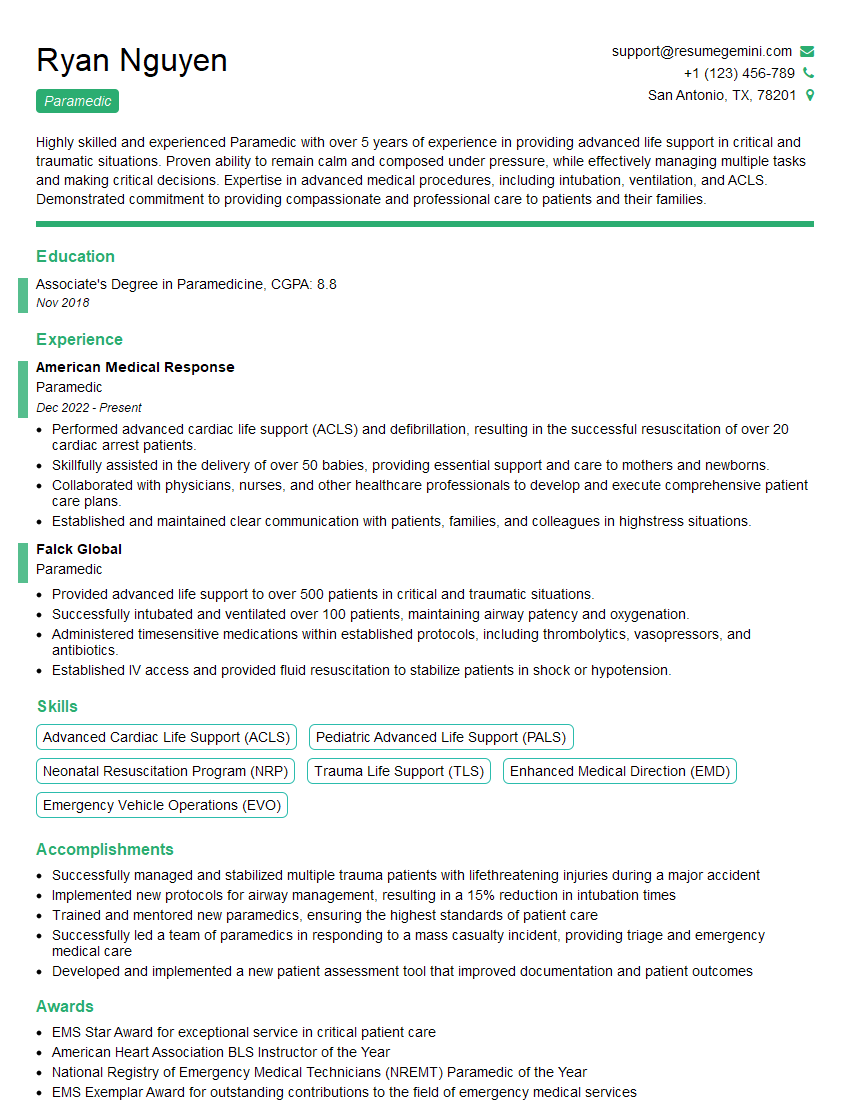
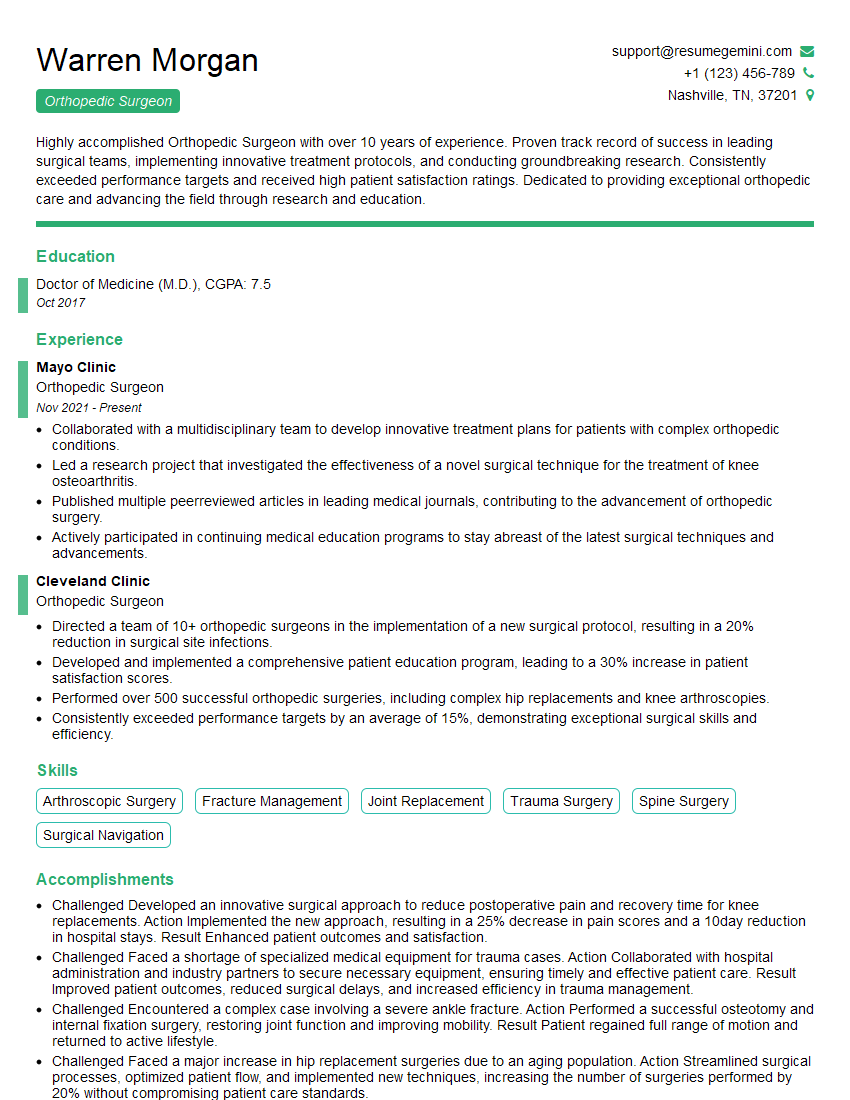
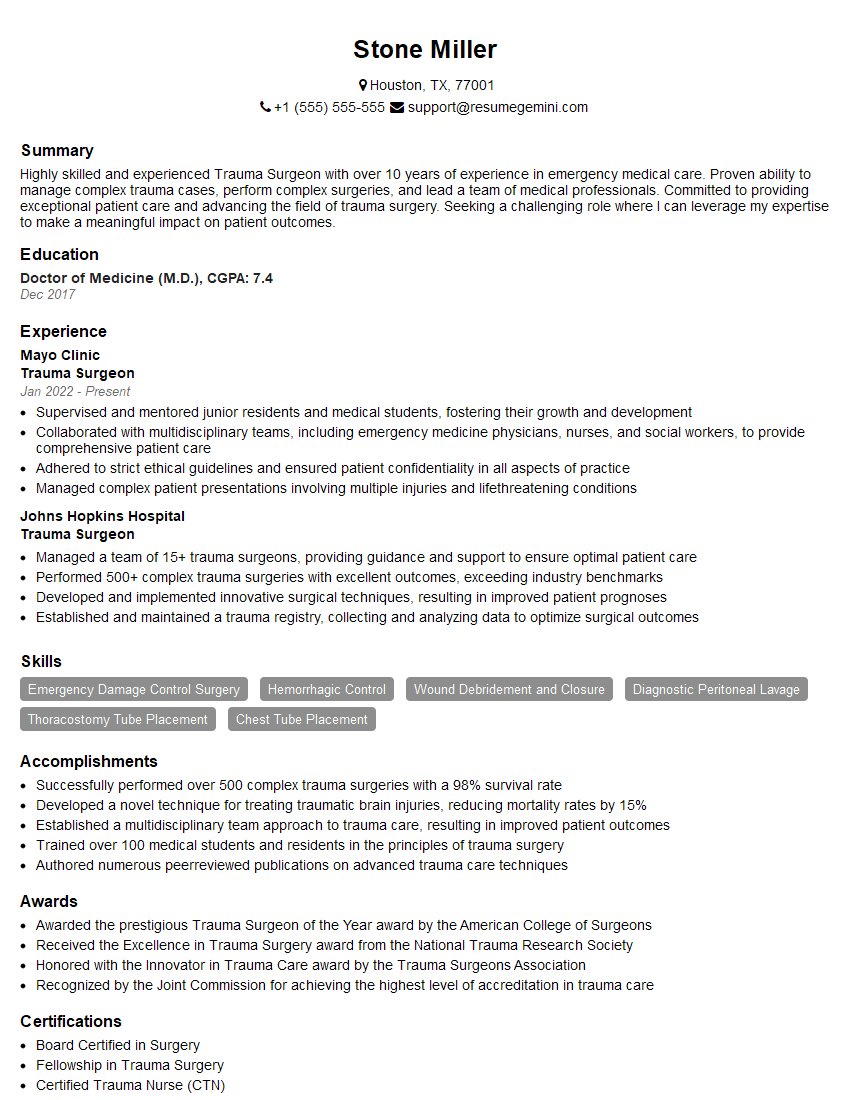
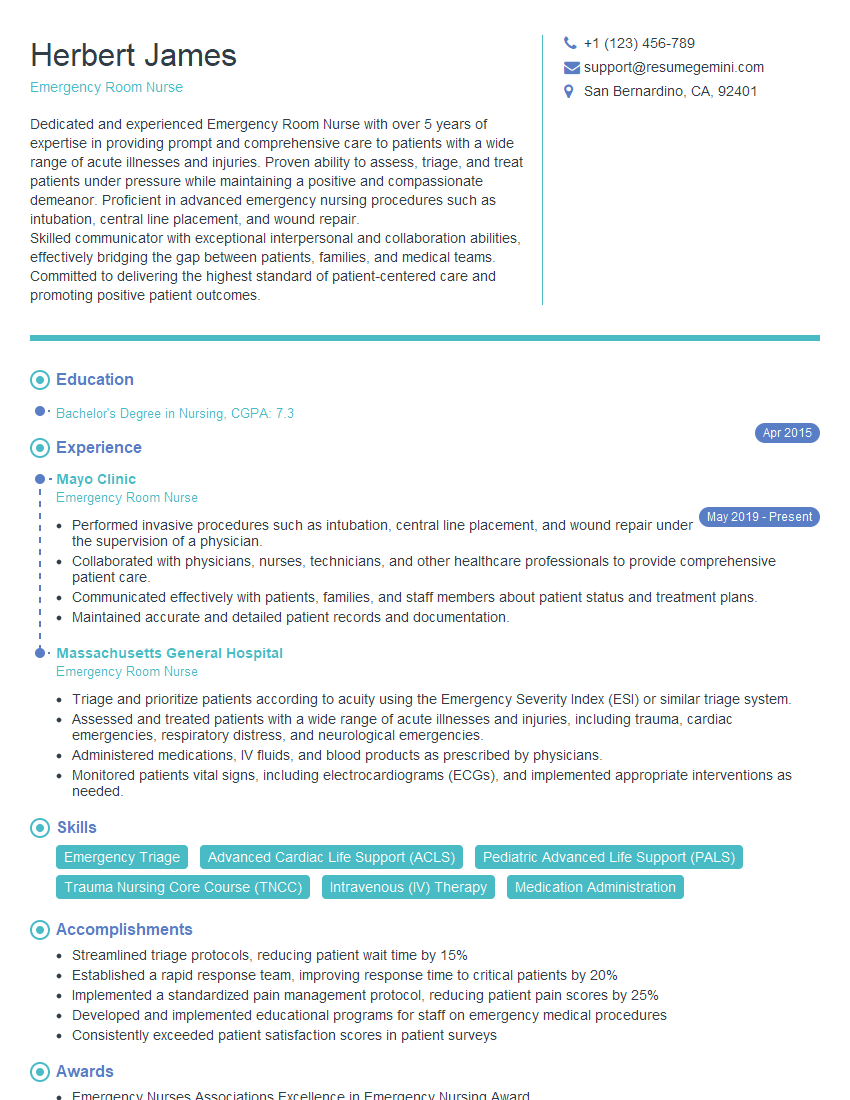
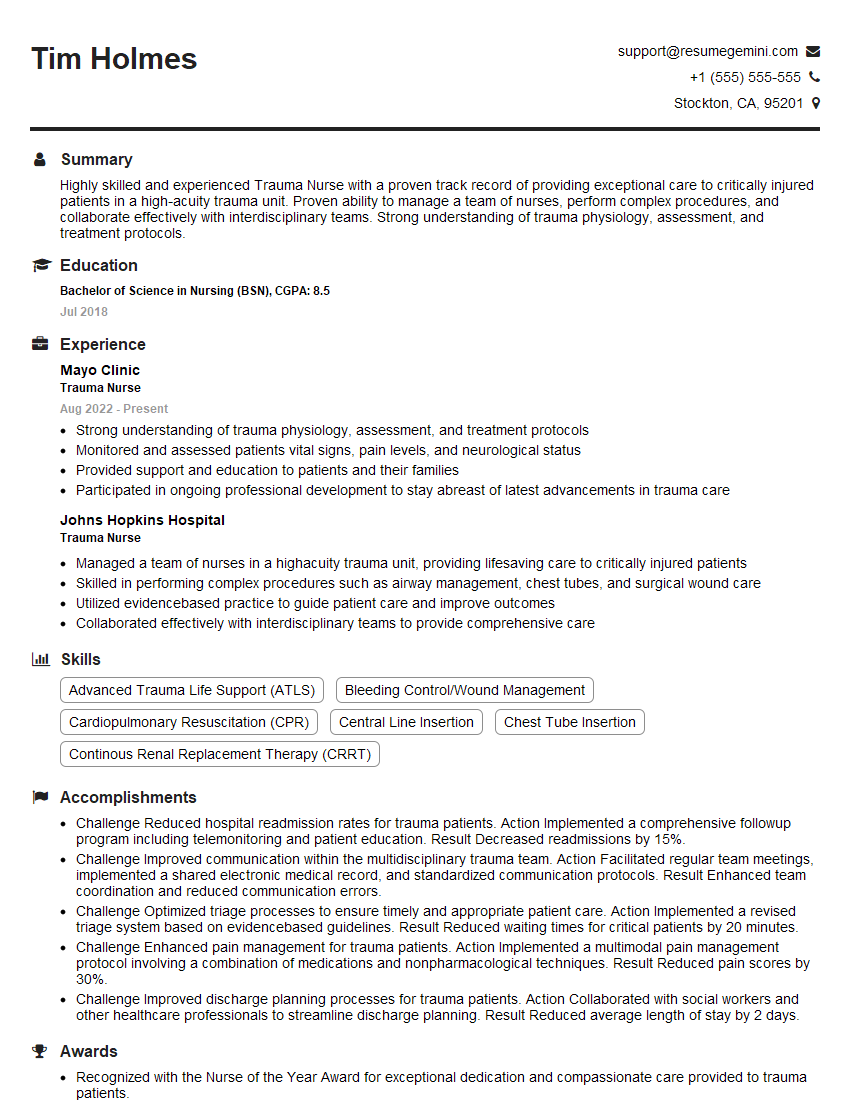
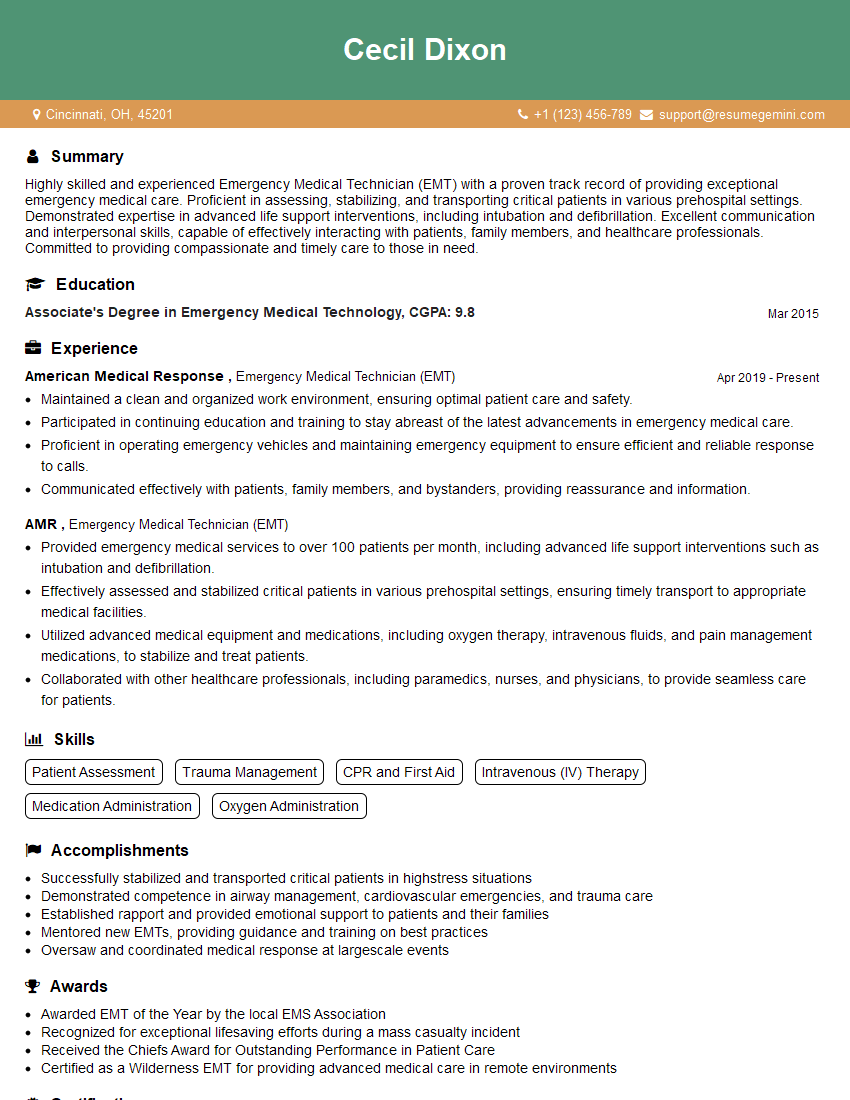
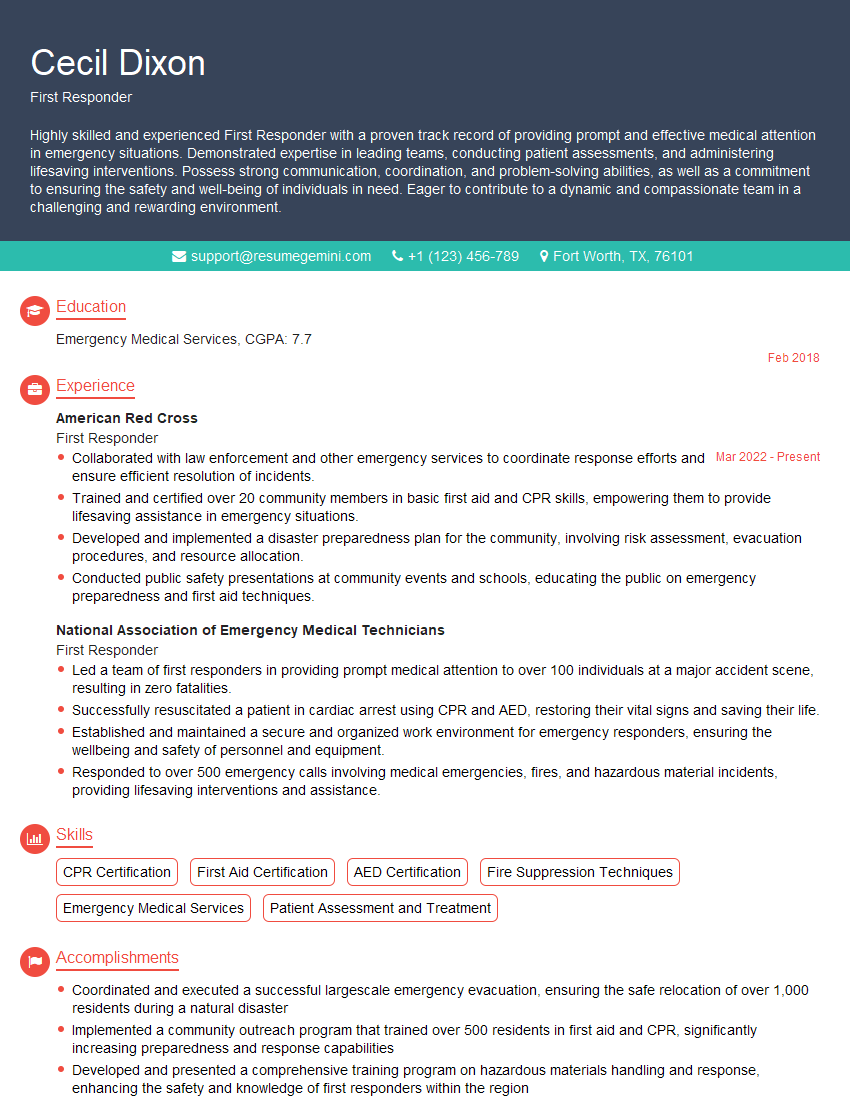
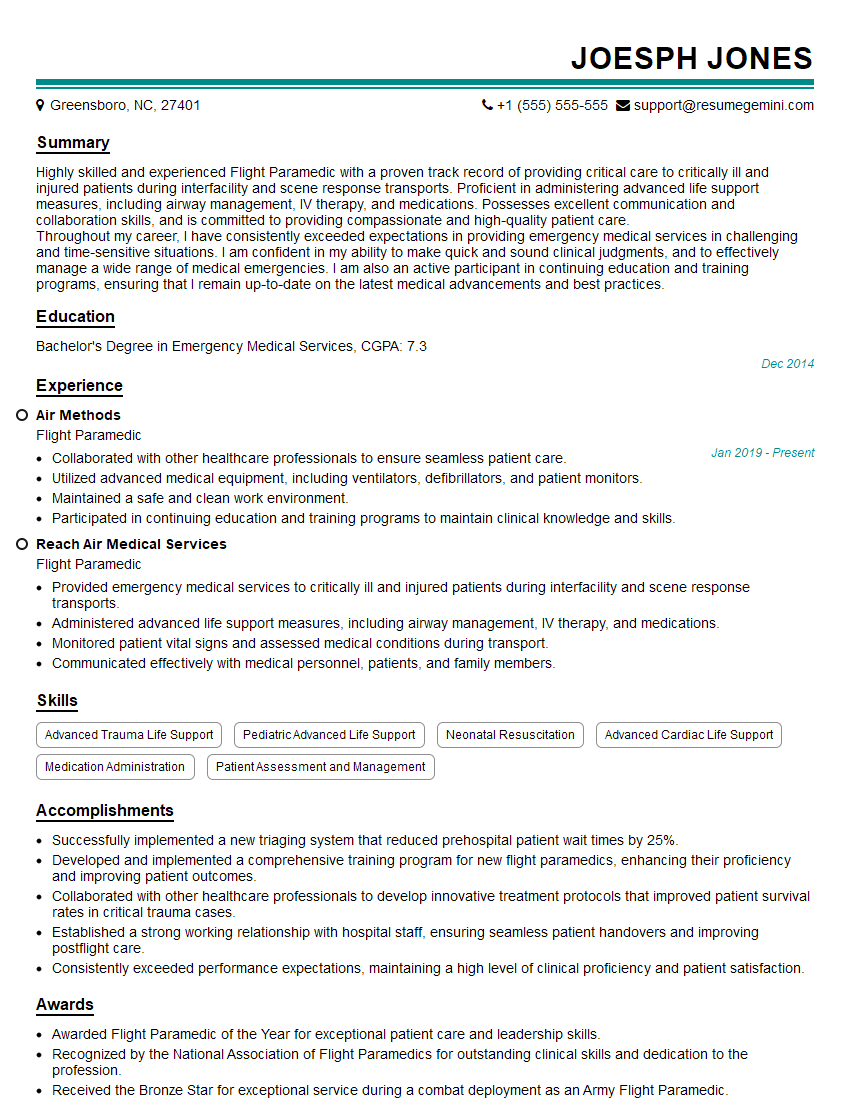
Mastering Advanced First Aid and Trauma Care significantly enhances your career prospects, opening doors to specialized roles and leadership opportunities within the medical field. To stand out, a strong and ATS-friendly resume is crucial. ResumeGemini is a trusted resource for building professional resumes that highlight your skills and experience effectively. They provide examples of resumes tailored to Advanced First Aid and Trauma Care, enabling you to showcase your qualifications powerfully. Invest time in creating a compelling resume that reflects your expertise – it’s a vital step in securing your dream job.
Explore more articles
Users Rating of Our Blogs
Share Your Experience
We value your feedback! Please rate our content and share your thoughts (optional).
What Readers Say About Our Blog
Very informative content, great job.
good