Every successful interview starts with knowing what to expect. In this blog, we’ll take you through the top Dust Mitigation interview questions, breaking them down with expert tips to help you deliver impactful answers. Step into your next interview fully prepared and ready to succeed.
Questions Asked in Dust Mitigation Interview
Q 1. Explain the different types of dust and their health hazards.
Dust is broadly categorized based on its source and composition. Understanding these categories is crucial for effective mitigation, as different dust types pose varying health risks.
- Silica Dust: Derived from materials like sand, quartz, and granite, crystalline silica is particularly hazardous. Inhaling it can lead to silicosis, a debilitating and potentially fatal lung disease. Construction, mining, and quarrying are high-risk industries.
- Wood Dust: Generated during woodworking, it can cause respiratory irritation, allergic reactions, and even cancer (e.g., nasal cancer from hardwood dust). Proper ventilation and respiratory protection are essential.
- Metal Dust: Welding, grinding, and machining operations release metal dust, which can cause metal fume fever (short-term) or more serious long-term lung diseases like siderosis (iron dust) or chronic beryllium disease (beryllium dust). Specific dust control measures depend on the metal.
- Organic Dusts: These originate from biological materials like cotton, grain, or feathers. They can trigger allergic reactions, asthma, and other respiratory illnesses. Agricultural settings and textile mills are common sources.
- Mineral Dusts (other than silica): Dusts from materials like asbestos, talc, and coal are extremely dangerous and can cause serious diseases, some with long latency periods. Asbestos is particularly notorious due to its association with mesothelioma.
The severity of health hazards depends on several factors including the type of dust, concentration, particle size (smaller particles penetrate deeper into the lungs), and duration of exposure. Regular health checks and proactive dust control are vital for those working in dusty environments.
Q 2. Describe various dust control methods used in construction.
Controlling dust on construction sites requires a multi-pronged approach incorporating engineering controls, administrative controls, and personal protective equipment (PPE).
- Engineering Controls: These are the most effective and aim to reduce dust at the source. Examples include:
- Water Suppression: Using water sprays, misters, or fog cannons to dampen dust-producing activities like demolition or excavation.
- Enclosure/Containment: Enclosing operations that generate significant dust, such as using enclosed grinding machines or covering stockpiles.
- Local Exhaust Ventilation (LEV): Using specialized fans and hoods to capture and remove dust at its point of generation. This is highly effective for localized sources.
- Vacuuming: Employing high-efficiency particulate air (HEPA) vacuum cleaners to remove dust from surfaces after activities.
- Administrative Controls: These are procedures and management practices that aim to limit worker exposure.
- Scheduling: Planning work to minimize dust generation during sensitive times (e.g., avoiding dry demolition during peak wind).
- Worker Training: Educating workers on proper dust control procedures, equipment use, and safety practices.
- Housekeeping: Maintaining a clean worksite through regular sweeping and cleaning, minimizing dust accumulation.
- Personal Protective Equipment (PPE): PPE should always be considered as a last line of defense, after engineering and administrative controls have been implemented.
- Respirators: Using respirators, specifically those with HEPA filters for efficient particle capture. (More details on this in a later answer)
- Protective Clothing: Coveralls, gloves, and eye protection can minimize dust exposure to skin and eyes.
The effectiveness of dust control depends on a combination of these methods tailored to specific tasks and site conditions. A layered approach is often the most effective.
Q 3. What are the OSHA regulations concerning dust exposure?
OSHA (Occupational Safety and Health Administration) sets permissible exposure limits (PELs) for various dusts, specifying the maximum allowable concentration in the air over an eight-hour workday. These limits are crucial for protecting worker health. Failure to comply can result in penalties and legal action.
For example, OSHA sets a PEL of 50 µg/m³ for respirable crystalline silica, emphasizing the seriousness of silica exposure. The regulations also mandate detailed record-keeping, employee training, and implementation of effective control measures. Regular monitoring is vital to ensure compliance.
Beyond PELs, OSHA mandates comprehensive respiratory protection programs, including fit testing, training, and proper respirator selection based on the specific dust hazard. OSHA’s website offers detailed information on regulations concerning dust exposure and specific substances.
Q 4. How do you assess the effectiveness of dust control measures?
Assessing the effectiveness of dust control measures requires a multifaceted approach that combines air monitoring, visual inspections, and worker feedback.
- Air Monitoring: Regularly measuring airborne dust levels using instruments like dust monitors or samplers. Comparing these measurements to OSHA PELs or other relevant standards allows for objective evaluation.
- Visual Inspections: Conducting visual inspections to assess the effectiveness of engineering controls, like observing the efficiency of water suppression or the cleanliness of the workspace.
- Worker Feedback: Obtaining feedback from workers about their perceptions of dust levels and the effectiveness of control measures. This subjective assessment is valuable, especially when considering comfort and efficacy.
- Medical Surveillance: Regular medical examinations can track the health status of workers, indicating early signs of dust-related diseases. This long-term monitoring plays a vital role in evaluating dust control programs.
By using a combination of quantitative data from air monitoring and qualitative data from visual inspections and worker feedback, a comprehensive assessment of dust control effectiveness can be achieved. Regular review and adjustment of control measures based on these assessments are key for optimal protection.
Q 5. What are the different types of respiratory protection equipment and their limitations?
Respiratory protection equipment is crucial for protecting workers from airborne dust. However, it’s essential to understand its limitations and use it correctly.
- Filtering Facepieces (Dust Masks): These range from simple disposable dust masks to more sophisticated N95, R95, or P95 respirators (filtering at least 95% of airborne particles). N95 respirators are commonly used for non-oil-based dusts, while R95 and P95 are for oil-based and other specific dusts. Fit testing is crucial for proper protection.
- Powered Air-Purifying Respirators (PAPRs): These respirators use a battery-powered fan to draw air through a filter, providing a positive pressure inside the mask and improved comfort and protection. They’re typically used for higher dust concentrations.
- Supplied-Air Respirators (SARs): These respirators deliver clean air from a compressed air source, often through a hose connected to a remote air supply. They are among the best protection but limit worker mobility.
Limitations:
- Fit and Seal: Improper fit can compromise the effectiveness of any respirator. Facial hair or incorrect sizing can negate protection.
- Filter Capacity: Filters become less effective as they become saturated with dust. Regular replacement is vital. Some tasks generate high dust loading rapidly necessitating frequent filter changes.
- User Comfort and Acceptance: Discomfort can lead to improper use, like removing the respirator. User training is key in encouraging proper use and improving comfort.
- Limited Mobility (SARs): Supplied-air respirators have limited worker mobility due to the air hose connection.
Selecting the appropriate respirator based on the specific dust type, concentration, and worker needs is crucial. Comprehensive training and proper fit testing are essential to maximize the effectiveness of respiratory protection.
Q 6. Explain the process of developing a dust control plan.
Developing a comprehensive dust control plan involves a structured process that addresses all aspects of dust generation and control. It’s not a one-size-fits-all approach and should be tailored to the specific circumstances of the project or workplace.
- Hazard Identification and Assessment: Identifying all potential dust sources and assessing their associated hazards, including the type and concentration of dust.
- Hierarchy of Controls: Implementing a hierarchy of controls, prioritizing the most effective measures. This typically starts with engineering controls (water suppression, LEV), followed by administrative controls (work scheduling, training), and finally, PPE as the last resort.
- Control Measures Selection: Choosing specific control measures based on the assessment. This might involve specific types of dust collection equipment, ventilation systems, or PPE. Cost-effectiveness and practicality need to be considered.
- Implementation and Training: Implementing the chosen control measures and providing comprehensive training to workers on their proper use and safety procedures.
- Monitoring and Evaluation: Monitoring the effectiveness of the control measures through regular air monitoring and visual inspections. Making necessary adjustments based on the monitoring results.
- Documentation: Maintaining detailed records of the dust control plan, including hazard assessments, control measures implemented, monitoring data, and worker training records. This is especially vital for regulatory compliance.
- Emergency Procedures: Developing procedures to handle emergencies, such as unexpected dust releases. This may involve evacuation plans or use of emergency equipment.
A well-developed dust control plan is a living document that should be regularly reviewed and updated as needed to ensure ongoing effectiveness and compliance with regulations.
Q 7. How do you monitor and measure airborne dust levels?
Monitoring and measuring airborne dust levels involves using specialized equipment and techniques that depend on the type of dust, the desired level of accuracy, and the specific application.
- Gravimetric Sampling: This method involves collecting dust on a filter for a specific period and weighing the collected dust to determine the concentration. It’s a common method, but it’s relatively time-consuming and less suitable for real-time monitoring.
- Direct-Reading Instruments: These instruments provide real-time measurements of dust concentration. Examples include light scattering dust monitors, which measure the amount of light scattered by dust particles. These offer immediate feedback, but accuracy can be affected by particle size and composition.
- Personal Sampling: This involves attaching a sampling device to a worker’s breathing zone to measure the actual dust exposure. This provides data highly relevant to worker risk assessment. This method is crucial for determining worker-specific exposure levels.
- Airborne Particle Counters: These instruments measure the number and size distribution of airborne particles. They provide more detailed information about the particle size, useful for understanding the potential health hazards of different particle sizes.
The choice of monitoring method depends on factors such as the type of dust, the required accuracy, the duration of monitoring, and the availability of resources. It’s often necessary to use a combination of methods for a comprehensive assessment.
Proper calibration, maintenance, and interpretation of the data are critical for obtaining accurate and reliable results. Professional expertise is often essential for conducting these measurements and interpreting the data effectively.
Q 8. What are the common sources of dust in industrial settings?
Industrial dust sources are incredibly diverse, varying greatly depending on the specific industry. Think of it like a recipe – different ingredients create different outcomes. The ‘ingredients’ here are the processes and materials used.
Material Handling: This is a major culprit. Crushing, grinding, conveying, and storing materials like ores, grains, or powders inevitably release dust into the air. Imagine a flour mill – the flour particles are constantly airborne unless properly controlled.
Manufacturing Processes: Many manufacturing processes, such as cutting, sanding, welding, or blasting, generate significant dust. A woodworking shop, for example, creates sawdust, while a metal fabrication facility generates metal dust.
Demolition and Construction: These activities generate huge amounts of dust from the breakdown of materials like concrete, bricks, and wood. Think of a building demolition site – clouds of dust are a common sight without proper mitigation.
Chemical Processes: Certain chemical reactions or processes can produce fine dust particles. This is often associated with specialized industries and requires strict control due to potential health hazards.
Environmental Factors: While not directly produced by the industry, wind can stir up existing dust from surrounding areas, especially in dry climates. This highlights the importance of considering the external environment in your dust mitigation strategy.
Q 9. Describe different dust suppression techniques.
Dust suppression techniques are a toolbox filled with different approaches, each suited for specific scenarios. The goal is to either reduce dust generation at its source or prevent its dispersion into the air.
Water Suppression: This is one of the most common methods. Think of spraying water onto exposed surfaces during demolition or using water sprays in a mining operation. It works by binding dust particles together, making them heavier and less likely to become airborne.
Chemical Dust Suppressants: These are specialized chemicals that bind dust particles, forming a crust on the surface. They are effective but require careful selection to ensure they are compatible with the material and pose no environmental or health risks. Imagine using a binding agent on a dusty road to reduce dust kicked up by vehicles.
Engineering Controls: These aim to prevent dust generation at the source. Examples include enclosed systems for material handling, local exhaust ventilation (LEV) systems capturing dust at the point of generation, and using efficient dust collection equipment like cyclones or baghouses.
Administrative Controls: These involve implementing procedures and practices to minimize dust exposure. This includes scheduling activities to minimize dust generation during certain times, training workers on proper dust control procedures, and implementing regular cleaning and maintenance programs. It’s like having a ‘dust control checklist’ for all operations.
Personal Protective Equipment (PPE): While not a suppression technique itself, PPE like respirators, safety glasses, and protective clothing are crucial for worker safety when dust is unavoidable. This is the ‘last line of defense’ and complements other suppression methods.
Q 10. How do you handle unexpected dust events?
Unexpected dust events require a swift and organized response. Think of it as a fire drill, but for dust. Having a pre-planned emergency response procedure is vital.
Immediate Actions: The first step is to immediately assess the situation to determine the source, extent, and potential hazards. Evacuate personnel from the affected area if necessary.
Implement Emergency Controls: Activate any emergency dust suppression systems, such as backup water sprays or emergency ventilation.
Contain and Clean Up: Once the immediate threat is mitigated, focus on containing the dust using barriers or temporary enclosures. Implement a thorough cleanup procedure, including removing any contaminated material.
Investigation and Prevention: After the event, conduct a thorough investigation to identify the root cause. Implement corrective actions to prevent similar events in the future. This includes reviewing existing controls, upgrading equipment, or modifying operational procedures.
Documentation: Meticulously document the entire event – from initial detection to corrective actions. This documentation will be crucial for future reference and potential regulatory investigations.
Q 11. What are the legal implications of non-compliance with dust regulations?
Non-compliance with dust regulations can lead to severe consequences. These vary by jurisdiction but often include significant penalties.
Fines: Companies can face substantial fines for exceeding permitted dust emission levels or failing to implement adequate dust control measures.
Legal Action: In cases of serious non-compliance leading to worker illness or environmental damage, companies may face lawsuits and legal action.
Work Stoppage Orders: Regulatory bodies may issue orders to halt operations until dust control measures are implemented or deficiencies are addressed.
Permit Revocation: Operating permits can be revoked, leading to the complete shutdown of the facility.
Reputational Damage: Non-compliance can severely damage a company’s reputation, leading to loss of contracts and public trust.
It’s crucial to stay informed about the specific regulations in your area and to proactively ensure compliance.
Q 12. Explain the importance of air sampling and analysis in dust mitigation.
Air sampling and analysis is the cornerstone of effective dust mitigation. It’s like taking a health check for your workplace air.
By systematically sampling the air in various locations within the facility, you can identify the types and concentrations of dust particles present. This information is crucial for:
Identifying Problem Areas: Pinpoint locations with high dust concentrations, guiding the deployment of dust control measures.
Assessing Control Effectiveness: Monitor the effectiveness of existing dust control measures and identify areas for improvement.
Compliance Monitoring: Ensure compliance with regulatory limits on dust emissions and worker exposure levels.
Health Risk Assessment: Determine the potential health risks to workers and develop appropriate control strategies. This allows for targeted interventions, reducing unnecessary expense and enhancing efficiency.
Process Optimization: Optimize industrial processes to minimize dust generation.
Q 13. How do you select appropriate dust control equipment for different applications?
Selecting the right dust control equipment is crucial for effectiveness and cost-efficiency. There’s no one-size-fits-all solution.
The selection process should consider various factors:
Type of Dust: The physical and chemical properties of the dust (particle size, density, flammability, toxicity) dictate the type of equipment needed.
Dust Concentration: High dust concentrations require more powerful equipment than low concentrations.
Process Requirements: The nature of the industrial process determines the type and location of equipment needed.
Environmental Considerations: Equipment selection should consider its impact on the environment, minimizing waste and emissions.
Cost and Maintenance: Balance the initial investment cost against ongoing maintenance and operating expenses. Think long-term cost-effectiveness.
Examples of equipment include:
- Baghouses: Effective for fine dust particles.
- Cyclones: Used for larger particles, less efficient than baghouses for fine dust.
- Scrubbers: Use liquid to remove dust, often used for larger, wet processes.
A thorough risk assessment and professional consultation are essential for optimal equipment selection.
Q 14. What are the costs associated with implementing dust control measures?
The cost of implementing dust control measures can vary considerably depending on the scale of the operation, the type of dust, and the chosen control methods.
Costs include:
Equipment Costs: This includes the purchase or rental of dust collection equipment (baghouses, cyclones, scrubbers), ventilation systems, and water spray systems.
Installation Costs: The cost of installing and integrating equipment into existing facilities.
Operational Costs: Costs associated with running the equipment, including energy consumption, maintenance, and filter replacements.
Personnel Costs: Training personnel on proper operation and maintenance of the equipment, and potentially employing additional personnel to monitor and manage dust control systems.
Consulting Fees: Engaging professionals for risk assessments, design, and equipment selection.
While there’s a significant initial investment, the long-term benefits – improved worker health, reduced environmental impact, and compliance with regulations – greatly outweigh the costs. A cost-benefit analysis is essential to justify the investment and demonstrate ROI (Return on Investment).
Q 15. How do you train workers on safe dust control practices?
Training workers on safe dust control practices is paramount to ensuring a healthy and productive work environment. Our training program is multi-faceted, combining classroom instruction with hands-on practical demonstrations.
- Classroom Training: We begin with comprehensive classroom sessions covering the hazards of different types of dust (silica, asbestos, wood dust, etc.), permissible exposure limits (PELs), and the proper use of personal protective equipment (PPE) like respirators, safety glasses, and protective clothing. We emphasize the importance of understanding the specific hazards associated with their tasks.
- Hands-on Training: Following the classroom sessions, workers participate in practical demonstrations. This includes learning how to properly use dust control equipment, such as vacuum cleaners with HEPA filters, misting systems, and local exhaust ventilation (LEV) systems. We simulate real-world scenarios to reinforce their learning and build competency.
- Regular Refresher Courses: We don’t stop at initial training. Regular refresher courses are conducted to update workers on new regulations, best practices, and emerging technologies in dust control. This ensures that their knowledge and skills remain current and relevant.
- Practical Assessments: To assess the effectiveness of our training, we conduct practical assessments. This involves observing workers as they perform dust control procedures in simulated or real work environments. This ensures they can apply the knowledge and skills acquired during the training.
For example, during training for a demolition project, we would demonstrate how to use a HEPA-filtered vacuum cleaner to clean up asbestos-containing materials, emphasizing the proper containment and disposal procedures.
Career Expert Tips:
- Ace those interviews! Prepare effectively by reviewing the Top 50 Most Common Interview Questions on ResumeGemini.
- Navigate your job search with confidence! Explore a wide range of Career Tips on ResumeGemini. Learn about common challenges and recommendations to overcome them.
- Craft the perfect resume! Master the Art of Resume Writing with ResumeGemini’s guide. Showcase your unique qualifications and achievements effectively.
- Don’t miss out on holiday savings! Build your dream resume with ResumeGemini’s ATS optimized templates.
Q 16. How do you maintain and calibrate dust monitoring equipment?
Maintaining and calibrating dust monitoring equipment is crucial for obtaining accurate and reliable data. This involves a systematic approach combining regular checks, calibration, and maintenance.
- Regular Checks: We perform daily checks on the equipment to ensure its functionality and identify any potential issues. This includes checking the battery level, filter condition, and overall physical condition of the device. Any damage or malfunction is immediately reported and addressed.
- Calibration: Regular calibration is essential to ensure the accuracy of the measurements. The frequency of calibration depends on the type of equipment and manufacturer recommendations, typically ranging from monthly to annually. We use certified standards and traceable calibration procedures.
- Maintenance: This includes cleaning the equipment’s sensors and filters according to the manufacturer’s instructions. Regular maintenance extends the lifespan of the equipment and ensures its accuracy.
- Record Keeping: Meticulous record-keeping is crucial. We maintain detailed logs of all calibration and maintenance activities, including dates, results, and any corrective actions taken. This provides a clear audit trail for compliance purposes.
For instance, if we are using a photometer for respirable silica dust monitoring, regular calibration against a known standard ensures the accuracy of the readings and prevents potential underestimation of worker exposure.
Q 17. Explain the concept of permissible exposure limits (PELs) for dust.
Permissible Exposure Limits (PELs) for dust represent the maximum concentration of airborne dust particles that a worker can be exposed to over a specified period without experiencing adverse health effects. These limits are set by regulatory bodies like OSHA (Occupational Safety and Health Administration) and are substance-specific.
For example, the PEL for respirable crystalline silica is 50 µg/m³ as an 8-hour time-weighted average (TWA). This means that over an eight-hour workday, the average concentration of respirable silica in the air should not exceed 50 micrograms per cubic meter. Exceeding this limit increases the risk of silicosis and other respiratory diseases.
PELs are crucial for workplace safety as they provide a benchmark for employers to ensure their workers’ safety. Regular monitoring and implementation of appropriate control measures are necessary to maintain worker exposure below the PELs.
Q 18. Describe different types of dust collectors and their applications.
Various dust collectors are available, each suited to specific applications. The choice depends on factors such as the type of dust, the volume of air to be cleaned, and the desired level of dust removal efficiency.
- Bag Filters: These use fabric bags to trap dust particles. They’re effective for a wide range of dust types and are commonly used in industries like woodworking and food processing.
- Cyclone Separators: These use centrifugal force to separate dust from the air stream. They are effective for removing larger, heavier particles and are often used as pre-cleaners for other dust collection systems.
- Electrostatic Precipitators (ESPs): These use electrostatic charges to remove dust particles from the air. They’re highly efficient and are commonly used in power plants and other large-scale industrial operations.
- HEPA Filters (High-Efficiency Particulate Air): HEPA filters are very efficient at removing small dust particles, including those that are hazardous to health. They’re often found in vacuum cleaners and other air cleaning devices used for cleaning hazardous materials.
- Scrubbers: These use liquid to remove dust particles from the air stream. They are commonly used for removing very fine particles and gases.
For example, in a demolition project involving asbestos abatement, a HEPA-filtered vacuum cleaner would be used for final cleaning, while a negative pressure enclosure with an appropriate dust collection system might be used for the main demolition activity.
Q 19. How do you manage dust during demolition and renovation projects?
Managing dust during demolition and renovation projects requires a proactive and multi-layered approach. The goal is to minimize dust generation and effectively contain any dust that is produced.
- Pre-demolition Planning: Thorough planning is crucial. This involves identifying the types of materials to be removed (asbestos, lead paint, etc.), assessing the potential for dust generation, and developing a comprehensive dust control plan.
- Containment: Containing the work area is key. This can involve using plastic sheeting, negative pressure enclosures, or other barriers to prevent dust from spreading to other areas.
- Water Suppression: Using water to suppress dust is effective for many materials. This can involve misting systems or simply wetting materials before demolition.
- HEPA Vacuuming: Final cleanup is critical. HEPA-filtered vacuum cleaners are essential for removing residual dust.
- Proper Waste Disposal: All dust and debris must be disposed of according to regulations.
For example, before starting demolition in a building suspected of containing asbestos, we would conduct an asbestos survey, create a detailed control plan, and use negative pressure enclosures to contain airborne asbestos fibers during demolition, and properly dispose of the asbestos according to all applicable regulations.
Q 20. What are the health effects of prolonged exposure to silica dust?
Prolonged exposure to silica dust, particularly crystalline silica, leads to serious and often irreversible health problems. The most significant is silicosis, a chronic lung disease characterized by inflammation and scarring of lung tissue.
- Silicosis: This can range from mild to severe, with symptoms including shortness of breath, coughing, and chest pain. In advanced stages, it can lead to disability and death.
- Lung Cancer: Exposure to silica dust significantly increases the risk of lung cancer.
- Tuberculosis: Silica dust can increase the susceptibility to tuberculosis.
- Chronic Obstructive Pulmonary Disease (COPD): Silica dust contributes to the development of COPD, a group of lung diseases that block airflow to the lungs.
- Kidney Disease: Some studies suggest a link between silica exposure and kidney disease.
It’s important to note that the severity of the health effects depends on several factors, including the concentration of silica dust, the duration of exposure, and the individual’s susceptibility.
Q 21. How do you investigate and report dust-related incidents?
Investigating and reporting dust-related incidents requires a systematic approach to ensure a thorough understanding of the event and to prevent future occurrences.
- Immediate Actions: In the event of a dust-related incident, immediate actions should focus on ensuring worker safety, containing the dust, and providing any necessary medical attention.
- Data Collection: Gather all relevant data, including the type of dust involved, the duration of exposure, the number of workers affected, and any observed symptoms. We examine the location of the incident and use dust monitoring equipment to determine dust levels.
- Root Cause Analysis: Conduct a thorough root cause analysis to identify the factors that contributed to the incident. This might involve reviewing work procedures, equipment maintenance records, and worker training records.
- Corrective Actions: Implement corrective actions to prevent similar incidents from happening in the future. This might involve modifying work procedures, improving equipment, or enhancing worker training.
- Reporting: Document the incident thoroughly, including all findings, corrective actions taken, and any recommendations. This report is submitted to relevant regulatory agencies as required.
For example, if a worker experiences respiratory distress after a demolition job, we would investigate the incident to determine the source of the dust, assess exposure levels, review our dust control procedures, and implement any necessary improvements to prevent similar incidents.
Q 22. What are the best practices for managing dust in confined spaces?
Managing dust in confined spaces requires a multi-pronged approach prioritizing prevention and control. Think of it like containing a spill – you need to stop it from spreading, clean up what’s already there, and prevent future occurrences.
Source Control: This is the most effective strategy. Before any work begins, identify all potential dust-generating activities. For example, in demolition, pre-wetting materials drastically reduces dust generation. In a manufacturing setting, enclosing processes or using dust suppression systems at the source is crucial.
Engineering Controls: Implementing engineering controls such as local exhaust ventilation (LEV) systems to capture dust at its source is paramount. Think of LEV as a giant vacuum cleaner specifically designed for the dust-generating equipment. Properly sized and maintained LEV systems are essential.
Housekeeping: Regular and thorough cleaning is vital. This includes vacuuming with HEPA-filtered vacuums (HEPA stands for High-Efficiency Particulate Air, meaning it traps very small particles), damp mopping, and appropriate waste disposal procedures. Imagine a surgical operating room – the level of cleanliness should be comparable.
Administrative Controls: Implementing work procedures that minimize dust generation is crucial. This could include scheduling tasks to minimize simultaneous dust-generating operations, using specific work techniques, and establishing clear communication protocols.
Personal Protective Equipment (PPE): While PPE is a last line of defense, it is vital in confined spaces where other controls may be limited. This includes respirators with appropriate filters, safety glasses, and coveralls.
Q 23. Describe the role of engineering controls in dust mitigation.
Engineering controls are the backbone of effective dust mitigation. They focus on modifying the workplace environment to minimize dust exposure at the source. This is far more effective than relying solely on PPE. Think of it as fixing the leak instead of just patching the hole.
Local Exhaust Ventilation (LEV): This is a crucial engineering control. LEV systems capture dust at the point of generation, preventing it from spreading into the air. Proper design, installation, and maintenance are crucial for effectiveness. Inadequate airflow can render the system useless.
Enclosure of Processes: Enclosing dust-generating machinery or processes within sealed chambers prevents dust from escaping into the work environment. This is particularly useful for high-dust-generating activities.
Dust Suppression Systems: These systems, such as water sprays or misting systems, can significantly reduce airborne dust during activities like demolition or excavation. Imagine using a water hose to keep dust down when demolishing a wall. The principle is similar, just on a larger scale.
Process Modification: Changing the way a process is carried out can reduce dust. For example, substituting dry processes with wet ones, or using less dusty materials, can greatly improve the situation. This is akin to switching to a less messy recipe.
Q 24. How do you ensure compliance with relevant environmental regulations?
Compliance with environmental regulations is non-negotiable. It involves understanding the specific rules for your industry and location, implementing controls to meet those requirements, and maintaining thorough documentation to demonstrate compliance. Think of it as adhering to a strict recipe to ensure a perfect outcome.
Identify Applicable Regulations: This includes researching local, state, and federal regulations relating to dust emissions and air quality. The specific regulations will depend on the type of industry and location.
Implement Control Measures: Develop and implement a comprehensive dust control program that addresses all identified risks and complies with legal limits on airborne dust concentrations. This program should include monitoring and review mechanisms.
Monitoring and Reporting: Regularly monitor dust levels using appropriate equipment and methods. Keep detailed records of monitoring data, maintenance activities, and any corrective actions. This documented evidence shows that you adhere to the stipulated limits.
Training and Communication: Ensure all employees understand their responsibilities concerning dust control, including the importance of following procedures and reporting any issues. Proper training is crucial for a successful program.
Q 25. What are the key performance indicators (KPIs) for dust control programs?
Key Performance Indicators (KPIs) for dust control programs are crucial for tracking effectiveness and identifying areas for improvement. They should be measurable and relevant to the specific goals of the program. Think of these KPIs as your scorecard, reflecting how well you’re doing.
Airborne Dust Concentrations: Regularly measure airborne dust levels using calibrated monitoring equipment. This provides a direct measure of the effectiveness of control measures.
Number of Dust-Related Incidents/Accidents: This KPI tracks the occurrence of events related to dust exposure, providing insights into the effectiveness of safety protocols. A decrease in incidents is a sign of a successful program.
Compliance with Regulations: Track adherence to relevant environmental and occupational health regulations. Consistent compliance demonstrates a well-managed program.
Employee Exposure Levels: Monitor employee exposure levels through personal monitoring. This helps to identify potential exposures and ensure adequate protection.
Cost of Dust Control Measures: Track the expenses associated with implementing and maintaining dust control measures. This data helps optimize resource allocation.
Q 26. Explain the use of personal protective equipment (PPE) in dust mitigation.
Personal Protective Equipment (PPE) is a crucial component of dust control, but it should always be considered a last line of defense, supplementing rather than replacing engineering controls. It’s about providing a safety net, not the primary safety measure.
Respirators: Choosing the correct respirator is vital. HEPA-filtered respirators are generally recommended for dust control. Regular fit testing and training on proper use and maintenance are essential. A poorly fitted respirator is ineffective.
Eye Protection: Safety glasses or goggles should always be worn to protect against dust irritation and potential eye injuries. Dust can easily cause irritation and even more serious damage.
Protective Clothing: Coveralls or other protective clothing prevent dust from settling on skin and clothing. Choosing appropriate fabrics and ensuring the clothing fits correctly are important considerations. This provides an additional barrier.
Gloves: Protective gloves should be used when handling dusty materials to prevent skin irritation or contamination.
Q 27. How do you communicate effectively about dust control issues?
Effective communication is the cornerstone of a successful dust control program. It’s about ensuring everyone understands the risks, the control measures, and their roles in maintaining a safe workplace. Think of it as building a team with a shared goal.
Training Programs: Regular training sessions for all employees on dust control procedures, the use of PPE, and the importance of reporting issues are essential. This ensures everyone is informed and prepared.
Clear Signage and Labels: Use clear and concise signage to identify hazardous areas, remind employees of safety protocols, and indicate the location of safety equipment. Visual reminders reinforce safety awareness.
Regular Meetings and Briefings: Regular meetings and toolbox talks provide opportunities to discuss current dust control issues, share best practices, and address any concerns. This ensures open communication channels.
Documentation: Maintain thorough documentation of all aspects of the dust control program, including training records, monitoring data, and incident reports. This creates a clear audit trail.
Open Communication Channels: Encourage employees to report any concerns or safety issues related to dust without fear of reprisal. A culture of open communication is essential for success.
Q 28. Describe your experience in implementing and managing a dust control program.
In my previous role at a large construction firm, I was responsible for developing and implementing a comprehensive dust control program across multiple construction sites. The program was designed to meet all relevant regulatory requirements and improve worker safety. It involved a phased approach.
Phase 1: Assessment and Planning: We conducted a thorough risk assessment of all sites, identifying dust sources and potential hazards. Based on these findings, we developed a detailed dust control plan, outlining specific control measures for each site and activity.
Phase 2: Implementation: We implemented the control measures, including the procurement and installation of LEV systems, training programs for all employees, and regular monitoring of dust levels using calibrated equipment. We also implemented strict housekeeping procedures.
Phase 3: Monitoring and Evaluation: We conducted regular monitoring of dust levels and employee exposure to assess the effectiveness of the control measures and make adjustments as needed. We also tracked KPIs such as dust-related incidents and compliance with regulations. This continuous improvement cycle was instrumental in the program’s success.
Results: The program resulted in a significant reduction in airborne dust concentrations across all sites, a decrease in the number of dust-related incidents, and demonstrable compliance with all relevant regulations. Employee satisfaction also improved due to safer work environments.
Key Topics to Learn for Dust Mitigation Interview
- Dust Generation Sources: Understanding the origins of dust in various industrial settings (construction, mining, manufacturing) and their unique characteristics.
- Dust Control Methods: Explore practical applications of different dust control techniques, including engineering controls (enclosure, ventilation), administrative controls (work practices), and personal protective equipment (PPE).
- Air Quality Monitoring & Measurement: Learn about the instruments and methods used to measure dust concentrations and particle size distribution, and interpreting the results.
- Respiratory Health & Safety: Understanding the health risks associated with dust exposure (silicosis, asbestosis, etc.) and the importance of implementing effective safety protocols.
- Regulations & Compliance: Familiarize yourself with relevant health and safety regulations and standards related to dust mitigation in your industry.
- Dust Suppression Techniques: Investigate different techniques for suppressing dust, such as water sprays, chemical suppressants, and fogging systems. Consider the pros and cons of each method.
- Risk Assessment & Mitigation Planning: Develop your skills in conducting thorough risk assessments to identify potential dust hazards and develop comprehensive mitigation strategies.
- Cost-Benefit Analysis: Learn to evaluate the cost-effectiveness of different dust control methods and justify your recommendations.
- Emerging Technologies: Stay abreast of advancements in dust mitigation technologies, such as advanced filtration systems and real-time monitoring sensors.
Next Steps
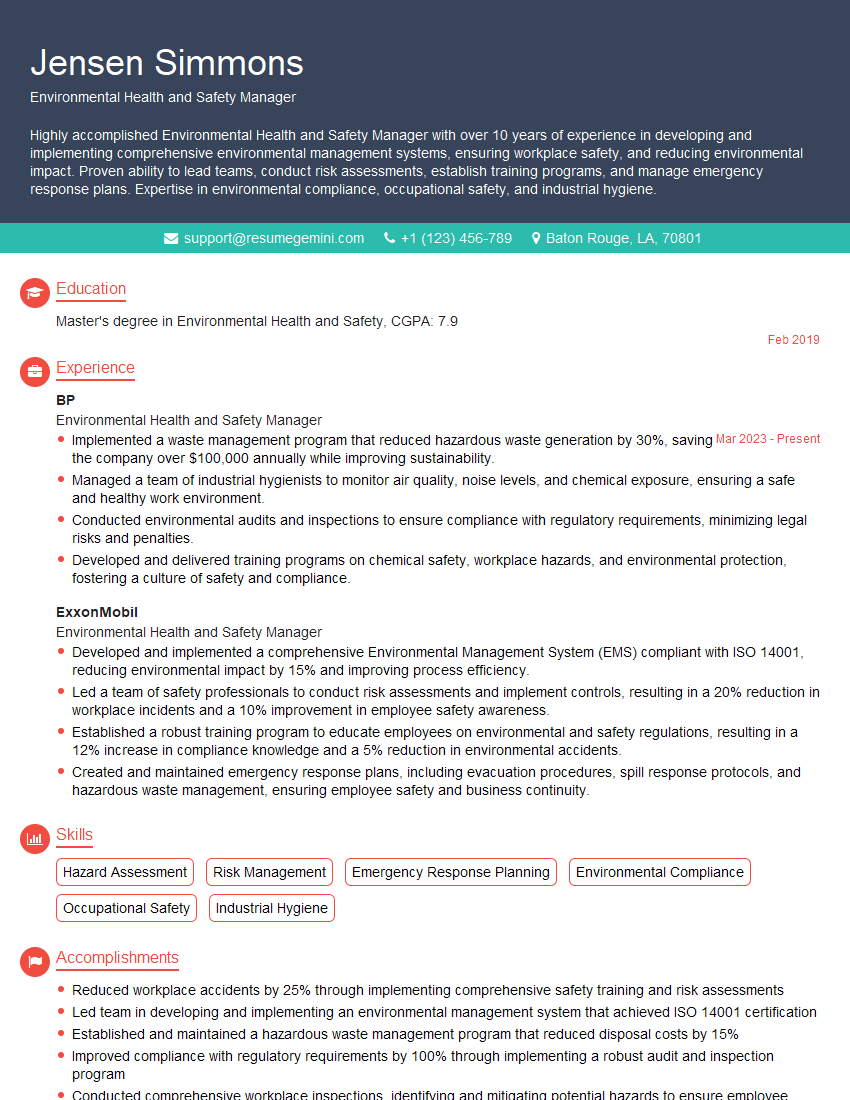
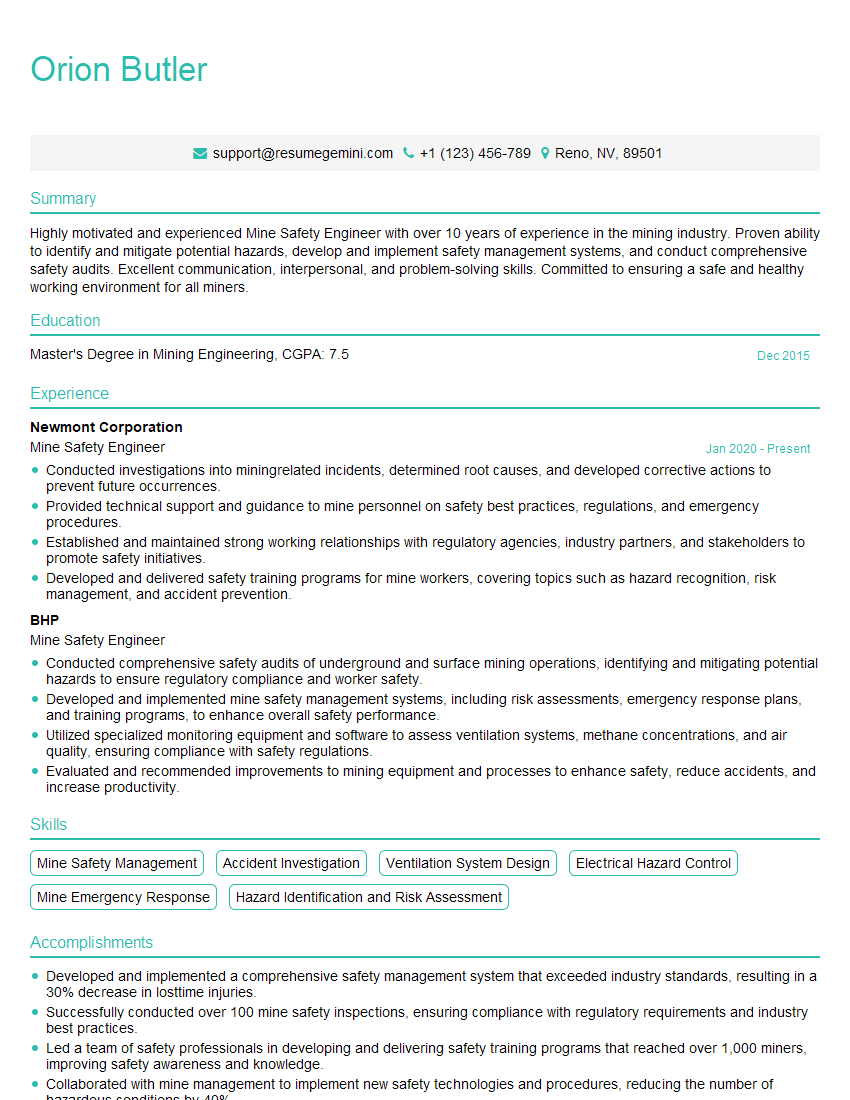
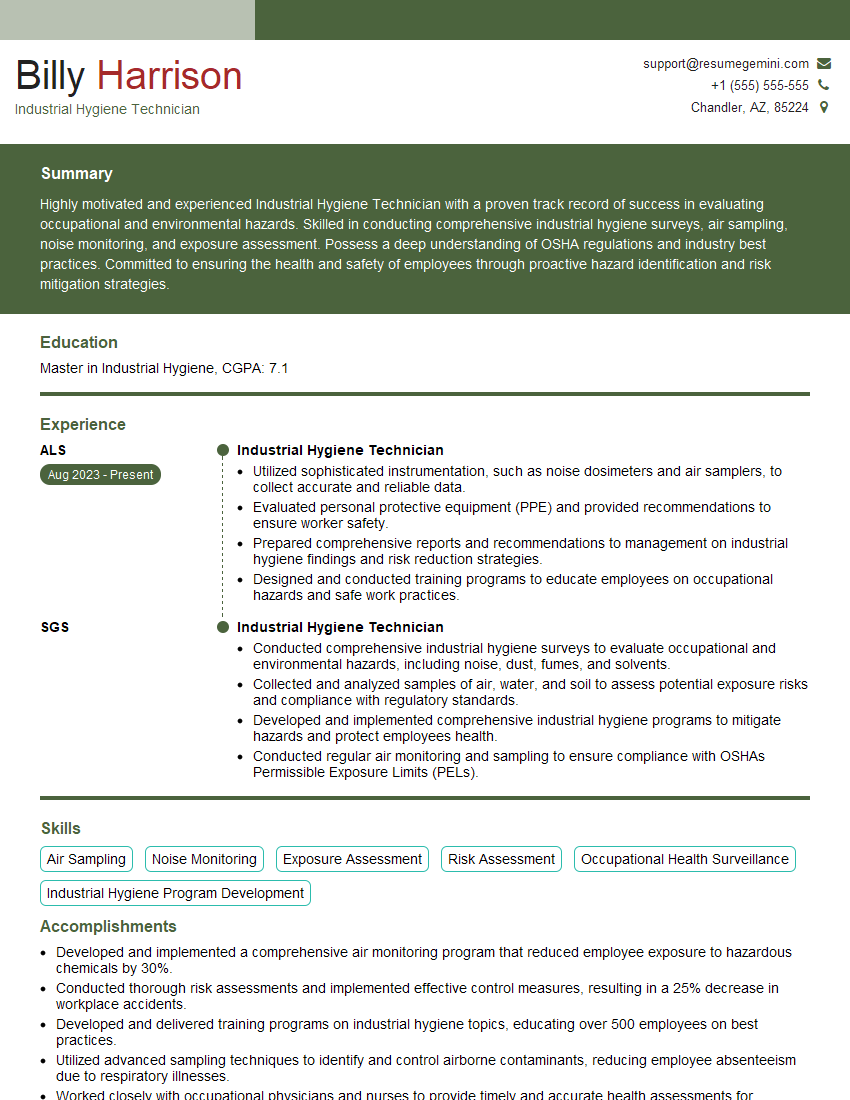
Mastering dust mitigation is crucial for a successful and rewarding career in many high-demand industries. Proficiency in this area demonstrates a commitment to safety, environmental responsibility, and problem-solving—highly valued attributes by employers. To significantly boost your job prospects, creating an ATS-friendly resume is essential. ResumeGemini is a trusted resource that can help you craft a compelling resume that highlights your skills and experience effectively. We offer examples of resumes tailored specifically to the Dust Mitigation field to guide you in building a professional and impactful document. Take the next step towards your dream career today!
Explore more articles
Users Rating of Our Blogs
Share Your Experience
We value your feedback! Please rate our content and share your thoughts (optional).
What Readers Say About Our Blog
Very informative content, great job.
good