The right preparation can turn an interview into an opportunity to showcase your expertise. This guide to Advanced Knowledge of Beverage Production Processes interview questions is your ultimate resource, providing key insights and tips to help you ace your responses and stand out as a top candidate.
Questions Asked in Advanced Knowledge of Beverage Production Processes Interview
Q 1. Explain the process of mashing in beer production.
Mashing is a crucial step in beer production where the crushed malt (containing starches) is mixed with hot water to convert these starches into fermentable sugars. Think of it as unlocking the sweetness the yeast needs to create alcohol. This process involves several key stages:
- Saccharification: Enzymes in the malt, specifically amylases, break down the starches into simpler sugars like maltose and glucose. The temperature is carefully controlled during this stage as different enzymes work optimally at different temperatures. A common approach is a stepped mash, where the temperature is gradually raised.
- Mash pH Control: Maintaining the correct pH (acidity) is critical for enzyme activity. A slightly acidic pH is generally ideal. Brewers may use acids or bases to adjust the mash pH if needed.
- Lautering: After saccharification, the liquid portion (wort) is separated from the spent grains using a process called lautering. This involves slowly draining the wort while ensuring the maximum extraction of sugars from the grain bed.
The resulting wort, rich in fermentable sugars, is then boiled with hops before fermentation.
Q 2. Describe the different types of yeast used in brewing and their impact on flavor.
Yeast is the magic ingredient that transforms sugary wort into beer. Different yeast strains produce vastly different flavor profiles. Here are a few examples:
- Saccharomyces cerevisiae (Ale Yeast): Generally produces fruity esters, and spicy phenols. Different ale yeast strains contribute to a wide range of flavors, from the citrus notes of Belgian yeast to the clean profile of English yeast. Top-fermenting, meaning they thrive at warmer temperatures (15-24°C).
- Saccharomyces pastorianus (Lager Yeast): Known for producing cleaner, crisper beers with less pronounced fruity or spicy flavors. These are bottom-fermenting yeasts, preferring cooler temperatures (8-15°C).
- Wild Yeast (e.g., Brettanomyces, Lactobacillus): These yeasts can produce a wide range of unique flavors, such as barnyard, earthy, or acidic notes. They’re often used in sour beers or lambics. They can also lead to unpredictable results, so brewers need to control the process very carefully.
The choice of yeast is a critical decision that significantly impacts the final beer’s character.
Q 3. What are the key factors influencing the fermentation process in winemaking?
Wine fermentation is a complex process heavily influenced by several factors:
- Yeast Strain: As with beer, the choice of yeast strain (typically Saccharomyces cerevisiae) greatly affects the resulting wine’s aroma and flavor. Different strains produce different esters and other compounds.
- Temperature: Temperature significantly impacts fermentation rate and flavor compound production. Cooler temperatures generally slow down fermentation and can lead to more delicate flavors, while warmer temperatures can produce more intense and sometimes harsh flavors.
- Sugar Concentration: The amount of sugar present (typically from grapes) determines the potential alcohol content of the wine. Higher sugar levels lead to higher alcohol levels.
- Nutrient Availability: Yeast requires nutrients like nitrogen and minerals to thrive. Nutrient deficiencies can lead to sluggish or stuck fermentations.
- Oxygen Levels: While yeast needs some oxygen for initial growth, excessive oxygen can lead to oxidation and undesirable flavors. Careful management of oxygen levels is essential.
- pH: The acidity of the must (grape juice) influences yeast activity and the overall character of the wine.
Controlling these factors is essential to produce a consistent and high-quality wine.
Q 4. Explain the role of malolactic fermentation in wine production.
Malolactic fermentation (MLF) is a secondary fermentation in winemaking where malic acid, a relatively harsh acid, is converted to lactic acid, a softer, more mellow acid. This is often carried out by bacteria, primarily Oenococcus oeni.
The impact of MLF varies depending on the wine style. In many red wines, it softens the acidity, adds complexity, and contributes to a creamy mouthfeel. It can also create buttery or cheesy notes. However, in some wines, particularly lighter whites, MLF may not be desirable, as it can lead to unwanted flavors or a loss of freshness.
Brewers often control MLF by carefully managing the conditions (temperature and oxygen levels) and sometimes using specific strains of bacteria to ensure the desired outcome.
Q 5. Describe the different methods of distillation and their impact on the final product.
Distillation is used in the production of spirits to increase the alcohol concentration. There are several methods:
- Pot Still Distillation: This traditional method involves batch distillation in a pot-shaped still. It produces a flavorful spirit with a more complex aromatic profile, but lower alcohol content compared to column still distillation. Think of Scotch whisky, often distilled using pot stills.
- Column Still Distillation: This method uses a column with multiple plates or trays, allowing for continuous distillation. It’s more efficient and produces a higher-alcohol, more neutral spirit. Vodka and gin are commonly produced using column stills.
The choice of distillation method significantly impacts the final product. Pot still distillation retains more congeners (flavor compounds), leading to a richer and more characterful spirit, while column still distillation results in a purer, cleaner spirit.
Q 6. What are the key quality control checkpoints in beverage production?
Quality control in beverage production is paramount. Key checkpoints include:
- Raw Material Quality: Thorough analysis of incoming ingredients (e.g., grapes, barley, water) to ensure they meet the required specifications. This involves checking for ripeness, sugar content, and the absence of contaminants.
- Process Monitoring: Continuous monitoring of temperature, pH, sugar levels, and other parameters during fermentation and other processing steps. Deviations from set points are immediately addressed.
- Sensory Evaluation: Trained tasters or panelists evaluate the beverage at various stages for aroma, taste, and overall quality. This helps identify potential problems early on.
- Microbial Analysis: Testing for the presence of unwanted microorganisms (bacteria, wild yeasts) to ensure hygiene and prevent spoilage.
- Physical & Chemical Analysis: Measurement of alcohol content, acidity, density, and other physical and chemical properties to ensure the product meets specifications.
- Packaging & Bottling: Inspection of packaging materials and filling processes to prevent contamination and ensure product integrity.
Regular quality control checks are crucial for producing a safe and consistent product.
Q 7. How do you ensure the consistency of a beverage product across multiple batches?
Ensuring batch-to-batch consistency requires a standardized approach:
- Standardized Recipes & Procedures: Precisely defined recipes, including ingredient specifications and processing parameters. Detailed Standard Operating Procedures (SOPs) outlining every step of the production process.
- Automated Processes: Automation of key processing steps, such as temperature control and ingredient additions, reduces variability.
- Raw Material Management: Careful sourcing and storage of raw materials to ensure consistent quality. This includes appropriate handling and storage conditions.
- Regular Calibration & Maintenance of Equipment: Preventative maintenance and regular calibration of equipment ensure accurate and reliable operation.
- Process Control Charts & Statistical Process Control (SPC): Using statistical tools to monitor and control process variables, quickly identify deviations from expected values, and implement corrective actions. This enables proactive adjustments and prevents issues from becoming larger problems.
- Continuous Improvement: Regularly reviewing the production process and implementing improvements based on data analysis and feedback. This ensures ongoing optimization and consistent quality.
By implementing these measures, beverage producers can maintain consistent product quality across multiple batches, ensuring consumer satisfaction and brand reputation.
Q 8. Explain the principles of sanitation and hygiene in a beverage production facility.
Sanitation and hygiene are paramount in beverage production, preventing contamination and ensuring product safety and quality. Think of it like this: every step, from ingredient arrival to final packaging, is a potential point of contamination. A robust sanitation program minimizes this risk.
- Good Manufacturing Practices (GMP): These are the foundation, encompassing everything from employee hygiene (handwashing, protective clothing) to facility cleanliness (regular cleaning and sanitizing of equipment and surfaces).
- Hazard Analysis and Critical Control Points (HACCP): This system identifies potential hazards and establishes critical control points to prevent, eliminate, or reduce them. For example, monitoring temperature throughout the brewing process in beer production is a critical control point to prevent microbial growth.
- Cleaning and Sanitizing: This involves a multi-step process. Cleaning removes visible dirt and debris, while sanitizing eliminates harmful microorganisms. Different sanitizers (chlorine, iodine, quaternary ammonium compounds) are used depending on the application and the type of microorganisms being targeted.
- Water Quality: Water used in beverage production must be of high quality, often requiring filtration and treatment to remove impurities and microorganisms. This ensures the final product is pure and safe.
- Pest Control: Implementing a comprehensive pest control program is vital to prevent insects and rodents from contaminating the production environment.
Regular audits and training ensure adherence to these principles. Failure to maintain high hygiene standards can lead to product recalls, legal action, and damage to brand reputation.
Q 9. Describe different filtration techniques used in beverage production.
Beverage production utilizes various filtration techniques to clarify, purify, and stabilize the product. The choice of technique depends on the beverage type and desired outcome.
- Depth Filtration: This uses filter media (e.g., diatomaceous earth, cellulose) with pores of varying sizes to remove larger particles. It’s commonly used for pre-filtration in wine and beer making.
- Membrane Filtration: This involves using membranes with precisely sized pores to separate particles based on size. Different types include microfiltration (removing bacteria), ultrafiltration (removing proteins), and reverse osmosis (removing salts and minerals).
- Cross-flow Filtration: In this method, the liquid flows tangentially across the membrane, minimizing clogging and increasing efficiency. This is often used for high-volume processing.
- Centrifugation: This separates solids from liquids using centrifugal force. It’s often used in the pre-treatment stages to remove larger particles before other filtration methods.
For example, in beer production, depth filtration is used to remove yeast and trub, followed by membrane filtration for final clarification. In winemaking, membrane filtration may be used to stabilize the wine by removing unwanted particles and microorganisms.
Q 10. What are the common causes of off-flavors in beer, wine, and spirits?
Off-flavors in beverages can be incredibly frustrating, stemming from various sources. Think of it like a delicate balance; any disruption can affect the final taste.
- Beer: Off-flavors can arise from improper fermentation (e.g., diacetyl, acetaldehyde), oxidation (cardboard, papery notes), infection (sourness, barnyard flavors), or interaction with packaging materials.
- Wine: Off-flavors can result from oxidation (brown color, sherry-like notes), reduction (rotten eggs smell), microbial spoilage (vinegary, moldy notes), or the presence of unwanted compounds in grapes (green, grassy notes).
- Spirits: Off-flavors can come from impurities in the raw materials, improper distillation techniques (fusel oils, harshness), or storage issues (oxidation, wood interaction).
Identifying the source requires careful sensory analysis, chemical testing, and potentially microbial analysis. A combination of good sanitation, quality control throughout the production process, and proper storage are crucial to preventing these issues.
Q 11. How do you troubleshoot equipment malfunctions in a beverage production line?
Troubleshooting equipment malfunctions requires a systematic approach. It’s like detective work, systematically ruling out possibilities until you find the root cause.
- Identify the Problem: Clearly define the malfunction. Is it a complete shutdown, reduced output, or a change in product quality?
- Gather Data: Collect information about the time of failure, operating parameters (temperature, pressure, flow rate), and any error messages. Check log files and maintenance records.
- Check Basic Things First: Before diving into complex issues, ensure power supply, fluid levels, and basic connections are correct. Often, simple things cause big problems.
- Systematic Approach: If the issue is not obvious, start with a methodical examination of each component in the production line, isolating the source.
- Consult Documentation: Refer to equipment manuals, schematics, and previous maintenance records.
- Seek Expert Assistance: If the issue is complex or beyond your expertise, consult equipment manufacturers or experienced technicians.
Proper maintenance procedures, including regular inspections and preventative maintenance, can significantly reduce equipment malfunctions and extend the lifespan of machinery.
Q 12. Explain the different types of packaging used for beverages and their advantages/disadvantages.
Beverage packaging is a critical aspect, protecting the product and influencing its shelf life, consumer perception, and branding.
- Glass Bottles: Offer a premium image, are inert (no interaction with beverage), but are heavy, breakable, and expensive to transport.
- Aluminum Cans: Lightweight, durable, and cost-effective, offering good protection against oxygen and light. However, they can dent and are not as visually appealing as glass.
- Plastic Bottles (PET): Lightweight, inexpensive, and versatile in shape and design. However, they can leach chemicals into the beverage and may not be as suitable for long-term storage.
- Tetra Pak (Cartons): Combine paperboard, plastic, and aluminum for excellent protection against oxygen, light, and moisture. They are environmentally friendly but may require specialized equipment for filling.
The selection of packaging depends on factors like cost, shelf life requirements, product characteristics, brand image, and environmental considerations. Each packaging type has its pros and cons, which need careful evaluation.
Q 13. What are the legal regulations and safety standards related to beverage production?
Beverage production is heavily regulated to ensure product safety and consumer protection. Regulations vary by country and region but commonly include:
- Food Safety Regulations: Compliance with standards like HACCP, GMP, and specific regulations regarding microbial limits, labeling requirements, and allergen declarations.
- Alcohol Content Regulations: Strict regulations exist for alcoholic beverages, including labeling requirements, alcohol content limits, and taxation.
- Packaging Regulations: Regulations concerning material safety (e.g., food-grade plastics), labeling accuracy, and environmental sustainability (e.g., recycling symbols).
- Workplace Safety Regulations: Compliance with occupational safety and health standards to ensure a safe working environment for employees.
- Environmental Regulations: Regulations relating to wastewater discharge, waste management, and energy efficiency.
Non-compliance can result in significant fines, product recalls, and legal action. Staying updated on current regulations is vital for any beverage production facility.
Q 14. How do you manage inventory and supply chain in beverage production?
Effective inventory and supply chain management is essential for smooth beverage production. It’s all about having the right ingredients, at the right time, in the right quantity.
- Inventory Management System: Implementing a robust system (e.g., ERP software) for tracking raw materials, packaging, and finished goods. This ensures accurate stock levels and prevents shortages or overstocking.
- Supplier Relationships: Developing strong relationships with reliable suppliers to ensure timely delivery of quality raw materials and packaging.
- Demand Forecasting: Accurately predicting future demand to optimize production schedules and avoid stockouts or excess inventory. This often involves analyzing historical sales data and market trends.
- Logistics and Transportation: Efficiently managing the transportation of raw materials and finished goods, minimizing transit times and potential spoilage.
- Quality Control: Implementing a robust quality control system to ensure that raw materials meet required specifications and that finished goods meet quality standards before distribution.
Efficient inventory and supply chain management not only minimizes costs but also ensures consistent product quality and meets customer demand. Poor management can lead to production delays, stockouts, and increased costs.
Q 15. Describe your experience with different types of brewing equipment (e.g., mash tuns, lauter tuns).
My experience encompasses a wide range of brewing equipment, from traditional systems to modern automated ones. I’ve worked extensively with mash tuns, lauter tuns, and various types of kettles. Mash tuns, for example, are crucial for the enzymatic conversion of starches to fermentable sugars. I’ve worked with both single-infusion and multi-infusion mash systems, understanding the impact of temperature and time on the resulting wort. My experience includes troubleshooting issues such as stuck mashes and optimizing mash tun design for improved efficiency. Lauter tuns, used for separating the wort from the spent grain, have also been a focus of my work. I’m familiar with both traditional false-bottom lauter tuns and more modern systems employing plate filters or other advanced technologies for improved wort clarity and yield. I’ve also worked with different types of kettles, including those designed for direct-fired heating and those using steam injection, each presenting unique challenges in terms of boil control and energy efficiency. This hands-on experience has given me a deep understanding of the operational nuances of each piece of equipment and their impact on the final product quality.
Career Expert Tips:
- Ace those interviews! Prepare effectively by reviewing the Top 50 Most Common Interview Questions on ResumeGemini.
- Navigate your job search with confidence! Explore a wide range of Career Tips on ResumeGemini. Learn about common challenges and recommendations to overcome them.
- Craft the perfect resume! Master the Art of Resume Writing with ResumeGemini’s guide. Showcase your unique qualifications and achievements effectively.
- Don’t miss out on holiday savings! Build your dream resume with ResumeGemini’s ATS optimized templates.
Q 16. Explain the process of barrel aging for spirits or wine.
Barrel aging is a crucial process for many spirits and wines, adding complexity and depth of flavor. It involves storing the beverage in wooden barrels, typically made from oak, for a specific period. The wood interacts with the beverage in several ways. First, it imparts compounds that contribute to the aroma and taste profile. These compounds, including vanillin (responsible for vanilla notes), lactones (for coconut or creamy notes), and various tannins, leach into the beverage, altering its character. Second, the wood allows for slow oxidation, influencing the color, and the interaction with oxygen modifies the flavor compounds, leading to mellowing and softening of harshness. Third, the barrels themselves are porous, allowing for a slow exchange of gases and subtle evaporation, a process known as the ‘angel’s share’. For instance, Bourbon is typically aged in new, charred oak barrels, which impart significant color, vanilla, caramel and smoky notes. In contrast, Scotch whisky may be aged in ex-Sherry or ex-Bourbon casks, contributing distinct flavors from the previous spirit. The choice of barrel type, char level (for spirits), and aging duration are crucial factors influencing the final product’s flavor profile. Monitoring the barrel contents during aging is critical. This involves regular sampling to assess maturation progress and identifying any potential issues such as microbial spoilage or excessive evaporation.
Q 17. What are the different methods of pasteurization and their effects on beverage quality?
Pasteurization is a heat treatment that eliminates or reduces the number of microorganisms in a beverage, thereby extending its shelf life. Several methods exist, each with its own impact on quality:
- High-Temperature Short-Time (HTST) Pasteurization: This method involves heating the beverage to a high temperature (e.g., 72°C) for a short duration (e.g., 15 seconds). HTST is efficient and minimizes the impact on flavor and aroma, making it suitable for many beverages such as milk and juice.
- Ultra-High Temperature (UHT) Pasteurization: UHT pasteurization involves heating the beverage to an extremely high temperature (e.g., 135°C) for a very short time (e.g., 2-5 seconds). This method provides longer shelf stability but can slightly alter the taste and color of some sensitive beverages. It is typically used for long-life shelf stable milk products.
- Batch Pasteurization: This involves heating the entire batch of beverage to a specific temperature for a designated time. It’s less efficient than continuous methods but suitable for smaller-scale operations. The longer exposure time in comparison to HTST has the potential to influence the aroma profiles of products more drastically.
Choosing the right method depends on factors such as the type of beverage, its sensitivity to heat, and the desired shelf life. Improper pasteurization can leave residual microorganisms, leading to spoilage, while excessive heat treatment may negatively affect the beverage’s quality, altering flavor and appearance.
Q 18. Explain the role of sensory evaluation in beverage quality control.
Sensory evaluation is a crucial part of beverage quality control, involving the assessment of a beverage’s characteristics using human senses: sight, smell, taste, and touch. A trained sensory panel evaluates aspects such as appearance (clarity, color), aroma (intensity, complexity), taste (sweetness, acidity, bitterness), and mouthfeel (texture, viscosity). This helps identify flaws or inconsistencies that might be missed by instrumental analysis. For example, a slight off-flavor or a change in color may indicate a problem in the production process, even if chemical tests show no major deviations. Sensory evaluation protocols typically include blind tastings and statistical analysis of the panelists’ scores to ensure objectivity. This systematic approach guarantees reliable results, enabling prompt identification and correction of any deviations from the desired quality standards. Regularly scheduled sensory evaluations are vital for maintaining consistent product quality, detecting subtle changes, and guiding improvement efforts. For example, changes in a specific ingredient source might subtly change the product flavour profile, something sensory analysis will readily detect before an instrumental approach would be able to identify the alteration.
Q 19. How do you manage a team in a fast-paced beverage production environment?
Managing a team in a fast-paced beverage production environment requires strong leadership, clear communication, and a focus on efficiency. I utilize a collaborative approach, empowering team members and fostering open communication. This involves regular team meetings, clear task assignments, and proactive problem-solving. I firmly believe in providing sufficient training and development opportunities to upskill the team and encourage their professional development. In high-pressure situations, such as equipment malfunctions or production delays, I prioritize clear communication, efficient decision-making, and effective delegation. Delegating tasks empowers individual team members, helps resolve issues promptly, and maintains overall team morale. This collaborative and empowering approach ensures both efficient production and team satisfaction, fostering a positive and productive work environment.
Q 20. Describe your experience with process optimization and improvement in beverage production.
I have extensive experience in process optimization and improvement within the beverage industry. My approaches typically involve a combination of Lean manufacturing principles and data-driven decision-making. I’ve successfully implemented projects aiming to reduce waste, improve efficiency, and enhance product quality. For example, in one project, I analyzed the entire production process, identifying bottlenecks and areas for improvement. This involved collecting production data, conducting time studies, and mapping the workflow. Through data analysis and targeted improvements, we reduced production time by 15% and decreased waste by 10%. Another project focused on improving the efficiency of our cleaning-in-place (CIP) system. By optimizing the cleaning cycle and chemical usage, we reduced water and chemical consumption, leading to significant cost savings and a reduced environmental footprint. My approach involves iterative improvements based on performance monitoring and continuous improvement methodologies. I have successfully used statistical process control (SPC) to analyze data, identify trends, and ensure consistent product quality.
Q 21. What are the key factors influencing the shelf life of a beverage product?
Several key factors influence the shelf life of a beverage product. These can be broadly categorized into intrinsic and extrinsic factors.
- Intrinsic factors: These are inherent to the beverage itself. Water activity (aw) is crucial, as higher aw values support microbial growth. pH plays a vital role; lower pH values inhibit microbial growth. The presence of preservatives (e.g., sorbic acid, benzoates) can significantly extend shelf life. The nutrient content of the beverage also affects microbial growth. For example, high sugar content can preserve beverages by creating a hypertonic environment that prevents microbial growth.
- Extrinsic factors: These relate to the storage environment. Temperature is the most critical extrinsic factor; lower storage temperatures significantly slow down microbial growth and enzymatic reactions. Exposure to light can degrade sensitive compounds and affect color stability. Oxygen availability influences oxidation reactions, potentially altering the beverage’s quality. Packaging material also plays a vital role in protecting the product from these environmental factors. Impermeable and light-resistant packaging significantly extends shelf life.
Optimizing both intrinsic and extrinsic factors is essential for extending shelf life while maintaining product quality. This often requires a combination of formulation adjustments, appropriate packaging, and controlled storage conditions.
Q 22. How do you manage waste and sustainability in beverage production?
Waste management and sustainability are paramount in beverage production. It’s not just about environmental responsibility; it’s about cost savings and a positive brand image. My approach is multifaceted, encompassing waste reduction, reuse, and recycling.
Waste Reduction: This begins with optimizing ingredient usage and minimizing process losses. For example, in brewing, optimizing mashing efficiency reduces spent grain volume. In winemaking, careful grape sorting minimizes unusable material. Precise process control, as achieved through Statistical Process Control (SPC), also drastically reduces waste.
Reuse: Spent grains from brewing can be used as animal feed or in baking. Water, after appropriate treatment, can be reused in non-critical processes. Byproducts like grape pomace (skins, seeds, and stems) can be used for compost or even extracted for valuable compounds.
Recycling: Glass bottles are readily recyclable. Aluminum cans have high recycling rates. Packaging materials should be sourced with recyclability in mind. Furthermore, we must explore innovative solutions like bioplastics.
Energy Efficiency: Implementing energy-efficient equipment (e.g., heat exchangers, insulated tanks) reduces energy consumption and associated greenhouse gas emissions. Renewable energy sources, like solar or wind power, are increasingly integrated into production facilities.
Ultimately, a robust sustainability program involves tracking key metrics (water usage, energy consumption, waste generated) and continuous improvement initiatives. It’s a journey, not a destination.
Q 23. Explain your understanding of HACCP principles in a beverage production setting.
HACCP (Hazard Analysis and Critical Control Points) is a preventative system for food safety. In beverage production, it’s crucial for ensuring the safety and quality of the final product. It’s a systematic approach involving seven principles:
Conduct a hazard analysis: Identify potential biological, chemical, and physical hazards at each stage of production.
Determine critical control points (CCPs): Identify points in the process where hazards can be prevented, eliminated, or reduced to acceptable levels.
Establish critical limits: Set measurable criteria for each CCP to ensure safety.
Establish monitoring procedures: Regularly monitor CCPs to ensure they remain within critical limits.
Establish corrective actions: Outline procedures to follow when deviations from critical limits occur.
Establish verification procedures: Verify the effectiveness of the HACCP plan through regular audits and reviews.
Establish record-keeping and documentation procedures: Maintain thorough records of all aspects of the HACCP plan.
For example, in winemaking, a CCP might be the temperature control during fermentation to prevent spoilage. In brewing, a CCP could be the sanitation of equipment to eliminate microbial contamination. Effective HACCP implementation requires thorough training of staff, regular monitoring, and a commitment to continuous improvement.
Q 24. Describe your experience with different types of winemaking equipment (e.g., presses, fermenters).
My experience with winemaking equipment is extensive. I’ve worked with various presses, from traditional basket presses offering gentle extraction to pneumatic presses for higher yields. The choice depends on the desired style of wine and the grape variety. I’ve also worked with a range of fermenters:
Stainless steel tanks: These are widely used for their inertness, ease of cleaning, and temperature control capabilities. I’ve used both jacketed tanks (for precise temperature control) and non-jacketed tanks. The size varies depending on the production scale.
Concrete tanks: These are increasingly popular for their thermal inertia, allowing for slower, more gentle fermentation. The porous nature of concrete can impact the texture and aromas in some cases.
Wooden tanks: These add specific flavor and tannin characteristics to the wine, but require meticulous maintenance.
Beyond presses and fermenters, I’m familiar with other equipment like pumps (various types for gentle or robust transfer), filtration systems (various types for clarifying wine), and oak barrels (for aging).
Q 25. How do you handle quality control issues and deviations from production standards?
Quality control is a continuous process, not just a final check. Deviations from standards are addressed using a structured approach.
Identification: Deviations are identified through routine quality checks, sensory evaluations, and laboratory analysis (chemical and microbiological testing).
Investigation: The root cause of the deviation is determined through a thorough investigation, which might involve reviewing production logs, examining equipment, and interviewing staff.
Corrective Action: Appropriate corrective actions are implemented to resolve the immediate problem. This might include adjusting process parameters, cleaning equipment, or discarding affected batches.
Preventative Action: Measures are put in place to prevent the deviation from recurring. This may involve changes to procedures, operator training, or equipment upgrades.
Documentation: All deviations, investigations, corrective actions, and preventative actions are thoroughly documented.
For example, if a batch of beer shows a high level of diacetyl (a buttery flavor off-flavor), we’d investigate potential causes like insufficient fermentation time or improper yeast management. Corrective action might involve extending fermentation time or changing yeast strains. Preventative action could involve improved training for fermentation operators and more stringent monitoring of fermentation parameters.
Q 26. Explain your understanding of different water treatment methods in brewing.
Water treatment is critical in brewing because water quality directly impacts beer flavor and quality. Various methods are used, depending on the source water’s characteristics and the desired beer style.
Filtration: Removes suspended solids and other particulate matter. This can involve sand filtration, activated carbon filtration, or membrane filtration (e.g., microfiltration, ultrafiltration).
Ion exchange: Adjusts the mineral composition of the water. This is crucial for controlling water hardness (calcium and magnesium levels) and alkalinity. Specific ions can be removed or added to achieve the desired water profile for different beer styles.
Reverse osmosis (RO): Removes dissolved solids, including minerals and organic compounds. It’s often used as a pre-treatment step before other methods.
Chlorine removal: Chlorine and chloramines, commonly found in municipal water supplies, can negatively impact yeast health. Activated carbon filtration or aeration can effectively remove these compounds.
The specific water treatment process is carefully designed to meet the unique requirements of each beer style. For example, a lighter beer might require softer water, while a darker stout might benefit from slightly harder water with specific mineral profiles.
Q 27. What are the key factors affecting the color and clarity of a beverage product?
The color and clarity of a beverage are crucial quality attributes impacting consumer appeal. Several factors influence these:
Raw materials: In winemaking, grape variety and ripeness significantly affect color. In brewing, malted barley type and roasting level determine beer color. The use of coloring agents is also possible but needs to be carefully controlled and regulated.
Processing parameters: Temperature and time during processing, such as mashing in brewing and fermentation in both brewing and winemaking, influence color development. Excessive heat can cause undesirable browning.
Processing aids: Clarifying agents such as fining agents (e.g., isinglass, bentonite) are used to remove haze and improve clarity. These must be carefully selected and used to avoid negatively impacting the flavor.
Packaging: Light exposure can cause color degradation in some beverages. Proper packaging, like UV-protective bottles, is crucial to maintain color and clarity.
Storage conditions: Temperature and light exposure during storage can affect color stability.
For instance, a properly managed winemaking process with optimal temperature control and gentle extraction methods results in clear, vibrant color. In brewing, careful selection of malts and precise control over mashing temperature and time yield the desired beer color and clarity.
Q 28. Describe your experience with statistical process control (SPC) in beverage production.
Statistical Process Control (SPC) is a powerful tool for monitoring and improving beverage production processes. It involves using statistical methods to identify and control variations in process parameters. This helps maintain consistency and reduce defects. My experience involves implementing and interpreting control charts (e.g., X-bar and R charts, p-charts) to monitor key process parameters such as temperature, pH, and fill level.
Example: In brewing, we might use an X-bar and R chart to monitor the gravity of the wort (unfermented beer) throughout the brewing process. If the data points consistently fall outside the control limits, it indicates a problem requiring investigation and corrective action. This proactive approach minimizes the risk of producing off-spec batches and ensures consistent product quality. SPC also aids in identifying opportunities for process optimization. By analyzing process data, we can understand which variables have the biggest impact on quality and identify areas for improvement.
Beyond control charts, I’m familiar with other SPC tools, such as capability analysis and process capability indices (Cpk), which help evaluate process performance relative to specifications.
Key Topics to Learn for Advanced Knowledge of Beverage Production Processes Interview
- Raw Material Handling and Quality Control: Understanding the selection, storage, and quality assessment of raw materials (grains, fruits, hops, water, etc.) crucial for consistent beverage quality. This includes knowledge of relevant quality control measures and testing methodologies.
- Fermentation and Brewing Processes: Deep understanding of various fermentation techniques (e.g., batch, continuous), yeast strains, fermentation kinetics, and their impact on flavor profiles and product characteristics. Practical application includes troubleshooting fermentation issues and optimizing processes for yield and quality.
- Filtration and Clarification: Knowledge of different filtration methods (e.g., membrane filtration, centrifugation) and their application in removing unwanted solids and improving beverage clarity. Includes understanding the impact of filtration on sensory properties and stability.
- Packaging and Preservation: Understanding various packaging techniques (e.g., bottling, canning, kegging) and their effect on product shelf-life and quality. This includes knowledge of pasteurization, sterilization, and other preservation methods.
- Process Optimization and Automation: Familiarity with techniques to optimize production efficiency, reduce costs, and improve quality through automation and data analysis. Problem-solving approaches include implementing process control strategies and using statistical methods to identify areas for improvement.
- Safety and Hygiene Regulations: Understanding and adhering to relevant food safety regulations, hygiene practices, and quality assurance procedures to ensure product safety and compliance.
- Waste Management and Sustainability: Knowledge of sustainable practices in beverage production, including waste reduction strategies, water conservation, and responsible energy use.
Next Steps
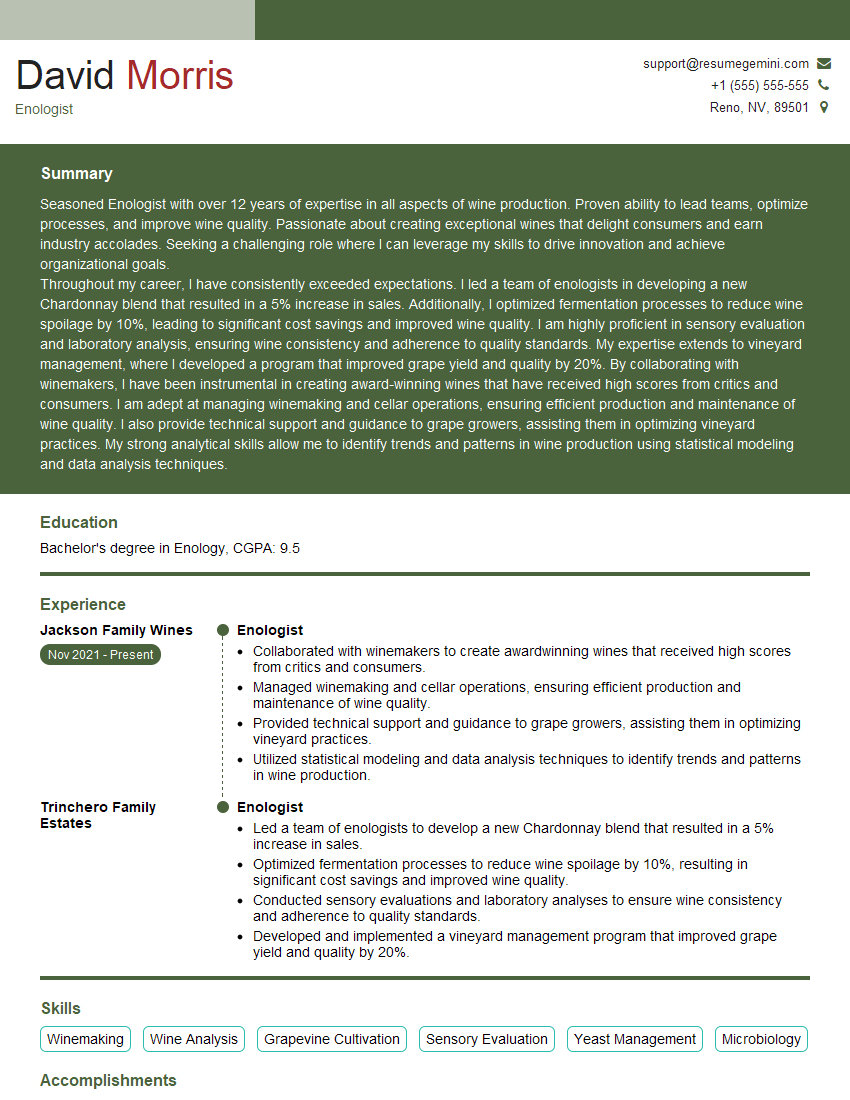
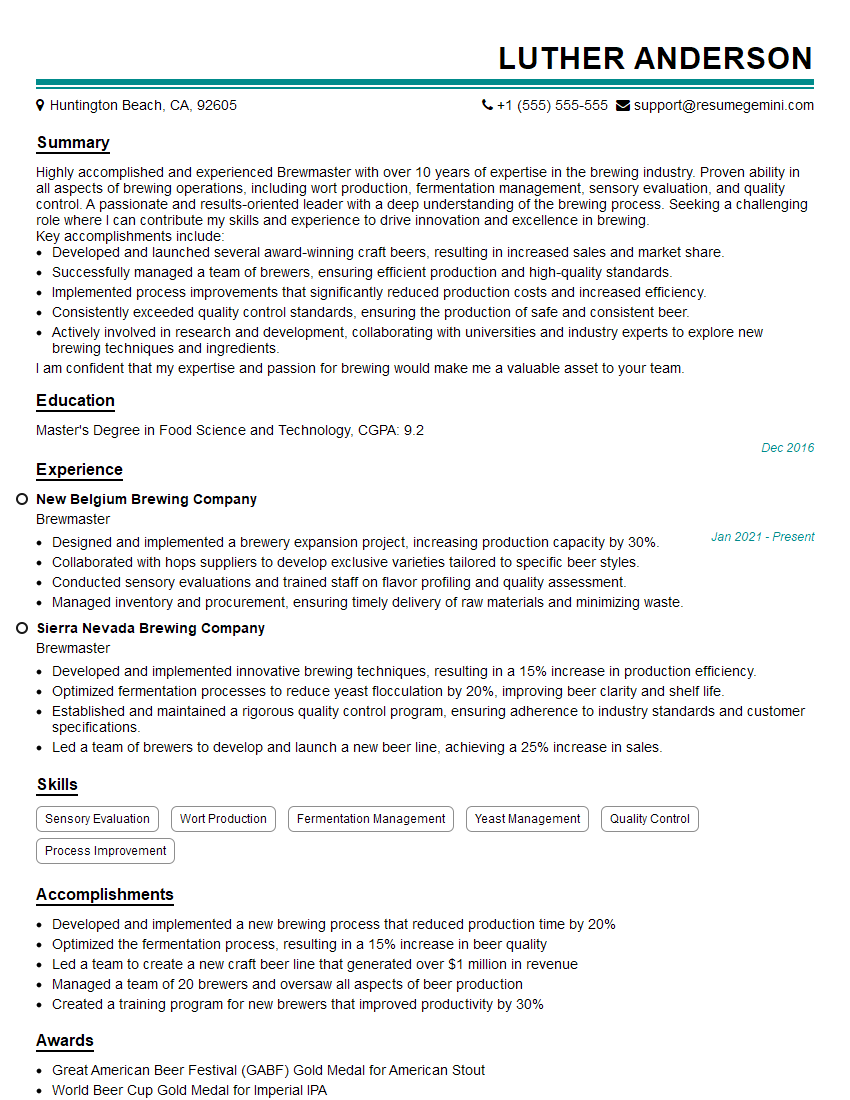
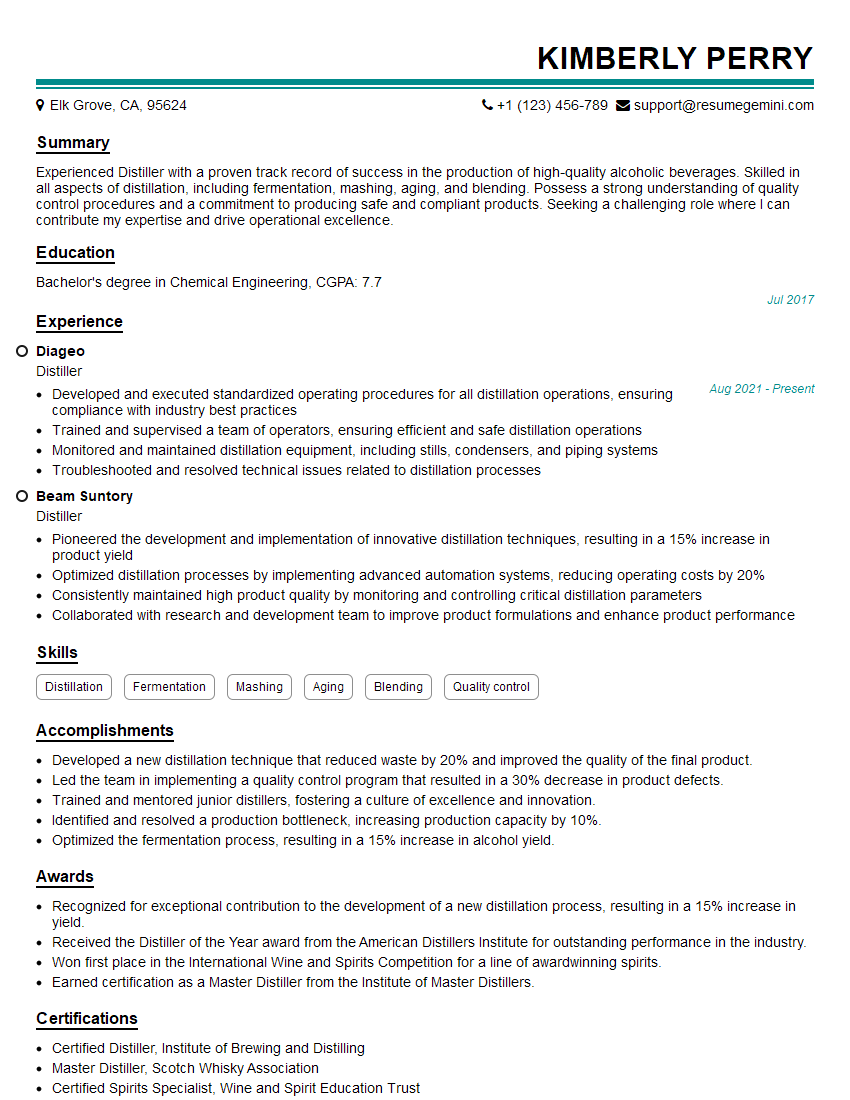
Mastering advanced knowledge of beverage production processes is vital for career advancement in this dynamic industry. A strong understanding of these principles opens doors to leadership roles, higher salaries, and exciting opportunities in innovation and research. To maximize your job prospects, crafting an ATS-friendly resume is crucial. This ensures your qualifications are effectively highlighted to recruiters and applicant tracking systems. ResumeGemini is a trusted resource to help you build a professional and impactful resume, tailored to showcase your expertise. Examples of resumes tailored to Advanced Knowledge of Beverage Production Processes are available to guide you.
Explore more articles
Users Rating of Our Blogs
Share Your Experience
We value your feedback! Please rate our content and share your thoughts (optional).
What Readers Say About Our Blog
Very informative content, great job.
good