Preparation is the key to success in any interview. In this post, we’ll explore crucial Advanced Problem Solving and Critical Thinking Skills interview questions and equip you with strategies to craft impactful answers. Whether you’re a beginner or a pro, these tips will elevate your preparation.
Questions Asked in Advanced Problem Solving and Critical Thinking Skills Interview
Q 1. Describe your approach to solving a complex problem with limited information.
When faced with a complex problem and limited information, my approach prioritizes structured investigation and iterative refinement. I begin by clearly defining the problem, breaking it down into smaller, more manageable components. This helps to focus my efforts and avoid getting overwhelmed by the initial complexity. Next, I gather as much available information as possible, even seemingly irrelevant details, as they may provide unexpected clues. I use a combination of brainstorming, research (both internal and external resources), and potentially, ‘what-if’ scenario analysis to explore potential solutions. This is a crucial step, as it helps build a wider understanding of the issues at hand even with the lack of complete information.
Crucially, I accept the limits of my knowledge and understand that with limited information, the solution will likely be an approximation or a best-guess. I will iterate on my solution; as more information becomes available, I refine and adjust my approach. It’s a process of continuous learning and improvement. For example, imagine diagnosing a malfunctioning machine with limited diagnostic tools. I’d start by examining the symptoms, researching similar issues, testing individual components, and gradually narrowing down the possibilities, accepting that the first solution may not be the final one.
Q 2. Explain a time you had to make a critical decision under pressure. What was your process?
During a product launch, we faced a critical software bug just hours before the official release. This was incredibly stressful as a delay would have significant financial and reputational repercussions. My process involved first, acknowledging the pressure and remaining calm. Panicking would have hindered clear thinking. Next, I assembled a team of senior engineers and laid out the problem clearly. I encouraged open communication and collaboration, creating a safe space to explore solutions without fear of blame. We prioritized the solutions based on their speed of implementation and impact on the core functionality. We implemented a ‘hotfix’ – a small, targeted code correction – which addressed the most critical aspects of the bug, while planning for a more comprehensive fix in a subsequent update. We rigorously tested the hotfix before deployment. This agile, collaborative approach allowed us to minimize the impact of the bug and avoid a major launch delay.
Q 3. How do you identify and prioritize competing priorities when solving a problem?
Prioritizing competing priorities requires a structured approach. I use a combination of methods such as a prioritization matrix (like Eisenhower Matrix – Urgent/Important) and impact/effort analysis. The Eisenhower Matrix helps categorize tasks based on urgency and importance, enabling me to focus on the truly critical items first. Impact/effort analysis helps me evaluate potential solutions; plotting them against their potential impact and the effort required to implement them. I focus on high-impact, low-effort solutions first, then strategize about the high-impact, high-effort ones, and potentially defer or eliminate low-impact tasks. For instance, if facing multiple project deadlines, I’d prioritize tasks based on their impact on the overall success of each project and the relative effort to complete them. This allows for a strategic allocation of resources and ensures that the most critical tasks are handled first.
Q 4. Describe a situation where you had to analyze a large dataset to identify a pattern or trend.
In a previous role, I analyzed a large dataset of customer feedback to identify trends in product satisfaction. The dataset included text comments, numerical ratings, and demographic information. My approach involved several stages: data cleaning, exploratory data analysis (EDA), and statistical modeling. Initially, I cleaned the data, handling missing values and inconsistencies. Then, I used EDA techniques like visualizations (histograms, scatter plots) and summary statistics to identify patterns. For example, I found a correlation between specific product features and negative reviews. Finally, I used statistical models (like sentiment analysis) to quantify the sentiment expressed in the text comments, allowing for a more nuanced understanding of the customer feedback. This analysis helped identify key areas for product improvement and ultimately led to an increase in customer satisfaction.
Q 5. How do you approach evaluating the potential risks and benefits of different solutions?
Evaluating potential risks and benefits is a core component of sound decision-making. I use a structured approach, often creating a risk assessment matrix. This involves listing potential solutions, identifying associated risks (likelihood and impact), and potential benefits (value and probability). I then quantify these, often using scales to rate the likelihood and impact of risks and the value and probability of benefits. This allows for a comparative analysis of different solutions. For example, if choosing between two software solutions, one cheaper but with potential security risks, and another more expensive but with robust security, the risk assessment matrix would help weigh the financial risks against the potential security breaches and their associated costs. The goal is to make an informed decision that optimizes benefits while mitigating risks.
Q 6. Give an example of a time you had to overcome an unexpected obstacle in problem-solving.
During a project, a key software library we relied on became unexpectedly deprecated, jeopardizing the project timeline. The unexpected obstacle was the lack of a readily available replacement. My initial reaction was to investigate alternative libraries, but none met all our requirements. Then, I explored a different path: I created a small, custom module to replicate the essential functionalities of the deprecated library. While time-consuming, this solution allowed us to proceed without significant delays. This demonstrated the importance of adaptability and the ability to develop creative solutions outside of the expected framework. It also highlighted the value of having a broad technical skillset and being comfortable working outside one’s immediate comfort zone.
Q 7. How do you handle conflicting information from different sources?
Handling conflicting information requires a critical and analytical approach. I begin by verifying the sources, determining their credibility, bias, and potential motivations. This may involve checking the methodology used to gather the data, verifying the credentials of the authors and ensuring the data is up to date. Next, I try to identify the root cause of the conflict. Is it due to differing methodologies, perspectives, or data limitations? I synthesize the information, seeking to find common ground or patterns across the sources. If inconsistencies persist, I may conduct further research or seek out additional expert opinions. A crucial aspect is acknowledging uncertainty; in the absence of a definitive answer, I present multiple possibilities supported by evidence, ensuring transparency. For example, if receiving conflicting reports about a market trend, I would evaluate the reputation and methodology of each source, analyze the data supporting each report, and if necessary, conduct further market research to reach a clearer understanding.
Q 8. Explain your process for identifying root causes in complex situations.
Identifying the root cause of a complex problem isn’t about finding the first obvious issue; it’s about digging deeper to uncover the underlying cause that’s driving the symptom. My process involves a systematic approach, often incorporating elements of the ‘5 Whys’ technique and fault tree analysis.
- Define the Problem: Clearly and concisely state the problem. Avoid ambiguity. For example, instead of ‘The system is slow,’ I’d articulate ‘User response time exceeds 5 seconds during peak hours, impacting productivity.’
- Gather Data: Collect relevant information from various sources – logs, user feedback, system metrics, etc. This step is crucial for building a complete picture.
- Identify Potential Causes: Brainstorm potential causes, considering both technical and human factors. Mind mapping can be extremely helpful here.
- ‘5 Whys’: Repeatedly ask ‘Why?’ to drill down to the root cause. Let’s say slow response time is due to high database load. Why? Because of inefficient queries. Why? Because the database schema is poorly designed. Why? Because it wasn’t properly analyzed during development. Why? Because of insufficient time allocated for design.
- Fault Tree Analysis: This structured approach maps out potential causes and their relationships, helping visualize the problem’s complexity and identify critical failure points.
- Verify the Root Cause: Test your hypothesis. Implement changes addressing the identified root cause and monitor the impact. Did the solution resolve the problem? If not, revisit the process.
For instance, in a previous project involving a failing web application, the initial symptom was frequent crashes. Applying this process, we uncovered the root cause to be a memory leak stemming from a poorly written library, not just a server overload as initially suspected.
Q 9. Describe a situation where you had to creatively solve a problem with limited resources.
During a project with a tight deadline and limited budget, our team faced a challenge: we needed to develop a sophisticated data visualization tool, but lacked the resources for expensive commercial software. We overcame this by creatively leveraging open-source libraries and tools.
Instead of purchasing a proprietary analytics platform, we used Python with libraries like Matplotlib and Seaborn to build custom visualizations. We collaborated closely, sharing knowledge and skills to maximize efficiency. This required excellent communication and a willingness to learn new technologies quickly. The final product, though simpler aesthetically than a commercial option, was fully functional and delivered the necessary insights, achieving our goals within the constraints.
Q 10. How do you ensure the accuracy and reliability of your problem-solving process?
Ensuring accuracy and reliability in my problem-solving process is paramount. I achieve this through several key practices:
- Data Validation: I meticulously verify the accuracy and reliability of the data I collect. This includes checking data sources, looking for outliers or inconsistencies, and using multiple data points to confirm findings.
- Peer Review: I actively seek feedback from colleagues to challenge my assumptions and identify potential biases. A fresh perspective often reveals overlooked aspects.
- Documented Process: Every step, from problem definition to solution implementation, is carefully documented. This allows for traceability and facilitates future analysis and improvements.
- Testing and Validation: I rigorously test proposed solutions, ideally in a controlled environment, before deployment to production systems. This minimizes the risk of unintended consequences.
- Iterative Approach: Problem-solving is often iterative. I’m comfortable revisiting steps and refining solutions based on new information or feedback.
By consistently applying these practices, I significantly reduce the likelihood of errors and enhance the reliability of my problem-solving process.
Q 11. How do you effectively communicate complex problem solutions to both technical and non-technical audiences?
Communicating complex solutions requires tailoring the message to the audience. For technical audiences, I use precise terminology and detailed explanations, including diagrams or code snippets where appropriate. For non-technical audiences, I focus on the high-level impact, using analogies and avoiding jargon. The key is to maintain clarity and accuracy regardless of the audience.
For example, when explaining a complex database optimization to a technical team, I might discuss specific query optimization techniques and the impact on database performance metrics. However, when explaining the same to executives, I’d focus on the improved user experience, faster response times, and resulting cost savings.
Visual aids like charts, graphs, and flowcharts are invaluable in simplifying complex concepts for both audiences. Strong storytelling skills help to make the information engaging and memorable.
Q 12. Describe your experience using various problem-solving frameworks (e.g., SWOT, Six Sigma).
I’ve extensively used various problem-solving frameworks throughout my career.
- SWOT Analysis: This framework helps assess the Strengths, Weaknesses, Opportunities, and Threats related to a problem or project. I used SWOT extensively during strategic planning sessions, identifying internal capabilities and external factors impacting our decision-making.
- Six Sigma: I’ve employed DMAIC (Define, Measure, Analyze, Improve, Control) methodology to address process improvement issues, focusing on data-driven decision making and quantifiable results. For example, I used DMAIC to streamline a cumbersome workflow, reducing processing time by 40%.
- Root Cause Analysis (RCA): As mentioned earlier, RCA techniques like the ‘5 Whys’ and fault tree analysis are integral parts of my problem-solving toolkit.
- Pareto Analysis: I use this to identify the ‘vital few’ issues contributing to the majority of the problem. This helps prioritize efforts and focus on the most impactful solutions.
The choice of framework depends on the context of the problem. Understanding the strengths and limitations of each allows me to select the most appropriate approach.
Q 13. How do you prioritize tasks when faced with multiple competing demands?
Prioritizing tasks effectively requires a structured approach. I typically use a combination of methods:
- Urgency/Importance Matrix: This classic approach categorizes tasks based on urgency and importance (high/low). Urgent and important tasks take priority. I use this to ensure that critical tasks are not delayed by less important ones.
- Prioritization Frameworks: Techniques like MoSCoW (Must have, Should have, Could have, Won’t have) help prioritize features or requirements in projects based on their value and feasibility.
- Dependency Analysis: Identifying task dependencies helps determine the order in which tasks must be completed. This avoids bottlenecks and ensures a smooth workflow.
- Timeboxing: Allocating specific time blocks for tasks helps manage time effectively and prevents task switching. This is particularly helpful when dealing with multiple competing demands.
Regularly reviewing and adjusting the priority list is essential, as circumstances and priorities can change.
Q 14. How do you stay objective when evaluating different solutions?
Maintaining objectivity when evaluating solutions is crucial to avoid bias and make informed decisions. I employ several strategies:
- Structured Evaluation Criteria: I define clear, measurable criteria for evaluating each solution, ensuring that comparisons are fair and consistent. These criteria are based on relevant factors such as cost, feasibility, risk, and impact.
- Data-Driven Decisions: I rely on data and evidence to support my evaluations, minimizing reliance on subjective opinions. This might involve conducting experiments, gathering user feedback, or analyzing performance metrics.
- Seeking Diverse Perspectives: I actively solicit feedback from others with different backgrounds and expertise, ensuring that all viewpoints are considered. This helps uncover potential blind spots and challenges my own assumptions.
- Awareness of Biases: I am aware of common cognitive biases that can influence decision-making (confirmation bias, anchoring bias, etc.) and consciously work to mitigate their influence.
By systematically applying these strategies, I strive to make objective and well-reasoned decisions.
Q 15. How do you deal with situations where information is incomplete or ambiguous?
Dealing with incomplete or ambiguous information is a cornerstone of effective problem-solving. It requires a structured approach combining critical thinking and resourceful information gathering. My strategy begins with clearly defining the problem despite the lack of complete data. I then systematically identify the missing information, prioritizing the data points that will have the biggest impact on the solution. This often involves:
- Identifying Key Assumptions: Explicitly stating what assumptions are being made based on the available data. This helps to manage uncertainty and allows for later revision if necessary.
- Seeking Additional Information: Actively searching for further data from various sources such as colleagues, databases, research papers, or through experimentation. I prioritize sources known for reliability and accuracy.
- Sensitivity Analysis: If some data remains unknown, conducting a sensitivity analysis to determine the range of potential outcomes based on different assumptions about the missing information. This allows assessing the robustness of potential solutions.
- Using Estimation and Probabilities: When precise data is unavailable, I employ reasonable estimation techniques and probabilistic reasoning to gauge likely outcomes. This leverages available knowledge to make informed decisions.
For example, in a project involving market analysis where sales data for a new region was incomplete, I identified key variables impacting sales, such as demographics and competitor activity. By utilizing publicly available data and industry reports, I built a predictive model that estimated sales with an acceptable degree of uncertainty, which allowed the team to make informed marketing decisions.
Career Expert Tips:
- Ace those interviews! Prepare effectively by reviewing the Top 50 Most Common Interview Questions on ResumeGemini.
- Navigate your job search with confidence! Explore a wide range of Career Tips on ResumeGemini. Learn about common challenges and recommendations to overcome them.
- Craft the perfect resume! Master the Art of Resume Writing with ResumeGemini’s guide. Showcase your unique qualifications and achievements effectively.
- Don’t miss out on holiday savings! Build your dream resume with ResumeGemini’s ATS optimized templates.
Q 16. How do you adapt your problem-solving approach when faced with a novel or unfamiliar situation?
Approaching novel situations requires a flexible and adaptable problem-solving approach. Rather than relying on pre-existing solutions, I utilize a structured framework like the scientific method. This involves:
- Observation and Definition: Carefully observing the unfamiliar situation to understand its key components and defining the core problem clearly.
- Hypothesis Formation: Developing several plausible hypotheses or explanations for the observed phenomenon. This encourages creative thinking and avoids premature conclusions.
- Experimentation and Data Collection: Designing experiments or gathering data to test the hypotheses. This might involve simulations, prototyping, or research into similar situations.
- Analysis and Iteration: Analyzing the collected data to evaluate the validity of each hypothesis. Based on the analysis, hypotheses are refined, and the process iterates until a satisfactory solution or understanding emerges. This approach allows for learning and refinement along the way.
For instance, when faced with optimizing a new, complex algorithm with no prior experience, I started by building a simplified version and tested it with various inputs. I then systematically increased the complexity, collecting data at each stage to identify and address bottlenecks. This iterative approach allowed me to effectively solve the problem and understand the algorithm’s behavior much more thoroughly.
Q 17. Describe your experience using data analysis tools to aid in problem-solving.
Data analysis is integral to my problem-solving methodology. I’m proficient in several tools including SQL, R, and Python libraries like Pandas and Scikit-learn. My experience spans various applications, from descriptive analytics for understanding trends to predictive modeling for forecasting.
For example, in a previous role, we used SQL to query a large database to identify patterns in customer churn. Using R, I then performed statistical analysis and developed a logistic regression model to predict future churn. The insights derived led to targeted customer retention strategies, which significantly reduced churn rates. In another project, I used Python with Pandas and Scikit-learn to perform sentiment analysis on customer reviews, identifying areas needing improvement in our products and services.
Q 18. How do you measure the effectiveness of your problem-solving efforts?
Measuring the effectiveness of problem-solving involves both qualitative and quantitative assessments. Quantitative metrics might include:
- Key Performance Indicators (KPIs): These depend on the specific problem but might include reduced costs, improved efficiency, increased sales, or higher customer satisfaction.
- Success Rates: Measuring the percentage of successful outcomes, whether it’s fixing a bug, completing a project on time, or achieving a sales target.
- Return on Investment (ROI): Calculating the financial return relative to the resources invested in the problem-solving effort.
Qualitative metrics might involve:
- Stakeholder Feedback: Gathering feedback from those affected by the problem and its solution to gauge their satisfaction and identify areas for improvement.
- Lessons Learned: Documenting insights gained during the problem-solving process to inform future efforts.
- Process Improvement: Analyzing the effectiveness of the problem-solving methodology itself and identifying areas for optimization.
It’s crucial to establish clear metrics beforehand to allow for objective evaluation of the problem-solving outcomes.
Q 19. Explain a time you had to make a difficult decision that involved ethical considerations.
In a prior role, I faced a situation where I had to decide whether to release a software update despite knowing it contained a minor bug that could potentially impact a small percentage of users. The deadline for the update was critical to meet an important customer requirement. The ethical considerations revolved around balancing the risk to a small subset of users against the benefits for the majority and the potential consequences of missing the deadline.
After carefully weighing the pros and cons, considering the severity and probability of the bug’s impact, and discussing options with the development and management teams, we decided to release the update with a clear communication plan explaining the minor bug and its potential impact, and offering a prompt fix in a subsequent patch. This decision prioritized transparency and the timely delivery of a critical feature while mitigating potential negative consequences. The subsequent patch addressed the bug swiftly, minimizing negative user experience.
Q 20. How do you manage your time when working on multiple complex projects simultaneously?
Managing multiple complex projects requires a structured approach to time management and prioritization. My strategy involves:
- Prioritization: Using techniques like the Eisenhower Matrix (urgent/important) to identify high-priority tasks and focus my efforts there.
- Time Blocking: Allocating specific blocks of time to work on individual projects, minimizing context switching and maximizing focus.
- Task Delegation: Identifying tasks that can be effectively delegated to others, freeing up my time for higher-level tasks requiring my expertise.
- Regular Review and Adjustment: Scheduling regular reviews of project progress to assess whether the allocation of time is still optimal and making adjustments as needed.
- Utilizing Project Management Tools: Employing project management software to track tasks, deadlines, and progress, ensuring accountability and facilitating collaboration.
I find that breaking down large projects into smaller, manageable tasks helps avoid feeling overwhelmed and allows for more effective progress tracking. Regular communication with stakeholders keeps everyone informed and avoids unexpected delays.
Q 21. Describe a situation where you identified a problem that others had missed.
In a data analysis project for a retail company, while reviewing sales data, I noticed a consistent pattern of low sales in a specific product category during certain months, even though the overall sales were healthy. This was initially overlooked by the sales team as they focused on overall sales figures. My further investigation revealed a logistical issue with the distribution chain for that product category during those months, resulting in stock shortages.
By identifying and highlighting this previously overlooked issue, I not only helped explain the anomaly but also contributed to the improvement of the supply chain process. This demonstrated the importance of not just looking at the overall figures but also delving into details and investigating potential underlying causes. This situation emphasized the value of detailed data analysis in identifying hidden problems.
Q 22. How do you validate assumptions when solving problems?
Validating assumptions is crucial for effective problem-solving. It prevents us from building solutions on shaky foundations. I approach this using a multi-pronged strategy. Firstly, I explicitly state all assumptions. This makes them visible and open to scrutiny. Secondly, I challenge each assumption systematically, asking ‘What evidence supports this?’, ‘What evidence contradicts this?’, and ‘What would happen if this assumption were false?’ This involves researching, consulting data, and seeking diverse perspectives. Finally, I prioritize testing the most critical assumptions first – those whose falsehood would most dramatically impact the solution. For example, if I assume a marketing campaign will increase sales by 20%, I’d analyze past campaign data, conduct market research, and perhaps run a small-scale pilot test before committing significant resources based solely on this assumption.
Q 23. Explain how you approach brainstorming sessions to generate creative solutions.
My approach to brainstorming prioritizes inclusivity and idea generation over immediate judgment. I typically start by clearly defining the problem and setting the ground rules – encouraging wild ideas and deferring criticism. We might use techniques like mind mapping, where we visually connect ideas, or SCAMPER, a checklist prompting us to substitute, combine, adapt, modify, put to other uses, eliminate, and reverse aspects of the problem. After generating a diverse range of ideas, we move to a phase of evaluation, assessing feasibility, impact, and resources needed for each solution. This structured approach ensures we explore a broad spectrum of possibilities while maintaining focus and practicality. For instance, in brainstorming solutions for reducing customer churn, we might initially generate ideas such as offering free gifts, implementing a loyalty program, or redesigning the user interface. Later, we’d analyze each option’s effectiveness based on factors like cost and potential customer engagement.
Q 24. Describe a time you had to change your approach to problem-solving due to unforeseen circumstances.
During a project to optimize a client’s e-commerce website, we initially focused on improving page load speed through server-side optimizations. However, after several weeks, we realized the primary bottleneck was the client’s outdated image compression techniques. The website’s images were excessively large, significantly impacting loading time despite our server-side improvements. We had to pivot our approach, collaborating with the client’s design team to implement a new image optimization workflow. This involved adopting new image formats, implementing lossy compression techniques effectively, and restructuring how images were delivered. This shift, though initially frustrating, ultimately led to a more significant performance boost than our initial strategy. It taught me the value of continuous monitoring, iterative progress, and adaptability in problem-solving.
Q 25. How do you handle feedback on your problem-solving approach?
I view feedback as invaluable for continuous improvement. I actively solicit feedback throughout the problem-solving process, not just at the end. I approach it with an open mind, asking clarifying questions to understand the perspective offered. Constructive criticism is embraced as an opportunity to refine my approach, learn from mistakes, and improve future performance. Even negative feedback, when delivered professionally, points towards areas needing attention. For instance, if feedback suggests my solution is too complex, I would re-evaluate the design, striving for greater simplicity and ease of use. I document feedback received, using it to inform my next steps and demonstrate a commitment to continuous learning.
Q 26. How do you foster collaboration and teamwork during the problem-solving process?
Fostering collaboration involves creating a safe and inclusive environment where everyone feels comfortable contributing. I emphasize open communication, actively listening to diverse perspectives, and ensuring everyone feels heard and valued. I use collaborative tools, such as shared documents and project management platforms, to ensure transparency and facilitate easy information sharing. Furthermore, I assign roles and responsibilities clearly, recognizing individual strengths and leveraging them for maximum team effectiveness. For instance, when tackling a complex project, I might assign specific tasks based on team members’ expertise, ensuring each person feels ownership and contributes meaningfully towards the shared goal. Regular check-ins and open discussions further facilitate collaboration and ensure we stay aligned throughout the problem-solving journey.
Q 27. Explain your approach to documenting and sharing the results of your problem-solving efforts.
Documentation is essential for reproducibility, knowledge sharing, and future reference. My approach involves maintaining a detailed record of the problem-solving process, including the initial problem statement, assumptions made, methods employed, results obtained, and conclusions drawn. I use clear and concise language, diagrams, and visuals where appropriate. This documentation is shared using appropriate channels – a project wiki, a shared document, or a presentation depending on the audience and context. The goal is to make it readily accessible and easily understandable, facilitating knowledge transfer and future utilization of the solution or insights gained. For instance, when resolving a software bug, I would document the steps to reproduce the bug, the analysis of its root cause, the solution implemented, and any relevant code changes. This detailed record enables others to understand the solution, preventing recurrence of the same bug.
Q 28. How do you ensure the sustainability of your problem-solving solutions?
Ensuring the sustainability of problem-solving solutions requires proactive planning and consideration. This means designing solutions that are robust, adaptable to future changes, and easily maintained. This might involve incorporating feedback loops to continuously monitor performance, building in flexibility to accommodate unexpected circumstances, or designing solutions that are scalable to accommodate future growth. For example, when implementing a new operational process, I would define clear metrics for evaluating its effectiveness, create a mechanism for gathering feedback from users, and plan for adjustments based on evolving business needs. This proactive approach helps ensure that the solution remains effective and valuable over time, preventing its obsolescence and maximizing its long-term impact.
Key Topics to Learn for Advanced Problem Solving and Critical Thinking Skills Interview
- Analytical Reasoning: Understanding and applying logical frameworks to dissect complex problems. This includes deductive, inductive, and abductive reasoning.
- Problem Decomposition: Breaking down large, multifaceted problems into smaller, manageable components for easier analysis and solution.
- Root Cause Analysis: Identifying the fundamental cause of a problem, rather than just addressing its symptoms. Techniques like the “5 Whys” can be helpful here.
- Critical Evaluation of Information: Assessing the credibility, reliability, and bias of information sources before making decisions.
- Creative Problem Solving: Generating innovative solutions by exploring diverse perspectives and thinking outside the box. Brainstorming and lateral thinking techniques are valuable.
- Decision-Making Frameworks: Utilizing structured approaches like cost-benefit analysis, decision trees, or prioritization matrices to make informed choices.
- Scenario Planning: Anticipating potential challenges and opportunities by considering various future scenarios and developing contingency plans.
- Communication of Solutions: Articulating complex solutions clearly and concisely to diverse audiences, both verbally and in writing.
- Data Analysis & Interpretation: Extracting meaningful insights from data to inform problem-solving and decision-making. This involves understanding statistics and data visualization.
- Systems Thinking: Understanding the interconnectedness of various components within a system and how changes in one area can impact others.
Next Steps
Mastering advanced problem-solving and critical thinking skills is crucial for career advancement. These skills are highly valued across all industries, demonstrating your ability to tackle complex challenges and contribute meaningfully to your team. To enhance your job prospects, creating an ATS-friendly resume is essential. This will ensure your application gets noticed by recruiters and hiring managers. We strongly encourage you to leverage ResumeGemini, a trusted resource for building professional resumes that highlight your unique skills and experience. Examples of resumes tailored to showcasing advanced problem-solving and critical thinking skills are available to help you get started. Invest in showcasing your abilities effectively – it’s an investment in your future career success.
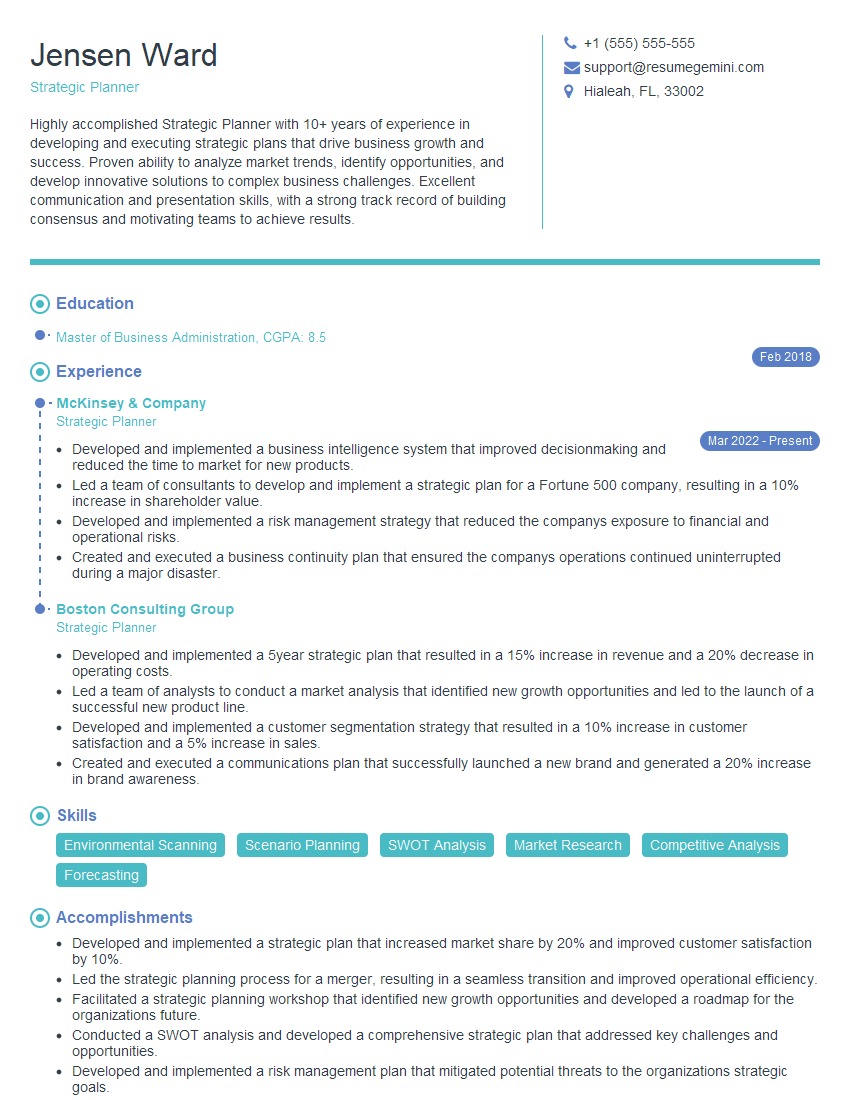
Strategic Planner Resume Sample

Operations Manager Resume Sample
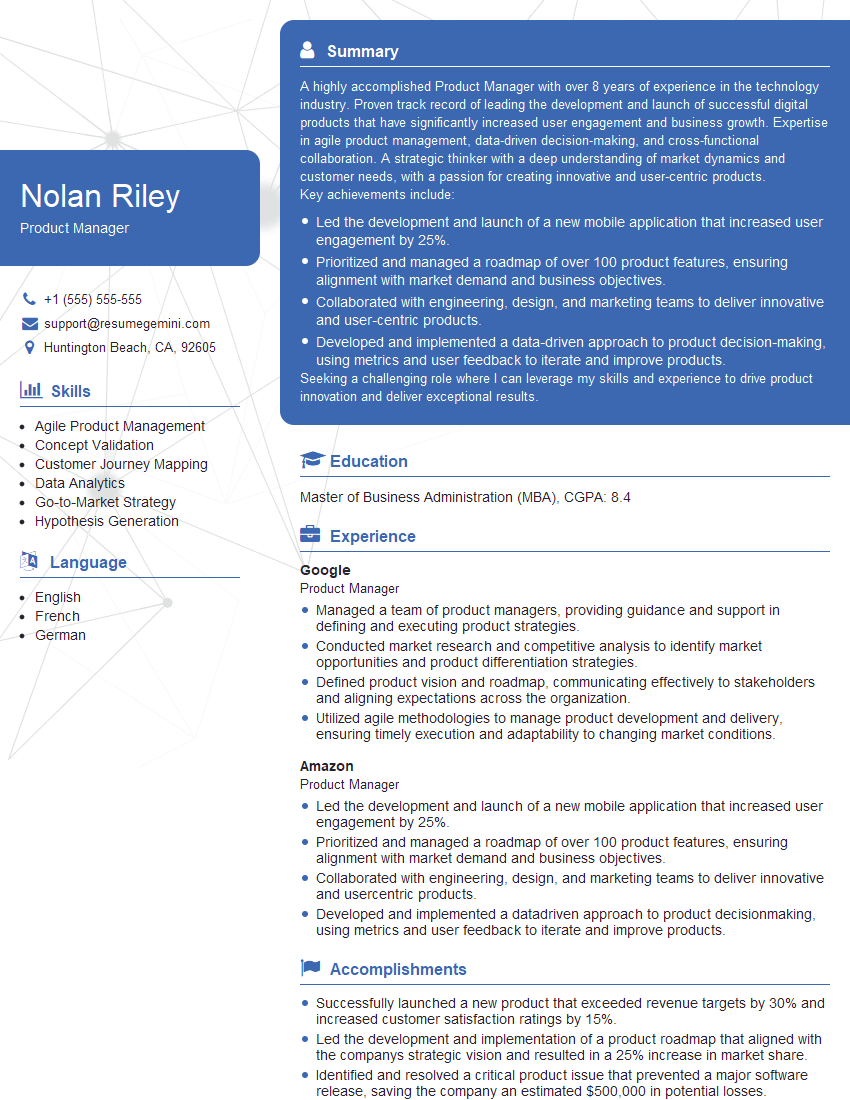
Product Manager Resume Sample
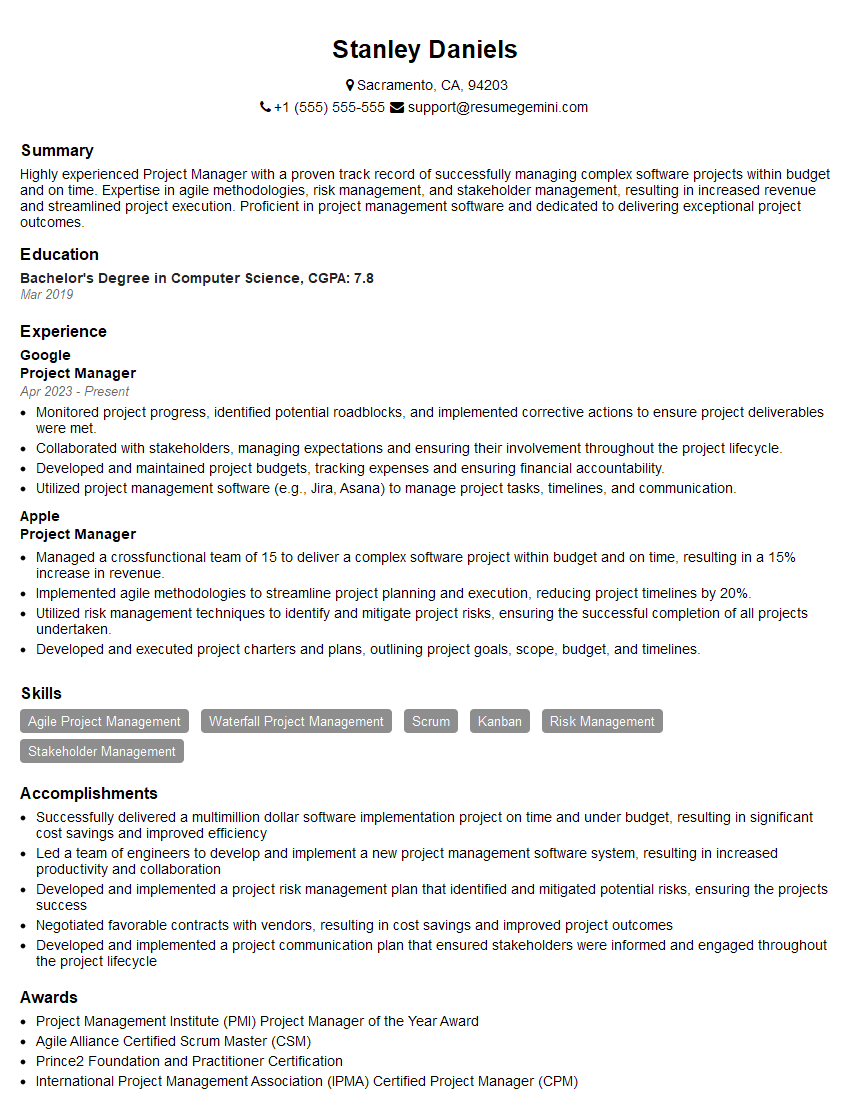
Project Manager Resume Sample

Compliance Officer Resume Sample
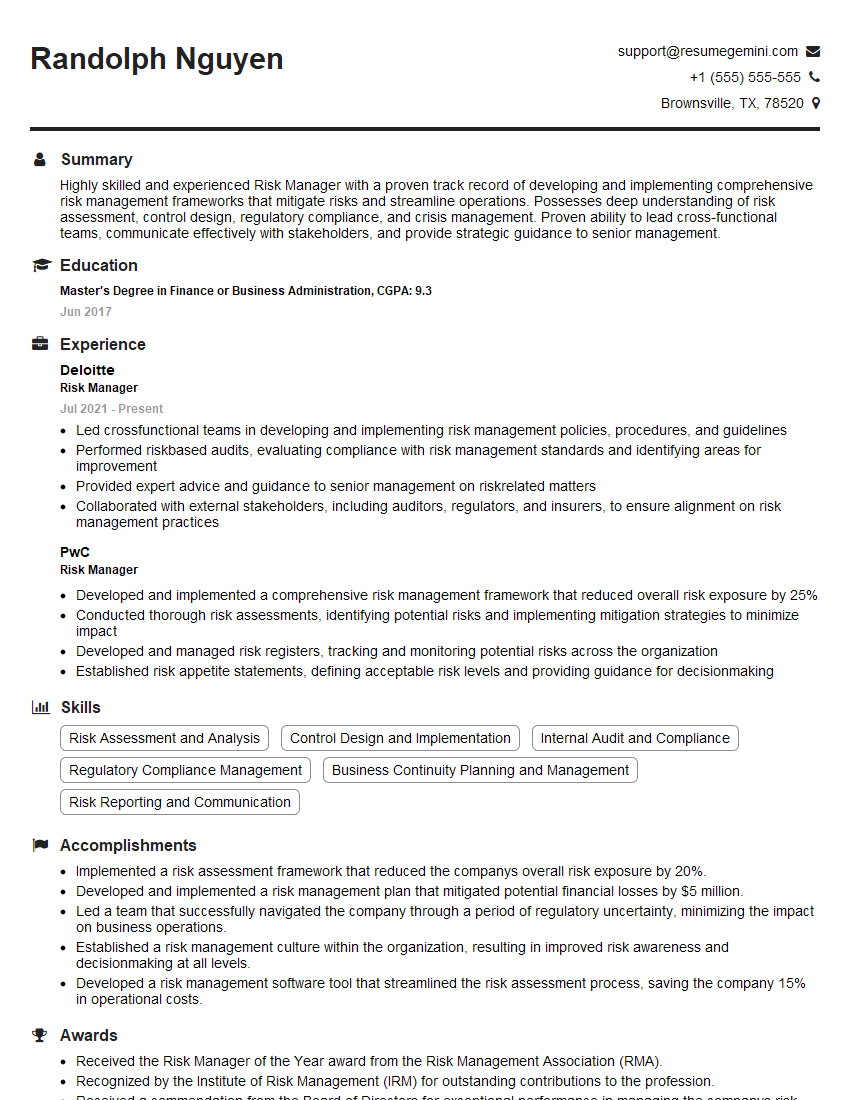
Risk Manager Resume Sample
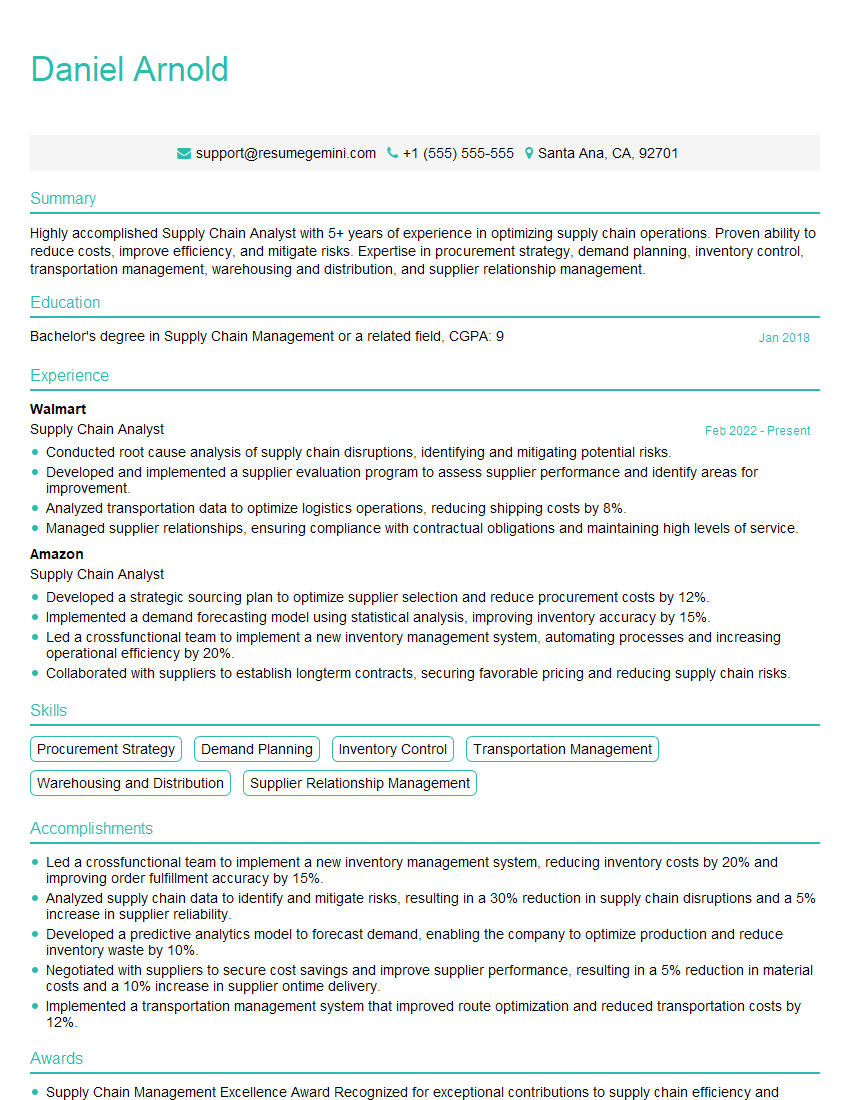
Supply Chain Analyst Resume Sample
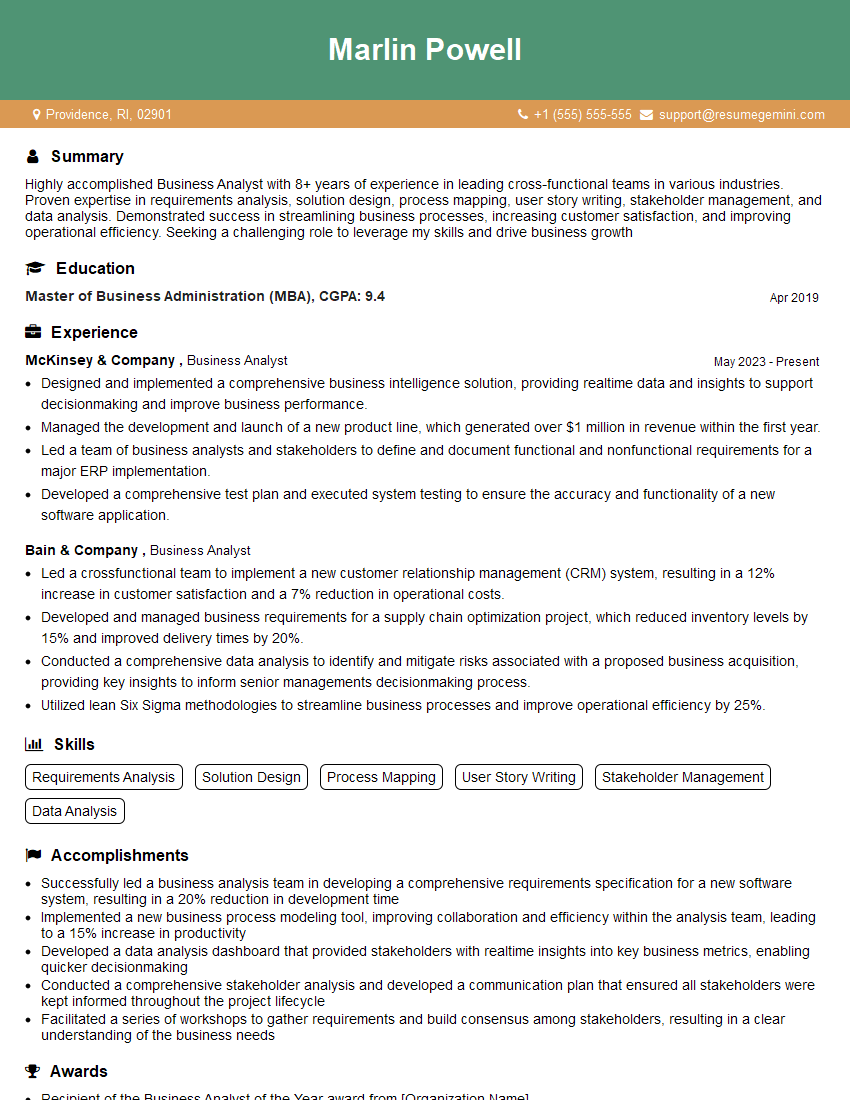
Business Analyst Resume Sample
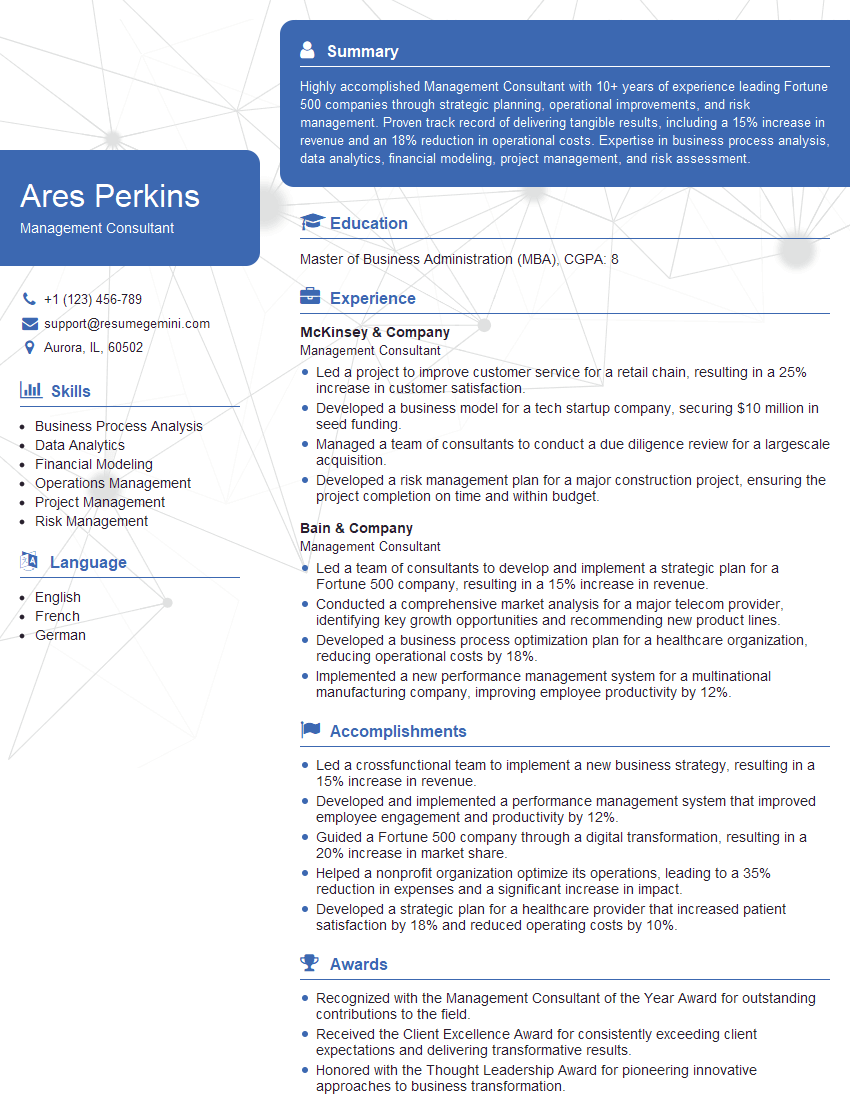
Management Consultant Resume Sample
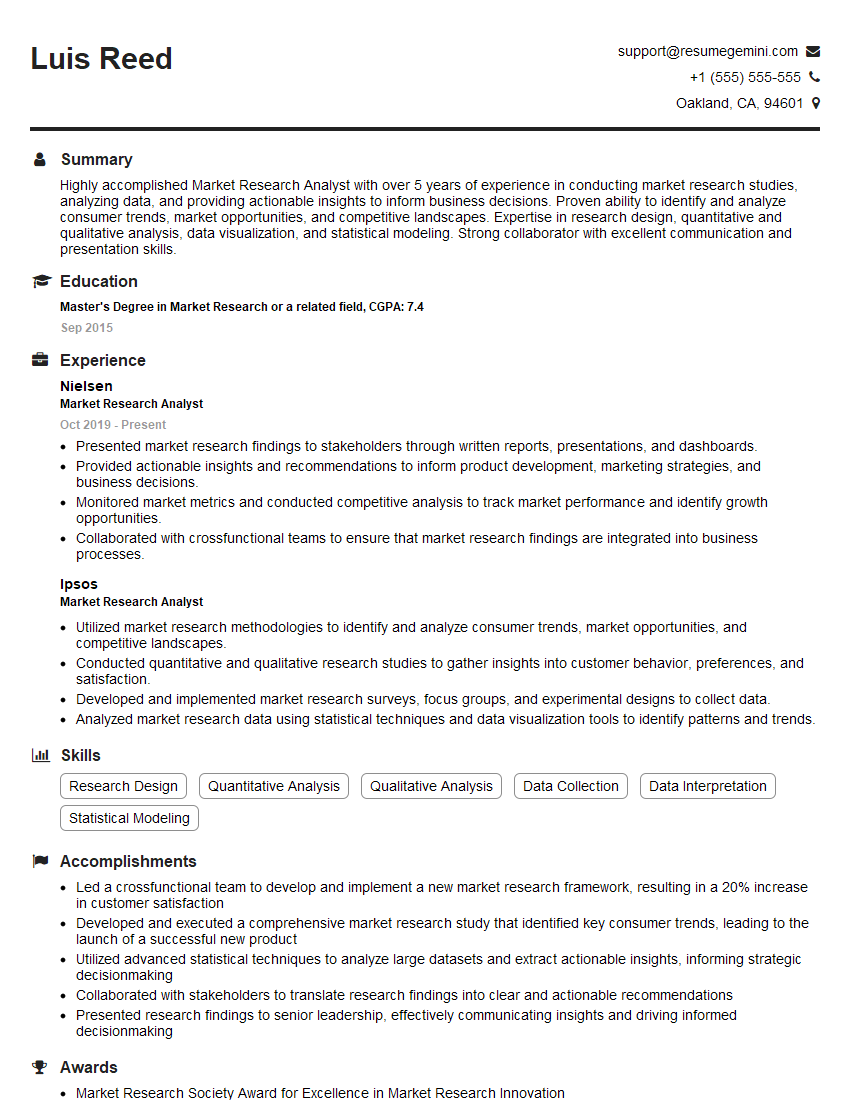
Market Research Analyst Resume Sample
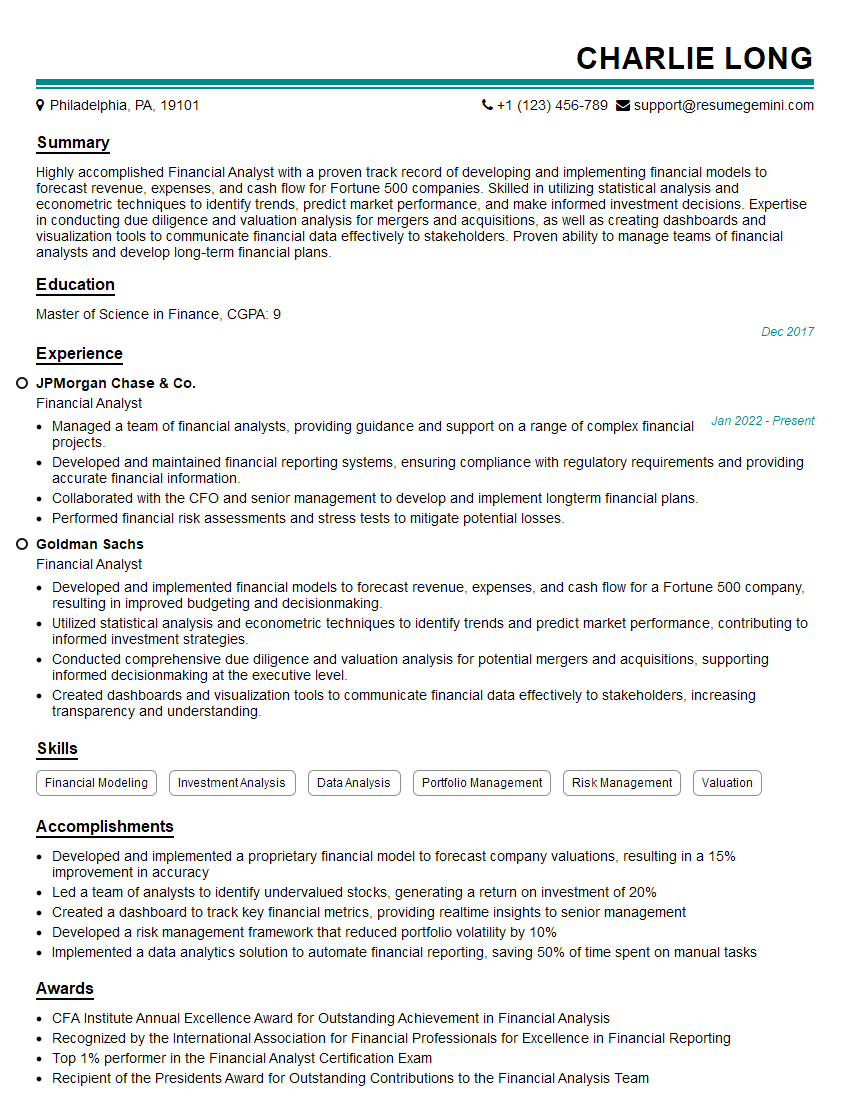
Financial Analyst Resume Sample
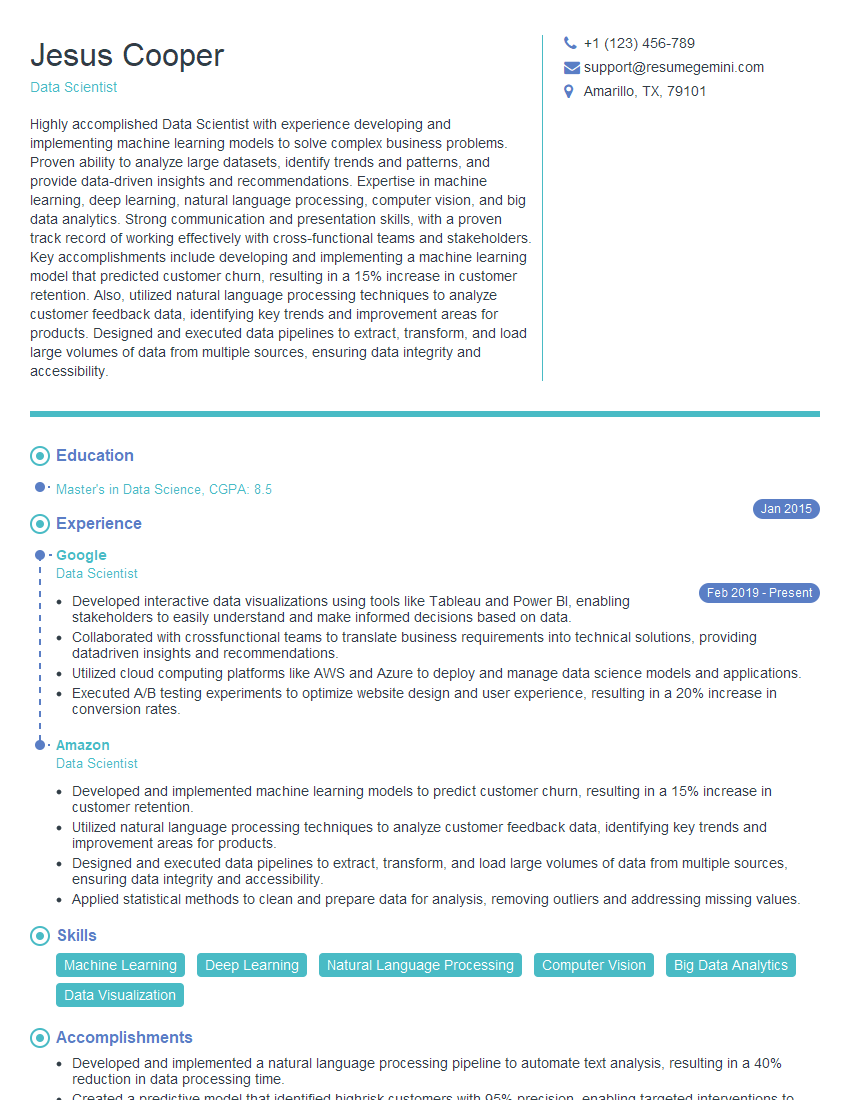
Data Scientist Resume Sample
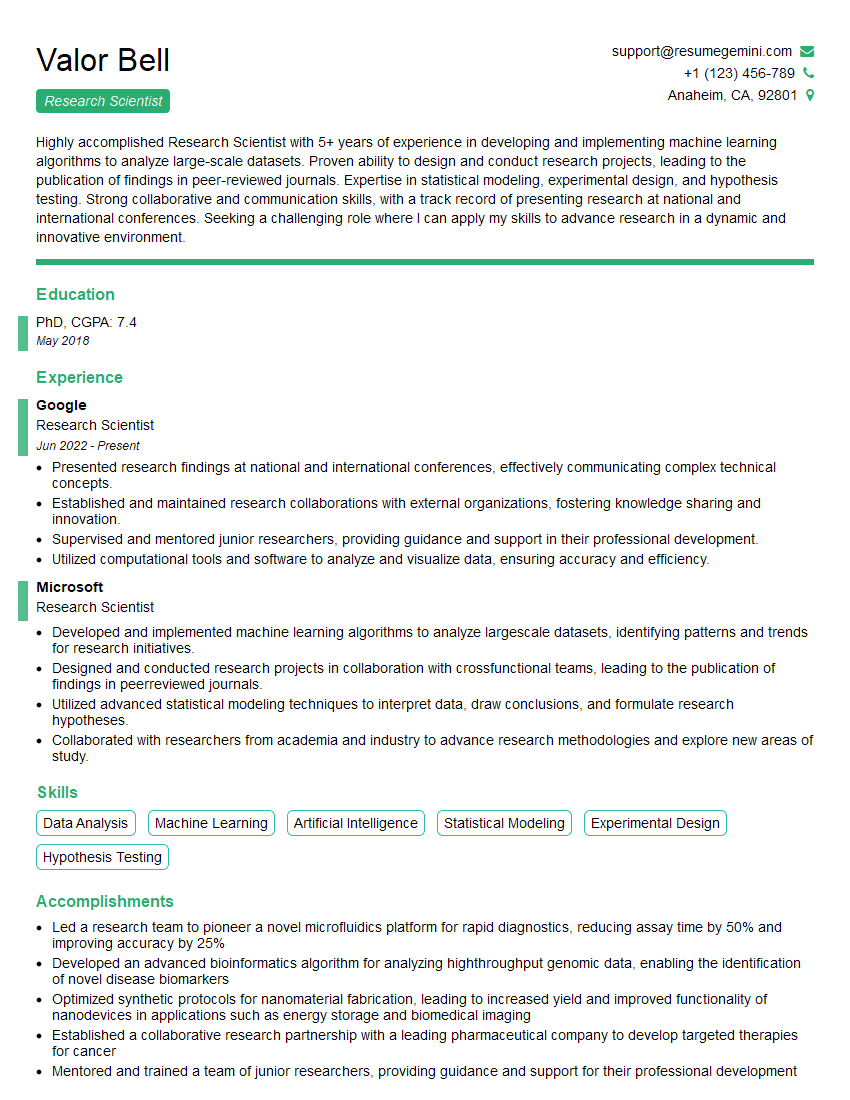
Research Scientist Resume Sample
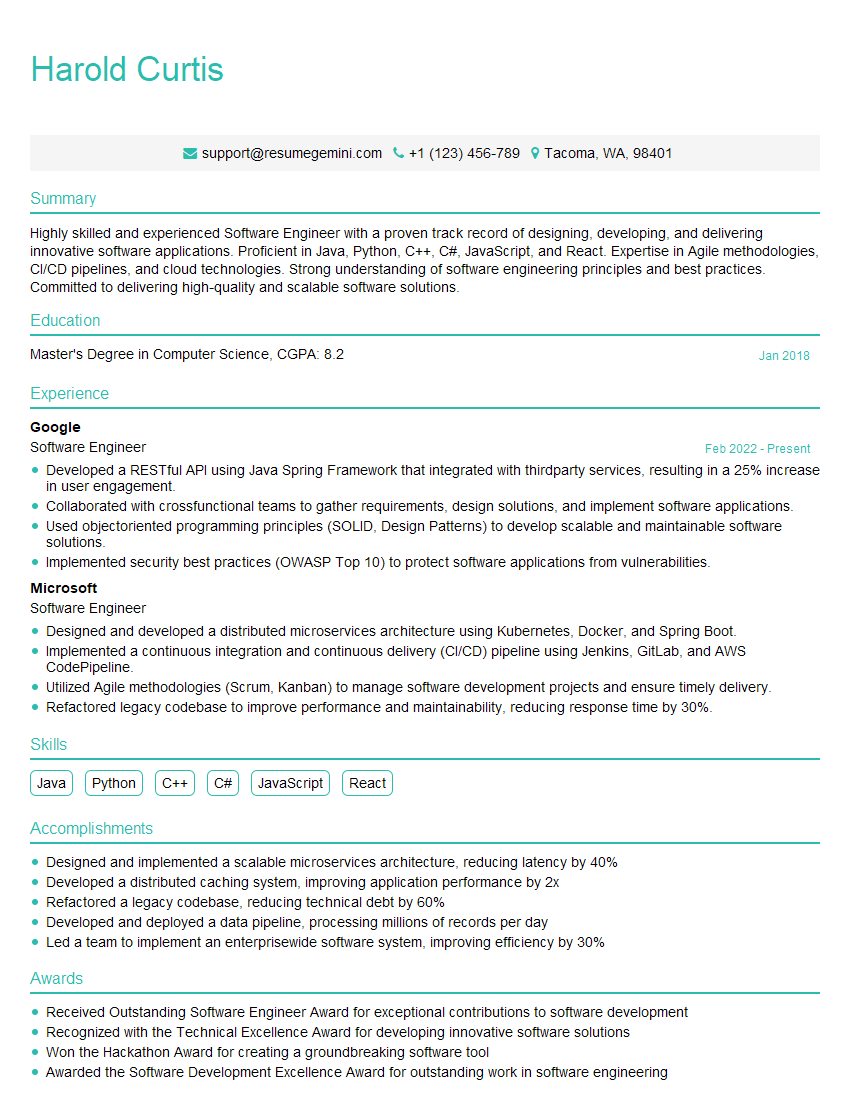
Software Engineer Resume Sample
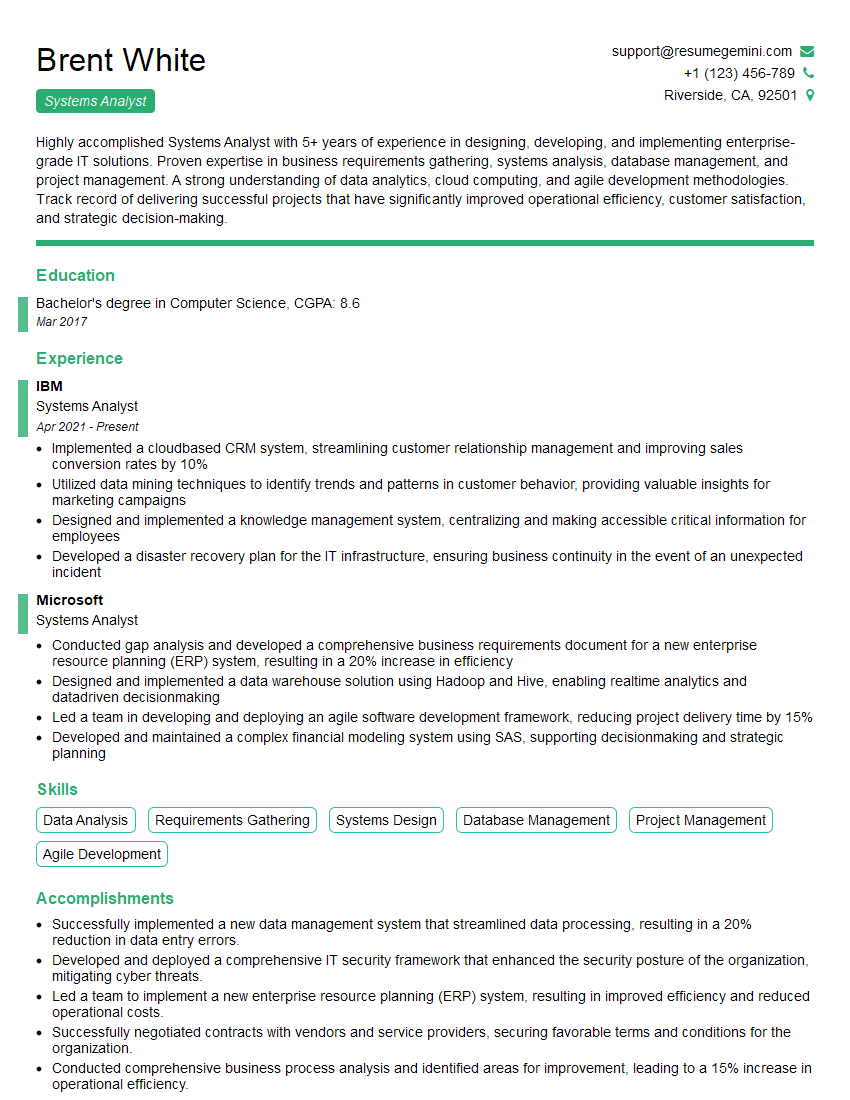
Systems Analyst Resume Sample
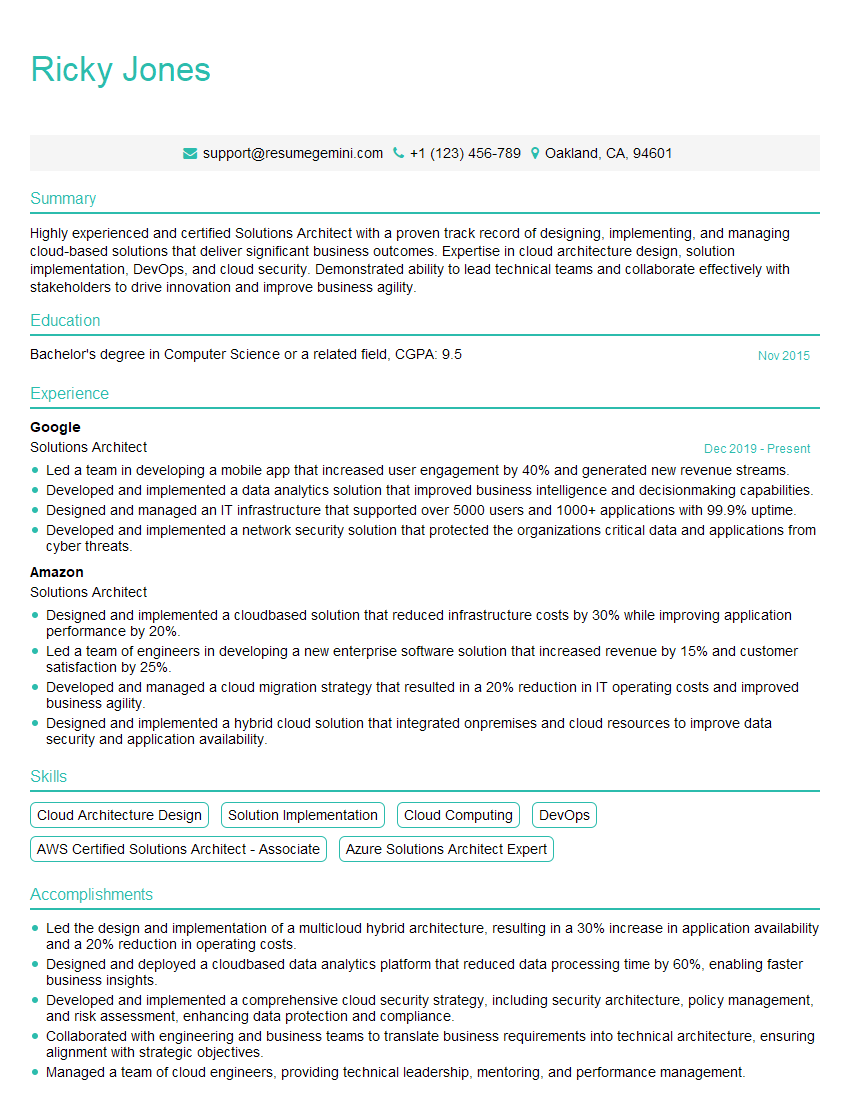
Solutions Architect Resume Sample
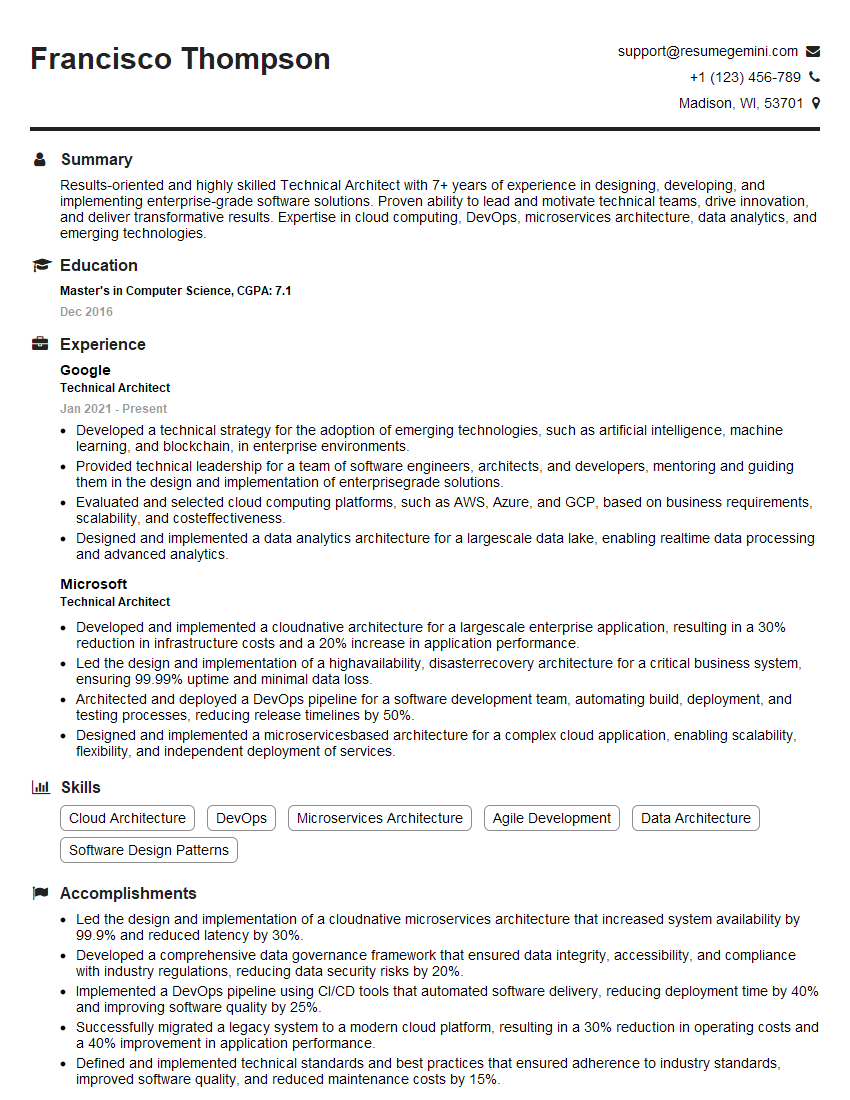
Technical Architect Resume Sample
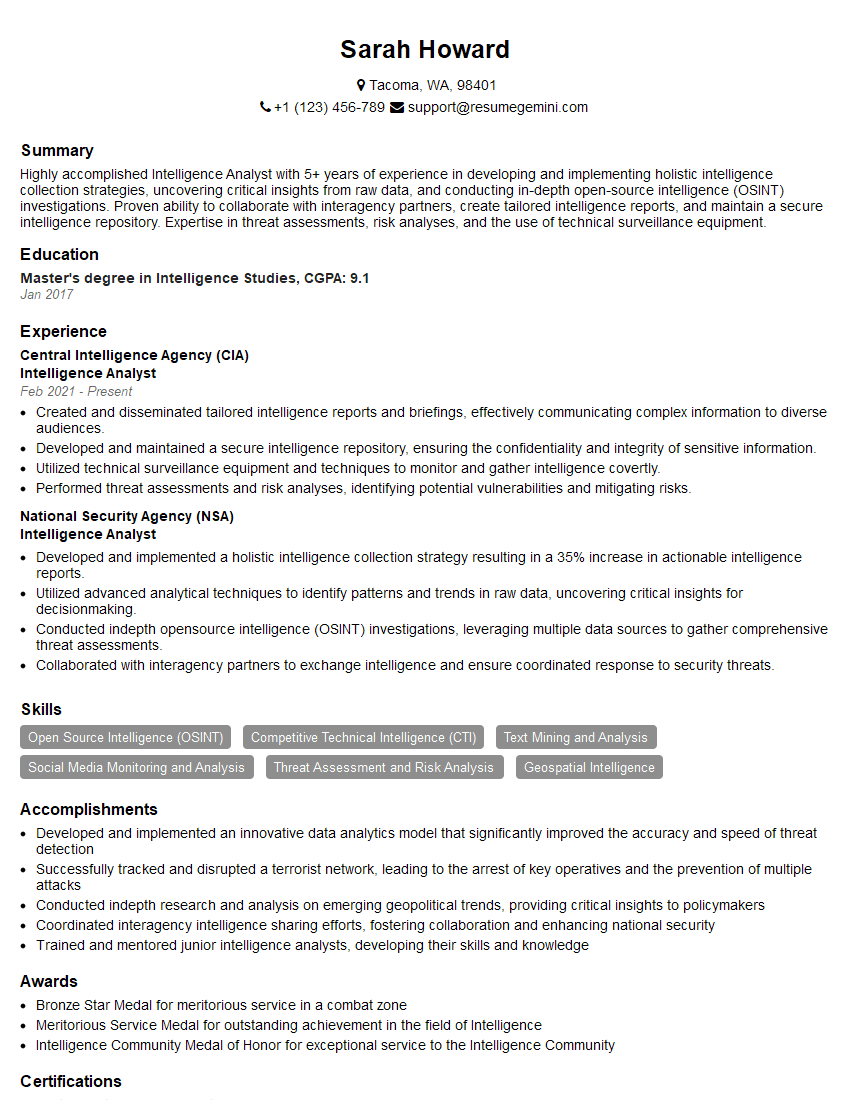
Intelligence Analyst Resume Sample
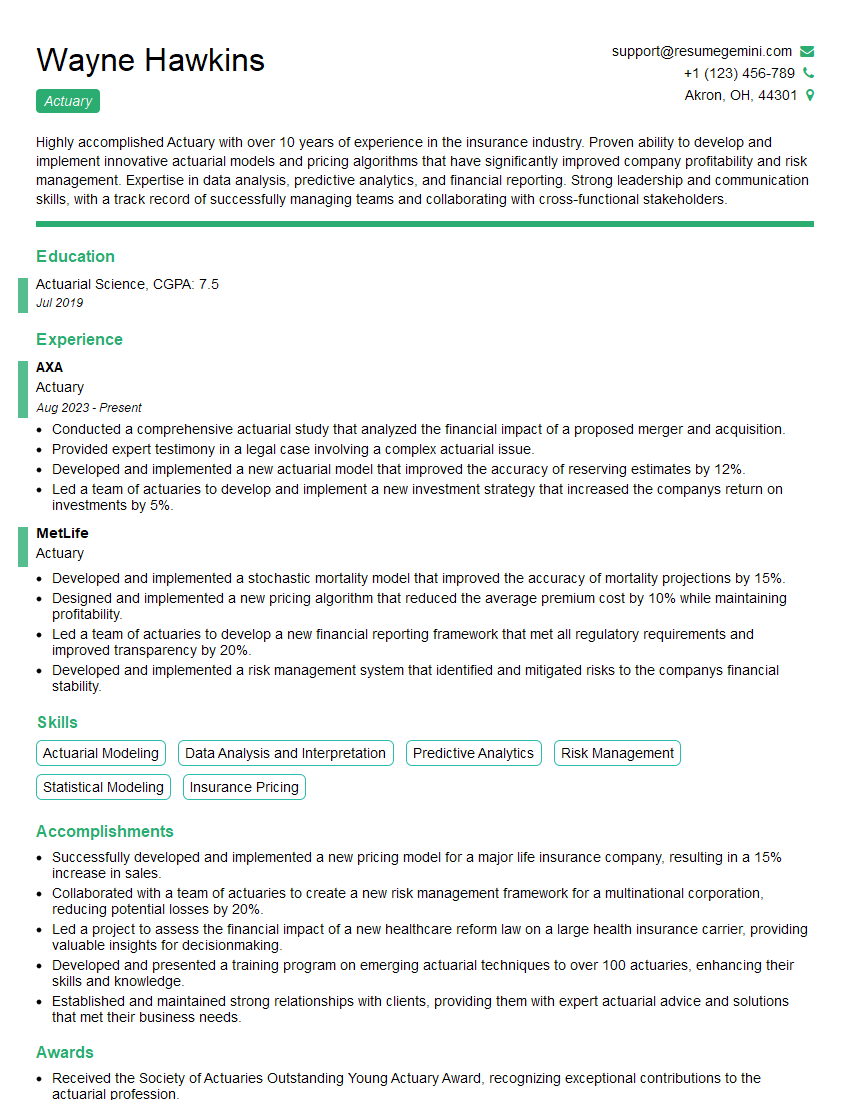
Actuary Resume Sample
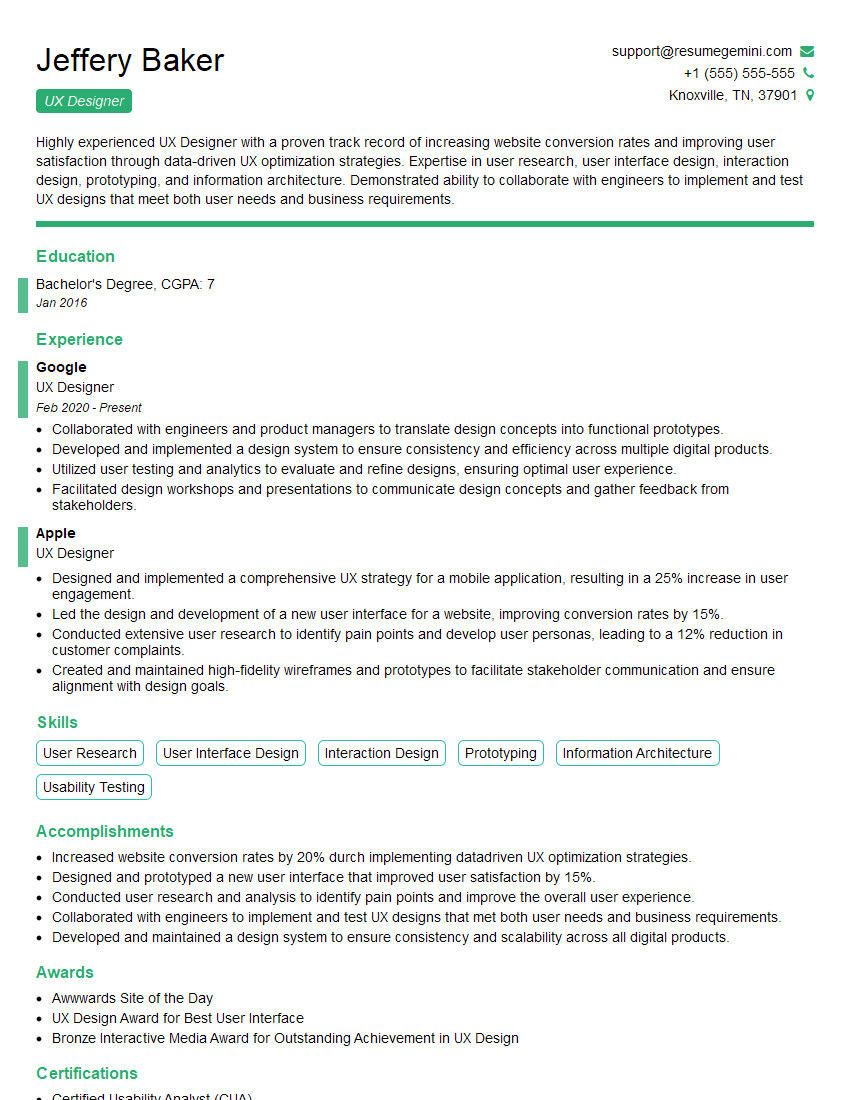
UX Designer Resume Sample
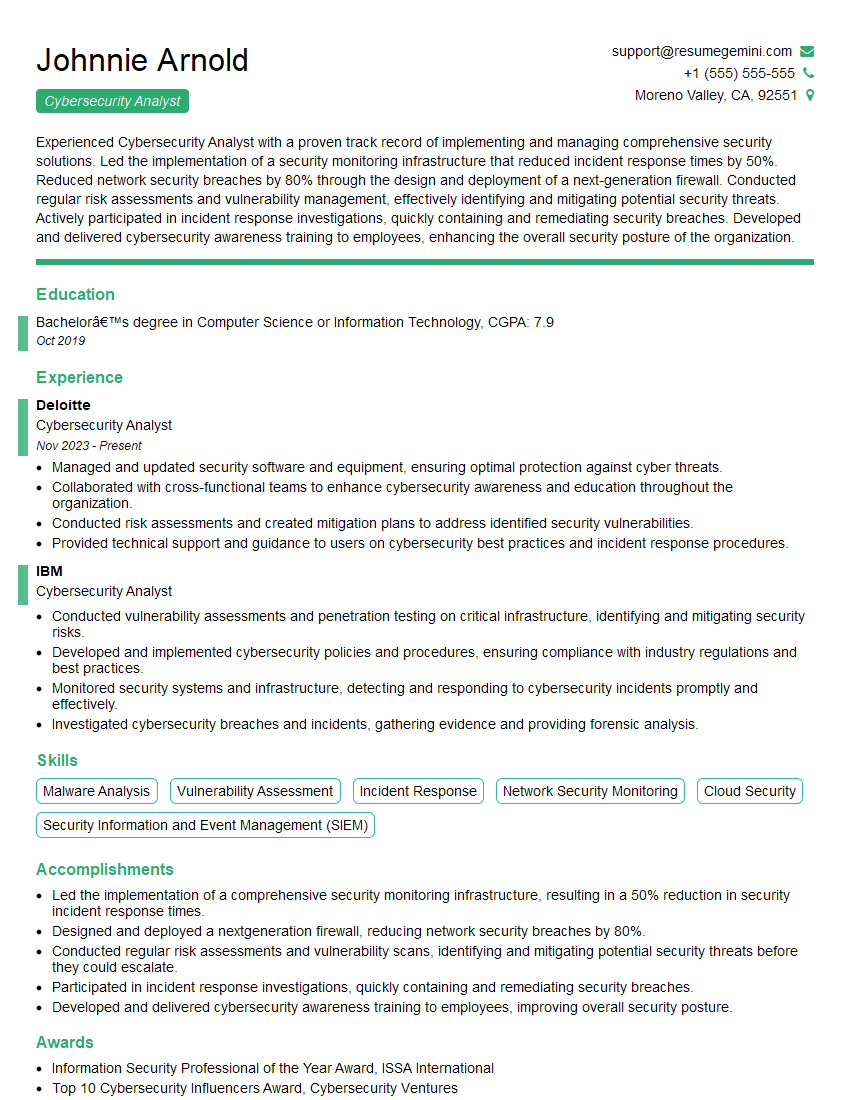
Cybersecurity Analyst Resume Sample
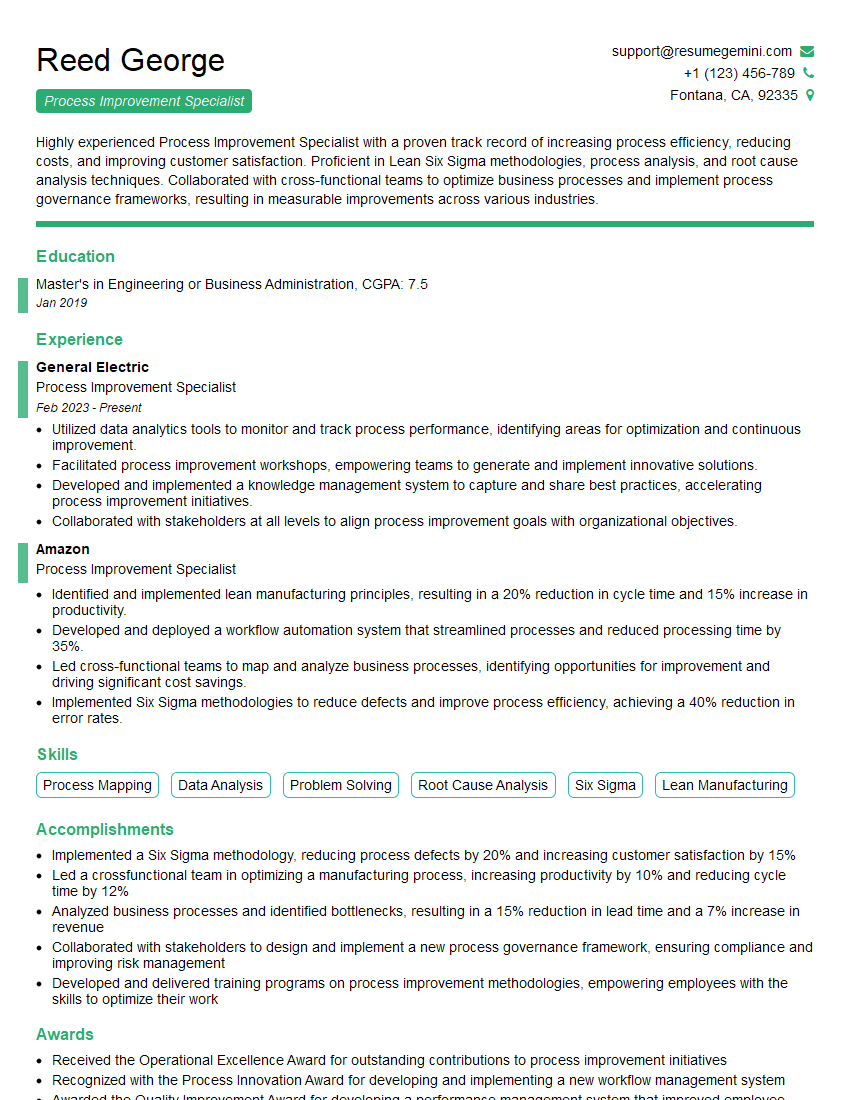
Process Improvement Specialist Resume Sample
- Strategic Planner
- Operations Manager
- Product Manager
- Project Manager
- Compliance Officer
- Risk Manager
- Supply Chain Analyst
- Business Analyst
- Management Consultant
- Market Research Analyst
- Financial Analyst
- Data Scientist
- Research Scientist
- Software Engineer
- Systems Analyst
- Solutions Architect
- Technical Architect
- Intelligence Analyst
- Actuary
- UX Designer
- Cybersecurity Analyst
- Process Improvement Specialist
Explore more articles
Users Rating of Our Blogs
Share Your Experience
We value your feedback! Please rate our content and share your thoughts (optional).
What Readers Say About Our Blog
Very informative content, great job.
good