Are you ready to stand out in your next interview? Understanding and preparing for Advanced Troubleshooting and Root Cause Analysis interview questions is a game-changer. In this blog, we’ve compiled key questions and expert advice to help you showcase your skills with confidence and precision. Let’s get started on your journey to acing the interview.
Questions Asked in Advanced Troubleshooting and Root Cause Analysis Interview
Q 1. Describe your approach to identifying the root cause of a complex system failure.
My approach to identifying the root cause of a complex system failure is systematic and iterative. It begins with a thorough understanding of the system, including its architecture, dependencies, and recent changes. I then gather data from various sources – logs, monitoring tools, user reports, and potentially even physical inspections – to paint a comprehensive picture of the failure. This data informs my selection of appropriate root cause analysis (RCA) methodologies. I typically start with a high-level overview, using techniques like the 5 Whys or fault tree analysis to quickly identify potential areas of concern. This high-level analysis is then refined with more detailed investigations, potentially involving detailed log analysis, code review, or network tracing, depending on the nature of the failure. The process continues until a clear, verifiable root cause is identified, and importantly, until I’m confident that I understand *why* that root cause led to the failure. Finally, I document the entire process meticulously, including findings, conclusions, and recommendations for preventing future occurrences.
Q 2. Explain the difference between correlation and causation in root cause analysis.
Correlation and causation are often confused, but they are fundamentally different. Correlation simply means that two events occur together; they have a statistical relationship. Causation, however, means that one event *directly causes* another. In root cause analysis, we are looking for causation. For example, imagine a business observes an increase in customer complaints (event A) coinciding with a new software release (event B). This is a correlation. However, to establish causation, we need to prove that the new software release *directly caused* the increase in customer complaints, perhaps due to a bug or a change in user experience. Simply observing the two events happening together is insufficient; a thorough investigation is required to determine the causal link.
Q 3. What are the five whys and how do you apply them in your troubleshooting process?
The ‘Five Whys’ is a simple yet effective iterative questioning technique used to uncover the root cause of a problem. It involves repeatedly asking ‘Why?’ to drill down to the underlying reason. Let’s say a website is experiencing slow loading times.
- Why? The website is slow.
- Why? The database is slow to respond.
- Why? The database server is overloaded.
- Why? There’s a surge in traffic due to a recent marketing campaign.
- Why? The campaign wasn’t properly load-tested beforehand.
This reveals the root cause: inadequate load testing of the marketing campaign. It’s important to note that the Five Whys isn’t foolproof; it might require adjustments and creative questioning to get to the core issue, and sometimes it needs to be combined with other techniques. In practice, I often adapt the number of ‘whys’ based on the problem’s complexity. I’ll continue questioning until I reach a level of understanding where I can confidently propose a solution and prevent future incidents.
Q 4. Describe a situation where you used a fishbone diagram (Ishikawa diagram) to identify the root cause of a problem.
During a recent incident where our customer support system became unresponsive, I used a Fishbone diagram (Ishikawa diagram) to visually organize potential root causes. The main effect was ‘Customer support system unresponsiveness’. Then, I brainstormed potential contributing factors, categorizing them under major categories such as:
- People: Inadequate training for support staff, high staff turnover
- Methods: Inefficient support processes, outdated ticketing system
- Machines: Server hardware failure, network connectivity issues
- Materials: Lack of sufficient documentation, outdated software
- Measurement: Insufficient monitoring of system performance, lack of alerting
- Environment: Unexpected traffic surge, external security attack
By visually mapping these causes, we could prioritize investigation efforts and quickly identify that a combination of inadequate server capacity (Machines) and a poorly designed escalation process (Methods) were contributing most significantly to the problem. This visual representation helped facilitate team collaboration and ensure we considered all potential factors.
Q 5. What are some common root cause analysis methodologies besides the five whys?
Besides the Five Whys, several other RCA methodologies exist, each with its strengths and weaknesses. These include:
- Fault Tree Analysis (FTA): A top-down, deductive approach that uses a tree-like diagram to visually represent the combination of events that lead to a specific failure. It’s particularly useful for complex systems.
- Event Sequence Diagram: A chronological representation of events leading up to the failure. It helps to visualize the timing and sequence of events and can reveal hidden dependencies.
- Pareto Analysis: Focuses on identifying the ‘vital few’ causes that contribute to the majority of the problem. (More on this in the next answer).
- Root Cause Analysis (RCA) Software Tools: Specialized software that helps to structure and manage the process of identifying root causes, enabling data driven decisions.
The choice of methodology depends on the complexity of the problem, available data, and team preferences.
Q 6. How do you handle situations where the root cause is not immediately apparent?
When the root cause isn’t immediately apparent, a structured and methodical approach is crucial. This usually involves a combination of techniques. First, I ensure I have collected and analyzed all available data sources, going beyond the obvious. Second, I use multiple RCA methods in parallel or sequentially. The Five Whys, along with a Fishbone diagram or Fault Tree Analysis, provide a good starting point. Third, I escalate the problem if needed, bringing in experts from other teams (database administrators, network engineers, etc.) with specialized knowledge. Finally, I often employ iterative investigation; initial assumptions are tested and refined based on new evidence. If the cause remains elusive, I document the uncertainty and propose a plan for further investigation, possibly involving controlled experiments or simulations.
Q 7. Explain the Pareto principle and its application in root cause analysis.
The Pareto principle, also known as the 80/20 rule, states that roughly 80% of effects come from 20% of causes. In root cause analysis, this means that a small number of root causes often account for the majority of problems. Applying the Pareto principle helps focus our efforts on the most impactful causes. For example, if we’re analyzing customer service calls, we might find that 80% of calls are related to just 20% of the common issues (e.g., password resets, billing inquiries). This insight allows us to prioritize our efforts in resolving those top 20% of issues, leading to a significant improvement in overall customer satisfaction with minimal effort. Pareto analysis can be done with simple charts or more sophisticated statistical techniques to find which are the vital few.
Q 8. How do you prioritize root causes when multiple contributing factors are identified?
Prioritizing root causes when multiple contributing factors exist is crucial for efficient problem-solving. It’s not always about finding all the causes, but identifying the most impactful ones. I use a risk-based prioritization approach, combining severity and probability.
- Severity: How significant is the impact of each contributing factor? A factor leading to complete system failure carries higher severity than a minor performance degradation.
- Probability: How likely is it that this factor will reoccur or contribute to future issues? A recurring factor deserves higher priority even if its individual impact is less severe.
- Interdependence: Are some factors dependent on others? Addressing a root cause might resolve several others simultaneously. This needs careful analysis.
Imagine a website outage. We might find slow database queries, insufficient server capacity, and a buggy API. By quantifying the impact (severity) and recurrence likelihood (probability) of each, we might prioritize fixing the insufficient server capacity first because it’s highly likely to lead to future outages and has the most significant immediate impact. Then we could address the database queries, and finally the API bug which is less likely to cause widespread problems.
Q 9. How do you validate a proposed root cause?
Validating a proposed root cause isn’t just about confirming a hunch; it’s about establishing a causal link with rigorous evidence. I employ several validation techniques:
- Reproducibility: Can we consistently reproduce the issue by manipulating the suspected root cause? If we can reliably trigger the problem by adjusting a specific setting or introducing a specific condition, it strengthens the hypothesis.
- Data Analysis: Does the data support the causal link? Logs, metrics, and traces should show a correlation between the suspected root cause and the observed problem. For example, if we suspect memory leaks, we’d expect to see memory consumption steadily increasing until the system crashes.
- A/B Testing (where feasible): Implement a controlled experiment where the suspected root cause is mitigated in one group while the other acts as a control. Comparing results shows if the solution is effective.
- Expert Review: Getting a second opinion from other experienced engineers helps avoid bias and provides fresh perspectives.
For instance, if we believe network latency is causing application slowdowns, we’d validate by monitoring network performance, comparing response times during periods of high and low latency, and potentially conducting a network trace.
Q 10. How do you document your root cause analysis findings?
Thorough documentation is crucial. I follow a structured approach that includes:
- Problem Statement: A clear description of the problem, including symptoms, timeline, and impacted systems.
- Investigation Steps: A detailed account of all investigative steps taken, including tools, data analyzed, and individuals involved.
- Root Cause Analysis: A concise summary of the identified root cause(s), supported by evidence.
- Solution Implemented: A description of the implemented solutions, including implementation details and verification results.
- Lessons Learned: Key takeaways, improvements to processes, and preventative measures to avoid similar issues in the future.
- Visual Aids: Flowcharts, diagrams, graphs, and screenshots improve clarity and comprehension.
I typically use a combination of wikis, shared documentation platforms, or even detailed reports for complex issues, ensuring accessibility and traceability for everyone involved.
Q 11. Describe a time you had to troubleshoot a complex technical issue under pressure.
During a major website outage, we experienced a cascading failure. Initially, a minor database issue caused slowdowns. However, automated failover mechanisms triggered, leading to a load imbalance and ultimately, a complete system crash. The pressure was immense, as our business was completely halted.
My approach was methodical, even under pressure: First, I prioritized restoring service using manual interventions. Simultaneously, we initiated a parallel root cause analysis focusing on the database issue and the failover mechanism. Using monitoring tools, we quickly identified the database bottleneck and worked on a temporary fix. Then, we analyzed logs to understand why the failover led to instability, discovering a flaw in our load balancing configuration. We documented all fixes and recommendations for improved failover logic and load balancing strategies to prevent future incidents.
While stressful, the experience highlighted the importance of automated monitoring, well-defined incident response plans, and robust root cause analysis methodologies.
Q 12. How do you ensure effective communication during the root cause analysis process?
Effective communication is paramount. I prioritize transparency and clear, concise updates. I use a combination of techniques:
- Regular Status Updates: Provide frequent, concise updates to stakeholders, outlining progress and challenges.
- Visual Communication: Dashboards and diagrams clearly convey technical details to a non-technical audience.
- Collaboration Tools: Utilize platforms like Slack or Microsoft Teams for real-time communication and updates.
- Post-Mortem Meetings: Conduct formal reviews to share findings, lessons learned, and action plans.
- Tailored Communication: Adapt communication style to the audience. For example, technical discussions with engineers versus high-level summaries for management.
Remember, timely and transparent communication builds trust and prevents misunderstandings.
Q 13. What tools or software do you use to support root cause analysis?
My toolkit includes various software and tools depending on the situation. These often include:
- Monitoring Tools: Such as Datadog, Prometheus, or Grafana, to collect metrics and track system performance.
- Logging Systems: Like ELK stack (Elasticsearch, Logstash, Kibana) or Splunk for analyzing logs and identifying patterns.
- Debugging Tools: Debuggers, profilers, and code analysis tools for scrutinizing code and identifying issues.
- Network Analyzers: Wireshark or tcpdump to examine network traffic and troubleshoot network connectivity problems.
- Collaboration Platforms: Confluence, Jira, or similar for documentation, issue tracking, and knowledge sharing.
The selection depends on the specific technology stack and complexity of the issue. Often, a combination is necessary for a thorough analysis.
Q 14. How do you handle resistance to implementing solutions identified through root cause analysis?
Resistance to implementing solutions is often rooted in fear, lack of understanding, or resource constraints. I address it through:
- Collaboration and Empathy: Involve resistant parties in the process, actively listening to their concerns and addressing them openly.
- Clear Communication: Explain the identified root cause, the impact of the problem, and the benefits of the proposed solution clearly and concisely. Use data and evidence to support the solution.
- Incremental Implementation: Start with a pilot program or phased rollout to reduce risk and demonstrate value.
- Training and Support: Provide necessary training and support to enable smooth adoption of the new solution.
- Addressing Resource Concerns: Actively seek resources and address resource constraints that might hinder implementation.
It’s important to remember that change management is crucial. Persuasion, open communication, and a collaborative approach are far more effective than forceful implementation.
Q 15. Describe your experience with different types of diagnostic tools.
My experience with diagnostic tools spans a wide range, encompassing both hardware and software solutions. For hardware, I’m proficient with oscilloscopes for analyzing electrical signals, logic analyzers for debugging digital circuits, and network analyzers for troubleshooting network connectivity issues. I can interpret the data these tools provide to pinpoint malfunctioning components or identify bottlenecks. On the software side, I’m adept at using debuggers (like GDB or LLDB) to step through code, identify memory leaks, and analyze program execution flow. I’m also skilled in using monitoring tools such as Prometheus and Grafana for visualizing system performance metrics, identifying anomalies, and tracing issues across distributed systems. Furthermore, I utilize various logging frameworks (e.g., Log4j, Serilog) to gather insightful information from application logs for pattern identification. Finally, I leverage specialized tools depending on the specific system, including database monitoring tools, application performance monitoring (APM) systems, and cloud-native monitoring services like those offered by AWS, Azure, and GCP.
- Example: While troubleshooting a network performance issue, I used a network analyzer to identify packet loss on a specific link, leading to the discovery of a faulty switch.
- Example: When debugging a memory leak in a Java application, I used a debugger to track memory allocation and identify the specific code section causing the leak.
Career Expert Tips:
- Ace those interviews! Prepare effectively by reviewing the Top 50 Most Common Interview Questions on ResumeGemini.
- Navigate your job search with confidence! Explore a wide range of Career Tips on ResumeGemini. Learn about common challenges and recommendations to overcome them.
- Craft the perfect resume! Master the Art of Resume Writing with ResumeGemini’s guide. Showcase your unique qualifications and achievements effectively.
- Don’t miss out on holiday savings! Build your dream resume with ResumeGemini’s ATS optimized templates.
Q 16. How do you differentiate between symptoms and root causes?
Differentiating between symptoms and root causes is crucial for effective troubleshooting. A symptom is a visible indication of a problem, while the root cause is the underlying reason for that symptom. Think of it like a doctor diagnosing an illness: a fever (symptom) might indicate an infection (root cause), but it could also be caused by something else entirely. To illustrate, consider a website experiencing slow load times (symptom). This could be due to several things – a database query taking too long, insufficient server resources, or a network bottleneck (potential root causes). We must investigate these potential causes to identify the true root cause. I use a systematic approach, often starting with the ‘5 Whys’ technique, repeatedly asking ‘why’ to drill down to the fundamental issue. Other methods include fault tree analysis and fishbone diagrams to visualize the potential contributing factors and narrow down the possibilities.
Example: A slow application might be a symptom. Asking ‘why’ repeatedly might reveal the root cause to be a poorly written database query (Why is it slow? Because the query is inefficient. Why is the query inefficient? Because it lacks indexing. Why is there no indexing? Because it was overlooked during development.).
Q 17. What are the limitations of root cause analysis?
Root cause analysis (RCA) has limitations. One major limitation is the inherent complexity of systems. Modern systems are intricate webs of interconnected components, making it difficult to isolate the single root cause. Often multiple factors contribute to a problem, and it can be challenging to determine the relative importance of each factor. Another limitation is the availability of data. Incomplete or inaccurate data can lead to flawed conclusions. Human error also plays a significant role. Bias, insufficient investigation, or overlooking subtle clues can all lead to inaccurate RCA results. Finally, there’s the issue of time and resources. Thorough RCA can be time-consuming and expensive, especially in large, complex systems. Sometimes, a pragmatic solution is to address the immediate symptom rather than embark on a lengthy root cause investigation, especially if the cost of a thorough investigation exceeds the cost of mitigation.
Example: In a large-scale distributed system, identifying the root cause of a performance degradation might be exceptionally challenging due to the vast number of components and interactions.
Q 18. How do you deal with incomplete or unreliable data during root cause analysis?
Dealing with incomplete or unreliable data during RCA requires careful consideration. Firstly, I document the limitations of the data clearly. This transparency is critical for understanding the scope and limitations of the RCA findings. Secondly, I employ data triangulation, using multiple data sources to cross-validate information. This helps to identify inconsistencies and build a more robust picture, even with incomplete data sets. Thirdly, I use data visualization techniques – graphs, charts, and other visual representations – to identify patterns and trends even if the data is fragmented. For example, anomaly detection algorithms can help pinpoint unusual behaviour even in incomplete data. Finally, I utilize statistical methods to estimate missing data points, acknowledging that these estimations introduce uncertainty. I clearly state the assumptions made during these estimations to provide context for the analysis results.
Example: If logs are incomplete, I might rely on system metrics or user reports to gather complementary evidence. I would then explicitly note the reliance on these alternative sources and the potential for inaccuracies.
Q 19. How do you manage expectations when troubleshooting complex issues?
Managing expectations during complex troubleshooting is essential. I begin by clearly communicating the problem’s complexity and the uncertainty surrounding the timeline. Realistic timelines and regular updates on progress are essential. It’s helpful to provide intermediate milestones and deliverables, rather than only focusing on a complete solution at the end. This shows progress and helps maintain stakeholder confidence. Transparent communication is key, acknowledging unknowns and potential setbacks. I encourage active collaboration and feedback from stakeholders, ensuring they understand the process and have their questions answered promptly. Proactively managing their expectations prevents frustration and maintains constructive working relationships.
Example: Instead of saying “I’ll fix this by tomorrow,” I might say, “This is a complex issue, and a full resolution may take a few days. I’ll provide an update by the end of the day outlining my initial findings and a plan of action.”
Q 20. How do you measure the effectiveness of your root cause analysis?
Measuring the effectiveness of RCA involves several key metrics. Firstly, I assess whether the identified root cause(s) truly addressed the initial symptom. This often requires monitoring the system after the corrective actions are implemented. A reduction in the frequency or severity of the symptom indicates success. Secondly, I measure the impact of the corrective actions on system performance or reliability. Improved uptime, reduced error rates, or better performance metrics all indicate effective RCA. Thirdly, I consider the long-term impact, checking whether the corrective actions have prevented similar issues from recurring. Finally, I also review the entire RCA process itself. Was it efficient? Could it have been improved? This helps improve the RCA process for future use. It’s important to note that the effectiveness of RCA is not always immediately quantifiable, especially in complex systems. A holistic evaluation across these metrics is crucial.
Example: If a network bottleneck was identified as the root cause of slow application load times, post-implementation monitoring would confirm whether load times improved after addressing the bottleneck.
Q 21. Explain the concept of failure modes and effects analysis (FMEA).
Failure Modes and Effects Analysis (FMEA) is a proactive risk assessment technique used to identify potential failure modes within a system and assess their potential effects. It’s a structured approach that helps anticipate problems before they occur. The process involves systematically examining each component or process within a system, identifying potential failure modes (how things can go wrong), assessing the severity of each failure, determining the likelihood of occurrence, and evaluating the detectability of the failure. This information is then used to prioritize risk mitigation efforts. A risk priority number (RPN) is often calculated (Severity x Occurrence x Detection), helping to focus attention on the highest-risk areas. FMEA is particularly useful in design and development phases, helping to improve system reliability and safety.
Example: In the design of an automobile braking system, an FMEA might identify a potential failure mode of brake line rupture. The severity would be high (potential for accident), the occurrence might be low (depending on material quality and manufacturing processes), and detectability could be moderate (regular maintenance inspections). The RPN would guide resource allocation towards preventing or mitigating this risk (e.g., using higher-quality materials or improving manufacturing processes).
Q 22. What is your experience with fault tree analysis (FTA)?
Fault Tree Analysis (FTA) is a top-down, deductive reasoning technique used to identify the potential causes of a system failure. It graphically represents the relationships between events that lead to an undesired outcome, typically a top-level event (or ‘top event’). Think of it as a reverse-engineered cause-and-effect diagram. We start with the unwanted event at the top and work our way down, identifying the contributing factors and their relationships using logic gates (AND, OR).
My experience with FTA spans several years and various industries. I’ve used it to analyze everything from software application crashes to manufacturing process failures. For example, in a recent project analyzing the failure of a critical network component, we built an FTA that traced the failure back to several potential causes, including hardware malfunction, software bugs, and insufficient network capacity. This allowed us to prioritize corrective actions and improve the system’s overall reliability. I’m proficient in both manual FTA construction and using specialized software to facilitate the process, aiding in the quantification of risk and probability.
FTA’s strength lies in its ability to visually represent complex relationships, making it easier to communicate findings and identify areas needing improvement. It’s particularly useful for systems where safety or high reliability are critical.
Q 23. How do you handle recurring problems after root cause analysis has been performed?
Recurring problems after root cause analysis can be incredibly frustrating, but they often signal a deeper issue. My approach involves a multi-faceted strategy:
- Re-examine the original analysis: Were all contributing factors considered? Was there a bias in the data collection or analysis? Did we miss any subtle correlations?
- Validate the implemented solutions: Were the corrective actions properly implemented? Are there any unintended consequences resulting from the changes?
- Investigate the implementation process: Were there gaps in communication, training, or resources that hampered the successful application of the solution?
- Consider systemic issues: Are there underlying organizational or process weaknesses that repeatedly create the same problem? For instance, insufficient training or inadequate documentation can lead to repeated errors. This requires a more comprehensive overhaul of processes and procedures.
- Monitor and adapt: Implementing strong monitoring and feedback loops is crucial for early detection of recurring problems. This allows for proactive adjustments and prevents the issue from becoming widespread.
A recurring issue is often a symptom of a systemic problem rather than a one-off event. Addressing the root cause requires a holistic approach considering both technical and human factors.
Q 24. Describe a time when your root cause analysis led to significant process improvements.
During a project involving a manufacturing line experiencing frequent downtime due to sensor failures, our initial root cause analysis identified a single faulty sensor model. We replaced those sensors, but the problem persisted. Further investigation, using a combination of 5 Whys and fishbone diagrams, revealed the root cause wasn’t a faulty sensor model per se, but rather the improper installation procedures leading to premature sensor failure across all models.
This led to significant process improvements: we revised the installation manual, provided comprehensive retraining for technicians, and introduced a quality control check at each installation step. The result was a dramatic decrease in downtime (over 75%), a significant cost saving due to reduced sensor replacements and production losses, and a demonstrably improved safety record for our technicians.
This experience highlighted the importance of going beyond surface-level analysis to identify underlying systemic weaknesses. A seemingly simple problem can often reveal deeply embedded issues requiring broader solutions.
Q 25. How do you stay updated on the latest techniques and methodologies in root cause analysis?
Staying updated in this field is crucial. I actively engage in several strategies:
- Professional memberships and conferences: I’m a member of several professional organizations focused on reliability engineering and quality management. Attending conferences and workshops keeps me abreast of the newest methodologies and best practices.
- Industry publications and journals: I regularly read journals like Reliability Engineering & System Safety and subscribe to industry newsletters to stay informed on current research and advancements.
- Online courses and webinars: Online platforms offer numerous courses and webinars covering advanced root cause analysis techniques, statistical methods, and relevant software tools. I actively participate in these learning opportunities.
- Networking and collaboration: Connecting with other professionals in the field through online forums and professional networks allows for the exchange of knowledge and experiences.
Continuous learning is vital for remaining a competent and effective root cause analyst, as the field constantly evolves with new techniques and technologies.
Q 26. What are some common mistakes to avoid in root cause analysis?
Common mistakes to avoid in root cause analysis include:
- Jumping to conclusions: Prematurely identifying a cause without sufficient evidence is a major pitfall. Thorough investigation is crucial.
- Focusing solely on symptoms: Addressing the immediate symptoms without digging deeper to understand the underlying cause will only provide temporary relief.
- Confirmation bias: Seeking only evidence to support a pre-conceived notion and ignoring contradictory evidence.
- Insufficient data collection: Incomplete or inaccurate data can lead to flawed conclusions. Comprehensive data gathering is essential.
- Ignoring human factors: Human error often plays a crucial role in failures. Overlooking human factors results in incomplete analysis.
- Lack of teamwork and communication: Effective RCA requires collaboration and effective communication among all stakeholders.
A systematic and objective approach, combined with effective teamwork and critical thinking, helps mitigate these pitfalls.
Q 27. How do you balance speed and thoroughness in your root cause analysis process?
Balancing speed and thoroughness is a critical skill in root cause analysis. A rushed analysis risks missing crucial details, while an overly exhaustive investigation can delay resolution. My approach involves:
- Prioritization: Identifying the most critical aspects of the problem needing immediate attention while understanding which areas can be investigated later.
- Focused investigation: Employing techniques like the Pareto principle (80/20 rule) to focus on the most significant contributors to the problem.
- Iterative approach: Conducting a preliminary analysis to establish high-probability causes, followed by more in-depth investigation as needed.
- Timeboxing: Allocating specific timeframes for different stages of the analysis to maintain momentum and avoid unnecessary delays.
- Effective communication: Regularly communicating findings and priorities to stakeholders to ensure alignment and prevent scope creep.
The balance between speed and thoroughness depends on the context and urgency of the situation. In critical situations, prioritizing speed is essential, while for less urgent problems, a more thorough analysis is appropriate.
Q 28. How do you adapt your approach to root cause analysis based on the complexity of the system?
My approach to root cause analysis adapts to the complexity of the system. Simple systems often benefit from simpler methods such as the 5 Whys or a fishbone diagram. For complex systems with multiple interacting components, a more structured and systematic approach is required.
- Simple Systems: Techniques like the 5 Whys, fishbone diagrams, or even brainstorming sessions are effective for quickly identifying the root cause.
- Complex Systems: For complex systems, I might employ techniques such as FTA, failure mode and effects analysis (FMEA), or even more sophisticated statistical methods like regression analysis or design of experiments (DOE). These techniques allow for a more comprehensive and detailed understanding of the interdependencies within the system.
- System Decomposition: Breaking down complex systems into smaller, more manageable subsystems facilitates analysis and improves understanding.
- Modeling and Simulation: For intricate systems, building a model (either physical or computational) can help visualize interactions and test potential solutions before implementation.
Choosing the right methodology depends on the system’s complexity, the available resources, the time constraints, and the criticality of the problem. Adaptability is key to effective root cause analysis.
Key Topics to Learn for Advanced Troubleshooting and Root Cause Analysis Interview
- Understanding Problem Domains: Defining the scope of a problem, identifying impacted systems, and gathering relevant information from various sources (logs, metrics, user reports).
- Troubleshooting Methodologies: Mastering techniques like the 5 Whys, Ishikawa diagrams (Fishbone diagrams), Pareto analysis, and fault tree analysis for effective root cause identification.
- Data Analysis and Interpretation: Analyzing logs, metrics, and other data sources to identify patterns, anomalies, and potential root causes. This includes experience with relevant tools and software.
- System Architecture and Design: Demonstrating a strong understanding of system architectures to efficiently trace issues and predict potential points of failure.
- Effective Communication and Collaboration: Articulating technical details clearly to both technical and non-technical audiences, collaborating effectively with teams to solve complex problems.
- Incident Management and Documentation: Understanding incident lifecycle management, including effective documentation, post-incident reviews, and knowledge base contributions.
- Practical Application of Theoretical Concepts: Being able to apply theoretical knowledge to real-world scenarios, such as debugging complex software issues or resolving network connectivity problems.
- Proactive Problem Solving: Discussing experience with identifying and mitigating potential issues before they escalate into major incidents.
Next Steps
Mastering Advanced Troubleshooting and Root Cause Analysis is crucial for career advancement in IT and related fields. These skills demonstrate a high level of technical expertise and problem-solving abilities, making you a valuable asset to any organization. To significantly improve your job prospects, it’s essential to have a resume that showcases these skills effectively. An ATS-friendly resume is key to getting your application noticed. We recommend using ResumeGemini to craft a professional, impactful resume that highlights your abilities. ResumeGemini offers examples of resumes tailored to Advanced Troubleshooting and Root Cause Analysis roles, giving you a head start in creating a winning application.
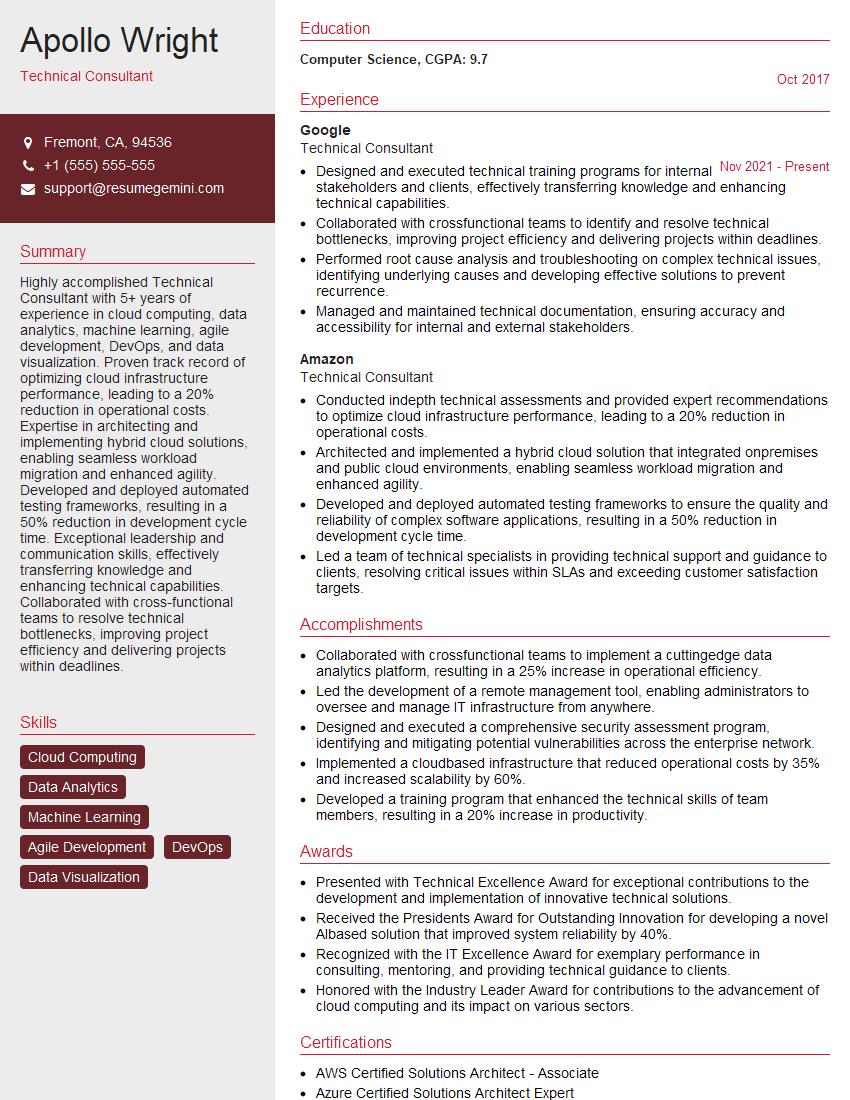
Technical Consultant Resume Sample
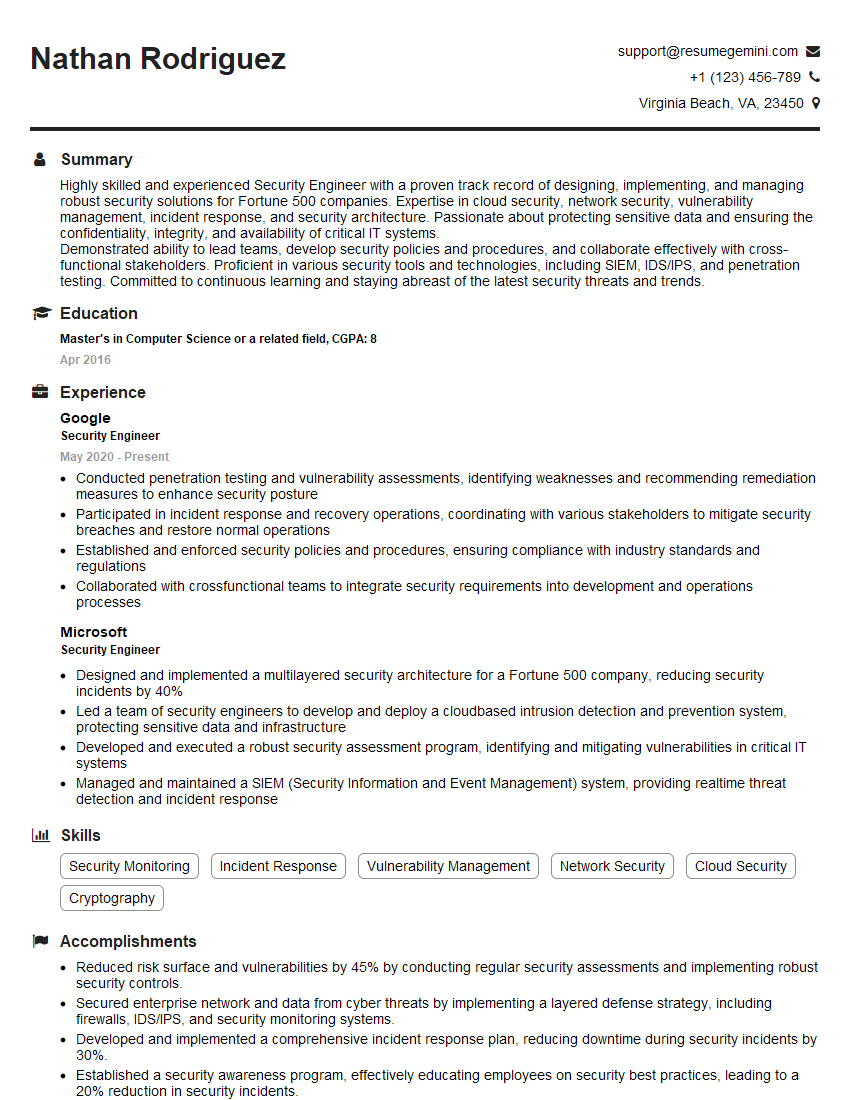
Security Engineer Resume Sample
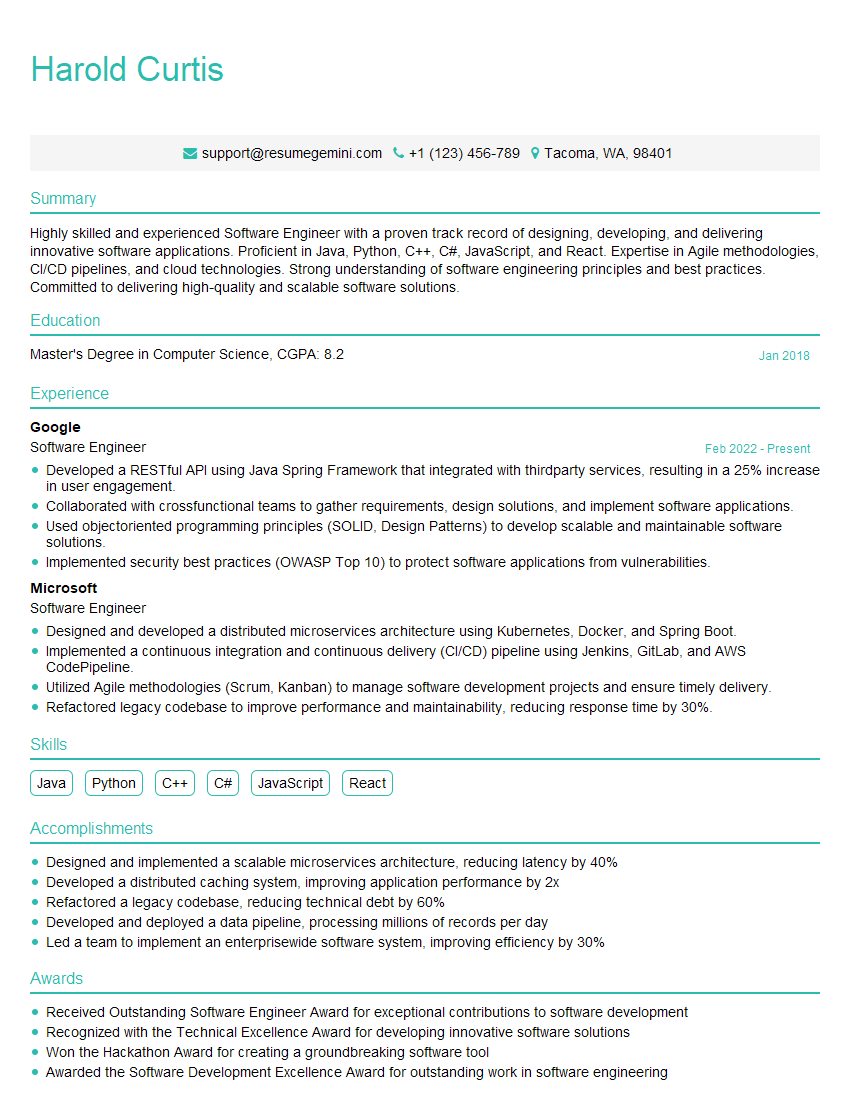
Software Engineer Resume Sample
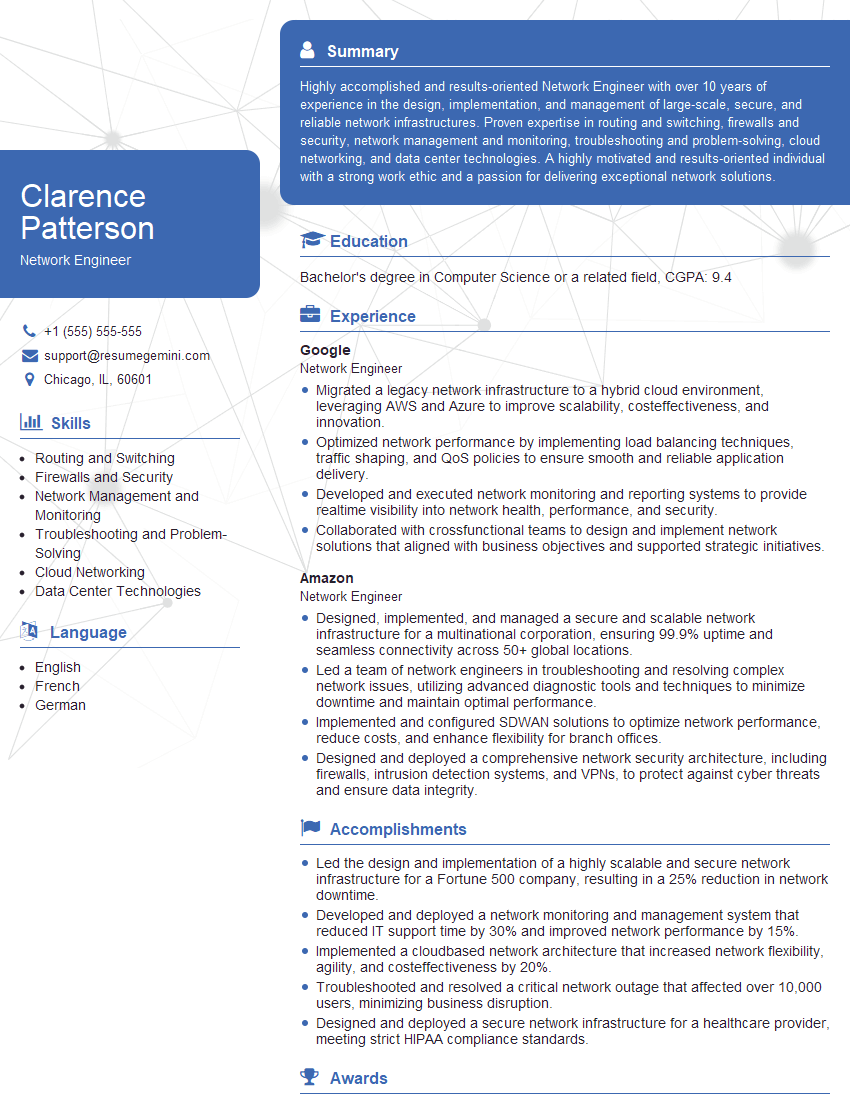
Network Engineer Resume Sample
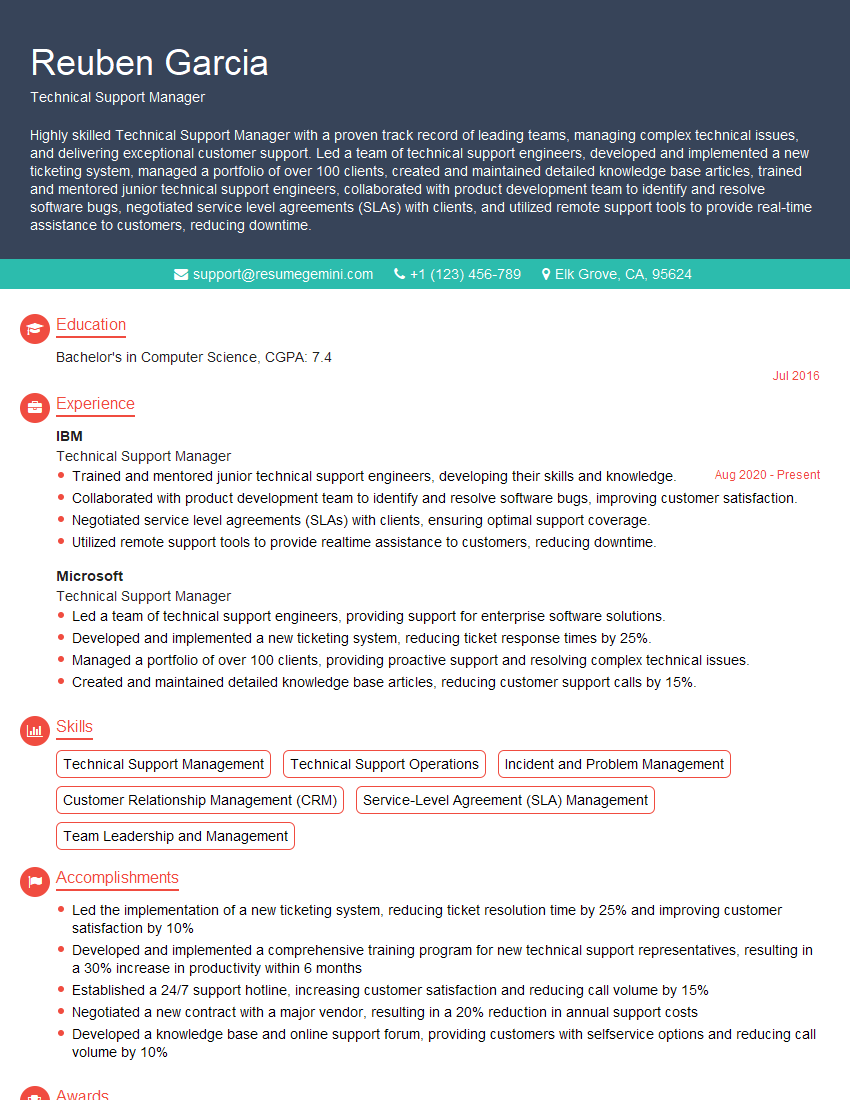
Technical Support Manager Resume Sample
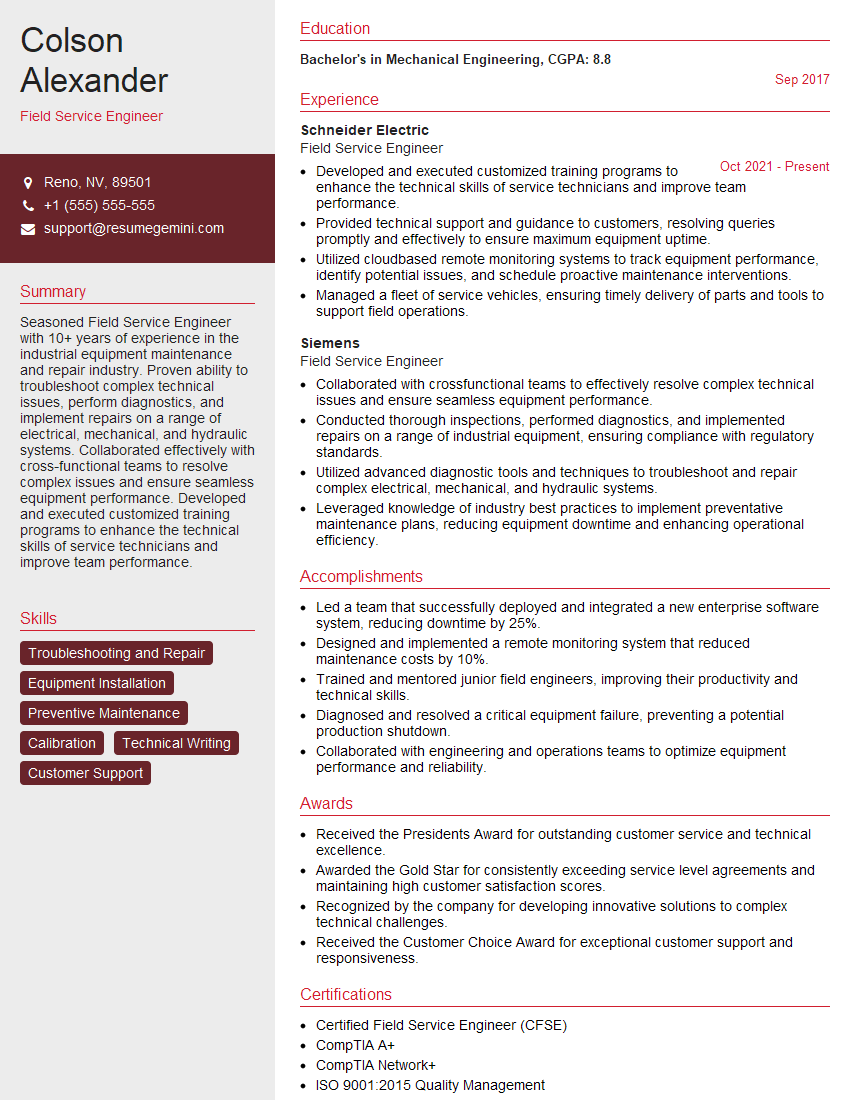
Field Service Engineer Resume Sample

Hardware Engineer Resume Sample
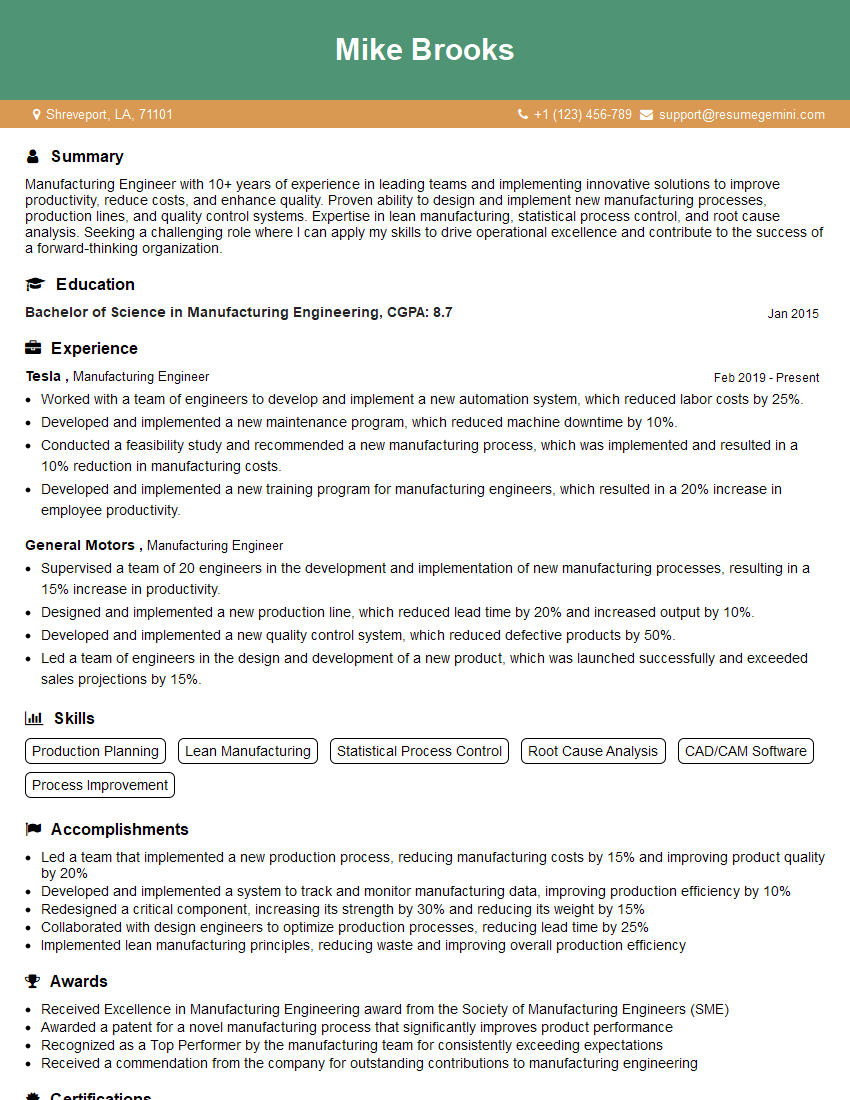
Manufacturing Engineer Resume Sample
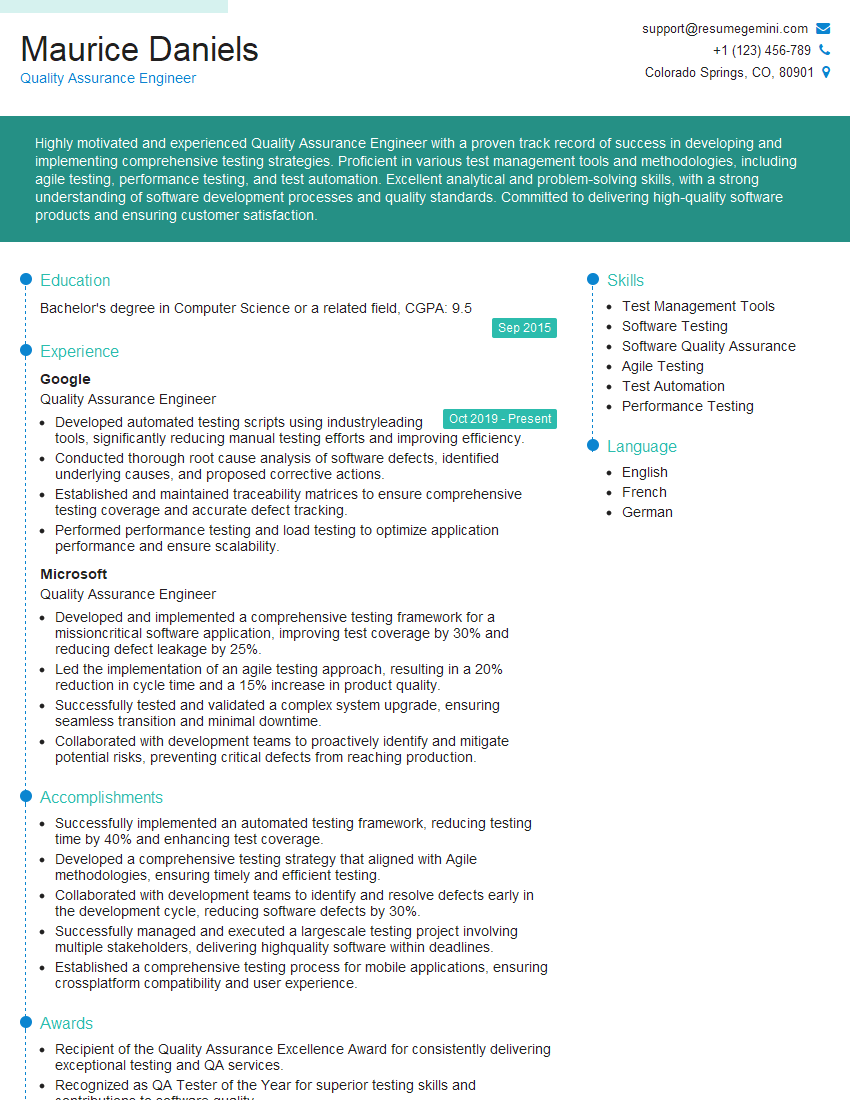
Quality Assurance Engineer Resume Sample
Explore more articles
Users Rating of Our Blogs
Share Your Experience
We value your feedback! Please rate our content and share your thoughts (optional).
What Readers Say About Our Blog
Very informative content, great job.
good