Feeling uncertain about what to expect in your upcoming interview? We’ve got you covered! This blog highlights the most important After Action Review (AAR) interview questions and provides actionable advice to help you stand out as the ideal candidate. Let’s pave the way for your success.
Questions Asked in After Action Review (AAR) Interview
Q 1. Describe your experience facilitating After Action Reviews (AARs).
My experience facilitating After Action Reviews (AARs) spans over a decade, working with diverse teams across various industries, from military operations to complex software development projects. I’ve facilitated hundreds of AARs, ranging from small, informal sessions to large-scale, multi-day reviews involving numerous stakeholders. I’ve consistently focused on creating a safe and open environment where participants feel comfortable sharing both successes and failures, leading to actionable insights and improved performance. I’ve honed my skills in active listening, conflict resolution, and ensuring the AAR process remains focused on objective analysis rather than blame assignment. A key element of my approach is tailoring the AAR process to the specific context and needs of each team, ensuring relevance and effectiveness.
For instance, in a recent project with a software development team, we conducted a series of shorter, iterative AARs following each sprint. This allowed for rapid feedback loops and helped prevent minor issues from escalating into major problems. In contrast, for a large-scale project involving multiple departments, we employed a more formal, multi-day AAR involving structured presentations, data analysis, and facilitated group discussions.
Q 2. What are the key steps involved in conducting a successful AAR?
Conducting a successful AAR involves a structured approach, typically encompassing five key steps:
- Planning: Defining the purpose, scope, participants, and desired outcomes of the AAR. This stage includes selecting an appropriate time and location, and distributing any pre-AAR materials such as questionnaires or data summaries.
- Fact-Finding: Gathering information about the event being reviewed. This involves using various methods (discussed in question 4) to objectively document what happened, what went well, and what could be improved.
- Analysis: Analyzing the collected data to identify root causes of successes and failures. This often involves using frameworks like the “5 Whys” to drill down to the underlying reasons for outcomes.
- Action Planning: Developing actionable steps to prevent past mistakes and capitalize on successes. This involves assigning ownership and deadlines to specific tasks.
- Follow-up: Tracking progress on action items and conducting a subsequent review to measure effectiveness. This ensures accountability and closes the loop on improvement initiatives.
Q 3. How do you ensure participant engagement during an AAR?
Ensuring participant engagement is paramount to a successful AAR. I achieve this through several techniques:
- Creating a safe space: Emphasizing psychological safety, where participants feel comfortable sharing their perspectives without fear of judgment or reprisal.
- Active listening and facilitation: Guiding the discussion, asking clarifying questions, and summarizing key points to ensure everyone feels heard and understood.
- Using visual aids: Incorporating charts, graphs, and other visuals to enhance understanding and engagement.
- Interactive exercises: Employing brainstorming sessions, group activities, and small group discussions to encourage active participation.
- Varied questioning techniques: Using a combination of open-ended questions, probing questions, and reflective statements to stimulate critical thinking and discussion.
- Rotating facilitation: Allowing different members to lead parts of the session. This distributes the responsibility and fosters ownership.
For example, I’ve used a ‘parking lot’ for ideas and concerns unrelated to the current topic, ensuring that no valuable input is lost, but not disrupting the flow of the main discussion.
Q 4. What methods do you use to gather information for an AAR?
Information gathering for an AAR employs a multi-faceted approach, combining several methods:
- Checklists and surveys: Structured questionnaires to collect factual data and individual perspectives systematically.
- Interviews: One-on-one conversations to gain in-depth insights from key individuals involved.
- Data analysis: Reviewing relevant metrics, logs, and other quantitative data to support qualitative feedback.
- Debrief sessions: Informal discussions among team members immediately after an event to capture fresh insights while details are still clear.
- Document review: Examining reports, emails, and other relevant documents to reconstruct the event and identify contributing factors.
- Video or audio recordings (with consent): Providing a record of the event for later review and analysis.
The choice of methods depends on the nature of the event and the information needed. A combination of approaches often yields the most comprehensive picture.
Q 5. How do you handle conflicting perspectives or disagreements during an AAR?
Handling conflicting perspectives is a crucial skill in facilitating AARs. My approach focuses on:
- Active listening and empathy: Understanding the different viewpoints before attempting to resolve the conflict.
- Neutral facilitation: Guiding the discussion to focus on the issues, not personalities.
- Data-driven decision making: Using factual data and evidence to support claims and resolve disagreements.
- Seeking common ground: Identifying shared goals and areas of agreement to build consensus.
- Structured conflict resolution techniques: Using techniques such as brainstorming, compromising, or voting to reach a resolution.
- Documenting disagreements: Recording conflicting perspectives, allowing for later review and potential reconciliation. This does not require immediate resolution, especially if it is complex or requires further research.
For instance, if two participants hold opposing views on the effectiveness of a specific strategy, I’d encourage them to present their evidence, compare data, and identify any underlying assumptions that differ. The goal is to gain a deeper understanding, not necessarily to eliminate all disagreement.
Q 6. How do you prioritize action items identified in an AAR?
Prioritizing action items requires a structured approach. I typically use a combination of techniques:
- Urgency and impact matrix: Ranking action items based on their urgency and potential impact. This creates a clear visual representation, helping to focus efforts on the most critical tasks.
- Cost-benefit analysis: Evaluating the cost of implementing each action item against its expected benefits. This helps to optimize resource allocation.
- Stakeholder input: Considering the perspectives of different stakeholders to ensure that priorities align with overall organizational goals.
- Feasibility assessment: Evaluating the feasibility of each action item, considering available resources, time constraints, and technical capabilities. An item might be high-impact, but impractical to implement.
- SMART criteria: Ensuring action items are Specific, Measurable, Achievable, Relevant, and Time-bound.
This process often involves a collaborative effort with the team to ensure buy-in and accountability.
Q 7. Explain your approach to documenting AAR findings and recommendations.
My approach to documenting AAR findings and recommendations emphasizes clarity, conciseness, and actionability. The documentation typically includes:
- Executive summary: A brief overview of the event, key findings, and recommendations.
- Detailed analysis: A comprehensive description of the event, including key decisions, actions taken, and their outcomes.
- Root cause analysis: Identification of the underlying causes of successes and failures, using diagrams like fishbone diagrams or flowcharts.
- Action items: A prioritized list of recommendations with assigned owners, deadlines, and success metrics.
- Lessons learned: Key takeaways and insights that can be applied to future situations.
- Appendices (if necessary): Supporting documents, data tables, and other relevant information.
The document is distributed to all participants and relevant stakeholders, ensuring transparency and accountability. I often use a template to ensure consistency and facilitate easy comparison across multiple AARs. The document should be easy to understand and readily usable to support decision making.
Q 8. How do you ensure the action items from an AAR are implemented?
Ensuring action items from an After Action Review (AAR) are implemented requires a structured approach that goes beyond simply listing tasks. It’s about accountability, follow-up, and integration into existing workflows.
- Assign Ownership: Each action item needs a clear owner responsible for its completion. This person should be someone with the authority and resources to implement the change.
- Define Clear Deadlines: Realistic deadlines should be established for each action item, factoring in dependencies and resource availability. These should be documented in the AAR report.
- Establish Monitoring Mechanisms: Regular follow-up is crucial. This could involve scheduled check-ins, progress reports, or incorporating the action items into project management tools. I often use project management software to track progress and set reminders.
- Integrate into Existing Systems: Action items should be integrated into existing work processes, not treated as separate tasks. This means aligning them with project plans, performance reviews, or organizational objectives.
- Regular Reporting and Review: Progress on action items should be reviewed periodically, ideally during subsequent AARs or project meetings. This helps identify roadblocks and ensure timely completion. I’ve found that incorporating action item updates into team meetings keeps everyone informed and accountable.
For example, if an AAR identifies a communication breakdown between teams, the action item might be to implement a weekly cross-team meeting. The owner would be designated, a deadline set (e.g., within two weeks), and progress would be tracked in the project management system and reported back to the team during subsequent meetings.
Q 9. How do you measure the effectiveness of an AAR?
Measuring the effectiveness of an AAR isn’t about immediate results, but about long-term improvements in performance and processes. It requires a multi-faceted approach.
- Action Item Completion Rate: The percentage of action items successfully completed within their deadlines is a key indicator. This provides a quantifiable measure of the AAR’s impact.
- Qualitative Feedback: Gathering feedback from participants on the usefulness and relevance of the AAR helps gauge its overall value. Surveys or informal feedback sessions can be employed.
- Performance Improvement Metrics: Track key performance indicators (KPIs) relevant to the areas addressed in the AAR. For example, if an AAR focused on reducing errors, then tracking the error rate before and after implementation of action items would show effectiveness.
- Behavioral Changes: Observe whether the AAR has led to changes in team behaviors and processes. Are team members applying the lessons learned in their daily work? This is often less quantifiable but highly valuable.
- Repeat Occurrence Analysis: Analyze if similar issues or challenges arise in the future. A reduction in the frequency of those issues indicates the AAR’s success in addressing root causes.
For instance, if an AAR revealed a training gap, measuring the subsequent improvement in employee performance after the training is implemented directly reflects the AAR’s effectiveness.
Q 10. Describe your experience using different AAR methodologies (e.g., formal vs. informal).
My experience spans both formal and informal AAR methodologies, each with its own strengths and weaknesses.
Formal AARs typically involve structured agendas, detailed documentation, and assigned roles. They are best suited for complex events or high-stakes scenarios. I’ve used this approach extensively in project post-mortems, involving detailed documentation, presentation to stakeholders, and a formal distribution of the report with assigned action items and owners. This method ensures a thorough and traceable review.
Informal AARs are more conversational and less structured. They’re useful for quick feedback and are often conducted immediately after an event, capturing immediate insights. A simple informal debrief amongst a small team immediately after a critical task or meeting can quickly identify issues and prevent repetition. I’ve used this for quick debriefs after smaller tasks or daily stand-up meetings.
The choice depends on the context. Formal AARs are more resource-intensive but provide a detailed record and accountability framework, while informal AARs are quicker and more flexible but may lack the same level of detail and follow-up.
Q 11. How do you adapt your AAR approach to different team sizes and organizational structures?
Adapting the AAR approach to different team sizes and organizational structures requires flexibility and consideration of communication styles and dynamics.
- Small Teams (e.g., 2-5 members): Informal AARs, often conversational, are often efficient. The focus should be on open dialogue and shared understanding.
- Medium-sized Teams (e.g., 6-20 members): A combination of formal and informal approaches may be optimal. Smaller breakout groups can be used for focused discussions, followed by a larger group session to synthesize findings.
- Large Teams or Organizations (e.g., 20+ members): A more structured, formal approach is necessary. This might involve pre-AAR questionnaires, designated facilitators, and a clear communication plan to ensure everyone’s participation and access to the information.
- Organizational Structure: Consider the reporting lines and communication channels. The AAR structure should facilitate feedback across different departments or teams, without undermining existing hierarchies.
For example, in a large organization, I might use a phased approach: first, collect individual or team reflections through a survey, then conduct smaller group AARs based on department or team, and finally, a leadership meeting to review synthesized findings. This helps manage the volume of information and ensures a focused and effective review.
Q 12. What are some common challenges you encounter when conducting AARs, and how do you overcome them?
Common challenges in conducting AARs include time constraints, resistance to participation, and difficulty in identifying root causes.
- Time Constraints: Addressing this requires efficient planning, including a clear agenda, defined time limits for each discussion point, and concise reporting. Focusing on the most critical issues first helps make efficient use of time.
- Resistance to Participation: This often stems from fear of blame or lack of perceived value. Creating a safe and blame-free environment, emphasizing learning and improvement, and demonstrating the value of past AARs can address this. I often start by emphasizing that the goal is improvement, not assigning blame.
- Difficulty Identifying Root Causes: Employing structured techniques such as the ‘5 Whys’ or fishbone diagrams can facilitate a deeper dive into the underlying causes of issues.
- Emotional Reactions: Emotions can run high during AARs, especially if the event was negative. Active listening, conflict resolution skills, and fostering a supportive environment are key to navigate these situations.
For example, if a project failed due to a missed deadline, the 5 Whys approach could uncover deeper issues such as inadequate planning, lack of resources, or unclear communication, leading to more effective action items than simply addressing the missed deadline.
Q 13. How do you ensure confidentiality and trust during AAR sessions?
Confidentiality and trust are paramount for effective AARs. Participants need to feel safe sharing honest feedback without fear of reprisal.
- Clearly State Confidentiality Policy: Begin the AAR by explicitly outlining the confidentiality guidelines. Emphasize that discussions are for improvement, not for assigning blame or public shaming.
- Establish Ground Rules: Set clear expectations for respectful communication, active listening, and constructive feedback. This helps create a safe space for open dialogue.
- Anonymize Feedback (when appropriate): In cases where sensitive issues are discussed, anonymizing feedback can encourage honesty without compromising individuals.
- Protect Information: Handle AAR documents and recordings securely. Restrict access to relevant participants only.
- Follow up: Demonstrate that feedback is taken seriously. Address concerns and demonstrate action taken based on the feedback.
For instance, in an AAR discussing a security breach, assuring participants that discussions will remain confidential within the team and that the focus is on preventative measures going forward fosters trust and encourages open dialogue.
Q 14. How do you incorporate lessons learned from previous AARs into future reviews?
Incorporating lessons from previous AARs into future reviews requires a structured approach to knowledge management.
- Centralized Repository: Maintain a centralized repository of AAR reports and findings. This could be a shared document library or a dedicated project management system.
- Regular Review of Past AARs: Before conducting a new AAR, review relevant past AARs to identify recurring issues or lessons learned.
- Develop a Lessons Learned Database: Categorize and tag lessons learned from past AARs to facilitate easy retrieval and analysis. This can highlight common themes and trends.
- Integrate Lessons Learned into Training and Processes: Formalize lessons learned into training materials or update operational procedures to prevent past mistakes from repeating.
- Track Improvement Metrics: Monitor whether the application of lessons learned from previous AARs leads to improvements in performance metrics.
For example, if several AARs highlight a recurring issue with inadequate risk assessment, creating a standardized risk assessment checklist and incorporating it into project planning procedures will help prevent the issue in future projects.
Q 15. What tools or technologies do you use to support AARs?
Supporting effective After Action Reviews (AARs) relies on leveraging various tools and technologies to facilitate data gathering, analysis, and dissemination. My approach is multifaceted and adapts to the specific needs of each AAR.
Collaboration Platforms: We utilize platforms like Microsoft Teams, Google Workspace, or Slack to centralize communication, share documents (e.g., AAR templates, agendas, meeting notes, presentations), and conduct virtual AAR sessions when geographically dispersed teams are involved. This ensures everyone remains informed and actively participates.
Data Analysis Tools: For complex scenarios involving quantitative data, tools like Excel, Tableau, or specialized project management software are invaluable. For example, if we’re reviewing a project with multiple milestones, we might use project management software to visualize progress against timelines, identify bottlenecks, and quantify cost overruns. This helps move past subjective feelings and into data-driven analysis.
Video and Audio Recording: Recording the AAR session allows us to capture all discussion points and ensure comprehensive documentation. Transcribing these recordings later also aids in creating detailed written reports for review.
Presentation Software: PowerPoint or similar presentation software helps structure the AAR findings, facilitate discussions, and ultimately communicate the key takeaways effectively to stakeholders. Visual aids such as charts and graphs can make complex information more accessible.
The choice of tools depends heavily on the complexity of the event being reviewed and the resources available. The key is to choose tools that improve efficiency and transparency, minimizing administrative overhead and maximizing the value of the AAR.
Career Expert Tips:
- Ace those interviews! Prepare effectively by reviewing the Top 50 Most Common Interview Questions on ResumeGemini.
- Navigate your job search with confidence! Explore a wide range of Career Tips on ResumeGemini. Learn about common challenges and recommendations to overcome them.
- Craft the perfect resume! Master the Art of Resume Writing with ResumeGemini’s guide. Showcase your unique qualifications and achievements effectively.
- Don’t miss out on holiday savings! Build your dream resume with ResumeGemini’s ATS optimized templates.
Q 16. How do you handle sensitive or critical incidents during an AAR?
Handling sensitive or critical incidents during an AAR requires a delicate balance between thorough investigation and protecting confidentiality. We strictly adhere to protocols established within our organization. This usually involves:
Confidentiality Agreements: Prior to the AAR, all participants sign confidentiality agreements acknowledging the sensitive nature of the information being discussed. This sets the ground rules and ensures everyone understands their responsibility to maintain confidentiality.
Controlled Access: Only necessary personnel participate in the AAR. The size and scope of the AAR depend on the sensitivity of the incident. Access to recordings and documents is restricted to authorized individuals.
Data Anonymization: When possible, we anonymize identifying information while still preserving the integrity of the analysis. For example, instead of using names, we might use pseudonyms or group data to protect privacy.
Legal Counsel: For extremely sensitive incidents with potential legal ramifications, we consult with legal counsel to ensure compliance with all regulations and to ensure the AAR process is conducted responsibly and ethically.
Focus on Lessons Learned: The emphasis during the AAR should remain on identifying lessons learned and recommendations for improvement, rather than assigning blame. This fosters a culture of learning and improvement without creating a climate of fear or retribution.
Remember, the goal is to learn from mistakes, not to punish individuals. A well-conducted AAR, even after a critical incident, should result in a stronger, more resilient team.
Q 17. How do you communicate the results of an AAR to stakeholders?
Communicating AAR results effectively is crucial for ensuring that the lessons learned are implemented and contribute to organizational improvement. Our communication strategy involves:
Tailored Reports: We prepare concise and targeted reports summarizing the key findings, recommendations, and action items. These reports are tailored to the specific audience; a summary report for senior management will differ from a detailed report for the team directly involved.
Presentations: We present the key findings and recommendations to stakeholders through presentations, incorporating visuals and data to make the information more engaging and easier to understand.
Follow-up Meetings: We often conduct follow-up meetings to discuss the AAR’s recommendations and to monitor progress on action items. This keeps stakeholders informed and helps to ensure accountability.
Knowledge Management Systems: We store AAR reports and related materials in a centralized knowledge management system (e.g., a shared drive or internal wiki) to make them readily accessible to all relevant personnel and facilitate continuous learning.
Feedback Mechanisms: We incorporate feedback mechanisms to ensure that stakeholders understand the results and have opportunities to offer input or ask clarifying questions. This creates a two-way flow of communication, encouraging engagement and transparency.
The communication channel, the format of the report, and the level of detail all depend on the audience and the scope of the AAR.
Q 18. How do you ensure that AARs are not just a post-mortem but a continuous improvement process?
To ensure AARs are not just post-mortems but a continuous improvement process, we integrate them into a broader framework of organizational learning and development. This includes:
Proactive AARs: We conduct AARs not only after incidents but also after successful projects or operations to identify best practices and areas for further refinement. This proactive approach fosters a culture of continuous improvement and enables us to build upon our successes.
Integration with Performance Management: We link AAR findings to performance goals and individual development plans. This makes AARs relevant to personal growth and career development. It encourages individuals to take ownership of their performance and actively participate in the learning process.
Regular Training: We provide regular training to team members on effective AAR facilitation and participation techniques. This ensures everyone understands the process and is equipped to contribute meaningfully to the discussion.
Tracking and Monitoring: We establish a system for tracking action items stemming from AARs and monitoring their progress. Regular review of progress helps to ensure that recommendations are implemented, and prevents issues from recurring.
Feedback Loop: We create a feedback loop, gathering input from participants on the effectiveness of the AAR process itself. This ongoing assessment and adjustment ensure the process remains relevant, efficient, and impactful.
By embedding AARs within a larger system of continuous improvement, we ensure that they become a catalyst for ongoing learning and growth, rather than a one-time event.
Q 19. What are some key performance indicators (KPIs) you use to evaluate the success of an AAR?
Evaluating the success of an AAR requires focusing on several key performance indicators (KPIs):
Action Item Completion Rate: This measures the percentage of identified action items that are completed within the designated timeframe. A high completion rate indicates effective implementation of recommendations.
Participant Satisfaction: Feedback surveys help gauge participants’ satisfaction with the AAR process, including its structure, facilitation, and value. This helps identify areas for improvement in the AAR methodology.
Recurrence Rate of Similar Incidents: This measures the frequency of similar incidents after the AAR. A reduction in recurrence shows that lessons learned have been effectively implemented to prevent similar issues from happening again.
Timeliness of Completion: Measuring how quickly the AAR is completed and its findings are communicated helps ensure that learnings are implemented promptly and avoid any delays in the corrective actions.
Quality of Action Items: Evaluation of the quality of the action items identified, ensuring they are specific, measurable, achievable, relevant, and time-bound (SMART), enhances the implementation and impact of the AAR.
By tracking these KPIs, we can assess the effectiveness of our AAR process and identify areas needing attention. The weight given to each KPI might vary depending on the context and objectives of the AAR.
Q 20. How do you deal with participants who are resistant to participating in an AAR?
Resistance to participating in AARs can stem from various sources, including fear of blame, lack of trust, time constraints, or simply a lack of understanding of the AAR’s purpose. Addressing this resistance requires a multi-pronged approach:
Building Trust: Emphasize that the AAR’s purpose is to learn from experiences, not to assign blame. Create a safe and supportive environment where open and honest discussion is encouraged.
Clear Communication: Clearly communicate the value and purpose of the AAR to participants, explaining how their input is critical to identifying solutions and improving processes.
Facilitator Skills: A skilled facilitator is essential to managing the AAR session and guiding participants towards constructive discussion. The facilitator should actively listen, foster collaboration, and address concerns appropriately.
Incentivize Participation: Recognize and reward participants for their contributions, emphasizing the value of their insights.
Addressing Specific Concerns: Address concerns directly and individually, ensuring participants feel heard and understood. For example, if someone is concerned about the time commitment, propose solutions to address this constraint.
Top-Down Support: Leadership support is crucial in fostering a culture where AARs are valued and participation is encouraged. Visible and active participation by senior leaders can be highly impactful.
By creating a positive and supportive environment, addressing individual concerns, and demonstrating the clear value of AARs, we can overcome resistance and ensure meaningful participation from all involved.
Q 21. How do you balance the need for thorough analysis with the need for timely completion of an AAR?
Balancing thorough analysis with timely completion requires careful planning and prioritization. We address this through:
Defined Scope: Clearly define the scope of the AAR upfront, focusing on the most critical aspects of the event. This prevents the AAR from becoming too broad or unwieldy.
Timeboxed Sessions: Schedule time-boxed sessions with clear agendas to maintain focus and prevent discussions from going off-track. This keeps the AAR focused and prevents it from dragging on indefinitely.
Prioritized Questions: Develop a prioritized list of key questions to be addressed during the AAR, focusing on the most impactful aspects of the event. This ensures that time is spent effectively on the most important issues.
Data Prioritization: If dealing with substantial data, prioritize the analysis, focusing on the most relevant data points first to obtain a quick overview before delving into more granular details.
Role Assignment: Assign roles and responsibilities to participants to ensure efficient data collection and analysis. This division of labor can help streamline the process and increase overall efficiency.
Iterative Approach: Consider an iterative approach, where initial findings are reviewed, and the scope is adjusted based on the initial analysis. This allows for deeper analysis only where necessary without compromising timelines.
The key is to strike a balance between comprehensive analysis and timely completion. Sometimes, a less comprehensive but timely AAR is better than a perfect AAR that arrives too late to be useful.
Q 22. Describe a time when an AAR significantly improved a process or outcome.
During a complex software deployment project, we experienced significant delays due to unforeseen database compatibility issues. The initial deployment failed, leading to considerable downtime. Following the incident, we conducted a thorough After-Action Review (AAR). The AAR was facilitated by an experienced project manager, and involved all key team members from development, database administration, and testing.
The AAR process revealed that our testing environment wasn’t a sufficiently accurate reflection of the production environment. We also discovered a lack of clear communication protocols between the database team and the development team, leading to misinterpretations of requirements. As a result of the AAR, we implemented several improvements: a more rigorous testing process that mirrored the production environment more closely; mandatory cross-team communication briefings before key deployment phases; and a formalized change management process to better track and approve database schema alterations. In subsequent projects, these changes eliminated similar problems and resulted in significantly smoother deployments, saving us both time and resources.
Q 23. What are the limitations of After Action Reviews?
While AARs are invaluable, they have limitations. One key limitation is the potential for participants to withhold information due to fear of blame or reprisal. This can result in an incomplete picture of what happened and hinder the identification of root causes. Another limitation is that the review is inherently backward-looking; it focuses on the past event and may not fully account for future uncertainties or evolving circumstances. Furthermore, the effectiveness of an AAR hinges heavily on the facilitator’s skill and the level of commitment from participants. A poorly facilitated AAR can become a blame game, rather than a learning experience, diminishing its value.
Finally, time constraints can also impact the effectiveness of an AAR. If conducted hastily or under pressure, a thorough and meaningful review may not be possible. It’s crucial to dedicate sufficient time and resources to ensure the AAR is comprehensive and productive.
Q 24. How do you ensure the AAR process is relevant and valuable to all participants?
Making an AAR relevant and valuable requires careful planning and execution. First, ensure all participants understand the purpose of the AAR—not to assign blame, but to identify areas for improvement. Clearly define the scope of the review and distribute a pre-AAR questionnaire to gather insights beforehand. This enables participants to come prepared and contribute constructively. During the AAR, encourage active participation from everyone. Use open-ended questions, active listening techniques, and visual aids to keep participants engaged and foster a collaborative atmosphere.
Tailoring the discussion to the specific experience level and concerns of different participants is crucial. Consider breaking the group into smaller teams for focused discussions if needed. Finally, share the AAR summary and action items with all participants, ensuring everyone understands their responsibilities and the projected timelines for improvement. Follow-up meetings are essential to monitor progress and maintain accountability.
Q 25. What is your understanding of the difference between a Post-Incident Review (PIR) and an After-Action Review (AAR)?
While both Post-Incident Reviews (PIRs) and After-Action Reviews (AARs) aim to learn from past events, their focus and scope differ. A PIR typically focuses on a specific incident, often a negative event like a security breach or a system failure. The goal is to identify the root cause of the incident, determine corrective actions to prevent recurrence, and improve response procedures. The emphasis is on technical and procedural aspects.
In contrast, an AAR has a broader scope. It can cover a wide range of events, including successes and failures, and examines the entire process, not just the incident itself. It seeks to learn from the whole experience and improve future performance. The emphasis is on identifying what went well, what could be improved, and how future performance can be enhanced. Think of a PIR as a zoomed-in analysis of a specific problem, while an AAR is a broader review of the entire operation or mission.
Q 26. How do you ensure follow-up and accountability for action items resulting from an AAR?
Ensuring follow-up and accountability requires a structured approach. Start by clearly assigning responsibility for each action item, with specific individuals accountable for completion. Establish realistic deadlines and regularly track progress. Utilize project management tools to monitor action item status and provide transparency to all participants.
Regular follow-up meetings, perhaps weekly or bi-weekly, are vital for discussing progress, resolving roadblocks, and adapting the action plan as needed. Incorporate action item status updates into subsequent project meetings or team briefings. Publicly acknowledging achievements and addressing challenges transparently fosters accountability and strengthens team commitment. Finally, consider using a formal reporting mechanism to document progress and present findings to stakeholders.
Q 27. How do you facilitate constructive feedback and avoid blame during an AAR?
Facilitating constructive feedback without blame requires a focus on facts and a culture of safety. Start by setting the ground rules for the AAR, emphasizing a non-blaming, learning-oriented approach. Encourage open communication and active listening. Frame questions in a neutral and fact-based way, focusing on ‘what happened,’ ‘what could be improved,’ and ‘what should be done differently next time.’
Use techniques like the ‘Five Whys’ to delve into root causes without pointing fingers. Focus on systemic issues rather than individual performance. Separate the actions taken from the intent behind them; understanding the context is vital. By concentrating on systemic improvements, team members are more likely to participate openly and constructively, focusing on collective learning rather than personal blame.
Q 28. Explain your experience with various AAR facilitation techniques and when to apply each.
I’ve used several AAR facilitation techniques, adapting my approach based on the context and participants. For example, in situations with highly technical issues, a structured approach using a process-oriented flow chart can be beneficial. This allows participants to map out the process, identify critical points of failure, and suggest improvements.
In scenarios requiring more collaborative brainstorming, I might use techniques like SWOT analysis (Strengths, Weaknesses, Opportunities, Threats) to help participants systematically assess various aspects of the situation. For less complex events, a more informal discussion guided by open-ended questions can suffice. In cases with diverse participants, using breakout groups focused on particular aspects of the event followed by a larger plenary discussion can enhance engagement and ensure diverse viewpoints are considered. The key is to adapt the technique to the specific needs of the situation, ensuring all participants have the opportunity to contribute and learn from the experience.
Key Topics to Learn for After Action Review (AAR) Interview
- Understanding the AAR Process: Learn the different methodologies and frameworks used for conducting effective AARs, including structured approaches and common best practices.
- Facilitating Productive AARs: Explore techniques for guiding discussions, managing diverse perspectives, and ensuring all participants contribute meaningfully. Practice active listening and conflict resolution skills.
- Identifying Key Findings and Actionable Insights: Develop skills in analyzing data from AAR sessions to pinpoint critical successes, failures, and areas for improvement. Practice translating qualitative and quantitative information into concise, actionable steps.
- Communicating AAR Outcomes Effectively: Learn how to present AAR findings clearly and concisely to various audiences, adapting your communication style to the context and stakeholders involved. Master visual aids and storytelling techniques.
- Applying AAR Principles to Problem-Solving: Understand how AAR principles can be applied beyond formal reviews to improve decision-making and problem-solving in daily work situations. Practice applying this iterative approach to hypothetical scenarios.
- The Role of AAR in Continuous Improvement: Explore how AARs contribute to organizational learning, development, and overall performance. Understand the connection between AARs and organizational goals.
Next Steps
Mastering After Action Reviews (AARs) demonstrates crucial skills valued by employers across many sectors, showcasing your ability to learn from experience, improve processes, and contribute to organizational success. This translates to significant career growth opportunities.
To maximize your job prospects, crafting an ATS-friendly resume is critical. A well-structured resume that highlights your AAR skills and experience will significantly increase your chances of landing an interview. We encourage you to leverage ResumeGemini, a trusted resource for building professional and effective resumes. Examples of resumes tailored to showcasing After Action Review (AAR) expertise are available to help guide you.
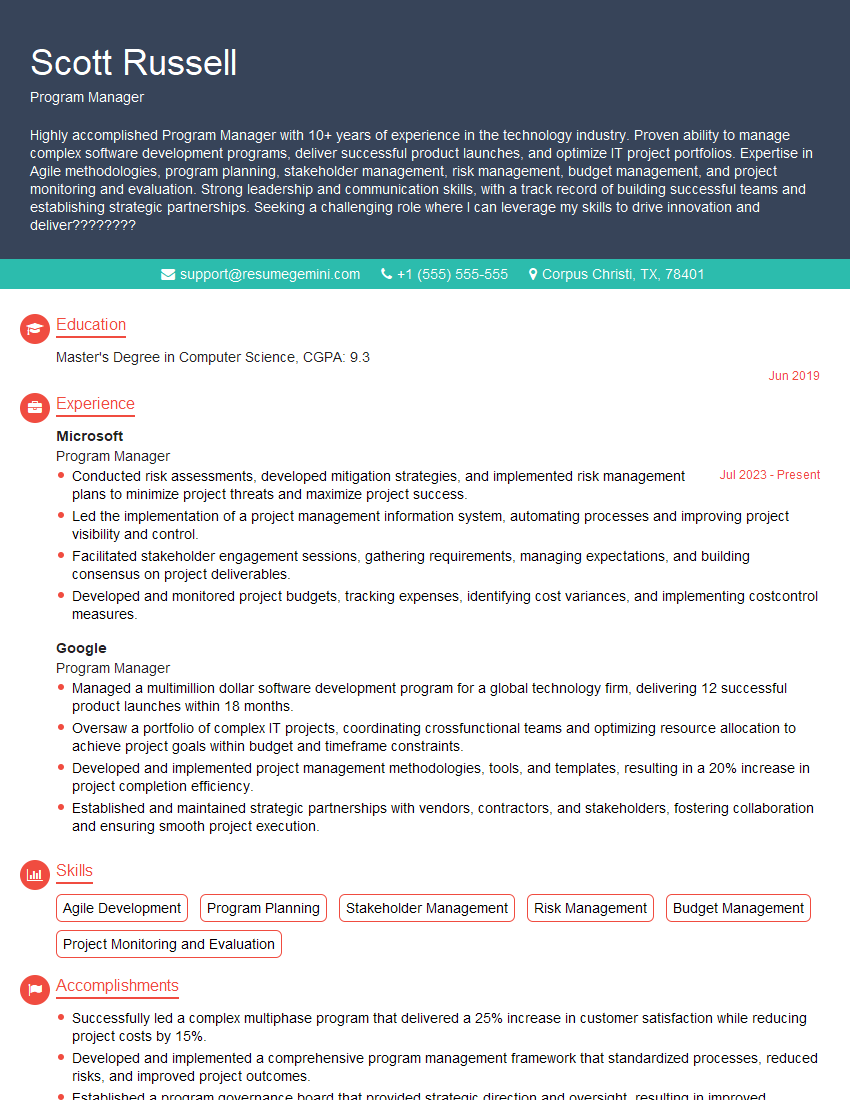
Program Manager Resume Sample
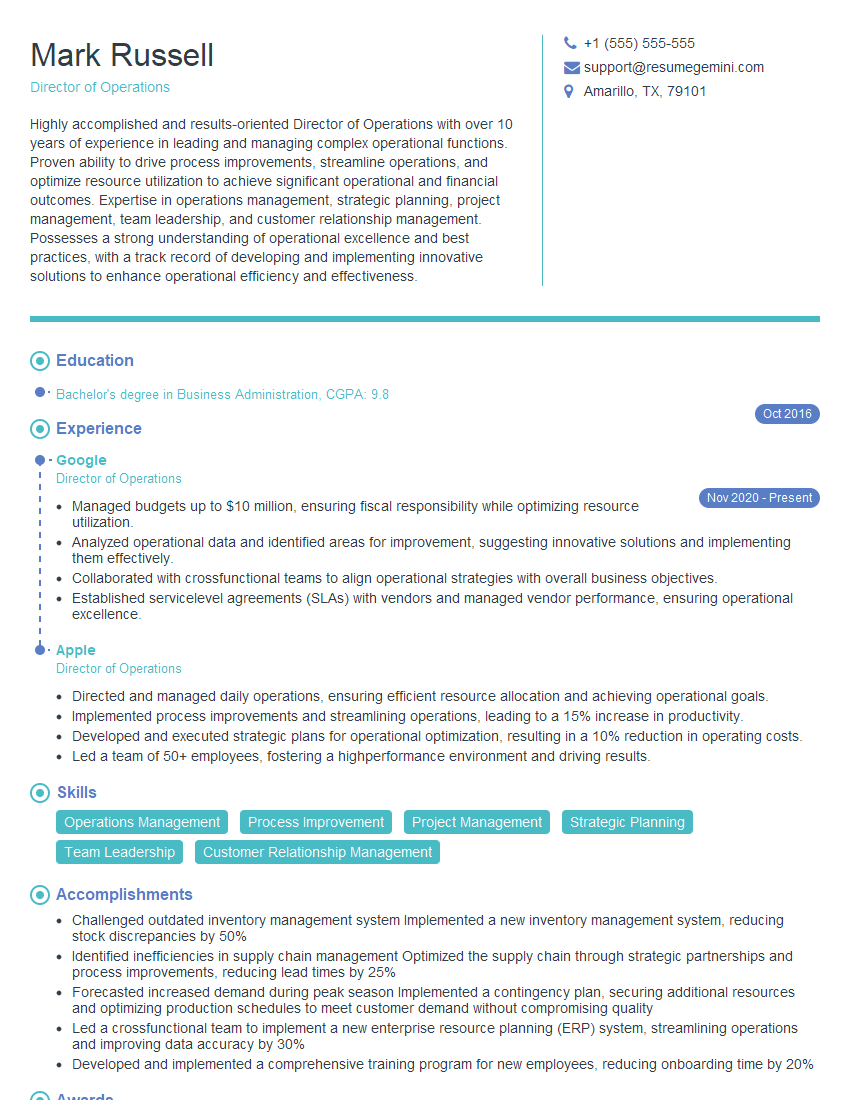
Director of Operations Resume Sample
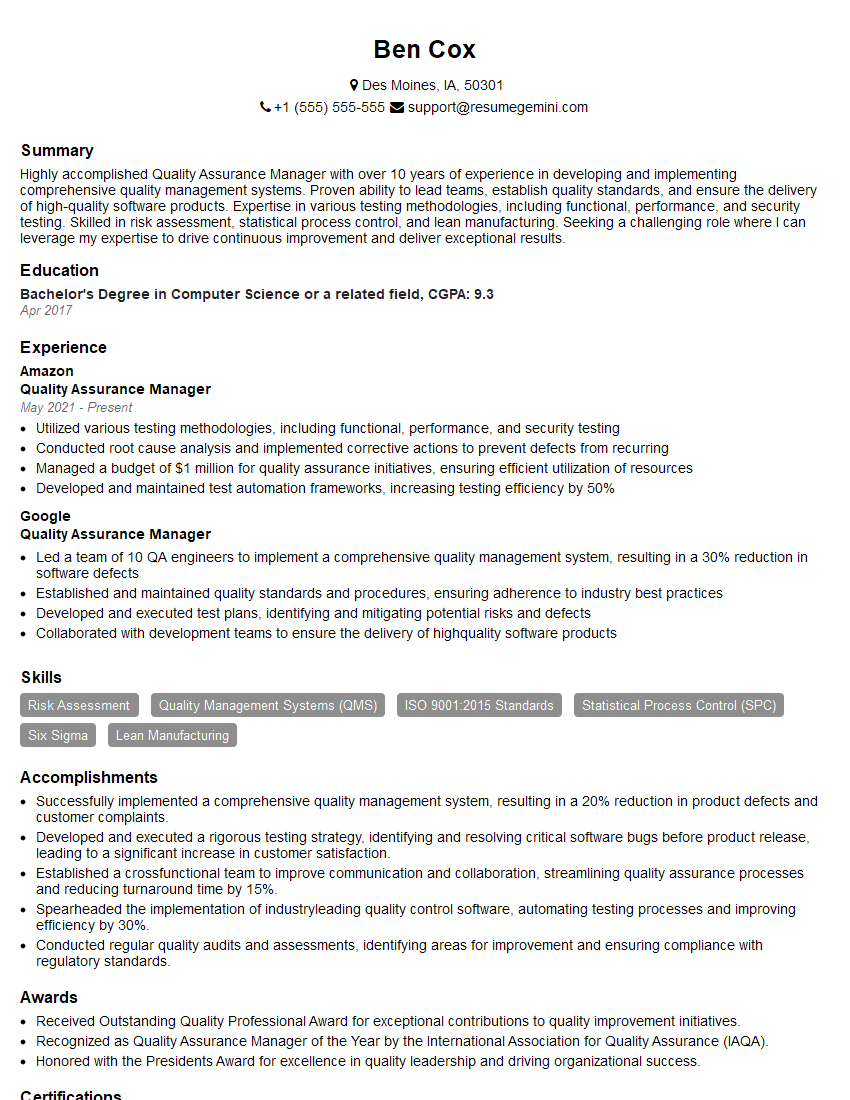
Quality Assurance Manager Resume Sample
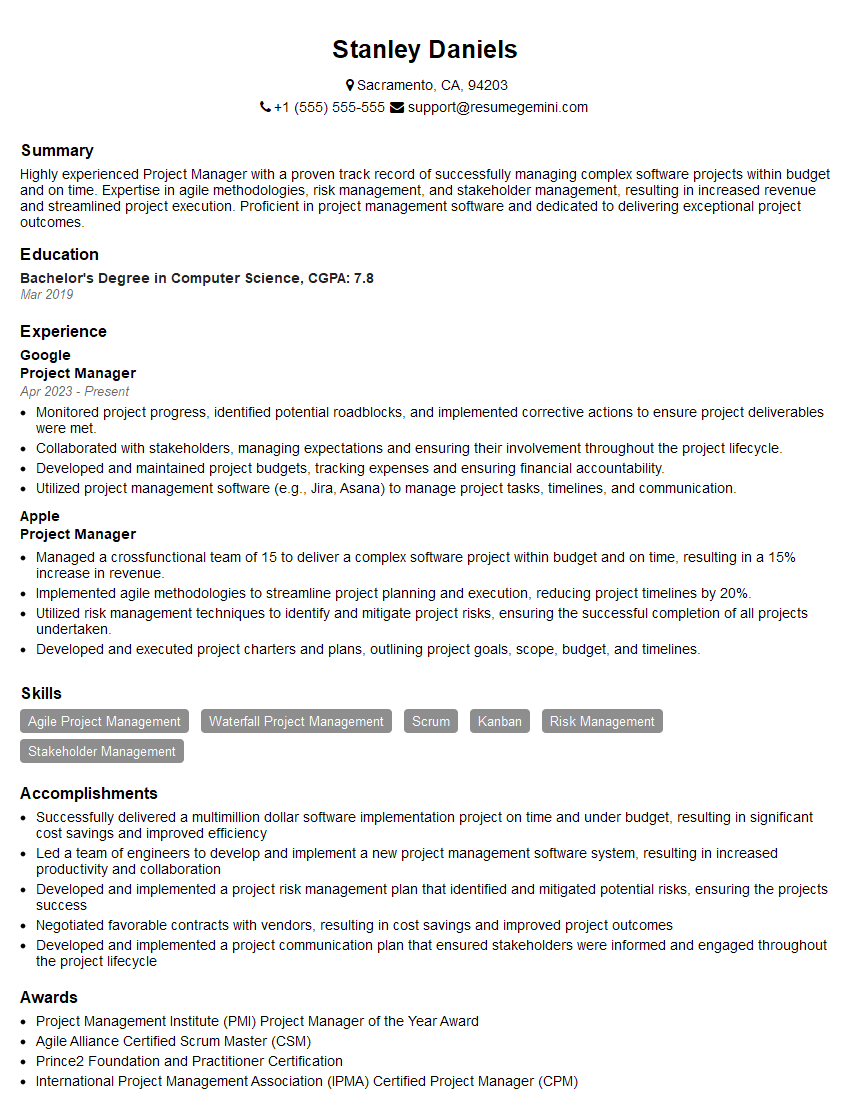
Project Manager Resume Sample

Chief of Staff Resume Sample
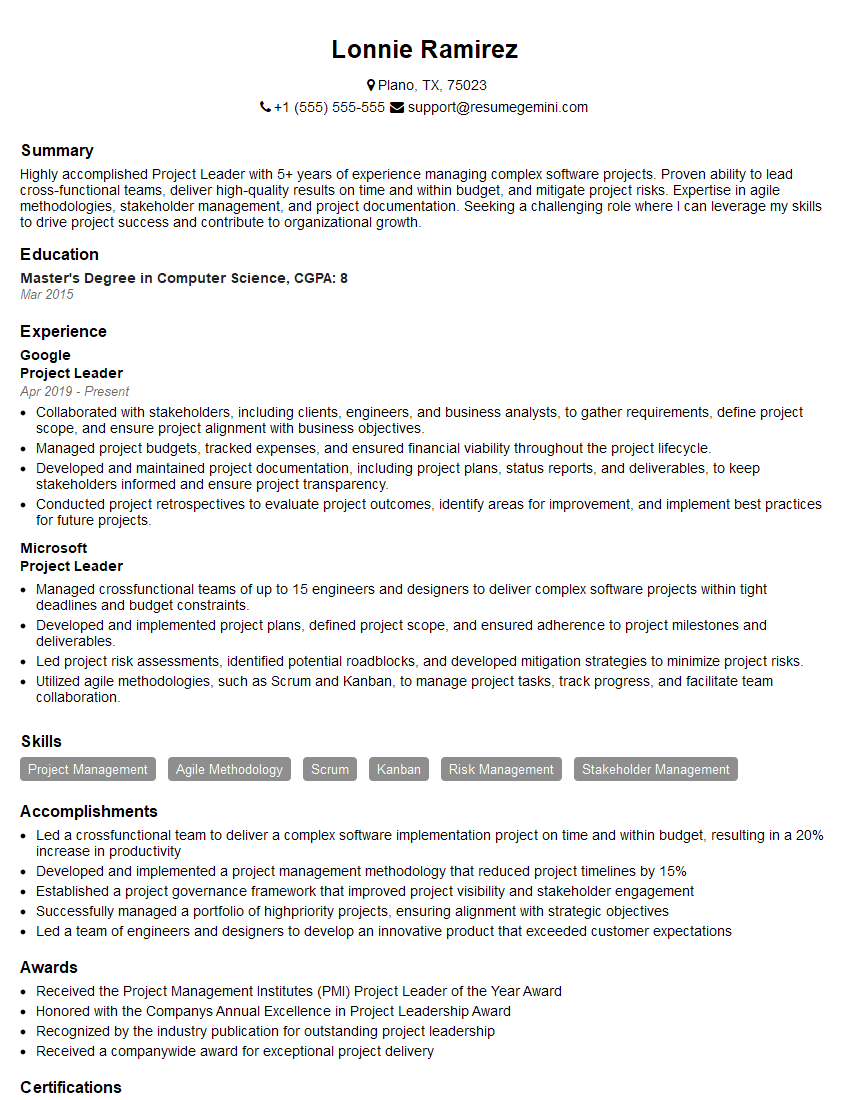
Project Leader Resume Sample

Compliance Officer Resume Sample
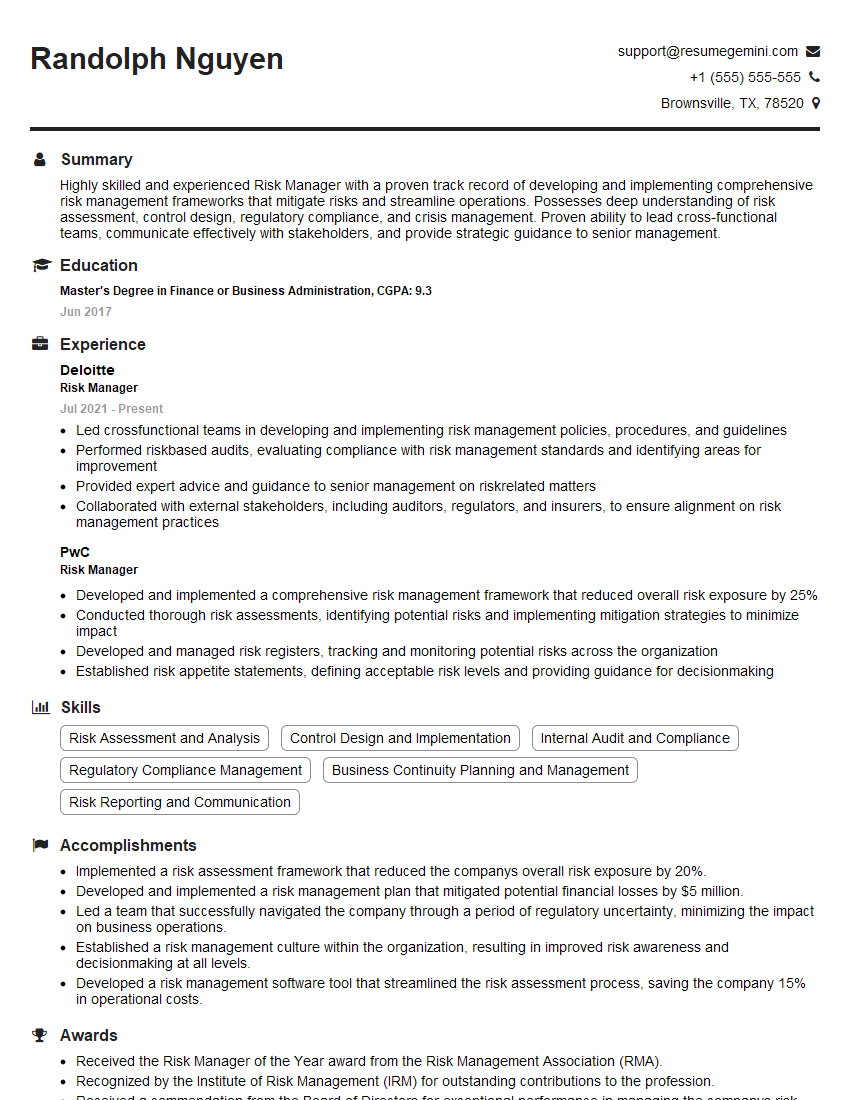
Risk Manager Resume Sample
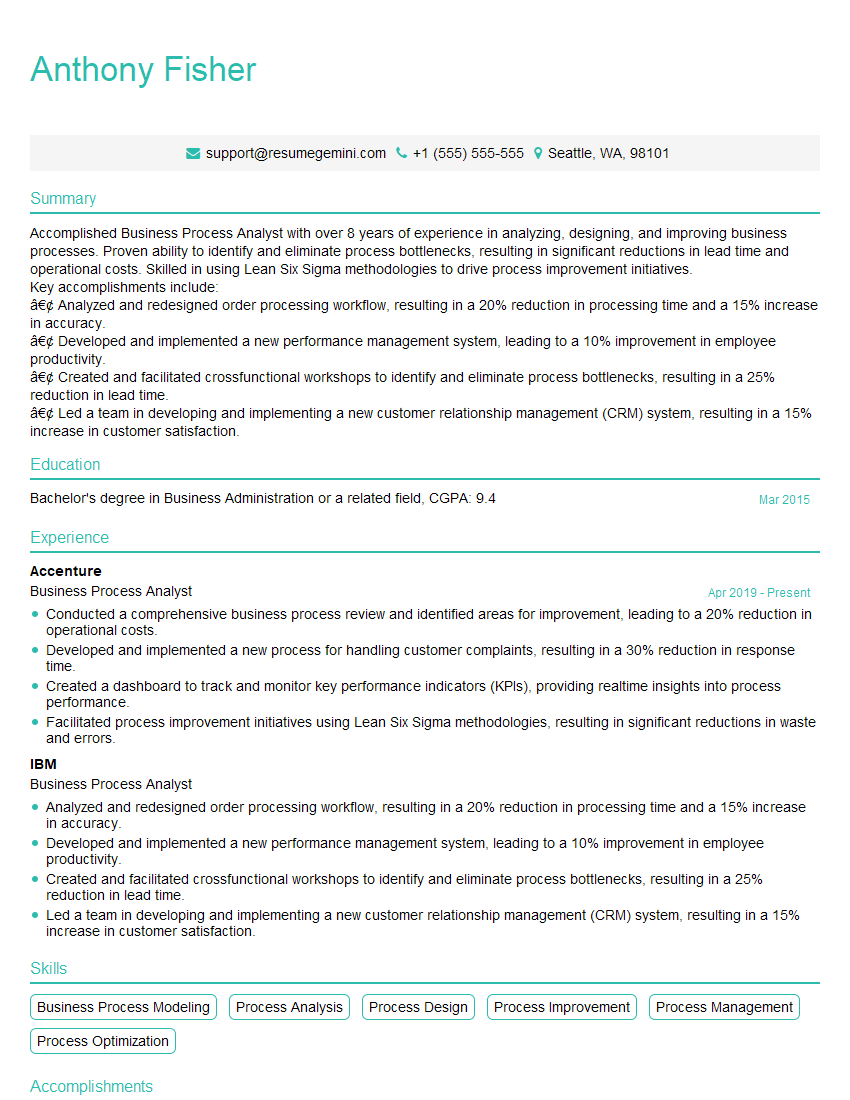
Business Process Analyst Resume Sample
Explore more articles
Users Rating of Our Blogs
Share Your Experience
We value your feedback! Please rate our content and share your thoughts (optional).
What Readers Say About Our Blog
Very informative content, great job.
good