Cracking a skill-specific interview, like one for Wound Closure Techniques, requires understanding the nuances of the role. In this blog, we present the questions you’re most likely to encounter, along with insights into how to answer them effectively. Let’s ensure you’re ready to make a strong impression.
Questions Asked in Wound Closure Techniques Interview
Q 1. Describe the different types of sutures and their appropriate applications.
Sutures are threads used to approximate wound edges, promoting healing. Different suture materials have varying properties affecting their application.
- Absorbable Sutures: These are broken down by the body over time. Examples include catgut (now rarely used due to antigenicity), polyglycolic acid (PGA, like Dexon), and polylactic acid (PLA, like Vicryl). They’re ideal for tissues where removal would be difficult or unnecessary, such as deep tissue layers in the abdomen.
- Non-absorbable Sutures: These remain in place until removed and are chosen for strength and longevity. Examples include nylon (strong, often used for skin closure), polypropylene (strong, inert), and silk (stronger than catgut, but has a higher infection risk). They are typically used for skin closure or situations requiring prolonged wound support.
- Suture Size: Expressed in a numerical scale (e.g., 3-0, 4-0, 5-0); smaller numbers indicate thicker sutures. Thicker sutures are used for stronger tissues or wounds requiring more strength.
The choice depends on wound location, tissue type, tension, infection risk, and patient factors. For instance, a deep abdominal incision might use absorbable sutures internally and non-absorbable for the skin, ensuring strong closure without the need for future removal of internal sutures.
Q 2. Explain the principles of proper wound closure technique.
Proper wound closure prioritizes minimizing tension, infection risk, and promoting optimal healing. Key principles include:
- Hemostasis: Achieving thorough bleeding control before closure is paramount to prevent hematoma formation (a blood clot that can hinder healing and increase infection risk). Techniques include direct pressure, electrocautery, or ligation.
- Aseptic Technique: Maintaining sterility throughout the procedure minimizes contamination. This includes hand hygiene, using sterile gloves and instruments, and appropriate draping.
- Accurate Tissue Approximation: Precise alignment of wound edges reduces tension and promotes faster healing. Layers should be closed meticulously to prevent dead space, which can trap bacteria and fluid.
- Minimizing Tension: Excessive tension on the suture line can lead to dehiscence (wound separation). Tension can be reduced using undermining techniques, relaxing incisions, or appropriate suture selection and placement.
- Appropriate Suture Selection: Choosing sutures that match the strength and type of tissue is critical for adequate support and healing.
Imagine building a wall: a strong foundation (hemostasis), carefully aligned bricks (tissue approximation), and strong mortar (sutures) are all needed for a stable structure, representing a successfully closed wound.
Q 3. What are the indications and contraindications for using staples in wound closure?
Surgical staples are a fast and efficient method of wound closure, particularly for linear wounds on the scalp or areas with minimal tension.
- Indications: Staples are ideal for skin closure in areas with low tension, such as scalp lacerations, or for closing incisions in certain surgeries. They are quicker to apply than sutures, making them efficient for mass casualty situations or busy operating rooms.
- Contraindications: Staples are generally avoided on areas of high tension (like facial wounds), wounds with significant infection, or wounds where cosmetic outcome is paramount due to potential for visible scarring or keloid formation.
Choosing between staples and sutures depends on the specific wound. For example, a clean, linear laceration on the scalp would be a perfect candidate for staples, while a complex facial laceration requiring precise alignment of tissue would necessitate sutures.
Q 4. How do you assess wound healing progress and identify potential complications?
Wound healing assessment involves a systematic approach combining visual inspection and documentation.
- Visual Inspection: Observe wound edges for approximation, signs of infection (redness, swelling, pus, warmth), and excessive drainage. Assess surrounding skin for erythema and induration.
- Palpation: Gently palpate the wound area for tenderness, fluctuance (indicative of an abscess), and presence of foreign bodies.
- Documentation: Meticulous documentation is critical, including wound size, depth, location, appearance, and any signs of infection. Photographs can be invaluable for tracking progress.
- Potential Complications: Infection, hematoma, seroma (fluid collection), dehiscence (wound opening), evisceration (organ protrusion), and hypertrophic scarring are potential complications to watch out for.
Regular follow-up is essential to catch potential problems early. For instance, a subtle increase in redness or swelling could indicate an emerging infection, requiring immediate intervention.
Q 5. What are the different types of wound dressings and when are they used?
Wound dressings serve various purposes, from protecting the wound from contamination to promoting healing.
- Gauze dressings: These are absorbent and are used for a wide variety of wounds, particularly those with moderate to heavy drainage. They can also be used to pack a wound.
- Hydrocolloids: These form a gel when in contact with exudate and help create a moist wound environment, useful for superficial wounds or partial thickness burns. They also protect the wound from further trauma.
- Hydrogel dressings: These are water-based and are ideal for very dry or necrotic wounds. They help to hydrate and debride necrotic tissue.
- Alginate dressings: These are derived from seaweed and are highly absorbent, making them suitable for wounds with significant exudate, such as pressure ulcers or burns.
- Film dressings: These are transparent and waterproof, allowing for easy visualization of the wound while providing a protective barrier.
The dressing choice depends on the type and stage of the wound. A heavily draining wound might need an alginate dressing, while a clean, superficial wound could be covered by a simple film dressing.
Q 6. Explain your approach to managing a dehisced wound.
Wound dehiscence, the separation of wound edges, is a serious complication requiring immediate attention. Management depends on the severity.
- Assessment: Carefully evaluate the extent of separation, presence of infection, and any underlying factors.
- Wound Care: Clean the wound thoroughly with sterile saline. Remove any non-viable tissue.
- Re-approximation: If the separation is minor and the tissues are clean, careful resuturing may be possible. Otherwise, the wound may require secondary closure (allowing granulation and subsequent skin grafting) or advanced techniques such as vacuum-assisted closure (VAC) therapy.
- Infection Control: Broad-spectrum antibiotics might be necessary if infection is suspected.
- Supportive Care: Patient education about wound care and prevention of further stress on the wound is essential.
Imagine a building with a partially collapsed wall. We would need to assess the damage, clear any debris (non-viable tissue), stabilize the remaining structure (wound care), and potentially rebuild the wall (re-approximation or secondary closure).
Q 7. Describe the steps involved in performing a layered closure.
Layered closure is a technique used to close wounds in a methodical, layer-by-layer manner ensuring optimal healing.
- 1. Hemostasis: Achieve complete hemostasis before beginning the closure.
- 2. Deep Tissue Closure: Close the deepest layers (e.g., fascia, peritoneum) using absorbable sutures. This provides structural support and minimizes dead space.
- 3. Subcutaneous Closure: Close the subcutaneous tissue (beneath the skin) using absorbable sutures. This further reduces dead space and approximates the dermis.
- 4. Skin Closure: Close the skin layer using either absorbable or non-absorbable sutures. The choice depends on factors like wound location and tension.
This systematic approach, akin to building a house with a strong foundation and carefully placed bricks, leads to a more robust and aesthetically pleasing wound closure, reducing the risk of complications.
Q 8. What are the signs and symptoms of wound infection, and how do you manage it?
Wound infection is a serious complication that can delay healing and lead to significant morbidity. Signs and symptoms can vary depending on the severity and location, but commonly include: increased pain and tenderness at the wound site; redness, warmth, and swelling around the wound; purulent (pus-like) drainage; fever; and sometimes, red streaks extending from the wound (indicating lymphangitis).
Managing a wound infection requires a multifaceted approach. First, a thorough assessment is crucial to determine the extent of the infection. This often includes taking a wound swab for culture and sensitivity testing to identify the causative organism and determine the appropriate antibiotic. Then, appropriate treatment should be initiated, which typically involves:
- Antibiotics: Systemic antibiotics are usually necessary for more severe infections, chosen based on the culture results. For less severe infections, topical antibiotics might suffice.
- Wound Debridement: Removing any dead or infected tissue is vital to facilitate healing. This can be done surgically or with enzymatic debridement.
- Wound Dressing: Appropriate wound dressings are essential to maintain a moist wound environment, absorb drainage, and protect the wound from further contamination. Dressings might include alginates, hydrogels, or foams, depending on the type and severity of the infection.
- Pain Management: Pain management is crucial for patient comfort and to facilitate cooperation with treatment.
For example, I once treated a patient with a severely infected surgical wound. After obtaining cultures, we initiated intravenous antibiotics and performed surgical debridement. Regular wound dressing changes with appropriate dressings led to a significant improvement in the patient’s condition within a few days.
Q 9. How do you select the appropriate suture material for a particular wound?
Selecting the appropriate suture material depends on several factors, including the wound location, tension on the wound, tissue type, and the surgeon’s preference. Key considerations include:
- Absorbable vs. Non-absorbable: Absorbable sutures, like vicryl or monocryl, are used in areas where long-term suture presence is not needed (e.g., subcutaneous tissue). Non-absorbable sutures, like nylon or polypropylene, are required for areas needing more prolonged support (e.g., skin closure).
- Suture Strength: Stronger sutures are used in areas with high tension, such as abdominal incisions. Weaker sutures are sufficient for less tension areas.
- Suture Diameter: Thinner sutures cause less tissue trauma and are better for delicate tissues. Thicker sutures are needed for stronger support.
- Tissue Reaction: The body’s reaction to the suture material must be considered, especially in patients with a history of allergic reactions.
For instance, I would typically use a 3-0 absorbable suture for subcutaneous closure and a 5-0 or 6-0 non-absorbable suture for skin closure in a facial laceration, prioritizing minimal scarring. However, for a deep abdominal wound under significant tension, a larger gauge non-absorbable suture like a 2-0 polypropylene would be more appropriate.
Q 10. Discuss the importance of meticulous hemostasis in wound closure.
Meticulous hemostasis, or the control of bleeding, is paramount in wound closure. Failure to achieve adequate hemostasis can lead to a hematoma (blood clot) formation under the wound, increasing the risk of infection and impairing healing. A hematoma can also disrupt wound edges, increasing tension and potentially leading to dehiscence (wound opening). It can also obscure the surgical field, making precise tissue apposition difficult.
Achieving hemostasis involves a variety of techniques, including:
- Direct Pressure: Applying direct pressure to bleeding vessels is the first and most important step.
- Electrocautery: Using an electrocautery device to seal small blood vessels is efficient and effective.
- Ligatures: Using surgical sutures to tie off bleeding vessels is crucial for larger vessels.
- Hemostatic Agents: Topical agents such as thrombin or cellulose can be used to promote clot formation.
Imagine trying to build a wall with a leaky foundation. Similarly, a wound with ongoing bleeding provides a poor foundation for healing. Proper hemostasis ensures the wound edges are properly approximated, promoting faster and more efficient healing.
Q 11. Explain the technique for performing a subcuticular suture.
A subcuticular suture is a cosmetic suture placed just below the skin surface, within the subcutaneous tissue layer. It provides excellent wound closure with minimal scarring, making it ideal for wounds requiring a cosmetically pleasing result. The technique involves:
- Preparation: The wound edges are carefully approximated.
- Needle Placement: A curved, cutting needle is used. The needle is inserted just below the skin surface at one end of the wound, passed through the subcutaneous tissue, and brought out at the opposite end.
- Continuous Suture: A continuous suture is then placed along the wound edge, passing the needle back and forth through the subcutaneous tissue, keeping the suture beneath the skin surface.
- Knot Tying: After reaching the end of the wound, the suture is tied, ensuring the knot is buried beneath the skin. This often involves using a special knot tying technique to avoid visible knots.
- Skin Tape: Skin tape can be applied to provide additional support to the wound.
It’s important to maintain consistent depth and tension throughout the procedure for optimal cosmetic results. Improper technique can lead to the suture becoming visible or causing a lump under the skin. Subcuticular sutures are often used in facial lacerations or other areas where minimizing scarring is crucial.
Q 12. What is the difference between absorbable and non-absorbable sutures?
The key difference lies in their absorption by the body. Absorbable sutures are designed to be broken down and absorbed by the body over time, eliminating the need for suture removal. Non-absorbable sutures, on the other hand, remain in place until they are surgically removed.
Absorbable sutures are usually made of materials like polyglactin 910 (Vicryl) or polyglycolic acid (Dexon). Their absorption time varies depending on the material and suture size. They are often used for deep tissue layers where their removal would be difficult and unnecessary.
Non-absorbable sutures are commonly made of materials like nylon (Ethilon), polypropylene (Prolene), or silk. These sutures provide long-lasting support and are frequently used for skin closure, particularly in areas with high tension.
The choice between absorbable and non-absorbable sutures is a crucial decision based on the specific wound characteristics and desired outcome. A good analogy is that of scaffolding during a building project – absorbable sutures are like temporary scaffolding, removed naturally once the structure is stable. Non-absorbable sutures are like the permanent structural elements needing removal at the appropriate time.
Q 13. How do you manage a wound with excessive tension?
Managing wounds with excessive tension is critical to prevent dehiscence (wound separation) and promote proper healing. Strategies include:
- Wound Approximation: Careful undermining of the skin edges to release tension, spreading out the tension in a wider area around the wound.
- Approximation Techniques: Utilizing techniques such as relaxing incisions (small incisions made to relieve skin tension) or using a tension-relieving suture such as a horizontal mattress suture, can help distribute stress more evenly across the wound.
- Suture Material Selection: Choosing strong, non-absorbable sutures with appropriate gauge and spacing.
- Adjunctive Support: Incorporating skin adhesives or wound dressings to further aid support and reduce tension on sutures.
- External Support: In cases of extreme tension, external support such as steri-strips, adhesive tapes, or even a surgical dressing may be needed to reinforce the closure.
For example, a large, gaping wound on the leg might require multiple relaxing incisions coupled with strong non-absorbable sutures and a supportive dressing to overcome the tension and achieve successful closure. Careful planning and technique are crucial in such cases.
Q 14. What are the potential complications associated with improper wound closure?
Improper wound closure techniques can lead to several potentially serious complications, impacting both cosmetic and functional outcomes. Some key potential complications include:
- Infection: Inadequate hemostasis or contaminated instruments can increase the risk of infection. Infection can range from mild cellulitis to life-threatening sepsis.
- Dehiscence: This is the separation of wound edges, often due to inadequate tension management or infection, leading to wound reopening and possibly requiring further intervention.
- Hematoma: Formation of a blood clot under the wound, increasing the risk of infection and impairing healing.
- Seromas: Collection of serous fluid under the wound, delaying healing.
- Hypertrophic Scarring: Excessive scar tissue formation, often due to excessive tension or inflammation.
- Keloid Scarring: Abnormal scar tissue formation that extends beyond the wound boundaries.
- Wound Contracture: Excessive tightening of the wound, leading to restricted movement and functional limitations. This is especially common with burns or deep wounds
Avoiding these complications relies heavily on meticulous attention to detail throughout the entire wound closure process—from achieving perfect hemostasis to careful suture placement and proper postoperative care. A thorough understanding of wound healing principles is essential for preventing these complications.
Q 15. Describe the proper technique for removing sutures.
Removing sutures, or stitches, requires a gentle and precise technique to minimize pain and prevent complications. First, ensure you have the appropriate sterile equipment, including suture scissors, forceps, and antiseptic wipes. Begin by cleaning the area around the sutures with an antiseptic solution. Then, using forceps, gently lift one suture knot. Using sharp, pointed suture scissors, carefully cut the suture as close to the skin as possible. Next, gently pull the suture through the skin using the forceps. Repeat this process for each suture. It’s crucial to avoid pulling the suture through aggressively, as this can cause unnecessary trauma to the wound. After removing all sutures, apply a sterile dressing to the wound. Always assess the wound for any signs of infection or complications post-removal. For example, in a patient with a facial laceration, I would be extra cautious to avoid damaging the delicate skin. A specific example would be using small, fine tipped scissors to prevent accidental cuts.
Career Expert Tips:
- Ace those interviews! Prepare effectively by reviewing the Top 50 Most Common Interview Questions on ResumeGemini.
- Navigate your job search with confidence! Explore a wide range of Career Tips on ResumeGemini. Learn about common challenges and recommendations to overcome them.
- Craft the perfect resume! Master the Art of Resume Writing with ResumeGemini’s guide. Showcase your unique qualifications and achievements effectively.
- Don’t miss out on holiday savings! Build your dream resume with ResumeGemini’s ATS optimized templates.
Q 16. How do you handle a wound that is contaminated or infected?
Handling contaminated or infected wounds requires a different approach than simple wound closure. The initial step is to thoroughly cleanse the area with an appropriate antiseptic solution. This helps to reduce the bacterial load. Next, we need to perform debridement – removing any dead, devitalized tissue, foreign bodies, and purulent material to create a clean wound bed. This can involve sharp debridement with scalpels, enzymatic debridement using topical preparations, or autolytic debridement where the body’s natural processes do the work. Depending on the severity of the infection, antibiotics might be necessary, both systemic and topical. Once the infection is controlled and the wound is clean, the choice of closure technique depends on multiple factors including wound size, depth, location and the patient’s overall health. In severe cases, wound closure might be delayed to allow for complete healing and infection resolution. For example, a deep puncture wound showing signs of infection would necessitate a more aggressive approach – possibly requiring surgical intervention and intravenous antibiotics.
Q 17. Explain your understanding of different types of skin grafts.
Skin grafts are used to replace lost skin, usually in cases of significant burns or traumatic injuries. There are several types, each with its own advantages and disadvantages.
- Split-thickness skin grafts (STSG): These grafts consist of the epidermis and a portion of the dermis. They are easier to harvest and can cover larger areas, but they have a higher risk of contracture. Imagine peeling a thin layer off an apple – that’s similar to a STSG.
- Full-thickness skin grafts (FTSG): These include the entire epidermis and dermis, resulting in better cosmetic outcomes and less contracture. However, they are more challenging to harvest and are limited in the area that can be taken from a donor site. This would be like taking a complete disc-shaped ‘plug’ from the apple.
- Cultured epithelial autografts (CEA): These are grown in a lab from a small skin biopsy. This allows for the coverage of large wounds with a limited donor site. This is like growing more apples from a tiny apple seed.
Q 18. What is your experience with negative pressure wound therapy?
Negative pressure wound therapy (NPWT), also known as vacuum-assisted closure (VAC) therapy, is a valuable technique for managing complex wounds. It involves applying a foam dressing to the wound, covering it with a sealed drape, and connecting it to a vacuum pump. The negative pressure helps remove excess fluid, reduce edema, stimulate granulation tissue formation and improve blood flow, promoting wound healing. My experience includes using NPWT on various wound types, from chronic ulcers to surgical wounds, and post-operative dehiscence. For example, I’ve successfully used NPWT on a patient with a large, non-healing pressure ulcer, significantly reducing wound size and promoting healthy tissue regeneration. This treatment is not without its challenges; careful monitoring for complications like bleeding or infection is paramount.
Q 19. Describe your experience with advanced wound closure techniques like fibrin glue.
Advanced wound closure techniques, such as the use of fibrin glue, provide an alternative to traditional sutures or staples. Fibrin glue is a biological adhesive that promotes hemostasis (stops bleeding) and facilitates wound closure. It’s particularly useful in situations where traditional techniques are difficult or inappropriate, such as in areas with poor blood supply or when there’s a risk of infection. My experience with fibrin glue involves using it to close small lacerations, to supplement traditional closure in complex wounds and in certain surgical procedures. For example, I’ve found it beneficial in closing small, oozing wounds after skin biopsy procedures, providing a neat and efficient closure. The key to successful application lies in proper wound preparation and meticulous application of the glue to ensure proper adhesion. Its use should be carefully weighed against the benefits of traditional techniques and patient-specific factors.
Q 20. How do you manage a patient with an allergic reaction to suture material?
An allergic reaction to suture material is a serious complication requiring immediate attention. Symptoms range from mild localized redness and itching to severe systemic reactions, including anaphylaxis. The initial step is to remove the offending suture material immediately. Then, appropriate treatment depends on the severity of the reaction. Mild reactions may require only topical corticosteroids and antihistamines. More severe reactions necessitate systemic corticosteroids and potentially epinephrine if there are signs of anaphylaxis. The patient must be closely monitored for any worsening symptoms. In the future, choosing a hypoallergenic suture material such as nylon or polypropylene is recommended for patients with a known allergy. A specific example would be a patient who developed a significant cellulitis reaction after receiving silk sutures. In that situation, we removed the sutures, administered antibiotics, and used appropriate allergy medication. Prevention is key – maintaining a comprehensive allergy history for all patients is crucial.
Q 21. What is your experience with wound debridement techniques?
Wound debridement is a critical step in wound care, especially for wounds that are heavily contaminated, infected, or have devitalized tissue. There are several techniques.
- Sharp debridement: This involves using sterile surgical instruments such as scalpels and scissors to precisely remove necrotic tissue. It’s the most efficient method but requires specialized training.
- Enzymatic debridement: This uses topical enzymatic agents that break down necrotic tissue. It is less invasive than sharp debridement but the process is slower.
- Autolytic debridement: This relies on the body’s natural process of breaking down necrotic tissue. It’s the least invasive approach but can be time-consuming. Moist wound dressings are crucial in this method.
- Mechanical debridement: This includes methods such as using wet-to-dry dressings or hydrotherapy to remove debris and necrotic tissue. This is a less precise method compared to sharp debridement.
Q 22. How do you ensure patient comfort during wound closure procedures?
Patient comfort is paramount during wound closure. We achieve this through a multi-pronged approach starting with proper anesthesia. This could range from local anesthetic infiltration, nerve blocks, or even general anesthesia depending on the procedure’s complexity and the patient’s needs and tolerance. Beyond anesthesia, we use gentle techniques, minimizing tissue trauma and ensuring proper hemostasis to reduce pain. We explain the procedure clearly and answer any questions the patient may have to alleviate anxiety. Throughout the procedure, we monitor the patient’s vital signs and comfort level, adjusting our approach as needed. Post-procedure, we provide appropriate analgesics and wound care instructions to ensure a comfortable recovery. For example, a patient undergoing a simple laceration repair might only require local anesthetic and a few stitches, while a more extensive surgical wound might necessitate a nerve block and more involved post-operative pain management.
Q 23. Explain your understanding of wound classification systems (e.g., I-IV)
Wound classification systems, such as the commonly used I-IV system, help standardize assessment and treatment. This system categorizes wounds based on their depth and involvement of underlying tissue layers.
- Grade I: Superficial wounds involving only the epidermis (outermost skin layer). Think of a minor sunburn or a superficial scratch.
- Grade II: These wounds extend into the dermis (second skin layer) but do not go through it completely. A partial-thickness burn or a deep abrasion would fall into this category.
- Grade III: These are full-thickness wounds, penetrating the entire dermis and potentially extending into subcutaneous fat. A deep burn that requires skin grafting or a deep pressure ulcer would be classified as Grade III.
- Grade IV: These wounds are the most severe, involving damage to underlying structures like muscle, bone, or tendons. A severe crush injury would be an example of a Grade IV wound.
Understanding this classification is crucial because it dictates the appropriate closure techniques and post-operative management. For instance, a Grade I wound might heal without stitches, while a Grade III wound might require surgical closure and specialized wound dressings.
Q 24. What are the factors that affect wound healing?
Numerous factors influence wound healing. These can be broadly categorized into:
- Patient-related factors: Age, overall health, nutrition (especially protein intake and vitamin C), presence of co-morbidities like diabetes or vascular disease, immune status, and smoking all significantly impact healing. Diabetics, for example, often experience slower healing due to impaired blood circulation.
- Wound-related factors: The size, depth, and location of the wound; the presence of infection or foreign bodies; the degree of tissue tension; and the type of wound (e.g., clean incision versus contaminated wound) are all key determinants. A heavily contaminated wound requires aggressive debridement before closure, for instance.
- Treatment-related factors: The choice of closure technique, the use of appropriate dressings, and adherence to post-operative wound care instructions are crucial. Incorrect suturing technique can lead to delayed healing or complications.
Optimizing these factors through careful patient assessment, appropriate treatment choices, and patient education is fundamental to successful wound healing.
Q 25. How do you document wound closure procedures accurately?
Accurate documentation is essential for continuity of care and legal reasons. Our documentation includes a detailed description of the wound (location, size, depth, appearance), the type of closure used (e.g., sutures, staples, adhesives), the number and type of materials used, any complications encountered, the patient’s response to the procedure, and post-operative instructions provided. We also document the date, time, and the healthcare professional who performed the procedure. We might use standardized forms or electronic health records (EHR) systems with templates designed specifically for wound closure procedures. For example, a patient’s record may note: “3 cm laceration on the right forearm, closed with 5-0 nylon sutures, dressing applied. Patient tolerated the procedure well. Instructions for wound care and follow-up provided.”
Q 26. Explain your approach to patient education regarding wound care.
Patient education is crucial for successful wound healing. We use a clear, concise, and patient-centered approach, explaining the wound closure procedure in terms the patient can easily understand. We cover topics like proper wound cleaning, dressing changes, signs of infection (increased pain, swelling, redness, discharge), activity restrictions, and follow-up appointments. We encourage patients to ask questions and address any concerns. Visual aids, like diagrams or brochures, can be helpful. For example, we may demonstrate proper wound cleaning technique or explain why keeping the wound clean and dry is important. We tailor our teaching to the patient’s literacy level and learning style, ensuring they understand the instructions before leaving the clinic.
Q 27. How do you handle emergency situations related to wound closure?
Emergency situations involving wound closure are rare but require quick thinking and decisive action. These may include severe bleeding, signs of infection, or unexpected complications during or after the procedure. Our response depends on the nature of the emergency. If there is heavy bleeding, immediate hemostasis is paramount, potentially involving direct pressure, wound packing, or surgical intervention. Signs of infection require prompt treatment with antibiotics and further debridement, potentially requiring a surgical revision. Unforeseen complications, like nerve damage or compromised wound healing, necessitate appropriate management, possibly involving consultation with specialists. Effective communication with the patient and their family is crucial throughout the emergency, providing clear explanations and reassurances.
Q 28. Describe your experience working in a multidisciplinary team to manage complex wounds.
Managing complex wounds often involves a multidisciplinary approach. I’ve worked extensively with plastic surgeons, infectious disease specialists, wound care nurses, physical therapists, and occupational therapists to optimize outcomes for patients with chronic wounds such as diabetic foot ulcers or pressure injuries. My role typically involves assessing the wound, determining appropriate closure techniques (or if closure is even feasible), and collaborating with the team to develop an individualized treatment plan. This plan usually includes wound debridement, infection control, advanced wound dressings, and appropriate therapies to promote healing and manage complications. Regular meetings and shared decision-making are crucial for ensuring everyone is on the same page and patient care remains consistent and effective. For instance, in managing a patient with a diabetic foot ulcer, I collaborate with a podiatrist for foot care, a vascular surgeon to address circulation issues, and the wound care nurse to oversee dressing changes and ongoing wound assessment.
Key Topics to Learn for Wound Closure Techniques Interview
- Wound Assessment and Classification: Understanding wound types (e.g., acute, chronic, clean, contaminated), tissue viability, and appropriate closure methods based on assessment.
- Suture Techniques: Mastering various suture patterns (e.g., simple interrupted, continuous, vertical mattress), knot tying techniques, and needle selection for optimal wound healing.
- Staple Techniques: Understanding the application, removal, and potential complications associated with surgical stapling for wound closure.
- Adhesive Closure: Knowing the indications, contraindications, and limitations of tissue adhesives in wound management.
- Wound Healing Principles: Demonstrating knowledge of the phases of wound healing (inflammation, proliferation, maturation) and factors influencing healing (e.g., infection, nutrition, patient comorbidities).
- Infection Prevention and Management: Understanding sterile techniques, aseptic practices, and the management of wound infections, including antibiotic choices and debridement techniques.
- Complications of Wound Closure: Recognizing and addressing potential complications such as dehiscence, hematoma, seroma, and infection.
- Selection of Appropriate Closure Technique: Demonstrating the ability to choose the optimal wound closure method based on wound characteristics, patient factors, and available resources.
- Practical Application of Wound Closure Techniques: Articulating your experience with different wound closure techniques and your ability to adapt your approach to diverse clinical scenarios.
- Problem-Solving in Wound Closure: Describing your approach to managing unexpected challenges during wound closure, such as bleeding, tissue fragility, or inadequate wound edges.
Next Steps
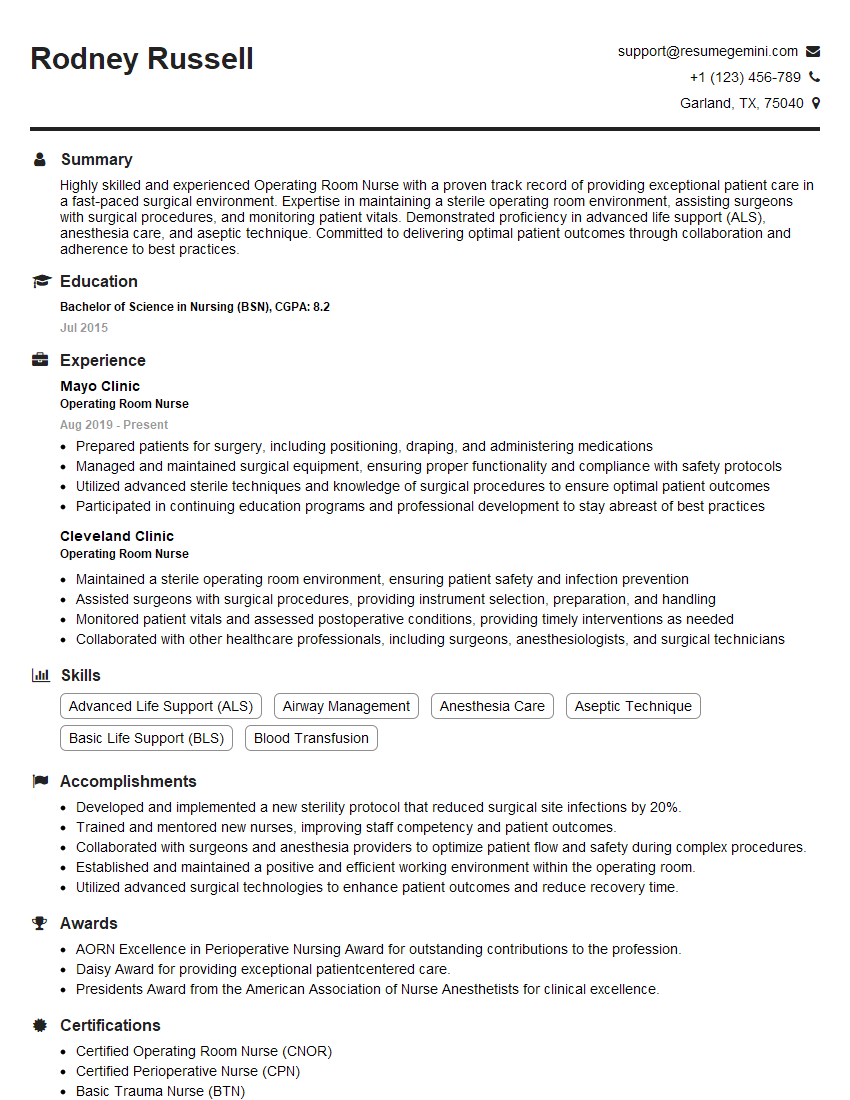
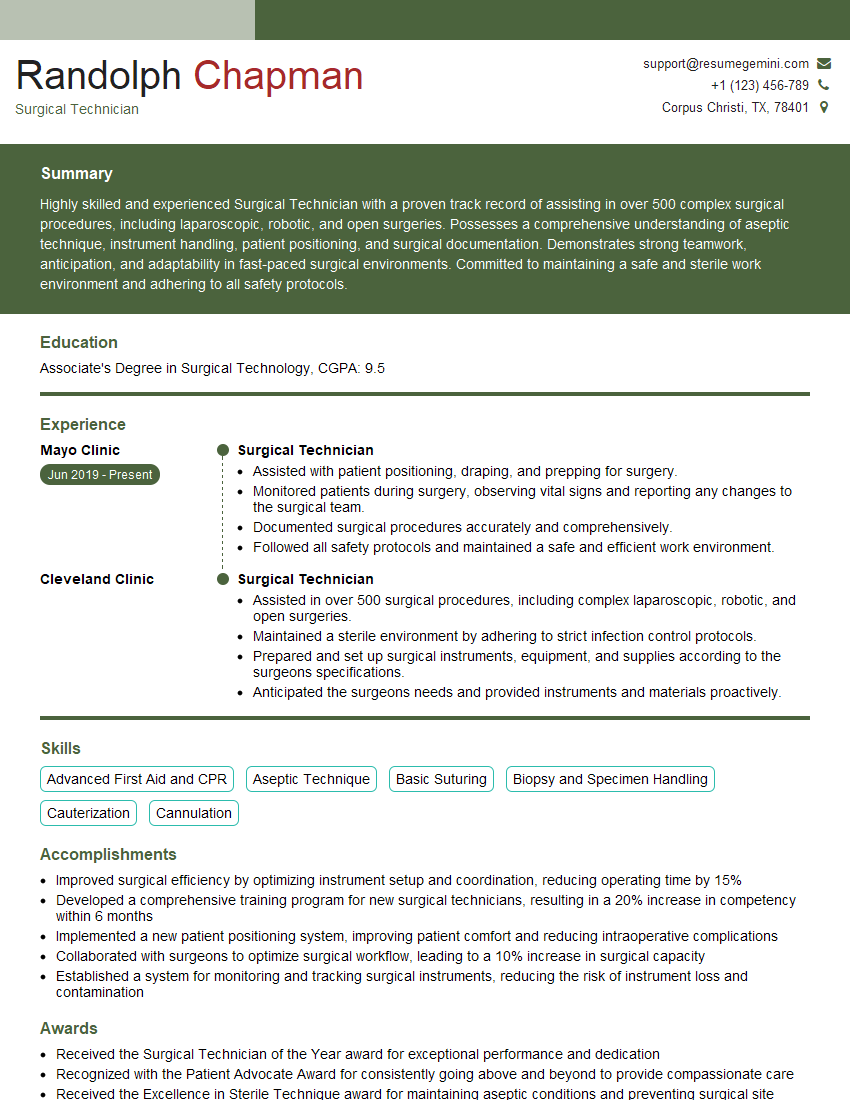
Mastering wound closure techniques is crucial for career advancement in healthcare, demonstrating a high level of surgical skill and patient care expertise. A strong resume is essential for showcasing your abilities to potential employers. Creating an ATS-friendly resume is key to getting noticed. To build a professional and effective resume that highlights your skills in Wound Closure Techniques, consider using ResumeGemini. ResumeGemini provides a trusted platform and examples of resumes specifically tailored to Wound Closure Techniques to help you stand out from the competition. Invest time in crafting a compelling resume – it’s your first impression!
Explore more articles
Users Rating of Our Blogs
Share Your Experience
We value your feedback! Please rate our content and share your thoughts (optional).
What Readers Say About Our Blog
Very informative content, great job.
good