Are you ready to stand out in your next interview? Understanding and preparing for Agricultural Humanitarian Aid interview questions is a game-changer. In this blog, we’ve compiled key questions and expert advice to help you showcase your skills with confidence and precision. Let’s get started on your journey to acing the interview.
Questions Asked in Agricultural Humanitarian Aid Interview
Q 1. Explain your experience in developing and implementing agricultural projects in emergency contexts.
My experience spans over a decade, encompassing the design and implementation of numerous agricultural projects in diverse emergency contexts, from drought-stricken regions in East Africa to post-conflict areas in Southeast Asia. I’ve worked on projects ranging from distributing drought-resistant seeds and providing training on water conservation techniques to establishing community-based seed banks and supporting market access for smallholder farmers. A key project involved the rapid deployment of a vegetable production initiative after a devastating cyclone. We successfully provided farmers with essential tools and seeds tailored to the region’s new climatic conditions, enabling rapid crop recovery. Another successful project focused on empowering women farmers, improving their access to resources and training, thus increasing their food security and economic independence.
In each instance, a participatory approach was central, ensuring that interventions align with the specific needs and context of each community. This includes addressing not just immediate food needs but also building long-term resilience.
Q 2. Describe your approach to assessing the agricultural needs of a vulnerable community.
Assessing agricultural needs demands a multi-faceted approach, combining quantitative data with qualitative insights. It begins with a thorough needs assessment – a process that involves both primary and secondary data collection. Secondary data might include existing reports on crop production, soil quality, and climate patterns. However, the heart of the assessment lies in primary data gathering: direct interaction with the vulnerable community.
- Participatory Rural Appraisal (PRA) techniques: These methods such as focus group discussions, key informant interviews, and transect walks provide rich qualitative data about local farming practices, challenges, and priorities.
- Household surveys: These structured questionnaires provide quantitative data on household food security, income sources, livestock ownership, and agricultural inputs.
- Crop and livestock assessments: Direct observation and measurement of crop yields, livestock numbers, and health status provide vital information on the current agricultural situation.
For example, during a project in a drought-affected area, we used PRA to understand farmers’ coping mechanisms, which revealed their reliance on specific drought-resistant crop varieties already known within their community. Integrating this knowledge into our project design resulted in a much higher adoption rate and overall success.
Q 3. How would you design a program to improve crop yields in a drought-affected region?
Improving crop yields in drought-affected regions requires a holistic approach that addresses both immediate needs and long-term resilience. A program should combine several key strategies:
- Drought-resistant crop varieties: Introducing seeds of crops adapted to low rainfall and high temperatures is paramount. We would work closely with agricultural research institutions to source the most suitable varieties for the specific region and soil conditions.
- Water conservation techniques: This could include promoting water harvesting methods (e.g., constructing small dams or using rainwater harvesting techniques), improving irrigation efficiency (e.g., drip irrigation), and adopting water-wise farming practices.
- Soil improvement: Implementing soil conservation measures such as terracing, contour farming, and agroforestry can help to retain moisture and enhance soil fertility.
- Integrated pest management: Reducing crop losses from pests and diseases is crucial. Training farmers on integrated pest management techniques, emphasizing biological control and minimizing pesticide use, is essential.
- Capacity building: Providing farmers with training on improved farming practices, including seed selection, planting techniques, and post-harvest management, is crucial for long-term success. This also includes promoting diversification of crops and livestock.
For example, in a recent project, we successfully combined drought-resistant sorghum varieties with training on water harvesting and conservation, resulting in a significant increase in crop yields even under severe drought conditions.
Q 4. What are the key indicators you would use to monitor the success of an agricultural intervention?
Monitoring the success of an agricultural intervention requires a comprehensive set of indicators, covering both quantitative and qualitative aspects. These indicators should be specific, measurable, achievable, relevant, and time-bound (SMART).
- Crop yields: Measuring the quantity and quality of harvested crops provides a direct indication of program effectiveness.
- Household income: Tracking changes in household income from agricultural activities assesses the economic impact of the intervention.
- Food security indicators: Monitoring dietary diversity, household food availability, and prevalence of malnutrition provides insights into the impact on food security.
- Adoption rates of improved practices: Measuring the percentage of farmers adopting the recommended farming techniques reveals the program’s reach and acceptance.
- Farmer satisfaction: Conducting regular feedback sessions and surveys helps assess farmers’ perceptions of the program’s value and effectiveness.
- Environmental indicators: Tracking soil health, water quality, and biodiversity provides information on the environmental sustainability of the intervention.
Regular data collection and analysis using appropriate tools, such as GIS mapping and statistical software, are critical for effective monitoring and evaluation. This allows for adaptive management, modifying the program based on evidence-based findings.
Q 5. Explain your understanding of food security and its dimensions.
Food security is a complex concept encompassing the availability, access, utilization, and stability of food. It’s not just about having enough food; it’s about ensuring that everyone has consistent access to sufficient, safe, and nutritious food to maintain a healthy and active life.
- Availability: Refers to the sufficient quantity of food being produced or available through imports, stocks, and food aid.
- Access: Concerns the ability to obtain sufficient quantities of food through purchase or other means. This involves affordability and physical accessibility to food.
- Utilization: Relates to the ability of the body to absorb and use nutrients from the consumed food. It’s influenced by factors like health status, sanitation, and food preparation practices.
- Stability: Focuses on the consistency of food availability, access, and utilization over time. It addresses the vulnerability to food shortages due to factors like natural disasters or economic shocks.
A community may have sufficient food produced locally (availability), but if a large segment is impoverished, they may lack the means to purchase it (lack of access), leading to food insecurity. Addressing food security requires interventions across all four dimensions.
Q 6. Describe your experience in working with local farmers and communities.
Working with local farmers and communities is at the core of successful agricultural humanitarian aid. I believe that they are the true experts in their environment and possess invaluable knowledge. My approach centers on building trust, mutual respect, and genuine partnership.
- Participatory approaches: I consistently involve farmers in every stage of a project, from planning and implementation to monitoring and evaluation. This empowers them and ensures the project’s relevance and sustainability.
- Cultural sensitivity: I recognize the importance of cultural context and adapt my communication and project design to be culturally appropriate and respectful.
- Gender equity: I specifically focus on ensuring women’s active participation, acknowledging their crucial role in food production and household decision-making.
- Building local capacity: A key part of my work is training and mentoring local farmers and agricultural extension workers, strengthening their skills and knowledge for long-term sustainability.
For instance, in one project, building trust with community leaders initially proved challenging. However, by actively listening to their concerns and incorporating their input, we were able to overcome this hurdle and establish a strong working relationship, leading to a highly successful intervention.
Q 7. How would you address issues of post-harvest loss in a developing country?
Post-harvest loss is a significant challenge in developing countries, leading to reduced income for farmers and food insecurity for communities. Addressing this requires a multi-pronged approach:
- Improved storage facilities: Providing farmers with access to appropriate storage structures, such as improved grain silos or cold storage units, is crucial for preserving harvested crops. This can range from simple, low-cost solutions for individual farmers to larger community-based storage facilities.
- Post-harvest handling techniques: Training farmers on proper harvesting, cleaning, drying, and processing techniques minimizes losses during these critical stages. This often involves adopting improved tools and techniques and reducing handling damage.
- Market access: Improving market access and reducing transaction costs ensures farmers can get their products to markets efficiently, minimizing spoilage during transportation.
- Value addition: Promoting value-added processing, such as making jams, pickles, or dried products, can increase the shelf life of crops and fetch better prices for farmers.
- Infrastructure development: Investing in better roads, transportation systems, and cold chain infrastructure is essential for efficient movement of produce from farms to markets.
For example, the introduction of improved grain storage techniques in a rural community significantly reduced post-harvest losses of maize, boosting farmer incomes and contributing to food security. A comprehensive approach focusing on storage, handling, processing, and market access is crucial for long-term impact.
Q 8. What strategies would you employ to build resilience in agricultural systems facing climate change?
Building resilience in agricultural systems facing climate change requires a multifaceted approach focusing on diversification, adaptation, and mitigation. Think of it like building a stronger house to withstand a storm – you need to reinforce the foundation, improve the structure, and prepare for the impact.
Diversification of crops and livestock: Instead of relying on a single, climate-sensitive crop, farmers can adopt a variety of crops with different water and temperature requirements. For example, integrating drought-resistant crops like sorghum with traditional maize can reduce the risk of total crop failure during droughts.
Improved water management techniques: Implementing water harvesting methods like rainwater harvesting and efficient irrigation systems (drip irrigation, for instance) can ensure water availability during dry spells. This is particularly crucial in arid and semi-arid regions.
Climate-smart agriculture practices: This involves adopting farming techniques that reduce greenhouse gas emissions and enhance carbon sequestration in soils. Examples include conservation tillage (minimizing soil disturbance), agroforestry (integrating trees into farming systems), and improved manure management.
Early warning systems and disaster risk reduction: Establishing early warning systems for extreme weather events allows farmers to take timely preventive measures, such as harvesting crops before a cyclone or protecting livestock from floods. This is like having a weather radar to prepare for an approaching storm.
Strengthening farmer capacity and knowledge: Providing farmers with training on climate-resilient agricultural practices, access to weather information, and market opportunities is crucial for empowering them to adapt to climate change. Empowering farmers is akin to providing the homeowner with the tools and knowledge to reinforce their house.
Q 9. Describe your experience in managing agricultural inputs (seeds, fertilizer, etc.) in a humanitarian setting.
Managing agricultural inputs in humanitarian settings demands careful planning, efficient logistics, and strong community engagement. It’s a delicate balancing act between ensuring timely distribution and preventing waste or misuse. In a past project in [Country Name], we faced challenges related to seed distribution for drought-affected farmers.
Needs assessment: We started with a thorough needs assessment, determining the types and quantities of seeds required, considering local varieties and preferences. This included consultations with local agricultural authorities and community representatives.
Procurement and storage: We sourced high-quality seeds from reputable suppliers, ensuring proper storage conditions to maintain viability. This involved setting up secure warehouses with appropriate temperature and humidity control.
Distribution strategy: We employed a phased distribution strategy, prioritizing vulnerable groups and ensuring equitable access. This involved community mobilization and clear communication regarding distribution dates and locations. We sometimes utilized a voucher system to prevent the reselling of inputs.
Monitoring and evaluation: Throughout the process, we closely monitored seed distribution, tracking quantities delivered and any challenges encountered. Post-distribution surveys helped assess the effectiveness of our efforts and identify areas for improvement. This helped us learn from the experience and adapt our strategies for future interventions.
Q 10. How would you ensure the sustainability of an agricultural project after the initial funding period?
Ensuring the sustainability of agricultural projects beyond the initial funding period requires a strategic shift from relief to development. It’s like transitioning from providing emergency shelter to enabling people to build their own homes.
Market linkages: Connecting farmers to markets through cooperatives or contract farming agreements ensures a steady income stream. Farmers need a reliable path to sell their produce.
Value addition and processing: Supporting the development of local processing facilities can increase the value of agricultural products, improving farmer incomes and creating local employment opportunities. Turning raw produce into finished goods creates higher revenue streams.
Financial inclusion: Access to credit and microfinance services provides farmers with the capital needed for investments in their farms. This allows farmers to expand and upgrade their operations, thereby increasing their resilience.
Strengthening local institutions: Investing in local agricultural extension services ensures continued support and guidance for farmers after the project ends. This is like building a local support system that farmers can rely on long-term.
Community ownership: Ensuring the project is owned and managed by the local community is paramount. This means empowering local leaders and building their capacity to manage and maintain the project’s outputs, ensuring longevity.
Q 11. Explain your understanding of different agricultural production systems.
Agricultural production systems vary greatly depending on factors like climate, resources, and socio-economic conditions. Understanding these nuances is essential for effective humanitarian interventions. Think of it like understanding different types of houses – each suited to a particular environment and lifestyle.
Subsistence farming: Primarily focused on meeting the household’s food needs, with limited surplus for sale. Often involves low levels of technology and inputs.
Commercial farming: Large-scale production for markets, often utilizing advanced technologies and high levels of inputs. This is like a large-scale, specialized farm.
Intensive farming: High yields per unit of land, achieved through high inputs and sophisticated techniques like greenhouses and hydroponics.
Extensive farming: Low inputs per unit of land, often involving large areas of land with low yields per acre. This is a model where land is abundant.
Organic farming: Focuses on sustainable practices without the use of synthetic fertilizers or pesticides. This prioritizes environmental sustainability.
Integrated farming systems: Combining different farming enterprises (e.g., crops, livestock, aquaculture) to create a synergistic and resilient system.
Q 12. Describe your experience in capacity building and training of local farmers.
Capacity building and farmer training are cornerstones of sustainable agricultural development. It’s about empowering farmers to become self-sufficient and resilient, not just providing short-term solutions. Imagine teaching someone to fish instead of just giving them a fish.
Needs-based training: We start with a detailed needs assessment to understand the specific training requirements of the farmers. This often involves participatory approaches, incorporating farmer’s feedback.
Practical and participatory approaches: We use hands-on demonstrations, field visits, and farmer-to-farmer exchanges to facilitate learning. Theory is complemented by practical experience.
Modular training: We deliver training in modules tailored to specific topics, ensuring that farmers receive targeted information relevant to their needs. This avoids overwhelming them with too much information at once.
Follow-up and support: We provide regular follow-up support to farmers, addressing challenges, and providing additional guidance. This ensures that the knowledge and skills acquired during training are implemented effectively.
Local language instruction: Training materials and instruction are delivered in local languages, ensuring understanding and accessibility for all participants.
Q 13. How would you address conflicts over land and water resources in an agricultural project?
Conflicts over land and water resources are common challenges in agricultural projects. Addressing these issues requires a participatory and equitable approach, focusing on conflict resolution and resource management. It’s about creating a fair and transparent system that fosters cooperation.
Participatory resource mapping: Involving communities in mapping land and water resources helps clarify land ownership and usage rights. It can help reduce ambiguities and misunderstandings.
Conflict resolution mechanisms: Establishing clear and accessible mechanisms for conflict resolution (e.g., village courts, mediation) allows disputes to be addressed peacefully and efficiently.
Water user associations: Establishing water user associations gives communities a collective voice and responsibility for managing water resources equitably. This promotes cooperative water management.
Community dialogue and negotiation: Facilitating open dialogue and negotiation between stakeholders creates a space for airing grievances and finding mutually acceptable solutions. This empowers communities to resolve their disputes.
Legal frameworks and enforcement: Supporting the development and implementation of robust legal frameworks for land and water resource management ensures fair and transparent resource allocation.
Q 14. Explain your familiarity with various agricultural technologies and their appropriate application.
Familiarity with agricultural technologies and their appropriate application is crucial for improving agricultural productivity and resilience. This requires careful assessment of local conditions and farmer needs, much like choosing the right tools for a specific job.
Improved seed varieties: High-yielding, drought-resistant, or pest-resistant seeds are vital for increasing crop productivity and resilience.
Efficient irrigation technologies: Drip irrigation and other water-efficient techniques are crucial for optimizing water use, particularly in water-scarce regions.
Precision farming techniques: GPS-guided machinery and other precision technologies allow for more targeted and efficient use of inputs, reducing waste and environmental impact.
Soil and water conservation practices: Techniques like terracing, contour farming, and cover cropping help prevent soil erosion and improve water infiltration.
Pest and disease management strategies: Integrated pest management (IPM) strategies reduce reliance on chemical pesticides, minimizing environmental risks and promoting sustainable agriculture.
Post-harvest technologies: Improved storage and processing technologies minimize post-harvest losses, ensuring that more produce reaches the market.
The appropriate application of these technologies depends on various factors, including climate, soil type, available resources, and farmer expertise. Therefore, selecting and implementing the right technologies requires a careful assessment and participatory approach.
Q 15. How would you incorporate gender considerations into an agricultural program?
Incorporating gender considerations into agricultural programs is crucial for effectiveness and equity. It’s not just about including women; it’s about understanding and addressing the distinct roles, needs, and constraints faced by both men and women in agricultural communities.
- Access to Resources: Women often have less access to land, credit, technology, and training than men. Programs need to actively target interventions to address these disparities, perhaps through providing gender-segregated training sessions or offering micro-loans specifically for women-led agricultural businesses.
- Decision-Making Power: Ensuring women’s voices are heard in decision-making processes regarding farming practices, resource allocation, and market access is essential. This might involve holding separate focus groups with women to gather their perspectives or establishing women’s farmer cooperatives.
- Time Allocation: Women often bear a disproportionate burden of domestic chores and childcare. Programs should consider this by offering time-saving technologies or providing childcare services during training sessions.
- Specific Needs: Agricultural practices and technologies need to be tailored to address the specific needs and challenges faced by women farmers. This may include providing tools designed for ergonomic comfort or promoting drought-resistant crops that require less strenuous labor.
For example, in a project I worked on in Kenya, we found that women farmers preferred smaller-scale, less labor-intensive crops due to their limited time and resources. By providing training on these crops and offering access to smaller-scale irrigation systems, we saw a significant increase in women’s agricultural productivity and income.
Career Expert Tips:
- Ace those interviews! Prepare effectively by reviewing the Top 50 Most Common Interview Questions on ResumeGemini.
- Navigate your job search with confidence! Explore a wide range of Career Tips on ResumeGemini. Learn about common challenges and recommendations to overcome them.
- Craft the perfect resume! Master the Art of Resume Writing with ResumeGemini’s guide. Showcase your unique qualifications and achievements effectively.
- Don’t miss out on holiday savings! Build your dream resume with ResumeGemini’s ATS optimized templates.
Q 16. Describe your experience in working with international organizations or NGOs.
I’ve had the privilege of working with several international organizations and NGOs, including World Vision and the Food and Agriculture Organization (FAO). My experiences have ranged from project implementation in the field to strategic planning and proposal development at headquarters.
For instance, with World Vision, I led a team implementing a community-based irrigation project in rural Ethiopia. This involved working closely with local communities to design and implement the irrigation system, ensuring the project was sustainable and culturally appropriate. With the FAO, my role focused on developing national-level strategies for improving food security. This involved extensive data analysis, stakeholder consultations, and the development of comprehensive policy recommendations. My collaboration with international organizations has not only widened my perspective on global agricultural challenges but honed my intercultural communication and collaboration skills. I’m adept at navigating different organizational cultures and fostering strong partnerships to achieve shared objectives.
Q 17. What are the ethical considerations involved in providing agricultural aid?
Ethical considerations in agricultural aid are paramount. We must ensure that our interventions are not only effective but also just and sustainable. Key ethical considerations include:
- Environmental Sustainability: Promoting environmentally friendly farming practices is crucial to avoid unintended consequences such as soil degradation or water pollution. We should prioritize sustainable agricultural methods, avoiding practices that might harm the environment in the long term.
- Community Participation: Projects should be participatory, ensuring local communities are actively involved in every stage, from needs assessment to implementation and monitoring. This empowers communities and ensures that aid is truly beneficial.
- Empowerment, not Dependency: Aid should aim to empower communities to become self-reliant, not create a cycle of dependence. Projects should focus on building local capacity and transferring skills.
- Fair Trade Practices: Support for fair trade principles ensures that farmers receive fair prices for their produce, promoting economic justice and discouraging exploitative practices.
- Transparency and Accountability: Transparency in project planning, implementation, and financial management builds trust and ensures accountability to beneficiaries and donors.
For example, a project distributing free seeds might appear beneficial in the short term but could negatively impact local seed markets in the long run. Ethical considerations demand a thorough assessment of potential long-term effects.
Q 18. How would you handle a situation where an agricultural project is not meeting its objectives?
When a project isn’t meeting its objectives, a systematic approach is crucial.
- Identify the Problem: Thoroughly analyze the project’s performance, using both quantitative and qualitative data. This might include reviewing project reports, conducting field visits, and speaking with beneficiaries and stakeholders to understand the reasons for underperformance.
- Root Cause Analysis: Determine the underlying reasons for the shortcomings. This could involve factors such as insufficient resources, poor implementation, unsuitable technologies, or unforeseen external factors (e.g., drought, conflict).
- Adapt and Modify: Based on the root cause analysis, adjust the project’s strategy, activities, or implementation plan. This might involve changing technologies, training methods, or targeting different beneficiaries.
- Strengthen Monitoring and Evaluation: Improve monitoring and evaluation mechanisms to track progress more effectively and allow for timely interventions. This ensures that any problems are identified and addressed promptly.
- Document Lessons Learned: Document the challenges faced, the solutions implemented, and lessons learned. This information is invaluable for future projects and for improving overall organizational learning.
In one instance, a project aimed at increasing crop yields failed due to poor soil conditions. By conducting soil tests and introducing appropriate soil amendments, we managed to correct the issue and achieve the project’s goals.
Q 19. Describe your experience in conducting needs assessments and developing project proposals.
Needs assessments and proposal development are integral parts of my work. I employ a participatory approach in needs assessments, engaging local communities directly to gather accurate data. This commonly involves conducting surveys, focus groups, and key informant interviews to understand existing agricultural practices, constraints, and aspirations.
My proposal development process is structured and rigorous. It usually includes:
- Problem Statement: Clearly articulating the problem the project aims to address, drawing on evidence from the needs assessment.
- Project Goals and Objectives: Defining specific, measurable, achievable, relevant, and time-bound (SMART) goals and objectives.
- Methodology: Detailing the project activities, implementation strategies, and monitoring and evaluation plan.
- Budget: Developing a detailed and realistic budget, including personnel costs, materials, and logistical expenses.
- Sustainability Plan: Outlining how the project will ensure long-term sustainability beyond the initial funding period.
For example, while conducting a needs assessment in a drought-prone region, we discovered the need for drought-resistant crops and water harvesting techniques. Our subsequent project proposal incorporated these findings, ensuring a tailored and context-appropriate intervention.
Q 20. Explain your understanding of different market mechanisms and their relevance to agricultural development.
Understanding market mechanisms is essential for sustainable agricultural development. Simply increasing production isn’t enough; farmers need access to markets that offer fair prices and reliable demand.
- Market-Oriented Approaches: Projects should encourage farmers to adopt market-oriented practices, including improving product quality, understanding market demands, and adopting efficient marketing strategies.
- Value Chains: Analyzing and strengthening agricultural value chains, from production to consumption, can improve efficiency and profitability for farmers. Interventions might focus on reducing post-harvest losses, improving storage facilities, or creating linkages with processors and buyers.
- Market Information Systems: Access to timely and reliable market information is crucial. Projects can support the development of effective information systems that provide farmers with price trends, demand forecasts, and access to buyers.
- Cooperatives and Producer Groups: Promoting the formation of farmer cooperatives and producer groups can enhance farmers’ bargaining power, enabling them to access better markets and negotiate fairer prices.
- Infrastructure Development: Improving rural infrastructure, such as roads, transportation, and storage facilities, is crucial for farmers to access markets efficiently.
For example, in a project I worked on in Rwanda, we facilitated the formation of a coffee farmers’ cooperative. This improved their bargaining power, leading to better prices and increased income.
Q 21. Describe your experience in budget management and financial reporting for agricultural projects.
Budget management and financial reporting are critical for ensuring project accountability and transparency. My experience includes developing detailed budgets, tracking expenses, and preparing regular financial reports. I’m proficient in using various budgeting and accounting software.
My approach emphasizes:
- Detailed Budgeting: Creating comprehensive budgets that accurately reflect all project costs, including personnel, materials, travel, and administrative expenses.
- Regular Monitoring: Tracking project expenditures closely and comparing them to the approved budget to identify any variances.
- Transparent Reporting: Preparing regular financial reports that are clear, concise, and easily understood by both donors and project staff.
- Compliance with Regulations: Ensuring that all financial transactions comply with the relevant donor regulations and accounting standards.
- Auditable Records: Maintaining meticulous records of all financial transactions, ensuring that the budget is auditable.
In my previous role, I successfully managed a budget of over $500,000 for an agricultural development project, ensuring the project remained within budget and that funds were used efficiently and effectively.
Q 22. What are some of the challenges you anticipate in implementing an agricultural program in a conflict zone?
Implementing agricultural programs in conflict zones presents unique and formidable challenges. Security is paramount; access to vulnerable populations is often severely restricted due to active hostilities, landmines, or displacement. Logistics are incredibly complex, with damaged infrastructure hindering transportation of inputs and outputs. Furthermore, the disruption of social structures and the presence of armed groups can severely impact the project’s success. Even seemingly straightforward tasks, like identifying suitable land for cultivation, become significantly more difficult in this context. For example, a project aiming to distribute drought-resistant seeds may find itself unable to reach farmers in a besieged area. Or, a plan to create irrigation systems might encounter difficulties because of persistent fighting near water sources. Careful risk assessment and close collaboration with local partners and humanitarian organizations are crucial for mitigating these risks.
We must also account for the potential displacement of farmers, damage to their land and crops, and disruption to local markets. These factors necessitate flexible and adaptable program designs, prioritizing resilience and immediate needs. Careful conflict sensitivity training for project staff is also crucial to avoid inadvertently exacerbating existing tensions or becoming targets themselves.
Q 23. How would you evaluate the environmental impact of an agricultural intervention?
Evaluating the environmental impact of agricultural interventions requires a holistic approach. We must consider both direct and indirect consequences. Direct impacts include soil degradation (e.g., from intensive monoculture), water pollution (e.g., from pesticide runoff), and biodiversity loss (e.g., due to habitat conversion). Indirect impacts include changes in carbon sequestration, greenhouse gas emissions (methane from rice paddies, for example), and the potential for increased vulnerability to climate change. A thorough assessment would involve a baseline environmental study prior to project implementation, followed by regular monitoring using indicators such as soil health, water quality, and biodiversity indices.
We utilize participatory rural appraisal (PRA) methods to engage local communities and gather their perspectives on environmental changes. This approach is especially valuable in identifying locally specific impacts that might be missed by more conventional scientific methods. The use of Geographic Information Systems (GIS) aids in mapping and visualizing environmental changes over time. A life cycle assessment (LCA) can quantify the environmental footprint of the entire agricultural value chain, from production to consumption. Furthermore, we often prioritize environmentally sustainable practices such as agroforestry, conservation agriculture, and integrated pest management (IPM).
Q 24. Describe your experience in monitoring and evaluation of agricultural projects.
My experience in monitoring and evaluation (M&E) of agricultural projects spans over [Number] years, encompassing various contexts including post-conflict settings and disaster relief operations. I’ve worked extensively with quantitative and qualitative data collection methods. This includes using standardized surveys, key informant interviews, focus group discussions, and participatory observations to assess project progress against established indicators. For example, in one project in [Country Name], we tracked crop yields, household income, access to markets, and community feedback through regular field visits and data analysis.
We use a results-based management (RBM) framework, establishing clear indicators, targets, and data collection protocols at the outset. This ensures that our evaluation is focused, efficient, and relevant to achieving project objectives. Regular progress reports are generated and used for adaptive management, allowing for course correction where necessary. Final evaluations use a mix of quantitative and qualitative methods to paint a complete picture of the project’s impact. We also use data visualization techniques to communicate findings effectively to stakeholders.
Q 25. How would you ensure the participation of all stakeholders in an agricultural development program?
Ensuring the participation of all stakeholders is critical for the sustainability and success of any agricultural development program. This involves a multi-pronged approach. First, we identify all relevant stakeholders including farmers (men and women), local leaders, government officials, NGOs, private sector actors, and researchers. Next, we use participatory methods to engage these stakeholders throughout the project lifecycle. This includes workshops, focus group discussions, and community meetings to gather input on project design, implementation, and evaluation.
Gender considerations are paramount; we actively involve women, who often play crucial roles in agriculture but might be marginalized in decision-making processes. Transparency is essential; information about the project is shared widely and in accessible formats. We encourage feedback mechanisms to address concerns and adjust strategies as needed. In one project, we established farmer field schools where farmers could learn new techniques collaboratively, contributing to local knowledge systems and promoting ownership. This participatory approach builds trust and strengthens community ownership, leading to increased engagement and program success.
Q 26. How do you prioritize different needs in a resource-constrained environment?
Prioritizing needs in a resource-constrained environment requires a systematic approach. We start by conducting a needs assessment to identify the most pressing challenges faced by the target population. This assessment is often guided by a framework that considers both immediate and long-term needs, prioritizing those with the greatest potential impact on food security and livelihoods. This includes assessing the severity and prevalence of malnutrition, crop failure, and livestock disease, then weighing that against the long-term prospects of sustainable agricultural practices.
Next, we use a cost-benefit analysis to determine the most efficient and effective ways of allocating limited resources. We consider the potential return on investment for each intervention, and give precedence to interventions that are both feasible and have high impact. For example, providing seeds and tools for immediate planting might be prioritized over long-term infrastructure development. Furthermore, we actively seek out funding and partnerships to leverage available resources, improving our capacity to address multiple critical needs simultaneously. Transparent decision-making processes ensure that choices are well-justified and supported by evidence.
Q 27. What strategies would you use to communicate project results effectively?
Effective communication of project results is crucial for accountability, learning, and advocacy. We tailor communication strategies to different audiences – including farmers, donors, government agencies, and the general public – ensuring that the information is relevant, accessible, and engaging. We use a variety of methods including reports, presentations, infographics, videos, and social media to disseminate findings. These methods help convey complex data in a simplified, understandable format.
We actively engage with local communities to share findings in a culturally appropriate manner. Storytelling is used to make the data more relatable and impactful. For instance, documenting the success stories of participating farmers can be a powerful tool to demonstrate the positive impact of the project. We also participate in relevant conferences and workshops to share our learning and advocate for policies that support sustainable agriculture and food security.
Q 28. Describe your understanding of the impact of agricultural policies on food security.
Agricultural policies significantly influence food security by affecting production, access, utilization, and stability of food systems. Supportive policies can boost food production through investments in research and development, infrastructure, and farmer support services. Policies that ensure equitable access to land, credit, and markets are vital, particularly for smallholder farmers who often lack resources. Subsidies can help make inputs (such as seeds and fertilizers) more affordable, while policies that support diversification can increase resilience to climate change and pests.
Conversely, poorly designed policies can hinder food security. Protectionist trade policies can inflate food prices, while inadequate investment in agricultural research can limit productivity. Land grabbing and unfair market practices can disproportionately affect vulnerable populations, exacerbating food insecurity. For example, policies that prioritize large-scale commercial agriculture at the expense of smallholder farming can lead to displacement and decreased food availability for local communities. Therefore, well-designed agricultural policies are critical for achieving sustainable food security, aligning economic and environmental considerations with social equity and justice.
Key Topics to Learn for Agricultural Humanitarian Aid Interview
- Food Security & Nutrition: Understanding the complexities of food insecurity, malnutrition, and their impact on vulnerable populations. Practical application: Analyzing data on crop yields and nutritional deficiencies to inform program design.
- Crop Production & Improvement: Knowledge of sustainable farming techniques, seed selection, pest management, and climate-resilient agriculture. Practical application: Developing and implementing agricultural training programs for farmers in crisis-affected regions.
- Livestock Management & Disease Control: Understanding animal husbandry practices, disease prevention, and the role of livestock in food security and livelihoods. Practical application: Designing and implementing vaccination campaigns or providing veterinary services in remote areas.
- Logistics & Supply Chain Management: Effective planning, procurement, storage, and distribution of agricultural inputs and outputs in challenging environments. Practical application: Developing strategies to ensure timely delivery of seeds, fertilizers, and food aid.
- Community Engagement & Participation: Building trust and collaboration with local communities to ensure projects are culturally appropriate and sustainable. Practical application: Conducting participatory assessments to understand local needs and priorities.
- Disaster Risk Reduction & Climate Change Adaptation: Strategies for mitigating the impact of natural disasters and climate change on agriculture. Practical application: Implementing drought-resistant farming techniques or developing early warning systems.
- Monitoring & Evaluation: Developing indicators and methodologies to track program progress and impact. Practical application: Analyzing data to assess the effectiveness of interventions and make adjustments as needed.
- Conflict Sensitivity & Peacebuilding: Understanding the role of agriculture in conflict and post-conflict settings. Practical application: Designing programs that promote reconciliation and build social cohesion through agricultural initiatives.
Next Steps
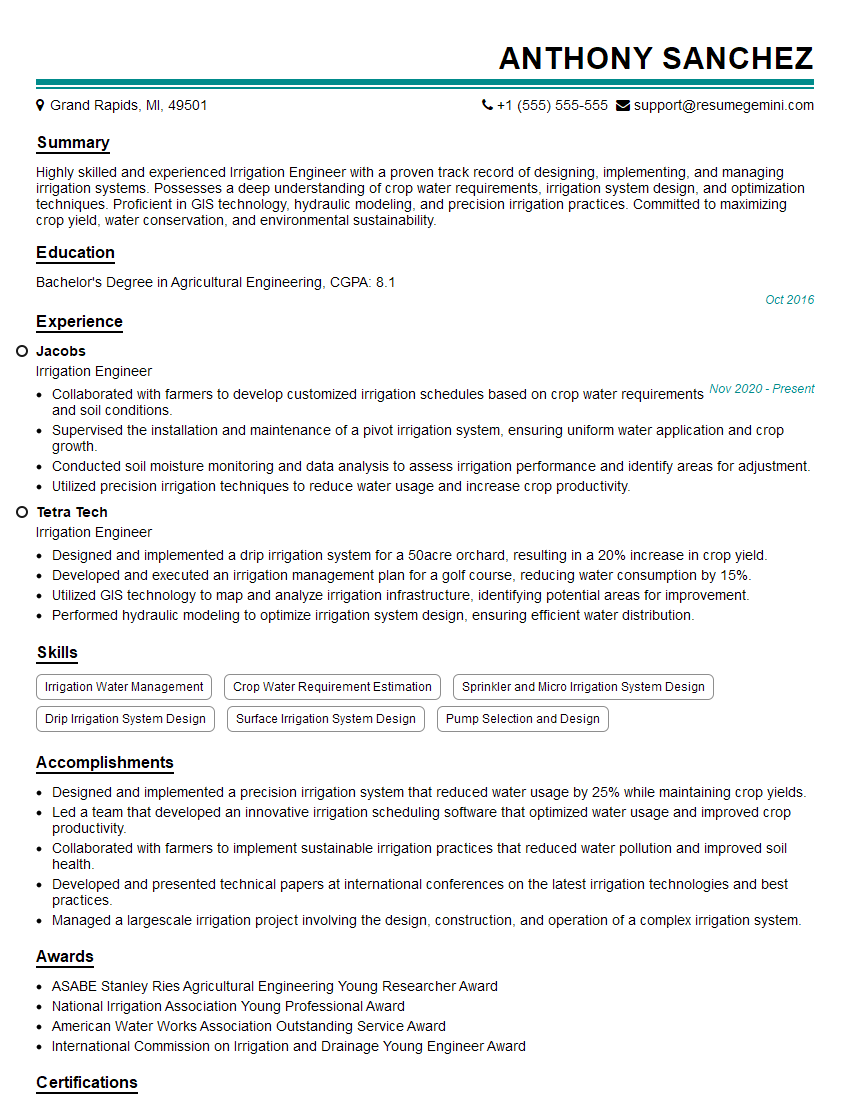
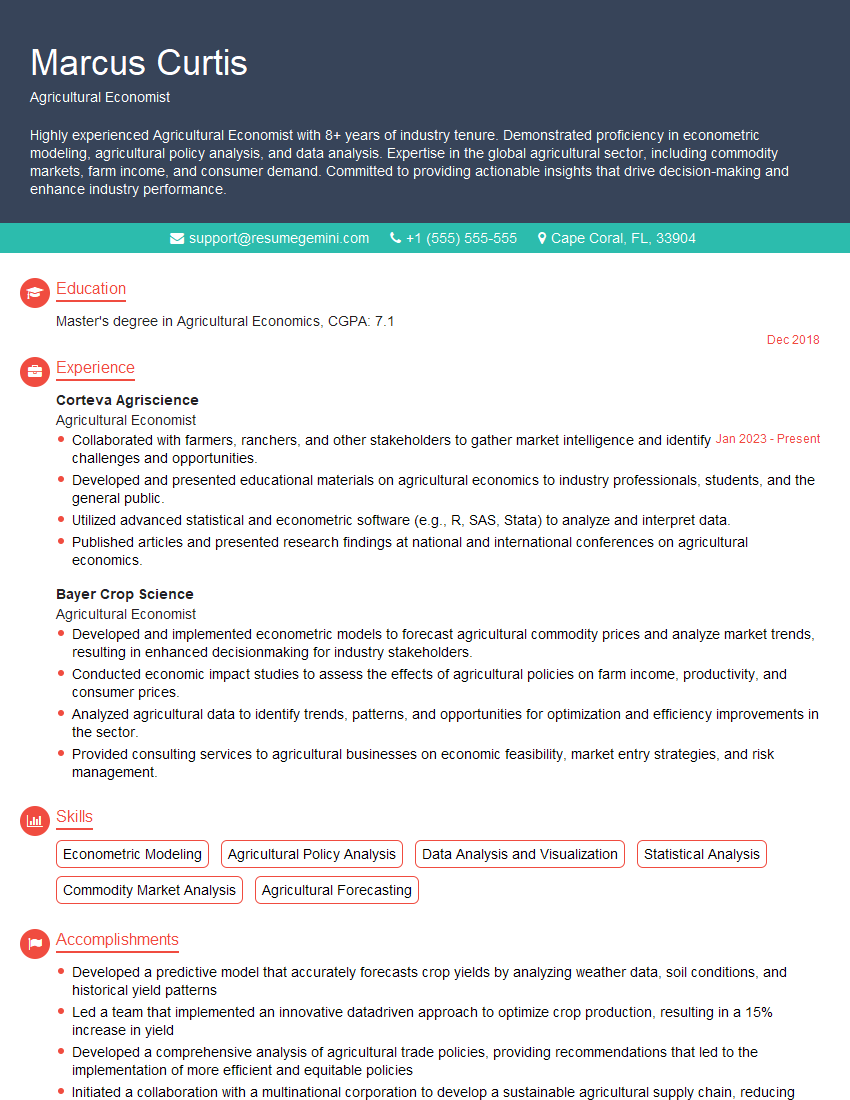
Mastering Agricultural Humanitarian Aid opens doors to a fulfilling career with significant global impact, offering opportunities to contribute to vital work improving lives and building resilience in vulnerable communities. To maximize your job prospects, creating a strong, ATS-friendly resume is crucial. ResumeGemini is a trusted resource to help you build a professional resume that showcases your skills and experience effectively. Examples of resumes tailored specifically to Agricultural Humanitarian Aid are provided to guide you. Take advantage of these resources to present your qualifications compellingly and secure your dream role.

Explore more articles
Users Rating of Our Blogs
Share Your Experience
We value your feedback! Please rate our content and share your thoughts (optional).
What Readers Say About Our Blog
Very informative content, great job.
good