Every successful interview starts with knowing what to expect. In this blog, we’ll take you through the top Agricultural Labor Experience interview questions, breaking them down with expert tips to help you deliver impactful answers. Step into your next interview fully prepared and ready to succeed.
Questions Asked in Agricultural Labor Experience Interview
Q 1. Describe your experience with different types of irrigation systems.
My experience encompasses a wide range of irrigation systems, from traditional methods to modern, technologically advanced ones. I’ve worked extensively with flood irrigation, a simple but water-intensive technique where water is released onto the field, allowing it to flow across the land. This method is cost-effective but can lead to waterlogging and runoff. I’ve also had considerable experience with drip irrigation, a highly efficient method that delivers water directly to plant roots through a network of tubes and emitters. This significantly reduces water waste and improves water use efficiency. Furthermore, I’m proficient in using sprinkler irrigation, which uses sprinklers to distribute water over the field, mimicking natural rainfall. This is suitable for various crops and terrains, but requires more water than drip irrigation and can be susceptible to wind. Finally, I have some experience with center-pivot irrigation, a large-scale system where a sprinkler system rotates around a central pivot, irrigating a large circular area. This is very efficient for large, flat fields.
For example, during my time at Oakhaven Farms, I successfully transitioned the farm from flood irrigation to drip irrigation for their tomato crop, resulting in a 30% reduction in water usage and a 15% increase in yield. In another project, I optimized the sprinkler system at Willow Creek Orchards, reducing water waste by 20% through careful adjustment of sprinkler heads and timing.
Q 2. What is your experience with crop rotation and its benefits?
Crop rotation is a crucial agricultural practice involving the planting of different crop species in a planned sequence on the same piece of land over several growing seasons. This prevents nutrient depletion, reduces pest and disease build-up, and improves soil health. Think of it like giving your soil a balanced diet and rest.
For instance, planting a legume crop like clover one year will fix nitrogen in the soil, benefiting the following year’s crop, which may be a nitrogen-demanding crop such as corn. This reduces the need for synthetic fertilizers, benefiting both the environment and farm finances. Rotating crops also disrupts the life cycle of many pests and diseases, reducing their populations and preventing outbreaks. This is significantly more effective than continually planting a single crop, which makes plants more vulnerable to pests and disease.
In my experience at Green Valley Farms, we implemented a 4-year rotation cycle involving corn, soybeans, wheat, and alfalfa. This not only improved soil fertility but also significantly reduced our reliance on pesticides. We saw a marked improvement in crop yields and a decrease in pest-related losses.
Q 3. Explain your knowledge of various pest control methods and their impact on the environment.
My knowledge of pest control methods extends from traditional practices to integrated pest management (IPM) strategies. Traditional methods involve the use of chemical pesticides, which can effectively control pests but have significant environmental impact, such as harming beneficial insects and contaminating water sources. Therefore, I strongly advocate for IPM, a holistic approach that integrates various methods to minimize pesticide use while maintaining effective pest control.
IPM strategies include cultural controls (crop rotation, proper sanitation), biological controls (introducing natural predators or pathogens), and only using chemical pesticides as a last resort, only when absolutely necessary and in the minimum effective dosage. For example, using pheromone traps to monitor and control insect populations, or introducing beneficial nematodes to control root-knot nematodes are environmentally friendly methods. I always prioritize methods that are least disruptive to the environment.
At Harmony Farms, I helped implement an IPM program that resulted in a 70% reduction in pesticide use without compromising crop yields. We monitored pest populations regularly, employed cultural practices to make the farm less hospitable to pests, and used biological controls whenever possible. This approach protected biodiversity and minimized environmental impact.
Q 4. Describe your experience with livestock management, including feeding and health monitoring.
My livestock management experience includes both dairy and beef cattle, encompassing feeding, health monitoring, and reproductive management. Proper feeding involves providing a balanced diet tailored to the animals’ age, breed, and production stage. This includes ensuring access to clean water, adequate pasture, and appropriate supplements. Health monitoring involves regular inspections, recognizing early signs of illness or injury, and promptly addressing any health issues.
I utilize a range of techniques for health monitoring, including regular visual checks, weight monitoring, and using technologies such as electronic ear tags to track individual animal health data. For example, I developed a health scoring system at Willow Creek Ranch that helped identify and address health problems in cattle early, reducing mortality rates and improving overall herd health. We also proactively implemented vaccination programs to prevent diseases. I am also proficient in implementing best practices for animal welfare, including appropriate housing and handling techniques.
Q 5. What is your experience with operating and maintaining farm equipment?
I am experienced in operating and maintaining a wide variety of farm equipment, including tractors, combines, planters, and other specialized machinery. My skills range from basic operation and maintenance to more complex tasks such as troubleshooting mechanical problems and performing preventative maintenance. I understand the importance of regular maintenance to ensure efficient operation and prevent costly breakdowns. Regular maintenance can include lubrication, cleaning, and replacing worn parts. I’m familiar with safety protocols for operating this equipment and how to perform repairs.
For example, at Sunnyside Farms, I was responsible for the maintenance of a fleet of tractors and combines. My proactive maintenance approach prevented several potential breakdowns, saving the farm significant time and money. My knowledge includes understanding safety regulations when operating farm equipment, including proper use of safety equipment such as seatbelts and protective gear.
Q 6. How do you ensure the quality and safety of agricultural produce?
Ensuring the quality and safety of agricultural produce is paramount. This involves implementing Good Agricultural Practices (GAPs) throughout the entire production process. GAPs include adhering to strict hygiene standards, properly handling and storing produce to prevent contamination, and implementing traceability systems to track the origin and handling of the products. This involves careful monitoring of pesticide use to ensure residues are below acceptable limits and adhering to food safety regulations throughout harvesting, processing, packaging, and transportation.
At Harvest Valley Farms, I implemented a comprehensive GAP program that significantly reduced contamination risks and improved the overall quality of our produce. This involved providing worker training on proper hygiene practices and regularly testing produce for pesticide residues. This increased customer confidence and enhanced the farm’s reputation for producing high-quality, safe products. Thorough record-keeping plays a crucial role in tracing the origin of produce in case of any issues.
Q 7. What are your skills in soil testing and nutrient management?
My skills in soil testing and nutrient management are essential for optimizing crop yields while protecting the environment. I’m proficient in collecting soil samples, analyzing test results, and interpreting data to determine the soil’s nutrient content, pH levels, and other key characteristics. Based on this information, I can develop a tailored nutrient management plan to ensure that crops receive the necessary nutrients without over-fertilizing. Over-fertilization can lead to nutrient runoff, contaminating water sources and harming the environment.
I am experienced in using various methods of soil sampling, including grid sampling and composite sampling, and I utilize different soil analysis methods. At Riverbend Orchards, my nutrient management plan, based on careful soil testing, led to a 10% increase in fruit yield while reducing fertilizer use by 15%, saving money and benefitting the environment. Precision agriculture techniques such as variable rate fertilization, which allows fertilizer application tailored to the precise needs of each part of the field based on soil data, are also part of my skillset.
Q 8. Describe your experience with harvesting techniques for various crops.
Harvesting techniques vary significantly depending on the crop. Think of it like this: each crop is a unique puzzle, and the harvesting method is the key to unlocking its full potential. For example, harvesting delicate strawberries requires careful hand-picking to avoid bruising, while wheat harvesting employs large-scale combines that efficiently cut, thresh, and clean the grain.
- Fruits (e.g., Strawberries, Apples): Often hand-picked to ensure quality and minimize damage. Timing is crucial; harvesting at the optimal ripeness maximizes flavor and shelf life.
- Vegetables (e.g., Lettuce, Tomatoes): Methods range from hand-harvesting to mechanical harvesting using specialized equipment. Factors such as crop size, soil conditions, and market demands influence the choice of method.
- Grains (e.g., Wheat, Corn): Large-scale machinery like combines are essential. These machines perform multiple operations simultaneously: cutting, threshing (separating grain from stalks), and cleaning. Proper combine settings are critical for optimizing yield and minimizing losses.
- Root Crops (e.g., Potatoes, Carrots): Can involve specialized harvesting equipment that digs up the roots while minimizing damage. Careful handling post-harvest is vital to prevent bruising and spoilage.
My experience spans all these methods, and I’ve adapted my approach based on crop type, weather conditions, and available resources. For instance, during a particularly wet harvest season, we adjusted the combine settings to reduce the moisture content of the wheat to prevent mold growth.
Q 9. How do you handle adverse weather conditions affecting agricultural operations?
Adverse weather can significantly impact agricultural operations, potentially leading to crop damage and yield reductions. It’s like a battle against the elements; planning and adaptability are key. My approach involves a multi-pronged strategy.
- Forecasting and Planning: We closely monitor weather forecasts to anticipate potential challenges. This allows us to adjust planting schedules, implement protective measures (like covering crops with tarps), and plan for alternative harvesting strategies.
- Protective Measures: Implementing strategies to mitigate weather impacts – for instance, using irrigation systems during droughts to prevent wilting or employing windbreaks to protect crops from strong winds.
- Emergency Procedures: Having contingency plans for emergencies such as hailstorms or floods. This includes protocols for securing equipment, protecting crops, and assessing damage quickly after the event.
- Crop Selection: Choosing crop varieties that are more resilient to specific adverse weather conditions prevalent in the region, such as drought-resistant crops in arid climates.
For example, during a sudden hailstorm, we quickly moved the harvesters to a sheltered area to prevent damage and then assessed the extent of crop damage to decide the best course of action for harvesting the remaining crop.
Q 10. Explain your experience with post-harvest handling and storage of agricultural products.
Post-harvest handling and storage are crucial for preserving the quality and extending the shelf life of agricultural products. Imagine it as providing the best care for your harvest after it’s been brought in from the field. This involves a careful process.
- Cleaning and Grading: Removing debris and sorting produce based on size, quality, and ripeness. This ensures uniform quality and enhances market value.
- Pre-cooling: Rapidly reducing the temperature of freshly harvested produce to slow down respiration and enzymatic activity, reducing spoilage. This often involves hydrocooling or forced-air cooling.
- Packaging: Selecting appropriate packaging materials that protect the produce from damage during transportation and storage. This also helps maintain freshness and prevents bruising.
- Storage Conditions: Maintaining optimal temperature and humidity levels in storage facilities. Cold storage is frequently employed to extend the shelf life of many products. Specific temperature and humidity settings depend on the type of product being stored.
For instance, in storing apples, maintaining a temperature around 0°C (32°F) and a high relative humidity is essential to prevent shriveling and maintain quality for extended periods. Proper sanitation is also vital to prevent the spread of diseases in storage facilities.
Q 11. How do you maintain accurate records of agricultural activities?
Accurate record-keeping is fundamental to efficient farm management and decision-making. It’s like a financial diary for your farm, providing essential data for everything from production planning to financial reporting. My approach uses a combination of methods.
- Field Notebooks: Detailed daily notes on activities, including planting dates, fertilizer application, irrigation schedules, pest and disease observations, and harvest yields.
- Spreadsheets: Organizing data from notebooks into digital spreadsheets to simplify analysis and reporting. This allows for easy calculation of yields, costs, and profitability.
- Farm Management Software: Utilizing specialized software to integrate various aspects of farm operations, including tracking inputs, outputs, inventory, and financial data. This software provides valuable insights and simplifies reporting.
- GPS Tracking: Employing GPS technology to map field activities, providing precise location information for tasks like fertilizer application or pest control. This ensures targeted interventions and minimizes waste.
For example, tracking fertilizer usage accurately helps optimize application rates based on soil analysis results, improving efficiency and minimizing environmental impact. Detailed yield records allow for benchmarking against previous years and identifying areas for improvement.
Q 12. Describe your experience with fertilizer application and its impact on crop yield.
Fertilizer application is crucial for optimizing crop yield; it’s like providing the crop with essential vitamins and nutrients. Understanding the specific needs of each crop and the soil conditions is crucial for effective application.
- Soil Testing: Regular soil testing is essential to determine nutrient deficiencies and guide fertilizer selection. Knowing your soil is like knowing your crop’s dietary needs.
- Nutrient Management: Applying fertilizers based on soil test results to avoid nutrient imbalances. Over-fertilization can harm the environment and the crop itself.
- Application Methods: Selecting the appropriate application method based on the crop type, fertilizer type, and soil conditions. Options include broadcasting, banding, or fertigation (applying fertilizer through irrigation).
- Timing: Applying fertilizers at the optimal time during the plant’s growth cycle to maximize nutrient uptake. Different nutrients are needed at different stages of growth.
For instance, applying nitrogen fertilizer at the appropriate stages of growth for corn significantly increases its yield. However, excess nitrogen can lead to excessive vegetative growth, reducing grain production, and polluting groundwater through runoff. Careful planning and soil testing are key to preventing such issues.
Q 13. How do you identify and address common plant diseases and pests?
Identifying and addressing plant diseases and pests is essential for maintaining crop health and maximizing yield. It’s like being a crop doctor, diagnosing and treating problems before they become major issues.
- Regular Monitoring: Frequent visual inspection of crops to detect signs of disease or pest infestation, early detection improves the chances of successful control.
- Disease and Pest Identification: Accurate identification of the specific disease or pest is vital to determine the most effective control measures.
- Integrated Pest Management (IPM): Implementing integrated pest management strategies that combine various methods, such as biological control, cultural practices (crop rotation), and chemical control (only when necessary and with minimal environmental impact).
- Record Keeping: Maintaining detailed records of pest and disease outbreaks, control measures implemented, and their effectiveness. This enables informed decision-making in future seasons.
For example, identifying aphids on a lettuce crop early allows for implementing control measures such as introducing ladybugs (natural predators) before the infestation becomes severe. Ignoring early signs can lead to significant yield losses and the need for broader, potentially harmful, chemical treatments.
Q 14. Explain your understanding of sustainable agricultural practices.
Sustainable agricultural practices are about producing food and fiber while minimizing environmental impact and ensuring long-term farm viability. It’s about creating a balance between production and preservation.
- Soil Health: Implementing practices to improve soil health, such as no-till farming, cover cropping, and crop rotation. These practices enhance soil fertility and reduce erosion.
- Water Conservation: Employing efficient irrigation techniques like drip irrigation to minimize water waste and conserve this precious resource.
- Pest and Disease Management: Utilizing integrated pest management strategies that minimize the use of chemical pesticides and reduce their environmental impact.
- Biodiversity: Promoting biodiversity through practices such as intercropping and integrating hedgerows into the landscape. This enhances ecosystem services and reduces pest pressure.
- Renewable Energy: Utilizing renewable energy sources like solar power to reduce reliance on fossil fuels and decrease greenhouse gas emissions.
For example, implementing no-till farming reduces soil erosion and improves soil structure, leading to better water retention and increased nutrient availability. By integrating sustainable practices, we can ensure the long-term productivity of the land while protecting the environment.
Q 15. What is your experience with precision agriculture technologies?
My experience with precision agriculture technologies is extensive, encompassing several years of hands-on application across various farming operations. Precision agriculture uses technology to optimize farming practices, leading to increased efficiency and yields. This involves utilizing data-driven insights to make informed decisions about planting, irrigation, fertilization, and pest control.
- GPS-guided machinery: I’ve extensively used GPS-guided tractors, sprayers, and planters, ensuring accurate application of inputs and reducing overlap or missed areas, leading to significant cost savings and yield improvements.
- Yield monitoring systems: I’ve implemented yield monitors on harvesters to collect real-time data on crop yields across different field sections. This data helps identify areas needing improvement in soil management or other inputs.
- Variable rate technology (VRT): I have experience using VRT to apply fertilizer, pesticides, and water based on the specific needs of each section of the field. This approach reduces waste and environmental impact while optimizing resource use.
- Remote sensing and drone technology: I’ve worked with drone imagery to assess crop health, identify stress factors, and guide timely interventions. This provides a bird’s-eye view, impossible to achieve through ground observation alone.
For instance, using GPS-guided tractors, I was able to reduce fertilizer application by 15% while maintaining the same crop yield compared to traditional broadcasting methods. This shows the significant potential of precision agriculture in optimizing resource management and achieving sustainable farming practices.
Career Expert Tips:
- Ace those interviews! Prepare effectively by reviewing the Top 50 Most Common Interview Questions on ResumeGemini.
- Navigate your job search with confidence! Explore a wide range of Career Tips on ResumeGemini. Learn about common challenges and recommendations to overcome them.
- Craft the perfect resume! Master the Art of Resume Writing with ResumeGemini’s guide. Showcase your unique qualifications and achievements effectively.
- Don’t miss out on holiday savings! Build your dream resume with ResumeGemini’s ATS optimized templates.
Q 16. Describe your experience with using GPS technology in agricultural operations.
GPS technology has revolutionized agricultural operations, enhancing accuracy and efficiency across various tasks. My experience encompasses using GPS for precision planting, spraying, and harvesting.
- Precision Planting: GPS allows for precise seed placement, optimizing spacing and maximizing plant density for better yield. Imagine planting seeds with centimeter-level accuracy, ensuring each plant receives adequate sunlight, water, and nutrients.
- Variable Rate Application (VRA): GPS guides machinery to apply inputs (fertilizer, pesticides) based on variable soil conditions or yield maps. This ensures optimal input use and minimizes environmental impact. I’ve seen firsthand how GPS guided VRA can reduce fertilizer costs by up to 20% without sacrificing yield.
- Automated Steering: GPS-guided steering systems enable automated tractor operation, reducing operator fatigue and enhancing precision. This was crucial during long working hours, ensuring consistent and accurate operation across large fields.
- Field Mapping and Monitoring: GPS allows for precise mapping of fields, enabling better planning and monitoring of crop growth and health. I’ve used this information for targeted intervention when problems were detected.
For example, during a large-scale corn planting operation, GPS-guided machinery enabled us to cover more acreage in less time, with improved seed placement compared to traditional methods, resulting in a 10% increase in yield.
Q 17. How do you ensure workplace safety while operating machinery?
Workplace safety is paramount in agricultural operations. My approach is built on a multi-layered strategy of preventative measures, regular checks, and emergency preparedness.
- Pre-Operational Checks: Before operating any machinery, I meticulously conduct safety checks, verifying the functionality of all components, brakes, lights, and safety guards. This is a non-negotiable routine.
- Personal Protective Equipment (PPE): I always ensure I and my team wear appropriate PPE, including safety glasses, gloves, hearing protection, and sturdy boots, depending on the task. This is enforced through regular training and reminders.
- Safe Operating Procedures: I strictly adhere to and enforce safe operating procedures for all machinery, including proper speed control, awareness of surroundings, and maintaining safe distances from others.
- Regular Maintenance: I advocate for and participate in regular machinery maintenance, ensuring all equipment is in optimal working condition. Malfunctioning equipment is a major safety risk.
- Emergency Preparedness: We have established clear emergency response protocols, including communication procedures and designated emergency contact points, and regular emergency drills are conducted to ensure team preparedness.
For example, one time a tractor experienced a sudden mechanical failure. Because of our pre-established emergency procedures and the training received by the team, we were able to safely evacuate the area and prevent any injuries. The prompt response to the emergency minimized potential harm.
Q 18. Describe your experience with managing a team of agricultural workers.
My experience in managing agricultural teams involves fostering collaboration, communication, and efficient task delegation. I believe in a leadership style that combines clear direction with empowerment.
- Clear Communication: I emphasize open and transparent communication to ensure everyone understands their roles, responsibilities, and expectations. Regular team meetings are essential.
- Skill Assessment and Training: I evaluate the skillsets of each team member and provide appropriate training to enhance their proficiency and safety. This is an ongoing process.
- Task Delegation: I delegate tasks based on individual strengths and abilities, ensuring a fair workload distribution and maximizing efficiency. It’s about understanding the individual strengths of each team member.
- Motivation and Support: I foster a positive and supportive work environment, recognizing and rewarding achievements, and offering support during challenging times. Team morale is key to productivity.
- Conflict Resolution: I proactively address conflicts and disagreements, facilitating open discussions and finding mutually agreeable solutions. Building strong working relationships is essential to minimizing conflict.
For instance, during a busy harvest season, by effectively delegating tasks and coordinating team efforts, we completed the harvest ahead of schedule, resulting in reduced labor costs and minimized post-harvest losses.
Q 19. How do you prioritize tasks and manage your time effectively in a fast-paced agricultural environment?
Effective task prioritization and time management are crucial in the fast-paced agricultural environment. My approach is grounded in planning, flexibility, and efficient execution.
- Prioritization Matrix: I utilize a prioritization matrix (e.g., Eisenhower Matrix) to categorize tasks based on urgency and importance, focusing on high-priority items first. This ensures the most critical tasks are addressed promptly.
- Detailed Scheduling: I create detailed daily or weekly schedules, factoring in weather conditions, equipment availability, and labor capacity. This includes buffer time for unexpected events.
- Flexibility: I understand that unforeseen events are inevitable, so I maintain flexibility in my schedule, adapting to changing circumstances as needed. Weather is a major factor.
- Time Tracking: I use time-tracking tools or methods to monitor task completion times and identify areas for improvement in efficiency. This data is useful for future planning.
- Delegation: Effectively delegating tasks allows me to focus on high-priority items and enhance overall team productivity.
During a period of heavy rainfall, we had to adapt our schedule immediately. By focusing on immediate priorities like harvesting ripe crops before potential damage and reallocating tasks accordingly, we minimized the impact of the unexpected weather event. Effective time management and adaptation are vital during unexpected challenges.
Q 20. What are your problem-solving skills in the context of unexpected events during fieldwork?
Problem-solving in agriculture often involves quick thinking and adaptability. My approach involves a systematic process of assessment, planning, and execution.
- Problem Assessment: I begin by carefully assessing the situation, identifying the root cause of the problem. This often involves data analysis and observation.
- Solution Brainstorming: I brainstorm potential solutions, considering all available resources and constraints. This often involves collaborating with the team.
- Risk Assessment: I carefully assess the risks associated with each potential solution, choosing the option that minimizes potential negative impacts. Safety is always paramount.
- Implementation and Monitoring: I implement the chosen solution, closely monitoring its effectiveness and making adjustments as needed. This is an iterative process.
- Documentation and Learning: I document the problem, solution, and outcomes, learning from each experience to improve future responses. This builds institutional knowledge.
For example, during a sudden equipment malfunction in the middle of harvesting, I quickly assessed the situation, delegated tasks to ensure the safety of the team and the equipment, and then contacted a mechanic for immediate repair. The prompt response and use of existing resources minimized downtime and prevented substantial yield losses.
Q 21. Describe your experience with different types of soil and their suitability for various crops.
Understanding soil types and their suitability for different crops is fundamental to successful agriculture. My experience encompasses working with various soil types and adapting cultivation practices accordingly.
- Soil Texture: I’m familiar with different soil textures, including sandy, silty, clay, and loamy soils, and their impact on water retention, drainage, and nutrient availability. Sandy soils, for instance, drain quickly, while clay soils retain water but can be poorly aerated.
- Soil pH: I understand the importance of soil pH and its influence on nutrient uptake. Different crops have different pH requirements. Testing the soil and making adjustments through lime or sulfur application is important.
- Soil Organic Matter: I recognize the role of organic matter in soil fertility, structure, and water retention. Improving soil organic matter through compost or cover crops enhances soil health and crop yields.
- Nutrient Content: I have experience assessing soil nutrient levels through soil testing and adjusting fertilization practices to meet crop needs. This ensures optimal nutrient availability without wasting resources.
- Crop Suitability: I understand the suitability of different soil types for various crops. For example, sandy soils are suitable for crops that require good drainage, whereas clay soils are better suited for crops tolerant of waterlogged conditions.
In one instance, we were planning to cultivate soybeans in a field with predominantly clay soil. By conducting a thorough soil analysis and amending the soil with organic matter to improve drainage, we were able to achieve a successful soybean harvest despite the initially challenging soil conditions.
Q 22. What is your knowledge of organic farming practices?
Organic farming prioritizes ecological balance and soil health, avoiding synthetic pesticides, herbicides, and fertilizers. It emphasizes biodiversity, crop rotation, and natural pest control methods. My understanding encompasses various organic certification standards like USDA Organic and EU Organic, which dictate specific practices and record-keeping requirements.
For instance, I’ve worked on farms that employed cover cropping to improve soil fertility, composting to create nutrient-rich soil amendments, and integrated pest management strategies to reduce pest populations without harmful chemicals. We meticulously documented all practices to ensure compliance with certification regulations, including maintaining detailed records of inputs and outputs.
A key aspect is understanding the nuances of soil health. We regularly tested soil for nutrient levels, pH, and organic matter content to guide our decisions on fertilization and crop selection. This data-driven approach ensures the long-term sustainability of the farm and the quality of the produce.
Q 23. How do you handle conflict resolution among team members?
Conflict resolution requires a proactive and empathetic approach. I believe in open communication and fostering a respectful work environment. My strategy involves:
- Active Listening: Understanding each person’s perspective is crucial. I encourage team members to express their concerns fully without interruption.
- Identifying the Root Cause: Pinpointing the underlying issue, whether it’s a misunderstanding, differing work styles, or resource allocation, is key to effective resolution.
- Mediation: I facilitate discussions, ensuring all voices are heard and helping the team find common ground. This might involve brainstorming solutions together.
- Fair and Consistent Application of Rules: If necessary, I ensure the farm’s rules and policies are applied fairly to all team members.
- Seeking External Help: In cases of persistent or serious conflict, seeking mediation from a neutral third party can be beneficial.
For example, I once mediated a conflict between two team members with differing opinions on harvesting techniques. By understanding their individual concerns and highlighting the benefits of both approaches, we developed a hybrid strategy that satisfied both parties and improved overall efficiency.
Q 24. Explain your experience with animal welfare best practices.
Animal welfare is paramount in ethical farming. My experience includes working with livestock, adhering to best practices that prioritize the animals’ physical and psychological well-being. This involves:
- Providing Adequate Housing: Ensuring appropriate shelter, ventilation, and space for animals according to their species and age.
- Nutrition and Health: Providing access to clean water, nutritious feed, and regular veterinary care. Early detection and treatment of illnesses are vital.
- Minimizing Stress: Implementing humane handling practices during routine tasks like feeding, cleaning, and transport.
- Environmental Enrichment: Providing opportunities for natural behaviors, such as foraging, social interaction, and exploration.
- Compliance with Regulations: Strict adherence to local and national animal welfare regulations and guidelines.
For instance, on a dairy farm, I implemented a new feeding system that reduced competition and stress among cows, leading to a notable improvement in milk production and overall animal health. We also regularly inspected the facilities to ensure optimal hygiene and comfort.
Q 25. What is your understanding of government regulations related to agricultural practices?
My understanding of government regulations covers a broad range of aspects, including worker safety, environmental protection, food safety, and animal welfare. I’m familiar with regulations pertaining to pesticide application, water usage, waste management, and labeling requirements. Specific regulations vary by region and the type of agricultural operation.
For example, I have experience with the handling and disposal of pesticides according to EPA guidelines. I am also familiar with the Food Safety Modernization Act (FSMA) and its impact on pre-harvest activities and food safety plans. We regularly participate in training programs to stay updated on changing regulations and best practices.
Understanding these regulations is crucial not only for compliance but also for ensuring the safety of our products, our workforce, and the environment. Non-compliance can result in substantial penalties and harm to the farm’s reputation.
Q 26. Describe your experience with using various hand tools and machinery.
I have extensive experience with a wide variety of hand tools and machinery commonly used in agriculture. This includes:
- Hand Tools: Shovels, hoes, rakes, pruning shears, hand saws, and other implements used for planting, weeding, harvesting, and general farm maintenance.
- Power Tools: Chainsaws, hedge trimmers, and other motorized equipment used for land clearing and maintenance.
- Tractors and Implements: Operating tractors, tillers, planters, harvesters, and other large machinery for various field operations. I am also proficient in maintaining and troubleshooting these machines.
- Irrigation Systems: Experience with operating and maintaining various irrigation systems, including drip irrigation, sprinkler systems, and center pivot irrigation.
I am comfortable operating and maintaining this equipment safely and efficiently. My experience extends to both manual and mechanized operations, allowing me to adapt to the specific needs of different agricultural settings. Safety protocols are always paramount in my approach to equipment operation.
Q 27. How do you ensure compliance with food safety regulations during harvesting and processing?
Ensuring compliance with food safety regulations during harvesting and processing is critical to protecting public health. My approach involves:
- Good Agricultural Practices (GAPs): Adhering to strict hygiene protocols throughout the harvesting process, including handwashing, proper clothing, and equipment sanitation.
- Pre-Harvest Planning: Implementing a comprehensive food safety plan that addresses potential hazards at each stage of production, from planting to harvest.
- Worker Training: Educating workers on proper food handling practices, including preventing cross-contamination and identifying potential hazards.
- Proper Harvesting Techniques: Employing careful harvesting methods to minimize damage to produce and prevent contamination.
- Post-Harvest Handling: Following established procedures for cleaning, sorting, packaging, and storing harvested products to maintain quality and safety.
- Record Keeping: Maintaining detailed records of all harvesting and processing activities for traceability and compliance audits.
For example, I’ve implemented a traceability system that uses lot numbers to track produce from the field to the consumer, allowing for rapid identification and removal of any contaminated products. Regular employee training is essential to maintain the highest food safety standards.
Q 28. What is your experience with using agricultural software and data analysis?
I have experience utilizing agricultural software and data analysis to optimize farming operations and enhance productivity. This includes:
- Farm Management Software: Using software to track yields, inputs, costs, and other key performance indicators (KPIs) to improve efficiency and profitability. Examples include
FarmLogs,Agworld, andGranular Insights. - Precision Agriculture Tools: Utilizing GPS-guided machinery, variable rate technology, and remote sensing data to optimize resource application and improve crop yields.
- Data Analysis: Analyzing farm data to identify trends, patterns, and areas for improvement. This involves using spreadsheets, statistical software, and other tools to interpret the collected data.
- Yield Monitoring: Employing yield monitors on harvesting equipment to collect real-time yield data and assess field variability.
For instance, I used farm management software to analyze past yield data and soil test results to optimize fertilizer application rates, resulting in a 15% increase in crop yields while reducing fertilizer costs. This data-driven approach enables informed decision-making and minimizes waste.
Key Topics to Learn for Agricultural Labor Experience Interview
- Crop Management: Understanding planting, cultivating, harvesting techniques for various crops; practical application includes describing your experience with specific crops and techniques used to maximize yield and quality.
- Livestock Handling: Knowledge of animal husbandry practices, including feeding, breeding, and health management; practical application involves detailing experience with different livestock, showcasing problem-solving skills related to animal care.
- Equipment Operation & Maintenance: Proficiency in operating and maintaining agricultural machinery (tractors, harvesters, etc.); practical application includes describing your experience with specific equipment, highlighting safety protocols and troubleshooting skills.
- Pest & Disease Management: Understanding integrated pest management strategies and disease prevention methods; practical application includes detailing your experience implementing such strategies, explaining the impact on crop health and yield.
- Irrigation & Water Management: Knowledge of efficient irrigation techniques and water conservation strategies; practical application could involve explaining your role in managing irrigation systems and conserving water resources.
- Soil Health & Fertility: Understanding soil properties, nutrient management, and soil conservation practices; practical application includes describing experience with soil testing, fertilization, and sustainable soil management techniques.
- Safety & Regulations: Adherence to safety regulations and best practices in agricultural settings; practical application involves demonstrating awareness of potential hazards and methods employed to ensure a safe working environment.
- Record Keeping & Data Analysis: Maintaining accurate records of agricultural activities and analyzing data to improve efficiency; practical application involves describing your experience with data collection and analysis, demonstrating ability to interpret results and make informed decisions.
Next Steps
Mastering Agricultural Labor Experience is crucial for career advancement in this dynamic field. A strong understanding of these key areas will significantly boost your interview performance and open doors to exciting opportunities. To further enhance your job prospects, creating an ATS-friendly resume is essential. ResumeGemini is a trusted resource that can help you build a professional and impactful resume tailored to your experience. Examples of resumes specifically designed for Agricultural Labor Experience are available within ResumeGemini to guide you. Invest time in crafting a compelling resume—it’s your first impression on potential employers.
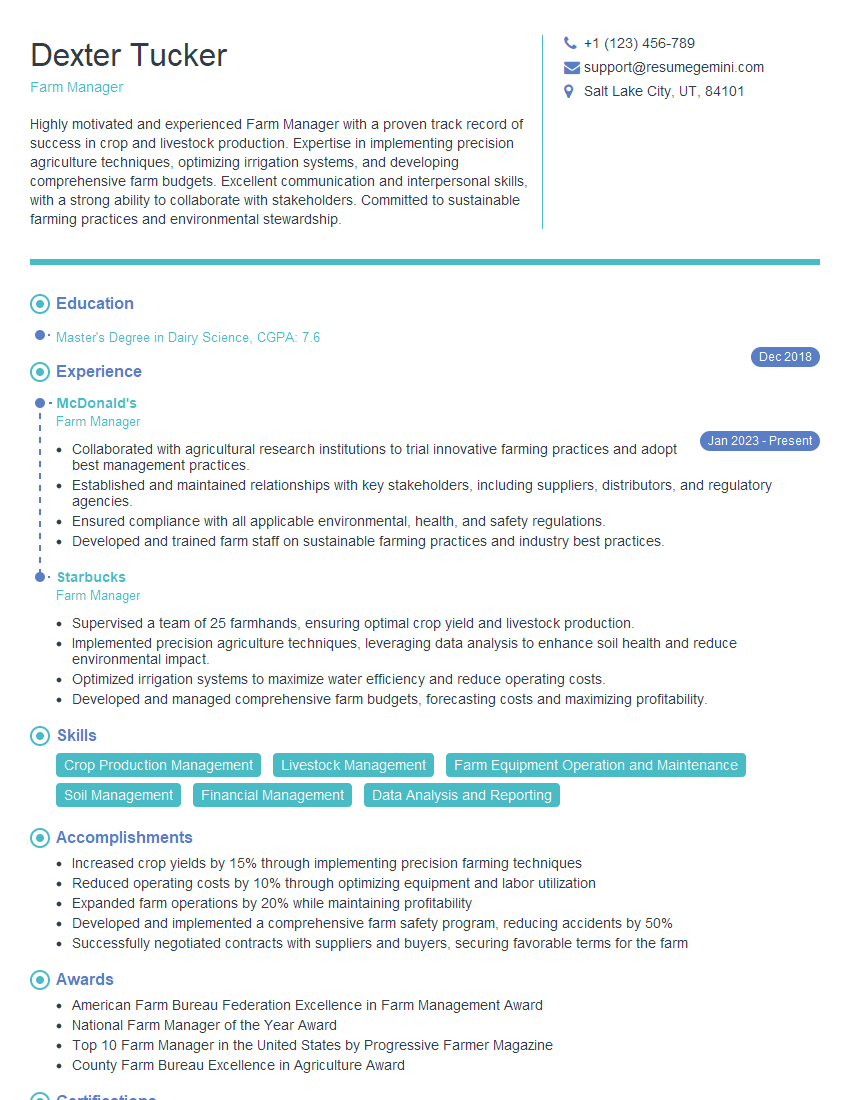
Farm Manager Resume Sample
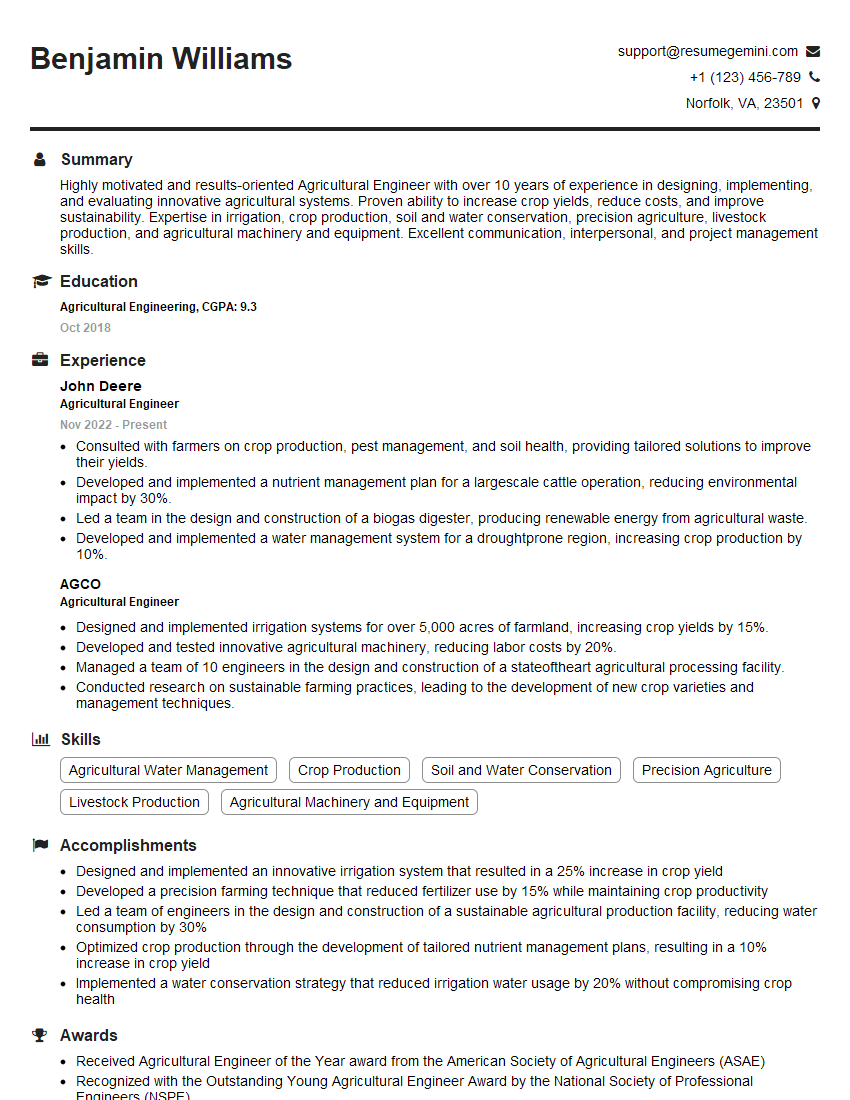
Agricultural Engineer Resume Sample

Soil Scientist Resume Sample
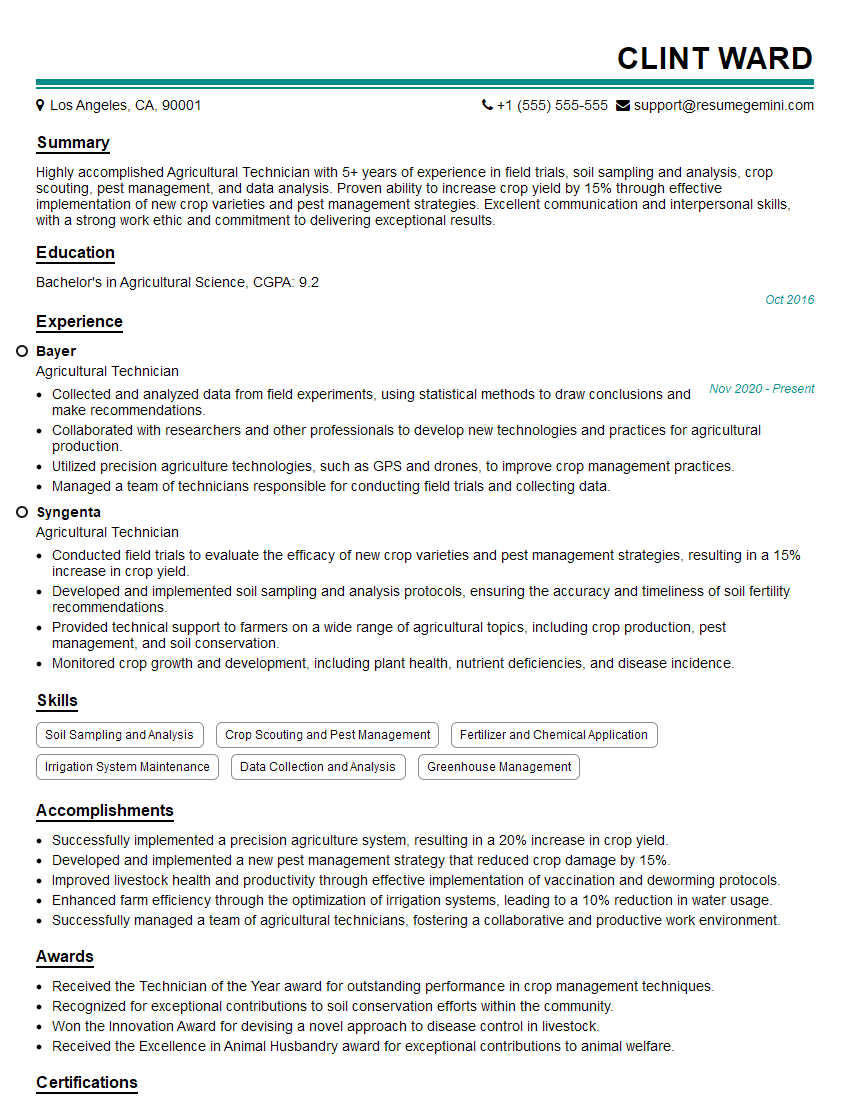
Agricultural Technician Resume Sample
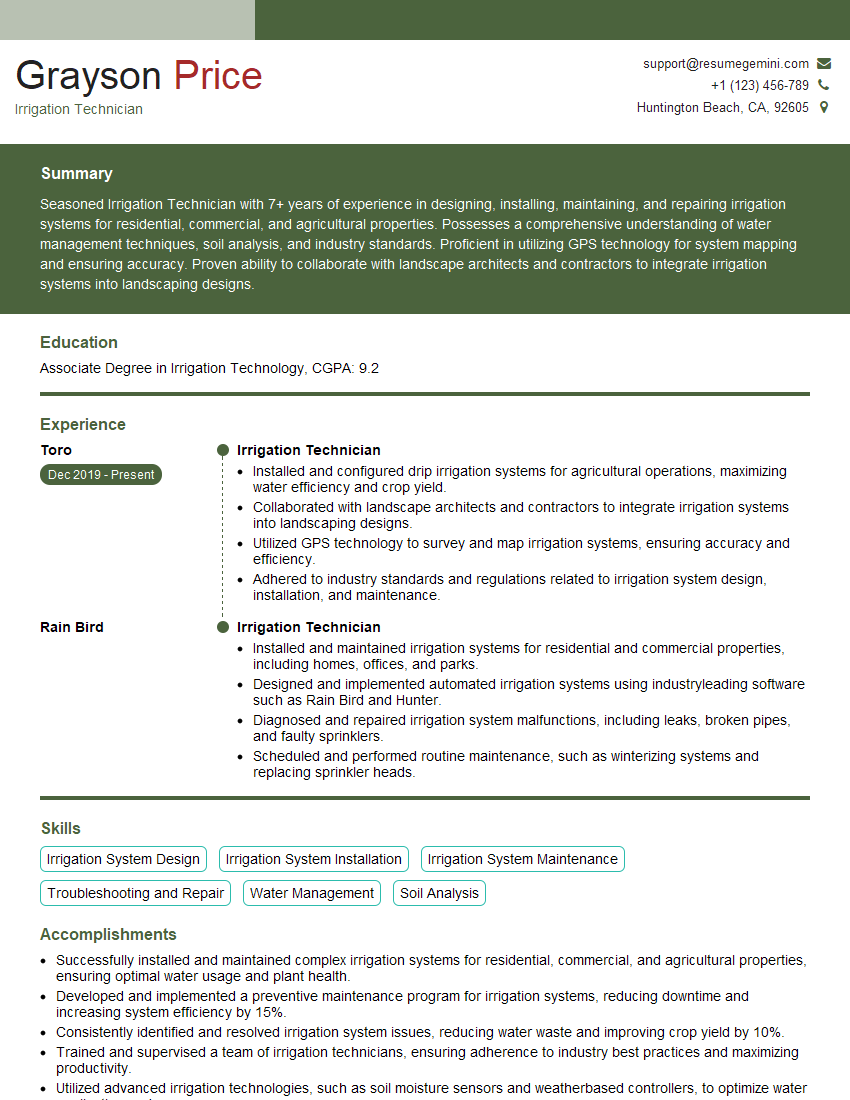
Irrigation Technician Resume Sample
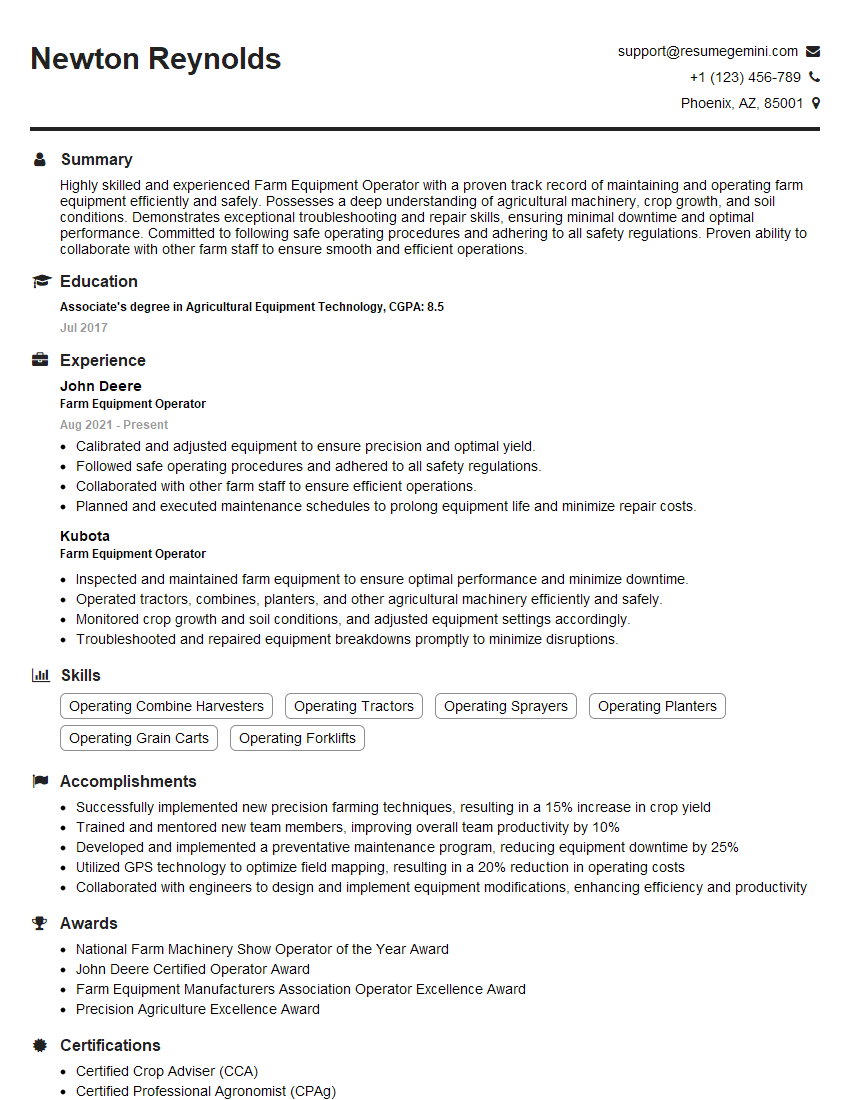
Farm Equipment Operator Resume Sample
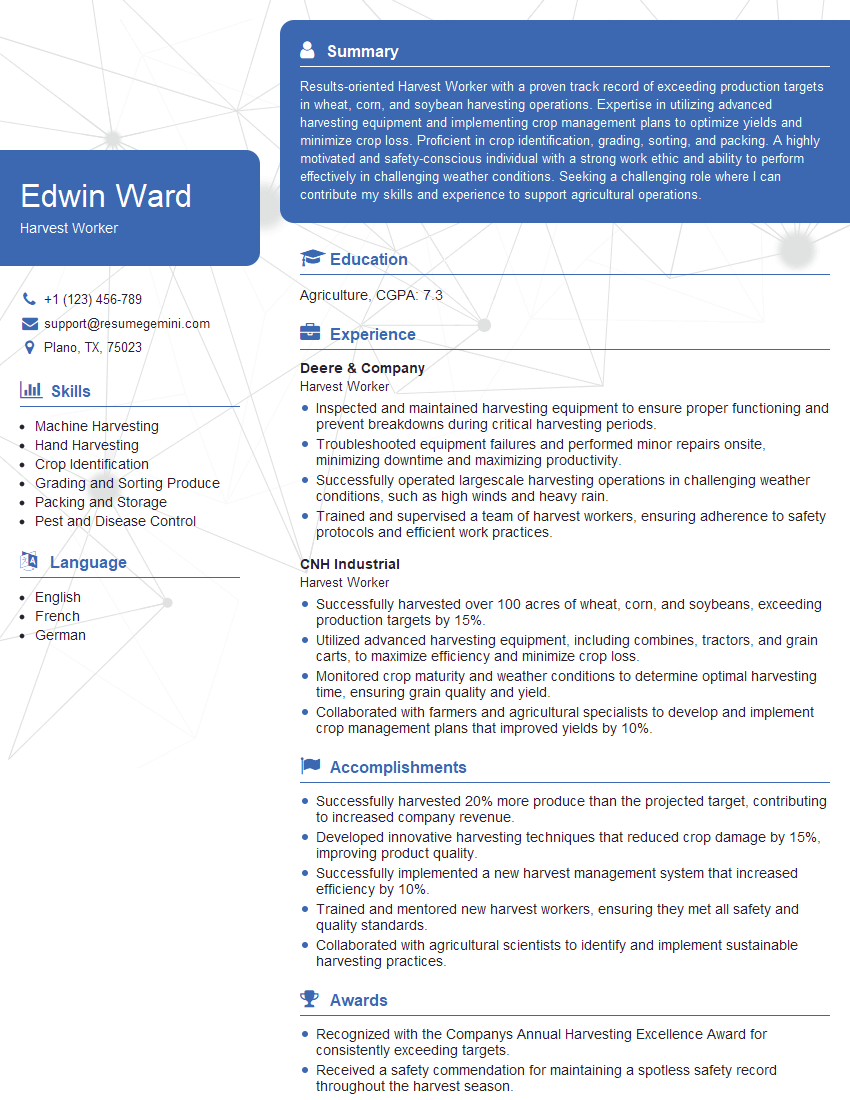
Harvest Worker Resume Sample
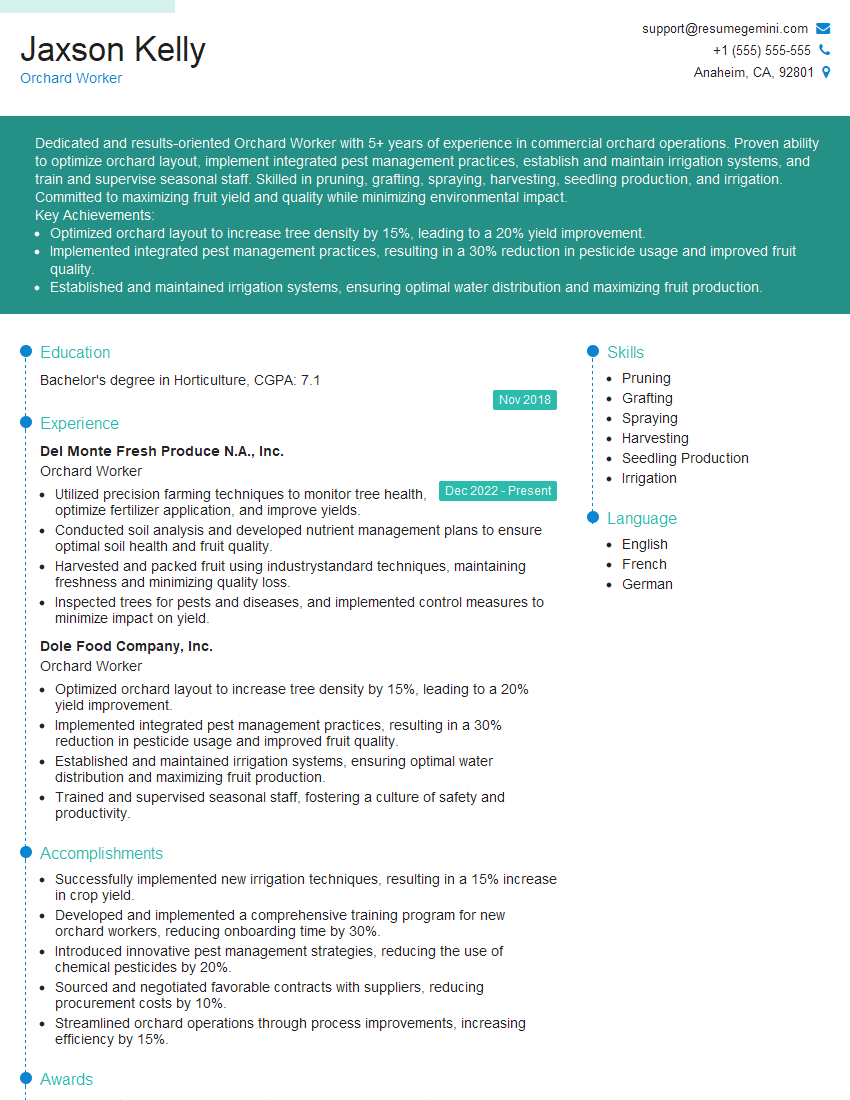
Orchard Worker Resume Sample

Greenhouse Worker Resume Sample
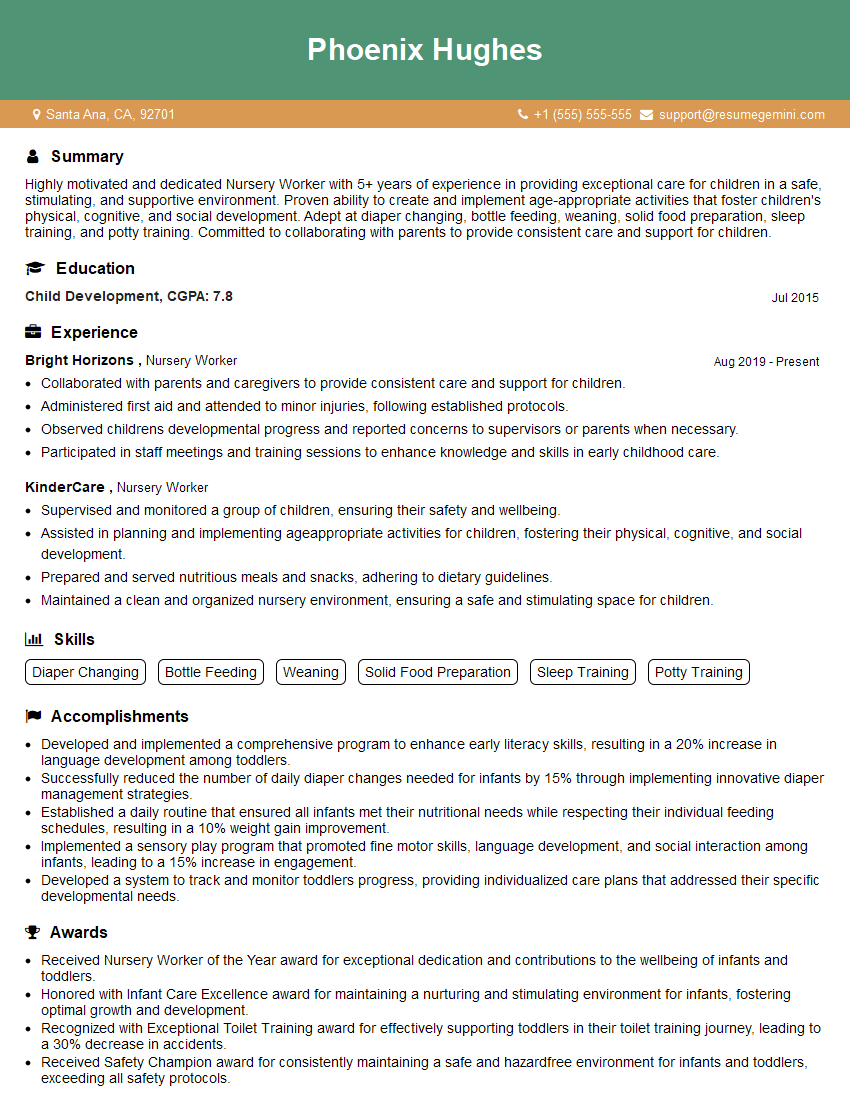
Nursery Worker Resume Sample

Dairy Farm Worker Resume Sample
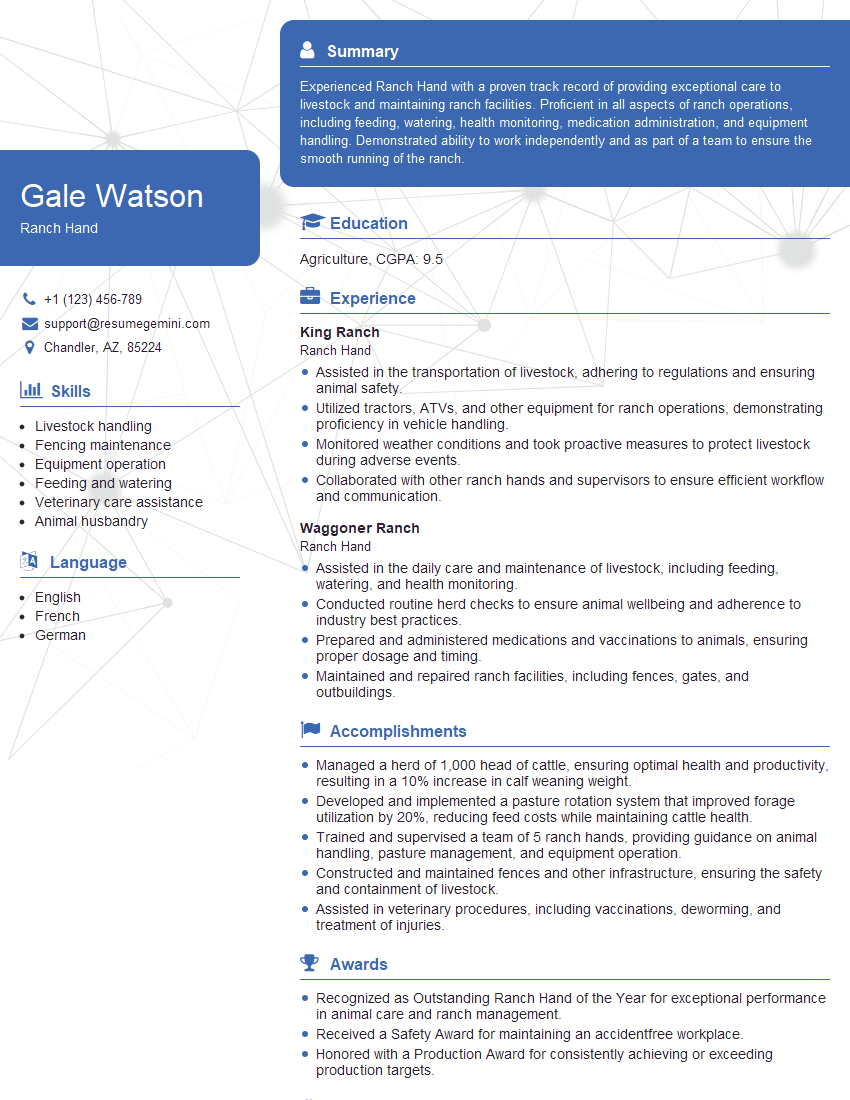
Ranch Hand Resume Sample
Explore more articles
Users Rating of Our Blogs
Share Your Experience
We value your feedback! Please rate our content and share your thoughts (optional).
What Readers Say About Our Blog
Very informative content, great job.
good