Feeling uncertain about what to expect in your upcoming interview? We’ve got you covered! This blog highlights the most important Air and Water Quality Monitoring interview questions and provides actionable advice to help you stand out as the ideal candidate. Let’s pave the way for your success.
Questions Asked in Air and Water Quality Monitoring Interview
Q 1. Explain the difference between primary and secondary air pollutants.
The difference between primary and secondary air pollutants lies in their origin and formation. Primary pollutants are emitted directly from a source into the atmosphere. Think of it like this: the pollutant comes straight out of the ‘exhaust pipe’. Examples include carbon monoxide (CO) from vehicle exhaust, sulfur dioxide (SO2) from power plants, and particulate matter (PM) from construction sites. These pollutants are harmful in their original form.
Secondary pollutants, on the other hand, are formed in the atmosphere through chemical reactions between primary pollutants or between primary pollutants and other atmospheric components. Imagine them as the byproduct of a chemical reaction in the air. A classic example is ground-level ozone (O3), formed from reactions involving nitrogen oxides (NOx) and volatile organic compounds (VOCs) in the presence of sunlight. Acid rain, formed from SO2 and NOx reacting with water vapor, is another example. These pollutants are created *after* the primary emissions enter the atmosphere.
Q 2. Describe common air quality indices (e.g., AQI) and their significance.
Air Quality Indices (AQIs) are numerical scales used to communicate the level of air pollution to the public. Different countries and regions use different AQI standards, but the underlying principle remains the same: to translate complex pollution data into an easily understandable number. A higher AQI value indicates worse air quality.
For example, the United States Environmental Protection Agency (EPA) AQI considers several pollutants, including ozone, particulate matter (PM2.5 and PM10), carbon monoxide, sulfur dioxide, and nitrogen dioxide. Each pollutant has its own sub-index, and the overall AQI is determined by the pollutant with the highest sub-index. An AQI of 0-50 is considered ‘good,’ while an AQI above 300 is considered ‘hazardous,’ requiring public health advisories and potential emergency measures.
The significance of AQIs is immense. They inform the public about air quality conditions, helping individuals make decisions about outdoor activities, especially for vulnerable populations like children and the elderly. AQIs also guide policy decisions regarding emission control measures and public health interventions.
Q 3. What are the key sources of water pollution?
Water pollution stems from a variety of sources, broadly categorized as point sources and non-point sources. Point sources are easily identifiable and localized, such as discharge pipes from industrial plants or sewage treatment plants. These sources release pollutants directly into a water body at a specific location.
Non-point sources are diffuse and more challenging to control. They encompass a wider area and include agricultural runoff (fertilizers, pesticides), urban runoff (oil, litter, pet waste), atmospheric deposition (air pollutants settling into water), and construction site runoff (sediment, chemicals). These pollutants are carried by rain or snowmelt, eventually reaching water bodies.
Other important sources include accidental spills (oil spills, chemical leaks), illegal dumping, and saltwater intrusion in coastal areas. Understanding these various sources is crucial for developing effective water pollution control strategies.
Q 4. Explain the process of water quality sampling and analysis.
Water quality sampling and analysis is a multi-step process crucial for assessing the health of a water body. It starts with careful sample collection. The location, depth, and time of sampling are carefully chosen to represent the overall water quality. Specialized equipment, such as water samplers, is used to collect representative samples, avoiding contamination. Samples are then properly preserved and transported to a laboratory for analysis.
Laboratory analysis involves various tests depending on the specific water quality parameters of interest. These parameters can include physical characteristics (temperature, turbidity, color), chemical parameters (pH, dissolved oxygen, nutrients, heavy metals), and biological parameters (bacteria, algae). Advanced techniques like chromatography and spectroscopy might be used for precise measurements. Finally, the results are interpreted and used to assess water quality and compliance with regulations.
Q 5. Describe different water quality parameters and their indicators.
Many parameters indicate water quality. pH measures acidity or alkalinity, influencing aquatic life. Dissolved oxygen (DO) is essential for aquatic organisms; low DO indicates pollution. Turbidity measures water clarity, high turbidity suggesting sediment pollution. Nutrient levels (nitrogen and phosphorus) contribute to eutrophication (excessive algae growth). Heavy metals (lead, mercury, cadmium) are toxic pollutants. Bacterial counts indicate fecal contamination and potential health risks. Temperature affects aquatic life, with excessive temperature changes harming sensitive species. Each parameter has a range considered ‘healthy’ or ‘acceptable,’ and deviations from these ranges indicate potential water quality issues.
Q 6. What are the common methods used for air pollution control?
Controlling air pollution requires a multi-pronged approach. Source control methods aim to reduce emissions at their source. This includes implementing stricter emission standards for vehicles and industries, promoting cleaner energy sources (solar, wind), and improving industrial processes to minimize pollution.
Emission control technologies are employed to capture or reduce pollutants before they are released into the atmosphere. These technologies include scrubbers (remove SO2 from power plant emissions), catalytic converters (reduce NOx and CO in vehicle exhaust), and particulate filters (capture particulate matter).
Air pollution dispersion techniques aim to dilute pollutants in the atmosphere. Taller stacks can disperse pollutants over a larger area, but this approach doesn’t eliminate the pollution. Urban planning and land-use management can also play a role in minimizing air pollution. Think of designing cities to encourage walking and cycling, thus reducing traffic congestion and emissions.
Q 7. What are the common methods used for water pollution control?
Water pollution control strategies also require a multi-faceted approach. Wastewater treatment is critical for removing pollutants from sewage and industrial wastewater before discharge. This involves various processes, such as primary (physical separation), secondary (biological treatment), and tertiary (advanced treatment) processes.
Non-point source pollution control is more challenging, often requiring best management practices in agriculture (reducing fertilizer use, improving irrigation techniques) and urban areas (stormwater management, green infrastructure).
Remediation techniques are used to clean up existing pollution. These include bioremediation (using microorganisms to break down pollutants), physical removal of contaminants, and chemical treatment. Legislation and regulation, setting water quality standards and enforcing pollution control measures, are essential for effective water pollution management.
Q 8. Explain the concept of Total Maximum Daily Load (TMDL).
Total Maximum Daily Load (TMDL) is a regulatory term used to define the maximum amount of a specific pollutant that a water body can receive and still meet water quality standards. Think of it like a water body’s pollution budget. It’s calculated by considering the water body’s capacity to assimilate pollutants and maintain its designated uses (e.g., drinking water, fishing, swimming).
The TMDL calculation involves identifying the pollutant of concern, determining the water quality standard, assessing the current pollutant load, and then calculating the allowable additional load (wasteload allocation) from different sources. For example, if a river is exceeding its phosphorus limit and impacting aquatic life, a TMDL would be established to define the maximum allowable phosphorus load from point sources (like wastewater treatment plants) and non-point sources (like agricultural runoff). This allows regulatory agencies to set limits on pollutant discharges and develop strategies for pollution reduction.
Implementing a TMDL often involves a collaborative effort between government agencies, industries, and stakeholders. It’s a critical tool for restoring and protecting impaired water bodies. The process can be complex and involve extensive data analysis, modeling, and stakeholder engagement.
Q 9. How do you interpret air quality data and identify trends?
Interpreting air quality data involves analyzing concentrations of various pollutants (like ozone, particulate matter, carbon monoxide) over time and space. This often involves examining time series data from monitoring stations, using statistical techniques to identify trends, and correlating data with meteorological factors.
For example, we might see a clear upward trend in ozone concentrations during summer months due to increased sunlight and higher temperatures favoring ozone formation. Or, we might observe a spike in particulate matter levels after a wildfire, revealing a clear event-driven impact. We utilize various statistical methods, like regression analysis, to quantify these trends and determine their statistical significance.
Identifying trends often involves visualizing the data using graphs and charts. For example, a line graph showing ozone levels over a year can quickly reveal seasonal patterns. Mapping pollutant concentrations geographically using GIS can illustrate spatial variations and pinpoint pollution hotspots. Advanced statistical techniques, such as time series decomposition and anomaly detection, can help separate long-term trends from seasonal variations and identify unusual events.
Q 10. How do you interpret water quality data and identify trends?
Interpreting water quality data is similar to air quality data analysis but focuses on parameters like pH, dissolved oxygen, temperature, nutrients (nitrogen and phosphorus), and various pollutants. Trends are identified by examining long-term datasets from multiple monitoring locations.
For example, a decreasing trend in dissolved oxygen levels over time in a lake might indicate eutrophication (nutrient enrichment) leading to algal blooms and oxygen depletion. Similarly, an increase in fecal coliform bacteria might suggest contamination from sewage or animal waste. Visualizing the data using graphs and maps, like those showing nutrient concentrations over time or spatial distribution of pollutants, is essential for identifying trends.
Statistical methods, such as trend analysis, ANOVA (Analysis of Variance), and correlation analysis, are used to assess the significance of observed trends and their potential causes. Understanding the hydrology of the water body and the influence of external factors (e.g., rainfall, land use changes) is crucial for providing a complete interpretation of the data.
Q 11. What are the regulatory frameworks governing air and water quality in your region?
(Note: This answer will vary depending on the specific region. The following is a general example and should be adapted to a specific location.)
Regulatory frameworks governing air and water quality vary by location but typically involve federal and state/local agencies. In many regions, the Clean Air Act and the Clean Water Act are foundational. The Clean Air Act sets national ambient air quality standards (NAAQS) for criteria pollutants and regulates emissions from various sources. The Clean Water Act establishes water quality standards and regulates point and non-point source pollution.
These acts are implemented through permits, regulations, and enforcement actions. Agencies like the Environmental Protection Agency (EPA) at the federal level and state environmental agencies play key roles in setting standards, monitoring compliance, and enforcing regulations. Specific regulations might also exist at the local level concerning things like wastewater discharge permits or air emission control ordinances.
Q 12. Explain the role of GIS in environmental monitoring.
Geographic Information Systems (GIS) are invaluable in environmental monitoring. They provide a powerful platform to visualize, analyze, and interpret spatial data related to air and water quality.
Imagine mapping air quality monitoring stations across a city, overlaying pollutant concentration data onto a base map, and then identifying areas with consistently high levels of pollution. This can be done easily with GIS software. Similarly, you can map water bodies, showing locations of water quality sampling sites and their corresponding pollutant concentrations. GIS allows you to integrate diverse datasets like elevation, land use, and population density, helping identify sources of pollution or areas at risk.
GIS also facilitates spatial analysis. For example, you can create buffer zones around pollution sources to assess potential impact areas. Spatial statistical methods within GIS can be used to model pollutant dispersion or identify correlations between environmental variables and pollution levels. In essence, GIS provides a powerful visual and analytical framework that significantly enhances our ability to understand and address environmental issues.
Q 13. Describe your experience with different air monitoring instruments.
My experience encompasses a wide range of air monitoring instruments. I’ve worked extensively with:
- Gas chromatographs (GCs): Used to measure concentrations of volatile organic compounds (VOCs) in ambient air.
- High-volume samplers: For collecting particulate matter (PM) samples for gravimetric analysis.
- Spectrometers (UV-Vis, FTIR): To measure gaseous pollutants like ozone, nitrogen oxides, and sulfur dioxide.
- Real-time monitoring sensors: For continuous measurements of various pollutants, including ozone, carbon monoxide, and particulate matter.
I’m familiar with both stationary and mobile monitoring systems and the associated data acquisition and quality control procedures. Each instrument has its strengths and limitations; selecting the appropriate instrument depends on the specific pollutants of interest, the required sensitivity, and the budget.
Q 14. Describe your experience with different water monitoring instruments.
My experience with water quality monitoring instruments includes:
- Multiparameter probes: These measure several parameters simultaneously, such as pH, dissolved oxygen, conductivity, and temperature, providing a quick overview of water quality.
- Spectrophotometers: Used for determining nutrient concentrations (nitrogen, phosphorus) through colorimetric methods.
- Titrators: For precise measurements of alkalinity, acidity, and other chemical parameters.
- Water samplers: For collecting water samples at various depths for laboratory analysis of pollutants, bacteria, and other constituents.
I also have hands-on experience with automated water quality monitoring systems that provide continuous data on key parameters. Proper calibration and maintenance of all instruments are critical for accurate and reliable data collection.
Q 15. Explain the principles of various air quality modeling techniques.
Air quality modeling uses mathematical equations and computer programs to simulate how pollutants disperse in the atmosphere. Different techniques exist depending on the scale and complexity of the problem. Generally, they fall into these categories:
- Gaussian Plume Models: These are simpler models, assuming pollutants are released from a single point source and spread according to a Gaussian (normal) distribution. They are computationally efficient but less accurate for complex terrain or meteorological conditions. Think of it like dropping a dye into a still stream – you can predict how the color spreads fairly easily.
Example: AERMOD - Lagrangian Models: These track the movement of individual pollutant parcels as they are advected (moved) by wind and dispersed by turbulence. They’re more complex but can better handle complex terrain and meteorology. Imagine tracking each individual dye molecule in our stream example, accounting for currents and eddies.
- Eulerian Models: These solve equations that describe the changes in pollutant concentrations over time and space at fixed grid points. They are computationally intensive but can handle very complex scenarios, including chemical reactions between pollutants. This is like taking snapshots of the entire stream at regular intervals to see the overall dye concentration.
- Photochemical Models: These account for chemical reactions that occur in the atmosphere, such as the formation of ozone from nitrogen oxides and volatile organic compounds. These models are crucial for understanding smog formation and its impacts on human health.
The choice of model depends on factors like the available data, computational resources, and the desired level of accuracy. For example, a simple Gaussian plume model might suffice for assessing the impact of a single smokestack, while a complex Eulerian model might be necessary to simulate air pollution across an entire metropolitan area.
Career Expert Tips:
- Ace those interviews! Prepare effectively by reviewing the Top 50 Most Common Interview Questions on ResumeGemini.
- Navigate your job search with confidence! Explore a wide range of Career Tips on ResumeGemini. Learn about common challenges and recommendations to overcome them.
- Craft the perfect resume! Master the Art of Resume Writing with ResumeGemini’s guide. Showcase your unique qualifications and achievements effectively.
- Don’t miss out on holiday savings! Build your dream resume with ResumeGemini’s ATS optimized templates.
Q 16. Explain the principles of various water quality modeling techniques.
Water quality modeling involves using mathematical and statistical techniques to simulate the transport, fate, and transformation of pollutants in aquatic environments. Similar to air quality modeling, different approaches exist, categorized by their focus:
- Hydrodynamic Models: These simulate water movement (currents, tides, etc.), providing the basis for pollutant transport models. They are essential for understanding how pollutants are spread throughout a water body. Think of this as mapping the currents and flow patterns of our stream.
- Water Quality Models: These build upon hydrodynamic models, tracking the concentrations of specific pollutants (e.g., nutrients, heavy metals, bacteria). They often incorporate processes such as decay, sedimentation, and biological uptake. This would be the part where we track the movement and degradation of our dye in the stream.
- Fate and Transport Models: These focus on predicting the movement and transformation of pollutants as they travel through the water column and sediment. These models can predict how long pollutants persist and where they accumulate. They consider factors like adsorption, biodegradation, and volatilization.
- Eutrophication Models: Specifically used to assess the impact of nutrient pollution (nitrogen and phosphorus) on aquatic ecosystems. These models simulate algal growth, oxygen depletion, and other ecological effects of eutrophication.
Examples include QUAL2K, WASP, and EFDC. The selection of the appropriate water quality model depends on the specific water body, the pollutants of concern, and the research questions being addressed. For example, a simple steady-state model might suffice for a small, relatively homogenous stream, while a complex, three-dimensional model might be needed for a large estuary.
Q 17. How do you ensure the accuracy and reliability of environmental data?
Ensuring accurate and reliable environmental data involves a multi-faceted approach that starts even before data collection. It’s crucial to adhere to rigorous quality control and quality assurance (QA/QC) procedures at every stage:
- Proper Calibration and Maintenance of Equipment: All instruments (sensors, analyzers, etc.) must be regularly calibrated and maintained according to manufacturer’s specifications. This ensures they provide accurate readings.
- Chain of Custody: A detailed record must be kept of every step of the sampling and analysis process, including who handled the sample, where it was stored, and when it was analyzed. This helps to prevent contamination or errors.
- Quality Control Samples: Blind samples (samples of known composition) and duplicate samples are routinely analyzed to check for accuracy and precision. This helps identify potential biases in the lab procedures.
- Data Validation and Verification: Data should be checked for outliers, inconsistencies, and errors. Statistical methods can be used to identify potentially problematic data points.
- Data Reporting and Documentation: Clear and comprehensive documentation is needed to explain the data collection methods, QA/QC procedures, and any limitations of the data.
For example, in a water quality monitoring program, we might include field blanks (samples of pure water) and spiked samples (samples with known concentrations of pollutants) to assess the level of contamination during sampling and analysis.
Q 18. Describe your experience with data analysis software (e.g., R, Python).
I have extensive experience with both R and Python for environmental data analysis. R excels in statistical analysis and visualization, while Python offers more robust capabilities for data manipulation and integration with other software. I’ve used them for tasks such as:
- Data Cleaning and Preprocessing: Using
pandas(Python) anddplyr(R) to handle missing data, outliers, and inconsistencies. - Statistical Analysis: Employing various statistical tests (t-tests, ANOVA, regression) in both R and Python to identify trends and relationships in environmental data.
Example (R): t.test(data$group1, data$group2) - Spatial Analysis: Utilizing packages like
spandrasterin R to analyze spatially referenced environmental data (e.g., mapping pollutant concentrations). - Time Series Analysis: Analyzing temporal trends in pollutant concentrations using time series models in both R and Python.
- Data Visualization: Creating informative and engaging visualizations using packages like
ggplot2(R) andmatplotlib/seaborn(Python).
I’m comfortable writing custom scripts and functions to automate data analysis workflows, increasing efficiency and reproducibility. My proficiency in these tools allows me to tackle complex environmental data sets and extract meaningful insights.
Q 19. How do you communicate complex environmental data to non-technical audiences?
Communicating complex environmental data to non-technical audiences requires careful consideration of the audience’s background and understanding. I use a variety of strategies:
- Visualizations: Charts, graphs, and maps are effective tools for conveying complex information visually. Simple, clear visuals are essential, avoiding overwhelming the audience with too much detail.
- Analogies and Metaphors: Relating environmental concepts to everyday experiences makes them more relatable and understandable. For example, explaining the concept of dissolved oxygen in water using the analogy of how fish need oxygen to breathe.
- Storytelling: Framing data within a narrative that connects with the audience’s values and concerns makes the information more impactful and memorable.
- Plain Language: Avoiding technical jargon and using simple, clear language is paramount. If jargon is necessary, it should always be defined.
- Interactive Presentations: Incorporating interactive elements, such as questions and answers or hands-on activities, can increase audience engagement.
For example, instead of saying “the concentration of PM2.5 exceeded the NAAQS,” I might say, “Air pollution levels were so high that they exceeded safe levels set by the government, posing a risk to public health.”
Q 20. Describe your experience with environmental impact assessments.
I have extensive experience conducting and reviewing environmental impact assessments (EIAs). My involvement has ranged from fieldwork and data analysis to report writing and stakeholder engagement. I’m familiar with the various phases of an EIA, including:
- Scoping: Identifying the potential environmental impacts of a proposed project and determining the appropriate level of detail for the assessment.
- Baseline Data Collection: Gathering data on the existing environmental conditions in the area affected by the project.
- Impact Prediction and Assessment: Using models and other techniques to predict the potential environmental impacts of the project and evaluate their significance.
- Mitigation Measures: Developing strategies to avoid, minimize, or compensate for negative environmental impacts.
- Reporting and Review: Preparing a comprehensive EIA report and participating in its review by regulatory agencies and stakeholders.
I’ve worked on EIAs for diverse projects, including infrastructure development, industrial facilities, and renewable energy projects. I’m proficient in using EIA software and familiar with relevant environmental regulations and guidelines.
Q 21. How do you handle discrepancies in environmental data?
Discrepancies in environmental data are common and require careful investigation. My approach involves:
- Identifying the Source of the Discrepancy: Investigating potential sources of error, such as instrument malfunction, sampling errors, analytical errors, or data entry mistakes. This often requires reviewing the entire data collection and analysis chain.
- Data Validation and Verification: Using statistical methods to identify and assess potential outliers and inconsistencies. This could include exploring correlations with other datasets or variables.
- Quality Control Review: Evaluating the QA/QC procedures used to identify any weaknesses or deficiencies. This might involve reviewing calibration records, chain of custody documentation, and blank/spike results.
- Data Reconciliation: Employing various data reconciliation techniques to find a balance between different data sources and resolve inconsistencies.
- Documentation: Thoroughly documenting the discrepancies, investigation, and resolution process is crucial for transparency and accountability.
If discrepancies cannot be resolved, it’s important to acknowledge the uncertainty and explain its implications. It’s better to be transparent about data limitations rather than attempting to mask or ignore inconsistencies.
Q 22. Describe your experience with environmental regulations and permits.
My experience with environmental regulations and permits is extensive. I’ve worked directly with agencies like the EPA (Environmental Protection Agency) and state-level equivalents, navigating the complexities of Clean Air Act (CAA) and Clean Water Act (CWA) compliance. This includes assisting companies in obtaining necessary permits like National Pollutant Discharge Elimination System (NPDES) permits for water discharge and Title V operating permits for air emissions. I understand the nuances of permit applications, monitoring requirements, and reporting protocols. For example, I successfully guided a manufacturing plant through a complex permit renewal process, ensuring they met all updated emission standards and avoided potential penalties. This involved detailed analysis of their existing operations, proposing modifications to reduce emissions, and submitting a comprehensive application that demonstrated compliance with all applicable regulations. My expertise also extends to understanding the consequences of non-compliance and developing strategies for mitigation.
Q 23. How do you prioritize environmental monitoring tasks?
Prioritizing environmental monitoring tasks involves a risk-based approach. I consider several factors: the potential impact of a pollutant on human health and the environment, the likelihood of exceeding regulatory limits, the cost of monitoring, and the urgency of the situation. A hierarchical framework is often used. High-priority tasks involve parameters with the highest potential risk and those required for regulatory reporting deadlines. For instance, if a facility’s air emissions consistently show high levels of a toxic substance, monitoring that parameter becomes a top priority. Less critical but still important parameters are monitored on a less frequent schedule. I utilize software tools for data management and prioritization which allows for efficient scheduling and minimizes resource waste. This systematic approach ensures that resources are allocated effectively, focusing on the most critical monitoring needs.
Q 24. What are the ethical considerations in environmental monitoring?
Ethical considerations in environmental monitoring are paramount. Objectivity and transparency are essential. Data must be collected and reported accurately, without bias or manipulation. This means adhering to strict quality assurance/quality control (QA/QC) protocols, using calibrated instruments, and documenting all procedures thoroughly. Confidentiality is also crucial, protecting sensitive client information. For example, if a client discovers a higher-than-expected contaminant level, I have an ethical responsibility to ensure that information is handled responsibly and that corrective actions are taken appropriately, balancing client confidentiality with public safety. Another key ethical aspect is avoiding conflicts of interest. Maintaining independence and impartiality ensures the integrity of the data and the credibility of the monitoring program.
Q 25. Explain your understanding of environmental risk assessment.
Environmental risk assessment involves identifying potential environmental hazards, determining their likelihood of occurrence, and evaluating the potential consequences. This process typically includes hazard identification (what are the potential pollutants?), hazard characterization (what are their properties and potential impacts?), exposure assessment (how much and for how long might people or the environment be exposed?), and risk characterization (what is the overall risk level?). For example, assessing the risk associated with a proposed industrial facility involves identifying potential air and water pollutants, modeling their dispersion and fate in the environment, estimating exposure levels to nearby populations, and calculating the potential for adverse health effects. This assessment informs decision-making, guiding the design of mitigation measures and ultimately leading to informed environmental management decisions.
Q 26. Describe your experience working in a team environment on environmental projects.
Teamwork is crucial in environmental monitoring projects. I have extensive experience collaborating with scientists, engineers, technicians, and regulatory personnel. On a recent project involving a large-scale water quality assessment, I played a key role in coordinating the team, assigning tasks based on individual expertise, and ensuring efficient data collection and analysis. Effective communication and collaboration were crucial to meet project deadlines and deliverables. Successful teamwork hinges on open communication, clear roles and responsibilities, and shared commitment to achieving project goals. Conflict resolution skills are also vital in navigating disagreements among team members. My approach focuses on fostering a collaborative and supportive environment, ensuring that all voices are heard and that project decisions reflect the collective expertise of the team.
Q 27. How do you stay current with advancements in air and water quality monitoring technologies?
Staying current with advancements in air and water quality monitoring technologies is an ongoing process. I regularly attend conferences and workshops, read scientific journals and industry publications, and participate in professional development courses. For example, I’ve recently been involved in evaluating the applications of new sensor technologies, including remote sensing and drone-based monitoring for improved spatial coverage and data collection efficiency. I also maintain memberships in professional organizations like the American Meteorological Society (AMS) and the American Water Works Association (AWWA), providing access to the latest research and networking opportunities. Staying informed about technological advances allows me to select the most appropriate and effective methods for each monitoring project, ensuring the highest quality data and cost-effectiveness.
Q 28. Describe a time you had to troubleshoot a problem with monitoring equipment.
During a large-scale air quality monitoring project, one of our automated samplers malfunctioned. The initial troubleshooting involved checking power supply, sensor calibration, and communication links. However, the issue persisted. I systematically investigated potential causes, systematically checking each component and reviewing the instrument’s diagnostic logs. Ultimately, I discovered a minor software glitch causing the incorrect interpretation of sensor readings. This required a software update and recalibration of the instrument. This experience highlighted the importance of a methodical troubleshooting process and the need for thorough documentation of all equipment and procedures. The timely resolution of this issue prevented significant delays to the project and ensured the reliability of the data collected.
Key Topics to Learn for Air and Water Quality Monitoring Interview
- Sampling Techniques: Understand various methods for collecting air and water samples, including passive and active sampling, and the importance of sample preservation and chain of custody.
- Analytical Methods: Familiarize yourself with common laboratory techniques used for analyzing air and water pollutants, such as chromatography (GC, HPLC), spectroscopy (UV-Vis, AA), and electrochemical methods. Understand the principles behind these techniques and their limitations.
- Data Analysis and Interpretation: Practice interpreting data from air and water quality monitoring, including statistical analysis, trend identification, and the use of data visualization tools to effectively communicate findings.
- Regulatory Frameworks: Become familiar with relevant environmental regulations and standards (e.g., EPA regulations in the US, or equivalent international standards) related to air and water quality. Understand permit requirements and compliance procedures.
- Quality Assurance/Quality Control (QA/QC): Understand the importance of QA/QC procedures in ensuring the accuracy and reliability of monitoring data. This includes understanding calibration procedures, method blanks, and quality control samples.
- Instrumentation and Equipment: Develop a working knowledge of common air and water quality monitoring equipment, including sensors, analyzers, and data loggers. Be prepared to discuss their operating principles and maintenance.
- Problem-Solving and Troubleshooting: Practice identifying and troubleshooting potential issues in the monitoring process, such as instrument malfunctions, data inconsistencies, and sampling errors.
- Environmental Modeling: For more advanced roles, understand the basic principles of air and water quality modeling and its applications in predicting pollutant dispersion and assessing environmental impacts.
- Health Effects of Pollutants: Gain a basic understanding of the health effects of common air and water pollutants and how this relates to setting exposure limits and developing mitigation strategies.
Next Steps
Mastering air and water quality monitoring opens doors to a rewarding career with significant impact on public health and the environment. To maximize your job prospects, crafting a strong, ATS-friendly resume is crucial. ResumeGemini is a trusted resource that can help you build a professional resume that highlights your skills and experience effectively. Examples of resumes tailored to Air and Water Quality Monitoring are available to help guide you in showcasing your qualifications. Invest time in building a compelling resume – it’s your first impression with potential employers.
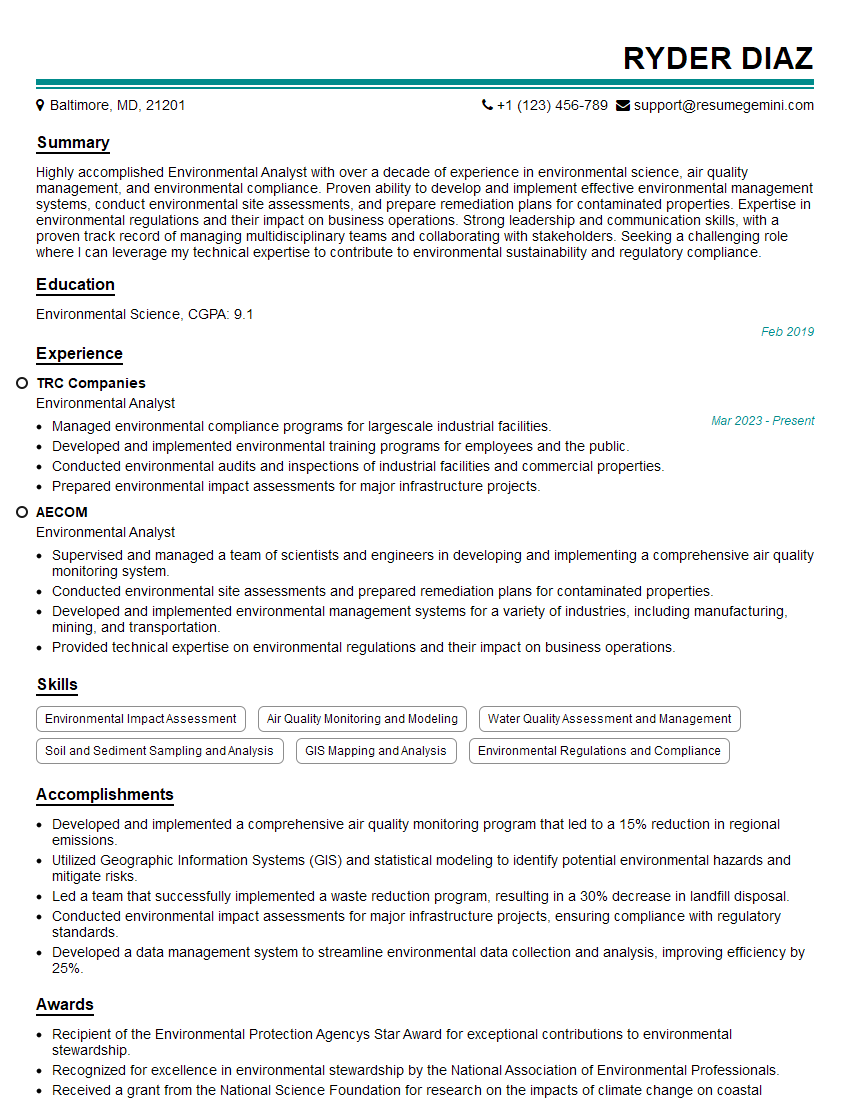
Environmental Analyst Resume Sample
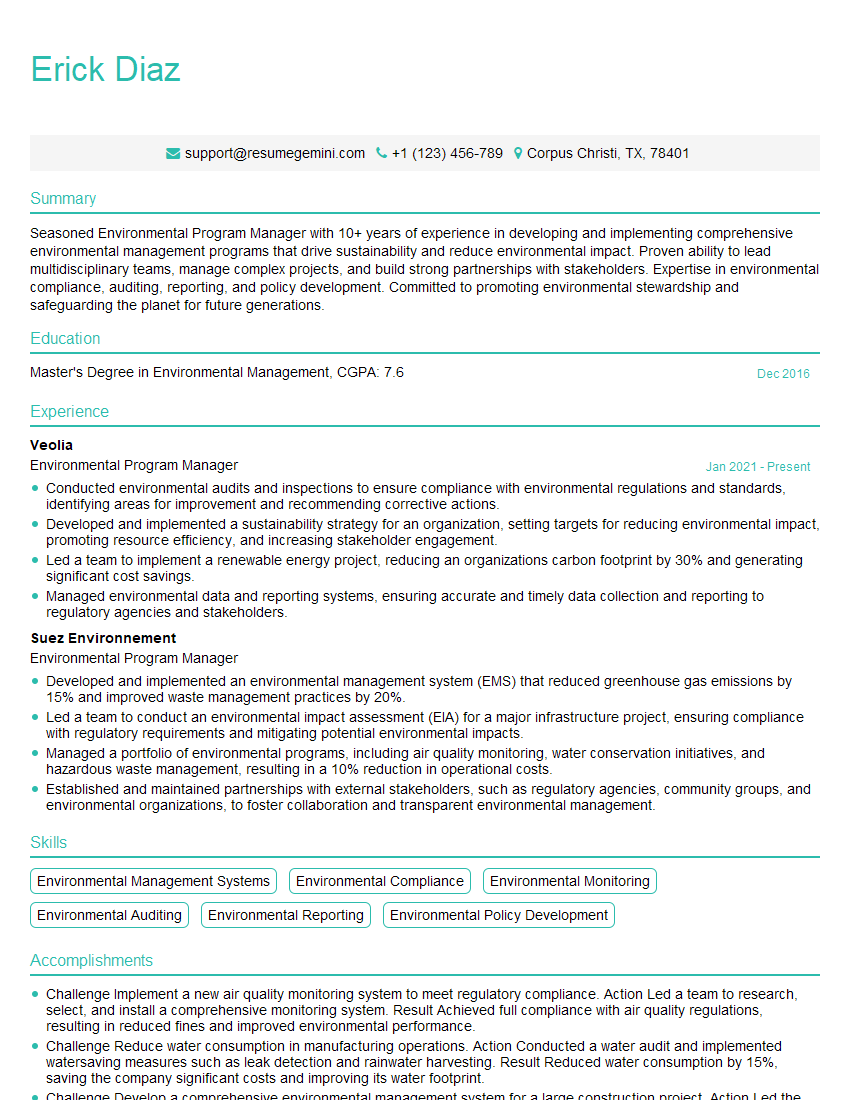
Environmental Program Manager Resume Sample
Regulatory Compliance Officer Resume Sample
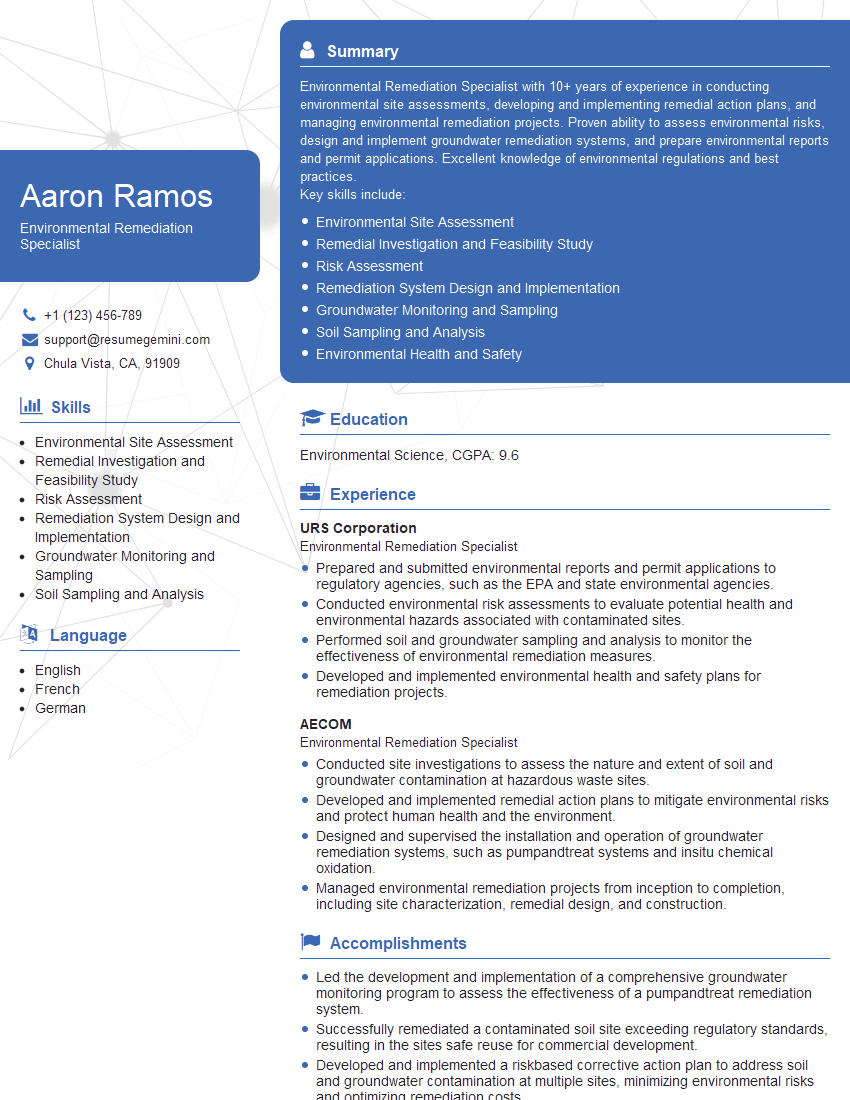
Environmental Remediation Specialist Resume Sample
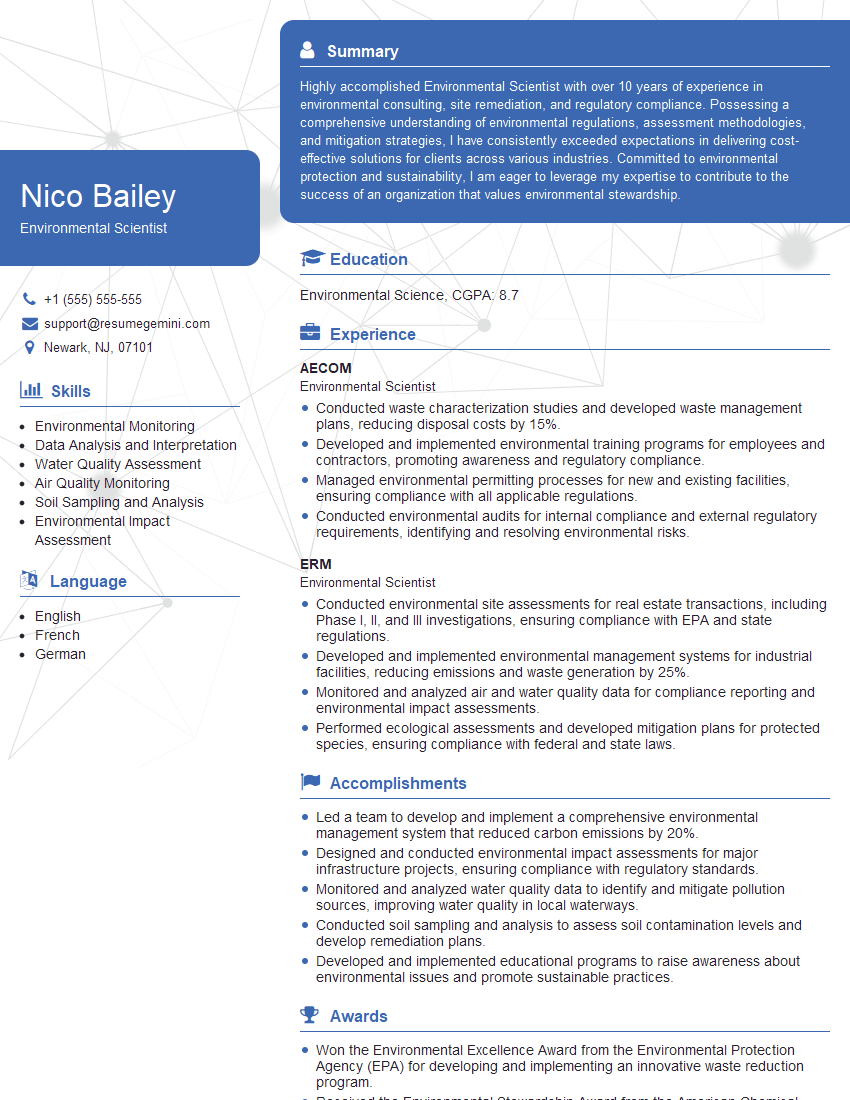
Environmental Scientist Resume Sample
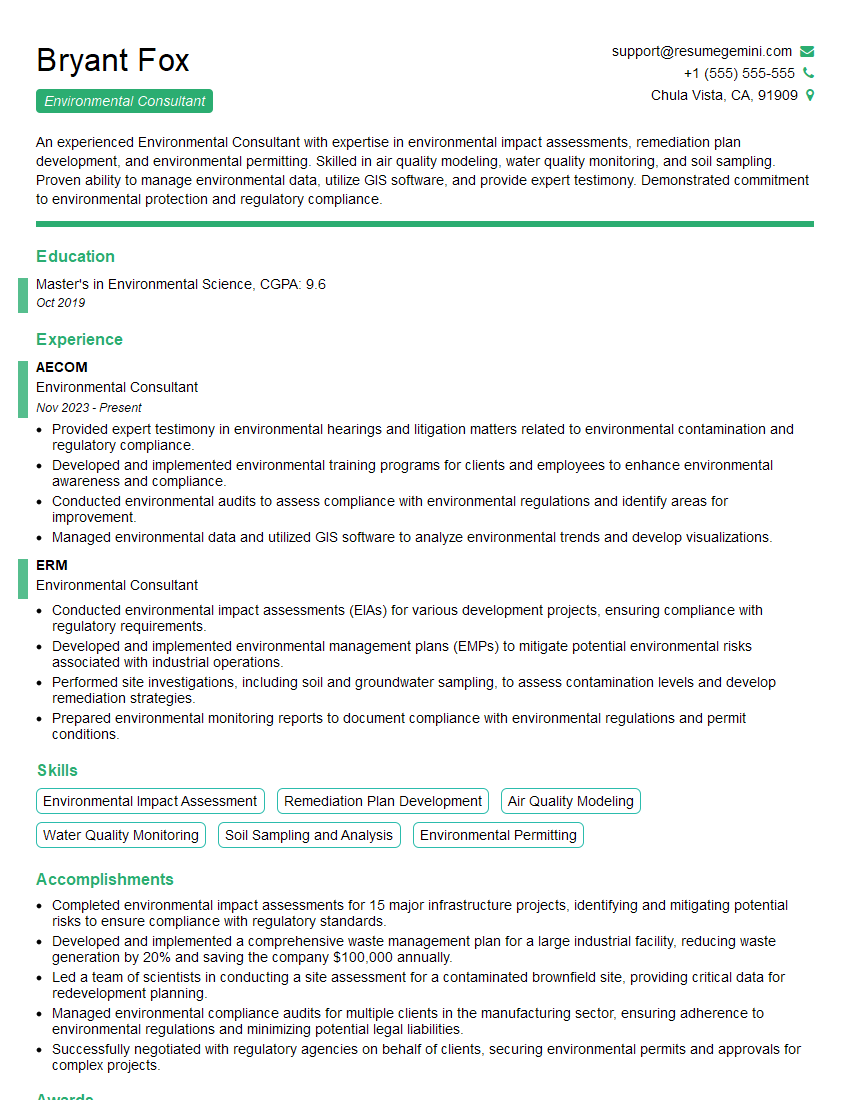
Environmental Consultant Resume Sample
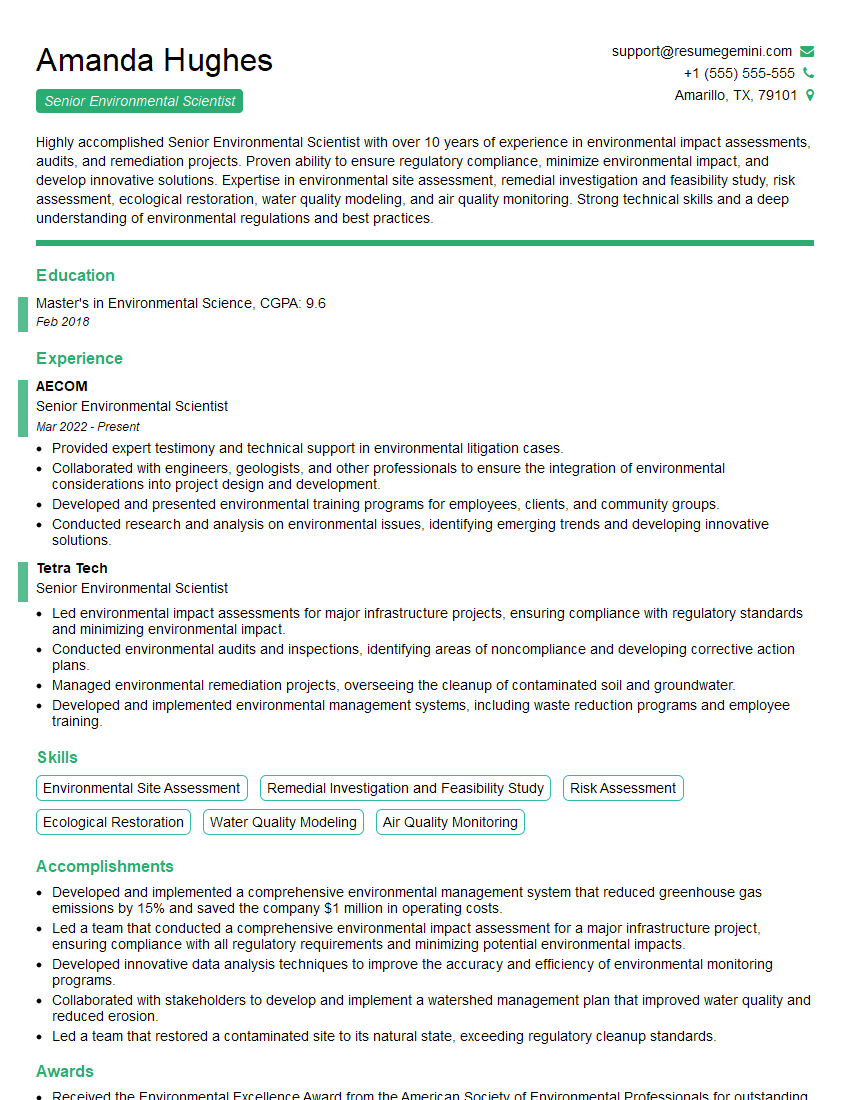
Senior Environmental Scientist Resume Sample
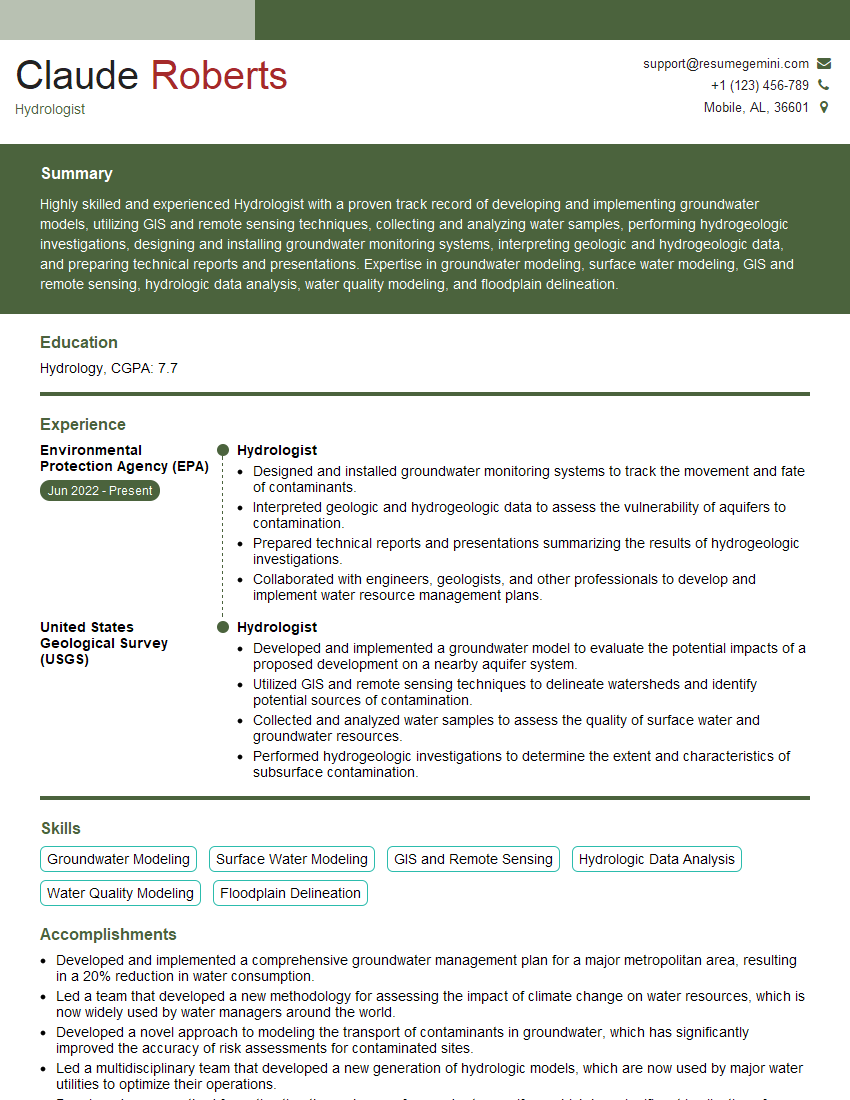
Hydrologist Resume Sample
Explore more articles
Users Rating of Our Blogs
Share Your Experience
We value your feedback! Please rate our content and share your thoughts (optional).
What Readers Say About Our Blog
Very informative content, great job.
good