Are you ready to stand out in your next interview? Understanding and preparing for Aircraft Armament Systems interview questions is a game-changer. In this blog, we’ve compiled key questions and expert advice to help you showcase your skills with confidence and precision. Let’s get started on your journey to acing the interview.
Questions Asked in Aircraft Armament Systems Interview
Q 1. Explain the different types of aircraft armament systems.
Aircraft armament systems are broadly categorized by the type of munitions they deliver and the delivery method. They range from simple, unguided weapons to sophisticated, precision-guided systems.
- Guns: These are integrated internal or external weapons, ranging from small caliber machine guns to larger cannons. Think of the iconic Gatling gun, or the modern A-10 Thunderbolt II’s 30mm GAU-8 Avenger cannon. These are effective against ground targets and air-to-air engagements at shorter ranges.
- Rockets: Unguided rockets offer a high rate of fire and are effective against a broad range of targets. Their simplicity makes them relatively inexpensive and easy to maintain, though accuracy is limited.
- Missiles: These are guided munitions, offering significantly increased accuracy over rockets. They can be air-to-air (like Sidewinders or AMRAAMs), air-to-ground (like Paveways or Mavericks), or even anti-radiation (targeting enemy radar installations). Missiles use various guidance systems, including radar, infrared, and laser.
- Bombs: Bombs encompass a wide variety, from unguided ‘dumb bombs’ to precision-guided munitions (PGMs) like Joint Direct Attack Munitions (JDAMs). PGMs use GPS or inertial guidance systems for accurate targeting, minimizing collateral damage.
The specific systems used on an aircraft depend heavily on its mission profile. A fighter jet might prioritize air-to-air missiles and guns, while a bomber might carry a larger payload of bombs and precision-guided munitions.
Q 2. Describe the process of integrating a new weapon system onto an aircraft.
Integrating a new weapon system is a complex, multi-stage process requiring extensive testing and certification.
- Requirement Definition: The process begins by clearly defining the operational needs and capabilities the new weapon must meet. This involves careful consideration of the aircraft’s existing systems and limitations.
- System Design and Integration: This phase involves designing the necessary interfaces between the new weapon and the aircraft’s existing systems, including the weapons management computer, power supply, and weapon release mechanism. This often requires significant software and hardware modifications.
- Ground Testing: Extensive ground testing is conducted to verify that the weapon integrates correctly and functions as expected. This includes functionality tests, environmental tests (temperature, humidity, vibration), and safety tests.
- Flight Testing: Once ground testing is complete, flight testing is necessary to evaluate the weapon’s performance in real-world conditions. This involves rigorous testing to assess weapon release, accuracy, and overall system reliability.
- Certification: After successful completion of testing, the weapon system must undergo a rigorous certification process to ensure it meets all safety and operational standards before being deployed.
Imagine integrating a new, larger bomb onto an existing aircraft: It might require strengthening the wing structure, modifying the bomb bay, updating the aircraft’s software to control the new weapon’s release, and extensive testing to ensure the aircraft’s handling characteristics aren’t compromised. This is a major undertaking that requires specialized engineering teams.
Q 3. What are the key safety considerations for handling aircraft armament?
Safety is paramount in handling aircraft armament. The risks associated with explosives and high-energy munitions demand strict adherence to protocols.
- Proper Handling Procedures: All personnel must be thoroughly trained in safe handling, storage, and transportation of munitions. This includes understanding the hazards associated with each weapon type and the appropriate safety equipment (PPE).
- Armament Safety Devices: Aircraft often employ safety devices such as arming pins, safety switches, and interlocks to prevent accidental detonation or release. These devices must be checked and double-checked before arming.
- Emergency Procedures: Emergency procedures must be clearly defined and practiced for situations like misfires, accidental weapon release, or fires. Everyone must understand their role in responding to these scenarios.
- Storage and Transportation: Munitions must be stored and transported according to strict regulations, considering factors like temperature, humidity, and shock absorption. This is crucial to maintain weapon integrity and prevent accidental detonation.
- Grounding and Electrical Safety: Static electricity can be a significant ignition source. Proper grounding and electrostatic discharge (ESD) precautions are critical to minimize this risk.
A simple mistake, like neglecting to check an arming pin, could have catastrophic consequences. Therefore, a culture of meticulous attention to detail and strict adherence to regulations is crucial in aircraft armament safety.
Q 4. How do you ensure the reliability and maintainability of aircraft armament systems?
Ensuring reliability and maintainability of aircraft armament systems involves a multi-faceted approach.
- Regular Inspections and Maintenance: A rigorous maintenance schedule, including regular inspections, functional checks, and component replacements, is essential to prevent failures. This is often dictated by flight hours or time since last inspection.
- Built-in Test Equipment (BITE): Modern armament systems often incorporate BITE, which allows for self-diagnosis of faults and assists technicians in troubleshooting. This reduces downtime and simplifies maintenance.
- Redundancy and Fail-Safes: Systems often feature redundancy (backup components) and fail-safe mechanisms to ensure continued operation even if a component fails. For instance, multiple firing circuits can prevent a single point of failure.
- Quality Control: Strict quality control measures are crucial throughout the lifecycle of armament systems, from manufacturing to maintenance. This involves rigorous inspections and testing at each stage.
- Data Analysis: Analyzing data from maintenance logs, flight data recorders, and other sources can help identify trends and potential problems, allowing for proactive maintenance and improvements to the system’s design.
Consider a missile’s guidance system: Regular calibration and component replacement are critical to ensure its accuracy. Without diligent maintenance, a seemingly minor fault could result in a miss at a critical moment.
Q 5. Explain the principles of munitions storage and handling.
Munitions storage and handling require stringent procedures to ensure safety and maintain weapon functionality.
- Secure Storage Facilities: Munitions are typically stored in secure, climate-controlled facilities designed to prevent unauthorized access and protect against environmental hazards. These facilities often incorporate features such as fire suppression systems and robust security measures.
- Temperature and Humidity Control: Maintaining optimal temperature and humidity levels is vital to prevent degradation of explosives and other sensitive components. Excessive heat or humidity can compromise weapon functionality and increase the risk of accidental detonation.
- Segregation and Compatibility: Different types of munitions require careful segregation to prevent incompatibility or unintended reactions. This includes separation based on explosive type, sensitivity, and other relevant factors.
- Handling Procedures: Personnel handling munitions must adhere to strict procedures, including the use of appropriate personal protective equipment (PPE) and specialized handling equipment to minimize the risk of accidents.
- Inventory Management: Precise inventory management is vital to track the location and status of munitions, preventing loss, theft, or misuse.
Imagine a bomb’s sensitive electronics being damaged by extreme heat: This could render it inoperable or even cause an accidental explosion. Proper storage is a critical component of preventing such disasters.
Q 6. What are the different types of fuses used in aircraft munitions?
Aircraft munitions utilize a variety of fuses, each designed to initiate detonation under specific conditions.
- Impact Fuses: These detonate upon impact with a target. They are simple and reliable but can be affected by the angle of impact.
- Time Fuses: These detonate after a pre-set time delay. They allow for delayed-action effects, useful for creating air bursts or allowing the weapon to penetrate a target before detonation.
- Proximity Fuses: These detonate when the weapon is within a certain proximity to a target, often using radar or other sensors. This offers a greater effective area of destruction, as a direct hit is not required.
- Command Fuses: These are detonated remotely via a signal from the aircraft or a ground control station. They offer greater control and precision, particularly useful for weapons requiring delayed or precise detonation.
- Combined Fuses: Some munitions use a combination of fuse types to provide multiple detonation options, depending on the circumstances.
For example, an anti-tank missile might use a proximity fuse to ensure detonation even if it doesn’t directly hit the tank’s armor. The type of fuse chosen is critical in determining the weapon’s effectiveness.
Q 7. Describe the process of conducting a pre-flight armament inspection.
A pre-flight armament inspection is a critical safety check that verifies the proper functioning and safe condition of all armament systems before flight.
- Visual Inspection: A thorough visual inspection is conducted to check for any damage, corrosion, or foreign objects on the weapons and their mounting points. This includes examining the weapons themselves, as well as the associated wiring and components.
- Functional Checks: Functional checks are performed to verify that the weapon release mechanisms, safety devices, and arming systems are all functioning correctly. This might involve activating safety switches or performing simulated weapon releases.
- Weapon System Alignment: The alignment of the weapon systems with the aircraft’s aiming systems is verified. This is crucial for accuracy and to prevent unintended releases.
- Documentation: All inspection findings are meticulously documented, noting any discrepancies or issues encountered. This documentation serves as a record of the aircraft’s armament status before flight.
- Safety Checks: Safety pins, arming switches, and other safety devices are checked and double-checked to ensure they are properly engaged or disengaged, as appropriate for the mission.
Imagine a situation where a pilot fails to notice a loose connection during the pre-flight inspection: This could lead to a weapon malfunction or an accidental release during flight. A thorough pre-flight inspection is a vital part of ensuring mission success and the safety of the crew.
Q 8. How do you troubleshoot malfunctions in an aircraft armament system?
Troubleshooting aircraft armament system malfunctions requires a systematic approach, combining technical knowledge with established procedures. It begins with a thorough understanding of the system’s operational parameters and a detailed examination of the reported malfunction. Think of it like diagnosing a car problem – you need to know what’s normal before identifying the abnormality.
- Safety First: Always prioritize safety. Before beginning any troubleshooting, ensure the weapon system is deactivated and secured according to established safety protocols. This might involve disconnecting power sources and physically isolating components.
- Built-in Test Equipment (BITE): Modern aircraft armament systems often have BITE capabilities. These self-diagnostic tools provide error codes and indicators pinpointing the problem area, acting like a car’s check-engine light but far more informative. These codes need to be cross-referenced with the system’s technical manuals.
- Visual Inspection: A careful visual inspection of wiring, connectors, and components for damage, loose connections, or corrosion is crucial. Even a small loose wire can cause significant problems.
- System Checks: Testing individual components and subsystems using built-in test procedures is essential. This could involve checking the functionality of ammunition feeds, firing mechanisms, and targeting systems. This might involve using specialized testing equipment.
- Systematic Elimination: If the problem isn’t immediately apparent, a systematic process of eliminating possible causes is needed. This is a crucial step to avoid unnecessary replacements and wasted time.
- Documentation: Meticulous record-keeping throughout the process is vital. This includes documenting all observations, test results, and corrective actions. This ensures accurate reporting and contributes to preventative maintenance practices.
For example, if a gun fails to fire, troubleshooting might involve checking the ammunition feed, the firing pin, the electrical connections, and the weapon’s computer control system sequentially, eliminating possibilities until the root cause is identified.
Q 9. What are the regulations and procedures for transporting and handling ammunition?
The transport and handling of ammunition are governed by stringent regulations to ensure safety and prevent accidents. These regulations vary by country and often involve international standards. Key aspects include:
- Classification and Labeling: Ammunition is classified according to its type, hazard level, and handling requirements. Clear and unambiguous labeling is essential, specifying the type, quantity, and any specific handling precautions. These labels are often color-coded.
- Packaging and Containment: Ammunition must be properly packaged and secured to prevent damage, shifting during transit, and accidental detonation. Specialized containers, often including shock-absorbing materials, are used.
- Transportation Modes: The mode of transportation is governed by regulations. Certain types of ammunition may only be transported by specific means (e.g., specialized trucks, trains, or aircraft). The route may be restricted to minimize risks.
- Personnel Training: Personnel involved in handling and transporting ammunition must receive specialized training on safety procedures, emergency response, and hazard recognition. This includes understanding the risks associated with different types of ammunition and the required safety equipment.
- Security Measures: Robust security measures are vital to prevent theft or unauthorized access. This includes strict access controls, security personnel, and tracking systems.
Failure to comply with these regulations can lead to serious consequences, including accidents, injuries, and legal penalties.
Q 10. Explain the concept of weapon aiming and delivery accuracy.
Weapon aiming and delivery accuracy in aircraft armament systems are critical for mission success. They involve a complex interplay of factors aimed at getting the projectile to the target.
- Targeting Systems: Modern aircraft utilize sophisticated targeting systems, including radar, infrared (IR) sensors, laser designators, and electro-optical systems. These systems provide the aiming data.
- Weapon Delivery Systems: The accuracy of weapon delivery depends on factors like the weapon’s characteristics (e.g., ballistic trajectory, dispersion), the aircraft’s flight characteristics (e.g., speed, altitude, maneuverability), and environmental conditions (e.g., wind, temperature).
- Guidance Systems (for guided munitions): For guided munitions, accuracy is further enhanced by mid-course corrections based on continuous tracking of the target. This can significantly improve accuracy, even at long ranges.
- Fire Control Computer: The fire control computer integrates data from the targeting system, weapon characteristics, and aircraft motion to calculate the necessary aiming parameters. This ensures that the projectile is launched with the correct trajectory to intercept the target.
- Accuracy Metrics: Accuracy is measured by various metrics, such as circular error probable (CEP), which represents the radius within which 50% of rounds will land. Smaller CEP values indicate greater accuracy.
Imagine trying to hit a bullseye with a dart. The targeting system is like your eyes, the weapon is your dart, and the fire control computer is your brain calculating the correct throw. Environmental factors (wind) are like unexpected obstacles.
Q 11. Describe the role of aircraft armament systems in modern warfare.
Aircraft armament systems play a vital role in modern warfare, providing air superiority, close air support, and precision strike capabilities. Their importance continues to evolve with technological advancements.
- Air Superiority: Aircraft armed with air-to-air missiles and cannons dominate the skies, protecting friendly forces and suppressing enemy air defenses. The F-22 Raptor and the Eurofighter Typhoon are prime examples.
- Close Air Support (CAS): Attack aircraft, armed with bombs, rockets, and cannons, provide crucial support to ground troops engaged in combat. The A-10 Thunderbolt II, designed specifically for CAS, is a well-known example.
- Precision Strikes: Modern aircraft employ guided munitions (e.g., smart bombs, cruise missiles) capable of delivering precise strikes against high-value targets with minimal collateral damage. This minimizes civilian casualties.
- Anti-Ship Warfare: Aircraft equipped with anti-ship missiles can effectively target enemy naval vessels. This capability significantly impacts naval power projection.
- Electronic Warfare: Aircraft armament systems can also incorporate electronic warfare capabilities, jamming enemy radar and communications systems, disrupting enemy operations.
The evolution towards increased precision and reduced collateral damage is a defining trend in modern aircraft armament systems. This is driving the development of more sophisticated targeting systems and smarter munitions.
Q 12. What are the environmental considerations for aircraft armament systems?
Environmental considerations are crucial for the safe and reliable operation of aircraft armament systems. Extreme conditions can significantly impact performance and safety.
- Temperature Extremes: High temperatures can affect the performance of explosives, while low temperatures can impact the reliability of electronic components and mechanisms. This requires careful material selection and system design to withstand these extremes.
- Humidity: High humidity can lead to corrosion of metallic components and degradation of electronic circuitry. Protective coatings, seals, and dehumidification systems help mitigate these effects.
- Altitude: Changes in air pressure and density at high altitudes affect the performance of weapons and the accuracy of targeting systems. System calibrations must compensate for these effects.
- Sand and Dust: In desert environments, sand and dust can cause abrasion, jamming of moving parts, and contamination of sensitive components. Regular maintenance and protective measures are essential.
- Salt Spray: In coastal environments, salt spray can accelerate corrosion. Corrosion-resistant materials and protective treatments are vital.
These environmental factors are addressed through rigorous testing and design considerations. For example, weapons are tested in environmental chambers to simulate extreme conditions, ensuring their reliable performance under diverse environmental circumstances. This involves rigorous environmental testing of all systems before deployment.
Q 13. Explain the principles of guided munitions and their guidance systems.
Guided munitions significantly enhance the accuracy and effectiveness of air-to-ground attacks. Unlike unguided weapons, they incorporate guidance systems to correct their trajectory mid-flight.
- Guidance Systems: Several guidance systems exist, including:
- GPS-guided: These munitions use GPS signals for navigation and targeting. They offer high accuracy but are vulnerable to GPS jamming.
- Laser-guided: These munitions follow a laser beam designated by a ground or airborne platform. They provide high accuracy but require a laser designator to be operational.
- Inertial Navigation System (INS)-guided: These munitions use internal sensors to track their position and orientation, providing good accuracy but can drift over long ranges.
- Imaging Infrared (IIR)-guided: These munitions lock onto the heat signature of a target, allowing for targeting even in low-visibility conditions. They are highly effective against moving targets.
- Semi-active laser-guided: These munitions are guided by a laser designator which constantly illuminates the target. The missile actively “hunts” for the reflected laser signal.
These guidance systems allow munitions to adjust their trajectory, compensating for wind and other environmental factors, significantly increasing the probability of hitting the intended target, minimizing collateral damage. Think of it like having a smart phone’s GPS directing the weapon to its destination.
Q 14. Describe different types of gun systems used in aircraft.
Aircraft utilize various gun systems, each with its own advantages and disadvantages:
- Gatling Guns: These rotary-barrel guns fire multiple rounds rapidly, providing a high rate of fire. The GAU-8 Avenger, used on the A-10 Thunderbolt II, is a prime example.
- Revolver Cannons: These guns use a rotating cylinder containing multiple barrels, offering a good balance between rate of fire and accuracy. They are smaller and lighter than Gatling guns.
- Single-Barrel Guns: These guns are simpler and more reliable but have a lower rate of fire compared to rotary systems. They are often preferred for smaller aircraft.
The choice of gun system depends on factors such as the aircraft’s size, mission requirements, and desired rate of fire. For example, a large attack aircraft like the A-10 needs a high-rate-of-fire weapon for ground attack, making the GAU-8 a suitable choice. Smaller fighters might opt for a more compact, lighter revolver cannon or a single-barrel gun for self-defense or close-range air-to-air engagements.
Q 15. What are the challenges associated with integrating new technologies into existing armament systems?
Integrating new technologies into existing armament systems presents a multifaceted challenge. It’s not simply a matter of plugging in new hardware; it requires careful consideration of numerous factors to ensure safety, reliability, and operational effectiveness. The primary challenges include:
- Legacy System Compatibility: Older systems often lack the infrastructure (software, communication protocols, power requirements) needed to support modern technologies. Retrofitting can be costly and complex, potentially requiring significant modifications to existing hardware and software.
- Software Integration: Seamless integration of new software with existing flight control systems, targeting systems, and other onboard computer systems is crucial. Any incompatibility can lead to malfunctions or even catastrophic failures. Rigorous testing and validation are vital.
- Weight and Space Constraints: Aircraft have limited weight and space capacity. New technologies must fit within these restrictions without compromising performance or stability. This may necessitate miniaturization and optimization of the new components.
- Certification and Testing: Integrating any new technology requires extensive testing to meet stringent safety and performance standards mandated by aviation authorities. This is a time-consuming and resource-intensive process.
- Cost and Affordability: Upgrading armament systems is expensive. Balancing the cost of new technology with the budget constraints of the military or airline is crucial. A cost-benefit analysis is always necessary.
For example, integrating a new precision-guided munition system might require upgrading the aircraft’s targeting computer, communication network, and possibly even the pilot interface. This requires careful planning, rigorous testing, and coordination across multiple engineering teams.
Career Expert Tips:
- Ace those interviews! Prepare effectively by reviewing the Top 50 Most Common Interview Questions on ResumeGemini.
- Navigate your job search with confidence! Explore a wide range of Career Tips on ResumeGemini. Learn about common challenges and recommendations to overcome them.
- Craft the perfect resume! Master the Art of Resume Writing with ResumeGemini’s guide. Showcase your unique qualifications and achievements effectively.
- Don’t miss out on holiday savings! Build your dream resume with ResumeGemini’s ATS optimized templates.
Q 16. How do you ensure the compatibility of different armament systems on a single aircraft?
Ensuring compatibility of different armament systems on a single aircraft is paramount for safe and effective operation. This involves a layered approach:
- Standardization of Interfaces: Using standardized communication protocols and data formats allows different systems to communicate and share information seamlessly. This reduces integration challenges and minimizes the risk of conflicts.
- Modular Design: Designing armament systems with modular architecture allows for easier integration and replacement of individual components without affecting the entire system. This improves maintainability and simplifies upgrades.
- System-Level Integration Testing: Before deploying the aircraft, all armament systems must undergo extensive system-level testing to ensure they work together harmoniously. This involves simulating various operational scenarios and identifying potential conflicts or compatibility issues.
- Redundancy and Fail-Safes: Incorporating redundancy and fail-safe mechanisms ensures that the failure of one system doesn’t compromise the entire armament suite. For instance, having backup targeting systems prevents mission failure in case of primary system malfunction.
- Clear Operational Procedures: Well-defined procedures for selecting and employing different armament systems are vital to prevent operator errors and ensure efficient weapon delivery. Pilot training is a key aspect of this.
Imagine an aircraft equipped with both air-to-air missiles and precision-guided bombs. The aircraft’s computer systems must seamlessly switch between the targeting and launch sequences for each system without conflicts. This requires rigorous testing and validation to ensure the safety and effectiveness of the combined armament package.
Q 17. Explain the importance of regular maintenance and inspection of armament systems.
Regular maintenance and inspection of armament systems are critical for safety, reliability, and operational readiness. Neglecting these aspects can lead to catastrophic failures with potentially devastating consequences.
- Safety: Regular inspections identify potential issues such as corrosion, wear and tear, or loose connections before they escalate into dangerous malfunctions. This directly contributes to flight safety.
- Reliability: Preventative maintenance ensures that the systems are functioning correctly and are ready for deployment when needed. Malfunctions during a critical operation can have serious ramifications.
- Legal Compliance: Aviation authorities mandate regular inspections and maintenance to meet safety and operational standards. Compliance is legally required and is crucial for operational authorization.
- Cost-Effectiveness: Preventative maintenance is more cost-effective than reactive repairs. Addressing minor issues early can prevent more extensive and expensive repairs later.
- Operational Readiness: Regular maintenance ensures that the armament systems are operational and ready to perform their intended function whenever necessary. This ensures mission success and reduces mission downtime.
Think of it like regular car maintenance. Ignoring routine checks can lead to significant problems down the line. Similarly, neglecting armament system maintenance can lead to malfunctions that compromise mission success and even endanger lives.
Q 18. Describe the process of conducting a post-flight armament inspection.
A post-flight armament inspection is a systematic process to verify the condition of armament systems after a flight. It ensures that no damage occurred during the mission and that the systems are ready for the next deployment. The process typically involves:
- Visual Inspection: A thorough visual examination of all external and internal components for any signs of damage, wear, or corrosion.
- Functional Checks: Verification of the correct operation of all systems, including electrical connections, hydraulic lines, and mechanical components. This might involve testing the aiming mechanisms, firing mechanisms, and safety devices.
- Weapon System Checks: Inspection of any weapons carried on the aircraft, including verifying the integrity of ordnance, checking for leaks or damage, and ensuring proper storage and handling.
- Data Review: Analyzing flight data recorders and other data sources to identify any anomalies or potential issues during the mission.
- Documentation: Meticulous record-keeping of all inspections, findings, and maintenance actions. This documentation is crucial for traceability and future reference.
For example, after a live-fire exercise, the post-flight inspection would include checking for any damage to the weapon pylons, verifying that the weapon release mechanisms functioned correctly, and inspecting the ordnance for any damage or anomalies. This process is crucial for identifying any latent defects that could compromise future missions.
Q 19. What are the implications of armament system failures during flight?
Armament system failures during flight can have serious implications, ranging from mission failure to catastrophic accidents. The severity of the consequences depends on the nature of the failure and the specific system involved.
- Mission Failure: A failure of a targeting system or weapon release mechanism can result in the inability to engage targets, leading to mission failure. This can have significant operational and strategic consequences.
- Aircraft Damage: Malfunctions in the weapon system itself, or in the aircraft’s integration with the weapons, can cause damage to the aircraft itself. This could range from minor damage to catastrophic structural failure.
- Pilot Injury or Fatality: Failures can lead to unintended weapon release or explosions, which pose a significant threat to the pilot and the aircraft.
- Collateral Damage: Unintended weapon release or malfunction can lead to unintended damage to civilian property or casualties. This carries serious legal and ethical implications.
- Safety Concerns: System failures can lead to compromised safety for both the aircrew and personnel on the ground. This undermines the overall operational safety record.
For example, a failure in the weapon’s safety mechanism could lead to an accidental detonation, causing severe damage to the aircraft and potentially injuring or killing the crew. A failure in the targeting system could lead to a missile striking the wrong target, with potentially disastrous consequences.
Q 20. How do you manage risks associated with the use of aircraft armament?
Managing risks associated with the use of aircraft armament requires a comprehensive and layered approach encompassing various aspects of the operational environment:
- Risk Assessment: A thorough assessment of potential hazards and risks involved in the use of specific armament systems. This includes consideration of environmental conditions, target characteristics, and potential unintended consequences.
- Safety Procedures and Training: Development and implementation of robust safety procedures and comprehensive training programs for pilots and maintenance personnel. This ensures safe handling, storage, and operation of armament systems.
- Maintenance and Inspection: Regular and meticulous maintenance and inspections are crucial to identify and mitigate potential issues before they escalate into failures. This involves preventive maintenance and robust inspection protocols.
- Emergency Procedures: Development and training on emergency procedures to handle malfunctions or failures during flight. This reduces the risk of major incidents and catastrophic outcomes.
- Operational Constraints: Defining clear operational constraints to limit the risk associated with certain operational scenarios or environmental conditions. This helps minimize the likelihood of accidents.
- Regulatory Compliance: Strict adherence to all relevant regulations and guidelines concerning the use of aircraft armament. Compliance is a cornerstone of risk mitigation.
Consider the use of laser-guided bombs. A risk assessment would include evaluating the precision of the guidance system, potential for laser interference, and collateral damage scenarios. Thorough training and established safety procedures are crucial to minimize the risk of accidents during their deployment.
Q 21. Explain the principles of ballistic calculations for weapon delivery.
Ballistic calculations for weapon delivery are crucial for accurate targeting. They involve complex computations considering various factors to predict the trajectory of a projectile from release to impact.
The fundamental principles include:
- Initial Conditions: Determining the projectile’s initial velocity, launch angle, and position. This data is often obtained from the aircraft’s onboard sensors and weapon systems.
- Gravity: Accounting for the effect of gravity on the projectile’s trajectory. This causes the projectile to accelerate downwards.
- Aerodynamic Forces: Considering the aerodynamic forces acting on the projectile, such as drag and lift. These forces influence the projectile’s speed and trajectory. The shape of the projectile is vital here.
- Wind Effects: Incorporating the influence of wind speed and direction on the projectile’s trajectory. This is particularly important for longer-range weapons.
- Coriolis Effect: For long-range projectiles, the Earth’s rotation (Coriolis effect) must be considered, as it influences the projectile’s trajectory, particularly in a north-south direction.
- Target Motion: If the target is moving, its velocity and direction must be incorporated into the calculations to predict its position at the time of impact.
These factors are fed into sophisticated ballistic equations that calculate the trajectory. Modern weapon systems often use computers and algorithms to perform these calculations in real-time, allowing for accurate targeting and weapon delivery. Advanced systems may even incorporate terrain following or GPS data for increased precision.
//Simplified example (ignoring many factors)://Range = (v^2 * sin(2*theta))/g; // where v=initial velocity, theta=launch angle, g=gravity
This simplified equation only demonstrates the basic principles; real-world ballistic calculations are significantly more complex and involve advanced mathematical models and algorithms.
Q 22. Describe the different types of targeting systems used in aircraft.
Aircraft targeting systems are crucial for accurately delivering ordnance. They range from simple, iron-sight systems to sophisticated, integrated suites leveraging advanced sensors and computing power.
- Iron Sights: The most basic, relying solely on the pilot’s visual skills and aiming the aircraft. Think of this like aiming a rifle.
- Optical Sights: Provide magnified views of the target, often incorporating rangefinders for improved accuracy. These are a step up, offering better precision than iron sights.
- Electro-Optical (EO) Systems: Employ infrared (IR) and/or low-light television (LLTV) cameras to detect and track targets, especially useful at night or in poor visibility. This is analogous to using night vision goggles.
- Radar Targeting Systems: Use radar signals to detect, track, and lock onto targets, allowing engagement at longer ranges and in various weather conditions. This is a crucial system for engaging targets beyond visual range.
- Helmet-Mounted Sights (HMS): Allow pilots to designate targets simply by looking at them; the system tracks head movements and guides the weapons accordingly. This provides a highly intuitive and agile targeting capability.
- Integrated Targeting Pods: Combine EO and laser designation capabilities in a single pod mounted under the aircraft. They provide comprehensive targeting information, improving the accuracy and effectiveness of various weapons.
The choice of targeting system depends on the aircraft’s role, mission requirements, and budget. A fighter jet designed for air-to-air combat might heavily rely on radar and HMS, while a ground-attack aircraft might prioritize EO targeting pods and laser designation.
Q 23. What are the considerations for armament system weight and balance?
Weight and balance are paramount in aircraft armament, directly impacting flight characteristics, stability, and safety. Improper weight distribution can lead to handling difficulties, structural stress, and even catastrophic failure.
Considerations include:
- Total Weight: The combined weight of all ordnance, including bombs, missiles, rockets, and associated pylons (hardpoints). Exceeding maximum allowable weight compromises flight performance and safety.
- Center of Gravity (CG): The point where the aircraft’s weight is balanced. Shifting the CG too far forward or aft can make the aircraft unstable and difficult to control. Detailed calculations are crucial to ensure the CG remains within acceptable limits for all flight conditions.
- Load Distribution: Ordnance must be distributed evenly across the available hardpoints to maintain balance. This often involves complex algorithms to optimize the distribution based on weapon type, weight, and aerodynamics.
- Pylon Capacity: Each hardpoint has a limited weight capacity; exceeding this can lead to structural failure. Careful selection of weapons and proper installation are crucial.
- Aerodynamic Effects: The shape and size of the ordnance influence drag and stability. This is especially critical at high speeds. Computational Fluid Dynamics (CFD) is frequently used to model and predict aerodynamic impacts.
Weight and balance calculations are meticulously performed before each mission using specialized software and databases that account for fuel, crew, and armament. Failure to perform these calculations can have disastrous consequences.
Q 24. How do you maintain compliance with safety regulations regarding aircraft armament?
Maintaining compliance with safety regulations for aircraft armament is vital and involves rigorous procedures and documentation.
Key aspects include:
- Adherence to National and International Regulations: This includes following regulations established by aviation authorities such as the FAA (Federal Aviation Administration) or EASA (European Union Aviation Safety Agency), and adhering to international arms control treaties.
- Regular Inspections and Maintenance: Armament systems undergo stringent inspections and maintenance schedules, ensuring proper functionality and safety. This includes visual inspections, functional tests, and periodic overhauls.
- Arming/Disarming Procedures: Strict protocols are followed during the arming and disarming of weapons, minimizing the risk of accidental detonation or mishaps. These procedures are meticulously documented and rigorously enforced.
- Safety Devices and Interlocks: Aircraft are equipped with various safety devices and interlocks to prevent accidental release or activation of weapons. These systems are regularly tested and maintained.
- Crew Training: Pilots and maintenance personnel receive comprehensive training on the safe handling, maintenance, and use of armament systems. This training covers emergency procedures and risk mitigation strategies.
- Documentation and Record Keeping: Meticulous record-keeping is maintained for all armament-related activities, including inspections, maintenance, and training. This documentation is essential for auditing and ensuring compliance.
Non-compliance can result in severe penalties, including grounding of aircraft, operational restrictions, and legal repercussions.
Q 25. Describe your experience with armament system testing and evaluation.
My experience in armament system testing and evaluation spans over ten years, encompassing various platforms and weapon types.
My responsibilities included:
- Developmental Testing: Participating in the testing and evaluation of new armament systems and technologies, evaluating performance, reliability, and safety.
- Operational Testing: Conducting tests under realistic operational conditions, simulating combat scenarios to assess the effectiveness of weapon systems.
- Integration Testing: Ensuring seamless integration of new armament systems with existing aircraft platforms and supporting systems. This involved rigorous testing to identify and resolve compatibility issues.
- Data Analysis and Reporting: Analyzing test data, generating comprehensive reports, and presenting findings to engineering and management teams. This included statistical analysis and detailed performance assessments.
- Weapon System Evaluation: Assessing the overall effectiveness of weapon systems, considering factors such as accuracy, lethality, and survivability.
A notable project involved the evaluation of a new precision-guided munition. We conducted extensive testing, analyzing factors such as accuracy, range, and effectiveness against various targets. The data collected informed crucial design improvements and ultimately led to the weapon’s successful deployment.
Q 26. Explain your understanding of different types of bombs and their applications.
Bombs are categorized based on their function, guidance system, and explosive payload.
- General Purpose Bombs (GPBs): These are unguided bombs used for area bombardment. Their effectiveness depends largely on the pilot’s accuracy. Examples include iron bombs and free-fall bombs.
- Guided Bombs: These use guidance systems for increased accuracy. Examples include laser-guided bombs (LGBs), which use a laser designator to guide them to the target; and GPS-guided bombs (GBUs), which rely on satellite navigation for precision targeting.
- Cluster Bombs: Contain numerous smaller bomblets that disperse over a large area, effective against lightly armored targets and personnel. They have faced criticism due to their potential for civilian casualties.
- Smart Bombs: A broad term encompassing guided bombs with advanced targeting capabilities, including those that employ image processing or other sophisticated guidance technologies. They combine high accuracy with reduced collateral damage potential.
- Nuclear Bombs: The most devastating weapon, with unparalleled destructive power. Their use is governed by strict international treaties.
The choice of bomb type depends on the mission objectives, target type, and desired level of collateral damage. For instance, precision strikes against high-value targets might necessitate the use of LGBs or GBUs, while area bombardment might call for GPBs or cluster munitions (though the latter’s use is increasingly restricted due to ethical concerns).
Q 27. How do you ensure the security of aircraft armament systems?
Securing aircraft armament systems is critical to prevent unauthorized access, theft, or misuse. This involves multi-layered security measures:
- Physical Security: Secure storage facilities, armed guards, and access control systems are used to protect armament from theft or unauthorized access.
- Technical Security: This involves utilizing technologies such as tamper-evident seals, electronic locking systems, and remote monitoring systems to prevent unauthorized manipulation of weapons.
- Personnel Security: Rigorous background checks, security clearances, and regular training are essential for personnel handling aircraft armament. Strict accountability and chain-of-custody procedures are enforced.
- Operational Security: Developing and implementing secure procedures for the handling, transportation, and deployment of weapons, minimizing the risk of accidents or unauthorized use.
- Data Security: Protecting sensitive information related to armament systems, including technical specifications, deployment plans, and maintenance records. This requires robust cybersecurity measures and access control protocols.
Security protocols vary widely depending on the type of armament, location, and threat level. High-security facilities employ advanced technologies and multi-layered defenses to protect sensitive weapons.
Q 28. What are the ethical considerations related to the use of aircraft armament?
The ethical considerations surrounding the use of aircraft armament are complex and far-reaching.
- Proportionality: The use of force must be proportional to the threat. Excessive force causing disproportionate civilian casualties is ethically unacceptable.
- Distinction: Efforts must be made to distinguish between combatants and non-combatants. Civilian casualties must be minimized as much as possible. This is a significant challenge in modern warfare.
- Military Necessity: The use of force must be necessary to achieve a legitimate military objective. Actions should be guided by a clear understanding of the strategic goals and the potential consequences.
- Humanitarian Law: International humanitarian law (IHL) sets strict rules governing the conduct of armed conflict, including the use of weapons and the protection of civilians. Adherence to IHL is paramount.
- Accountability: Mechanisms must be in place to ensure accountability for the actions of military personnel involved in the use of aircraft armament. This includes investigations of alleged violations of IHL and appropriate sanctions for those found responsible.
These ethical considerations should guide the development, deployment, and use of aircraft armament systems, ensuring that the use of force is justified, proportionate, and in compliance with international law. The potential for unintended consequences and civilian casualties requires constant vigilance and careful consideration.
Key Topics to Learn for Aircraft Armament Systems Interview
- Weapon Systems Integration: Understanding the interplay between aircraft platforms and various armament types (missiles, bombs, cannons), including integration challenges and solutions.
- Ammunition Handling Systems: Knowledge of loading, unloading, and storage mechanisms; troubleshooting malfunctions and ensuring safe operation; practical experience with different weapon loading systems.
- Fire Control Systems: Deep understanding of targeting systems, including radar, laser, and electro-optical guidance; proficiency in calculating firing solutions and understanding limitations.
- Safety and Armament Regulations: Familiarity with relevant safety protocols, handling procedures, and regulatory compliance for all aspects of aircraft armament.
- Maintenance and Troubleshooting: Practical experience diagnosing and resolving malfunctions in armament systems; understanding preventative maintenance schedules and procedures.
- Armament System Testing and Evaluation: Understanding the process of testing and evaluating the performance and reliability of armament systems; experience with data analysis and reporting.
- Emerging Technologies in Armament: Awareness of advancements in guided munitions, precision-guided weaponry, and future trends in aircraft armament.
Next Steps
Mastering Aircraft Armament Systems opens doors to exciting and impactful careers in the aerospace and defense industries. Your expertise in this critical area will make you a highly sought-after candidate. To maximize your job prospects, creating a compelling and ATS-friendly resume is crucial. ResumeGemini offers a trusted and efficient platform to build a professional resume that highlights your skills and experience effectively. We provide examples of resumes tailored specifically to Aircraft Armament Systems roles, giving you a head start in showcasing your qualifications. Invest in your future and let ResumeGemini help you land your dream job.
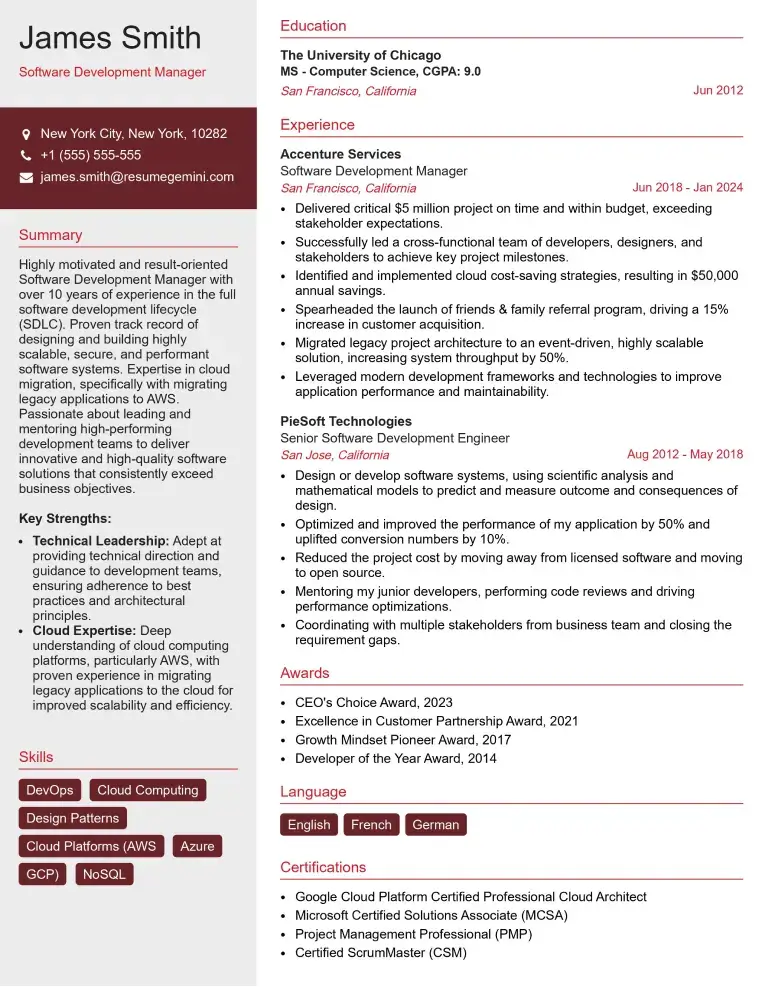
Check Out Resume Samples at ResumeGemini

Check Out Resume Samples at ResumeGemini

Check Out Resume Samples at ResumeGemini

Check Out Resume Samples at ResumeGemini

Check Out Resume Samples at ResumeGemini
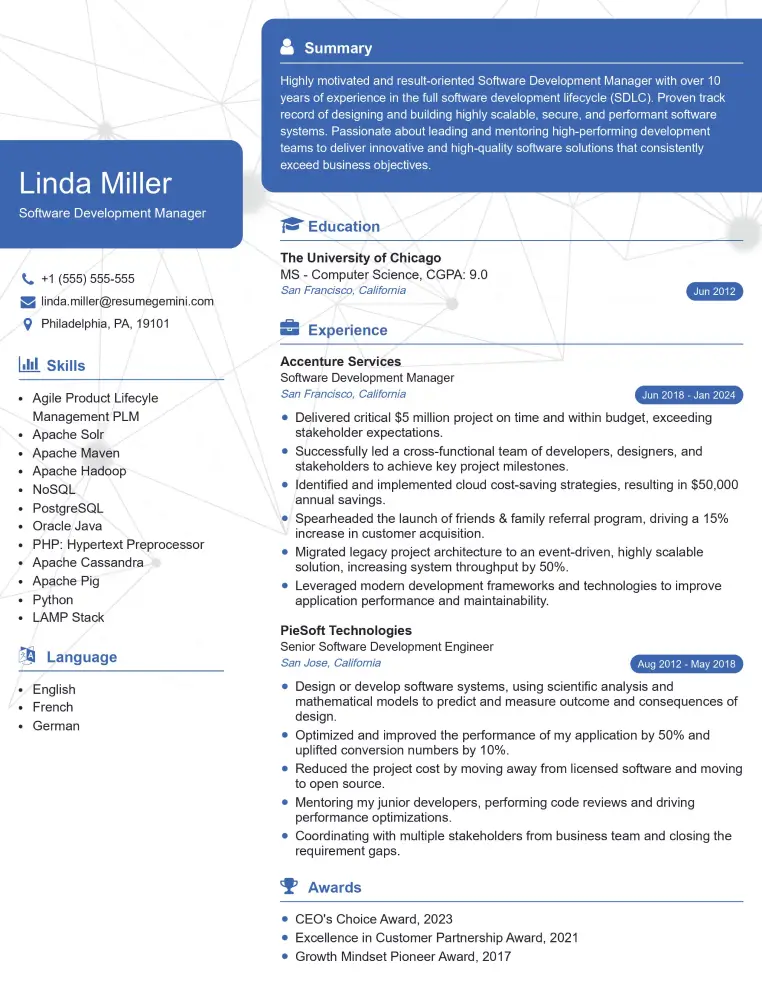
Check Out Resume Samples at ResumeGemini

Check Out Resume Samples at ResumeGemini
Explore more articles
Users Rating of Our Blogs
Share Your Experience
We value your feedback! Please rate our content and share your thoughts (optional).
What Readers Say About Our Blog
Very informative content, great job.
good