Interviews are more than just a Q&A session—they’re a chance to prove your worth. This blog dives into essential Collaborative Music interview questions and expert tips to help you align your answers with what hiring managers are looking for. Start preparing to shine!
Questions Asked in Collaborative Music Interview
Q 1. Describe your experience with various Digital Audio Workstations (DAWs) in a collaborative setting.
My experience with DAWs in collaborative settings is extensive. I’ve worked extensively with Logic Pro X, Ableton Live, and Pro Tools, each offering unique strengths in collaborative workflows. Logic Pro X excels in its robust session management, allowing for easy track organization and delegation of tasks amongst collaborators. Ableton Live’s session view is fantastic for improvisational collaboration, allowing multiple musicians to jam and layer ideas simultaneously. Pro Tools, known for its industry-standard capabilities, is particularly valuable for larger projects requiring intricate mixing and mastering collaboration, especially thanks to its advanced version control features. The choice of DAW often depends on the specific project needs and the collaborators’ skill sets.
For example, on a recent project involving a large ensemble, we chose Pro Tools for its precision and robust session management. On smaller, more experimental projects, Ableton Live’s flexibility proved ideal for spontaneous creation.
Q 2. Explain your workflow for incorporating feedback from multiple collaborators on a music project.
My workflow for incorporating feedback involves a multi-stage process. First, I ensure clear communication channels, typically using a project management tool like Asana or Slack, alongside regular video conferencing calls. Collaborators are encouraged to provide feedback directly on the DAW project files using features like annotation tools within the DAW itself or external audio/video editing software to mark specific sections. After the initial feedback round, I consolidate these notes, making revisions and creating a new version. This new version is shared, along with a summary of the changes implemented. This iterative process continues until all collaborators are satisfied.
For instance, if a guitarist wants a specific riff to be louder in the mix, I’ll use the feedback to adjust the track levels in the DAW and generate a new version to show the change.
Q 3. How do you handle conflicting creative visions within a collaborative music project?
Conflicting creative visions are inevitable in collaborative projects. My approach emphasizes open communication and compromise. I begin by fostering a safe space for all collaborators to express their ideas freely. We discuss the conflicting visions, identifying the core issues and exploring potential solutions together. Sometimes, the solution is to experiment with both ideas, A/B testing them to determine which works best within the overall context of the project. In other cases, it might involve finding a middle ground that incorporates elements of both visions. The key is to focus on collaboration and understanding, not just imposing one person’s vision.
For example, if one collaborator prefers a heavy, distorted sound while another prefers a cleaner, more melodic sound, we might incorporate both approaches in separate sections of the song or blend elements of each style to reach a unique result.
Q 4. What strategies do you employ to ensure efficient communication and collaboration amongst team members?
Efficient communication is paramount. I utilize a combination of strategies. First, a dedicated project management tool (like Asana or Trello) keeps everyone organized, assigning tasks and setting deadlines. Regular video calls using platforms like Zoom or Google Meet facilitate real-time discussions and immediate feedback. We establish a clear communication protocol – outlining preferred methods for feedback, the frequency of updates, and response times. Also, maintaining a positive and collaborative atmosphere is key to fostering open communication and problem-solving. It’s crucial to establish roles and responsibilities at the beginning to avoid confusion and conflicts.
Q 5. Describe a time you had to resolve a technical issue that impacted a collaborative music project.
On a recent project, a collaborator’s audio interface malfunctioned mid-session, causing significant audio dropouts. This jeopardized the recording. We quickly troubleshooted remotely, going through basic checks (cables, drivers, etc.). When that failed, I guided him to use a backup interface. Simultaneously, we used the multi-track recording capabilities of the DAW to isolate the unaffected tracks, minimizing the impact of the loss. We carefully edited around the corrupted sections, ensuring minimal compromise on quality. This involved thorough editing and using sample replacement in areas where the dropout was severe. The key was swift action, problem diagnosis, and leveraging redundancy options. The project was not derailed thanks to our proactive approach.
Q 6. How do you manage version control and file sharing in a collaborative music production workflow?
Version control and file sharing are managed meticulously. We use a cloud-based version control system such as Dropbox, Google Drive, or dedicated audio collaboration platforms offering version history. Each collaborator has access to the shared folder, but changes are made in a systematic way, often involving creating new versions with descriptive names (e.g., ‘Mix_v2_Drums_Revised’). This allows us to revert to previous versions if needed, ensuring the security of past work. We also often use a central DAW project file that is updated by one person at a time to prevent accidental overwrites. We set guidelines on who makes changes to what and have a clear workflow to avoid conflicts.
Q 7. What experience do you have with cloud-based collaboration tools for music production?
I have extensive experience with various cloud-based collaboration tools. I’ve used Google Drive and Dropbox for file sharing and version control. However, I’ve also worked with more specialized platforms designed for music production, focusing on features such as real-time collaboration. These platforms offer more sophisticated tools for handling large audio files and real-time collaboration, including collaborative editing and live feedback.
For example, I’ve used platforms that allow multiple users to edit the same project simultaneously, much like a Google Doc but for audio. This greatly streamlines the feedback and editing process.
Q 8. Explain your understanding of copyright and licensing in collaborative music projects.
Copyright and licensing are crucial in collaborative music. Copyright protects the musical work itself – the melody, harmony, lyrics, and arrangement – from unauthorized use. Licensing grants others permission to use the copyrighted work under specific terms. In collaborative projects, each contributor typically owns the copyright to their specific contributions (e.g., a melody, a verse, a drum beat). However, through a written agreement, collaborators often assign or license their individual copyrights to a collective entity (like a band or production company) to facilitate the work’s commercial use and prevent future disputes. This agreement should clearly define each collaborator’s ownership share and licensing rights for the final product. Common licenses include Creative Commons licenses for non-commercial use or more restrictive licenses for commercial applications that specify royalties and usage rights.
For instance, if three songwriters collaboratively create a song, each initially owns the copyright to their portion. They might then agree to a co-ownership structure where each receives a third of any royalties earned, as stated in a formal contract. Similarly, a producer may only hold a license to use a sample in a track for a specific timeframe and under specified circumstances.
Q 9. How do you ensure that all collaborators receive appropriate credit and recognition for their contributions?
Appropriate credit and recognition are essential for maintaining positive collaboration and ethical practices. This goes beyond simply listing names; it involves ensuring each collaborator’s contribution is accurately and visibly acknowledged in proportion to their input. This is achieved through several ways:
- Formal agreements: Contracts clearly outline roles and responsibilities, including credit allocation for each role. This establishes expectations upfront.
- Project documentation: Maintaining meticulous records of who contributed what – including individual audio files, arrangement details, and compositional elements – provides a clear history to support credit allocation.
- Consistent communication: Open dialogue and transparency prevent misunderstandings about contributions and credits.
- Credit lines: On albums, digital platforms, and promotional materials, use appropriate credit lines (e.g., songwriting credits, performance credits, production credits) adhering to industry standards.
- Metadata tagging: Proper embedding of metadata into the audio files themselves helps ensure accurate credit is maintained in distribution platforms.
For example, a project might use liner notes in the album booklet to explicitly detail the role of each instrumentalist, vocalist, and producer.
Q 10. Describe your approach to scheduling and managing timelines in collaborative music projects.
Scheduling and timeline management are vital, especially in collaborative projects where multiple individuals have varying availability and work styles. Effective strategies include:
- Project milestones: Break down the project into smaller, manageable tasks with clear deadlines. This creates a structured workflow.
- Gantt charts or project management software: These tools provide a visual representation of tasks, deadlines, and dependencies, facilitating better organization and communication.
- Regular check-ins: Scheduled meetings or online communication channels keep the team updated on progress, identify roadblocks, and adjust the timeline as needed.
- Contingency planning: Account for potential delays or unforeseen issues by building buffer time into the schedule.
- Clear communication protocols: Define how the team will communicate – emails, instant messaging, project management software – and establish response times.
Think of it like building a house: you can’t just start painting before the foundation is laid. Each phase of the music production – composition, arrangement, recording, mixing, mastering – needs its own dedicated timeframe.
Q 11. How do you handle conflicts regarding artistic direction in a collaborative music setting?
Conflicts regarding artistic direction are inevitable in collaborative projects. A proactive approach is vital to address them constructively:
- Establish a clear creative vision upfront: Discuss and agree upon the overall aesthetic, genre, and target audience before starting the project. This sets a foundation.
- Open and respectful communication: Create a safe space for collaborators to express their ideas and concerns without fear of judgment.
- Mediation and compromise: Involve a neutral party if necessary to facilitate discussion and help reach a compromise.
- Voting or consensus-building: Establish clear decision-making processes to address disagreements fairly.
- Respect individual contributions: Acknowledge that diverse perspectives enrich the creative process, even if they lead to some conflict.
For example, if there’s a disagreement on the tempo of a song, the team could experiment with different versions and use feedback to make an informed decision.
Q 12. What strategies do you use to build consensus and maintain positive team dynamics?
Building consensus and positive team dynamics is crucial for the success of any collaborative project. Key strategies include:
- Foster a culture of trust and respect: Create an environment where everyone feels comfortable sharing their ideas and concerns.
- Encourage open communication: Establish clear and consistent communication channels to keep everyone informed and involved.
- Regular team-building activities: Engage in activities that foster camaraderie and build relationships.
- Active listening and empathy: Listen actively to each collaborator’s perspective and strive to understand their viewpoints.
- Conflict resolution strategies: Implement clear processes for addressing conflicts fairly and constructively.
- Celebrate successes: Acknowledge and appreciate the contributions of each team member.
Imagine a team working on a jigsaw puzzle. Each person has a piece to contribute, and by working together collaboratively and respecting each other’s contributions, they can complete the larger picture successfully.
Q 13. Explain your experience with different collaborative music production methodologies (e.g., Agile, Waterfall).
While Agile and Waterfall are often associated with software development, their principles can apply to collaborative music production.
- Waterfall: This method follows a linear process: composition, arrangement, recording, mixing, mastering happen sequentially. Each stage must be completed before moving to the next. It’s suitable for projects with a clear vision and limited scope for changes. While less flexible, it can provide structure in a straightforward production.
- Agile: This method emphasizes iterative development and flexibility. The project is broken into smaller sprints (e.g., completing a section of the song), allowing for continuous feedback and adaptation throughout the process. It’s better suited for projects that may evolve over time, requiring more responsiveness to changing requirements or creative ideas.
In practice, many collaborative music projects blend aspects of both. For example, you might use a Waterfall-like approach for the initial compositional and arrangement phases, then shift to a more Agile methodology during the recording and mixing stages to accommodate feedback and experimentation.
Q 14. How do you adapt your communication style to effectively collaborate with diverse personalities?
Adapting communication style to diverse personalities requires empathy and flexibility. Consider these strategies:
- Active listening: Pay attention to how each collaborator communicates and adjust your approach accordingly. Some may prefer direct communication, while others might need more subtle cues.
- Clear and concise communication: Avoid jargon or overly technical terms; communicate in a way that’s easily understood by everyone involved.
- Non-verbal communication: Be aware of your own body language and tone of voice. Ensure your communication is receptive and encouraging.
- Personalized feedback: Tailor your feedback to each individual, considering their strengths, weaknesses, and preferred learning styles.
- Respect individual preferences: Recognize that people have different communication styles and work preferences; be respectful of these differences.
For example, a collaborator who is more introverted might need more one-on-one time for communication, while an extroverted individual might thrive in group settings.
Q 15. Describe your experience with remote collaboration in music production.
Remote collaboration in music production has become integral to my workflow. I’ve extensively used platforms like Soundtrap, BandLab, and Google Drive to share projects, individual tracks, and provide feedback in real-time. For example, in a recent project with a vocalist based in London and a guitarist in Los Angeles, we used Soundtrap’s collaborative features. Each of us worked on our parts simultaneously, and the platform’s built-in chat allowed us to discuss our creative directions instantly. This allowed for a fluid and efficient workflow, despite the geographical distance. Beyond sharing files, I also utilize video conferencing tools like Zoom for live jam sessions and more detailed discussions about the musical direction. This combination of file-sharing and real-time interaction ensures effective communication and a seamless creative process even across continents. I am proficient in using various cloud storage systems and DAWs to facilitate this type of collaboration.
Career Expert Tips:
- Ace those interviews! Prepare effectively by reviewing the Top 50 Most Common Interview Questions on ResumeGemini.
- Navigate your job search with confidence! Explore a wide range of Career Tips on ResumeGemini. Learn about common challenges and recommendations to overcome them.
- Craft the perfect resume! Master the Art of Resume Writing with ResumeGemini’s guide. Showcase your unique qualifications and achievements effectively.
- Don’t miss out on holiday savings! Build your dream resume with ResumeGemini’s ATS optimized templates.
Q 16. How do you address issues of creative differences or conflicting ideas among collaborators?
Creative differences are inevitable in collaborative projects, but they can be incredibly productive if handled constructively. My approach is based on open communication and mutual respect. I start by actively listening to each collaborator’s ideas and perspectives. Instead of directly dismissing any idea, I try to understand the reasoning behind it. For example, if a collaborator suggests a tempo change that initially feels jarring, I’ll ask them to explain their vision and how that tempo affects their specific part. Often, the reasoning reveals hidden opportunities. Then, we use brainstorming techniques to find common ground. We might try different compromises, like blending elements from different ideas or creating alternative versions to compare and contrast. This collaborative approach not only resolves conflicts but also strengthens the team’s creative vision by allowing us to leverage everyone’s unique strengths and perspectives. If a compromise can’t be reached, we agree to prioritize a specific version for the sake of project momentum, always keeping the door open to revisiting the alternative idea at a later stage if needed. Documenting decisions helps maintain transparency and prevents misunderstandings.
Q 17. How proficient are you in using various music notation software for collaboration?
I’m highly proficient in using various music notation software for collaboration. My expertise includes Sibelius, Finale, and Dorico. I understand the nuances of using these programs not just for individual scoring, but for collaborative projects involving multiple composers or arrangers. For instance, I’ve used Sibelius’s built-in sharing features to send sections of a score to other collaborators, allowing them to work simultaneously on different parts without overwriting each other’s changes. The ability to track revisions and revert to earlier versions is crucial. Furthermore, my proficiency extends to exporting scores in various formats (MusicXML, PDF, etc.) for seamless integration with other platforms and collaborators using different software. I also know how to utilize version control systems for score management, ensuring a transparent and manageable workflow in complex collaborative projects.
Q 18. How familiar are you with different music genres and their collaborative production techniques?
My familiarity with music genres is quite broad, ranging from classical and jazz to pop, electronic, and world music. Each genre has its own collaborative approaches. For example, a jazz ensemble might utilize improvisation and spontaneous composition during a jam session, while a pop production might involve a more structured approach, with individual producers specializing in different aspects, such as songwriting, arrangement, or mixing. Electronic music collaboration often involves exchanging stems and individual tracks online using platforms like Ableton Live’s collaboration tools. I understand how to adapt my collaborative style to fit the specific demands of each genre, while always focusing on the unique creative vision of the project. Understanding the collaborative conventions of a particular genre helps avoid communication breakdowns and improves overall workflow.
Q 19. Describe your experience with using session musicians in collaborative music projects.
I have significant experience working with session musicians in collaborative projects. This involves not only finding musicians who match the project’s musical style but also ensuring effective communication and a comfortable working environment. Before the session, I provide detailed instructions, including specific musical ideas, stylistic references, and any technical requirements. I always make sure to clearly explain the musical vision and answer any questions to make sure everyone is on the same page. During the session, I create a positive and collaborative atmosphere where musicians feel comfortable experimenting and contributing their creative ideas. This ensures we capture the best possible performances. Post-session, I maintain clear communication, providing feedback and making any necessary revisions efficiently. I ensure prompt payment and maintain professional courtesy throughout the entire process. Building strong relationships with reliable session musicians is paramount to a successful collaborative workflow.
Q 20. Explain your understanding of the various roles within a collaborative music production team.
A collaborative music production team usually involves several key roles, each with its own set of responsibilities. These include the Producer (overseeing the overall creative vision and technical aspects), the Songwriter(s) (responsible for creating the lyrical and melodic content), the Arranger (developing the musical structure and instrumentation), the Engineer/Mixer (handling the recording and mixing process), and the Mastering Engineer (responsible for the final stage of audio processing). In smaller projects, some roles may overlap, but understanding these distinct contributions is vital for a smooth workflow. For instance, a producer might also handle arrangement duties, while a songwriter might be involved in the mixing process. However, clearly defining roles and responsibilities helps to avoid confusion and ensures each member’s expertise is leveraged effectively.
Q 21. How do you assess the strengths and weaknesses of various team members?
Assessing team members’ strengths and weaknesses is a crucial part of effective collaboration. I use a combination of direct observation, informal feedback sessions, and reviewing their work. During the initial stages of the project, I observe each member’s work ethic, problem-solving skills, and communication style. Informal feedback sessions provide opportunities for open and honest discussions about their contributions and areas for improvement. Finally, I review their work products objectively, evaluating both technical proficiency and creative contributions. For example, a songwriter might excel in melody writing but struggle with lyrical structure, while an engineer might be technically proficient but lack creative input. Understanding these individual strengths and weaknesses allows me to assign tasks strategically, foster collaboration between team members with complementary skills, and provide tailored support to enhance overall team performance. This holistic assessment promotes a productive and inclusive environment where everyone feels valued and can contribute to their full potential.
Q 22. Describe a challenging collaborative music project and how you overcame obstacles.
One particularly challenging project involved composing and producing a complex orchestral piece with musicians across three continents. The primary hurdle was coordinating schedules and overcoming the inherent latency issues associated with remote collaboration. We were aiming for a very specific sonic palette, which proved difficult to achieve remotely due to differences in equipment and acoustic environments.
To overcome this, we implemented a highly structured workflow. We started with meticulous pre-production, creating detailed scores and individual instrument parts, distributing them in advance. We utilized high-resolution audio recording and editing software with robust cloud-based sharing capabilities, allowing for seamless version control and feedback. We also held regular virtual rehearsals using video conferencing with high-quality audio, allowing for real-time feedback and adjustments. Finally, we opted for a modular approach, recording sections separately and then meticulously mixing and mastering the pieces together.
Q 23. How do you ensure the technical quality of a project when collaborating with multiple engineers?
Maintaining technical quality across multiple engineers requires a multi-faceted approach. Clear communication and established technical standards are crucial. This begins with selecting a common DAW (Digital Audio Workstation) and defining a consistent project template, including standardized sample rates (e.g., 48kHz), bit depths (e.g., 24-bit), and file formats.
Regular check-ins and file reviews ensure consistency and identify potential issues early. I also emphasize the importance of using consistent plugins and instruments, avoiding conflicting versions. When using external libraries, version control and careful documentation are imperative. Finally, a detailed mixing and mastering plan, often with a dedicated engineer, is essential for a unified sound.
Q 24. What are your preferred methods for providing constructive feedback to collaborators?
My preferred method for providing constructive feedback is a combination of direct, specific comments and collaborative problem-solving. Instead of simply stating what’s wrong, I focus on identifying the specific issue and collaboratively exploring potential solutions. I use clear, non-judgmental language, often illustrating with specific examples. For instance, instead of saying ‘this sounds muddy,’ I might say, ‘the bass frequencies in this section seem to be masking the clarity of the melody. Let’s experiment with EQ adjustments to see if we can isolate the frequencies better.’
I often employ audio annotation tools to pinpoint specific segments needing attention directly within the audio file. This provides visual clarity and accelerates the revision process. Finally, regular check-ins and open communication foster a supportive environment where feedback is received positively.
Q 25. Explain your experience with using audio plugins and virtual instruments in a collaborative setting.
Extensive experience with audio plugins and virtual instruments in collaborative settings highlights the importance of version control and compatibility. Before a project commences, we select a common set of VST (Virtual Studio Technology) plugins and virtual instruments, ensuring everyone has access to the same versions. This eliminates compatibility issues that can arise from different plugin versions or operating systems.
Cloud-based solutions for storing and sharing plugins and instrument libraries can greatly simplify the process. We might use cloud storage services, ensuring all team members have access to the same versions of our sample libraries. When introducing new plugins, meticulous documentation is vital – including settings, parameters, and workflow examples.
Q 26. How do you manage the budget and resources of a collaborative music project?
Managing the budget and resources requires a detailed plan at the outset. We create a comprehensive budget outlining all anticipated expenses – including studio time, equipment rentals, personnel costs, licensing fees (for samples, plugins, etc.), and marketing.
We prioritize resource allocation based on project needs and timelines. For instance, we might allocate more resources to critical aspects like mixing and mastering. Regular budget monitoring and adjustments are necessary throughout the project to ensure that we are staying within our allocated resources. Transparency and clear communication with all stakeholders about budget allocation and usage are paramount.
Q 27. How do you ensure that a collaborative project remains on schedule and within budget?
Staying on schedule and within budget requires a combination of meticulous planning and proactive management. We use project management tools to track progress, milestones, and deadlines. We create a detailed project timeline, breaking the project down into smaller, manageable tasks with assigned responsibilities and deadlines.
Regular progress meetings allow for early identification and resolution of potential delays or issues. Open communication keeps all stakeholders informed about the project’s progress and any challenges encountered. Contingency planning is also critical – anticipating potential setbacks and establishing backup plans to minimize disruptions.
Q 28. Describe your experience with finalizing and delivering a collaborative music project.
Finalizing and delivering a collaborative music project involves several key steps. This starts with a comprehensive quality control process, encompassing meticulous listening sessions to identify any remaining issues. Once we achieve the desired sonic quality, we ensure that the project is properly formatted according to industry standards and client specifications.
We then create various deliverables, potentially including master files, stems, metadata, and artwork, depending on client requirements. Final file delivery involves secure file transfer methods. Post-delivery, we follow up with the client to address any questions or concerns, ensuring they are fully satisfied with the final product.
Key Topics to Learn for Collaborative Music Interview
- Musical Collaboration Processes: Understanding different approaches to collaborative music creation, including virtual collaboration tools and techniques. Practical application: Discuss your experience with specific software or platforms used for collaborative projects (e.g., online DAWs, shared cloud storage).
- Copyright and Licensing in Collaborative Music: Knowledge of relevant laws and best practices for intellectual property rights in collaborative musical works. Practical application: Describe how you would handle copyright issues in a collaborative project involving multiple writers and performers.
- Team Dynamics and Communication: Effective communication and conflict resolution skills within a musical collaborative environment. Practical application: Share examples of how you successfully navigated disagreements or challenges during a collaborative music project.
- Technical Aspects of Collaboration: Proficiency with audio engineering techniques for integrating multiple tracks and instruments seamlessly. Practical application: Discuss your expertise in mixing, mastering, or other relevant audio engineering skills used in collaborative settings.
- Genre-Specific Collaboration Techniques: Understanding the nuances of collaboration within specific genres (e.g., jazz, classical, electronic music). Practical application: Explain how collaborative approaches differ across different musical genres and provide examples.
- Project Management in Collaborative Music: Skills in planning, scheduling, and budgeting for collaborative musical projects. Practical application: Describe your experience managing the timeline and resources of a collaborative music project.
Next Steps
Mastering collaborative music skills significantly enhances your career prospects, opening doors to exciting opportunities in diverse musical settings. A strong, ATS-friendly resume is crucial for showcasing these skills effectively and maximizing your job search success. ResumeGemini is a trusted resource to help you build a professional and impactful resume tailored to the music industry. We provide examples of resumes specifically designed for candidates in collaborative music roles, helping you present your experience and qualifications in the best possible light.
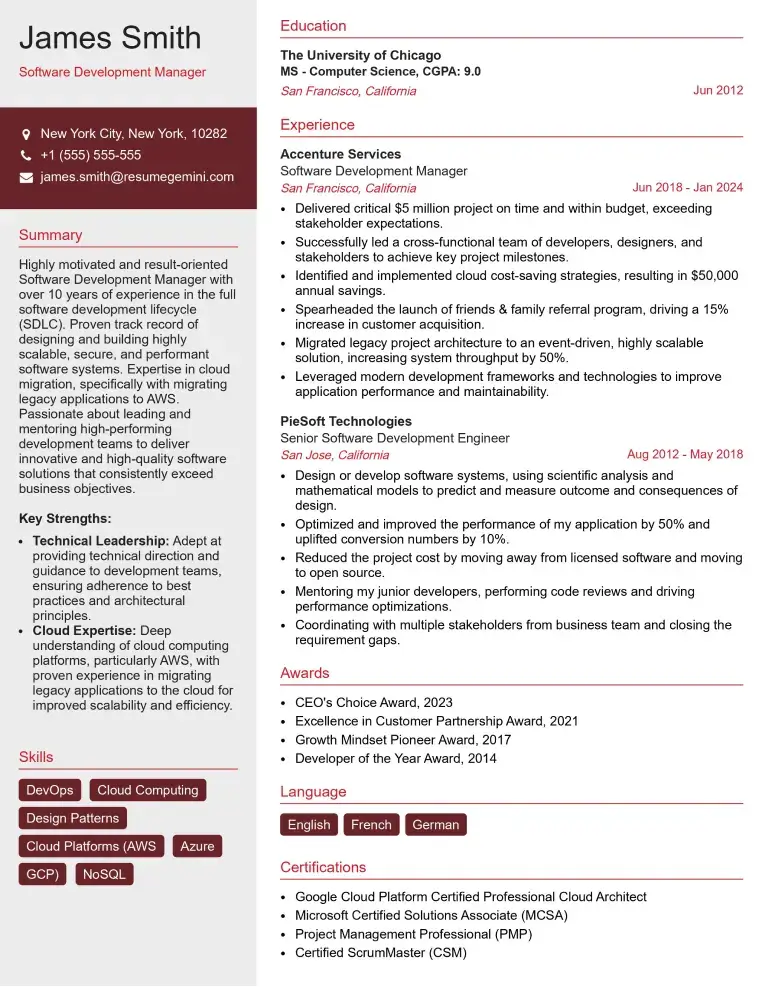
Check Out Resume Samples at ResumeGemini
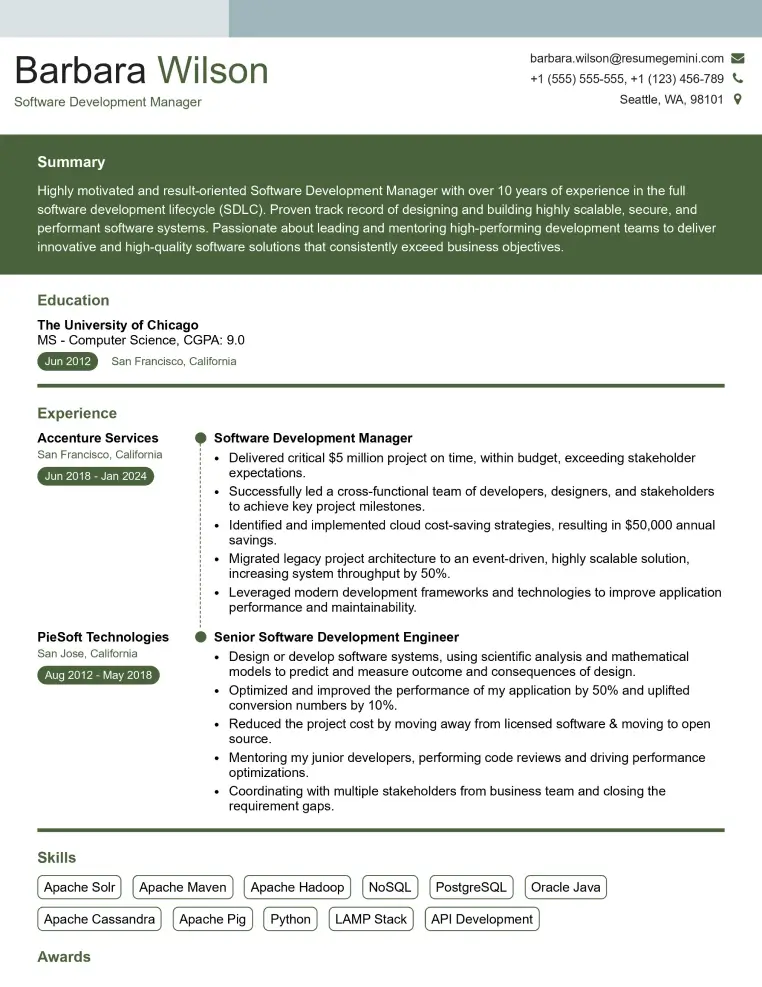
Check Out Resume Samples at ResumeGemini
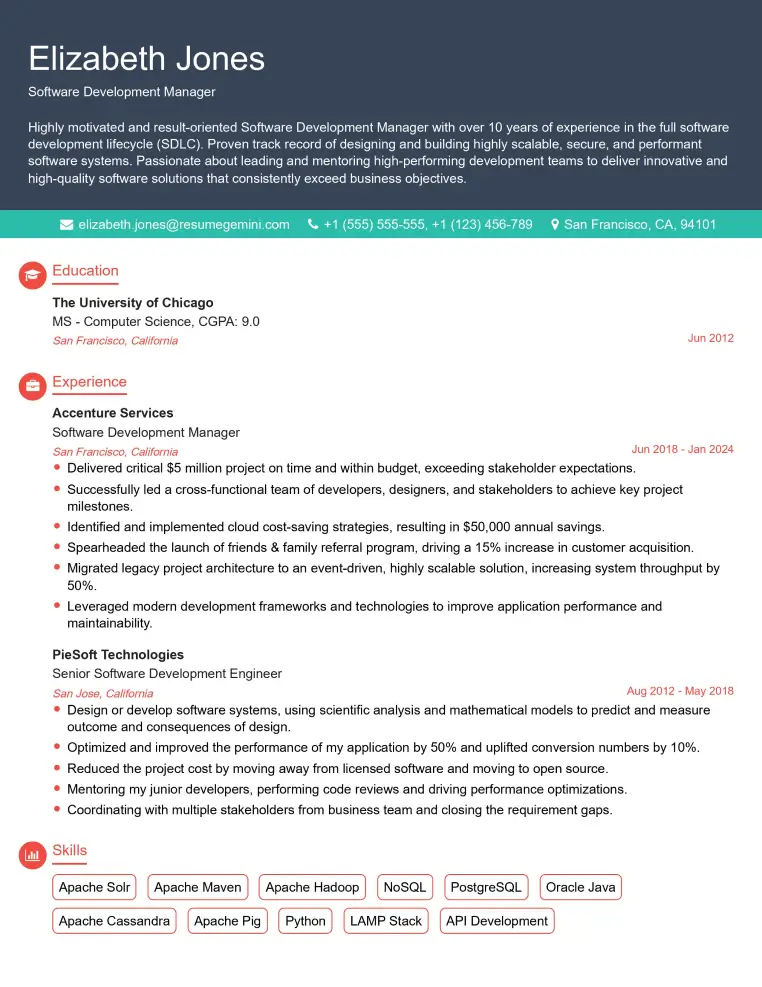
Check Out Resume Samples at ResumeGemini
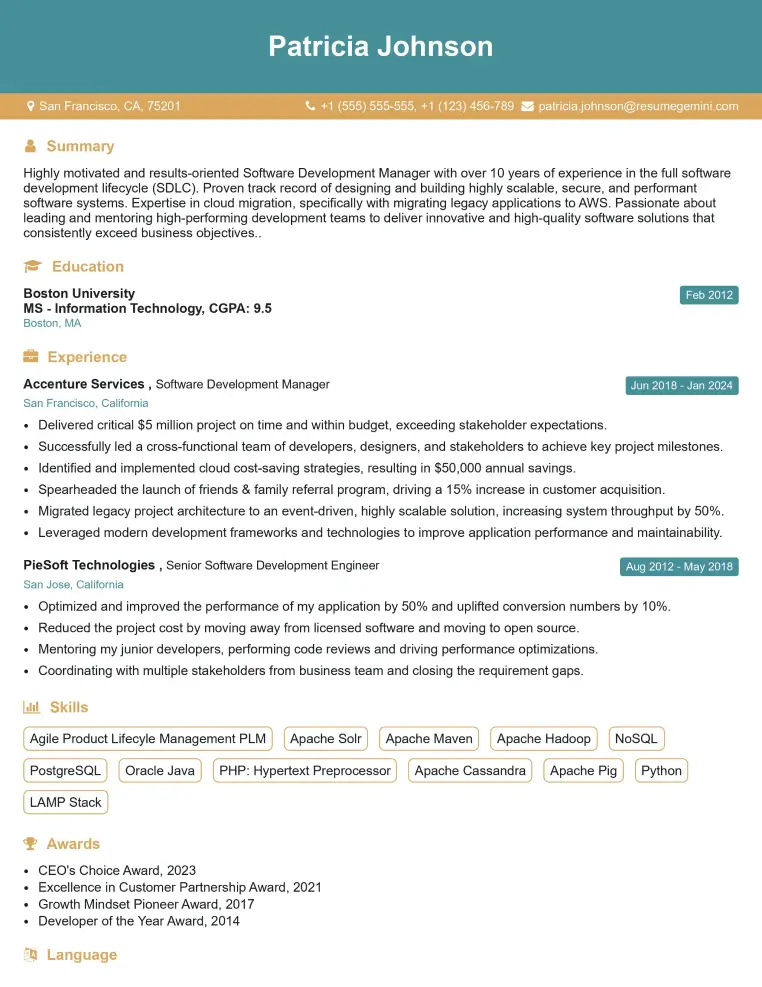
Check Out Resume Samples at ResumeGemini
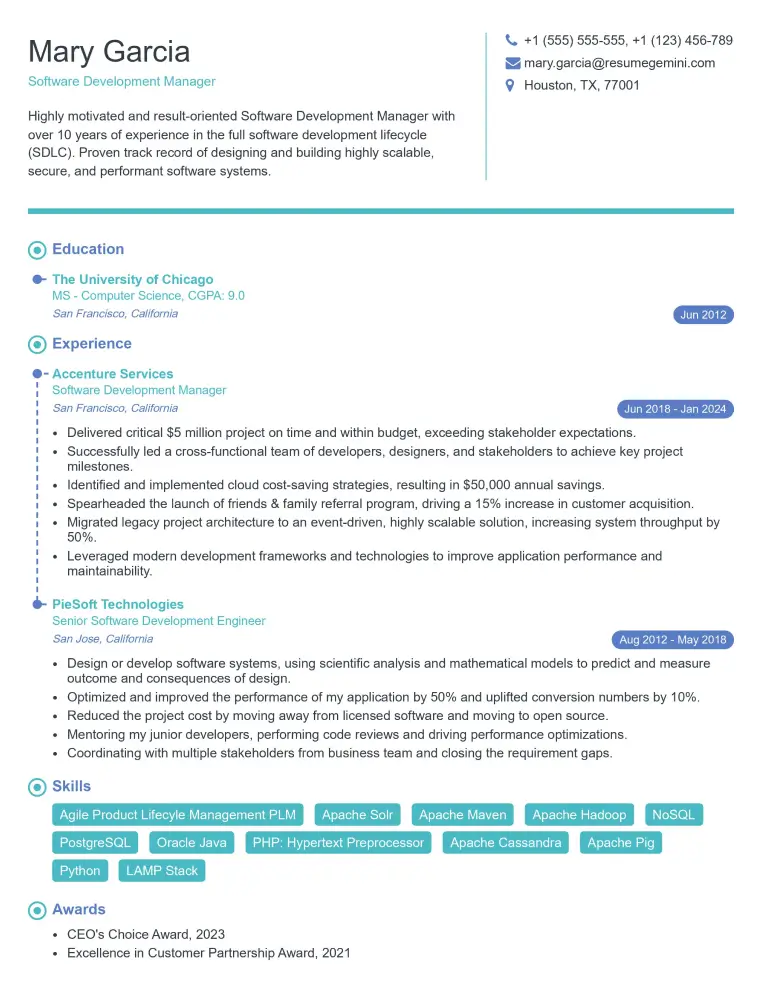
Check Out Resume Samples at ResumeGemini
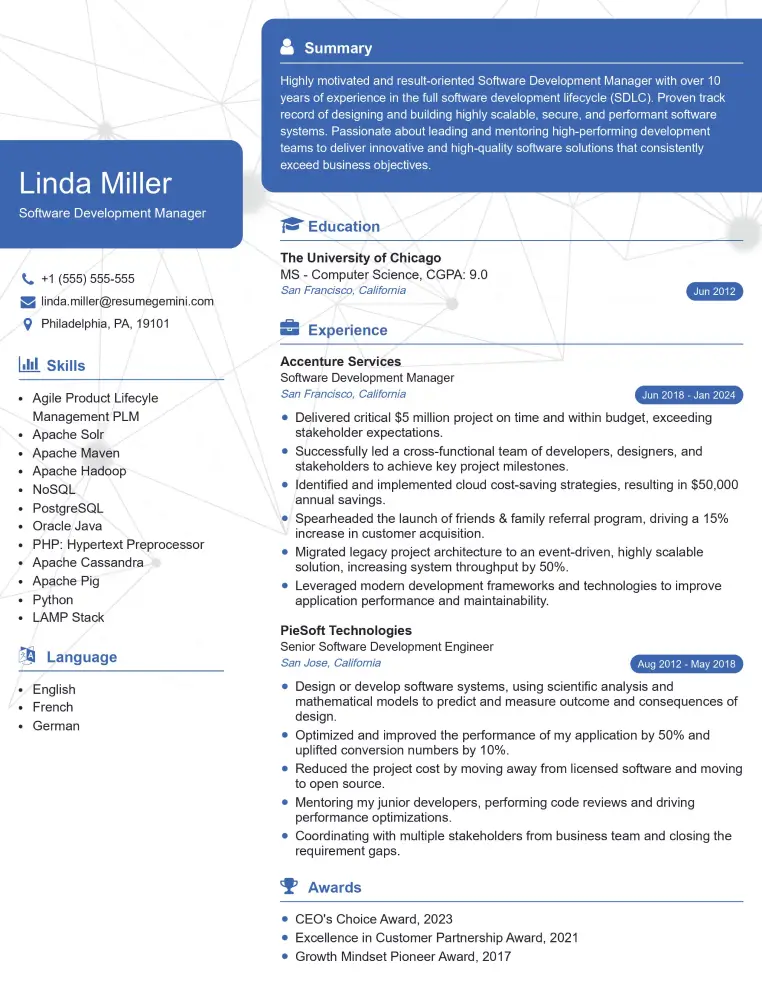
Check Out Resume Samples at ResumeGemini
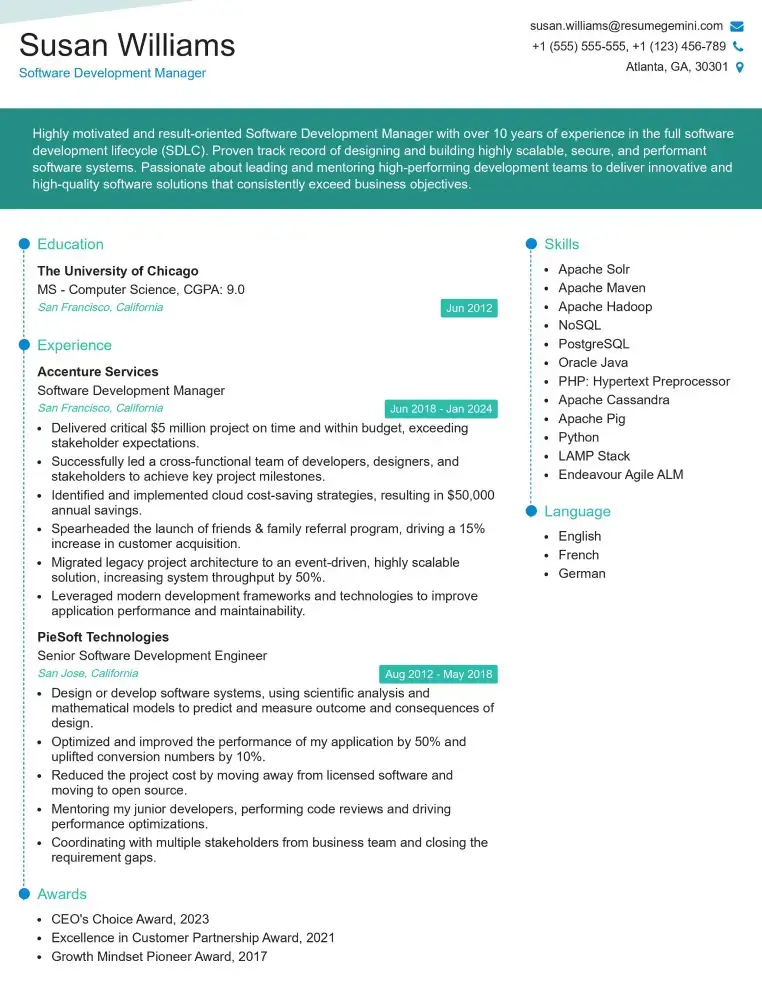
Check Out Resume Samples at ResumeGemini
Explore more articles
Users Rating of Our Blogs
Share Your Experience
We value your feedback! Please rate our content and share your thoughts (optional).
What Readers Say About Our Blog
Very informative content, great job.
good