Interviews are opportunities to demonstrate your expertise, and this guide is here to help you shine. Explore the essential Aircraft Launch and Recovery Operations interview questions that employers frequently ask, paired with strategies for crafting responses that set you apart from the competition.
Questions Asked in Aircraft Launch and Recovery Operations Interview
Q 1. Describe the different types of aircraft launch systems.
Aircraft launch systems are crucial for getting aircraft airborne, varying significantly based on the environment and aircraft type. The primary systems are:
- Catapult Launches: Used primarily on aircraft carriers, these systems employ powerful steam, hydraulic, or electromagnetic catapults to accelerate aircraft to takeoff speed in a very short distance. Think of it like a giant slingshot for planes!
- Ski-Jump Ramps: These inclined ramps, common on smaller carriers and some land-based facilities, use gravity to assist aircraft in achieving sufficient lift for takeoff, especially for short takeoff and vertical landing (STOVL) aircraft. Imagine a ramp giving the plane an initial boost.
- Runway Launches: The most common method for conventional airports, this involves a long runway allowing the aircraft to achieve takeoff speed using its own engines. This is like a regular road for cars.
- Rocket-Assisted Takeoff (RATO): This system uses rockets attached to the aircraft to provide supplemental thrust during takeoff, shortening the runway distance required. It’s like giving your car a powerful booster for a quick start.
The choice of system depends on factors such as the aircraft’s capabilities, the available space, and the operational environment.
Q 2. Explain the procedures for a catapult launch.
A catapult launch is a complex, coordinated process. Here’s a breakdown:
- Pre-Launch Checks: Thorough inspections of the aircraft, catapult, and launch crew are critical. This includes ensuring the aircraft is properly secured to the catapult shuttle, fuel levels are correct, and all systems are operational.
- Catapult Arming: The catapult is armed, meaning it’s prepared to launch. This involves complex hydraulic and steam systems (for steam catapults) or electromagnetic charging (for EMALS).
- Pilot Readiness: The pilot confirms readiness, runs engine checks, and receives final clearance from air traffic control.
- Launch Sequence Initiation: The launch officer initiates the launch sequence, triggering the catapult.
- Aircraft Acceleration: The aircraft accelerates rapidly along the catapult track. The pilot maintains control, ensuring stable acceleration and proper takeoff attitude.
- Launch Completion: Once the aircraft reaches launch speed, it leaves the catapult and transitions to normal flight.
Failure at any stage can lead to serious consequences, emphasizing the importance of meticulous procedure adherence and rigorous training.
Q 3. What are the safety procedures during aircraft recovery?
Aircraft recovery, especially on aircraft carriers, demands stringent safety measures. Key aspects include:
- Clear Communication: Crystal clear communication between the pilot, Landing Signals Officer (LSO), and air traffic control is paramount. This ensures everyone is on the same page.
- Precise Approach: Pilots must execute a precise approach, maintaining the correct glide slope and airspeed. Deviations can lead to dangerous situations.
- Arrested Landing System Readiness: The arresting gear – the wires that halt the aircraft – must be correctly deployed and operational. Failure can lead to an overshoot or a crash.
- Emergency Procedures: Well-defined emergency procedures are crucial. This includes handling wave-offs (aborted landings), engine failures during approach, and arresting gear malfunctions.
- Deck Safety: Maintaining a clear deck and managing personnel movement around the aircraft during landing is crucial. Any personnel on the flight deck must follow strictly defined procedures to avoid accidents.
Constant vigilance, comprehensive training, and redundant systems are vital to ensuring safety during aircraft recovery.
Q 4. How do you handle an emergency during aircraft launch?
Emergency situations during launch are rare but require immediate, decisive action. Procedures vary depending on the specific nature of the emergency, but general principles include:
- Abort the Launch: If a critical malfunction is detected in either the aircraft or launch system, the launch is immediately aborted. This might involve a manual shutdown of the catapult or a pilot-initiated abort.
- Emergency Evacuation: If necessary, procedures for rapid evacuation of the pilot from the aircraft are activated. This can include ejection systems or emergency exits.
- Damage Control: After a safe abort, damage assessment begins, and any required repairs are undertaken to prevent future incidents.
- Post-Incident Investigation: A thorough investigation follows each incident, identifying the root cause and recommending corrective actions to improve safety. This prevents a similar occurrence in the future.
Quick thinking, well-rehearsed procedures, and a highly trained team are crucial to mitigate risks in the event of an emergency.
Q 5. Describe the role of the Landing Signals Officer (LSO).
The Landing Signals Officer (LSO) is a highly skilled aviator responsible for guiding aircraft safely onto the flight deck of an aircraft carrier. They are the eyes on the deck, providing visual cues to the pilot to ensure a safe landing.
The LSO uses hand signals, voice communication, and sometimes a Fresnel lens optical system to provide precise guidance on approach, glide path, and airspeed. They judge the pilot’s approach and provide corrections to ensure a safe and controlled landing, often providing crucial feedback on the pilot’s skills.
Their role is critical to safe carrier operations, as a poorly executed landing can result in a crash, damage to the aircraft, or even injury to personnel on deck. They are essentially the air traffic controller for carrier landings.
Q 6. What are the critical factors affecting aircraft carrier landings?
Several critical factors influence aircraft carrier landings, creating a challenging and demanding environment for pilots:
- Short Landing Distance: The limited length of the flight deck necessitates precise control and a high degree of skill from the pilot.
- Moving Deck: The ship’s movement, including pitch, roll, and yaw, introduces significant challenges to maintaining a stable approach.
- Wind Conditions: Wind shear, gusting winds, and the effects of the ship’s wake complicate approach and landing.
- Visual Cues: The pilot relies on visual cues from the LSO and the deck markings to align the aircraft with the arresting wires.
- Arresting Gear Reliability: The reliability of the arresting gear is crucial. Any malfunction can have dangerous repercussions.
Successfully managing these factors requires exceptional pilot skill, advanced aircraft technology, and effective teamwork between the pilot and the ground crew.
Q 7. Explain the concept of arrested landings.
Arrested landings are a critical aspect of aircraft carrier operations. They use a system of arresting wires and gear to rapidly decelerate aircraft after touchdown, bringing them to a safe stop in a short distance.
As the aircraft touches down, a tailhook engages one of several arresting wires stretched across the flight deck. The wire is connected to a hydraulic system that absorbs the aircraft’s kinetic energy, bringing it to a controlled stop. This is crucial, as the short length of the flight deck wouldn’t allow for a conventional runway stop.
This system provides a safer and more controlled landing compared to conventional landings on runways, especially considering the limited space and dynamic environment of an aircraft carrier.
Q 8. How do you ensure the safety of ground personnel during launch and recovery?
Ensuring the safety of ground personnel during aircraft launch and recovery is paramount and achieved through a multi-layered approach. It begins with meticulous planning and risk assessment, identifying potential hazards like jet blast, moving aircraft, and the handling of heavy equipment. This is followed by the implementation of strict safety protocols, including clearly defined safety zones, designated personnel pathways, and the use of visual and audible warning systems. Before any launch or recovery, a thorough briefing is conducted, outlining procedures and emergency protocols. Personnel are required to wear appropriate Personal Protective Equipment (PPE), such as hearing protection, eye protection, and high-visibility vests. Regular safety training and drills are also crucial to ensure personnel are prepared to respond effectively to any unforeseen circumstances. For instance, during an F-18 launch, designated safety officers monitor the jet blast area ensuring no personnel are within the hazardous zone. Regular audits and inspections ensure compliance with safety regulations and the effectiveness of implemented measures. Ultimately, a culture of safety, where every individual takes responsibility for their actions and the safety of others, is the cornerstone of safe launch and recovery operations.
Q 9. What are the different types of ground support equipment (GSE)?
Ground Support Equipment (GSE) plays a vital role in aircraft launch and recovery. The types of GSE vary depending on the aircraft and the specific operation, but some common categories include:
- Aircraft Towing Tractors: Used for moving aircraft around the flight line.
- Aircraft Servicing Units (ASU): Provide power, air conditioning, and other services to the aircraft.
- Refueling Equipment: Includes tankers and hydrant systems for refueling aircraft.
- Launch Bars and Arresting Gear: Critical components for catapult launches and arrested landings on aircraft carriers.
- Chocks and Chains: Used to secure the aircraft during maintenance and servicing.
- Passenger Steps and Cargo Lifts: Facilitate passenger and cargo loading and unloading.
- Maintenance Stands: Allow access to various parts of the aircraft for maintenance.
The specific GSE used will depend on the mission profile and the type of aircraft. For example, a large transport aircraft requires different GSE than a fighter jet.
Q 10. Describe the maintenance procedures for launch and recovery equipment.
Maintenance procedures for launch and recovery equipment are rigorous and strictly adhered to, ensuring the continued safe and reliable operation of this critical equipment. These procedures typically involve a combination of preventive and corrective maintenance. Preventive maintenance includes regular inspections, lubrication, and component replacements based on manufacturer recommendations and operational hours. This proactive approach prevents equipment failures and extends the lifespan of the equipment. For example, regular inspections of arresting gear cables on an aircraft carrier are crucial to prevent accidents. Corrective maintenance addresses issues identified during inspections or due to equipment malfunction. Detailed records are kept for every maintenance action, including date, time, personnel involved, and the parts used. This ensures traceability and facilitates efficient troubleshooting. Strict adherence to manufacturer’s manuals and the use of certified technicians are mandatory. Failure to maintain the equipment properly can lead to significant safety risks and operational disruptions. Think of it like regular servicing of a car; neglecting it can lead to major problems later on.
Q 11. How do you troubleshoot malfunctions in aircraft launch systems?
Troubleshooting malfunctions in aircraft launch systems requires a systematic and methodical approach. It begins with a thorough assessment of the problem, gathering all available data, including error messages, sensor readings, and witness accounts. A common troubleshooting technique is to isolate the problem by systematically testing components of the launch system. This often involves checking electrical connections, hydraulic lines, and mechanical components. Diagnostic tools such as multimeters, pressure gauges, and specialized test equipment are used to pinpoint the source of the malfunction. Once the faulty component is identified, the next step is to either repair or replace it, following strict maintenance procedures. Extensive documentation of all troubleshooting steps and repairs is essential for future reference. For example, if a catapult launch system fails, the troubleshooting might involve checking the power supply, hydraulic pressure, and the catapult track for any damage. Experienced technicians skilled in hydraulics, electronics, and mechanical systems are necessary for effective troubleshooting.
Q 12. What are the communication protocols during launch and recovery operations?
Clear and effective communication is essential for the safety and efficiency of launch and recovery operations. Standard operating procedures often define communication protocols, including the use of specific radio frequencies, standardized terminology, and pre-defined communication sequences. During a launch, clear communication between the pilot, ground crew, and air traffic control is vital. The pilot reports readiness, receives clearance for launch, and informs the ground crew of any issues. Similarly, during recovery, the pilot communicates approach parameters, and the ground crew confirms the readiness of arresting gear or other recovery systems. The use of checklists and standardized phraseology helps avoid misunderstandings, especially during high-pressure situations. For example, on an aircraft carrier, concise communication using pre-defined terms is crucial due to the limited time and the high-risk environment. Miscommunication can lead to accidents, hence the importance of clear and standardized communication protocols.
Q 13. Explain the importance of weather conditions in launch and recovery.
Weather conditions significantly impact launch and recovery operations, potentially causing delays or cancellations. Factors like wind speed and direction, visibility, precipitation, and temperature all play a critical role. High wind speeds, crosswinds, or low visibility can render launches and recoveries unsafe, as they can affect aircraft control and the performance of launch and recovery systems. For instance, strong crosswinds during landing can make it difficult for the pilot to control the aircraft, increasing the risk of an accident. Precipitation can also affect visibility and create slippery surfaces on runways, increasing the risk of accidents for ground crews and potentially affecting aircraft braking. Temperature extremes can also affect the performance of equipment. Meteorological data is closely monitored before and during any launch or recovery operation. Specific weather limitations are defined for each aircraft type and operation. Operations may be delayed or cancelled if weather conditions exceed these limits, prioritizing safety over operational expediency.
Q 14. How do you manage risks associated with aircraft launch and recovery?
Managing risks associated with aircraft launch and recovery involves a proactive and multi-faceted approach. It begins with identifying potential hazards, assessing their likelihood and severity, and developing mitigation strategies. This includes considering human factors, equipment failures, environmental conditions, and procedural errors. A comprehensive risk assessment, involving various stakeholders, is usually conducted. The implementation of safety management systems, including regular safety audits and incident reporting, is crucial. The development and implementation of standard operating procedures (SOPs), emergency response plans, and regular training are all vital components of risk mitigation. Risk mitigation is not a one-time event but rather an ongoing process that involves continuous monitoring, review, and improvement. For instance, regularly inspecting and maintaining equipment significantly reduces the risk of mechanical failures. Similarly, rigorous training reduces the likelihood of human error. By systematically addressing potential hazards and implementing effective mitigation strategies, a safer working environment is created, ultimately minimizing the risk of accidents during aircraft launch and recovery operations.
Q 15. Describe your experience with different types of aircraft.
My experience encompasses a wide range of aircraft, from fixed-wing aircraft like the F/A-18 Super Hornet and the AV-8B Harrier II, to rotary-wing aircraft such as the MH-60 Seahawk and the CH-53E Super Stallion. This experience includes both conventional and short/vertical take-off and landing (STOVL) aircraft, each presenting unique challenges and requiring specialized launch and recovery procedures. For instance, catapult launches for carrier-based aircraft demand precise timing and coordination, whereas the Harrier’s vertical takeoff requires a completely different set of considerations, primarily focused on engine performance and stability. Working with these diverse platforms has allowed me to develop a deep understanding of the specific needs and operational nuances of each type.
- Fixed-Wing Aircraft: Experience includes pre-flight checks, launch procedures (catapult and conventional), and recovery procedures (arrested landings and conventional).
- Rotary-Wing Aircraft: Experience includes pre-flight checks, landing zone preparation, and various hoisting operations.
- Unmanned Aerial Vehicles (UAVs): I have also worked with several models of UAVs, which involve remote launch and recovery systems with specific safety protocols.
Career Expert Tips:
- Ace those interviews! Prepare effectively by reviewing the Top 50 Most Common Interview Questions on ResumeGemini.
- Navigate your job search with confidence! Explore a wide range of Career Tips on ResumeGemini. Learn about common challenges and recommendations to overcome them.
- Craft the perfect resume! Master the Art of Resume Writing with ResumeGemini’s guide. Showcase your unique qualifications and achievements effectively.
- Don’t miss out on holiday savings! Build your dream resume with ResumeGemini’s ATS optimized templates.
Q 16. What are the limitations of aircraft launch and recovery systems?
Aircraft launch and recovery systems face several limitations, often intertwined and influenced by environmental factors. These can be broadly categorized as:
- Environmental Factors: High winds, rain, fog, and snow significantly impact launch and recovery safety. For example, crosswinds can make landings challenging and even dangerous, while reduced visibility impairs the pilot’s ability to accurately judge their approach. Furthermore, extreme temperatures can affect aircraft performance and equipment functionality.
- Equipment Limitations: Catapults and arresting gear have operational limits in terms of aircraft weight and speed. Failure of any component in the system can have disastrous consequences. Regular maintenance and inspections are crucial to mitigate these risks.
- Human Factors: Pilot error, ground crew mistakes, and inadequate communication can lead to accidents. Comprehensive training, clear procedures, and rigorous safety protocols are essential for minimizing human error.
- Aircraft Specific Limitations: Each aircraft type has its own unique launch and recovery limitations, dictated by its design and performance characteristics. For example, STOVL aircraft have specific fuel and thrust requirements for a successful takeoff and landing.
Understanding these limitations is vital for safe operations. Risk assessments and contingency plans are developed to address these challenges and ensure the safety of personnel and equipment.
Q 17. How do you ensure the safe handling of ordnance during aircraft operations?
Safe ordnance handling is paramount throughout aircraft operations. Our procedures strictly adhere to established safety protocols, emphasizing a multi-layered approach.
- Pre-flight Inspection: A meticulous inspection of all ordnance ensures its secure mounting and functionality. This involves checking for any damage, verifying proper arming and fuzing, and confirming that all safety mechanisms are engaged.
- Handling Procedures: Strict adherence to designated handling zones and procedures minimizes the risk of accidental detonation or damage. Specialized equipment and trained personnel are used for loading and unloading ordnance.
- Transportation and Storage: Secure transportation and storage of ordnance are critical. Designated vehicles and storage facilities with appropriate security measures are employed.
- Emergency Procedures: Clearly defined emergency procedures are in place to handle malfunctions or accidental detonation. These procedures involve immediate evacuation of the area, fire suppression, and reporting to the appropriate authorities.
- Documentation and Tracking: Detailed records are maintained throughout the entire process, tracking the ordnance from acquisition to disposal. This meticulous record keeping is critical for maintaining accountability and ensuring safety.
Regular training and drills keep personnel up-to-date on best practices and ensure that everyone understands their responsibilities in maintaining a safe environment.
Q 18. Explain the procedures for emergency aircraft recovery.
Emergency aircraft recovery procedures vary depending on the nature of the emergency and the type of aircraft. However, they generally involve:
- Initial Assessment: The situation is assessed to determine the severity of the emergency, the aircraft’s condition, and the pilot’s status. Communication with the pilot is crucial.
- Emergency Services Notification: Emergency services are immediately notified, including fire and rescue teams, medical personnel, and security forces.
- Landing Zone Preparation: A safe landing zone is prepared, taking into account the aircraft’s condition and the surrounding environment. This may involve clearing obstacles, deploying fire suppression equipment, and establishing a perimeter.
- Pilot Guidance: Air traffic control and ground personnel guide the pilot to the designated landing zone, providing instructions and assistance as needed. This often includes using emergency lighting and visual aids.
- Post-Landing Procedures: Once the aircraft has landed, personnel secure the area, provide medical assistance if necessary, and begin an investigation to determine the cause of the emergency. Ordnance safety remains a top priority in post-landing procedures.
Effective emergency response requires comprehensive training, clear communication, and well-rehearsed procedures. Regular drills and simulations help to ensure preparedness for a wide range of scenarios.
Q 19. Describe your experience with flight deck safety procedures.
Flight deck safety procedures are paramount for preventing accidents and ensuring smooth operations. My experience includes a thorough understanding of and active participation in maintaining these procedures.
- Personal Protective Equipment (PPE): Strict adherence to PPE protocols, including wearing appropriate safety gear such as helmets, eye protection, and hearing protection.
- Sterile Cockpit Procedures: The importance of minimizing distractions in the cockpit during critical phases of flight, such as takeoff and landing. Only essential communication is permitted.
- Emergency Procedures: Thorough understanding and execution of emergency procedures, including fire suppression, evacuation, and emergency landing techniques.
- Foreign Object Debris (FOD) Prevention: Active participation in FOD prevention efforts, ensuring the flight deck and surrounding areas are kept clean and free of debris that could cause damage or injury.
- Hazardous Materials Handling: Strict adherence to procedures for handling hazardous materials on the flight deck, including proper storage, labeling, and disposal.
Effective flight deck safety procedures are not only a matter of following rules but also of fostering a safety-conscious culture. Constant vigilance and a commitment to best practices are essential for maintaining a safe working environment.
Q 20. How do you conduct pre-flight inspections of launch and recovery equipment?
Pre-flight inspections of launch and recovery equipment are critical for ensuring safe and efficient operations. These inspections follow a detailed checklist and are performed by trained personnel.
- Visual Inspection: A thorough visual inspection of all components for signs of wear and tear, damage, or corrosion. This includes checking cables, hydraulic lines, arresting gear, and catapult components.
- Functional Tests: Functional tests are conducted to ensure all systems operate as intended. This might involve testing hydraulic pressure, checking electrical connections, and verifying the functionality of safety mechanisms.
- Calibration and Adjustment: Calibration and adjustment of equipment are necessary to ensure accuracy and optimal performance. This is especially important for systems like catapults and arresting gear.
- Documentation: All inspections and test results are carefully documented, providing a record of equipment condition and maintenance history.
- Troubleshooting: The ability to troubleshoot identified problems and implement necessary repairs or replacements is essential. This may involve consulting maintenance manuals and contacting specialized support teams.
Consistent and thorough pre-flight inspections are a critical part of proactive risk management, ensuring that equipment is in optimal condition and that potential problems are identified and addressed before they lead to accidents.
Q 21. What are the environmental factors affecting launch and recovery operations?
Environmental factors significantly impact launch and recovery operations, potentially causing delays, increasing risks, and even leading to accidents. These factors include:
- Wind: High winds, particularly crosswinds, make landings and takeoffs significantly more challenging. Strong headwinds can reduce aircraft performance, while tailwinds increase landing speed and risk.
- Visibility: Reduced visibility due to fog, rain, or snow severely impacts pilot judgment and the effectiveness of visual cues during landing. This can necessitate delays or cancellations.
- Temperature: Extreme temperatures, both hot and cold, affect aircraft performance and the functionality of launch and recovery equipment. Hot temperatures can reduce engine power, while cold temperatures can affect hydraulic fluids and other systems.
- Precipitation: Rain and snow can reduce visibility, affect braking performance, and create hazardous conditions on the runway or landing area.
- Sea State (for carrier operations): Rough seas make it difficult to maintain a stable flight deck, increasing the risks associated with landings and takeoffs on aircraft carriers.
Understanding these factors and having appropriate contingency plans in place is essential for conducting safe and efficient launch and recovery operations. Meteorological forecasts and environmental monitoring play a critical role in decision-making processes.
Q 22. How do you handle communication failures during operations?
Communication failures during aircraft launch and recovery are a critical safety concern. Our procedures emphasize redundancy and backup systems. Think of it like a layered defense. We utilize multiple communication channels simultaneously – primary and secondary radios, visual signals (hand signals, light signals), and even pre-arranged contingency plans involving written messages.
For example, if primary radio communication fails during carrier landings, we immediately switch to the secondary frequency. If both radio channels fail, pre-determined visual signals guide the pilot for approach and landing. Regular communication checks are mandatory, and any deviation is immediately reported and addressed. This layered approach ensures that even in the event of multiple communication failures, we have a backup plan to maintain safety.
In addition to technological redundancy, we conduct thorough training on these backup communication protocols. Crew members regularly practice different failure scenarios to improve their responsiveness and efficiency in a crisis. This ensures everyone is proficient in using alternative communication methods, thus minimizing risk.
Q 23. Explain your experience with different types of arresting gear.
My experience encompasses various arresting gear systems, each with unique characteristics. I’ve worked extensively with Electromagnetic Aircraft Launch Systems (EMALS) used on newer carriers, which offer precise control over launch acceleration. These systems provide data-driven, highly reliable launches, significantly reducing stress on the aircraft and crew. I’ve also worked with traditional hydraulic arresting gear systems, employing arresting cables and energy absorbers to safely halt aircraft on shorter runways. These systems require a precise understanding of cable tension, wear, and maintenance schedules to guarantee safe operations.
Furthermore, I’m familiar with the differences in arresting gear used across diverse aircraft types and operational environments. For instance, the arresting gear needed for a large, heavy fighter jet would differ significantly from that required for a smaller, lighter aircraft. Factors such as aircraft weight, landing speed, and deck conditions all influence the type and configuration of arresting gear utilized. Experience allows me to quickly identify potential issues and adjust parameters for optimal performance across varied scenarios.
Q 24. What are the legal and regulatory requirements for aircraft launch and recovery?
Legal and regulatory requirements for aircraft launch and recovery are stringent and crucial for ensuring safety and preventing accidents. These regulations are primarily governed by national aviation authorities (like the FAA in the US or EASA in Europe) and international organizations like ICAO. Key areas include:
- Aircraft Certification: Aircraft must meet stringent design and operational standards for safe launch and recovery.
- Personnel Licensing and Training: Pilots, aircrew, and ground personnel require specific licenses and extensive training before participating in launch and recovery operations. This training covers emergency procedures, communication protocols, and safety regulations.
- Equipment Maintenance and Inspection: Regular inspections and maintenance of launch and recovery equipment (e.g., catapults, arresting gear, aircraft systems) are mandatory to prevent malfunctions. These inspections adhere to strict schedules and documented procedures.
- Operational Procedures and Safety Manuals: Detailed operational procedures and safety manuals outline steps to be taken before, during, and after launch and recovery, covering normal and emergency situations. Compliance with these manuals is strictly enforced.
- Accident Investigation and Reporting: A comprehensive accident investigation and reporting system ensures that accidents are thoroughly investigated to identify causes and implement corrective actions to prevent future incidents. These investigations frequently involve multiple agencies and personnel.
Non-compliance with these regulations can lead to serious consequences, including operational suspensions, fines, and even criminal charges.
Q 25. Describe your experience in using aircraft launch and recovery simulation tools.
I have extensive experience using a variety of aircraft launch and recovery simulation tools. These tools are crucial for training and planning. I’ve worked with advanced simulators that replicate the complexities of carrier operations, including catapult launches, arrested landings, and various emergency scenarios. This hands-on experience allows us to rehearse procedures, develop emergency response plans, and train personnel in a controlled environment before real-world operations. For example, we can simulate different weather conditions, aircraft malfunctions, and communication failures to prepare the crew for any eventuality.
Furthermore, these simulations provide valuable data for analyzing and optimizing launch and recovery techniques. We can analyze the effects of different parameters (e.g., catapult settings, arresting gear tension) on aircraft performance and safety. The data collected contributes to improving operational procedures and enhancing overall safety margins. The use of these tools is vital for maintaining proficiency and adapting to changing conditions.
Q 26. How do you manage personnel during high-stress launch and recovery operations?
Managing personnel during high-stress launch and recovery operations requires a combination of strong leadership, clear communication, and effective teamwork. We prioritize clear role assignments, ensuring that each member of the team understands their responsibilities and how they contribute to the overall operation. Pre-flight briefings are crucial, where we review the plan, discuss potential challenges, and reinforce communication protocols. We also utilize check-lists for both pilots and ground crew to ensure adherence to established procedures.
During high-stress situations, maintaining calm and clear communication is paramount. We use established communication channels to disseminate information efficiently and effectively. We also emphasize mutual support and encouragement among the team to mitigate the effects of stress. Post-operation debriefings provide an opportunity to reflect on the operation, identify areas for improvement, and reinforce positive behaviors. Regular training and drills help build a strong team and increase resilience under pressure.
Q 27. Explain your understanding of human factors in aircraft launch and recovery.
Human factors are paramount in aircraft launch and recovery. They encompass the physical and cognitive capabilities and limitations of personnel, their interactions with equipment, and the impact of the operational environment. Understanding human factors is crucial for designing safe and efficient procedures and mitigating risks.
- Workload Management: Ensuring that personnel are not overloaded with tasks or information is critical. Efficient workload distribution and clear communication are key.
- Situational Awareness: Maintaining a high level of situational awareness is essential. This means ensuring pilots and ground crews are constantly aware of the surrounding environment, aircraft status, and potential hazards.
- Stress Management: High-stress environments can impair decision-making. Effective training, clear procedures, and a supportive team culture can help mitigate the effects of stress.
- Fatigue Management: Fatigue significantly impairs performance and increases the risk of errors. Implementing measures to manage fatigue, including adequate rest periods and scheduling, is important.
- Human-Machine Interface: The design of cockpit displays and ground control systems must be intuitive and easy to understand to minimize errors.
Ignoring human factors can lead to accidents. By considering these factors in the design of systems and procedures, we can significantly improve safety and efficiency.
Q 28. Describe your experience with accident investigation and reporting procedures related to launch and recovery.
My experience in accident investigation and reporting involves meticulous data collection, analysis, and reporting, following established protocols. These investigations involve a multidisciplinary team, often including pilots, engineers, maintenance personnel, and safety experts. The process starts with securing the scene, gathering evidence (including flight data recorders, witness statements, and aircraft wreckage), and documenting the events leading up to the accident.
Data analysis involves examining various aspects, from mechanical failure to human error, environmental factors, and procedural deviations. We use specialized software and techniques to analyze flight data and reconstruct the events of the accident. The investigation culminates in a comprehensive report detailing the findings, causes, and recommendations to prevent similar occurrences. This report is shared with relevant regulatory bodies and stakeholders to promote safety improvements within the aviation industry. Transparency and thoroughness are critical to prevent future accidents.
Key Topics to Learn for Aircraft Launch and Recovery Operations Interview
- Aircraft Handling and Flight Mechanics: Understanding aircraft weight and balance, performance limitations, and the impact of environmental factors on launch and recovery procedures.
- Launch Procedures: Mastering pre-flight checks, catapult launches (if applicable), assisted take-offs, and the practical application of safety regulations during launch sequences.
- Recovery Procedures: Detailed knowledge of arresting gear systems, various landing techniques (e.g., arrested landings, touch-and-go landings), and emergency procedures for failed landings.
- Safety and Emergency Procedures: Proficiency in emergency response protocols, including fire suppression, aircraft damage assessment, and personnel evacuation procedures.
- Weather Considerations: Analyzing weather reports to assess launch and recovery suitability, understanding the implications of various weather conditions on aircraft performance, and implementing appropriate safety measures.
- Communication and Teamwork: Demonstrating effective communication skills and collaborative teamwork within a launch and recovery team, including ground crews, pilots, and air traffic control.
- Maintenance and Inspection: Familiarity with routine inspections of launch and recovery equipment, troubleshooting common issues, and adhering to strict maintenance protocols to ensure operational readiness.
- Regulatory Compliance: Understanding and adhering to all relevant aviation regulations and safety standards pertaining to aircraft launch and recovery operations.
- Problem-Solving and Decision-Making: Demonstrating the ability to analyze situations rapidly, make informed decisions under pressure, and effectively resolve unforeseen challenges during launch and recovery operations.
Next Steps
Mastering Aircraft Launch and Recovery Operations is crucial for career advancement in aviation, opening doors to specialized roles and increased responsibility. A strong resume is your key to unlocking these opportunities. Make sure your resume is ATS-friendly to maximize its visibility to potential employers. To help you create a compelling and effective resume, leverage the power of ResumeGemini. ResumeGemini provides a user-friendly platform to build professional resumes, and we offer examples specifically tailored to Aircraft Launch and Recovery Operations to guide your efforts. Take the next step towards your dream career today!
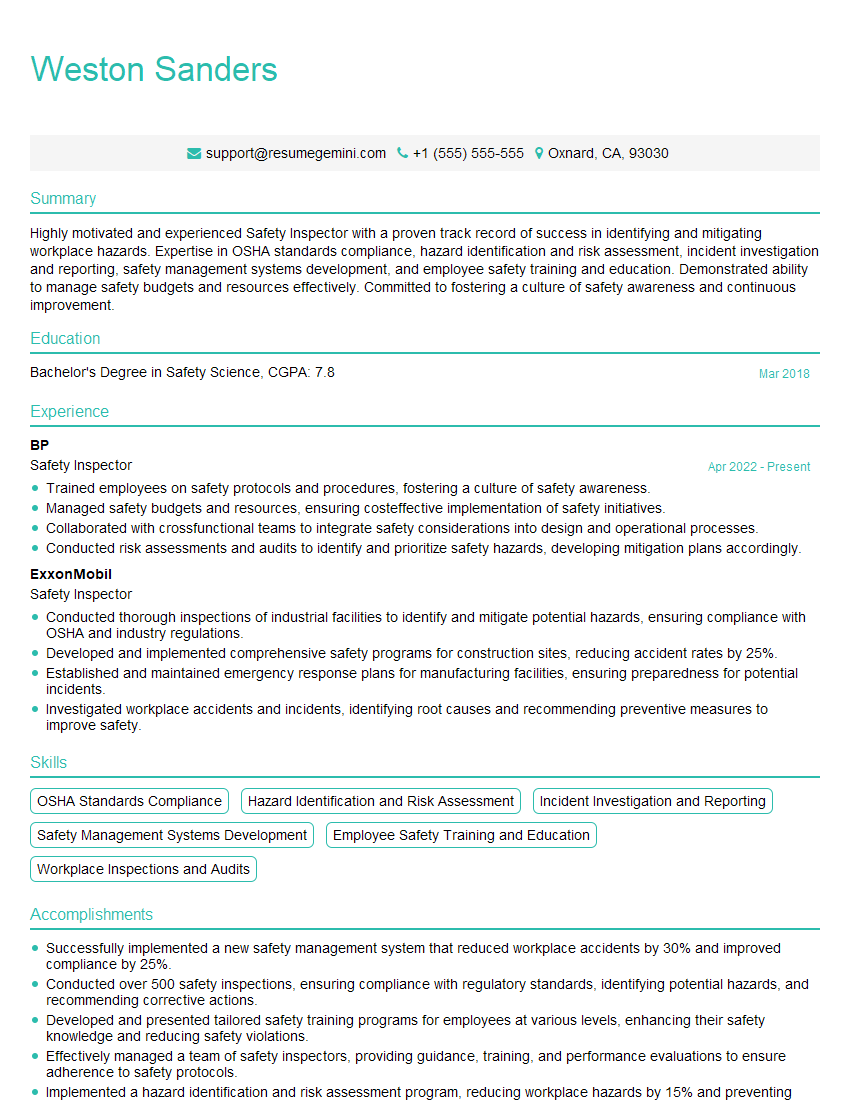
Safety Inspector Resume Sample
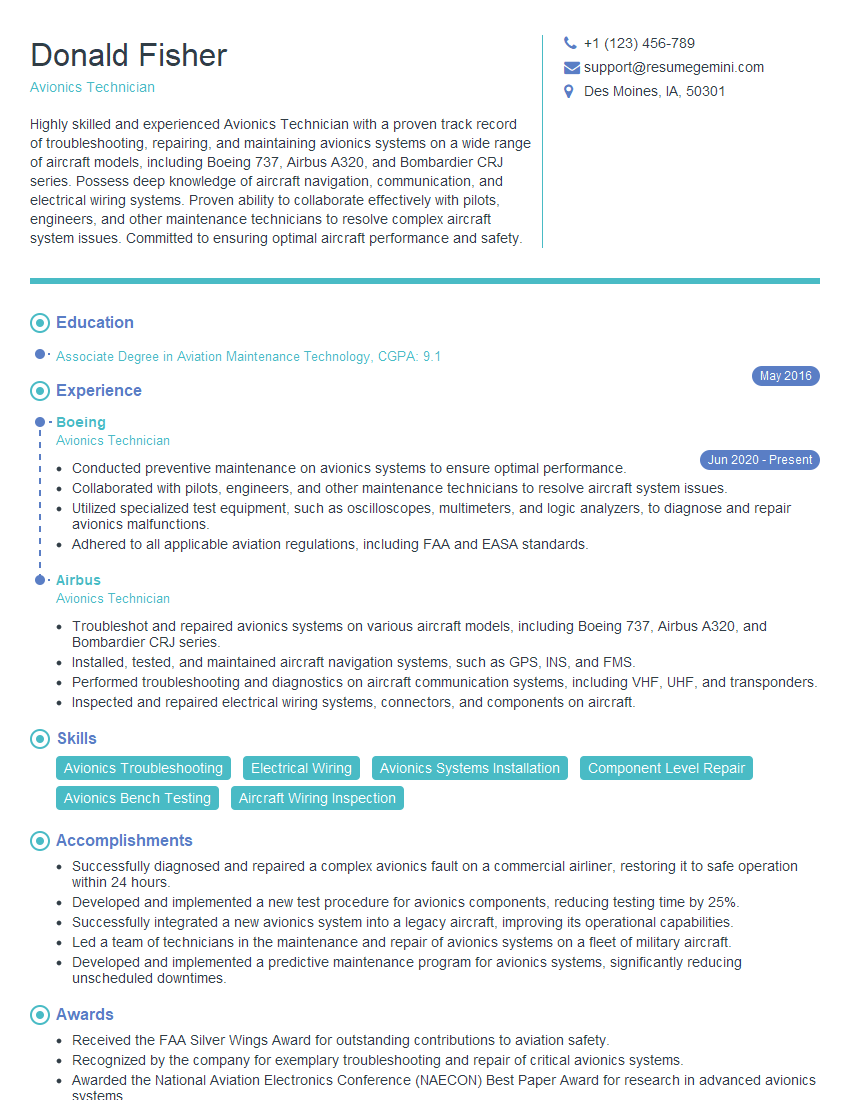
Avionics Technician Resume Sample
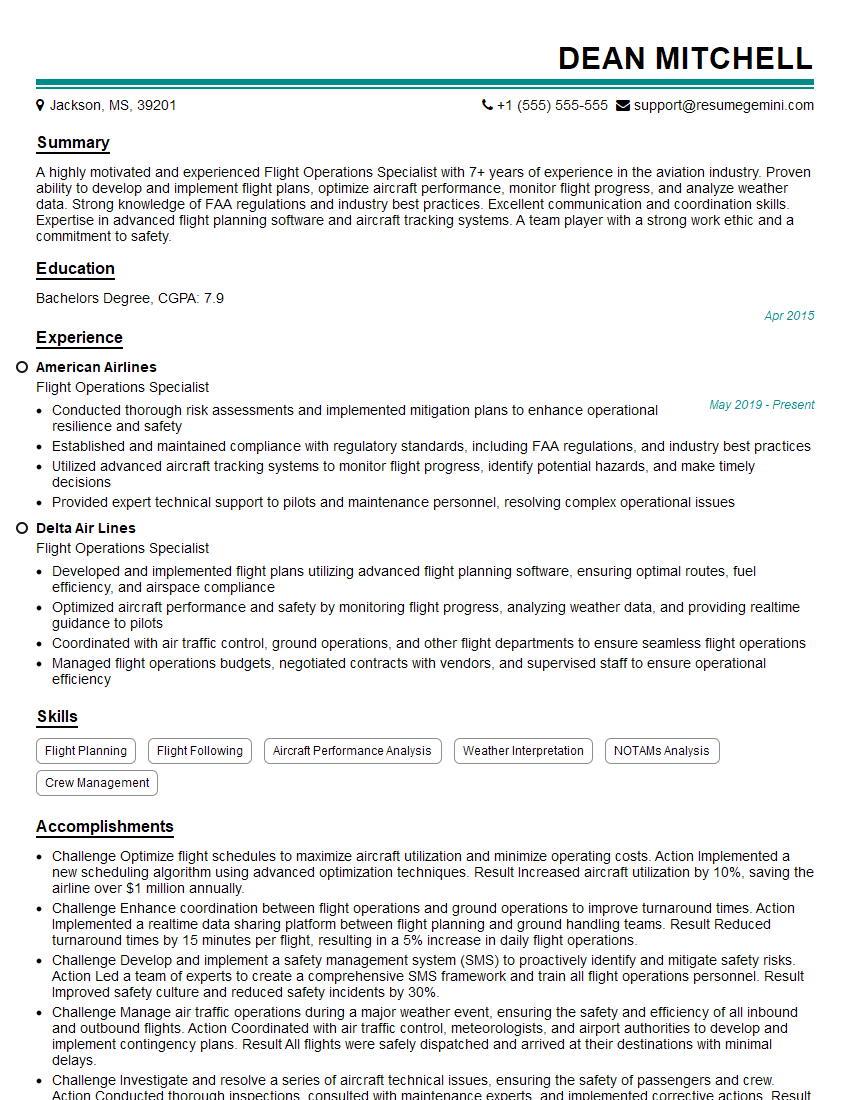
Flight Operations Specialist Resume Sample
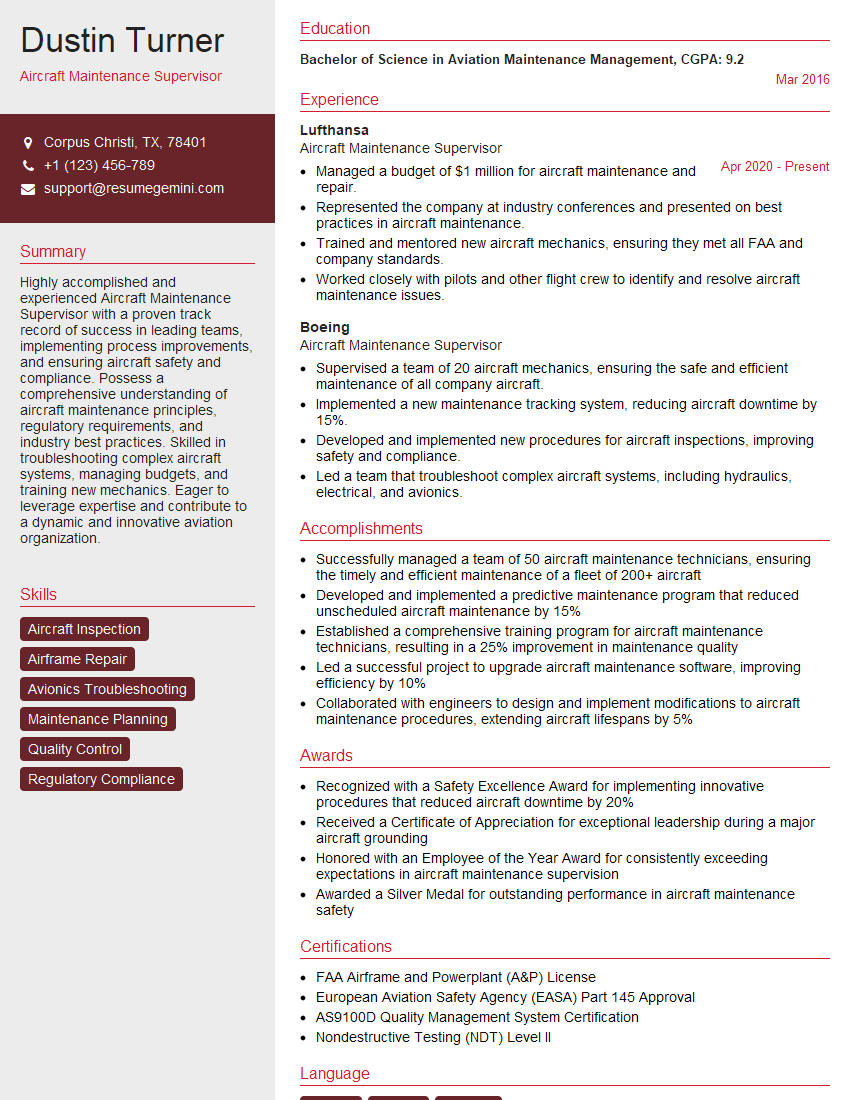
Aircraft Maintenance Supervisor Resume Sample
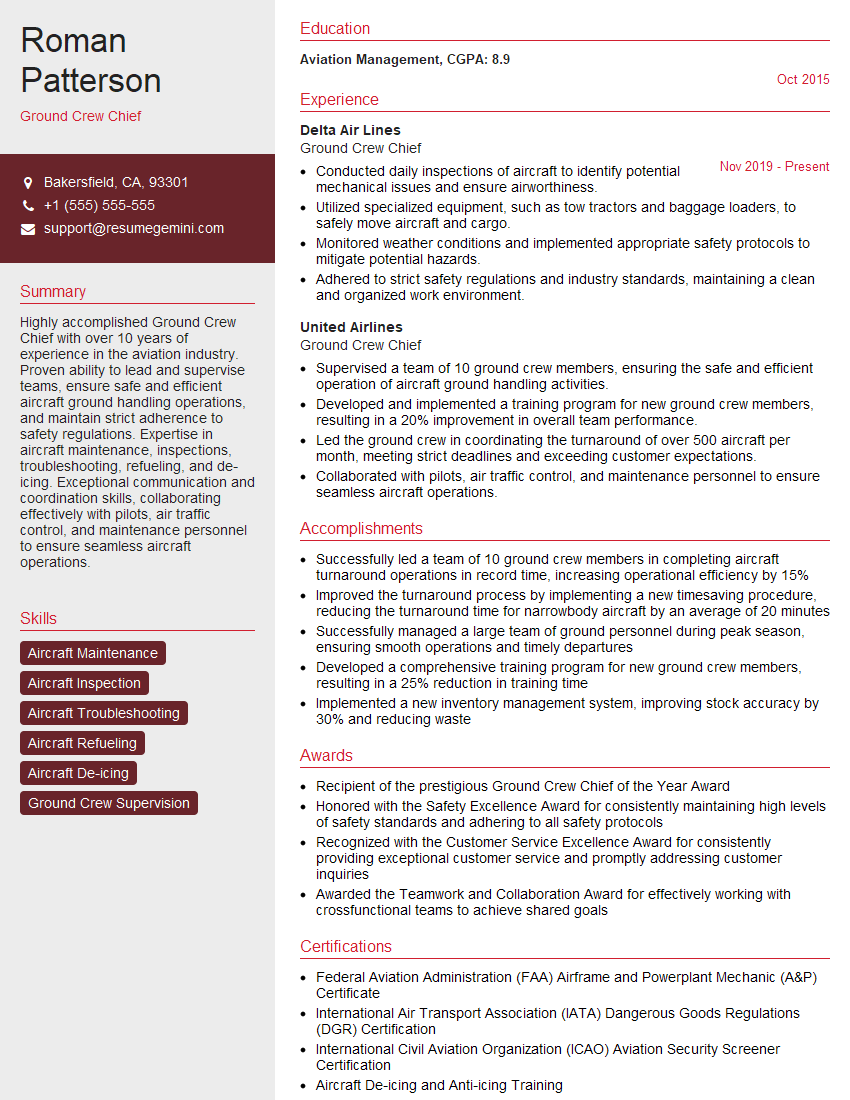
Ground Crew Chief Resume Sample
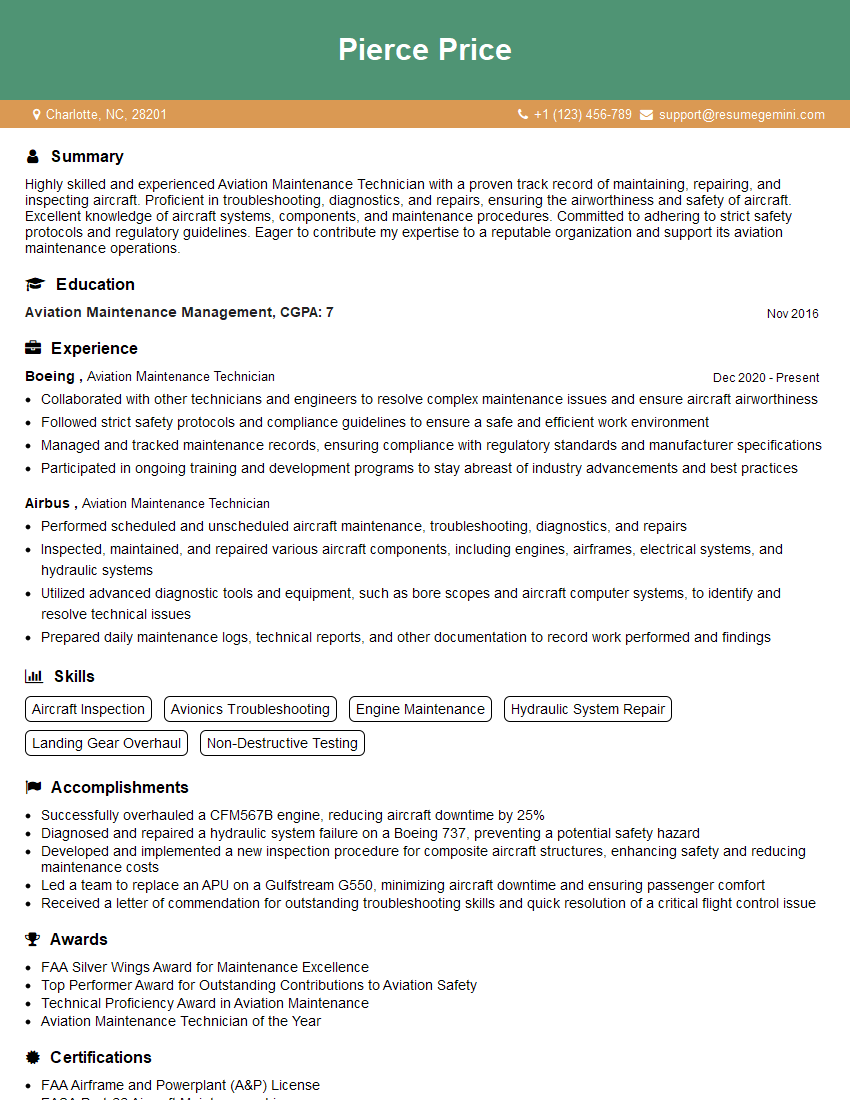
Aviation Maintenance Technician Resume Sample
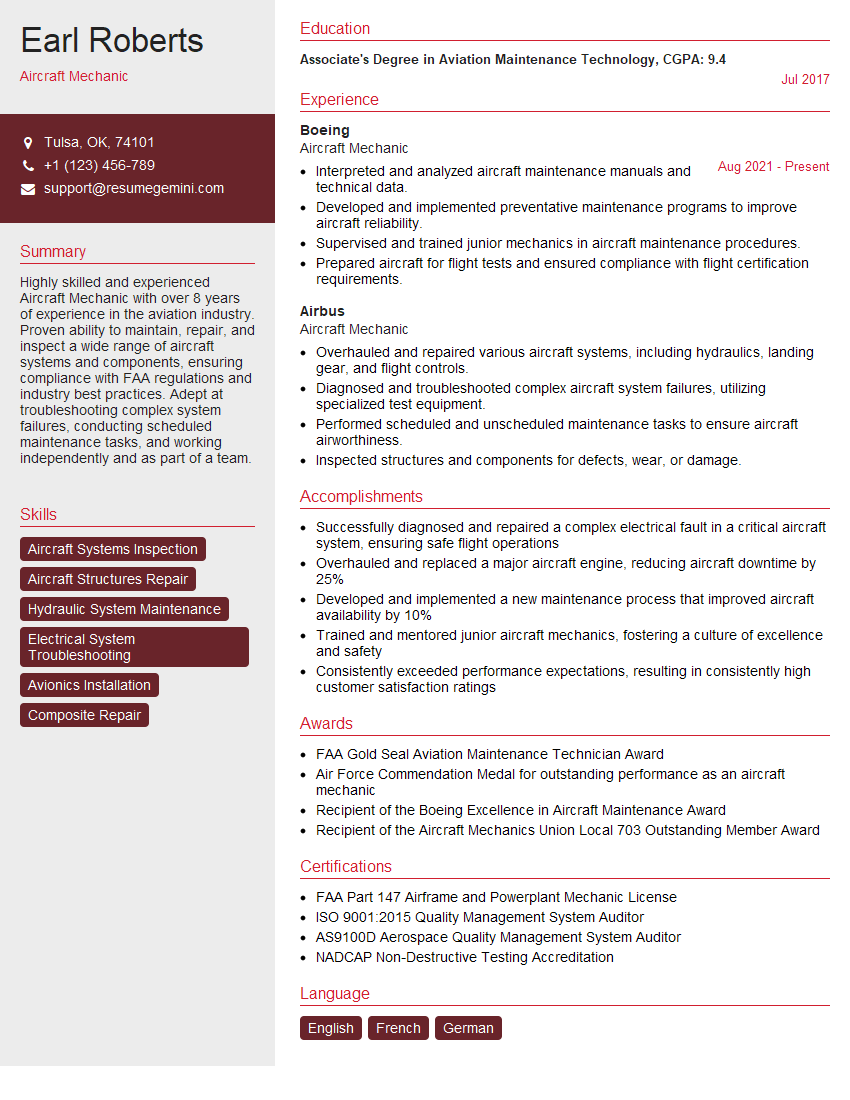
Aircraft Mechanic Resume Sample
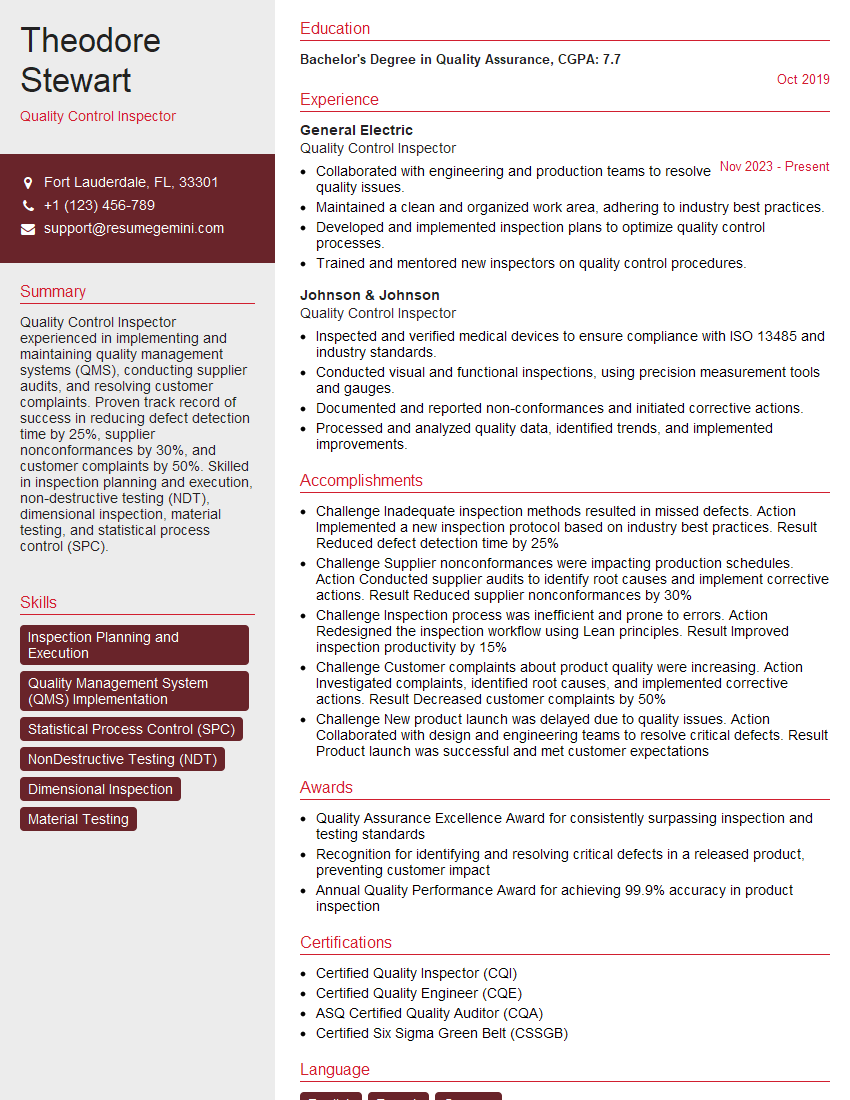
Quality Control Inspector Resume Sample
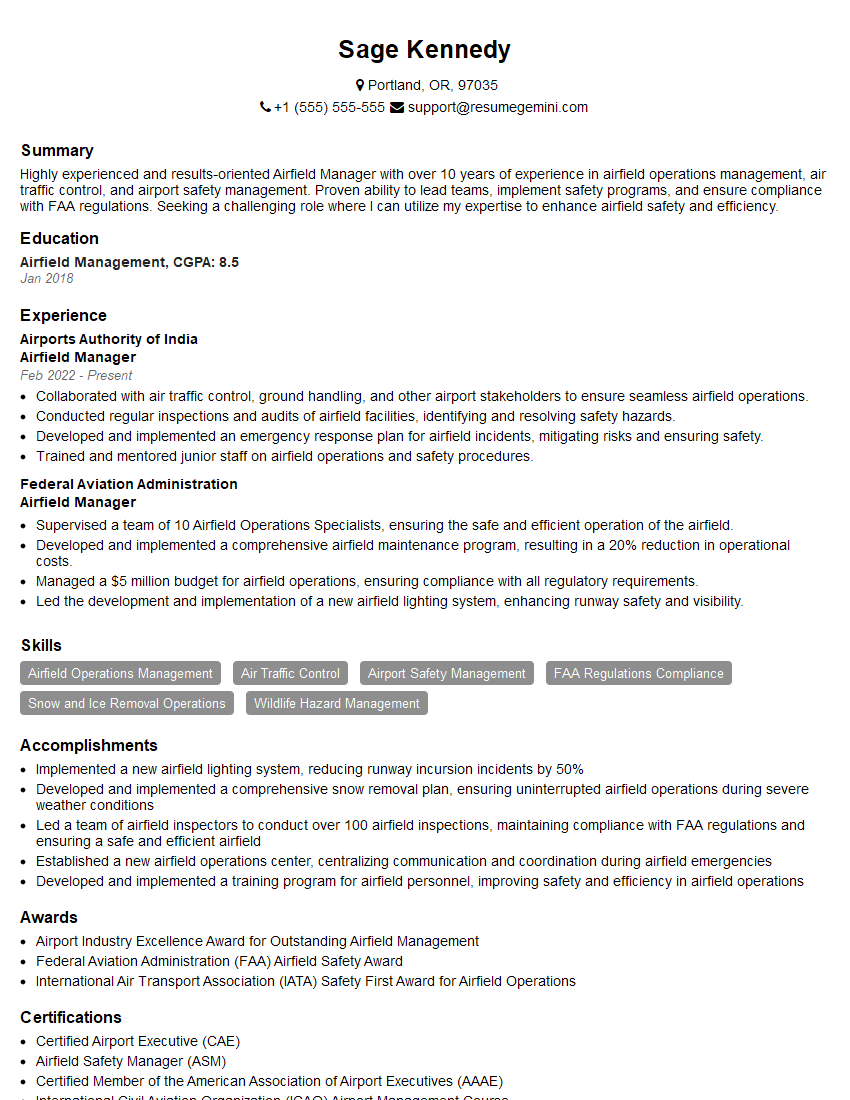
Airfield Manager Resume Sample
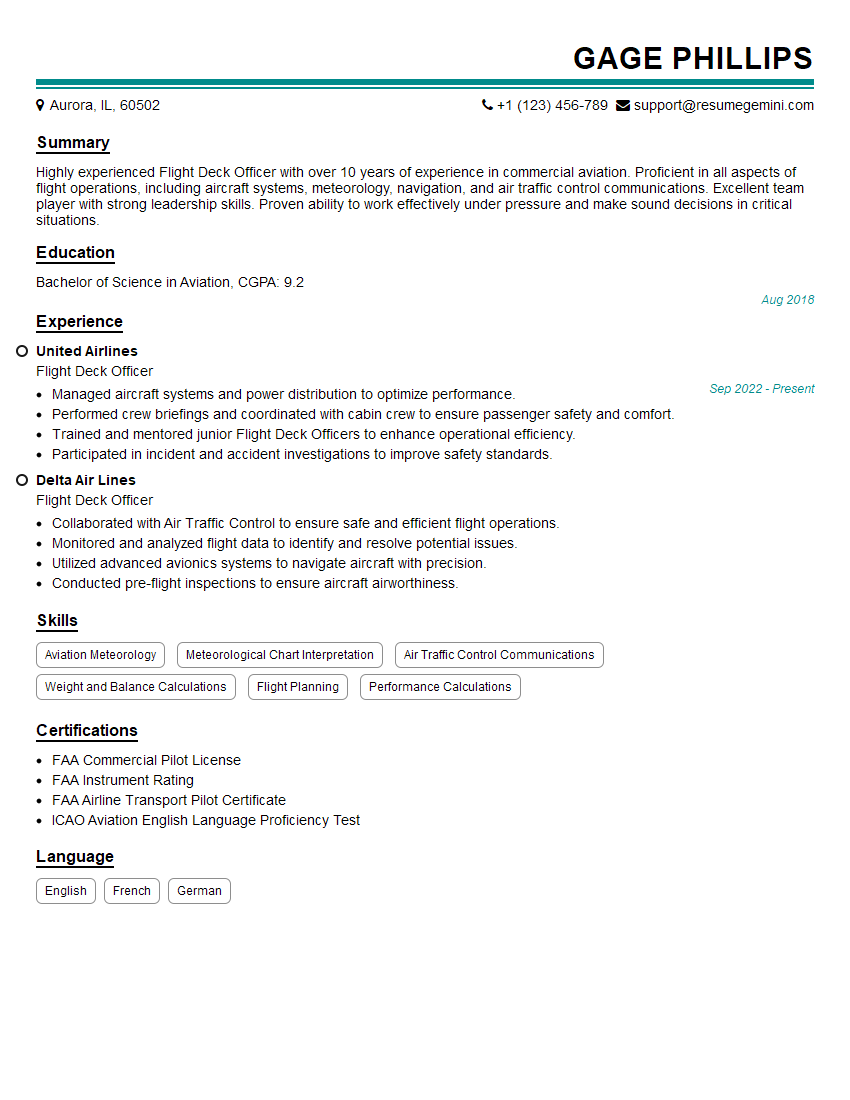
Flight Deck Officer Resume Sample
Explore more articles
Users Rating of Our Blogs
Share Your Experience
We value your feedback! Please rate our content and share your thoughts (optional).
What Readers Say About Our Blog
Very informative content, great job.
good